
Articles
183 open-access articles · page 1 of 10
 Research Article
Insect Gut Microbiome as a Frontier in Plastic Biodegradation: An In-Depth Review of Enzymatic Mechanisms and Approaches for Polymer Degradation Analysis
Zahid Ali, Umm E Habiba Saeed, Ahsan Munir, Mariyam Khan, Naira Yaseen, Rukhma Waris et al.
The process of breaking down synthetic polymer chains into smaller molecules or fully mineralized end products like CO2 and H2O through physical, chemical, or biological mechanisms is known as plastic degradation. Most commercial plastics are extremely resista…
21 Oct 2026DOI 10.17582/journal.biol/2026/72.2.126.134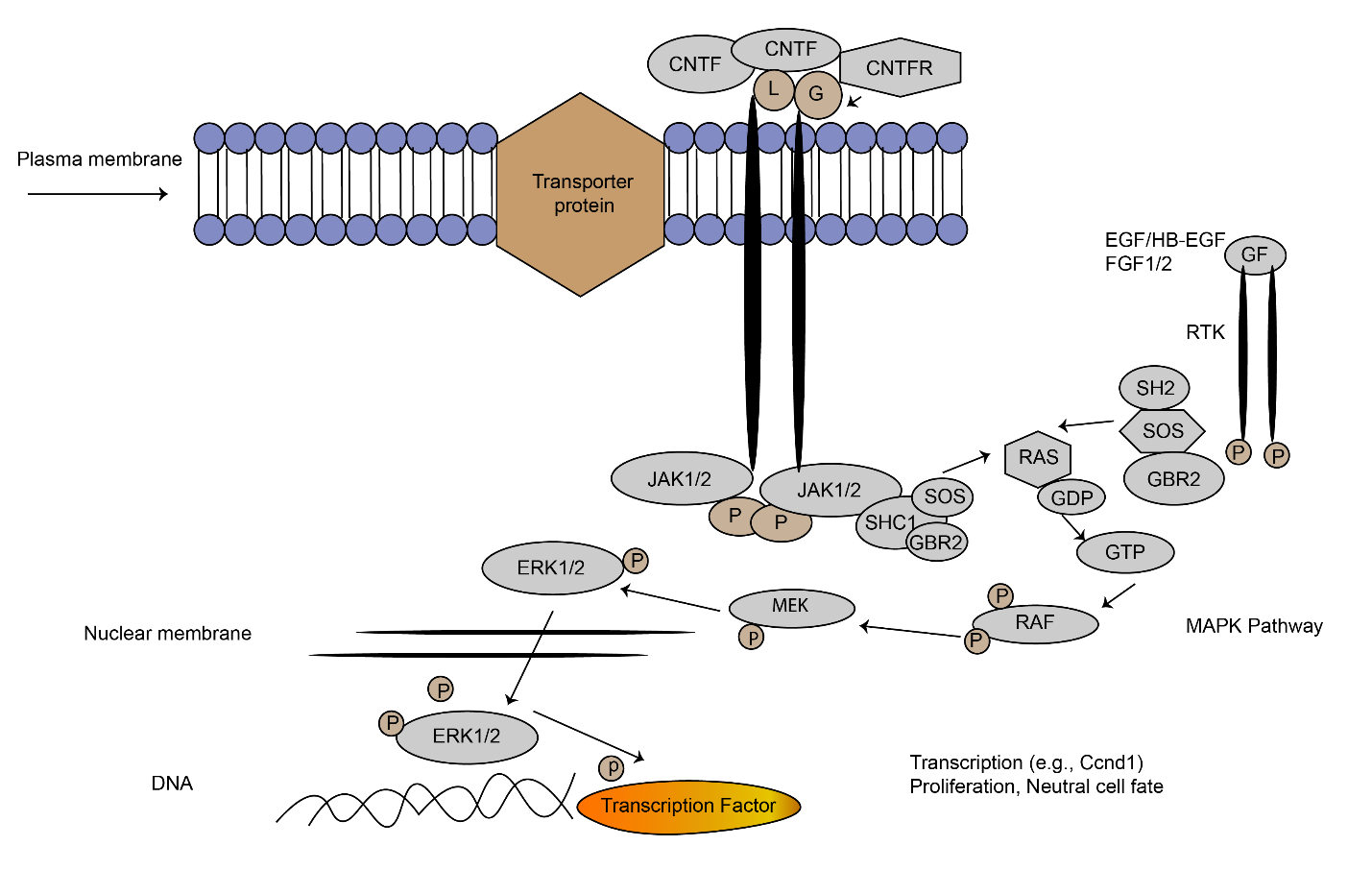 Review
An Integrative Framework of Different Organs’ Regeneration in Zebra Fish
Mehwish Khalid, Aftab yaseen3#, Masum Billah, Nosheen khalid, Aamir Ali, Faryal Gohar
Zebrafish (Danio rerio) are one of the most effective models for researching multi-organ regenerative processes. Regeneration is an amazing biological phenomenon that differs greatly among vertebrates. Zebrafish have the capacity to effectively regenerate comp…
20 Oct 2026DOI 10.17582/journal/2026/72.2.111.125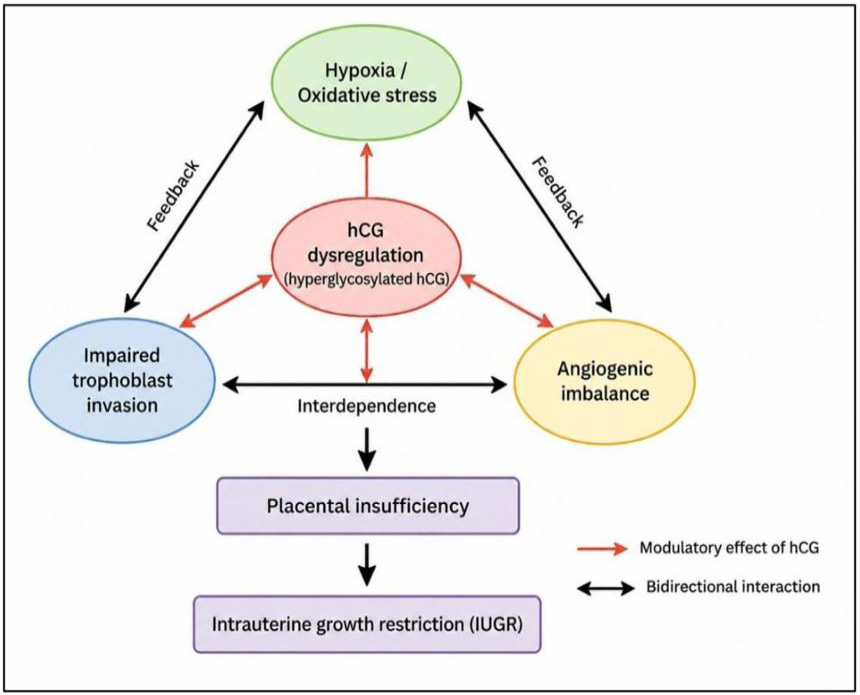 Review
Role of Human Chorionic Gonadotropin Dysregulation in Intrauterine Growth Restriction: Mechanisms and Clinical Implications
Amna Bibi, Maham Naseem
Placental maladaptation due to defective trophoblast invasion, vascular remodeling and molecular signaling defects are the primary factors that cause intrauterine growth restriction (IUGR). Besides its classical endocrine functions, human chorionic gonadotropi…
14 Sept 2026DOI 10.17582/journal.biologia/2026/72.2.86.101 Research Article
Combined Effect of Obesity Indices and Biochemical Parameters in Predicting Cardio-Metabolic Disease Risk
Nimra Shafi, Syeda Fatima, Mariyam Khan, Kinza Tahir, Ghazala Kaukab Raja, Isra Athar et al.
Cardio-metabolic diseases are rapidly rising in Pakistan since previous years. Overweight and Obesity are major factor for developing these diseases and also linked with various metabolic illnesses like insulin resistance, hypertension, and dyslipidemia. This…
14 Sept 2026DOI 10.17582/journal.biologia/2026/72.2.102.110 Review
Impact of Environmental Stress on Labeo rohita Physiology
Iram Asad, Mubashar Hussain, Sheeza Sakhawat, Arooj Fatima, Aniza Iftikhar
The Labeo rohita is one of the most valuable freshwater fish species, which has an important role in the aquaculture production in South Asian countries, including Pakistan, India, and Bangladesh, and is also a commercially important fish species in South Asia…
3 Sept 2026DOI 10.17582/journal.biologia/2026/72.2.75.85 Research Article
Exploring the Production, Purification, and Multifaceted Potential of Tyrosinase: A Review
Zainab Mehmood, Laiba Javed, Minahil Razzaq, Muskaan Azeem, Zobia Mubeen, Sameeha Shakeel
Tyrosinase E.C 1.14.18.1 is a copper-dependent oxidase enzyme that catalyses oxidation reactions in many biological systems and is also involved in melanin production. Due to its diverse functional properties, tyrosinase has attracted substantial attention in…
27 Jul 2026DOI 10.17582/journal.biologia/2026/72.2.67.74 Research Article
Assessment of Multidrug-Resistant Bacteria in Karachi Urban Sewage and their Clinical Implications
Azlan Kashif, Fizza Batool, Afira Waqar
Antimicrobial resistance (AMR) is a current global public health concern with uncontrolled use of antimicrobials, especially antibiotics, and environmental systems like urban sewage are significant reservoirs of antibiotic-resistant bacteria (ARB). In this stu…
27 Jun 2026DOI 10.17582/journal.biologia/2026/72.1.55.66 Research Article
Metabolism and Toxic Effects of Xenobiotics on Humans: An Overview
Sadia Altaf, Nawaira Fatima, Narmeen Shahzad, Syrut Nasir, Neha Ilyas, Laiba Shakeel
In today’s chemically intensified world, humans are continuously exposed to a wide range of xenobiotics, foreign compounds originating from food, air, water, pharmaceuticals, and industrial sources. Although many of these substances are present at trace…
26 Jun 2026DOI 10.17582/journal.biologia/2026/72.1.29.42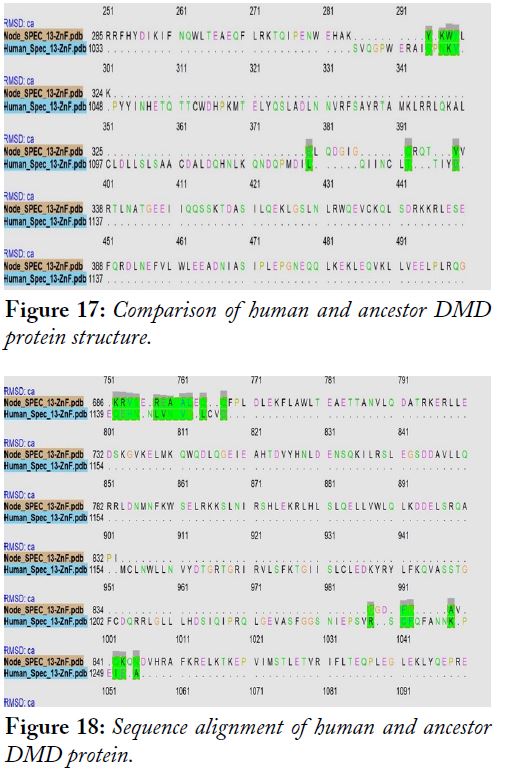 Research Article
Identification of Genomic Signatures Underlying Human-Specific Skeletal Morphology During Primates Evolution
Syrut Nasir, Freeha Shahbaz, Zuha Ehsan, Tahira Shaheen Butt, Uswa Meenal, Isra Arshad
Human evolution is driven by mutation and natural selection, yet the genomic basis of human-specific skeletal traits remains obscure. The primary objective was to investigate the genetic variations in the Duchenne Muscular Dystrophy (DMD) gene and their impact…
26 Jun 2026DOI 10.17582/journal.biologia/2026/72.1.14.28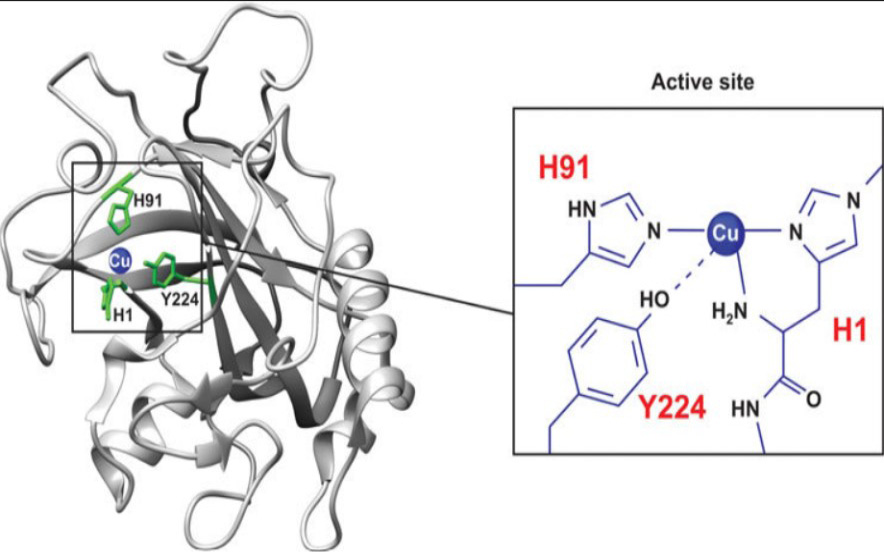 Review
Microbial Lytic Polysaccharide Monooxygenases: Production, Purification and Bio-Industrial Applications: A Comprehensive Review
Syeda Quratulain Gillani, Aliya Jabbar, Fareed Ahmed, Asma Nadeem, Maham Sabir, Sheza Fatima Bajwa
Lytic polysaccharide monooxygenases EC 1.14.99 are copper-dependent oxidative enzymes that play an essential role in the degradation of highly recalcitrant polysaccharides such as cellulose and chitin. They are widely distributed in fungi, bacteria and some ma…
26 Jun 2026DOI 10.17582/journal.biologia/2026/72.1.43.54 Research Article
A One Health Approach to the Farm to Slaughter Continuum: Comparative Risk Assessment Index (CRAI) Analysis of Farm Management and Slaughterhouse Practices Affecting Cattle Health and Meat Safety in Karachi, Pakistan
Rimsha Naseem, Roohi Kanwal, Faiza Ali, Shabana Bano
This research assesses the integrated effects of farm management and slaughterhouse practices on cattle health and meat safety through a One Health approach in Karachi. A Comparative Risk Assessment Index (CRAI) was constructed to consider important variables…
26 May 2026DOI 10.17582/journal.biologia/2026/72.1.01.13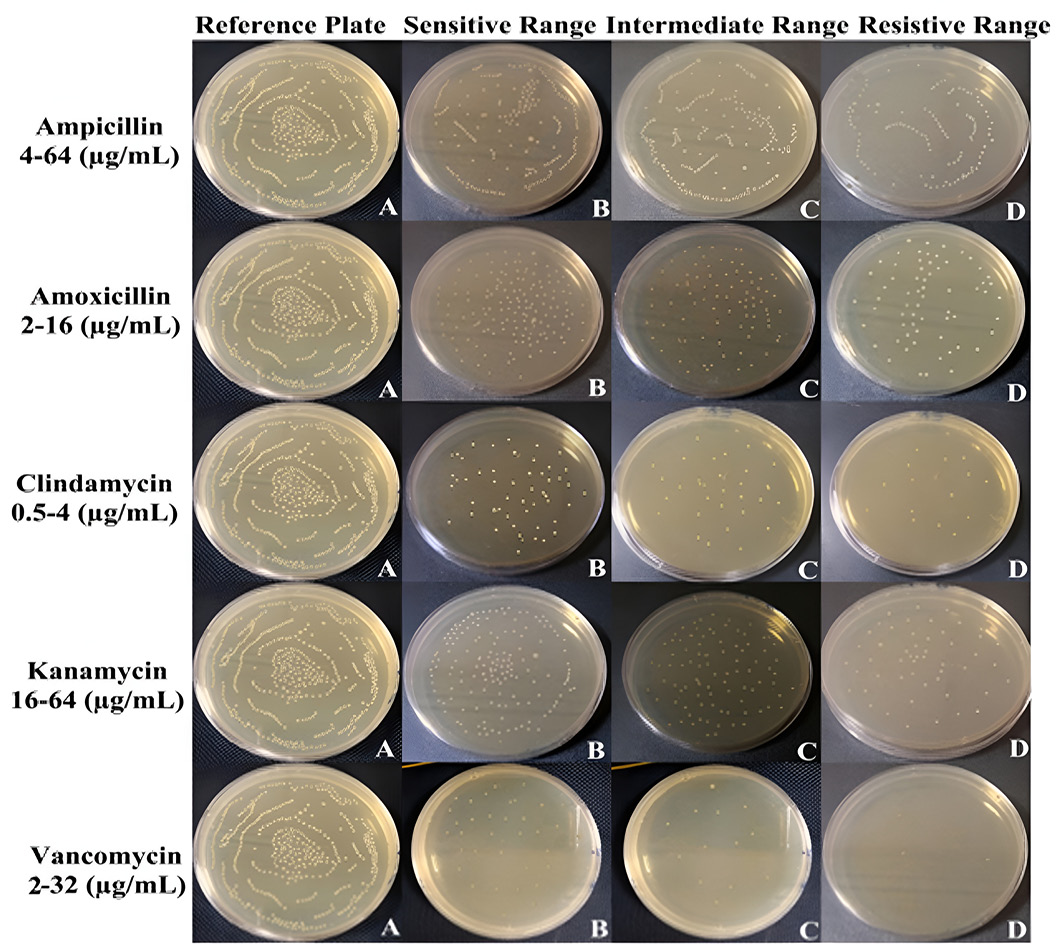 Research Article
Molecular Characterization of Putative Drug and Vaccine Targets for Staphylococcus aureus Strain Isolated from Gujrat, Pakistan
Komal Imran, Ayesha, Freeha Shahbaz, Tahira Shaheen Butt, Uswa Meenal, Kalsoom Sughra et al.
Staphylococcus aureus a Gram-positive coccus is recognized as the most common cause of hospital and community-acquired infections in Pakistan. Due to increase in the number of multidrug-resistant bacterial strains, there is an extensive need to identify curren…
24 May 2026DOI 10.17582/journal/2025/71.2.88.102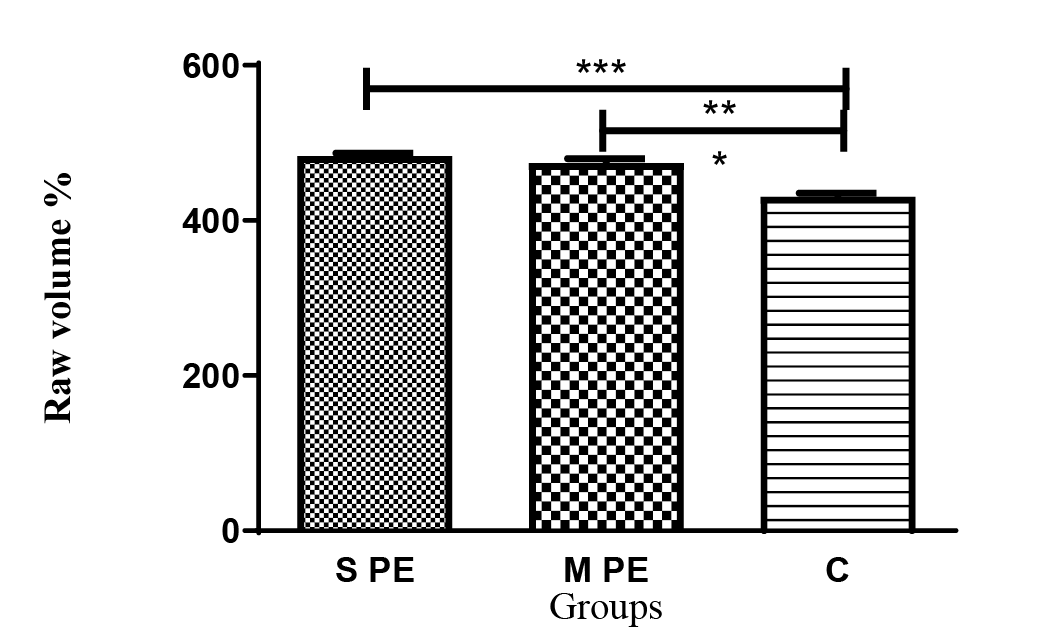 Research Article
Protective Role of Serum Amyloid P Component and Ceruloplasmin in Preeclampsia
Aasia Sharif, Nabila Roohi
Preeclampsia is a complex disorder affecting women’s health. Although the pathophysiology of PE remains unclear, placental ischemia is widely regarded as a key factor. Timely detection and appropriate management are essential to avoiding serious complica…
18 May 2026DOI 10.17582/journal.Biologia/2025/71.2.82.87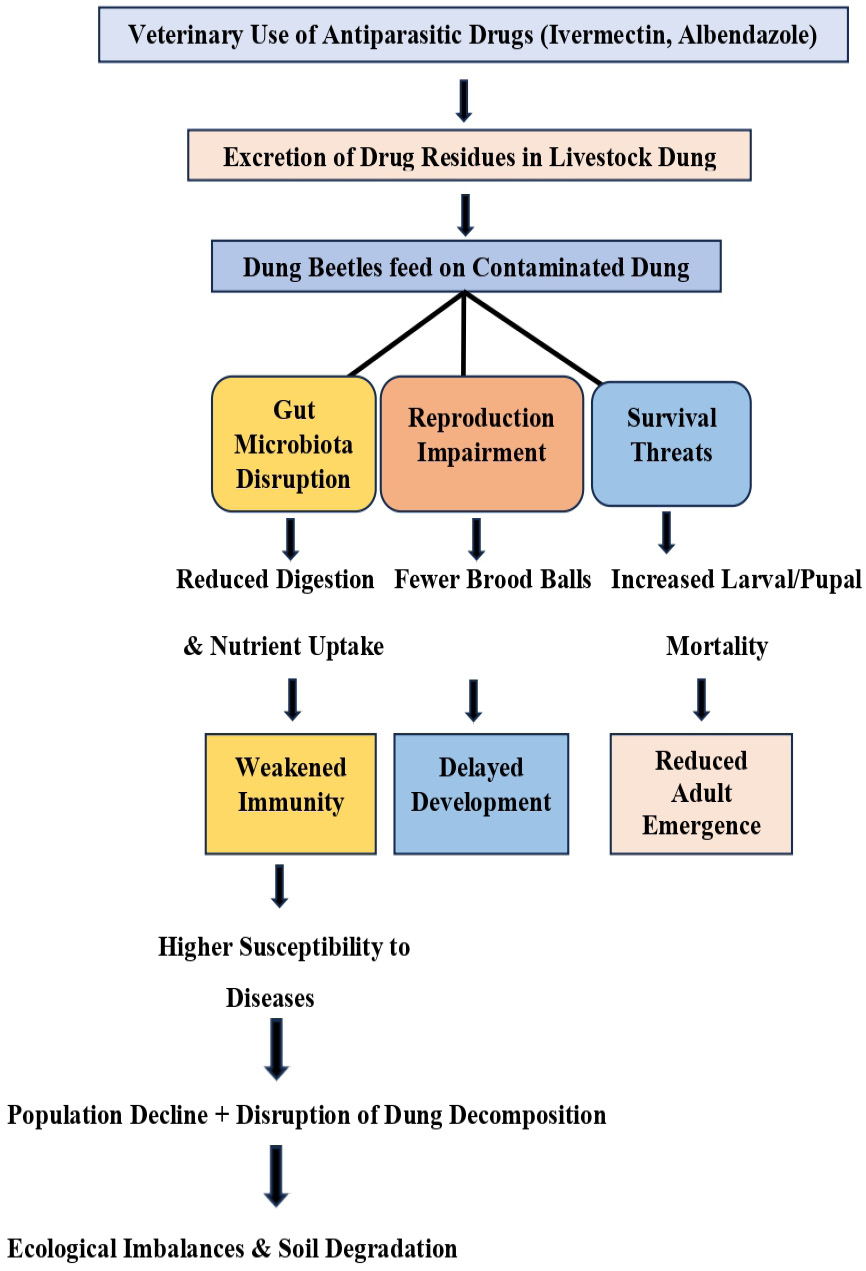 Review
Health Risks and Ecosystem-Level Implications of Veterinary Antiparasitic Drugs in Scarabaeid Dung Beetles
Yasal Cheema, Mubashar Hussain, Sheeza Sakhawat, Aqsa Noreen, Iqra Nawaz, Aniza Iftikhar et al.
Dung beetles are crucial contributors to ecosystem health, supporting nutrient cycling, soil aeration, parasite suppression, and seed dispersal. Widespread use of veterinary antiparasitic drugs, particularly ivermectin and albendazole, poses a significant thre…
2 May 2026DOI 10.17582/journal.Biologia/2025/71.2.71.81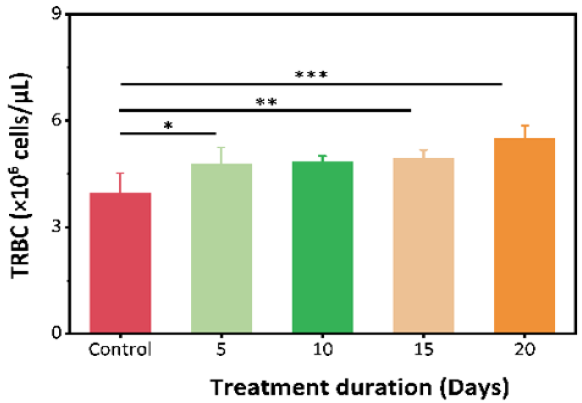 Research Article
The Haemato-Pharmaceutical Studies of Cyproterone Acetate in Coturnix coturnix (Common Quail)
Hassan Raza, Nayab Fatima, Kiran Aftab, Muhammad Akbar Khan, Yusra Ashfaq, Hasnain Raza et al.
The hematological and biochemical effects of cyproterone acetate/ethinylestradiol (CPA/EE) in adult male common quail (Coturnix coturnix) in ex situ conditions were assessed in this work. Ten of the fifty birds were used as untreated controls, and forty of the…
23 Jan 2026DOI 10.17582/journal.Biologia/2025/71.2.63.70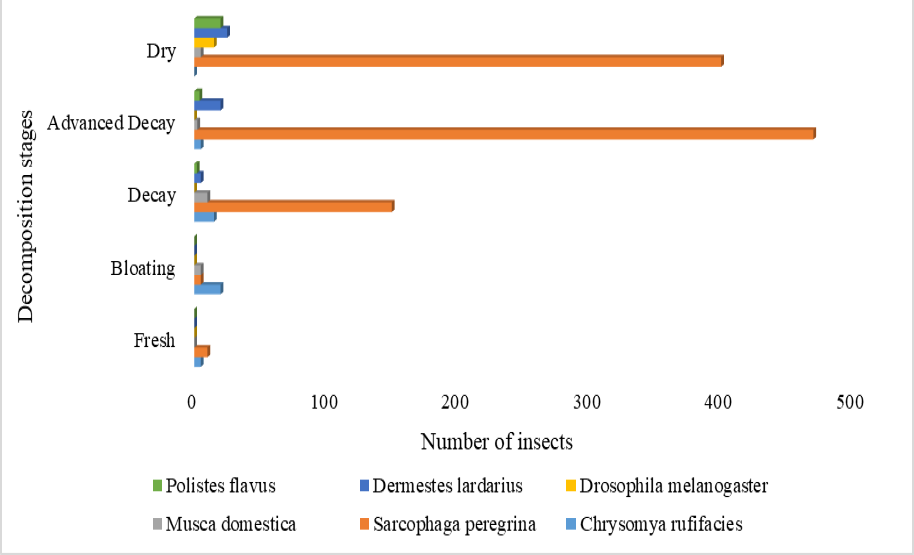 Research Article
Temporal Dynamics of Insect Fauna in Indoor Decomposing Chicken Carcass in Gujrat, Pakistan
Memoona Mehndi, Ujala Mehndi, Kiran Aftab, Razia Iqbal
Forensic entomology employs scientific methods to determine the time of an organism’s death by analyzing insect communities as biological indicators. For this purpose, in the present study, insect fauna was identified from the restricted carcass of the b…
8 Oct 2025DOI 10.17582/journal.Biologia/2025/71.2.53.62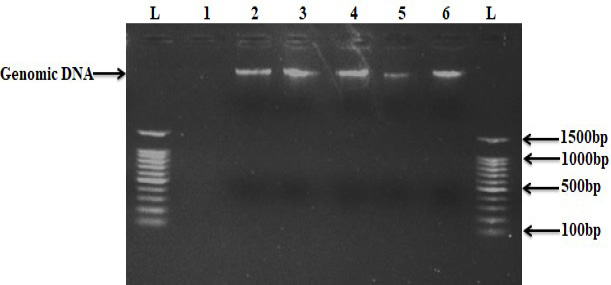 Research Article
Analysis of a Single Nucleotide Polymorphism of HBBP1 Gene (rs2071348) with HbF Level in β-Thalassemia Major Patients of Sialkot, Pakistan
Tahara Ashraf, Muhammad Hassan Siddiqi, Rabia Afzal, Shabana Khadim, Ali Amar
HBBP1 (Hemoglobin Subunit Beta Pseudogene 1) is a pseudogene that plays a transcriptional role in erythroid lineage development by binding RNA-binding proteins, triggering β-globin gene expression, and presumably influencing the severity of β-thalass…
30 Jul 2025DOI 10.17582/journal.Biologia/2025/71.1.43.52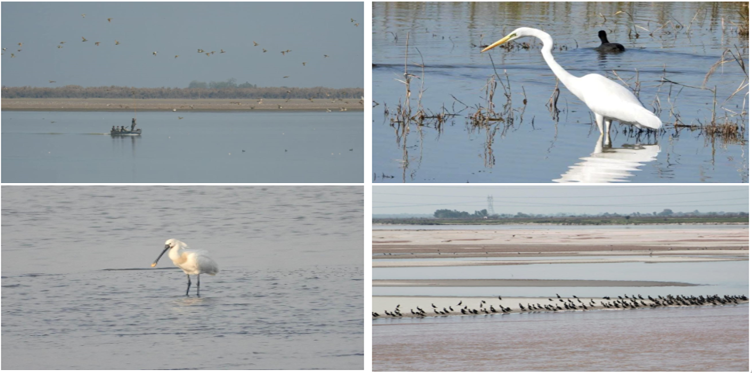 Research Article
Assessment of Avian Assemblage from different Microhabitats in Bajwat Wetland, Punjab, Pakistan
Gulzaman William, Muhammad Azhar Ali, Malik Shahzaib Khalid, Burhan Hafeez, Mohsan Raza, Aqsa Naeem
The loss and degradation of wetland habitats have posed a serious threat to bird biodiversity, especially in regions where ecological data is scarce. Bajwat Wetland (32°41’04.0”N, 74°32’43.1”E), covering 14,319 acres in northern…
30 Jul 2025DOI 10.17582/journal.Biologia/2025/71.1.27.42- Review
Biological Rhythms in Drosophila melanogaster: Genetic Regulation, Adaptation, and Ecological Significance
Mubashar Hussain, Sheeza Sakhawat, Aniza Iftikhar
Drosophila melanogaster (Drosophilidae: Diptera) has been a preferred model organism for studying biological rhythms, owing to its short life cycle, genetic simplicity, and fully sequenced genome. Biorhythms in D. melanogaster include circadian (~24 hours), ul…
29 Jul 2025DOI 10.17582/journal.Biologia/2025/71.1.19.26 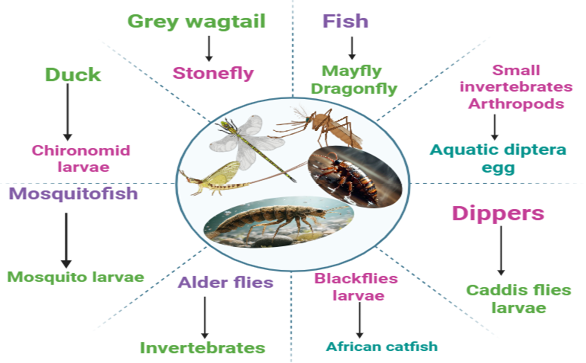 Research Article
Aquatic Ecosystem and Insects: A Scientific Review of Assessing the Ecological Role of Insects in Freshwater Ecosystems
Iram Asad, Mubashar Hussain, Arooj Fatima, Sheeza Sakhawat, Sana Fatima, Memoona Kanwal et al.
Insects (Arthropoda: Insecta) are integral to all terrestrial and aquatic ecosystems. They provide various ecosystem services such as nutrient recycling, seed dispersal, predation, and soil improvement and serve as important links in many food chains. In aquat…
29 Jul 2025DOI 10.17582/journal.Biologia/2025/71.1.06.18