
Cardio-metabolic diseases are rapidly rising in Pakistan since previous years. Overweight and Obesity are major factor for developing these diseases and also linked with various metabolic illnesses like insulin resistance, hypertension, and dyslipidemia. This study aimed to evaluate the synergistic effects obesity indices and other related parameters in predicting cardio-metabolic risks. Participants on BMI basses were classified in into normal weight (22.51%), overweight (.34%), and obese (46.13%) groups. ANOVA, Correlation analysis and relative excess risk due to interaction analysis was performed for the estimation of combined effect. Our results indicated strong interactive effect of triglyceride with diastolic blood pressure and VAI with LDL, FBG and waist circumference for the prediction of cardio-metabolic disease risk. Visceral adeposity index and waist circumference showed the strongest synergistic association with RERI value up to 11.496, therefore super-additive effect was observed Overall our findings suggest that visceral adeposity index in combination with waist circumference may serve as better marker for identification of individuals at higher cardio-metabolic risks in the Pakistani population. However further studies are required to validate their predictive utility.
Research Article · Volume 72, Issue 2, 14 September 2026 · Open Access
Combined Effect of Obesity Indices and Biochemical Parameters in Predicting Cardio-Metabolic Disease Risk
· · · · · ·
Affiliations & Notes ⌄
- 1Department of Biochemistry, University of Sialkot, Sialkot, Pakistan
- 2Department of Biochemistry, NUR International University, Lahore, Pakistan
- 3International Institute of Technology, Culture and Health Sciences, Gujranwala, Pakistan
- 4Department of Biochemistry and Biotechnology PMAS Arid Agriculture Rawalpindi, Pakistan
- 5Department of Biochemistry and Biotechnology, University of Gujrat, Gujrat, Pakistan. *Correspondence | Muhammad Saqlain, Department of Biochemistry, University of Sialkot, Sialkot, Pakistan
- 6Email: rajamuhammadsaqlain@gmail.com
Article Info ⌄
- Journal:
- Biologia (Lahore)
- Published:
- 14 September 2026
From the article
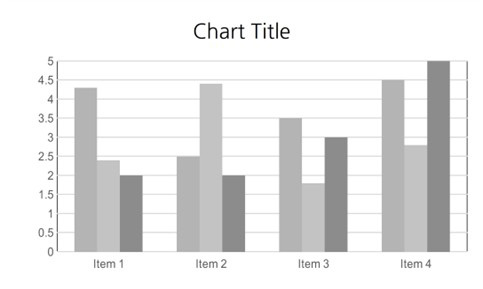
- The population was 22.51% normal weight with 9.71% normal and 12.80% higher waist to hip ratio, 31.34% overweight with 9.05% normal and 22.29% higher WHR and 46.13% obese 7.50% normal and 38.63 % with higher waist to hip ratio (WHR) Figure 1.
- Our results showed combination of VAI with LDL, FBG and waist circumference have higher interaction with cardio-metabolic disease risk similarly TG and diastolic blood pressure in combination have super additive effect for developing CMB risk (Table 2).
- The data of studied subjects indicated higher values of WHR in all categories of BMI.
- Mean weight (kg) of normal BMI subjects was 70.843±10.429a Kg was observed while significantly higher weight (81.212±7.643b) in subjects with obese BMI was observed.
Selected from the article's own text.
Abstract
Introduction
Cardio-metabolic diseases as diabetes, NAFLD, cardiovascular diseases and hypertension considered to be at an alarming rate and epidemic proportions in Pakistan . Cardio-metabolic syndrome associated with obesity is a major contributor to rise healthcare costs in our society and reduction in life expectancy. The cardio-metabolic syndrome is known as “New World Syndrome” and “Lifestyle syndrome” that lead to doubled the risk of diseases in countries . The cardiovascular diseases increased from 2010 to 2030 due to lipid profile, blood pressure and blood glucose in population growth and aging . Obesity is a chronic disease defined by the World Health Organization as the abnormal or excess fat which is progressive, heterogenous and relapsing in the body and is imbalanced by various factors such as metabolic, genetic, environmental and behavioral . It is a complex disease which may lead to multimorbidity due to multiplicative risk factors for middle aged and older adults ; . It has become a major concern now a days that obesity kills more people in countries than underweight and has a negative impact on health problem ; . The evidence suggests that the distribution of adiposity tissue and heterogeneity of fat composition can be crucial to cardiometabolic disruption . It is a metabolic syndrome that together with the clustering and combination of anthropometric measurements and lipid 2 profile increase the risk of cardiovascular diseases along with other components as insulin resistance, hypertension, dyslipidemia and diabetes . The metabolic syndrome underlying obesity is a strong predictor and has fueled the prevalence of cardio-metabolic diseases with other components being dyslipidemia (high TAG and Low HDL) and elevated levels of blood pressure and blood glucose . These components have independent effect but the clustering of these factors had synergistic effect that increase the risk of diseases . The National Cholesterol Education Expert Panel defined components in persons with at least three of containing these components consider as having metabolic syndrome which are: (1) Waist Circumference >88 cm in females and >102cm in men. (2) High density lipoprotein-cholesterol as 100mg/dl, markers of glucose control include HbA1c (4) fasting triglycerides >150mg/dl ; . The Current International Task Force (IOTF) estimates that 312 million global populations are obese [body mass index (BMI) > 30kg/m-2]. For men and women, the rates of obesity (BMI >30 kg/m-2) are similar. The World Health Organization global burden of disease project by IOTF analysis the comparative burden of disease where the cluster of hypertensions, raised BMI, raised cholesterol in both developed and developing countries where physical inactivity and poor dietary intake also considered . By 2025, the prevalence of obesity reaches 21% in females and 18% in males. Increasing rates of obesity affects one -sixth of children and one third of adults and further increase cardio-metabolic diseases in the United States . According to United States, the recent data evaluates that level of obesity above Body mass index BMI>45 kgm-2 reduce the life expectancy in women up to 8 years and in men up to 13 years between aged 20- 3 30 years. According to WHO, the overall rate is 16% to 11% of all deaths in the world while in Pakistan this rate is 8.02%. The diabetes (18.7% overall), hypertension was present 42.5 %, hyperlipidemia was present as 47.1% the most common risk factor and 36.8% of obese patients . The prevalence of obesity has been increased in youth, in men after age 30 and women after age 40 increased with age, changes in body composition and sex groups. The ratio was expected to become 17.5 million in 2012, 17.9 million in 2016 and by 2023 went to 22.2 million . By Pakistan National Health Survey (PNS), the data from populations are analyzed to compare and identify the fat and obesity. The information about anthropometric measurements of fat and obesity is scarce in Pakistan. The cut-off values carry the same risk remains to be determined in Pakistani population. In this report, the objectives are: the measure of individuals weight and their body mass index, central obesity (waist to hip ratio), to define the synergetic measures of obesity for development of cardio-metabolic diseases in Pakistan . In Pakistan, the high rate of individuals associated with obesity due to BMI and waist to hip ratio (WHR) . The factors combined association with the waist to hip ratio and body mass index is considered the diagnostic and screened criteria for obesity. All these risk factors increase with age are more common in older than younger individual in the estimation of cardiometabolic risks in the clinical and general population . The clustering of risk variables across a continuum, skin folds, waist girths, using relative weights or other measures of adiposity is strongly linked to cardio-metabolic diseases . The cut-off points of anthropometric indices associated with obesity in different populations are studied because of ethnic/racial differences which better predict diseases 24. Body mass index (BMI >30) measure overall adiposity associated with different phenotypes 35 that are prognostic for cardiometabolic outcomes . WC defined the central obesity is considered the effective index for measuring the distribution of visceral fat to predict cardio-metabolic diseases . According to WHO, the waist circumference cut-off values is >80 cm for females and >90 cm for males. The hip circumference (HC) also shows strong association of risk profiles between cardiovascular diseases and metabolic syndrome. Waist to hip ration (WHR) is more sensitive to any change in waist and hip region . The BMI and WHR has a correlation and considered thresholds as indicators for measuring abdominal fat mass to classify obesity for identifying patients at risk . The pronounced effect on WC and decrease in WHR decrease abdominal fat accompanied by reduction in hip circumference. So, no study has looked and conducted the synergistic effect of clustering of obesity-related risk factors and cardio-metabolic diseases in local district of Sialkot, Pakistan. The best synergistic anthropometric indicators effect for cardio-metabolic diseases still remains inconsistent. We conducted study in which we identify and compare the combined effect of body mass index and waist to hip ratio which better predict and lead to development of disease.
Materials and Methods
The subjects were interviewed and signed written informed consent was obtained. The random blood sampling of 453 patients was done from hospitals and general population. The questionnaire regarding demographic information and history of any disease in family were filled by subjects.
Cardiometabolic risk was defined as the presence of more than 3 of the following components, adapted from IDF guidelines. Acoording to these guidelines (i) elevated waist circumference (≥90 cm men, ≥80 cm women, (ii) elevated triglycerides (≥150 mg/dL), (iii) reduced HDL-cholesterol (<40 mg/dL men, <50 mg/dL women), (iv) elevated fasting blood glucose (≥100 mg/dL) and (v) elevated blood pressure (≥130/85 mmHg). Participants meeting ≥3 criteria were classified as ‘at cardiometabolic risk’ and this binary variable was used as the dependent variable in the regression analyses. The obese subjects were selected according to BMI Cut off value for Asian population, for the categorization central obesity waist circumference and waist to hip ratio was measured. The women with >80 cm men with >90 cm of waist circumference were considered as central obese. The exclusion criteria consisted of disease history of patients. This study was approved by ethical committee for the use of human subjects University of Sialkot. Blood samples were collected for analysis and estimation of biochemical parameters.
After collection of data the record was maintained on MS Excel worksheets, Statistical analysis was performed by using IBM SPSS statistics, version 25.0. . Analysis of variance (ANOVA) was done followed by a multiple comparison test: statistical significance cutoff was adjusted at p <0.017. Post-hoc pairwise comparisons between BMI groups were adjusted for multiple testing using the Bonferroni correction; an adjusted p-value < 0.05 (family-wise) was considered statistically significant. Comparison of anthropocentric measurements and biochemical parameters of underweight, overweight and obese subjects with normal and higher waist to hip ratio was done.
Results
The sample consisted of 453 individuals, 67.99% females and 32.01% males. The population was 22.51% normal weight with 9.71% normal and 12.80% higher waist to hip ratio, 31.34% overweight with 9.05% normal and 22.29% higher WHR and 46.13% obese 7.50% normal and 38.63 % with higher waist to hip ratio (WHR) Figure 1.
The subjects data was further categories on the bases of BMI and WHR. According to BMI values for Asian population the subjects were further subdivided into three categories underweight, overweight and obese. Similarly, for WHR two categories were made normal and higher BMR. Our results showed significant decreasing pattern in height of studied subjects and significant increasing pattern of weight was observed. In BMI group significant difference in waist circumference (WC), Hip circumference (HC) and waist to hip ratio (WHR) was observed.
Comparison of the clinical data showed significant increase in blood pressure (both systolic and diastolic) while in lipid profile all the parameters showed significant increase from normal weight to obese except which significant decreased level. Similarly increasing values of blood sugar random, fastening and visceral adiposity index also showed increasing patteren from normal weight to obese subjects (Table 1).
For the measurement of combined effect of studied parameters initially the individual effect was measured by applying the universalist and multivariate logistic regression analysis was performed. After logistic regression analysis pair-wise interaction analysis was performed. Furthermore, for the calculation of relative excess risk due to interaction (RERI) analysis was performed to confirm combined effect of studied parameters. Our results showed combination of VAI with LDL, FBG and waist circumference have higher interaction with cardio-metabolic disease risk similarly TG and diastolic blood pressure in combination have super additive effect for developing CMB risk (Table 2). among these interactions VAI and WC showed highest RERI score (11.496) and indicated that this combination has highest association with CMB risk.
Table 1: Comparison of studied parameters among BMI and WHR groups.
|
Parameter |
Body mass index (BMI) |
Waist to Hip ratio |
|||||
|
Normal (<22.9) n-102 |
Overweight (23-24.9) n=142 |
Obese (>25) n=209 |
p-value |
Normal |
Central obese |
p-value |
|
|
Age (years) |
35.96±15.755b |
33.23±13.397a |
37.27± 14.154c |
0.034 |
33.54± 13.841 |
36.48± 14.506 |
0.055 |
|
Height (cm) |
181.689±14.264 a |
168.995±7.768 b |
166.984± 8.404 c |
<0.0001 |
174.284± 11.572 |
169.729± 11.192 |
<0.0001 |
|
Weight (kg) |
70.843±10.429 a |
71.845±9.097 a |
81.212± 7.643 b |
<0.0001 |
75.403± 9.727 |
76.132± 10.169 |
0.497 |
|
BMI |
---- |
---- |
---- |
24.944± 3.432 |
26.522± 3.492 |
<0.0001 |
|
|
WC |
86.419±19.243 a |
99.852±25.180 b |
107.344± 26.849c |
<0.0001 |
95.564± 26.243 |
101.966± 25.816 |
0.021 |
|
HC |
87.23±7.869 a |
98.54±10.482 b |
116.22± 10.099 c |
<0.0001 |
97.91± 14.529 |
106.38± 15.099 |
<0.0001 |
|
WHR |
0.92±0.237 a |
0.93±.031 b |
0.94± .037 c |
<0.0001 |
--- |
--- |
---- |
|
Systolic BP |
122.892±13.756 a |
125.942±14.261 b |
129.931± 14.082 c |
<0.0001 |
124.820± 14.386 |
127.880± 14.324 |
0.04 |
|
Diastolic BP |
78.764±9.370 a |
83.717±11.376 b |
82.331± 11.047 b |
0.002 |
81.358± 11.857 |
82.150± 10.579 |
0.502 |
|
Chol (mmol/L) |
3.816±.993 a |
4.189±1.083 b |
4.198± 1.161 c |
0.010 |
4.025± .990 |
4.137± 1.148 |
0.353 |
|
HDL (mmol/L) |
1.547±.394 a |
1.508±.483 a |
1.284± .494 b |
<0.0001 |
1.510± .427 |
1.382± .498 |
0.0014 |
|
LDL (mmol/L) |
1.992±.921 a |
2.348±1.050 b |
2.597± 1.123 b |
<0.0001 |
2.207± .959 |
2.442± 1.116 |
0.0044 |
|
TG (mmol/L) |
1.393±.550 a |
1.644±.667 b |
1.622± .641 b |
0.004 |
1.533± .543 |
1.592± .666 |
0.391 |
|
VLDL (mmol/L) |
0.277±.098 a |
0.329±.133 b |
0.325± .126 b |
0.002 |
.306± .106 |
.318± .129 |
0.355 |
|
BSR (mmol/L) |
8.41±4.747 b |
7.398±2.741 a |
9.108± 4.734 c |
0.012 |
8.663± 5.191 |
8.453± 4.047 |
0.700 |
|
FBG (mmol/L) |
5.613±1.655 a |
5.176±1.170 a |
6.451± 3.148 b |
<0.0001 |
5.575± 1.606 |
5.965± 2.661 |
0.134 |
|
VAI |
0.817±.928 a |
1.195±1.246 b |
1.525± 1.783 b |
0.001 |
1.049± 1.492 |
1.346± 1.488 |
0.079 |
Table 2: RERI, relative excess risk due to interaction (additive synergy analysis).
|
Pair |
OR₁₀ |
OR₀₁ |
OR₁₁ |
RERI |
RERI 95% CI |
RERI p- Value |
SI |
|
Chol×HDL |
3.138 |
1.136 |
1.256 |
-2.018 |
-3.387–0.0210 |
0.052 |
0.113 |
|
Syst×HDL |
2.908 |
1.369 |
1.934 |
-1.343 |
-1.499–0.801 |
0.26 |
0.410 |
|
LDL×VAI |
1.761 |
2.578 |
5.402 |
2.063 |
1.426–2.795 |
0.001 |
1.882 |
|
FBG×VAI |
1.325 |
2.906 |
5.128 |
1.897 |
1.440–3.805 |
0.002 |
1.851 |
|
WC×VAI |
5.093 |
1.969 |
17.558 |
11.496 |
1.442–12.487 |
0.0087 |
3.271 |
|
Diastol×TG |
1.391 |
2.014 |
3.638 |
1.233 |
1.110–2.110 |
0.0094 |
1.877 |
|
HDL×LDL |
1.964 |
5.357 |
2.041 |
-4.281 |
-5.105–1.139 |
0.17 |
0.196 |
|
BMI×HDL |
34.741 |
1.122 |
20.596 |
-14.266 |
-16.403–0.947 |
0.06 |
0.579 |
Note: Dichotomisedatmedian. OR10= Only Var1 elevated; OR01 = Only Var2 elevated; OR11= Bothelevated. RERI> 0=super-additivesynergy. SI>1= synergy.
Discussion
The objective of the study was to validate the association of obesity related indices with cardiometabolic diseases in the adult and elderly population of Pakistan. Total of 453 sample from the studied population was collected and among these samples 67.99% females and 32.01% male subjects were included. The collected samples were further categorized on basis of BMI and WHR. Our studies samples were 22.51% normal weight 31.34% overweight and 46.13% obese. Among normal weight samples 9.71% were normal and 12.80% has higher waist to hip ratio, likely among overweight with 9.05% normal and 22.29% higher WHR and in obese 7.50% samples have normal range of normal and 38.63 %waist to hip ratio (WHR). A comprehensive analysis to find out the underweight and obesity trends worldwide by the NCD Risk Factor Collaboration indicated that during the period of 1990 to 2022, in majority of countries the combined prevalence of underweight and obesity is increased . Our results indicated growing burden of obesity in studied population and are in accordance with the previous studies conducted to report the increasing trends of adiposity in South Asian regions. The data of studied subjects indicated higher values of WHR in all categories of BMI. We interestingly found that some subjects having BMI in normal weight range but they have elevated WHR. Therefore, our results suggest that BMI alone may not be sufficient to determine the health risk. Our findings are supported by previous studies indicating WHR as marker for fat distribution and reliable predictor of cardiometabolic diseases ; ; .
The comparative analysis of studied parameters revealed significant associations with obesity indicators. Higher BMI and WHR subjects showed increased values of anthropometric parameters and clinical parameters. In subjects with normal BMI range have mean Height (cm) 181.689±14.264a, while in obese subjects 166.984±8.404 c cm was observed. Mean weight (kg) of normal BMI subjects was 70.843±10.429a Kg was observed while significantly higher weight (81.212±7.643b) in subjects with obese BMI was observed. For waist circumference, hip circumference and WHR significantly (p <0.0001) increased values (107.344±26.849c, 116.22±10.099c and 0.94±.037 c ) and in obese subjects were observed. Likewise increased values of anthropometric measures were observed in central obese category of studied samples. We found no significant (p=0.497) difference but slight increase of weight in central obese subjects was observed (75.403±9.727 kg and 76.132±10.169 kg. BMI of central obese group was significantly higher (26.522±3.492 kg/m2) as compared to normal subjects (24.944±3.432 kg/m2). Similarly significantly higher values of waist and hip circumference (101.966±25.816 and 106.38±15.099 cm) was observed in central obese subjects.
Our findings are in accordance with the studies indicating overweight or obese are associated with an increased risk of developing type 2 diabetes. A cohort study indicated that waist circumference is a strong predictor for detection of prediabetes, with a relative risk of 4.95 odds (95% CI: 3.42–7.17), central obesity and metabolic risk . Studies conducted on waist and height also indicate the effectiveness of waist height and waist to height ratio as a screening tool for central obesity and metabolic disorders ; .
Clinical data of the studied samples also showed the disturbed values. We observed higher values of systolic blood pressure in obese subjects (129.931±14.082 mmHg) while diastolic blood pressure was found significantly higher in overweight and obese subjects (83.717±11.376 and 82.331±11.047 mmHg) as compared subjects having BMI subjects in normal range. Similarly Systolic Blood pressure was significantly higher in central obese subjects (127.880±14.324mmHg) while no significant difference was observed in diastolic blood pressure. Our results are in accordance with previous reports. Significant and Strong correlation between obesity, hypertension insulin resistance, and reninangiotensin-aldosterone system (RAAS) dysregulation was reported in multiple studies. Some studies also reported that weight loss may also be associated with reductions in both systolic and diastolic blood pressure this finding highlight the role of obesity in hypertension development .
Lipid profile parameters including Cholesterol, TG, LDL and vLDL were found higher in both obese and central obese subjects but HDL have higher values in normal subjects (1.547±.394 mmol/L). In central obese subjects all lipid profile parameters showed disturbed values except vLDL that was higher in central obese subjects but no significant difference was observed. Similarly, VAI was observed higher in obese and central obese subjects as compared to Normal subjects. Our finding are consistent with results reported by ; ; ; . We find association of central obesity wit visceral fat accumulation and that is involved in promoting cardiovascular risk .
Combined effect of studied parameters was estimated by applying the RERI anlysis. For this purpose the combinations of studied parameters and were made and interaction was estimated. We found the VAI combined with WC, LDL and FBG showed higher association for developing the risk of cardiometabolic disease risk. The interaction of VAI with waist circumference (WC X VAI) showed the highest RERI score upto 11. 496 and SI value upto 3.271 that indicated its higher interaction to develop cardio-metabolic disease risk. LDL and VAI showed 1.882 SI score followed by FBG and VAI that was 1.851. Similarly TG in combination ith diastolic blood pressure showed the super-additive effect with SI value 1.877 for CMB disease risk indication (Table 2). Our findings are plausible because obesity and visceral fats are key component of CMB. Waist circumference is a good parameter to detect visceral or central obesity while VAI is sex specific index and its an indicator of adipose function and insulin sensitivity. In present study we observed a strong amplified effect for CMB risk of these two parameter with their combined increase.
The results of our study are in accordance with the previous studies indicating the multi-factorial nature of cardio-metabolic disease. Some studies also emphasized that combined indices can predict cardiometabolic disease in a better way as compared to consider separately .
Certain limitations of the study should also be acknowledged. Cross-sectional design precludes establishing causal relationships between obesity related indices, biochemical parameters and indices and cardiometabolic disease risk. Secondly, participants were recruited and samples were collected from a single geographical region, which may limit the generalizability.
Conclusion
On the basis of our results overall we conclude that Visceral adiposity index and waist circumference were separately and synergistically associated with cardiometabolic risk in this study. Our findings are also in accordance with existing literature and highlight the important role of these parameters for cardio-metabolic health assessment. Targeting these factors could improve early detection and prevention strategies for cardiovascular diseases.
Acknowledgement
The authors express their sincere gratitude to the Department of Biotechnology at their institution for providing the necessary academic support. We also acknowledge the invaluable contributions of all colleagues who provided technical feedback and insightful discussions during the preparation of this manuscript.
Novelty Statement
In this study we applied RERI-based interaction analysis to identify a super-additive synergy between visceral adiposity index and waist circumference for cardio-metabolic risk prediction in the Pakistani population. This VAI–waist circumference combination emerges as a novel composite marker with stronger predictive utility than either index alone.
Author’s Contribution
Nimra Shafi: Contributed to research, manuscript writing, formatting, and reference management.
Syeda Fatima: Conducted the literature review and collected relevant data.
Mariyam Khan: Assisted in validation of findings, manuscript writeup.
Kinza Tahir: Contributed to manuscript editing, formatting, and reference management.
Ghazala Kaukab Raja: Contributed to manuscript editing and review.
Isra Athar: Co-Supervised the study, critically reviewed the manuscript.
Muhammad Saqlain: Conceived the study, designed methodology, and supervised prepared the initial manuscript draft.
Generative AI and AI assisted technology statement
The authors declare that no generative AI and AI assisted technology was used in the creation of this manuscript.
Conflict of interest
The authors have declared no conflict of interest.
Figures
Prevalence of central obese subjects in BMI based categories.
References
- Adair, L.S., Fallin, G.L., Du, S.F., Zhang, B. and Popkin, B.M., 2014. The emergence of cardiometabolic disease risk in Chinese children and adults: Consequences of changes in diet, physical activity and obesity. Obesity Rev., 15(S1): 49-59. https://doi.org/10.1111/obr.12123[CrossRef]
- Akinola, O.B., Olajide, O.J. and Olanrewaju, J., 2016. Association between anthropometric parameters in relation to body mass and measures of adiposity in adolescent Nigerian males. Res. J. Health Sci., 4(1): 68-73.
- Amato, M.C., Giordano, C., Galia, M., Criscimanna, A., Vitabile, S., Midiri, M. and Galluzzo, A., 2010. Visceral adiposity index: A reliable indicator of visceral fat function associated with cardiometabolic risk. Diabetes Care, 33(4): 920-922. https://doi.org/10.2337/dc09-1825[CrossRef]
- Amin, F., Baig, M. and Hashmi, S., 2015. Prevalence of obesity and overweight, its clinical markers and associated factors in a high risk South-Asian population. BMC Obesity, 2: 1-11. https://doi.org/10.1186/s40608-015-0044-6[CrossRef]
- Andersson, C. and Vasan, R.S., 2018. Epidemiology of cardiovascular disease in young individuals. Nat. Rev. Cardiol., 15(4): 230-240. https://doi.org/10.1038/nrcardio.2017.154[CrossRef]
- Ashwell, M. and Gibson, S.J., 2016. Waist-to-height ratio as an indicator of early health risk: Simpler and more predictive than using a matrix based on BMI and waist circumference. Br. Med. J. Open, 6(3): e010159. https://doi.org/10.1136/bmjopen-2015-010159[CrossRef]
- Ayesh, H. and Bradley, A.B., 2023. Visceral adiposity index is associated with cardiovascular diseases, independent of body mass index: Analysis from NHANES study. J. Endocrine Soc., 7(S1): bvad114.045. https://doi.org/10.1210/jendso/bvad114.045[CrossRef]
- Battineni, G., Sagaro, G.G., Chintalapudi, N., Amenta, F. and Tayebati, S.K., 2021. Impact of obesity-induced inflammation on cardiovascular diseases (CVD). Int. J. Mol. Sci., 22(9): 4798. https://doi.org/10.3390/ijms22094798[CrossRef]
- Brown, O.I., Waterson, L.H. and Jensen, M.A., 2023. The relationship between diabetes, obesity and cardiovascular disease phenotypes: A UK Biobank cohort study. medRxiv. 2023: 01.03.23284157. https://doi.org/10.1101/2023.01.03.23284157[CrossRef]
- Calderón-Larrañaga, A., Vetrano, D.L., Ondeco-Mendez, A., Rizzuto, D., Barbieri, E., Xu, W., Welmer, A.K. and Fratiglioni, L., 2019. Multimorbidity and functional impairment–bidirectional interplay, synergistic effects and common pathways. J. Intern. Med., 285(3): 255-271. https://doi.org/10.1111/joim.12843[CrossRef]
- Castañer, O., Pintó, X., Subirana, I., Amor, A.J. and Ros, E., 2020. Remnant cholesterol, not LDL cholesterol, is associated with incident cardiovascular disease. J. Am. Coll. Cardiol., 76(23): 2712-2724. https://doi.org/10.1016/j.jacc.2020.10.008[CrossRef]
- Chung, S.T., Onuzuruike, A.U. and Magge, S.N., 2018. Cardiometabolic risk in obese children. Ann. N. Y. Acad. Sci., 1411(1): 166-183. https://doi.org/10.1111/nyas.13602[CrossRef]
- Dell’Osbel, R.S. and Zeni, A.L.B., 2023. Prevalence of overweight and obesity and increased risk for cardiovascular disease and associated factors in farming families in southern Brazil. Braz. J. Dev., 9(1): 1252-1270. https://doi.org/10.34117/bjdv9n1-087[CrossRef]
- Dennis, B., Aziz, K., She, L., Faruqui, A.M., Li, Y.C. and Davis, C.E., 2006. High rates of obesity and cardiovascular disease risk factors in lower middle class community in Pakistan: The metroville health study. J. Pak. Med. Assoc., 56(6): 267-272.
- Després, J.P. and Lemieux, I., 2008. Abdominal obesity and the metabolic syndrome: contribution to global cardiometabolic risk. Arterioscl. Thromb. Vasc. Biol., 28(6): 1039-1049. https://doi.org/10.1161/ATVBAHA.107.159228[CrossRef]
- Ding, J., Zhou, Y., Liu, Q., Liao, J. and Hu, M., 2023. Association of metabolically healthy obesity and risk of cardiovascular disease among adults in China: A retrospective cohort study. Diabetes, Metab. Synd. Obes., 16: 151-159. https://doi.org/10.2147/DMSO.S397243[CrossRef]
- Ginsberg, H.N., 2000. Insulin resistance and cardiovascular disease. J. Clin. Investigat., 106(4): 453-458. https://doi.org/10.1172/JCI10762[CrossRef]
- Hall, J.E., do Carmo, J.M., da Silva, A.A., Wang, Z., Hall, M.E., 2015. Obesity-induced hypertension: Interaction of neurohumoral and renal mechanisms. Circ. Res., 116(6): 991-1006. https://doi.org/10.1161/CIRCRESAHA.116.305697.[CrossRef]
- Holvoet, P., 2012. Stress in obesity and associated metabolic and cardiovascular disorders. Scientifica, 2012: 1-24. https://doi.org/10.6064/2012/205027[CrossRef]
- James, P.T., Rigby, N. and Leach, R., 2004. The obesity epidemic, metabolic syndrome and future prevention strategies. Eur. J. Cardiovasc. Prevent. Rehabilit., 11(1): 3-8. https://doi.org/10.1097/01.hjr.0000114707.27531.48[CrossRef]
- Johnson, R.J., Segal, M.S., Sautin, Y., Nakagawa, T. and Feig, D.I., 2007. Potential role of sugar (fructose) in the epidemic of hypertension, obesity and the metabolic syndrome, diabetes, kidney disease, and cardiovascular disease. Am. J. Clin. Nutr., 86(4): 899-906. https://doi.org/10.1093/ajcn/86.4.899[CrossRef]
- Kelli, H.M., Kassas, I. and Lattouf, O.M., 2015. Cardio metabolic syndrome: A global epidemic. J. Diabet. Metab., 6: 513. https://doi.org/10.4172/2155-6156.1000513[CrossRef]
- Khatib, O., 2004. Noncommunicable diseases: Risk factors and regional strategies for prevention and care. Eastern Medit. Health J., 10(6): 778-788. https://doi.org/10.26719/2004.10.6.778[CrossRef]
- Lee, C.M.Y., Huxley, R.R., Wildman, R.P. and Woodward, M., 2008. Indices of abdominal obesity are better discriminators of cardiovascular risk factors than BMI: A meta-analysis. J. Clin. Epidemiol., 61(7): 646-653. https://doi.org/10.1016/j.jclinepi.2007.08.012[CrossRef]
- Lopez-Jimenez, F., Al-Mahmeed, W., Bays, H., Cuevas, A., Di Angelantonio, E. and Brautbar, A., 2022. Obesity and cardiovascular disease: mechanistic insights and management strategies. A joint position paper by the world heart federation and world obesity federation. Eur. J. Prevent. Cardiol., 29(17): 2218-2237. https://doi.org/10.1093/eurjpc/zwac187[CrossRef]
- Lyall, D.M., Celis-Morales, C. and Ward, J., 2017. Association of body mass index with cardiometabolic disease in the UK Biobank: a Mendelian randomization study. JAMA Cardiol., 2(8): 882-889. https://doi.org/10.1001/jamacardio.2016.5804[CrossRef]
- Macek, P., Terek-Derszniak, M. and Chmielewski, R., 2020. Optimal cut-off values for anthropometric measures of obesity in screening for cardiometabolic disorders in adults. Sci. Rep., 10(1): 11253. https://doi.org/10.1038/s41598-020-68265-y[CrossRef]
- Moran, A., Gu, D., Zhao, D., Coxson, P., Wang, Y.C., Chen, C.S., Liu, J., Cheng, J., Bibbins-Domingo, K. and Goldman, L., 2010. Future cardiovascular disease in China: Markov model and risk factor scenario projections from the coronary heart disease policy model–China. Circ. Cardiovasc. Qual. Outcomes, 3(3): 243-252. https://doi.org/10.1161/CIRCOUTCOMES.109.910711[CrossRef]
- Neter, J.E., Stam, B.E., Kok, F.J., Grobbee, D.E. and Geleijnse, J.M., 2003. Influence of weight reduction on blood pressure: A meta-analysis of randomized controlled trials. Hypertension, 42(5): 878-884. https://doi.org/10.1161/01.HYP.0000094221.86888.AE[CrossRef]
- Ormazabal, V., Nair, S., Elfick, A., Zuñiga, M.C., Sepúlveda, C. and Andrades, M., 2018. Association between insulin resistance and the development of cardiovascular disease. Cardiovasc. Diabetol., 17: 1-14. https://doi.org/10.1186/s12933-018-0762-4[CrossRef]
- Phelps, N.H., Singleton, R.K. and Zhou, B., 2024. Worldwide trends in underweight and obesity from 1990 to 2022: A pooled analysis of 3663 population-representative studies with 222 million children, adolescents, and adults. Lancet, 403(10431): 1027-1050.
- Şahin, B. and İlgün, G., 2022. Risk factors of deaths related to cardiovascular diseases in World Health Organization (WHO) member countries. Health Social Care Commun., 30(1): 73-80. https://doi.org/10.1111/hsc.13156[CrossRef]
- Sverdlov, A.L., Elezaby, A., Alexander, F., Li, Z., Qin, F. and Colucci, W.S., 2016. Interplay between oxidative stress and inflammation in cardiometabolic syndrome. Mediat. Inflamm., 2016: 1-12. https://doi.org/10.1155/2016/8254590[CrossRef]
- Tanveer, M. and Ahmed, A., 2022. The current prevalence of underweight, overweight, and obesity associated with demographic factors among Pakistan school-aged children and adolescents. An empirical cross-sectional study. Int. J. Environ. Res. Publ. Health, 19(18): 11619. https://doi.org/10.3390/ijerph191811619[CrossRef]
- Vera-Ponce, V.J. and Cruz-Saldaña, D., 2024. Anthropometric measures of obesity as risk indicators for prediabetes. A systematic review and meta-analysis. Diabetes Metab. Synd. Clin. Res. Rev., 18: 100230. https://doi.org/10.1016/j.deman.2024.100230[CrossRef]
- Vikulova, D.N. and Grines, C.L., 2019. Premature atherosclerotic cardiovascular disease: Trends in incidence, risk factors, and sex-related differences, 2000 to 2016. J. Am. Heart Assoc., 8(14): e012178. https://doi.org/10.1161/JAHA.119.012178[CrossRef]
- Zahid, N., Meyer, H.E., Kumar, B.N., Lien, L. and Westad, F., 2011. High levels of cardiovascular risk factors among Pakistanis in Norway compared to Pakistanis in Pakistan. J. Obesit., 2011: 1-8. https://doi.org/10.1155/2011/163749[CrossRef]
- Zhang, X. and Zhang, M., 2024. Global prevalence of overweight and obesity in children and adolescents: a systematic review and meta-analysis. JAMA Pediatrics, 178(8): 800-813. https://doi.org/10.1001/jamapediatrics.2024.1576[CrossRef]
- Zhang, Y., Zhou, Z. and Jiao, J., 2019. Association between anthropometric indicators of obesity and cardiovascular risk factors among adults in Shanghai, China. BMC Publ. Health, 19: 1-9. https://doi.org/10.1186/s12889-019-7366-0[CrossRef]
Services
Article usage statistics
Loading…