
Articles
265 open-access articles · page 2 of 14
 Research Article
Genetic Identification of Methane-Oxidizing Bacteria with Soluble Methane Monooxygenase Genes and Enhancement of Bioremediation Using CRISPR Cas9
Asaad M.R. Al-Taee, Zeenah W. Atwan, Anwar A. Maki
An innovative, economical, and ecofriendly approach is to use microorganisms to break down harmful ingredients and reduce soil pollution. This study aimed to identify novel sMMO-harboring methanotrophs, assess their potential for hydrocarbon bioremediation, an…
14 Mar 2026DOI 10.17582/journal.nrmj/2026/10.2.156.166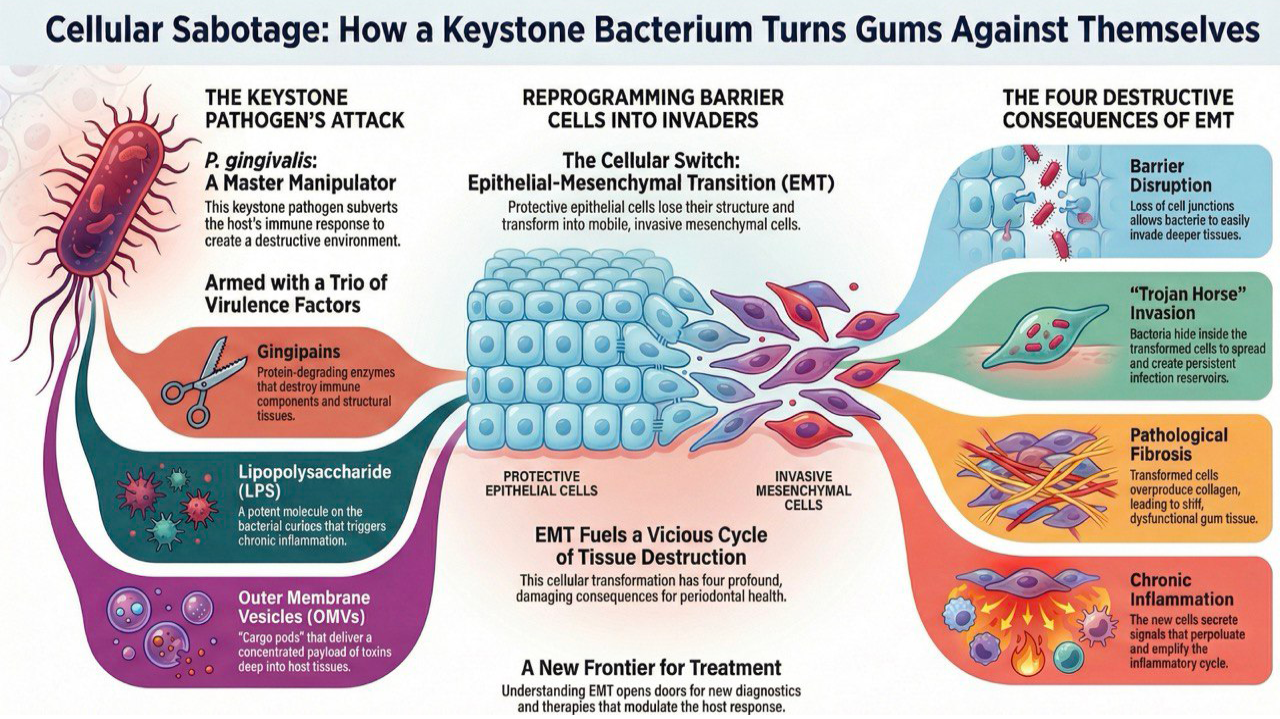 Review
Turning Barrier Cells into Invaders: The Epithelial-Mesenchymal Transition Signature of Porphyromonas gingivalis
Hadeel Mazin Akram, Saif Sehaam Saliem
Porphyromonas gingivalis has been considered as one of the most important keystone pathogens in the pathogenicity of periodontitis by virtue of its capacity to modify the host’s immune response and the subgingival microbiota. There is increasing evidence…
7 Mar 2026DOI 10.17582/journal.nrmj/2026/10.2.146.155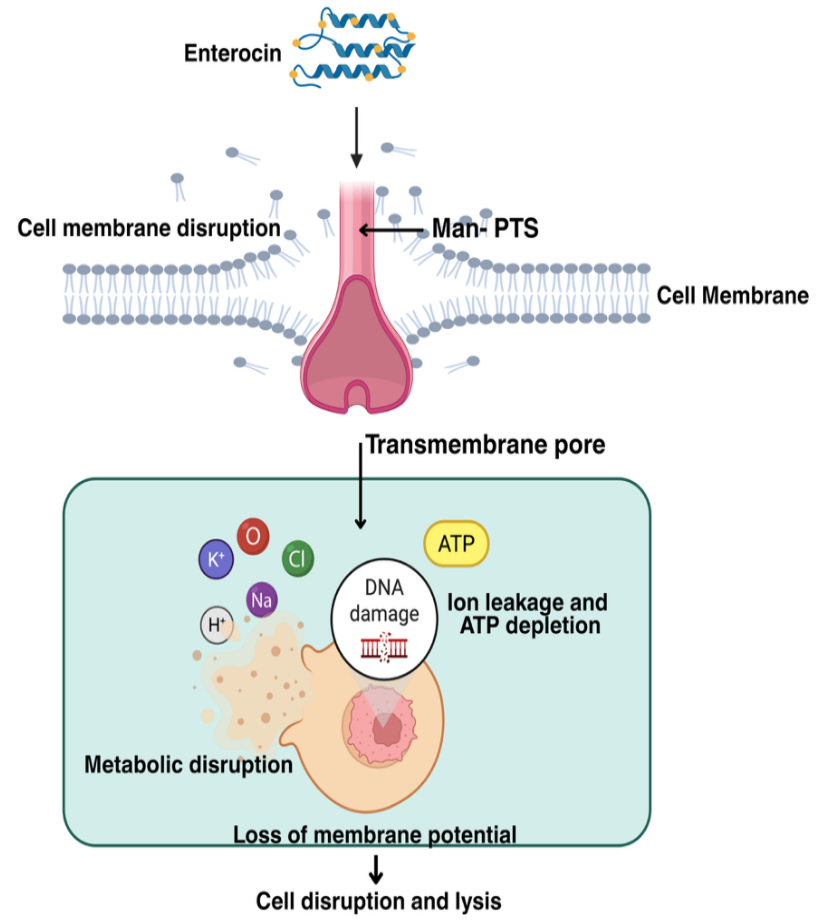 Review
Use of Enterocins-Producing Lactic Acid Bacteria for Food Biopreservation: Diversity and Functional Insights
Riska Faradila, Tri Eko Susilorini, Herly Evanuarini, Lilik Eka Radiati, Puguh Surjowardojo, Khothibul Umam Al-Awwaly et al.
Food safety and shelf-life stability continue to drive the search for natural antimicrobial agents for effective food biopreservation. Enterocins; a group of bacteriocins produced by Enterococcus species within lactic acid bacteria, exhibit high stability duri…
12 Feb 2026DOI 10.17582/journal.nrmj/2026/10.1.68.86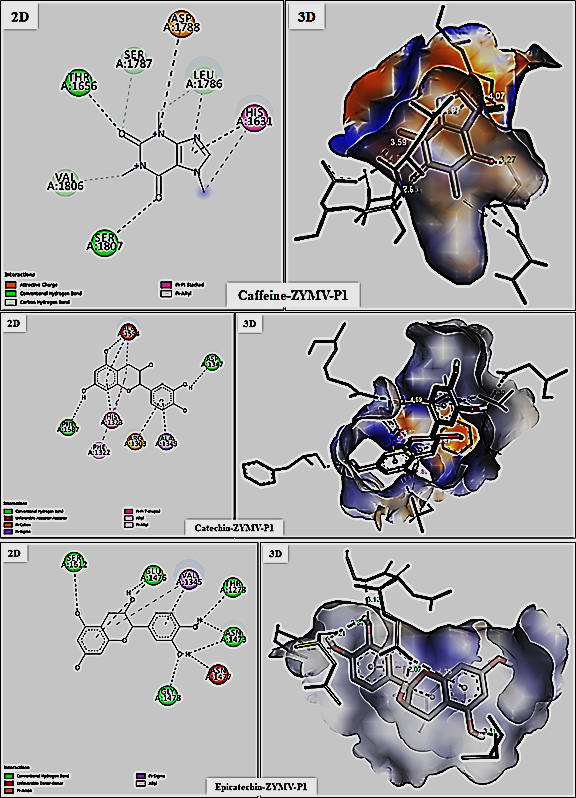 Research Article
Molecular Docking-Based Exploration of Green Tea Bioactive Compounds for Targeting Zucchini Yellow Mosaic Virus Genes: A Potential Control Strategy
Fatma S. Abdel Razek, Samar S.A. El-Masry, Shafik D. Ibrahim, Nashwa Elshaer, Atef S. Sadik, Ahmed Mahdy
Zucchini Yellow Mosaic Virus (ZYMV) is a major viral pathogen affecting zucchini and other cucurbit crops, resulting in substantial economic losses worldwide. This study aimed to identify potential antiviral compounds derived from green tea (Camellia sinensis)…
12 Feb 2026DOI 10.17582/journal.nrmj/2026/10.1.119.145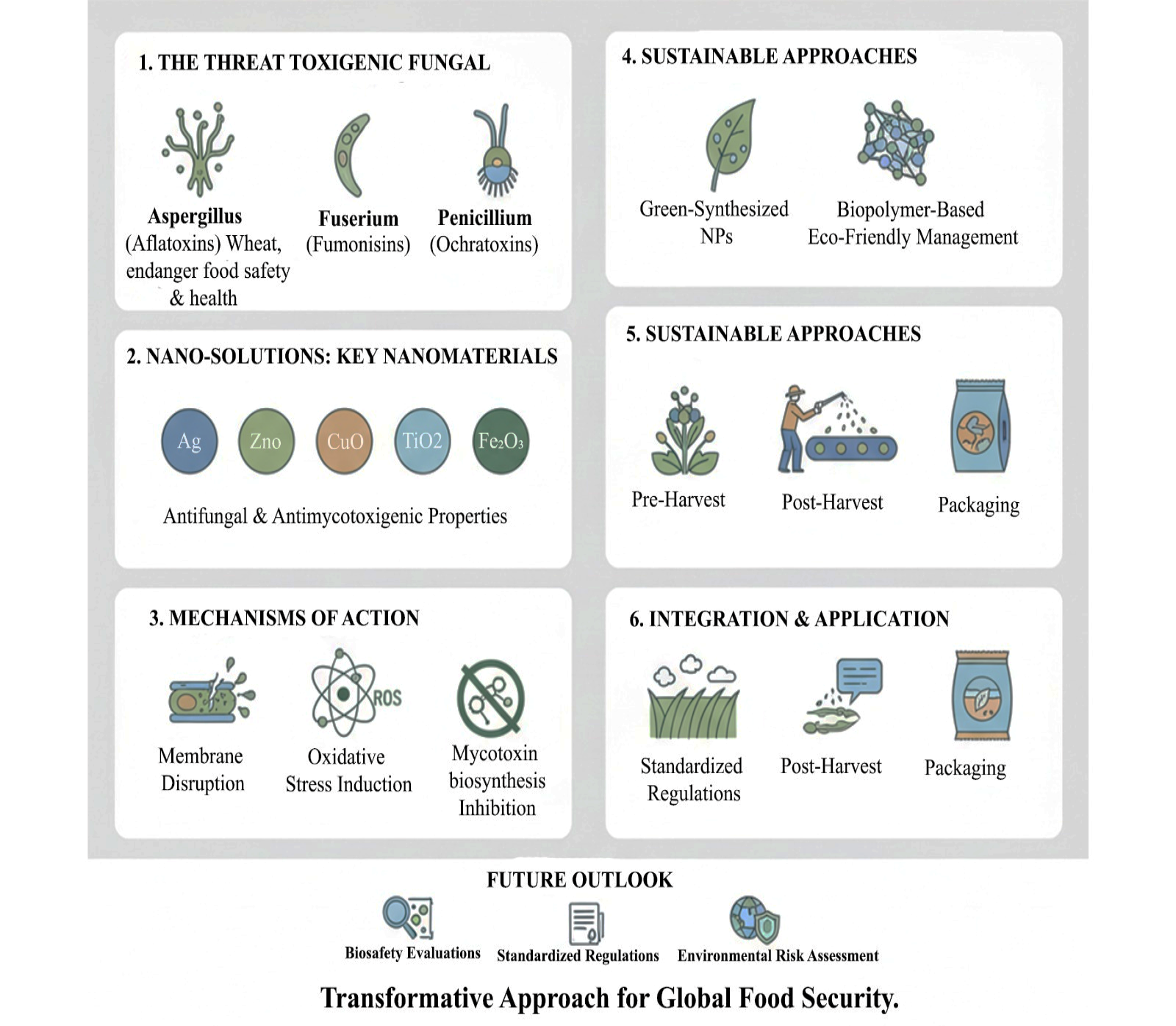 Review
Nanoformulations Use for Control of Fungal Contamination and Mycotoxins Production in Cereal Crops: Advances, Mechanisms and Future Prospects
Mohamed M. Ramadan, Nasr Fawzy Nasr, Mohammed Zakaria Sedik, Mohamed Usama El-Segai, Kamel A. Abd-Elsalam
Toxigenic fungi, particularly Aspergillus, Fusarium, and Penicillium species, pose a persistent threat to global cereal production by generating mycotoxins that endanger food safety and human health. Traditional control methods often fail to provide long-term…
12 Feb 2026DOI 10.17582/journal.nrmj/2026/10.1.87.118 Research Article
Morpho-Molecular Identification, Virulence and In Vitro Sporulation of Fungi Associated with Maize Foliar Diseases in Egypt
Eihab Mohamed Taha, Elhamy M. El-Assiuty, Zeinab M. Fahmy, Doaa A. Kafsheer
Maize (Zea mays L.) is an important crop in Egypt. Foliar diseases including northern maize leaf blight (NCLB), southern corn leaf blight (SCLB), and Curvularia leaf spot (CLS) pose considerable economic threats to its yield. This study aimed to identify the p…
27 Jan 2026DOI 10.17582/journal.nrmj/2026/10.1.52.67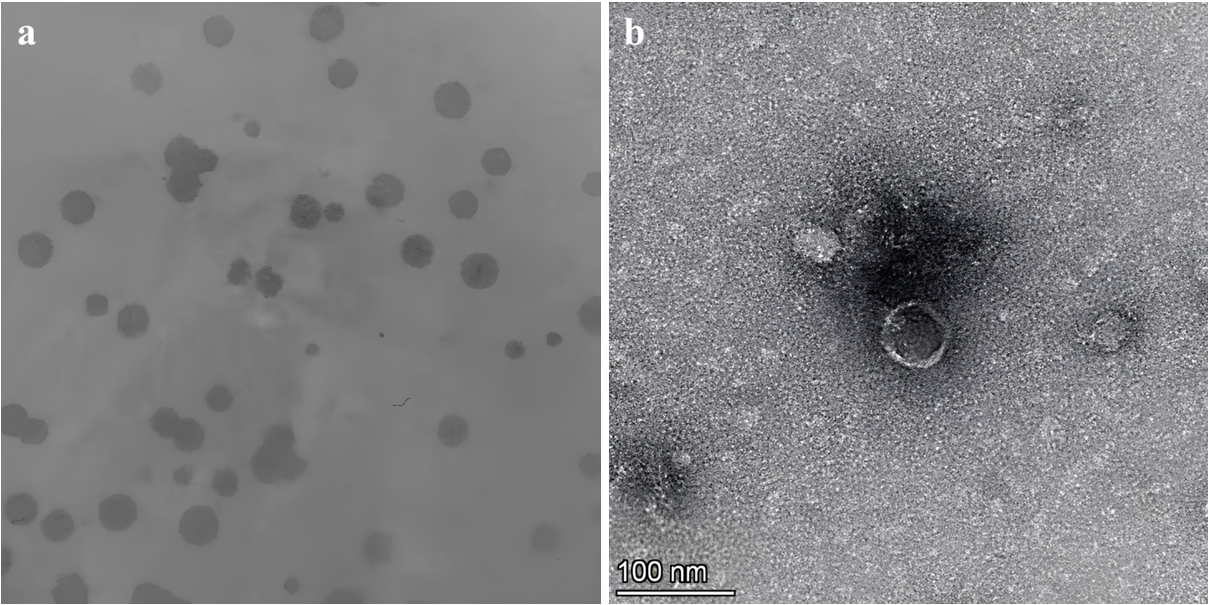 Research Article
Isolation of Novel Carbapenem-Resistant Klebsiella pneumoniae (CRKP) ST 147 Phage RMN1
Nuridha Audinia Safitri, Meity Mardiana, Yustinus Maladan, Iftita Rahmatika, Dodi Safari, Yulia Rosa Saharman et al.
The global spread of Carbapenem-Resistant Klebsiella pneumoniae (CRKP), particularly the high-risk sequence type 147 (ST147) known for its epidemic potential and carbapenem resistance, represents a critical threat to public health. Bacteriophages offer a promi…
22 Jan 2026DOI 10.17582/journal.nrmj/2026/10.1.37.51 Research Article
Application of Streptomyces mutabilis Derived Rhamnolipid to Enhance Microbial Activity and Nutrient Uptake in Barley Grown Under Saline Conditions
Rabaa Yaseen
Soil salinization poses a significant global challenge, limiting land use efficiency and agricultural productivity. This study aimed to investigate the production and characterization of a rhamnolipid (RL) biosurfactant synthesized by a Streptomyces isolate ob…
21 Jan 2026DOI 10.17582/journal.nrmj/2026/10.1.15.36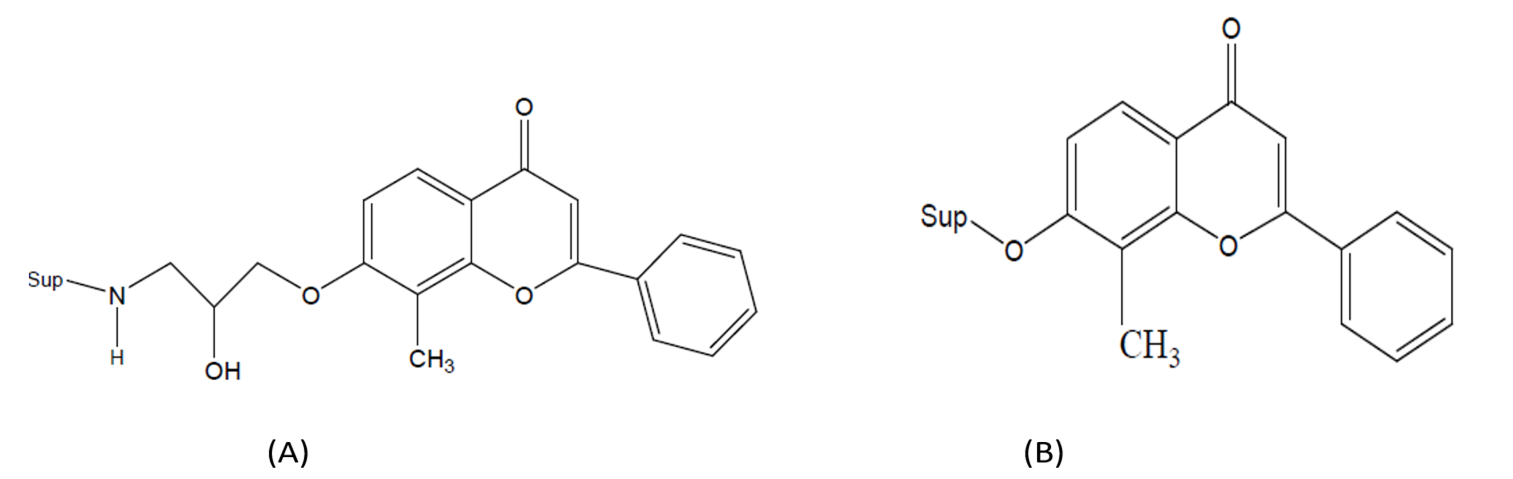 Research Article
Effect of Synthetic Flavonoids on Lactobacillus rhamnosus Aggregation and Exopolysaccharide Production
Hafidha Khadem, Badra Boubakeur, Mounir Adnane, Boumdiene Meddah, Moustapha Drabo, Aicha Tirtouil
This study aimed to investigate how synthetic flavonoids influence key probiotic traits of Lactobacillus rhamnosus, particularly its exopolysaccharide (EPS) production and cell aggregation. Five methylflavone derivatives were added to the L. rhamnosus fermenta…
14 Jan 2026DOI 10.17582/journal.nrmj/2026/10.1.01.14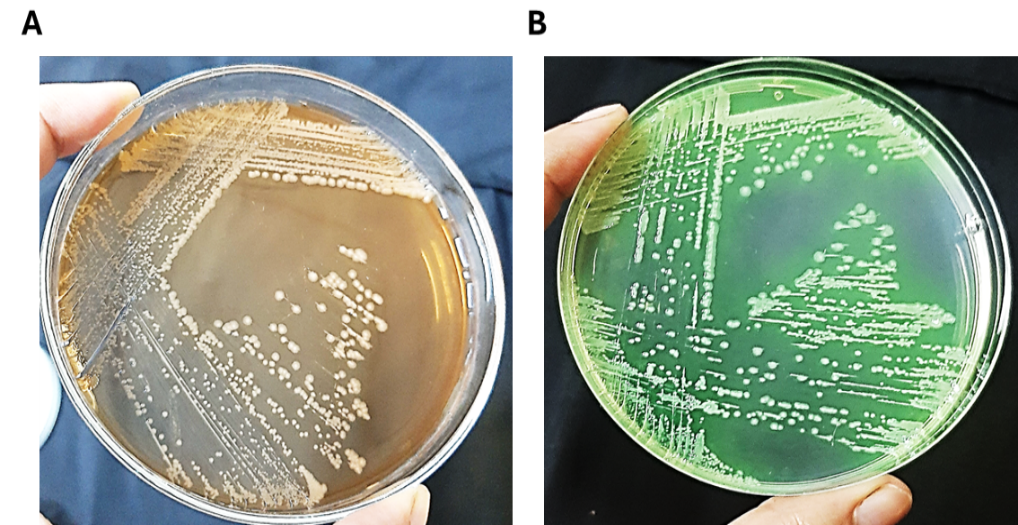 Research Article
Characterization and Therapeutic Efficiency of a Highly Lytic Pseudomonas Phage Against Carbapenem- Resistant Pseudomonas aeruginosa Isolated from Egypt
Rabab M. Soliman, Ahmed B. Barakat, Ayman El-Shibiny, Iman Mohamed Amin Elkholy, Ahmed Askora, Marwa M. Gado
Pseudomonas aeruginosa is considered as one of the most dangerous microorganisms to public health, causing considerable mortality rates due to its resistance to a range of antibiotics. It causes substantial tissue damage of varying degrees of severity. Its bio…
31 Dec 2025DOI 10.17582/journal.nrmj/2025/9.6.486.504 Research Article
Bioremediation of Inorganic Cyanide Pollutants using Recombinant Bacterial Rhodanese
Marina Blansh, Wael Elmenofy, Mahmoud S.M. Mohamed, Mary S. Khalil
Cyanide; a highly toxic compound, is a significant environmental pollutant generated by metallurgical industries. The high cost and environmental drawbacks of chemical treatments have driven research towards exploring biological methods as a more sustainable a…
23 Dec 2025DOI 10.17582/journal.nrmj/2025/9.6.470.485 Review
Microbiological Diagnosis of Periprosthetic Infections: Overview of the Main Microbial Pathogens
Andrei Vladimirovich Kozlov, Artem Viktorovich Lyamin, Araik Levikovich Misakyan, Aleksei Alekseevich Neilenko, Dmitry Sergeevich Kudashev, Maria Yur’yevna Sefedinova
Annual expenses for treatment of periprosthetic infections (PPIs) n the United States exceed $ 8.6 billion, and in Europe they amount to about 2 billion euros, where the 5-year mortality rate is 26%. PPIs occur in 0.3-2.2% of cases with primary prosthetics, wh…
2 Dec 2025DOI 10.17582/journal.nrmj/2025/9.6.454.469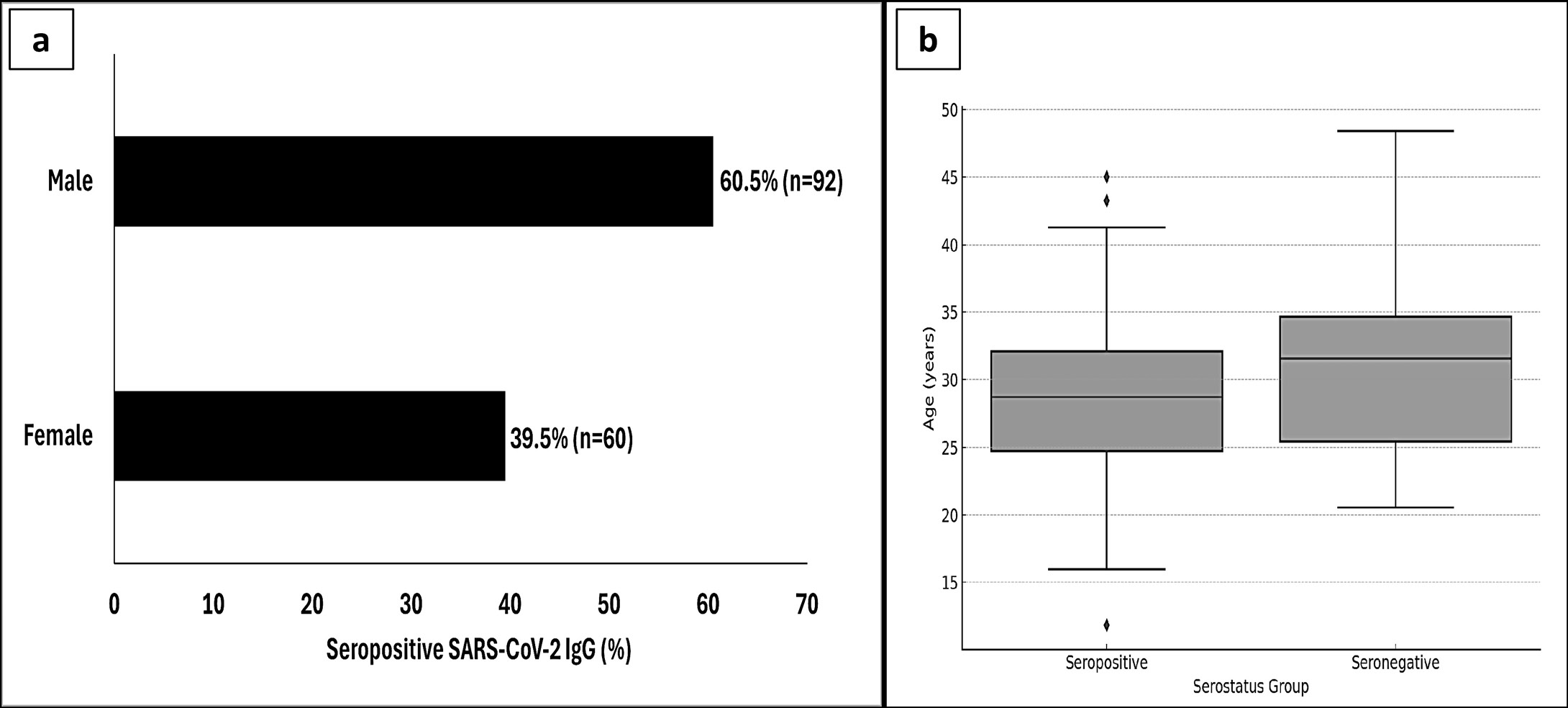 Research Article
Demographic and ABO/Rh Blood Group Predictors of SARS-CoV-2 Nucleocapsid IgG Seropositivity in an Unvaccinated Cohort from Northern Egypt
Adel A. M. Daha, Hanaa H.A. Gomaa, Fadia M. Attia, Nashwa Harb
In resource‑limited settings, the burden of prior Severe Acute Respiratory Syndrome Coronavirus 2 (ARS‑CoV‑2) infection and the influence of demographic and immunogenetic factors remain insufficiently characterized. This study aimed to determine the sero…
8 Nov 2025DOI 10.17582/journal.nrmj/2025/9.6.426.437 Research Article
Antibiofilm Activity of Dextran Purified from Saccharomyces boulardii against MDR-Pseudomonas aeruginosa Isolated from Wounds and Burns
Maryam Ali Hussein, Khawlah Jebur Khalaf, Jehan Abdul Sattar Salman
The current study aimed to evaluate the patterns of antibiotic resistance of Pseudomonas aeruginosa isolates obtained from burns and wounds with a focus on multidrug-resistant (MDR) isolates and their biofilm formation, and investigate the effect of dextran pu…
8 Nov 2025DOI 10.17582/journal.nrmj/2025/9.6.438.453- Review
Bacteriophages: Their Possible Application to Wastewater Treatment Systems
Raghad Shubbar Jaafar, Satar Aziz Gmais, Omar Abdulameer Al-Badran
Recently, considerable challenges have emerged in environmental and public health due to microbial contamination of wastewater systems and rise of microbial resistance. Despite the effectiveness of traditional treatment methods, they often lack the ability to…
22 Oct 2025DOI 10.17582/journal.nrmj/2025/9.5.417.425 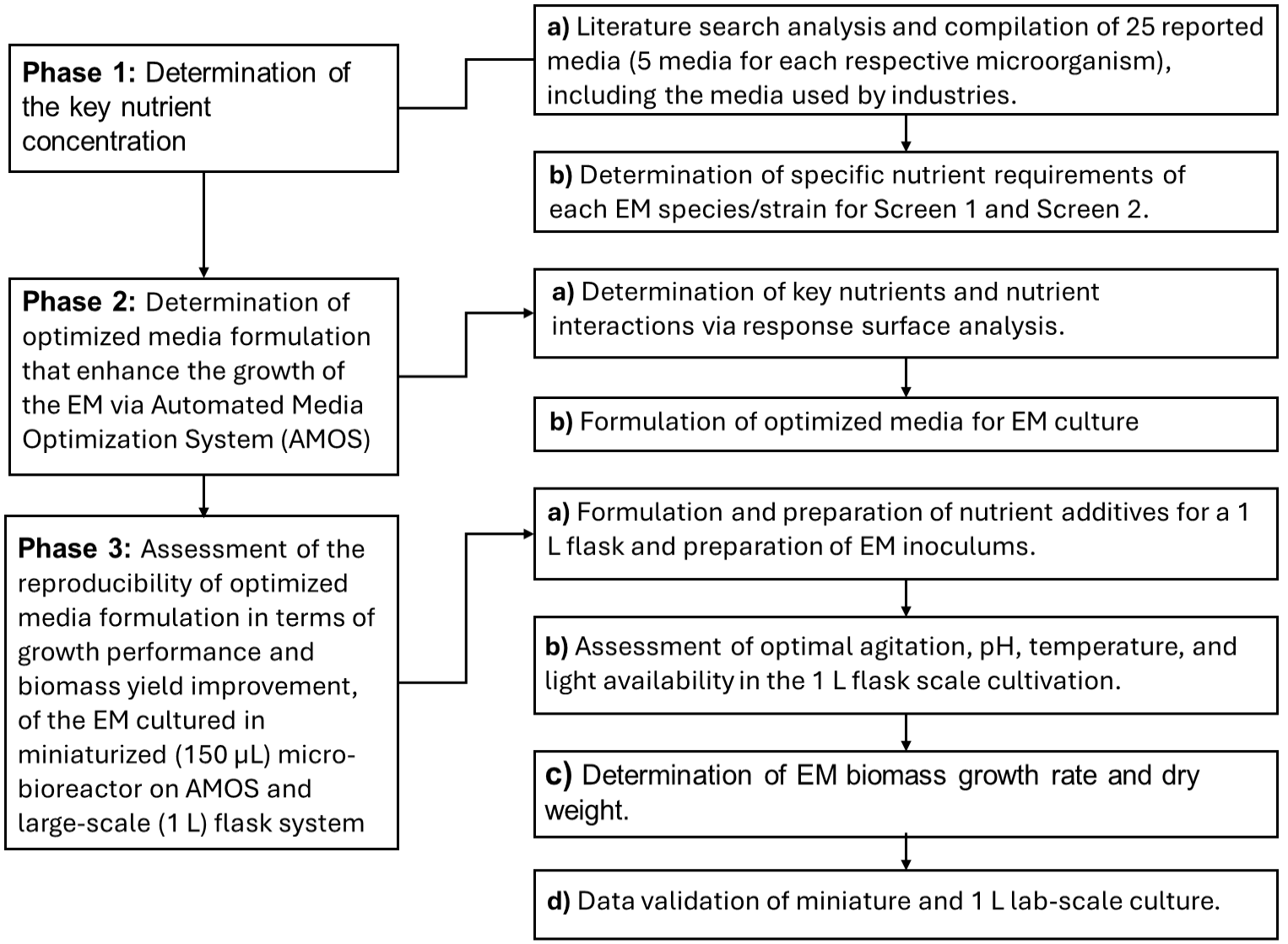 Research Article
Automated Media Optimization for Enhanced Biomass Production of Effective Microorganisms
Muhamad Fareez Ismail, Aimi Nadia Saharuddin, Mohd Shafiq Aazmi, Muhammad Naziz Saat, Khudzir Ismail, Asmida Ismail et al.
The optimization of microbial biomass through tailored media formulations is critical for advancing microbiology and agricultural biotechnology. This study aimed to investigate the effect of beneficial microorganisms on enhancing soil fertility and crop yields…
22 Oct 2025DOI 10.17582/journal.nrmj/2025/9.5.398.416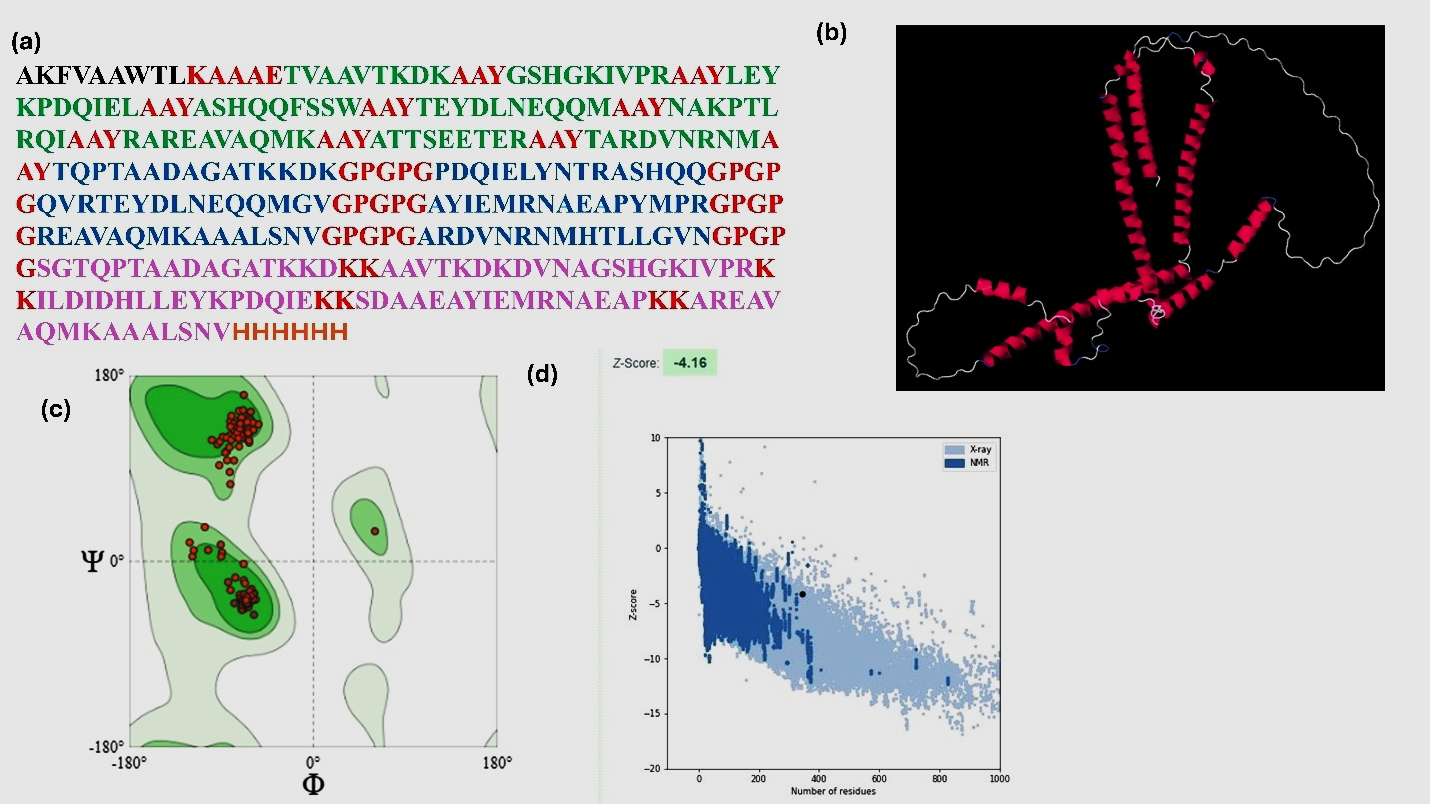 Research Article
Proteomic Analysis and Immunogenic Characterization of Multi-Epitopes Predicted from the Zucchini yellow mosaic virus Coat Protein for Immunization and Diagnostic Tool Development
Fatma S. Abdel Razek, Shafik D. Ibrahim, Samar S.A. El-Masry, Khalid A. El-Dougdoug, Atef Shoukry Sadik
Zucchini yellow mosaic virus (ZYMV) presents a major threat to the global cucurbit crop production, highlighting the urgent need for safe and effective vaccine strategies. This study aimed to employ a comprehensive in silico approach to identify immunogenic ep…
17 Sept 2025DOI 10.17582/journal.NRMJ/2025/9.5.382.397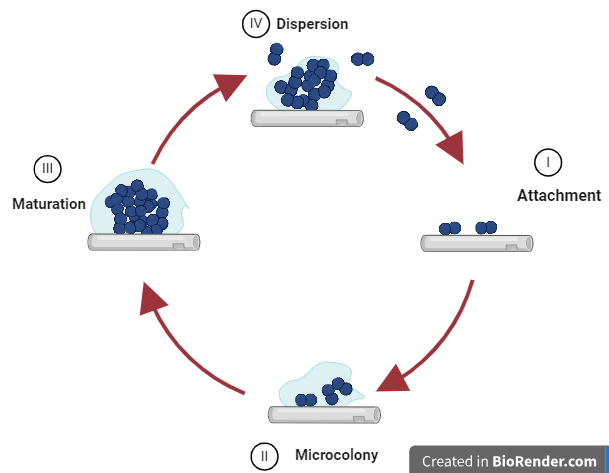 Review
Biofilm Breakers: Strategies to Fight Bacterial Biofilms
Amira M. Sultan, Kareem W. Seliem
Biofilms represent intricate communities of the surface-adherent bacterial cells, which are enclosed in a matrix of polysaccharides, proteins, lipids, and DNA. Biofilms are associated with a substantial part of bacterial infections in humans including healthca…
11 Sept 2025DOI 10.17582/journal.NRMJ/2025/9.5.365.381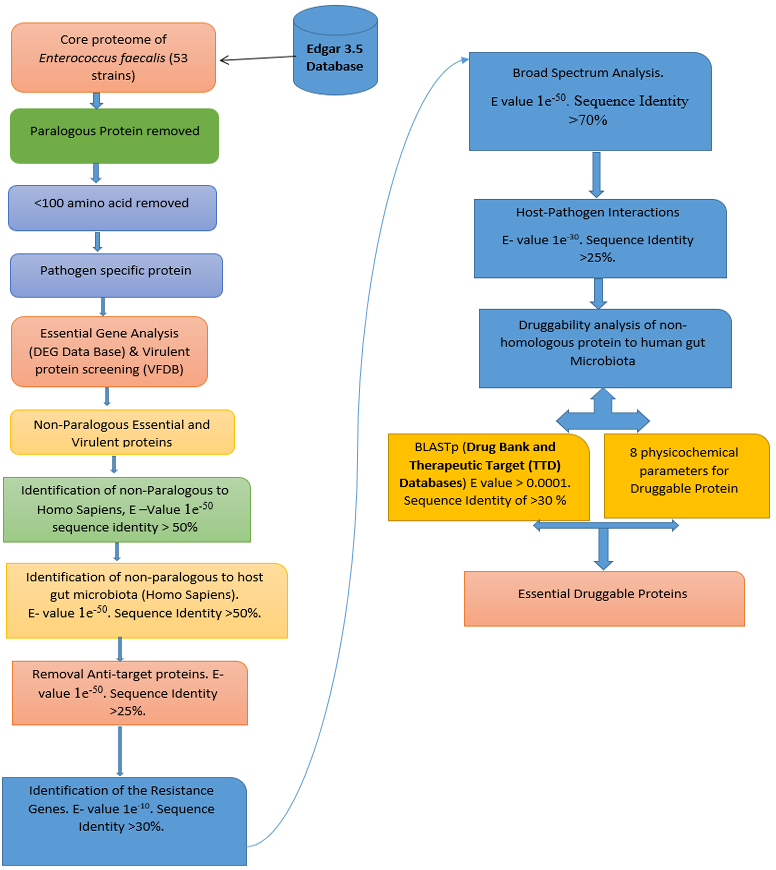 Research Article
Antibiotic Resistance in Enterococcus faecalis: Broad-Spectrum Drug Target Identification Using Subtractive Genomics
Rodrick S. Katete, Jamico Kamwela, Nicholas D. Amalorpavanaden, Yusuf A. Agabi
Multidrug-resistant Enterococcus faecalis (MDR E. faecalis) is a growing concern worldwide, with higher resistance levels detected in humans. The increasing prevalence of MDR E. faecalis decreased the effective treatment options, making infections more difficu…
11 Sept 2025DOI 10.17582/journal.NRMJ/2025/9.5.349.364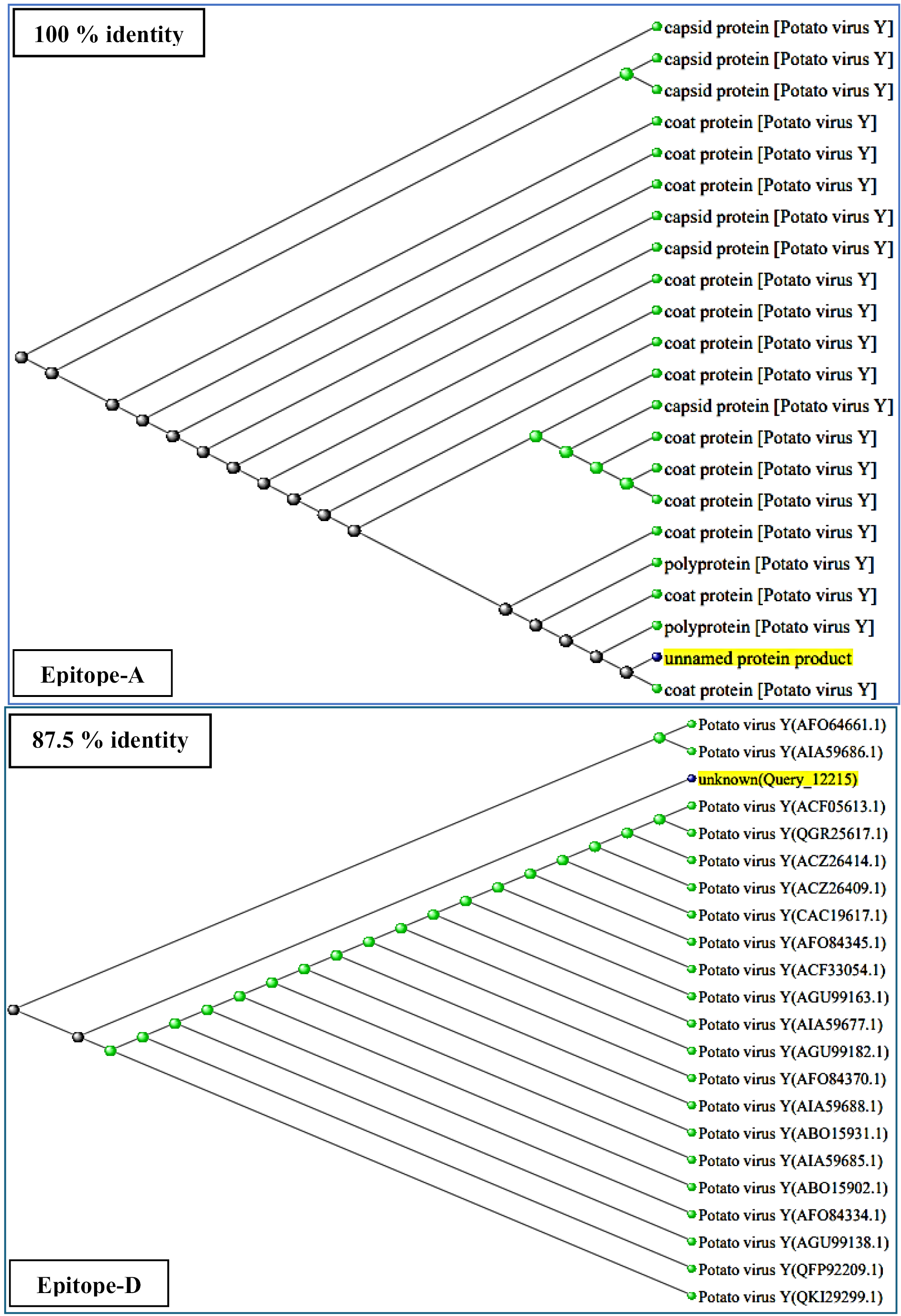 Research Article
Conserved Epitope Mapping of Potato Virus Y for Broad-Spectrum Antigen Design: Implications for Plant Immune Recognition and Diagnostic Innovation
Aya Hossameldien Abo-Zaid, Medhat Kamel Ali, Atef Shoukry Sadik, Allam Arafat Megahed
Potato virus Y (PVY) is a major plant pathogen affecting solanaceous crops, particularly potato and tomato, leading to significant economic losses. The viral coat protein (CP) is essential for virion stability, host interactions, and immune recognition. Identi…
24 Aug 2025DOI 10.17582/journal.NRMJ/2025/9.4.332.348