
Sustainable marine tourism development requires balanced policy integration across complex socio-ecological systems. This study evaluates alternative tourism policy scenarios for Labuan Bajo, Indonesia, to address environmental pressures and community development. Methodologically, we utilize a participatory stakeholder-based focus group discussion (FGD) using the World Café format, coupled with Multi-Criteria Policy (Multipol) analysis. Our matrix evaluations assess six key policy priorities across three distinct future scenarios: Status Quo (SQ), a moderate-conservation (SMK), and an optimistic-economic (SOE). The Policy of Economic Integration of maritime affairs, marine spatial policies, and regulations (P1) are the main policy priorities, followed by Policy Strengthening Cooperation and Collaboration (Infrastructure, Institutions, Socio-Economic, Environment) (P2) as a supporting policy. The results reveal that in a perfect SMK and SOE environment scenario, sector-to-sector integration policies provide the highest systemic resilience and long-term viability. Therefore, we recommend the implementation agencies prioritize strict carrying capacity caps and multi-sectoral governance frameworks over pure volume-driven tourism expansion, especially to maintain the sustainability of Komodo ecosystem conservation and develop conservation-based economic potential based on a socio-ecological framework.
Special Issue: Innovations in Sustainable Fisheries, Marine Resources, and Food Systems for Food Security and Human Well-being · Volume 42, Issue 2, 22 October 2026 · Open Access
Developing Sustainable Marine Tourism Policy Scenarios in Labuan Bajo, Indonesia: A Multipol-Based Socio-Ecological Analysis
· · ·
Affiliations & Notes ⌄
- 1Tropical Marine Economics, Faculty of Economics and Management, IPB University, Bogor, West Java, Indonesia
- 2Coordinating Ministry for Infrastructure and Regional Development, Jakarta, Indonesia. *Correspondence | Suraji, Coordinating Ministry for Infrastructure and Regional Development, Jakarta, Indonesia
- 3Email: suraji78@gmail.com
- 4Environmental and Resource Economics, Faculty of Economics and Management, IPB University, Bogor, West Java, Indonesia
- 5Center for Coastal and Marine Environmental Sustainable Studies for North and South Java Island
Article Info ⌄
- Journal:
- Sarhad Journal of Agriculture
- Published:
- 22 October 2026

From the article
- The Moderate-Conservation (SMK) scenario is a socio-ecological system-based tourism development scenario that prioritizes conservation and biodiversity protection to achieve sustainable tourism management in Labuan Bajo.
- The Optimistic-Economic scenario for tourism development in Labuan Bajo takes a comprehensive approach that stresses balanced economic growth, environmental sustainability, and community well-being.
- This study demonstrates that the socio-ecological framework combined with MULTIPOL analysis provides an effective approach for developing integrated policy scenarios for sustainable marine tourism in Labuan Bajo.
- Three scenarios were identified: Status Quo (SQ), Moderate-Conservation (SMK), and Optimistic-Economic (SOE).
Selected from the article's own text.
Abstract
Introduction
The Indonesian economy greatly benefits from the tourist industry, which is essential for producing foreign exchange and promoting economic expansion ; . Foreign exchange was USD 0.36 billion in 2021, which was significantly less than USD 3.3 billion recorded in 2020 (Ministry of Tourism and Creative Economy, 2021). According to research, Indonesia’s foreign exchange profits from tourism are greatly impacted by a number of factors, including the number of foreign visitors, average spending, average duration of stay, and exchange rate . The industry includes a number of areas, including lodging, ancillary services, sales and distribution channels, and transportation. However, the advent of the Covid-19 pandemic has had a profound negative impact on this sector, leading to a contraction in the economy and negative GDP growth .
In 2020, it declined to 4.05%, the lowest in five years, but rebounded to a 4.2% growth rate in 2021. However, there are indications of resilience and potential for recovery, supported by technological innovations and government policies aimed at economic recovery . The COVID-19 pandemic has had a profound impact on the tourism industry in Indonesia, leading to a significant decline in foreign tourist visits and a contraction in the sector’s contribution to the economy. The pandemic has resulted in international travel restrictions, which have directly affected labor and earnings within the tourism industry, with a notable decrease in the number of foreign tourists . This decline has also severely impacted micro, small, and medium-sized enterprises (MSMEs) in the tourism sector, leading to substantial losses and affecting the economic growth rate of the country .
The 2020-2024 National Medium-Term Development Plan (RPJMN) emphasizes the importance of the tourism sector, with a strategic focus on developing Priority Tourism Destinations, notably the “10 New Balis” initiative . This initiative aims to replicate the economic success of Bali by enhancing tourism in 10 selected destinations across the country. These destinations include Lake Toba, Borobudur and its surroundings, Lombok/Mandalika, Labuan Bajo, Bromo Tengger Semeru, Wakatobi, Tanjung Kelayang, Tanjung Lesung, Seribu Islands and the Old Town of Jakarta, and Morotai (Ministry of Tourism and Creative Economy, 2019). Of the ten destinations, the government set priorities for national tourism development of five Super Priority Tourism Destinations, namely Lake Toba, Borobudur, Mandalika, Likupang, and Labuan Bajo (Ministry of Public Works and Housing, 2020).
Labuan Bajo is recognized as one of the five super-priority tourism destinations by the Indonesian government as part of a national strategy to enhance tourism development . This initiative aims to bolster the tourism sector and, by extension, the national economy by focusing on areas with significant potential for attracting tourists. The coastal region of Labuan Bajo and its surrounding small islands, located within the Komodo National Park area in West Manggarai Regency, plays an important role as a key development area for economic growth . However, the government’s target of attracting 500,000 tourists annually to the region has raised concerns about environmental degradation and exceeding the safe tourism carrying capacity of the Komodo National Park Area . Comprehensive dynamic modeling assessments indicate that the park’s sustainable annual carrying capacity is ideally capped between 366,108 and 378,870 visitors . This threshold has already been heavily breached, with actual park attendance surging to over 429,000 annual visitors (Balai Taman Nasional Komodo, 2026). This critical overshoot demonstrates that the proposed 500,000-tourist target would severely overload terrestrial trekking paths and marine dive sites, underscoring the urgent necessity for the enforcement of strict daily visitor caps and the adoption of conservation-driven policy alternatives.
The rapid tourism development in Komodo National Park has also led to socioeconomic changes for local stakeholders, highlighting the need for careful planning that includes local involvement to achieve sustainable outcomes. The projected deficits in land, water, and electricity by 2042 further emphasize the need for sustainable spatial planning. Komodo National Park possesses a high level of biodiversity that must be maintained in balance with socio-economic needs. These components interact and influence each other within a social-ecological system (Ostrom, 2009).
Marine tourism and fisheries are closely interconnected, as both depend on healthy marine ecosystems and coastal resources for economic and environmental sustainability. Fish species serve as important bioresources contributing to food security and livelihood sustainability ; ; Ishtiaq and Naeem, 2016). Fish are widely recognized for their rich nutritional composition, being excellent sources of high biological value proteins that support human health. So, sustainable integration of tourism and fisheries can enhance livelihood opportunities, conserve marine biodiversity, and promote balanced coastal development.
However, despite the growing importance of Labuan Bajo as a super-priority tourism destination, existing studies have largely focused on tourism growth, infrastructure development, or conservation issues separately. Furthermore, studies that apply participatory policy analysis methods to formulate integrated policy scenarios for sustainable tourism development in Labuan Bajo remain scarce. To address these socio-ecological pressures, the primary objective of this study is to evaluate alternative sustainable marine tourism policy scenarios for Labuan Bajo, Indonesia, using a multi-criteria approach. Specifically, this study aims to: (1) identify and categorize key policy priorities and operational actions within the regional socio-ecological network, (2) simulate the long-term performance of these policies under contrasting market and conservation-driven future scenarios, and (3) establish a prioritized policy ranking system that balances international tourism targets with local fisheries stability, ecosystem protection, and community welfare. This framework is expected to provide integrated policy scenarios that support sustainable tourism while maintaining ecological conservation and promoting inclusive economic development.
Materials and Methods
Materials
Labuan Bajo, situated in the East Nusa Tenggara region of Indonesia, is a renowned tourist destination due to its stunning natural beauty and diverse marine tourism opportunities (Figure 1). The Indonesian government has designated it as a super-priority tourism destination (Komalasari and Ganiarto, 2019; . The local population has traditionally been engaged in fishing, but there is a shift towards the tourism industry, which is creating new economic opportunities ; . The labor force in West Manggarai Regency, where Labuan Bajo is located, predominantly comprises individuals with elementary education, and a significant majority are employed in the agricultural sector. However, with the rise of tourism, there is a need to improve the quality of local human resources to support growing industries .
Despite its significant recognition and importance for the advancement of the tourism industry, Labuan Bajo faces challenges such as the threat of natural disasters, such as earthquakes and tsunamis , and environmental concerns, such as water scarcity and the need for improved human resource development and infrastructure . The rapid expansion of built-up areas and infrastructure to support tourism has led to significant land-use changes, which could have long-term implications for the socio-demographics of the region .
Methods
The purpose of this study was to determine sustainable tourism development options, scenarios, and priority programs in Labuan Bajo using a qualitative approach. To evaluate the policy scenarios, a participatory World Café FGD was conducted with 55 key stakeholders (N=55). Participants were selected via purposive sampling criteria to ensure a balanced, multi-sectoral representation across five core domains: (1) national and regional government regulatory bodies, (2) private tourism operators, (3) local community leaders, (4) academic marine experts, and (5) media. The data were analyzed using the policy analysis method in conjunction with the Multi-Criteria Policy (Multipol) technique to evaluate the performance of actions and policies across different scenarios . To ensure methodological transparency and reproducibility, the evaluation matrix was operationalized through three distinct steps: (a) Consensus Building: Stakeholders reached consensus using an iterative World Café FGD format. Participants rotated across tables to critique, refine, and validate the criteria, policies, and actions. Final consensus on matrix inputs was achieved through a plenary synthesis session where all stakeholder groups validated the consolidated framework; (b) Scoring Scale: The impact assessment matrix utilized a standard qualitative-to-quantitative scoring scale ranging from 0 (completely ineffective/no impact) to 20 (extremely effective/maximum impact). Experts and stakeholders scored the relationships between actions, policies, and scenarios within this bounded matrix; (c) Weighting Procedure: Stakeholders explicitly chose an equal weighting scheme for all criteria. This equal weighting assumes balanced structural importance across the socio-economic, ecological, and governance subsystems. It successfully eliminates subjective bias, allowing policy alternatives to be evaluated strictly on their pure performance profiles.
Multipol is a multi-criteria evaluation approach that examines the effectiveness of various policies and actions against different scenarios. It is utilized to determine a framework of action options, policies, and the best scenarios for the project. The process of implementing a participatory approach and conducting data analysis using the Multipol method involves several stages, as illustrated in Figure 2.
The participatory stage generates a range of inputs required for the Multipol analysis procedure. These inputs comprise success criteria, program alternatives, policies, and scenarios developed based on the Social-Ecological System component framework. Policies are the guidelines or rules that govern the implementation of the program alternatives, and scenarios are developed to understand the potential impacts of different policy choices within the context of the SES framework .
To structure the complex dynamics of marine tourism in Labuan Bajo, this study utilizes the Socio-Ecological Systems (SES) framework. While Ostrom’s (2009) diagnostic framework provides the foundational theory for analyzing multi-level nested systems, this study explicitly operationalizes the specific structural variant. This conceptual choice is deliberate: whereas Ostrom’s (2009) full diagnostic framework focuses broadly on cataloging variables across resource systems and users, the Anderies et al. (2004) framework isolates the systemic links between resource users, public infrastructure providers, and the physical infrastructure itself. This action-centric focus perfectly matches the multi-criteria configuration of the Multipol procedure, allowing for a precise evaluation of how public policy interventions dynamically impact physical ecological resources.
Interestingly, the SES framework is a recurring theme in the literature, as it provides a comprehensive approach to understanding the complex interactions between social and ecological systems. This framework is used not only in the Multipol analysis but also in other studies to assess urban resilience, agricultural systems, and water management, among others . The SES framework’s utility in capturing the multifaceted nature of socio-ecological interactions makes it a valuable tool in scenario development and policy assessment. The SES framework is built according to the approach of Anderies et al. (2004), which illustrates the complexity of the social-ecological system as in Figure 3.
According to Figure 3, the four components of SES are ecosystem resources (A), which are a natural component that is utilized by various resource users (B), resource users (B), public infrastructure providers (C), and public infrastructure (D). Public infrastructure providers (C) and public infrastructure (D) are both types of human-made capital that play a vital role in the regulation and management of SES. Disturbances may occur in the system, which can be classified as internal or external. External disturbances can be further categorized as biophysical disturbances, such as tsunamis, earthquakes, and floods, which affect resources (A) and public infrastructure (D), and socio-economic disturbances, such as population growth, economic changes, inflation, and policy changes, which affect resource users (B) and public infrastructure providers (C). Internal disturbances are caused by changes in both SES subsystems.
Therefore, this study aimed to identify the ideal policy framework for promoting tourism development in Labuan Bajo by employing an alternative policy choice approach. The selected scenario served as a roadmap for realizing the area’s tourism potential and driving regional economic growth. Moreover, the proposed policy framework was designed to minimize environmental damage, particularly in coastal regions and small islands near Labuan Bajo, and safeguard the primary function of the Komodo National Park and its iconic Komodo dragon. The findings are expected to address gaps in Indonesia’s tourism development policies, particularly those involving multi-actors with a complex social and ecological interplay. The proposed policy framework could serve as a strategic tool for preserving the unique, dynamic ecosystems and cultural heritage of the region.
Results and Discussion
The criteria were developed based on the results of previous research analysis using the matrix of cross-impact multiplications applied to a classification (MICMAC), these criteria were grouped based on the social ecological framework approach, as presented in Table 1.
Based on the FGD results, stakeholders agreed to give equal weight to each selected policy alternative. The selected policies are described in three groups based on the socio-ecological systems framework: Integrated (governance), Socio-Economic, and Ecological. Using equal weight for each criterion simplifies decision-making since it assumes that each criterion is equally important. This is beneficial when it is difficult to give or quantify various weights to each criterion, or when the purpose is to compare alternatives based on pure performance without being influenced by different criterion weights. Detailed description of the Success Criteria, Action Programs, Policy Alternatives, and Scenarios agreed upon in the FGD is presented in the Table 2.
Figure 4. displays the flagship programs for each policy, such as: Integration of marine economy, marine spatial planning policies and regulations (P1); Strengthening Cooperation and Collaboration (Infrastructure, Institutions, Socio-Economic, Environmental) (P2); Strengthening Information and Communication Technologies (ICT) and Awareness for Sustainable Tourism (P3); Development of resource-based economy, employment and income generation (P4); Conservation of Ecosystem, Uniqueness and Biodiversity (Komodo) (P5); and Strengthening local/traditional customs and culture related to environmental and habitat conservation of Komodo (P6).
Based on Figure 4, Action/Activity of ease of obtaining education, training to increase human resource capacity (A8), an action that is part of strengthening the socio-economic system is superior in almost all existing Policies (P1, P2, P3, P5 and P6), except for the Policy on (P4) which need to attention for development of resource-based economy, employment and improvement income including livelihood and income generations.
A skilled workforce is essential for maximizing the benefits of natural resources. Education and training programs help individuals acquire the necessary skills to engage effectively in various sectors, especially to develop marine tourism in the Labuan bajo coastal area. Prioritizing education and training can foster a more knowledgeable workforce, leading to increased productivity and innovation.
Table 1: Social- ecological system category groups variable.
|
SES – Category system |
Sustainable objectives/Category |
|
Socio-Economic |
Labour/livelihood/income improvement Coastal Community Participation Public Perception of Sustainable Tourism |
|
Ecology (Biophysical) |
Uniqueness/Biodiversity of Komodo Marine Water Health Quality Sustainability of Komodo Resources and Environment |
|
Integrated (Governance, Institutions and Management) |
Collaboration between actors Marine Spatial Planning Blue Infrastructure Right/Law Enforcement Policies and Regulations Development of human resources capacity |
Table 2: Success criteria, program actions, alternative policies, and scenarios.
The combination of land and marine spatial management is required in order to implement an efficient conservation program. This approach requires community involvement in conservation activities to develop a sense of ownership and responsibility. This integration can lead to more effective conservation outcomes and sustainable resource usage for the coastal ecosystem in Labuan Bajo. Figure 5 presents the action/policy closeness map generated via multi-dimensional correspondence analysis. The automated circles and ellipses on this map represent homogenous strategic clusters, grouping policies and action programs that share high statistical proximity. A shorter distance between a policy node (P) and an action node (A) signifies a strong operational dependency, meaning the successful execution of that specific policy relies heavily on the simultaneous implementation of its clustered actions. Based on Figure 5, it can also be shown that there is a correlation between Policies, including those shown by strengthening ICT and awareness for sustainable tourism (P3) and strengthening local/traditional customs and culture related to environmental and habitat conservation of Komodo (P6), with the proximity of actions (A2), (A3), and (A12). Furthermore, (P3) and (P6) also have a correlation with (P5) with the proximity of actions (A1) and (A8). Similarly, the correlation shown by Policies (P2) and (P4), with the proximity of actions (A6), (A7), (A9), (A10), and (A11). The proximity of policies to action programs indicates that the implementation of a policy requires the support of closely related programs. Furthermore, based on the results of the study, it is shown that there are policies that are very close to other policies, so that the implementation of policies is needed that are integrated with supporting program actions.
In Figure 6. the status quo (SQ) scenario, the integration of marine economy, marine spatial planning policies and regulations (P1) are ranked 2nd from the prioritized Policy of (P6), thus the (P1) is a very important main policy and is a superior Policy in the development of sustainable marine tourism in Labuan Bajo which is part of the Komodo National Park, especially in the Moderate - Conservation Scenario (SMK), namely to maintain the biodiversity and conservation of Komodo, and the optimistic SOE scenario for sustainable tourism growth that has an economic impact on the community. Policies (P1) are also important to be developed in the status quo scenario (SQ) in supporting the implementation of Policy (P6).
To position these findings within the broader state of the art, it is valuable to compare the Multipol methodology against alternative Multi-Criteria Decision-Making (MCDM) methods frequently applied in coastal and marine tourism planning. Traditional frameworks like the Analytic Hierarchy Process (AHP) and PROMETHEE are highly effective at ranking static management alternatives or measuring spatial suitability under fixed conditions. However, they lack the structural capacity to test how these rankings shift when exposed to external disruptions. In contrast, the Multipol approach provides a dynamic evaluation matrix that allows policy alternatives to be evaluated across multiple, contrasting future scenarios (e.g., SQ, SMK, and SOE). By mapping policies not just against criteria, but against evolving socio-ecological contexts, Multipol captures the systemic vulnerabilities of marine protected areas like Komodo National Park more robustly than traditional, scenario-isolated ranking tools.
The policy options for each scenario are shown in Figure 7. In the current development scenario, the status quo (SQ) policy (P6) is preferred. In the current situation, it is preferable to strengthen local and traditional norms and culture for environmental and habitat conservation in Komodo. In the context of the status quo, strengthening local and traditional customs and culture related to environmental and habitat conservation in Komodo is preferable because it fosters cultural resilience, promotes sustainable resource management, improves community engagement, and aligns with conservation objectives.
In the SOE scenario, policies (P1), (P2), and (P4) are preferred. In an optimistic economic scenario, integrating marine economy policies, strengthening cooperation, and developing a resource-based economy can have a synergistic effect. These factors work together to promote sustainable development, increase employment possibilities, and produce income, all while protecting maritime ecosystems and local communities’ cultural heritage. Meanwhile, in the SMK scenario, the preferred policies are Policies (P1), (P4), and (P5).
The status quo (SQ) scenario is a tourism development scenario based on current conditions, with policy to strengthen local/traditional customs and culture related to environmental and habitat conservation of Komodo (P6) as the preferred pathway and strengthening public awareness for Komodo environmental sustainability (A12) as the program that can be developed. The status quo scenario in tourism development for Komodo focuses on leveraging existing conditions while prioritizing the preservation of local customs and cultural heritage. This approach recognizes the importance of integrating traditional practices into environmental and habitat conservation efforts. The current paradigm for tourist development in Komodo emphasizes the combination of indigenous customs and culture with environmental and habitat conservation. This strategy seeks to build a sustainable tourist model that not only protects Komodo’s unique biodiversity but also improves its inhabitants’ cultural identity. This road provides a balanced solution that respects both the environment and the people, ensuring a prosperous future for the region.
The Moderate-Conservation (SMK) scenario is a socio-ecological system-based tourism development scenario that prioritizes conservation and biodiversity protection to achieve sustainable tourism management in Labuan Bajo. Based on Figure 8. and the proximity map shown in Figure 7, as shown by the solid black lines, in this SMK scenario, the selected policies are: P1 with programs A4 and A5; followed by Policy P4 with programs A6 and A9; and P5 with programs developed by A1 and A8. Policy P3, with programs A2 and A3 developed, can be strengthened. The Moderate-Conservation scenario for tourism development in Labuan Bajo is designed to balance socio-economic growth with the imperative of conservation and biodiversity protection. This approach recognizes that sustainable tourism management must integrate ecological health, community well-being, and economic viability. This method seeks to build a balanced socio-ecological system that benefits the environment, local communities, and the tourism sector by implementing a complete regulatory framework, implementing concrete measures, providing economic incentives, and collaborating.
Improving Komodo National Park’s tourism infrastructure is critical to promoting long-term tourism development in Labuan Bajo. Improvements to the airport, bus terminal, trash disposal systems, and telecommunications will not only improve the overall visitor experience but will also connect with the program’s aims of strengthening information and communication technologies (ICT) and raising awareness for sustainable tourism policy.
The Optimistic-Economic (SOE) scenario is a socio-ecological system-based tourism development scenario that prioritizes balanced/optimal economic aspects to achieve sustainable tourism management in Labuan Bajo. Based on Figure 7, the selected policy flows are Policy P1 with programs A4 and A5; Policy P2 with programs A7, A10, and A11; and Policy P4 with programs A6 and A9. Furthermore, the proximity map also provides alternative policies, as indicated by the solid red lines. The SES framework integrates social and ecological dimensions, offering a comprehensive perspective on the interactions between human activities and the environment, which is crucial for sustainable policy-making . This integrated approach aims to achieve sustainable tourism management through a series of targeted policies and programs. The Optimistic-Economic scenario for tourism development in Labuan Bajo takes a comprehensive approach that stresses balanced economic growth, environmental sustainability, and community well-being. This scenario strives to construct a sustainable tourist model that benefits both the local community and the environment by integrating marine economy regulations, fostering stakeholder collaboration, and developing a resource-driven economy.
The dominance of the optimistic-economic (SOE) scenario over market-driven conservation models strongly aligns with contemporary socio-ecological literature. Prior studies in marine protected areas emphasize that decoupling tourism growth from raw visitor volume is mandatory to halt habitat degradation. Our findings echo these empirical frameworks by showing that institutional constraints and carrying capacity controls do not suppress economic sustainability; rather, they safeguard the underlying ecological infrastructure that attracts premium global travelers. By linking local stakeholder perspectives directly with multi-scenario metrics, this study reinforces the consensus that sustainable tourism governance must operate as an adaptive, co-managed ecosystem rather than a purely commercial market.
Limitations and future research directions
While this study provides a structured approach to sustainable marine tourism development, certain limitations should be acknowledged. First, the operationalization of the Multipol matrix heavily relies on qualitative expert judgment and participatory scoring, which introduces inherent subjectivity and potential heuristic bias. Second, despite efforts to capture a multi-sectoral representation via the World Café format, the composition of the focus groups remains susceptible to self-selection bias, where localized views could overshadow broader regional trends. Finally, this study reflects a specific post-pandemic timeline. Given Indonesia’s highly dynamic institutional environment and fast-evolving tourism development initiatives, policy weights and scenario impacts may undergo temporal shifts over time. Future studies should incorporate longitudinal quantitative modeling to cross-validate these stakeholder-driven findings.
Conclusions and Recommendations
This study demonstrates that the socio-ecological framework combined with MULTIPOL analysis provides an effective approach for developing integrated policy scenarios for sustainable marine tourism in Labuan Bajo. Three scenarios were identified: Status Quo (SQ), Moderate-Conservation (SMK), and Optimistic-Economic (SOE). Overall, the SMK and SOE scenarios offer the most promising pathways for sustainable tourism development, highlighting the importance of integrating economic growth with environmental conservation, strengthening governance and infrastructure, and enhancing community participation to support long-term sustainability in the Komodo National Park area.
In conclusion, this study demonstrates that navigating the future of marine tourism in Labuan Bajo requires moving away from conventional volume-driven targets. The multi-criteria analysis confirms that the optimistic-economic (SOE) scenario provides the highest structural stability for the region’s socio-ecological network. Prioritizing conservation-driven policies does not undermine regional economic opportunities; instead, it preserves the vital marine habitats and biological resources that attract premium global travel. Furthermore, our findings show that protecting these marine ecosystems directly secures the local fisheries sector, safeguarding regional protein bioresources and coastal food security. Transitioning to this sustainable model requires regional implementing agencies to move past isolated institutional management and enforce immediate, legally backed visitor caps alongside multi-agency monitoring systems.
To ensure the practical utility of these findings for implementing agencies, the transition toward the recommended conservation-oriented scenarios requires a robust monitoring and evaluation framework. Managing institutions—such as the Ministry of Tourism and Creative Economy, the Ministry of Environment and Forestry, and local governance bodies—should establish an integrated review mechanism. This framework should track distinct, cross-subsystem Key Performance Indicators (KPIs) on a bi-annual basis, including: (a) Ecological Integrity: Real-time coral cover percentage and live reef fish density at high-traffic marine dive sites; (b) Visitor Dynamics: Automated daily counts on terrestrial trekking paths to strictly enforce carrying capacity thresholds; (c) Socio-Economic Welfare: Local community employment rates and direct regional revenue distribution percentages. By institutionalizing these multi-criteria review cycles, regional authorities can dynamically adjust policy actions if real-world metrics begin to drift from the targeted sustainable scenario benchmarks.
Acknowledgements
Thanks especially to Prof. Akhmad Fauzi for being willing to guide and introduce the research methodology framework, and to all parties who have helped write and perfect the article. The authors express their gratitude to the Coordinating Ministry for Infrastructure and Regional Development (ex. Coordinating Ministry for Maritime Affairs and Investment), Ministry of Marine Affairs and Fisheries, Labuan Bajo Flores Tourism Authority, West Manggarai Regency Government, and East Nusa Tenggara Provincial Government for their invaluable support in facilitating this research.
Novelty Statement
This study contributes to the literature on sustainable tourism policy by integrating the social-ecological system (SES) framework with the Multicriteria Policy Analysis (MULTIPOL) approach to develop policy scenarios for marine tourism development in Labuan Bajo, Indonesia. Furthermore, the study introduces a participatory policy-scenario analysis involving multiple stakeholders, generating three alternative development scenarios (SQ, SMK, and SOE) that offer practical guidance for policymakers in balancing tourism growth with the conservation of the Komodo National Park ecosystem.
Authors’ Contribution
Suraji: Carried out the research, conducted Focus Group Discussion (FGD) and analysis, and wrote and revised the article.
Akhmad Fauzi: Conceptualized the research idea, provided the theoretical framework and methodology, conducted FGD, and revised and approved the article submission.
Rahman Hidayat: Supervised the research progress and support material and enriched the discussion.
Meti Ekayani: Joined research field trip, conducted FGD, supervised research progress and reviewed the article.
Generative AI and AI-assisted technology statement
The authors declare that no generative AI and AI assisted technology was used in the creation of this manuscript.
Conflict of interest
The authors have declared no conflict of interest.
Figures
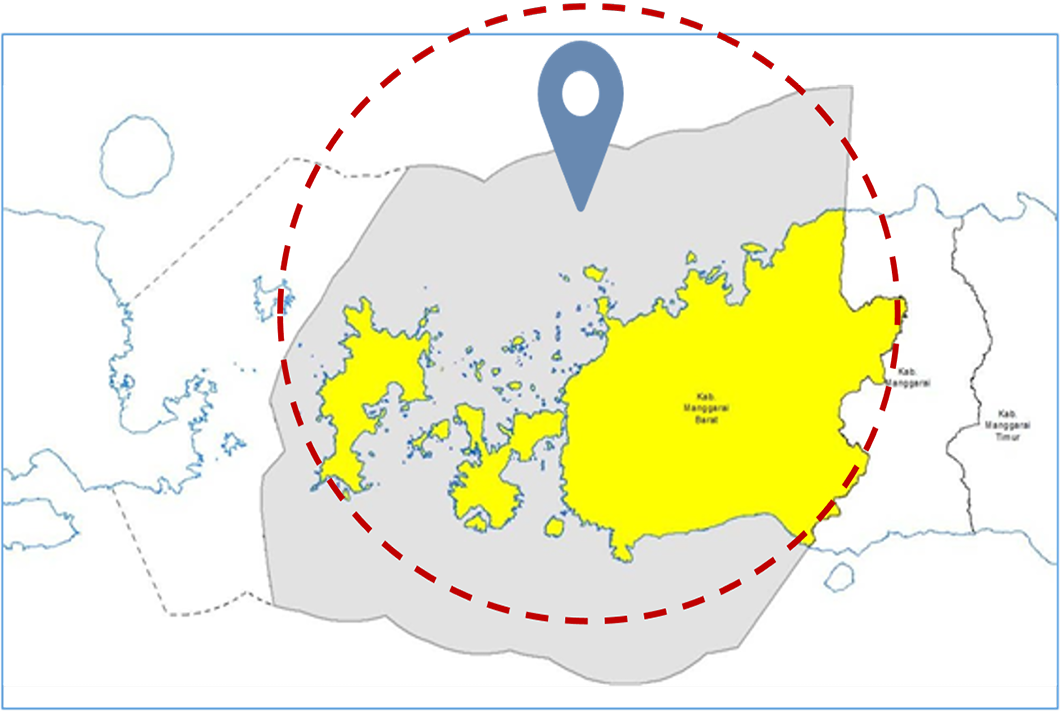
Research location
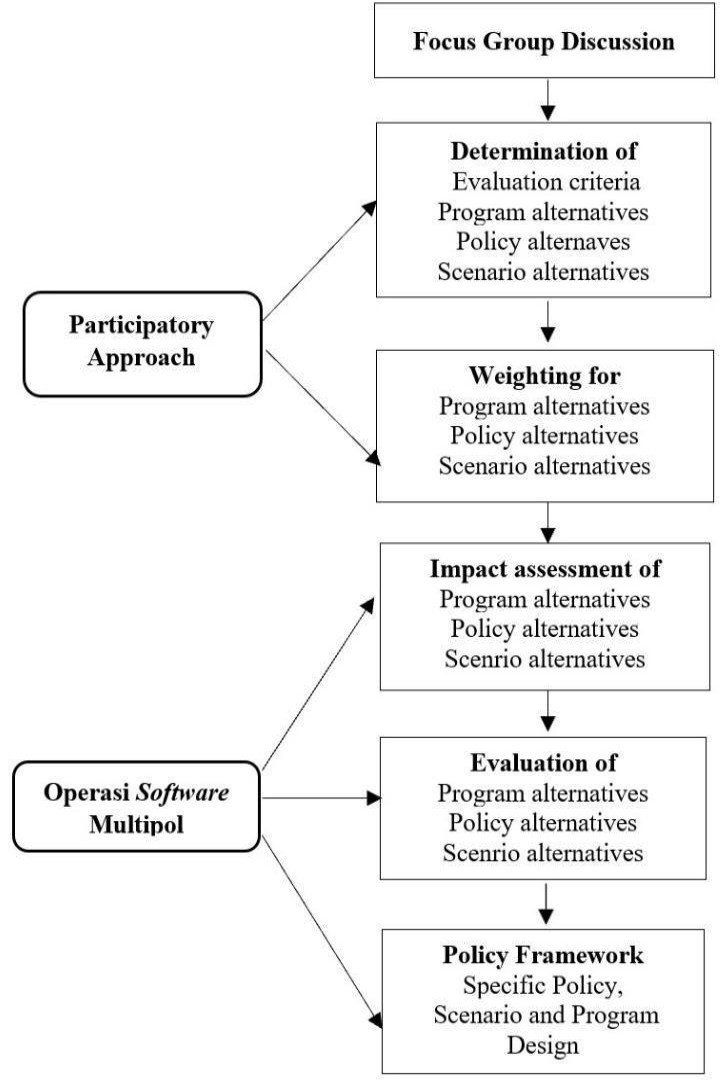
Multipol Stages
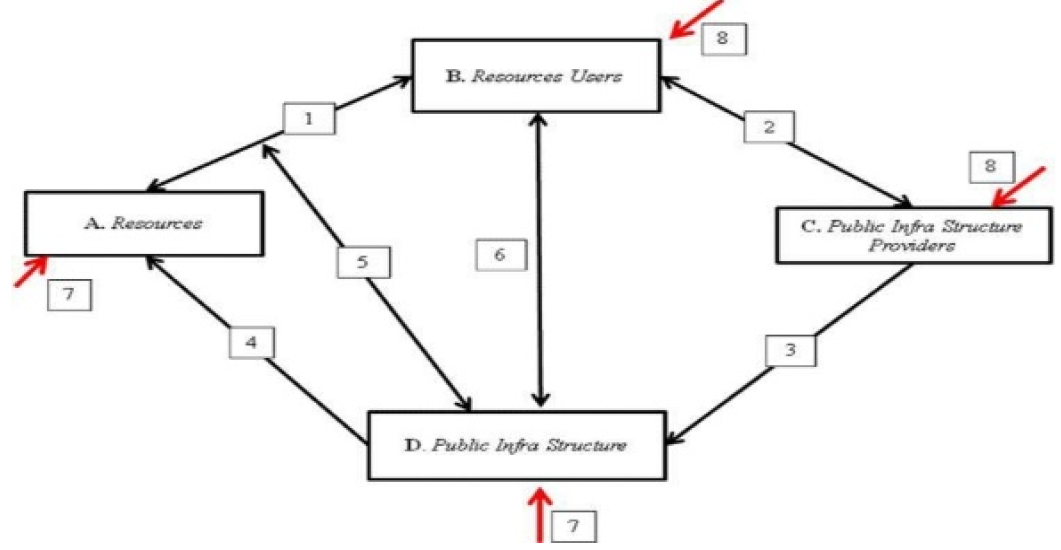
Socio-ecological System (Anderies et al., 2004)
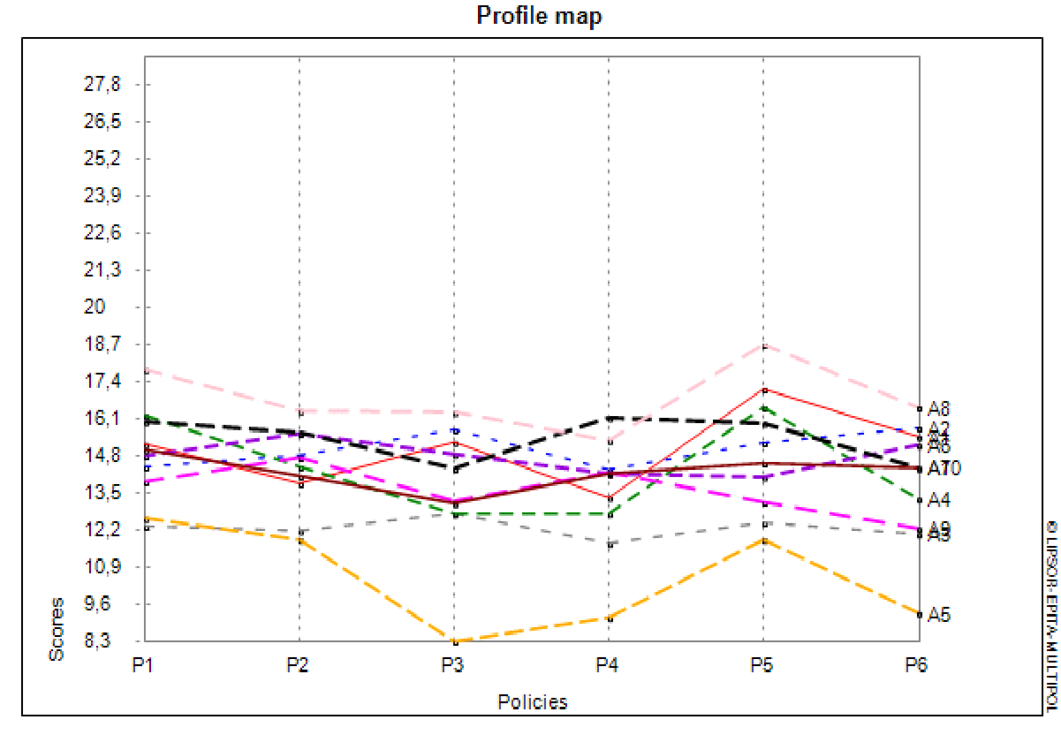
Flagship program performance profiles across different policies (Y-axis: Mean Performance Score on a 0–20 scale; X-axis: Policy Priorities P1–P6)
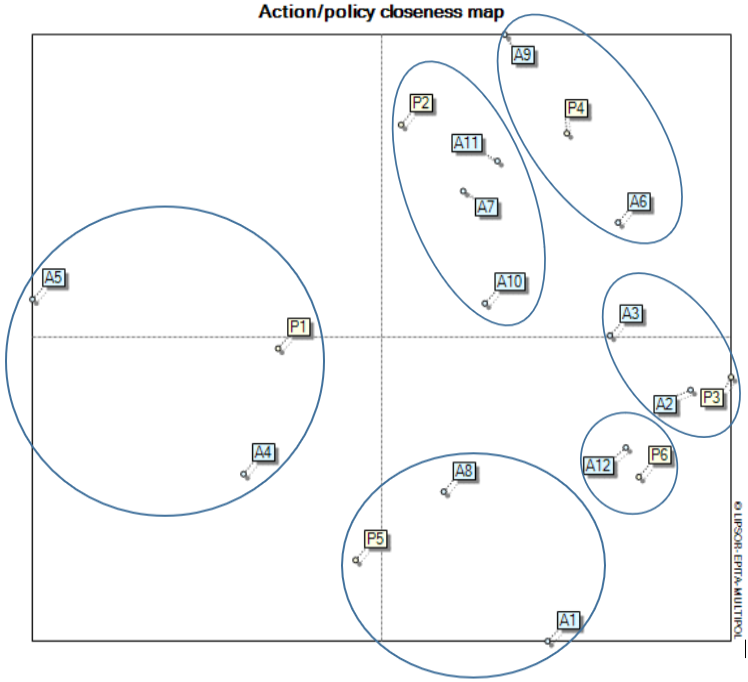
Multi-dimensional closeness map between actions and policies. Note: Enclosing circles represent distinct strategic clusters where actions (A) and policies (P) share high operational proximity and mutual dependency.
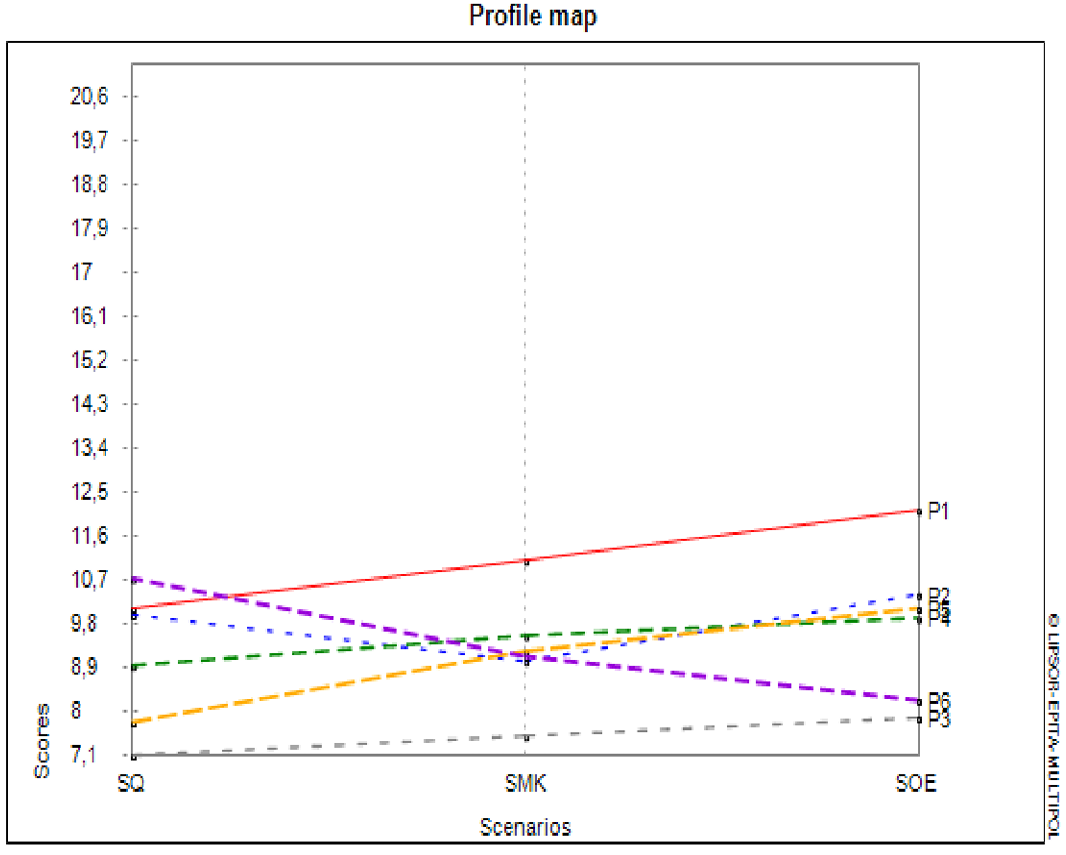
Profile map/policy alternative for each scenario (Y-axis: Policy Score on a 0–20 scale; X-axis: Policy Scenarios SQ, SMK, SOE).
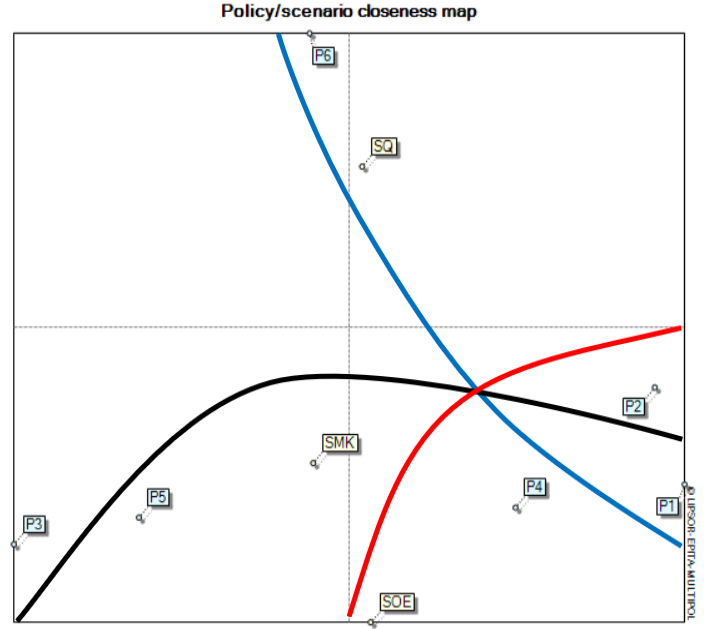
Policy/scenario closeness map
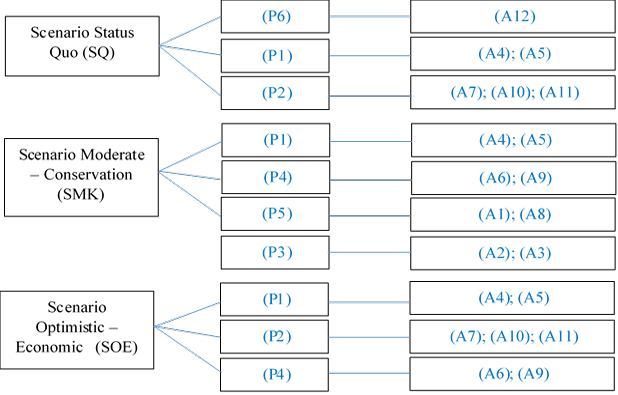
A socio-ecological system-based policy model for sustainable tourism in Labuan Bajo
References
- Anderies, J.M., M.A. Janssen and Ostrom, E. 2004. A framework for analyzing the robustness of social-ecological systems from an institutional perspective. Ecol. Soc., 9: (1): 18. https://doi.org/10.5751/ES-00610-090118[CrossRef]
- Anele, K.K. 2021. Assessing the impact of COVID-19 on the Indonesian tourism industry. J. Indones. Tour. Hosp. Recreat., 4: (2): 107–120. https://doi.org/10.17509/jithor.v4i2.34393[CrossRef]
- Ardhanariswari, K.A. and Pratiwi, K.W. 2021. Strengthening of collaboration strategy through PENTAHELIX model in Borobudur as a super priority tourist destination. RSF Conf. Ser.: Bus. Manag. Soc. Sci., 1: (4): 150–161. https://doi.org/10.31098/bmss.v1i4.360[CrossRef]
- Atmojo, M.E. and Fridayani H.D. 2021. An assessment of the COVID-19 pandemic impact on the Indonesian Tourism Sector. J. Govern. Publ. Poli., 8: (1): 1–9. https://doi.org/10.18196/jgpp.811338[CrossRef]
- Balai Taman Nasional Komodo (BTNK). 2026. Analisis Kunjungan Wisatawan dan Penerapan Kuota Kawasan Taman Nasional Komodo 2025/2026. Kementerian Lingkungan Hidup dan Kehutanan, Labuan Bajo.
- Erlandia, D.R., A. Suryana, E. Novianti and Kheokao, J. 2023. Multi-stakeholder collaboration in improving the quality of local human resources in super-priority tourism destination Labuan Bajo Manggarai Regency. J. Law Sustain. Dev., 11: (12): e2133. https://doi.org/10.55908/sdgs.v11i12.2133[CrossRef]
- Fauzi A. 2019. Teknik Analisis Keberlanjutan. Jakarta. PT Gramedia Pustaka Utama.
- Firmansyah, I., I.W. Budiasa, C.A. Paulus, D.A. Rachman, T. Sukwika, E. Hermawan, and Casnan. 2023. Modelling of carrying capacity at Komodo National Park: System dynamics approach (Case study: Komodo Island and Padar Island, East Nusa Tenggara Province). Jurnal Pengelolaan Sumberdaya Alam dan Lingkungan (Journal of Natural Resources and Environmental Management), 13(3): 492–506. doi.org https://doi.org/10.29244/[CrossRef]
- Ishtiaq, A. and M. Naeem. 2016. Length-weight relationships and condition factor for farmed Catla catla (Hamilton, 1822) from southern Punjab, Pakistan. Punjab Uni. J. Zool., 31 (2): 209-214.
- Islahuddin, I., B.M. Eppang, A.P. Som, A. Masatip and M.A. Salim. 2022. Adaptation and collaboration of the local community in Super Priority Destination Tourism Program in Labuan Bajo. ETHNOSIA: J. Ethnograp. Indon., 7: (1): 15–28 https://doi.org/10.31947/etnosia.v7i1.19708.[CrossRef]
- Komalasar, F. and E. Ganiarto. 2019. Determinant factors of Indonesian millennials ‘revisit intention: a case of Labuan Bajo. Firm J. Manag. Stud., 4: (2): 177–199. https://doi.org/10.33021/firm.v4i2.801[CrossRef]
- Ministry of Tourism and Creative Economy. 2019. Rencana Strategis Kemenparekraf/Baparekraf 2020-2024. Jakarta (ID): Kemenparekraf.
- Ministry of Tourism and Creative Economy. 2021. Laporan Kinerja Kementerian Pariwisata 2020. Jakarta (ID): Kemenparekraf.
- Ministry of Public Works and Housing 2020. Synergy: Synergy in the Development of Five Super Priority Tourism Destinations (Synergy: Synergy Five Destination Development Super Priority Tourism). Jakarta (ID): Ministry of PUPR.
- Naeem, M., A. Salam, A. Ishtiaq. 2011. Length–weight relationships of wild and farmed Tor putitora from Pakistan. J. Appl. Ichthyol., 27 (4): 1133-1134. https://doi.org/10.1111/j.1439-0426.2010.01613.x[CrossRef]
- Naeem, M., Salam, A., Tahir, S. S., & Rauf, Naseem. 2010. Assessment of the essential element and toxic heavy metals in hatchery reared Oncorhynchus mykiss. Int. J. Agric. Biol., 12(6): 935-938.
- Naeem, M., A. Salam, and A. Zuberi. 2016. Proximate composition of freshwater rainbow trout (Oncorhynchus mykiss) in relation to body size and condition factor from Pakistan. Pak. J. Agric. Sci., 53(2). 468-472. https://doi.org/10.21162/PAKJAS/16.2653[CrossRef]
- Ostrom, E. 2009. A general framework for analyzing sustainability of socio-ecological systems. Sci., 325: (5939): 419–422. https://doi.org/10.1126/science.1172133[CrossRef]
- Pertiwi, T.C. and A. Saputra. 2024. Land use change prediction on super-priority tourism destination in Labuan Bajo, Indonesia. E3S Web of Confer., 500: 03043. https://doi.org/10.1051/e3sconf/202450003043[CrossRef]
- Prihanto, A.A., N.I. Umam and J.D.G. Bangun. 2024. Unveiling the secret of Indonesian fermented fish: characteristics of lactic acid bacteria, role and potential in product development. Food Biosci., 61: 104629 https://doi.org/10.1016/j.fbio.2024.104629[CrossRef]
- Purba, J.H., R. Fathiah and S. Steven. 2021. The Impact of Covid-19 pandemic on the tourism sector in Indonesia. Jurnal Aplikasi EKonomi Akuntansi dan Bisnis., 3: (1): 389–401. https://doi.org/10.37641/riset.v3i1.82[CrossRef]
- Purba, A., et al. 2022. Strategic environmental assessments for sustainable coastal tourism destinations: A case of regional governance in Indonesia. Marine Policy., 138: 105021. doi.org
- Ramdhani, D., D. Supriadi and B. Barokatuminalloh. 2017. Analysis of Determinants of the Foreign Exchange Earnings of the Tourism Sector in Indonesia. Jurnal Akuntansi, Manajemen dan Ekonomi., 19: (1): 34–43.
- Santhyasa, I.K., S.A. Paturusi, I.N. Sunarta and Arida, I.N. 2020. Tourism destination development policies in the regional spatial system of Karangasem Regency, Bali, Indonesia. Int. J. Soc. Sci. Res., 8: (2): 252–265. https://doi.org/10.5296/ijssr.v8i2.17287[CrossRef]
- Shi, X. and Ling, G.H. 2024. A systematic review of factors influencing self-governed public open spaces: Insights from social-ecological system framework and collective action. Open House Int., 50: (1): 20–39. https://doi.org/10.1108/OHI-11-2023-0269[CrossRef]
- Syaifulloh, M. and Mardianto, S. 2021. The contribution of virtual reality technology in the development tourism in Yogyakarta. Pringgitan. https://doi.org/10.47256/pringgitan.v2i01.165[CrossRef]
- Sugiarto, A. and I.G.A.O. Mahagangga. 2020. Kendala pengembangan pariwisata di destinasi pariwisata Labuan Bajo Nusa Tenggara Timur (Studi estimasi komponen produk pariwisata). Jurnal Destinasi Pariwisata. 8: (1): 1-25. https://doi.org/10.24843/JDEPAR.2020.v08.i01.p03[CrossRef]
- Suraji, H.S., S., Yonvitner, S. Koeshendrajana, D.E. Prasetiyo, A. Widianto and A. Dermawan. 2020. Nilai Penting dan Strategis Nasional Rencana Zonasi Kawasan Taman Nasional Komodo. J. Sosek KP., 15: (1): 15–32. https://doi.org/10.15578/jsekp.v15i1.8888[CrossRef]
- Waudby, H.P., B.P. Smith, G.M. Robinson, S. Petit and G. Earl. 2020. Applying a social-ecological system framework to diagnose drivers of dingo management practices. Aus. Zool., 41: (3): 550–567. https://doi.org/10.7882/AZ.2020.036[CrossRef]
- Westoby, R., S. Gardiner, R.W. Carter and N. Scott. 2021. Sustainable livelihoods from tourism in the “10 new islands “ in Indonesia. Asia Pac. J. Tour. Res., 26: (6): 702–716. https://doi.org/10.1080/10941665.2021.1908386[CrossRef]
- Wibowo, J.M. and Hariadi, S. 2022. Indonesia sustainable tourism resilience in the COVID-19 pandemic era: Case study of five Indonesian super-priority destinations. Millennial Asia, 15: (2): 236–258. https://doi.org/10.1177/09763996221105143[CrossRef]
- Yuneni, R.R. 2017. Estimasi daya dukung wisata selam di lokasi penyelaman Taman Nasional Komodo Kabupaten Manggarai Barat (Versi 1) dalam upaya berpariwisata laut yang bertanggung jawab. Laporan. WWF Indonesia. Kupang.
Services
Article usage statistics
Loading…