
Feed corn farming is a critical component of Indonesia’s agricultural sector and requires comprehensive sustainability assessments across ecological, technological, social, and economic dimensions. This study evaluates the sustainability of feed corn agriculture in Takalar Regency, South Sulawesi, Indonesia, employing a quantitative descriptive survey methodology. Data from 70 feed corn farmers were analyzed using the Rap-Local Animal Feed Corn Farming ordination technique through Multidimensional Scaling (MDS). Results indicate high ecological sustainability, with a sustainability index of 75.18%, a stress value of 0.15, and an R² of 0.94, reflecting reliable model performance. Technologically, the farming practices were highly sustainable, achieving an index of 81.75%, accompanied by a stress value of 0.14 and an R² of 0.94, highlighting high technological frameworks. The social dimension emerged as the strongest, with a sustainability score of 83.56%, stress value of 0.14, and R² of 0.94, indicating significant strength and resilience within social structures. Conversely, the economic dimension scored moderately sustainable at 69.15%, underscoring critical economic vulnerabilities requiring targeted interventions. The sustainability of feed corn farming in Takalar Regency is affirmed, though strategic economic improvements remain essential for ensuring its sustainability. These findings highlight the need for targeted policy interventions that strengthen agro-industry linkages, improve market access, and promote environmentally sustainable practices. A multidimensional sustainability framework should be integrated into regional planning to support long-term resilience in Indonesia’s feed corn sector.
Research Article · Volume 41, Issue 5, 26 December 2025 · Open Access
Multidimensional Assessment of Feed Corn Farming Sustainability: Ecological, Technological, Social and Economic Insights from South Sulawesi, Indonesia
· ·
Affiliations & Notes ⌄
- 1Faculty of Science and Technology, Alauddin State Islamic University
- 2Faculty of Agriculture, Bosowa University
- 33 Hasanuddin University, Makassar. *Correspondence | Andi Suarda, Faculty of Science and Technology, Alauddin State Islamic University, Gowa, 92113, Indonesia. Email: andi.suarda@uin-alauddin.ac.id
Article Info ⌄
- Journal:
- Sarhad Journal of Agriculture
- Published:
- 26 December 2025
From the article
- Implementing waste reduction strategies, sustainable farming practices, and technological innovations can significantly improve resource efficiency, minimize environmental degradation, and support long-term agricultural sustainability in Takalar Regency.
- The findings indicate that the economic dimension significantly impacts the sustainability of feed corn farming in Takalar Regency.
- Strengthening value chains, advancing farm technology, and promoting sustainable environmental practices are essential to enhancing the region's resilience and sustainability of feed corn farming systems.
- Continued investment in market infrastructure, technological advancements, and ecological management will be key to maintaining and enhancing the long-term sustainability of feed corn farming.
Selected from the article's own text.
Abstract
Introduction
Agriculture plays a pivotal role in global food security and economic stability, with corn (Zea mays L.) being one of the most important staple crops worldwide. The agricultural sector in Indonesia plays a strategic role in economic development ; . Corn holds significant importance among the key agricultural commodities due to its potential contribution to food security and economic stability (Grote et al., 2021). In Indonesia, corn is the primary secondary crop after rice and plays a crucial role in national food consumption patterns. Indonesia's national demand for feed corn is estimated at approximately 15 million tons annually.
In comparison, domestic production is projected to reach 16–17 million tons, supporting government goals of self-sufficiency and reduced import dependence . In addition, total corn production (including feed and other uses) is forecast to reach around 15.5 million tons by 2025, reflecting a stable upward trend (FAO, 2025). The sustainability of corn farming is increasingly critical due to challenges such as climate change, soil degradation, resource limitations, and socio-economic disparities ; . Ensuring sustainable agricultural practices is essential for maintaining long-term productivity and environmental resilience while supporting farmers' welfare and market stability.
Corn production is heavily influenced by ecological, technological, social, and economic factors. The ecological dimension relates to agro-ecosystem stability, water availability, waste management, and biodiversity conservation . Sustainable farming practices, including crop diversification, precision agriculture, and efficient resource management, are essential for mitigating environmental risks. The technological dimension plays a crucial role in improving productivity through advancements in seed selection, mechanization, production management, and post-harvest processing . Adoption of innovative agricultural technologies can enhance efficiency, reduce losses, and increase farmers' adaptability to climate change. The social dimension is fundamental to agricultural sustainability, encompassing labor availability, community participation, farmer collaboration, and social capital development . Empowering farming communities through knowledge transfer, cooperatives, and stakeholder engagement can foster resilience and enhance sustainable farming practices. Meanwhile, the economic dimension significantly impacts farmers’ income, market accessibility, production costs, and financial support . Sustainable feed corn farming requires a stable price structure, improved value chain integration, and investment in agricultural infrastructure to ensure long-term profitability and food security .
Takalar Regency is one of the leading corn-producing regions in South Sulawesi, recognized for its high-quality corn production. Corn farming serves as a key economic driver in the region, particularly in Galesong District, where production reached 23,450 tons in 2016, significantly surpassing other districts that averaged 4,000 tons per year . However, in recent years, Takalar’s corn production has experienced fluctuations, with 82,228.70 tons produced in 2019, followed by a 19.3% decline in 2020 and an additional 1.7% decrease in 2022 (Statistics of Indonesia, 2023). These fluctuations in production and market prices directly impact farmers' livelihoods, affecting income stability, supply chain dynamics, and overall agricultural economic performance. A comprehensive sustainability assessment is essential to ensure the long-term viability of feed corn farming . This study aims to evaluate the sustainability of feed corn farming by assessing key indicators across four dimensions: ecology, technology, social, and economic, using a quantitative analytical approach. The technological dimension focuses on adopting improved farming techniques, mechanization, seed selection, and post-harvest management, which are crucial for enhancing productivity and resilience. The social dimension explores the role of labor availability, community participation, farmer collaboration, and social well-being. In contrast, the economic dimension assesses factors such as farmer income, market access, pricing stability, and financial support mechanisms.
The use of the Multidimensional Scaling (MDS) approach also strengthens the appropriateness of this study, offering a replicable and robust methodology to assess sustainability in similar agricultural contexts. The findings provide critical insights into the current sustainability status of feed corn farming in Takalar Regency and identify areas that require targeted interventions. This research will offer data-driven recommendations for policy enhancements, agricultural development strategies, and resource management improvements by analyzing sustainability across these dimensions. Strengthening sustainable agricultural practices will contribute to the economic resilience of farming communities and enhance regional and national food security.
Materials and Methods
Study area and duration
This study was conducted in Takalar Regency, South Sulawesi, Indonesia, over a three-month period from February to April 2024. The study sites were Galesong Utara and Polongbangkeng Selatan sub-districts, selected using a purposive sampling approach due to their status as the largest corn-producing areas in Takalar Regency, which itself is a major national corn production center.
Research design and sampling
This study employed a survey research design with a quantitative descriptive approach, which is suitable for analyzing relationships between variables and testing hypotheses . The respondent sample consisted of 70 feed corn farmers, selected through a random sampling technique. Additionally, nine key informants were identified and interviewed for in-depth insights, comprising two representatives from formal institutions, three from informal institutions, and four farmer group leaders.
Data collection and analysis
Data for this study were collected through structured interviews using a standardized questionnaire designed to assess the sustainability performance of feed corn farming in Takalar Regency. The instrument was developed to capture farmers’ experiences, perceptions, and practices across four key sustainability dimensions: ecological, technological, social and economic. Identifying sustainability indicators was grounded in relevant literature and expert validation, resulting in 24 attributes, with six attributes assigned to each dimension.
Ecological dimension: (a) Corn plant suitability with agro-ecosystem, (b) Efficient water availability, (c) Waste reduction, (d) Sustainability improvement through production diversification, (e) Farmer involvement in environmental management, (f) Mixed cropping techniques;
- Technological dimension: (a) Seed selection, (b) Land management, (c) Mechanization, (d) Production management, (e) Technological modifications, (f) Harvesting and processing;
- Social dimension: (a) Labor availability, (b) Family participation, (c) Community participation, (d) Farmer income, (e) Farmer-to-farmer collaboration, (f) Success rate of feed corn farming;
- Economic dimension: (a) Farmer income, (b) Feed corn product prices, (c) Feed corn product quality, (d) Availability of feed/food industries, (e) Market availability, (f) Access to financing.
Statistical analysis
The sustainability data were analyzed using the rapid appraisal for local animal feed corn farming technique, based on the Multidimensional Scaling (MDS) approach. This technique allows for exploring complex relationships among sustainability indicators across four key dimensions: ecological, technological, social, and economic. The following analytical steps and tools were applied:
MDS Method and Statistical Tool: Kruskal’s MDS / Non-Metric MDS was employed as the core analytical method. This approach uses ordinal data (ranked attributes) and is especially suited for handling non-linear relationships.
Software: The analysis was performed using the RAP-MDS (Rapid Appraisal for Multidimensional Scaling) platform. Developed using Excel VBA Macros, RAP-MDS is widely used in sustainability assessments, including tools such as Rapfish (fisheries), RapLivestock (animal farming), and Rapgroundwater (water resource management). It is particularly effective for evaluating ecological, social, economic, technological, and institutional dimensions.
Analytical steps
Identification of Attributes: A total of 24 sustainability attributes (6 per dimension) were identified based on literature and field relevance.
Ordination and Sustainability Index Classification: MDS was used to produce sustainability indices for each dimension, ranging from 0 to 100, and classified as:
0.00 < x ≤ 25.00: Unsustainable
25.01 < x ≤ 50.00: Less sustainable
50.01 < x ≤ 75.00: Moderately sustainable
75.01 < x ≤ 100.00: Highly sustainable
Visualization: Index scores were visualized using kite diagrams to show sustainability performance across the four dimensions.
Euclidean Distance Ordination: The MDS ordination was constructed using Euclidean Distance to plot the relative position of indicators in n-dimensional space.
Model Fit and Validation: Stress value (S-Stress): A value below 0.25 (S < 0.25) indicated a good fit. Coefficient of determination (R²): Values close to 1 indicate that the selected attributes explained most of the variation in sustainability scores.
Results
Sustainability of feed corn farming based on the ecological dimension
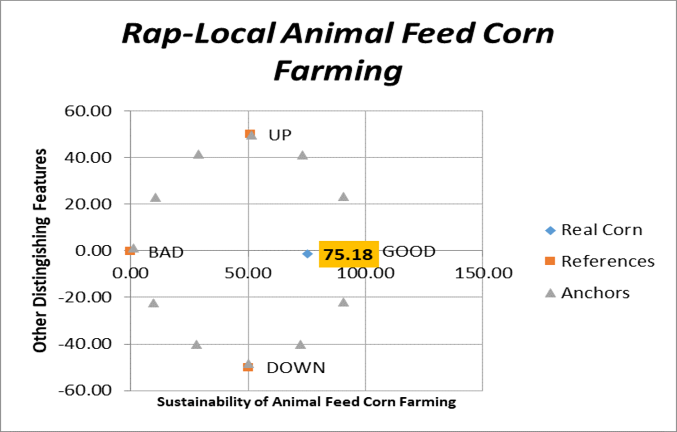
Figure 1 illustrates the sustainability index of feed corn farming in Takalar Regency based on the ecological dimension, highlighting its relative sustainability level.
The analysis using the Rap-Local Animal Feed Corn Farming method indicates that the sustainability index of feed corn farming in Takalar Regency, based on the ecological dimension, is 75.18%. According to the sustainability classification (75.01 < x ≤ 100.00), this score suggests that the region's ecological sustainability of feed corn farming is highly sustainable. The stress value of the model is 0.15, which is below the acceptable threshold of 0.25.
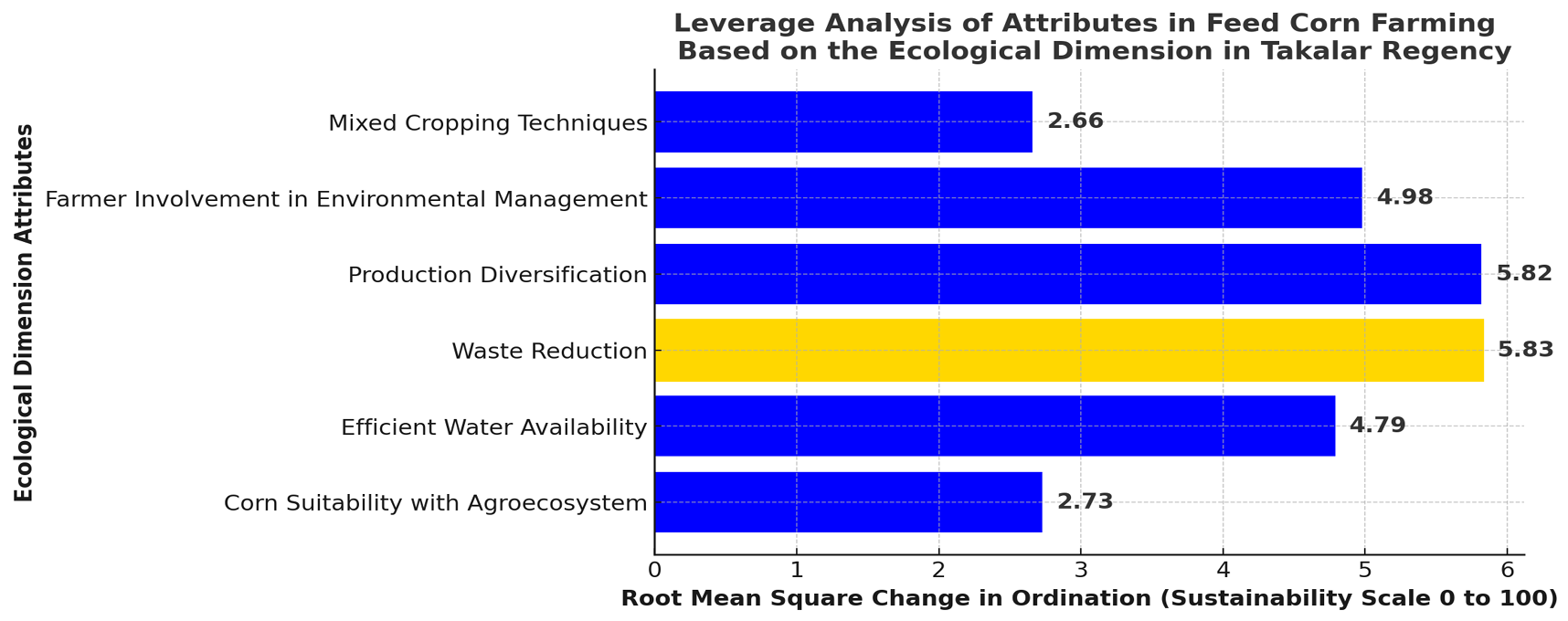
Figure 2 shows that waste reduction has the highest influence (5.83) on ecological sustainability, indicating that minimizing agricultural waste is crucial for maintaining environmental balance. Production diversification (5.82) and farmer involvement in environmental management (4.98) also play significant roles, suggesting that increasing crop variety and engaging farmers in sustainable practices can enhance ecological sustainability. Meanwhile, efficient water availability (4.79), corn suitability with the agro-ecosystem (2.73), and mixed cropping techniques (2.66) have lower leverage values, implying that while they contribute to sustainability, their impact is not as strong as waste reduction. These results highlight the importance of waste management and diversified farming practices in ensuring sustainable feed corn farming.
Sustainability of feed corn farming based on the technological dimension
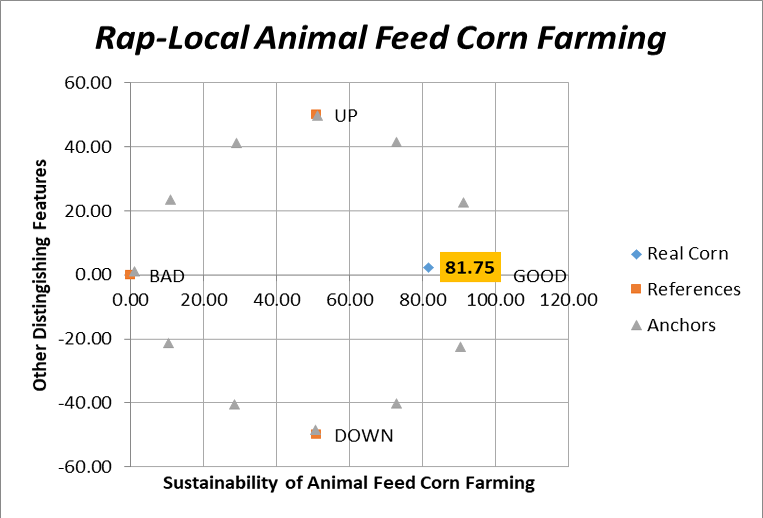
Figure 3 presents the sustainability index of feed corn farming based on the technological dimension in Takalar Regency.
The analysis using the Rap-Local Animal Feed Corn Farming method indicates that the sustainability index of feed corn farming in Takalar Regency, based on the technological dimension, is 81.75% (75.01 < x ≤ 100.00), signifying a highly sustainable level. The stress value obtained is 0.14, which is below the acceptable threshold of 0.25.
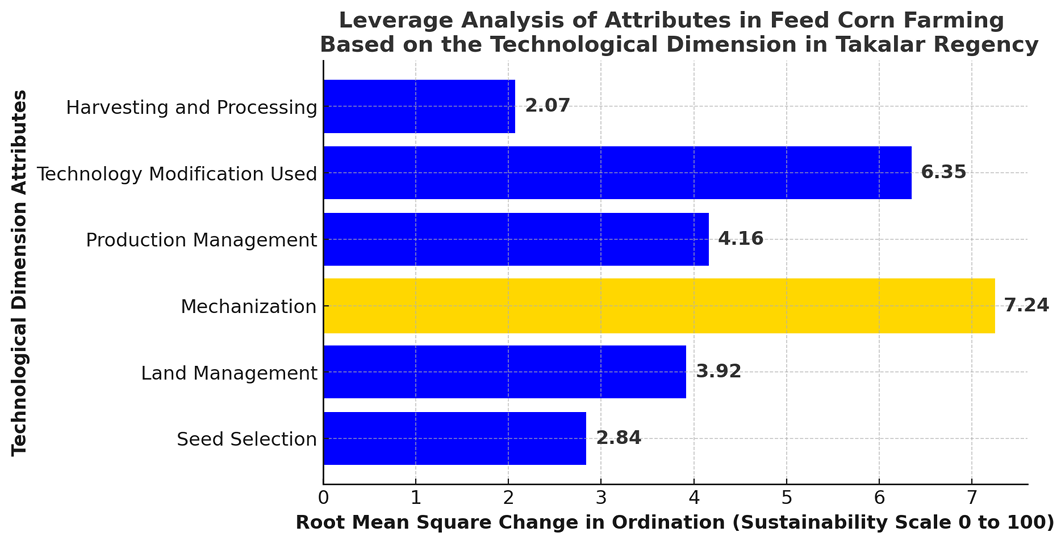
Figure 4 illustrates that mechanization has the highest influence (7.24) on sustainability, meaning that improving farming equipment and automation is crucial for better productivity. Technology modification (6.35) and production management (4.16) also play important roles in sustainability, indicating the need for modern farming techniques. On the other hand, harvesting and processing (2.07) and seed selection (2.84) have lower impacts, suggesting they are less critical compared to mechanization. These results highlight the importance of investing in advanced technology and better farm management to improve sustainability in feed corn farming.
Sustainability of feed corn farming based on the social dimension
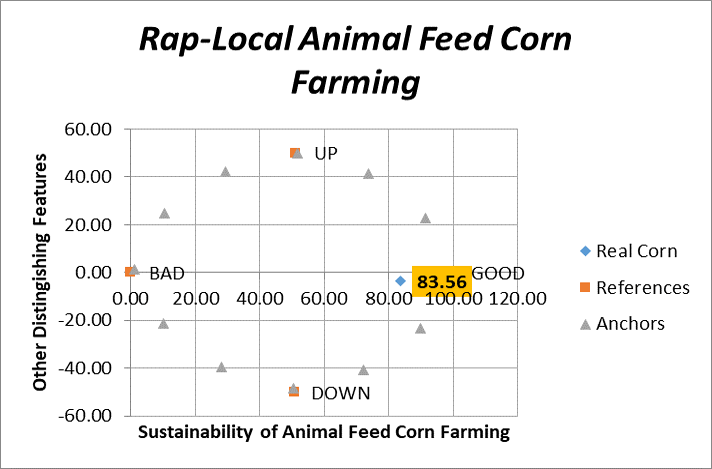
Figure 5 presents the sustainability index of feed corn farming based on the social dimension in Takalar Regency. The analysis using the Rap-Local Animal Feed Corn Farming method indicates that the sustainability index of feed corn farming in Takalar Regency, based on the social dimension, is 83.56% (75.01 < x ≤ 100.00), signifying a highly sustainable level. The stress value obtained is 0.14, which is below the acceptable threshold of 0.25.
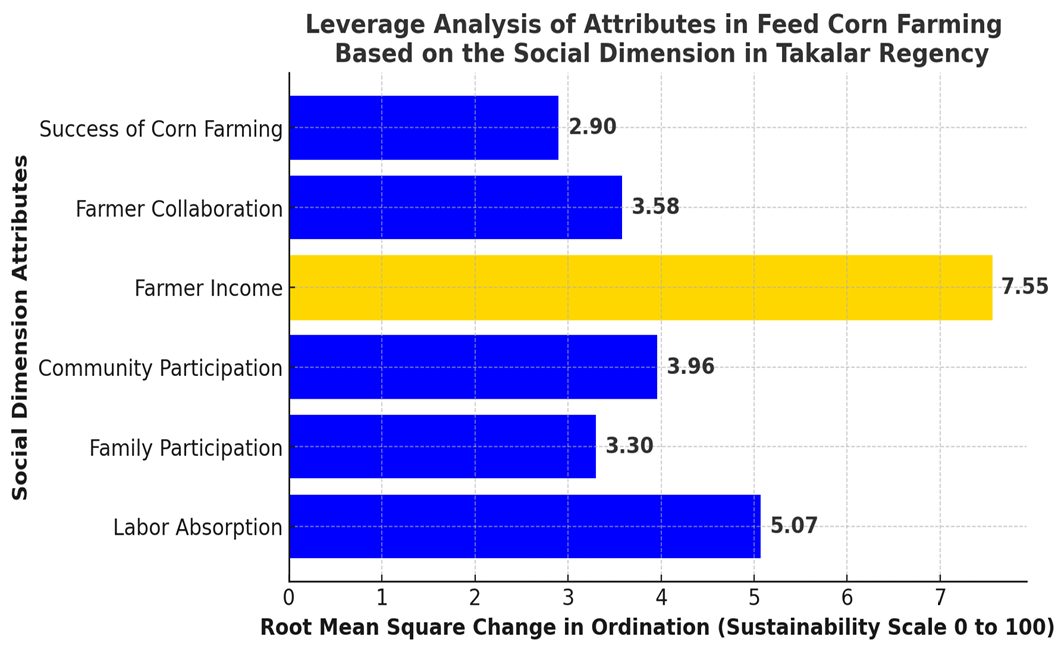
Figure 6 highlights that farmer income has the highest influence (7.55) on the sustainability of feed corn farming, indicating its critical role in the well-being of farmers and the overall agricultural economy. This suggests that improving income stability through better market access, price regulation, and financial support can significantly enhance the social sustainability of farming communities. Additionally, labor absorption (5.07) and community participation (3.96) also play significant roles, emphasizing the importance of job creation and community engagement in sustaining agricultural livelihoods. Farmer collaboration (3.58), family participation (3.30), and the success of corn farming (2.90) have relatively lower leverage values, indicating that while they contribute to social sustainability, their impact is less pronounced compared to farmer income.
Sustainability of feed corn farming based on the economic dimension
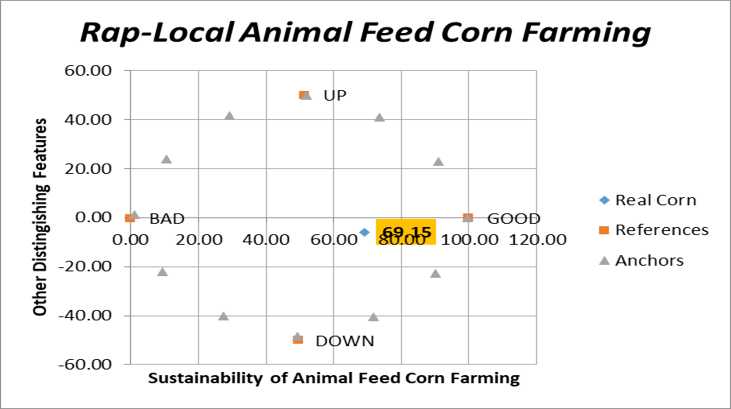
Figure 7 presents the sustainability index of feed corn farming based on the social dimension in Takalar Regency.
The analysis using the Rap-Local Animal Feed Corn Farming method indicates that the sustainability index of feed corn farming in Takalar Regency, based on the economic dimension, is 69.15% (50.01 < x ≤ 75.00), signifying a moderate level of sustainability. The stress value obtained is 0.15, which is below the acceptable threshold of 0.25.
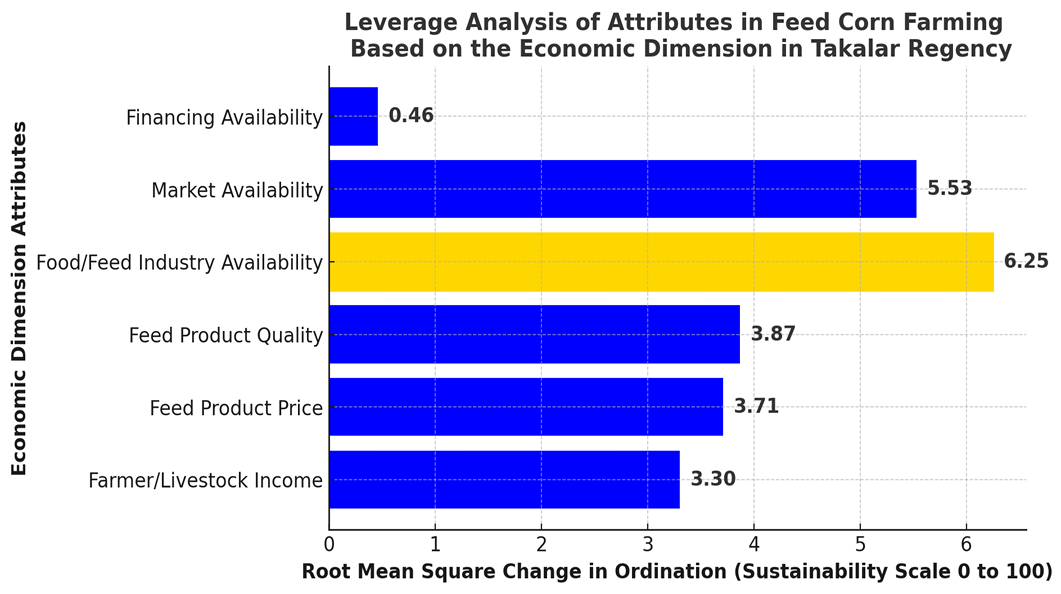
Figure 8 illustrates the leverage analysis of attributes in feed corn farming based on the economic dimension in Takalar Regency. The results indicate that food/feed industry availability (6.25) is the most influential factor in economic sustainability, highlighting the importance of a strong processing industry to ensure market stability and demand for farmers' produce. Market availability (5.53) also plays a key role, as accessible and competitive markets enhance farmers' economic resilience. Other factors, such as feed product quality (3.87) and feed product price (3.71), contribute to sustainability by ensuring product competitiveness and profitability. Meanwhile, farmer/livestock income (3.30) has a moderate impact, suggesting that broader market and industry conditions shape economic stability. The least influential factor is financing availability (0.46), indicating that financial support plays a minimal role, possibly due to alternative funding sources or self-sufficient farming practices.
Sustainability model of feed corn farming in dimensions
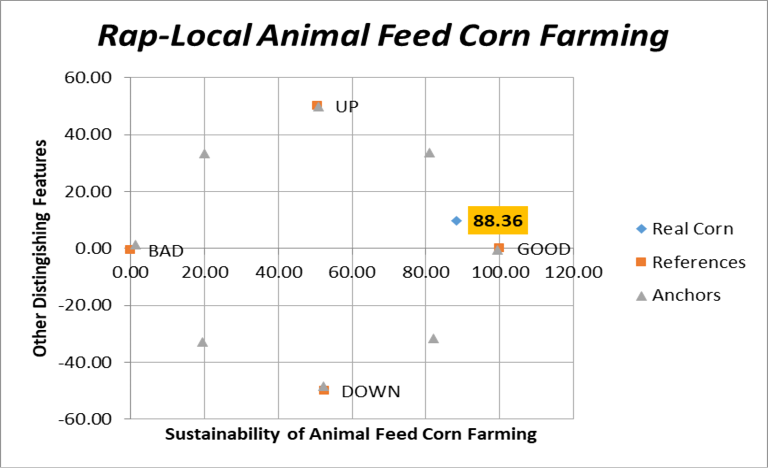
Figure 9 presents the sustainability index of feed corn farming based on ecological, technological, social, and economic dimensions in Takalar Regency.
The analysis conducted using the Rap-Local Animal Feed Corn Farming method indicates that the sustainability index of feed corn farming in Takalar Regency—assessed across ecological, technological, social, and economic dimensions- reached 88.36% (75.01 < x ≤ 100.00), classifying it as highly sustainable. The stress value of 0.16, which falls below the acceptable threshold of 0.25, suggests that the model is reliable, experiences minimal distortion, and can be categorized as robust due to its low stress value.
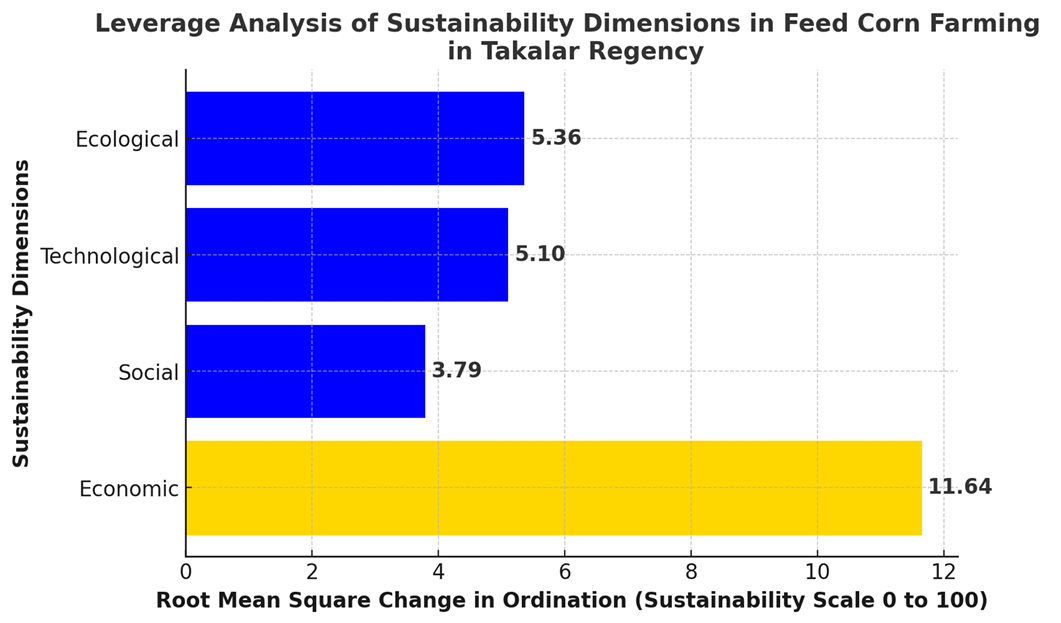
Figure 10 illustrates that the economic dimension (11.64) has the highest influence, showing that market access, industry support, and stable pricing are key to sustainability. The ecological (5.36) and technological (5.10) dimensions also play important roles, highlighting the need for better resource management and farming technology. The social dimension (3.79) has the lowest impact, suggesting that while community participation is important, economic and technological factors are more crucial for sustainability.
Discussion
Ecological sustainability of Feed Corn Farming in Takalar Regency, indicating that minimizing agricultural waste is crucial for maintaining environmental balance. One of the most effective strategies for reducing waste is the utilization of corn residues. Corn leaves can also serve as animal feed or be converted into organic compost to improve soil fertility. Meanwhile, corn cobs, which are often discarded, have potential uses in biogas production, as an alternative energy source, or as materials for handicrafts and biodegradable products . Another essential approach is adopting waste processing technologies, such as composting, biogas production, and livestock feed processing. Composting organic waste enriches soil quality and serves as a natural fertilizer for subsequent planting seasons . Similarly, biogas production from corn stalks and cobs provides an alternative energy source while reducing methane emissions.
Additionally, drying and processing corn plant residues into animal feed enhances livestock nutrition and reduces agricultural waste . Reducing chemical inputs is a further step in sustainability ; ; . Limiting the excessive use of chemical fertilizers and pesticides helps mitigate chemical waste accumulation in the environment.
Implementing organic farming practices and biological pest control methods promotes a more sustainable agricultural system with minimal environmental impact . Integrating corn cultivation with other crops in an agroforestry system is another important method for enhancing soil health and reducing agricultural waste. Implementing cover crops and soil-protecting plants minimizes soil erosion and optimizes nutrient retention, ensuring long-term sustainability . Lastly, waste processing for commercial products offers opportunities for sustainable economic development. Corn waste can be repurposed into commercially valuable products, such as bioplastics or eco-friendly packaging materials, reducing reliance on fossil-based plastics. These innovations contribute to waste reduction and create economic opportunities for farmers and agribusinesses . A study by Liew et al. (2021) on agricultural waste management in maize farming highlighted that effective utilization of corn residues significantly reduces environmental pollution while increasing economic benefits for smallholder farmers. Similarly, research by Ingrao (2019) emphasized that integrated biogas systems using corn biomass enhance farm sustainability and provide alternative energy sources for rural communities. These findings align with the current study, suggesting that sustainable waste management strategies can lead to environmental conservation and economic gains for farmers. With these techniques, waste from the maize crop can be minimized and create opportunities to increase added value for farmers and communities ; . The results indicate that effective waste management in feed corn farming is essential for enhancing ecological sustainability. Implementing waste reduction strategies, sustainable farming practices, and technological innovations can significantly improve resource efficiency, minimize environmental degradation, and support long-term agricultural sustainability in Takalar Regency.
Mechanization is the most sensitive attribute affecting the sustainability of corn farming in Takalar Regency. Implementing mechanization allows farmers to reduce labor dependency, optimize agricultural operations, and improve crop yields . The various mechanization techniques adopted in feed corn farming include land preparation, planting, fertilization, irrigation, weed control, harvesting, drying, and transportation. Tractors, plows, cultivators, and rotavators improve soil preparation and aeration, ensuring optimal conditions for plant growth. Similarly, mechanized planters and seed drills enable precise and uniform seed distribution, reducing seed wastage and increasing efficiency in large-scale farming operations. In fertilization, fertilizer spreaders ensure even nutrient distribution, preventing overuse and enhancing soil fertility. In addition to improving productivity, mechanized irrigation systems, such as drip and pump systems, enhance water-use efficiency, conserving water resources while maintaining optimal soil moisture levels .
Furthermore, weed control technologies, including weed cutters and herbicide sprayers, help reduce weed competition, ensuring healthier crop growth . Mechanization also plays a crucial role in harvesting and post-harvest processing, with corn harvesters and shellers streamlining operations, minimizing labor dependency, and reducing post-harvest losses. Corn dryers facilitate efficient moisture reduction, preventing spoilage and ensuring more extended storage. At the same time, tractors and trailers improve supply chain logistics by efficiently transporting harvested corn to markets or storage facilities . A study by Emami et al. (2018) emphasized that agricultural mechanization increases land and labor productivity, leading to greater food security and economic stability in developing regions. Similarly, Sun et al. (2024) demonstrated that mechanization significantly reduces production costs while increasing yield stability, aligning with the observed benefits in Takalar Regency.
Furthermore, Getahun et al. (2024) highlighted that precision agriculture technologies improve farm sustainability and resilience to climate variability, supporting the role of technological advancements in sustainable agriculture. The findings highlight that mechanization significantly enhances productivity, reduces resource waste, and improves agricultural output. Mechanized farming reduces post-harvest losses, optimizes resource use, and minimizes labor shortages, contributing to a more resilient and economically viable agricultural system.
The social sustainability of feed corn farming in Takalar Regency is significantly affected by income stability, which impacts other social factors, including labor availability, community participation, and farmer collaboration. This aligns with previous studies conducted by Hoàng (2021), which emphasize that stable income sources enable farmers to invest in better agricultural practices, enhance productivity, and improve overall livelihood conditions. Low and unstable incomes may lead to increased vulnerability, reduced agricultural investments, and a higher dependency on external support. The role of labor absorption and community participation suggests that feed corn farming is not only an economic activity but also a social mechanism that supports employment and community resilience . Davis et al. (2017) argued that agricultural employment is vital for rural economies, especially in developing regions with limited job diversification. Enhancing labor opportunities through mechanization, skills training, and rural infrastructure development can further improve sustainability . Farmer collaboration and family participation also contribute to sustaining agriculture, though their impact is comparatively lower. Sarie et al. (2024) highlighted that farmer networks improve market access and technology adoption, yet the effectiveness of these collaborations often depends on institutional support and resource availability. Similarly, family-based farming, while essential, is gradually declining due to modernization and labor migration trends. The success of family farming does not lie in "specialization" or profit maximization but rather in agricultural practices that fulfill the diverse needs of the household, rather than solely responding to market opportunities . The relatively lower leverage value of the success of corn farming indicates that farming success alone does not directly determine social sustainability. Instead, external factors such as market conditions, weather variability, and government policies significantly influence farming outcomes. Sanyaolu and Sadowski, (2024) suggest that agricultural sustainability depends on external support systems, including price stabilization policies and credit access for farmers. This result highlights that income stability, employment generation, and social participation are key factors in ensuring the social sustainability of feed corn farming. Policies to improve market access, financial support, cooperative farming structures, and rural job creation are essential for enhancing long-term agricultural sustainability in Takalar Regency.
The economic sustainability of feed corn farming in Takalar Regency is significantly influenced by industry and market-related factors. The leverage analysis results indicate that food/feed industry availability plays the most crucial role, suggesting that a well-established processing industry enhances economic stability by providing consistent demand and value addition for farmers. A strong agro-processing industry ensures that corn production remains viable and profitable, reducing reliance on fluctuating raw commodity markets . This finding aligns with previous research by Diao et al. (2019), emphasizing that integrating agricultural production with agro-industrial processing boosts profitability and reduces post-harvest losses. Farmers may face market saturation during peak harvest seasons without proper processing infrastructure, leading to price declines and increased spoilage rates . Similarly, market availability emerged as a key factor, reinforcing the importance of accessible and competitive markets in ensuring stable income for farmers . Strong market linkages allow farmers to sell their produce at fair prices and reduce their dependency on intermediaries, often reducing farmers' bargaining power . This aligns with the findings of Saikanth et al. (2024), which highlighted that well-functioning supply chains and strong market linkages enhance agricultural sustainability. Ensuring efficient market accessibility can help stabilize farm incomes and encourage investment in better farming practices. The study also identified feed product quality and price as relevant factors, emphasizing that product competitiveness directly impacts profitability. High-quality feed products are essential for maintaining demand in the livestock industry, where buyers prioritize nutrient-rich, contamination-free feed . Pratomo (2023) suggested that maintaining high feed quality enhances long-term market demand and farmer income and ensures compliance with industry standards that can facilitate exports and broader market access. Similarly, competitive pricing remains a determining factor in the economic success of corn farming, as price fluctuations can significantly impact profitability, particularly for smallholder farmers.
In contrast, farmer/livestock income had a relatively lower leverage effect, indicating that income stability largely depends on external factors such as industry support, supply chain efficiency, and market access rather than individual productivity. This is consistent with studies by Choi and Lee (2023), which found that improving market structures and industry collaboration is more effective in increasing farm incomes than direct financial aid. When farmers have access to well-organized value chains, they are more likely to receive fair prices and benefit from long-term economic stability . Interestingly, financing availability was the least influential factor, suggesting that access to formal credit has a minimal impact on economic sustainability . This may indicate that farmers rely more on traditional financial resources, informal lending, or reinvestment from farm revenues rather than external financial assistance. Smallholder farmers often prioritize practical support, such as subsidies and training, over financial aid to improve farm productivity and resilience . This finding suggests that policymakers should focus more on improving production efficiency and strengthening industry connections rather than simply increasing credit access. This study emphasizes that strengthening agro-industrial linkages, ensuring stable market access, and maintaining competitive feed product quality are crucial strategies for enhancing the economic sustainability of feed corn farming in Takalar Regency. Future policies should improve supply chain efficiency, foster industry partnerships, and develop infrastructure to support value-added processing. Developing localized feed processing units, investing in transportation networks, and expanding digital market access platforms can further strengthen economic sustainability and ensure long-term resilience for farmers in the region.
The findings indicate that the economic dimension significantly impacts the sustainability of feed corn farming in Takalar Regency. This suggests that factors such as market access, industry support, and pricing stability are essential in ensuring the long-term viability of corn farming. A strong agro-industry can create consistent demand and value addition for farmers, enhancing profitability and reducing financial risks. This aligns with previous research by Urugo et al. (2024), highlighting that integrating agricultural production with agro-industrial processing significantly improves farm profitability and minimizes post-harvest losses. The technological and ecological dimensions also play crucial roles in sustainability . Mechanization and improved agricultural technologies contribute to increased productivity and efficiency, while sustainable land and water management practices ensure long-term resource availability ; . Agricultural mechanization enhances land and labor productivity, leading to greater food security and economic stability. Similarly, Sanyaolu & Sadowski (2024) found that precision agriculture technologies improve farm resilience to climate variability, supporting the role of technological advancements in sustainable farming. The social dimension had the least impact, suggesting that while community engagement and farmer collaboration are important, economic and technological improvements drive sustainability more effectively. Smallholder farmers benefit more from structured market systems and industrial support rather than direct financial assistance, reinforcing the importance of economic infrastructure over social factors Additionally, financing availability was found to be the least influential factor, implying that farmers in Takalar rely more on traditional financial systems, reinvestment, or informal lending rather than formal credit. Ibikoule et al. (2024) similarly observed that smallholder farmers prioritize practical support such as subsidies and technical training over financial aid to improve farm productivity and resilience.
Although this study was conducted in Takalar Regency, its findings have broader significance for feed corn farming across Indonesia. Feed corn is an essential component of the national livestock sector, and many of the challenges identified in Takalar, such as limited mechanization, unstable market access, and inefficient use of agricultural waste, are also experienced by farmers in other regions. As a result, the insights gained from this research can help inform sustainability efforts beyond the local level. The study applies a multidimensional approach by evaluating ecological, technological, social, and economic factors using the Multidimensional Scaling (MDS) method. This approach provides a structured and practical framework for other districts or provinces to assess their feed corn sustainability. It offers local findings and a model that can support national-level planning and policy development in agriculture. In line with Indonesia's goals for sustainable farming and rural development, this research highlights strategies that can be adopted more widely. These include promoting better waste management, improving access to agricultural technology, strengthening connections with processing industries, and ensuring stable markets. In this way, the study contributes to a larger conversation about building a more sustainable and resilient feed corn sector throughout the country.
Conclusions and Recommendations
Economic and technological factors strongly influence the sustainability of feed corn farming in Takalar Regency. The economic dimension, particularly the availability of agro-industrial support and market access, emerged as the most critical driver of sustainability, followed by mechanization under the technological domain. Ecological practices, especially waste reduction, further support long-term viability. In contrast, social aspects and financing access showed relatively lower influence. Strengthening value chains, advancing farm technology, and promoting sustainable environmental practices are essential to enhancing the region's resilience and sustainability of feed corn farming systems. The integration of agro-industry, efficient mechanization, and environmentally conscious practices positions Takalar Regency as a model for sustainable agricultural development. Continued investment in market infrastructure, technological advancements, and ecological management will be key to maintaining and enhancing the long-term sustainability of feed corn farming. Based on the findings of this study, the following policy recommendations are proposed:
Strengthen agro-industrial linkages by establishing local feed processing units and encouraging partnerships between farmers and agro-industrial actors. This will enhance value addition, stabilize prices, and reduce post-harvest losses.
Promote the adoption of agricultural mechanization and innovative technologies through targeted subsidies, farmer capacity-building programs, and improved access to machinery. Mechanization should prioritize critical stages such as land preparation, planting, irrigation, and post-harvest handling.
Support environmentally sustainable practices by investing in waste management technologies such as composting and biogas production. Utilizing corn residues as organic inputs or alternative energy sources will reduce environmental degradation and improve soil fertility.
Improve rural market infrastructure and supply chain efficiency by expanding storage facilities, transportation networks, and digital trading platforms. Strengthening market access will reduce dependence on intermediaries and ensure fairer returns for farmers.
Acknowledgements
The authors express their sincere gratitude to Universitas Islam Negeri (UIN) Alauddin Makassar for the support and facilities provided during the completion of this research. Special thanks are also extended to the farmers in Takalar Regency, South Sulawesi, Indonesia, for their valuable cooperation and assistance during the fieldwork.
Novelty Statement
The study provides original insights into the dominant role of economic and technological dimensions in shaping sustainability outcomes and highlights the limited impact of social and financial factors. These findings contribute new empirical evidence for sustainable agriculture and development of more targeted policies and interventions for resilience-building in smallholder farming systems.
Author’s Contribution
Andi Suarda: Conceived, design the research work and write the manuscript.
Apiaty Kamaluddin: Assisted in the experimental design, data interpretation.
Annisar Dzati Iffah: contributed to data compilation, data analysis, and manuscript formatting.
All authors read and approved the final version of the manuscript.
Funding
No specific funding was received for this study.
Generative AI or AI assisted technology statement
The authors declare that no generative artificial intelligence (AI) or AI-assisted tools were used in the writing, data analysis, or preparation of this manuscript. All content, interpretations, and conclusions presented in this article are entirely the work of the authors.
Conflict of interest
The authors declare that there is no conflict of interest among the authors of the manuscript.
Figures
Sustainability index of feed corn farming based on the ecological dimension
Leverage analysis of attributes based on the ecological dimension regency
Sustainability index of feed corn farming based on the technological dimension
Leverage analysis of attributes based on the technological dimension
Sustainability index of feed corn farming based on the social dimension
Sustainability index of feed corn farming based on the economic dimension
Leverage analysis of attributes based on the economic dimension
Sustainability index of feed corn farming based on ecological, technological, social, and economic dimensions
Leverage analysis of attributes based on ecological, technological, social, and economic dimensions
References
- Agus, A. and T.S.M. Widi. 2018. Current situation and future prospects for beef cattle production in Indonesia A review. Asian-Australas. J. Anim. Sci., https://doi.org/10.5713/ajas.18.0233[CrossRef]
- Antara News. 2025. Indonesia to halt corn imports as domestic output rises. https://en.antaranews.com/news/359417/indonesia-to-halt-corn-imports-as-domestic-output-rises.
- Arsyad, M., D. Salman, M. Azrai, A. Tenrirawe, M. Yasin, A. Gaffar, A. Sebayang, and P.J. Ochieng. 2023. Promoting the new superior variety of national hybrid maize: Improve farmer satisfaction to enhance production. Agri., 13(1): 174. https://doi.org/10.3390/agriculture13010174[CrossRef]
- Bhambri, P. and P. Bajdor. 2025. Technological sustainability unveiled: A comprehensive examination of economic, social and environmental dimensions. Handbook Technol. Sustain. CRC Press., p. 80–98. https://doi.org/10.1201/9781003475989-8[CrossRef]
- Cao, X., H. Wang, B. Zhang, J. Liu and J. Yang. 2024. Sustainable management of land use patterns and water allocation for coordinated multidimensional development. J. Clean. Prod., 457: 142412. https://doi.org/10.1016/j.jclepro.2024.142412[CrossRef]
- Chao, K. 2024. Family farming in climate change: Strategies for resilient and sustainable food systems. Heliyon., 10(7): e28599. https://doi.org/10.1016/j.heliyon.2024.e28599[CrossRef]
- Choi, W.S. and S.H. Lee. 2023. Market structure analysis using changes in the number of farms and farm income: In the case of Korea. Agri., 13(7): 1399. https://doi.org/10.3390/agriculture13071399[CrossRef]
- Davis, B., S. Di Giuseppe and A. Zezza. 2017. Are African households (not) leaving agriculture? Patterns of households’ income sources in rural Sub-Saharan Africa. Food Polic., 67: 153–174 https://doi.org/10.1016/j.foodpol.2016.09.018.[CrossRef]
- Di Bene, C., M.D. Gómez-López, R. Francaviglia, R. Farina, E. Blasi, D. Martínez-Granados and J. Calatrava. 2022. Barriers and opportunities for sustainable farming practices and crop diversification strategies in Mediterranean cereal-based systems. Front. Environ. Sci., 10: 861225. https://doi.org/10.3389/fenvs.2022.861225[CrossRef]
- Diao, X., P. Hazell, S. Kolavalli and D. Resnick. 2019. Future prospects. Ghana’s Econom. Agric. Transform., p. 257. https://doi.org/10.1093/oso/9780198845348.003.0010[CrossRef]
- Dugassa, M., H. Legesse and N. Geleta. 2017. Yield and yield components of maize (Zea mays L.) groundnut (Arachis hypogaea) intercropping as affected by spacing and row arrangements. Agriculture, Climate Change and Environmental Safety: Challeng. Nation. Transform. Ethiopia., p. 39–54.
- Emami, M.H., M. Almassi, H. Bakhoda and I. Kalantari. 2018. Agricultural mechanization, a key to food security in developing countries: Strategy formulating for Iran. Agric. Food Sec., 7(1): 24. https://doi.org/10.1186/s40066-018-0176-2[CrossRef]
- Fahad, S., S.B. Chavan, A.R. Chichaghare, A.R. Uthappa, M. Kumar, V. Kakade, A. Pradhan, D. Jinger, G. Rawale and D.K. Yadav. 2022. Agroforestry systems for soil health improvement and maintenance. Sustain., 14(22): 14877. https://doi.org/10.3390/su142214877[CrossRef]
- Fan, S. and C. Rue. 2020. The role of smallholder farms in a changing world. In S. Gomez y Paloma, L. Riesgo and K. Louhichi (eds.). The Role of Smallholder Farms in Food and Nutrition Security. Springer Int. Publ., p. 13–28. https://doi.org/10.1007/978-3-030-42148-9_2[CrossRef]
- FAO. (2025, July 25). GIEWS Country Brief: Indonesia. ReliefWeb., https://reliefweb.int/report/indonesia/giews-country-brief-indonesia-25-july-2025
- Forfora, N., I. Azuaje, T. Kanipe, J.A. Gonzalez, M. Lendewig, I. Urdaneta, R. Venditti, R. Gonzalez and D. Argyropoulos. 2024. Are starch-based materials more eco-friendly than fossil-based? A critical assessment. Clean. Environ. Syst., 13: 100177. https://doi.org/10.1016/j.cesys.2024.100177[CrossRef]
- Gamage, A., R. Gangahagedara, J. Gamage, N. Jayasinghe, N. Kodikara, P. Suraweera and O. Merah. 2023. Role of organic farming for achieving sustainability in agriculture. Farm. Syst., 1(1): 100005. https://doi.org/10.1016/j.farsys.2023.100005[CrossRef]
- Getahun, S., H. Kefale and Y. Gelaye. 2024. Application of precision agriculture technologies for sustainable crop production and environmental sustainability: sys. review. Sci. World J., 2024(1): 2126734. https://doi.org/10.1155/2024/2126734[CrossRef]
- Grote, U., A. Fasse, T.T. Nguyen and O. Erenstein. 2021. Food security and the dynamics of wheat and maize value chains in Africa and Asia. Front. Sustain. Food Syst., 4: 617009. https://doi.org/10.3389/fsufs.2020.617009[CrossRef]
- Halliru, A.M., N. Loganathan, A.A.G. Hassan, A. Mardani and H. Kamyab. 2020. Re-examining the environmental Kuznets curve hypothesis in the Economic Community of West African States: A panel quantile regression approach. J. Clean. Prod., 276: 124247. https://doi.org/10.1016/j.jclepro.2020.124247[CrossRef]
- Hasan, S., S. Nompo, A. Mujnisa, S. Sema and P.I. Khaerani. 2019. Utilization of urine and weed of Chromolaena odorata as a basic material for liquid fertilizer. IOP Conf. Ser. Earth Environ. Sci., 247(1): 012021. https://doi.org/10.1088/1755-1315/247/1/012021[CrossRef]
- Hoàng, V. 2021. Impact of contract farming on farmers’ income in the food value chain: A theoretical analysis and empirical study in Vietnam. Agri., 11(8): 797. https://doi.org/10.3390/agriculture11080797[CrossRef]
- Holton, E.F. and M.F. Burnett. 2005. The basics of quantitative research. Research in Organizations: Found. Method Inquir., p. 29–44.
- Huang, W. and X. Wang. 2024. The impact of technological innovations on agricultural productivity and environmental sustainability in China. Sustain. 16(19): e8480. https://doi.org/10.3390/su16198480[CrossRef]
- Ibikoule, G.E., J. Lee and L.A. Godonou. 2024. Smallholders’ vulnerability in the maize market: An analysis of marketing channels to improve the role of cooperatives in Benin. Heliyon., 10(6): e27746. https://doi.org/10.1016/j.heliyon.2024.e27746[CrossRef]
- Ingrao, C., J. Bacenetti, J. Adamczyk, V. Ferrante, A. Messineo and D. Huisingh. 2019. Investigating energy and environmental issues of agro-biogas derived energy systems: A comprehensive review of life cycle assessments. Renew. Energy., 136: 296–307. https://doi.org/10.1016/j.renene.2019.01.023[CrossRef]
- Kukwa, D.T., M. Chetty, Z. Tshemese, D. Estrice and N. Duma. 2022. Resource reclamation for biogas and other energy resources from household and agricultural wastes. In Biogas: Basics, Integrated Approaches and Case Studies. IntechOpen., p. 25–29. https://doi.org/10.5772/intechopen.101747[CrossRef]
- Lee, J.Y., S.E. Lee and D.W. Lee. 2022. Current status and future prospects of biological routes to bio-based products using raw materials, wastes, and residues as renewable resources. Crit. Rev. Environ. Sci. Technol., 52(14): 2453–2509. https://doi.org/10.1080/10643389.2021.1880259[CrossRef]
- Liang, Z., T. Zou, X. Liu, G. Liu and Z. Liu. 2023. Collaborative operation and application influence of sprinkler drip irrigation: A systematic progress review. Int. J. Agric. Biol. Eng., 16(5): 12–27. https://doi.org/10.25165/j.ijabe.20231605.7198[CrossRef]
- Liew, Z.K., Y.J. Chan, Z.T. Ho, Y.H. Yip, M.C. Teng, S. Chong, P.L. Show and C.L. Chew. 2021. Biogas production enhancement by co-digestion of empty fruit bunch (EFB) with palm oil mill effluent (POME): Performance and kinetic evaluation. Renew. Energ., 179: 766–777. https://doi.org/10.1016/j.renene.2021.07.073[CrossRef]
- Maryono, M., A.M. Killoes, R. Adhikari and A. Abdul Aziz. 2024. Agriculture development through multi-stakeholder partnerships in developing countries: A systematic literature review. Agric. Syst., 213: 103792. https://doi.org/10.1016/j.agsy.2023.103792[CrossRef]
- Muhie, S.H. 2022. Novel approaches and practices to sustainable agriculture. J. Agric. Food Res., 10:100446. https://doi.org/10.1016/j.jafr.2022.100446[CrossRef]
- Mujnisa, A., P.I. Khaerani and S. Hasan. 2019. Fermented cocoa beans supplementation as a substitution for corn in broiler feed rations. Transylv. Rev., 27(45).
- Mulia, A. and A. Suarda. 2019. Analysis of the influence of various factors on the entrepreneurship of livestock group members fostered by PUTKATI in South Sulawesi. J. Ilmu Ind. Peternak., 5(1): 46–54. https://doi.org/10.24252/jiip.v5i1.11256[CrossRef]
- Mursidin, M. and A. Suarda. 2020. The contribution of women to the development of beef cattle enterprises in the era of modernization in Datara Village, Malakaji Subdistrict, Gowa Regency. J. Ilmu Ind. Peternak., 6(1): 57–64. https://doi.org/10.24252/jiip.v6i1.14449[CrossRef]
- Nath, B., G. Chen, C.M.O. Sullivan and D. Zare. 2024. Research and technologies to reduce grain post-harvest losses: A review. Food., 13(12): 1875. https://doi.org/10.3390/foods13121875[CrossRef]
- Olatunji, K.O., O. Ogunkunle, O.A. Adisa and A. Taiwo. 2022. Effect of agricultural mechanization on production and farmers economy in Nigeria: A case study of Lagos State. Int. J. Eng. Res. Afr., 60: 211–231. https://doi.org/10.4028/p-414rk3[CrossRef]
- Pratomo, A.B. 2023. The influence of investment factors, international trade and agricultural policy on economic growth in the agricultural sector: A case study on a cattle farmer in West Java. West Sci. Agric., 1(1): 8–14. https://doi.org/10.58812/wsa.v1i01.377[CrossRef]
- Quintero, I., Y.X. Daza-Cruz and T. León-Sicard. 2022. Main agro-ecological structure: An index for evaluating agro-biodiversity in agro-ecosystems. Sustainability 14(21):13738. https://doi.org/10.3390/su142113738[CrossRef]
- Rasyid, T.G., M. Darwis and A. Suarda. 2019. Farmer technical knowledge of reproductive technology and training interventions. Int. J. Agric. Sci., 7(1): 65–78.
- Rofik, M., Z. Boulanouar, S.B.C. Yuli and D.T.K. Wardani. 2025. Revisiting the impact of Islamic finance on economic growth: A decomposition analysis using Indonesia as a testing ground. Int. J. Islam. Middle East. Finance Manag., 18(5). https://doi.org/10.1108/IMEFM-06-2024-0288[CrossRef]
- Ruzzante, S., R. Labarta and A. Bilton. 2021. Adoption of agricultural technology in the developing world: A meta-analysis of the empirical literature. World Dev., 146: 105599. https://doi.org/10.1016/j.worlddev.2021.105599[CrossRef]
- Saikanth, D.R.K., M. Ragini, G. Tripathi, R. Kumar, A. Giri, S.K. Pandey and L. Verma. 2024. The impact of emerging technologies on sustainable agriculture and rural development. Int. J. Environ. Clim. Change., 14(1): 253–263 https://doi.org/10.9734/ijecc/2024/v14i13830.[CrossRef]
- Sanyaolu, M. and A. Sadowski. 2024. The role of precision agriculture technologies in enhancing sustainable agriculture. Sustain., 16(15): e6668 https://doi.org/10.3390/su16156668.[CrossRef]
- Sarie, F. and I. Harsono. 2024. Measuring the impact of pesticide use, labor availability and agricultural technology on vegetable farming efficiency in Central Java. West Sci. Interdiscip. Stud., 2(1): 244–253. https://doi.org/10.58812/wsis.v2i01.615[CrossRef]
- Statistics of Indonesia, 2023. Corn production by province (tons), 2016–2023. Jakarta: Statistics Indonesia.
- Suarda, A., A. Kamaluddin and A. Quriawan. 2024. The sustainability analysis of Allium cepa conventional farming using multidimensional scaling in Jeneponto, South Sulawesi, Indonesia. Bulg. J. Agric. Sci., 30(4).
- Suarda, A., T.G. Rasyid and A. Mulia. 2020. The upstream factors of beef cattle partnership economic sustainability. Vet. Pract., 6(6): 89–97.
- Sun, M., Y. Wan, S. Wang, J. Liang, H. Hu and L. Cheng. 2024. Analysis of the impact of agricultural mechanization on the economic efficiency of maize production. Sustain., 16(13): 5522. https://doi.org/10.3390/su16135522[CrossRef]
- Syaiful, S.A., K. Mantja, F. Faisal, I. Irmayanti, P.I. Khaerani and M.F. Anshori. 2025. Synergistic effects of hormonal priming and Trichoderma asperellum on the morphological and physiological traits of true shallot seeds. Sarhad J. Agric., 41(2):796–806. https://doi.org/10.17582/journal.sja/2025/41.2.796.806[Full text][CrossRef]
- Tofu, D.A. and K. Wolka. 2023. Evaluating adaptation efforts of food-aid-reliant smallholder farmers in the drought-prone area. Environ. Sustain. Indic., 19:100276. https://doi.org/10.1016/j.indic.2023.100276[CrossRef]
- Urugo, M.M., E. Yohannis, T.A. Teka, H.F. Gemede, Y.B. Tola, S.F. Forsido, A. Tessema, M. Suraj and J. Abdu. 2024. J. Agric. Food Res., 18: 101316. https://doi.org/10.1016/j.jafr.2024.101316[CrossRef]
- Utamy, R.F., A. Ako, S. Baba, S.G. Zulkharnaim, L. Alhamd, A.U.N. Indrawirawan, A.R. Khasanah, S.A. Sukri, R. Mufliha and Z. Ramadan. 2025. Effects of plant growth-promoting rhizobacteria and seedling density on morphologic characteristics and nutrient content of corn fodder. Sarhad J. Agric., 41(1): 209–219. https://doi.org/10.17582/journal.sja/2025/41.1.209.219[Full text][CrossRef]
- Viana, C.M., D. Freire, P. Abrantes, J. Rocha and P. Pereira. 2022. Agricultural land systems importance for supporting food security and sustainable development goals: Syst. Review. Sci. Total Environ., 806: 150718. https://doi.org/10.1016/j.scitotenv.2021.150718[CrossRef]
- Vroegindewey, R. and J. Hodbod. 2018. Resilience of agricultural value chains in developing country contexts: A framework and assessment approach. Sustain., 10(4): 916. https://doi.org/10.3390/su10040916[CrossRef]
- Widiayani, N., M.F. Anshori, N. Nasaruddin, M. Farid, I. Ridwan, A.H. Bahrun and M.F. Seleiman. 2025. A new approach for evaluating maize transgressive segregants and their three-way cross potential in the S4 convergent breeding population. BMC Plant Biol., 25(1): 122. https://doi.org/10.1186/s12870-025-06103-x[CrossRef]
- Yamin, M., P.N. Ellysa and D. Damayanthy. 2025. Impact of sustainable agricultural cultivation system policy on food security and welfare of rice farmers in South Sumatra Province, Indonesia. Food Res., 8(8): 7–13. https://doi.org/10.26656/fr.2017.8(S8).1[CrossRef]
Services
Article usage statistics
Loading…