
The widespread distribution of Trichoderma species prevents the spread of diseases through plants. The most important ways in which Trichoderma acts as a fungus resistant to fungal pathogens are through competition for nutrients, direct parasitism of pathogenic fungi, and the production of antibiotics, Moreover, Trichoderma fungi can act indirectly to control pathogens through the Induced Systemic Resistance (ISR) in plant cells, which in turn leads to promote plant defense and disease control. Riboflavin is an ISR-inducing agent in plants, which is effective against many pathogens. Therefore, this study evaluated the effect of the bio-fungus T. atroviride and riboflavin and their combination in inhibiting A. alternata, which causes leaf spot disease on date palms tree. The results of the study recorded an increase in the growth of the bio-fungus T. atroviride in the culture media containing riboflavin at a concentration of 15 mM, where the highest growth rate of the bio-fungus reached 8.88 cm compared to the control treatment, which recorded 6.65 cm. As for the pathogenic A. alternata, the lowest growth of the pathogenic fungus was recorded at a concentration of 15 mM of riboflavin, as the growth rate of the fungus reached 3.11 cm. The best antagonism of the T. atroviride against the pathogenic A. alternata was at a concentration of 15 mM of riboflavin, as the inhibition rate reached 56.06. As for the effect of spraying treatment with the filtrate of the T. atroviride and riboflavin, it was the best treatment in reducing the development of artificial infection, as it reached 1.16 cm. Based on these results, the combination of T. atroviride and riboflavin could be an effective alternative to synthetic fungicides, providing successful and more sustainable management of date palm leaf spot diseases, including the pathogenic A. alternata.
Research Article · Volume 43, Issue 1, 22 October 2026 · Open Access
The Inhibitory Effect of Biofungicide Trichoderma atroviride and Riboflavin on Alternaria Alternata Causing Leaf Spot Disease Indate Palm
· · ·
Affiliations & Notes ⌄
- 1Department of Plant Protection, Agriculture College, University of Basrah, Basrah, Iraq
- 2The Southern Technical University-Technical Institute, Basrah, Iraq
- 3Date Palm Research Center-University of Basrah, Basrah, Iraq
Article Info ⌄
- Journal:
- Sarhad Journal of Agriculture
- Published:
- 22 October 2026

From the article
- Among the types of fungi used as biological factors are the biological fungi Trichoderma spp. In this study, the biological T. atroviride and riboflavin were used as an alternative to chemical fungicides.
- These results indicate that the combination of T. atroviride and riboflavin enables us to obtain an effective natural pesticide in biological control or as an alternative to synthetic fungicides against date palm leaf spot fungi, including the pathogenic A. alternata.
Selected from the article's own text.
Abstract
Introduction
Iraq is the original homeland of the date palm and is considered the oldest place where date palms were found. Date palms were mentioned in the Sumerian era on Sumerian tablets that indicated the sanctity of the palm tree. Date palms are one of the most important natural resources in Iraq, along with other resources such as crude oil, minerals and other resources. Farmers in Iraq have mastered palm cultivation methods and have used date palms as shade to protect fruit trees, vegetables and other plants from the sun and wind. Date palm cultivation in Iraq is confined to the area extending between 35 degrees north latitude and 30 degrees south latitude up to the city of Al-Faw, and its cultivation is widespread in 13 governorates (Ghanim, 1993; Ibrahim, (2019).
Date palms are susceptible to infection by many fungi, causing poor growth and reduced production . Growth rate is reduced, flowering is reduced, and production is reduced due to the presence of pathogenic fungi on the leaves of mature palm trees or offshoots. This decrease is a result of the effect of fungal infection on the green area of the fronds and photosynthesis ; Akaidy, 1994). Some species of Alternaria spp. cause date palm leaf spot disease in Saudi Arabia . A. radicina was first recorded in Iraq as a cause of date palm leaf spot disease .
One objective of contemporary agriculture is to produce healthy food through the use of safe and environmentally friendly biological agents, and to reduce the use of chemicals in the field to minimize a potential environmental damage. Therefore, biological agents are a good alternative to chemicals for pest control or growth enhancement of treated plants. Among the fungi used as biological agents are Trichoderma spp., which are widely used as biofungicides for field application against pathogens such as Pythium spp., Botrytis cinerea, Fusarium spp., Rhizoctonia solani, ; .
The genus Trichoderma is a widespread soil fungus that grows in the rhizosphere and colonizes plant roots. The fungus utilizes nutrients secreted from the plant roots and acts as a protective factor for the plant against biotic and abiotic stresses ; Woo and Lorito, 2006). The relationship between Trichoderma and plants is mediated by signaling from plant cell walls and microorganisms, which involves the secretion of low-molecular-weight compounds, proteins, and peptides from the fungus, leading to its recognition by the plant. This communication activates plant defense responses that enhance disease resistance. Trichoderma species are widely used as plant growth promoters and biological control agents ; ; Herrera et al., 2019).
Trichoderma fungi share a great deal of interaction with soil microorganisms and the root zone, with the ability to perform biological control through various means, such as competition for nutrients or space with root zone microorganisms, antagonism, mycoparasitism, and induction of plant defenses. The genus Trichoderma is among the most important groups for biological control ; ; .The genus Trichoderma is one of the most studied fungi and is widely used in biological control systems for many plant diseases ; . The success of the control process depends on the effectiveness of the biological control agent, which must be specific to the local environment. Trichoderma strains can be isolated from plant residues or soil. It is preferable to isolate and select Trichoderma strains from the site where they grow, as they develop naturally with respect to temperature, moisture, soil microbial composition, and nutrient accessibility . Some Trichoderma species can have beneficial effects on plant growth ; Qi and Zhao, 2013; .
Some Trichoderma species have been shown to suppress soil-borne diseases such as Phytophthora spp., which cause diseases in greenhouse plants. Among other species, T. koningii and T. harzianum reduced the mortality rate of apple seedlings caused by P. cactorum when used in greenhouse experiments .
The widespread presence of Trichoderma species prevents the spread of diseases through plants in greenhouses (Sharifi Tehrani and Nazari, 2004). Rubber trees can be controlled from leaf drop caused by P. palmivora using T. harzianum, which was isolated from tree soil . The main ways in which Trichoderma acts as a biocontrol fungus against fungal pathogens include direct parasitism of pathogenic fungi, competition for nutrients, and antibiotic production. Furthermore, Trichoderma can act indirectly to control pathogens through the induced systemic response (ISR) in plant cells, which in turn leads to enhanced plant defense and disease control ; Guzman et al., 2023).
Riboflavin is a water-soluble, yellow-orange crystalline powder. It is biosynthesized in plants, bacteria, and fungi. It is essential for the formation of key coenzymes, flavin mononucleotides and flavin dinucleotides, which are coenzymes involved in energy metabolism, cellular respiration, antibody production, and growth and development. Riboflavin is a vitamin used to stimulate systemic induced resistance by enhancing plant resistance to pathogens after treatment with biotic or abiotic factors. These factors improve the basic level of resistance of the plant by directly or indirectly activating defense responses for a more effective defense response after infection with pathogens ; .
The use of fungicides to combat plant diseases, including leaf spot diseases, has great economic importance, but it has negative effects on the environment, humans, and animals. Therefore, many researchers have resorted to using alternatives using biological agents to reduce the risks of pollution resulting from the use of chemical pesticides (Turkkfan, 2013; .
Bio-based agents are a safe alternative to a risk-free environment and are a better choice than chemical pesticides. These agents can increase plant growth and productivity or work on other mechanisms, Including stimulating systemic resistance in plants and reducing plant diseases; .
Plant defenses can be stimulated when exposed to biotrophic or non-biotrophic pathogens, such as the production of phytoalexins, and they can also produce suberin and lectin. The biotrophic fungi Trichoderma spp. have the ability to induce systemic resistance in plants by increasing the activity of the peroxidase enzyme in plants treated with the biotrophic fungi ; . Vitamins act as inducers of induced systemic resistance (ISR) in plants and are effective against many pathogens ; . Spraying riboflavin on the leaves of rosemary (Arabidopsis) and tobacco plants leads to plant resistance against many fungal, bacterial and viruses pathogens ; .
Due to the lack of studies on the effect of the Trichoderma sp. and riboflavin on inhibiting A. alternata, the cause of date palm leaf spot, this study aimed to evaluate the effect of the Trichoderma sp. and riboflavin alone and their interaction in reducing A. alternata infection on date palm leaves.
Materials and Methods
Purification of the biofungus T. atroviride and the pathogenic A. alternata
The isolates of the biofungus T. atroviride and the pathogenic A. alternata were taken from the Palm Diseases Laboratory of the Palm Research Center, University of Basra, Iraq, and were isolated in a previous study, (T. atroviride from Handhel (2014) [accession number (IMI501472)] and A. alternata from Jassim and Ahmed (2024) [accession number (PP194367.1)]. The biofungus T. atroviride and the pathogenic A. alternata were purified and grown on PDA media for subsequent tests.
Pathogenicity test of A. alternata on leaves of different date palm cultivars
Several date palm leaves (palm fronds) were collected from three cultivars (Sayer, Halawi, Barhi, and Barim). The fronds were removed from the date palm leaves of the mentioned cultivars by taking 3 date palm leaves (palm fronds) of each cultivar, of equal size. The fronds were washed with tap water to remove dirt and dust. They were then superficially sterilized with 70% ethyl alcohol, then washed with sterile distilled water several times to remove traces of sterilization with alcohol. Using a sterile blade, the surface layer of the fronds was scratched at a distance of 1 cm for each cultivar separately and at a height of 11 cm from the bottom of the frond’s connection to the frond for the studied cultivar. Then, the surface layer of the palm fronds (scratched) was inoculated using a sterile ear cleaning tool. A swab was taken from the surface of a plate of a newly grown colony of A. alternata, which was then passed over the area designated for inoculation with the fungus. The palm fronds were then placed in suitable sized test tubes containing 20 ml of sterile distilled water. The tube nozzles were closed with sterile cotton and aluminum foil. The tubes were incubated in an incubator at a temperature of 25 ± 2°C for one month. The fungal growth and development of the inoculated area were monitored and symptoms were recorded. The expansion of the inoculated area by more than 1 cm was considered evidence of fungal growth and infection. The experiment was carried out by taking 3 replicates for each cultivar. As for the control treatment, a swab of the PDA culture media was placed only on the designated area of the palm fronds, for 3 replicates for each cultivar .
Testing the antagonistic ability of the biofungus T. atroviride against the pathogenic A. alternata at different temperatures
The double culture method was adopted on PDA media in Petri dishes with a diameter of 9 cm. Glass flasks were used for the culture media. The dish was divided into two equal parts. The center of the first half of the dish was inoculated with a 0.5 cm diameter disc of the pathogenic A. alternata isolate grown on PDA at a age of 7 days using a sterile cork piercer. The center of the second half of the dish was inoculated with a similar disc of the T. atroviride, each individually at a age of 7 days, from dishes that were incubated at 20, 25 and 30°C, with three replicates for each temperature, with a control treatment applied. This was done by inoculating the center of the first half of the dish with a 0.5 cm diameter disc of the pathogenic A. alternata isolate only and the regenerative T. atroviride only, each individually grown on PDA. The antagonism between the biofungus and the pathogenic was measured after 7 days of double culture. The percentage of inhibition was calculated according to the Abbot equation mentioned in Shaaban and Al-Mallah (1993).
Inhibition percentage = (Radial growth rate in control – Radial growth rate in treatment / Radial growth rate in control) × 100
Testing the effect of different concentrations of riboflavin on the growth of A. alternata and T. atroviride
PDA media was prepared and distributed in 250 ml glass flasks. Before the media solidified, riboflavin was added at three concentrations (10, 15, and 20) mM to the culture media. The media was shaken after addition to homogenize the riboflavin with the media. The media were poured into Petri dishes with three replicates of each concentration for each treatment, along with a control treatment of culture media free of riboflavin for both fungi. After the media solidified, the center of each dish was inoculated with a 0.5 cm diameter disc from the edge of the colony of the biofungus T. atroviride and the pathogenic A. alternata, 7 days old. Then the dishes were incubated at 25 ± 2 °C. The fungal growth was measured by taking the average of two perpendicular diameters passing through the center of the dish after 2 days of incubation. The experiment was carried out with three replicates for each concentration.
Testing the effect of fungal biofiltrate on the pathogenicity of A. alternata
Potato Dextros Broth (PDB) liquid culture media was prepared, consisting of 200 g potato extract and 10 g ml Sucrose/L distilled water. 250 ml glass flasks were used, each containing 100 ml of the media. They were sterilized by steam sterilization at 121 °C and 1.5 kg/cm2 pressure for 20 minutes. The flasks were cooled and each flask was inoculated with 5 discs of 0.5 cm diameter from the edge of a one-week-old biofilm colony growing on PDA media. The flasks were incubated at 25 ± 2 °C for 14 days, shaking every 3 days. The filtrate was then sterilized through a Whatman-No. ١ microfilter. The fungal culture was then filtered using Millipore 0.22 μm filter paper using a vacuum device. The filtrates were then placed in sterile flasks at a ratio of 10, 20 and 30%, taking into account adjusting the agar ratios before sterilization. The filtrate of each fungus was added to the PDA media. The media containing the filtrates were poured into Petri dishes. After the media solidified, the center of each dish was inoculated with a 0.5 cm diameter disc from the edge of a one-week-old A. alternata pathogen colony, while the control treatment was inoculated with a 0.5 cm diameter disc from a pathogen colony in PDA media free of filtrates. The dishes were incubated at a temperature of 25 ± 2°C. Fungal growth was measured by taking the average of two perpendicular diameters passing through the center of the dish after the pathogen reached the edge of the dish in the control treatment. The experiment was carried out with three replicates for each concentration, and the percentage of inhibition was calculated according to the Abbot equation mentioned in Shaaban and Al-Mallah (1993) According to the previous equation.
Testing the antagonistic ability of the biofungus T. atroviride against the pathogenic A. alternata with different concentrations of riboflavin
The double culture method was adopted on PDA media in Petri dishes with a diameter of 9 cm. Glass flasks were used for the culture media with 3 concentrations of riboflavin (10, 20 and 30) mM. The dish was divided into two equal parts. The center of the first half of the dish was inoculated with a 0.5 cm diameter disk of the pathogenic A. alternata isolate grown on PDA media at a age of 7 days using a sterile cork piercer. The center of the second half of the dish was inoculated with a similar disk of the T. atroviride, each separately at a age of 7 days. The dishes were incubated at a temperature of 25 °C with three replicates, with the application of a control treatment by inoculating the center of the first half of the dish with a 0.5 cm diameter disk of the pathogenic A. alternata isolate only and the regenerative T. atroviride only, each separately grown on PDA media devoid of riboflavin. The antagonism between the biofungus and the pathogenic fungus was measured after 7 days of double culture. The percentage of inhibition was calculated according to the Abbot equation mentioned in Shaaban and Al-Mallah (1993) According to the previous equation.
Table 1: Effect of the A. alternata on the infection of leaves of different Cultivars of date palm
|
Cultivars |
Rate of development of infection with the A. alternata (cm) |
|
Al-Sayer |
*٣.83 |
|
Al-Halawi |
3.40 |
|
Al-Barhi |
2.١6 |
|
Al-Bream |
1.83 |
|
L.S.D (0.01) |
0.18 |
*Each number represents 3 repetitions
Testing the effect of biofilter and riboflavin spray on the pathogenicity of A. alternata
After testing the effect of the fungal filtrate on the pathogenicity of A. alternata in the previous paragraph, the best concentration of the fungal filtrate was chosen along with the best concentration of riboflavin on the pathogenicity of A. alternata in the paragraph of testing the antagonistic ability of the fungal filtrate T. atroviride against the pathogenic A. alternata with different concentrations of riboflavin. This test was carried out according to the paragraph of testing the pathogenicity of A. alternata on the leaves of different date palm cultivars, where only the leaves of the Sayer cultivar were used, and the artificial infection was carried out 3 days after the following treatments.
- Spraying with a 30% T. atroviride fungal filtrate only.
- Spraying with a 20% riboflavin only.
- Spraying with a 30% T. atroviride fungal filtrate and a 20% riboflavin.
- Spraying with distilled water only (control treatment).
- Readings were taken one month after the artificial infection, with three replicates for each treatment.
Analysis of statistics
Laboratory experiments were conducted according to a completely randomized design (C.R.D.). Means were compared using the least significant difference (L.S.D) method at a significance level of 0.01 .
Results and Discussion
Pathogenicity of A. alternata on the leaves of different date palm cultivars
It is noted from Table 1 that the rate of artificial infection varies according to the cultivars, as the Sayer cultivar recorded the highest rate of artificial infection development, reaching 3.83 cm, followed by the Halawi cultivar with a rate of 3.40 cm, and the lowest infection rate was on the Barhi and Barim cultivars, as their infection rate reached 2.16 and 1.83 cm, respectively. The difference in the artificial infection rate of the studied cultivars may be attributed to the difference in the components of the date palm leaves of the studied cultivars. Ghali (2001) explained that the difference in the presence of cellulose and carbohydrates in the Zahdi and Halawi cultivars makes them the most responsive to infection by the Chalaropsis paradoxa compared to the Barhi cultivar, which contained a high percentage of protein and calcium in its leaves, and thus recorded the least responsive cultivar to infection by the fungus. In another study, the Zahdi cultivar recorded the highest rate of infection development by the A. radicina, reaching 3.4 cm, followed by the Sayer cultivar with a rate of 3.1 cm, and the lowest infection rate was recorded in the Barhi and Al-Brim cultivars, with the infection rate reaching 1.9 and 2.0 cm, respectively . The ability of the Alternaria alternata to cause infection on the leaves of the date palm Khadrawi cultivar .
Antagonistic ability of the biofungus T. atroviride against the pathogenic A. alternata at different temperatures
Table 2 showed that the temperature of 30°C was the best in inhibiting the pathogenic A. alternata, as the inhibition rate reached 81.81%, followed by a temperature of 35°C, which reached 61.70%, and the lowest inhibition rate was at a temperature of 15°C, which reached 25.00%. The effect of the biofungus at 30 and 35°C on the pathogenic A. alternata compared to the biofungus T. atroviride may be attributed to the effect of the rise in temperature on the pathogenic more than the biofungus. Pryor et al (1994) stated that treating carrot seeds infected with spores of the fungus A. radicina with hot water at a temperature of 50°C for 20 minutes caused the fungus to be killed, while the biofungus Trichoderma sp. It is affected by high temperatures. Some studies have indicated that different types of bio-fungi have the ability to withstand high temperatures of up to more than 40°C compared to pathogenic fungi, which are considered to be inhibited by such temperatures . The best temperature for the growth of the T. viride was at 30 °C, as the radial growth rate of the fungus reached 9.0 cm, and that the highest rate of inhibition of the pathogenic A. alternata was at pH 8 and a temperature of 30 °C, as the rate of inhibition reached 7.600% .
Table 2: The effect of the T. atroviride on the radial growth rate of the A. alternata at different temperatures.
|
Treatment temperature (°C) |
Radial growth rate of the A. alternata (cm) |
٪ Inhibition |
|
|
A. alternata + T. atroviride |
A. alternata |
||
|
15 |
2.7* |
3.6 |
25.00 |
|
٢٠ |
3.1 |
4.3 |
27.90 |
|
٢٥ |
3.5 |
6.7 |
47.76 |
|
٣٠ |
1.2 |
6.6 |
81.81 |
|
٣٥ |
1.8 |
4.7 |
61.70 |
|
L.S.D (0.01) |
Biotic fungus= 0.31 |
Temperature =0.50 |
Overlap= 0.70 |
*Each number represents 3 repetitions
Table 3: Effect of different concentrations of Riboflavin on A. alternata and T. atroviride
|
Fungi |
Radial growth rate of the two fungi (cm) |
Fungi rate |
|||
|
Riboflavin concentration (mM) |
|||||
|
0 |
10 |
15 |
٢٠ |
||
|
A. alternata |
3.75 |
3.70 |
3.11 |
٣.٤٣ |
3.49 |
|
T. atroviride |
6.65 |
8.23 |
8.88 |
8.77 |
٨.١٣ |
|
Concentration rate |
5.20 |
5.96 |
5.99 |
٦.١٠ |
|
|
L.S.D (0.01) |
Fungi= 0.012 |
Concentration=0.017 |
Overlap=0.024 |
||
*Each number represents 3 repetitions
Effect of different concentrations of riboflavin on A. alternata and T. atroviride
The results of Table 3 showed that the concentrations of riboflavin used in the PDA culture medium at concentrations of (10, 15 and 20) mM recorded an increase in the growth of the biofungus T. atroviride in the culture media compared to the control treatment, where the highest growth rate of the fungus reached 8.88 cm at a concentration of 15 mM, and the growth rate reached 8.23 and 8.77 cm at a concentration of 10 and 20 mM, respectively, compared to the control treatment, which recorded 6.65 cm. As for the pathogenic A. alternata, the lowest growth of the pathogenic fungus was recorded in the culture media at a concentration of 15 mM, as the growth rate of the fungus reached 3.11 cm compared to the control treatment, which recorded 3.75 cm, and the growth rate of the fungus reached 3.70 and 3.43 cm at a concentration of 10 and 20 mM, respectively.
It has been reported in several studies that riboflavin can have an indirect effect in inhibiting the growth of microorganisms, as riboflavin acts as an inducer of systemic resistance and may promote the expression of genes for Pathogenesis-Related Protein when Arabidopsis thaliana is treated with riboflavin. It also stimulates systemic resistance in tobacco plants against TMV and A. alternata, and is considered a catalyst in the signal transduction process in plants (Hammerschmit and Kuc, 1995; ; ; .
Riboflavin plays an important role in metabolic processes and has some properties that have the potential to inhibit plant fungi. It may act as a photosensitizer, producing reactive oxygen species (ROS), which have antioxidant and photoinducible effects. By producing ROS, it can damage fungal cell components (cell walls, membranes, DNA). Riboflavin participates in a variety of redox processes that affect plant defense responses. Riboflavin stimulates resistance to pathogens in the absence of hypersensitive cell death (HCD) in plants ; .
The effect of the fungal filtrate T. atroviride on the pathogenicity of A. alternata
Figure 1 indicates significant differences in the ability of T. atroviride fungal filtrate to inhibit the pathogenic fungus. The highest inhibition rate for the pathogenic A. alternata was 60.32% when using T. atroviride fungal filtrate at a concentration of 30%, while the lowest inhibition rate was 37.59% when using T. atroviride fungal filtrate at a concentration of 10%. It was also shown that the inhibition rate increased with increasing concentration of the fungal filtrate used. Many studies have demonstrated the effectiveness of fungal filtrate of species of the genus Trichoderma in inhibiting a variety of plant diseases, including A. alternata. This may be due to the presence of many inhibitory compounds in the filtrate of these fungi, which prevent the growth of pathogenic fungi .
Table 4: The antagonistic ability of the biotrophic T. atroviride against the pathogenic A. alternata at different concentrations of riboflavin
|
Treatment riboflavin concentration (mM) |
Radial growth rate of the two fungi (cm) |
٪ Inhibition |
|
|
A. alternata +T. atroviride |
A. alternata |
||
|
10 |
3.5 |
6.5 |
٤٦.١٥ |
|
15 |
2.9 |
6.6 |
٥٦.٠٦ |
|
20 |
3.3 |
6.6 |
٥٠.٠٠ |
|
L.S.D(0.01) |
Biotic fungus=0.09 |
Riboflavin concentration=0.07 |
Overlap= 0.13 |
*Each number represents 3 repetitions
Trichoderma spp. have the ability to inhibit the growth of plant pathogenic fungi due to their production of volatile and non-volatile compounds such as toxins and various antibiotics such as Gliotoxin, Trichodermin, and Trichodrmol . Another study was conducted to detect chemical compounds in the filtrates of the two fungi, T. viride and T. koningii, used in the experiment. By injecting the filtrates of these fungi with a GC-MS device, it was found that they contain many chemical compounds that play a major role in inhibiting the growth of pathogens ; .
Antagonistic ability of the biofungus T. atroviride against the pathogenic A. alternata at different concentrations of riboflavin
Table 4 showed that the best concentration for inhibiting the pathogenic A. alternata was at a concentration of 15 mM, as the inhibition rate reached 56.06%, and the lowest inhibition rate was at a concentration of 10 and 20 mM, as it reached 46.15 and 50.00%, respectively. The effect of the bio-fungus at a concentration of 15 mM of riboflavin may be attributed to the effect of a concentration of 15 mM in increasing the growth of the bio-fungus T. atroviride compared to the pathogenic fungus A. alternata, and according to what was mentioned in the previous paragraph about the effect of different concentrations of riboflavin on the A. alternata and the T. atroviride, which had the same effect on reducing the growth of the pathogenic fungus and increasing the growth of the bio-fungus. Therefore, this concentration can be considered the best for increasing the efficiency of the T. atroviride in inhibiting the growth of the pathogenic A. alternata.
The reason may be due to the ability of riboflavin with biotrophic fungi to stimulate some enzymes, including peroxidase, and increase its activity, in addition to the enzymes secreted by biotrophic fungi, as peroxidase works to oxidize hydrogen-donating substances in the presence of water to highly toxic compounds (phytoalexins) that are present in the plant before infection, but they increase in the plant cell wall after infection and are toxic to plant pathogens, thus stimulating genes related with plant defenses that hinder the development of the disease, as there is a link between increased activity of the peroxidase enzyme and the induction of systemic resistance in the plant due to induced factors, including riboflavin and Trichoderma fungi ; ; . Trichoderma sp. affects pathogenic fungi through various mechanisms such as parasitism, competition for food and space, production of antagonistic substances, or inhibition of pathogenic fungal enzymes . Biotrophic fungi also have the ability to attack pathogens by wrapping their mycelium around the mycelium of the pathogen, then penetrating the mycelium wall and consuming its nutritional contents . The ability of biotrophic fungi Trichoderma spp. to reduce the fungal growth of several plant pathogenic fungi in the laboratory, including F. oxysporum, S. sclerotiorum, and R. solani. These effects are attributed to the ability of Trichoderma spp. On the production of antibiotics including Gliotoxin, Trichodermin, and Trichodrmol (Kuguk et al., 2000; ; .
Table 5: Effect of the fungal filtrate T.atroviride and spraying with riboflavin on the pathogenicity of the A. alternata
|
Treatments |
Rate of development of artificial infection with A. alternata (cm) |
|
%30 T.atroviride |
*٢.٥3 |
|
Riboflavin 20 mM |
2.40 |
|
+ %30 T.atroviride Riboflavin 20 mM |
1.16 |
|
Distilled water (control) |
3.83 |
|
L.S.D (0.01) |
0.157 |
*Each number represents 3 repetitions
Table 5 indicates the difference in the rate of artificial infection according to the treatments, where the highest rate of artificial infection development was recorded in the control treatment, reaching 3.83 cm, followed by the treatment of spraying with riboflavin only, which recorded 3.40 cm, and 2.3 cm was recorded in the treatment of spraying with the T. atroviride only. The treatment of spraying with fungus and riboflavin recorded the best treatments in reducing the development of artificial infection, which reached 1.3 cm. The reason for the reduction in the rate of artificial infection in the treatment of spraying with fungus and riboflavin may be due to the ability of riboflavin and biological resistance factors to stimulate some enzymes such as the enzyme (PPO) Poly phenol oxidase and Peroxidase (PO) and increase their activity, as well as the substances secreted by the biogenic fungi such as antibiotics Pachybasin and Gliotoxin and the enzymes Cellulase and Chitinase and unsaturated acids Dermadine, which have an anti-pathogen role .
Trichoderma fungi filtrates contain some chemicals that play a role in resisting a wide range of pathogens and enhancing plant growth, as these compounds stimulate the plant’s vital processes and have an anti-pathogenic role against many plant pathogens ; .
Trichoderma fungi filtrates contain chemicals that play a role in combating a wide range of pathogens and promoting plant growth. These compounds stimulate plant biological processes and have an antimicrobial effect against many plant pathogens ; . T. harzianum and T. viride inhibit pathogen enzymes and secrete substances that promote plant growth. This is due to their ability to stimulate plant growth through the secretion of growth regulators that work in conjunction with other mechanisms, including increasing plant nutrient uptake and the ability of organic compounds produced by biotrophic fungi to induce protective reactions against pathogens and also stimulate systemic resistance in plants ; ; .
The protective effects of tobacco seedlings against Phytophthora parasitica var. nicotianae and Ralstonia solanacearum fungi, and the effect of riboflavin on defense responses and secondary metabolism in tobacco cell suspensions (Nicotiana tabacum cv. NC89), were studied. The results of the study showed that oxidative burst and alkalinization of the extracellular media occurred as a result of the defense responses triggered by riboflavin in tobacco cells, the expression of four defense-related genes with different kinetics and intensity, and the accumulation of two phenolic compounds (Scopoletin and Lignin), when applied to tobacco plants exposed to P. parasitica and R. solanacearum. Riboflavin treatment achieved protection of 47.9% and 48.0%, respectively, due to the ability of riboflavin to stimulate a series of defense responses and secondary metabolism in cell suspensions, and to protect tobacco from P. parasitica and R. Solanacearum . One study reported that spraying bean leaves with different concentrations of riboflavin, ranging from 10–1000 mM, reduced the spread of the Botrytis cinerea in beans and reduced the number of Botrytis infections on leaves by 25% compared to the control treatment. Riboflavin can enhance plant resistance to biotic stress . Dong and Beer (2000) indicated that spraying with riboflavin reduced the infection of the A. alternata on tobacco plants and the Hyaloperonospore arabidosidis on rosemary plants, due to riboflavin’s ability to stimulate plant resistance.
When spraying sweet pepper plants (Casicum annuum) with thiamine and riboflavin, it stimulates the plant’s resistance against TMV virus, as riboflavin enhances the plant’s defense response against pathogens by increasing the activity of (PPO) Polyphenol oxidase and (PO) Peroxidase. Also, treating tomato plants with riboflavin 7 days after inoculation with TMV virus increases the activity of the peroxidase enzyme. This indicates the existence of a link between the increased activity of the peroxidase enzyme and the induction of systemic resistance in the plant in the presence of induced factors, including riboflavin or some types of Trichoderma (Torkey, 2016; ; . Spraying plant leaves with riboflavin before inoculation with the pathogenic fungus enhances plant resistance and increases its concentration in the plant, as riboflavin stimulates metabolic pathways that lead to plant growth and enhances its resistance when attacked by pathogens (Torkey, 2016 ; . Riboflavin enhances the defense responses of the rice plant Oryza sativa against the pathogenic R. solani by raising the levels of peroxidase enzyme and polyphenols in plants infected with R. solani and its resistance to the pathogenic fungus, as riboflavin is involved in many biological processes related to oxidation and resistance to pathogenic fungi .
Adding 2 mM riboflavin 1-3 days before inoculation with the pathogen Plasmopara viticola provided an efficiency in reducing the disease by 86%. Its use stimulates resistance against downy mildew in grapevines by activating host defense responses, including H2O2 and increasing the regulation of a group of defense-related genes. Microscopic analysis results showed an early inhibition of the spread of fungal hyphae in the intercellular space . The combined application of riboflavin and chitosan on lemon fruits significantly increased the inhibition of Penicillium digitatum compared to the application of chitosan alone. The fungal growth was inhibited by 100% in the 0.5% riboflavin, chitosan, and 0.5% riboflavin treatments, while the 0.25% riboflavin and chitosan treatments showed an inhibition rate of 84.5%. Therefore, this result represents a promising natural option as an alternative to synthetic pesticides .
Conclusions and Receommendations
One of the goals of modern agriculture is to produce healthy food through the use of safe and environmentally friendly biological factors, and to reduce the use of chemicals in the fields to minimize potential environmental damage. Therefore, biological factors are a good alternative to chemicals for pest control or growth improvement of treated plants. Among the types of fungi used as biological factors are the biological fungi Trichoderma spp. In this study, the biological T. atroviride and riboflavin were used as an alternative to chemical fungicides. The results of this study showed the effective effect of combining the biological T. atroviride and riboflavin in reducing the artificial infection rate of the pathogenic A. alternata. This is due to the ability of riboflavin and biological resistance factors to stimulate some enzymes such as the enzyme (PPO) Polyphenol oxidase (PPO) and Peroxidase (PO) and increase their activity, as well as substances secreted by biological fungi such as antibiotics Pachybasin and Gliotoxin and the enzymes Cellulase and Chitinase. Dermadine unsaturated acids have an anti-pathogenic role. These results indicate that the combination of T. atroviride and riboflavin enables us to obtain an effective natural pesticide in biological control or as an alternative to synthetic fungicides against date palm leaf spot fungi, including the pathogenic A. alternata. Therefore, additional studies can be conducted that focus on evaluating other bio-fungi and various plant pathogens.
Novelty Statement
Evaluating the efficacy of riboflavin and T. atroviride in inhibiting A. alternata, the causative agent of leaf spot disease on date palms, and its effect on inducing systemic resistance in the plant. Using T. atroviride and riboflavin as an effective alternative to fungicides and providing successful and sustainable management of leaf spot diseases on date palms.
Author’s Contribution
Shatha Fadel Abdel Sayed: Provided riboflavin, preparing concentrations, and contributed to the research paper.
Israa Malallah Handel: Provided the fungal isolate of T. atroviride and testing its effect on the pathogenic fungus
Muntaha Jawad Kadhim: Prepared riboflavin concentrations, contributed to the research experiments and the research paper
Alaa Naser Ahmed: Provided the fungal isolate of A. alternata, conducting pathogenicity tests, and testing different concentrations of riboflavin and T. atroviride in inhibiting the pathogenic fungus, and contributing to the research paper
Generative AI and AI-assisted technology statement
The authors declare that no generative AI and AI assisted technology was used in the creation of this manuscript.
Conflict of interest
The authors have declared no conflict of interest.
Figures
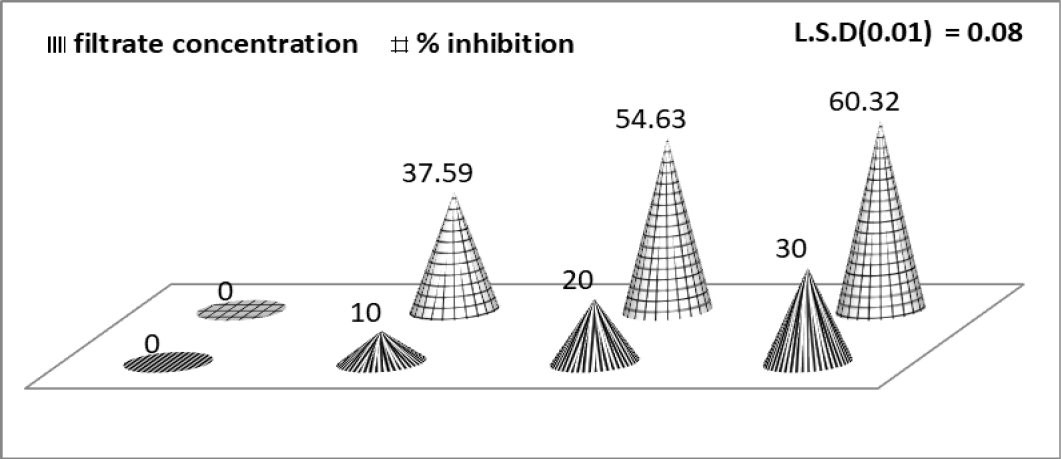
The effect of the filtrate of the biofungus T. atroviride on the pathogenicity of the A. alternata.
References
- Agrios. G.N. 2005. Plant pathology. 5th.Ed. Academic press Inc. New York .948 PP
- Adnani. M., N. El Hazzat, M.A. El Alaoui, K. Selmaoui, R. Benkirane, A.O. Touhami and A. Douira. 2024. In vitro and in vivo study of the antagonistic effects of a Trichoderma strain against four isolates of Fusarium that are pathogenic to chickpea. 3 Biotech., 14(11): 271 https://doi.org/10.1007/s13205-024-04112-5[CrossRef]
- Ahmed. A.N. 2011. First record of Alternaria radicinaMeier, Drechsler and Eddyas a causal agent of the leaf black spot disease on date palm in Basrah city and its biological control. Basrah J. Agric. Sci., 24(2): ٦٣- ٤٧ https://doi.org/10.33762/bagrs.2011.57208[CrossRef]
- Ahmed. A.N., Y.N. Kalaf and A.F. Abbas. 2022. The effect of pathological fungus Alternaria alternata anatomically on the leaves of the date palm Khadrawi cultivar. Int. J. Agric. Statist. Sci., 18: Supplement. 1: 1111-1116
- Ahmed, G.A. 2016. Efficiency of some antioxidants and bioagents in controlling Rhizoctonia Damping-off of snap bean. Midd. East J. Appl. Sci., 6: 748-758
- Al-Akaidy. H.K.H. 1994. Science and Technology of Date palm Cultivation. Ekal Press. Baghdad-Iraq
- Al-Hussaini. S.S.N. 2020. Use of humic acid and the biofungicide Trichoderma harzianum in controlling Fusarium wilt disease of tomato plants caused by Fusarium oxysporum f.splycopersici in Basra Governorate. M. Sc.Thesis, University of Basra. 45 pages
- Al-Rawi. K.M. and K.A.A. Mohammed. 1980. Design and analysis of agricultural experiments. College of Agriculture and Forestry. University of Mosul. Dar Al-Kutub Print. Publish., 486 pp
- Al-Rokibah. A.A. 1991. Leaf blight of date palm caused by Glomerella cingulata in Al-Gassim Region. J. King Saudi Univ., 3(1): 109-115 .
- Alasadi. R.M.S. 2024. Alternaria alternata: the most common pathogen on date palm. Studies in Fangi., 9: e012 https://doi.org/10.48130/sif-0024-0012[CrossRef]
- Azami-Sardooei. Z., S. C.Franca, De Vleesschauwer, and M. Hofte. 2010. Riboflavin induces resistance against Botrytis cinerea in bean, but not in tomato, by priming for a hydrogen peroxide-fueled resistance response. Physiol. Molecul. Plant Pathol., 75(1-2): 23-29 https://doi.org/10.1016/j.pmpp.2010.08.001[CrossRef]
- Benítez. T., A.M. Rincón, M.C. Limón and A.C. Codón. 2004. Mecanismos de biocontrol de cepas de Trichoderma. Int. Microbiol., 7(4): 249-260
- Bondok. A., M. Thabet. 2016. Riboflavin and humic acid induced resistance in tomato against Tobacco Mosaic virus (TMV). Middle East J Agric Res., 5: 868- 880
- Bora. L.C., P. Bora and M. Gogoi. 2020. Potential of Trichoderma spp. for pest management and plant growth promotion in NE India. In Trichoderma: Host pathogen interactions and applications: 205-220. Singapore: Springer https://doi.org/10.1007/978-981-15-3321-1_11[CrossRef]
- Boubakri. H., J. Chong, A. Poutaraud, C. Schmitt, C. Bertsch, A. Mliki and I. Soustre-Gacougnolle. 2013. Riboflavin (Vitamin B2) induces defense responses and resistance to Plasmopara viticola in grapevine. Europ. J. Plant Pathol., 136: 837-855 https://doi.org/10.1007/s10658-013-0211-x[CrossRef]
- Bunker. R.N. and K. Mathur. 2001. Antagonism of local biocontrol agents to Rhizoctonia solani inciting dry root-rot of chilli. J. Mycol. Plant Pathol., 31(1): 50-53
- Darwish. M., R. Nasser, N. Abdel-Aziz and A. Abdel-Aal. 2017. Riboflavin minimizes the deleterious effects of salinity stress on growth, chloroplast pigments, free proline, activity of antioxidant enzyme catalase and leaf anatomy of Tecoma capensis (Thumb.) Midd. East J. Agr. Res., 6: 757-765
- Degenkolb. T., K.F. Nielsen, R. Dieckmann, F. Branco-Rocha, P. Chaverri, G. J.Samuels and H. Brückner. 2015. Peptaibol, secondary-metabolite, and hydrophobin pattern of commercial biocontrol agents formulated with species of the Trichoderma harzianum complex. Chem. Biodivers., 12(4): 662-684 https://doi.org/10.1002/cbdv.201400300[CrossRef]
- Deng. B., X. Jin, Y. Yang, Z. Lin and Y. Zhang. 2014. The regulatory role of riboflavin in the drought tolerance of tobacco plants depends on ROS production. Plant Growth Regulat., 72(3): 269-277 https://doi.org/10.1007/s10725-013-9858-8[CrossRef]
- Djerbi. M. 1983. Disease of the date palm (Phoenix dactylliferaL.). FAO Regional project for palm and dates research center in the Near East and North Africa. Baghdad, 106 pp.
- Dong. H. and S.V. Beer. 2000. Riboflavin induces disease resistance in plants by activating a novel signal transduction pathway. Phytopathol., 90: 801–11 https://doi.org/10.1094/PHYTO.2000.90.8.801[CrossRef]
- Druzhinina. I.S., V. Seidl-Seiboth, E.A. Herrera , B.A. Horwitz, C.M. Kenerley, E. Monte and C.P. Kubicek. 2011. Trichoderma: the genomics of opportunistic success. Nat. Rev. Microbiolo., 9 (10):749-759 https://doi.org/10.1038/nrmicro2637[CrossRef]
- Garcia-Fraile. P., E. Menendez and R. Rivas. 2015. Role of bacterial biofertilizers in agriculture and forestry. AIMS Bioeng., 2: 183-205. https://doi.org/10.3934/bioeng.2015.3.183[CrossRef]
- Ghali. F.S. 2001. Deterioration of palm trees caused by the fungus Chalara paradoxa: Conditions of infection and resistance. Ph.D. Thesis, College of Agriculture, University of Baghdad. 190 pp
- Ghanem. K.A.A. 1993. Economics of date production in Egypt and the Arab World. The Third Palm Symposium in the Kingdom of Saudi Arabia. Part Two: 515-532
- Goellner. K. and U. Conrath. 2008. Priming: it’s all the world to induced disease resistance. Europ. J. Plant Pathol., 121: 233e42 https://doi.org/10.1007/s10658-007-9251-4[CrossRef]
- Guzmán-Guzmán. P., A. Kumar, S. de Los Santos-Villalobos, F.I. Parra-Cota, M.D. C. Orozco-Mosqueda, A.E. Fadiji and G. Santoyo. 2023. Trichoderma species: Our best fungal allies in the biocontrol of plant diseases—A review. Plant., 12(3): 432. https://doi.org/10.3390/plants12030432[CrossRef]
- Hammerschmidt. R. and J. Kuc. 1995. Induced resistance to disease in plants. Kluwer Academic Publishers, Dordrecht, Netherlands.
- Handhel. I.M. 2014. Taxonomical, morphological and molecular for some of Trichoderma spp and teleomorph Hypocrealixii. M. Sc. Thesis, College of Education for Pure Sciences, Basra University. 104 pp
- Hariharan. G., L.M. Rifnas and K. Prasannath. 2022. Role of Trichoderma spp. in biocontrol of plant diseases. In: A. Kumar (ed.) Microbial Biocontrol: Food security and post harvest management: Volume 2: 39-78. Cham: Springer International Publishing. https://doi.org/10.1007/978-3-030-87289-2_3[CrossRef]
- Harman. G.E., C.R. Howell, A. Viterbo , I. Chet and M. Lorito 2004. Trichoderma species-opportunistic, avirulent plant symbionts. Nat. Rev. Microbiol., 2: 43-56 https://doi.org/10.1038/nrmicro797[CrossRef]
- Harman. G.E. 2006. Overview of mechanisms and uses of Trichoderma spp. Phytopathol., 96: 190–194 https://doi.org/10.1094/PHYTO-96-0190[CrossRef]
- Harman, G.E. 2000. Myths and dogmas of biocontrol changes in perception derived from research on Trichoderma harzianum T-22. Plant Dis., 84(4): 377-393 https://doi.org/10.1094/PDIS.2000.84.4.377[CrossRef]
- Hermosa, R., M.B. Rubio, R.E. Cardoza, C.Nicolás, E. Monte and S. Gutiérrez. 2013. The contribution of Trichoderma to balancing the costs of plant growth and defense. Int. Microbiol., 16(2): 69-80
- Herrera-Téllez. V.I., A.K. Cruz-Olmedo, J. Plasencia, M. Gavilanes-Ruíz, O. Arce-rvantes, S. Hernández-León and M. Saucedo-García. 2019. The protective effect of Trichoderma asperellum on tomato plants against Fusarium oxysporum and Botrytis cinerea diseases involves inhibition of reactive oxygen species production. Int. J. Molecul. Sci., 20(8). https://doi.org/10.3390/ijms20082007[CrossRef]
- Hoitink. H.A.J., A.H. Stone and D.Y. Han. 1997. Suppression of plant disease by composts. Hort. Sci., 32: 184-187. https://doi.org/10.21273/HORTSCI.32.2.184[CrossRef]
- Howell. C.R. 2003. Mechanisms employed by Trichoderma species in the biological control of plant disease : the history and evolution of current concepts. Plant Dis., 87: 4-10 https://doi.org/10.1094/PDIS.2003.87.1.4[CrossRef]
- Howell. C.R. 2002. Cotton seedlings preemergence damping off incited by Rhizopus oryzae and Pythium spp. and its biological control with Trichoderma spp. Phytopath., 92: 177-180 https://doi.org/10.1094/PHYTO.2002.92.2.177[CrossRef]
- Ibrahim A.B.A. 2019. Date palm cultivation and date quality between environmental factors, service and care programs. Khalif. Int. Award Date Palm Agric. Innov., 532 pp
- Ibrahim I. Kh. and K.M. Th. Al-Jabouri. 1998. Mycotoxins: Their efects and risks. Ibaa Agric. Res. Center., 243 pp
- Ipinza-Concha, B.M., L. Dibona-Villanueva, D. Fuentealba, A. Pinilla-Quispe, D. Schwantes, M.A. Garzón-Nivia and H.A. Valdés-Gómez. 2024. Effect of chitosan–riboflavin bioconjugate on green mold caused by Penicillium digitatum in lemon fruit. Polymer., 16(7): 884.https://doi.org/10.3390/polym16070884[CrossRef]
- Jassim, N.S. and A.N. Ahmed. 2024. The isolation and molecular identification of the main fungus caused leaf spots on date palms (Phoenix dactylifera L.). Archiv. Phytopathol. Plant Protect., 57(7): 542-554. https://doi.org/10.1080/03235408.2024.2375038[CrossRef]
- Jeandet, P. 2015. Phytoalexins: Current progress and future prospects. Molecul., 20: 2770-2774 https://doi.org/10.3390/molecules20022770[CrossRef]
- Ji. H., Y. Zhu, S. Tian, M. Xu, Y. Tain, L. Li, H. Wang, L. Hu, Y. Ji, J. Ge, W. Wen, H. Dong. 2014. Down regulation of leaf flavin content induces early flowering and photoperiod gene expression in Arabidopsis. BMC Plant Biol., 14: 1. https://doi.org/10.1186/s12870-014-0237-z[CrossRef]
- Kadhim. M.J., S.F.A. Sayed, E. Al, H. and A.A.S. Ahmed, A.N. 2025. Tolerance to abiotic stresses of the Trichoderma viride and its antagonistic effects on the Alternaria alternata, which causes leaf spot disease in date palms. IOP Conference Series: Earth Environ. Sci., 1487(1): 012022. IOP Publishing.https://doi.org/10.1088/1755-1315/1487/1/012022[CrossRef]
- Kang. N.J. 2008. Inhibition of powdery mildew development and activation of antioxidant enzymes by induction of oxidative stress with foliar application of a mixture of riboflavin and methionine in cucumber. Sci Hortic. 118:181-8 https://doi.org/10.1016/j.scienta.2008.05.041[CrossRef]
- Kubicek. C. P. and G.E. Harman. 1998. Trichoderma and Gliocladium: Basic Biology, Taxonomy and Genetics; Taylor & Francis: London, UK, 1: 278 pp
- Kuc. J. 2001. Concepts and direction of induced systemic resistance in plants and its application. Eur J Plant Pathol. 107: 7e12. https://doi.org/10.1023/A:1008718824105[CrossRef]
- Kuguk. C. and M. Kivang. 2002. Isolation of Trichoderma spp.. and determination of their antifungal, biochemical and physiological feature . Turky J. Biol., 27: 247 - 253
- Lavania. M., P.S. Chauhan, S.V.S. Chauhan, H.B. Singh and C.S. Nautiya. 2006. Induction of plant defense enzymes and phenolics by treatment with plant growth–promoting Rhizobacteria serratia marcescens Nbri.Current Microbiology. 52:363-368 https://doi.org/10.1007/s00284-005-5578-2[CrossRef]
- Lei. J., J. Huang, C. Xin, F. Liu, J. Zhang, Y. Xie and Z. Song. 2023. Riboflavin targets the cellular metabolic and ribosomal pathways of Candida albicans in vitro and exhibits efficacy against oropharyngeal candidiasis. Microbiol. Spectrum., 11(1): e03801-22 https://doi.org/10.1128/spectrum.03801-22[CrossRef]
- Liu. F., W. Fang, L. Wang, H. Liu, X. Zhu and L. Yuancun. 2010. Riboflavin activates defense responses in tobacco and induces resistance against Phytophthora parasitica and Ralstonia solanacearum. Physiological and Molecular Plant Pathology. 74: 330–336 https://doi.org/10.1016/j.pmpp.2010.05.002[CrossRef]
- Mahmoud. F., A. Bondok, W Khalifa, F. A. Abbas. 2020. Enhancing tomato plant resistance against tobacco mosaic virus using riboflavin. Arab Universities J. Agric. Sci., 28(4).1257. 1270. https://doi.org/10.21608/ajs.2020.49235.1293.[CrossRef]
- Mohiddin. F.A., M.R. Khan, S.M. Khan and B.H. Bhat. 2010. Why Trichoderma is considered super hero (super fungus) against the evil parasites?. Plant. Pathol. J., 9: 92-102 https://doi.org/10.3923/ppj.2010.92.102[CrossRef]
- Naznin, H.A., D. Kiyohara, M. Kimura, M. Miyazawa, M. Shimizu and M. Hyakumachi. 2014. Systemic resistance induced by volatile organic compounds emitted by plant growth-promoting fungi in Arabidopsis thaliana. PLoS One., 9: e86882 https://doi.org/10.1371/journal.pone.0086882[CrossRef]
- Oszako. T., D. Voitka, M. Stocki, N. Stocka, J.A. Nowakowska, A. Linkiewicz, T. Hsiang, L. Belbahri, D. Berezovska and T. Malewski. 2021. Trichoderma asperellum efficiently protects Quercusrobur leaves against Erysipheal phitoides. Eur. J. Plant Pathol., 159(2): 295–308 https://doi.org/10.1007/s10658-020-02162-y[CrossRef]
- Promwee. A., P. Yenjit, M. Issarakraisila, W. Intana and C. Chamswarng. 2017. Efficacy of indigenous Trichoderma harzianum in controlling Phytophthora leaf fall (Phytophthora palmivora) in Thai rubber trees. J. Plant Diseas. Protect., 124(1): 41-50 https://doi.org/10.1007/s41348-016-0051-y[CrossRef]
- Pryor. B.M., R.M. Davis and R.L. Gilbertson. 1994. Detection and eradication of Alternaria radicina on carrot seed. Plant Dis.,78: 452- 456 https://doi.org/10.1094/PD-78-0452[CrossRef]
- Qi. W.Z. and L. Zhao. 2013. Study of the siderophore- producing Trichoderma asperellum Q1 on cucumber growth promotion under salt stress. J. Basic Microbiol., 53: 355–364. doi: 10.1002/jobm.201200031 https://doi.org/10.1002/jobm.201200031[CrossRef]
- Rajkonda. J.N. and U.N. Bhale. 2018. Evaluation of phytotoxic activity and antagonism of Trichoderma koningii. Int. J. Life Sci. Spec. Issue., A9: 120-124
- Ryals. J.A., U.H. Neuenschwander, M.G. Willits, A. Molina, H.Y. Steiner and M.D. Hunt. 1996. Systemic acquired resistance. Plant Cell., 8: 1809-1819 https://doi.org/10.1105/tpc.8.10.1809[CrossRef]
- Shaaban. A. and A.N. Mustafa. 1993. Pesticides, Dar Al-Kutub for printing and publishing, Uni. Mosul., 250 pages
- Shafique. S., S. Shafique, A. Javed, N. Akhtar and S. Bibi. 2019. Analysis of antagonistic potential of secondary metabolites and organic fractions of Trichoderma species against alternaria alternata. Biocon. Sci., 24(2): 81–88. https://doi.org/10.4265/BIO.24.81.[CrossRef]
- Shalini. S. and A.S. kotasthane. 2007. Parasitism of Rhizoctonia solani by strains of Trichoderma spp. Electron. J. Envi. Agri. Food Che., 6(8): 2272-2281
- SharifiTehrani. A. and S. Nazari. 2004. Antagonistic effects of Trichoderma harzianum on Phytophthora drechsleri, the causal agent of cucumber damping-off. Acta Hortic., https://doi.org/10.17660/ActaHortic.2004.635.17/[CrossRef]
- Sherma. Y.K., M.M. Anwer, S.K. Lodha, S. Shriram and B. Ramanujam. 2009. Effect of biopriming with biological control agents on wilt and growth of cumin. J. Mycol. Plant. Pathol., 39(3): 567
- Sticher, L., B. Mauch-Mani and J.P. Métraux. 1997. Systemic acquired resistance. Annu. Rev. Phytopathol., 35: 235-270 https://doi.org/10.1146/annurev.phyto.35.1.235[CrossRef]
- Torky, Z.A. 2016. Vitamin B mediated priming of disease resistance and defense responses to tobacco mosaic virus in Capsicum annuum L. plants. J. Antivir. Antiretrovir., 8(2): 35-53https://doi.org/10.4172/jaa.1000133[CrossRef]
- Turkkan. M. 2013. Antifungal effect of various salts against of Fusarium oxysporum f.sp. cepaethe causal agent of fusarium basal rot of onion. J. Agric. Sci., 19: 178-187 https://doi.org/10.1501/Tarimbil_0000001243[CrossRef]
- Vejan. P., R. Abdullah, T. Khadiran, S. Ismail and A.N. Boyce. 2016. Role of Plant Growth Promoting Rhizobacteria in Agricultural Sustainability-A Rev. Molecul., 21(573): 1-17 https://doi.org/10.3390/molecules21050573[CrossRef]
- Vinale, F. and K. Sivasithamparam. 2020. Beneficial effects of Trichoderma secondary metabolites on crops. Phytother. Res., 34(11): 2835-2842 https://doi.org/10.1002/ptr.6728[CrossRef]
- Waghunde. R.R., R.M Shelake and A.N. Sabalpara. 2016. Trichoderma: A significant fungus for agriculture and environment. Afric. J. Agric. Res., 11(22): 1952-1965 https://doi.org/10.5897/AJAR2015.10584[CrossRef]
- Walters. D.R., A.C. Newton and G.D. Lyon. 2007. Induced resistanceor plant defense . A Sustainable Approach to Crop Protection. Oxford, UK, Blackwell Publishing. 272 PP https://doi.org/10.1002/9780470995983[CrossRef]
- Wonglom. P. and S.A. Sunpapao. 2020. Volatile organic compounds emitted from endophytic fungus Trichoderma asperellum T1 mediate antifungal activity, defense response and promote plant growth in lettuce (Lactuca sativa). Fung. Ecol., 43: 100867 https://doi.org/10.1016/j.funeco.2019.100867[CrossRef]
- Woo, S.L. and M. Lorito. 2007. Exploiting the interactions between fungal antagonists, pathogens and the plant for biocontrol. In Novel biotechnologies for biocontrol agent enhancement and management. pp. 107-130. Dordrecht: Springer Netherlands https://doi.org/10.1007/978-1-4020-5799-1_6[CrossRef]
- Zhang. S.J., X. Yang, M.W. Sun, F. Sun, S. Deng and H.S. Dong. 2009. Riboflavin-induced priming for pathogen defense in Arabidopsis thaliana. J. Integrat. Plant Biol., 51: 167-74 https://doi.org/10.1111/j.1744-7909.2008.00763.x[CrossRef]
- Zin, N.A. and N.A. Badaluddin. 2020. Biological functions of Trichoderma spp. for agriculture applications. Ann Agric. Sci., 65: 168-178 https://doi.org/10.1016/j.aoas.2020.09.003[CrossRef]
- Zouari. M., N. Elloumi, C. Ahmed, D. Delmail, B. Rouina, F. Abdallah and P .Labrousse. 2016. Exogenous proline enhances growth, mineral uptake, antioxidant defense, and reduces cadmium induced oxidative damage in young date palm (Phoenix dactylifera L.). Ecol. Engineer., 86: 202-209 https://doi.org/10.1016/j.ecoleng.2015.11.016[CrossRef]
Services
Article usage statistics
Loading…