Special Issue: Emerging and Re-Emerging Animal Health Challenges in Low and Middle-Income Countries · Volume 12, Issue 1, 12 January 2025 · Open Access
The Effect of Polycystic Ovary Syndrome on Physiological and Biochemical Indicators in Albino rabbits
· · · · ·
Affiliations & Notes ⌄
1Pathological Analysis Department, Applied Sciences, University of Samarra, Salh Al-Deen, Samarra, Iraq
2College of Pharmacy, Al-Farahidi University, Baghdad Governorate, 00964, Iraq
3Department of Optics Techniques, Al-Zahrawi University Collage, Karbala, Iraq
4Department of Biology, College of Education for pure Sciences, University of Kerbala, Kerbala, Iraq. *Correspondence | Wasan Abdulmunem Taha, Pathological Analysis Department, Applied Sciences, University of Samarra, Salh Al-Deen, Samarra, Iraq
The current study was conducted on a total of (100) mature female rabbits, including (50) healthy rabbits who constitute the control group and the remaining (50) with PCOS.
Research suggests that PCOS may involve impaired insulin secretion.
It had been noted that PCOS is characterized by overweight as compared to non-PCOS adult female, elevated LH, and insulin hormones.
Notably, rabbits with PCOS showed significantly higher blood glucose levels.
Selected from the article's own text.
Abstract
Polycystic ovary syndrome (PCOS) is a multifaceted endocrine ailment which affects large number of women during their reproductive years and results in heterogeneous metabolic and hormonal derangements. The current study aimed to evaluate the effect of PCOS on blood glucose levels and liver enzyme. A total of 100 grown up, reproductive adult female Albino rabbits was divided into two groups (n = 50). In the control group PCOS wasn’t motivated, while in the residual other group (n = 50) PCOS was motivated with a alone i.m. testosterone injection every day. Biomarkers assessed include: Glutamic-Oxaloacetic Transaminase (GOT), Alanine Aminotransferase (ALT), Alkaline Phospahatases (ALP), Blood glucose, Luteinizing hormone (LH) and Insulin hormone. The research identifies a gap in the current understanding of the specific biochemical effects of PCOS on liver enzyme activity, glucose metabolism and LH disorder. The study aims to fill this gap in providing an exhaustive explanation of relation between PCOS and these biochemical markers. However, further results indicate female PCOS rabbits to exhibit pronounced alterations in liver enzyme levels together with blood glucose concentration, LH and insulin indicative of a metabolic and hormonal link for this syndrome. These findings indicate the significance of obligatory metabolic control in female rabbits with PCOS and suggest an attuned clinical intervention program to either clear out management strategy properly, further experiments are urgently warranted. Within this study, we have identified distinct patterns of ovarian gene expression underlying PCOS which could open new avenues for refined clinical diagnostics and treatment strategies in the future.
The review, focusing on the multifaceted treatment seems to be open-minded in the state and clinical prognoses of PCOS statements a 360° view over this complicated syndrome ; . It reinforces that PCOS is a complex not simple problem, but well configured one following an array of bodily effects.
Deregulated hormonal imbalances that were emphasized in the review, consisting of elevated androgen levels abnormal LH/FSH ratios an altered TEST-E2 ratio are crucial to PCSOS pathophysiology ; Jungari et al., 2023). This leads to the multitudes of symptoms noted in patients.
The metabolic disturbances implicated in PCOS, including central obesity as determined by waist-to-hip ratios, increased lipid levels and impaired insulin sensitivity further reflect the syndrome’s systemic scope ; , both of which are complex traits. Not only do these metabolic disturbances add complexity to the presentation of PCOS, but it also can have a bearing on future health risks.
The dermatological symptoms, including hirsutism, acne, alopecia, and acanthosis nigricans, represent some of the dermatological symptoms associated with PCOS which also represent its major physical aspect as well psychosocial consequences ; . One major factor is such skin conditions force the patients to see a doctor as well this will really affect his quality of life.
This review underscores this wide range of clinical variability by identifying the heterogeneity in terms and descriptions, raising caution that exercise programs directed toward treated groups with specific sub-diagnostic features might not uniformly address general therapeutic strategies to reduce risk for non-communicable disease ; .
Obesity has multiple molecular and physiological mechanisms that negatively affect female reproductive health. Of note is the perturbation of hypothalamic-pituitary-ovary (HPO) axis as one major pathway. In obese, increased levels of leptin results in a loss of the pulsing secrets pattern of Gonadotropin-releasing hormone (GnRH) inhibiting normal secretions patterns luteininzing and follicle stimulation hormones (Garcia and Peyrou, 2024). These hormonal misbalances can cause anomalies in menstruation and ovulation.
Adipose tissue was initial consider as a passive functioning fat depot, but is currently understood to be an important secretory endocrine member. As well as, altered secrets pattern of adipokines, particularly leptin and adiponectin in obesity . These changes impact ovarian steroidogenesis and they are just a few of the many contributors which can disrupt hormonal milieu needed for reproduction as shown in research (Broughton and Moley, 2017).
Insulin resistance and hyperinsulinemia, common in obesity, also play a crucial role. Elevated insulin levels stimulate ovarian theca cells to overproduce androgens, leads to a hyperandrogenic state reminiscent of PCOS . Additionally, insulin inhibits the liver’s productive of sexual hormones-binding globulin (SHBG), resulting in increased levels of freely circulating androgens (Garcia and Peyrou, 2024).
Chronic inflammation and oxidative stress, hallmarks of obesity, make hostile environments of oocytes and can negatively impact the endometrial lining . This inflammatory state can affect oocyte quality, viability, and the overall success of conception.
The spread of PCOS is highlighted in this article, where the researchers reported, the fund happening of PCOS was 7%, while fund PCOS happpening rate and androgen rised (AE)-PCOS was 12%”. Adipose tissue dysfunction is presented as a key contributor to the chronic low-grade inflammations observed in PCOS .
Johnson and Laloraya (2022) explained that obesity can lead to adipocyte hypertrophy, which results in hypoxia and subsequent activation of inflammatory pathways. Hypertrophies of adipocyte lead to hypoperfusion because contractile of blood vessels culminates in hypoxia and related activities of NFκB. Many studies suggesting that fast may enhance insulin sensitive and glucose tolerance through metabolic reprogramming and reduced calorie intake ; . These mechanisms could be particularly relevant for PCOS patients, who often struggle with insulin resistance.
Interestingly, those studies on healthy individuals have shown minimal impact of fast on gluco-metabolic markers . This contrast between the effects on PCOS patients and healthy individuals underscores the complexity of the relationship between fast and glucose homeostasis, while some studies indicate promising effects of fast on glycemic control in PCOS patients . In addition to reproductive health problems, the syndrome has a broader and more comprehensive clinical impact on many body systems. This has a particularly relevant connotation with metabolic syndrome as the association is well established highlighting those problems in reproductive health and metabolism may be interlinked especially among PCOS patients . For very women, yet PCOS can also cause major concerns with reproduction and infertility. Symptoms, most notably menstrual irregularities (including amenorrhea), anovulation and subfertility can cause significant emotional distress .
Exploring these clinical features reveals a variety of presentations for PCOS and highlights the fact that it is not just a reproductive condition, but an interconnected syndrome with significant health implications .
Liver enzymes have long been known to be sensitive markers for liver health and functionality . This has often been seen as an indicator of liver stress or even hepatocellular damage . Garcia-Beltran et al. (2024) found that oral contraceptive-treated adolescent girls with PCOS had higher ALT and GGT levels. These findings are particularly relevant within the realm of PCOS treats.
It’s necessary to note this where elevations in liver enzymes are concerning, their interpretation requires careful consideration. Mild elevations may not always indicate clinically significant liver damage, and the threshold for what constitutes a clinically relevant increase can vary . The findings of Garcia-Beltran et al., (2024) align with indicator grows body was suggested that metabolic health in PCOS patients may be differentially affected by various treatment options .
Materials and Methods
Overall of 100 grown up, reproductive adult female rabbits (Oryctolagus cuniculus) align in age from 10-12 months were purchased from a district shop in Baghdad, Iraq. They was acclimatization to their casing and feeds diet for 2 weeks earlier to the start of trial in the animal house of General Company for Pharmaceutical Industry, Baghdad, Iraq.
An appropriate food consists of green mash given three times a daily; vegetable, fruit, and dry mash, two time weekly; and loose arrive to water is keep up. After acclimate, each of the rabbits were random divided into two groups (n= 50/group).
Control group of PCOS wasn’t induced. The residual rabbits (n = 50) were given alone i.m. testosterone injection every day for four weeks at the dose rate of 4 mg/kg of the PCOS inducement.
The experiment was carried out for aggregate of five weeks through the week monitoring was conserved for the body weight evaluation and endocrinology indicators.
Laboratory analysis
Blood specimens (5 mL) were collected sterilize from the marginal ear vein of every one rabbits, on a weekly base, beneath a suitable restrain protocol. They were conveyed into vacationers was contained thixotropic gel separator for serum separates, body weight was measured earlier to every one specimens/ blood collected.
The collected blood samples were analyzed in a certified clinical laboratory using standardized biochemical assays; GOT, ALT, and ALP. Enzyme activities were measured using spectrophotometric methods. While Blood glucose level is determine by use the glucose oxidase-peroxidase way. Serum is harvest and analysis of (LH) by commercial available enzymes linked immune-sorbent assay (ELISA) kits
Statistical analysis
Data were entered into a statistical software package (e.g., SPSS or R) for analysis. Description statistical (mean, standard deviation, median, and range) were calculated of all measured parameters.
The statistical tests were applied included T-tests to compare mean values of liver enzymes and blood glucose levels between PCOS patients and reference ranges for healthy individuals. While the correlation analysis to examine the rapport among blood glucose and liver enzyme activities. Statistical significance level was taken at (P ≤ 0.05).
Result and Discussion
The current study was conducted on a total of (100) mature female rabbits, including (50) healthy rabbits who constitute the control group and the remaining (50) with PCOS.
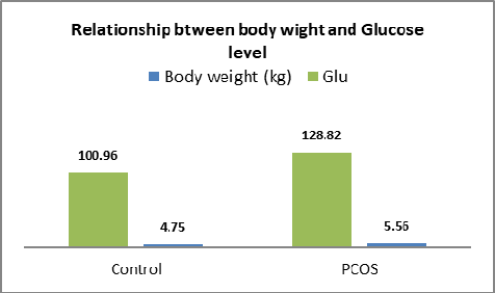
Table 1, displays the (mean ± SD) of blood glucose level were measured in the control group and the group affected by PCOS, software package (t- test one way) analysis way was used in conjunction with SPSS Statistical Software for data analysis.
Table 1: The relationship between age and blood glucose level in adult rabbit together PCOS compare to monitoring group.
Variables
Body weight (kg)
GLU
P-value
Control (n=50)
4.75 ± 0.15
100.96±11.761
P≤0.05
Rabbits with PCOS (n=50)
5.56 ± 0.18
128.82±11.363
P≤0.05
Figure 1 displays the (mean±SD) of blood glucose level were measured in control group and the group affected by PCOS, software package (t- test one way) analysis way was used in conjunction with SPSS Statistical Software of data analysis.
The current study was conducted on a total of (100) mature female rabbits, including (50) healthy rabbits who constitute the control group and the remaining (50) rabbits with PCOS.
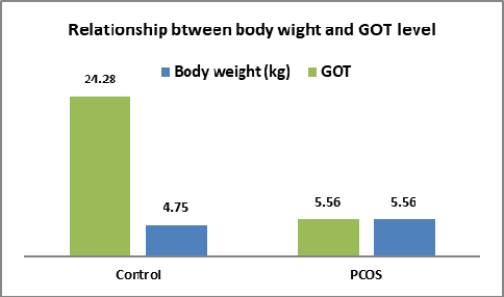
Table 2, displays the (mean ± SD) of GOT level were measured in the control group and the group affected by PCOS, software package (T- test one way) analysis way was used in conjunction with SPSS Statistical Software of data analysis.
Table 2: The relationship between bodies weight (kg) and GOT in adult rabbit together PCOS compare to monitoring group.
Variables
Body weight (kg)
GOT
P-value
Control (50)
4.75 ± 0.15
22.52±6.144
P≤0.05
Rabbits with PCOS(n=50)
5.56 ± 0.18
24.28±11.761
P≤0.05
Figure 2 displays the (mean ± SD) of GOT level were measured in the control group and the group affected by PCOS, software package (T- test one way) analysis way was used in synchronism with SPSS program.
The current study was conducted on a total of (100) mature female rabbits, including (50) healthy rabbits who constitute the control group and the remaining (50) rabbits with PCOS.
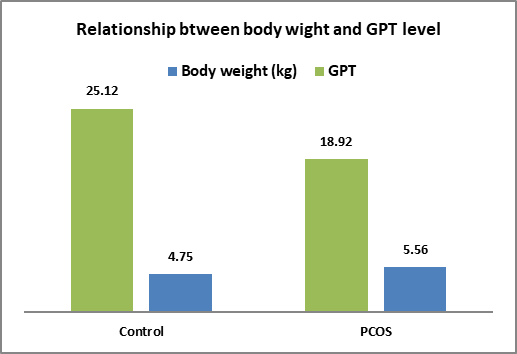
Table 3, displays the (mean ± SD) of GPT level were measured in the control group and the group affected by PCOS, software package (t- test one way) analysis method was utilized in conjunction with SPSS Statistical Software for data analysis.
Table 3: Relationship between body weight (kg) and GPT level in adult rabbit together PCOS compare to monitoring group.
Variables
Body weight (kg)
GPT
P-value
Control (n=50)
4.75 ± 0.15
25.12 ± 39.284
P≤0.05
Rabbits with PCOS (n=50)
5.56 ± 0.18
18.92 ± 56.802
P≤0.05
Figure 3 displays the (mean ± SD) of GPT level were measured in the control group and the rabbits with PCOS, software package (T- test one way) analysis way was used in synchronism with SPSS program.
The current study was conducted on a total of (100) Rabbits, including (50) healthy rabbits who constitute the control group and the remaining (50) Rabbits with PCOS.
Table 4: Relationship between body weight (kg) and ALP level in adult rabbit together PCOS compare to monitoring group.
Variables
Body weight (kg)
ALP
P-value
Control (n=50)
4.75 ± 0.15
82.12± 6.144
P≤0.05
Rabbits with PCOS (n=5)
5.56 ± 0.18
197.96±50.903
P≤0.05
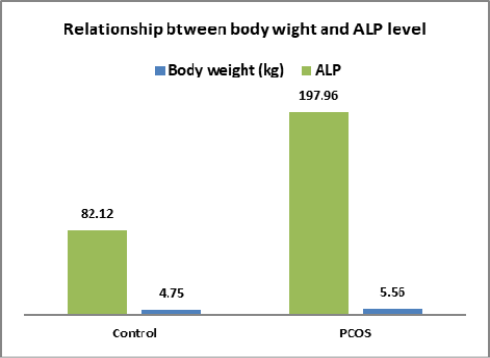
Table 4, displays the (mean ± SD) of ALP level were measured in the control group and the group affected by PCOS, software package (T- test one way) analysis way was used in synchronism with SPSS program.
Figure 4 displays the (mean ± SD) of ALP level were measured in the control group and the group affected by PCOS, software package (T- test one way) analysis way was used in synchronism with SPSS program.
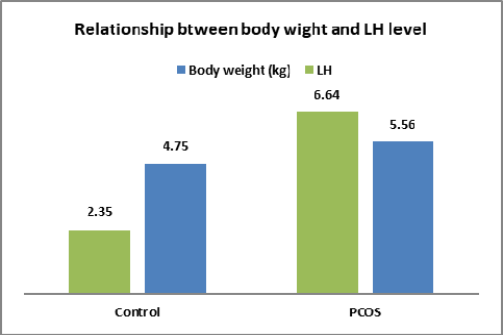
Table 5: Relationship between body weight (kg) and Luteinizing hormone (IU/L) in adult rabbit together PCOS compare to monitoring group.
Variables
Body weight (kg)
LH hormone
P-value
Control (n=50)
4.75 ± 0.15
2.35 ± 0.05
P≤0.05
Rabbits with PCOS (n=50)
5.56 ± 0.18
6.64 ± 0.17
P≤0.05
Figure 5 displays the (mean ± SD) of Luteinizing hormone (IU/L) were measured in the control group and the group affected by PCOS, software package (T- test one way) analysis way was used in synchronism with SPSS program.
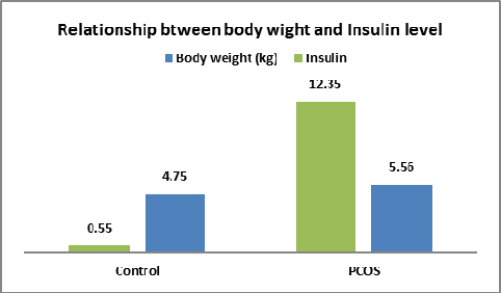
Figure 6 displays the (mean ± SD) of Insulin hormone (IU/L)were measured in the control group and the group affected by PCOS, software package (T- test one way) analysis way was used in synchronism with SPSS program.
Table 6: Relationship between body weight (kg) and Insulin hormone (IU/L) in adult rabbit together PCOS compare to monitoring group.
Variables
Body weight (kg)
Insulin hormone
P-value
Control (n=50)
4.75 ± 0.15
0.55 ± 0.11
P≤0.05
Rabbits with PCOS (n=50)
5.56 ± 0.18
12.35 ± 2.03
P≤0.05
The elevated blood glucose in several participants underscore the associated among PCOS and insulin resistance. Insulin resistance was a well-documented feature of PCOS, contributing to hyperglycemia and an raised dangers of development type 2 diabetic . The data indicate that regular monitoring of blood glucose is essential of paitient with PCOS to manage and mitigate the risk of diabetes and related metabolic disorders .
Long-term studies are crucial to identify which PCOS phenotypes may lead to increased health risks in later life and to determine if there are variations in morbidity rates among patients . PCOS is increasingly prevalent between adult female of reproduction age, often causing lifelong health issues. Interestingly, the condition’s diagnostic criteria remain unclear, and its characteristics are complex. Further research into the genetics and pathophysiology of PCOS is essentail to establish preventive measures and develop effective treatments . PCOS is both a multifaceted and global condition, with its differential diagnosis still not fully understood. Recently, clinical practice has shifted towards a more proactive approach, focusing on prevention and conventional treatments for related disorders. Current therapeutic options include hormonal contraceptives, anti-androgen medications, metformin, and inositols . Blood glucose levels alone seem inadequate for screening or diagnosing the connection between hyperglycemia and Polycystic Ovary Syndrome (PCOS). Research suggests that PCOS may involve impaired insulin secretion. This could explain why postprandial (after-meal) glucose levels, rather than fasting glucose concentrations, more accurately indicate disrupted glucose metabolism and T2D risk in individuals with PCOS .
The analysis of liver enzymes, GOT and GPT, revealed that most participants had enzyme levels within normal ranges. This finding suggests that while PCOS is associated with various metabolic disturbances, it does not universally lead to significant hepatic inflammation or damage in the studied cohort. However, the wide range of ALP levels observed indicates potential variability in hepatic and biliary function, which could be influenced by factors such as diet, physical activity, and genetic predispositions (Garcia and Peyrou, 2024).
Recent studies on women with Polycystic Ovary Syndrome (PCOS) have shown elevated levels of alanine aminotransferase (ALT), suggesting liver stress ; . These findings align with previous research demonstrating PCOS’s impact on liver enzymes and metformin’s effect on ALT levels; though not on aspartate aminotransferase (AST) levels . ALT is recognized as a highly sensitive indicator of liver damage, typically showing changes before AST. While ALT is the primary marker, AST serves as a complementary biomarker, providing additional insights into liver function .
Our research found that PCOS status did not increase the risk of elevated ALT, GOT, or GPT. However, elevated liver enzymes are commonly observed in women with PCOS , as is dyslipidaemia . Liu et al. (2023) identified fasting insulin as a potential mediator between PCOS and liver diseases. Interestingly, a study of Korean adult female with PCOS found no significant association between normal-range insulin levels through a 75g glucose tolerance test (GTT), BMI >25 kg/m2, and subsequent liver diseases . Our findings revealed a strong association between Type 2 Diabetes Mellitus (T2DM) and rised dangerous of elevated ALT levels. This supports recent evidence linking insulin resistance (IR) to liver dysfunction. Previous researches have shown that IR in adult women with PCOS can negatively impacts on liver functions (Falzaranoet al., 2022).
Liu et al. (2021) explained a connection between IR, obesity, and rised liver enzymes. A study of Chinese individuals found that IR significant rised the risk of high ALT, AST, and γ-glutamyl transferase (GGT) level. Other study identified serum ALT concentrations as an independent predictor of diabetes .
The conflicts results of studies may be due to differences in participants characteristics, variables definitions, and measurement methods . Several plausible techniques had been proposed to explain the associated between IR and impaired liver function, including inflammations, modifications in lipid metabolism, lipotoxicity, oxidative stress, and cytokine- induced liver injuries .
An incresing way was noted in each parameters (body weight, LH, and insulin) of PCOS-inducemented group during the study weeks. It had been noted that PCOS is characterized by overweight as compared to non-PCOS adult female, elevated LH, and insulin hormones. In the current research, PCOS was stimulated of the rabbits by injection testosterone (4 mg/kg) for four successive weekly.
This leads to rise circulator androgens (testosterone) levels, which that are then converts into estrogens by aromatase activities . Nevertheless, in PCOS rabbits, rised magnitude and recurrence of LH may be attributed to quick GnRH induce by the positive feedback mechanisms of the circulator estrogens on adenohypophysis . This rised LH more producing androstenedione of ovary stromal and thecal cells and eventaully it is once more time converts to estrone, exerted a stimulate effects on LH produce, as regards the increased insulin concentrations in the group with PCOS, it may be ascribed to short term testosterone treatment which causes change in the expressof lipolytic signals proteins of body adipose tissue in relationship to lipolytic activities and insulin resistance in the PCOS group. Morever, insulin resistance and hyperinsulinemic conditions by their single or combined effects contribution toward rised body weight in the PCOS group . It has been indicated that the sympathetic nervous systems interaction and causes dysregulation in PCOS (Yu et al., 2024).
Hyperinsulinemia, hyperandrogenism, insulin resistance, cardiovascular disorders, and obesity have been attributed to hyperactivity of the sympathetic nervous system .
CONCLUSIONS and Recommendations
Over recent decades, researchers have made significant strides in understanding the pathogenesis of Polycystic Ovary Syndrome (PCOS). Our current study, which examines the clinical features associated with PCOS, provides a comprehensive view of this complex condition. Our findings highlight the metabolic implications of PCOS, with half of the studies reporting an increased waist-to-hip ratio and elevated lipid levels in affected individuals. Notably, rabbits with PCOS showed significantly higher blood glucose levels. Regarding liver enzymes, plasma alkaline phosphatase (ALP), LH and Insulin levels were frequently elevated, while no significant differences were observed in glutamic pyruvic transaminase (GPT) and glutamic oxaloacetic transaminase (GOT) levels. These results underscore the varied clinical manifestations of PCOS. They emphasize the need for personalized management strategies to effectively address the multifaceted nature of this condition. Overall, this study contributes to a deeper understanding of PCOS and its diverse impacts on women’s health.
Acknowledgement
Authors are deeply grateful for the resources, support, and guidance provided by the Department of Pathological Analysis, University, Faculty of Applied Science, in the success of this project.
NOVELTY STATEMENT
This study reveals novel biochemical indicators into PCOS by identifying significant alterations in liver enzymes, blood glucose and hormonal levels. Additionally, distinct ovarian gene expression patterns associated with PCOS could lead to improved diagnostics and treatments.
AUTHORS CONTRIBUTION
All authors contributed significantly and equally to their respective tasks and approved the final manuscript.
Funding
This research was supported by Samarra University, Faculty of Applied Science, Department of Pathological Analysis (SUCOAS)
Conflict of interest
The authors have declared no conflict of interest.
Figures
Figure 1:.
The relationship between body weight and blood glucose level in rabbits with PCOS compared to control group.
Figure 2:.
The relationship between Body weight (kg) and GOT level in Rabbits with PCOS compared to control group.
Figure 3:.
Relationship between Body weight (kg) and GPT level in Rabbits with PCOS compared to control group.
Figure 4:.
Relationship between body weight (kg) and ALP level in Rabbits with PCOS compared to control group.
Figure 5:.
Relationship between body weight (kg) and LH level in Rabbits with PCOS compared to control group.
Figure 6:.
Relationship between body weight (kg) and Insulin level in Rabbits with PCOS compared to control group.
References
Ahn HR, Shin MH, Nam HS, et al., (2014). The association between liver enzymes and risk of type 2 diabetes: The Namwon study. Diabetol. Metab. Syndr., 6(1): 1–8. https://doi.org/10.1186/1758-5996-6-14[CrossRef]
Ashraf S, Nabi M, Rasool A, Rashid F, S. Amin S (2019). Hyperandrogenism in polycystic ovarian syndrome and role of CYP gene variants : a review. Egypt. J. Med. Hum. Genet., 4. https://doi.org/10.1186/s43042-019-0031-4.[CrossRef]
Baptiste CG, Battista MC, Trottier A, Baillargeon JP (2010). Insulin and hyperandrogenism in women with polycystic ovary syndrome. J. Steroid Biochem. Mol. Biol., 122: 42-52. https://doi.org/10.1016/j.jsbmb.2009.12.010[CrossRef]
Belsti Y, Enticott J, Azumah R, Thien C, Moran L, Ma RCW, Joham AE, Laven J, Teede H, Mousa A (2024). Diabetes and metabolic syndrome: Clinical research and reviews diagnostic accuracy of oral glucose tolerance tests, fasting plasma glucose and haemoglobin A1c for type 2 diabetes in women with polycystic ovary syndrome: A systematic review and meta-analysis. Diabetes Metab. Synd.: Clin. Res. Rev., 18(3): 102970. https://doi.org/10.1016/j.dsx.2024.102970[CrossRef]
Broughton DE, Moley KH (2017). Obesity and female infertility: Potential mediators of obesity’s impact. Fertil. Steril., 107(4): 840–847. https://doi.org/10.1016/j.fertnstert.2017.01.017[CrossRef]
Chaudhari N, Dawalbhakta M, Nampoothiri L (2018). GnRH dysregulation in polycystic ovarian syndrome ( PCOS ) is a manifestation of an altered neurotransmitter profile. Reprod. Biol. Endocrinol., pp. 1–13. https://doi.org/10.1186/s12958-018-0354-x[CrossRef]
Dar MA, et al., (2024). Unraveling PCOS: Exploring its causes and diagnostic challenges. Open Health, 5: 20230026. https://doi.org/10.1515/ohe-2023-0026[CrossRef]
Dravecká I, Figurová J, Javorský M, Petríková J, Vaľková M, et al. (2016). The effect of alfacalcidiol and metformin on phenotype manifestations in women with polycystic ovary syndrome - a preliminary study. Physiol. Res., 65(5): 815-822. https://doi.org/10.33549/physiolres.933266[CrossRef]
Falzarano C, Lofton T, Osei-Ntansah A, et al., (2022). Nonalcoholic fatty liver disease in women and girls with polycystic ovary syndrome. J. Clin. Endocrinol. Metab., 107(1): 258–272. https://doi.org/10.1210/clinem/dgab658[CrossRef]
Faris ME, Bahammam A, Kalaji Z, Madkour M, Hassanein M (2020). A systematic review, meta-analysis, and meta-regression of the impact of diurnal intermittent fasting during Ramadan on glucometabolic markers in healthy subjects. Diabetes Res. Clin. Pract., 165: 108226. https://doi.org/10.1016/j.diabres.2020.108226[CrossRef]
Feyzioglu BS, Guven CM, Avul Z (2023). Eight-hour time-restricted feeding: A strong candidate diet protocol for first-line therapy in polycystic ovary syndrome. Nutrients, 15: 2260. https://doi.org/10.3390/nu15102260[CrossRef]
Fruzzetti F, Bersi C, Parrini D, Ricci C, Genazzani AR (2002). Effect of long-term naltrexone treatment on endocrine profile, clinical features, and insulin sensitivity in obese women with polycystic ovary syndrome. Fertil. Steril., 77(5): 936-944. https://doi.org/10.1016/S0015-0282(02)02955-2[CrossRef]
Garcia-Beltran C, et al., (2024). Organokines and liver enzymes in adolescent girls with polycystic ovary syndrome during randomized treatments. Front. Endocrinol., 15: 1325230. https://doi.org/10.3389/fendo.2024.1325230[CrossRef]
Garcia-Beltran C, Peyrou M (2024). Organokines and liver enzymes in adolescent girls with polycystic ovary syndrome during randomized treatments. Front. Endocrinol., pp. 1–10. https://doi.org/10.3389/fendo.2024.1325230[CrossRef]
Giannini E.G. Testa R, Savarino V (2005). Liver en yme alteration: A guide for clinicians. 172: 367–379.
Inhorn MC, Patrizio P (2015). Infertility around the globe: New thinking on gender, reproductive technologies and global movements in the 21st century. Hum. Reprod. Update, 21(4): 411-426. https://doi.org/10.1093/humupd/dmv016[CrossRef]
Johnson BS, Laloraya M (2022). Polycystic ovary syndrome and immune deregulation: What do hormones want to say? Exp. Immunol., 2: 393-413. https://doi.org/10.37349/ei.2022.00058[CrossRef]
Jungari M, Choudhary A, Gill NK (2023). Comprehensive management of polycystic ovary syndrome: Effect of pharmacotherapy, lifestyle modification, and enhanced adherence counseling. Cureus, 15(2): 35-45. https://doi.org/10.7759/cureus.35415[CrossRef]
Kataoka J, Larsson I, Lindgren E, Kindstrand LO, Schmidt J, et al. (2022). Circulating Anti-Müllerian hormone in a cohort-study of women with severe obesity with and without polycystic ovary syndrome and the effect of a one-year weight loss intervention. Reprod. Biol. Endocrinol., 20(1): 15-23. https://doi.org/10.1186/s12958-022-01022-0[CrossRef]
Koenig G, Seneff S (2015). Gamma-Glutamyltransferase: A predictive biomarker of cellular antioxidant inadequacy and disease risk. Dis. Markers. 2015: 818570. https://doi.org/10.1155/2015/818570[CrossRef]
Kowalska K, et al., (2018). Influence of oral contraceptives on lipid profile and paraoxonase and commonly hepatic enzymes activities. J. Clin. Lab. Anal., 32(3): e22194. https://doi.org/10.1002/jcla.22194[CrossRef]
Lansdown A, Rees DA (2012). The sympathetic nervous system in polycystic ovary syndrome: A novel therapeutic target? Clin. Endocrinol., 8: 791–801. https://doi.org/10.1111/cen.12003[CrossRef]
Li C, et al., (2021). Eight-hour time-restricted feeding improves endocrine and metabolic profiles in women with anovulatory polycystic ovary syndrome. J. Transl. Med., 19: 148. https://doi.org/10.1186/s12967-021-02817-2[CrossRef]
Li Y, Tan J, Wang Q, Duan C, Hu Y, et al. (2020). Comparing the individual effects of metformin and rosiglitazone and their combination in obese women with polycystic ovary syndrome: A randomized controlled trial. Fertil. Steril., 113(1): 197-204. https://doi.org/10.1016/j.fertnstert.2019.09.011[CrossRef]
Liao W, Huang J, Lee M, Yang Y, Wu C (2022). Higher risk of type 2 diabetes in young women with polycystic ovary syndrome: A 10-year retrospective cohort study. World J. Diab., 13(3): 240–250. https://doi.org/10.4239/wjd.v13.i3.240[CrossRef]
Lim S, et al. (2019). Metabolic syndrome in polycystic ovary syndrome: A systematic review, meta‐analysis and meta‐regression. Obes. Rev., 20(2): 339-352. https://doi.org/10.1111/obr.12762[CrossRef]
Liu C, Shao M, Lu L, Zhao C, Qiu L, Liu Z (2021). Obesity, insulin resistance and their interaction on liver enzymes. PLoS One, 16(4): e0249299. https://doi.org/10.1371/journal.pone.0249299[CrossRef]
Liu D, Gao X, Pan XF, et al., (2023). The hepato-ovarian axis: Genetic evidence for a causal association between non-alcoholic fatty liver disease and polycystic ovary syndrome. BMC Med., 21(1): 62. https://doi.org/10.1186/s12916-023-02775-0[CrossRef]
Liu Q, Xie YJ, Qu LH, Zhang MX, Mo ZC (2019). Dyslipidemia involvement in the development of polycystic ovary syndrome. Taiwanese J. Obst. Gynecol., 58(4): 447–453. https://doi.org/10.1016/j.tjog.2019.05.003[CrossRef]
Luo L, Liu M, Syndrome M, Second T, Hospital X (2021). Adipose tissue in control of metabolism. HHS Public Access, 231. https://doi.org/10.1530/JOE-16-0211.Adipose[CrossRef]
Manna P, Jain SK (2015). Obesity, oxidative stress, adipose tissue dysfunction, and the associated health risks: Causes and therapeutic strategies. Metab. Syndrome Related Disord., 13(10): 423–444. https://doi.org/10.1089/met.2015.0095[CrossRef]
Minato S, Sakane N, Kotani K, et al., (2018). Prevalence and risk factors of elevated liver enzymes in japanese women with polycystic ovary syndrome. J. Clin. Med. Res., 10(12): 904–910. https://doi.org/10.14740/jocmr3639[CrossRef]
Ozer J, et al., (2008). The current state of serum biomarkers of hepatotoxicity. Toxicology, 245(3): 194-205. https://doi.org/10.1016/j.tox.2007.11.021[CrossRef]
Ozer J, Ratner M, Shaw M, Bailey W, Schomaker S (2008). The current state of serum biomarkers of hepatotoxicity. Toxicology, 245: 194–205. https://doi.org/10.1016/j.tox.2007.11.021[CrossRef]
Pereira-Eshraghi CF, Chiuzan C, Zhang Y, Tao RH, McCann M, et al. (2019). Obesity and insulin resistance, not polycystic ovary syndrome, are independent predictors of bone mineral density in adolescents and young women. Horm. Res. Paediatr., 92(6): 365-371. https://doi.org/10.1159/000507079[CrossRef]
Preiss D, Sattar N, Harborne L, Norman J, Fleming R (2008). The effects of 8 months of metformin on circulating GGT and ALT levels in obese women with polycystic ovarian syndrome. Int. J. Clin. Pract., 62: 1337–1343. https://doi.org/10.1111/j.1742-1241.2008.01825.x[CrossRef]
Purwar A, Nagpure S (2022). Insulin resistance in polycystic ovarian syndrome. Cureus, 14(10). https://doi.org/10.7759/cureus.30351[CrossRef]
Romero-Ruiz A, Skorupskaite K, Gaytan F, Torres E, Perdices-Lopez C, et al. (2019). Kisspeptin treatment induces gonadotropic responses and rescues ovulation in a subset of preclinical models and women with polycystic ovary syndrome. Hum. Reprod., 34(12): 2495-512. https://doi.org/10.1093/humrep/dez205[CrossRef]
Romualdi D, Giuliani M, Cristello F, Fulghesu AM, Selvaggi L, et al. (2010). Metformin effects on ovarian ultrasound appearance and steroidogenic function in normal-weight normoinsulinemic women with polycystic ovary syndrome: A randomized double-blind placebo-controlled clinical trial. Fertil. Steril., 93(7): 2-10. https://doi.org/10.1016/j.fertnstert.2009.01.114[CrossRef]
Saei M, Naz G, Mousavi M, Firouzi F, Abbas A, Fereidoun M (2024). Association between insulin resistance indices and liver function parameters among women with polycystic ovary syndrome. Endocrinol. Diabetes Metab., 7: 1–12. https://doi.org/10.1002/edm2.490[CrossRef]
Sajjad S, Tobassum S, Farooq U, Malik HMI (2016). Effects of naloxone and yohimbine in polycystic ovary syndrome: A rabbit model study. Turk. J. Med. Sci., 46(4): 1265–1270. https://doi.org/10.3906/sag-1412-77[CrossRef]
Sakurai Y, Kubota N, Yamauchi T, Kadowaki T (2021). Role of insulin resistance in MAFLD. Int. J. Mol. Sci., 22(8): 4156. https://doi.org/10.3390/ijms22084156[CrossRef]
Sari DK, Abdelrahim DN (2024). Effect of calorie restriction and intermittent fasting on glucose homeostasis, lipid profile, inflammatory, and hormonal markers in patients with polycystic ovary syndrome: A systematic review. Front. Nutr., pp. 1–9.
Thathapudi S, Kodati V, Erukkambattu J, Katragadda A, Addepally U, et al. (2014). Tumor necrosis factor-alpha and polycystic ovarian syndrome: A clinical, biochemical, and molecular genetic study. Genet. Test Mol. Biomark., 18(9): 6-9. https://doi.org/10.1089/gtmb.2014.0151[CrossRef]
Trummer C, Schwetz V, Kollmann M, Wölfler M, Münzker J, et al. (2019). Effects of vitamin D supplementation on metabolic and endocrine parameters in PCOS: A randomized-controlled trial. Eur. J. Nutr., 58(5): 2019-2028. https://doi.org/10.1007/s00394-018-1760-8[CrossRef]
Won YB, Seo SK, Yun BH (2021). Non-alcoholic fatty liver disease in polycystic ovary syndrome women. Sci. Rep., 11(1): 7085. https://doi.org/10.1038/s41598-021-86697-y[CrossRef]
Zang H, Carlstrom K, Arner P, Hirschberg AL (2006). Effects of treatment with testosterone alone or in combination with estrogen on insulin sensitivity in postmenopausal women. Fertil. Steril., 86: 136-144. https://doi.org/10.1016/j.fertnstert.2005.12.039[CrossRef]
Zegher F et al., (2021). From adolescent PCOS to adult MAFLD: opposing effects of randomised interventions. BMJ Open Gastroenterol., 8(1): e000574. https://doi.org/10.1136/bmjgast-2020-000574[CrossRef]