Review · Volume 36, Issue 2, 6 January 2022 · Open Access
Inflammatory Process and Role of Cytokines in Inflammation: An Overview
· · · · ·
Affiliations & Notes ⌄
- 1Department of Zoology, Government College University Lahore, Pakistan. Corresponding author: Hafiz Muhammad Tahir hafiztahirpk1@yahoo.com, dr.hafiztahir@gcu.edu.pk
Article Info ⌄
- Journal:
- Punjab University Journal of Zoology
- Published:
- 6 January 2022

From the article
- The inflammation is related to most of the human diseases directly and indirectly.
- Currently there is no specific drug for inflammation and some of the general drugs that are being used have shown detrimental side effects.
- So it is a dire need of hour to find natural products which are effective against inflammation.
- It is recommended that natural products and medicinal plants should be used for the treatment of inflammation after its scientific evaluation and study because they do not have any adverse side effects which can damage systems and organs.
Selected from the article's own text.
Abstract
Introduction
Word inflammation was originally derived from the Latin word inflammare which means burned ; . The main part of body’s protective mechanism is inflammation . It is a process through which lymph node recognizes the infectious pathogens, cell damage , local injury and toxins ; . It eliminates harmful stimuli and starts the healing phenomenon. Inflammation is a biological response that disturbed tissue homeostasis. Various aging-related ailments and certain cardiovascular disorders are associated with inflammation .
Signs of inflammation
The indications of inflammation are well-known to mankind for hundreds of years i.e. pain (dolor) , warmth or heat (calor or hyperthemia) , swelling of tissues (tumor) and redness (rubor) . These symptoms were documented first time in the history in 1st century AD by Roman encyclopedist, Aulus Cornelius Celsus . Another important symbol of inflammation is failure of the function of the infected part, which was added by Rudolph (1858) in his book Cellular pathologie ; . Remarkably, the earlier four cardinal symptoms apply merely to acute inflammation. Functio laesa (loss of function) is predominantly the symptom associated with all inflammatory processes.
Types of inflammation
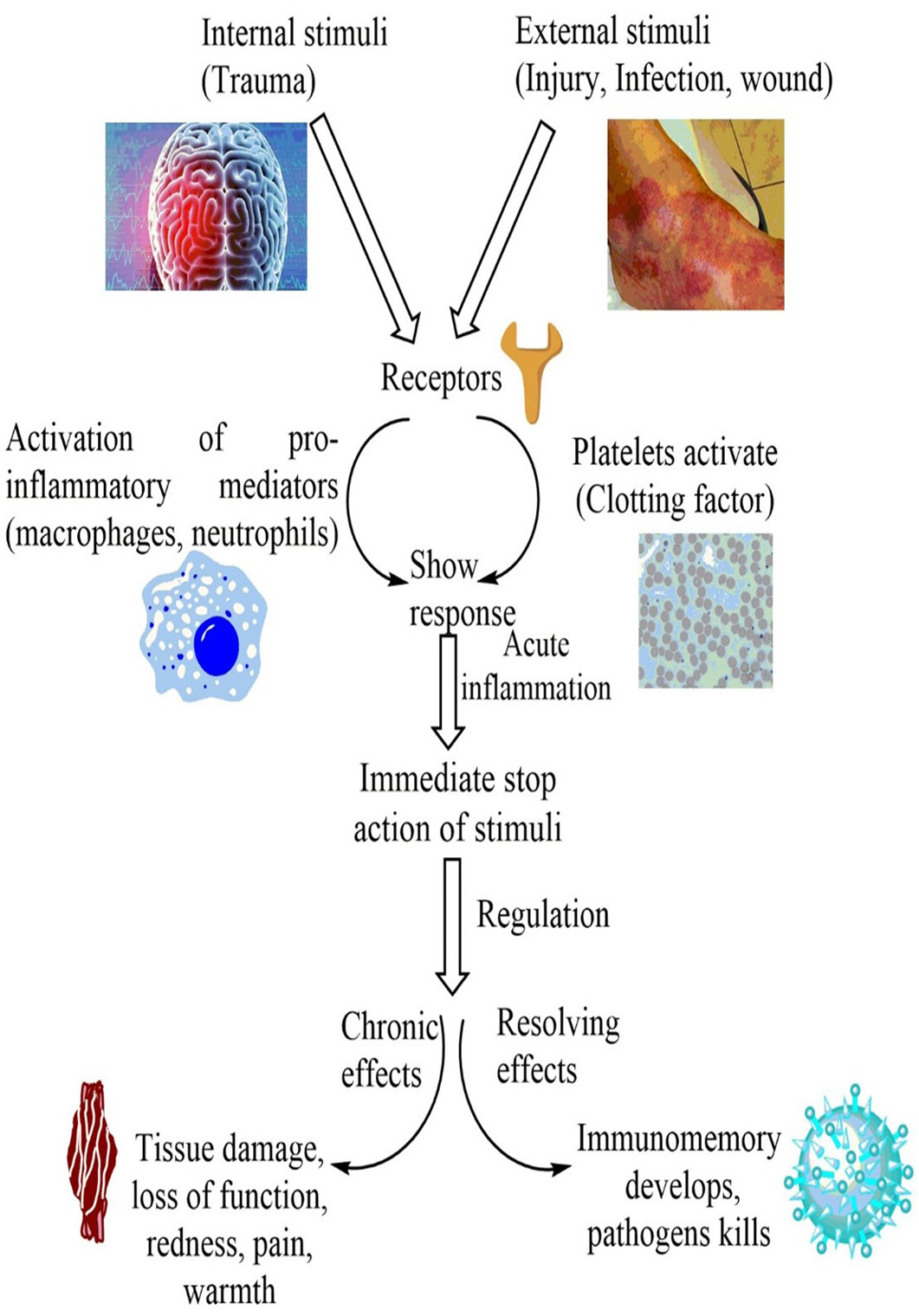
Inflammation can be of two types i.e. acute or chronic . It is an extremely conserved process and seems to be a significant first line of defense for both vertebrates ; and invertebrates . Acute inflammation is a short term (may occur from seconds to days) and early response in the host body produced by innate immunity. Countless cells are produced by innate system that play its vital role in inflammatory response . Unlike adaptive immunity, innate immune system does not have capacity to differentiate between various strains of disease causing agents. It may cause edema and increased blood flow, migration of neutrophils at site of inflammation and movement of fluid from capillaries to interstitial fluid . It heals the injured tissues and also fights with the foreign invaders .
Chronic inflammation is recognized as an adaptive response that possesses (holds) prevalent and extensive nature affecting cellular homeostasis and the normal functioning . It confronts more harmful effects on host, if it continues longer such as during cancer , heart attack and Alzheimer’s disease. Chronic inflammation is characterized by the invasion within the primary inflammatory cells including plasma cells, lymphocytes and Macrophages secreting inflammatory cytokines, development factors and proteins . They cause tissue deformation and repairment including granuloma formation and fibrosis etc. (Figure 1).
Process of inflammation
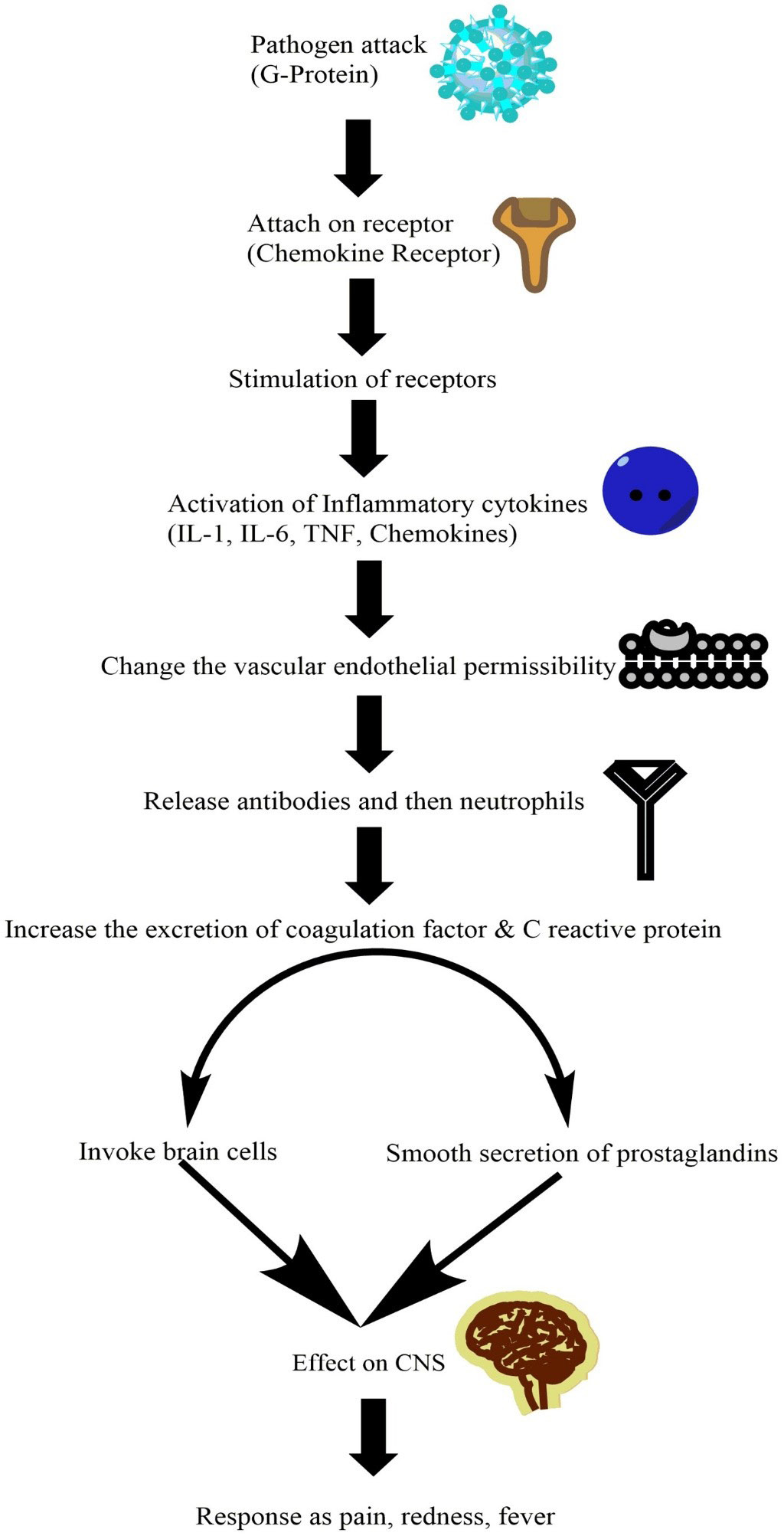
In response to any harmful or foreign molecule, inflammation generally starts within few minutes by indentation of immune system . Innate system comprises immune cells that include lymphocytes, dendritic cells (DC’s), neutrophils, macrophages and mast cells that play significant functions in inflammatory reactions. Firstly, the pathogens get adhere to particular receptors i.e. G-protein attached receptors , Pattern realization receptors and Chemokine receptors . The fabrication of the inflammatory cytokines including IL-1, IL-6, chemokines and TNF is initiated by these receptors. These inducers quickly change the vascular endothelial permissibility and releases antibodies, complement factors and neutrophils in the site of septicity .
The inflammatory cytokines increases the excretion of coagulation factors and C-reactive protein by means of the liver cell. They invoke brain endothelium and smooth the secretion of prostaglandins . They are important for the key symptoms of pain and fever via their detrimental effects on CNS (central nervous system) (Figure 2). Alternatively the viral contamination follows one kind of signaling pathway via producing different type of cytokines known as type-1 interferons (IFN’s). Furthermore, parasitic infections and allergens invoke the assembly of other inflammatory cytokines IL-13, IL-5, and histamine where the rest of the pathway is nearly the same ; .
Mechanism of inflammation
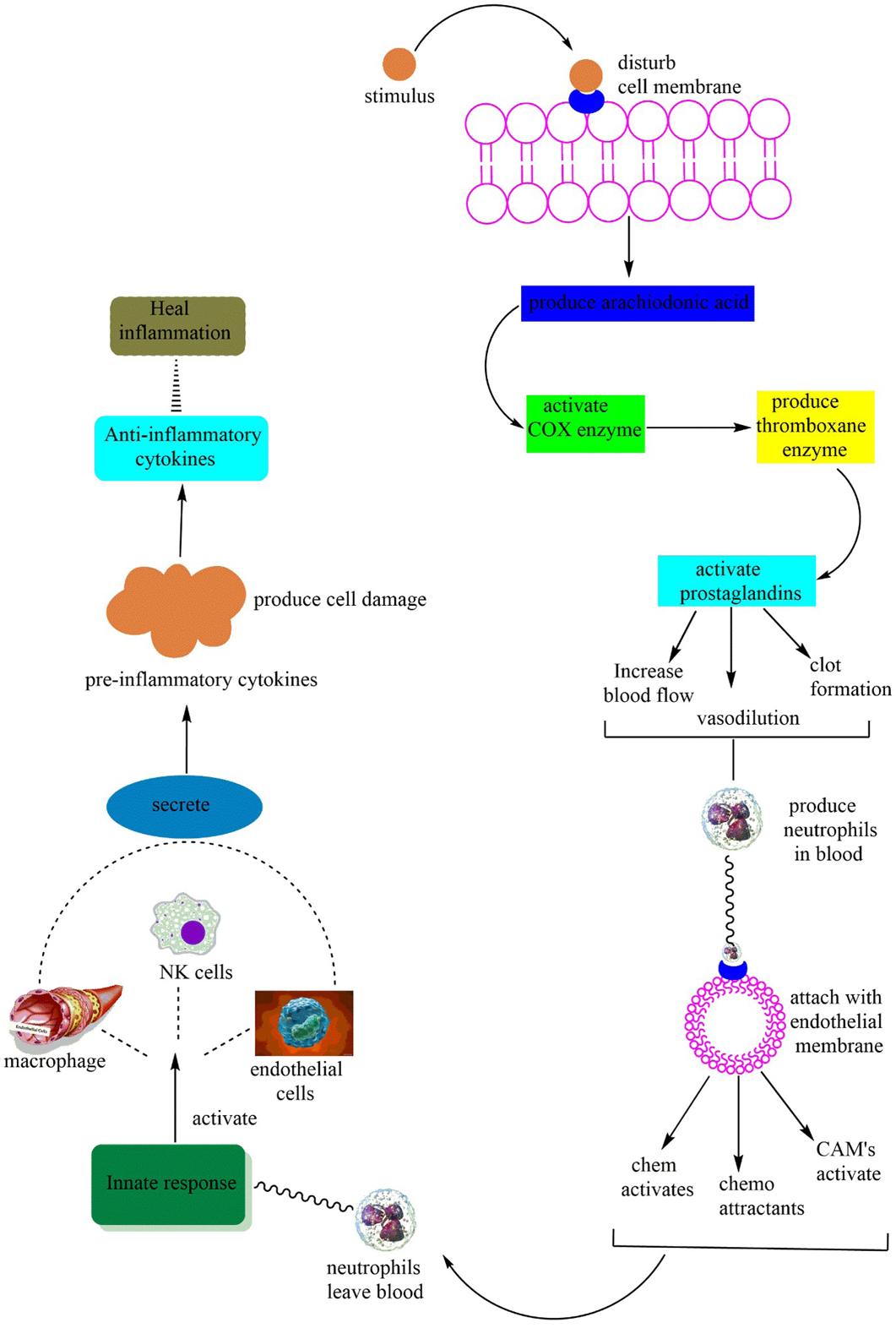
Inflammation is a complex biochemical mechanism which leads to the stimulation of infectious agents and promotes injury. It causes tissue damage and pain monitored through treatment . Chemical agents are secreted by immune cells like cytokines, chemokine and reactive oxygen species at injury site to eliminate pathogens . A major constituent of inflammatory process is arachidonic acid which is a by product of fast acting cell membrane. Arachidonic acid is transformed into prostaglandins and thromboxane enzyme by cyclooxygenase (COX) .
Neutrophils begin to attach strongly to the endothelium by using carbohydrate ligands to show symptoms of inflammation. Endothelial cells in their stimulated form are responsible for the production of surface bonded and soluble particles. They produce a strong adhesion between neutrophils and endothelium. Neutrophils leave the bloodstream and travels across endothelium . Production of particular cells like cell adhesion molecules (CAMs), their activators and chemical stimulus is responsible for the neutrophils emigration . Molecular or cellular actions of infectious response tend to increase blood movement, capillary damage, leukocytes access and the creation of chemical agents . Stimulation of these chemical agents initiates the formation of inflammatory cytokines including TNF, IL-1, chemokines and IL-6 that causes tissue damage. Due to phagocytic activity of cells, migratory neutrophils are eventually removed from inflammatory site through apoptosis and produce anti-inflammatory cytokines ; (Figure 3).
Treatment of inflammation
Inflammation can be cured by using anti-histaminic, corticosteroidal , diuretics and NSAID’s (non-steroidal anti-inflammatory drugs) such as aspirin , ketoprofen, diclofenac , clinoril, naproxen , sodium salicylates , ibuprofen , indomethacin . These drugs are effective in their action because they reduce inflammation and pain ; ; . They are different in their structural form yet all drugs have similar antipyretic, analgesic and anti-inflammatory properties ; ; .
NSAIDs mitigate pain by lowering neighboring inflammatory reactions by the suppression of prostaglandin synthesis . Corticosteroids and statins are likewise used to decrease inflammation . Dyslipidemia and low-grade inflammation is treated by using metformin. It diminishes circulating IL-1beta, TNF-alpha, fibrinogen and hsCRP (High sensitivity C-reactive protein) . Indomethacin appeared as one of the most highly intense pain relieving and anti-inflammatory medicine through non-particular prohibition of COX (cyclo-oxygenase) enzyme which answerable for the conversion of arachidonic acid into prostaglandins ; . Anti-inflammatory reactions follow after inflammation arrives at its peak and represents to its preventive response .
Indomethacin was first drug among all NSAIDs that was utilized for curing various inflammatory diseases ; but was noted to cause disastrous health issues during its long-term use and was considered a hepatotoxic , hematotoxic, gastric ulcerogenic and nephrotoxic agents . Consequently, finding of new and natural medicinal plants and their secondary metabolites with strong anti-inflammatory activity and insignificant detrimental impacts, is demanded .
Diseases caused by NSAID’s
Artificially adapted drugs cause high risk of stroke, kidney problem, heart attack especially uses in higher doses or may cause ulcers, upset stomach or bleeding in intestine or stomach ; ; . It may cause hypersensitivity and symptoms like fever, conjunctivitis, renal failure, dizziness, blurred vision, pancreatitis etc. Nonetheless, there is a limitation on the use of certain medications because of their detrimental effects like ulcer of gastrointestinal tract, renal damage, cardiac abnormalities and bronchospasm ; ; . Unawareness of the side effects of NSAID’s may cause death .
Natural products and medicinal plants for treatment
Due to the adverse effects of NSAIDs it is a dire need of hour to move towards natural anti-inflammatory products. New natural medicinal plants and their metabolites with strong anti-inflammatory activity and insignificant detrimental impacts has been exploring by the world scientific community due to its bioavailability and cost efficiency . Many plants have been identified which consists of compounds and molecules with anti-inflammatory properties. Their study gained more interest due to their active potential and beneficial effects. These active molecules help the body to defend against inflammatory related pathogens .
Several natural substances are being used for the treatment of inflammation including bark of yellow willow tree , white mulberry, black mulberry, curcumin or turmeric ; , ginger, hyssop, resveratrol, quercetin, caffeic acid phenethyl ester, Harpagophytum procumbens, piceatannol (PIC), green tea, propolis, cannabis, fibroin and sericin .
The Oryeongsan expressed anti-inflammatory potency by suppressing various mediators of inflammation e.g., IL-6, NO, IL-1β and TNF-α. Besides this effect, it remarkably repressed the synthesizes of iNOS and COX-2 enzymes and inhibited the activation of NF-κB signaling pathway . Edible red algae has porphyran which act as major bioactive compound in this plant. It acts as mediator of anti-inflammation by preventing the activation of NF-κB . Cassia occidentalis have bioactive compounds i.e. emodin and chrysophanol which help in prohibiting proinflammatory cytokines IL-1β and TNF-α. These compounds have their effective role for the natural treatment and therapy of inflammation . Sericin influenced the production of few anti-inflammatory cytokines to reduce allergy and skin inflammation . It can suppress the enzyme activity such as COX-2 and iNOS and start healing process. In nature we should prefer these natural products and medicinal plants to reduce any adverse effects of NSAIDs.
Cytokines
Cytokines are small sized non-structural proteins. The mass of cytokines ranges from 8000 to 40,000 Da . They are produced by non-immune cells including fibroblast and immune cells includes NKCs (natural killer cells) and T-cells . Cytokines have demonstrated the role of inflammation as they are protectors of proteins and have important functions in differentiation for body immune system against pathogens, physiological processes and cell proliferation . To avoid any immune-pathological imbalance, a coordination between various cytokines is required, as the addition of pro-inflammatory cytokines can cause different diseases .
Classification of cytokines
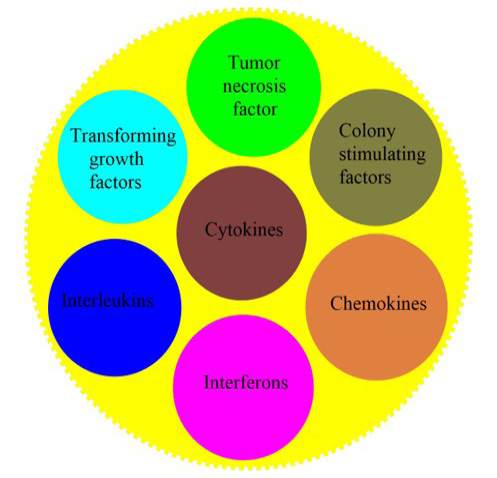
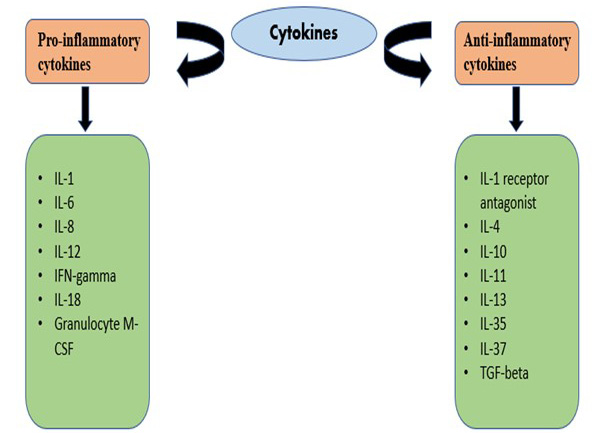
Cytokines are a diversified group of proteins. They are categorized as transforming growth factors (TGF’s) interleukins (ILs), interferons (IFN’s), colony stimulating factors (CSFs), tumor necrosis factor (TNFs) and numerous chemokines (Figure 4). The broader classification suggests that the cytokines have two main groups: In first group cytokines are produced from type I (Th1) T helper cells while the cytokines produced from type II (Th2) T helper cells make up the other group. The activation of T lymphocytes and macrophages is the main task of first group while the other group is involved in stimulating humoral responses . Type 17 T cells and regulatory T-cells are important because of their involvement in inflammation and pathogenesis. Type 17 T-cells regulate the stimulation of myeloid cells in the inflammatory zone and regulatory T cells block the immune response by inhibiting the activation of T-cells (all types) .
Types of cytokines
In inflammation cytokines interact as both pro and anti-inflammatory cytokines . Proinflammatory cytokines involve gamma interferon, granulocyte M-CSF (macrophage colony stimulating factor), TNF, IL-1, IL-6 and IL-12 . Anti-inflammatory cytokines i.e. IL-4, IL-10, IFN alpha and IL-13 and transforming growth factor-beta down controls hyperactive inflammatory reactions (Figure 5). Instead, by the activation of Th1 cells anti-inflammatory cytokines such as IL-4, IL-10, and IL-13 are produced that can resolve hyper-active inflammatory reaction .
Sometimes the same cytokine (such as IL-6) serves as both anti and pro-inflammatory cytokine . This relies on the amount of cytokine, produced cytokine and the type of cell that is regulated, cytokine action sequences and even time period . When IL-4 is provided to triggered monocytes simultaneously it hinders the production of IL-6; In contrast, this increases the effect of IL-6 when it is added before any active signals ; . It is noted that the most significant anti-inflammatory cytokine is IL-10 during human immune response, produced by various immune cells . Anti-inflammatory cytokines performs a significant role in lowering the allergic reactions in skin and inflammation leading to reduction of Post-Inflammatory Hyperpigmentation (PIH).
After the adherence of pathogens specialize receptors, the stimulation of these receptors conciliate the formulation of inflammatory cytokines, IL-1, IL-6, TNF. These interleukin trigger the factors and antibodies to the site of inflammation . Inflammatory conciliators produced throughout inflammation, causes pain through sensation of nociceptors and direct activation of nociceptors . The main issue with inflammation is not the means by which regularly it begins, but how frequently it fails to decline . Physiological stress can also begin the inflammatory reaction, thus caused both mental and physical illness .
Proinflammatory cytokines
Interleukin-1 (IL-1)
The first known interleukin, IL-1 , was discovered in 1979. It is an essential component for the regulation of innate and adaptive immune responses ; and also involve in the regulation of inflammatory processes ; by activating mediators . Both chronic and acute inflammations are regulated by IL-1 . Innate immunity is strongly regulated by IL-1 and the cytoplasmic domain of IL-1 receptor type I that binds IL-1, similar to the cytoplasmic domains of all (TLR’s) toll like receptors. The consensus signals of IL-1 are further divided on the basis of secreted molecules into three subclasses. Subclass agnostic signals, (IL-1α, IL-18, IL-36α) triggers pro-inflammatory signals, subclass anti-inflammatory cytokine (IL-37) activate anti-inflammatory reactions ; ; and subclass receptor antagonists (IL-1Rα and IL-36Rα) inhibit inflammation .
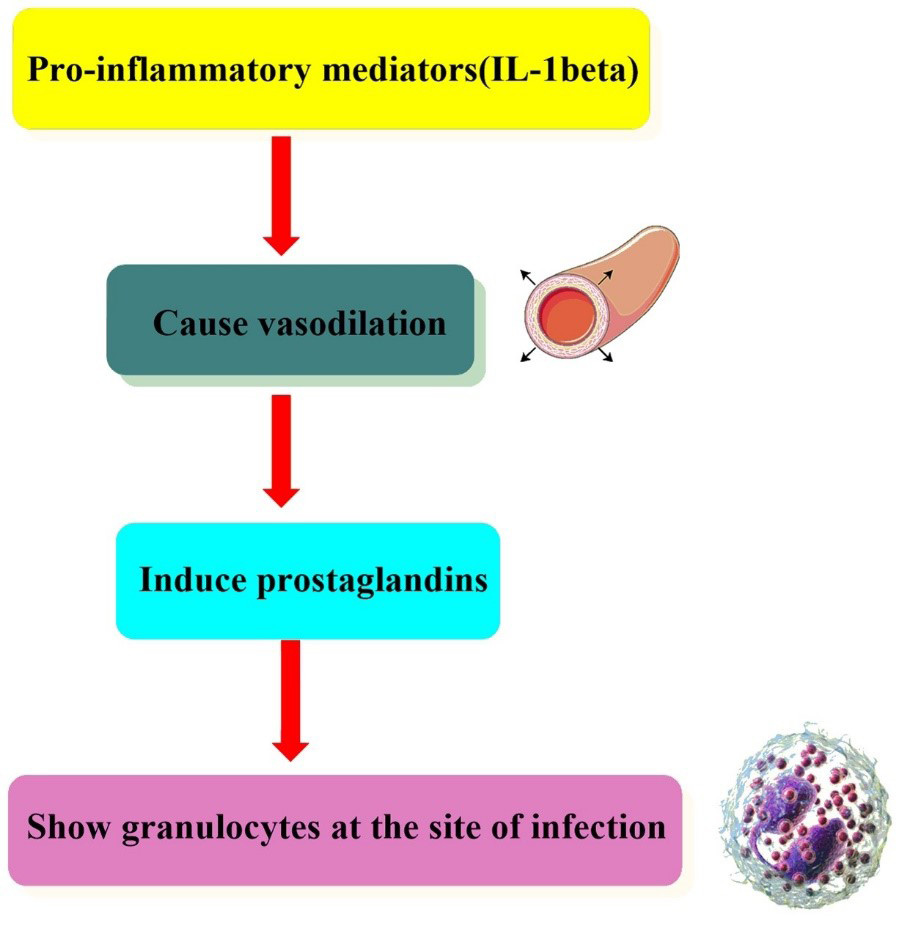
Mostly studied types of IL-1 are IL-1α, IL-1Rα and IL-1α. Agnostic forms that are involved in disorders of inflammation are IL-1α and IL-1β . During cell necrosis and tissue damage, IL-1α is secreted . It is an “Alarmin” cytokine . IL-1 causes inflammation and connection in damaging tissues (Burzynski et al., 2019). The defense cytokines that are produced in our body are IL-1β that specifically act against infections . Dendritic cells (DC’s), macrophages, and monocytes are often produced by IL-1β where B-lymphocytes and natural killer cells in less quantity are also produced by IL-1β , 2011). At tissue level powerful pro-inflammatory mediator is considered as IL-1β . It causes vasodilation and induces the prostaglandins to expression phase and endorses the granulocytes to the site of inflammation such as inflamed tissue (Figure 6). IL-1Rα binds to the IL-1RI receptor and inhibits the IL-1α and IL-1β for performing its anti-inflammatory activity. IL-1 also induces its indirect effect on lymphocyte-mediated immunity; participate in pain, fever, hypotension, vasodilation, and all other diseases where there is direct inflammation ; .
Interleukin-6 (IL-6)
The group of IL (interleukin) - 6 comprises of seven cytokines involves IL-6, IL-11, LIF (leukemia inhibitory factor), OSM (oncostatin M), CT-1 (cardiotrophin-1), CLC (cardiotrophin-like cytokine), and CNTF (ciliary neurotrophic factor) . IL-27, IL-39, and IL-35, have recently been introduced into the family (Wang et al., 2016b). IL-39 is a newly induced member from the IL-6 family, and comprises of EBI3 and IL-12p19 and transmits signals through the complex of gp130 and IL-23R, which is communicated by B cells and has pro-inflammatory capacities . IL-6 is known as pleiotropic cytokine because it can treat both types of cytokines for example, pro and anti-inflammatory cytokine ; . Interleukin 6 (IL6) is a cytokine with numerous physiological activities that helps in metabolism regulation . The IL-6 signaling physiology is complex because the impacts of IL-6 on metabolism depend upon signal coordination between cell types that include proinflammatory, noninflammatory and anti-inflammatory mechanisms. IL-6 cytokines containing 184 amino acids .
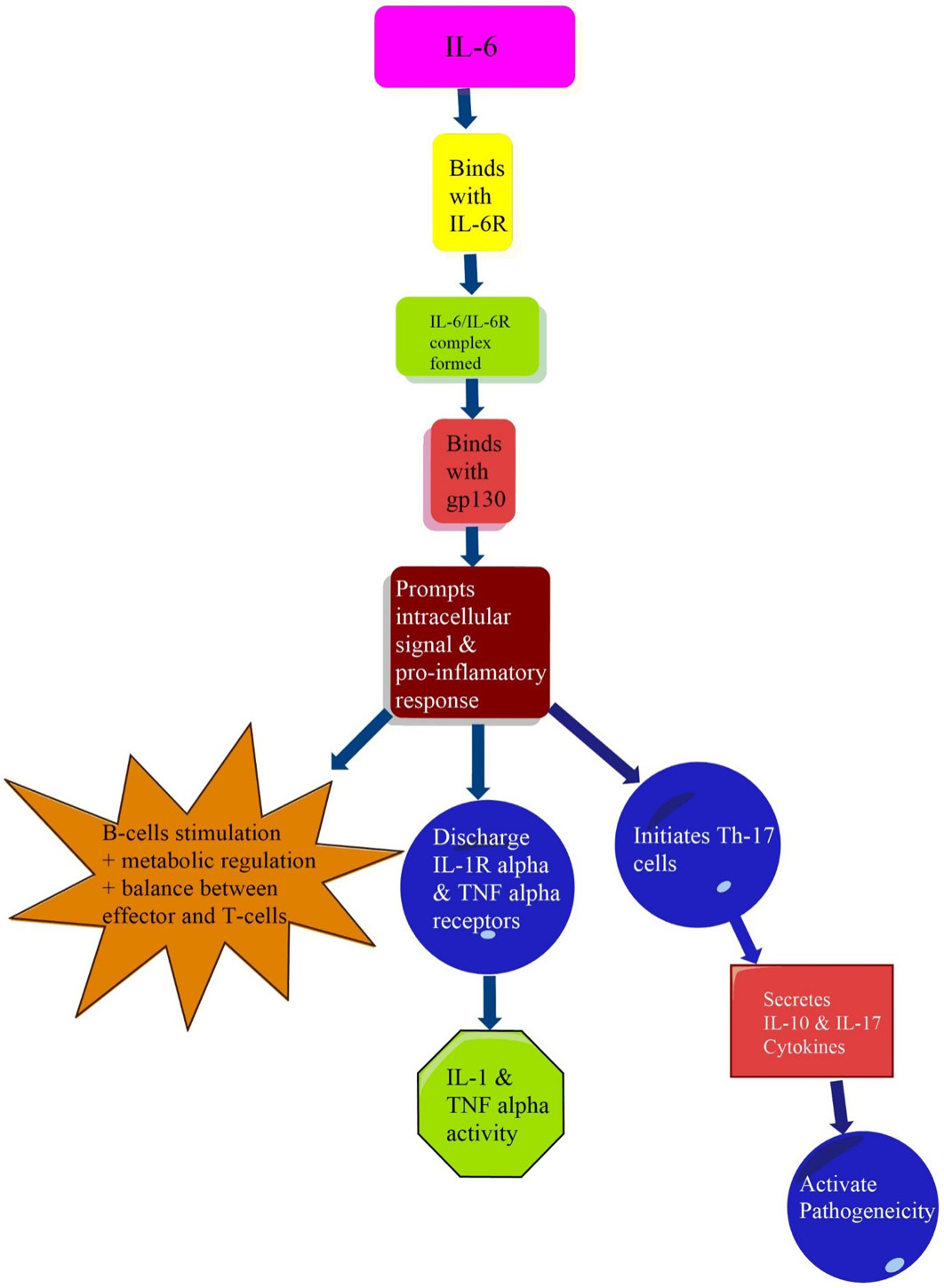
IL-6 is emitted by monocytes, macrophages, B- cells and T-cells . The sub-atomic component of IL-6 signaling is intervened by IL-6 receptor α (IL6Rα) by the signaling protein IL6ST (also called as (glycoprotein-130) gp130) . Accepted IL-6 signaling includes binding of IL-6 to an IL-6Rα with low affinity then IL-6/IL6Rα form complex with IL6ST in the plasma membrane. Inhibitors focusing on IL-6 itself, JAK family proteins or IL-6Rα chain (IL6Rα) are effective against different insusceptible issues . At the point when IL-6 bound to the IL-6R, this complex can tie to gp130, incorporating gp130 liable for their functional purposes ; ; . Consequently, it prompts intracellular signaling and initiates a pro-inflammatory response .
It helps in B cell stimulation, metabolic regulation, and in keeping up balance between effectors and active T-cells. IL-6 initiates the Th17 cells and secretes IL-17 and IL-10 cytokines that generate Th17 cells to activate pathogenicity.In this way, IL-6 can discharge IL-1Rα and TNFα receptor that suppresses the function of IL-1 and TNFα respectively (Figure 7).
In inflammation, the function of IL-6 firmly fluctuates because of difference in stage and type of disease and it can be defensive or pathogenic . For pro-inflammatory reaction, IL-6 Trans signals in all gp130 communicating cells by the sIL-6R . Though for anti-inflammatory reaction, IL-6 acts through its connection to the cell surface IL-6 receptor ; .
Anti-inflammatory cytokines
Interleukin-4 (IL-4)
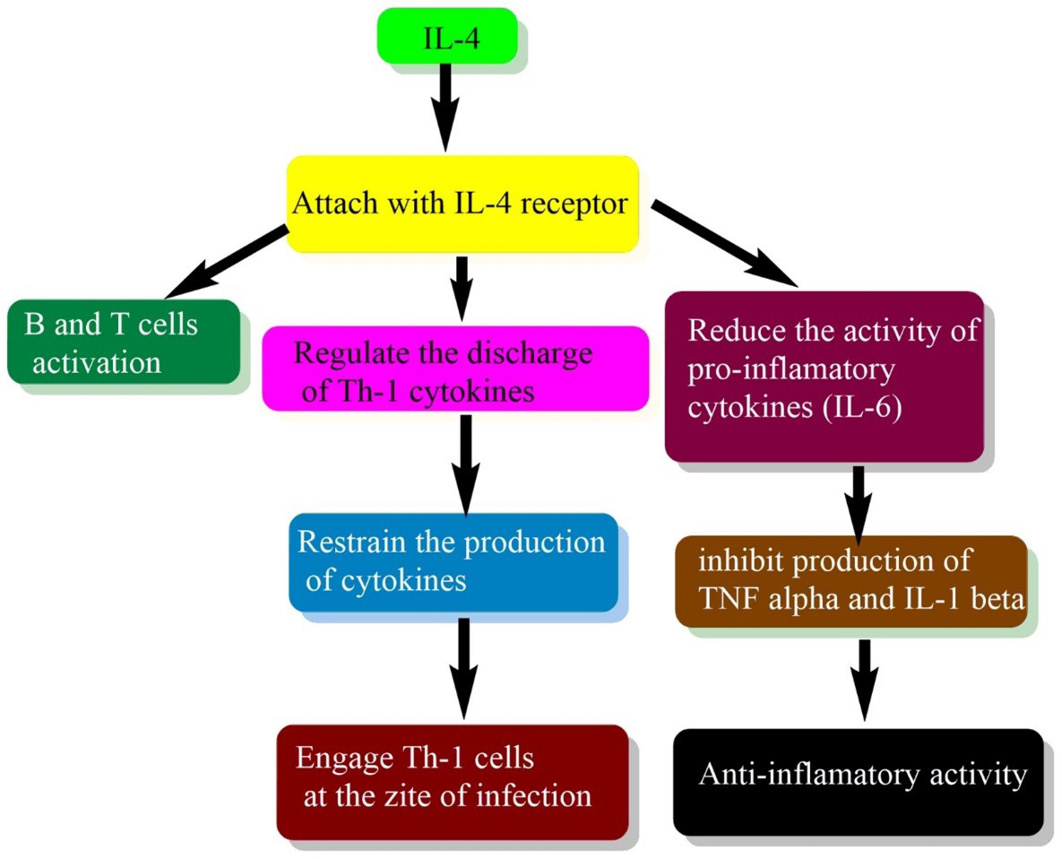
Interleukin-4 (IL-4) is a highly functional cytokine emitted by mast cells, basophils, T-helper 2 cells, eosinophils, stromal cells and epithelial cells ; ; ; . When IL-4 interacts with the IL-4 receptor, IL-4 signaling initiates a response that prompts to genes transcription of B and T cell activation ; . IL-4 applies an anti-inflammatory activity by decreasing the activity and production of proinflammatory cytokines. It almost completely inhibits the production and synthesis of TNF-α and IL-1β. It suppresses the production of IL-6 and its activity when activated by endothelial cells . It also regulates the discharge of Th1 cytokines and restrains the production of chemokines that hire Th-1 cells in the area of infection ; (Figure 8).
Interleukin-10 (IL-10)
IL-10 is considered to be a strong anti-inflammatory cytokine. Initially, it was called as cytokine amalgamation inhibitory factor (CSIF) as it can repress the production of IFN-c (proinflammatory cytokines) and TNFα . Like many anti-inflammatory cytokines, IL-10 targets various (innate and adaptive) leukocytes to suppress their activity and function, while suppressing inflammatory cytokine bursts, preventing injury to the helper, and maintaining functional tissue integrity . A wide range of cell types include dendritic cells (DC’s), CD4 T cells, mast cells, macrophages, CD8 T cells, neutrophils, eosinophils, B cells, (cNKs) conventional natural killer cells and few (ILCs) innate lymphoid cells have been reported to produce IL-10 .
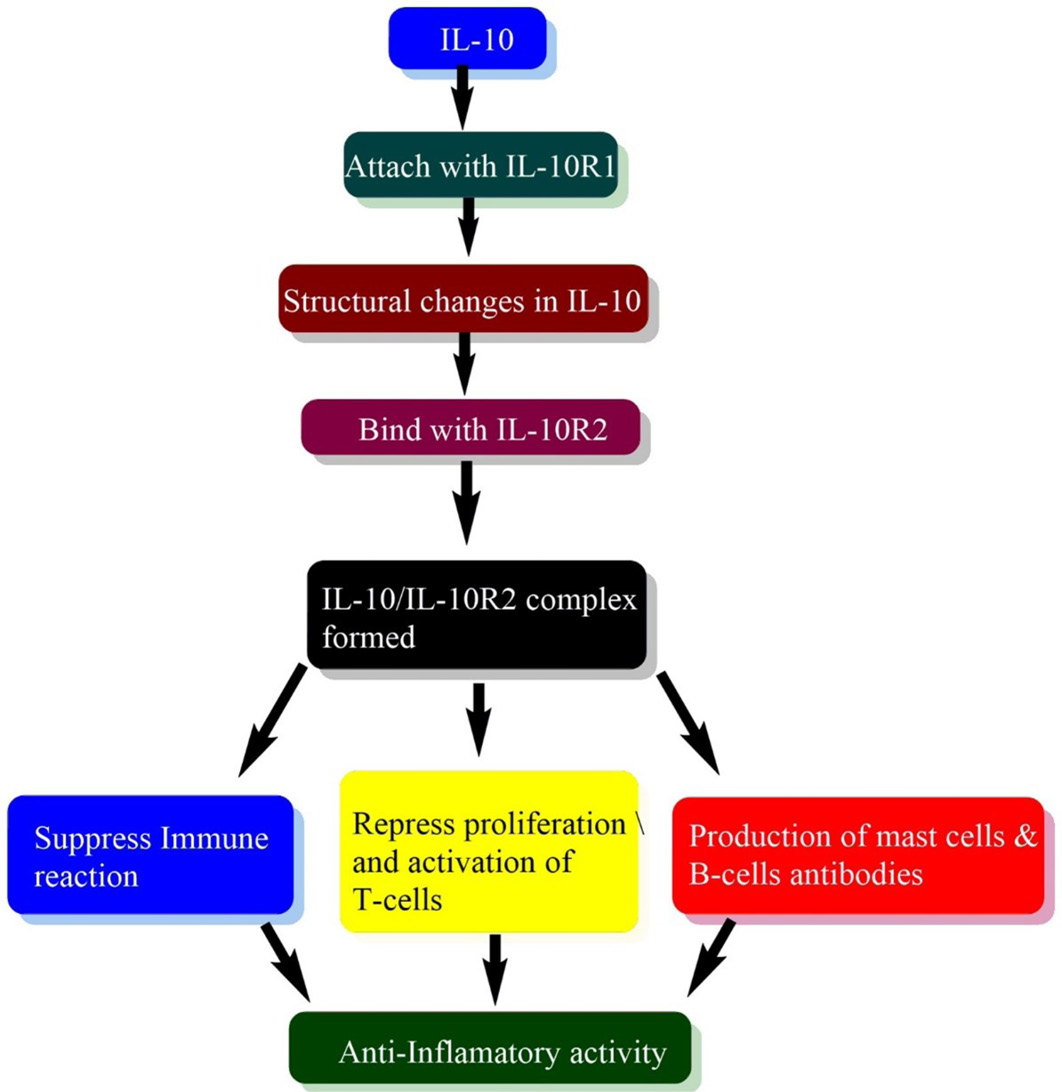
IL-10 attaches to IL-10R1 and then IL-10R2 , 2010). At the point, when IL-10 attaches to IL-10R1 it causes structural changes in IL-10 that causes its adhesion with IL-10R2 and IL-10/IL-10R complex. This complex suppresses the immune reactions ; and represses proliferation and activation of T cells . It also promotes the multiplication and production of mast cells, thymocytes and B cells antibodies (Figure 9).
Conclusions and Recommendations
The inflammation is related to most of the human diseases directly and indirectly. Currently there is no specific drug for inflammation and some of the general drugs that are being used have shown detrimental side effects. So it is a dire need of hour to find natural products which are effective against inflammation. It is recommended that natural products and medicinal plants should be used for the treatment of inflammation after its scientific evaluation and study because they do not have any adverse side effects which can damage systems and organs.
Conflict of interest
The authors have declared no conflict of interest.
Figures


Steps during inflammatory process.

Mechanism of inflammation.

Classification of cytokines.

Types of cytokines.

Role of IL-1 in pro-inflammation.

Role of IL-6 in pro-inflammation.

Role of IL-4 in anti-inflammation.

Role of IL-10 in anti-inflammation.
References
- Abarike, E.D., Kuebutornye, F.K., Jian, J., Tang, J., Lu, Y., and Cai, J., 2019. Influences of immunostimulants on phagocytes in cultured fish: A mini review. Rev. Aquac., 11: 1219-1227. https://doi.org/10.1111/raq.12288[CrossRef]
- Abatan, M.O., Lateef, I., and Taiwo, V.O., 2006. Toxic effects of non-steroidal anti-inflammatory agents in rats. Afr. J. Biomed. Res., 9: 219-223. https://doi.org/10.4314/ajbr.v9i3.48909[CrossRef]
- Abbate, G.M., Sacerdote, P., Amodeo, G., Mangano, A., and Levrini, L., 2016. Experimentally induced pulpal lesion and substance P expression: Effect of Ketoprofen. A Preliminary Study. Int. J. Dent., 21ST: 1-5. https://doi.org/10.1155/2016/6820781[CrossRef]
- Actor, J.K., and Smith, K.C., 2019. Translational Inflammation. Transl. Inflamm., pp. 1-22. https://doi.org/10.1016/B978-0-12-813832-8.00001-7[CrossRef]
- Afkhami, A., Bahiraei, A., and Madrakian, T., 2016. Gold nanoparticle/ multi-walled carbon nanotube modified glassy carbon electrode as a sensitive voltammetric sensor for the determination of diclofenac sodium. Mater. Sci. Eng. C Mater. Biol. Appl., 59: 168-176. https://doi.org/10.1016/j.msec.2015.09.097[CrossRef]
- Ait-Oufella, H., Taleb, S., Mallat, Z., and Tedgui, A., 2011. Recent advances on the role of cytokines in atherosclerosis. Arterioscler. Thromb. Vasc. Biol., 31: 969-979. https://doi.org/10.1161/ATVBAHA.110.207415[CrossRef]
- Akdis, C.A., Joss, A., Akdis, M., Faith, A., and Blaser, K., 2000. A molecular basis for T cell suppression by IL-10: CD28-associated IL-10 receptor inhibits CD28 tyrosine phosphorylation and phosphatidylinositol 3-kinase binding. FASEB J., 14: 1666-1668. https://doi.org/10.1096/fj.99-0874fje[CrossRef]
- Akhtar, G., and Shabbir, A., 2019. Urginea indica attenuated rheumatoid arthritis and inflammatory paw edema in diverse animal models of acute and chronic inflammation. J. Ethnopharmacol., 238: 111864. https://doi.org/10.1016/j.jep.2019.111864[CrossRef]
- Akpamu, U., Otamere, H.O., Ernest-Nwoke, I.O., Ekhator, C.N., and Osifo, U.C., 2016. The protective effect of testosterone on indomethacin induced gastric ulcer in female Sprague Dawley rats. Adv. Endocrinol., 2016: 1–5. https://doi.org/10.1155/2016/3452760[CrossRef]
- Alhakamy, N.A., Badr-Eldin, S.M., Ahmed, O.A., Asfour, H.Z., Aldawsari, H.M., Algandaby, M.M., Eid, B.G., Abdel-Naim, A.B., Awan, Z.A., Alghaith, A.F., and Alaofi, A.L., 2020. Piceatannol loaded emulsomes exhibit enhanced cytostatic and apoptotic activities in colon cancer cells. Antioxidants, 9: 419. https://doi.org/10.3390/antiox9050419[CrossRef]
- Ansar, W., and Ghosh, S., 2016. Inflammation and inflammatory diseases, markers, and mediators: Role of CRP in some inflammatory diseases. In: Biology of C Reactive Protein in Health and Disease, Springer, New Delhi. pp. 67-10. https://doi.org/10.1007/978-81-322-2680-2_4[CrossRef]
- Apte, R.N., and Voronov, E., 2008. Is interleukin-1 a good or bad guy in tumor immunobiology and immunotherapy? Immunol. Rev., 222: 222-241. https://doi.org/10.1111/j.1600-065X.2008.00615.x[CrossRef]
- Aramwit, P., Kanokpanont, S., De-Eknamkul, W., and Srichana, T., 2009. Monitoring of inflammatory mediators induced by silk sericin. J. Biosci. Bioeng., 107: 556-561. https://doi.org/10.1016/j.jbiosc.2008.12.012[CrossRef]
- Artis, D., and Spits, H., 2015. The biology of innate lymphoid cells. Nature, 517: 293-301. https://doi.org/10.1038/nature14189[CrossRef]
- Arulselvan, P., Fard, M.T., Tan, W.S., Gothai, S., Fakurazi, S., Norhaizan, M.E., and Kumar, S.S., 2016. Role of antioxidants and natural products in inflammation. Oxid. Med. Cell. Longev., https://doi.org/10.1155/2016/5276130[CrossRef]
- Atmaramani, R.R., Black, B.J., de la Peña, J.B., Campbell, Z.T., and Pancrazio, J.J., 2020. Conserved expression of Nav1. 7 and Nav1. 8 contribute to the spontaneous and thermally evoked excitability in IL-6 and NGF-sensitized adult dorsal root ganglion neurons in vitro. Bioengring, 7: 44. https://doi.org/10.3390/bioengineering7020044[CrossRef]
- Barbalho, S.M., Bosso, H., Salzedas-Pescinini, L.M., and de Alvares Goulart, R., 2019. Green tea: A possibility in the therapeutic approach of inflammatory bowel diseases? Green tea and inflammatory bowel diseases. Complement. Ther. Med., 43: 148-153. https://doi.org/10.1016/j.ctim.2019.01.015[CrossRef]
- Basra, M.A.R., Batool, M., Farhat, F., Tajammal, A., and Khan, H., 2019. Anti-inflammatory, anti-thrombotic and Molecular Docking Studies of 1, 3, 4 Oxadiazole Derivatives In Rats. J. Biomed. Sci., 8: 4.
- Bensman, A., 2019. Non-steroidal Anti-inflammatory Drugs (NSAIDs) systemic use: The Risk of Renal Failure. Front. Pediatr., pp. 7. https://doi.org/10.3389/fped.2019.00517[CrossRef]
- Borsini, A., Di Benedetto, M.G., Giacobbe, J., and Pariante, C.M., 2020. Pro-and anti-inflammatory properties of interleukin (IL6) in vitro: Relevance for major depression and for human hippocampal neurogenesis. Int. J. Neuropsychopharmacol., 23(11): 738-750. https://doi.org/10.1093/ijnp/pyaa055[CrossRef]
- Bownik, A., Jasieczek, M., and Kosztowny, E., 2020. Ketoprofen affects swimming behavior and impairs physiological endpoints of Daphnia magna. Sci. Total Environ., pp. 138312. https://doi.org/10.1016/j.scitotenv.2020.138312[CrossRef]
- Bradley, M., 2020. Reducing the risk of NSAID related gastrointestinal problems: An update. Drug Ther. Bull., 58: 89-92. https://doi.org/10.1136/dtb.2019.000072[CrossRef]
- Brod, S., 2017. The influence of housing environment on the murine inflammatory immune response (Doctoral dissertation, Queen Mary University of London).
- Budiman, A., Praditasari, A., Rahayu, D., and Aulifa, D.L., 2019. Formulation of antioxidant gel from black mulberry fruit extract (Morus nigra L.). J. Pharm. Bioallied Sci., 11: 216. https://doi.org/10.4103/jpbs.JPBS_57_18[CrossRef]
- Burzinsky, L.C., MH, P.K., Wiggins, K.A., Chan, J.N.E., Figg, N., Kitt, L.K., Summers, C., Tatham, K.C., Martin, P.B., Bennet, M.R., and Clarke, M.C.H., 2019. The coagulation and immune system are fundamentally linked through the activation of interleukin-1a by thrombin. Immunity, https://doi.org/10.1016/j.immuni.2019.03.003[CrossRef]
- Calabrese, L.H., and Rose-John, S., 2014. IL-6 biology: Implications for clinical targeting in rheumatic disease. Nat. Rev. Rheumatol., 10: 720. https://doi.org/10.1038/nrrheum.2014.127[CrossRef]
- Capecchi, R., Italiani, P., Puxeddu, I., Pratesi, F., Tavoni, V., Boraschi, D., and Migliorini, P., 2018. IL-1 family cytokines and receptors in IgG4-related disease. Cytokine, 102: 145-148. https://doi.org/10.1016/j.cyto.2017.08.001[CrossRef]
- Catarro, M., Serrano, J.L., Ramos, S.S., Silvestre, S., and Almeida, P., 2019. Nimesulide analogues: From anti-inflammatory to antitumor agents. Bioorg. Chem., 88: 102966. https://doi.org/10.1016/j.bioorg.2019.102966[CrossRef]
- Chang, J., Kunkel, S.L., and Chang, C.H., 2009. Negative regulation of MyD88-dependent signaling by IL-10 in dendritic cells. Proc. natl. Acad. Sci. U. S. A., 106: 18327-18332. https://doi.org/10.1073/pnas.0905815106[CrossRef]
- Charo, I.F., and Ransohoff, R.M., 2006. The many roles of chemokines and chemokine receptors in inflammation. N. Engl. J. Med., 354: 610-621. https://doi.org/10.1056/NEJMra052723[CrossRef]
- Conti, P., Caraffa, A., Ronconi, G., Kritas, S.K., Mastrangelo, F., Tettamanti, L., Frydas, I., and Theoharides, T.C., 2018. Mast cells participate in allograft rejection: Can IL-37 play an inhibitory role? Inflamm. Res., 67: 747-755. https://doi.org/10.1007/s00011-018-1166-3[CrossRef]
- Cutolo, M., Soldano, S., and Smith, V., 2019. Pathophysiology of systemic sclerosis: current understanding and new insights. Exp. Rev. Clin. Immunol., 15: 753-764. https://doi.org/10.1080/1744666X.2019.1614915[CrossRef]
- Dagvadorj, J., Naiki, Y., Tumurkhuu, G., Hassan, F., Islam, S., Koide, N., Mori, I., Yoshida, T., and Yokochi, T., 2008. Interleukin-10 inhibits tumor necrosis factor-α production in lipopolysaccharide-stimulated RAW 264.7 cells through reduced MyD88 expression. Innate Immun., 14: 109-115. https://doi.org/10.1177/1753425908089618[CrossRef]
- Del Giudice, M., and Gangestad, S.W., 2018. Rethinking IL-6 and CRP: Why they are more than inflammatory biomarkers, and why it matters. Brain Behav. Immun., 70: 61-75. https://doi.org/10.1016/j.bbi.2018.02.013[CrossRef]
- Dhasmana, A., Uniyal, S., Kashyap, V.K., Somvanshi, P., Gupta, M., Bhardwaj, U., Jaggi, M., Yallapu, M. M., Haque, S., and Chauhan, S.C., 2020. Topological and system-level protein interaction network (PIN) analyses to deduce molecular mechanism of curcumin. Sci. Rep., 10: 1-14. https://doi.org/10.1038/s41598-020-69011-0[CrossRef]
- Diakos, C.I., Charles, K.A., McMillan, D.C., and Clarke, S.J., 2014. Cancer-related inflammation and treatment effectiveness. Lancet Oncol., 15: e493-e503. https://doi.org/10.1016/S1470-2045(14)70263-3[CrossRef]
- Dinarello, C.A., 2009. Immunological and inflammatory functions of the interleukin-1 family. Annu. Rev. Immunol., 27: 519-550. https://doi.org/10.1146/annurev.immunol.021908.132612[CrossRef]
- Dinarello, C.A., 2011. Interleukin-1 in the pathogenesis and treatment of inflammatory diseases. Blood J. Am. Soc. Hematol., 117: 3720-3732. https://doi.org/10.1182/blood-2010-07-273417[CrossRef]
- Dinarello, C.A., 2018. Overview of the IL‐1 family in innate inflammation and acquired immunity. Immunol. Rev., 281: 8-27. https://doi.org/10.1111/imr.12621[CrossRef]
- Dinarello, C.A., Simon, A., and Van Der Meer, J.W., 2012. Treating inflammation by blocking interleukin-1 in a broad spectrum of diseases. Nat. Rev. Drug Discov., 11: 633-652. https://doi.org/10.1038/nrd3800[CrossRef]
- Drayton, D.L., Liao, S., Mounzer, R.H., and Ruddle, N.H., 2006. Lymphoid organ development from ontogeny to neogenesis. Nat. Immunol., 7: 344-353. https://doi.org/10.1038/ni1330[CrossRef]
- Duron, J., Monconduit, L., and Avan, P., 2020. Auditory brainstem changes in timing may underlie hyperacusis in a salicylate-induced acute rat model. Neuroscience, 426: 129-140. https://doi.org/10.1016/j.neuroscience.2019.11.038[CrossRef]
- El-Fakharany, E.M., Abu-Elreesh, G.M., Kamoun, E.A., Zaki, S., and Abd-EL-Haleem, D.A., 2020. In vitro assessment of the bioactivities of sericin protein extracted from a bacterial silk-like biopolymer. RSC Adv., 10: 5098-5107. https://doi.org/10.1039/C9RA09419A[CrossRef]
- Elgorashi, E.E., and McGaw, L.J., 2019. African plants with in vitro anti-inflammatory activities: A review. S. Afr. J. Bot., 126: 142-169. https://doi.org/10.1016/j.sajb.2019.06.034[CrossRef]
- Fang, D., and Zhu, J., 2020. Molecular switches for regulating the differentiation of inflammatory and IL-10-producing anti-inflammatory T-helper cells. Cell. Mol. Life Sci., pp. 1-15. https://doi.org/10.1007/s00018-019-03277-0[CrossRef]
- Fields, J.K., 2019. Structural basis of IL-1 family cytokine signaling. Front. Immunol., 10: 1412. https://doi.org/10.3389/fimmu.2019.01412[CrossRef]
- Fillatreau, S., Sweenie, C.H., McGeachy, M.J., Gray, D., and Anderton, S.M., 2002. B cells regulate autoimmunity by provision of IL-10. Nat. Immunol., 3: 944-950. https://doi.org/10.1038/ni833[CrossRef]
- Fontes, J.A., Rose, N.R., and Čiháková, D., 2015. The varying faces of IL-6: From cardiac protection to cardiac failure. Cytokine, 74: 62-68. https://doi.org/10.1016/j.cyto.2014.12.024[CrossRef]
- Fritsch, J., and Abreu, M.T., 2019. The microbiota and the immune response: what is the chicken and what is the egg? Gastrointest. Endosc. Clin., 29: 381-393. https://doi.org/10.1016/j.giec.2019.02.005[CrossRef]
- Gadani, S.P., Cronk, J.C., Norris, G.T., and Kipnis, J., 2012. IL-4 in the brain: A cytokine to remember. J. Immunol., 189: 4213-4219. https://doi.org/10.4049/jimmunol.1202246[CrossRef]
- Gallenga, C.E., Pandolfi, F., Caraffa, A.L., Kritas, S.K., Ronconi, G., Toniato, E., Martinotti, S., and Conti, P., 2019. Interleukin-1 family cytokines and mast cells: activation and inhibition. J. Biol. Regul. Homeost. Agents, 33: 1-6.
- Gandhi, N.A., Bennett, B.L., Graham, N.M., Pirozzi, G., Stahl, N., and Yancopoulos, G.D., 2016. Targeting key proximal drivers of type 2 inflammation in disease. Nat. Rev. Drug Discov., 15: 35-50. https://doi.org/10.1038/nrd4624[CrossRef]
- Ge, J., Yan, Q., Wang, Y., Cheng, X., Song, D., Wu, C., Yu, H., Yang, H., and Zou, J., 2020. IL-10 delays the degeneration of intervertebral discs by suppressing the p38 MAPK signaling pathway. Free Radic. Biol. Med., 147: 262-270. https://doi.org/10.1016/j.freeradbiomed.2019.12.040[CrossRef]
- Goenka, S., and Kaplan, M.H., 2011. Transcriptional regulation by STAT6. Immunol. Res., 50: 87. https://doi.org/10.1007/s12026-011-8205-2[CrossRef]
- Gordon, S., and Martinez, F.O., 2010. Alternative activation of macrophages: Mechanism and functions. Immunity, 32: 593-604. https://doi.org/10.1016/j.immuni.2010.05.007[CrossRef]
- Gosavi, T.P., Ghosh, P., Kandhare, A.D., and Bodhankar, S.L., 2011. Unwrapping homeopathic principles in the wake of research: Serendipity, placebo or true therapeutic milestones. Pharmacologyonline, 1: 894-906.
- Greten, F.R., and Grivennikov, S.I., 2019. Inflammation and cancer: triggers, mechanisms, and consequences. Immunity, 51: 27-41. https://doi.org/10.1016/j.immuni.2019.06.025[CrossRef]
- Grivennikov, S.I., Greten, F.R., and Karin, M., 2010. Immunity, inflammation, and cancer. Cell, 140: 883-899. https://doi.org/10.1016/j.cell.2010.01.025[CrossRef]
- Gupta, R., Saxena, R., and Malviya, N., 2019. Investigation of anti-inflammatory activity of ethanolic extract of Aconitum Napellus Linn against carrageenan induced paw edema in rats. J. Drug Deliv. Ther., 9: 470-472.
- Haley, R.M., and von Recum, H.A., 2019. Localized and targeted delivery of NSAIDs for treatment of inflammation: A review. Exp. Biol. Med., 244: 433-444. https://doi.org/10.1177/1535370218787770[CrossRef]
- Hasankhan, S., Tabibiazar, M., Hosseini, S.M., Ehsani, A., and Ghorbani, M., 2020. Fabrication of curcumin-zein-ethyl cellulose composite nanoparticles using antisolvent co-precipitation method. Int. J. Biol. Macromol., 163: 1538-1545. https://doi.org/10.1016/j.ijbiomac.2020.08.045[CrossRef]
- Hasanpour Dehkordi, A., Abbaszadeh, A., Mir, S., and Hasanvand, A., 2019. Metformin and its anti-inflammatory and anti-oxidative effects, new concepts. J. Ren. Inj. Prev., 8(1): 54-61. https://doi.org/10.15171/jrip.2019.11[CrossRef]
- Hasegawa, H., Mizoguchi, I., Chiba, Y., Ohashi, M., Xu, M., and Yoshimoto, T., 2016. Expanding diversity in molecular structures and functions of the IL-6/IL-12 heterodimeric cytokine family. Front. Immunol., 7: 479. https://doi.org/10.3389/fimmu.2016.00479[CrossRef]
- Houra, M., Nazem-Kazerani, F., Mortazavi, M., Hadavi, M., Moosavi, S.M., and Arababadi, M.K., 2020. The roles played by IL-10, IL-23 and IL-17A in term delivery. J. Neonatal-Perinat. Med., (Preprint), pp. 1-9. https://doi.org/10.3233/NPM-190360[CrossRef]
- Hoxha, M., Malaj, V., Spahiu, E., and Spahiu, M., 2020. Dentists knowledge about over the counter-NSAIDs: An emerging need for NSAID-avoidance education. J. Appl. Pharm. Sci., 10: 70-76. https://doi.org/10.7324/JAPS.2020.101009[CrossRef]
- Hussain, M.A., Shad, I., Malik, I., Amjad, F., Tahir, M.N., Ullah, N., Ashraf, M., and Sher, M., 2020. Design, characterization and enhanced bioavailability of hydroxypropyl cellulose-naproxen conjugates. Arab. J. Chem., 13: 5717-5723. https://doi.org/10.1016/j.arabjc.2020.04.010[CrossRef]
- Isaka, S., Cho, K., Nakazono, S., Abu, R., Ueno, M., Kim, D., and Oda, T., 2015. Antioxidant and anti-inflammatory activities of porphyran isolated from discolored nori (Porphyra yezoensis). Int. J. Biol. Macromol., 74: 68-75. https://doi.org/10.1016/j.ijbiomac.2014.11.043[CrossRef]
- Jarapula, R., Gangarapu, K., Manda, S., and Rekulapally, S., 2016. Synthesis, in vivo anti-inflammatory activity, and molecular docking studies of new isatin derivatives. Int. J. Med. Chem., 1-9.. https://doi.org/10.1155/2016/2181027[CrossRef]
- Jayesh, K., Karishma, R., Vysakh, A., Gopika, P., and Latha, M.S., 2020. Terminalia bellirica (Gaertn.) Roxb fruit exerts anti-inflammatory effect via regulating arachidonic acid pathway and pro-inflammatory cytokines in lipopolysaccharide-induced RAW 264.7 macrophages. Inflammopharmacology, 28: 265-274. https://doi.org/10.1007/s10787-018-0513-x[CrossRef]
- Jiang, L., Wang, Z., Wang, X., Wang, S., Wang, Z., and Liu, Y., 2020. Piceatannol exhibits potential food-drug interactions through the inhibition of human UDP-glucuronosyltransferase (UGT) in vitro. Toxicol. in vitro, pp. 104890. https://doi.org/10.1016/j.tiv.2020.104890[CrossRef]
- Jones, S.A., and Jenkins, B.J., 2018. Recent insights into targeting the IL-6 cytokine family in inflammatory diseases and cancer. Nat. Rev. Immunol., 18: 773-789. https://doi.org/10.1038/s41577-018-0066-7[CrossRef]
- Joseph, B., and Raj, S.J., 2012. Therapeutic applications and properties of silk proteins from Bombyx mori. Front. Life Sci., 6: 55-60. https://doi.org/10.1080/21553769.2012.760491[CrossRef]
- Joseph, L., and George, M., 2016. Evaluation of in vivo and in vitro anti-inflammatory activity of novel isoxazole series. Eur. Int. J. Sci. Tech., 5: 35-42.
- Kadam, R.A., Dhumal, N.D., and Khyade, V.B., 2019. The Mulberry, Morus alba (L.): The medicinal herbal source for human health. Int. J. Curr. Microbiol. Appl. Sci., 8: 2941-2964. https://doi.org/10.20546/ijcmas.2019.804.341[CrossRef]
- Kang, S., Narazaki, M., Metwally, H., and Kishimoto, T., 2020. Correction: Historical overview of the interleukin-6 family cytokine. J. Exp. Med., 217: jem-2019034704212020c. https://doi.org/10.1084/jem.2019034704212020c[CrossRef]
- Kang, S., Tanaka, T., Narazaki, M., and Kishimoto, T., 2019. Targeting interleukin-6 signaling in clinic. Immunity, 50: 1007-1023. https://doi.org/10.1016/j.immuni.2019.03.026[CrossRef]
- Kaur, S., Bansal, Y., Kumar, R., and Bansal, G., 2020. A panoramic review of IL-6: Structure, pathophysiological roles and inhibitors. Bioorg. Med. Chem., 28: 115327. https://doi.org/10.1016/j.bmc.2020.115327[CrossRef]
- Khan, H., Ullah, H., Aschner, M., Cheang, W.S., and Akkol, E.K., 2020. Neuroprotective effects of quercetin in Alzheimer’s disease. Biomolecules, 10: 59. https://doi.org/10.3390/biom10010059[CrossRef]
- Khare, T., Palakurthi, S.S., Shah, B.M., Palakurthi, S., and Khare, S., 2020. Natural product-based nanomedicine in treatment of inflammatory bowel disease. Int. J. Mol. Sci., 21: 3956. https://doi.org/10.3390/ijms21113956[CrossRef]
- Kierys, A., Kasperek, R., Krasucka, P., and Goworek, J., 2016. Encapsulation of diclofenac sodium within polymer beads by silica species via vapour-phase synthesis. Colloids Surf. B Biointerfaces, 142: 30-37. https://doi.org/10.1016/j.colsurfb.2016.02.041[CrossRef]
- Kim, H.Y., Lee, H.J., Chang, Y.J., Pichavant, M., Shore, S.A., Fitzgerald, K.A., Iwakura, Y., Israel, E., Bolger, K., Faul, J., and DeKruyff, R.H., 2014. Interleukin-17–producing innate lymphoid cells and the NLRP3 inflammasome facilitate obesity-associated airway hyperreactivity. Nat. Med., 20: 54-61. https://doi.org/10.1038/nm.3423[CrossRef]
- Klessig, D.F., Tian, M., and Choi, H.W., 2016. Multiple targets of salicylic acid and its derivatives in plants and animals. Front. Immunol., 7: 206. https://doi.org/10.3389/fimmu.2016.00206[CrossRef]
- Kocaadam, B., and Şanlier, N., 2017. Curcumin, an active component of turmeric (Curcuma longa), and its effects on health. Crit. Rev. Fd. Sci. Nutr., 57: 2889-2895. https://doi.org/10.1080/10408398.2015.1077195[CrossRef]
- Korniluk, A., Koper, O., Kemona, H., and Dymicka-Piekarska, V., 2017. From inflammation to cancer. Ir. J. Med. Sci., 186: 57-62. https://doi.org/10.1007/s11845-016-1464-0[CrossRef]
- Kwon, J., Kim, S., Yoo, H., and Lee, E., 2019. Nimesulide-induced hepatotoxicity: A systematic review and meta-analysis. PLoS One, 14: e0209264. https://doi.org/10.1371/journal.pone.0209264[CrossRef]
- Lajili, S., Deghrigue, M., Bel-Haj A.H., Muller, C.D., and Bouraoui, A., 2016. In vitro immuno modulatory activity and in vivo anti-inflammatory and analgesic potential with gastroprotective effect of the Mediterranean red alga Laurencia obtusa. Pharm. Biol., 54: 2486–2495. https://doi.org/10.3109/13880209.2016.1160937[CrossRef]
- Lawrence, T., Willoughby, D.A., and Gilroy, D.W., 2002. Anti-inflammatory lipid mediators and insights into the resolution of inflammation. Nat. Rev. Immunol., 2: 787-795. https://doi.org/10.1038/nri915[CrossRef]
- Lazarski, C.A., Ford, J., Katzman, S.D., Rosenberg, A.F., and Fowell, D.J., 2013. IL-4 attenuates Th1-associated chemokine expression and Th1 trafficking to inflamed tissues and limits pathogen clearance. PLoS One, 8: e71949. https://doi.org/10.1371/journal.pone.0071949[CrossRef]
- Leonard, B.E., 2018. Inflammation and depression: A causal or coincidental link to the pathophysiology? Acta Neuropsychiatr., 30: 1-16. https://doi.org/10.1017/neu.2016.69[CrossRef]
- Libby, P., 2007. Inflammatory mechanisms: The molecular basis of inflammation and disease. Nutr. Rev., 65(Suppl_3): S140-S146. https://doi.org/10.1111/j.1753-4887.2007.tb00352.x[CrossRef]
- Lim, S.H., and Choi, C.I., 2019. Pharmacological properties of Morus nigra L.(black mulberry) as a promising nutraceutical resource. Nutrients, 11: 437. https://doi.org/10.3390/nu11020437[CrossRef]
- Lopez-Contreras, F., Muñoz-Uribe, M., Pérez-Laines, J., Ascencio-Leal, L., Rivera-Dictter, A., Martin-Martin, A., Burgos, R.A., Alarcon, P., and López-Muñoz, R., 2020. Searching for drug synergy against cancer through polyamine metabolism impairment: Insight into the metabolic effect of indomethacin on lung cancer cells. Front. Pharmacol., 10: 1670. https://doi.org/10.3389/fphar.2019.01670[CrossRef]
- Lucas, S., 2016. The pharmacology of indomethacin. Headache: J. Head Face Pain, 56: 436-446. https://doi.org/10.1111/head.12769[CrossRef]
- Lundgren, M., Steed, L.J., Tamura, R., Jonsdottir, B., Gesualdo, P., Crouch, C., Sjöberg, M., Hansson, G., Hagopian, W.A., Ziegler, A.G., and Rewers, M.J., 2017. Analgesic antipyretic use among young children in the TEDDY study: no association with islet autoimmunity. BMC Pediatr., 17: 1-9. https://doi.org/10.1186/s12887-017-0884-y[CrossRef]
- Majno, G., 1998. The Healing Hand: Man and Wound in the Ancient World; Cambridge, MA: Harvard Univ Pr; 1975. Annls Intern. Med., 128: 318. https://doi.org/10.7326/0003-4819-128-4-199802150-00017[CrossRef]
- Majno, G., and Joris, I., 2004. Cells, tissues, and disease: principles of general pathology. Oxford University Press. New York.
- Malathi, M., Sudarshana, M.S., and Niranjan, M.H., 2012. Anti-inflammatory effect of chloroform extract of Flaveria trinervia (Sprengel) C Mora, A medicinal herb. Int. J. Pharmacol. Biol. Sci., 4: 218-221.
- Mallat, Z., Taleb, S., Ait-Oufella, H., and Tedgui, A., 2009. The role of adaptive T cell immunity in atherosclerosis. J. Lipid Res., 50(Supplement): S364-S369. https://doi.org/10.1194/jlr.R800092-JLR200[CrossRef]
- Mantovani, A., Dinarello, C.A., Molgora, M., and Garlanda, C., 2019. Interleukin-1 and related cytokines in the regulation of inflammation and immunity. Immunity, 50: 778-795. https://doi.org/10.1016/j.immuni.2019.03.012[CrossRef]
- Mao, Q.Q., Xu, X.Y., Cao, S.Y., Gan, R.Y., Corke, H., and Li, H.B., 2019. Bioactive compounds and bioactivities of ginger (Zingiber officinale Roscoe). Foods, 8: 185. https://doi.org/10.3390/foods8060185[CrossRef]
- Masjedi, A., Hashemi, V., Hojjat-Farsangi, M., Ghalamfarsa, G., Azizi, G., Yousefi, M., and Jadidi-Niaragh, F., 2018. The significant role of interleukin-6 and its signaling pathway in the immunopathogenesis and treatment of breast cancer. Biomed. Pharmacother., 108: 1415-1424. https://doi.org/10.1016/j.biopha.2018.09.177[CrossRef]
- Maspi, N., Abdoli, A., and Ghaffarifar, F., 2016. Pro-and anti-inflammatory cytokines in cutaneous leishmaniasis: A review. Pathog. Glob. Hlth., 110: 247-260. https://doi.org/10.1080/20477724.2016.1232042[CrossRef]
- Mauer, J., Denson, J.L., and Brüning, J.C., 2015. Versatile functions for IL-6 in metabolism and cancer. Trends Immunol., 36: 92-101. https://doi.org/10.1016/j.it.2014.12.008[CrossRef]
- May, R.D., and Fung, M., 2015. Strategies targeting the IL-4/IL-13 axes in disease. Cytokine, 75: 89-116. https://doi.org/10.1016/j.cyto.2015.05.018[CrossRef]
- Medzhitov, R., 2010. Inflammation 2010: New adventures of an old flame. Cell, 140: 771-776. https://doi.org/10.1016/j.cell.2010.03.006[CrossRef]
- Merritt, J., 2019. Effects of Specific PfEMP1 Ligation Interactions with ICAM-1, Integrin αVβ3, and CD36 on Monocytes in an in vitro Malaria-Naïve Host Model (Doctoral dissertation, Florida Atlantic University).
- Mishra, H., Kumar, K., Kaur, G., and Teotia, D., 2019. Formulation and evaluation of liposomes of Indomethacin. J. Adv. Sci. Res., 10: 180-185.
- Missiroli, S., Genovese, I., Perrone, M., Vezzani, B., Vitto, V.A., and Giorgi, C., 2020. The role of mitochondria in inflammation: From cancer to neurodegenerative disorders. J. Clin. Med., 9: 740. https://doi.org/10.3390/jcm9030740[CrossRef]
- Mohod, S.M., Kandhare, A.D., and Bodhankar, S.L., 2016. Gastroprotective potential of Pentahydroxy flavone isolated from Madhuca indica JF Gmel. leaves against acetic acid-induced ulcer in rats: The role of oxido-inflammatory and prostaglandins markers. J. Ethnopharmacol., 182: 150-159. https://doi.org/10.1016/j.jep.2016.02.026[CrossRef]
- Munjal, A., and Allam, A.E., 2020. Indomethacin. In StatPearls. StatPearls Publishing.
- Munjal, A., and Wadhwa, R., 2020. Sulindac. In StatPearls. StatPearls Publishing.
- Narazaki, M., and Kishimoto, T., 2018. The two-faced cytokine IL-6 in host defense and diseases. Int. J. Mol. Sci., 19: 3528. https://doi.org/10.3390/ijms19113528[CrossRef]
- Nathan, C., and Ding, A., 2010. Nonresolving inflammation. Cell, 140: 871-882. https://doi.org/10.1016/j.cell.2010.02.029[CrossRef]
- Netea, M.G., van de Veerdonk, F.L., van der Meer, J.W., Dinarello, C.A., and Joosten, L.A., 2015. Inflammasome-independent regulation of IL-1-family cytokines. Annu. Rev. Immunol., 33: 49-77. https://doi.org/10.1146/annurev-immunol-032414-112306[CrossRef]
- Ng, T.H., Britton, G.J., Hill, E.V., Verhagen, J., Burton, B.R., and Wraith, D.C., 2013. Regulation of adaptive immunity, the role of interleukin-10. Front. Immunol., 4: 129. https://doi.org/10.3389/fimmu.2013.00129[CrossRef]
- Nikkhah Bodagh, M., Maleki, I., and Hekmatdoost, A., 2019. Ginger in gastrointestinal disorders: A systematic review of clinical trials. Fd. Sci. Nutr., 7: 96-108. https://doi.org/10.1002/fsn3.807[CrossRef]
- Niu, B., Jia, J., Wang, H., Chen, S., Cao, W., Yan, J., Gong, X., Lian, X., Li, W., and Fan, Y.Y., 2019. In vitro and in vivo release of diclofenac sodium-loaded sodium alginate/carboxymethyl chitosan-ZnO hydrogel beads. Int. J. Biol. Macromol., 141: 1191-1198. https://doi.org/10.1016/j.ijbiomac.2019.09.059[CrossRef]
- Oketch-Rabah, H.A., Marles, R.J., Jordan, S.A., and Dog, T.L., 2019. United states pharmacopeia safety review of willow bark. Planta Med., 85: 1192-1202. https://doi.org/10.1055/a-1007-5206[CrossRef]
- Oliveira, F., Bafica, A., Rosato, A.B., Favali, C.B., Costa, J.M., Cafe, V., Barral-Netto, M., and Barral, A., 2011. Lesion size correlates with Leishmania antigen-stimulated TNF-levels in human cutaneous leishmaniasis. Am. J. Trop. Med. Hyg., 85: 70-73. https://doi.org/10.4269/ajtmh.2011.10-0680[CrossRef]
- Olusegun, T.V., and Lawal, C.O., 2008. The rodenticidal effect of indomethacin: Pathogenesis and pathology. Vet. Arh., 78: 167-178.
- Pahlavani, N., Malekahmadi, M., Firouzi, S., Rostami, D., Sedaghat, A., Moghaddam, A.B., Ferns, G.A., Navashenaq, J.G., Reazvani, R., Safarian, M., and Ghayour-Mobarhan, M., 2020. Molecular and cellular mechanisms of the effects of Propolis in inflammation, oxidative stress and glycemic control in chronic diseases. Nutr. Metab., 17: 1-12. https://doi.org/10.1186/s12986-020-00485-5[CrossRef]
- Pahwa, R., and Jialal, I., 2019. Chronic inflammation. PMID: 29630225.
- Parolini, M., 2020. Adverse effects induced by nonsteroidal anti-inflammatory drugs on freshwater invertebrates. The Handbook of Environmental Chemistry, pp. 1-14. https://doi.org/10.1007/698_2020_547[CrossRef]
- Parolini, M., 2020. Toxicity of the Non-Steroidal Anti-Inflammatory Drugs (NSAIDs) acetylsalicylic acid, paracetamol, diclofenac, ibuprofen and naproxen towards freshwater invertebrates: A review. Sci. Total Environ., pp. 140043. https://doi.org/10.1016/j.scitotenv.2020.140043[CrossRef]
- Patel, N.K., Pulipaka, S., Dubey, S.P., and Bhutani, K.K., 2014. Pro-inflammatory cytokines and nitric oxide inhibitory constituents from Cassia occidentalis roots. Nat. Prod. Commun., 9: 661–664. https://doi.org/10.1177/1934578X1400900519[CrossRef]
- Patidar, A., Birla, D., Patel, V., Chaturvedi, M., and Manocha, N., 2014. A Review on advantages of Natural Analgesics over Conventional Synthetic Analgesics. Int. J. Pharm. Life Sci., 5: 3534-3539.
- Paul, W.E., 2015. History of interleukin-4. Cytokine, 75: 3-7. https://doi.org/10.1016/j.cyto.2015.01.038[CrossRef]
- Pham, D.T., and Tiyaboonchai, W., 2020. Fibroin nanoparticles: A promising drug delivery system. Drug Deliv., 27: 431-448. https://doi.org/10.1080/10717544.2020.1736208[CrossRef]
- Podhorecka, M., Ibanez, B., and Dmoszyńska, A., 2017. Metformin-its potential anti-cancer and anti-aging effects. Adv. Hyg. Exp. Med. Postepy Hig. Med. Dosw., pp. 71. https://doi.org/10.5604/01.3001.0010.3801[CrossRef]
- Przybyłek, I., and Karpiński, T.M., 2019. Antibacterial properties of propolis. Molecules, 24: 2047. https://doi.org/10.3390/molecules24112047[CrossRef]
- Pulendran, B., and Artis, D., 2012. New paradigms in type 2 immunity. Science, 337: 431-435. https://doi.org/10.1126/science.1221064[CrossRef]
- Ragheb, S., Li, Y., Simon, K., VanHaerents, S., Galimberti, D., De Riz, M., Fenoglio, C., Scarpini, E., and Lisak, R., 2011. Multiple sclerosis: BAFF and CXCL13 in cerebrospinal fluid. Mult. Scler. J., 17: 819-829. https://doi.org/10.1177/1352458511398887[CrossRef]
- Rainsford, K.D., 2006. Nimesulide-a multifactorial approach to inflammation and pain: scientific and clinical consensus. Curr. Med. Res. Opin., 22: 1161-1170. https://doi.org/10.1185/030079906X104849[CrossRef]
- Reeh, H., Rudolph, N., Billing, U., Christen, H., Streif, S., Bullinger, E., Schliemann-Bullinger, M., Findeisen, R., Schaper, F., Huber, H.J., and Dittrich, A., 2019. Response to IL-6 trans-and IL-6 classic signalling is determined by the ratio of the IL-6 receptor α to gp130 expression: fusing experimental insights and dynamic modelling. Cell Commun. Signal., 17: 1-21. https://doi.org/10.1186/s12964-019-0356-0[CrossRef]
- Rha, C.S., Jeong, H.W., Park, S., Lee, S., Jung, Y.S., and Kim, D.O., 2019. Antioxidative, anti-inflammatory, and anticancer effects of purified flavonol glycosides and aglycones in green tea. Antioxidants, 8: 278. https://doi.org/10.3390/antiox8080278[CrossRef]
- Rider, P., Carmi, Y., Guttman, O., Braiman, A., Cohen, I., Voronov, E., White, M.R., Dinarello, C.A., and Apte, R.N., 2011. IL-1α and IL-1β recruit different myeloid cells and promote different stages of sterile inflammation. J. Immunol., 187: 4835-4843. https://doi.org/10.4049/jimmunol.1102048[CrossRef]
- Rifai, Y., Wahyuni, S., Yulianty, R., and Yusrini, Y., 2019. Gastroulcerogenic Evaluation of Ibuprofen Ester Conjugates. IOP Publishing. J. Phys. Conf. Ser., 1341: 072007. https://doi.org/10.1088/1742-6596/1341/7/072007[CrossRef]
- Rocca, G.D., Chiarandini, P., and Pietropaoli, P., 2005. Analgesia in PACU: Non steroidal anti inflammatory drugs. Curr. Drug Targets, 6: 781-787. https://doi.org/10.2174/138945005774574470[CrossRef]
- Rose-Johnston, R.B.J., 2017. An overview of the innate immune system.
- Rossi, S., 2004. Australian medicine hand book ISBN 0- 9578521-4-2.
- Rudolph, V., 1959. Cellular pathology. As based upon physiological and pathological histology. Lecture XVI--Atheromatous affection of arteries, 1958. Pathologe, 8(1): 1-8 https://doi.org/10.1111/j.1753-4887.1989.tb02747.x[CrossRef]
- Saraiva, M., Vieira, P., and O’garra, A., 2020. Biology and therapeutic potential of interleukin-10. J. Exp. Med., 217: 1-19. https://doi.org/10.1084/jem.20190418[CrossRef]
- Satani, N., Giridhar, K., Cai, C., Wewior, N., Norris, D.D., Olson, S.D., Aronowski, J., and Savitz, S.I., 2019. Aspirin in stroke patients modifies the immunomodulatory interactions of marrow stromal cells and monocytes. Brain Res., 1720: 146298. https://doi.org/10.1016/j.brainres.2019.06.017[CrossRef]
- Schaper, F., and Rose-John, S., 2015. Interleukin-6: Biology, signaling and strategies of blockade. Cytokine Growth Factor Rev., 26: 475-487. https://doi.org/10.1016/j.cytogfr.2015.07.004[CrossRef]
- Schett, G., Dayer, J.M., and Manger, B., 2016. Interleukin-1 function and role in rheumatic disease. Nat. Rev. Rheumatol., 12: 14. https://doi.org/10.1038/nrrheum.2016.166[CrossRef]
- Schmidt-Arras, D., and Rose-John, S., 2016. IL-6 pathway in the liver: From physiopathology to therapy. J. Hepatol., 64: 1403–1415. https://doi.org/10.1016/j.jhep.2016.02.004[CrossRef]
- Sehajpal, S., Prasad, D.N., and Singh, R.K., 2019. Novel ketoprofen–antioxidants mutual codrugs as safer nonsteroidal anti-inflammatory drugs: Synthesis, kinetic and pharmacological evaluation. Arch. Pharm., 352: 1800339. https://doi.org/10.1002/ardp.201800339[CrossRef]
- Shah, A.S., and Alagawadi, K.R., 2011. Anti-inflammatory, analgesic and antipyretic properties of Thespesia populnea Soland ex. Correa seed extracts and its fractions in animal models. J. Ethnopharmacol., 137: 1504-1509. https://doi.org/10.1016/j.jep.2011.08.038[CrossRef]
- Shao, B., Mao, L., Shao, J., Huang, C. H., Qin, L., Huang, R., Sheng, Z.G., Cao, D., Zhang, Z.Q., Lin, L., and Zhang, C.Z., 2020. Mechanism of synergistic DNA damage induced by caffeic acid phenethyl ester (CAPE) and Cu (II): Competitive binding between CAPE and DNA with Cu (II)/Cu (I). Free Radic. Biol. Med., 159: 107-118. https://doi.org/10.1016/j.freeradbiomed.2020.06.033[CrossRef]
- Sharrock, J., and Sun, J.C., 2020. Innate immunological memory from plants to animals. Curr. Opin. Immunol., 62: 69-78. https://doi.org/10.1016/j.coi.2019.12.001[CrossRef]
- Shiau, M.Y., Chuang, P.H., Yang, C.P., Hsiao, C.W., Chang, S.W., Chang, K.Y., Liu, T.M., Chen, H.W., Chuang, C.C., Yuan, S.Y., and Chang, Y.H., 2019. Mechanism of interleukin-4 reducing lipid deposit by regulating hormone-sensitive lipase. Sci. Rep., 9: 1-11. https://doi.org/10.1038/s41598-019-47908-9[CrossRef]
- Shitole, M., Dugam, S., Tade, R., and Nangare, S., 2020. Pharmaceutical applications of silk sericin. Ann. Pharm. Fr., Elsevier Masson, https://doi.org/10.1016/j.pharma.2020.06.005[CrossRef]
- Shokryazdan, P., Jahromi, M.F., Navidshad, B., and Liang, J.B., 2017. Effects of prebiotics on immune system and cytokine expression. Med. Microbiol. Immunol., 206: 1-9. https://doi.org/10.1007/s00430-016-0481-y[CrossRef]
- Shurrab, N.T., and Arafa, E.S.A., 2020. Metformin: A review of its therapeutic efficacy and adverse effects. Obes. Med., 17: 100186. https://doi.org/10.1016/j.obmed.2020.100186[CrossRef]
- Snapper, S.B., and Abraham, C., 2013. Immune and microbial mechanisms in the pathogenesis of inflammatory bowel disease.
- Spangler, J.B., Moraga, I., Mendoza, J.L., and Garcia, K.C., 2015. Insights into cytokine–receptor interactions from cytokine engineering. Annu. Rev. Immunol., 33: 139-167. https://doi.org/10.1146/annurev-immunol-032713-120211[CrossRef]
- Stankov, S.V., 2012. Definition of inflammation, causes of inflammation and possible anti-inflammatory strategies. Open Inflamm. J., 5: 1-9. https://doi.org/10.2174/1875041901205010001[CrossRef]
- Sulima, P., and Przyborowski, J.A., 2019. Purple willow (Salix purpurea L.) and Its Potential Uses for the Treatment of Arthritis and Rheumatism. In: Bioactive food as dietary interventions for arthritis and related inflammatory diseases, 535-551. Academic Press. https://doi.org/10.1016/B978-0-12-813820-5.00031-3[CrossRef]
- Sullivan J.E., and Farrar, H.C., 2011. Section on clinical pharmacology and therapeutics, committee on drugs, fever and antipyretic use in children. Pediatrics, 127: 580-587. https://doi.org/10.1542/peds.2010-3852[CrossRef]
- Sun, L., and Richard, D.Y., 2012. Role of G protein-coupled receptors in inflammation. Acta Pharmacol. Sin., 33: 342-350. https://doi.org/10.1038/aps.2011.200[CrossRef]
- Suryawanshi, R., Kanoujia, J., Parashar, P., and Saraf, S., 2020. Sericin: A versatile protein biopolymer with therapeutic significance. Curr. Pharm. Des., 26(42): 5414-5429.. https://doi.org/10.2174/1381612826666200612165253[CrossRef]
- Szőke, K., Czompa, A., Lekli, I., Szabados-Fürjesi, P., Herczeg, M., Csávás, M., Borbás, A., Herczegh, P., and Tósaki, Á., 2019. A new, vasoactive hybrid aspirin containing nitrogen monoxide-releasing molsidomine moiety. Eur. J. Pharm. Sci., 131: 159-166. https://doi.org/10.1016/j.ejps.2019.02.020[CrossRef]
- Takeuchi, O., and Akira, S., 2010. Pattern recognition receptors and inflammation. Cell, 140: 805-820. https://doi.org/10.1016/j.cell.2010.01.022[CrossRef]
- Taleb, S., Tedgui, A., and Mallat, Z., 2015. IL-17 and Th17 cells in atherosclerosis: Subtle and contextual roles. Arterioscler. Thromb. Vasc. Biol., 35: 258-264. https://doi.org/10.1161/ATVBAHA.114.303567[CrossRef]
- Tambewagh, U.U., Kandhare, A.D., Honmore, V.S., Kadam, P.P., Khedkar, V.M., Bodhankar, S.L., and Rojatkar, S.R., 2017. Anti-inflammatory and antioxidant potential of Guaianolide isolated from Cyathocline purpurea: Role of COX-2 inhibition. Int. Immunopharmacol., 52: 110-118. https://doi.org/10.1016/j.intimp.2017.09.001[CrossRef]
- Tavana, E., Mollazadeh, H., Mohtashami, E., Modaresi, S.M.S., Hosseini, A., Sabri, H., Soltani, A., Javid, H., Afshari, A.R. and Sahebkar, A., 2020. Quercetin: A promising phytochemical for the treatment of glioblastoma multiforme. BioFactors, 46: 356-366. https://doi.org/10.1002/biof.1605[CrossRef]
- Thibodeau, J., Bourgeois-Daigneault, M.C., Huppé, G., Tremblay, J., Aumont, A., Houde, M., Bartee, E., Brunet, A., Gauvreau, M.E., de Gassart, A., and Gatti, E., 2008. Interleukin-10-induced MARCH1 mediates intracellular sequestration of MHC class II in monocytes. Eur. J. Immunol., 38: 1225-1230. https://doi.org/10.1002/eji.200737902[CrossRef]
- Tili, E., and Michaille, J.J., 2016. Promiscuous effects of some phenolic natural products on inflammation at least in part arise from their ability to modulate the expression of global regulators, namely microRNAs. Molecules, 21: 1263. https://doi.org/10.3390/molecules21091263[CrossRef]
- Tripathi, K.D., 2003. Non-steroidal anti-inflammatory drugs and anti pyretic analgesics. In: Essentials of medical pharmacology. 5th edn., Jaypee Brothers, New Delhi. pp. 176.
- Uroos, M., Abbas, Z., Sattar, S., Umer, N., Shabbir, A., and Sharif, A., 2017. Nyctanthes arbor-tristis ameliorated FCA-induced experimental arthritis: A comparative study among different extracts. Evid. Based Complement. Altern. Med., 1-17. https://doi.org/10.1155/2017/4634853[CrossRef]
- Valacchi, G., Virgili, F., Cervellati, C., and Pecorelli, A., 2018. OxInflammation from subclinical condition to pathological biomarker. Front. Physiol., 9: 858. https://doi.org/10.3389/fphys.2018.00858[CrossRef]
- Waisman, A., Liblau, R.S., and Becher, B., 2015. Innate and adaptive immune responses in the CNS. Lancet Neurol., 14: 945-955. https://doi.org/10.1016/S1474-4422(15)00141-6[CrossRef]
- Wang, H.T., Luo, B., Zhou, K.Q., Xu, T.L., and Chen, L., 2006. Sodium salicylate reduces inhibitory postsynaptic currents in neurons of rat auditory cortex. Hear. Res., 215: 77-83. https://doi.org/10.1016/j.heares.2006.03.004[CrossRef]
- Wang, X., Chen, J., Zhang, R., Liu, L., Ma, G., and Zhu, H., 2020. Interleukin-6 in Siberian sturgeon (Acipenser baeri): Molecular characterization and immune functional activity. Fish Shellf. Immunol., 102: 296-306.. https://doi.org/10.1016/j.fsi.2020.03.023[CrossRef]
- Wang, X., Wei, Y., Xiao, H., Liu, X., Zhang, Y., Han, G., Chen, G., Hou, C., Ma, N., Shen, B., and Li, Y., 2016b. A novel IL‐23p19/Ebi3 (IL‐39) cytokine mediates inflammation in Lupus‐like mice. Eur. J. Immunol., 46: 1343-1350. https://doi.org/10.1002/eji.201546095[CrossRef]
- Wang, Y., Chen, X., Wang, C., He, L., Zhou, W., Yang, F., and Zhang, Q., 2019. The bacterial community and fermentation quality of mulberry (Morus alba) leaf silage with or without Lactobacillus casei and sucrose. Bioresour. Technol., 293: 122059. https://doi.org/10.1016/j.biortech.2019.122059[CrossRef]
- Wolde, M., Laan, L.C., Medhin, G., Gadissa, E., Berhe, N., and Tsegaye, A., 2020. Human monocytes/macrophage inflammatory cytokine changes following in vivo and in vitro Schistomam manoni infection. J. Inflamm. Res., 13: 35. https://doi.org/10.2147/JIR.S233381[CrossRef]
- Xiao, T.S., 2017. Innate immunity and inflammation. Cell. Mol. Immunol., 14: 1-3. https://doi.org/10.1038/cmi.2016.45[CrossRef]
- Yang, H., Zhou, X., Xu, D., and Chen, G., 2020. IL-6 gene rs12700386 polymorphism is associated with increased risk of knee osteoarthritis development in chinese han population: A case-control study. https://doi.org/10.21203/rs.3.rs-32756/v1[CrossRef]
- Yoon, S.I., Jones, B.C., Logsdon, N.J., Harris, B.D., Deshpande, A., Radaeva, S., Halloran, B.A., Gao, B., and Walter, M.R., 2010. Structure and mechanism of receptor sharing by the IL-10R2 common chain. Structure, 18: 638-648. https://doi.org/10.1016/j.str.2010.02.009[CrossRef]
- Yoon, S.I., Logsdon, N.J., Sheikh, F., Donnelly, R.P., and Walter, M.R., 2006. Conformational changes mediate interleukin-10 receptor 2 (IL-10R2) binding to IL-10 and assembly of the signaling complex. J. Biol. Chem., 281: 35088-35096. https://doi.org/10.1074/jbc.M606791200[CrossRef]
- Yoshizaki, T., Schenk, S., Imamura, T., Babendure, J.L., Sonoda, N., Bae, E.J., Oh, D.Y., Lu, M., Milne, J.C., Westphal, C., and Bandyopadhyay, G., 2010. SIRT1 inhibits inflammatory pathways in macrophages and modulates insulin sensitivity. Am. J. Physiol. Endocrinol. Metab., 298: E419-E428. https://doi.org/10.1152/ajpendo.00417.2009[CrossRef]
- Yousuf, A., Ibrahim, W., Greening, N.J., and Brightling, C.E., 2019. T2 biologics for chronic obstructive pulmonary disease. J. Allergy Clin. Immunol. Pract., 7: 1405-1416. https://doi.org/10.1016/j.jaip.2019.01.036[CrossRef]
- Zegeye, M.M., Andersson, B., Sirsjö, A., and Ljungberg, L.U., 2020. IL-6 trans-signaling impairs sprouting angiogenesis by inhibiting migration, proliferation and tube formation of human endothelial cells. Cells, 9: 1414. https://doi.org/10.3390/cells9061414[CrossRef]
- Zeng, M., Hu, Z., Shi, X., Li, X., Zhan, X., Li, X.D., Wang, J., Choi, J.H., Wang, K.W., Purrington, T., and Tang, M., 2014. MAVS, cGAS, and endogenous retroviruses in T-independent B cell responses. Science, 346: 1486-1492. https://doi.org/10.1126/science.346.6216.1486[CrossRef]
- Zhan, Y., Wu, B., Cheng, L., Ji, L., Li, F., Ke, Y., Chen, P., Hua, F., Yuan, L., Min, Z., and Sun, L., 2020. Interleukin (IL)-1 family cytokine in primary immune thrombocytopenia: A comparison with systemic lupus erythematosus-associated thrombocytopenia. https://doi.org/10.21203/rs.3.rs-17605/v1[CrossRef]
- Zhang, H., Zhao, W., Liu, B., Wang, T., Han, Z., Ji, X., and Liu, G., 2020. IL-6R protective variant rs7529229 reduces interleukin-6 signaling and contributes to a decreased ischemic stroke risk. https://doi.org/10.21203/rs.3.rs-37472/v1[CrossRef]
Cited by 1 article
In journals published by ResearchersLinks.
Services
Article usage statistics
Loading…