
This study examined the effects of electron beam irradiation on jujube infested with Bactrocera zonata (Saunders) and B. dorsalis (Hendel). Infested fruits were treated with five different doses of electron beam irradiation (100, 200, 300, 400, and 500 Gy) and stored at 16 ± 0.1oC with 85-90% relative humidity. The number of recovered pupae and emergence of adults from treated fruits were recorded. Physicochemical properties, fruit firmness, total soluble solid content, weight loss, and external fruit color were observed during the storage period. The findings showed that 200 Gy and above doses of electron beam irradiation significantly decreased pupal recovery and adult emergence from infested fruits. Furthermore, direct exposure of B. zonata and B. dorsalis larvae to 300 Gy resulted in mortality rates of 100% and 96.66%, respectively. Additionally, e-beam irradiation also enhanced fruit firmness, with 200 Gy doses indicating the best results. Moreover, the lowest total soluble solids were recorded in irradiated fruits compared with unirradiated fruits. The percentage of weight loss decreased significantly in all treatments, with 300 Gy demonstrating the lowest weight loss. Irradiation significantly enhanced the L* and b* (lightness and yellowness) of the external color of the fruits, while reducing a* (redness). This study demonstrates that electron beam irradiation is an effective method for controlling fruit fly infestation and maintaining the quality of jujube fruits during storage.
Research Article · Volume 58, Issue 5, 25 July 2026 · Open Access
Impact of Electron Beam Irradiation Treatment on Jujube for Fruit Flies (Diptera: Tephritidae) Disinfestation and its Impact on Quality Parameters
· · · · ·
Affiliations & Notes ⌄
- 1Department of Plant Protection, Sindh Agriculture University Tandojam 2Department of Entomology, Sindh Agriculture University Tandojam 3Pak Electron Beam Irradiation (Pvt.) Ltd., Pakistan * Corresponding author: amlodhi@sau.edu.pk
Article Info ⌄
- Journal:
- Pakistan Journal of Zoology
- Published:
- 25 July 2026

From the article
- In conclusion, the results of this study demonstrated that e-beam irradiation effectively disinfected both fruit flies, B. zonata and B. dorsalis, and free jujube fruits from infestation.
- Irradiation treatment also improved fruit firmness at a dose of 200 Gy.
- Irradiation significantly enhanced the L* and b* (lightness and yellowness) of the external color of the fruits, while reducing a* (redness).
- This study demonstrates that electron beam irradiation is an effective method for controlling fruit fly infestation and maintaining the quality of jujube fruits during storage.
Selected from the article's own text.
Abstract
INTRODUCTION
The jujube (Ziziphus jujuba Mill.) is a plant belonging to the Ziziphus genus and the Rhamnaceae family. It is native to China and has been cultivated for over 4,000 years . Jujube fruits are highly valued; however, they have a short shelf-life post-harvest ; . Consequently, it is advantageous for jujube producers to prioritize the cultivation of fruits with desirable characteristics, including firmness, vibrant color, uniformity, and elevated levels of ascorbic acid, total phenolic content, and total antioxidant activity during harvest and marketing. Such initiatives could enhance yields for jujube producers. According to the Government of Pakistan, the area dedicated to jujube cultivation in Pakistan during the 2022-2023 period is 3,607 hectares. Among the provinces, Sindh has the largest area under jujube cultivation, with 3,906 hectares, while Punjab has 1,223 hectares. In terms of production, Sindh yielded 14,330 tons of jujube, whereas Punjab produced 8,792 tons, resulting in a total national production of 24,635 tons (GoP, 2023). Known as the fruit of the poor, jujube is readily accessible and serves as a valuable source of nutrition. It contains carbohydrates, proteins, fats, vitamins, minerals, and alkaloids. Furthermore, fruit is rich in flavonoids and vitamins B1 and B2 and is recognized as a functional food due to its nutritional and medicinal properties .
Jujube fruit can be utilized to produce a diverse array of products, including pickles, jams, granulated sugar, confectionery, cakes, honey, sweets, soft drinks, marmalade, and both raw alcoholic beverages and liquor . Furthermore, varieties of jujube fruit from China and India can be consumed fresh, dried, or processed into a variety of desserts, such as bread, cakes, compotes, and puddings (Krska and Mishra, 2008; .
Several jujube cultivars including Gola Early, Gola Lat, Gola Savina, Gola Curry (Black Gula), Gola Grape, Gola Grape, Sufi Local, White Chambeli, Mokhari, Goba, Ratam Chambeli, Nayab Chambeli, Sugat Golo, White Golo, Lumlat Golo, and Limay Golo, are grown in the Sindh province of Pakistan. While varieties, such as Karela, Kheri, Tukhmi, Omri, Dukil, Fuladi, Suvon, Anokhi, Mahmood Wali, Ajoba, Yazman Mahalli, Sadaqa, Pak White, Jorah, Jorah, seedless, Dalbaha, Delhi seed, Delhi seed, Bhawalpur selection 1, Bhawalpur selection 2, and Aloo Pokhara are grown in Punjab province of Pakistan .
In jujube-growing countries worldwide, a total of 177 insect and non-insect pests have been identified as feeding on jujube. These pests are categorized as follows: Diptera - 13 species, Lepidoptera - 41 species, Coleoptera - 38 species, Hemiptera - 57 species, Hymenoptera - 1 species, Thysanoptera - 7 species, Isoptera - 3 species, Orthoptera - 2 species, Acariformes - 12 species, Gastropoda - 1 species, and Psittaciformes - 2 species. Among these, three species of fruit flies Carpomyia vesuviana Costa, Bactrocera zonata, and Bactrocera dorsalis are recognized as major pests of jujube. These species have been identified through Pest Risk Analysis (PRA) as having a high-risk potential . Fruit flies can cause 90 to 100 % yield loss in fruits and vegetables depending upon several factors such as area season, variety and their population . Fruit flies caused direct loss in the form of yield and indirect loss such as reduction in trade and export prospect .
Traditional control measures for fruit flies utilizing chemical insecticides present several disadvantages, including residual issues and the inability of these insecticides to penetrate infested fruits effectively to eliminate larvae. Furthermore, the growing public demand for insecticide-free fresh produce has prompted the adoption of environmentally friendly pest control methods . Electron beam (e-beam) irradiation is a promising solution, approved by the USFDA (≤1 kGy) and IPPC (150 Gy for tephritids), offering advantages over gamma rays, such as no radioactive waste, higher dose rates, and compatibility with other treatments ; . E-beam disrupts pest DNA and microbial growth while delaying ripening by modulating cell wall enzymes (e.g., pectin methylesterase, polygalacturonase) and oxidative stress ; . Additionally, the International Plant Protection Convention has recommended a standardized dose of 150 Gy for tephritid fruit flies. Approved irradiation quarantine treatment doses for the melon fruit fly B. cucurbitae (Coquillet), Mediterranean fruit fly Ceratitis capitata (Wiedemann), and Oriental fruit fly B. dorsalis (Hendel), which infest fruits and vegetables destined for export from Hawaii to the continental United States, are 210 Gy, 225 Gy, and 250 Gy, respectively ; . E-beam irradiation is an effective postharvest fruit preservation strategy that has the potential to delay the onset of ripening and postharvest senescence, resulting in reduced fruit loss and extended shelf life . When jujube fruits were irradiated at 0.25 kGy and 0.75 kGy, there was a significant reduction in ascorbic acid content at the end of the 30-day storage period at 12 °C. However, irradiation could be an effective approach to extend shelf life and maintain fruit quality when used in combination with hot water peeling and calcium chloride treatment (Sreejaya et al., 2012).
A study investigating ten jujube cultivars analyzed the organic acid content discovered that gamma radiation (0–5 kGy) significantly influences the color of the fruit and bioactive compounds, including phenols, anthocyanins, organic acids, and water-soluble vitamins. Specifically, irradiation up to 2.5 kGy slightly increased the total phenolic and monoanthocyanin content. These findings indicated that gamma irradiation can enhance jujube fruit quality at doses below 2.5 kGy . Villavicencio et al. (2018) also concluded that e-beam irradiation is an effective method for food preservation. The recommended doses of this technique do not appear to adversely affect sensory quality, nutrient contents, or bioactive compounds in food. Compared to cobalt-60 irradiation, e-beam irradiation has several advantages, such as easy handling of the irradiated product and minimal spoilage of the irradiated product . Phytosanitary irradiation is currently approved and applied on a commercial scale. An e-beam is approved to meet quarantine requirements for exporting fresh fruits to markets with strict access requirements . Consequently, this study investigates the impact of e-beam radiation on the disinfestation of jujube fruit from B. zonata and B. dorsalis and the quality attributes, during the storage period. Additionally, the implementation of e-beam irradiation in Pakistan holds the potential to facilitate large-scale exports of jujube and other fruits, ultimately contributing to the country’s foreign exchange earnings.
MATERIALS AND METHODS
Rearing and multiplication of fruit flies in the laboratory
Infested jujube fruits were collected from orchards near Tandojam in the Hyderabad district and subsequently placed in the Postharvest Laboratory of the Department of Plant Protection at Sindh Agriculture University for the purpose of adult emergence. Following emergence, the adults of various species were distinguished based on their morphological characteristics .
The adults of each species were reared in separate cages. They were provided with a mixture of protein hydrolysate and sucrose at a ratio of 3:1 (v:v) and placed in Petri dishes . Cotton soaked in distilled water was also provided and changed daily to prevent pathogen development. Gravid females were given semi-mature jujube fruit to facilitate oviposition. Infested fruits were transferred to cages containing sawdust to facilitate pupation and culture multiplication.
Fruit sampling
The White Gola is the most popular variety of jujube fruit in Sindh, Pakistan, was obtained from the market in Hyderabad, Pakistan. Fresh jujube of uniform size and maturity, without wounds or blemishes, was selected.
Fruit-based infestation and irradiation
Two species of fruit flies, B. zonata and B. dorsalis, were used in this study. The fruits were placed in separate cages and 30 pairs of fruit flies were released from the laboratory culture to infest the fruits. After 24 h, the infested jujube fruits were transferred to labeled cardboard boxes with five layers (measuring 40 × 20 × 10 cm) and transported to the commercial irradiation facility with an Electron-Beam-Accelerator (10 MeV) at the Pak Electron Beam Irradiation (Pvt.) Ltd. Port Qasim, Karachi, for treatment. Five different doses of electron beam irradiation (100, 200, 300, 400 and 500 Gy) were applied to the infested fruits. Following treatment, the boxes were moved to the laboratory for further data collection. The treated jujubes were shifted to labeled boxes and sawdust was provided for pupation. The sawdust was sieved weekly to recover pupae. The number of recovered pupae and adult emergence from each treatment were recorded. For larval irradiation treatment, 10 larvae per replicate (three replicates per dose) were placed in plastic cups and exposed to the same E-beam doses (100–500 Gy). Following irradiation, the cups were kept under room temperature at Laboratory Department of Plant Protection, Sindh Agriculture University. Daily observations were conducted to assess larval mortality.
Procedures for measurement of physiochemical quality parameters
Several physicochemical quality parameters were assessed, including fruit firmness, total soluble solids (TSS), weight loss, and external color of the fruits under cold storage at 16 ± 0.1 °C, utilizing two Split Air Condition unit (Dawlance Elegance 30) and maintaining a relative humidity (RH) of 85 - 90% through an Ultrasonic humidifier system (Model: JIAJIAHONG). Environmental conditions were continuously monitored with calibrated digital sensors (HTC-Electronic Temperature Humidity Meter), accuracy ±0.1 °C for temperature, ±1.5% for RH), and data were recorded at 3-days intervals.
Fruit firmness
Firmness was measured using a ‘Digital Fruit Sclerometer’ (AGY-15, China). The penetrometer was applied by firmly holding the sample in one hand, gripping the fruit meter between the two fingers of the other hand, placing the needle (with a thickness of 7.9 mm) above the sample, and pushing with increasing force until the needle penetrated the sample up to the mark. A slow puncture of the needle is necessary for accurate determination. The values obtained were expressed in kilograms (kg).
Sugar concentration
The sugar concentration was examined using a Digital Brix Refractometer (SOONDA, China). A standardized sample was prepared by crushing the skinned jujube pulp into a crusher. The sample was then gently stirred, and small droplets were placed on the spectrum of the Brix meter to determine their value by reading the display meter (AOAC, 2006).
Physiological loss in weight (PLW) was calculated by recording the weight before and after storage, expressed as a percentage of weight lost during storage, according to the following formula :
WL (%) = Fresh weigh – Weight at storage interval / Fresh weight × 100
Color measurements
The color of the samples was measured at specified time intervals during storage using a colorimeter (WR-10QC, Schenzen, China). In this color representation system (L*, a*, and b*) values represent a uniform three-dimensional color space, where L* corresponds to a dark-bright scale, a* is negative for green and positive for red, and b* is negative for blue and positive for yellow. The colorimeter was calibrated by using a standard white plate under normal light conditions .
Data analysis
The experiment was performed using a completely randomized design (CRD). Six treatments (100, 200, 300, 400, 500 and 0 Gy) were used, and each treatment was replicated three times. The collected data were analyzed using Statistix 8.1 statistical software. Analysis of variance (ANOVA) was used to detect mean values estimated considering a significance level at (p < 0.05), and the least significant difference (LSD) test was used for pairwise comparisons to measure the significance of differences among means. Two-way ANOVA was performed, in which two factors (dose × storage duration) were used simultaneously to determine the effect of treatments.
RESULTS
Effect of e-beam irradiation on fruit flies
The findings presented in Table I indicate that when jujube fruits were treated with different doses of radiation (100, 200, 300, 400, and 500 Gy), the average number of B. zonata pupae collected were 36.33±3.25, 0.66±0.28, 0±0, 0±0, and(0±0, respectively. In contrast, the average number of pupae obtained from untreated jujube fruit was 377.33±41.23. A statistically significant difference was observed among all treatments (F = 60.5, p = 0.0000). A similar pattern was observed in jujube fruits infested with B. dorsalis. The highest average number of pupae was found in untreated fruits (343.33±25.16), followed by those treated with 100 (41.33±3.05), 200 (2.33±0.76), 300 (0±0), 400 (0±0), and 500 Gy (0±0). Additionally, no adult insects emerged from the treated jujube fruits. Untreated jujube fruits exhibited 100 percent emergence of B. zonata and 98 percent emergence of B. dorsalis.
Table I. Effect of E-beam irradiation treatment on Bactrocera zonata and Bactrocera dorsalis disinfestation on jujube fruit.
|
Doses (Gy) |
B. zonata |
B. dorsalis |
||
|
Recovered pupae |
Adult emergence% |
Recovered pupae |
Adult emergence % |
|
|
100 |
36.33±3.25b |
0 |
41.33±3.05 b |
0 |
|
200 |
0.66±0.28 b |
0 |
2.33±0.76 c |
0 |
|
300 |
0±0 b |
0 |
0±0 c |
0 |
|
400 |
0±0 b |
0 |
0±0 c |
0 |
|
500 |
0±0 b |
0 |
0±0 c |
0 |
|
0 |
377.33±41.23a |
100.00 |
343.33±25.16a |
98 |
Figure 1 showed that the irradiated larvae with higher doses above 300 Gy was observed (100%) larval mortality of B. zonata followed by 200 (91.66) and 100Gy (76.66%). However, the lowest larval mortality (3.33%) was observed in untreated larvae. Furthermore, results also indicated highly significant differences (F= 299, p = 0.0000) were recorded in irradiation doses and larval mortality.
The obtained results in Figure 1B indicate that the untreated larvae exhibited the lowest mortality of B. dorsails was recorded (1.67%). Whereas, increasing the radiation dose correspondingly elevated larval mortality rates, with 100% observed at higher doses of 400 and 500 Gy followed by (96.66%) at 300, (80%) 200 and (76.66%) at 100 Gy. The ANOVA analysis revealed a highly significant difference (F= 248, p= 0.0000) between the various irradiation doses and larval mortality.
A
B
Firmness
The effect of e-beam irradiation on jujube firmness is shown in (Fig. 3). The results evaluated that maximum firmness was found (13.11 to 7.07) at 200 Gy from 0 to the last day of storage followed by 300 (12.13 to 6.62), 100 (10.5 to 5.80) and 400 Gy (11.09 to 5.42). The minimum firmness was recorded (10.09 to 2.87) in untreated samples from day 0 to the last day of storage. Thus, the results also showed that a highly significant difference (F= 121.13, p = 0.0000) was recorded between the firmness of irradiated fruits at various storage times.
Total soluble solid (TSS)
The effect of e-beam irradiation on the TSS of jujube is shown in Figure 3. The results indicated that a highly significant difference (F = 87.62, p < 0.05) was recorded between various irradiation doses and the TSS of jujube. Thus, the results also showed that a highly significant difference (F= 96.91, p < 0.05) was recorded in irradiation doses and storage times. However, the maximum TSS was observed (17.30 °Brix) in untreated fruits after the 12 days of storage then gradually decreased until the last day. The
lowest TSS (6.71 to 11.81 °Brix) was recorded at 200 Gy, followed by 300, (7.22 to 12.38°Brix) 100 Gy and 100 Gy (7.52 to 13.04°Brix) during 0 to 18 days storage period.
Weight loss
The results indicated that the weight of jujube fruits was significantly reduced in all treatments during storage. However, the highest weight loss was recorded (0.29 to 15.56%) during the first to last days of storage on untreated fruits. Whereas the lowest weight loss was recorded at 300 Gy (0.21 to 4.81%), followed by 200 Gy (0.23 to 5.21%), 100 (0.26 to 6.87%) and 400 Gy (0.22 to 7.21%). Furthermore, the results also showed a highly significant difference (F = 1863.62, p = 0.0000) among all treatments, weight loss, and various storage times (Fig. 4).
Fruit color
Figure 5A demonstrates the effect of e-beam irradiation on the color parameter L* (lightness). The results indicated that all the irradiation treatment doses significantly increased the L* (lightness) of the externally colored jujube fruits as compared to the control. The maximum L* value (54.15 to 59.41) was recorded on 300 Gy dose followed by 200 (53.05 to 58.23), 100 (50.11 to 55.01), 400 (45.14 to 51.82) and 500 (43.84 to 48.40) Gy at 0 to 18 day of storage periods. The minimum L* (35.27 to 43.89) was recorded for untreated fruits during storage. The results also indicated that a highly significant difference (F = 187.31, P = 0.0000) in the L* value was recorded at various irradiation doses. Thus, the results also showed that a highly significant difference (F = 12.97, p = 0.0000) was recorded between irradiation treatment and storage time.
The results also indicate that the color parameter a* represents red (+) to green (-), with more negative values indicating a greener color. This indicates a shift towards a greener color in jujube over time. The minimum a* value was recorded at 300 Gy (0.26 to 5.43), followed by 200 (1.01 to 6.41), 100 (1.35 to 6.79), and 400 (1.38 to 7.56) Gy during storage. However, the maximum a* value was recorded 1.75 to 11.43 in untreated fruits during 0 to 18 days of storage. Moreover, a significant difference was observed between the various treatments and storage durations (Fig. 5B). Additionally, another color parameter, b* (yellowness), was also examined (Fig. 5C), which significantly enhanced the b* value compared to the control during storage. The maximum b* value was recorded (19.02 to 34.67) at 300Gy. However, the minimum b* value was recorded (15.48 to 19.42) in untreated fruits. Thus, the statistical results also showed a significantly difference (F = 61.13, p < 0.05) between b* and treatments.
DISCUSSION
Ziziphus jujube, part of the Rhamnaceae family, is cultivated in the hot regions of Sindh and Punjab, Pakistan. This fruit is not only flavorful but also utilized in canning, cooking, and confectionery. Jujube is a source of vitamins A and B, calcium, protein, fat, carbohydrates, and phosphorus. Various indigenous grafted jujube varieties have been developed in Sindh, and the area dedicated to jujube cultivation is expanding due to the fruit’s export to Middle Eastern countries. Jujube is susceptible to a wide range of herbivorous insect pests, particularly fruit flies such as C. vasoviana Costa and B. zonata. Research by Mari et al. (2013) indicated that Bactrocera species caused damage ranging from 67% to 73% in different jujube cultivars in Pakistan. In contrast, Sachan (1984) reported that Bactrocera inflicted damage between 3.74% and 19.6% on jujube fruits. Damage levels can escalate significantly in the presence of a host fly infestation. Recognizing the importance of managing fruit flies, a study on electron beam treatment for the post-harvest disinfection of jujube fruit fly species has been conducted, as this method is considered safer for the ecosystem. Our findings demonstrated that higher doses of electron beam irradiation (greater than 300 Gy) effectively prevented the emergence of B. zonata and B. dorsalis pupae. Supporting our results, Draz (2016) reported a low incidence of pupae from treated fruits. Additionally, another study indicated that a dose of 116 Gy was adequate for disinfecting pupae, while a minimum dose of 100 Gy resulted in 100% pupal mortality . The mechanistic basis lies in DNA damage and reproductive sterility induced by ionizing radiation . Furthermore, previous research showed that a minimum dose of 95 Gy achieved complete sterilization (inability to reproduce) of B. dorsalis at seven days of age .
The results of our study also showed that the maximum firmness and minimum weight loss of jujube fruits during storage were observed 200 and 300 Gy, respectively. Firmness retention is attributed to irradiation’s suppression of pectin methylesterase (PME) and polygalacturonase (PG), which otherwise soften cell walls during ripening . Similar effects were observed in guava and jujube , where irradiation preserved texture without compromising soluble solids.
Color and TSS changes are linked to oxidative stress modulation. Irradiation reduces ROS accumulation, slowing chlorophyll degradation and sugar conversion ; . However, excessive doses (>2.5 kGy) may impair color development, as seen in mangoes . Zhao et al. (2017) analyzed the nutrient content (sugar, sucrose, total sugar, titratable acid, vitamin C, and soluble solids concentrations) of irradiated and non-irradiated guava fruits and reported that no negative effects were observed on guava fruits at 600 Gy. Similar results have been reported in other studies that examined the effects of irradiation on the soluble solid content of other fruits . Furthermore, Guo et al. (2022) showed that irradiation with 0.5 kGy electromagnetic radiation prevented the decrease in firmness and increase in MDA content and delayed the increase in soluble solids content in winter jujube at the end of storage. Jat and Lakhawat, (2021) showed that electromagnetic radiation doses of 0.4 and 1.0 kGy effectively maintained the high firmness of winter jujube. E-beam’s eco-friendliness, lack of residues, and compatibility with adjunct treatments (e.g., hot water, calcium chloride) make it viable for Pakistan’s export goals. Economic feasibility hinges on scalability; while initial infrastructure costs are high, long-term benefits include reduced post-harvest losses and access to regulated markets . Future work should optimize dose-variety combinations and assess consumer acceptance.
CONCLUSION
In conclusion, the results of this study demonstrated that e-beam irradiation effectively disinfected both fruit flies, B. zonata and B. dorsalis, and free jujube fruits from infestation. All treatment doses significantly decrease pupal recovery and larval mortality and prevented adult emergence from treated fruits. Irradiation treatment also improved fruit firmness at a dose of 200 Gy. Moreover, the lowest total soluble solids were recorded in irradiated fruits compared with unirradiated fruits. The percentage of weight loss decreased significantly in all treatments, with 300 Gy demonstrating the lowest weight loss. Irradiation significantly enhanced the L* and b* (lightness and yellowness) of the external color of the fruits, while reducing a* (redness). This study demonstrates that electron beam irradiation is an effective method for controlling fruit fly infestation and maintaining the quality of jujube fruits during storage.
Declarations
Funding
Generative AI and AI-assisted technology statement
The authors declare that they have not used generative AI or AI-assisted technologies in this manuscript.
Statement of conflict of interest
The authors have declared no conflict of interest.
Figures
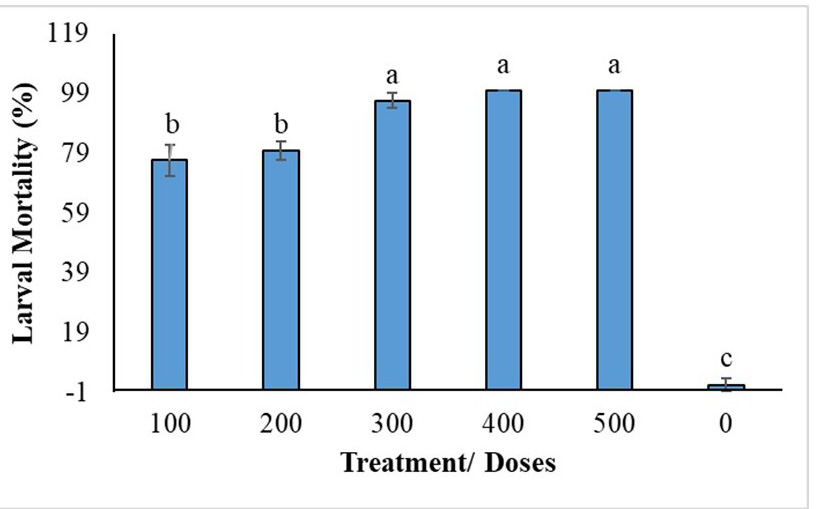
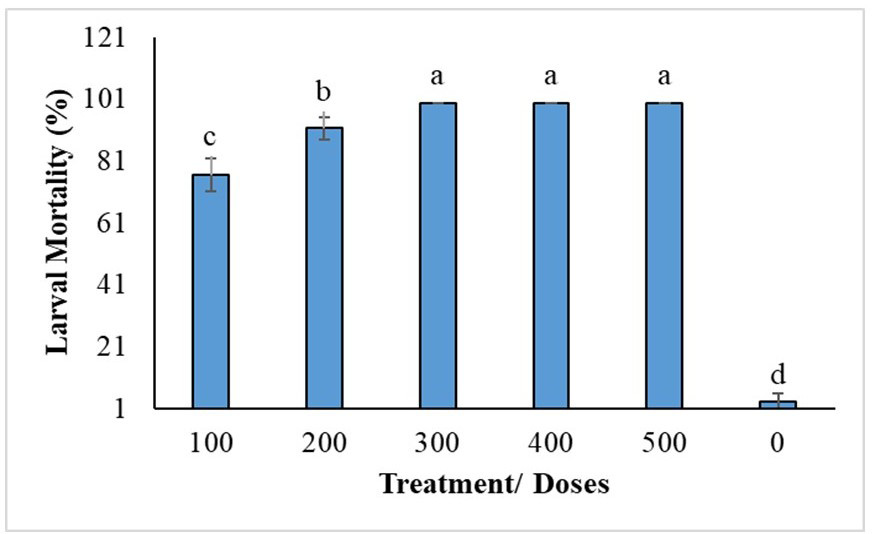
Effect of e-beam irradiation on larval mortality of B. zonata (A) and B. dorsalis (B).
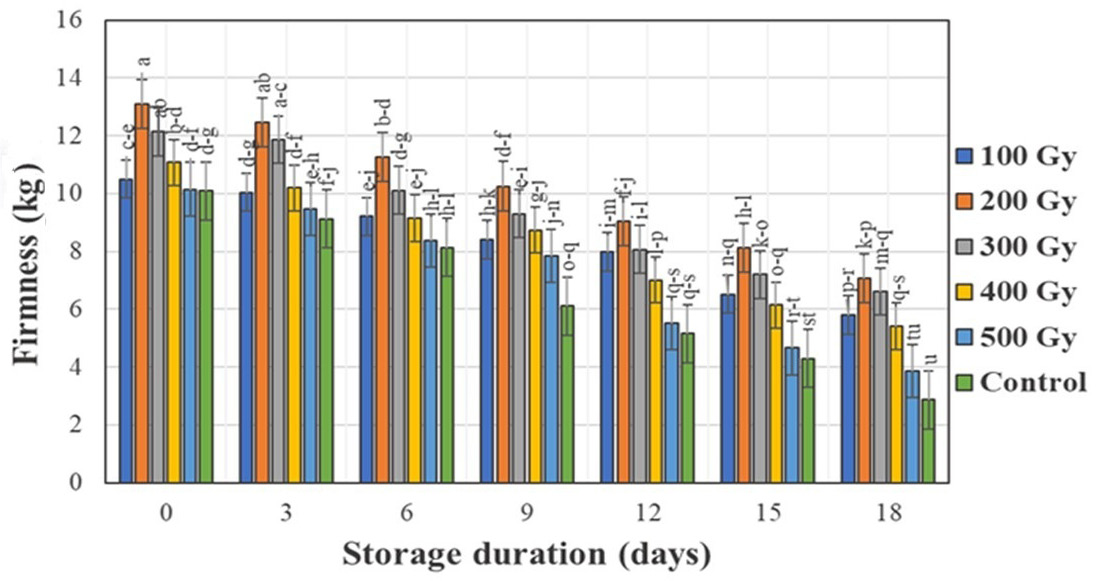
Effect of e-beam irradiation treatment on firmness (Kg) of jujube fruit.
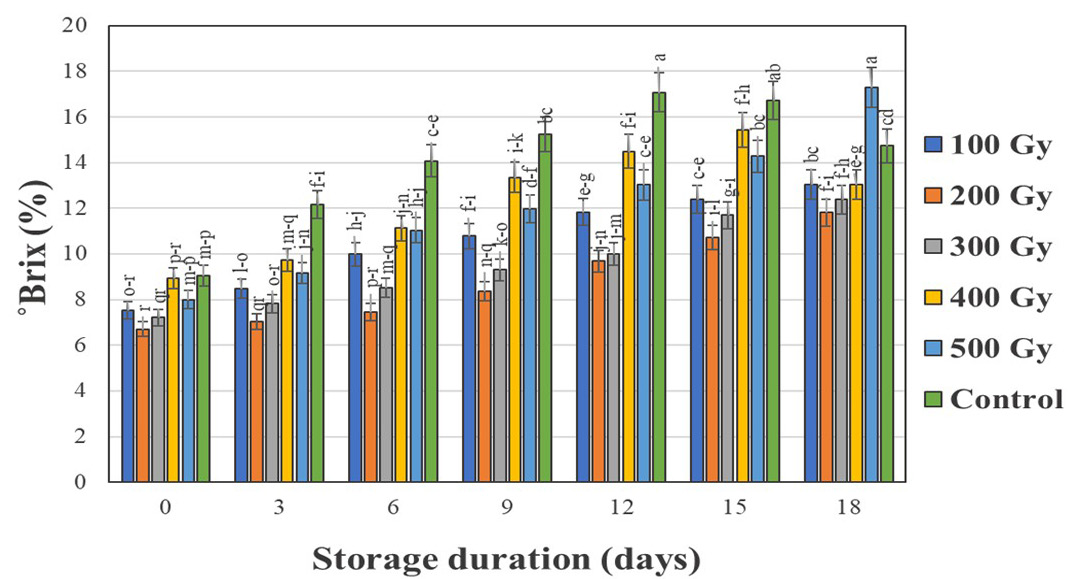
Effect of e-beam irradiation on total soluble solid (â‚’ Brix %) of jujube fruit.
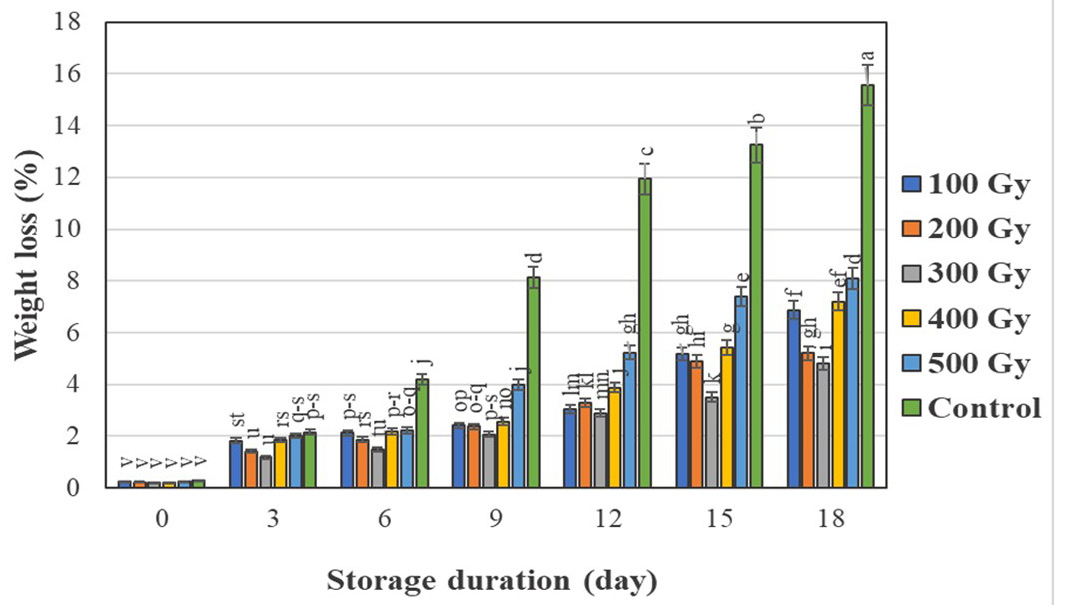
Effect of e-beam irradiation on weight loss of jujube fruit.
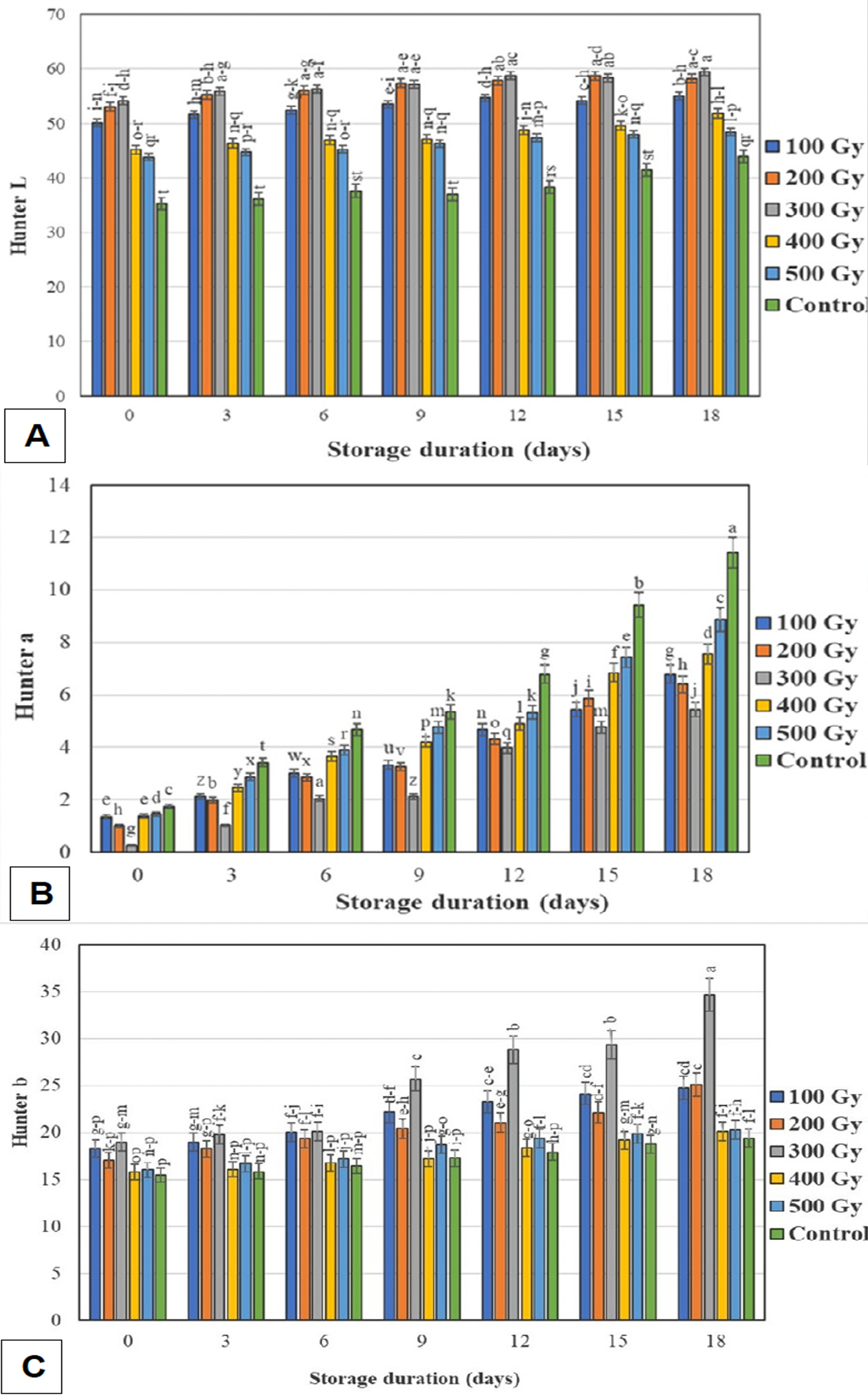
Effect of e-beam irradiation on L parameters L*=lightness (A) (white L=100 to black L=0), “a” parameter (Redness) (B), and “b” parameter Yellowness (C) of jujube fruit.
References
- Association of Official Analytical Chemists (AOAC). 2006. Official methods of analysis (15th ed.). Arlington, USA: The Association of Official Analytical Chemists, Inc.
- Ayour, J., Le Bourvellec, C., Gouble, B., Audergon, J. M., Benichou, M. and Renard, C.M., 2021. Changes in cell wall neutral sugar composition related to pectinolytic enzyme activities and intra-flesh textural property during ripening of ten apricot clones. Fd. Chem., 339: 128096. https://doi.org/10.1016/j.foodchem.2020.128096[CrossRef]
- Azam-Ali, S., Bonkoungou, E., Bowe, C., DeKock, C., Godara, A. and Williams, J.T., 2001. Fruits for the future (revised edition) Ber and other jujubes. International Centre for Underutilised Crops, University of Southampton, Southampton, SO17 1BJ, UK.
- Balikai, R.A., Kotikal, Y. K. and Prasanna, P.M., 2013. Global scenario of insect and non-insect pests of jujube and their management options. Acta Hortic., 993: 253–277. https://doi.org/10.17660/ActaHortic.2013.993.38[CrossRef]
- Barkai-Golan, R. and Follett, P.A., 2017. Irradiation for quality improvement, microbial safety and phytosanitation of fresh produce. Academic Press. https://doi.org/10.1016/B978-0-12-811025-6.00001-X[CrossRef]
- Cao, J., Yan, J., Zhao, Y. and Jiang, W., 2013. Effects of postharvest salicylic acid dipping on Alternaria rot and disease resistance of jujube fruit during storage. J. Sci. Fd. Agric., 93: 3252-3258. https://doi.org/10.1002/jsfa.6167[CrossRef]
- dos Passos Braga, S., Magnani, M., Madruga, M.S., de Souza Galvão, M., de Medeiros, L.L., Batista, A.U.D. and de Souza, E.L., 2020. Characterization of edible coatings formulated with chitosan and Mentha essential oils and their use to preserve papaya (Carica papaya L.). Innov. Fd. Sci. Emerg. Technol., 65: 102472. https://doi.org/10.1016/j.ifset.2020.102472[CrossRef]
- Draz, K.A., 2016. Population activity of peach fruit fly Bactrocera zonata (Saunders) (Diptera: Tephritidae) at fruit orchards in Kafer El-Shikh Governorate, Egypt. Arthropods, 5: 28–43.
- Dyck, V.A., Hendrichs J. and Robinson A.S., 2005. Sterile insect technique: Principles and practice in area-wide integrated pest management. Dordrecht, Springer-Verlag, pp. 787. https://doi.org/10.1007/1-4020-4051-2[CrossRef]
- El-Assi, N., Huber, D.J. and Brecht, J.K., 1997. Irradiation-induced changes in tomato fruit and pericarp firmness, electrolyte efflux, and cell wall enzyme activity as influenced by ripening stage. J. Am. Soc. Hortic. Sci., 122: 100-106. https://doi.org/10.21273/JASHS.122.1.100[CrossRef]
- El-Gendy, I.R., 2017. Host preference of the peach fruit fly, Bactrocera zonata (Saunders) (Diptera: Tephritidae), under laboratory conditions. J. Ent., 14: 160-167. https://doi.org/10.3923/je.2017.160.167[CrossRef]
- Follett, P.A., 2024. Phytosanitary irradiation of tephritid fruit flies. In: Management of fruit flies in the Americas. Springer International Publishing, Cham. pp. 143-165. https://doi.org/10.1007/978-3-031-48608-1_5[CrossRef]
- GOP, 2023. Vegetables and condiments: Statistics of Pakistan. Ministry of National Food Security and Research (Economic Wing), Islamabad, Pakistan.
- Grasso, E.M., Uribe-Rendon, R.M. and Lee, K., 2011. Inactivation of Escherichia coli inoculated onto fresh-cut chopped cabbage using electron-beam processing. J. Fd. Prot., 74: 115-118. https://doi.org/10.4315/0362-028X.JFP-10-281[CrossRef]
- Green, E.E., 1908. Remarks on Indian scale insects (Coccidae), part III. With a catalogue of all species hitherto recorded from the Indian continent. Mem. Dep. Agric. India, Ent. Ser., 12: 15–46.
- Guo, X., Guo, Y., Yu, J., Gu, T., Russo, H.B., Liu, Q. and Kou, L., 2022. X-ray irradiation-nonthermal processing and preservation of fresh winter jujube (Zizyphus jujuba mill. cv. Dalidongzao). Innov. Fd. Sci. Emerg. Technol., 81: 103151. https://doi.org/10.1016/j.ifset.2022.103151[CrossRef]
- Guo, X., Guo, Y., Yu, J., Gu, T., Russo, H.B., Liu, Q. and Kou, L., 2022. X-ray irradiation-nonthermal processing and preservation of fresh winter jujube (Zizyphus jujuba Mill. cv. Dalidongzao). Innov. Fd. Sci. Emerg. Technol., 81: 103151. https://doi.org/10.1016/j.ifset.2022.103151[CrossRef]
- Hood, J.D., 1919. On some new Thysanoptera from southern India. Insecutor Inscitiae Menstruus., 7: 90-103.
- Huang, Y.L., Yen, G.C., Sheu, F. and Chau, C.F., 2008. Effects of water-soluble carbohydrate concentrate from Chinese jujube on different intestinal and fecal indices. J. Agric. Fd. Chem., 56: 1734–1739. https://doi.org/10.1021/jf072664z[CrossRef]
- Hussain, P.R., Meena, R.S., Dar, M.A. and Wani, A.M., 2008. Studies on enhancing the keeping quality of peach (Prunus persica Bausch) Cv. Elberta by gamma-irradiation. Radiat. Phys. Chem., 77: 473–481. https://doi.org/10.1016/j.radphyschem.2007.08.003[CrossRef]
- Jat, L. and Lakhawat, S.S., 2021. Effect of gamma irradiation treatment at phytosanitary dose level on physiological and consumer traits of Indian Ber. part 1. cultivar Umran. Radiat. Phys. Chem., 179: 92-109. https://doi.org/10.1016/j.radphyschem.2020.109209[CrossRef]
- Kong, Q., Wu, A., Qi, W., Qi, R., Carter, J.M., Rasooly, R. and He, X., 2014. Effects of electron-beam irradiation on blueberries inoculated with Escherichia coli and their nutritional quality and shelf life. Postharv. Biol. Technol., 95: 28-35. https://doi.org/10.1016/j.postharvbio.2014.04.004[CrossRef]
- Krška, B. and Mishra, S., 2008. Sensory evaluation of different products of Ziziphus jujuba Mill. Acta Horticult., 840: 557–562. https://doi.org/10.17660/ActaHortic.2009.840.80[CrossRef]
- Liang, G.Q., Liang, F., Wu, J.J. and Li, H.H., 2003. The First report of the study on sterile treatment for oriental fruit fly, Bactrocera dorsalis (Hendel). Acta Agric. Univ. Jiangxiensis., 25: 904-905.
- Mami, Y., Peyvast, G., Ziaie, F., Ghasemnezhad, M. and Salmanpour, V., 2014. Improvement of shelf life and postharvest quality of white button mushroom by electron beam irradiation. J. Fd. Process. Preservat., 38: 1673-1681. https://doi.org/10.1111/jfpp.12129[CrossRef]
- Mari, J.M., Chachar, Q.I. and Chachar, S.D., 2013. Organic management of fruit fly in jujube ecosystem. Int. J. Agric. Technol., 9: 125-133.
- Mishra, S. and Krška, B., 2017. Value addition, sensory, and evaluation of jujube products. Int. J. Pure appl. Biosci., 5: 540–547. https://doi.org/10.18782/2320-7051.3093[CrossRef]
- Moore, F., 1883. The lepidoptera of ceylon. Reeve, London., 3: 73–162.
- Najafabadi, N.S., Sahari, M.A., Barzegar, M. and Esfahani, Z.H., 2017. Effect of gamma irradiation on some physicochemical properties and bioactive compounds of jujube (Ziziphus jujuba var vulgaris) fruit. Radiat. Phys. Chem., 130: 62-68. https://doi.org/10.1016/j.radphyschem.2016.07.002[CrossRef]
- Nguyen, T.L., Doan, T.T., Cao, V.C., Pham, T.T.H., Nguyen, T.D. and Chu, N.K., 2022. Phytosanitary treatment for some exported Vietnam fresh fruits by gamma and high energy electron beam irradiation. IAEA Tecdoc Series, pp. 235.
- Paull, R.E., Chen, N.J., Duputy, J., Huang, H., Cheng, G. and Gao, F., 1984. Litchi growth and compositional changes during fruit development. J. Am. Soc. Hortic. Sci., 109: 817–821. https://doi.org/10.21273/JASHS.109.6.817[CrossRef]
- Prabhakar, C.S., Sood, P. and Mehta, P.K., 2012. Pictorial keys for predominant Bactrocera and Dacus fruit flies (Diptera: Tephritidae) of northwestern Himalaya. Arthropods, 1: 101–111.
- Rodrigues, J.P., de Souza Coelho, C.C., Soares, A.G. and Freitas-Silva, O., 2021. Current technologies to control fungal diseases in postharvest papaya (Carica papaya L.). Biocatal. Agric. Biotechnol., 36: 102128. https://doi.org/10.1016/j.bcab.2021.102128[CrossRef]
- Sachan, J.N., 1984. Varietal susceptibility of Ber fruits to the damage of fruitfly (Carpomyia vesuviana Costa). Bull. Entomol., 25:198-199.
- Sandeep, G.D.S., Payal, A., Chava, S.L., Syed, I., Dhulipalla, H. and Mandapati, R.N., 2023. Emerging Applications of E-beam irradiation and Soft X-rays treatments on fresh produce and ready-to-eat foods. Eur. Chem. Bull., 12: 1933-1957.
- Sapkota, R. Dahal, K.C. and Thapa, R.B., 2010. Damage assessment and management of cucurbit fruit flies in spring-summer squash. J. Ent. Nematol., 2: 7-12.
- Sarwar, M., 2006. Incidence of insect pests on ber (Zizyphus jujube) tree. Pakistan J. Zool., 38: 261.
- Shahbaz, H.M., Ahn, J.J., Akram, K., Kim, H.Y., Park, E.J. and Kwon, J.H., 2014. Chemical and sensory quality of fresh pomegranate fruits exposed to gamma radiation as quarantine treatment. Fd. Chem.., 145: 312-318. https://doi.org/10.1016/j.foodchem.2013.08.052[CrossRef]
- Sharma, D.R. Adhikari, D. and Tiwari, D.B., 2015. Fruit fly surveillance in Nepal. Agric. biol. Sci. J., 1: 21-125.
- Singh, S., Khemariya, P., Rai, A., Rai, A.C., Koley, T.K. and Singh, B., 2016. Carnauba wax-based edible coating enhances shelf-life and retain quality of eggplant (Solanum melongena) fruits. J. Lwt., 74: 420-426. https://doi.org/10.1016/j.lwt.2016.08.004[CrossRef]
- Song, J., Bi, J., Chen, Q., Wu, X., Lyu, Y. and Meng, X., 2018. Assessment of sugar content, fatty acids, free amino acids, and volatile profiles in jujube fruits at different ripening stages. Fd. Chem., 270: 344–352. https://doi.org/10.1016/j.foodchem.2018.07.102[CrossRef]
- Srijaya, M., Parvathi, R. and Kusuma, D., 2012. Impact of gamma irradiation combined with hot water blanching and calcium chloride treatment on shelf-life and quality of Ber (Zizyphus Mauritian). Indian Fd. Packer, 66: 88–96.
- Talpur, M.A., Gilal, A.A. and Khoso, F.N., 2021. A handbook on Ber. Sindh Agriculture University Tando Jam, Sindh, Pakistan. ISBN: 978-969-23157-1-3.
- Thomas, P., 1986. Radiation preservation of foods of plant origin. III. Tropical fruits: bananas, mangoes, and papayas. Crit. Rev. Fd. Sci. Nutr., 23: 147–205. https://doi.org/10.1080/10408398609527423[CrossRef]
- Tian, S., Qin, G. and Xu, Y., 2005. Synergistic effects of combining biocontrol agents with silicon against postharvest diseases of jujube fruit. J. Fd. Prot., 68: 544-550. https://doi.org/10.4315/0362-028X-68.3.544[CrossRef]
- Van der Weele, R., Kappert, J. and Oboňa, J., 2017. Dolichocephala ocellata (Costa, 1854) (Diptera, Empididae) new to Slovakia. Acta Musei Silesiae, Sci. Nat., https://doi.org/10.1515/cszma-2017-0010[CrossRef]
- Villavicencio, A.L.C.H., Heleno, S.A., Calhelha, R.C., Santos-Buelga, C., Barros, L. and Ferreira, I.C.F.R., 2018. The influence of electron beam radiation in the nutritional value, chemical composition and bioactivities of edible flowers of Bauhinia variegate L. var. Candida alba Buch-Ham from Brazil. Fd. Chem., 241: 163-170. https://doi.org/10.1016/j.foodchem.2017.08.093[CrossRef]
- Watanabe, T., 2000. Best use of high-voltage, high-powered electron beams: A new approach to contract irradiation service. Radiat. Phys. Chem., 57: 635-640. https://doi.org/10.1016/S0969-806X(99)00457-0[CrossRef]
- Yahia, E.M., Neven, L.G. and Jones, R.W., 2019. Postharvest insects and their control. In: Postharvest technology of perishable horticultural commodities. Woodhead Publishing. pp. 529-562. https://doi.org/10.1016/B978-0-12-813276-0.00016-X[CrossRef]
- Yoon, Y., Kim, J., Lee, K., Eun, J. and Park, J., 2020. Effects of electron-beam irradiation on postharvest strawberry quality. J. Fd. Process. Preserv., 44. https://doi.org/10.1111/jfpp.14665[CrossRef]
- Zhao, J., Ma, J., Wu, M., Jiao, X., Wang, Z., Liang, F. and Zhan, G., 2017. Gamma radiation as a phytosanitary treatment against larvae and pupae of Bactrocera dorsalis (Diptera: Tephritidae) in guava fruits. Fd. Contr., 72: 360-366. https://doi.org/10.1016/j.foodcont.2016.02.029[CrossRef]
Services
Article usage statistics
Loading…