
Chemical control remains an essential component of integrated pest management programs aimed at maintaining pest populations below economically damaging levels without adversely affecting crop productivity. However, prolonged reliance on a limited number of pesticides often leads to reduced susceptibility and the development of resistance. Rotating compounds with different modes of action is therefore considered an effective strategy to delay resistance development. In the present study, the field efficacy of three compounds, Metaldehyde, Diazinon, and FePOâ‚„ was evaluated against the glassy clover snail, Monacha cartusiana, in alfalfa fields in Al-Qadisiyah District, Iraq, during the 2024 and 2025 growing seasons. The results demonstrated that Metaldehyde achieved the highest mortality and reduction percentages of M. cartusiana, whereas Diazinon exhibited the lowest effectiveness. Based on general mean values, Metaldehyde proved to be the most effective compound, recording reduction percentages of 82.85% and 81.15% in the two respective seasons. FePOâ‚„ resulted in reductions of 79.77% and 77.52%, while Diazinon showed comparatively lower reductions of 77.42% and 71.23%. The residual effects of the tested compounds followed a similar trend. Metaldehyde produced residual reductions of 76.02% and 74.54%, followed by FePOâ‚„ (72.52% and 70.18%) and Diazinon (66.94% and 64.78%) during the 2024 and 2025 seasons, respectively. Overall, Metaldehyde exhibited superior efficacy against M. cartusiana under field conditions and can be considered the most effective compound among those evaluated.
Research Article · Volume 39, Issue 3, 8 September 2026 · Open Access
Efficacy of Selected Compounds Against the Glassy Clover Snail, Monacha cartusiana (Müller), in Al-Qadisiyah District, Iraq
· · ·
Affiliations & Notes ⌄
- 1Department of Plant Protection, College of Agricultural,University of Al-Qadisiyah, Al-Qadisiyah, Iraq
- 2Department of Field Crops, College of Agriculture, Al-Qasim Green University, Iraq. *Correspondence | Ahmed. S. Jabbar, Department of Plant Protection, College of Agricultural,University of Al-Qadisiyah, Al-Qadisiyah, Iraq
- 3Email: ahmed.shamkhi@qu.edu.iq
Article Info ⌄
- Journal:
- Pakistan Journal of Agricultural Research
- Published:
- 8 September 2026
From the article
- Metaldehyde and FePO₄ maintained relatively higher reduction percentages over time, while Diazinon showed a faster decline in effectiveness during the residual phase.
- This study confirmed that the tested compounds differed significantly in their effectiveness against the glassy clover snail, Monacha cartusiana, under field conditions in Al-Qadisiyah District, Iraq.
- Over two successive growing seasons, Metaldehyde consistently achieved the highest initial and residual population reductions, followed by ferric phosphate (FePO₄), while Diazinon showed the lowest efficacy.
- These results indicate that Metaldehyde remains the most reliable option for rapid and sustained control of M. cartusiana in alfalfa fields.
Selected from the article's own text.
Abstract
Introduction
Alfalfa (Medicago sativa L.) is a major forage crop widely adapted to the diverse soil types and climatic conditions of Iraq. As a perennial species, it persists in the field for approximately three to four years, providing sustained production of high-quality green biomass. Its forage is rich in protein and essential nutrients, contributing significantly to improved animal health, growth, and overall productivity Ali (2020). Terrestrial snails are among the most destructive pests affecting field crops, vegetables, and fruit orchards worldwide. In addition to their agricultural significance, land snails also pose medical and veterinary concerns, as they serve as intermediate hosts for several parasitic helminths that infect humans and domestic animals ; . In many regions, land snails cause substantial economic losses by feeding on a wide range of crops, including vegetables, horticultural plants, and field crops ; Gaber et al., 2006; .
The glassy clover snail, Monacha cartusiana, is considered one of the most prevalent terrestrial snail species in several agricultural areas, where it causes severe damage to crops. Previous surveys have reported that this species is particularly abundant in cultivated fields, resulting in significant reductions in crop yield and quality . The feeding activity of M. cartusiana leads to noticeable losses in the fresh weight of Egyptian clover shoots and causes extensive damage to the leaves of cabbage and lettuce crops ; ; .
The application of poisonous baits is widely regarded as one of the most effective and commonly used methods for controlling terrestrial gastropods ; . Baits formulated with attractants such as wheat bran and sugarcane syrup have been shown to effectively lure M. cartusiana snails over considerable distances, making this approach particularly suitable for reducing snail populations in agricultural fields . Due to their efficiency and ease of application, bait formulations remain the preferred chemical control method against land snails ; .
Despite the availability of various control measures, management of land snails and slugs still relies heavily on chemical pesticides to maintain pest populations below damaging thresholds. Synthetic molluscicides are currently among the most effective tools for controlling terrestrial gastropods in agricultural systems ; ; . Therefore, continuous evaluation of commonly used and newly available compounds under field conditions is essential.
Infestations of M. cartusiana represent a growing economic constraint on alfalfa production in central and southern Iraq, where heavy snail populations cause substantial defoliation, reduced forage quality, and significant yield losses, thereby increasing production costs and threatening farmers’ income. Despite the expanding prevalence of this pest, comprehensive field-based evaluations of commonly used and environmentally safer molluscicides under Iraqi agroecological conditions remain limited. Most available studies are restricted to laboratory bioassays or short-term trials, creating a critical knowledge gap regarding their long-term effectiveness and practical suitability in real farming systems. Therefore, the present study hypothesized that metaldehyde, diazinon, and ferric phosphate would significantly differ in their field efficacy against M. cartusiana, with at least one compound providing superior and sustainable population suppression under local conditions.
Materials and Methods
Chemicals used
Three compounds were evaluated in this study: Metaldehyde, Diazinon, and FePO₄. All tested materials were obtained from the Agricultural Research Station, Al-Qadisiyah District, Iraq.
Field experiments
Field trials were conducted in alfalfa fields located in Al-Qadisiyah District, Iraq, during the growing seasons 2024 and 2025. The study followed a randomized complete block design (RCBD) with four replicates per treatment, including an untreated control.
Each experimental unit (plot) measured 20 × 20 m (400 m²) and was separated from adjacent plots by 2-m buffer zones to minimize bait interference and snail movement between treatments. Plots were uniformly distributed within each block, and treatments were randomly assigned to experimental units to ensure unbiased estimation of treatment effects. The experiment aimed to determine the reduction percentages of M. cartusiana populations at 1, 3, 7, 14, 21, and 28 days after treatment. Each compound was applied at its recommended field rate. Poisonous bait formulations were prepared by thoroughly mixing the appropriate amount of each compound with 3.5 parts of black sugarcane syrup, followed by the addition of wheat bran to obtain 500 g of bait mixture. Control baits were prepared using the same ingredients but without the addition of any chemical compound. Methylene blue was added to the bait formulations to distinguish treated baits, following the method described by Hanafy et al. (1998). Each treatment, including the control, was replicated four times. Approximately 125 g of bait was placed on plastic sheets in each replicate. Live snails were counted in both treated and control plots before bait application and at each sampling interval (1, 3, 7, 14, 21, and 28 days post-treatment) until the end of the experiment. Population reduction percentages were calculated using the formula of Henderson and Tilton (1955).
% Reduction= (1- t2 x r1) x 100
t1 x r2, r1= number of alive snails before treatment in untreated plots, r2= number of alive snails after treatment in untreated plots, t1=number of alive snails before treatment in treated plots, t2= number of alive snails after treatment in treated plots.
Statistical analysis
Data were subjected to analysis of variance (ANOVA) using a generalized linear model appropriate for repeated measures. Percentage data were arcsine square-root transformed prior to analysis to meet assumptions of normality and homogeneity of variance. Treatment means were separated using Tukey’s honestly significant difference (HSD) test at p ≤ 0.05. All statistical analyses were performed using SPSS software (version XX, IBM Corp., USA).
Results
Pesticides used
Three pesticides commonly applied for the control of various pests in field crops were assessed in the present study. Details regarding the chemical class, common name, trade name, chemical structure, and scientific name of each tested pesticide are presented in the following:
1-Metaldehyde (Gastrotex 5 % G): Molluscicide
Data presented in Tables 1 and 2 demonstrate clear differences in the field efficacy of the three compounds in controlling Monacha cartusiana populations on alfalfa. The tested compounds varied considerably in their ability to reduce snail populations during both the initial and residual periods following application.Based on the overall performance, Metaldehyde and FePO₄ exhibited higher efficacy than Diazinon. The maximum initial reduction percentages were recorded shortly after application, reaching 97.88% and 95.61% for Metaldehyde, 95.98% and 93.42% for FePO₄, and 87.49% and 85.21% for Diazinon during the two growing seasons, respectively. Subsequently, the reduction percentages of all tested compounds gradually declined up to fourteen days after treatment.
Table 1: Efficacy of selected insecticides and biocides against the land snail monacha cartusiana under field conditions in Al-Qadisiyah District during the 2024 growing season.
|
Tested Pesticides |
Reduction after indicated days |
Mean of reduction % |
|||||||
|
1 day |
3 day |
I.E |
7 days |
14 days |
21 days |
28 days |
R.E |
||
|
Diazinon 10% GR |
87.49b |
85.29b |
86.39 |
80.51c |
75.64b |
61.48b |
50.13a |
66.94 |
73.42 |
|
Fepo4 10% |
95.61a |
92.96a |
94.29 |
87.34b |
81.62ab |
67.93a |
53.18a |
72.52 |
79.77 |
|
Metaldehyde 5%G |
97.88a |
95.15a |
96.52 |
90.84a |
85.17a |
70.04a |
58.01a |
76.02 |
82.85 |
|
LSD0.05 |
3.437 |
6.450 |
3.154 |
7.309 |
5.392 |
7.757 |
|||
I.E.: Mean percentage reduction of snails during the first and third days after treatment. R.E.: Mean percentage reduction of snails during subsequent sampling intervals.
Table 2: Effect of selected insecticides and biocides on the land snail Monacha cartusiana under field conditions in Al-Qadisiyah District during the 2025 growing season.
|
Tested pesticides |
Reduction after indicated days |
Mean of reduction % |
|||||||
|
1 day |
3 day |
I.E |
7 days |
14 days |
21 days |
28 days |
R.E |
||
|
Diazinon 10% GR |
85.21b |
83.05b |
84.13 |
78.35c |
73.65b |
59.05b |
48.05a |
64.78 |
71.23 |
|
Fepo4 10% |
93.42a |
90.98 a |
92.20 |
85.28b |
79.01ab |
65.75a |
50.68a |
70.18 |
77.52 |
|
Metaldehyde 5%G |
95.96a |
92.79a |
94.38 |
89.86a |
83.82a |
68.19a |
56.28a |
74.54 |
81.15 |
|
LSD0.05 |
4.028 |
5.896 |
3.015 |
5.614 |
5.267 |
6.978 |
|||
I.E.: Mean percentage reduction of snails during the first and third days after treatment. R.E.: Mean percentage reduction of snails during subsequent sampling intervals.
Metaldehyde consistently showed superior toxicity against M. cartusiana during both the initial and residual phases. It achieved reduction percentages of 96.52% and 76.02% in the first season and 94.38% and 74.54% in the second season for the initial and residual effects, respectively. FePO₄ ranked second in effectiveness, producing reduction percentages of 94.29% and 79.77% during the first season and 92.20% and 70.12% during the second season for the same periods. In contrast, Diazinon exhibited comparatively lower efficacy, with reduction percentages of 86.39% and 66.94% in the first season and 84.13% and 64.78% in the second season for the initial and residual effects, respectively. Based on the overall mean values, Metaldehyde proved to be the most effective compound, surpassing both FePO₄ and Diazinon. Overall reduction percentages reached 82.85% and 81.15% for Metaldehyde, followed by 79.77% and 77.52% for FePO₄, while Diazinon resulted in the lowest reductions of 73.42% and 71.23% during the 2024 and 2025 seasons, respectively. These findings confirm that Metaldehyde was the most effective compound among those evaluated under field conditions.
Discussion
The results obtained from the present field trials revealed clear and consistent differences among the tested compounds in their ability to suppress populations of Monacha cartusiana in alfalfa fields. Across the two successive growing seasons, Metaldehyde provided the highest level of control, followed by ferric phosphate (FePO₄), whereas Diazinon exhibited comparatively weaker performance. These findings emphasize that the choice of molluscicide is a decisive factor in achieving effective and sustained reduction of land snail populations under field conditions.
All tested compounds produced high population reductions during the early post-treatment period, indicating rapid toxic action following bait consumption. However, the degree of persistence varied markedly among treatments. Metaldehyde and FePO₄ maintained relatively higher reduction percentages over time, while Diazinon showed a faster decline in effectiveness during the residual phase. Such reductions in residual activity are commonly attributed to bait degradation, environmental exposure, and reduced availability of active ingredients under open-field conditions.
Metaldehyde consistently demonstrated superior efficacy against M. cartusiana during both the initial and residual periods of assessment. Its strong performance may be linked to its well-documented mode of action, which interferes with mucus secretion and causes severe dehydration in gastropods, ultimately leading to rapid mortality. The present results are in close agreement with earlier studies that reported high toxicity and reliable field performance of Metaldehyde against M. cartusiana and other terrestrial snail species ; ; .
Ferric phosphate ranked second in effectiveness and exhibited relatively stable population suppression throughout the experimental period. Although its initial impact was slightly lower than that of Metaldehyde, its sustained residual effect suggests that FePO₄ can serve as a practical alternative in snail management programs. In addition, ferric phosphate is generally considered environmentally safer, as it breaks down into naturally occurring soil components and poses minimal risk to non-target organisms. These characteristics support its potential integration into environmentally conscious pest management strategies.
In contrast, Diazinon showed the lowest overall efficacy against M. cartusiana, particularly during the residual phase. As an organophosphate insecticide primarily designed for insect control, its limited effectiveness against terrestrial snails is not unexpected. Similar observations have been reported by previous researchers, who noted that organophosphates often exhibit lower molluscicidal activity when compared with compounds specifically developed for gastropod control ; .
Differences in compound performance may also be explained by variations in chemical structure and physiological impact on snail metabolism. Several studies have demonstrated that molluscicides capable of disrupting key biochemical processes such as enzyme activity, protein synthesis, and lipid metabolism tend to produce higher mortality rates in land snails . The strong and consistent efficacy of Metaldehyde observed in this study is in line with these findings and further confirms its high molluscicidal potential.
The current results are consistent with numerous field investigations reporting effective population reduction of M. cartusiana and Eobania vermiculata using Metaldehyde and related compounds ; Gaber et al., 2020). Although some studies have shown superior performance of methomyl under specific conditions , the present two-season field evaluation confirms that Metaldehyde remains a dependable option under the agro-ecological conditions of southern Iraq. Additional studies by Farag (2012) and Botelho et al. (2020) reported notable residual effects of Methomyl and Metaldehyde against M. cartusiana, resulting in population reductions of 71.48% and 64.35%, respectively. Additionally, Frank and Friedli (1998); Abd El-Wahed et al. (2025) demonstrated that applying metaldehyde in a 50-cm-wide band effectively protected rapeseed crops from slug damage caused by Arion lusitanicus and Deroceras reticulatum. Lokma (2007) also confirmed that increasing application rates of Metaldehyde significantly enhanced its efficacy against M. cartusiana, with mean reduction percentages of 32.24%, 43.64%, and 51.54% at application rates of 0.43, 0.50, and 0.62 g/m², respectively.
Recent studies by Liu et al. (2024), Dong et al. (2017) and Ibrahim et al. (2023) further emphasized the effectiveness of Metaldehyde in controlling Pomacea canaliculata. Acute toxicological investigations revealed that Metaldehyde significantly altered enzyme activities and induced histopathological changes in adult snails within 24 and 48 hours of exposure, supporting its strong molluscicidal action.
Overall, the observed variation in efficacy among the tested compounds highlights the importance of selecting appropriate molluscicides based on both immediate toxicity and residual performance. The superior results achieved by Metaldehyde, followed by ferric phosphate, indicate their suitability for managing M. cartusiana infestations in alfalfa fields. At the same time, the gradual reduction in effectiveness observed for all treatments underscores the necessity of proper application timing, compound rotation, and integration with non-chemical control methods to ensure long-term and sustainable snail management.
Weather conditions, soil moisture, snail behavioral variability, and bait degradation collectively influenced molluscicide performance, explaining the high initial efficacy and the gradual decline in residual control under field conditions .
Conclusion
This study confirmed that the tested compounds differed significantly in their effectiveness against the glassy clover snail, Monacha cartusiana, under field conditions in Al-Qadisiyah District, Iraq. Over two successive growing seasons, Metaldehyde consistently achieved the highest initial and residual population reductions, followed by ferric phosphate (FePO₄), while Diazinon showed the lowest efficacy. These results indicate that Metaldehyde remains the most reliable option for rapid and sustained control of M. cartusiana in alfalfa fields.
Ferric phosphate demonstrated satisfactory and stable performance, suggesting its potential as a safer alternative within integrated pest management programs, particularly where environmental considerations are important. The gradual decline in effectiveness observed for all compounds highlights the need for proper timing, compound rotation, and integration with non-chemical control methods. Future research should focus on long-term environmental impacts, resistance development, and the integration of molluscicides with cultural and biological control strategies to achieve sustainable snail management.
Novelty Statement
This study provides the first comprehensive, two-season field evaluation of Metaldehyde, Diazinon, and ferric phosphate (FePO₄) against the glassy clover snail Monacha cartusiana in alfalfa fields of Al-Qadisiyah District, southern Iraq. Unlike previous investigations that were largely confined to laboratory assays or single-season trials, the present work integrates both initial and residual population reduction effects under realistic field conditions across consecutive growing seasons. In addition, the study offers a direct comparative assessment of a conventional molluscicide, an organophosphate insecticide, and an environmentally safer iron-based compound using a standardized bait formulation. The generated data represent the first location-specific evidence on the relative efficacy and persistence of these compounds against M. cartusiana in this agro-ecological region. These findings contribute new insights that support informed compound rotation and selection within integrated pest management programs aimed at improving snail control while reducing excessive chemical dependence.
Acknowledgements
The authors gratefully acknowledge the staff at the College of Agriculture Research Station, Al-Qadisiyah University, and the Head of the Plant Protection Department.
Novelty Statement
This study provides the first field comparison of Metaldehyde, Diazinon, and ferric phosphate (FePO₄) against Monacha cartusiana in southern Iraq, providing location-specific evidence to support effective and sustainable snail management within integrated pest management (IPM) programs.
Author’s Contribution
Ahmed. S. Jabbar: Conceptualization, Methodology, Investigation, Data curation, Writing-original draft. Husam Majeed Kadhim Al- Saadi: Writing-review & editing, Visualization. Ali Ahmed Waheed: Writing-review & editing, Resources. Ahmed Saeed Mohmed: Validation, Supervision, Resources, Project, administration, Formal analysis.
Generative AI and AI assisted technology statement
The authors declare that no generative AI and AI assisted technology was used in the creation of this manuscript.
Conflict of interest
The authors have declared no conflict of interest.
Figures
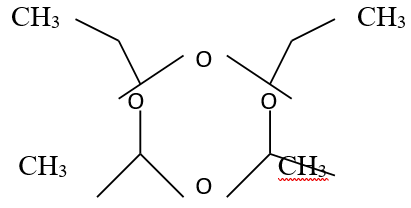
Chemical formula: 2, 4, 6, 8, tetramethyl – 1, 3, 5, 7- tetraoxacyclooctane; acetaldehyde tetramer

2-Diazinon (10% E.C.) organophosphate.
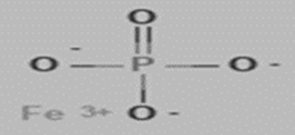
3-Fepo4 10% Ferric phosphate (Iron 3+phosphate).
References
- Abd El-Aal, E.M. and Hamed, S.A., 2010. Controlling aspects against terrestrial snails Eobania vermiculata and Monachacartusiana under laboratory conditions. J. Agric. Res. Kafer El-Sheikh Univ., 36(4).
- Abd-El-All, S.M., 2004. Toxicity and biochemical response of Eobania vermiculataland snail to niclosamide molluscicide under laboratory and field conditions. J. Agric. Sci. Mansoura Univ., 29 (8): 4751-4756. https://doi.org/10.21608/jppp.2004.240006[CrossRef]
- Abd El-Wahed, S.I.M., Abbas, N.M., Thabet, A.F. and Ibrahim, H.A.M., 2025. Toxicity comparison of certain compounds against the terrestrial clover Snail, Monacha cartusiana: Laboratory and field studies. Egypt. J. Vet. Sci., 0(0): 1–8. https://doi.org/10.21608/ejvs.2025.368938.2756[CrossRef]
- Aioub, A.A.; Ismail, S.A. and Mohamdien, A.A., 2000. Toxicological and histological studies on some pesticides treated land snails, Int. Conf. Bio. Sci., 1(2) 19-38. Tanta University.
- Ali, E.H., 2020. Farm labour homogeneity alfalfa (Medicago sativa L.) production in Diyala Province as a case study. Plant Arch., 20(2): 09725210.
- Barker, G.M., 2002. Molluscus as crop pests. (CAP international Walling FortiDxon 10 DE. V.K. 468 PP. https://doi.org/10.1079/9780851993201.0000[CrossRef]
- Botelho, A.F.M., Machado, A.M.D., da Silva, R.H.S. and Faria, A.C., 2020. (eds. Machado, L.S., Santos, H., Braga, S.d.M., Torres, B.B.J., Miguel, M.P., Chaves, A.R., et al.). Fatal metaldehyde poisoning in a dog confirmed by gas chromatography. BMC Vet. Res., 16: 139. https://doi.org/10.1186/s12917-020-02348-w[CrossRef]
- Castro-Gutierrez, V., Pickering, L., Cambronero-Heinrichs, J., Holden, B., Haley, J., Jarvis, P., Jefferson, B., Helgason, T., Moir, J. and Hassard, F., 2022. Bioaugmentation of pilot-scale slow sand filters can achieve compliant levels for the micropollutant metaldehyde in a real water matrix. Water Res., 211: 118071. https://doi.org/10.1016/j.watres.2022.118071[CrossRef]
- Dong, B., Shao, X., Lin, H. and Hu, J., 2017. Dissipation, residues and risk assessment of metaldehyde and Niclosamide ethanolamine in Pakchoi after field application. Food Chem., 229: 604–609. https://doi.org/10.1016/j.foodchem.2017.02.117[CrossRef]
- El-Gohary, L.R. and Genena, M.A., 2011. Biochemical effect of three molluscicide baits against the two land snails Monacha cantiana and Eobania vermiculata (Gastropoda: Helicidae). Int. J. Agric. Res., 6(9): p682. https://doi.org/10.3923/ijar.2011.682.690[CrossRef]
- Farage, M.F.G., 2012. Efficiency of some natural products and pesticides on contorlling of the glassy clover snail, Monacha cartusiana (Muller) and brown garden snail, Eobania vermiculata (Muller) at Sharkia Governorate. Ph.D. Thesis, Dept. of Plant Protec. Fac. of Agric. Tanta Univ., 155 pp.
- El-Massry, S.A.A., 1997. Studies on the control of some land snails infesting certain fruit trees. Ph. D. Thesis, Fac. Agric. Zagazig Univ.,158 pp.
- Frank, T. and Friedli, J., 1998. Reduced applications of metaldehyde pellets for reliable control of the slug pests Arion lusitanicus and Derocerasrticulatum in oilseed rape adjacent to sown wildflower strips. J. Appl. Ecol., 35: 504–513. https://doi.org/10.1046/j.1365-2664.1998.3540504.x[CrossRef]
- Gaber, O.A., Asran, A.E.A., Elfayoumi, H.M.K., El-Shahawy, G., Khider, F.K., Abdel-Tawab, H., Mahmoud, K.A., 2022. Influence of methomyl (Copter 90%) on certain biochemical activities and histological structures of land snails Monacha cartusiana. Saudi J. Biol. Sci., 29: 2455–2462. https://doi.org/10.1016/j.sjbs.2021.12.021[CrossRef]
- Gabr, W.M., Fatma, K.K. and Youssef, A.S., 2006. Effect of spinosad biocide as a bait and contact applications against three land snail species. Egypt. J. Agric. Res., 84(5): 1403-1409. https://doi.org/10.21608/ejar.2006.228937[CrossRef]
- Genena, M.A.M., 2003. Studies on the terrestrial gastropods at Dakahlia Governorate. M.Sc. Thesis, Fac. Agric., Mansoura Univ. 136 pp.
- Ghamry, E.M., El- Deeb, H.I. and Kokab, Y.A., 1993. Ecological and morphological studies on certain land snail at Sharkia Governorate. Egypt. J. Appl. Sci., 8(11): 213-255.
- Godan, D., 1983. Pest slug and snails, biology and control. Federal Biological Res. Center of Agric. And Forest. KniginLuisestrable, 19 D-400 berlin 345 PP.
- Hanafy, A.H.A., Youssef, H.M. and El-Shahat, M.S., 1998. Preparation of methomyl baits and efficacy against certain land Mollusca in different vegetation. Adv. Agric. Res., 3(3): 435-441.
- Henderson, C.F. and Tilton, E.W., 1955. Test with acaricides against the brown wheat mite. J. Eco. Ent., 48: 157–161. https://doi.org/10.1093/jee/48.2.157[CrossRef]
- Ibrahim, H.A.M., El-Mesalamy, A.F.M., Baghdadi, S.A.S. and Elhanbaly, R.A., 2023. First record of the terrestrial snail Cochlicella acuta (gastropoda: pulmonata: geomitridae) in Assiut governorate, upper Egypt. Arch. Agric. Sci. J., 6(1): 214–225. https://doi.org/10.21608/aasj.2023.200161.1143[CrossRef]
- Ismail, S.A.A., 1997. Ecology, biology and control of certain terrestrial snails infesting some vegetable and filed crops at Sharkia Governorate. Ph.D. Thesis, Fac. Agric. Zagazig Univ., 128 pp.
- Ismail, S.A.A., Abdallah, A.A., El-Masry, S.A. and Hegab, A.M., 2005. Evaluation of certain chemicals and insecticides against Monacha cartusiana snails infesting some vegetable crops at Sharkia governorate. J. Agric. Sci., Mansoura Univ., 30(10): 6283-6291. https://doi.org/10.21608/jppp.2005.239221[CrossRef]
- Ismail, S.A. and Mohammed, O.M., 2009. Persistence of fresh prepared baits of certain pesticides tested at different intervals against Monachacartusiana snails under laboratory conditions. Egypt. J. Appl. Sci., 24(1): 274-280.
- Ismail, S.A.A., Shetaia, S.Z.S., Abdel- Kader, S.M. and Hasheim, M.S., 2010. Effectiveness of some chemicals and herbs as baits against Monachacartusiana snails under laboratory and field conditions. J. Appl. Sci., 25(5): 160-168.
- Ismail, S.A.A., Shetaia, S.Z., Arafa, A.A. and Khattab, M.M., 2014. Field trials on the bait attractive distances and evaluation the efficacy of methomyl using different control application methods against gastropod pest Monachacartusiana (Muller) infesting clover fields. J. Plant Prot. Pathol., Mansoura Univ., 5(6): 697-703. https://doi.org/10.21608/jppp.2014.87981[CrossRef]
- Liu, J., Chen, X., Zhang, J., Yao, F., Shi, Z., Chen, Y., Chen, Q. and Qin, Z., 2024. Effect of metaldehyde on survival, enzyme activities, and histopathology of the apple snail Pomacea canaliculata (Lamarck 1822). Biology, 13: 428. https://doi.org/10.3390/biology13060428[CrossRef]
- Lokma, M.H.E., 2007. Studies on some terrestrial gastropods injurious to field crops at Sharkia Governorate. M.Sc. Thesis, Fac. Agric, Zagazig Univ., 147pp.
- Mahrous, M.E., Mervat, H.I. and Abd-El-Aal, E.M., 2002. Control of certain land snails under field conditions in Sharkia Governorate, Egypt. Zag. J. Agric. Res., 29(3): 1041-1054.
- Radwan, M.A. and El-Wakil, H.B., 1991. Impact of certain carbamate and synthetic pyrethroid insecticides on the non- target terrestrial snail Eobania vermiculata. Alex. Sci. Exch., 12(2): 305-316.
- Shetaia, S.Z.S., 2010. Mechanical and cultural control methods for land snail, Monachacartusiana (Muller) inhabiting some orchards atSharkia Governorate. J. Plant Prot. Path. Mansoura Univ., 1(11): 869 – 875. https://doi.org/10.21608/jppp.2010.86951[CrossRef]
- Wang, W., Huang, S., Liu, F., Sun, Y., Wang, X., Yao, J., Li, S., Liu, Y., Luo, B., Zhang, X., H Hu, Z Deng, L Duan 2022. Control of the invasive agricultural pest Pomacea canaliculata with a novel molluscicide: efficacy and safety to nontarget species. J. Agric. Food Chem., 70: 1079–1089. https://doi.org/10.1021/acs.jafc.1c07847[CrossRef]
- Somuncu, S., Atmaca, H. and Ilhan, S., 2024. Effects of acute exposure to environmentally realistic tebuconazole concentrations on stress responses of kidney and digestive gland of lymnaea stagnalis. Environ. Toxicol. Pharmacol., 105: 104352. https://doi.org/10.1016/j.etap.2023.104352[CrossRef]
- Zedan, H.A.A., Mortada, M.M. and Awad, M.H., 2005. Survey, damage and losses caused by land snails on certain crops at Dakahlia, Sharkia and Demiatta Governorates. Egypt. J. Agric. Res., 83(2): 669-677.
- Zedan, H.A., Mortada, M.M. and Shoeib, A.A., 2006. Assessment of molluscicidal activity of certain pesticides against two land snails under laboratory and field circumstances at Dakahlia Governorate. J. Agric. Sci. Mansoura Univ., 31(6): 3957-3962. https://doi.org/10.21608/jppp.2006.235230[CrossRef]
Services
Article usage statistics
Loading…