
The HOXA5 gene is an important tumor suppressor gene, which has the function of regulating cell cycle, proliferation, and differentiation. Down regulation or inactivation of HOXA5 expression occurs in a variety of malignant tumors such as oral cancer (OC) and breast cancer. The promoter region of HOXA5 gene is often methylated, and it is of great value to explore the relationship between its methylation status and gene expression level. The objective of this study was to explore the promoter methylation status of tumor suppressor gene HOXA5 in OC. HOXA5 mRNA expression was detected by RT-PCR. OC CAL-27, H357, and HSC-3 cells were treated with different concentrations of 5-aza-deoxyeytidine to analyze the inhibitory effect of 5-aza-deoxyeytidine on methylation. The methylation status of HOXA5 gene promoter was closely related to OC. 5Aza-CdR could induce the expression of HOXA5 mRNA in OC cells, promote cell apoptosis, and inhibit the growth and spread of tumor cells. The promoter region of HOXA5 gene is hypermethylated in OC. It was concluded that 5Aza-CdR can inhibit the activity of DNA methyltransferase, restore the expression of HOXA5 gene, and inhibit the proliferation and spread of cancer cells.
Research Article · Volume 56, 9 March 2025 · Open Access
Bioinformatics Analysis of Promoter Methylation and Clinical Significance of Tumor Suppressor Gene HOXA5 in Oral Cancer
· · · · ·
Affiliations & Notes ⌄
- 1Department of Stomatology, The First Affiliated Hospital of Yangtze University, Jingzhou, 434000, Hubei Province, China 2Department of Stomatology, The First People’s Hospital of Jingzhou, Jingzhou, 434000, Hubei Province, China 3Department of Gynecology, The First Affiliated Hospital of Yangtze University, Jingzhou 434000, Hubei Province, China * Corresponding author: weifenxi41821@163.com, caipanhui29568805@163.com
Article Info ⌄
- Journal:
- Pakistan Journal of Zoology
- Published:
- 9 March 2025

From the article
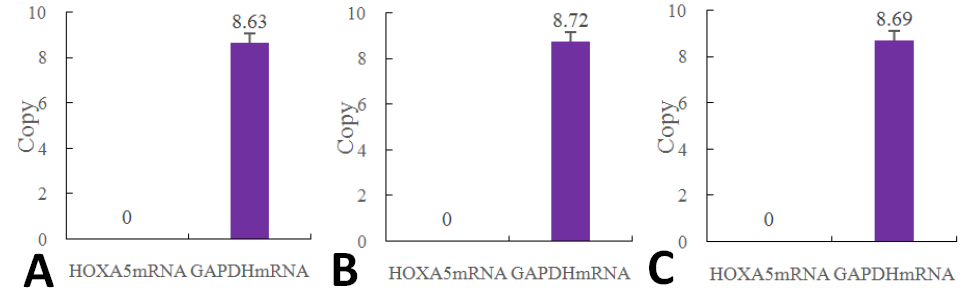
- Expression levels of HOXA5 mRNA in OC cells suggested CAL-27, H357, and HSC-3 with methylation in the promoter region of the HOXA5 gene lacked HOXA5 mRNA expression.
- It was found that HOXA5, HOXD10, and HOXD11 showed higher expression in OSCC samples, and patients with lower HOXA5 expression had a worse prognosis.
- There is a clear methylation status of the promoter region of HOXA5 gene in OC cells, which leads to the down-regulation of the expression level of HOXA5 gene, thereby inhibiting its role as a tumor suppressor gene.
- Treatment with 5Aza-CdR can reduce the methylation modification in this region, leading to the restoration of the promoter region of the HOXA5 gene to the unmethylated state and the reinitiation of HOXA5 gene expression.
Selected from the article's own text.
Abstract
INTRODUCTION
Oral cancer (OC) is a common malignant tumor with an increasing incidence year by year. OC is a highly aggressive cancer, which not only affects the quality of life of patients, but also may be life-threatening. It is meaningful to explore the occurrence and development mechanism of OC . HOXA5 is a tumor suppressor gene . The expression of HOXA5 is closely related to the prognosis of a variety of tumors, and its mechanism of action in tumors has attracted wide attention. Studies have shown that the deletion or abnormal expression of HOXA5 gene is closely related to the occurrence and development of tumors, suggesting that the abnormality of HOXA5 gene may be one of the important mechanisms of OC occurrence and development ; . The mechanism of HOXA5 gene in OC is still not fully understood, and further studies are needed.
In recent years, more and more studies have shown that some key biomolecules may undergo a series of epigenetic modifications during the occurrence and development of OC, including DNA methylation modification ; . DNA methylation is an important link in the regulation of gene expression, which can directly affect the expression of genes. The methylation status of HOXA5 gene promoter is one of the key factors affecting gene expression. Research based on bioinformatics analysis can explore the methylation status of HOXA5 gene promoter, and further explore its association with OC disease. Studies have shown that there is a significant abnormality in the methylation status of HOXA5 gene promoter in some cancer patients . Methylation can lead to gene silencing or down-regulation of expression, and HOXA5 is an important tumor suppressor gene that has the function of regulating cell cycle, proliferation, and differentiation. In OC, the expression level of HOXA5 is significantly reduced. The high level of methylation in the promoter region of HOXA5 gene can reduce its expression level, thereby promoting the growth of tumor cells and enhancing the degree of malignancy and invasion of cells.
This article aimed to explore the promoter methylation status of tumor suppressor gene HOXA5 in OC and its correlation with the occurrence and development of OC, providing new plans and ideas for OC. The present study analyzed the change pattern of HOXA5 gene promoter methylation status and its clinical significance, and discussed the regulatory mechanism of HOXA5 gene in OC, providing new theoretical support and guidance for the prevention and treatment of OC. This article provides a reference for the study of gene promoter methylation status in other types of cancers. It is innovative and has important clinical prospects in OC.
MATERIALS AND METHODS
Experimental materials
Oral cancer (OC) cells CAL-27, H357, HSC-3 (ATCC, Virginia, USA); Oral tissues (Department of Pathology, Department of Stomatology, The First Affiliated Hospital of Yangtze University, Jingzhou, 434000, Hubei Province, China); GAPDH quantitative standard (Shanghai Shenyou Biotechnology Co., LTD., Shanghai, China); DMEM low glucose medium (SenBeiJia Biological Technology Co., Ltd., Jiangsu, China); TRIzol (Shanghai Kanglong Biological Technology Co., LTD., Shanghai, China); Chloroform (Hebei Crovell Biotechnology Co., LTD., Hebei, China). Isopropanol (Shanghai Yuanye Biotechnology Co., LTD., Shanghai, China); 5-aza-deoxyeytidine (Shanghai Rhawn Chemical Technology Co., LTD., Shanghai, China); Taq enzyme (Hebei Sanshi Biotechnology Co., LTD., Hebei, China).
Experimental instruments
Electric thermostatic water bath SYG-2-4 (Tianjin Teste Instrument Co., Ltd., Tianjin, China); High-speed refrigerated centrifuge H1750R (Hunan Xiangyi Laboratory Instrument Development Co., Ltd., Changsham, China); Medical real-time PCR instrument Archimed X4 (Kunpeng (Xuzhou) Scientific Instrument Co., Ltd., Xuzhou, China); Electrophoresis instrument (Beijing Liuyi Biotechnology Co., Ltd., Beijing, China); SuPerMax 3100 Multifunction Microplate Reader (Shanghai Flash Biotechnology Co., Ltd., Shanghai, China).
Experimental methods
HOXA5 mRNA expression detected by RT-PCR: Total RNA was extracted from CAL-27, H357, and HSC-3 cells, 1 mL TRIzol was added, left for 10 min, and 200µL chloroform was added. It was centrifugated at 13,000 RPM at 4℃ for 15 min, the aqueous phase was aspirated, and isopropanol was put. The supernatant and ethanol were discarded after centrifugation, and the concentration was measured to pack after drying. The extracted RNA was converted into single-stranded cDNA, and M-MLV reverse transcriptase combined with random hexaplex primers was used for reverse transcription. The HOXA5 cDNA in the sample and the PCR mixture containing fluorescent probes in the reaction system were added into the reaction wells, and the negative control, positive control, and standard curve were prepared. The reaction mixture was put into the reaction wells and then transferred to a real-time fluorescent PCR instrument for amplification. The fluorescent signal released during the PCR reaction was monitored in real time, and the fluorescence value of multiple amplification reactions was recorded. The CT value obtained after the reaction was analyzed, and the fluorescence intensity value was compared with the standard curve to calculate the relative expression of gene mRNA. Table I displays the primer sequences used for the RT-PCR assay.
RT-PCR reaction system of HOXA5 gene: Double distilled water 11.2μL, 10× reaction buffer 2.5μL, MgCI 1.5μL, dNTP 0.5μL, HOXA5 upstream primer 2.0μL, HOXA5 downstream primer 2.0μL, HOXA5 probe 1.0μL, HotstarTaq 0.3 μL, template 4.0μL, and a total of 25μL. The PCR reaction conditions were as follows: Hot start at 95℃ for 15 min, then denaturation at 94℃ for 30 s, 60℃ for 1 min, a total of 50 cycles, ending at 4℃.
Table I. Primer sequences used for RT-PCR assay.
| Gene | Primer | Sequence |
| HOXA5 | Upstream primer | 5' - AACTCATTTTGCGGTCGCTAT- 3' |
| Downstream primer | 5' - TCCCTGAATTGCTCGCTCAC- 3' | |
| GAPDH | Upstream primer | 5' - AACTCATTTTGCGGTCGCTAT- 3' |
| Downstream primer | 5' - AACTCATTTTGCGGTCGCTAT- 3' |
GAPDH gene RT-PCR reaction system: Double distilled water 13.2μL, 10 × reaction buffer 2.5μL, MgCI 3.5μL, dNTP 0.5μL, GAPDH upstream primer 1.0 μL, GAPDH downstream primer 1.0 μL, GAPDH probe 1.0μL, Taq enzyme 0.3μL, template 2.0μL, a total of 25μL. The PCR conditions were denaturation at 95℃ for 5 min, followed by denaturation at 94℃ for 30 s, 60℃ for 1 min, and 45 cycles to 4℃.
CAL-27, H357 and HSC-3 cells treated with 5-aza-deoxyeytidine: The cells in log phase in plates with 6 wells cultured with 2 mL drug-free DMEM low-glucose medium. After 24 h, the cells were cultured in 5-aza-deoxyeytidine containing 0.01μM, 0.05μM, 0.1μM, 0.5μM, 1.0μM, and 5.0μM. DNA and mRNA were extracted and used for MSP and RT-PCR.
Statistical methods
RESULTS
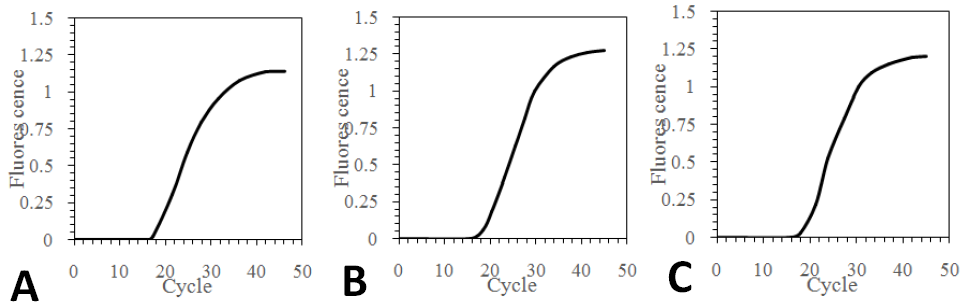
The results for HOXA5 mRNA expression levels in OC cells are presented in Figure 1. Expression levels of HOXA5 mRNA in OC cells suggested CAL-27, H357, and HSC-3 with methylation in the promoter region of the HOXA5 gene lacked HOXA5 mRNA expression. The results for GAPDH gene detection by RT-PCR in OC cells are presented in Figure 2. RT-PCR of GAPDH gene in OC cells revealed that CAL-27 had the lowest expression of GAPDH gene and H357 had the highest expression.
Table II. Analysis of HOXA5 mRNA expression levels in oral cancer cells induced by different concentrations of 5Aza-CdR.
| Group | Concentration (μM) | |||||
| 0.01 | 0.05 | 0.1 | 0.5 | 1 | 5 | |
| CAL-27 | 0.21 | 0.37 | 1.08 | 4.78 | 5.82 | 7.64 |
| H357 | 0.25 | 0.42 | 1.12 | 4.89 | 5.93 | 7.79 |
| HSC-3 | 0.23 | 0.38 | 1.10 | 4.82 | 5.87 | 7.68 |
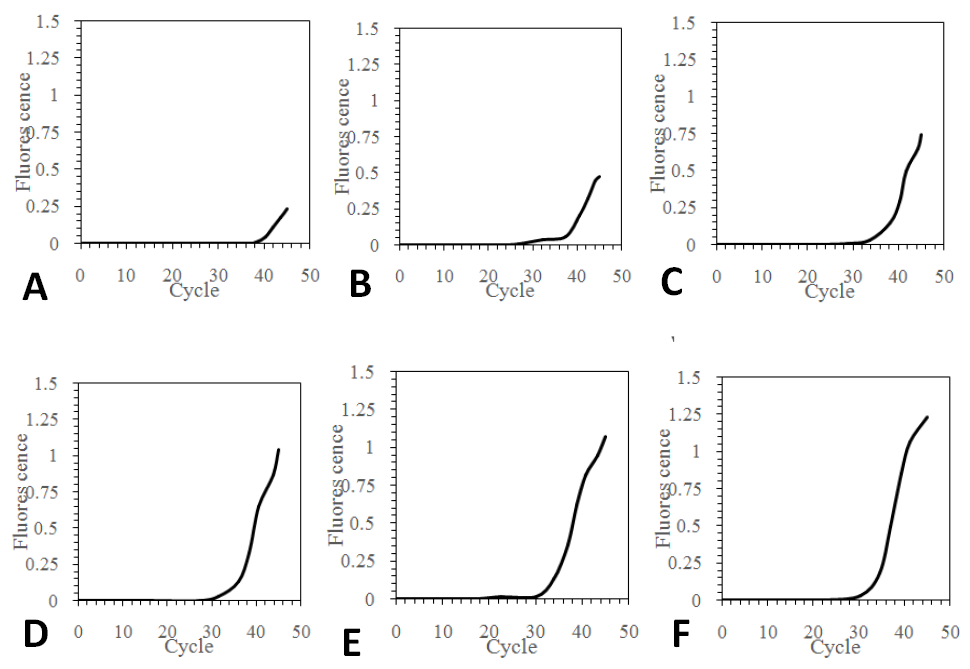
Figure 3 presents the induction of HOXA5 mRNA expression in OC cells at different concentrations of 5Aza-CdR. 5Aza-CdR can induce the expression of HOXA5 mRNA in OC cells, and with the increase of 5Aza-CdR concentration, the induction of HOXA5 mRNA expression in OC cells was more obvious.
Table II presents the levels of HOXA5 mRNA expression in OC cells induced by different concentrations of 5Aza-CdR. With increasing concentrations of 5Aza-CdR, 5Aza-CdR induced increased HOXA5 mRNA expression in the three OC cells.
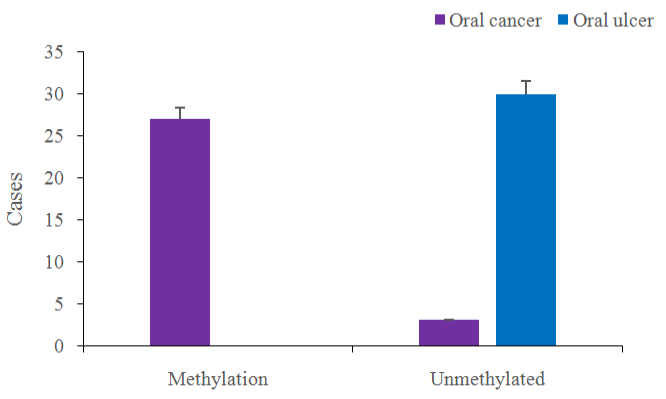
Figure 4 shows the comparison of methylation between OC and oral ulcer patients. In OC patients, 27 cases were methylated, 3 cases were not methylated, while none of the patients with oral ulcer were methylated.
DISCUSSION
HOXA5 is a tumor suppressor gene. In the pathological process of OC, the abnormal expression of HOXA5 has a close relationship with a variety of clinicopathological
features, including tumor malignancy, clinical stage, and prognosis ; . Studies have shown that the inhibitory effect of HOXA5 on OC is mainly achieved by controlling cell growth, cell cycle and apoptosis, which is closely related to a series of signaling pathways and molecular mechanisms in the occurrence and development of OC . HOXA5 has an obvious inhibitory effect on OC by regulating cell growth and proliferation. Studies have shown that when HOXA5 expression is too low or the gene is deleted, tumor cell growth and proliferation are enhanced, which can lead to rapid growth and high malignancy of OC . HOXA5 can also regulate the sexual and asexual division process of cancer cells and affect their growth and proliferation ability. Maintaining the stability of HOXA5 gene expression is crucial for the inhibition of OC. HOXA5 regulates the apoptotic process of OC cells, which is another important anticancer mechanism in OC ; . HOXA5 induces apoptosis of OC cells by regulating apoptosis-related proteins and their signaling pathways, and further inhibits tumor growth and spread. The loss and abnormal expression of HOXA5 can down-regulate the expression of apoptosis-related proteins and reduce the sensitivity of cells, thereby promoting and maintaining the development of OC . The control of HOXA5 on OC is also manifested in the regulation of cell cycle such as impaired cell meiosis and DNA repair. HOXA5 can target different cytokines and regulatory molecules at different stages of the cell cycle and play different roles .
The methylation status of the promoter region of HOXA5 gene is an important regulatory mechanism affecting its gene expression. It is closely correlated with the occurrence, prognosis, and treatment response of OC . In OC tissues, its level was clearly superior as against normal oral mucosa tissues . This hypermethylation state can lead to the decrease of HOXA5 gene expression and the weakening of tumor suppressor effect, thus promoting the occurrence and development of OC . In clinical practice, the detection of its methylation status can be used as an effective OC risk assessment index to help early identify high-risk groups of OC and take early intervention measures . Studies have shown that in OC patients, the hypermethylation of HOXA5 gene promoter region has the effect on prediction . When OC patients receive radiotherapy, chemotherapy, and other treatments, its hypermethylation status may lead to a weakened response to treatment, thereby affecting the therapeutic outcome ; . In the treatment and follow-up of OC, the detection of the methylation status also has important clinical significance. Through drug intervention and other therapeutic means, the methylated region can be reversed, to improve the expression level of HOXA5 gene and enhance its anticancer effect, which has great potential for the prevention and treatment of OC . Its methylation status has important clinical significance in OC occurrence, prognosis, treatment response, and potential treatment options . Through in-depth study of the methylation status and regulatory mechanism of HOXA5 gene, new strategies and methods can be provided for the management and treatment of OC, thereby improving the prognosis of OC patients.
Padam et al. (2022) found that HOXA5 gene has a potential role in the development of OC, and they are of great value in various cellular processes including proliferation, invasion, migration, epithelial-mesenchymal transition, and metastasis. Padam et al. (2021) identified transcription factor binding sites (TFBS) in the HOXA5 gene promoter and elucidated the comprehensive interaction between transcription factor/gene and HOXA5. They found that the predicted TFBS in the HOXA5 gene promoter played a role in transcriptional regulation by regulating the activity of target genes. The TF gene interaction is essential for understanding OC pathogenesis. Rodini et al. (2012) analyzed the expression profile of homeobox genes in oral squamous cell carcinoma (OSCC). It was found that HOXA5, HOXD10, and HOXD11 showed higher expression in OSCC samples, and patients with lower HOXA5 expression had a worse prognosis. Rodrigues et al. (2021) explored the DNA copy number and methylation characteristics of homeobox genes HOXA5, HOXA7, HOXA9, HOXB5, HOXB13, HOXC12, HOXC13, HOXD10, HOXD11, IRX4, and ZHX1, and correlated them with clinicopathological parameters and overall survival. HOXA5, HOXB5, and HOXD10 were found to be amplified in surgical margins, whereas HOXA9, HOXB13, and IRX4 were amplified in OSCC. This article explored the methylation pattern and clinical significance of HOXA5 gene promoter region in OC. 5Aza-CdR can induce the expression of HOXA5 mRNA in OC cells and inhibit the methylation of HOXA5.
The most important limitation in this study is that other biological effects of the region, such as the relationship between cell proliferation and apoptosis, are not analyzed, which needs to be further studied and verified.
CONCLUSION
HOXA5 is a tumor suppressor gene. There is a clear methylation status of the promoter region of HOXA5 gene in OC cells, which leads to the down-regulation of the expression level of HOXA5 gene, thereby inhibiting its role as a tumor suppressor gene. 5Aza-CdR is a DNA methyltransferase inhibitor, which can inhibit DNA methyltransferase, thereby inhibiting DNA methylation modification. Treatment with 5Aza-CdR can reduce the methylation modification in this region, leading to the restoration of the promoter region of the HOXA5 gene to the unmethylated state and the reinitiation of HOXA5 gene expression.
Acknowledgement
The auhtors are grateful for the support from The First Affiliated Hospital of Yangtze University.
Funding
Not applicable.
IRB approval
This study was approved by the Advanced Studies Research Board of the First People’s Hospital of Jingzhou, Jingzhou, China.
Ethical approval
The study was carried out in compliance with guidelines issued by ethical review board committee of the First People’s Hospital of Jingzhou, China. The official letter would be available on fair request to corresponding author.
Statement of conflict of interest
The authors have declared no conflict of interest.
Figures
Analysis of HOXA5 mRNA expression levels in OC cells. A, CAL-27; B, H357; C, HSC-3
Real-time time RT-PCR detection of GAPDH gene in OC cells. A, CAL-27; B, H357; C, HSC-3.
Comparative analysis of methylation in patients with OC and oral ulcer.
References
- Fan, F., Mo, H., Zhang, H., Dai, Z., Wang, Z., Qu, C., Liu, F., Zhang, L., Luo, P., Zhang, J. and Liu, Z., 2022. HOXA5: A crucial transcriptional factor in cancer and a potential therapeutic target. Biomed. Pharmacother., 155: 113800. https://doi.org/10.1016/j.biopha.2022.113800[CrossRef]
- Gao, L., He, R.Q., Huang, Z.G., Li, G.S., Zeng, J.H., Hou, J.Y., Luo, J.Y., Dang, Y.W., Zhou, H.F., Kong, J.L. and Yang, D.P., 2022. Expression landscape and functional roles of HOXA4 and HOXA5 in lung adenocarcinoma. Int. J. med. Sci., 19: 572-578. https://doi.org/10.7150/ijms.70445[CrossRef]
- Han, L., Yao, Z., Xie, L., Li, D., Wang, C., Yang, Y., Yang, J., Huang, Z., Li, K., Zhang, Y. and Ye, L., 2021. Transcriptome Sequencing reveals the expressed profiles of mRNA and ncRNAs and regulate network via ceRNA mediated molecular mechanism of lung adenocarcinoma bone metastasis in Xuanwei. Transl. Cancer Res., 10: 73-87. https://doi.org/10.21037/tcr-20-2376[CrossRef]
- He, Z.C., Liu, Q., Yang, K.D., Chen, C., Zhang, X.N., Wang, W.Y., Zeng, H., Wang, B., Liu, Y.Q., Luo, M. and Li, L., 2022. HOXA5 is amplified in glioblastoma stem cells and promotes tumor progression by transcriptionally activating PTPRZ1. Cancer Lett., 533: 215605. https://doi.org/10.1016/j.canlet.2022.215605[CrossRef]
- Holzman, M.A., Ryckman, A., Finkelstein, T.M., Landry-Truchon, K., Schindler, K.A., Bergmann, J.M., Jeannotte, L. and Mansfield, J.H., 2021. HOXA5 participates in brown adipose tissue and epaxial skeletal muscle patterning and in Brown adipocyte differentiation. Front. Cell Dev. Biol., 9: 632303. https://doi.org/10.3389/fcell.2021.632303[CrossRef]
- Jin, W.Y., Zhang, Y., Tian, J., Xu, L.K., Lin, H.J., Yang, Y.Z., Zhang, X.M., Jin, M.H., Mo, W.F., Qi, G.Y. and Zhou, Y.Q., 2023. HOXA5 inhibits the proliferation and metastasis of cervical squamous cell carcinoma by suppressing the β-catenin/Snail signaling. Neoplasma, 70: 82-93. https://doi.org/10.4149/neo_2022_220907N908[CrossRef]
- Kim, C.Y., Kim, Y.C., Oh, J.H. and Kim, M.H., 2021. HOXA5 confers tamoxifen resistance via the PI3K/AKT signaling pathway in ER-positive breast cancer. J. Cancer, 12: 4626-4637. https://doi.org/10.7150/jca.59740[CrossRef]
- Liang, Y., Cen, J., Huang, Y., Fang, Y., Wang, Y., Shu, G., Pan, Y., Huang, K., Dong, J., Zhou, M. and Xu, Y., 2022. CircNTNG1 inhibits renal cell carcinoma progression via HOXA5-mediated epigenetic silencing of Slug. Mol. Cancer, 21: 224. https://doi.org/10.1186/s12943-022-01694-7[CrossRef]
- Liang, Y., Cen, J., Huang, Y., Fang, Y., Wang, Y., Shu, G., Pan, Y., Huang, K., Dong, J., Zhou, M. and Xu, Y., 2023. Correction: CircNTNG1 inhibits renal cell carcinoma progression via HOXA5-mediated epigenetic silencing of Slug. Mol. Cancer, 22: 14. https://doi.org/10.1186/s12943-023-01726-w[CrossRef]
- Liang, Y., Zhou, R., Fu, X., Wang, C. and Wang, D., 2021. HOXA5 counteracts the function of pathological scar-derived fibroblasts by partially activating p53 signaling. Cell Death Dis., 12: 40. https://doi.org/10.1038/s41419-020-03323-x[CrossRef]
- Liu, J., Zhao, C., Yang, S. and Dong, C., 2020. LncRNA SNHG1 promotes the development of oral cavity cancer via regulating the miR-421/HMGB2 axis. Cell. mol. Biol., 66: 14-19. https://doi.org/10.14715/cmb/2020.66.8.3[CrossRef]
- Lu, X., Duan, J., Zhou, R. and Xu, Y., 2021. MiR-301b-3p promotes the occurrence and development of breast cancer cells via targeting HOXA5. Crit. Rev. Eukaryot. Gene Expr., 31: 35-44. https://doi.org/10.1615/CritRevEukaryotGeneExpr.2021038215[CrossRef]
- Moorthy, R.K., Srinivasan, C., Kannan, M. and Arockiam, A.J.V., 2023. Deregulation of miR-375 inhibits HOXA5 and promotes migration, invasion, and cell proliferation in breast Cancer. Appl. Biochem. Biotechnol., 195: 4503-4523. https://doi.org/10.1007/s12010-023-04375-3[CrossRef]
- Padam, K.S.R., Basavarajappa, D.S., Shenoy, U.S., Chakrabarty, S., Kabekkodu, S.P., Hunter, K.D. and Radhakrishnan, R., 2022. In silico interaction of HOX cluster‐embedded microRNAs and long non‐coding RNAs in oral cancer. J. Oral Pathol. Med., 51: 18-29. https://doi.org/10.1111/jop.13225[CrossRef]
- Padam, K.S.R., Chakrabarty, S., Kabekkodu, S.P., Paul, B., Hunter, K.D. and Radhakrishnan, R., 2021. In silico analysis of HOX-associated transcription factors as potential regulators of oral cancer. Oral Surg. Oral Med., Oral Pathol. Oral Radiol., 132: 72-79. https://doi.org/10.1016/j.oooo.2021.01.002[CrossRef]
- Pai, P., Wang, G., Teo, W.W., Raez-Rodriguez, D., Gabrielson, K.L., Győrffy, B., Downs, B.M., Aggarwal, A. and Sukumar, S., 2022. HOXA5-mediated stabilization of IκBα inhibits the NF-κB pathway and suppresses malignant transformation of breast epithelial cells. Cancer Res., 82: 3802-3814. https://doi.org/10.1158/0008-5472.CAN-21-4277[CrossRef]
- Porras, D.P., Reid, J.C., Tanasijevic, B., Golubeva, D., Boyd, A.L. and Bhatia, M., 2022. Challenges in cell fate acquisition to scid-repopulating activity from hemogenic endothelium of hiPSCs derived from AML patients using forced transcription factor expression. Cells, 11: 1915. https://doi.org/10.3390/cells11121915[CrossRef]
- Rodini, C.O., Xavier, F.C.A., Paiva, K.B.S., De Souza Setubal Destro, M.F., Moyses, R.A., Michaluarte, P., Carvalho, M.B., Fukuyama, E.E., Gencapo, H., Tajara, E.H. and Okamoto, O.K., 2012. Homeobox gene expression profile indicates HOXA5 as a candidate prognostic marker in oral squamous cell carcinoma. Int. J. Oncol., 40: 1180-1188. https://doi.org/10.3892/ijo.2011.1321[CrossRef]
- Rodrigues, M.F.S.D., Xavier, F.C.A., Esteves, C.D., Nascimento, R.B., Nobile, J.S., Severino, P., de Cicco, R., Toporcov, T.N., Tajara, E.H. and Nunes, F.D., 2021. Homeobox gene amplification and methylation in oral squamous cell carcinoma. Arch. Oral Biol., 129: 105195. https://doi.org/10.1016/j.archoralbio.2021.105195[CrossRef]
- Roux, B., Picou, F., Debeissat, C., Koubi, M., Gallay, N., Hirsch, P., Ravalet, N., Béné, M.C., Maigre, M., Hunault, M. and Mosser, J., 2022. Aberrant DNA methylation impacts HOX genes expression in bone marrow mesenchymal stromal cells of myelodysplastic syndromes and de novo acute myeloid leukemia. Cancer Gene Ther., 29: 1263-1275. https://doi.org/10.1038/s41417-022-00441-w[CrossRef]
- Wan, N. and Zheng, J., 2021. MicroRNA-891a-5p is a novel biomarker for non-small cell lung cancer and targets HOXA5 to regulate tumor cell biological function. Oncol. Lett., 22: 507. https://doi.org/10.3892/ol.2021.12768[CrossRef]
- Wang, F., Min, J. and Ge, C., 2022. Letter by wang et al regarding article, HINT1 (Histidine triad nucleotide-binding protein 1) attenuates cardiac hypertrophy via suppressing HOXA5 (Homeobox A5) expression. Circulation, 145: e149-e150. https://doi.org/10.1161/CIRCULATIONAHA.121.057235[CrossRef]
- Wang, G., Zhu, J., Wang, Z., Xu, Z., Shi, Y. and Luo, L., 2023. Curcumin increases radiosensitivity of radioresistant nasopharyngeal cancer. Discov. Med., 35: 418-428. https://doi.org/10.24976/Discov.Med.202335176.42[CrossRef]
- Wang, Y., Wang, P., Zhao, L., Chen, X., Lin, Z., Zhang, L. and Li, Z., 2021. miR-224-5p carried by human umbilical cord mesenchymal stem cells-derived exosomes regulates autophagy in breast cancer cells via HOXA5. Front. Cell Dev. Biol., 9: 679185. https://doi.org/10.3389/fcell.2021.679185[CrossRef]
- Wu, X., Zhang, X., Wang, Y., Qian, S., Guan, Q., Lu, X. and Yu, X., 2022. Peroxiredoxin 6 protects against oxidative stress and apoptosis in a rat model of lithium chloride-pilocarpine-induced epilepsy. J. Biol. Regul. Homeost. Agents., 36: 1017-1026.
- Xiong, F., Liu, W., Wang, X., Wu, G., Wang, Q., Guo, T., Huang, W., Wang, B. and Chen, Y., 2022. HOXA5 inhibits the proliferation of extrahepatic cholangiocarcinoma cells by enhancing MXD1 expression and activating the p53 pathway. Cell Death Dis., 13: 829. https://doi.org/10.1038/s41419-022-05279-6[CrossRef]
- Yaiche, H., Tounsi-Kettiti, H., Ben Jemii, N., Jaballah Gabteni, A., Mezghanni, N., Ardhaoui, M., Fehri, E., Maaloul, A., Abdelhak, S. and Boubaker, S., 2021. New insights in the clinical implication of HOXA5 as prognostic biomarker in patients with colorectal cancer. Cancer Biomark, 30: 213-221. https://doi.org/10.3233/CBM-201758[CrossRef]
- Yang, Y., Zhong, F., Huang, X., Zhang, N., Du, J., Long, Z., Zheng, B., Lin, W., Liu, W. and Ma, W., 2021. High expression of HOXA5 is associated with poor prognosis in acute myeloid leukemia. Curr. Probl. Cancer, 45: 100673. https://doi.org/10.1016/j.currproblcancer.2020.100673[CrossRef]
Services
Article usage statistics
Loading…