
Issue · 2026
Vol. 10, Iss. 1
7 articles · All issues →
 Research Article
Morpho-Molecular Identification, Virulence and In Vitro Sporulation of Fungi Associated with Maize Foliar Diseases in Egypt
Eihab Mohamed Taha, Elhamy M. El-Assiuty, Zeinab M. Fahmy, Doaa A. Kafsheer
Maize (Zea mays L.) is an important crop in Egypt. Foliar diseases including northern maize leaf blight (NCLB), southern corn leaf blight (SCLB), and Curvularia leaf spot (CLS) pose considerable economic threats to its yield. This study aimed to identify the p…
27 Jan 2026DOI 10.17582/journal.nrmj/2026/10.1.52.67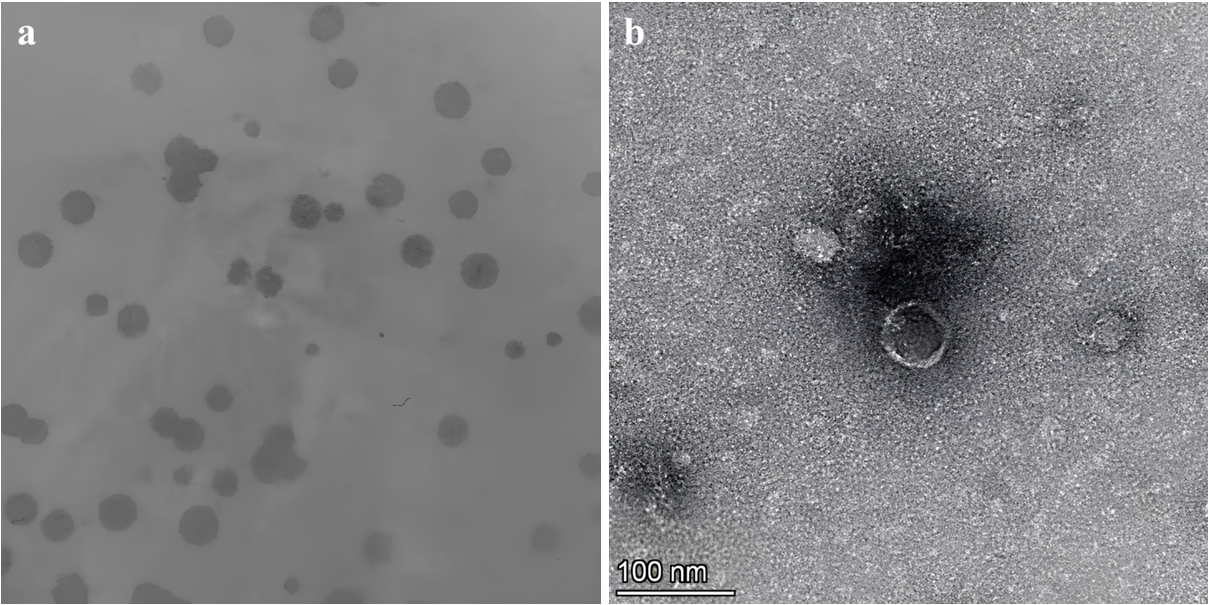 Research Article
Isolation of Novel Carbapenem-Resistant Klebsiella pneumoniae (CRKP) ST 147 Phage RMN1
Nuridha Audinia Safitri, Meity Mardiana, Yustinus Maladan, Iftita Rahmatika, Dodi Safari, Yulia Rosa Saharman et al.
The global spread of Carbapenem-Resistant Klebsiella pneumoniae (CRKP), particularly the high-risk sequence type 147 (ST147) known for its epidemic potential and carbapenem resistance, represents a critical threat to public health. Bacteriophages offer a promi…
22 Jan 2026DOI 10.17582/journal.nrmj/2026/10.1.37.51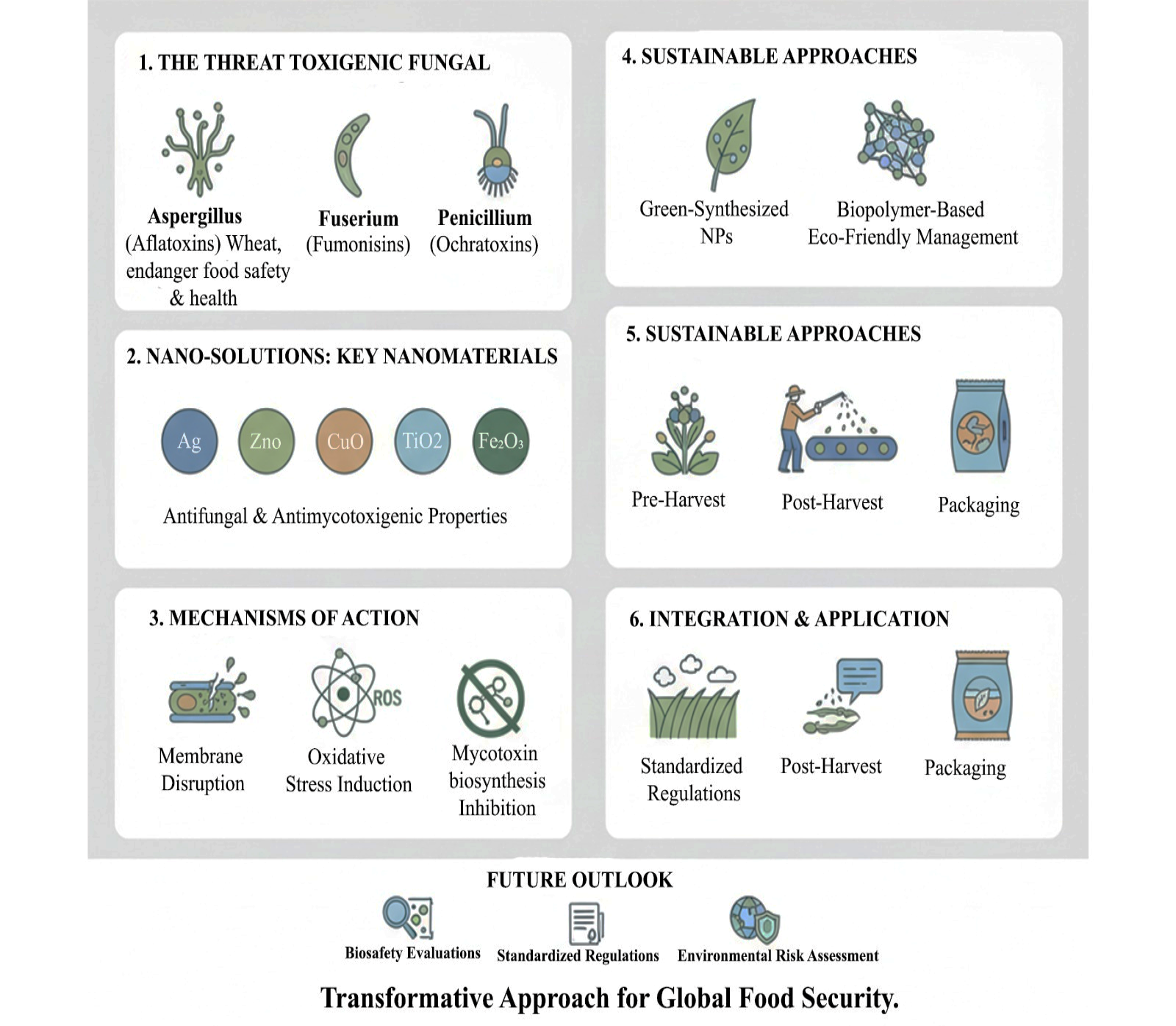 Review
Nanoformulations Use for Control of Fungal Contamination and Mycotoxins Production in Cereal Crops: Advances, Mechanisms and Future Prospects
Mohamed M. Ramadan, Nasr Fawzy Nasr, Mohammed Zakaria Sedik, Mohamed Usama El-Segai, Kamel A. Abd-Elsalam
Toxigenic fungi, particularly Aspergillus, Fusarium, and Penicillium species, pose a persistent threat to global cereal production by generating mycotoxins that endanger food safety and human health. Traditional control methods often fail to provide long-term…
12 Feb 2026DOI 10.17582/journal.nrmj/2026/10.1.87.118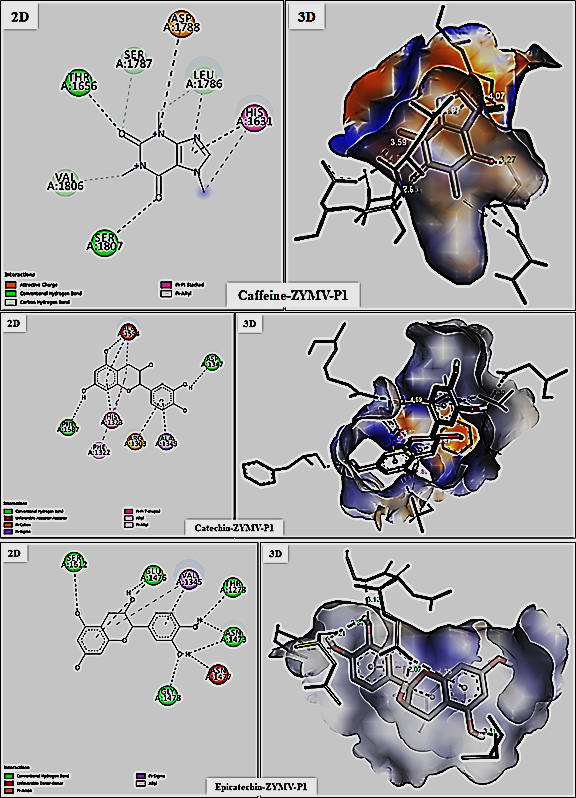 Research Article
Molecular Docking-Based Exploration of Green Tea Bioactive Compounds for Targeting Zucchini Yellow Mosaic Virus Genes: A Potential Control Strategy
Fatma S. Abdel Razek, Samar S.A. El-Masry, Shafik D. Ibrahim, Nashwa Elshaer, Atef S. Sadik, Ahmed Mahdy
Zucchini Yellow Mosaic Virus (ZYMV) is a major viral pathogen affecting zucchini and other cucurbit crops, resulting in substantial economic losses worldwide. This study aimed to identify potential antiviral compounds derived from green tea (Camellia sinensis)…
12 Feb 2026DOI 10.17582/journal.nrmj/2026/10.1.119.145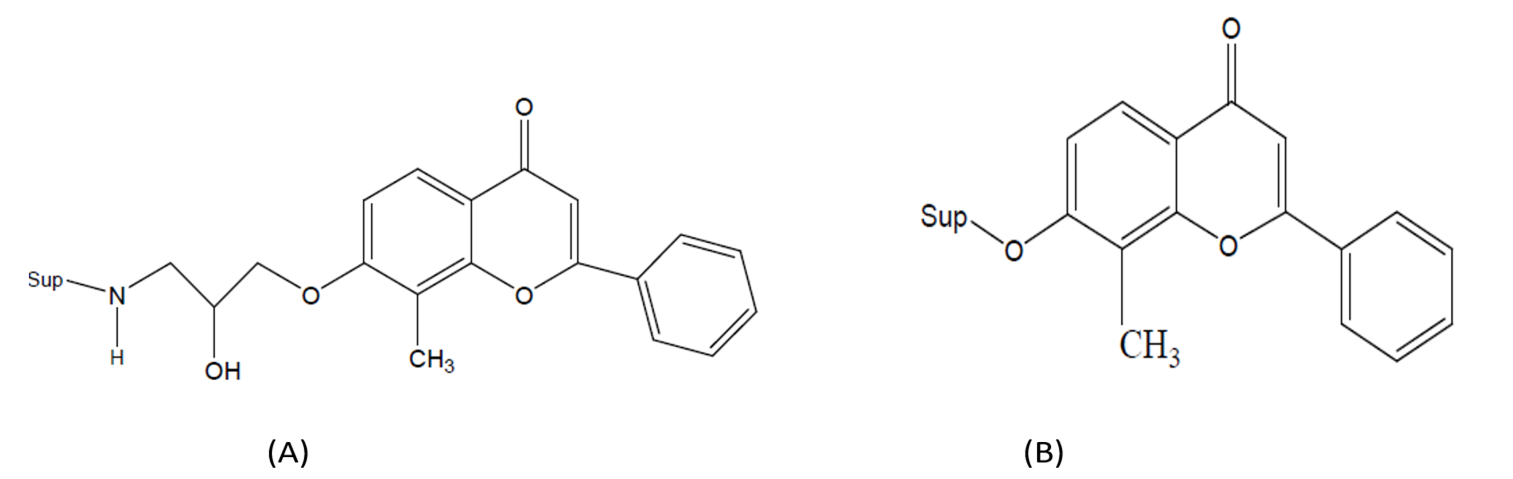 Research Article
Effect of Synthetic Flavonoids on Lactobacillus rhamnosus Aggregation and Exopolysaccharide Production
Hafidha Khadem, Badra Boubakeur, Mounir Adnane, Boumdiene Meddah, Moustapha Drabo, Aicha Tirtouil
This study aimed to investigate how synthetic flavonoids influence key probiotic traits of Lactobacillus rhamnosus, particularly its exopolysaccharide (EPS) production and cell aggregation. Five methylflavone derivatives were added to the L. rhamnosus fermenta…
14 Jan 2026DOI 10.17582/journal.nrmj/2026/10.1.01.14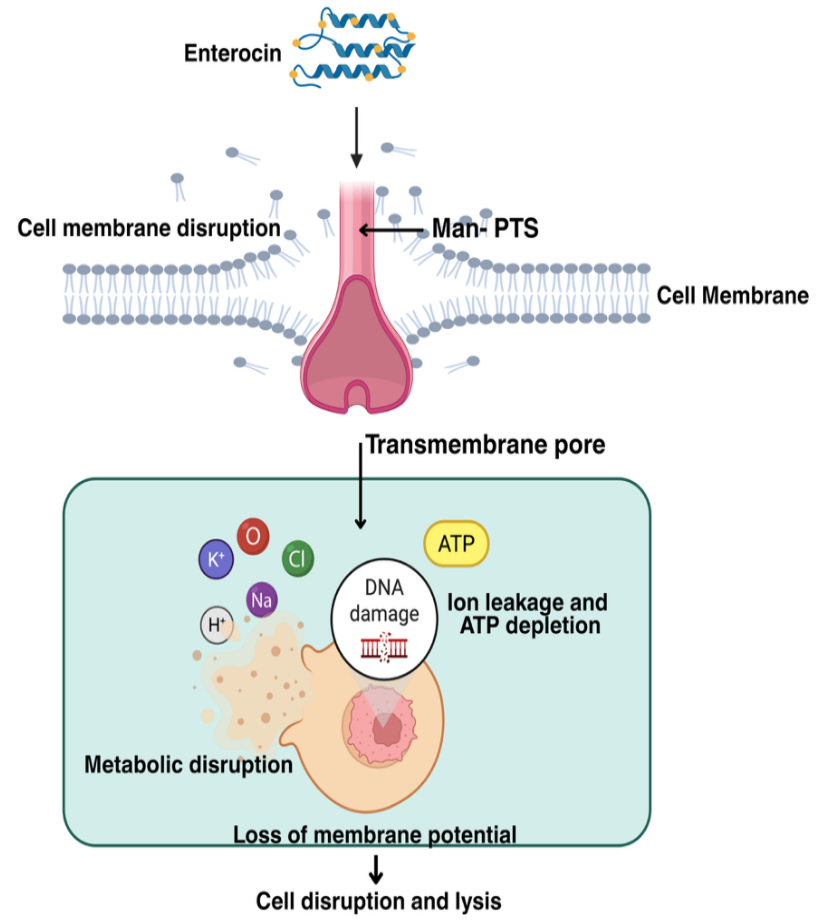 Review
Use of Enterocins-Producing Lactic Acid Bacteria for Food Biopreservation: Diversity and Functional Insights
Riska Faradila, Tri Eko Susilorini, Herly Evanuarini, Lilik Eka Radiati, Puguh Surjowardojo, Khothibul Umam Al-Awwaly et al.
Food safety and shelf-life stability continue to drive the search for natural antimicrobial agents for effective food biopreservation. Enterocins; a group of bacteriocins produced by Enterococcus species within lactic acid bacteria, exhibit high stability duri…
12 Feb 2026DOI 10.17582/journal.nrmj/2026/10.1.68.86 Research Article
Application of Streptomyces mutabilis Derived Rhamnolipid to Enhance Microbial Activity and Nutrient Uptake in Barley Grown Under Saline Conditions
Rabaa Yaseen
Soil salinization poses a significant global challenge, limiting land use efficiency and agricultural productivity. This study aimed to investigate the production and characterization of a rhamnolipid (RL) biosurfactant synthesized by a Streptomyces isolate ob…
21 Jan 2026DOI 10.17582/journal.nrmj/2026/10.1.15.36