Research Article · Volume 14, Issue 4, 8 September 2026 · Open Access
The Effect of Ascorbic Acid on Growth Performance, Carcass Traits and Liver Enzyme Activity of Vietnamese Native Chickens
·
Affiliations & Notes ⌄
1Department of Animal Science and Veterinary Medicine, School of Agriculture-Aquaculture, Tra Vinh University, Vinh Long Province, Vietnam *Correspondence | Nguyen Hoang Qui, Department of Animal Science and Veterinary Medicine, School of Agriculture-Aquaculture, Tra Vinh University, Vinh Long Province, Vietnam
The current study showed that the supplementation of ascorbic acid significantly increased development in Vietnamese native chickens with high body weight, high average daily gain, and reduced feed conversion ratio in comparison with the control.
Moreover, ascorbic acid supplement (375 mg/L daily or every other day) in drinking water improved growth performance and feed conversion efficiency of Vietnamese native chickens without an undesirable impact on liver function.
Although exposure to ascorbic acid had an insignificant effect on immune organ weights, the increased thymus weight indicated a possible beneficial effect on immune competence.
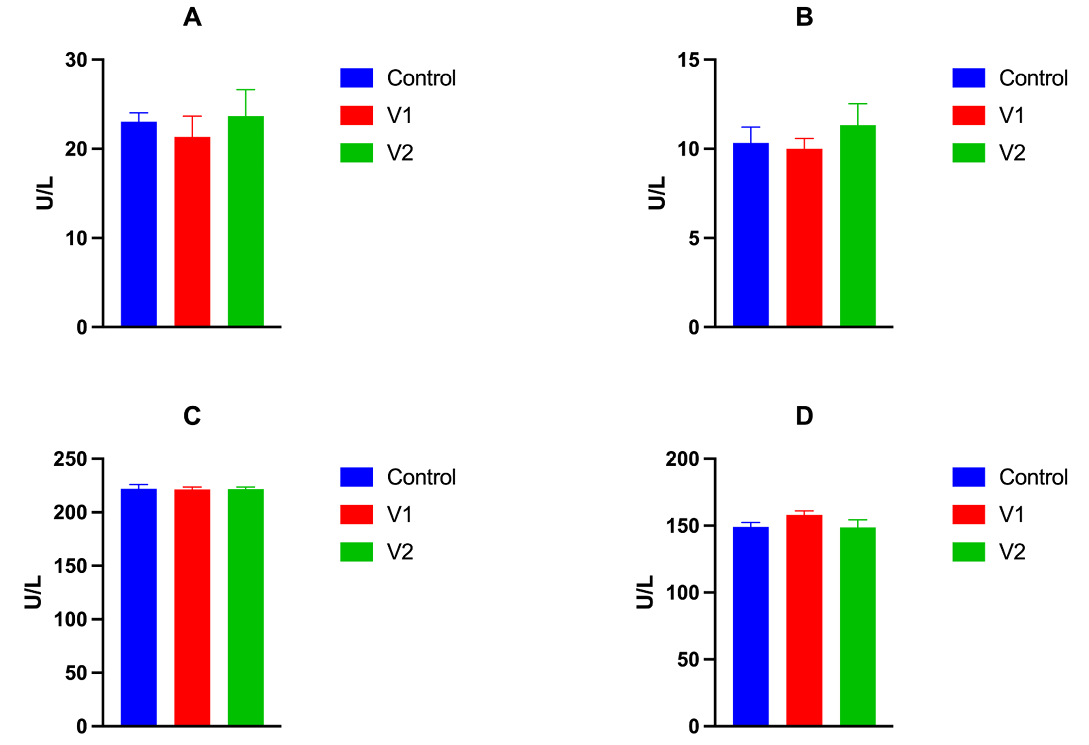
Serum enzyme activities (GGT, ALT, AST, and ALP) did not change indicating that supplementation of ascorbic acid should be safe for liver function.
Selected from the article's own text.
Abstract
This study evaluated the effect of dietary ascorbic acid supplementation on growth performance, carcass traits, and liver enzyme function of Vietnamese native chickens. A total of 120 birds were randomly assigned to three dietary treatments, with four replicates per treatment: control (no ascorbic acid in water), V1 (375 mg/L of ascorbic acid in drinking water daily), and V2 (375 mg/L of ascorbic acid every other day). Growth performance was recorded at weeks 5, 9, and 12, while carcass characteristics and liver enzyme activities were measured at the end of the experiment. At weeks 9 (919.6 g) and 12 (1735.0 g), birds receiving ascorbic acid supplementation had significantly higher body weights than the control group (p < 0.01). The overall weight gain (weeks 5–12) and feed conversion ratio (FCR) were significantly improved in the ascorbic acid–treated groups compared with the control (p < 0.05). The carcass characteristics showed increased live weight (1770 g) and carcass weight (1239 g) in 250 mg/kg group than in control (p<0.05). Yet there was no significant difference in carcass yield percentage or in breast or thigh meat proportion between treatments (p>0.05). Ascorbic acid–supplemented chickens had a significantly greater intestinal length (p<0.05) than untreated chickens, indicating enhanced nutrient absorption. No significant changes in liver enzyme activity were found (p>0.05), the result being that ascorbic acid had no effect on hepatic functioning. Dietary supplementation of ascorbic acid, especially at 375 mg/L in drinking water administered at intervals, improve growth performance and carcass features without affecting liver health in local Vietnamese chicken raised in tropical conditions.
Chicken production is an important component of Vietnam’s poultry industry, contributing significantly to rural household income and the supply of high-quality animal protein . Vietnamese native chickens (Noi chickens or fighting-type chickens) are one of the best-preferred local breeds for meat flavor, adaptation to tropical conditions, and resistance to diseases . Promoting locally raised chickens helps protect indigenous genetic resources and supports smallholder farmers in the Mekong Delta region. However, native chickens still have less productive performance than commercial broilers as a result of decreased growth rate and feed efficiency . Thus, enhancement of growth performance and carcass yield by nutritional intervention is critical in sustaining the competitiveness and sustainability of native chicken production.
Vitamin C (ascorbic acid) is a critical water-soluble antioxidant that has complex physiological and metabolic functions in chicken (National Center for Biotechnology Information, 2025). It plays an essential role in collagen, hormone production, and immune modulation . It also scavenges free radicals to protect cells from oxidative injury. Under physiological conditions, chickens produce ascorbic acid in the kidneys but during stress conditions such as high temperature, crowding, or infection, the availability of intrinsic production is limited . Adding ascorbic acid prevents acid-base imbalance, maintains cell membranes, and enhances the use of the complement minerals, along with amino acids ; . At the mechanistic level, previous studies have shown that ascorbic acid acts as a booster for the adrenally affected gland to maintain corticosterone secretion , promotes intestinal iron and calcium absorption , and improves the synthesis of carnitine, which facilitates fatty acid oxidation as an energy conversion pathway . Numerous studies reported beneficial effects of ascorbic acid supplementation on poultry performance. For example, in broilers under heat stress, ascorbic acid supplementation significantly improved body weight gain and feed conversion ratio ; ; . Furthermore, reported improved carcass and breast muscle yield and breast muscle growth in an ascorbic acid supplementation group of broilers without liver and kidney damage in general , 2023). Supplementation also enhances antioxidant enzymatic activity (SOD, CAT) and reduces the concentration of malondialdehyde which was an indicator of diminished oxidative stress . Moreover, it was observed that ascorbic acid has positive, albeit indirect, associations with intestinal morphology, nutrient digestibility and immune organ function . Thus, these findings together reflect the antioxidant and metabolic effects of ascorbic acid on growth and carcass phenotype and in general, on poultry physiological health. It was shown that with supplementation of ascorbic acid hepatic lipid levels were decreased but serum alanine transaminase (ALT) and aspartate transaminase (AST) levels were not significantly affected . Under heat stress and feed restriction, 250 mg/kg ascorbic acid supplementation markedly reduced ALT and AST serum activities compared with the non-supplemented animals .
Although studies have reported benefits of ascorbic acid for commercial broilers, little information exists regarding its effect for native chicken species including Vietnamese Noi chicken. As there is little information on the effects of ascorbic acid given via drinking water (also to increase productivity of small farms) under smallholder farming conditions, it is concluded that the majority of the previous studies were on dietary supplementation using feed. Thus, the study aimed to assess the impact of ascorbic acid supplementation in drinking water (which could be available every other day or continuously) on growth performance, carcass characteristics, and liver enzyme activity of Vietnamese native chickens.
MATERIALS AND METHODS
Research location
The study took place at an experimental farm of the School of Agriculture and Aquaculture, Tra Vinh University, Vietnam. The experiment took place during week 5 to week 12 of age, corresponding to 7 weeks of feeding. All experimental procedures involving animal care and use were conducted in accordance with applicable ethical guidelines.
Experimental animals and management
This study used data for 120 Vietnamese native chickens (five weeks old) of comparable initial body weights. The birds were raised in open tropical housing, on floor pens covered with rice-husk litter, provided with ad libitum access to feed and clean water during the 7-week experimental period. Chickens were randomly allocated to three treatments, with four replications per treatment (40 birds for each treatment). The treatments included the control (without ascorbic acid supplementation); V1 (daily), supplementation by 375 mg ascorbic acid per liter of drinking water every day; and V2 (skipped-day), supplementation by 375 mg ascorbic acid per liter of drinking water every other day. Ascorbic acid (L-ascorbic acid, ≥ 99 % purity) was freshly dissolved in water each morning and protected from sunlight to prevent oxidation. Drinkers were cleaned before refilling to ensure consistent ascorbic acid intake.
Diet composition
The basal diet used for growing native chickens by birds all derived from the NRC (NRC, 1994) was the same diet specifically for farm producers. The basic ingredients were corn, broken rice, rice bran, soybean meal, fish meal, dicalcium phosphate (DCP), limestone powder, lysine, tryptophan, mineral and vitamin premix, and salt. The feed was 17% crude protein, 3,016 kcal ME/kg (Table 1).
Growth performance measurements
Growth performance was evaluated based on body weight (BW), feed intake (FI), average daily gain (ADG), and feed conversion ratio (FCR). Body weights were obtained at 5, 9 and 12 weeks of age. Daily average gain was calculated by dividing the total body weight gain during each interval (weeks 5–9, 9–12, and 5–12) by the number of feeding days. Feed intake per pen was calculated by subtracting the remaining feed from the total feed offered over each period. Feed conversion ratio (FCR) was calculated as the ratio of feed intake to body weight gain, which reflects an index of feed efficiency. Together these values reflect development and nutrient utilization efficiency of the chickens by various ascorbic acid supplementation treatments.
Table 1: Feed formualtion and chemical composition.
Three birds per replicate (at 12 weeks of age) were randomly selected and fasted for 8 hours prior to slaughter. Live body weight, carcass weight, dressing percentage, and weight of breast meat, thigh meat, liver, heart, gizzard, and proventriculus were recorded. Intestinal development was measured with a flexible ruler using the measured lengths of small intestine, large intestine, and ceca. The thymus, spleen, and bursa of Fabricius were meticulously excised and weighed. The organ weights were given in grams of weight (absolute weight). Breast and thigh muscles were sampled to estimate cooking loss. The samples were weighed, sealed in polyethylene bags, placed into a water bath at 80 °C for 30 min, allowed to cool down, blotted dry, and re-weighed. Cooking loss (%) = [(raw weight − cooked weight) / raw weight] × 100.
Liver enzyme assays
A total of approximately 2 ml of blood samples were drawn from the wing vein prior to slaughtering. Blood was placed in EDTA tube for liver function testing. Following collection, blood tubes were kept in a cold bag and taken to the laboratory within 24 hours. The serum was subjected to centrifugation at 3000 rpm for 10 minutes, and collected at room temperature. Serum enzymes (gamma-glutamyl transferase (GGT), alanine aminotransferase (ALT), aspartate aminotransferase (AST), and alkaline phosphatase (ALP)) were analyzed by the commercial diagnostic machine (SMT-120VP automatic analyzer, Chengdu Seamaty Technology Co., Ltd., China) following the manufacturer’s instructions.
Data analysis
Pen was used as growth performance unit and carcass and blood parameters were given by individual birds as experimental units. The data were tested for normality and one-way ANOVA was obtained in SPSS 26.0 (IBM Corp., USA). Tukey’s HSD was used to test the differences among means. Statistical significance of results was defined as p < 0.05.
RESULTS
Effect of ascorbic acid on growth performance
As shown in Table 2, in all treatments, body weight increased gradually from week 5 to week 12. From week 9 onwards, there were significant differences (p < 0.05) wherein higher values were observed in the ascorbic acid supplemented groups as compared to control. A significant difference (p < 0.05) in ADG was observed among treatments was observed with the highest rates of ADG recorded during period weeks 9–12. FI differed significantly only during the late growth phases (p < 0.05), whereas FCR improved significantly (p < 0.05) in the birds given ascorbic acid at all time intervals.
Effect of ascorbic acid on slaughter parameters
We observed significant (p < 0.05) differences between treatments for live body weight, carcass weight, breast meat weight, thigh meat weight, and small intestine length (Table 3). Birds treated with ascorbic acid had higher live and carcass weights relative to the control group. There was no notable difference in dressing percentage, breast and thigh meat percentages, and liver, heart, gizzard, or proventriculus weights (no significant difference (p > 0.05) was observed). Small intestine length was significantly different between treatments (p < 0.05), with large intestine and cecum lengths unaffected (p > 0.05).
Effect of ascorbic acid on immune organs and meat quality
Table 4 showed no substantial differences (p > 0.05) were detected among treatments for the weights of the bursa of Fabricius and spleen. Thymus weight exhibited a significant difference (p < 0.05), with elevated values observed in chickens receiving ascorbic acid supplementation compared to the control group.
Table 2: Growth performance of Noi chickens.
Criteria
Treatments
SEM
P
Control
V1
V2
BW, g/birds
Week 5
478.6
485.0
486.1
7.374
0.747
Week 9
852.9b
919.6a
887.5ab
8.114
0.01
Week 12
1549b
1735a
1685a
13.49
0.01
ADG, g/bird/day
Week 5–9
13.37c
15.52a
14.34b
0.220
0.01
Week 9–12
33.15b
38.83a
37.95a
0.808
0.01
Week 5–12
21.85b
25.51a
24.46a
0.366
0.01
FI, g/bird/day
Week 5–9
46.13
47.22
47.53
0.452
0.150
Week 9–12
68.31b
68.91ab
70.15a
0.296
0.01
Week 5–12
57.22b
58.06ab
58.84a
0.356
0.04
FCR
Week 5–9
3.456a
3.043ba
3.316ab
0.076
0.02
Week 9–12
2.063a
1.776b
1.850b
0.046
0.01
Week 5–12
2.622a
2.277b
2.402ab
0.051
0.01
Means within a row with different superscripts differ significantly (p < 0.05).
Table 3: Carcass traits of Noi chickens.
Parameter
Treatments
SEM
P
Control
V1
V2
Live body weight, g
1580b
1770a
168.0ab
23.33
0.01
Carcass weight, g
1104c
1239a
1173b
11.99
0.01
Dressing percentage
69.91
70.04
69.87
1.103
0.994
Breast meat weight, g
205.0b
232.3a
212.0ab
5.146
0.02
Breast meat percentage
18.58
18.75
18.07
0.579
0.704
Thigh weight, g
123.0b
142.5a
134.2ab
4.426
0.055
Thigh percentage
11.13
11.50
11.44
0.356
0.744
Liver weight, g
31.50
33.00
29.00
2.733
0.605
Heart weight, g
7.000
5.500
6.000
0.500
0.178
Gizzard weight, g
37.50
34.50
32.50
3.662
0.645
Gizzard weight, g
8.000
7.000
6.000
0.471
0.064
Small intestine length, cm
117.0b
155.5a
122.5b
3.135
0.01
Large intestine length, cm
27.33
24.83
24.17
2.415
0.642
Cecum length, cm
17.25
18.00
17.50
0.416
0.477
Means within a row with different superscripts differ significantly (p < 0.05).
The cooking loss for breast and thigh meat varies from 27.33% to 29.33% and from 22.00% to 26.00%, respectively (Table 5). No substantial differences (p > 0.05) were detected across the treatments.
Table 4: Immune organs weights of Noi chickens.
Criteria
Treatment
SEM
P
Control
V1
V2
Bursa of fabricius weight, g
2.500
2.500
2.000
0.235
0.296
Spleen weight, g
3.000
3.000
2.500
0.372
0.579
Thymus weight, g
6.500b
7.500ab
8.000a
0.235
0.01
Means within a row with different superscripts differ significantly (p < 0.05).
Table 5: Cooking loss of breast and thigh meat of Noi chickens.
Criteria
Treatment
SEM
P
Control
V1
V2
Breast meat, %
29.33
27.33
28.67
2.404
0.840
Thigh meat, %
25.33
22.00
26.00
1.925
0.354
Effect of ascorbic acid on liver enzyme function
The effect of ascorbic acid supplementation on liver enzyme activity, namely GGT, ALT, AST, and ALP, is shown in Figure 1A–D, respectively. No significant changes (p > 0.01) were detected among treatments, suggesting that ascorbic acid supplementation had no effect on liver enzyme activity in Vietnamese native chickens.
DISCUSSION
The current study showed that the supplementation of ascorbic acid significantly increased development in Vietnamese native chickens with high body weight, high average daily gain, and reduced feed conversion ratio in comparison with the control. Ascorbic acid is widely acknowledged as one of the major contributors to biochemical processes in the metabolism involved in nutrient uptake and metabolic homeostasis thereby maximizing nutrient utilization and growth efficiency. According to Abdullah et al. (2023), it becomes a cofactor in the formation of carnitine, which brings an upsurge in the oxidation of fatty acids and the metabolism of energy, making a suitable growth. According to Kokoris et al. , it has an effect on the function of the adrenal glands and regulates the release of corticosterone; that is why these birds have more resistance to physiological or environmental stressors. Ascorbic acid supplementation has been reported to improve body weight gain and feed conversion ratio in stressed broilers ; ; . The beneficial effects observed here might be based on the capacity of ascorbic acid to stabilize cell membranes and acid–base balance and as well as to favor nutrients utilization as well as the metabolism, overall
; . These mechanisms result in the enhanced growth and feed efficiency recorded in all chickens, being supplemented with ascorbic acid daily or every other day. Carcass examination showed that live and carcass weight in birds added with ascorbic acid were significantly enhanced and also breast and thigh meat weights were increased, dressing percentage and relative meat yield are not affected. These results indicate that ascorbic acid increases muscle accumulation mainly through enhanced nutrient use and antioxidant activity. Ascorbic acid also contributes to the synthesis of protein, promoting muscle development and the carcass yield . Previous study of Ferronato et al. (2024) reported similar improvements in carcass yield and breast muscle mass of broilers treated with ascorbic acid with no loss to normal organ function. A higher carcass weight may be related to better intestinal morphology and nutrient digestion and digestibility in ascorbic acid supplemented birds . In the absence of statistically significant differences, this study suggests that there is no difference in water holding capacity of meat but in the context of previous research it has been reported that ascorbic acid is primarily involved in effecting growth and carcass productivity, and not postmortem muscle quality . Of the immune organ weights, none were significantly affected in the current study, however, the thymus was relatively heavier in groups supplemented with ascorbic acid, which indicates a stimulation for the development of immune organs in this study. Ascorbic acid is associated with an increase in innate and adaptive immunity through scavenging free radicals, structural strengthening of immune cells ; National Center for Biotechnology Information, 2025). It promotes lymphocyte development and control of cytokines, promoting better immune competence . Under stress, the endogenous ascorbic acid production in chickens is usually not enough , so supplementation can maintain high antioxidant activity and enhance the immunity. Previous studies showed that ascorbic acid supplementation led to higher antibody titers and lower oxidative stress in broilers exposed to warming temperatures ; . The lack of difference in immune organ weights across all poultry farm cultures in this work might suggest that, given that chickens are more resistant to stress, a low to medium concentration of ascorbic acid is needed to achieve healthy immune function. Serum liver enzyme activity and GGT, ALT, AST, ALP were not significantly affected by the supplementation of ascorbic acid meaning that ascorbic acid did not influence hepatic function. This is in accordance with Yin et al. (2023a) that hepatic lipids accumulation reduced with the addition of ascorbic acid and did not influence ALT or AST levels. Similarly, Gan et al. (2023) also demonstrated ascorbic acid supplementation has no influence on liver or renal physiology in poultry. Nevertheless, in response to feed limitation and heat stress, 250 mg/kg ascorbic acid resulted in an attenuated serum ALT and AST activity corresponding hepatic protective response even under an extreme physiological stress level . Normal enzyme values in this study validate the contention that ascorbic acid stabilizes oxidative stress and contributes to hepatocellular integrity via increasing antioxidant activities (SOD and CAT) and decreasing lipid peroxidation . In combination, these findings indicate that supplementation of ascorbic acid enhances growth and physiological stability with no adverse effects on the blood biochemical parameters of Vietnamese native chickens.
CONCLUSION
Moreover, ascorbic acid supplement (375 mg/L daily or every other day) in drinking water improved growth performance and feed conversion efficiency of Vietnamese native chickens without an undesirable impact on liver function. Carcass yield, especially live and carcass weights, was increased, and meat quality parameters, including cooking loss, did not differ. Although exposure to ascorbic acid had an insignificant effect on immune organ weights, the increased thymus weight indicated a possible beneficial effect on immune competence. Serum enzyme activities (GGT, ALT, AST, and ALP) did not change indicating that supplementation of ascorbic acid should be safe for liver function.
ACKNOWLEDGEMENT
We acknowledge the support of time and facilities from Tra Vinh University (TVU) for this study.
NOVELTY STATEMENT
This study provides the first evidence on the effects of intermittent ascorbic acid supplementation via drinking water on growth performance, carcass traits, and liver enzyme activity in Vietnamese native chickens raised under tropical smallholder farming conditions.
AUTHOR’S CONTRIBUTION
NHQ and NTL designed the experiment. NHQ and NTL collected and analyzed data. NHQ and NTL synthesized data and drafted the manuscript. NHQ and NTL edited the manuscript. All authors carefully read and approved the manuscript for publication.
Generative AI and AI-assisted technology statement
This manuscript includes the assistance of AI tools for grammar refinement. All data analysis, interpretation, and conceptual insights were conducted by the authors.
Conflict of interest
The authors have declared no conflict of interest.
Figures
Figure 1:.
Effects of ascorbic acid supplementation on liver enzyme activities: (A) GGT, (B) ALT, (C) AST, and (D) ALP.
References
Abdullah M, Jamil RT, Attia FN (2023). Vitamin C (Ascorbic Acid). Available at: https://www.ncbi.nlm.nih.gov/books/NBK499877/. Accessed Oct 30, 2025.
Alberts A, Moldoveanu ET, Niculescu AG, Grumezescu AM (2025). Vitamin C: A comprehensive review of its role in health, disease prevention, and therapeutic potential. Molecules, 30: 748. https://doi.org/10.3390/molecules30030748[CrossRef]
Desoky A, Kamel NN (2018). Effect of feed restriction and vitamin C supplementation on growth performance, carcass characteristics and some blood parameters of broiler reared under heat stress. Egypt. J. Nutr. Feeds, 21: 823–832. https://doi.org/10.21608/ejnf.2018.75800[CrossRef]
Du J, Shi Y, Zhou C, Guo L, Hu R, Huang C, Hu G, Gao X, Guo X (2022). Antioxidative and anti-inflammatory effects of vitamin C on the liver of laying hens under chronic heat stress. Front. Vet. Sci., 9: 1052553. https://doi.org/10.3389/fvets.2022.1052553[CrossRef]
Ferronato G, Tavakoli M, Bouyeh M, Seidavi A, Suárez Ramírez L, Prandini A (2024). Effects of combinations of dietary vitamin C and acetylsalicylic acid on growth performance, carcass traits, serum and immune response parameters in broilers. Animals, 14: 649. https://doi.org/10.3390/ani14040649[CrossRef]
Gan L, Fan H, Nie W, Guo Y (2018). Ascorbic acid synthesis and transportation capacity in old laying hens and the effects of dietary supplementation with ascorbic acid. J. Anim. Sci. Biotechnol., 9: 71. https://doi.org/10.1186/s40104-018-0284-7[CrossRef]
Gan L, Zhao Y, Wang P, Zhao C, Li Y, Huang W, Shi L, Cui Y, Qiao H, Wang J, Guo Y (2023). Investigations of ascorbic acid synthesis and distribution in broiler tissues at different post-hatch days. Life (Basel), 13: 1137. https://doi.org/10.3390/life13051137[CrossRef]
Hieu TV, Guntoro B, Qui NH, Quyen NTK, Hafiz FAA (2022). The application of ascorbic acid as a therapeutic feed additive to boost immunity and antioxidant activity of poultry in heat stress environment. Vet. World, 15: 685–693. https://doi.org/10.14202/vetworld.2022.685-693.[CrossRef]
Khoa DVA, Tuoi NTH, Thuy NTD, Okamoto S, Kawabe K, Khang NTK, Giang NT, Shimogigri T (2019). Growth performance and morphology of 28–84 day-old Vietnamese local Noi chicken. Biotechnol. Anim. Husb., 35: 301–310. https://doi.org/10.2298/BAH1903301K[CrossRef]
Kokoris J, Ružić Z, Kanački Z, Stojanović S, Paraš S, Milošević V (2024). Effects of vitamin C and early-age thermal conditioning on pituitary adrenocorticotropic hormone cells in broilers chronically exposed to heat stress: An immunohistomorphometric and hormonal study. Vet. Res. Forum, 15: 125–130.
Linh NT, Dong NTK, Thu NV (2022). A survey of Muscovy duck production in rural areas of Tra Vinh Province, Vietnam. J. Indones. Trop. Anim. Agric., 47: 138–145. https://doi.org/10.14710/jitaa.47.2.138-145[CrossRef]
Linh NT, Guntoro B, Qui NH, Thu NA (2020). Effect of sprouted rough rice on growth performance of local crossbred chickens. Livest. Res. Rural Dev., 32: 156.
Mousstaaid A, Fatemi SA, Elliott KEC, Levy AW, Miller WW, Gerard PD, Alqhtani AH, Peebles ED (2022). Effects of the in ovo and dietary supplementation of L-ascorbic acid on the growth performance, inflammatory response, and eye L-ascorbic acid concentrations in Ross 708 broiler chickens. Animals, 12: 2573. https://doi.org/10.3390/ani12192573[CrossRef]
Naddaf-Fahmideh M, Seidavi A, Bouyeh M (2023). The effect of different levels of vitamin C on performance, carcass characteristics, digestive organs, immunity, blood parameters, liver enzymes, cecal microflora, evaluation of meat taste and fatty acid profile of breast meat of broilers. J. Hell. Vet. Med. Soc., 74: 6525–6542. https://doi.org/10.12681/jhvms.31542[CrossRef]
National Center for Biotechnology Information (2025). PubChem compound summary for CID 54670067, L-ascorbic acid. Available at: https://pubchem.ncbi.nlm.nih.gov/compound/L-Ascorbic-Acid. Accessed Oct 29, 2025.
NRC (1994). Nutrient Requirements of Poultry. 9th ed. Natl. Acad. Press, Washington, DC, USA.
Phummisutthigoon S, Lertsuwan K, Panupinthu N, Aeimlapa R, Teerapornpuntakit J, Chankamngoen W, Thongbunchoo J, Charoenphandhu N, Wongdee K (2022). Fe³⁺ opposes the 1,25(OH)₂D₃-induced calcium transport across intestinal epithelium-like Caco-2 monolayer in the presence or absence of ascorbic acid. PLoS One, 17: e0273267. https://doi.org/10.1371/journal.pone.0273267[CrossRef]
Sun S, Li B, Wu M, Deng Y, Li J, Xiong Y, He S (2023a). Effect of dietary supplemental vitamin C and betaine on the growth performance, humoral immunity, immune organ index, and antioxidant status of broilers under heat stress. Trop. Anim. Health Prod., 55: 96. https://doi.org/10.1007/s11250-023-03500-y[CrossRef]
Sun S, Li B, Wu M, Deng Y, Li J, Xiong Y, He S (2023b). Effect of dietary supplemental vitamin C and betaine on the growth performance, humoral immunity, immune organ index, and antioxidant status of broilers under heat stress. Trop. Anim. Health Prod., 55: 96. https://doi.org/10.1007/s11250-023-03500-y[CrossRef]
Tavakolinasab F, Hashemi M (2025). Effect of using vitamin C supplementation on performance, blood parameters, carcass characteristics and meat quality of broiler chickens under heat stress condition: A meta-analysis. J. Anim. Physiol. Anim. Nutr., 109: 753–765. https://doi.org/10.1111/jpn.14091[CrossRef]
Yin C, Zhou C, Shi Y, Ge Y, Gao X, Wu C, Xu Z, Huang C, Hu G, Liu P, Guo X (2023a). Effects and potential mechanism of dietary vitamin C supplementation on hepatic lipid metabolism in growing laying hens under chronic heat stress. J. Anim. Sci., 101: skad308. https://doi.org/10.1093/jas/skad308[CrossRef]
Yin Y, Liao Y, Li J, Pei Z, Wang L, Shi Y, Peng H, Tan Y, Li C, Bai H, Ma C, Gong Y, Wei T, Peng H (2023b). Lactobacillus plantarum GX17 benefits growth performance and improves functions of intestinal barrier and intestinal flora among yellow-feathered broilers. Front. Immunol., 14: 1195382. https://doi.org/10.3389/fimmu.2023.1195382[CrossRef]