
This study examines the correlation between butterflies and plants in open and shaded habitats within Srengseng Urban Forest, West Jakarta, to understand biodiversity patterns and inform sustainable urban landscape planning. Field observations were conducted from January to March, 2024, in two habitat types open (sunlit) and shaded (canopied). Butterfly species and flowering plants were recorded using purposive sampling, alongside measurements of environmental factors. Species diversity was analyzed using the Shannon-Wiener and evenness indices, while Pearson correlation assessed the relationship between butterfly abundance and flowering plant percentage. A total of 601 butterfly individuals from 43 species were found, with higher richness in open habitats (401 individuals, 40 species) than in shaded ones (200 individuals, 27 species). Diversity in both habitats was moderate, and the evenness index showed high distribution uniformity. A strong positive correlation (r = 0.76) was found between butterfly abundance and flowering plant presence. These findings suggest that both plant availability and microclimatic conditions significantly influence butterfly distribution. The study underscores the importance of flowering plants in supporting pollinators and highlights the need for habitat-specific conservation. Efforts like eco-tourism and pollinator gardens can promote community involvement, sustain livelihoods, and preserve mutualistic plant-insect interactions in urban green spaces. Furthermore, this finding will have a significant impact, supporting the Sustainable Development Goals, particularly Goal 11: Sustainable cities and communities, and also sustainable agriculture.
Special Issue: Agricultural Productivity and Sustainability Improvement in Tropical Region · Volume 39, Issue 1, 19 December 2025 · Open Access
The Correlation Between Butterfly and Flower Plant: Study for Ecology Sustainability
· · · ·
Affiliations & Notes ⌄
- 1Department of Biology, Universitas Nasional, Special Region of Jakarta 12520, Indonesia
- 2Department of Chemical Engineering and Sustainability, International Islamic University Malaysia, 50728 Kuala Lumpur, Malaysia
- 3Department of Agriculture, Universitas Nasional, Special Region of Jakarta 12520, Indonesia. , *Correspondence | Nonon Saribanon, Department of Agriculture, Faculty of Biology and Agriculture, Universitas Nasional, Jl. Sawo Manila, Pejaten, Pasar Minggu, Special Region of Jakarta 12520, Indonesia
- 4Email: nonon.saribanon@civitas.unas.ac.id
Article Info ⌄
- Journal:
- Sarhad Journal of Agriculture
- Published:
- 19 December 2025
Abstract
The full text of this article is available as a PDF — use Download PDF above.
Figures





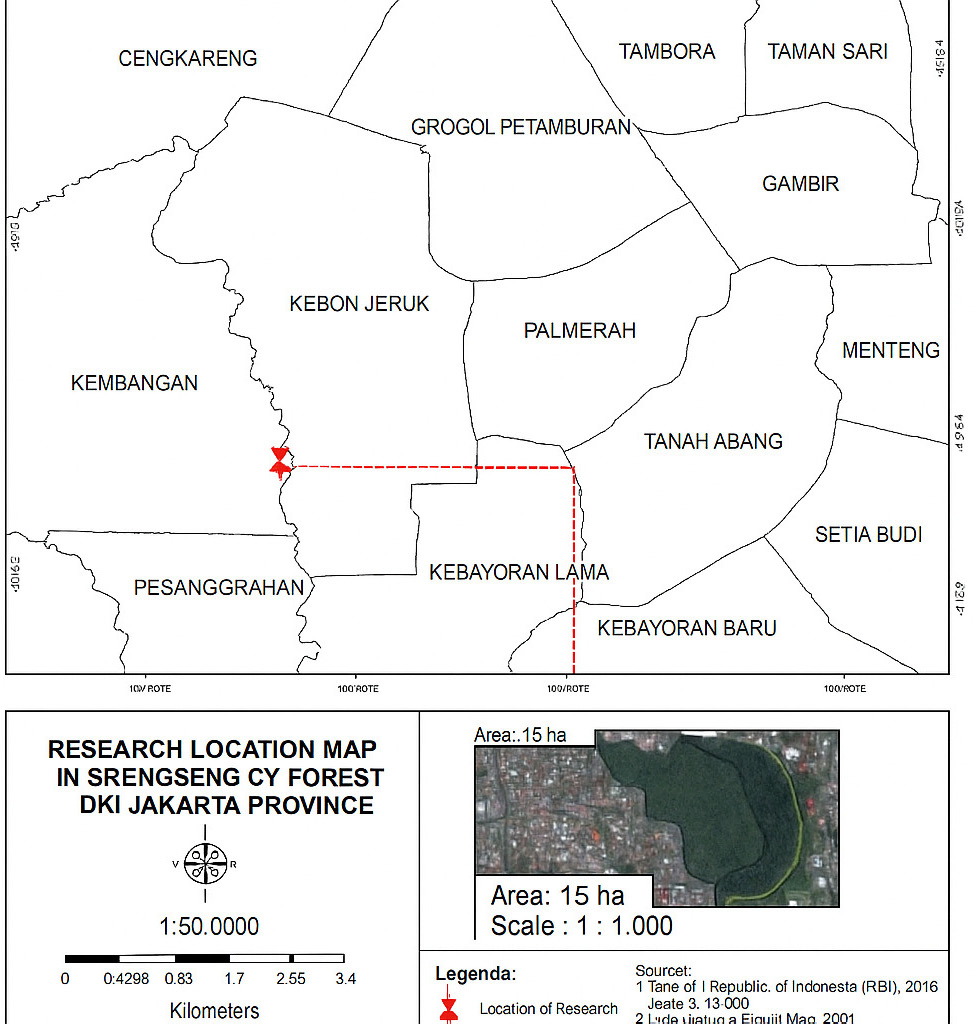
Map of Srengseng Urban Forest, West Jakarta.
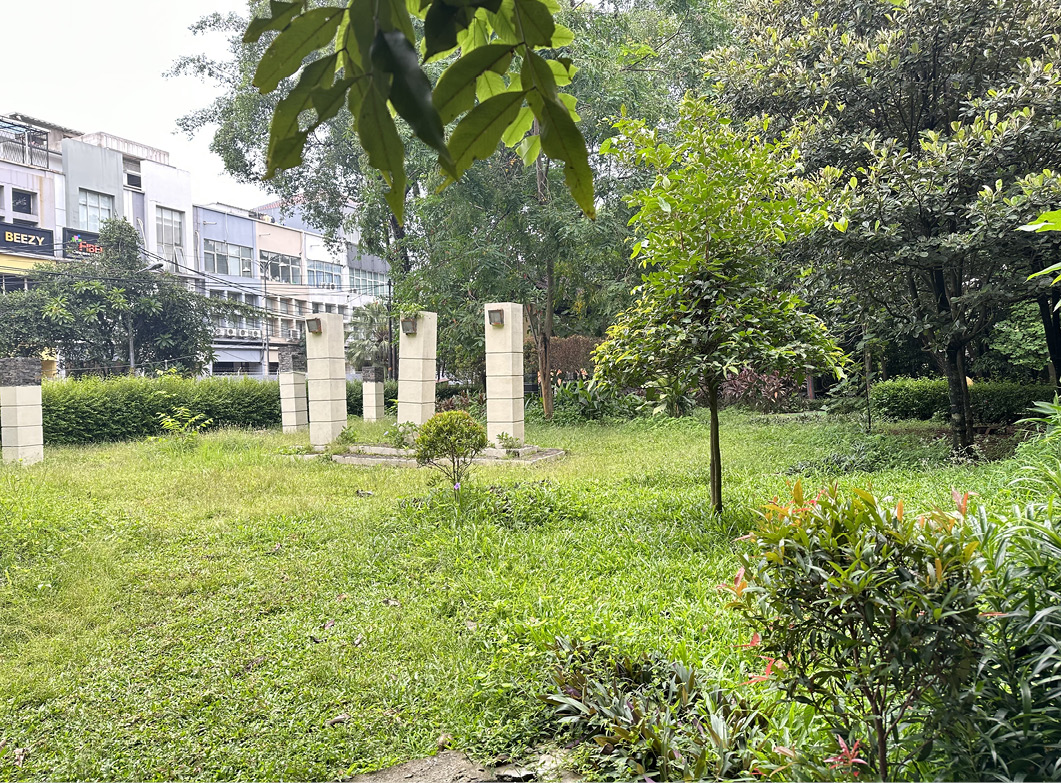
Open habitat.
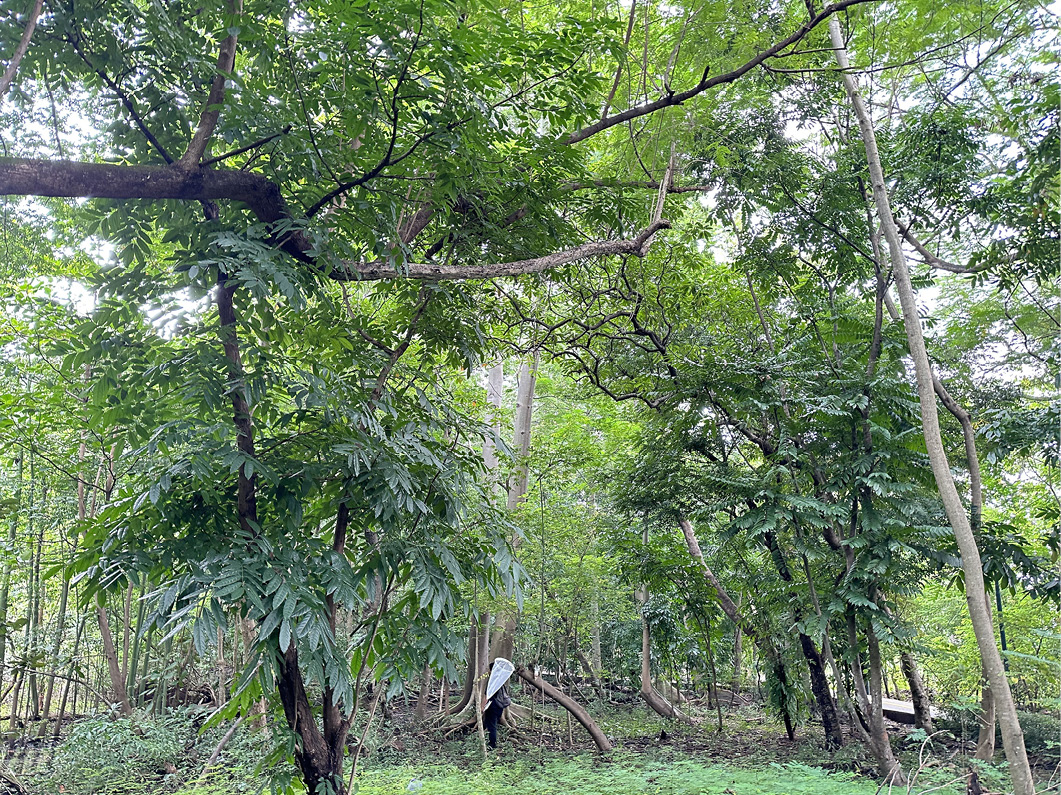
Close habitat.
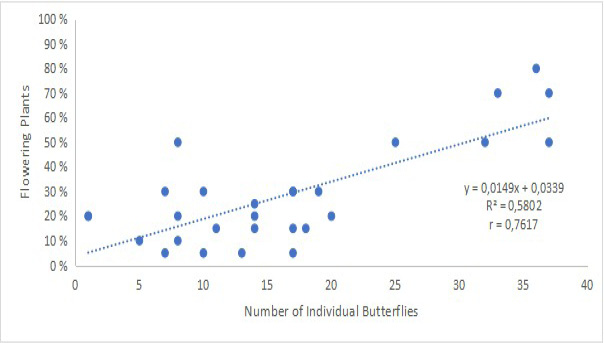
Correlation of butterfly individual quantity and flowering plant.
Services
Article usage statistics
Loading…