
To investigate the prevalence of antimicrobial resistance and the integron-gene cassette system in Escherichia coli from ostriches in China, this study used the Kirby-Bauer (K-B) disk diffusion method to assess the resistance of 112 E. coli isolates from three ostrich farms in Heilongjiang Province to 15 antimicrobial agents across 6 classes. PCR was used to detect class 1 integrase genes (intI1), class 2 integrase genes (intI2), and class 1 integron-associated gene cassettes, followed by sequencing analysis.Whole-genome sequencing was performed on strain 81, which exhibited the broadest resistance profile. The results showed that over 70% of the 112 ostrich-derived E. coli isolates were susceptible to aztreonam, cefoxitin, cefazolin, ceftazidime, kanamycin, amikacin, chloramphenicol, and gentamicin. Resistance rates were 52.68% for tetracycline, 46.43% for trimethoprim-sulfamethoxazole, 46.43% for ciprofloxacin, and 41.07% for streptomycin. The detection rate of intI1 was 47.32% (53/112), while intI2 was not detected. Among all integrase-positive isolates, the detection rate of class 1 integron-associated gene cassettes was 57.20%. Sequencing analysis identified four types of gene cassettes: aadA22, dfrA7, dfrA17-aadA5, and dfrA1-aadA1. The detection rate of empty integrons was 3.5%.The genome of strain 81 had a total length of 6,705,644 bp and contained 158 antimicrobial resistance genes. A correlation was observed between the presence of class 1 integrons and the antimicrobial resistance phenotypes of the E. coli isolates. This study provides a reference for assessing the risk of antimicrobial resistance in E. coli from ostrich farms in China and for promoting the rational use of antimicrobials.
Research Article · Volume 58, Issue 6, 28 September 2026 · Open Access
Study on the Correlation Between Antibiotic Resistance and Class 1 Integrons in Escherichia coli from Ostriches in China
· · · · ·
Affiliations & Notes ⌄
- 1College of Wildlife and Nature Reserves, Northeast Forestry University, Harbin, Heilongjiang 150040 Yadi Huo, Xinrou Gu and Hongfei Sun contributed equally to this article. * Corresponding author: xueyuan-1978@163.com
Article Info ⌄
- Journal:
- Pakistan Journal of Zoology
- Published:
- 28 September 2026

From the article
- The resistance observed in some isolates to certain drugs suggests the potential presence and dissemination of resistance genes, providing a foundation for future studies investigating the link between integrons and antimicrobial resistance.
- PCR analysis of the integrase gene intI1 in the 112 E. coli isolates from ostriches revealed a detection rate of 47.32%, suggesting that these E. coli strains may possess a high potential for horizontal transfer of resistance genes.
- The detection of the same gene cassettes in E. coli from three ostrich farms indicates that the transfer of resistance genes via integrons among bacterial populations is occurring.
- The results of this study indicate that integrons play a crucial role in E. coli from ostriches, significantly promoting the propagation and dissemination of resistance genes within this bacterial population through their ability to capture, integrate, and transfer these genes.
Selected from the article's own text.
Abstract
Introduction
Ostrich farming, characterized by rapid growth rates, high-quality meat, and the economic value of by-products such as feathers and leather, has provided substantial economic benefits to producers with the development of the ostrich farming industry, increased stocking densities and changes in the rearing environment have rendered ostriches susceptible to pathogen invasion, leading to the common use of antimicrobial drugs in ostrich farming. Given that antimicrobial resistance spreads through intricate transmission chains interconnecting human, animal, and environmental habitats, it is crucial to implement interventions at all points along these chains . The World Health Organization has emphasized that the escalating threat of antimicrobial resistance poses a significant risk to global human health (Keenan et al., 2025).
Escherichia coli, as an opportunistic pathogen, serves as a reservoir of antimicrobial resistance genes. Antimicrobial-resistant E. coli can spread between animals and humans through various routes, including the food chain, direct contact, and indirect environmental transfer. Integrons play a crucial role in the dissemination of antimicrobial resistance . Class 1 integrons are particularly prominent, as their integrases possess a widespread ability to recruit gene cassettes (Shamsizadeh et al., 2024). Conducting research on antimicrobial resistance and integron-gene cassette structures in Escherichia coli isolates from ostriches on Chinese farms is of significant importance for promoting the healthy development of the ostrich farming industry and safeguarding public health security.
Materials and Methods
Bacterial strains
The Escherichia coli quality control strain ATCC 25922 was purchased from the China Institute of Veterinary Drug Control. A total of 112 Escherichia coli isolates were obtained from ostriches on three different ostrich farms in Heilongjiang Province, China, between 2023 and 2024.
Main drugs and reagents
The purchased from Hangzhou Tianhe Microorganism Co., Ltd. PCR-related reagents were purchased from TaKaRa Company.
Primers
Primers for the integrase genes intI1, intI2, and the variable region gene cassettes of class 1 integrons were designed according to references ; . The primers were synthesized by China Comate Bioscience Co., Ltd. (Table I).
Determination of resistance phenotypes
Antimicrobial resistance phenotypes of the 112 Escherichia coli isolates from ostriches were determined for 15 antimicrobial agents using the Kirby-Bauer disk diffusion method, as recommended by the Clinical and Laboratory Standards Institute . The diameter of the zone of inhibition around each antimicrobial disk was measured to determine resistance.
Detection of integrase genes
The integrase genes intI1 and intI2 were detected in the 112 Escherichia coli isolates from ostriches using PCR. The PCR amplification was performed in a 25 μL reaction volume. PCR products were analyzed by electrophoresis on a 1% agarose gel, and the detection rates of the intI1 and intI2 genes were calculated.
Sequencing and analysis of class 1 integrons and carried gene cassettes
Class 1 integron-gene cassette regions were detected by PCR in Escherichia coli isolates from ostriches that tested positive for the intI1 integrase gene. The PCR amplification was performed in a 25 μL reaction volume. PCR products were analyzed by electrophoresis on a 1% agarose gel, and the detection rate of integron-gene cassettes was calculated. The types of gene cassettes carried were then analyzed.
Whole-genome sequence analysis
Whole-genome sequencing was performed on Escherichia coli isolate number 81, which exhibited the broadest resistance profile, using Illumina next-generation sequencing technology. The resistance profile of Escherichia coli isolate 81 from ostrich was as follows: β-lactams, aminoglycosides, quinolones, tetracyclines, amphenicols, and sulfonamides.
Results
Antimicrobial resistance phenotypes of Escherichia coli isolates from ostriches
The results of antimicrobial resistance phenotyping for 15 antimicrobial agents from 6 classes against 112 Escherichia coli isolates from ostriches are shown in Figure 1. As shown in the Figure 1, the 112 Escherichia coli isolates from ostriches exhibited varying degrees of resistance to the 15 antimicrobial agents tested. The sensitivity rates to aztreonam, cefoxitin, cefazolin, ceftazidime, kanamycin, amikacin, chloramphenicol, and gentamicin were all above 70%. The highest resistance rates were observed for tetracycline (52.68%), trimethoprim-sulfamethoxazole (46.43%), ciprofloxacin (46.43%), and streptomycin (41.07%).
Table II show the predominant multidrug resistance pattern comprising of β-lactams, aminoglycosides, quinolones, tetracyclines, and sulfonamides. The results of multidrug resistance testing of 112 E. coli isolates from ostriches against 15 antimicrobial agents from 6 classes are shown in Figure 2. As shown in the Figure 2, resistance to 3 classes of antimicrobials was most prevalent.
Table 1. Primer information.
|
Gene name |
Primer sequence |
Annealing temperature/℃ |
Expected fragment size/bp |
|
IntI1 |
F5′-CCTCCCGCACGATGATC-3′ R5′-TCCACGCATCGTCAGGC-3′ |
55. 0 |
280 |
|
IntI2 |
F 5′-TTGCGAGTATCCATAACCTG-3′ R 5′-TTACCTGCACTGGATTAAGC-3′ |
55. 0 |
288 |
|
Class I Integron |
F 5′-GGCATCCAAGCAGCAAG-3′ R 5′-AAGCAGACTTGACCTGA-3′ |
55. 4 |
Variable |
Class 1 integrons and gene cassette
Among the 112 Escherichia coli isolates from ostriches, the detection rate of integrase gene intI1 was 47.32%. The size of the PCR amplification product was approximately 280 bp, consistent with the expected size (Fig. 3A). Integrase gene intI2 was not detected..
Table II. Analysis of resistance patterns of Escherichia coli isolates from ostriches.
|
Serial number |
Resistance profile |
Number of strains |
|
1 |
ABC |
5 |
|
2 |
ACD |
4 |
|
3 |
ACF |
3 |
|
4 |
ABD |
2 |
|
5 |
BDF |
1 |
|
6 |
ABF |
1 |
|
7 |
ADF |
1 |
|
8 |
CDF |
2 |
|
9 |
DEF |
1 |
|
10 |
CDE |
1 |
|
11 |
BCF |
1 |
|
12 |
ABCF |
1 |
|
13 |
ACDF |
5 |
|
14 |
ADBE |
1 |
|
15 |
ABCE |
2 |
|
16 |
ACDE |
1 |
|
17 |
BCDF |
3 |
|
18 |
ABCD |
2 |
|
19 |
ABDF |
2 |
|
20 |
ABCDF |
17 |
|
21 |
ABCDEF |
11 |
A, β-lactams; B, aminoglycosides; C, quinolones; D, tetracyclines; E, amphenicols; F, sulfonamides.
The detection rate of class 1 integrons among all integrase-positive isolates was 57.20%. In some isolates, two different types of gene cassettes were present (Fig. 3B). The PCR product fragment sizes of the class 1 integron-gene cassettes were approximately 153 bp, 743 bp, 946 bp, 1490 bp, and 1561 bp. PCR amplification results are shown in Figure 3B. The 153 bp fragment represents the empty integron, with a detection rate of 3.5%. Four types of Class 1 integron-gene cassettes were identified: aadA22, dfrA7, dfrA17-aadA5, and dfrA1-aadA1. The most prevalent gene cassette type was dfrA1-aadA1 (Table III).
Table III. Sequencing analysis results of type I integron.
|
Category |
Gene cassette |
Fragment size/bp |
Number of samples (n) |
|
1 |
aadA22 |
946/958 |
2 |
|
2 |
dfrA7 |
743 |
1 |
|
3 |
dfrA17-aadA5 |
1561 |
1 |
|
4 |
dfrA1-aadA1 |
1487/1490/1492 |
3 |
|
5 |
Empty Integron |
153 |
4 |
Whole-genome sequence analysis of multidrug-resistant strain 81
Genomic component statistics revealed that the total length of the genome of strain 81 was 6,705,644 bp, with a GC content of 51.05%. The complete genome sequence has been deposited in the NCBI GenBank database under accession number JBOCUN000000000.
Analysis of the E. coli genome of multidrug-resistant strain 81, isolated from an ostrich, revealed the presence of numerous genes associated with biological processes. These genes are involved in key biological processes such as nucleotide and purine metabolism, as well as cell division. In the GO functional analysis graph (Fig. 4A), the x-axis represents the different GO categories, the left y-axis indicates the percentage of genes within each category, and the right y-axis represents the absolute number of genes.
KEGG database analysis of the E. coli genome of multidrug-resistant strain 81, isolated from an ostrich (Fig. 4B), revealed that 6028 genes within the strain corresponded to entries in the database. These genes were categorized into 28 signaling pathways, encompassing a total of 2193 genes. The high number of genes associated with metabolic pathways in this strain suggests a robust capacity for biometabolism of carbon, purines, pyrimidines, and amino acids, which likely supports the strain’s vital functions.
KEGG database analysis of the E. coli genome of multidrug-resistant strain 81, isolated from an ostrich, was followed by submission to the CARD database. The results revealed the presence of 158 resistance genes (e.g., emrA, emrB, tet(C), emrK) on the genome of this resistant strain. These genes contribute to resistance against 18 classes of antimicrobials, including aminoglycosides, quinolones, and tetracyclines. Specifically, 86 of these genes (e.g., emrA, tet(C)) are involved in efflux mechanisms in E. coli, 21 genes (e.g., ugd, PmrF) are associated with alterations in antibiotic targets, 24 genes (e.g., TEM-1, APH(3’’)-Ib) control the production of inactivating enzymes, and 10 genes (e.g., QnrS1, mdtB) participate in antibiotic target protection.This indicates that the strain exhibits resistance to multiple classes of antimicrobials, which is consistent with the results of the strain’s antimicrobial resistance phenotype testing.
Discussion
Antimicrobial susceptibility testing revealed that over 70% of the 112 E. coli isolates from ostriches were susceptible to aztreonam, cefoxitin, cefazolin, ceftazidime, kanamycin, amikacin, chloramphenicol, and gentamicin. Resistance rates were 52.68% for tetracycline, 46.43% for trimethoprim-sulfamethoxazole, 46.43% for ciprofloxacin, and 41.07% for streptomycin. These results are similar to those reported by Zhang et al. (2016), who observed high rates of tetracycline resistance in E. coli isolates from foxes in Qinhuangdao.
The observed resistance to these drugs in E. coli isolates from ostriches may be related to the frequency of drug use and selective pressure during ostrich farming practices. The resistance observed in some isolates to certain drugs suggests the potential presence and dissemination of resistance genes, providing a foundation for future studies investigating the link between integrons and antimicrobial resistance. Under the selective pressure of antimicrobial usage, E. coli can evolve into multidrug-resistant strains. These antibiotics and resistant bacteria pose a significant threat to the environment, as well as to human and animal health.
PCR analysis of the integrase gene intI1 in the 112 E. coli isolates from ostriches revealed a detection rate of 47.32%, suggesting that these E. coli strains may possess a high potential for horizontal transfer of resistance genes. This finding has important implications for antimicrobial usage and resistance control in ostrich farming environments.The detection of intI1 suggests the presence of intact integron structures capable of efficiently capturing exogenous resistance gene cassettes (such as those encoding resistance to aminoglycosides and sulfonamides), significantly increasing bacterial multidrug resistance. The absence of intI2 detection may be related to the limited sample source and size in this study, which may not fully reflect the distribution of all integron types in E. coli from ostriches. Alternatively, intI1 may possess a greater adaptive advantage in ostrich farming environments, enabling more efficient capture and dissemination of resistance genes. This also provides direction for further research on the diversity of integrons in different hosts and environmental conditions.
Integrons, as genetic elements involved in the dissemination of antimicrobial resistance, are found within mobile genetic elements such as plasmids and transposons, facilitating the spread of resistance genes within bacterial populations . A single integron can capture one or more gene cassettes and transfer them between different bacterial species via horizontal gene transfer mechanisms. Among the various classes of integrons, Class 1 integrons are considered to harbor the most diverse array of antibiotic resistance gene cassettes, and therefore play a prominent role in integron-mediated multidrug resistance In this study, the detection rate of Class 1 integrons was 9.82%, carrying four types of gene cassettes: aadA22, dfrA7, dfrA17-aadA5, and dfrA1-aadA1. These cassettes encode resistance to trimethoprim and aminoglycosides, which is consistent with the antibiotic resistance phenotypes observed. The most prevalent genes detected within the Class 1 integrons were those associated with resistance to aminoglycosides and trimethoprim, highlighting the potential risk of horizontal spread of these resistance genes.
Integrons, as important vectors for the dissemination of resistance genes, are often closely associated with multidrug resistance in bacteria. The high proportion of the dfrA1-aadA1 gene cassette suggests that this gene combination has a certain selective advantage in the ostrich farming environment, potentially linked to the local patterns of antimicrobial drug usage during farming practices . detected five types of gene cassettes in 75 E. coli isolates from pigs investigated 27 E. coli isolates from calves in some farms in the Jinbei region and found that dfrA17-aadA5 was the most prevalent gene cassette, while Class 2 integrons were not detected. The aforementioned research findings are similar to the results of this study. The presence of up to two gene cassettes in a single strain underscores the occurrence of multidrug resistance in E. coli. The observation of multiple strains harboring the same gene cassettes suggests that Class 1 integrons can be acquired from other pathogenic or commensal bacteria through horizontal gene transfer. Integrons are a direct cause of multidrug resistance. However, the integron-gene cassette system cannot fully explain all bacterial resistance phenotypes. Integrons play only a partial role in the development of multidrug resistance in bacteria, suggesting that other mechanisms also contribute to bacterial resistance. The detection of the same gene cassettes in E. coli from three ostrich farms indicates that the transfer of resistance genes via integrons among bacterial populations is occurring.
The majority of strains carried empty integrons lacking gene cassettes, with a detection rate of 3.5%. These empty integrons are more commonly found in wild, natural environments. Studies have shown that under prolonged antibiotic-free conditions, integrons no longer carry resistance gene cassettes and persist as empty integrons for extended periods. Empty integrons retain the capacity to acquire gene cassettes and can simultaneously carry multiple gene cassettes of varying sizes, potentially leading to high levels of resistance.
In this study, whole-genome sequencing and analysis of the multidrug-resistant E. coli strain 81, isolated from ostriches, revealed its complex genomic characteristics and multidrug resistance mechanisms. The data regarding total genome length, GC content, and the number of coding genes provide a foundation for a deeper understanding of the strain’s biological characteristics and resistance mechanisms. GO and KEGG analyses indicated that a large proportion of genes are broadly involved in essential biological processes such as nucleotide and purine metabolism, and cell division. The strain exhibited metabolic advantages in carbon, purine, pyrimidine, and amino acid metabolism, suggesting strong adaptability and survivability. Analysis using the CARD database revealed the presence of 158 resistance genes within the genome of this resistant strain, conferring resistance to 18 classes of antimicrobial agents. The number of genes involved in antibiotic efflux, alteration of antibiotic targets, control of inactivating enzyme production, and antibiotic target protection were 86, 21, 24, and 10, respectively. This diversity of resistance mechanisms indicates that the strain possesses broad resistance to multiple antimicrobial agents, which is highly consistent with the results of phenotypic resistance testing.
This study investigated and analyzed the distribution of integrons and the characteristics of antimicrobial resistance in Escherichia coli isolated from ostriches in Heilongjiang Province, China. The results of this study indicate that integrons play a crucial role in E. coli from ostriches, significantly promoting the propagation and dissemination of resistance genes within this bacterial population through their ability to capture, integrate, and transfer these genes. Whole-genome sequencing reveals the richness and diversity of antimicrobial resistance genes in animal-derived bacteria, providing new perspectives for investigating resistance mechanisms in these bacteria. This study provides a theoretical basis for the rational use of antimicrobial agents in ostrich farming and the construction of antimicrobial resistance prevention and control systems, which is of significant practical importance for ensuring public health security.
Declarations
Acknowledgement
This work was supported by the Undergraduate Innovation Training Program (Grant No. S202510225126) and the Heilongjiang Provincial Postdoctoral Science Foundation (Grant No. LBH-Q14002). We would like to thank Mr. Huiyan Guo from Yin lang Ranch Co., Ltd., Daqing City, Heilongjiang Province for providing the pathological samples.
Funding
The study was funded by Undergraduate Innovation Training Program (Grant No. S202510225126) and the Heilongjiang Provincial Postdoctoral Science Foundation (Grant No. LBH-Q14002).
IRB approval
The collected samples were fresh feces and did not require experimental animals or approval.
Generative AI and AI assisted technology statement
The authors declare that no generative AI and AI assisted technology was used in the creation of this manuscript.
Statement of conflict of interest
The authors have declared no conflict of interest.
Figures
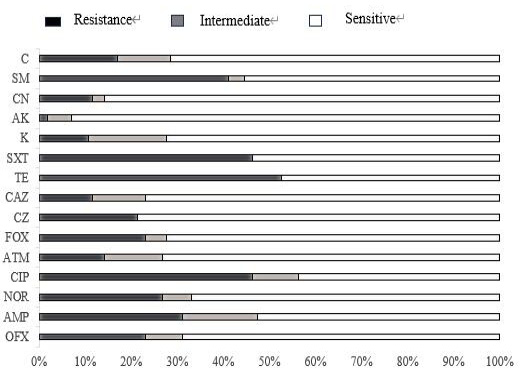
Resistance patterns of E. coli strains isolated from ostriches against 15 antimicrobials. AK, amikacin; AMP, ampicillin; ATM, aztreonam; C, chloramphenicol; CAZ, ceftazidime; CIP, ciprofloxacin; CN, gentamicin; CZ, cefazolin; FOX, cefoxitin; K, kanamycin; NOR, norfloxacin; OFX, ofloxacin; SM, streptomycin; SXT, trimethoprim-sulfamethoxazole; TE, Tetracycline.
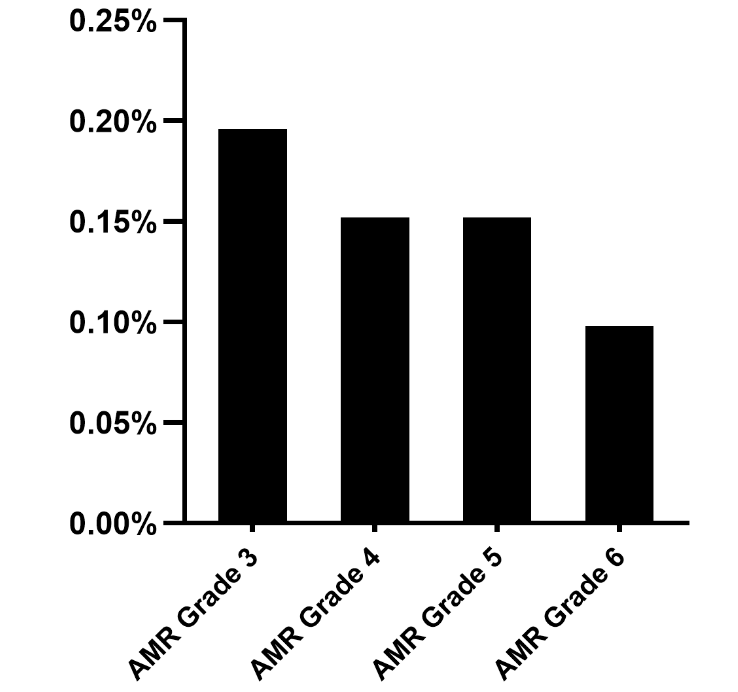
Results of multidrug resistance analysis.
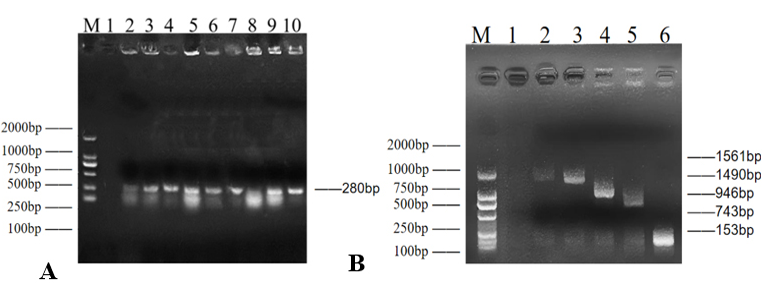
PCR amplification of integrase gene intI1 (A) and results of Class1 Integron-Gene Cassettes (B). M, DL2000 Marker; 1: Negative Control; 2-10: Isolates. M, DL2000 Marker; 1: Negative Control; 2-6: Isolates.
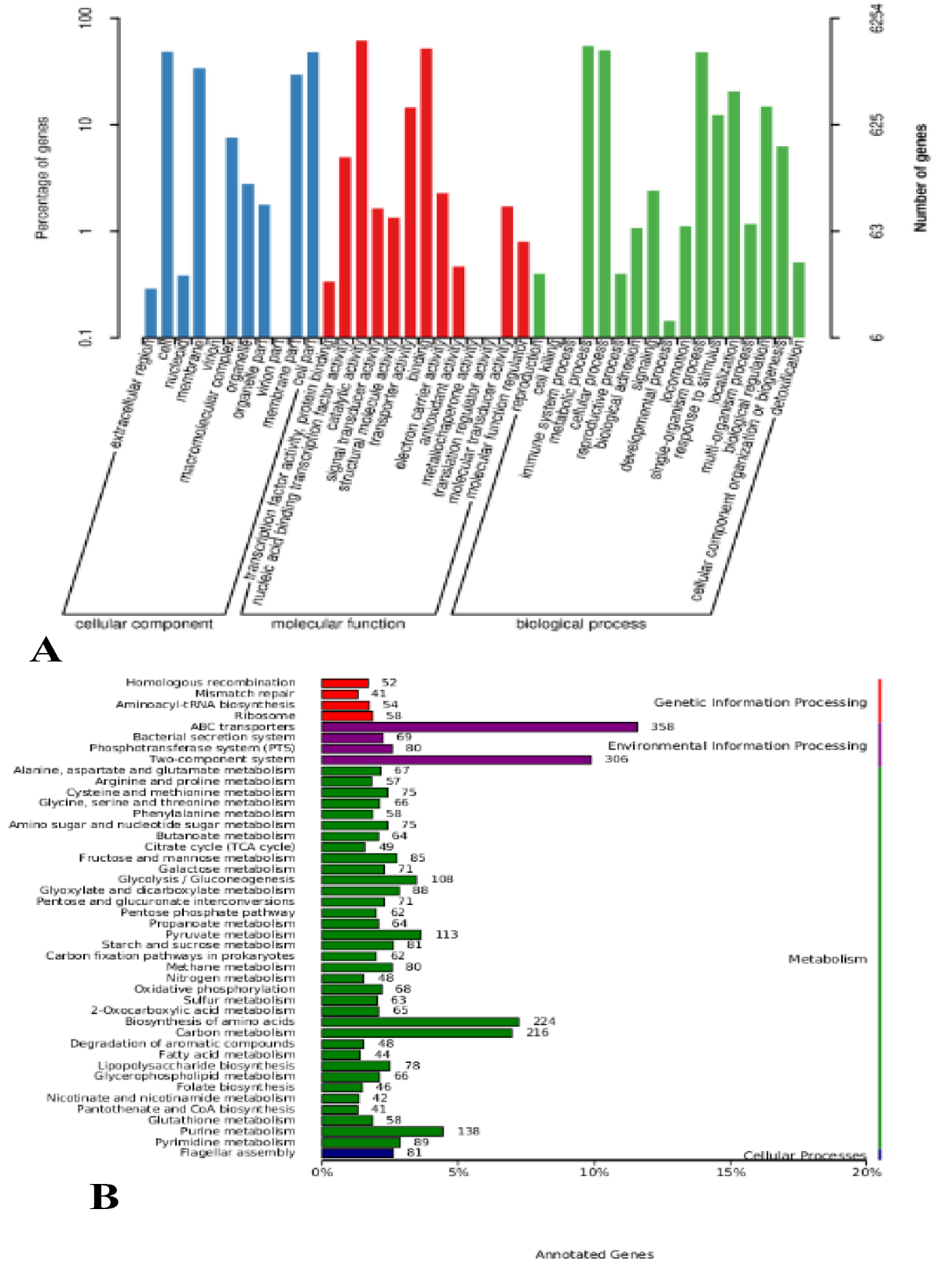
Results of GO database (A) and KEGG database(B).
References
- Akram, M.Z., Ali, Z., Jalal, H., Salman, M., Asghar, U., Javed, M.H. and Khan, M., 2025. Nutrient requirements and feeding management for ostrich during breeding and production: A comprehensive review. Poult. Sci., 104: 105629. https://doi.org/10.1016/j.psj.2025.105629[CrossRef]
- Alabdali, Y.A.J., 2025. Molecular characterization of class I integrons and antibiotic resistance in Enterococcus spp. from clinical samples. Med. Microecol., pp. 100142. https://doi.org/10.1016/j.medmic.2025.100142[CrossRef]
- Brito, I.L., 2021. Examining horizontal gene transfer in microbial communities. Nat. Rev. Microbiol., 19: 442-453. https://doi.org/10.1038/s41579-021-00534-7[CrossRef]
- CLSI, 2021. Performance standards for antimicrobial susceptibility testing, M100, 31st ed. Clinical and Laboratory Standards Institute, Wayne, PA.
- Dolejska, M., Cizek, A. and Literak, I., 2007. High prevalence of antimicrobial-resistant genes and integrons in Escherichia coli isolates from black-headed gulls in the Czech Republic. J. appl. Microbiol., 103: 11-19. https://doi.org/10.1111/j.1365-2672.2006.03241.x[CrossRef]
- Keenan, K., Kiffer, C.R.V., Carmo, É.V.S., Corrêa, J.S., Abreu, A.L., Massuda, A., Gales, A.C., Colombo, A.L., 2025. Institute of antimicrobial resistance of São Paulo (ARIES) group. Antimicrobial resistance burden estimates from the bottom-up: Research priorities for estimating the impact of antimicrobial resistance in Brazil. IJID Regions, 14: 100558. https://doi.org/10.1016/j.ijregi.2024.100558[CrossRef]
- Liang, Y., Zhang, D.D., Cheng, J., Li, B., Jin, G., Wang, D.C. and Zhang, Y.Z., 2022. Isolation, identification and drug resistance analysis of Escherichia coli from calves. Chinese J. Vet. Med., 58: 52-57.
- Qian, Y.H., Qi, Y.Z., Li, X.Y., Wang, C., Zhang, L., Chen, J. and Zhao, J.S., 2024. Changing trends of drug resistance and class I integron of Pseudomonas aeruginosa isolates in a children’s hospital from 2020 to 2022. Chinese J. Nosocomiol., 34: 2372-2376.
- Shamsizadeh, Z., Nikaeen, M., Mohammadi, F., Hassani, B., Kafil, H.S., Nabavi, S., Asghari, A., 2024. Wastewater surveillance of antibiotic resistance and class 1 integron-integrase genes: Potential impact of wastewater characteristics on genes profile. Heliyon, 10: 58-61. https://doi.org/10.1016/j.heliyon.2024.e29601[CrossRef]
- Sun, W., Wang, D., Yan, S., Li, Y., Liu, H., Zhang, Y. and Zhao, L., 2022. Characterization of Escherichia coli strains isolated from geese by detection of integron-mediated antimicrobial resistance. J. Glob. Antimicrob. Resist., 31: 10-14. https://doi.org/10.1016/j.jgar.2022.08.013[CrossRef]
- Xue, Y., Chen, J.F., Zhang, X.Y., Hua, Y.P. and Sun, Y., 2011. Detection of integrons in multidrug resistant isolates of E. coli from swine farms. Chinese J. Vet. Sci., 31: 1467-1470.
- Zhang, S.X., Xi, Y., Wang, S.Y., Qiu, M. and Gao, G.P., 2016. Detection of pathogenic E. coli for tetracycline and resistance genes. J. Hebei KeFa Vocat. Tech. Coll., 30: 55-58.
- Zhang, Y., Su, Z., Qiu, X., Liu, H., Wen, D. and Chen, L., 2025. Distinct ARG profiles associated with class 1 integrons in municipal and industrial wastewater treatment plants. Environ. Sci. Ecotechnol., 26: 100586. https://doi.org/10.1016/j.ese.2025.100586[CrossRef]
Services
Article usage statistics
Loading…