
Recent studies have demonstrated that SOX9 was highly expressed and played critical roles in increasing cancer stem cell expansion as well as decreasing sensitivity to the sorafenib therapy in hepatocellular carcinoma. In this study, the potential functions and mechanisms of SOX9 in promoting hepatocellular carcinoma progression were investigated through comprehensive bioinformatics analysis. We found that SOX9 mainly participated in heat stress response, protein folding as well as metabolism and biosynthesis of amino acid. SOX9 correlated with HSPA1B were negative to the progression in hepatocellular carcinoma patients. These results suggest that SOX9 participated in hepatocellular carcinoma progression through targeted regulation of HSPA1B that might provide novel insights in hepatocellular carcinoma therapy.
Research Article · Volume 55, Issue 1, 22 October 2022 · Open Access
SOX9 Promotes Hepatocellular Carcinoma Progression through Targeted Regulation of HSPA1B
· · · ·
Affiliations & Notes ⌄
- 1Department of Hepatosis, The Third People’s Hospital of Zhenjiang Affiliated Jiangsu University, Zhenjiang, Jiangsu 212005, China 2Department of Clinical Laboratory, The Third People’s Hospital of Zhenjiang Affiliated Jiangsu University, Zhenjiang, Jiangsu 212005, China Jiangbo Shao and Donglai Zhu contributed equally to this work. * Corresponding author: fwzzyyx@126.com
Article Info ⌄
- Journal:
- Pakistan Journal of Zoology
- Published:
- 22 October 2022

From the article
- Recently, SOX9 was found to be involved in sorafenib resistance in HCC.
- All these results also suggested that HSPA1B might participate in the development of HCC.
- The different expressed genes correlated with SOX9 in HCC were investigated by constructing SOX9 knockdown cell line.
- In conclusion, our research indicated that SOX9 was high-expressed in HCC and mainly participated in heat stress response, protein folding as well as metabolism and biosynthesis of amino acid through targeted regulation of HSPA1B, which were associated with poor prognosis in HCC patients.
Selected from the article's own text.
Abstract
INTRODUCTION
Hepatocellular carcinoma (HCC) is the fourth leading cause of cancer-related death worldwide, which seriously threats the physical and mental health of patients ; ; . Early stage HCC can be treated with partial resection, liver transplantation or radiofrequency ablation ; . However, as limitations in the sensitivity and specificity of diagnosis, most patients are diagnosed at an advanced stage. At this stage, palliative therapy such as radiotherapy or chemotherapy is the only option ; . Sorafenib, a small-molecule multikinase inhibitor of antiangiogenic drug, was the first-line systemic treatment of patients with advanced-stage HCC. Sorafenib has been proved for significantly suppressing tumor cell proliferation as well as effectively prolonging the survival of HCC patients ; . Unfortunately, most patients treated with sorafenib eventually show resistance and disease progression ; .
Sex determining region Y-related high mobility group box gene 9 (SOX9), a member of the sex determining region Y box gene superfamily, is required for cartilage, formation respiratory epithelium development and melanocyte differentiation . Accumulating evidence has revealed that the up-regulated SOX9 was associated to drug resistance and recurrence in a number of tumors ; ; . In HCC research, recent studies have demonstrated that SOX9 was highly expressed and played critical roles in increasing cancer stem cell expansion as well as decreasing sensitivity to the sorafenib therapy ; ; . However, there was still little research about functions or molecular mechanisms of SOX9 in HCC.
In this study, we deeply analyzed the raw data of GSE143477 from GEO database and comprehensively explored the potential functions and mechanisms of SOX9 in promoting hepatocellular carcinoma progression, which will provide novel insights in HCC therapy.
Materials and methods
Microarray, Metascape, JASPAR, TIMER and Kaplan Meier plotter were used for that present study. The gene expression profiles chip (GSE143477) was downloaded from GEO database and was checked by an Agilent Bioanalyzer 2100 (Agilent technologies, Santa Clara, CA, US) . This microarray included three SOX9 knockdown and three scrambled control HepG2 cell samples . Genes with adjusted |log2FC|≥1 and p value < 0.05 were obtained as the differentially expressed genes.
Metascape (https://metascape.org) is a comprehensive online analysis tool for inputted genes . In this study, Gene ontology (GO) analysis, Kyoto Encyclopedia of Genes and Genomes (KEGG) pathway analysis, PPI analysis and mCODE enrichment analysis of differentially expressed genes were performed by Metascape.
JASPAR (http://jaspar.genereg.net/) is a database for derivation of eukaryotic potential transcription factor binding sites . In this study, we explored the possible target gene and binding sequence to SOX9 in HCC with JASPAR.
TIMER (https://cistrome.shinyapps.io/timer/) is an online web server for providing information for differential gene expression in tumor/normal tissue and correlations between genes .
Kaplan Meier plotter (http://kmplot.com/analysis/) is a reliable tool for a meta-analysis based discovery and validation of survival biomarkers . In this study, prognostic analysis was performed using a Kaplan-Meier curve.
Results
Differentially expressed genes of GSE143477
We firstly performed analysis of SOX9 and its correlated genes in HCC. The gene expression profiles of GSE143477 included three SOX9 knockdown and three scrambled control HepG2 cell samples. Genes with adjusted |log2FC|≥1 and p value < 0.05 were obtained. Heat map Figure 1 shows a total of 676 differentially expressed genes were identified, including 212 up-regulated and 464 down-regulated genes.
Functions of SOX9 and HCC
To further explore the potential functions of SOX9 and its correlated genes in HCC, Metascape was utilized for analysis of the Gene Ontology (GO) and Kyoto Encyclopedia of Genes and Genomes (KEGG) pathway. Table I shows the top 10 enrichment functions of the 212 up-regulated and 464 down-regulated genes, respectively. As presented in the table, the up-regulated genes were significantly enriched in heat stress response and protein folding. While the down-regulated genes were significantly enriched in metabolism and biosynthesis of amino acid.
To deeply understand the correlation between SOX9 and HCC, the protein–protein interaction (PPI) network was analyzed. Two mCODE components were identified in the up-regulated genes list and mainly associated with HSP90 chaperone cycle for steroid hormone receptors (SHR), selective autophagy and metabolism of RNA (Fig. 2A). In addition, one mCODE component was identified in the down-regulated genes list and related to alcoholism, HDACs deacetylate histones and RHO GTPases activate PKNs (Fig. 2B).
Table I. Enrichment analysis of 676 differentially expressed genes in different samples.
| Category | Gene function | -Log P |
| Up-regulated genes | ||
| GO | response to heat | 8.8 |
| GO | cellular response to heat | 7.8 |
| GO | regulation of cellular response to heat | 7.4 |
| GO | response to temperature stimulus | 7.3 |
| GO | protein folding | 6.6 |
| GO | chaperone-mediated protein folding | 5.7 |
| GO | response to unfolded protein | 5.6 |
| GO | response to topologically incorrect protein | 5.2 |
| KEGG | protein processing in endoplasmic reticulum | 5.0 |
| GO | regulation of protein complex assembly | 4.8 |
| Down-regulated genes | ||
| GO | alpha-amino acid metabolic process | 9.1 |
| GO | cellular amino acid metabolic process | 8.7 |
| KEGG | biosynthesis of amino acids | 7.4 |
| GO | serine family amino acid biosynthetic process | 7.3 |
| GO | cellular amino acid biosynthetic process | 6.9 |
| GO | alpha-amino acid biosynthetic process | 6.8 |
| GO | L-serine metabolic process | 6.6 |
| GO | serine family amino acid metabolic process | 5.7 |
| GO | cysteine biosynthetic process via cystathionine | 5.7 |
| KEGG | cysteine biosynthesis | 5.7 |
To find the core gene of the mCODE components, we explored the possible target gene and binding sequence of SOX9 in HCC using JASPAR. We found that ATTGTT could be the core binding sequence to SOX9 transcriptional factor and there were twelve potential binding sites in HSPA1B promoter region (Fig. 3, Table II).
Table II. Binding site sequences to SOX9 transcriptional factor in HSPA1B promoter region.
| Model ID | Model name | Score | Start | End | Predicted site sequence |
| MA0077.1 | SOX9 | 7.650 | 19 | 27 | CTATAGTTG |
| MA0077.1 | SOX9 | 6.315 | 702 | 710 | ATATTGTTA |
| MA0077.1 | SOX9 | 7.874 | 859 | 867 | ATATTGTTA |
| MA0077.1 | SOX9 | 7.105 | 909 | 917 | CATTTGTTT |
| MA0077.1 | SOX9 | 6.222 | 994 | 1002 | CAATTGAGC |
| MA0077.1 | SOX9 | 6.944 | 1087 | 1095 | CTATTTTTT |
| MA0077.1 | SOX9 | 7.222 | 1140 | 1148 | CTATTGCTT |
| MA0077.1 | SOX9 | 8.391 | 1179 | 1187 | CCTTTGTTA |
| MA0077.1 | SOX9 | 9.086 | 1219 | 1227 | CCTTTGTTT |
| MA0077.1 | SOX9 | 8.316 | 1425 | 1433 | GAATTGTTT |
| MA0077.1 | SOX9 | 6.113 | 1524 | 1532 | TTTTTGTTT |
| MA0077.1 | SOX9 | 6.964 | 1530 | 1538 | CTGTTGTTT |
We finally assessed the expression levels and association of SOX9 and HSPA1B in HCC tumor and normal tissues with TIMER (Fig. 4A, B). As expected, the expression levels of SOX9 and HSPA1B in HCC were significantly elevated and there was a positive correlation between them (p=0.0241). Subsequently, correlation between differently expressed SOX9/HSPA1B and the overall survival of HCC patients were assessed (Fig. 4C). As a result, HCC patients with low transcriptional levels of SOX9 or HSPA1B were associated with longer survival. These data suggest that SOX9 might play critical roles in the progression and prognosis of HCC via targeted regulation of HSPA1B.
Discussion
The SOX family consists of more than 20 members and have regulatory functions in specific biological processes. Over-expression of SOX9 in HCC clinical samples significantly associates with tumor progression and poor prognosis of HCC . Inhibiting SOX9 could effectively suppress HCC tumorigenicity, proliferation, invasion and sorafenib resistance, which suggested that SOX9 was involved in multiple biological functional regulations ; ; . In this study, we explored the gene expression profiles chip of SOX9 knockdown HCC cell line and performed the differential gene enrichment analysis. The data suggested that SOX9 was mainly participated in heat stress response, protein folding as well as metabolism and biosynthesis of amino acid in HCC. Recently, SOX9 was found to be involved in sorafenib resistance in HCC. Wang et al. (2020) reported that sorafenib treatment increased the proportion of SOX9+ HCC cell. Overexpression of exogenous SOX9 in HCC increased sorafenib resistance both in vitro and in vivo, whereas down-regulation led to inhibition of sorafenib resistance, which indicated that SOX9 enhanced sorafenib resistance . However, the mechanism needs to be further explored.
Heat shock proteins (HSPs) 70, as one of the molecular markers of HCC, is significantly over-expressed in advanced stage . HSPA1B is the member of the HSP70 family, but the role and its prognostic implication in HCC are unknown. Recently, a case-control study elucidated that single nucleotide polymorphism (SNP) in 1267 allele of HSPA1B increased the risk and threated prognosis of HCC , which indicated that HSPA1B played important roles in the development of HCC. In our study, HSPA1B was predicted as the possible target gene and binding sites of SOX9. Besides, we investigated the high-expression and prognostic value of SOX9 and its target HSPA1B in clinical HCC patients from TCGA datasets. All these results also suggested that HSPA1B might participate in the development of HCC.
Limitations of this research should not be ignored. The different expressed genes correlated with SOX9 in HCC were investigated by constructing SOX9 knockdown cell line. Whether these genes expressed in clinical samples remains to be further confirmed. In addition, this study only evaluated the potential functions and mechanisms of SOX9 through bioinformatics analysis. Future studies should further verify these results both in vitro and in vivo.
In conclusion, our research indicated that SOX9 was high-expressed in HCC and mainly participated in heat stress response, protein folding as well as metabolism and biosynthesis of amino acid through targeted regulation of HSPA1B, which were associated with poor prognosis in HCC patients. These will provide novel insights in SOX9 research and HCC therapy.
Acknowledgement
This work was supported by grant from Science and Technological Development Foundation of Zhenjiang (SH2020035).
Statement of conflict interest
The authors have declared no conflict of interest.
Figures
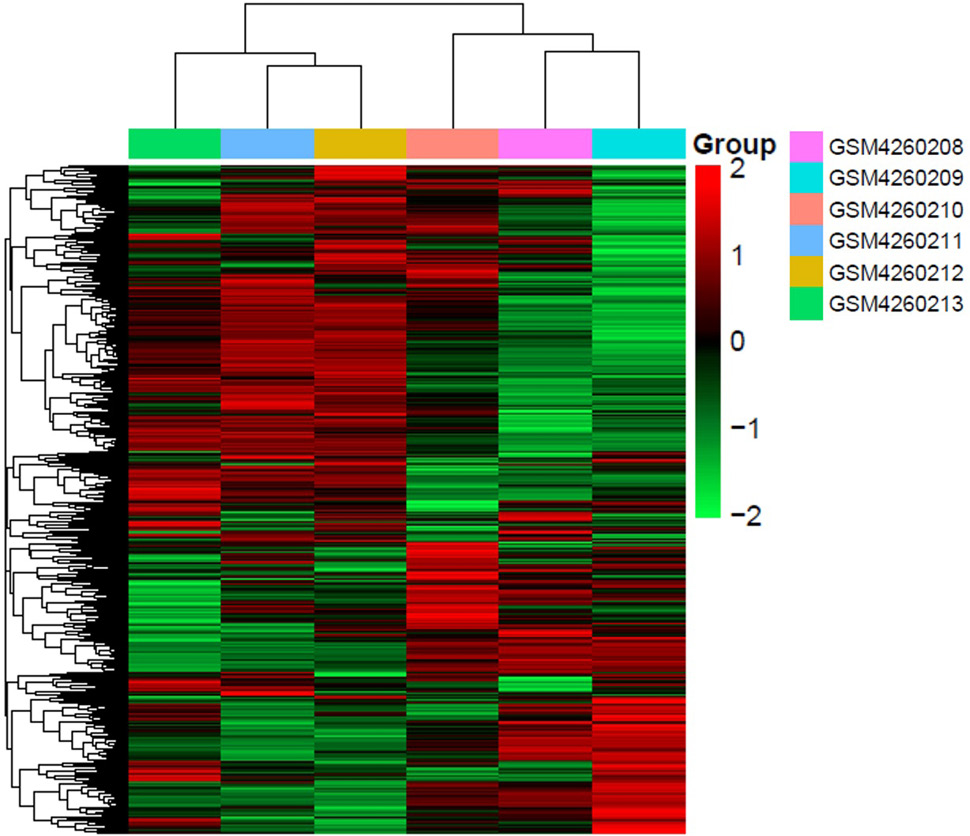
Identification differentially expressed genes correlated with SOX9 in HCC cell samples. Analysis differentially expressed genes correlated SOX9 from SOX9 knockdown (GSM4260211, GSM42602012, GSM4260213) and scrambled control (GSM4260208, GSM42602089, GSM4260210) HepG2 cell samples.
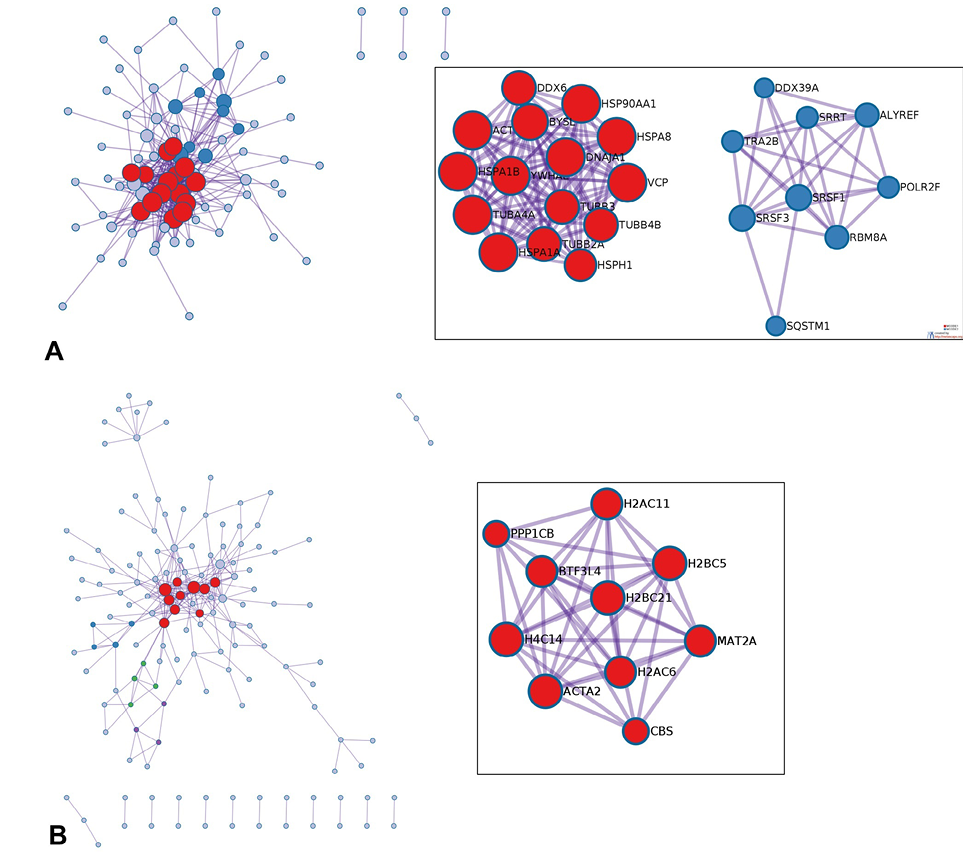
The PPI network and mCODE components of differently expressed genes. (A) PPI network and mCODE of up-regulated genes. (B) PPI network and mCODE of down-regulated genes.
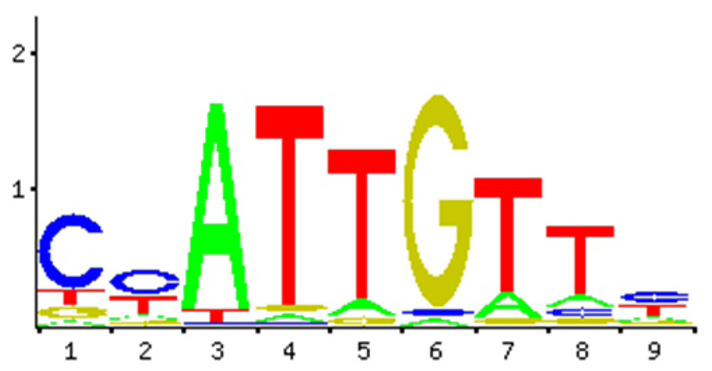
Identification the binding sequence according to JASPAR. ATTGTT could be the core binding sequence for the SOX9 motif.
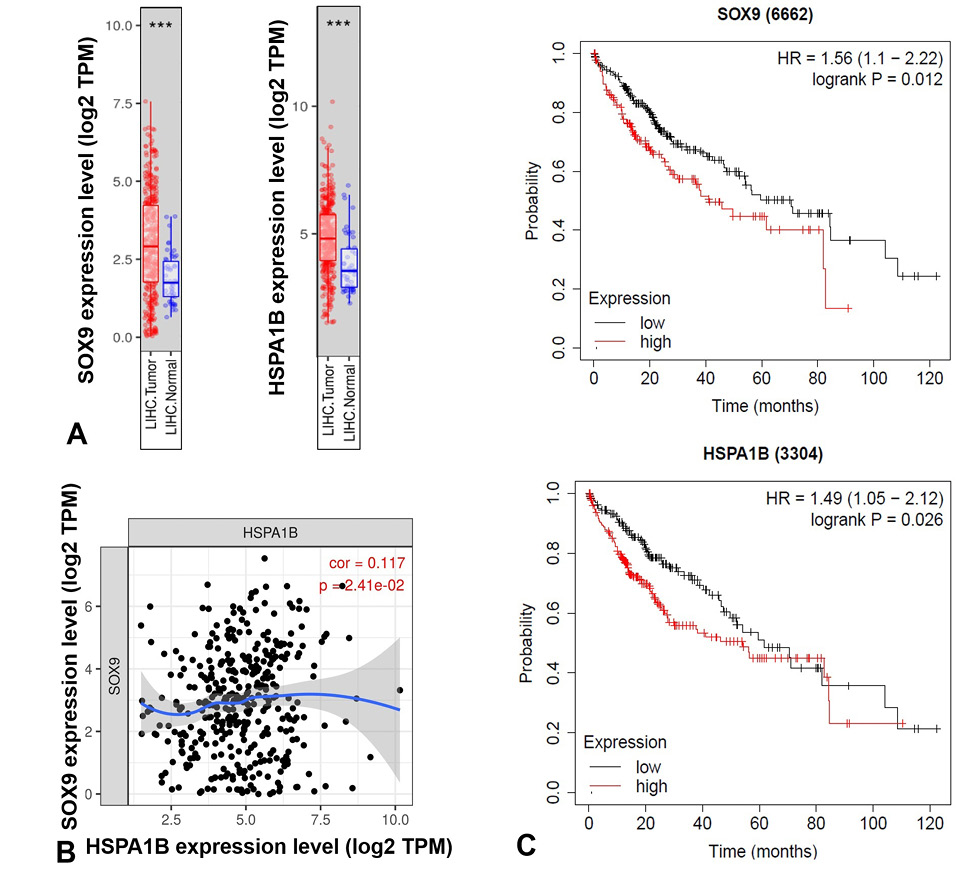
Expression and prognostic value of SOX9 and HSPA1B in HCC patients. (A) The transcriptional levels of SOX9 and HSPA1B in HCC and normal tissues. (B) The correlation between SOX9 and HSPA1B in HCC. (C) The overall survival of SOX9 and HSPA1B in HCC. The p value cut-off was set at 0.05. ***, p<0.001.
References
- Balogh, J., Victor, D., Asham, E.H., Burroughs, S.G., Boktour, M., Saharia, A., Li, X., Ghobrial, R.M. and Monsour Jr, H.P., 2016. Hepatocellular carcinoma: A review. J. Hepatocell. Carcinoma, 3: 41. https://doi.org/10.2147/JHC.S61146[CrossRef]
- Barrett, T., Suzek, T.O., Troup, D.B., Wilhite, S.E., Ngau, W.-C., Ledoux, P., Rudnev, D., Lash, A.E., Fujibuchi, W. and Edgar, R., 2005. Ncbi geo: Mining millions of expression profiles—database and tools. Nucl. Acids Res., 33(suppl_1): D562-D566.
- Bi, W., Deng, J.M., Zhang, Z., Behringer, R.R. and De Crombrugghe, B., 1999. Sox9 is required for cartilage formation. Nat. Genet., 22: 85-89. https://doi.org/10.1038/8792[CrossRef]
- Chuma, M., Sakamoto, M., Yamazaki, K., Ohta, T., Ohki, M., Asaka, M. and Hirohashi, S., 2003. Expression profiling in multistage hepatocarcinogenesis: Identification of hsp70 as a molecular marker of early hepatocellular carcinoma. Hepatology, 37: 198-207.
- El-Serag, H.B., 2020. Epidemiology of hepatocellular carcinoma. The liver: Biology and pathobiology. pp. 758-772. https://doi.org/10.1002/9781119436812.ch59[CrossRef]
- Forner, A., Reig, M. and Bruix, J., 2018. Hepatocellular carcinoma. Lancet, 391: 1301-1314. https://doi.org/10.1016/S0140-6736(18)30010-2[CrossRef]
- Grandhi, M.S., Kim, A.K., Ronnekleiv-Kelly, S.M., Kamel, I.R., Ghasebeh, M.A. and Pawlik, T.M., 2016. Hepatocellular carcinoma: From diagnosis to treatment. Surg. Oncol., 25: 74-85. https://doi.org/10.1016/j.suronc.2016.03.002[CrossRef]
- Guo, X., Xiong, L., Sun, T., Peng, R., Zou, L., Zhu, H., Zhang, J., Li, H. and Zhao, J., 2012. Expression features of sox9 associate with tumor progression and poor prognosis of hepatocellular carcinoma. Diagn. Pathol., 7: 44. https://doi.org/10.1186/1746-1596-7-44[CrossRef]
- Huang, M., Chen, C., Geng, J., Han, D., Wang, T., Xie, T., Wang, L., Wang, Y., Wang, C. and Lei, Z., 2017. Targeting kdm1a attenuates wnt/β-catenin signaling pathway to eliminate sorafenib-resistant stem-like cells in hepatocellular carcinoma. Cancer Lett., 398: 12-21. https://doi.org/10.1016/j.canlet.2017.03.038[CrossRef]
- Jeng, J.E., Tsai, J.F., Chuang, L.Y., Ho, M.S., Lin, Z.Y., Hsieh, M.Y., Chen, S.C., Chuang, W.L., Wang, L.Y. and Yu, M.L., 2008. Heat shock protein a1b 1267 polymorphism is highly associated with risk and prognosis of hepatocellular carcinoma: A case-control study. Medicine, 87: 87-98. https://doi.org/10.1097/MD.0b013e31816be95c[CrossRef]
- Keating, G.M., 2017. Sorafenib: A review in hepatocellular carcinoma. Target. Oncol., 12: 243-253. https://doi.org/10.1007/s11523-017-0484-7[CrossRef]
- Li, T., Fan, J., Wang, B., Traugh, N., Chen, Q., Liu, J.S., Li, B. and Liu, X.S., 2017. Timer: A web server for comprehensive analysis of tumor-infiltrating immune cells. Cancer Res., 77: e108-e110. https://doi.org/10.1158/0008-5472.CAN-17-0307[CrossRef]
- Liu, C., Liu, L., Chen, X., Cheng, J., Zhang, H., Shen, J., Shan, J., Xu, Y., Yang, Z. and Lai, M., 2016. Sox9 regulates self-renewal and tumorigenicity by promoting symmetrical cell division of cancer stem cells in hepatocellular carcinoma. Hepatology, 64: 117-129. https://doi.org/10.1002/hep.28509[CrossRef]
- Liu, Y., Zhang, W., Liu, K., Liu, S., Ji, B. and Wang, Y., 2016. Mir-138 suppresses cell proliferation and invasion by inhibiting sox9 in hepatocellular carcinoma. Am. J. Transl. Res., 8: 2159.
- Liver, E.A.F.T.S.O.T., 2018. Easl clinical practice guidelines: Management of hepatocellular carcinoma. J. Hepatol., 69: 182-236. https://doi.org/10.1136/vr.k883[CrossRef]
- Llovet, J.M., Ricci, S., Mazzaferro, V., Hilgard, P., Gane, E., Blanc, J.F., De Oliveira, A.C., Santoro, A., Raoul, J.L. and Forner, A., 2008. Sorafenib in advanced hepatocellular carcinoma. N. Engl. J. Med., 359: 378-390. https://doi.org/10.1056/NEJMoa0708857[CrossRef]
- Lü, B., Fang, Y., Xu, J., Wang, L., Xu, F., Xu, E., Huang, Q. and Lai, M., 2008. Huang and M. Lai, 2008. Analysis of sox9 expression in colorectal cancer. Am. J. clin. Pathol., 130: 897-904. https://doi.org/10.1309/AJCPW1W8GJBQGCNI[CrossRef]
- Ma, F., Ye, H., He, H.H., Gerrin, S.J., Chen, S., Tanenbaum, B.A., Cai, C., Sowalsky, A.G., He, L. and Wang, H., 2016. Sox9 drives wnt pathway activation in prostate cancer. J. clin. Invest., 126: 1745-1758. https://doi.org/10.1172/JCI78815[CrossRef]
- Nagy, Á., Lánczky, A., Menyhárt, O. and Győrffy, B., 2018. Validation of mirna prognostic power in hepatocellular carcinoma using expression data of independent datasets. Sci. Rep., 8: 1-9. https://doi.org/10.1038/s41598-018-27521-y[CrossRef]
- Sandelin, A., Alkema, W., Engström, P., Wasserman, W.W. and Lenhard, B., 2004. Jaspar: An open-access database for eukaryotic transcription factor binding profiles. Nucl. Acids Res., 32(suppl_1): D91-D94. https://doi.org/10.1093/nar/gkh372[CrossRef]
- Siegel, R.L., Miller, K.D. and Jemal, A., 2020. Cancer statistics, 2020. Cancer J. Clin., 70: 7-30. https://doi.org/10.3322/caac.21590[CrossRef]
- Song, S., Ajani, J.A., Honjo, S., Maru, D.M., Chen, Q., Scott, A.W., Heallen, T.R., Xiao, L., Hofstetter, W.L. and Weston, B., 2014. Hippo coactivator yap1 upregulates sox9 and endows esophageal cancer cells with stem-like properties. Cancer Res., 74: 4170-4182. https://doi.org/10.1158/0008-5472.CAN-13-3569[CrossRef]
- Wang, M., Wang, Z., Zhi, X., Ding, W., Xiong, J., Tao, T., Yang, Y., Zhang, H., Zi, X. and Zhou, W., 2020. Sox9 enhances sorafenib resistance through upregulating abcg2 expression in hepatocellular carcinoma. Biomed. Pharmacother., 129: 110315. https://doi.org/10.1016/j.biopha.2020.110315[CrossRef]
- Wilhelm, S., Carter, C., Lynch, M., Lowinger, T., Dumas, J., Smith, R.A., Schwartz, B., Simantov, R. and Kelley, S., 2006. Discovery and development of sorafenib: A multikinase inhibitor for treating cancer. Nat. Rev. Drug Discov., 5: 835-844. https://doi.org/10.1038/nrd2130[CrossRef]
- Xiao, Y., Sun, Y., Liu, G., Zhao, J., Gao, Y., Yeh, S., Gong, L. and Chang, C., 2019. Androgen receptor (ar)/mir-520f-3p/sox9 signaling is involved in altering hepatocellular carcinoma (hcc) cell sensitivity to the sorafenib therapy under hypoxia via increasing cancer stem cells phenotype. Cancer Lett., 444: 175-187. https://doi.org/10.1016/j.canlet.2018.11.004[CrossRef]
- Yang, J.D., Hainaut, P., Gores, G.J., Amadou, A., Plymoth, A. and Roberts, L.R., 2019. A global view of hepatocellular carcinoma: Trends, risk, prevention and management. Nat. Rev. Gastroenterol. Hepatol., 16: 589-604. https://doi.org/10.1038/s41575-019-0186-y[CrossRef]
- Zhou, Y., Zhou, B., Pache, L., Chang, M., Khodabakhshi, A.H., Tanaseichuk, O., Benner, C. and Chanda, S.K., 2019. Metascape provides a biologist-oriented resource for the analysis of systems-level datasets. Nat. Commun., 10: Article number 1523. https://doi.org/10.1038/s41467-019-09234-6[CrossRef]
- Zhu, Y.J., Zheng, B., Wang, H.Y. and Chen, L., 2017. New knowledge of the mechanisms of sorafenib resistance in liver cancer. Acta Pharmacol. Sin., 38: 614-622. https://doi.org/10.1038/aps.2017.5[CrossRef]
Cited by 1 article
In journals published by ResearchersLinks.
Services
Article usage statistics
Loading…