Research Article · Volume 11, Issue 6, 23 May 2023 · Open Access
Propolis Inclusion into Broiler Diets Improves the Immunomodulation and Productive Performance After Challenge with Escherichia coli Infection
Affiliations & Notes ⌄
1Department of Animal and Fish Production, College of Agricultural and Food Sciences, King Faisal University, P.O. Box 420, Al-Ahsa 31982, Saudi Arabia. *Correspondence | Abdulaziz A. Alaqil, Department of Animal and Fish Production, College of Agricultural and Food Sciences, King Faisal University, P.O. Box 420, Al-Ahsa 31982, Saudi Arabia
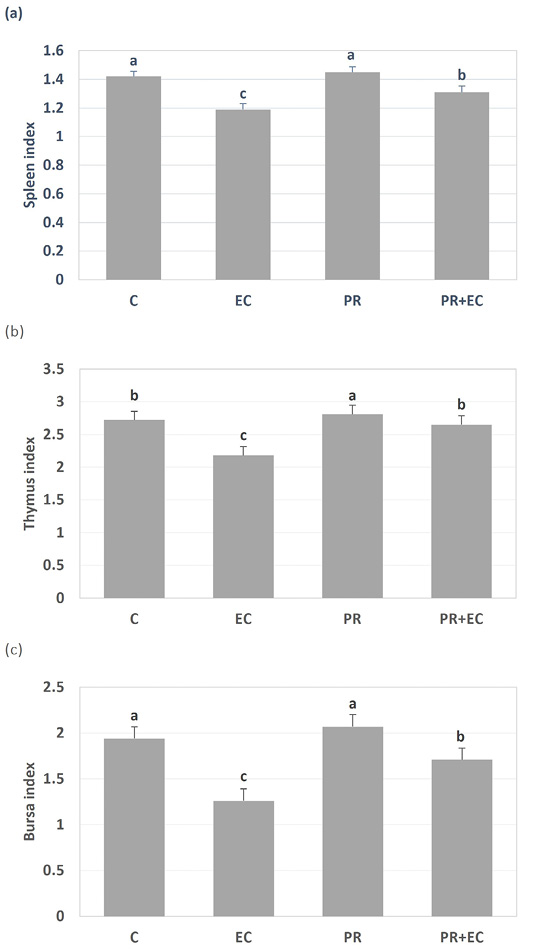
Moreover, PR supplementation significantly (p < 0.05) ameliorated the reduction of the immune-organs indexes persuaded via the EC infection within the broilers.
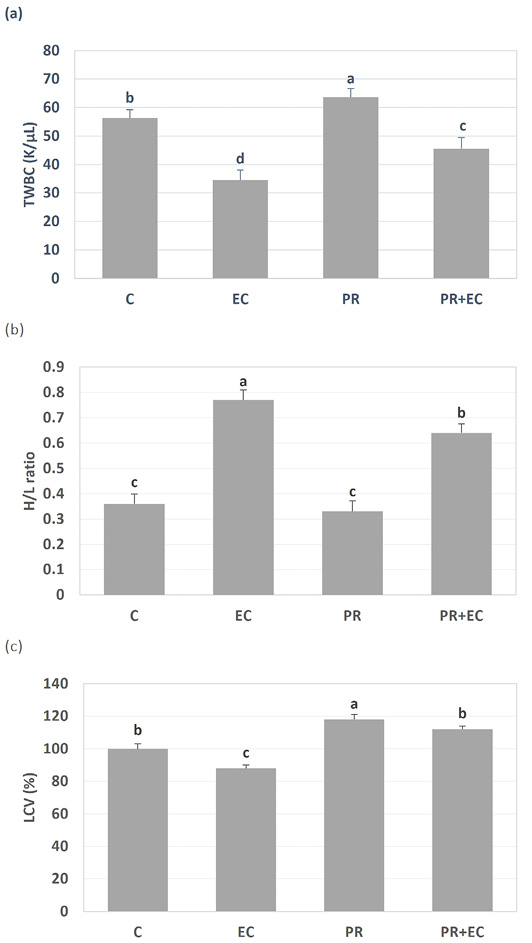
In the EC-infected broilers, PR supplementation significantly (p < 0.05) alleviated reduction of the TWBC and LCV, while reduced the H/L ratio increasing.
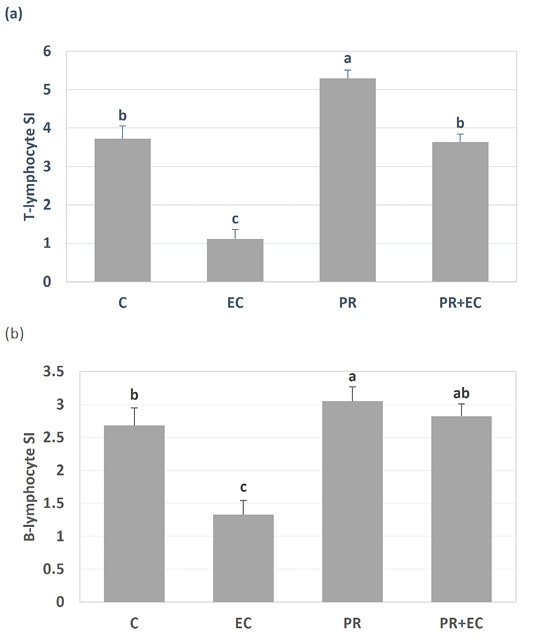
Moreover, PR supplementation into the EC-infected broilers’ diets significantly (p < 0.05) alleviated the reduction in the TSI and BSI and normalized them again to similar values to the control.
However, propolis inclusion into the broiler diets at 1 g/kg improved the immune response and enhanced the feed consumption and the other growth aspects.
Selected from the article's own text.
Abstract
The infection with avian pathogenic Escherichia coli (EC) causes a great economic loss in the poultry industry. The current study aimed to investigate the effect of propolis (PR) inclusion in the diets of broiler on the immunomodulation and productive performance after challenge with EC infection. Four hundred broiler chickens (Cobb500, 1-d-old) were randomly distributed in equal numbers in 40 battery cages (10 birds per cage). Every ten cages were placed in a room to arrange four experimental room groups identified as C, EC, PR, and PR+EC groups, respectively. From 22-42 d of age, the C and EC groups have received a basal diet with no PR supplements, whereas the PR and PR+EC groups have received PR at 1 g/kg of the basal diet. On day 36 of age, the EC and PR+EC groups were injected with 0.5 mL intraperitoneal (i.p.) suspension contained O157:H7 EC strain (adjusted at 107 CFU/bird), while the C and PR groups were injected i.p. with 0.5 mL saline only. All data were analyzed using one-way analysis of variance and multiple hoc Duncan’s test. The findings of the current investigation displayed a significant (p < 0.05) reduction in the productive performance traits, including the total feed intake, final body weight (FBW), BW gain, and feed conversion ratio in the EC group by approximately 7.7, 22.5, 30.6, and 33.3%, respectively, relative to the group C. The spleen, thymus, and bursa indexes as relative weights of FBW were significantly (p < 0.05) decreased by approximately 16%, 20%, and 35%, respectively, due to EC. Other immunological aspects were significantly (p < 0.05) impaired by EC challenge, recording a reduction of 38% in the total white blood cells counts, 12% in the leukocyte cell viability, 19% in the wattle thickness against phytohemagglutinin injection, 44% in the anti-sheep red blood cells antibody titer, and more than 50% in T- and B-lymphocyte stimulation index, while recording a double increase in the heterophil to lymphocyte ratio. In contrast, the productive traits and immunological aspects were significantly (p < 0.05) augmented by PR supplementation to the broiler diets. Furthermore, PR supplementation successfully restored the broiler production and immune response after challenge with EC infection and elevated (p < 0.05) all PR+EC group measurements relative to the EC group. The results concluded that supplementing dietary with 1 g/kg PR could be implemented as a natural supplement in broiler nutrition to avoid the antibiotic therapies, and simultaneously, maximize the broiler growth and health status, especially under EC challenge.
Doubtless broiler production has become a massive branch of the poultry industry and is a main part of people’s food. Some reports predict that the global demand for broiler meats will double within the ongoing thirty years . Nevertheless, a great economic loss in this sector may occur due to endotoxin stress induced by the infection with Escherichia coli (EC) ; . Avian pathogenic EC infection impairs the intestinal integrity, deceases the nutrients digestibility , and increases the mortality rates of broilers . In addition, broilers infected with EC release some interleukins and cytokines from the immune system to start inflammation and subsequent immune reactions . Moreover, EC-membranes include lipopolysaccharides (LPS) which increase inflammation, oxidative stress, and immunosuppression in the infected broilers ; ; . Avian pathogenic EC also depress the antibody- and cell-mediated immunity within broiler chickens .
Propolis (PR) is a greenish-brown compound generated by the bees (Apis mellifera) through mixing their own discharges and beeswax with the sap of trees and plants . PR was known to the ancient communities as a material for healing and fighting the infections . It contains fundamental nutrients with high amounts of polyphenols and flavonoids that give PR the antioxidant powerful impacts ; . PR extracts has been also reported to have antimicrobial , antiapoptotic , and anti-inflammatory properties. Particularly, PR has been recently inserted in poultry nutrition for the beneficial effects on the intestinal morphology, antioxidant defense, immune response, and productive performance ; ; . Furthermore, honeybee products, including PR, improve the poultry performance under stress conditions ; Mehaisen et al., 2017, 2019).
As far as we know, there is a deficiency of knowledge concerning the potentiality of dietary PR supplementation on poultry species suffering from endotoxin stress induced by EC infection. Hence, the current study was dedicated to explore the possible consequence of PR feeding to ameliorate the deterioration of growth and immune response after EC challenge in broiler chickens.
MATERIALS AND METHODS
Propolis analysis
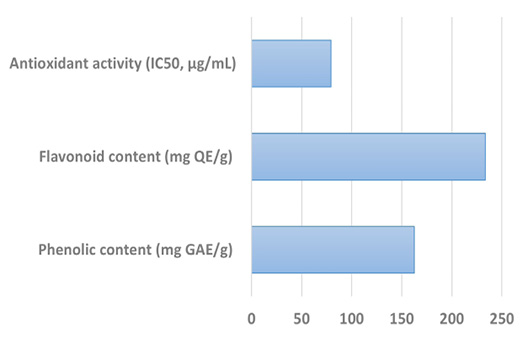
The PR was obtained in a yellow-brown powder form a beehives station located in the Agricultural and Veterinary Research center, King Faisal University, Saudi Arabia. Three samples of the PR were analyzed for the basic nutritional composition using the procedures adopted by “Association of Official Analysis Chemists” AOAC . The PR total polyphenolic and flavonoid contents have been determined following the methods termed in a previous study . The PR radical scavenging activities have been also detected as described in previous protocols . The data derived from PR analysis are displayed in Table 1 and Figure 1.
Table 1: The chemical analysis of propolis (PR).
Item
Values (% of DM) 1
Dry matter (%)
91.3 ± 5.07
Carbohydrate (g) 1
2.1 ± 0.07
Crude fiber (g) 1
66.8 ± 3.26
Total lipids (g) 1
10.2 ± 1.31
Crude protein (g) 1
3.4 ± 0.18
Total ash (g) 1
1.0 ± 0.04
1Data are mean values analyzed on dry matter basis ± SD of three determinations.
E. coli preparation
The EC strain used in the present study was “O157:H7” that belongs to the Microbiological Resources Center (Cairo, Egypt). The EC strain was grown in a MacConkey broth (Oxoid, Thermo Fisher Scientific Inc., Hampshire, UK) at 37 °C for 24 h. After that, the EC cells were washed and collected by centrifugation, and then homogenized at a concentration of 2 x 10⁷ CFU/mL using a sterile saline solution following the methods illustrated by Soliman et al. (2021).
Experimental design
A total of 400 male broiler chickens (Cobb500™, 1-d-old) were purchased from a commercial company (Al Watania Poultry Co., Riyadh, Saudi Arabia). The chicks were arbitrarily distributed at equal numbers in 40 battery cages (10 chicks/cage) measuring 1.25 × 0.90 × 0.60 m3 with a wire floor of 1.5 mm thick. Every ten cages were placed in a room to arrange four experimental room groups, in which all birds were provided with the same nutritional and environmental standards recommended by Cobb500 management guidelines (Cobb500 Broiler Performance and Nutrition Supplement, 2022). Chickens received ad libitum feed and fresh water during the experimentation. Following the implemented EC and PR treatments, the experimental room groups were identified as C, EC, PR, and PR+EC groups. From 22-42 d of age, the C and EC groups received a basal diet free from PR supplements, whereas the PR and PR+EC groups received PR at 1 g/kg of the basal diet. On day 36 of age, the EC and PR+EC groups were injected with a 0.5 mL of intraperitoneal (i.p.) EC suspension (107 CFU/bird), while the C and PR groups were injected i.p. with 0.5 mL saline only. After EC administration, the birds were subjected to frequent observations under constant veterinary supervision. Accordingly, a protocol of euthanasia was directly applied by the veterinarian responsible if any peculiar signs were manifested in the bird due to suffering from EC pathogenic stress.
Growth performance
The bird’s body weights (BW) in each cage were documented on the day 22 and 42 of age to estimate the initial, final (IBW and FBW, respectively), and gain in bird’s BW. We computed the total feed intake (TFI) per bird through subtracting the feed remains from the sum feed provided for each cage in the treatment group. Afterwards, the feed conversion ratio (FCR) was accordingly estimated depending upon the TFI per a unit BWG.
Immunological parameters
Immune organs indexes
Two birds from each cage in the treatment group were weighed and then slaughtered on the last day of the experimental period (42 d of age). The spleen, bursa, and thymus were directly removed and their weight was assessed. The immune organ indexes were then estimated as their relative weights to the body weights in each treatment group.
Leukocyte’s count, differentiation, and viability
On the last experimental day (42nd day of age), blood samples have been obtained from the brachial vein of two birds per cage in the treatment group and transferred into heparinized tubes. After gently vortexed, a drop from the fresh sample (approximately 10 µL) was used to estimate the total white blood cells (TWBC) count using hemocytometer slide and the brilliant cresyl blue stain, according to previous methods . Another drop from the fresh blood sample (about 10 µL) was dispersed on a glass slide, and the leukocyte cells were differentiated utilizing Hema-3 stain solutions to finally determine the heterophils/lymphocytes (H/L) ratio . The rest of the sample was assigned to determine the leucocyte cell viability (LCV) following the protocols given in Abbas et al. (2020). In brief, the blood sample was admixed with an equivalent volume of separation medium and centrifuged to later separate the layered peripheral blood mononuclear cells (PBMC). The PBMC were washed and then incubated with tetrazolium salt (MTT) in a microplate. The incubation medium was removed after centrifuging, and an acidified isopropyl alcohol solution was added to raise a specific color of formazan, which can be estimated at 570 nm by means of an automated ELISA reader.
Lymphocyte proliferation
On the 42nd day of age, two heparinized blood samples were obtained from each cage of the treatment groups. The stimulation index of B- and T- cells (BSI and TSI, respectively) was evaluated following the methodology detailed in a previous work . In brief, The PBMC was separated, washed, as previously mentioned, and then incubated with trypan blue stain to detect and fix the viable lymphocytes concentration at 106 cells/mL in a microwell-plate. After that, B- and T-cells in each sample were induced via incubation with Lipopolysaccharide or Concanavalin-A mitogen, respectively, at 42 ºC for 48 h, and then incubated for additional 4 h after supplementing with MTT solution. Finally, the samples were complemented with sodium dodecyl sulfates to deposit a color that can be scanned at 570 nm by means of ELISA microplate reader.
Humoral and cell-mediated immune assay
The anti-sheep red blood cells antibody (Anti-SRBC AB) titer, as a proxy for the broiler humoral immune response , was measured. On the 35th day of age, two birds from each cage in the treatment groups were treated with SRBC (1 mL of 5%) via an intravenous injection. One week later, blood samples have been obtained from these birds and the sera were obtained by centrifuging (400x g, 4°C, 10 min). The sera samples were diluted with saline solution in dual serial orders in microplate wells, and then a constant volume of 2% SRBC suspension was supplemented to all wells. The samples were then allowed for agglutination overnight. The AB titer was referred as log2 transformation of the inversed value of the last diluting with positive agglutination. Alternatively, two birds from each cage of the treatment groups were appointed for the examination of the cell-mediated immune response following a previous work . Simply, a specific area of the bird wattle was marked and then intradermally injected with a mitogenic phytohemagglutinin (PHA) (Thermo Fisher Scientific). After swelling reaction appeared in the marked area at least 24 h post-injection, the wattle thickness increase was estimated through a positive reaction to the PHA-wattle immune assay.
Statistical analysis
Data were subjected to one-way analysis of variance (ANOVA) and General Linear Model (GLM) analyses (SPSS 22.0, IBM Corp., Armonk, NY, USA, 2013). The obtained results were represented as mean ± standard error (SE). The observations number per treatment group denotes the experimental unit for each accomplished test (n= 20 for the immunological factors, and n= 10 for the productive performance traits). The post hoc Duncan’s test was adopted to separate the mean differences at a significant level less than 5%.
RESULTS AND DISCUSSION
The EC infection of broiler chickens was frequently induced by the exposure of the birds to stress factors or contaminated materials with a pathogenic strain of EC . According to our previous study , the PR supplementation at 0.1% (1 g/kg as fed) was recommended to advance the performance of broilers. The current study examined the possible impact of PR supplementation to broiler foods on their immunological and growth performance after challenge with EC infection.
As shown in Figure 2, EC challenge cause a significant (p < 0.05) lowering the immune-organs weight by approximately 16%, 20%, and 35% in the spleen, thymus, and bursa indexes, respectively, in comparison with the control. Conversely, PR supplementation maintained the spleen and bursa weights at normal indexes of the control, and it significantly (p < 0.05) elevated the thymus index relative to the control. Moreover, PR supplementation significantly (p < 0.05) ameliorated the reduction of the immune-organs indexes persuaded via the EC infection within the broilers. These results could be attributed to the trophic effects of bee products on these tissues in birds ; . The integrity of such lymphoid immune organs in birds is essential to establish the first defense line against infectious pathogens .
The effect of dietary PR supplementations on the H/L ratio, TWBC, and LCV of EC-infected broilers is shown in Figure 3. The results of EC-infected broilers exhibited a significant (p < 0.05) decrease in the LCV and TWBC
by 12% and 38%, respectively, and a significant (p < 0.05) double increase in the H/L ratio in comparison with the control broilers. The low TWBC and LCV values in the infected birds may be due to the negative impact of EC on the spleen which is responsible for leucopoiesis or leukocyte generation . It also may be attributed to the suppressive effect of stress on the lymphocyte and monocyte contents in the blood . In addition, exposure of birds to stress may cause leukocyte destruction and removing them by the bone marrow . The increased H/L ratio within the infected birds is an indication of suffering stress . In contrast, PR treatment caused as significant (p < 0.05) enhancement in the TWBC by 13% and the LCV by 18%, in comparison with the control. In the EC-infected broilers, PR supplementation significantly (p < 0.05) alleviated reduction of the TWBC and LCV, while reduced the H/L ratio increasing. Similar positive results were obtained for the effect of PR administration on the leukocytes count and viability of EC-infected laying hens in a previous study . Furthermore, it was reported that PR has a strong bactericidal activity through increasing the membrane permeability and decreasing the motility of bacteria; hence it can reduce the harmful effect of EC on blood cells .
The dietary PR supplementations consequence on the T- and B-lymphocyte stimulation indexes of EC-infected broilers is presented in Figure 4. The T- and B-cells lymphocyte proliferation was significantly (p < 0.05) suppressed by 70% and 50%, respectively, in the EC group compared to the control group. These findings agree with those attained in previous studies , 2015), which affirmed a depressive effect of EC on splenocyte proliferation in birds. In a recent report, such adverse impact for EC on lymphocyte proliferation in broilers has been documented . It was reported that body cells apoptosis, DNA-damage, and dysfunction may be associated with the EC infection ; . Additionally, endotoxins released by EC infection produced excessive reactive oxygen species (ROS) and inflammatory cytokines that lead to T- and B-cells lymphoproliferative defects ; . On the other hand, as shown in Figure 4, treatment with PR caused a significant (p < 0.05) enhancement in the TSI by 42% and the BSI by 14%, compared to the control. Moreover, PR supplementation into the EC-infected broilers’ diets significantly (p < 0.05) alleviated the reduction in the TSI and BSI and normalized them again to similar values to the control. The analysis of PR (Figure 1) evidenced the occurrence of elevated flavonoids and polyphenols contents. These compounds can potentially relieve ROS and inflammation and, subsequently, stimulate T- and B-lymphocyte proliferation . Furthermore, the sustainable effect of PR on the thymus (T-cell generator) and bursa (B-cell generator), as presented in Figure 2, can in turn activate the lymphocyte T- and B- cells proliferation, respectively .
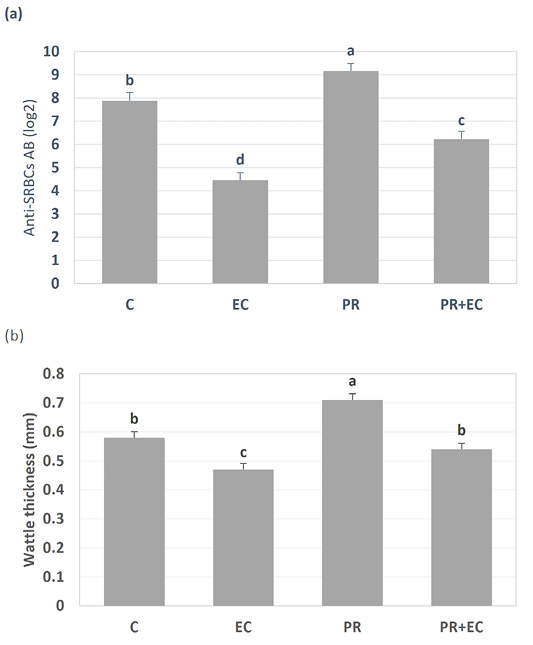
In the current investigation, we evaluated the dietary PR supplementations effect on the humoral and cellular-mediated immuno-measurements of EC-infected broilers, and the results are shown in Figure 5. EC infection induced a significant (p < 0.05) lowering in the anti-SRBC-Ab titer and the PHA-wattle thickness by approximately 44% and 19%, respectively, relative to the control broilers. Alternatively, PR supplementation significantly (p < 0.05) increased the anti-SRBC-Ab titer by 16% and the PHA-wattle thickness by 22%, compared to the control. Moreover, PR supplementation caused a significant (p < 0.05) increase in the anti-SRBC-Ab titer and PHA-wattle thickness within the EC-infected broilers, in comparison with those infected with EC but did not have SP supplements. The harmful effect of EC on the LCV and lymphocyte proliferation can directly cause a disturbance in humoral and cellular immune responses . These researchers also attribute the immunosuppressive impact of EC to the over-expression of forkhead box family (FOXO) proteins, which are transcription factors involved in immune cell apoptosis, proliferation inhibition, and antibody hypo-production in infected birds ; . In consistent with the current study findings, the humeral and cellular immune parameters in different poultry species were substantially improved by adding bee products, including PR, into the diets ; . Moreover, findings suggested that PR supplementation successfully managed to normalize the humoral and cellular immune measurements in EC-infected birds. These positive effect of PR in both EC-infected and non-infected birds can be ascribed to the PR antioxidant potentialities, evidenced by high flavonoid and polyphenol contents (Figure 1). It was suggested that these antioxidant compounds can multiplicate lymphocyte numbers among the other leukocyte components , inhibit prostaglandin formation , encourage interleukins releasing , and reduce FOXO expression . These events, in turn, participate in increasing the LCV, T- and B-cells mitogenesis, and antibody production .
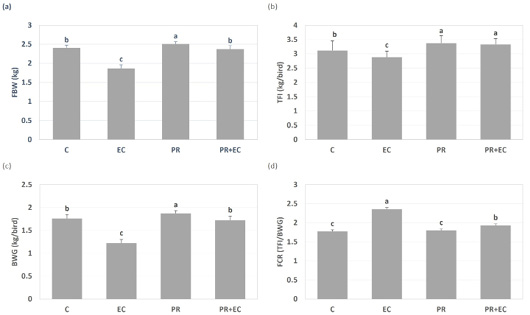
The broiler’s productive performance results, as influenced by PR supplementing and EC challenge, are presented in Figure 6. A significant (p < 0.05) depression of 7.7% was recorded in FI of the EC-infected birds in comparison with the control birds. This feed intake reduction could be explained by the deleterious effects of oxidative stress and inflammatory cytokines on the EC-infected chickens’ tissues ; . It was reported that feed depression in the birds adversely affect the other productive aspects . EC challenge in the current investigation also induced a substantial reduction of 22.5% and 30.6% in the FBW and BWG, respectively, and elevated the FI per kg weight gain by 33.3% relative to the EC-noninfected broilers. Similarly, other works found a reduction in FI, FBW, and BWG by approximately 7-42%, 20-33%, and 16-55%, respectively, along with an elevation in FCR by 9-29% within the EC-infected broilers relative to noninfected ones ; ; . It is known that lipopolysaccharides (LPS) are existed on the outer membrane of EC . LPS generate excessive quantity of inflammatory cytokines and reactive oxygen/nitrogen species, which subsequently harm wide target-cells in the infected birds and induce abnormal function ; . The antioxidant defense system failure to overcome with these harmful products lead to cell damage and directly lower the performance . These events can partially explain the immunomodulation impairment and the poor growth performance in broilers challenged with EC.
On the other hand, the productive performance was improved by PR supplementing within both the PR and PR+EC broiler groups (Figure 6). Our findings and results from former investigations ; ascribed the PR application as a potential natural feed supplement to promote broiler growth. The feed consumption was significantly (p < 0.05) elevated by 7-8% in both the PR and PR+EC broiler groups, in comparison with the control group. This could be attributed to the palatability of broilers to some PR components such as wax, vanillin, resin, and honey . Moreover, the significant (p < 0.05) enhancement obtained in the FBW and BWG (rising by 4% and 6%, respectively) of the PR group, in comparison with the control group, can be owed to the contribution of PR to add nutritional values of protein, lipid, and carbohydrate to the diets of the broilers. These results were also evidenced in similar studies on turkey poults , laying hens , and Japanese quail ; . Furthermore, the PR positive impact on broiler performance under EC infection could be, in some extent, modulated by its antimicrobial activity against various pathogenic microorganisms in the chicken gastrointestinal tract . Also, it was reported that PR supplementation to infected/stressed animals improved the intestinal absorption and digestibility through supporting villi structure and epithelium tight and gap junctions ; ; ; .
CONCLUSIONS and Recommendations
The results of the present study introduced a firm argument for the deleterious consequences of E. coli infection regarding the immune status and the productive performance of broiler chickens. However, propolis inclusion into the broiler diets at 1 g/kg improved the immune response and enhanced the feed consumption and the other growth aspects. Moreover, PR can successfully restore the immunomodulation and growth performance after deterioration effects caused by EC infection. Therefore, this study features the implementation of PR as a natural supplement in poultry nutrition to avoid antibiotic therapies, and concomitantly, maximize the broiler growth and health status, especially under the EC-infection challenge.
NOVELTY STATEMENT
A great economic loss in the poultry industry may occur due to exposure to endotoxin stress persuaded by the avian pathogenic Escherichia coli (EC) infection, and sometimes, intermittent courses of antibiotic therapy are implemented although its compromising impacts on animal and human health. Recently, feeding with natural products as an alternative strategy to the antibiotic therapies have been widely encouraged for improving the performance and health of poultry during intensive production systems. This study investigates the prospective impacts of dietary propolis (PR) supplementing on the immunomodulation and growth performance of EC-infected broiler chickens. Our findings exhibited that addition of PR to broiler diets can cope with the EC harmful consequences on immune response and productive performance.
Author’s Contribution
Abdulaziz A. Alaqil contributed to the conceptualization, investigation, data collection, analysis, writing-original draft, reviewing, and approving the current version of the manuscript.
Ethical approval
The present animal study protocol has been approved by the research ethical commission of King Faisal University, Saudi Arabia (Ref. No. KFU-REC-2022-MAR-EA000545).
Conflict of interest
The authors have declared no conflict of interest.
Figures
Figure 1:.
Polyphenolic and flavonoid contents of propolis were calculated as gallic acid equivalent (GAE) and quercetin equivalent (QE), respectively. Total antioxidant activity was determined in terms of IC50 (the sample concentration that achieves 50% inhibition of the 2,2-diphenyl-1-picrylhydrazyl (DPPH) free radicals).
Figure 2:.
Effect of dietary propolis (PR) supplementation on (a) spleen index, (b) thymus index, and (c) bursa index of broiler chickens challenged with Escherichia coli (EC) infection. Bars express the mean (n = 20) with standard error (SE). Means with dissimilar letters significantly differ at p < 0.05. Treatment groups: C, control group without PR supplementation or EC challenge; EC, group without PR supplementation but challenged with EC; PR, group supplemented with PR but not challenged with EC; PR+EC, group supplemented with PR and challenged with EC.
Figure 3:.
Effect of dietary propolis (PR) supplementation on (a) total white blood cells (TWBC) count, (b) heterophil to lymphocyte (H/L) ratio, and (c) leukocyte cell viability (LCV) of broiler chickens challenged with Escherichia coli (EC) infection. Bars express the mean (n = 20) with standard error (SE). Means with dissimilar letters significantly differ at p < 0.05. Treatment groups: C, control group without PR supplementation or EC challenge; EC, group without PR supplementation but challenged with EC; PR, group supplemented with PR but not challenged with EC; PR+EC, group supplemented with PR and challenged with EC.
Figure 4:.
Effect of dietary propolis (PR) supplementation on (a) T-lymphocyte proliferation, and (b) B-lymphocyte proliferation of broiler chickens challenged with Escherichia coli (EC) infection. Bars express the mean of stimulation indexes (SI) for T- or B-lymphocytes (n = 20) with standard error (SE). Means with dissimilar letters significantly differ at p < 0.05. Treatment groups: C, control group without PR supplementation or EC challenge; EC, group without PR supplementation but challenged with EC; PR, group supplemented with PR but not challenged with EC; PR+EC, group supplemented with PR and challenged with EC.
Figure 5:.
Effect of dietary propolis (PR) supplementation on (a) anti-sheep red blood cells antibody (anti-SRBCs-AB) titer, and (b) wattle thickness of broiler chickens Bars express the mean (n = 20) with standard error (SE). Means with dissimilar letters significantly differ at p < 0.05. Treatment groups: C, control group without PR supplementation or EC challenge; EC, group without PR supplementation but challenged with EC; PR, group supplemented with PR but not challenged with EC; PR+EC, group supplemented with PR and challenged with EC.
Figure 6:.
Effect of dietary propolis (PR) supplementation on the productive performance of broiler chickens challenged with Escherichia coli (EC) infection. (a) final body weight (FBW) at 42 d of age, (b) total feed intake (TFI), (c) body weight gain (BWG), and (d) feed conversion ratio (FCR). Bars express the mean (n=10) with standard error (SE). Means with dissimilar letters significantly differ at p < 0.05. Treatment groups: C, control group without PR supplementation or EC challenge; EC, group without PR supplementation but challenged with EC; PR, group supplemented with PR but not challenged with EC; PR+EC, group supplemented with PR and challenged with EC.
References
Abbas AO, Alaqil AA, El-Beltagi HS, Abd El-Atty HK, Kamel NN (2020). Modulating laying hens productivity and immune performance in response to oxidative stress induced by E. coli challenge using dietary propolis supplementation. Antioxidants, 9: 1–17. https://doi.org/10.3390/antiox9090893[CrossRef]
Abbas AO, Kamel NN, Khalifa WH, Gouda GFF, El-Manylawi MAFAF, Mehaisen GMKK, Mashaly MMM (2017). Propolis supplementation attenuates the negative effects of oxidative stress induced by paraquat injection on productive performance and immune function in Turkey poults. Poult. Sci., 96: 4419–4429. https://doi.org/10.3382/ps/pex248[CrossRef]
Abd Elatiff A, El-Sawah AA, Amer MM, Dahshan AHM, Salam H, Shany SAS (2019). Pathogenicity of Escherichia coli O125 in commercial broiler chickens. J. Vet. Med. Res., 26: 1–8. https://doi.org/10.21608/jvmr.2019.43328[CrossRef]
Akter SH, Khan MZI, Jahan MR, Karim MR, Islam MR (2006). Histomorphological study of the lymphoid tissues of broiler chickens. Bangladesh J. Vet. Med., 4: 87–92. https://doi.org/10.3329/bjvm.v4i2.1289[CrossRef]
Alaqil AA, Abbas AO (2023). The effects of dietary Spirulina platensisis on physiological responses of broiler chickens exposed to endotoxin stress. Animals, 13: 363. https://doi.org/10.3390/ani13030363[CrossRef]
Alaqil AA, Abbas AO, El-Beltagi HS, Abd El-Atty HK, Mehaisen GMK, Moustafa ES (2020). Dietary supplementation of probiotic lactobacillus acidophilus modulates cholesterol levels, immune response, and productive performance of laying hens. Animals, 10: 1–12. https://doi.org/10.3390/ani10091588[CrossRef]
Al-Kahtani SN, Alaqil AA, Abbas AO (2022). Modulation of antioxidant defense, immune response, and growth performance by inclusion of propolis and bee pollen into broiler diets. Animals, 12: 1658. https://doi.org/10.3390/ani12131658[CrossRef]
Al-Khalifa H (2016). Immunological techniques in avian studies. Worlds Poult. Sci. J., 72: 573–584. https://doi.org/10.1017/S0043933916000532[CrossRef]
Alqarni AM, Niwasabutra K, Sahlan M, Fearnley H, Fearnley J, Ferro VA, Watson DG (2019). Propolis exerts an anti-inflammatory effect on PMA-differentiated THP-1 cells via inhibition of purine nucleoside phosphorylase. Metabolites, 9: 750-759. https://doi.org/10.3390/metabo9040075[CrossRef]
Anusuya B, Sumathi S (2015). Haematological alterations due to typhoid fever in mayiladuthurai area, Nagapattinam. Int. J. Res. Pharmacol. Pharmacother., 4: 210–216.
AOAC (2005). Association of official analysis chemists international. Official methods of analysis of AOAC International, 18th ed. Washington, D.C.
Asgharpour F, Moghadamnia AA, Motallebnejad M, Nouri HR (2019). Propolis attenuates lipopolysaccharide-induced inflammatory responses through intracellular ROS and NO levels along with downregulation of IL-1β and IL-6 expressions in murine RAW 264.7 macrophages. J. Fd. Biochem., 43: e12926. https://doi.org/10.1111/jfbc.12926[CrossRef]
Attia YA, Al-Hamid AEA, Ibrahim MS, Al-Harthi MA, Bovera F, Elnaggar AS (2014). Productive performance, biochemical and hematological traits of broiler chickens supplemented with propolis, bee pollen, and mannan oligosaccharides continuously or intermittently. Livest. Sci., 164: 87–95. https://doi.org/10.1016/j.livsci.2014.03.005[CrossRef]
Babaei S, Rahimi S, Amir M, Torshizi K, Tahmasebi G (2016). Effects of propolis, royal jelly, honey and bee pollen on growth performance and immune system of Japanese quails. Vet. Res. Forum, 7: 13–20.
Bankova VS, de Castro SL, Marcucci MC (2000). Propolis: Recent advances in chemistry and plant origin. Apidologie, 31: 3–15. https://doi.org/10.1051/apido:2000102[CrossRef]
Becskei C, Riediger T, Hernádfalvy N, Arsenijevic D, Lutz TA, Langhans W (2008). Inhibitory effects of lipopolysaccharide on hypothalamic nuclei implicated in the control of food intake. Brain Behav. Immun., 22: 56–64. https://doi.org/10.1016/j.bbi.2007.06.002[CrossRef]
Boratto AJ, Lopes DC, de Oliveira RFM, Albino LFT, Sá LM, de Oliveira GA (2004). Uso de antibiótico, de probiótico e de homeopatia em frangos de corte criados em ambiente de conforto, inoculados ou não com Escherichia coli. Rev. Brasil. Zoot., 33: 1477–1485. https://doi.org/10.1590/S1516-35982004000600014[CrossRef]
Cabrera-Ortega AA, Feinberg D, Liang Y, Rossa C, Graves DT (2017). The role of forkhead box 1 (FOXO1) in the immune system: Dendritic cells, T cells, B cells, and hematopoietic stem cells. Crit. Rev. Immunol., 37: 1–13. https://doi.org/10.1615/CritRevImmunol.2017019636[CrossRef]
Campos JF, das Santos UP, da Rocha PDS, Damião MJ, Balestieri JBP, Cardoso CAL, Paredes-Gamero EJ, Estevinho LM, de Picoli Souza K, dos Santos EL (2015). Antimicrobial, Antioxidant, Anti-Inflammatory, and Cytotoxic Activities of Propolis from the Stingless Bee Tetragonisca fiebrigi (Jataí). Evidence-Based Complementary and Alternative Medicine, 2015: 1-11. https://doi.org/10.1155/2015/296186[CrossRef]
Cao GT, Zeng XF, Chen AG, Zhou L, Zhang L, Xiao YP, Yang CM (2013). Effects of a probiotic, Enterococcus faecium, on growth performance, intestinal morphology, immune response, and cecal microflora in broiler chickens challenged with Escherichia coli K88. Poult. Sci., 92: 2949–2955. https://doi.org/10.3382/ps.2013-03366[CrossRef]
Chen X, Song M, Zhang B, Zhang Y (2016). Reactive oxygen species regulate T cell immune response in the tumor microenvironment. Oxid. Med. Cell Longev., 2016. https://doi.org/10.1155/2016/1580967[CrossRef]
Cobb500 Broiler Performance and Nutrition Supplement. [WWW Document], (2022).
Colitti M, Stefanon B, Gabai G, Gelain ME, Bonsembiante F (2019). Oxidative stress and nutraceuticals in the modulation of the immune function: Current knowledge in animals of veterinary interest. Antioxidants, 8: 288-288. https://doi.org/10.3390/antiox8010028[CrossRef]
da Rosa G, Alba DF, Silva AD, Gris A, Mendes RE, Mostardeiro VB, Lopes TF, Schetinger MRC, Stefani LM, Lopes MT, Boiago MM, da Silva AS (2020). Impact of Escherichia coli infection in broiler breeder chicks: The effect of oxidative stress on weight gain. Microb. Pathog., 139: 103861. https://doi.org/10.1016/j.micpath.2019.103861[CrossRef]
Dyson A, Bryan NS, Fernandez BO, Garcia-Saura MF, Saijo F, Mongardon N, Rodriguez J, Singer M, Feelisch M (2011). An integrated approach to assessing nitroso-redox balance in systemic inflammation. Free Radic. Biol. Med., 51: 1137–1145. https://doi.org/10.1016/j.freeradbiomed.2011.06.012[CrossRef]
Dziva F, Stevens MP (2008). Colibacillosis in poultry: Unravelling the molecular basis of virulence of avian pathogenic Escherichia coli in their natural hosts. Avian Pathol., 37: 355–366. https://doi.org/10.1080/03079450802216652[CrossRef]
Elitok B (2018). Importance of stress factors in poultry. Juniper Online J. Case Stud., 7(5): 555723. https://doi.org/10.19080/JOJCS.2018.07.555723[CrossRef]
Elnagar R, Elkenany R, Younis G (2021). Interleukin gene expression in broiler chickens infected by different Escherichia coli serotypes. Vet. World, 14: 2727–2734. https://doi.org/10.14202/vetworld.2021.2727-2734[CrossRef]
Ferket PR, Gernat AG (2006). Factors that affect feed intake of meat birds: A review. Int. J. Poult. Sci., 5: 905–911. https://doi.org/10.3923/ijps.2006.905.911[CrossRef]
Gehad AE, Mehaisen GMK, Abbas AO, Mashaly MM (2008). The role of light program and melatonin on alleviation of inflammation induced by lipopolysaccharide injection in broiler chickens. Int. J. Poult. Sci., 7: 193–201. https://doi.org/10.3923/ijps.2008.193.201[CrossRef]
Havsteen BH (2002). The biochemistry and medical significance of the flavonoids. Pharmacol. Ther., 96: 67–202. https://doi.org/10.1016/S0163-7258(02)00298-X[CrossRef]
IBM SPSS Statistics 22. Available online: https://www.ibm.com/support/pages/downloading-ibm-spss-statistics-22 (accessed on 3 May 2023).
Juang J, Yin H, Zhang C, Wang J (2020). Effects of E. coli infection on the expressions of TGF-β/Smads signaling pathway in broiler intestine. Braz. J. Poult. Sci., 22: 1–6. https://doi.org/10.1590/1806-9061-2019-1101[CrossRef]
Kačániová M, Rovná K, Arpášová H, Čuboň J, Hleba L, Pochop J, Kunová S, Haščík P (2012). In vitro and in vivo antimicrobial activity of propolis on the microbiota from gastrointestinal tract of chickens. J. Environ. Sci. Hlth. A, 47: 1665–1671. https://doi.org/10.1080/10934529.2012.687248[CrossRef]
Kleyn FJ, Ciacciariello M (2021). Future demands of the poultry industry: Will we meet our commitments sustainably in developed and developing economies? Worlds Poult. Sci. J., 77: 267–278. https://doi.org/10.1080/00439339.2021.1904314[CrossRef]
Kuo YH, Chiang HL, Wu PY, Chu Y, Chang QX, Wen KC, Lin CY, Chiang HM (2020). Protection against ultraviolet a-induced skin apoptosis and carcinogenesis through the oxidative stress reduction effects of N-(4-bromophenethyl) caffeamide, a propolis derivative. Antioxidants, 9: 335-335. https://doi.org/10.3390/antiox9040335[CrossRef]
Lau GL, Sieo CC, Tan WS, Hair-Bejo M, Jalila A, Ho YW (2010). Efficacy of a bacteriophage isolated from chickens as a therapeutic agent for colibacillosis in broiler chickens. Poult. Sci., 89: 2589–2596. https://doi.org/10.3382/ps.2010-00904[CrossRef]
Loa CC, Lin TL, Wu CC, Bryan T, Thacker HL, Hooper T, Schrader D (2001). Humoral and cellular immune responses in turkey poults infected with turkey coronavirus. Poult. Sci., 80: 1416–1424. https://doi.org/10.1093/ps/80.10.1416[CrossRef]
Mahmoud UT, Cheng HW, Applegate TJ (2019). Functions of propolis as a natural feed additive in poultry.
Mehaisen GMK, Desoky AA, Sakr OG, Sallam W, Abass AO (2019). Propolis alleviates the negative effects of heat stress on egg production, egg quality, physiological and immunological aspects of laying Japanese quail. PLoS One, 14: 1–14. https://doi.org/10.1371/journal.pone.0214839[CrossRef]
Mehaisen GMK, Eshak MG, Sabry MI, Abass AO (2016). Expression of inflammatory and cell death program genes and comet DNA damage assay induced by Escherichia coli in layer hens. PLoS One, 11: e0158314. https://doi.org/10.1371/journal.pone.0158314[CrossRef]
Mehaisen GMK, Ibrahim RM, Desoky AA, Safaa HM, El-Sayed OA, Abass AO (2017). The importance of propolis in alleviating the negative physiological effects of heat stress in quail chicks. PLoS One, 12: 1–17. https://doi.org/10.1371/journal.pone.0186907[CrossRef]
Moukette Moukette B, Constant Anatole P, Nya Biapa CP, Njimou JR, Ngogang JY (2015). Free radicals quenching potential, protective properties against oxidative mediated ion toxicity and HPLC phenolic profile of a Cameroonian spice: Piper guineensis. Toxicol. Rep., 2: 792–805. https://doi.org/10.1016/j.toxrep.2015.02.007[CrossRef]
Oliveira M, Silva D, Loch F, Martins P, Dias D, Simon G (2013). Effect of bee pollen on the immunity and Tibia characteristics in broilers. Braz. J. Poult. Sci., 15: 323–328. https://doi.org/10.1590/S1516-635X2013000400006[CrossRef]
Orsi RO, Sforcin JM, Funari SRC, Bankova V (2005). Effects of Brazilian and Bulgarian propolis on bactericidal activity of macrophages against Salmonella typhimurium. Int. Immunopharmacol., 5: 359–368. https://doi.org/10.1016/j.intimp.2004.10.003[CrossRef]
Oršolić N, Bašić I (2003). Immunomodulation by water-soluble derivative of propolis: A factor of antitumor reactivity. J. Ethnopharmacol., 84: 265–273. https://doi.org/10.1016/S0378-8741(02)00329-X[CrossRef]
Osés SM, Marcos P, Azofra P, de Pabl A, Fernández-Muíño MÁ, Sancho MT (2020). Phenolic profile, antioxidant capacities and enzymatic inhibitory activities of propolis from different geographical areas: Needs for analytical harmonization. Antioxidants, 9: 75-75. https://doi.org/10.3390/antiox9010075[CrossRef]
Peng SL (2008). Foxo in the immune system. Oncogene, 27: 2337–2344. https://doi.org/10.1038/onc.2008.26[CrossRef]
Prakatur I, Miskulin M, Pavic M, Marjanovic K, Blazicevic V, Miskulin I, Domacinovic M (2019). Intestinal morphology in broiler chickens supplemented with propolis and bee pollen. Animals, 9: 301-301. https://doi.org/10.3390/ani9060301[CrossRef]
Ramanauskiene K, Inkeniene AM, Petrikaite V, Briedis V (2013). Total phenolic content and antimicrobial activity of different lithuanian propolis solutions. Evid. Based Complement. Altern. Med., https://doi.org/10.1155/2013/842985[CrossRef]
Ranjithkumar M, Kamili NM, Saxena A, Dan A, Dey S, Raut SS (2011). Disturbance of oxidant/antioxidant equilibrium in horses naturally infected with Trypanosoma evansi. Vet. Parasitol., 180: 349–353. https://doi.org/10.1016/j.vetpar.2011.03.029[CrossRef]
Sadeyen JR, Kaiser P, Stevens MP, Dziva F (2014). Analysis of immune responses induced by avian pathogenic Escherichia coli infection in turkeys and their association with resistance to homologous re-challenge. Vet. Res., 45: 1–12. https://doi.org/10.1186/1297-9716-45-19[CrossRef]
Sadeyen JR, Wu Z, Davies H, van Diemen PM, Milicic A, Ragione RM, Kaiser P, Stevens MP, Dziva F (2015). Immune responses associated with homologous protection conferred by commercial vaccines for control of avian pathogenic Escherichia coli in Turkeys. Vet. Res., 46: 1–14. https://doi.org/10.1186/s13567-014-0132-5[CrossRef]
Saki AA, Khoramabadi V, Nourian AR, Zamani P (2018). Immune response, blood parameters and growth performance in broiler fed reduced protein diet supplemented with β-hydroxy-β-methyl butyrate and conjugated linoleic acid. Acta Sci., 40: 1–6. https://doi.org/10.4025/actascianimsci.v40i1.38000[CrossRef]
Seghiri R, Kharbach M, Essamri A (2019). Functional composition, nutritional properties, and biological activities of Moroccan spirulina microalga. J. Fd. Qual., https://doi.org/10.1155/2019/3707219[CrossRef]
Soliman ES, Hamad RT, Abdallah MS (2021). Preventive antimicrobial action and tissue architecture ameliorations of Bacillus subtilis in challenged broilers. Vet. World, 14: 523–536. https://doi.org/10.14202/vetworld.2021.523-536[CrossRef]
Surai PF, Kochish II, Fisinin VI, Kidd MT (2019). Antioxidant defence systems and oxidative stress in poultry biology: An update. Antioxidants, 8. https://doi.org/10.3390/antiox8070235[CrossRef]
Taheri HR, Rahmani HR, Pourreza J (2005). Humoral immunity of broilers is affected by oil extracted propolis (OEP) in the diet. Int. J. Poult. Sci., 4: 414–417. https://doi.org/10.3923/ijps.2005.414.417[CrossRef]
Vleck C, Vertalino N, Vleck D, Bucher T (2000). Stress, corticosterone, and heterophil to lymphocyte ratios in free-living Adélie Penguins. Condor, 102: 392–400. https://doi.org/10.1093/condor/102.2.392[CrossRef]
Wagh VD (2013). Propolis: A wonder bees product and its pharmacological potentials. Adv. Pharmacol. Sci., 11. https://doi.org/10.1155/2013/308249[CrossRef]
Wang H, Yang, Fang SZW, Shao HT, Bai DY, Ma YB, Kong T, Yang F (2022). The influence of immune stress induced by Escherichia coli lipopolysaccharide on the pharmacokinetics of danofloxacin in broilers. Poult. Sci., 101. https://doi.org/10.1016/j.psj.2021.101629[CrossRef]
Wang J, Li S, Wang Q, Xin B, Wang H (2007). Trophic effect of bee pollen on small intestine in broiler chickens. J. Med. Fd., 10. https://doi.org/10.1089/jmf.2006.215[CrossRef]
Wang K, Jin X, Chen Y, Song Z, Jiang X, Hu F, Conlon MA, Topping DL (2016). Polyphenol-rich propolis extracts strengthen intestinal barrier function by activating AMPK and ERK signaling. Nutrients, 8: 272-272. https://doi.org/10.3390/nu8050272[CrossRef]
Woźniak M, Mrówczyńska L, Waśkiewicz A, Rogoziński T, Ratajczak I (2019). Phenolic profile and antioxidant activity of propolis extracts from Poland. Nat. Prod. Commun., 14. https://doi.org/10.1177/1934578X19849777/ASSET/IMAGES/LARGE/10.1177_1934578X19849777-FIG1.JPEG[CrossRef]
Wu QJ, Wang YQ, Qi YX (2017). Influence of procyanidin supplementation on the immune responses of broilers challenged with lipopolysaccharide. Anim. Sci. J., 88: 983–990. https://doi.org/10.1111/asj.12729[CrossRef]
Xu Y, Lai X, Li Z, Zhang X, Luo Q (2018). Effect of chronic heat stress on some physiological and immunological parameters in different breed of broilers. Poult. Sci., 97: 4073–4082. https://doi.org/10.3382/ps/pey256[CrossRef]
Xue M, Liu Y, Xu H, Zhou Z, Ma Y, Sun T, Liu M, Zhang H, Liang H (2019). Propolis modulates the gut microbiota and improves the intestinal mucosal barrier function in diabetic rats. Biomed. Pharmacother., 118: 109393. https://doi.org/10.1016/j.biopha.2019.109393[CrossRef]
Yuan J, Liu J, Hu Y, Fan Y, Wang D, Guo L, Nguyen TL, Zhao X, Liu X, Liu C, Wu Y (2012). The immunological activity of propolis flavonoids liposome on the immune response against ND vaccine. Int. J. Biol. Macromol., 51: 400–405. https://doi.org/10.1016/j.ijbiomac.2012.06.002[CrossRef]
Zhang L, Yue HY, Zhang HJ, Xu L, Wu SG, Yan HJ, Gong YS, Qi GH (2009). Transport stress in broilers: I. Blood metabolism, glycolytic potential, and meat quality. Poult. Sci., 88: 2033–2041. https://doi.org/10.3382/ps.2009-00128[CrossRef]
Zulkifli I, Mysahra SA, Jin LZ (2004). Dietary supplementation of betaine (Betafin®) and response to high temperature stress in male broiler chickens. J. Anim. Sci., 17(2)244-249. https://doi.org/10.5713/ajas.2004.244[CrossRef]
Propolis Inclusion into Broiler Diets Improves the Immunomodulation and Productive Performance After Challenge with Escherichia coli Infection · ResearchersLinks