Samuel Mailafia2, Emelogu Chukwudi3, Iliya Dauda Kwoji1, Jasini Athanda Musa1, Mustapha Bala Abubakar1
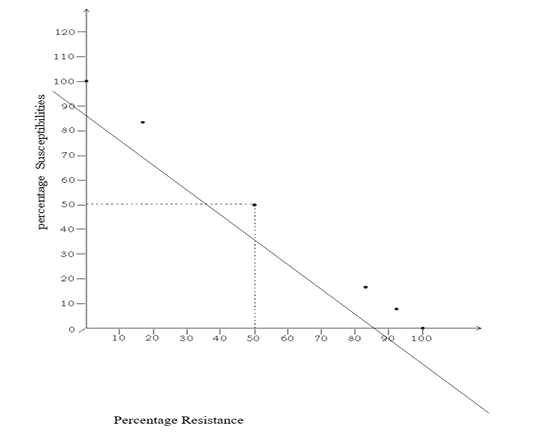
1Department of Veterinary Microbiology, Faculty of Veterinary Medicine, University of Maiduguri, Nigeria; 2Department of Veterinary Microbiology, Faculty of Veterinary Medicine, University of Abuja, Nigeria; 3Department of Microbiology, University of Abuja, Nigeria.Abstract |This study was carried out to determine the occurrence and In-vitro antibiotic susceptibility patterns of E. coli from processed water consumed by humans in Gwagwalada, Federal Capital Territory, Abuja. A total of 240 samples; consisting of 60 bottled water, 150 sachet water and 30 tap water were randomly collected bi-monthly for six months. The samples were analyzed for the presence of E. coli using culture, isolation and complete biochemical characterization to further confirm the isolates. The findings of this study showed an overall prevalence rate of 5.0%. However, E. coli were not isolated from bottled and sachet water samples. An In-vitro antibiotic sensitivity test conducted, indicated that all isolates had 100% susceptibility to gentamicin and 100% resistance to penicillin, flucloxacillin and ampicillin. The percentage susceptibilities to other antimicrobial agents were 83.3 for tetracycline, 50.0 for co-trimoxazole, 16.7 for cefuroxime and 8.3 for erythromycin. This study has clearly showed that E. coli isolates from tap water samples could contain pathogenic strains which may be relevant in the pathogenicity of colibacillosis. The varying degrees of susceptibility displayed by antimicrobial agents could be attributed to the use and misuse of antibiotics in the study area. This study has demonstrated the occurrence and antimicrobial susceptibility patterns of E. coli from processed water in Gwagwalada, Federal Capital Territory, Abuja. It is worth noting that the presence of E. coli as a food-borne pathogen in processed water in Gwagwalada area council serves as a public health threat to humans who may consume such water. It is therefore recommended that immediate screening of emerging E. coli strains be performed prior to therapy. Similarly, the presence of drug resistant E. coli in tap water samples in areas covered by this study suggests the need for public health intervention particularly from Federal Capital Development Authority (FCDA), Abuja.
Keywords: Antimicrobial resistance, Escherichia coli, Gwagwalada, Water