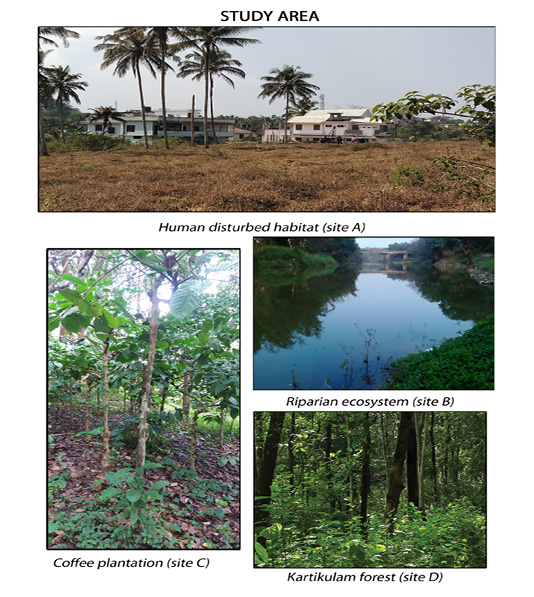
The present study focused on the spider diversity of four different habitats of the Western Ghats, Wayanad region, Kerala, India. A total of 150 species belonging to 73 genera under 20 families were recorded from the selected habitats. Salticidae was the dominant family constituting 44 species under 19 genera, followed by Araneidae (22 species), Theridiidae (14 species), Thomisidae (9 species), Oxyopidae (9 species), Lycosidae (7 species), Tetragnathidae (7 species), Corrinnidae (5 species), Sparassidae (5 species), Eutichuridae (5 species), Nephilidae (4 species), Uloboridae (4 species), Pisauridae (3 species), Linyphiidae (3 species), Hersiliidae (3 species), Clubionidae (1 species), Ctenidae (1 species), Mimetidae (1 species), Pholcidae (1 species) and Theraphosidae (1 species).
Highest species richness was recorded at Kartikulam reserve (Site D) with 70 species belonging to 14 families. Coffee plantation (Site C) exhibited second highest species richness with 36 species belonging to eight families. Riparian ecosystem (Site B) depicted third highest level of species richness with 28 species belonging to eight families. About 17 species belonging to nine families were recorded from Mananthavady (Site A). So in the present investigation, the highest species richness was observed at Kartikulam reserve as compared to other habitats (Figures 2-11).
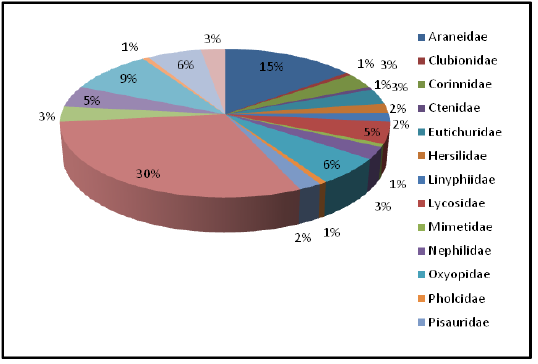
Figure 2: Species distribution in different families found in Western Ghats region, Wayanad
The spiders belonged to seven functional groups based on their foraging mode. Stalkers were the dominant feeding guild with 36%, followed by orb-web builders (24.6%), ambushers (12.6%), space-web builders (10%), ground run
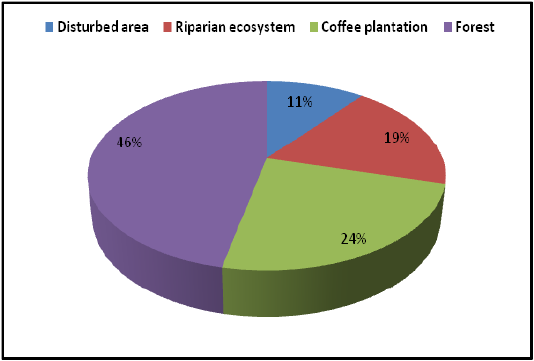
Figure 3: Comparison of spider families recorded from four different habitats of Western Ghats, Wayanad
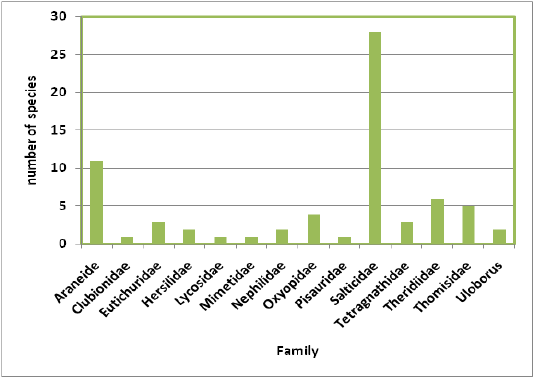
Figure 4: Number of species recorded from site D, Kartikulam forest reserve
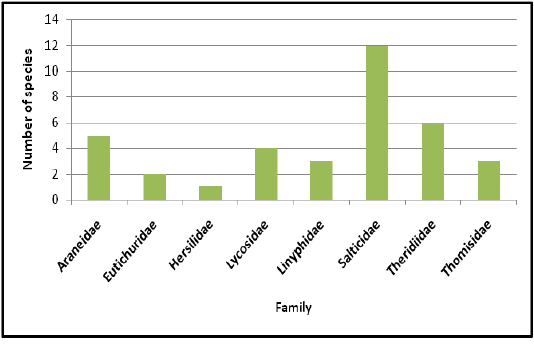
Figure 5: Number of species recorded from site C, coffee plantation, Koilery
ners (8.6%), foliage runners (6%) and sheet-web builders (2%). The dominant guild (Stalkers) was composed of 53 species of the families, Salticidae and Oxyopidae. Orb-web builders constituted 37 species under the families, Araneidae, Tetragnathidae, Uloboridae and Nephilidae (Table 1).
In the present study, the habitat preferences of the various spider species were also analyzed. Spiders preferred to live in different habitats. Species belonging to Tetragnathidae, Oxyopidae, Theridiidae, Araneidae families were mainly found in vegetation. Tetragnathids are long legged thin bodied spiders found on the webs along the banks of
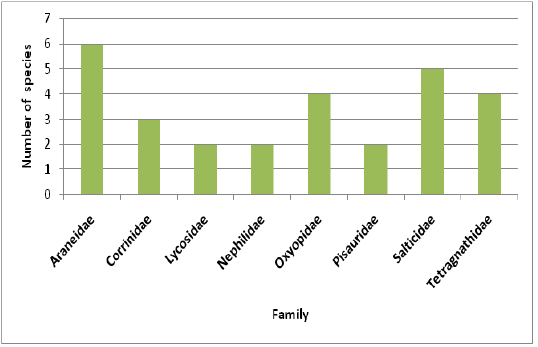
Figure 6: Number of species recorded from site B, riparian ecosystem, Peruvaka
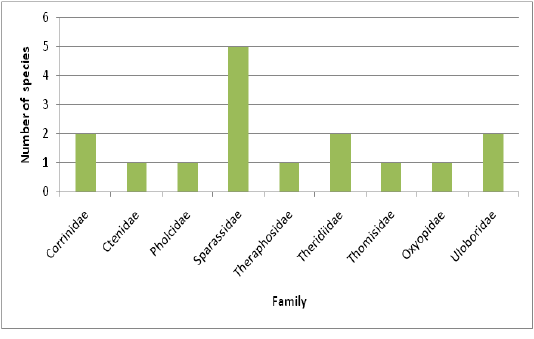
Figure 7: Number of species recorded from site A, disturbed area, Mananthavady
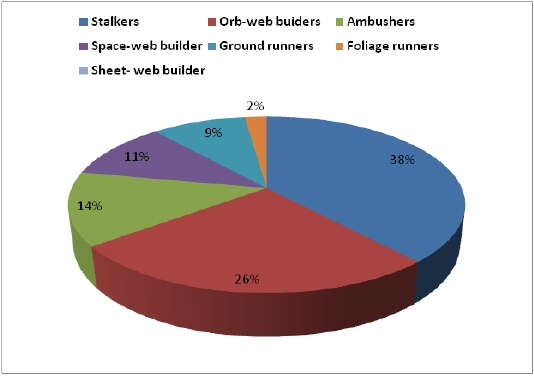
Figure 8: Guild structure analysis of spiders recorded from Western Ghats, Wayanad
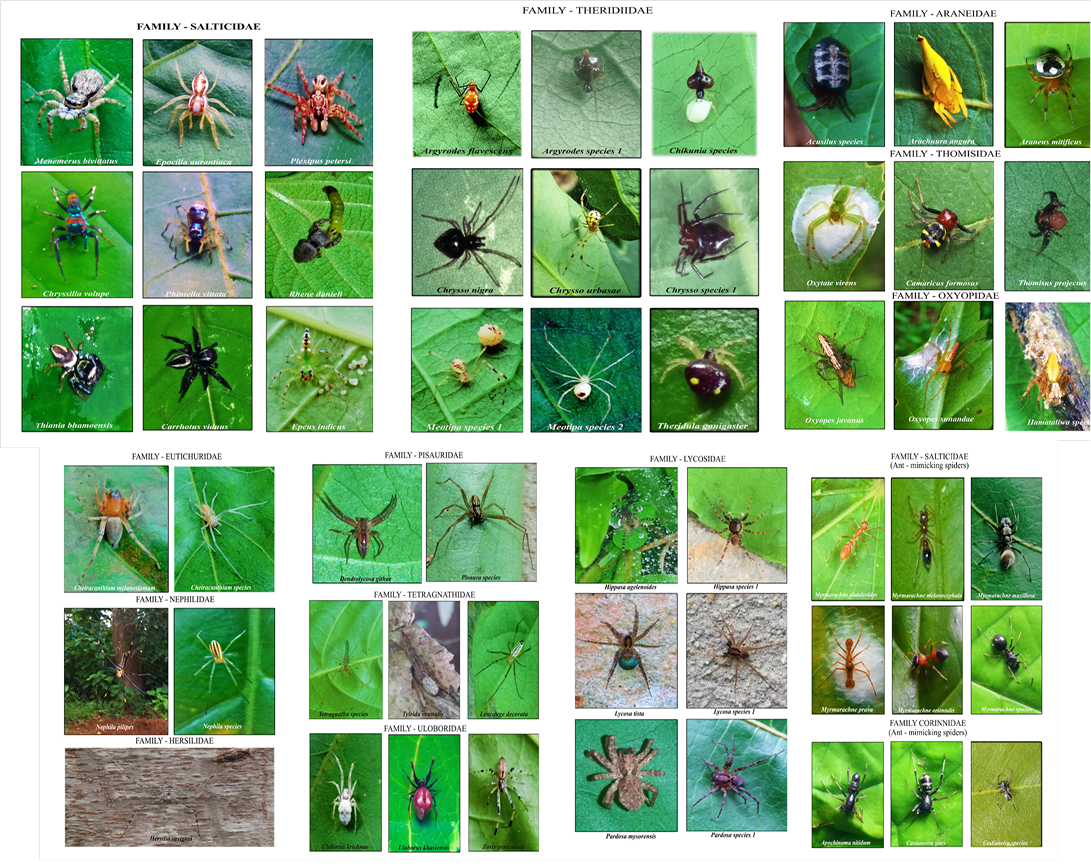
Figure 9: Species diversity in different families found in Western Ghats, Wayanad
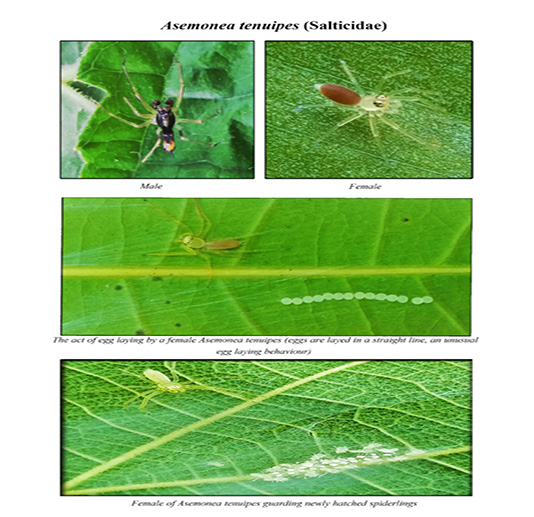
Figure 10: Female of Asemonea tenuipes guarding the eggs and newly hatched spiderlings
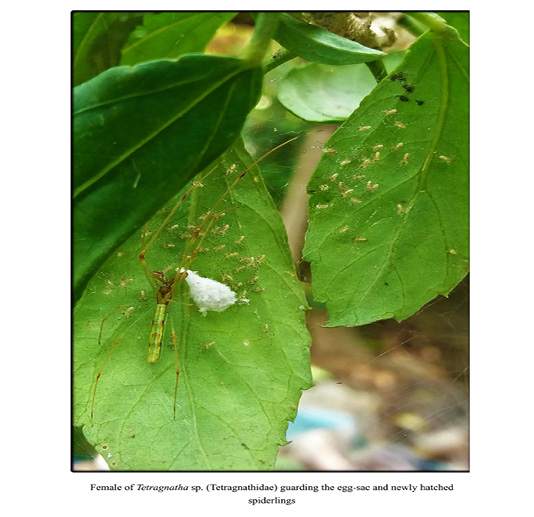
Figure 11: Female of Tetragnatha (Tetragnathidae) guarding young ones
Table 1: Systematic list of recorded spiders from ecosystems
Table 2: List of ant-mimicking spiders collected
rivers. Oxyopids were mainly found on the grasses. Theridiids are usually found at the bottom of leaves. On the other hand, thomisid spiders were found on flowering plants. Cyrtophora cicatrosa was found on the three dimensional web on small herbs. Nephila pilipes is one of the biggest spiders recorded in the study; it builds a large sized orb-web between adjacent trees. Arachnura angura is a scorpion tailed, very rare species found on the leaves and it mimics colourful petals. Hersilia striata and Murrica triangularis found on the tree barks and they showed clear camouflage. Hippasa agelenoides is found in funnel shaped webs and retreats over holes in the ground at the base of the shrubs a-
nd active during early morning. Field observations revealed that Telamonia dimidiata, Plexipus petersi, Bavia insularis ofthe family Salticidae and Oxyopes sunandae of the family Oxyopidae were recorded as superior predators of the four ecosystems.
We recorded a rare egg laying behaviour in spiders of the family, Salticidae. Generally, jumping spiders are the group of spiders that constitute the family, Salticidae and they are selective about where they oviposit in nature. Asemoni atenuipes, of the family Salticidae, lays eggs in a straight line and it also constructs web in the form of silken platform which is made up of very loose silk threads. The spider also uses the same structures for resting and ovipositing. Interestingly, the present study recorded 20 species of ant-mimicking spiders from different ecosystems. They represented the families such as Corinnidae, Salticidae and Thomisidae. Most of the ant-mimicking spiders were obtained from forest habitat (8 species) and less from riparian ecosystem (7 species) and plantations (5 species) (Table 2) (Figures 9, 10 and 11).