
This review examines the origin, categorization, distribution and biological effects of MPs (MP) on aquatic life. Because of their synthetic polymer makeup, MPs are categorized as primary (manufactured) or secondary (degraded plastics). They enter the ecosystem through atmospheric deposition, wastewater discharge, and urban runoff. MPs have the potential to cause trophic transfer, oxidative stress, physical harm, and endocrine disruption in aquatic organisms. Humans and other higher trophic levels may be impacted by bioaccumulation. This review examines the ecological, histological, and physiological effects of MPs, including impaired ecosystem interactions, decreased nutrition, and reproductive failure, based on recent research. In order to address this urgent environmental issue, the review identifies important research gaps and looks at mitigation techniques like biodegradable substitutes, laws, and better wastewater treatment. It emphasizes the necessity of interdisciplinary approaches and standardized procedures.
Review · Volume 58, Issue 4, 21 June 2026 · Open Access
MP Pollution and its Biological Impact on Aquatic Fauna
·
Affiliations & Notes ⌄
- 1Division of Science and Technology, Department of Zoology, University of Education, Lahore, Punjab, Pakistan * Corresponding author: duaafatima985@gmail.com
Article Info ⌄
- Journal:
- Pakistan Journal of Zoology
- Published:
- 21 June 2026

From the article
- MP pollution is now one of the biggest environmental problems, affecting waters from the ocean surface down to deep-sea sediments.
- This review shows that different aquatic animals can suffer from ecological disruption, stress on their bodies, and even damage at the cellular level because of these tiny plastics.
- Eating seafood can also pose risks to humans, as harmful substances carried by MPs can move up the food chain and build up over time.Particularly in delicate arctic and deep-sea ecosystems, there are still significant knowledge gaps about long-term, intergenerational implications.
- Source reduction, better waste management, and consistent research investment are necessary to preserve aquatic biodiversity and provide food security.
Selected from the article's own text.
Abstract
INTRODUCTION
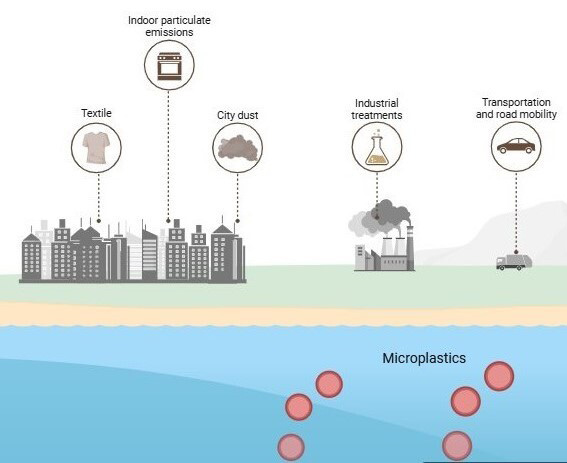
The contamination of aquatic ecosystems by microplastics (MPs) has become a significant environmental concern in the Anthropocene . These particles, composed of synthetic polymers and smaller than 5 mm, can accumulate in water bodies, posing serious risks to aquatic organisms . MPs enter aquatic ecosystems through various channels, exposing organisms to diverse biological stressors . There are two main types of MPs. Primary MPs are made on purpose to be used in cosmetics, personal care products, and industrial abrasives ; . Secondary MPs, on the other hand, form when larger plastic debris gradually breaks down through biological activity, mechanical abrasion, and photochemical weathering ; . These particles resist natural biodegradation due to their synthetic polymer composition, which allows them to persist in the environment for extended periods of time and accumulate over several decades across food webs and geochemical cycles ; . MPs get into water bodies through a mix of human activities and natural movements of water . City runoff, untreated sewage, and particles falling from the air are the main ways they reach rivers and oceans. Most MP pollution comes from land-based sources ; (Fig. 1).
Some MPs, called secondary MPs, form when plastic waste breaks into smaller pieces. Rivers can carry these pieces into the ocean, where sunlight and waves break them down even more . These tiny
plastics are now found in the most remote places, including deep-sea sediments and Arctic ice, showing just how persistent and widespread they are . Aquatic animals often ingest MPs, which is one of the main ways these particles enter the food chain ; . Animals of all sizes, from small filter-feeding invertebrates to large predators, can eat MPs by accident. This happens because the particles are tiny (1 μm–5 mm), appear in many shapes like fibers, fragments, and microbeads, and are present throughout aquatic environments ; . MPs can harm animals in different ways. Chemicals they carry, such as plasticizers, flame retardants, and pollutants they pick up, can get into tissues and cause mild toxic effects. They can also physically harm the animals, causing blocked intestines, internal scratches, or a false sense of fullness, which can lead to starvation . Over time, long-term exposure can weaken immune systems, affect reproduction, and interfere with hormones in fish, mollusks, and crustaceans ; . Top predators often end up with more MPs because of what they eat. As these plastics move through the food chain, they can build up over time and become more concentrated, which is a serious concern for the health of these animals and the ecosystem .
MP pollution can change how ecosystems work and how different groups of organisms interact, not just affecting individual species. These effects happen in many ways and can influence the balance of entire aquatic communities ; . High amounts of MPs in the water can reduce light penetration and make it harder for plants and algae to perform photosynthesis, which may lower overall primary productivity . MPs can also help spread invasive species, harmful algae, and disease-causing microbes, acting as surfaces and carriers for these organisms ; . With climate change and other human pressures potentially making these effects worse, we still do not fully understand the combined impacts of MPs on aquatic ecosystems . Plastic production is increasing every year, and as these plastics break down into tiny pieces, they end up in water and ecosystems ; . Plastics are becoming more common in the environment, and tiny pieces of plastic end up in rivers, lakes, and oceans. People are noticing this problem more, but we still do not fully understand how these small plastics affect fish, plants, and even humans over time . To protect the environment, it is important to have reliable ways to find these plastics, study what they do, and figure out the risks . Understanding how they affect aquatic life means looking at different areas at once, like pollution, water systems, animal health, and materials science ; . When we look at aquatic animals, it is clear that tiny plastics can cause problems, even if we do not know all the details yet. Paying attention to these effects also shows us where more research is needed and can help guide future studies and ways to manage plastics in the environment ; .
CLASSIFICATION AND CHARACTERISTICS OF MPS
Size, shape, and polymer types
MPs come in many different shapes and sizes, which affects how they move and settle in the environment. The tiniest of these, called nanoplastics, are so small that they are almost invisible and behave more like particles in a colloid, while larger fragments are easier to see . The different sizes of MPs affect basic behaviors like how they sink, how they reflect light, and how they interact with aquatic animals . Their shapes also influence how they behave in the environment. In freshwater systems, fibrous particles are the most common, mainly coming from textile shedding and laundry wastewater, and they often have long, thin shapes . In contrast, marine habitats tend to have more irregularly shaped particles because larger plastic debris breaks down over time . Laboratory studies with model organisms have shown that the shape of MP particles can strongly influence how animals feed and how efficiently they ingest these particles . Looking at the types of plastics helps us understand where pollution comes from. Polyethylene and polypropylene are seen almost everywhere, probably because so much of these plastics is made for packaging . When we look closer at different regions, polystyrene shows up more near cities and coasts than in the open ocean .
Chemical properties and bioavailability
MPs are made up of complex chemical mixtures and can pick up contaminants in several ways. During production, manufacturers often add substances like flame retardants, which help prevent fires, and plasticizers, which make the plastic more flexible . Once in the environment, factors like water conditions and the type of plastic influence how quickly these chemicals are released into aquatic habitats . MPs can pick up contaminants because of the way their surfaces interact with the environment. As these particles stay in water, they attract and hold hydrophobic chemicals from nearby sources, which makes them even better at gathering pollutants . This is particularly important for persistent organic pollutants, which tend to stick strongly to plastics . When aquatic animals come into contact with these plastics, the chemicals can interfere with their hormones and harm reproduction, posing serious risks to their health . MPs last a long time in the environment because their plastic backbones are man-made and do not break down easily. Complete mineralization is still very uncommon in aquatic environments, even if photodegradation and mechanical weathering gradually break up particles . Instead of eliminating them, this results in constant size reduction, which over time produces particles that are more bioavailable . Across trophic levels, bioavailability patterns show a definite size dependence. From filter feeders to visual predators, a variety of creatures can more easily consume smaller particles . By changing their physical and chemical cues to resemble natural food sources, surface alterations brought about by biofilm growth greatly improve particle ingestion .
OCCURRENCE AND DISTRIBUTION of mps IN AQUATIC ECOSYSTEMS
According to , MPs are found in freshwater habitats all over the world, and their distribution patterns are greatly impacted by both human activity and natural hydrology. In linked water systems, aquaculture activities dramatically increase MP concentrations by three to five times when compared to natural circumstances . Lakes have distinctive accumulation zones that are influenced by their hydrodynamic properties and water retention periods , whereas rivers have noticeable MP hotspots close to cities and wastewater outfalls . How MPs settle in water depends on layers in the water and seasonal changes . In the sediments at the bottom, biofilms can trap more MPs, increasing retention by about 38–42%, especially where the sediment has a lot of organic matter . Coastal areas act as final collection points for MPs. They are important zones where plastics from land meet the ocean .
Near cities, the amount of MPs in coastal waters can be four to seven times higher than in less developed areas. This is closely linked to how much the coast has been built up . The water column has layers where MPs settle differently, depending on the type of plastic and the growth of biofilms . While sediments along coasts store many MPs, the accumulation of floating plastics in open ocean gyres is affected by organic matter in the water and the movement of surface currents .
Sediments act as long-term storage areas for MPs. How the particles settle depends on water movement and the characteristics of the plastics themselves . In rivers, the amount of MPs is closely linked to organic matter, which suggests that similar processes control their deposition . Most particles eventually move downstream, but strong water flows can temporarily lift them back into the water . The growth of biofilms at the boundary between sediment and water can move MPs between different layers. At the same time, the water surface remains very dynamic because of animal activity and wind ; . To measure MP concentrations accurately, careful sampling is needed to account for these changing conditions .
Freshwater and marine systems have different patterns of MP pollution. Rivers are key pathways, carrying plastics from land to the ocean . In Asia, rivers contribute about 86% of the world’s plastic inputs to the seas, which is a very large share . Differences in MP types between regions are linked to local waste management, industrial activity, and water conditions . In tropical areas, strong sunlight can break down plastics more quickly . Using standardized methods is still important to make sure measurements are accurate across different environments .
INGESTION AND BIOACCUMULATION of mps IN AQUATIC FAUNA
Ingestion of MPs by fish
Fish can take in MPs in different ways, depending on what they eat and where they live . Some plastics look or move like the fish’s normal food. Visual predators, such as bass (Micropterus salmoides) and perch (Perca fluviatilis), may eat these plastics on purpose . Microbes can grow on plastic surfaces and produce chemical signals that make the plastics seem even more like food, which increases the chance of fish eating them by mistake .
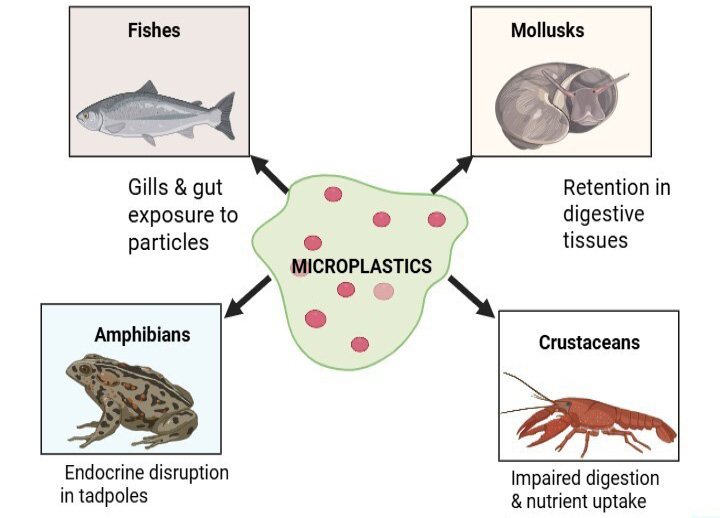
MPs can also enter fish by accident during normal feeding or when water flows over their gills. This is called passive ingestion . Fish that live near cities or areas with wastewater discharge usually have more MPs in their bodies compared to fish that live farther out in open waters . The distribution of polymers reflects global output, with polyethylene accounting for 42%, polypropylene for 31%, and PET for 18% . Nanoplastics (less than 1 μm) have been found in hepatic tissues using sophisticated detection techniques as Raman microscopy and μFTIR spectroscopy, suggesting a systemic dispersion outside of the digestive tract . Figure 2 illustrates the exposure of fish to MPs through gills and gut ingestion.
MP uptake in amphibians
Because amphibians have complex biphasic life cycles, they are especially susceptible to MP pollution . During filter-feeding, aquatic larval stages consume particles; tadpoles exhibit a preference for consuming 80-200 μm MPs that correspond to their gape size and feeding current velocities . Both larvae and adults’ porous integument promotes dermal uptake, especially for nanoplastics that are able to cross cutaneous barriers . According to research on chronic exposure, MPs build up in digestive tracts and interfere with hormones to cause metamorphic processes to be disrupted . Superoxide dismutase and catalase activity, two indicators of oxidative stress, sharply rise after exposure, suggesting cellular harm from plastic additives and adsorbed pollutants . Due to their comparatively sluggish metabolic clearance rates, several species of adult frogs store MPs for lengthy periods of time, and they continue to acquire them through their diet and the environment . As shown in Figure 2, tadpoles experience endocrine disruption due to MP accumulation.
MP ingestion in mollusks and crustaceans
Because of their extensive range and effective filter-feeding processes, bivalve mollusks are useful bioindicators for MP contamination . Large amounts of water are processed by mussels (Mytilus spp.) and oysters (Crassostrea spp.), which passively concentrate MPs that are then stored in digestive glands . Within hour of ingestion, MPs smaller than 100 μm can penetrate intestinal epithelial barriers and enter circulatory systems, according to particle translocation studies . MPs physically occupy the space of the digestive canal, these exposure paths frequently result in misleading satiation signals and poor food absorption . Different species have significantly different depuration rates, some bivalves remove over 90% of particles in 72 h, while others hold onto MPs for weeks . Figure 2 further illustrates MP retention in mollusks digestive tissues and impaired digestion in crustaceans.
Bioaccumulation and trophic transfer
MPs distribute differentially across tissues and organ systems according to particle characteristics and organism physiology . Chemical additives including plasticizers and stabilizers leach from MPs under physiological conditions, with release rates accelerated by gut acidity and enzymatic activity . Retention times vary phylogenetically, reflecting fundamental differences in digestive system morphology and metabolic rates . Bivalves generally retain MPs longer than fish due to more efficient particle sequestration in digestive glands .
Predator-prey relationships allow MPs to spread across food webs . Particles introduced by primary consumers cause higher trophic species to biomagnify . The adsorptive properties of MPs enhance their role as vectors for hydrophobic contaminants, creating complex exposure scenarios that vary across ecosystem types . Through species that live in sediment, benthic channels demonstrate effective transmission . The highest trophic retention rates are found in fibers . Transfer is very effective in deep-sea food webs . These processes may have cascading effects on ecosystem structure and function through impacts on keystone species and trophic interactions .
PHYSIOLOGICAL AND HISTOPATHOLOGICAL EFFECTS OF MPS IN AQUATIC FAUNA
Tissue-specific pathologies and systemic effects
When aquatic creatures are subjected to MPs, their branchial systems gradually deteriorate . Gill filaments exhibit epithelial lifting at first, which eventually progresses to full lamellar fusion. Both chemical irritation from leached plastic additives and physical abrasion from particle surfaces cause this structural degradation . In response, the respiratory epithelium secretes large amounts of mucus, usually two to three times the normal amount . This results in notable diffusion barriers that reduce the effectiveness of oxygen intake. Chloride cells exhibit substantial ciliary damage and mitochondrial enlargement, according to ultrastructural investigations . Important osmoregulatory processes are interfered with by these alterations.
Damage to intestinal tissues shows a clear development. In situations involving prolonged exposure, this starts with microvilli shortening and progresses to total villous atrophy . Tight connection protein structure between enterocytes gradually degrades. This results in elevated intestinal permeability and possible systemic absorption of poisons . Histological analyses reveal a significant infiltration of leukocytes in the lamina propria. Phagocytosed MP particles are seen in many macrophages . Hepatic disease presents as a series of metabolic abnormalities that change during the course of exposure . In situations involving extended exposure, initial steatosis develops into lobular inflammation and, ultimately, periportal fibrosis. Hepatocytes show megamitochondria production and a progressive build-up of lipofuscin granules, persistent oxidative stress is indicated by both . The hepatic stellate cell population gets activated, They become myofibroblasts, which spread extracellular matrix components all across the liver parenchyma .
Molecular stress pathways and cellular dysfunction
When mitochondrial electron transport chains are disrupted, the oxidative cascade starts. Significant amounts of superoxide radicals are produced as a result . Large-scale lipid peroxidation chain events are started by these reactive oxygen species. They specifically target cellular membrane polyunsaturated fatty acids . Reactive aldehydes are created as a result, including malondialdehyde and 4-hydroxynonenal. These produce long-lasting protein adducts that impair the integrity of the cytoskeleton and prevent essential enzymes from functioning .
Phase II detoxification enzymes are coordinatedly upregulated in cellular antioxidant responses, the Nrf2-Keap1 signaling pathway is responsible for this . But these defenses are eventually overpowered by long-term exposure to MPs . As a result, the thioredoxin system eventually collapses due to significant glutathione depletion. Eight-oxoguanine lesions and strand breaks are signs of oxidative damage to DNA, they are especially concentrated in tissues that are metabolically active .
Pattern recognition receptors are activated to start inflammatory reactions, these consist of the NLRP3 inflammasome complex and Toll-like receptors . NF-κB is translocated to the nucleus by subsequent signaling cascades . Pro-inflammatory cytokines such TNF-α, IL-6, and IL-1β are significantly released as a result . Different macrophage activation characteristics are caused by persistent inflammation, it also results in widespread fibroblast proliferation . Tissue fibrosis is caused by these factors taken together.
Reproductive and developmental toxicity
Multiple parallel processes lead to endocrine dysregulation. These consist of inhibition of aromatase, competitive receptor binding, and suppression of several steroidogenic enzymes . There is a change in the pulsatility of gonadotropin-releasing hormones in the hypothalamic-pituitary axis . As a result, gonadotropin secretion patterns are disrupted. Numerous metabolic processes are compromised in steroidogenesis, these include 17β-hydroxysteroid dehydrogenase activity and StAR-mediated cholesterol transfer .
Accelerated atresia rates are seen in ovarian follicles. Alongside this, there is aberrant zona pellucida development and decreased vitellogenin uptake . Numerous pathological alterations are indicative of testicular injury, these include impaired blood-testis barrier integrity, Sertoli cell vacuolization, and germ cell death . Asynchronous development patterns are common in spermatogenic phases, the frequency of aberrant sperm morphology has increased . Transgenerational effects result from germ cell epigenetic reprogramming, many generations are affected by these . Stable alterations in DNA methylation at imprinted sites are among the consequences . Additionally, histone modification patterns are continuously changing and small RNA profiles undergo significant changes . These epigenetic changes significantly change the course of an offspring’s development, even when there is no direct exposure to MPs, this still happens.
Organismal and ecosystem impacts of MPs
MPs use a variety of stress pathways to significantly limit population persistence and organismal growth. During crucial growth times, intestinal blockage and poor nutrition absorption cause developmental bottlenecks in larval stages . Reduced size-at-age results from disruption of skeletal development and protein metabolism, which changes juvenile growth trajectories . Resources from somatic development are diverted when cellular stress responses trigger energetically expensive detoxification pathways . Climate change intensifies these physiological effects by raising metabolic rates and MP toxicity . Through a combination of physical and biological mechanisms, MP contamination causes systemic alterations in the way aquatic ecosystems function. As bioturbation rates decrease, benthic-pelagic connection is disrupted, impacting nutrient transport across sediment-water interfaces . Reduced filter-feeder activity modifies particulate organic matter export and changes carbon cycling .
When coupled with additional stressors like eutrophication and climate change, these functional alterations may cause regime shifts in the status of the ecosystem . According to long-term monitoring, these consequences are getting worse as the amount of MP pollution in the world keeps rising . Because MPs disrupt both optical and chemical threat assessment systems, prey species exhibit weakened antipredator responses .
MPS AND CHEMICAL POLLUTANTS IN AQUATIC ECOSYSTEMS
Adsorption dynamics of heavy metals and persistent organic pollutants
MP surfaces display substantial adsorption capacities for both heavy metals and persistent organic pollutants (POPs) due to their hydrophobic qualities and high surface area-to-volume ratios . The way MPs attract contaminants depends on the type of plastic. Polyethylene and polypropylene tend to attract nonpolar pollutants, such as polychlorinated biphenyls (PCBs), more strongly. Polyvinyl chloride (PVC), on the other hand, picks up more heavy metals, like lead and cadmium . Environmental factors, such as pH, salt levels, and dissolved organic matter, also affect how well contaminants stick to plastics. For example, lower pH can make metals attach more easily to the plastic surface . Over time, MPs change due to sunlight and mechanical wear. This aging process makes their surfaces more porous and adds oxygen-containing groups, which help them bind more contaminants . Because of this, MPs can carry pollutants from rivers to the sea, acting as transporters in estuarine ecosystems . Microbes can grow on plastic surfaces, and this changes how chemicals stick to the plastics. The sticky substances made by the microbes, called extracellular polymers, help some pollutants attach more easily .
Combined toxic effects on aquatic animals
When fish and other aquatic animals eat MPs carrying pollutants, the effects can be worse than with either the plastic or chemicals alone. These combined exposures can harm their health in several ways. Because of their altered speciation and extended retention in digestive systems, heavy metals linked to MPs exhibit higher toxicity . MPs hinder organisms capacity to digest co-occurring chemical pollutants by interfering with detoxification enzymes such cytochrome P450 at the cellular level . By producing reactive oxygen species, the presence of MPs intensifies oxidative stress reactions to contaminants, increasing lipid peroxidation and DNA damage . Larval fish display developmental defects and lower survival rates, indicating that early life stages are especially sensitive to these combined exposures . When the reported toxicity surpasses the sum of the effects of the individual components, the combined effects frequently exhibit non-additive patterns . These interactions differ between species, with benthic invertebrates and filter-feeding organisms responding most strongly to MP-chemical combinations .
Ecological consequences of MP-mediated contaminant transport
Through special transport mechanisms, MPs change the temporal and geographical distribution of contaminants in aquatic environments. Many plastics are buoyant, which makes it easier for absorbed pollutants to travel horizontally over large distances across ecosystem boundaries . Pollutants are transferred from surface waters to benthic sediments through vertical transport, which happens when biofouled particles lose their buoyancy . By creating novel exposure pathways through ingestion and direct touch, MPs alter established contamination pathways in freshwater systems . Since MPs avoid conventional sedimentation processes and keep pollutants in biologically active zones, marine habitats undergo altered pollutant cycling . In contaminated locations, the contaminant load carried by MPs frequently accounts for a sizable portion of the overall pollutant burden .
When MPs move through an ecosystem, they can change which animals and plants live there. The species that can handle pollution survive, while others may disappear . Sometimes, MP levels rise suddenly because of seasonal changes. These spikes can make it harder for the ecosystem to bounce back after being disturbed .
HUMAN HEALTH IMPLICATIONS VIA AQUATIC FOOD CHAINS
Trophic transfer and bioaccumulation dynamics
Zooplankton and small filter-feeding animals play a key role in bringing MPs into the ocean food chain because they eat almost anything in the water . Plastics can attract harmful chemicals from the water, creating mixtures of pollutants that can build up as they move through the food chain . Studies show that meat-eating fish tend to have more MPs in their bodies than plant-eating fish . Some shellfish, like mussels and oysters, filter water directly and remove MPs very efficiently . Bioaccumulation patterns vary significantly among aquatic habitats due to ecosystem-specific characteristics such as hydrology, sedimentation rates, and community structure . Understanding the flow of MPs through food webs has improved due to recent developments in stable isotope analysis, which have shown surprising paths such as detrital feeding routes .
Seafood contamination and human exposure pathways
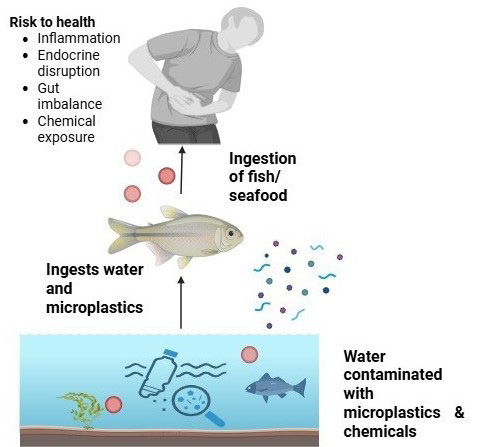
MP contamination is very ubiquitous in commercial seafood, according to market surveys; contamination levels in farmed and wild-caught seafood are similar (Fig. 3, . Bivalves have the highest particle concentrations due to their filter-feeding ecology and extensive whole-body consumption; oysters have far greater levels of MPs than do crustaceans or finfish . Seafood from urbanized estuaries has higher particle loads, indicating that coastal proximity is a significant factor of pollution levels, according to geographic study .
Multiple paths of seafood intake expose humans, but raw or little processed goods are more dangerous since there is less particle removal during preparation . MPs digestive bioavailability differs depending on the kind of polymer; bigger polystyrene particles have less intestinal absorption capacity than polyethylene and polypropylene . High-temperature preparations increase the leaching of plastic additives while perhaps lowering particle burdens, demonstrating how cooking techniques affect the transfer of contaminants .
Health risk assessment and research priorities
Chronic exposure to MPs may have negative health effects, such as inflammatory reactions and cellular damage processes, according to toxicological research . Particulate plastics and adsorbed pollutants may interfere with endocrine function, which might have a negative impact on reproductive and developmental health outcomes . Although there are currently few human research, there is growing evidence that MPs may change the makeup of the gut microbiota and the function of the intestinal barrier . Understanding long-term, low-dose exposure effects and possible synergistic interactions with other environmental stressors remains a critical research need . Standardizing testing procedures for nanoplastics and creating biomarkers for evaluating human exposure are two methodological problems .
In order to stop MPs from entering aquatic environments, risk management techniques are placing a greater emphasis on source reduction and enhanced wastewater treatment .
CURRENT MITIGATION STRATEGIES FOR MP POLLUTION
Wastewater treatment upgrades and removal technologies
The removal efficiency of conventional wastewater treatment plants vary; basic treatment stages remove 50–98% of particles through physical settling processes, with an average removal of ~80% across systems . By fusing physical filtration methods with biological degradation, advanced tertiary treatments like as membrane bioreactors and fast sand filtration attain removal rates of 95–99% . Membrane technologies are especially promising; using size-exclusion principles, ultrafiltration devices can efficiently capture particles as small as 10 nm . By causing particle aggregation through charge neutralization, emerging electrochemical techniques improve removal efficiency and make it simpler to separate from wastewater streams . Adaptive treatment techniques are necessary due to seasonal differences in MP burdens; studies have shown that sophisticated systems work consistently under varying influent circumstances . Alum and ferric chloride-based natural coagulation techniques have the potential to be economical ways to remove MPs in environments with limited resources .
Public awareness campaigns and policy frameworks
The general public’s awareness of MP pollution is still uneven, with coastal towns showing higher levels of awareness than inland ones . To improve risk perception, effective communication tactics include visual examples of MP deposition in common seafood items . Programs for environmental education at the university level greatly increase understanding of the causes of MPs and ways to prevent them . The European Union has implemented extensive restrictions on primary MPs in cosmetics through REACH rules, however there are significant differences in international policy responses . Localized restrictions on single-use plastics are becoming more common in developing countries, however their implementation is difficult because of inadequate waste management infrastructure . In order to encourage the reduction of plastic trash at the source, new legislative strategies center on extended producer responsibility programs .
Biodegradable alternatives and sustainable materials
While retaining the material qualities required for packaging applications, bioplastics made of polylactic acid (PLA) and polyhydroxyalkanoate (PHA) show encouraging degradation patterns in marine settings . The production of biodegradable MPs during partial degradation and their possible ecological effects, however, continue to raise concerns . Biopolymers made from agricultural waste provide sustainable substitutes, cellulose-based materials exhibit the most potential for products with limited lifespans . Because some bioplastics demand large energy inputs and agricultural land for feedstock production, life cycle studies show complex tradeoffs . The broad use of biodegradable substitutes in some applications is now hampered by performance limits in mechanical strength and moisture barrier qualities . Ongoing material science innovations focus on improving the marine degradation rates of bioplastics while maintaining functional durability during product use . Regulatory frameworks must evolve to distinguish between truly compostable materials and conventional plastics marketed as biodegradable without proper certification .
RESEARCH GAPS AND FUTURE DIRECTIONS IN MP STUDIES
Knowledge gaps
Understanding of long-term ecological effects is limited by the paucity of longitudinal studies investigating the effects of chronic, multigenerational MP exposure in current research . The majority of lab investigations use brief exposures that last a few weeks to months, but field research never lasts longer than one cycle every year. Comprehensive evaluation of ecosystem-level consequences and transgenerational effects is hampered by this temporal constraint ; . Regarding population resilience and the possibility of recovery after extended exposure to MPs, there are still important knowledge gaps . Current studies have significant taxonomic and regional biases. Despite their ecological sensitivity, tropical freshwater systems and polar marine settings are still significantly underrepresented in studies, which disproportionately concentrate on economically valuable species and temperate coastal ecosystems ; . In studies on MPs, most attention goes to fish and marine mammals. Small animals, like insects and shellfish, are often ignored . Even creatures living on the ocean floor or in deep-sea habitats are rarely studied, even though MPs are present there .
Standardization needs
Scientists around the world agree that we need consistent ways to collect, process, and analyze MPs . Right now, different labs use very different methods, such as how they digest samples, filter particles, or identify plastics with spectroscopy. These differences make it hard to compare studies or combine data . To improve this, researchers suggest standardizing how we classify MP sizes, creating reference materials, and thinking about how environmental conditions affect measurements . Special care is also needed when processing tissues, because some techniques can change the properties of MPs . Many experts recommend using multiple analytical methods but staying flexible so that each study can meet its own specific goals .
CONCLUSION
MP pollution is now one of the biggest environmental problems, affecting waters from the ocean surface down to deep-sea sediments. This review shows that different aquatic animals can suffer from ecological disruption, stress on their bodies, and even damage at the cellular level because of these tiny plastics. Eating seafood can also pose risks to humans, as harmful substances carried by MPs can move up the food chain and build up over time.Particularly in delicate arctic and deep-sea ecosystems, there are still significant knowledge gaps about long-term, intergenerational implications. Worldwide efforts to analyze and mitigate are hampered by the absence of standardized detection techniques. Innovation in biodegradable materials, strict international legal frameworks, and modern wastewater treatment must be integrated in a way never seen before in order to provide effective solutions. The magnitude of this problem necessitates quick, coordinated response from the public, business, and scientific sectors. Source reduction, better waste management, and consistent research investment are necessary to preserve aquatic biodiversity and provide food security. Despite the seriousness of the problem, this assessment confirms that the spread of MP contamination can be stopped by scientifically based remedies and a coordinated worldwide reaction. The time for serious action is now, as our window for meaningful involvement is closing.
Declarations
Acknowledgement
The authors are grateful to their institution for academic support and access to scientific literature.
Funding
This research received no external funding.
Generative AI and AI-assisted technology statement
The authors declare that no genrative AI was used in the creation of this manuscript.
Statement of conflict of interest
The authors have declared no conflict of interest regarding the publication of this article.
Figures
References
- Acharjee, S.A., Bharali, P., Gogoi, B., Sorhie, V., Walling, B. and Alemtoshi, 2023. PHA-based bioplastic: A potential alternative to address microplastic pollution. Water Air Soil Pollut., 234: 21. https://doi.org/10.1007/s11270-022-06029-2[CrossRef]
- Al-Azzawi, M.S.M., Kefer, S., Weißer, J., Reichel, J., Schwaller, C., Glas, K., Knoop, O. and Drewes, J.E., 2020. Validation of sample preparation methods for microplastic analysis in wastewater matrices reproducibility and standardization. Water, 12: 2445. https://doi.org/10.3390/w12092445[CrossRef]
- Alberghini, L., Truant, A., Santonicola, S., Colavita, G. and Giaccone, V., 2022. Microplastics in fish and fishery products and risks for human health: A review. Int. J. environ. Res. Publ. Hlth., 20: 789. https://doi.org/10.3390/ijerph20010789[CrossRef]
- Ali, A.A.M., Khalid, A.A., Razak, N.I.A., Maulana, N.S.M., Roslan, N.S., Razmi, R.S.B., Ruseli, W.M.A.W., Ibrahim, Y.S., Jaafar, M., Shahrudin, R., Ismail, K. and Anuar, S.T., 2024. A review on the presence of microplastics in environmental matrices within Southeast Asia: elucidating risk information through an analysis of microplastic characteristics such as size, shape, and type. Water Emerg. Contam. Nanoplast., 3. https://doi.org/10.20517/wecn.2023.73[CrossRef]
- Ali, W., Ali, H., Gillani, S., Zinck, P. and Souissi, S., 2023. Polylactic acid synthesis, biodegradability, conversion to microplastics and toxicity: A review. Environ. Chem. Lett., 21: 1761–1786. https://doi.org/10.1007/s10311-023-01564-8[CrossRef]
- Amelia, T.S.M., Khalik, W.M.A.W.M., Ong, M.C., Shao, Y.T., Pan, H.J. and Bhubalan, K., 2021. Marine microplastics as vectors of major ocean pollutants and its hazards to the marine ecosystem and humans. Prog. Earth Planet. Sci., 8: 12. https://doi.org/10.1186/s40645-020-00405-4[CrossRef]
- Atiwesh, G., Mikhael, A., Parrish, C.C., Banoub, J. and Le, T.A.T., 2021. Environmental impact of bioplastic use: A review. Heliyon, 7: e07918. https://doi.org/10.1016/j.heliyon.2021.e07918[CrossRef]
- Atugoda, T., Piyumali, H., Liyanage, S., Mahatantila, K. and Vithanage, M., 2020. Fate and behavior of microplastics in freshwater systems. In: Handbook of microplastics in the environment (eds. T. Rocha-Santos, M. Costa and C. Mouneyrac). Springer International Publishing, Cham, pp. 1–31. https://doi.org/10.1007/978-3-030-10618-8_42-1[CrossRef]
- Au, S.Y., Lee, C.M., Weinstein, J.E., Van Den Hurk, P. and Klaine, S.J., 2017. Trophic transfer of microplastics in aquatic ecosystems: Identifying critical research needs. Integr. Environ. Assess. Manage., 13: 505–509. https://doi.org/10.1002/ieam.1907[CrossRef]
- Avio, C.G., Gorbi, S., Milan, M., Benedetti, M., Fattorini, D., d’Errico, G., Pauletto, M., Bargelloni, L. and Regoli, F., 2015. Pollutants bioavailability and toxicological risk from microplastics to marine mussels. Environ. Pollut., 198: 211–222. https://doi.org/10.1016/j.envpol.2014.12.021[CrossRef]
- Bakir, A., Rowland, S.J. and Thompson, R.C., 2014. Transport of persistent organic pollutants by microplastics in estuarine conditions. Estuar. Coast. Shelf Sci. 140: 14–21. https://doi.org/10.1016/j.ecss.2014.01.004[CrossRef]
- Bayo, J., Guillén, M., Olmos, S., Jiménez, P., Sánchez, E. and Roca, M.J., 2018. Microplastics as vector for persistent organic pollutants in urban effluents: The role of polychlorinated biphenyls. Int. J. Sustain. Dev. Plan., 13: 671–682. https://doi.org/10.2495/SDP-V13-N4-671-682[CrossRef]
- Bayo, J., López-Castellanos, J. and Olmos, S., 2020. Membrane bioreactor and rapid sand filtration for the removal of microplastics in an urban wastewater treatment plant. Mar. Pollut. Bull., 156: 111211. https://doi.org/10.1016/j.marpolbul.2020.111211[CrossRef]
- Beiras, R., Verdejo, E., Campoy-López, P. and Vidal-Liñán, L., 2021. Aquatic toxicity of chemically defined microplastics can be explained by functional additives. J. Hazard. Mater., 406: 124338. https://doi.org/10.1016/j.jhazmat.2020.124338[CrossRef]
- Bellasi, A., Binda, G., Pozzi, A., Galafassi, S., Volta, P. and Bettinetti, R., 2020. Microplastic contamination in freshwater environments: A review, focusing on interactions with sediments and benthic organisms. Environments, 7: 30. https://doi.org/10.3390/environments7040030[CrossRef]
- Bhagat, J., Zang, L., Nishimura, N. and Shimada, Y., 2020. Zebrafish: An emerging model to study microplastic and nanoplastic toxicity. Sci. Total Environ., 728: 138707. https://doi.org/10.1016/j.scitotenv.2020.138707[CrossRef]
- Bhuyan, M.S., 2022. Effects of microplastics on fish and in human health. Front. Environ. Sci., 10: 827289. https://doi.org/10.3389/fenvs.2022.827289[CrossRef]
- Bilal, M., Ul-Hassan, H., Taj, M., Rafiq, N., Nabi, G., Ali, A., Gabol, K., Shah, M.I.A., Ghaffar, R.A., Sohail, M. and Arai, T., 2023. Biological magnification of microplastics: A look at the induced reproductive toxicity from simple invertebrates to complex vertebrates. Water, 15: 2831. https://doi.org/10.3390/w15152831[CrossRef]
- Botterell, Z.L.R., Beaumont, N., Dorrington, T., Steinke, M., Thompson, R.C. and Lindeque, P.K., 2019. Bioavailability and effects of microplastics on marine zooplankton: A review. Environ. Pollut., 245: 98–110. https://doi.org/10.1016/j.envpol.2018.10.065[CrossRef]
- Boyero, L., López-Rojo, N., Bosch, J., Alonso, A., Correa-Araneda, F. and Pérez, J., 2020. Microplastics impair amphibian survival, body condition and function. Chemosphere, 244: 125500. https://doi.org/10.1016/j.chemosphere.2019.125500[CrossRef]
- Brennecke, D., Duarte, B., Paiva, F., Caçador, I. and Canning-Clode, J., 2016. Microplastics as vector for heavy metal contamination from the marine environment. Estuar. Coast. Shelf. Sci., 178: 189–195. https://doi.org/10.1016/j.ecss.2015.12.003[CrossRef]
- Burgos-Aceves, M.A., Faggio, C., Betancourt-Lozano, M., González-Mille, D.J. and Ilizaliturri-Hernández, C.A., 2022. Ecotoxicological perspectives of microplastic pollution in amphibians. J. Toxicol. environ. Hlth. Part B, 25: 405–421. https://doi.org/10.1080/10937404.2022.2140372[CrossRef]
- Carbery, M., O’Connor, W. and Palanisami, T., 2018. Trophic transfer of microplastics and mixed contaminants in the marine food web and implications for human health. Environ. Int., 115: 400–409. https://doi.org/10.1016/j.envint.2018.03.007[CrossRef]
- Cera, A. and Scalici, M., 2021. Freshwater wild biota exposure to microplastics: A global perspective. Ecol. Evol., 11: 9904–9916. https://doi.org/10.1002/ece3.7844[CrossRef]
- Chen, M., Yue, Y., Bao, X., Yu, H., Tan, Y., Tong, B., Kumkhong, S. and Yu, Y., 2022. Microplastics as contaminants in water bodies and their threat to the aquatic animals: A mini-review. Animals, 12: 2864. https://doi.org/10.3390/ani12202864[CrossRef]
- Chen, Q., Allgeier, A., Yin, D. and Hollert, H., 2019. Leaching of endocrine disrupting chemicals from marine microplastics and mesoplastics under common life stress conditions. Environ. Int., 130: 104938. https://doi.org/10.1016/j.envint.2019.104938[CrossRef]
- Chen, Q., Zhao, H., Liu, Y., Jin, L. and Peng, R., 2023. Factors affecting the adsorption of heavy metals by microplastics and their toxic effects on fish. Toxics, 11: 490. https://doi.org/10.3390/toxics11060490[CrossRef]
- Choy, C.A., Robison, B.H., Gagne, T.O., Erwin, B., Firl, E., Halden, R.U., Hamilton, J.A., Katija, K., Lisin, S.E., Rolsky, C.S. and Van Houtan, K., 2019. The vertical distribution and biological transport of marine microplastics across the epipelagic and mesopelagic water column. Sci. Rep., 9: 7843. https://doi.org/10.1038/s41598-019-44117-2[CrossRef]
- Corinaldesi, C., Canensi, S., Dell’Anno, A., Tangherlini, M., Di Capua, I., Varrella, S., Willis, T.J., Cerrano, C. and Danovaro, R., 2021. Multiple impacts of microplastics can threaten marine habitat-forming species. Commun. Biol., 4: 431. https://doi.org/10.1038/s42003-021-01961-1[CrossRef]
- Corpuz, M.V.A., Cairone, S., Natale, M., Giannattasio, A., Iuliano, V., Grassi, A., Pollice, A., Mannina, G., Buonerba, A., Belgiorno, V. and Naddeo, V., 2024. Sustainable control of microplastics in wastewater using the electrochemically enhanced living membrane bioreactor. J. environ. Manage., 370: 122649. https://doi.org/10.1016/j.jenvman.2024.122649[CrossRef]
- Cruz, R.M.S., Krauter, V., Krauter, S., Agriopoulou, S., Weinrich, R., Herbes, C., Scholten, P.B.V., Uysal-Unalan, I., Sogut, E., Kopacic, S., Lahti, J., Rutkaite, R. and Varzakas, T., 2022. Bioplastics for food packaging: Environmental impact, trends and regulatory aspects. Foods, 11: 3087. https://doi.org/10.3390/foods11193087[CrossRef]
- D’Avignon, G., Gregory-Eaves, I. and Ricciardi, A., 2022. Microplastics in lakes and rivers: An issue of emerging significance to limnology. Environ. Rev., 30: 228–244. https://doi.org/10.1139/er-2021-0048[CrossRef]
- Danopoulos, E., Jenner, L.C., Twiddy, M. and Rotchell, J.M., 2020. Microplastic contamination of seafood intended for human consumption: A systematic review and meta-analysis. Environ. Hlth. Perspect., 128: 126002. https://doi.org/10.1289/EHP7171[CrossRef]
- De Sá, L.C., Oliveira, M., Ribeiro, F., Rocha, T.L. and Futter, M.N., 2018. Studies of the effects of microplastics on aquatic organisms: What do we know and where should we focus our efforts in the future? Sci. Total Environ., 645: 1029–1039. https://doi.org/10.1016/j.scitotenv.2018.07.207[CrossRef]
- De Vries, A.N., Govoni, D., Árnason, S.H. and Carlsson, P., 2020. Microplastic ingestion by fish: Body size, condition factor and gut fullness are not related to the amount of plastics consumed. Mar. Pollut. Bull., 151: 110827. https://doi.org/10.1016/j.marpolbul.2019.110827[CrossRef]
- De-la-Torre, G.E., 2020. Microplastics: An emerging threat to food security and human health. J. Fd. Sci. Technol., 57: 1601–1608. https://doi.org/10.1007/s13197-019-04138-1[CrossRef]
- Digka, N., Tsangaris, C., Kaberi, H., Adamopoulou, A. and Zeri, C., 2018. Microplastic abundance and polymer types in a mediterranean environment. In: Proceedings of the international conference on microplastic pollution in the mediterranean sea, springer water (eds. M. Cocca, E. Di Pace, M.E. Errico, G. Gentile, A. Montarsolo and R. Mossotti). Springer International Publishing, Cham, pp. 17–24. https://doi.org/10.1007/978-3-319-71279-6_3[CrossRef]
- Ding, J., Sun, Y., He, C., Li, J. and Li, F., 2022. Towards risk assessments of microplastics in bivalve mollusks globally. J. Mar. Sci. Eng., 10: 288. https://doi.org/10.3390/jmse10020288[CrossRef]
- Du, S., Zhu, R., Cai, Y., Xu, N., Yap, P.S., Zhang, Y., He, Y. and Zhang, Y., 2021. Environmental fate and impacts of microplastics in aquatic ecosystems: A review. RSC Adv., 11: 15762–15784. https://doi.org/10.1039/D1RA00880C[CrossRef]
- Egbeocha, C., Malek, S., Emenike, C. and Milow, P., 2018. Feasting on microplastics: Ingestion by and effects on marine organisms. Aquat. Biol., 27: 93–106. https://doi.org/10.3354/ab00701[CrossRef]
- Filella, M., 2015. Questions of size and numbers in environmental research on microplastics: methodological and conceptual aspects. Environ. Chem., 12: 527. https://doi.org/10.1071/EN15012[CrossRef]
- Franzellitti, S., Canesi, L., Auguste, M., Wathsala, R.H.G.R. and Fabbri, E., 2019. Microplastic exposure and effects in aquatic organisms: A physiological perspective. Environ. Toxicol. Pharmacol., 68: 37–51. https://doi.org/10.1016/j.etap.2019.03.009[CrossRef]
- Frias, J.P.G.L. and Nash, R., 2019. Microplastics: Finding a consensus on the definition. Mar. Pollut. Bull., 138: 145–147. https://doi.org/10.1016/j.marpolbul.2018.11.022[CrossRef]
- Galafassi, S., Campanale, C., Massarelli, C., Uricchio, V.F. and Volta, P., 2021. Do freshwater fish eat microplastics? A review with a focus on effects on fish health and predictive traits of microplastics ingestion. Water, 13: 2214. https://doi.org/10.3390/w13162214[CrossRef]
- Garrido, G.E., Ryder, J., Elvevoll, E.O. and Olsen, R.L., 2020. Microplastics in fish and shellfish. A threat to seafood safety? J. Aquat. Fd. Prod. Technol., 29: 417–425. https://doi.org/10.1080/10498850.2020.1739793[CrossRef]
- Gateuille, D. and Naffrechoux, E., 2022. Transport of persistent organic pollutants: Another effect of microplastic pollution? WIREs Water, 9: e1600. https://doi.org/10.1002/wat2.1600[CrossRef]
- Gilewski, A.L., Shrestha, S., Kahara, S.N. and Stasulli, N.M., 2025. Microbial composition on microplastics mediated by stream impairment. Environ. Microb., 20: 32. https://doi.org/10.1186/s40793-025-00685-7[CrossRef]
- Gola, D., Kumar Tyagi, P., Arya, A., Chauhan, N., Agarwal, M., Singh, S.K. and Gola, S., 2021. The impact of microplastics on marine environment: A review. Environ. Nanotechnol. Monit. Manage., 16: 100552. https://doi.org/10.1016/j.enmm.2021.100552[CrossRef]
- Gunaalan, K., Almeda, R., Vianello, A., Lorenz, C., Iordachescu, L., Papacharalampos, K., Nielsen, T.G. and Vollertsen, J., 2024. Does water column stratification influence the vertical distribution of microplastics? Environ. Pollut., 340: 122865. https://doi.org/10.1016/j.envpol.2023.122865[CrossRef]
- Gündoğdu, S., 2022. Polymer types of microplastic in coastal areas. In: microplastic pollution, emerging contaminants and associated treatment technologies (ed. M.Z. Hashmi). Springer International Publishing, Cham, pp. 77–88. https://doi.org/10.1007/978-3-030-89220-3_4[CrossRef]
- Hale, R.C., Seeley, M.E., La Guardia, M.J., Mai, L. and Zeng, E.Y., 2020. A global perspective on microplastics. J. Geophys. Res. Oceans, 125: e2018JC014719. https://doi.org/10.1029/2018JC014719[CrossRef]
- Hantoro, I., Löhr, A.J., Van Belleghem, F.G.A.J., Widianarko, B. and Ragas, A.M.J., 2019. Microplastics in coastal areas and seafood: Implications for food safety. Fd. Addit. Contam. A, 36: 674–711. https://doi.org/10.1080/19440049.2019.1585581[CrossRef]
- Haque, F. and Fan, C., 2023. Fate and impacts of microplastics in the environment: Hydrosphere, pedosphere, and atmosphere. Environments, 10: 70. https://doi.org/10.3390/environments10050070[CrossRef]
- Harris, L.S.T., Fennell, J., Fales, R.J. and Carrington, E., 2021. Spatial–temporal growth, distribution, and diffusion of marine microplastic research and national plastic policies. Water Air Soil Pollut., 232: 400. https://doi.org/10.1007/s11270-021-05352-4[CrossRef]
- He, B., Wijesiri, B., Ayoko, G.A., Egodawatta, P., Rintoul, L. and Goonetilleke, A., 2020. Influential factors on microplastics occurrence in river sediments. Sci. Total Environ., 738: 139901. https://doi.org/10.1016/j.scitotenv.2020.139901[CrossRef]
- Henderson, L. and Green, C., 2020. Making sense of microplastics? Public understandings of plastic pollution. Mar. Pollut. Bull., 152: 110908. https://doi.org/10.1016/j.marpolbul.2020.110908[CrossRef]
- Hermsen, E., Mintenig, S.M., Besseling, E. and Koelmans, A.A., 2018. Quality criteria for the analysis of microplastic in biota samples: A critical review. Environ. Sci. Technol., 52: 10230–10240. https://doi.org/10.1021/acs.est.8b01611[CrossRef]
- Hidalgo-Ruz, V., Gutow, L., Thompson, R.C. and Thiel, M., 2012. Microplastics in the marine environment: A review of the methods used for identification and quantification. Environ. Sci. Technol., 46: 3060–3075. https://doi.org/10.1021/es2031505[CrossRef]
- Honda, M. and Suzuki, N., 2020. Toxicities of polycyclic aromatic hydrocarbons for aquatic animals. Int. J. Environ. Res. Publ. Hlth., 17: 1363. https://doi.org/10.3390/ijerph17041363[CrossRef]
- Hou, D.M. and Rao, D.Q., 2022. Microplastics: Their effects on amphibians and reptiles. A review. Pakistan J. Zool. 54: 2931–2951. https://doi.org/10.17582/journal.pjz/20210820080823[Full text][CrossRef]
- Hu, Y., Lin, S., Tang, J., Li, Y., Wang, X., Jiang, Y., Zhang, H. and Wang, B., 2023. Effects of microplastics and lead exposure on gut oxidative stress and intestinal inflammation in common carp (Cyprinus carpio L.). Environ. Pollut., 327: 121528. https://doi.org/10.1016/j.envpol.2023.121528[CrossRef]
- Iordachescu, L., Papacharalampos, K., Barritaud, L., Denieul, M.P., Plessis, E., Baratto, G., Julien, V. and Vollertsen, J., 2024. Microplastics in an advanced wastewater treatment plant: Sustained and robust removal rates unfazed by seasonal variations. Microplastics Nanoplastics, 4: 18. https://doi.org/10.1186/s43591-024-00097-3[CrossRef]
- Issac, M.N. and Kandasubramanian, B., 2021. Effect of microplastics in water and aquatic systems. Environ. Sci. Pollut. Res., 28: 19544–19562. https://doi.org/10.1007/s11356-021-13184-2[CrossRef]
- Ivleva, N.P., Wiesheu, A.C. and Niessner, R., 2017. Microplastic in aquatic ecosystems. Angew. Chem. Int. Ed., 56: 1720–1739. https://doi.org/10.1002/anie.201606957[CrossRef]
- Jaikumar, G., Brun, N.R., Vijver, M.G. and Bosker, T., 2019. Reproductive toxicity of primary and secondary microplastics to three cladocerans during chronic exposure. Environ. Pollut., 249: 638–646. https://doi.org/10.1016/j.envpol.2019.03.085[CrossRef]
- Jang, M., Shim, W.J., Cho, Y., Han, G.M., Song, Y.K. and Hong, S.H., 2020. A close relationship between microplastic contamination and coastal area use pattern. Water Res., 171: 115400. https://doi.org/10.1016/j.watres.2019.115400[CrossRef]
- Janoušková, S., Teplý, P., Fatka, D., Teplá, M., Cajthaml, T. and Hák, T., 2020. Microplastics How and what do university students know about the emerging environmental sustainability issue? Sustainability, 12: 9220. https://doi.org/10.3390/su12219220[CrossRef]
- Jewett, E., Arnott, G., Connolly, L., Vasudevan, N. and Kevei, E., 2022. Microplastics and their impact on reproduction. Can we learn from the C. elegans model? Front. Toxicol., 4: 748912. https://doi.org/10.3389/ftox.2022.748912[CrossRef]
- Jeyavani, J., Sibiya, A., Stalin, T., Vigneshkumar, G., Al-Ghanim, K.A., Riaz, M.N., Govindarajan, M. and Vaseeharan, B., 2023. Biochemical, genotoxic and histological implications of polypropylene microplastics on freshwater fish Oreochromis mossambicus: An aquatic eco-toxicological assessment. Toxics, 11: 282. https://doi.org/10.3390/toxics11030282[CrossRef]
- Jiang, J.Q., 2018. Occurrence of microplastics and its pollution in the environment: A review. Sustain. Prod. Consum., 13: 16–23. https://doi.org/10.1016/j.spc.2017.11.003[CrossRef]
- Jovanović, B., 2017. Ingestion of microplastics by fish and its potential consequences from a physical perspective. Integr. Environ. Assess. Manage., 13: 510–515. https://doi.org/10.1002/ieam.1913[CrossRef]
- Kalčíková, G., 2023. Beyond ingestion: Adhesion of microplastics to aquatic organisms. Aquat. Toxicol., 258: 106480. https://doi.org/10.1016/j.aquatox.2023.106480[CrossRef]
- Kaloyianni, M., Bobori, D.C., Xanthopoulou, D., Malioufa, G., Sampsonidis, I., Kalogiannis, S., Feidantsis, K., Kastrinaki, G., Dimitriadi, A., Koumoundouros, G., Lambropoulou, D.A., Kyzas, G.Z. and Bikiaris, D.N., 2021. Toxicity and functional tissue responses of two freshwater fish after exposure to polystyrene microplastics. Toxics, 9: 289. https://doi.org/10.3390/toxics9110289[CrossRef]
- Kay, P., Hiscoe, R., Moberley, I., Bajic, L. and McKenna, N., 2018. Wastewater treatment plants as a source of microplastics in river catchments. Environ. Sci. Pollut. Res., 25: 20264–20267. https://doi.org/10.1007/s11356-018-2070-7[CrossRef]
- Koelmans, A.A., Redondo-Hasselerharm, P.E., Nor, N.H.M., De Ruijter, V.N., Mintenig, S.M. and Kooi, M., 2022. Risk assessment of microplastic particles. Nat. Rev. Mater., 7: 138–152. https://doi.org/10.1038/s41578-021-00411-y[CrossRef]
- Kooi, M. and Koelmans, A.A., 2019. Simplifying microplastic via continuous probability distributions for size, shape, and density. Environ. Sci. Technol. Lett., 6: 551–557. https://doi.org/10.1021/acs.estlett.9b00379[CrossRef]
- Kum, G., Berglund, O. and Hollander, J., 2025. Lost in definition: Unravelling microplastics from marine coatings through bibliometrics science mapping in thematic analysis and systematic narrative literature review. Environ. Sci. Eur., 37: 38. https://doi.org/10.1186/s12302-025-01070-4[CrossRef]
- Lam, C.-S., Ramanathan, S., Carbery, M., Gray, K., Vanka, K.S., Maurin, C., Bush, R. and Palanisami, T., 2018. A comprehensive analysis of plastics and microplastic legislation worldwide. Water Air Soil Pollut., 229: 345. https://doi.org/10.1007/s11270-018-4002-z[CrossRef]
- Lambert, S. and Wagner, M., 2018. Microplastics are contaminants of emerging concern in freshwater environments: An overview. In: Freshwater microplastics, the handbook of environmental chemistry (eds. M. Wagner and S. Lambert). Springer International Publishing, Cham, pp. 1–23. https://doi.org/10.1007/978-3-319-61615-5_1[CrossRef]
- Laskar, N. and Kumar, U., 2019. Plastics and microplastics: A threat to environment. Environ. Technol. Innov., 14: 100352. https://doi.org/10.1016/j.eti.2019.100352[CrossRef]
- Lehtiniemi, M., Hartikainen, S., Näkki, P., Engström-Öst, J., Koistinen, A. and Setälä, O., 2018. Size matters more than shape: Ingestion of primary and secondary microplastics by small predators. Fd. Webs, 17: e00097. https://doi.org/10.1016/j.fooweb.2018.e00097[CrossRef]
- Li, Q., Ma, C., Zhang, Q. and Shi, H., 2021. Microplastics in shellfish and implications for food safety. Curr. Opin. Fd. Sci., 40: 192–197. https://doi.org/10.1016/j.cofs.2021.04.017[CrossRef]
- Li, X., Bao, L., Wei, Y., Zhao, W., Wang, F., Liu, X., Su, H. and Zhang, R., 2023. Occurrence, bioaccumulation, and risk assessment of microplastics in the aquatic environment: a review. Water 15: 1768. https://doi.org/10.3390/w15091768[CrossRef]
- Liu, S., Shi, J., Wang, J., Dai, Y., Li, H., Li, J., Liu, X., Chen, X., Wang, Z. and Zhang, P., 2021. Interactions between microplastics and heavy metals in aquatic environments: A review. Front. Microbiol., 12: 652520. https://doi.org/10.3389/fmicb.2021.652520[CrossRef]
- Luo, W., Su, L., Craig, N.J., Du, F., Wu, C. and Shi, H., 2019. Comparison of microplastic pollution in different water bodies from urban creeks to coastal waters. Environ. Pollut., 246: 174–182. https://doi.org/10.1016/j.envpol.2018.11.081[CrossRef]
- Lusher, A.L., Bråte, I.L.N., Munno, K., Hurley, R.R. and Welden, N.A., 2020. Is it or isn’t it: The importance of visual classification in microplastic characterization? Appl. Spectrosc., 74: 1139–1153. https://doi.org/10.1177/0003702820930733[CrossRef]
- Maddison, C., Sathish, C.I., Lakshmi, D., Wayne, O. and Palanisami, T., 2023. An advanced analytical approach to assess the long-term degradation of microplastics in the marine environment. NPJ Mater. Degrad., 7: 59. https://doi.org/10.1038/s41529-023-00377-y[CrossRef]
- Marchant, D.J., Iwan Jones, J., Zemelka, G., Eyice, O. and Kratina, P., 2022. Do microplastics mediate the effects of chemicals on aquatic organisms? Aquat. Toxicol., 242: 106037. https://doi.org/10.1016/j.aquatox.2021.106037[CrossRef]
- Mason, V.G., Skov, M.W., Hiddink, J.G. and Walton, M., 2022. Microplastics alter multiple biological processes of marine benthic fauna. Sci. Total Environ., 845: 157362. https://doi.org/10.1016/j.scitotenv.2022.157362[CrossRef]
- McHale, M.E. and Sheehan, K.L., 2024. Bioaccumulation, transfer, and impacts of microplastics in aquatic food chains. J. Environ. Expo. Assess, 3. https://doi.org/10.20517/jeea.2023.49[CrossRef]
- McIlwraith, H.K., Kim, J., Helm, P., Bhavsar, S.P., Metzger, J.S. and Rochman, C.M., 2021. Evidence of microplastic translocation in wild-caught fish and implications for microplastic accumulation dynamics in food webs. Environ. Sci. Technol., 55: 12372–12382. https://doi.org/10.1021/acs.est.1c02922[CrossRef]
- Miller, M.E., Hamann, M. and Kroon, F.J., 2020. Bioaccumulation and biomagnification of microplastics in marine organisms: A review and meta-analysis of current data. PLoS One, 15: e0240792. https://doi.org/10.1371/journal.pone.0240792[CrossRef]
- Mitrano, D.M., Diamond, M.L., Kim, J.H., Tam, K.C., Yang, M. and Wang, Z., 2023. Balancing new approaches and harmonized techniques in nano- and microplastics research. ACS Sustain. Chem. Eng., 11: 8702–8705. https://doi.org/10.1021/acssuschemeng.3c03221[CrossRef]
- Munhoz, D.R., Harkes, P., Beriot, N., Larreta, J. and Basurko, O.C., 2022. Microplastics: A review of policies and responses. Microplastics, 2: 1–26. https://doi.org/10.3390/MPs2010001[CrossRef]
- Nawaz, F., Islam, Z.U., Ghori, S.A., Bahadur, A., Ullah, H., Ahmad, M. and Khan, G.U., 2025. Microplastic and nanoplastic pollution: Assessing translocation, impact, and mitigation strategies in marine ecosystems. Water Environ. Res., 97: e70032. https://doi.org/10.1002/wer.70032[CrossRef]
- O’Connor, J.D., Lally, H.T., Koelmans, A.A., Mahon, A.M., O’Connor, I., Nash, R., O’Sullivan, J.J., Bruen, M., Heerey, L. and Murphy, S., 2022. Modelling the transfer and accumulation of microplastics in a riverine freshwater food web. Environ. Adv., 8: 100192. https://doi.org/10.1016/j.envadv.2022.100192[CrossRef]
- Omoyajowo, K., Raimi, M., Waleola, T., Odipe, O. and Ogunyebi, A., 2022. Public awareness, knowledge, attitude and perception on microplastics pollution around Lagos lagoon. Ecol. Saf. Balanc. Use Resour., 2: 35–46. https://doi.org/10.31471/2415-3184-2021-2(24)-35-46[CrossRef]
- Osman, A.I., Hosny, M., Eltaweil, A.S., Omar, S., Elgarahy, A.M., Farghali, M., Yap, P.-S., Wu, Y.-S., Nagandran, S., Batumalaie, K., Gopinath, S.C.B., John, O.D., Sekar, M., Saikia, T., Karunanithi, P., Hatta, M.H.M. and Akinyede, K.A., 2023. Microplastic sources, formation, toxicity and remediation: A review. Environ. Chem. Lett., 21: 2129–2169. https://doi.org/10.1007/s10311-023-01593-3[CrossRef]
- Pasquier, G., Doyen, P., Dehaut, A., Veillet, G., Duflos, G. and Amara, R., 2023. Vertical distribution of microplastics in a river water column using an innovative sampling method. Environ. Monit. Assess., 195: 1302. https://doi.org/10.1007/s10661-023-11915-1[CrossRef]
- Patra, I., Huy, D.T.N., Alsaikhan, F., Opulencia, M.J.C., Van Tuan, P., Nurmatova, K.C., Majdi, A., Shoukat, S., Yasin, G., Margiana, R., Walker, T.R. and Karbalaei, S., 2022. Toxic effects on enzymatic activity, gene expression and histopathological biomarkers in organisms exposed to microplastics and nanoplastics: A review. Environ. Sci. Eur., 34: 80. https://doi.org/10.1186/s12302-022-00652-w[CrossRef]
- Pirsaheb, M., Hossini, H. and Makhdoumi, P., 2020. Review of microplastic occurrence and toxicological effects in marine environment: Experimental evidence of inflammation. Process Saf. Environ. Prot., 142: 1–14. https://doi.org/10.1016/j.psep.2020.05.050[CrossRef]
- Prata, J.C., Silva, A.L.P., Da Costa, J.P., Mouneyrac, C., Walker, T.R., Duarte, A.C. and Rocha-Santos, T., 2019. Solutions and integrated strategies for the control and mitigation of plastic and microplastic pollution. Int. J. Environ. Res. Publ. Hlth., 16: 2411. https://doi.org/10.3390/ijerph16132411[CrossRef]
- Prata, J.C., Silva, C.J.M., Serpa, D., Soares, A.M.V.M., Gravato, C. and Patrício Silva, A.L., 2023. Mechanisms influencing the impact of microplastics on freshwater benthic invertebrates: Uptake dynamics and adverse effects on Chironomus riparius. Sci. Total Environ., 859: 160426. https://doi.org/10.1016/j.scitotenv.2022.160426[CrossRef]
- Prinz, N. and Korez, Š, 2020. Understanding how microplastics affect marine biota on the cellular level is important for assessing ecosystem function: A review. In: YOUMARES 9 - The Oceans: Our research, our future (eds. S. Jungblut, V. Liebich and M. Bode-Dalby). pp. 101–120. https://doi.org/10.1007/978-3-030-20389-4_6[CrossRef]
- Prokić, M.D., Radovanović, T.B., Gavrić, J.P. and Faggio, C., 2019. Ecotoxicological effects of microplastics: Examination of biomarkers, current state and future perspectives. TrAC Trends Anal. Chem., 111: 37–46. https://doi.org/10.1016/j.trac.2018.12.001[CrossRef]
- Rahman, M.M., Kim, E.-S. and Sung, H.-C., 2024. Microplastics as an emerging threat to amphibians: Current status and future perspectives. Heliyon, 10: e28220. https://doi.org/10.1016/j.heliyon.2024.e28220[CrossRef]
- Rakib, Md.R.J., Sarker, A., Ram, K., Uddin, Md.G., Walker, T.R., Chowdhury, T., Uddin, J., Khandaker, M.U., Rahman, M.M. and Idris, A.M., 2023. microplastic toxicity in aquatic organisms and aquatic ecosystems: A review. Water Air Soil Pollut., 234: 52. https://doi.org/10.1007/s11270-023-06062-9[CrossRef]
- Razeghi, N., Hamidian, A.H., Wu, C., Zhang, Y. and Yang, M., 2021. Microplastic sampling techniques in freshwaters and sediments: A review. Environ. Chem. Lett., 19: 4225–4252. https://doi.org/10.1007/s10311-021-01227-6[CrossRef]
- Reza, T., Mohamad, R.Z.H., Sheikh, A.S.R., Abu-Hasan, H., Ismail, N. and Izzati, O.A.R., 2023. Microplastic removal in wastewater treatment plants (WWTPs) by natural coagulation: A literature review. Toxics, 12: 12. https://doi.org/10.3390/toxics12010012[CrossRef]
- Ricciardi, M., Pironti, C., Motta, O., Miele, Y., Proto, A. and Montano, L., 2021. Microplastics in the aquatic environment: Occurrence, persistence, analysis, and human exposure. Water, 13: 973. https://doi.org/10.3390/w13070973[CrossRef]
- Rochman, C.M., 2018. Microplastics research from sink to source. Science, 360: 28–29. https://doi.org/10.1126/science.aar7734[CrossRef]
- Rodrigues, J.P., Duarte, A.C., Santos-Echeandía, J. and Rocha-Santos, T., 2019. Significance of interactions between microplastics and POPs in the marine environment: A critical overview. TrAC Trends Anal. Chem., 111: 252–260. https://doi.org/10.1016/j.trac.2018.11.038[CrossRef]
- Rodríguez-Seijo, A. and Pereira, R., 2017. Morphological and physical characterization of microplastics. In: Comprehensive analytical chemistry. Elsevier, pp. 49–66. https://doi.org/10.1016/bs.coac.2016.10.007[CrossRef]
- Sacco, V.A., Zuanazzi, N.R., Selinger, A., Alliprandini Da Costa, J.H., Spanhol Lemunie, É., Comelli, C.L., Abilhoa, V., Sousa, F.C.D., Fávaro, L.F., Rios Mendoza, L.M., De Castilhos Ghisi, N. and Delariva, R.L., 2024. What are the global patterns of microplastic ingestion by fish? A scientometric review. Environ. Pollut., 350: 123972. https://doi.org/10.1016/j.envpol.2024.123972[CrossRef]
- Samer, M., Hijazi, O., Mohamed, B.A., Abdelsalam, E.M., Amer, M.A., Yacoub, I.H., Attia, Y.A. and Bernhardt, H., 2022. Environmental impact assessment of bioplastics production from agricultural crop residues. Clean Technol. Environ. Policy, 24: 815–827. https://doi.org/10.1007/s10098-021-02145-5[CrossRef]
- Santonicola, S., Volgare, M., Cocca, M., Dorigato, G., Giaccone, V. and Colavita, G., 2023. Impact of fibrous microplastic pollution on commercial seafood and consumer health: A review. Animals, 13: 1736. https://doi.org/10.3390/ani13111736[CrossRef]
- Savoca, M.S., McInturf, A.G. and Hazen, E.L., 2021. Plastic ingestion by marine fish is widespread and increasing. Glob. Change Biol., 27: 2188–2199. https://doi.org/10.1111/gcb.15533[CrossRef]
- Scherer, C., Brennholt, N., Reifferscheid, G. and Wagner, M., 2017. Feeding type and development drive the ingestion of microplastics by freshwater invertebrates. Sci. Rep., 7: 17006. https://doi.org/10.1038/s41598-017-17191-7[CrossRef]
- Sharma, P., Sharma, P. and Abhishek, K., 2024. Sampling, separation, and characterization methodology for quantification of microplastic from the environment. J. Hazard. Mater. Adv., 14: 100416. https://doi.org/10.1016/j.hazadv.2024.100416[CrossRef]
- Sharma, S. and Chatterjee, S., 2017. Microplastic pollution, a threat to marine ecosystem and human health: A short review. Environ. Sci. Pollut. Res., 24: 21530–21547. https://doi.org/10.1007/s11356-017-9910-8[CrossRef]
- Shim, W.J., Hong, S.H. and Eo, S., 2018. Marine microplastics: Abundance, distribution, and composition. In: microplastic contamination in aquatic environments. Elsevier, pp. 1–26. https://doi.org/10.1016/B978-0-12-813747-5.00001-1[CrossRef]
- Smith, M., Love, D.C., Rochman, C.M. and Neff, R.A., 2018. Microplastics in seafood and the implications for human health. Curr. Environ. Hlth. Rep., 5: 375–386. https://doi.org/10.1007/s40572-018-0206-z[CrossRef]
- Song, J., Wang, C. and Li, G., 2024. Defining primary and secondary microplastics: A connotation analysis. ACS ES&T Water, 4: 2330–2332. https://doi.org/10.1021/acsestwater.4c00316[CrossRef]
- Stanton, T., Johnson, M., Nathanail, P., MacNaughtan, W. and Gomes, R.L., 2020. Freshwater microplastic concentrations vary through both space and time. Environ. Pollut., 263: 114481. https://doi.org/10.1016/j.envpol.2020.114481[CrossRef]
- Strafella, P., López Correa, M., Pyko, I., Teichert, S. and Gomiero, A., 2021. Distribution of microplastics in the marine environment. In: Handbook of microplastics in the environment (eds. T. Rocha-Santos, M. Costa and C. Mouneyrac). Springer International Publishing, Cham, pp. 1–35. https://doi.org/10.1007/978-3-030-10618-8_43-1[CrossRef]
- Subaramaniyam, U., Allimuthu, R.S., Vappu, S., Ramalingam, D., Balan, R., Paital, B., Panda, N., Rath, P.K., Ramalingam, N. and Sahoo, D.K., 2023. Effects of microplastics, pesticides and nano-materials on fish health, oxidative stress and antioxidant defense mechanism. Front. Physiol., 14: 1217666. https://doi.org/10.3389/fphys.2023.1217666[CrossRef]
- Sussarellu, R., Suquet, M., Thomas, Y., Lambert, C., Fabioux, C., Pernet, M.E.J., Le Goïc, N., Quillien, V., Mingant, C., Epelboin, Y., Corporeau, C., Guyomarch, J., Robbens, J., Paul-Pont, I., Soudant, P. and Huvet, A., 2016. Oyster reproduction is affected by exposure to polystyrene microplastics. Proc. natl. Acad. Sci., 113: 2430–2435. https://doi.org/10.1073/pnas.1519019113[CrossRef]
- Szkudlarek, M., Najbar, B. and Jankowiak, Ł., 2024. Similarity of microplastic characteristics between amphibian larvae and their aquatic environment. Animals, 14: 717. https://doi.org/10.3390/ani14050717[CrossRef]
- Talvitie, J., Mikola, A., Koistinen, A. and Setälä, O., 2017. Solutions to microplastic pollution. Removal of microplastics from wastewater effluent with advanced wastewater treatment technologies. Water Res., 123: 401–407. https://doi.org/10.1016/j.watres.2017.07.005[CrossRef]
- Tang, L., Feng, J.C., Li, C., Liang, J., Zhang, S. and Yang, Z., 2023. Global occurrence, drivers, and environmental risks of microplastics in marine environments. J. environ. Manage., 329: 116961. https://doi.org/10.1016/j.jenvman.2022.116961[CrossRef]
- Tang, Y., Mankaa, R.N. and Traverso, M., 2022. An effect factor approach for quantifying the impact of plastic additives on aquatic biota in life cycle assessment. Int. J. Life Cycle Assess., 27: 564–572. https://doi.org/10.1007/s11367-022-02046-9[CrossRef]
- Uguen, M., Gaudron, S.M., Cozzolino, L. and Seuront, L., 2025. Influence of the reproductive cycle and sex on microplastic toxicity in mussels. In: ASF publications (eds. J.Y. Reynaud and E.A.D. Châtelet). Association des Sédimentologistes Français, pp. 125–132. https://doi.org/10.70665/UGKJ1284[CrossRef]
- Unuofin, J.O. and Igwaran, A., 2023. Microplastics in seafood: Implications for food security, safety, and human health. J. Sea Res., 194: 102410. https://doi.org/10.1016/j.seares.2023.102410[CrossRef]
- Usman, S., Abdull Razis, A.F., Shaari, K., Azmai, M.N.A., Saad, M.Z., Mat Isa, N. and Nazarudin, M.F., 2022. The burden of microplastics pollution and contending policies and regulations. Int. J. Environ. Res. Publ. Hlth., 19: 6773. https://doi.org/10.3390/ijerph19116773[CrossRef]
- Uy, C.A. and Johnson, D.W., 2022. Effects of microplastics on the feeding rates of larvae of a coastal fish: direct consumption, trophic transfer, and effects on growth and survival. Mar. Biol., 169: 27. https://doi.org/10.1007/s00227-021-04010-x[CrossRef]
- Van Raamsdonk, L.W.D., Van Der Zande, M., Koelmans, A.A., Hoogenboom, R.L.A.P., Peters, R.J.B., Groot, M.J., Peijnenburg, A.A.C.M. and Weesepoel, Y.J.A., 2020. Current insights into monitoring, bioaccumulation, and potential health effects of microplastics present in the food chain. Foods, 9: 72. https://doi.org/10.3390/foods9010072[CrossRef]
- Varg, J.E., Outomuro, D., Kunce, W., Kuehrer, L., Svanbäck, R. and Johansson, F., 2022. Microplastic exposure across trophic levels: effects on the host–microbiota of freshwater organisms. Environ. Microbiome, 17: 36. https://doi.org/10.1186/s40793-022-00429-x[CrossRef]
- Vital, S.A., Cardoso, C., Avio, C., Pittura, L., Regoli, F. and Bebianno, M.J., 2021. Do microplastic contaminated seafood consumption pose a potential risk to human health? Mar. Pollut. Bull., 171: 112769. https://doi.org/10.1016/j.marpolbul.2021.112769[CrossRef]
- Vo, H.C. and Pham, M.H., 2021. Ecotoxicological effects of microplastics on aquatic organisms: A review. Environ. Sci. Pollut. Res., 28: 44716–44725. https://doi.org/10.1007/s11356-021-14982-4[CrossRef]
- Wang, L.C., Lin, J.C.T., Dong, C.D., Chen, C.W. and Liu, T.K., 2021. The sorption of persistent organic pollutants in microplastics from the coastal environment. J. Hazard. Mater., 420: 126658. https://doi.org/10.1016/j.jhazmat.2021.126658[CrossRef]
- Wang, Q., Li, Y., Liu, Y., Zhou, Z., Hu, W., Lin, L. and Wu, Z., 2022. Effects of microplastics accumulation on performance of membrane bioreactor for wastewater treatment. Chemosphere, 287: 131968. https://doi.org/10.1016/j.chemosphere.2021.131968[CrossRef]
- Wang, Y., Zhou, B., Chen, H., Yuan, R. and Wang, F., 2022. Distribution, biological effects and biofilms of microplastics in freshwater systems. A review. Chemosphere, 299: 134370. https://doi.org/10.1016/j.chemosphere.2022.134370[CrossRef]
- Wootton, N., Reis-Santos, P. and Gillanders, B.M., 2021. Microplastic in fish. A global synthesis. Rev. Fish Biol. Fish., 31: 753–771. https://doi.org/10.1007/s11160-021-09684-6[CrossRef]
- Wright, S.L., Thompson, R.C. and Galloway, T.S., 2013. The physical impacts of microplastics on marine organisms: A review. Environ. Pollut., 178: 483–492. https://doi.org/10.1016/j.envpol.2013.02.031[CrossRef]
- Xia, F., Yao, Q., Zhang, J. and Wang, D., 2021. Effects of seasonal variation and resuspension on microplastics in river sediments. Environ. Pollut., 286: 117403. https://doi.org/10.1016/j.envpol.2021.117403[CrossRef]
- Xie, M., Lin, L., Xu, P., Zhou, W., Zhao, C., Ding, D. and Suo, A., 2021. Effects of microplastic fibers on Lates calcarifer juveniles: Accumulation, oxidative stress, intestine microbiome dysbiosis and histological damage. Ecol. Indic., 133: 108370. https://doi.org/10.1016/j.ecolind.2021.108370.[CrossRef]
- Xing, Y., Zhu, X., Duan, Y., Huang, J., Nan, Y. and Zhang, J., 2023. Toxic effects of nitrite and microplastics stress on histology, oxidative stress, and metabolic function in the gills of Pacific white shrimp, Litopenaeus vannamei. Mar. Pollut. Bull., 187: 114531. https://doi.org/10.1016/j.marpolbul.2022.114531[CrossRef]
- Xiong, X., Xie, S., Feng, K. and Wang, Q., 2022. Occurrence of microplastics in a pond-river-lake connection water system: How does the aquaculture process affect microplastics in natural water bodies. J. Clean. Prod., 352: 131632. https://doi.org/10.1016/j.jclepro.2022.131632[CrossRef]
- Yang, J., Monnot, M., Eljaddi, T., Ercolei, L., Simonian, L. and Moulin, P., 2021. Ultrafiltration as tertiary treatment for municipal wastewater reuse. Sep. Purif. Technol., 272: 118921. https://doi.org/10.1016/j.seppur.2021.118921[CrossRef]
- Yin, J., Ju, Y., Qian, H., Wang, J., Miao, X., Zhu, Y., Zhou, L. and Ye, L., 2022. Nanoplastics and microplastics may be damaging our livers. Toxics, 10: 586. https://doi.org/10.3390/toxics10100586[CrossRef]
- Yu, Y., Kumar, M., Bolan, S., Padhye, L.P., Bolan, N., Li, S., Wang, L., Hou, D. and Li, Y., 2024. Various additive release from microplastics and their toxicity in aquatic environments. Environ. Pollut., 343: 123219. https://doi.org/10.1016/j.envpol.2023.123219[CrossRef]
- Zhang, H., Gao, Y., Zheng, Y., Zheng, J., He, J., Shi, J., Zhang, K., Song, Y., Zhang, J., Shi, X., Zhang, R., Ding, Y., Jing, Y., Xu, K. and Wang, J., 2024. Potential toxicity of microplastics on vertebrate liver: A systematic review and meta–analysis. Ecotoxicol. Environ. Saf., 286: 117166. https://doi.org/10.1016/j.ecoenv.2024.117166[CrossRef]
- Zhu, G., Yue, K., Ni, X., Yuan, C. and Wu, F., 2023. The types of microplastics, heavy metals, and adsorption environments control the microplastic adsorption capacity of heavy metals. Environ. Sci. Pollut. Res., 30: 80807–80816. https://doi.org/10.1007/s11356-023-28131-6[CrossRef]
Services
Article usage statistics
Loading…