Sahar Abd El Rahman1*, Markus Hoffmann2, Doerte Lues chow3, Abdel-Fattah Eladl4, Hafez Mohamed Hafez3
1Department of Virology, Faculty of Veterinary Medicine, Mansoura University, Mansoura, Egypt; 2Unit of Infection Models, German Primate Center, Gottingen, Germany; 3Institute of Poultry Diseases, Faculty of Veterinary Medicine, Berlin Free University, Berlin, Germany; 4Department of Poultry and Rabbit Diseases, Faculty of Veterinary Medicine, Mansoura University, Mansoura, Egypt.
*Correspondence | Sahar Abd El Rahman, Mansoura University, Mansoura, Egypt; Email: sahar_virol@yahoo.com
Abstract
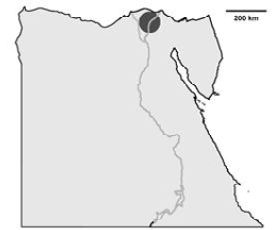
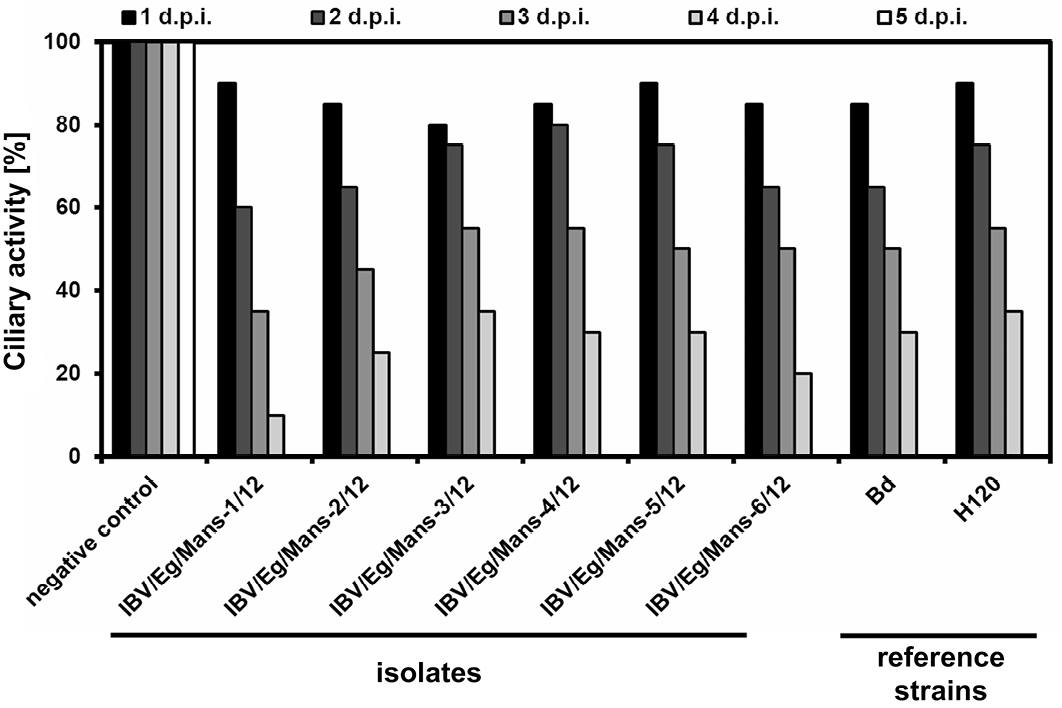
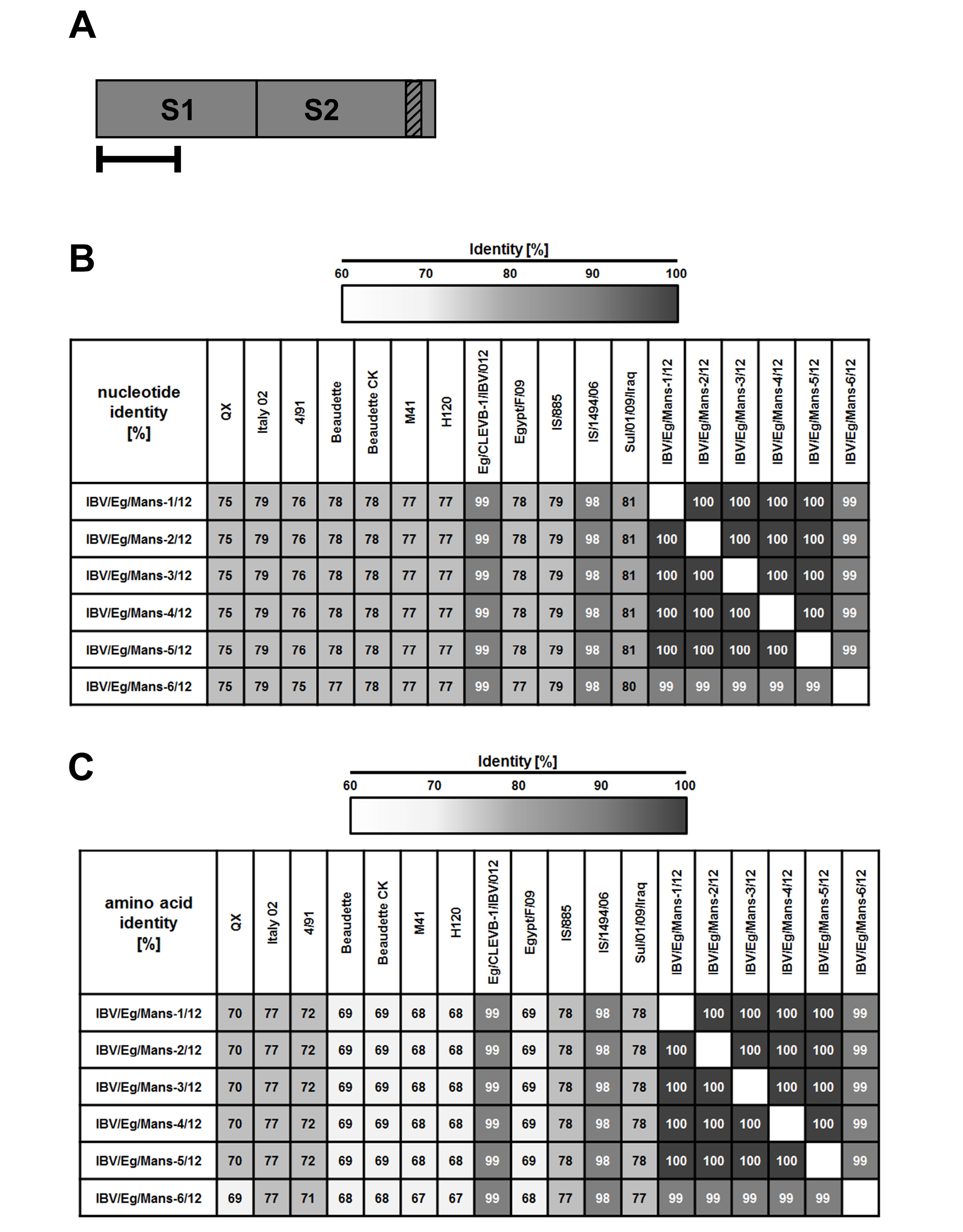
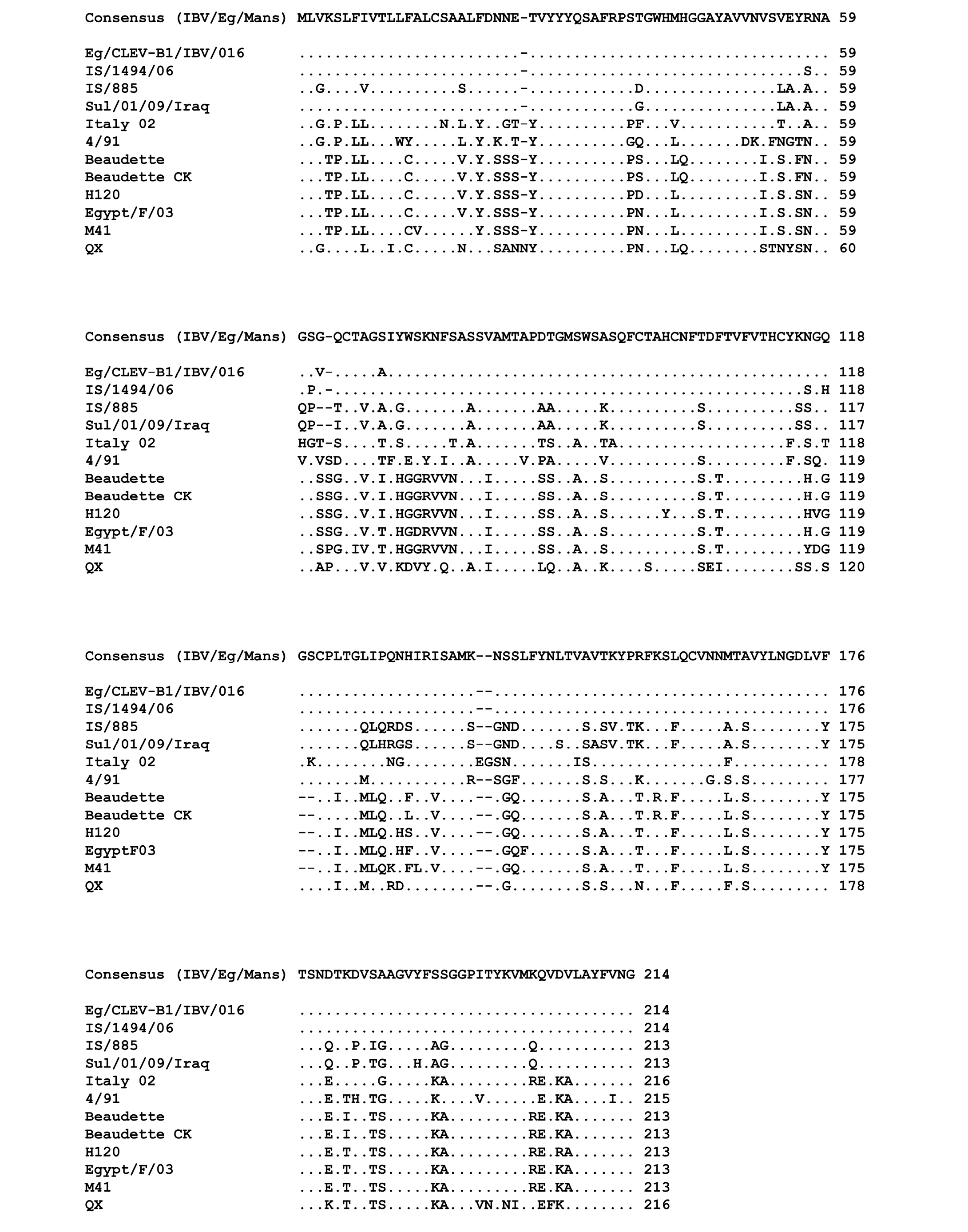
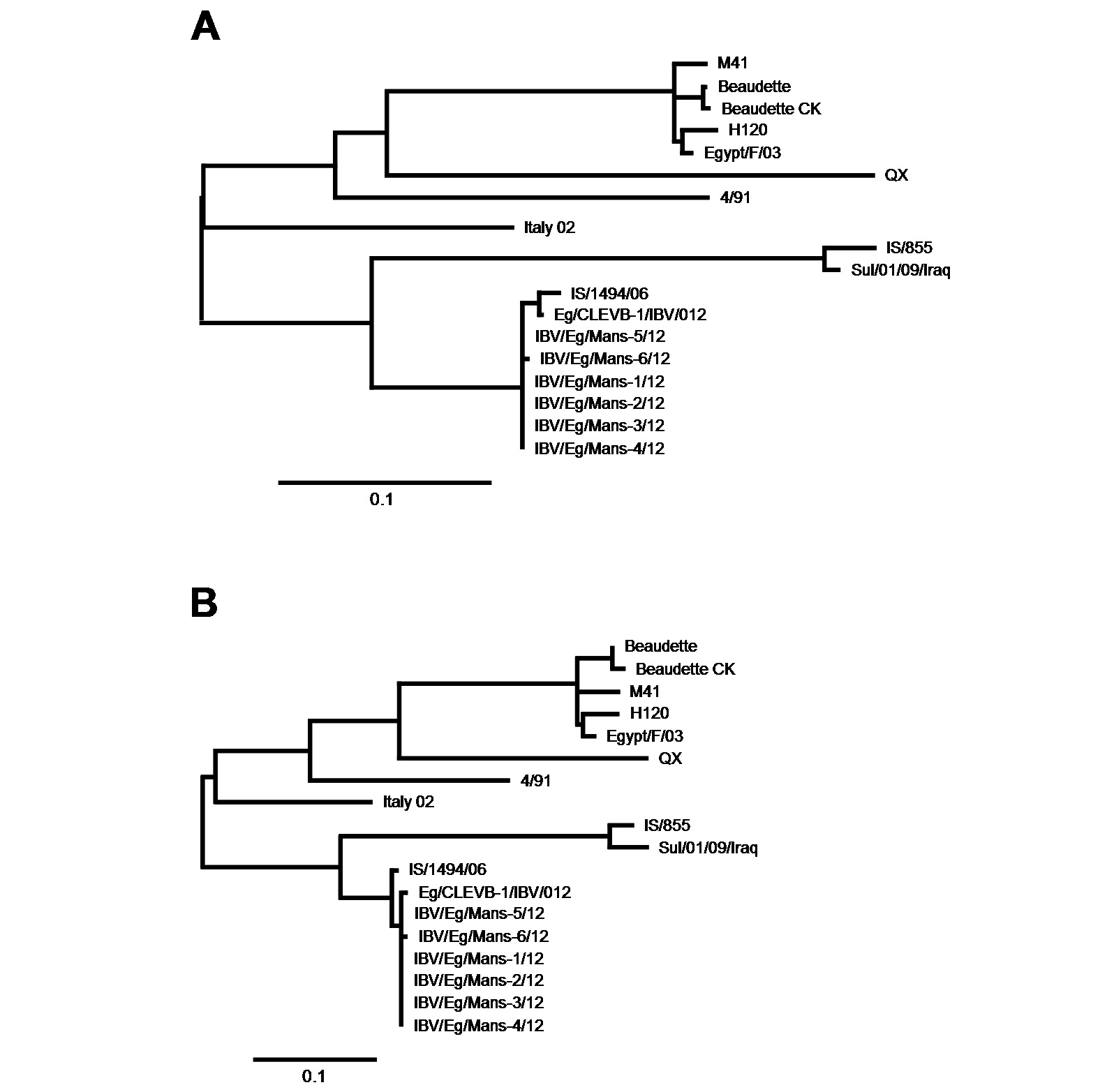
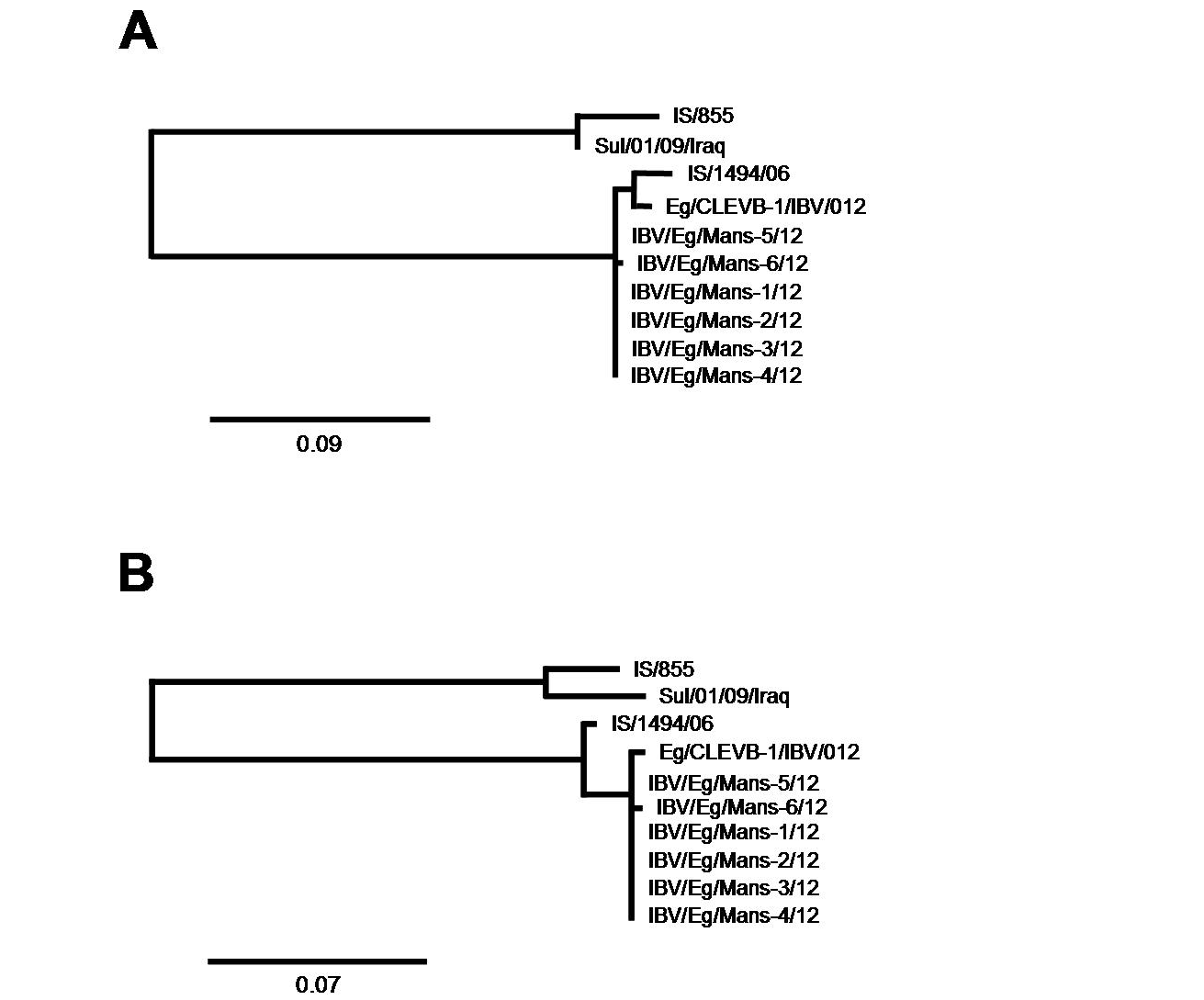
Infectious bronchitis virus (IBV) is the causative agent of an acute and highly contagious disease affecting the respiratory, renal and/or reproductive systems of chicken called infectious bronchitis disease. Controlling of this disease needs continuous identification of the circulating strains and genotypes. In the present study, six IBV samples were isolated from different poultry farms located in northern Egypt and propagated in the allantoic cavity of specific pathogen-free embryonated chicken eggs causing curling and dwarfing of embryos at different serial egg passages. The harvested allantoic fluids were titrated by chicken embryo kidney cell cultures selecting suitable viral concentrations for investigating the ciliostasis effect of IBV on tracheal organ cell cultures. In addition, the nucleotide and protein sequences of the IBV spike glycoprotein (S) were used for molecular relationship analysing and construction of phylogenetic trees. All examined viruses induced complete ciliostasis at the fifth day post inoculation. Isolates shared total sequence identities of 99-100% on nucleotide and amino acid levels. The Egyptian strain (Eg/CLEVB-1/IBV/012) showed 99% and the Israeli strain (IS/1494/06 IBV) showed 98% with the collected isolates and recognized as the local strains with the highest total sequence identities and phylogenetic relatedness of all strains available from the Gene Bank. The Italy02 strain of IBV is the nearest relative to the collected isolates with total sequence identities of 79 and 77% at nucleotide and amino acid levels, respectively. The new variant strains currently isolated from the northern of Northern Egypt should be evaluated periodically for developing suitable autogenously based virus vaccines.
Keywords | Infectious Bronchitis Virus, Tracheal Organ Cell Culture, S1 Sequences, Northern Egypt, IBV/Eg/Mans-1/12