
This study investigates the adverse effects of pesticide exposure on agricultural workers in South Punjab, Pakistan. A sample of 100 exposed and 100 unexposed individuals with clinical abnormalities was selected from districts Bahawalpur, Lodhran, and Rahim Yar Khan. Clinical abnormalities, including throat infection, nasal allergy, skin allergy, eye irritation, uric acid levels, muscle and respiratory infections, hepatitis, restlessness, and chest tightness, were significantly more prevalent among pesticide-exposed individuals. Hematological parameters revealed significant decreases in hemoglobin, white blood cell count, erythrocytes, hematocrit, mean corpuscular volume (MCV), mean corpuscular hemoglobin (MCH), mean corpuscular hemoglobin concentration (MCHC), lymphocytes, and neutrophils, alongside significant increases in mixed cell count and monocytes. Serum profiles displayed decreased glucose levels and increased levels of urea, creatinine, bilirubin, alanine transaminase (ALT), alkaline phosphatase, very low-density lipoprotein (VLDL), cholesterol, and triglycerides in exposed workers. Conversely, high-density lipoprotein cholesterol (HDL-C), low-density lipoprotein cholesterol (LDL-C), creatine phosphokinase, and serum minerals were notably reduced in exposed workers compared to unexposed counterparts. Prolonged pesticide exposure induces oxidative stress, evidenced by elevated production of free radicals and alterations in antioxidant defense enzymes. Comet assay analysis detected DNA damage in pesticide-exposed workers, correlated with increased age and duration of exposure. In conclusion, pesticides elicit oxidative stress and lead to hematological, serological, and genetic abnormalities in exposed agricultural workers.
Research Article · Volume 40, Issue 3, 13 July 2024 · Open Access
Integrative Analysis of DNA Damage, Oxidative Stress, and Serum Mineral Composition in Pesticide-Exposed Agricultural Workers from South Punjab, Pakistan
· · · · · · · · ·
Affiliations & Notes ⌄
- 1Department of Zoology, The Islamia University of Bahawalpur, 63100, Pakistan
- 2Department of Pathology, University College of Veterinary and Animal Sciences, The Islamia University of Bahawalpur, Bahawalpur-63100, Pakistan
- 3Centre of Excellence in Marine Biology University of Karachi, 75270, Pakistan
- 4Department of Zoology, The Islamia University of Bahawalpur, Rahim Yar Khan Campus, 64100, Pakistan
- 5Shandong Vocational Animal Science and Veterinary College, Weifang, 261061, China
- 6Faculty of Veterinary Science, University of Agriculture, Faisalabad, Pakistan
- 7College of Animal Science and Technology, Sichuan Agricultural University, Chengdu, China. *Correspondence | Abdul Ghaffar, Department of Zoology, The Islamia University of Bahawalpur, 63100, Pakistan
- 8Email: dr.abdul.ghaffar@iub.edu.pk
Article Info ⌄
- Journal:
- Sarhad Journal of Agriculture
- Published:
- 13 July 2024
From the article
- Pesticide exposure may acute and chronic effects on exposed individual’s mild toxicity to severe.
- It has been concluded that pesticides cause clinical and hematological abnormalities, parameters like serum biochemical alterations, oxidative stress and genotoxic effects in pesticides exposed workers.
- The pesticides are toxic chemicals that induce harmful effects in exposed workers.
- There is also need to start a medical program to treat the pesticide exposed workers who indicate clinical abnormalities in their bodies.
Selected from the article's own text.
Abstract
Introduction
Extensive use of pesticides, herbicides, insecticides has increased the contamination level of our ecosystem leading to adverse impacts over living organisms. Two million tons of pesticide constituents are applied annually to destroy or stop pests, fungi, herbs, insects, rodents and ticks for improvement in the production of crops ; . Pesticides are complex mixtures containing active component and other constituent like additives, emulsifying agents and solvents. Furthermore, many agricultural implementations of insecticide having various formulations and combinations applied on the time of the growing season . Exposure to pesticides increase the risk of health ailments in human beings, different type of cancer, oxidative stress by greater construction of free radicals and damage to DNA, RNA, DNA repair proteins ; ; including detoxification and scavenger enzymes or change antioxidant defense mechanisms ; Hernandez et al., 2013). These chemicals can accumulate within the body of human by ingestion, inhalation and through skin contact and bioaccumulation at various trophic levels .
Genotoxic biomonitoring of population showed that chemical mutagens are warning system for genetic ailments. Occupational submission to pesticides concerned with increased risk of carcinomas like Alzheimer’s disease, Hodgkin’s lymphoma, non-Hodgkin’s lymphoma, multiple lymphoma, colon and bladder cancer, gall bladder sarcoma, Leukemia, lung cancer, pancreatic cancer, Parkinson’s ailment and reproductive abnormalities ; ; ; ; ; ; ; ; .
Pakistan has wide climatic diversity, which offers great opportunities for growing a variety of vegetable crops in regional markets to meet demand across the country throughout the year. Vegetable production in the country is well-diversified in terms of a range of species grown as more than thirty-five types of vegetables are grown in Pakistan from low to high elevation areas in rain fed to irrigated land and low to high input systems. Different vegetables like tomato, chili, eggplant, potato, cucumber, gourds and okra are grown in large quantities by using different technologies in different zones in different season ; ; . In Pakistan, control of pesticide residues in the food chain is not meticulous because there is no relative legislation for the management of pesticides and other harmful chemicals for monitoring their residues. Farm workers involved in spraying activities ignoring basic preventive measures when handling pesticides, which trigger numerous health concerns. In addition, Pakistan has no official training on safety measures for insecticide use due to lack of effective legislation and knowledge of potential risks ; ; ; ; .
In recent years the demand of crop yield in Pakistan increased quickly due to native feeding. Different types of pesticides are used for the better growth and protection of crops throughout the country mainly insecticides. There are five types of acaricides, 39 types of herbicides, 108 types of insecticides, 30 types of fungicides and six types of rodenticides are registered in Pakistan ; . Agricultural employers also exposed to insecticide when they are working in the field, which is not related to pesticide application ; ; . Epidemiological studies suggested that larger submission to insecticides have harmful impacts such as endocrine, cancer at different sites, neurologic, nephrotoxic, respiratory and reproductive disorders an understandable linkage have to be accepted ; . Epidemiological studies have suggested that there is association between the insecticides submitted workers and respiratory ailments like airway inflammation, coughing, wheezing, asthma, chronic obstructive pulmonary disease and lung cancer , 2009). Therefore, current study was planned to determine the genotoxicity, hematological-serological alterations and oxidative stress induced by pesticides in workers exposed to it .
Materials and Methods
Study area and sampling
Survey conducted to collect blood samples of 100 exposed and 100 unexposed workers by using disposable syringes from district Bahawalpur (Saddar and Ahmedpur), Lodhran and Rahim Yar Khan. For hematology, serum biochemistry and to measure DNA damage, 5ml blood taken, 2.5ml in CBC vials containing EDTA as anticoagulant and 2.5 ml in plain CBC vials. Sampling of the pesticide-exposed workers done in the morning when they were spraying in the cotton fields. The ages of the pesticide occupational workers were approximately 18 to 59 years, all the workers were male, and their exposure period was 3 to 35 years. After taking the blood of the farmers, the samples were carefully transported to the laboratory in iced cooler. Study conducted from July 2018 to October 2018 at the Aquaculture, Genetic Toxicity and Molecular Biology Laboratory in the Department of Zoology, The Islamia University of Bahawalpur Punjab, Pakistan. This survey was done in the month of July to October when pesticides use is on peak in cotton and sugarcane fields. Following parameters were focused during study: Age, marital status, children, smoking and economic status and clinical abnormalities were cough, throat infection, sneezing, nasal allergy, skin allergy, eye irritation, hepatitis, economic status, flu, kidney problem, diabetes, blood pressure, muscle problem, fever, uric acid, stomach problem, respiratory problem, restlessness, vomiting, dizziness, nervousness, heart problem, chest tightness and backbone tightness i.e., lumbago.
Hematological assay
Collected blood samples inspected using an automatic analyzer (Bk-5000vet; Biobase Biodustry Co. Ltd, Shandong, China) for haematological assay. Haematological parameters were calculated are listed as: white blood cells (WBC), Red blood cells, haemoglobin (Hb), hematocrit (HCT), platelet count (PLT), lymphocytes (LYM), neutrophils (NEUT), monocytes, eosinophils, mean corpuscular volume (MCV), mean corpuscular haemoglobin (MCH), and mean corpuscular haemoglobin concentration (MCHC). Biochemical Analysis of blood samples was carried out by using spectrophotometer with the use of commercially available kits of different parameters. First, collected blood samples were centrifuged by centrifugation machine (EBA-20, Hettich Zentrifugen Co. Ltd, Germany). at 1500 rpm for 15 min. Then serum got was separated from plasma through pipetting in Eppendorf tubes. Serum enzyme tests were carried out in from the laboratory. Parameters which were taken for biochemical analysis are Glucose, Urea, creatinine, Bilirubin, alanine aminotransferase (ALT), Alkaline Phosphatase (ALP), Aspartate aminotransferase (AST), lactate dehydrogenase (LDH), Lipid Profile (total cholesterol, triglycerides, HDL-C, LDC-C), serum minerals (sodium and potassium, calcium and phosphorous) Cardiac Enzymes (CPK and AST).
Comet assay
Blood samples were collected and processed for the assay according to the protocol outlined by Singh et al. (1988) with modifications. Thin smears of both 1% normal melting point agarose and 1% low melting point agarose were applied to frosted glass slides. Subsequently, these prepared slides, containing cells suspended in low melting agarose, were solidified and promptly immersed in freshly prepared lysing buffer solution. Following this, the slides were placed in a horizontal electrophoresis tank and subjected to electrophoresis in darkness for 25 minutes at 25 V. Following electrophoresis, the slides were neutralized and stained with ethidium bromide. Subsequent examination of all slides was conducted under a fluorescent microscope, with DNA damage assessed by measuring the tail length of 50 cells in each tissue sample .
Statistical analysis
The data collected in this study underwent statistical analysis using MS Excel and SPSS 15 software. Results are presented as mean±SD for hematological and serum analyses, comparing exposed and unexposed workers through multiple comparisons. The grades of DNA damage in exposed and unexposed workers were compared using Duncan’s multiple tests, accounting for variations in age.
Results and Discussion
Clinical abnormalities
Survey indicated that diseases were more common in pesticides exposed group as compared to unexposed workers. The percentages of clinical abnormalities of the pesticide exposed workers and unexposed workers are shown in Table 1. A notably high prevalence of various health issues was observed among pesticide-exposed workers compared to their unexposed counterparts. These included throat infection, cough, nasal allergy, skin allergy, eye irritation, hepatitis, kidney problems, fever, elevated uric acid levels, respiratory infection, restlessness, vomiting, nervousness, and tightness in the backbone. Additionally, farmers frequently reported experiencing headaches, burning or watery eyes, and neurological symptoms such as forgetfulness, lack of concentration, and increased tiredness reported by Monger et al. (2023).
Table 1: Percentage of clinical abnormalities in the pesticide exposed and unexposed workers.
| Clinical abnormalities | Unexposed % (N=100) | Exposed % (N=100) |
| Throat infection | 17% | 37% |
| Cough | 18% | 22% |
| Sneezing | 81% | 37% |
| Nasal Allergy | 40% | 76% |
| Skin Allergy | 32% | 58% |
| Eye irritation | 17% | 47% |
| Hepatitis | 04% | 05% |
| Kidney problem | 02% | 03% |
| Diabetes | 5% | 3% |
| Blood Pressure | 10% | 05% |
| Fever | 03% | 05% |
| Uric acid | 21% | 29% |
| Stomach problem | 18% | 11% |
| Respiratory infection | 03% | 07% |
| Restlessness and vomiting | 16% | 35% |
| Nervousness | 15% | 39% |
| Cardiac problem | 05% | 02% |
| Chest, backbone tightness | 18% | 48% |
Similar patterns of pesticide poisoning conditions have been documented in prior studies by del-Prado (2007); Khan et al. (2010), and Mwabulambo et al. (2018). The reported clinical symptoms align closely with those documented among the exposed farmers in this study, corroborating the reality of the general health effects associated with pesticide exposure within farming communities. These clinical abnormalities are indicated by the pesticide-exposed workers may be due to the exposure of pesticide within their immune system (Henneberger et al., 2013).
Demographic characteristic of pesticide exposed workers
Table 2 provides in-depth demographic profiles of pesticide-exposed workers, including age distribution, education, marital status, agricultural background, pesticide training history, monthly household income, economic standing, and no. of sibling. Additionally, Table 3 furnishes a comprehensive depiction of observed clinical abnormalities among both pesticide-exposed and unexposed workers, elucidating the behavioral and demographic factors influencing health outcomes within this cohort. In previous studies have revealed that pesticide exposure is greater in Pakistan agricultural workers . There are large numbers of pesticide exposed workers who were affected from the harm impacts of pesticides. Therefore, we decided to examine this problem and adopted possible safety measures to deal with pesticides exposure . The age of workers that use pesticides were from 18 to 59 years and exposure time of pesticides workers was 3 to 35 years reported similar examinations. Additionally, the study results align closely with those of previous research, including studies by Staudacher et al. (2020); Afata et al. (2022), and Lelamo et al. (2023).
Table 2: Demographic characteristic of pesticide Exposed workers in and around the district Bahawalpur.
| Age (years) | |
| 15-25 | 22% |
| 26-35 | 38% |
| 36-45 | 21% |
| 46-55 | 16% |
| ≥ 56 | 3% |
| Education level | |
| None | 59% |
| 1-5th grade | 27% |
| 6-8th grade | 14% |
| Marital status | |
| Married | 89% |
| Unmarried | 11% |
| Agricultural experience | |
| 2-10 | 45% |
| ≥15 | 55% |
| Received training about pesticides | |
| Yes | 13% |
| No | 87% |
| Monthly household income | |
| 5000 ≤ less | 23% |
| 6000-8000 | 66% |
| 9000-11000 | 11% |
| Economic status | |
| Poor | 87% |
| Middle | 13% |
| Number of siblings | |
| None | 14% |
| 1-5 | 64% |
| 5-10 | 22% |
Table 3: Detailed behavioral and demographic characteristic of pesticide-exposed (n=100) and unexposed (n=100) workers for observed clinical abnormalities.
Hematological analysis
Results of blood parameters expressed in Table 4 as mean and Standard Deviation. Hemoglobin level, WBCs, RBCs, HCT, MCV, MCH, MCHC, lymphocytes, neutrophils, and eosinophils showed a notable decrease in pesticide-exposed workers compared to their unexposed workers. Moreover, these parameters exhibited significant decreases in exposed workers with clinical abnormalities. Conversely, mixed cell count (MXD) and monocytes in pesticide-exposed individuals significantly increased in comparison to the unexposed group, particularly among those with clinical abnormalities such as blood pressure issues, skin allergies, cardiac problems, and diabetes.
The observed slight decrease in neutrophils, eosinophils, and lymphocytes can be attributed to the presence of clinical abnormalities, which weaken the immune system. Conversely, the increase in mixed cell count and monocytes in pesticide-exposed workers may be linked to clinical abnormalities. This finding is consistent with the study by Garg et al. (2004). Furthermore, monocyte levels were significantly elevated in pesticide-exposed workers above 36 years of age, albeit within the reference range, when compared with unexposed workers. This increase in monocyte count could be attributed to the phagocytic activity of eosinophils and the activity of neutrophils. These results closely resemble those reported by Al-Sararet al. (2009). It’s worth noting that similar findings have been documented in previous studies, such as the one conducted by Aroonvilair et al. (2015).
Table 4: Mean ± S.D values of hematological parameters in different diseases of pesticide exposed and unexposed individuals.
Serum analysis
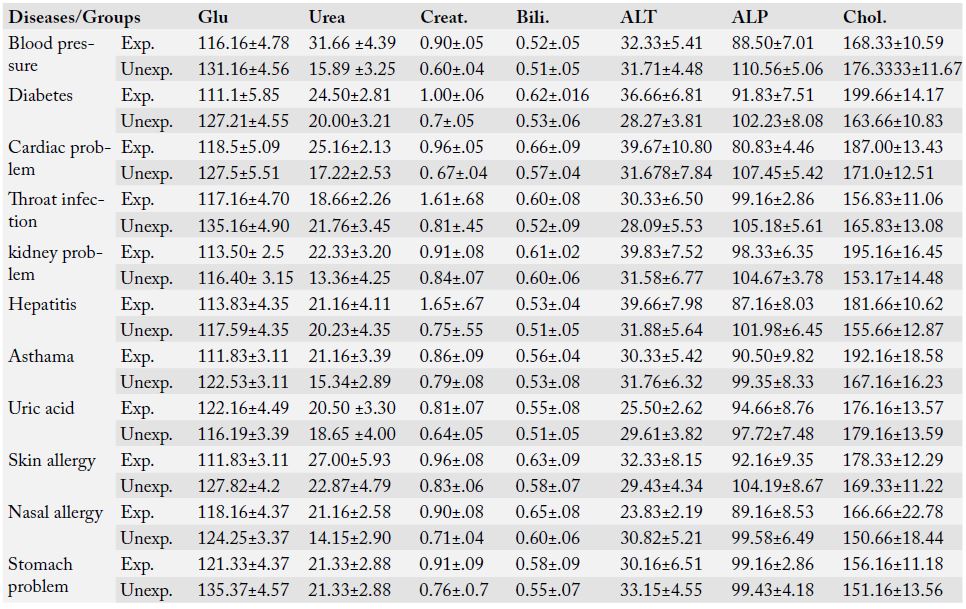
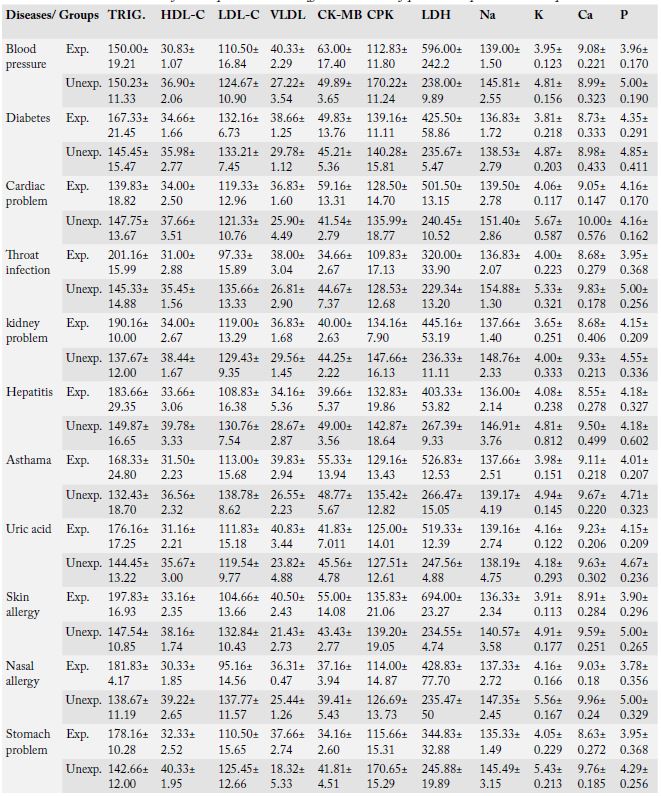
Results of different serological parameters expressed in (Tables 5, 6) as mean and Standard Deviation. Glucose, Alkaline Phosphatase level, HDL-C, LDL-C, sodium level, calcium level, potassium level and phosphorus level in pesticide-exposed workers remarkably decreased as compared to the unexposed individuals. These parameters significantly decreased in exposed workers with clinical abnormalities kidney problem, uric acid, stomach problem and hepatitis as compared to unexposed individuals with same clinical abnormalities. While urea level, cholesterol, triglyceride, VLDL, CK-MB, lactate dehydrogenase, creatinine phosphokinase, creatinine, bilirubin, ALT in pesticide exposed workers significantly increased as compared to the unexposed individuals. These parameters significantly increased in exposed workers with clinical abnormalities blood pressure, skin allergy, cardiac problem and diabetes as compared to unexposed individuals with
Table 5: Mean ± S.D values of serum parameters in different diseases of pesticide exposed and unexposed individuals.
same clinical abnormalities. Liver enzymes Aspartate aminotransferase AST and Alanine aminotransferase ALT were remarkably increased in pesticide exposed worker as compared to non-exposed workers but within reference range. This study is similar to previous study of reported similar alterations in activity of liver enzymes. Pesticides disrupt the liver function because liver absorbed most of the pesticides and metabolized Kazmi et al. (2023). Our research is also similar with the previous study . In serum profile, glucose level was remarkably decreased in exposed workers. Urea, Creatinine, Cholesterol, Bilirubin, (ALT), Very low-density lipoprotein (VLDL), Lactate Dehydrogenase (LDH) and Triglycerides were notably greater in exposed workers in comparison with unexposed individuals. Creatinine Phosphokinase (CPK) and Serum minerals were significantly decreased in pesticide-exposed workers as compared to unexposed workers .
Genotoxicity
Genotoxic changes were represented in (Table 7 and Figures 1, 2, 3, 4, 5, 6, 7, 8, 9) showed the number and percentage of undamaged, slightly damaged, damaged and highly damaged cells according to age groups of
Table 6: Mean ± S.D values of serum parameters in different diseases of pesticide exposed and unexposed individuals.
exposed and unexposed workers. In microscopic field total (100×5×15) 7500 cells were observed. These tables indicated the comparison of DNA damage in pesticide exposed and unexposed workers according to their age groups. Rate of percentage of DNA damage highly increased in 35-46 age groups. The percentage of overall DNA damage was significantly increased with the increase in the age of pesticide exposed workers because of the increase of exposure time. The current study suggested that a longer exposure to
Table 7: Grades of damaged DNA of exposed and unexposed workers according to their ages.
| Grades of DNA damages | ||||||||
| Undamaged | Slightly damaged | Damaged | Highly Damaged | |||||
| No. | % | No. | % | No. | % | No. | % | |
| 15-25 | ||||||||
| Exposed | 2776 | 87.5 | 207 | 6.5 | 105 | 3.3 | 82 | 2.5 |
| Unexposed | 2522 | 90.1 | 106 | 3.7 | 69 | 2.4 | 40 | 1.4 |
| 26-35 | ||||||||
| Exposed | 2487 | 82.4 | 240 | 7.9 | 168 | 5.5 | 121 | 4.0 |
| Unexposed | 2360 | 87.7 | 210 | 7.8 | 82 | 3.0 | 36 | 1.3 |
| 36-45 | ||||||||
| Exposed | 2270 | 76.0 | 301 | 10.0 | 256 | 8.5 | 159 | 5.3 |
| Unexposed | 2440 | 88.2 | 135 | 4.8 | 87 | 3.1 | 52 | 1.8 |
| 46-55 | ||||||||
| Exposed | 2654 | 79.5 | 287 | 8.7 | 258 | 7.7 | 138 | 4.1 |
| Unexposed | 2491 | 88.0 | 158 | 5.5 | 135 | 4.7 | 45 | 1.5 |
| ≥ 56 | ||||||||
| Exposed | 2372 | 78.0 | 268 | 8.8 | 255 | 8.3 | 143 | 4.7 |
| Unexposed | 2462 | 89.8 | 133 | 4.8 | 107 | 3.9 | 39 | 1.4 |
insecticide has harmful impacts on health and cause oxidative stress . Various pesticides cause oxidative stress due to the creation of free radicals and alteration in antioxidant defense enzymes. This study is like the previous research . In this study, analysis of DNA damage was done by the procedure of comet assay. All the solutions were freshly prepared in the laboratory and fresh blood of pesticide exposed and unexposed individuals were taken to make slides . The samples were promptly observed after preparation. Cells were categorized based on the degree of damage, ranging from undamaged to highly damaged cells. Significantly greater DNA alterations were observed in exposed individuals compared to those who were unexposed. This study shares similarities with previous research .
Conclusions and Recommendations
Pakistan has wide climatic diversity, which offers great opportunities for growing throughout the year. Variety of hazardous pesticide remain exposed in environment to beat pest control. Pesticide exposure may acute and chronic effects on exposed individual’s mild toxicity to severe. Pesticides have been associated with neurological, endocrine, psychological, immunological, respiratory, hematological, dermatological, nephritic, hepatic issues. It has been concluded that pesticides cause clinical and hematological abnormalities, parameters like serum biochemical alterations, oxidative stress and genotoxic effects in pesticides exposed workers. In future, there is a need to form training institutes that teach the farmers about safety measures. The pesticides are toxic chemicals that induce harmful effects in exposed workers. Must underscore the need for intervention to improve workplace and safety. Worker’s health surveillance participates to enhance interdisciplinary strategies providing quality of life at work. Engineering measures should be taken to get rid of these chemicals and aware train the occupational workers about the hazardous impact of these pesticides. There is also need to start a medical program to treat the pesticide exposed workers who indicate clinical abnormalities in their bodies. For treatment natural herbs and artificially made supplements also vitamins C and E are recommended.
Acknowledgements
We are grateful to NRPU Project No. 3392 entitled Monitoring of Adverse Effects of Pesticide Exposure on Health of Agriculture and Industrial Workers and their amelioration with vitamin C and E for providing the funds to conduct this research, and thankful to the staff of Aquaculture, Genetic Toxicity, and Molecular Biology Laboratory, Department of Zoology, IUB.
Novelty Statement
This research presents a pioneering comprehensive investigation into the effects of pesticides in a structured and systematic manner, providing valuable insights to the workers exposed to pesticide.
Author’s Contribution
Abdul Ghaffar: Supervision, conceptualization, formal analysis.
Kashfa Akram: Executed sampling and data collection and laboratory work.
Riaz Hussain: Formal analysis, data curation.
Habiba Jamil: Writing review and editing.
Ghulam Abbas: Data curation.
Fozia Afzal, Ahrar Khan and Rabia Tahir: Helped in review and editing.
Muhammad Ahmad Chishti and Shahnaz Rashid: Helped in data curation and format setting of the MS.
Conflict of interest
The authors have declared no conflict of interest.
Figures
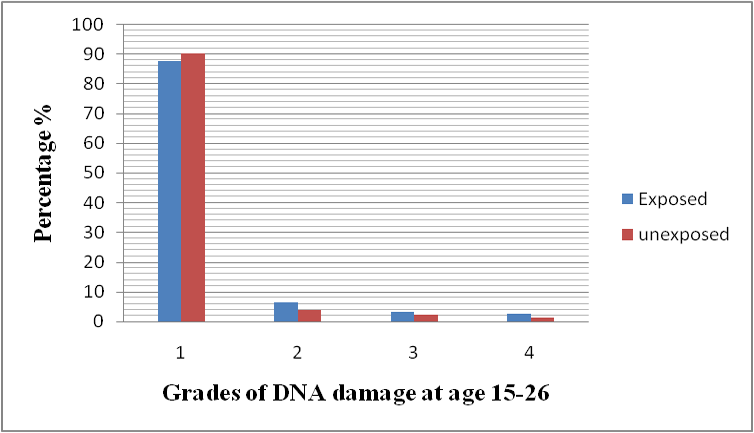
Comparison of damaged DNA of exposed and unexposed workers according to age 15-26.
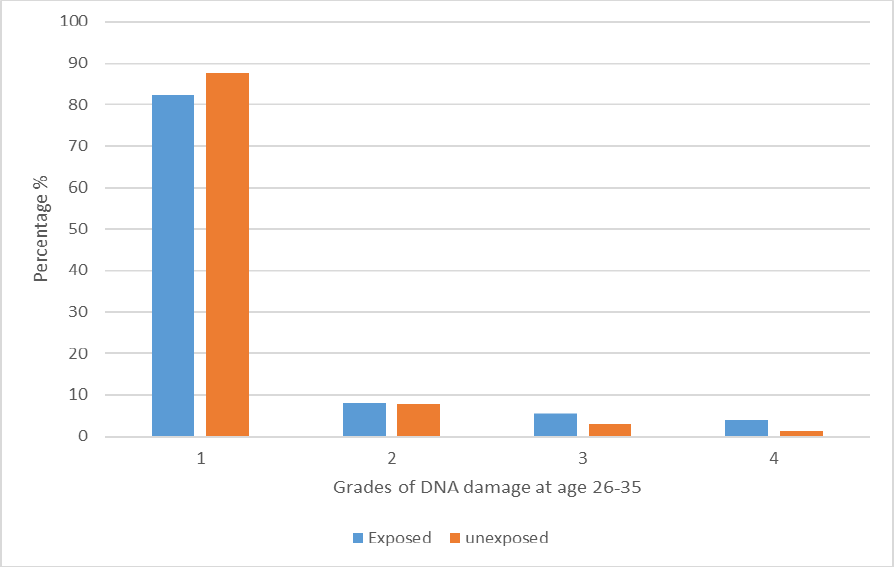
Percentage of damaged DNA of exposed and unexposed workers according to age 26-35.
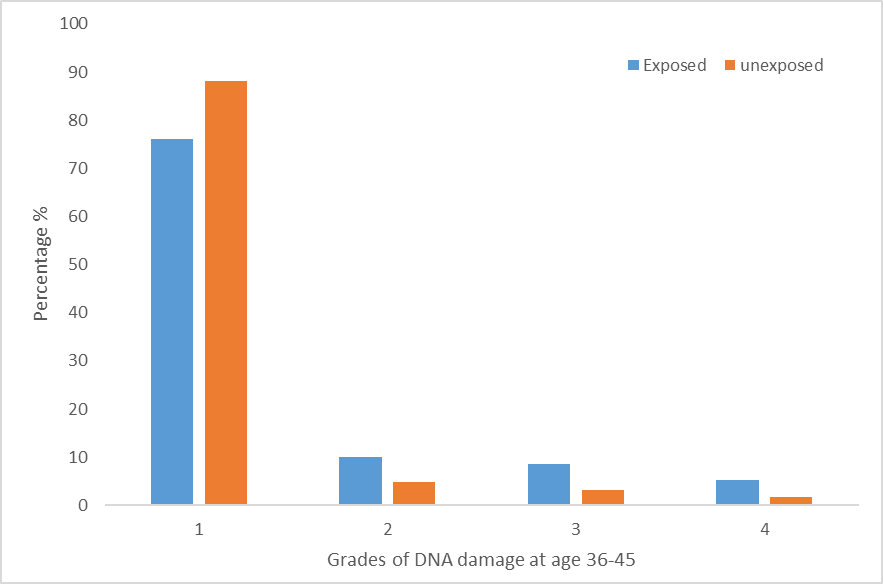
Percentage of damaged DNA of exposed and unexposed workers according to age 36-45.
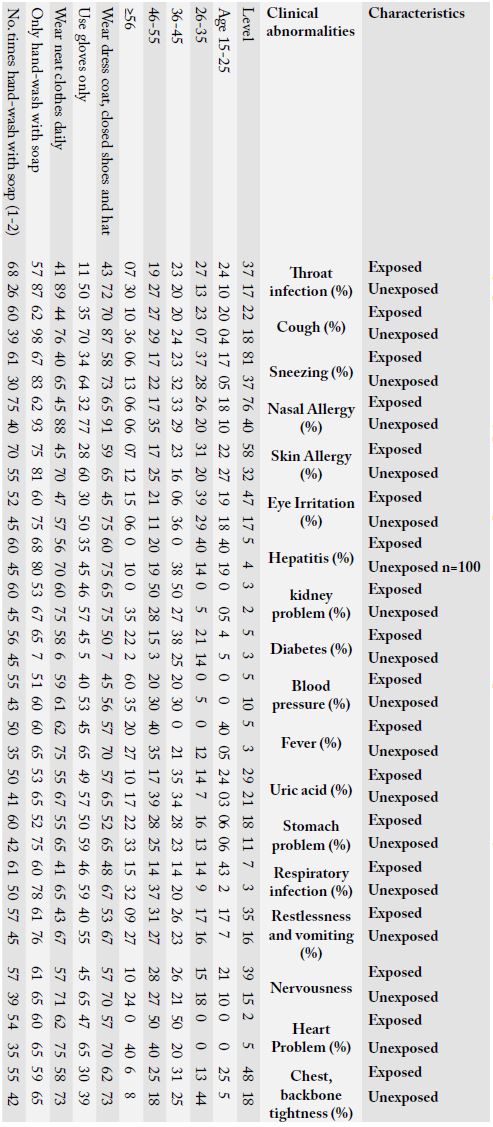
Detailed behavioral and demographic characteristic of pesticide-exposed (n=100) and unexposed (n=100) workers for observed clinical abnormalities.
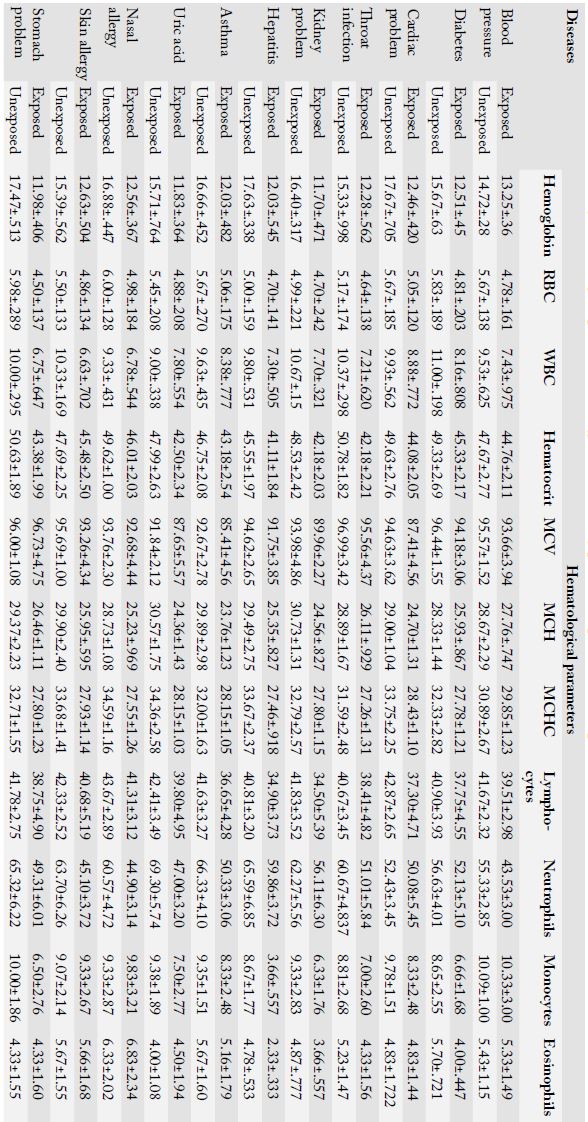
Mean ± S.D values of hematological parameters in different diseases of pesticide exposed and unexposed individuals.
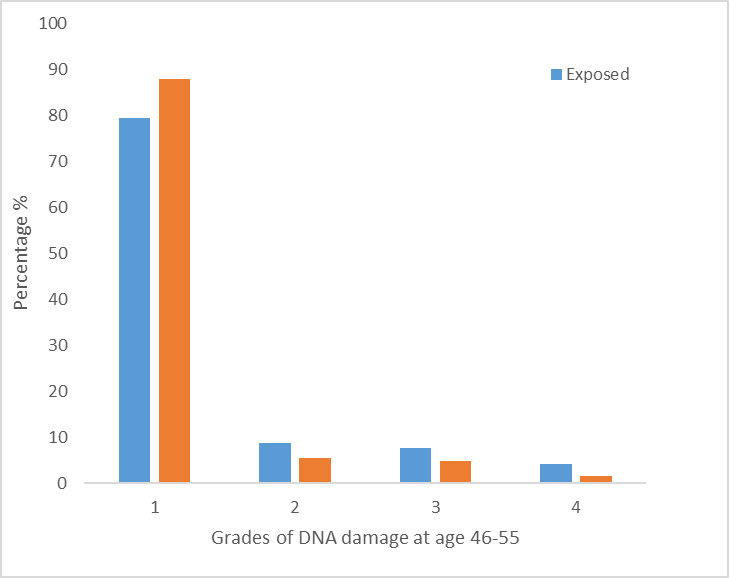
Percentage of damaged DNA of exposed and unexposed workers according to age 46-55.
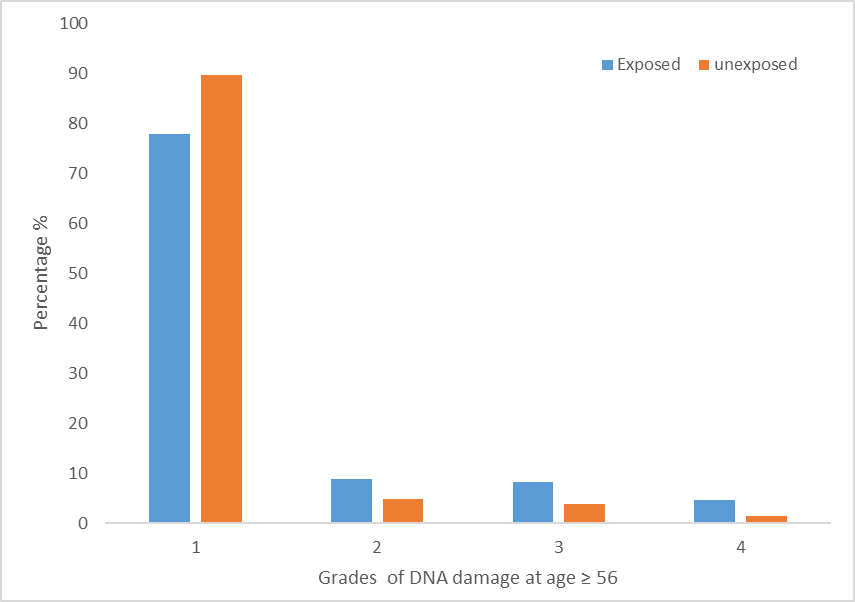
Percentage of damaged DNA of exposed and unexposed workers according to age ≥56.

Undamaged DNA of pesticide exposed workers.

Slightly damaged DNA of pesticide exposed workers.
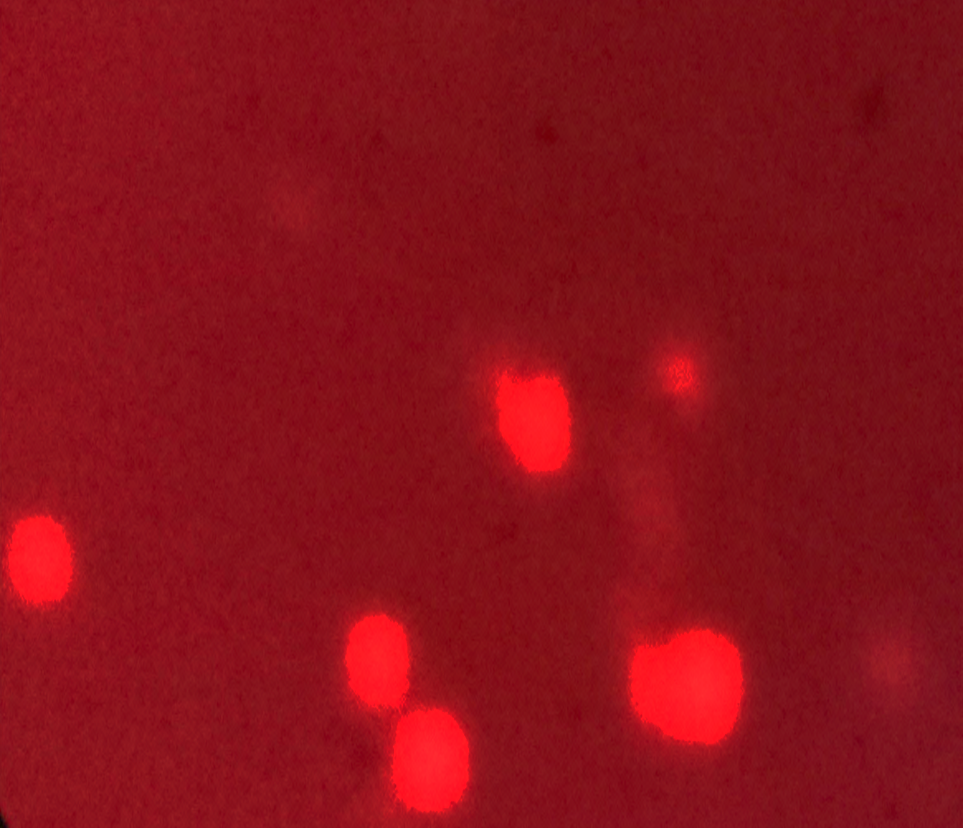
Moderately damaged DNA of pesticide exposed workers.

Highly damaged DNA of pesticide exposed workers.
References
- Abdollahi, M., A. Ranjbar, S. Shadnia, S. Nikfar and A. Rezaie. 2004. Pesticides and oxidative stress: A review. Med. Sci. Monit., 10(6): 141-147.
- Afata, T.N., S. Mekonen, M. Shekelifa and G.T. Tucho. 2022. Prevalence of pesticide use and occupational exposure among small-scale farmers in Western Ethiopia. Environ. Health Insights, 16: 11786302211072950. https://doi.org/10.1177/11786302211072950[CrossRef]
- Ahmad, B., S. Hassan and K. Bakhsh. 2005. Factors affecting yield and profitability of carrot in two districts of Punjab. Int. J. Agric. Biol., 7(5): 794-798.
- Al-Saeed, F.A., S. Naz, M.H. Saeed, R. Hussain, S. Iqbal, A.M.M. Chatha and R. Akram. 2023. Oxidative stress, antioxidant enzymes, genotoxicity and histopathological profile in Oreochromis niloticus exposed to lufenuron. Pak. Vet. J., 43(1). https://doi.org/10.29261/pakvetj/2023.012[CrossRef]
- Al-Sarar, A.S., Y. Abo-Bakr, G.S. Al-Erimah, H.I. Hussein and A.E. Bayoumi. 2009. Hematological and biochemical alterations in occupationally pesticides-exposed workers of Riyadh municipality, Kingdom of Saudi Arabia. Res. J. Environ. Toxicol., 3(4): 179-185. https://doi.org/10.3923/rjet.2009.179.185[CrossRef]
- Andreotti, G., L.E.B. Freeman, L. Hou, J. Coble, J. Rusiecki, J.A. Hoppin and M.C. Alavanja. 2009. Agricultural pesticide use and pancreatic cancer risk in the agricultural health study cohort. Int. J. Cancer, 124(10): 2495-2500. https://doi.org/10.1002/ijc.24185[CrossRef]
- Anwar, T., I. Ahmad and S. Tahir. 2011. Determination of pesticide residues in fruits of Nawabshah district, Sindh, Pakistan. Pak. J. Bot., 43(2): 1133-1139.
- Arafa, A., M. Afify and N. Samy. 2013. Evaluation of adverse health effects of pesticides exposure (biochemical and hormonal) among Egyptian farmers.
- Aroonvilairat, S., W. Kespichayawattana, T. Sornprachum, P. Chaisuriya, T. Siwadune and K. Ratanabanangkoon. 2015. Effect of pesticide exposure on immunological, hematological and biochemical parameters in Thai orchid farmers. A cross-sectional study. Int. J. Environ. Res. Publ. Health, 12(6): 5846-5861. https://doi.org/10.3390/ijerph120605846[CrossRef]
- Aziz, S., S. Abdullah, H. Anwar and F. Latif. 2022. DNA damage and oxidative stress in economically important fish, Bighead carp (Hypophthalmichthys nobilis) exposed to engineered copper oxide nanoparticles. Pak. Vet. J., 42(1).
- Baris, D., D.T. Silverman, L.M. Brown, G.M. Swanson, R.B. Hayes, A.G. Schwartz and P.A. Stewart. 2004. Occupation, pesticide exposure and risk of multiple myeloma. Scand. J. Work Environ. Health, pp. 215-222. https://doi.org/10.5271/sjweh.782[CrossRef]
- Beane-Freeman, L.E., M.R. Bonner, A. Blair, J.A. Hoppin, D.P. Sandler, J.H. Lubin and M.C. Alavanja. 2005. Cancer incidence among male pesticide applicators in the Agricultural Health Study cohort exposed to diazinon. Am. J. Epidemiol., 162(11): 1070-1079. https://doi.org/10.1093/aje/kwi321[CrossRef]
- Bertrand, K.A., D. Spiegelman, J.C. Aster, L.M. Altshul, S.A. Korrick, S.J. Rodig and F. Laden. 2010. Plasma organochlorine levels and risk of non-Hodgkin lymphoma in a cohort of men. Epidemiology, 21(2): 172-180. https://doi.org/10.1097/EDE.0b013e3181cb610b[CrossRef]
- Bonner, M.R., B.A. Williams, J.A. Rusiecki, A. Blair, L.E. Beane Freeman, J.A. Hoppin and M.C. Alavanja. 2010. Occupational exposure to terbufos and the incidence of cancer in the agricultural health study. Cancer Causes and Contr., 21: 871-877. https://doi.org/10.1007/s10552-010-9514-9[CrossRef]
- Bradman, A.S.A., A.L. Salvatore, M. Boeniger, R. Castorina, J. Snyder, D.B. Barr and B. Eskenazi. 2009. Community-based intervention to reduce pesticide exposure to farmworkers and potential take-home exposure to their families. J. Exposure Sci. Environ. Epidemiol., 19(1): 79-89. https://doi.org/10.1038/jes.2008.18[CrossRef]
- Chuisseu, P.D., S.N. Fewou, G. Moudjo, F.P. Manfo, J.L. Simo and J. Ngogang. 2015. Effect of chronic pesticides exposure in farm workers health of a Camerounian community. In: 7th Int. Toxicol. Symp. Afr., pp. 79.
- Collins, A.R., 2004. The comet assay for DNA damage and repair: Principles, applications, and limitations. Mol. Biotechnol., 26(3): 249-261. https://doi.org/10.1385/MB:26:3:249[CrossRef]
- Coronado, G.D., B. Thompson, L. Strong, W.C. Griffith and I. Islas. 2004. Agricultural task and exposure to organophosphate pesticides among farmworkers. Environ. Health Perspect., 112(2): 142-147. https://doi.org/10.1289/ehp.6412[CrossRef]
- Damalas, C.A. and S.D. Koutroubas. 2016. Farmers’ exposure to pesticides: Toxicity types and ways of prevention. Toxics, 4(1): 1. https://doi.org/10.3390/toxics4010001[CrossRef]
- De, A., R. Bose, A. Kumar and S. Mozumdar. 2014. Targeted delivery of pesticides using biodegradable polymeric nanoparticles. New Delhi: Springer India. 10: 978-981. https://doi.org/10.1007/978-81-322-1689-6[CrossRef]
- Del Prado-Lu, J.L., 2007. Pesticide exposure, risk factors and health problems among cut flower farmers: A cross sectional study. J. Occup. Med. Toxicol., 2: 1-8. https://doi.org/10.1186/1745-6673-2-9[CrossRef]
- García-García, C.R., T. Parrón, M. Requena, R. Alarcón, A.M. Tsatsakis and A.F. Hernández. 2016. Occupational pesticide exposure and adverse health effects at the clinical, hematological and biochemical level. Life Sci., 145: 274-283. https://doi.org/10.1016/j.lfs.2015.10.013[CrossRef]
- Garg, U.K., A.K. Pal, G.J. Jha and S.B. Jadhao. 2004. Haemato-biochemical and immuno-pathophysiological effects of chronic toxicity with synthetic pyrethroid, organophosphate and chlorinated pesticides in broiler chicks. Int. Immunopharmacol., 4(13): 1709-1722. https://doi.org/10.1016/j.intimp.2004.08.002[CrossRef]
- Gauthier, E., I. Fortier, F. Courchesne, P. Pepin, J. Mortimer and D. Gauvreau. 2001. Environmental pesticide exposure as a risk factor for Alzheimer’s disease: A case-control study. Environ. Res., 86(1): 37-45. https://doi.org/10.1006/enrs.2001.4254[CrossRef]
- Ghaffar, A., R. Hussain, N. Ahmad, R. Ghafoor, M.W. Akram, I. Khan and A. Khan. 2021. Evaluation of hemato-biochemical, antioxidant enzymes as biochemical biomarkers and genotoxic potential of glyphosate in freshwater fish (Labeo rohita). Chem. Ecol., 37(7): 646-667. https://doi.org/10.1080/02757540.2021.1937141[CrossRef]
- Hernández, A.F., M. Lacasaña, F. Gil, M. Rodríguez-Barranco, A. Pla and O. López-Guarnido. 2013. Evaluation of pesticide-induced oxidative stress from a gene–environment interaction perspective. Toxicology, 307: 95-102. https://doi.org/10.1016/j.tox.2012.09.007[CrossRef]
- Hoppin, J.A., D.M. Umbach, S.J. London, P.K. Henneberger, G.J. Kullman, J. Coble and D.P. Sandler. 2009. Pesticide use and adult-onset asthma among male farmers in the agricultural health study. Eur. Respirat. J., 34(6): 1296-1303. https://doi.org/10.1183/09031936.00005509[CrossRef]
- Hoppin, J.A., M. Valcin, P.K. Henneberger, G.J. Kullman, D.M. Umbach, S.J. London and D.P. Sandler. 2007. Pesticide use and chronic bronchitis among farmers in the agricultural health study. Am. J. Ind. Med., 50(12): 969-979. https://doi.org/10.1002/ajim.20523[CrossRef]
- Kazmi, S.A.H., R. Iqbal, A.A. Al-Doaiss, M. Ali, R. Hussain, F. Latif and G.A. Raza. 2023. Azoxystrobin-induced oxidative stress in gills, hematological biomarkers and histopathological ailments in fresh water fish. Pak. Vet. J., 43(2). https://doi.org/10.29261/pakvetj/2023.025[CrossRef]
- Khan, D.A., S. Shabbir, M. Majid, T.A. Naqvi and F.A. Khan. 2010. Risk assessment of pesticide exposure on health of Pakistani tobacco farmers. J. Exposure Sci. Environ. Epidemiol., 20(2): 196-204. https://doi.org/10.1038/jes.2009.13[CrossRef]
- Khan, M. and C.A. Damalas. 2015. Factors preventing the adoption of alternatives to chemical pest control among Pakistani cotton farmers. Int. J. Pest Manage., 61(1): 9-16. https://doi.org/10.1080/09670874.2014.984257[CrossRef]
- Kim, K.H., E. Kabir and S.A. Jahan. 2017. Exposure to pesticides and the associated human health effects. Sci. Total Environ., 575: 525-535. https://doi.org/10.1016/j.scitotenv.2016.09.009[CrossRef]
- Koutros, S., C.F. Lynch, X. Ma, W.J. Lee, J.A. Hoppin, C.H. Christensen and M.C. Alavanja. 2009. Heterocyclic aromatic amine pesticide use and human cancer risk: Results from the US agricultural health study. Int. J. Cancer, 124(5): 1206-1212. https://doi.org/10.1002/ijc.24020[CrossRef]
- Latif, Y., S.T.H. Sherazi and M.I. Bhanger. 2011. Assessment of pesticide residues in commonly used vegetables in Hyderabad, Pakistan. Ecotoxicol. Environ. Saf., 74(8): 2299-2303. https://doi.org/10.1016/j.ecoenv.2011.07.030[CrossRef]
- Lelamo, S., T. Ashenafi, A. Ejeso, N.E. Soboksa, B. Negassa and M.B. Aregu. 2023. Pesticide use practice and associated factors among rural community of Malga District, Sidama Regional State, South Ethiopia. Environ. Health Insights, 17: 11786302231157226. https://doi.org/10.1177/11786302231157226[CrossRef]
- Lozano-Paniagua, D., T. Parrón, R. Alarcón, M. Requena, F. Gil, O. López-Guarnido and A.F. Hernández. 2018. Biomarkers of oxidative stress in blood of workers exposed to non-cholinesterase inhibiting pesticides. Ecotoxicol. Environ. Saf., 162: 121-128. https://doi.org/10.1016/j.ecoenv.2018.06.074[CrossRef]
- Maalik, S., S.A. Rana, H.A. Khan and M. Ashfaq. 2013. Diversity and abundance of lepidopteran populations from selected crops of district Faisalabad, Pakistan. Pak. J. Agric. Sci., 50: 95-101.
- Marrs, T.T. and B. Ballantyne. 2004. Pesticide toxicology and international regulation: John Wiley and Sons. https://doi.org/10.1002/0470091673[CrossRef]
- McCauley, L.A., W.K. Anger, M. Keifer, R. Langley, M.G. Robson and D. Rohlman. 2006. Studying health outcomes in farmworker populations exposed to pesticides. Environ. Health Persp., 114(6): 953. https://doi.org/10.1289/ehp.8526[CrossRef]
- Monger, A., K. Mahat, Dorjee, N. Om, P. Mongar, T. Dorji and V. Chettri. 2023. Assessment of exposure to pesticides and the knowledge, attitude and practice among farmers of western Bhutan. PLoS One, 18(5): e0286348. https://doi.org/10.1371/journal.pone.0286348[CrossRef]
- Mostafalou, S. and M. Abdollahi. 2013. Pesticides and human chronic diseases: Evidences, mechanisms, and perspectives. Toxicol. Appl. Pharmacol., 268(2): 157-177. https://doi.org/10.1016/j.taap.2013.01.025[CrossRef]
- Mwabulambo, S.G., Mrema, E.J., Ngowi, A.V. and S. Mamuya. 2018. Health symptoms associated with pesticides exposure among flower and onion pesticide applicators in Arusha region. Ann. Glob. Health, 84(3): 369. https://doi.org/10.29024/aogh.2303[CrossRef]
- Ntzani, E.E., Ntritsos, G., Chondrogiorgi, M., Evangelou, E. and Tzoulaki, I., 2013. Literature review on epidemiological studies linking exposure to pesticides and health effects. EFSA Support. Publ., 10(10). https://doi.org/10.2903/sp.efsa.2013.EN-497[CrossRef]
- Orsi, L., L. Delabre, A. Monnereau, P. Delval, C. Berthou, P. Fenaux and J. Clavel. 2009. Occupational exposure to pesticides and lymphoid neoplasms among men: Results of a French case-control study. Occup. Environ. Med., 66(5): 291-298. https://doi.org/10.1136/oem.2008.040972[CrossRef]
- Possamai, F.P., J.J. Fortunato, G. Feier, F.R. Agostinho, J. Quevedo, D.W. Filho and F. Dal-Pizzol. 2007. Oxidative stress after acute and sub-chronic malathion intoxication in Wistar rats. Environ. Toxicol. Pharmacol., 23(2): 198-204. https://doi.org/10.1016/j.etap.2006.09.003[CrossRef]
- Quandt, S.A., T.A. Arcury, P. Rao, B.M. Snively, D.E. Camann, A.M. Doran and D.S. Jackson. 2004. Agricultural and residential pesticides in wipe samples from farmworker family residences in North Carolina and Virginia. Environ. Health Persp., 112(3): 382. https://doi.org/10.1289/ehp.6554[CrossRef]
- Shukla, V.K., A.N. Rastogi, T.K. Adukia, R.B. Raizada, D.C.S. Reddy and S. Singh. 2001. Organochlorine pesticides in carcinoma of the gallbladder: A case–control study. Eur. J. Cancer Prevent., 10(2): 153-156. https://doi.org/10.1097/00008469-200104000-00006[CrossRef]
- Singh, N.P., M.T. McCoy, R.R. Tice and E.L. Schneider. 1988. A simple technique for quantitation of low levels of DNA damage in individual cells. Exp. Cell Res., 175(1): 184-191. https://doi.org/10.1016/0014-4827(88)90265-0[CrossRef]
- Srivirojana, N., T. Theptepa, S. Punpuing, P. Guest, K. Tun, O. Chankham and A. Suvansrual. 2005. Population pressure, utilization of chemicals in agriculture, health outcomes and solid waste management. In: Proceedings of the international conference on integrated solid waste management in Southeast Asian Cities, Siem Reap, Cambodia. pp. 5-7.
- Staudacher, P., S. Fuhrimann, A. Farnham, A.M. Mora, A. Atuhaire, C. Niwagaba and M.S. Winkler. 2020. Comparative analysis of pesticide use determinants among smallholder farmers from Costa Rica and Uganda. Environ. Health Insights, 14: 1178630220972417. https://doi.org/10.1177/1178630220972417[CrossRef]
- Tahir, A. and Z. Altaf. 2013. Determinants of income from vegetables production: A comparative study of normal and off-season vegetables in Abbottabad. Pak. J. Agric. Res., 26(1).
- Widowati, W., S. Prahastuti, M. Hidayat, S.T. Hasiana, R. Wahyudianingsih, E. Afifah and M. Subangkit. 2022. Protective effect of ethanolic extract of Jati Belanda (Guazuma ulmifolia L.) by inhibiting oxidative stress and inflammatory processes in cisplatin-induced nephrotoxicity in rats. Pak. Vet. J., 42(3).
- Yawar, L., S.T. Hussain, M.B. Iqbal and N. Shafi. 2012. Evaluation of pesticide residues in human blood samples of agro professionals and non-agro professionals. Am. J. Anal. Chem., 3: 587-595. https://doi.org/10.4236/ajac.2012.38077[CrossRef]
- Zia, M.S., M.J. Khan, M. Qasim and A. Rehman. 2009. Pesticide residue in the food chain and human body inside Pakistan. J. Chem. Soc. Pak., 31(2): 284-291.
Services
Article usage statistics
Loading…