
This study was conducted to explore the hazardous effects of pesticides on the pesticide exposed retailers. For this purpose, blood of total 100 pesticide workers of different age groups were sampled in different areas of district Khanewal Punjab, Pakistan. Comparison was made with 100 non-exposed persons. Analysis of blood samples was done with the help of hematological analyzer and serum collected in this study was use for different biochemical tests. Hematological parameters including HGB, RBCs count, hematocrit, MCV, MCHC, monocytes, lymphocytes, neutrophils and eosinophils vary in different diseases in the exposed and unexposed workers. The percentages of occurrence of certain diseases were high in exposed group than the unexposed groups. Biochemical parameters ALT, AST, LDH, CPK, ALP, Creatinine, urea, lipid profile tests, and tests of certain minerals showed variations of values in different diseases. The comet assay is used to check the DNA damage in lymphocytes of both exposed and unexposed groups. The pesticide exposed group has significantly high values of DNA damage as compared to the unexposed group. Therefore, it is concluded that pesticide exposure causes oxidative stress and DNA damage in the workers dealing with pesticides.
Research Article · Volume 40, Issue 4, 27 November 2024 · Open Access
Assessment of Oxidative Stress Biomarkers and DNA Damage Among Pesticide Retailers in South Punjab, Pakistan
· · · · · · · · · · · · ·
Affiliations & Notes ⌄
- 1Department of Zoology, The Islamia University of Bahawalpur, 63100, Pakistan
- 2Centre of Excellence in Marine Biology University of Karachi, 75270, Pakistan
- 3Department of Pathology, University College of Veterinary and Animal Sciences, The Islamia University of Bahawalpur, Bahawalpur-63100, Pakistan
- 4Department of Zoology, The Islamia University of Bahawalpur, Rahim Yar Khan Campus, 64100, Pakistan
- 5Shandong Vocational Animal Science and Veterinary College, Weifang, 261061, China
- 6Faculty of Veterinary Science, University of Agriculture, Faisalabad, Pakistan
- 7College of Animal Science and Technology, Sichuan Agricultural University, Chengdu, China
- 8Department of Management Sciences, The Islamia University of Bahawalpur
- 9Biology Centre CAS, Institute of Entomology, Ceske Budějovice, Czechia. *Correspondence | Abdul Ghaffar, Department of Zoology, The Islamia University of Bahawalpur, 63100, Pakistan
- 10Email: dr.abdul.ghaffar@iub.edu.pk
Article Info ⌄
- Journal:
- Sarhad Journal of Agriculture
- Published:
- 27 November 2024
From the article
- Results showed that the chance of the occurrence of certain diseases is greater in the pesticide retailers because of their un-protective handling of pesticides in comparison with the unexposed group.
- The mean and standard deviations of different parameters are high in different diseases in exposed group as compared with the unexposed.
- The biochemical changes of different parameters showed that pesticide exposure causes the oxidative stress.
- The results showed that there is significant increase of DNA damage in the pesticide exposed group while the DNA damage is non-significant in the unexposed group.
Selected from the article's own text.
Abstract
Introduction
In the advanced farming innovation pesticides are a huge segment that has been largely been received over the globe to avert or control insects, illnesses, weeds, and other plant pathogens with an end goal to decrease or kill yield misfortunes and keep up the high quality of item ; . Various major/minor advantages from uses of pesticides have been illustrated, within the most articulated being financial advantages got from the assurance of crop yield, quality and the lessening of many other expensive sources, for example, fuel and work . In this manner, similarly in many different countries, an extensive pesticides range is applied on a wide scale for the insurance of the harvests. In Pakistan, there was almost 11.60% development occurred in the application of pesticides. However according to results, yield was not change much by increasing such pesticides application rate . Cotton crop which is an important cash crop with imperative part in the overall nation’s economy gets a lot of pesticides, which represents over 80% of the aggregate Pakistan use of pesticides , 2011). Around 90% of the aggregate pesticides utilize set out insecticides in nature. In excess of insecticides of 108 type, the 30 kind of fungicides, 39 sorts of weedicides, almost 5 sorts of acaricides and 6 rodenticides of six type are being utilized in Pakistan.
Pesticide sell markets are present in the urban and rural areas and supply these chemical agents for a broad range of purposes. In the domestic usage, people usually buy insect sprays or powders, rat baits, and disinfectants to use in gardens and homes. Furthermore, these chemicals can be used anywhere for the same purposes. Mostly the pesticides are used by the farmers who use them in their farms . A great amount of proofs on workers who work with pesticides has reported different health problems including skin problems and respiratory problems , hematological and biochemical damages, along with coronary artery disease and cancer. A few researches on the fitness of pesticide retailers have recommended that exposure to active pesticide components may encourage different unfavorable health effects in this working community.
Pesticide utilization has been recorded to cause many severe health impacts. Pesticide related medical issues generally showed that the exposures of pesticides are very dangerous. A small amount poisonous effect of organophosphate results in forms of different health problems like diarrhea, malaise, loose stools, sweating, vomiting, abdominal pain, salivation and nausea. Average amount of poisoning can cause many problems which could dyspnea, decreased strength of muscles, tremor, miosis, muscles fasciculation, bradycardia, bronchospasm, motor in coordination and also includes hypotension or hypertension. Intense poisoning manifestation could result in the coma, extreme weakness of the muscles, convulsion, extreme hypersecretion, muscular paralysis, respiratory paralysis, sustained hypotension and cyanosis (Iowa State University, 1995). Other diseases like dermatitis and asthma exacerbation are also related to the exposure of pesticides . Pesticides exposure can also cause sensory peripheral nerve defects disease, chronic neurobehavioral, disease named as motor dysfunction deficits in verbal’s abstraction, attention and also reduction in memory , and lastly can also causes depression and anxiety . All these effects have been suggested to impair farmers aptitude to fulfill all established procedures of safety .
Long term lose dose exposure to pesticides is also associated with neurotoxicity and many other diseases including hypersensitivity, cancer, asthma, hormone disruption, and skin allergies ; . Different birth defects, reduced birth weight and fetal death are also bad impacts of exposure to the pesticide number of proofs already exist (Baldi et al., 2011; . Repression of acetylcholinesterase essentially causes influence on the nervous system of exposed organisms and bringing acetylcholine step up in the cholinergic synapse. Alongside cholinergic effects, Organophosphates also causes oxidative stress ; disturbs metabolic pathways cause many organ dysfunctions such as hypoxia and inadequate liver and heart tissue perfusion . In the liver they cause damage metabolically, ultrastructural, biochemically, and mitochondrial, verified by variations in hepatic biomarkers for example serum aminotransferase and indirect and direct bilirubin ; .
Organophosphates (OPs) have been shown to employ immunotoxic effects on both invertebrates and vertebrates, disrupting innate and adaptive immune responses. Acute exposure impairs key immune functions, including phagocytosis, respiratory burst, ROS release, hemocyte/leukocyte responses, antibody production, cell proliferation, and cytokine release. These disruptions increase susceptibility to infections by opportunistic microorganisms and highlight the need for further studies on OP exposure in relation to antigenic challenges, environmental concentrations, and pesticide mixtures ; . Over the past 20 years, research has demonstrated that OPs can interfere with the immune system through both cholinergic and non-cholinergic pathways, yet there remains a significant research gap in understanding their effects on non-target species and ecosystems ; . These research studies contained documentation of histopathological changes on the cellular pathology and immune tissue, altered mutation, organs and changes in lymphocyte subpopulation and functional alteration to immuno-competent cells . In some cases, these effects on immune components and functions have been linked to alteration in disease resistance in exposed organisms. Genotoxic potential is an essential hazard factor for long term impacts, for example, reproductive toxicology and cancer-causing. The majority of pesticides have been tried in a widespread variety of mutagenicity tests covering the chromosomal modification, DNA damage and gene mutation . Pesticides have been viewed as potential chemical mutagens: Experimental results exposed that different agrochemical have mutagenic properties. Current study devised therefore to investigate the relationship of DNA damage with the occupational exposure to pesticides and to assess the relationship of oxidative stress with the occupational exposure to pesticides.
Materials and Methods
Study area and sampling
For the purpose of blood sampling a survey was conducted in different villages of district Khanewal. Blood samples of about 100 pesticide retailers and 100 pesticide non exposed workers of different age groups were collected. About 3ml blood was taken in EDTA coated tubes for the purpose of hematological analysis, biochemical analysis and DNA damage studies while 2ml blood was taken in serum vials for serum analysis. Blood samples are handled very carefully. The age of the workers was approximately estimated from 20 to 60 years. So, they are arranged in different groups according to their age. Pesticide retailers were also surveyed with the help of a questionnaire about different clinical abnormalities like eye irritation, nasal allergy, dermal allergy, sneezing, cough, throat infection, asthma, blood pressure, hepatitis, uric acid, sugar, flu, kidney problem and cardiac problem. The occurrence of symptoms was estimated within the time frame as the participants had begun to work in the pesticide establishment.
Hemato-biochemical assay
Different blood parameters are examined with the help of hematological analyzer such as Hb, hematocrit, WBCs, RBCs, lymphocytes, mean corpuscular volume (MCV), mean corpuscular hemoglobin (MCH) and mean corpuscular hemoglobin concentration (MCHC). Collected blood samples were studied with the help of spectrophotometer by using commercially available kits of different biochemical parameters. The blood samples were centrifuged with the help of centrifugation machine at 1500 rpm for 15-20 min. The serum was separated. Parameters which are studied were creatinine, creatinine phosphokinase (CPK), alanine aminotransferase (ALT), Alkaline Phosphatase (ALP), aspartate aminotransferase (AST), Urea, lactate dehydrogenase (LDH), cholesterol, triglycerides, calcium, phosphorous, sodium, potassium and bilirubin.
Comet assay
Blood samples were collected and processed for the assay according to the protocol outlined by Singh et al. (1988) with modifications. Thin smears of both 1% normal melting point agarose and 1% low melting point agarose were applied to frosted glass slides. The slides, containing cells suspended in low melting agarose, were then solidified and immediately immersed in freshly prepared lysing buffer solution. Afterward, the slides were placed in a horizontal electrophoresis tank and subjected to electrophoresis in darkness for 25 minutes at 25 V. Following electrophoresis, the slides were neutralized and stained with ethidium bromide. All slides were subsequently examined under a fluorescent microscope, and DNA damage was assessed by measuring the tail length of 50 cells in each tissue sample .
Statistical analysis
The data collected in this study underwent statistical analysis using SPSS 15 software. Results are presented as means for hematological and serum analyses, comparing exposed and unexposed workers through multiple comparisons.
Results and Discussion
Clinical signs
Survey revealed that certain diseases were more common in pesticide exposed workers than the unexposed workers. The percentages of diseases are shown in the Table 1 in pesticide exposed retailers and pesticide unexposed workers. The percentages of these diseases in pesticide exposed persons are greater than the persons which are unexposed to pesticides. Table 2 explains the percentages of age, education level, marital status, no. of children, working experience in the pesticides shops, received any training about pesticide, social status and monthly income of the pesticide retailers. Supporting these findings, Mamane et al. (2015) highlights the significant respiratory risks associated with occupational pesticide exposure, noting that studies consistently demonstrate a decline in lung function parameters indicative of obstructive or restrictive syndromes. Additionally, they emphasize the importance of using validated questionnaires and objective respiratory function tests to enhance the accuracy of data, suggesting that clinical assessments should be incorporated alongside self-reported information to better understand the health impacts of pesticide exposure .
Table 1: Percentage of diseases in pesticide exposed and unexposed groups.
| Parameters | Exposed | Unexposed |
| Fever | 14% | 05% |
| Cardiac problems | 09% | 07% |
| Blood pressure | 25% | 20% |
| Diabetes | 31% | 26% |
| Hepatitis | 9% | 05% |
| Nasal allergy | 19% | 15% |
| Skin allergy | 41% | 16% |
| Throat infection | 35% | 30% |
| Asthma | 19% | 10% |
| Cough | 39% | 16% |
Hemato-biochemical parameters
As a result of hematological analysis, it is cleared that in exposed workers the highest mean and standard deviation of WBCs is present among the patients of fever while in unexposed workers it is present among the patients of nasal allergy. In the exposed group the highest mean and standard deviation of RBCs is present among the patients of fever as compared to the unexposed where it is present in the patients of cough.
Table 2: Demographic characteristics of pesticide retailers in and around district Khanewal.
| Characteristics | No% |
| Age | |
| <20 | 2% |
| 20-29 | 19% |
| 30-39 | 45% |
| 40-49 | 20% |
| >50 | 8% |
| Highest level of education | |
| None | 8% |
| 1-6th grade | 20% |
| 7-9th grade | 50% |
| ≥10 grade | 22% |
| Marital status | |
| Married | 88% |
| Single | 12% |
| Number of years working with pesticides | |
| ≤5 | 2% |
| 10-20 | 80% |
| 20-30 | 10% |
| ≥30 | 8% |
| Received training about pesticides | |
| Received | 70% |
| Not received | 30% |
| Monthly household income | |
| 5,000-10,000 | 15% |
| 10,000-15,000 | 55% |
| 15,000-25,000 | 30% |
| Social classes | |
| Poverty level | 70% |
| Middle class | 20% |
| Upper class | 10 % |
| Number of household members | |
| ≤4 | 13% |
| 5-9 | 38% |
| ≥10 | 49% |
| Number of children in household | |
| None | 9% |
| ≥ 1 | 91% |
As a result of multiple comparison of hematology, the highest mean and standard deviations of WBCs RBCs, hemoglobin and hematocrit are present in the patients of fever, highest level of MCV and MCH is in the patients of blood pressure, highest mean and S.D of MCHC, monocytes, eosinophils and neutrophils is in the patients of hepatitis and highest lymphocytes level is in the patients of cardiac problem. As compared to the exposed group, unexposed group have different mean and S.D values in different diseases. Blood parameters are depicted in detail in Table 3. The percentages of age, marital status, No. of children, working experience in the pesticides shops, any training about pesticides, social status, education level, and monthly income of the pesticide retailers were also observed. Other behavioral and demographical characteristics were also observed among the patients of different diseases. As a result of hematological analysis, it is cleared that in exposed workers highest mean and standard deviation of WBCs is present among the patients of fever while in unexposed workers it is present among the patients of nasal allergy. In exposed group the highest mean and standard deviation of RBCs is present among the patients of fever as compared to the unexposed where it is present in the patients of cough. As a result of multiple comparison of hematology, the highest mean and standard deviations of WBCs RBCs, hemoglobin and hematocrit are present in the patients of fever, highest level of MCV and MCH is in the patients of blood pressure, highest mean and S.D of MCHC, monocytes, eosinophils and neutrophils are in the patients of hepatitis and highest lymphocytes level is in the patients of cardiac problem. As compared to the exposed group, unexposed group have different mean and S.D values in different diseases. The values of all these parameters vary with in the reference range similar with the results of . Leucocytosis may serve as an immune defense mechanism against chronic pesticides toxicity . The observed reduction in RBC count and hemoglobin levels aligns with previous studies, which suggest that this may be due to the binding of pesticides to iron and impairment in the synthesis of heme and hemoglobin . This variation could be attributed to the effects of pesticides on the hematopoietic function of bone marrow or a direct toxic impact on peripheral blood cells ; ; .
Multiple comparison of serum parameters showed that the level of glucose is high in the patients of diabetes, urea is in the patients of hepatitis and creatinine is in the patients of cough as compared with other diseases of exposed group. While in unexposed group
the values of parameters are changed in different disorders. In liver function tests, the liver enzymes bilirubin, ALT, alkaline phosphate and AST have highest mean and S.D values in the patients of hepatitis as compared with other diseases of exposed and unexposed which shows that the liver of the hepatitis patients is damaged. The highest mean and standard value of creatinine phosphokinase CPK is in the patients having cardiac problem in comparison with other diseases of exposed group and unexposed group. Highest level of LDH is present in the patients of skin allergy. In lipid profile test, the level of cholesterol is high in the patients of skin allergy, HDL-C is in the patients of blood pressure, LDL-C is in the patients of fever, VLDL is in fever and triglyceride is in the patients of diabetes as a result of multiple comparison with other diseases. In mineral analysis, the results showed the highest values of potassium, phosphorous and sodium in cardiac patients while the calcium level is highest in throat infection as compared to other diseases in exposed group. All of these results are mentioned in Table 4.
In this research, different hematological and serum parameters were analyzed. After that multiple comparisons of the mean and S.D of these parameters are done with different disorders. Comparison was done between 10 disorders which were mainly focused during our study. Pesticide retailers are reported to have more frequent disorders than the normal people. These frequently occurring disorders are throat infection, hepatitis, cough, asthma, skin allergy, nasal allergy, fever, cardiac problem, blood pressure and diabetes as reported by Gaikwad et al. (2015). Similarly, Jalilian et al. (2018) found an association between occupational exposure to pesticides and oxidative stress. In addition, Neghab et al. (2015) reported that pulmono-toxicity occurs in response to occupational exposure to a mixture of pesticides. In this study, a significant association was found between respiratory symptoms and pesticide exposure as in the study of .
Multiple comparison of serum parameters showed that the level of glucose is high in the patients of diabetes, urea in the patients of hepatitis and creatinine in the patients of cough as compared with other diseases of exposed group. While in unexposed group the values of parameters are changed in different disorders. In liver function tests, the liver enzymes billirubin, ALT, alkaline phosphate and AST have highest mean and S.D values in the patients of hepatitis as compared with other diseases of exposed and unexposed which shows that the liver of the hepatitis patients is damaged.
Pesticides, whether alone or in combination, can alter liver enzyme functions in occupational workers. Numerous studies have reported abnormal liver function tests, particularly elevated levels of AST, ALT, and LDH, in agricultural workers . These abnormalities may be attributed to the toxic effects of pesticides and the presence of pesticide residues in the blood . Hernández et al. (2006) documented early biochemical changes in serum enzymes following exposure to pesticide combinations in agricultural workers. Increased ALT and AST activity has been consistently observed in previous studies, and Yavuz et al. found that excessive pesticide exposure leads to more pronounced liver enzyme derangements ; . Pesticide exposure is known to induce the release of cytosolic enzymes from hepatocytes and other organs. However, Gaikwad et al. (2015) reported no significant changes in ALP activity, highlighting the variability in enzyme responses to pesticide exposure (Gaikwad et al., 2015; .
These results align with previous studies, showing cytotoxic changes in hepatic and renal biochemical markers positively correlated with pesticide residue levels similarly high level of creatinine phosphokinase CPK is in the patients having cardiac problem in comparison with other diseases of exposed group and unexposed group reported by Al-Sarar et al. (2009). The highest mean and standard value of creatinine phosphokinase CPK is in the patients having cardiac problem in comparison with other diseases of exposed group and unexposed group. These results showed that the persons dealing with pesticides have higher rate of cardiac diseases according to Assadi (2018). Highest level of LDH is present in the patients of skin allergy. In lipid profile test, the level of cholesterol is high in the patients of skin allergy, HDL-C is in the patients of blood pressure, LDL-C is in the patients of fever, VLDL is in fever and triglyceride is in the patients of diabetes as a result of multiple comparison with other diseases.
DNA damage
50 cells are observed in one microscopic field. A total of 4000 cells were observed in each age group. The values are shown in the form of undamaged, slightly damaged, damaged and highly damaged. Comparisons of pesticide exposed and unexposed cells of samples having different age groups are given. As the age increases, the number of DNA damage cells is also increased because of their increased working experience with pesticide. In pesticide retailers, the percentages of slightly damaged, damaged and highly damaged cells are significantly increased while in the pesticide unexposed workers the percentage of undamaged cells is increased. Results showed that there is significant increase of DNA damage in the pesticide exposed group while the DNA damage is non-significant in the unexposed group. The damaged DNA showed a greater tail length than the slightly damaged cells. As the age of the workers increases the rate of DNA damages also increases because of their working experience. All of these results are mentioned in Table 5 and Figures 1, 2, 3, 4, 5.
Table 5: Grades of damaged DNA of exposed and unexposed workers according to their ages.
| Age groups (years) | Grades of DNA damages | |||||||
| Undamaged | Slightly damaged | Damaged | Highly damaged | |||||
| No. | % | No. | % | No. | % | No. | % | |
| < 20 | ||||||||
| Exposed | 3280 | 82 | 502 | 12.55 | 160 | 4 | 58 | 1.45 |
| Unexposed | 3802 | 95.05 | 128 | 3.2 | 50 | 1.25 | 20 | 0.5 |
| 20-29 | ||||||||
| Exposed | 2992 | 74.8 | 518 | 12.85 | 312 | 7.8 | 178 | 4.45 |
| Unexposed | 3759 | 94 | 141 | 3.5 | 71 | 1.775 | 29 | 0.725 |
| 30-39 | ||||||||
| Exposed | 2804 | 70.1 | 622 | 15.55 | 362 | 9.05 | 212 | 5.3 |
| Unexposed | 3794 | 94.85 | 86 | 2.15 | 90 | 2.25 | 30 | 0.75 |
| 40-49 | ||||||||
| Exposed | 2628 | 65.7 | 681 | 17.025 | 403 | 10.075 | 288 | 7.2 |
| Unexposed | 3586 | 89.65 | 292 | 7.3 | 82 | 2.05 | 40 | 1 |
| ≥50 | ||||||||
| Exposed | 2538 | 63.45 | 708 | 17.7 | 450 | 11.25 | 304 | 7.6 |
| Unexposed | 3519 | 87.975 | 309 | 7.725 | 92 | 2.3 | 80 | 2 |
The present study was conducted in and around district Khanewal. In this study, a comparison between the pesticide retailers and pesticide unexposed workers was undertaken. About 100 samples of the pesticide retailers and 100 samples of the pesticide unexposed persons were collected. The age of the farmers was divided into five groups. Their working experience with pesticides was also examined as reported by Chuisseu et al. (2015). A questionnaire was also made for the purpose of checking their clinical abnormalities. The main purpose of conducting this research is to evaluate the oxidative stress and DNA damage due to the exposure of pesticides. The pesticides retailers don’t use any personal protective equipment. The carelessness adopted by pesticide retailers is due to lack of proper knowledge and illiteracy. This study is in line with the study of .
In mineral analysis, the results showed the highest values of potassium, phosphorous and sodium in cardiac patients while the calcium level is highest in throat infection as compared to other diseases in exposed group. The effect of continuous and less amount of exposure to different mixtures of pesticides is linked with oxidative stress, single and double strand breaks of DNA, and cross links. When DNA damage is not repaired or repaired mistakenly, can persist and accumulate, triggering mutagenic processes and causing significant cytogenetic changes as studied by . Similarly, the study by Meeker et al. (2008) indicates a link between urinary metabolites of insecticides and increased sperm DNA damage, although the specific pesticides and underlying biological mechanisms remain unclear. Consistent with these findings, the comet assay used to estimate DNA damage in both pesticide-exposed and unexposed workers revealed a significant increase in DNA damage in the exposed group, while the unexposed group showed non-significant DNA damage. The damaged DNA showed a greater tail length than the slightly damaged cells. As the age of the workers increases the rate of DNA damages also increases because of their working experience similar with the results of .
Conclusions and Recommendations
Results showed that the chance of the occurrence of certain diseases is greater in the pesticide retailers because of their un-protective handling of pesticides in comparison with the unexposed group. Most frequently occurring diseases are throat infection, nasal allergy, skin allergy, fever, cough, diabetes, hepatitis, blood pressure, cardiac problem and asthma. The mean and standard deviations of different parameters are high in different diseases in exposed group as compared with the unexposed. The biochemical changes of different parameters showed that pesticide exposure causes the oxidative stress. The effect of continuous and less amount of exposure to different mixtures of pesticides is linked with oxidative stress, single and double strand breaks of DNA, and cross links. The comet assay is used for the estimation of DNA damage in the pesticide exposed and unexposed workers. The results showed that there is significant increase of DNA damage in the pesticide exposed group while the DNA damage is non-significant in the unexposed group. Comet assay results are divided into 4 groups undamaged, slightly damaged, damaged and highly damaged lymphocytes. The highly damaged DNA showed a greater tail length than the other damaged and slightly damaged cells. As the age of the workers increases the rate of DNA damage also increases because of their working experience.
It is concluded that pesticides cause clinical and hematological abnormalities, serum biochemical alterations and genotoxic effects. In future, there is a need to form training institutes that teach the retailers about safety measures. Alternative to these synthetic chemicals are required which are only targeted toward the unwanted species.
Policy implications
The research findings entail significant policy implications. From occupational health and safety (OSHA) standpoint, there is a pressing need of capacity building and sensitization of the workers and the pesticide retailers regarding OSHA concerns and far-reaching economic implications of pesticide exposure and associated health abnormalities and risks thereon. Strict policies and regulations are required mandating the use of personal protective gear by the pesticide retailers and the workers alike. It calls for making stricter regulations by the government and launching a comprehensive awareness campaign. Regular training on safe handling of pesticide and disposal must be imparted. Further, a well-funded monitoring system should be in place to detect health anomalies among workers exposed to pesticides as the adverse health effects of toxic materials on agricultural laborers can lead to decreased productivity, reduced work capacity, and absenteeism, affecting the country’s economy as the livelihood of a large population in South Punjab is dependent upon agriculture sector. Comprehensive occupational health insurance coverage should be introduced to support and compensate the affected workers. Furthermore, it is critical to understand that the financial ramifications of pesticide use extend beyond healthcare costs, emphasizing the need for safer, more environmentally friendly farming practices. Large-scale investments are required to develop surveillance systems, develop safe alternatives to pesticides, promote organic farming, and fund research for innovative detoxification treatments. The sooner the policy actors act, the better.
Acknowledgements
We are grateful to NRPU Project# 3392 entitled Monitoring of Adverse Effects of Pesticide Exposure on Health of Agriculture and Industrial Workers and their amelioration with vitamin C and E for providing the funds to conduct this research, and thankful to the staff of Aquaculture, Genetic Toxicity, and Molecular Biology Laboratory, Department of Zoology, IUB.
Novelty Statement
This research presents a pioneering comprehensive investigation into the effects of pesticides in a structured and systematic manner, providing valuable insights for retailers dealing with pesticides.
Author’s Contribution
Abdul Ghaffar: Supervision, Conceptualization, Formal analysis.
Maria Niaz: Executed sampling and data collection and laboratory work.
Ghulam Abbas: Formal analysis, Data curation.
Riaz Hussain and Fozia Afzal: Writing review and editing.
Habiba Jamil: Data curation.
Shahzad Ali Gill, Aliya Noreen, Ahrar Khan, Rabia Tahir and Muhammad Ahmad Chishti: Reviewed, edited, and formatted the manuscript.
Conflict of interest
The authors have declared no conflict of interest.
Figures
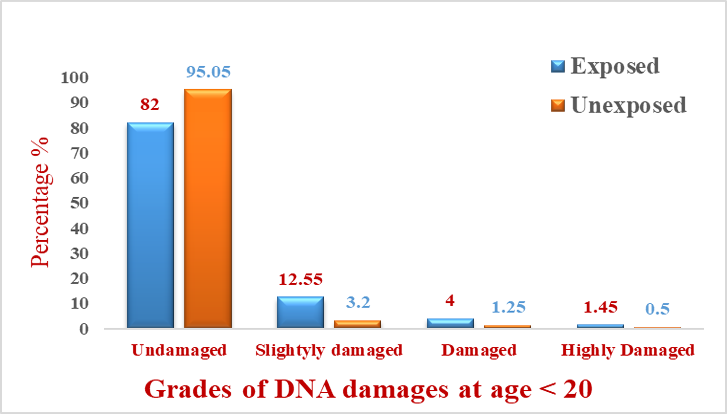
Percentage comparison of DNA damage of exposed and unexposed pesticide workers at age < 20.
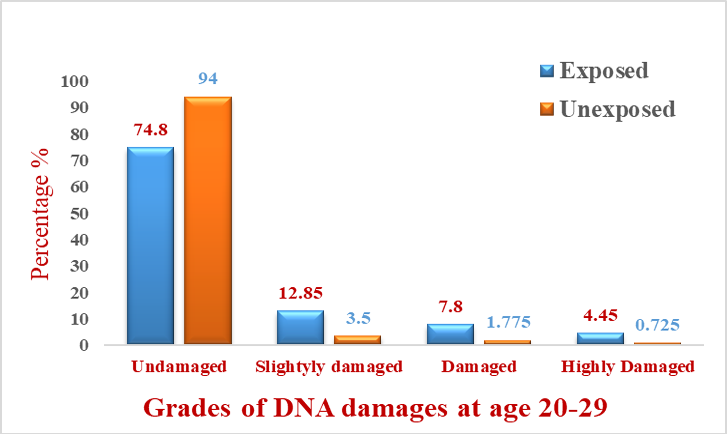
Percentage comparison of DNA damage of exposed and unexposed pesticide workers at age 20-29.
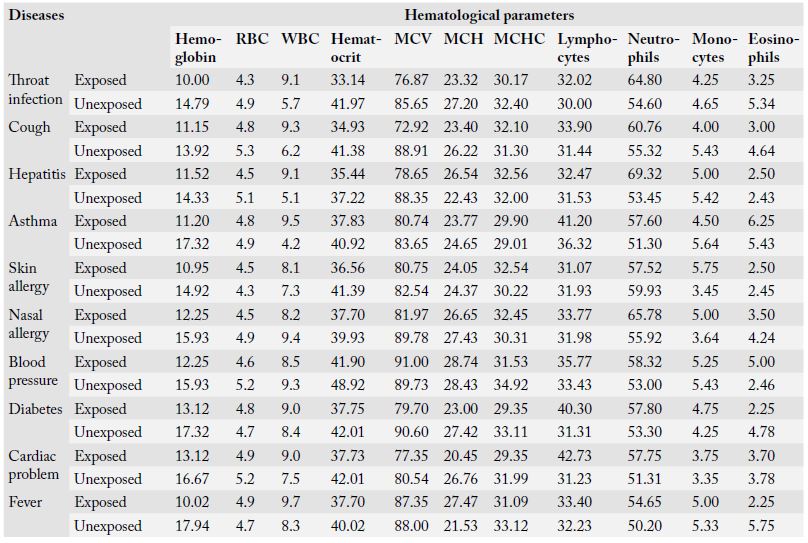
Mean values of hematological parameters in different diseases of pesticide exposed and unexposed individuals.
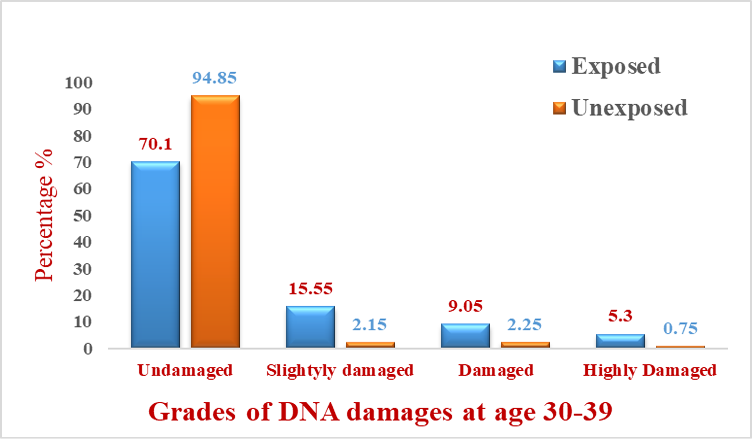
Percentage comparison of DNA damage of exposed and unexposed pesticide workers at age 30-39.
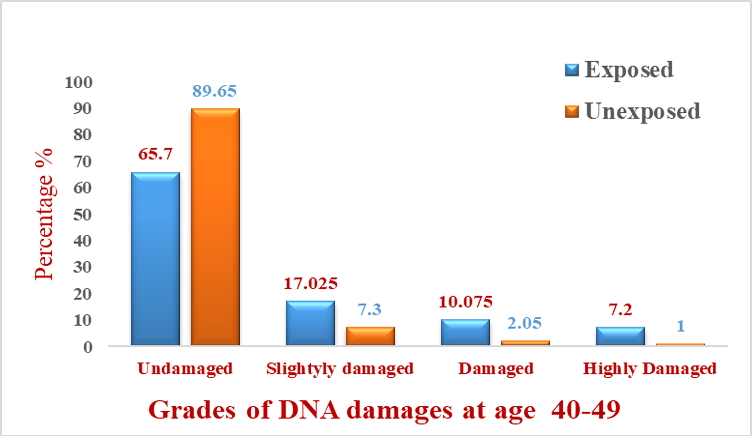
Percentage comparison of DNA damage of exposed and unexposed pesticide workers at age 40-49.
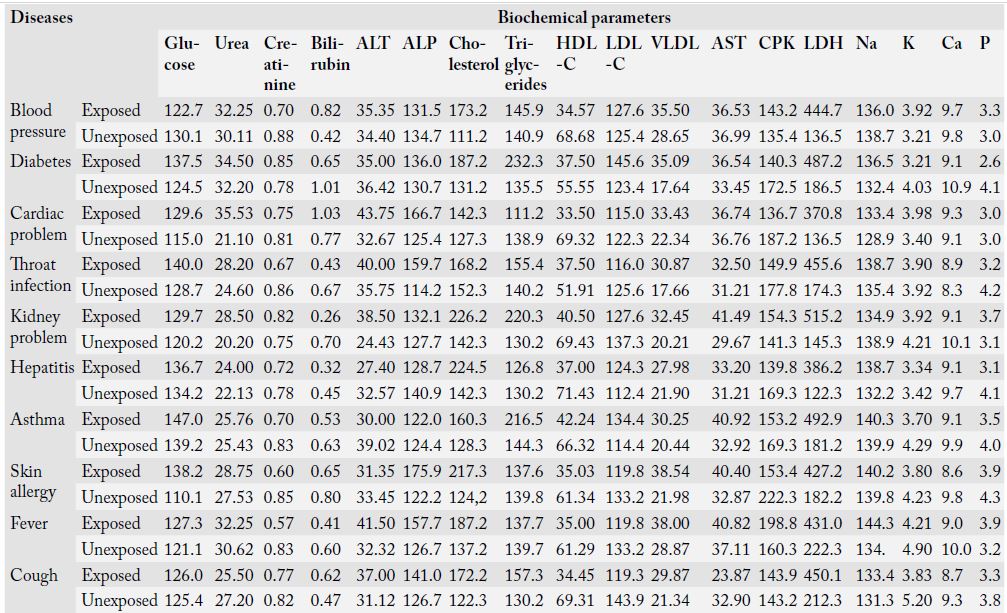
Mean values of serum parameters in different diseases of pesticide exposed and unexposed individuals.
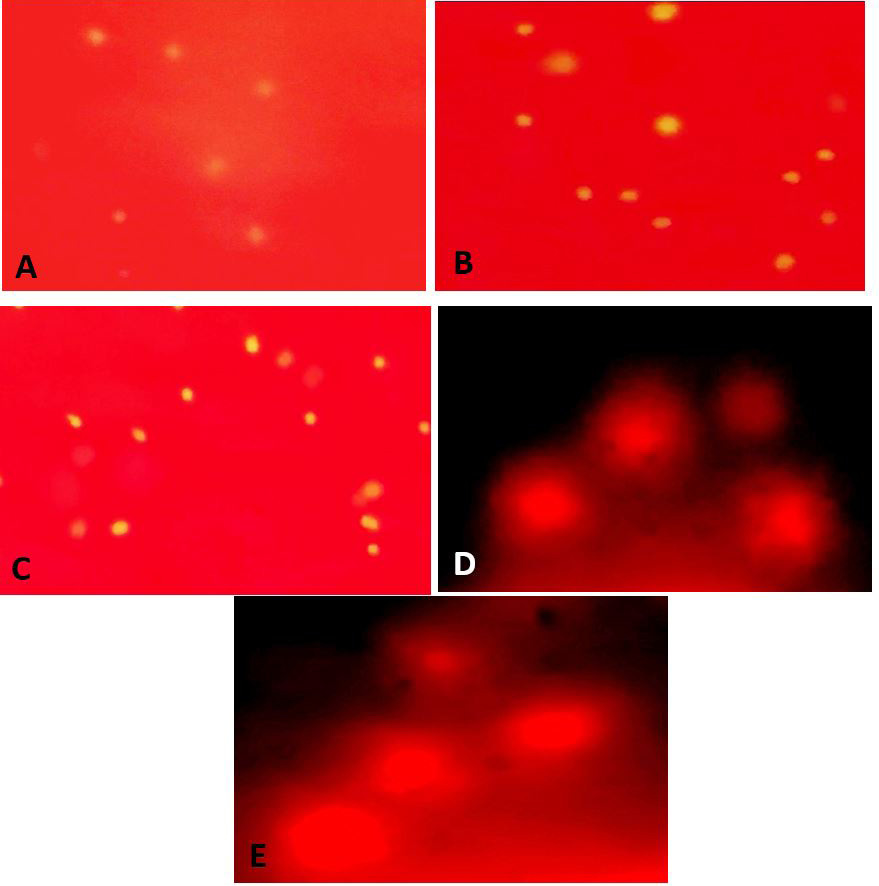
Quantifying DNA damage progression due to pesticide exposure: from baseline to severe damage across varied exposure levels. (A) Undamaged DNA; (B) Slightly damaged DNA; (C) Moderately damaged DNA; (D) Highly damaged DNA and (E) Severely damaged DNA.
References
- Ahmadi, N., Mandegary, A., Jamshidzadeh, A., Mohammadi-Sardoo, M., Mohammadi-Sardo, M., Salari, E., and Pourgholi, L., 2018. Hematological abnormality, oxidative stress, and genotoxicity induction in the greenhouse pesticide sprayers; investigating the role of NQO1 gene polymorphism. Toxics, 6(1): 13. https://doi.org/10.3390/toxics6010013[CrossRef]
- Al-Sarar, A.S., Abo Bakr, Y., Al-Erimah, G.S., Hussein, H.I. and Bayoumi, A.E., 2009. Hematological and biochemical alterations in occupationally pesticides-exposed workers of Riyadh municipality, Kingdom of Saudi Arabia. Res. J. Environ. Toxicol., 3(4): 179-185. https://doi.org/10.3923/rjet.2009.179.185[CrossRef]
- Anderson, S.E., and Meade, B.J., 2014. Potential health effects associated with dermal exposure to occupational chemicals. Environ. Health Insights, 8: EHI-S15258. https://doi.org/10.4137/EHI.S15258[CrossRef]
- Assadi, S.N., 2018. Electrocardiographic changes and exposure to solvents. J. Arrhyth., 34(1): 65-70. https://doi.org/10.1002/joa3.12014[CrossRef]
- Atwood, D. and Paisley-Jones, C., 2017. Pesticides industry sales and usage: 2008–2012 Market Estimates. United States Environmental Protection Agency: Washington, DC, USA.
- Azmi, M.A., Naqvi, S.N.H., Azmi, M.A. and Aslam, M., 2006. Effect of pesticide residues on health and different enzyme levels in the blood of farm workers from Gadap (rural area) Karachi, Pakistan. Chemosphere, 64(10): 1739-1744. https://doi.org/10.1016/j.chemosphere.2006.01.016[CrossRef]
- Baldi, I., Gruber, A., Rondeau, V., Lebailly, P., Brochard, P. and Fabrigoule, C., 2011. Neurobehavioral effects of long-term exposure to pesticides: Results from the 4-year follow-up of the phytoner study. J. Occup. Environ Medic., 68(2): 108-115. https://doi.org/10.1136/oem.2009.047811[CrossRef]
- Baltazar, M.T., Dinis-Oliveira, R.J., de Lourdes Bastos, M., Tsatsakis, A.M., Duarte, J.A. and Carvalho, F., 2014. Pesticides exposure as etiological factors of Parkinson’s disease and other neurodegenerative diseases. A mechanistic approach. Toxicol. Lett., 230(2): 85-103. https://doi.org/10.1016/j.toxlet.2014.01.039[CrossRef]
- Bernal-González, K.G., Covantes-Rosales, C.E., Camacho-Pérez, M.R., Mercado-Salgado, U., Barajas-Carrillo, V.W., Girón-Pérez, D.A. and Girón-Pérez, M.I., 2023. Organophosphate-pesticide-mediated immune response modulation in invertebrates and vertebrates. Int. J. Mol. Sci., 24(6): 5360. https://doi.org/10.3390/ijms24065360[CrossRef]
- Beseler, C. and Stallones, L., 2003. Safety practices, neurological symptoms, and pesticide poisoning. J. Occup. Environ. Medic., 45(10): 1079-1086. https://doi.org/10.1097/01.jom.0000085894.87332.36[CrossRef]
- Buralli, R., Ribeiro, H., Mauad, T., Amato-Lourenço, L., Salge, J., Diaz-Quijano, F. and Guimarães, J., 2018. Respiratory condition of family farmers exposed to pesticides in the state of Rio de Janeiro, Brazil. Int. J. Environ. Res. Publ. Hlth., 15(6): 1203. https://doi.org/10.3390/ijerph15061203[CrossRef]
- Chuisseu, P.D., Fewou, S.N., Moudjo, G., Manfo, F.P., Simo, J.L. and Ngogang, J., 2015. Effect of chronic pesticides exposure in farm workers health of a Camerounian community. In 7th International Toxicology Symposium in Africa. pp. 79.
- Cooper, J. and Dobson, H., 2007. The benefits of pesticides to mankind and the environment. Crop Prot., 26(9): 1337-1348. https://doi.org/10.1016/j.cropro.2007.03.022[CrossRef]
- Damalas, C.A., 2009. Understanding benefits and risks of pesticide use. Sci. Res. Essays, 4(10): 945-949.
- Damalas, C.A. and Eleftherohorinos, I.G., 2011. Pesticide exposure, safety issues, and risk assessment indicators. Int. J. Environ. Res. Publ. Hlth., 8(5): 1402-1419. https://doi.org/10.3390/ijerph8051402[CrossRef]
- Dearfield, K.L., McCarroll, N.E., Protzel, A., Stack, H.F., Jackson, M.A. and Waters, M.D., 1999. A survey of EPA/OPP and open literature on selected pesticide chemicals. II. Mutagenicity and carcinogenicity of selected chloroacetanilides and related compounds. Mutat. Res. Genet. Toxicol. Environ. Mutagen., 443(1): 183-221. https://doi.org/10.1016/S1383-5742(99)00019-8[CrossRef]
- Dettbern, W.D., Milatovic, D. and Gupta, R.C., 2006. Toxicology of organophosphate and carbamate compounds. In: Gupta RC, editor. Oxidative stress in anticholinesterase-induced excitotoxicity. London: Academic Press, pp. 511-529. https://doi.org/10.1016/B978-012088523-7/50037-5[CrossRef]
- Farahat, T.M., Abdelrasoul, G.M., Amr, M.M., Shebl, M.M., Farahat, F.M. and Anger, W.K., 2003. Neurobehavioural effects among workers occupationally exposed to organophosphorous pesticides. Occupat. Environ. Med., 60(4): 279-286. https://doi.org/10.1136/oem.60.4.279[CrossRef]
- Gaikwad, A.S., Karunamoorthy, P., Kondhalkar, S.J., Ambikapathy, M. and Beerappa, R., 2015. Assessment of hematological, biochemical effects and genotoxicity among pesticide sprayers in grape garden. J. occupant. Med. Toxicol., 10(1): 11. https://doi.org/10.1186/s12995-015-0049-6[CrossRef]
- Gaikwad, A.S., Karunamoorthy, P., Kondhalkar, S.J., Ambikapathy, M. and Beerappa, R., 2015. Assessment of hematological, biochemical effects and genotoxicity among pesticide sprayers in grape garden. J. Occup. Med. Toxicol., 10: 1-6. https://doi.org/10.1186/s12995-015-0049-6[CrossRef]
- Ghaffar, A., R. Hussain, N. Ahmad, R. Ghafoor, M.W. Akram, I. Khan and A. Khan. 2021. Evaluation of hemato-biochemical, antioxidant enzymes as biochemical biomarkers and genotoxic potential of glyphosate in freshwater fish (Labeo rohita). Chem. Ecol., 37(7): 646-667. https://doi.org/10.1080/02757540.2021.1937141[CrossRef]
- Hernández, A.F., M.A. Gómez, V. Pérez, J.V. García-Lario, G. Pena, F. Gil and A. Pla. 2006. Influence of exposure to pesticides on serum components and enzyme activities of cytotoxicity among intensive agriculture farmers. Environ. Res., 102(1): 70-76. https://doi.org/10.1016/j.envres.2006.03.002[CrossRef]
- Hoekstra, L.T., W. de Graaf, G.A. Nibourg, M. Heger, R.J. Bennink, B. Stieger and T.M. van Gulik. 2013. Physiological and biochemical basis of clinical liver function tests: A review. Ann. Surg., 257(1): 27-36. https://doi.org/10.1097/SLA.0b013e31825d5d47[CrossRef]
- Hu, R., Huang, X., Huang, J., Li, Y., Zhang, C., Yin, Y. and Cui, F., 2015. Long-and short-term health effects of pesticide exposure: A cohort study from China. PLoS One, 10(6): e0128766. https://doi.org/10.1371/journal.pone.0128766[CrossRef]
- Intranuovo, G., Schiavulli, N., Cavone, D., Birtolo, F., Cocco, P., Vimercati, L. and Mazza, P., 2018. Assessment of DNA damages in lymphocytes of agricultural workers exposed to pesticides by comet assay in a cross-sectional study. Biomarkers, 23(5): 462-473. https://doi.org/10.1080/1354750X.2018.1443513[CrossRef]
- Iowa State University, 1995. Safe farm promoting agricultural health and safety.
- Jacobsen-Pereira, C.H., dos Santos, C.R., Maraslis, F.T., Pimentel, L., Feijó, A.J.L., Silva, C.I. and Maluf, S.W., 2018. Markers of genotoxicity and oxidative stress in farmers exposed to pesticides. Ecotoxicol. Environ. Saf., 148: 177-183. https://doi.org/10.1016/j.ecoenv.2017.10.004[CrossRef]
- Jalilian, H., Neghab, M., Tatar, M. and Taheri, S., 2018. Respiratory and dermal symptoms and raised serum concentrations of biomarkers of oxidative stress among pesticide retailers. Int. J. Occup. Environ. Med. 9(4): 1417-194. https://doi.org/10.15171/ijoem.2018.1417[CrossRef]
- Jamal, G.A., Hansen, S., Pilkington, A., Buchanan, D., Gillham, R.A., Abdel-Azis, M. and Ballantyne, J.P., 2002. A clinical neurological, neurophysiological, and neuropsychological study of sheep farmers and dippers exposed to organophosphate pesticides. Occup. Environ. Med., 59(7): 434-441. https://doi.org/10.1136/oem.59.7.434[CrossRef]
- Karami-Mohajeri, S., Ahmadipour, A., Rahimi, H.R. and Abdollahi, M., 2017. Adverse effects of organophosphorus pesticides on the liver: A brief summary of four decades of research. Arch. Ind. Hyg. Toxicol., 68(4): 261-275. https://doi.org/10.1515/aiht-2017-68-2989[CrossRef]
- Karami-Mohajeri, S. and Abdollahi, M., 2011. Toxic influence of organophosphate, carbamate, and organochlorine pesticides on cellular metabolism of lipids, proteins, and carbohydrates: A systematic review. Hum. Exp. Toxicol., 30(9): 1119-1140. https://doi.org/10.1177/0960327110388959[CrossRef]
- Kaur, K. and Kaur, R., 2018. Occupational pesticide exposure, impaired DNA repair, and diseases. Indian J. Occup. Environ. Med., 22(2): 74. https://doi.org/10.4103/ijoem.IJOEM_45_18[CrossRef]
- Khan, D.A., M.M. Bhatti, F.A. Khan, S.T. Naqvi and A. Karam. 2008. Adverse effects of pesticides residues on biochemical markers in Pakistani tobacco farmers. Int. J. Clin. Exp. Med., 1(3): 274.
- Khan, M., 2009. Economic evaluation of health cost of pesticide use: Willingness to pay method. The Pakistan Development Review, pp. 459-470.
- Khan, M., 2010. Using the health belief model to understand pesticide use decisions. The Pakistan Development Review, 941-956.
- Khan, M., 2011. Adverse health effects, risk perception and pesticide use behavior. Elixir J. Soc. Sci., 38: 4044-4048.
- Khan, D.A., Bhatti, M.M., Khan, F.A., Naqvi, S.T. and Karam, A., 2013. Adverse effects of pesticides residues on biochemical markers in Pakistani tobacco farmers. Int. J. Clin. Exp. Med., 6(4): 277-286.
- Khan, M., Nazir, I., Nazir, S., Wadood, M., Irfan, G. and Nasir, S.S., 2023. Impact of chronic exposure of organophosphorus pesticide on hematological and biochemical parameters of agriculture workers: A cross sectional study. J. Pharma. Negat. Results, pp. 3059-3067.
- Lasram, M.M., Annabi, A.B., El-Elj, N., Selmi, S., Kamoun, A., El-Fazaa, S. and Gharbi, N., 2009. Metabolic disorders of acute exposure to malathion in adult Wistar rats. J. Hazard. Mater., 163(2-3): 1052-1055. https://doi.org/10.1016/j.jhazmat.2008.07.059[CrossRef]
- Meeker, J.D., D.B. Barr and R. Hauser. 2008. Human semen quality and sperm DNA damage in relation to urinary metabolites of pyrethroid insecticides. Human Reprod., 23(8): 1932-1940.
- Makesh, M. and Rajendran, K.V., 2022. Fish immune system and vaccines. Springer. p. 290.
- Mamane, A., Raherison, C., Tessier, J.F., Baldi, I. and Bouvier, G. 2015. Environmental exposure to pesticides and respiratory health. Eur. Resp. Rev., 24(137): 462-473. https://doi.org/10.1183/16000617.00006114[CrossRef]
- Meeker, J.D., Barr, D.B. and Hauser, R., 2004. Human semen quality and sperm DNA damage in relation to urinary metabolites of pyrethroid insecticides. Hum. Reprod., 19(5): 1278-1286.
- Miranda, J., McConnell, R., Delgado, E., Cuadra, R., Keifer, M., Wesseling, C. and Lundberg, I., 2002. Tactile vibration thresholds after acute poisonings with organophosphate insecticides. Int. J. Occup. Environ. Health, 8(3): 212-219. https://doi.org/10.1179/oeh.2002.8.3.212[CrossRef]
- Neghab, M., Darvish, M. and Safdari, N., 2015. Evaluation of respiratory effects of occupational exposure to pesticides. Occup. Med., 6: 57-65. (in Persian). https://doi.org/10.15171/ijoem.2015.473[CrossRef]
- Rastogi, S.K., Singh, V.K., Kesavachandran, C., Siddiqui, M.J., Mathur, N. and Bharti, R.S., 2008. Monitoring of plasma butyrylcholinesterase activity and hematological parameters in pesticide sprayers. Indian J. Occup. Environ. Med., 12(1): 29-32. https://doi.org/10.4103/0019-5278.40813[CrossRef]
- Sanborn, M.D., Cole, D., Abelsohn, A. and Weir, E., 2002. Identifying and managing adverse environmental health effects: 4. Pesticides. Can. Med. Assoc. J., 166(11): 1431-1436.
- Singh, N.P., McCoy, M.T., Tice, R.R. and Schneider, E.L., 1988. A simple technique for quantitation of low levels of DNA damage in individual cells. Exp. Cell Res., 175(1): 184-191. https://doi.org/10.1016/0014-4827(88)90265-0[CrossRef]
- Soltaninejad, K. and Abdollahi, M., 2009. Current opinion on the science of organophosphate pesticides and toxic stress: A systematic review. Med. Sci. Monit., 15: 75-90.
- Van Maele-Fabry, G., Lantin, A.C., Hoet, P. and Lison, D., 2010. Childhood leukaemia and parental occupational exposure to pesticides: A systematic review and meta-analysis. Cancer Causes Contr., 21(6): 787-809. https://doi.org/10.1007/s10552-010-9516-7[CrossRef]
- Wafa, T., Nadia, K., Amel, N., Ikbal, C., Insaf, T., Asma, K. and Mohamed, H., 2013. Oxidative stress, hematological and biochemical alterations in farmers exposed to pesticides. J. Environ. Sci. Health, B, 48(12): 1058-1069. https://doi.org/10.1080/03601234.2013.824285[CrossRef]
- Wickerham, E.L., Lozoff, B., Shao, J., Kaciroti, N., Xia, Y. and Meeker, J.D., 2012. Reduced birth weight in relation to pesticide mixtures detected in cord blood of full-term infants. Environ. Int., 47: 80-85. https://doi.org/10.1016/j.envint.2012.06.007[CrossRef]
- Wong, S., Fournier, M., Coderre, D., Banska, W. and Krzystyniak, K., 1992. Environmental immunotoxicology. In Animal biomarkers as pollution indicators. Springer, Dordrecht. pp. 167-189. https://doi.org/10.1007/978-94-011-2346-4_8[CrossRef]
- Yavuz, Y., Yurumez, Y., Kücüker, H., Ela, Y. and Yüksel, S., 2007. Two cases of acute endosulfan toxicity. Clin. Toxicol., 45(5): 530-532. https://doi.org/10.1080/15563650701365909[CrossRef]
Services
Article usage statistics
Loading…