
Pesticides are extensively used throughout the world in industrial, health sector for agriculture and domestic purposes. Despite beneficial effect, these pesticides when released into the environment lead to induced toxicity in a large number of non-target organisms. Some of these are non-biodegradable and are persistently present in environment leading to environmental pollution. These chemicals eventually reach aquatic bodies and cause various histopathological, hematological, bio-chemical and enzymatic alterations in the bodies of aquatic organisms, especially fish, leading to huge economic loss. Consumption of the affected fishes also poses a serious health threat to humans. Pakistan being an agricultural country uses a variety of pesticides to protect its crops. The use of pesticides has substantially increased in Pakistan over the last decades, which when reach the water bodies, adversely affect the rich biodiversity found in aquatic systems of Pakistan. This review discusses research over past decades regarding toxic effects of pesticides induced in edible freshwater fishes of Pakistan and future considerations.
Review · Volume 40, Issue 1, 15 February 2024 · Open Access
Induced-Toxicity of Pesticides on Edible Freshwater Fishes in Pakistan: A Review
· · · · · · · · ·
Affiliations & Notes ⌄
- 1Department of Zoology, Abdul Wali Khan University, Mardan 23200, Khyber Pakhtunkhwa, Pakistan
- 2College of Veterinary Science and Animal Husbandry (CVS and AH), Abdul Wali Khan University, Mardan 23200, Khyber Pakhtunkhwa, Pakistan
- 3Department of Zoology, Women University, Swabi, 23430, Khyber Pakhtunkhwa, Pakistan
- 4Department of Zoology, Government College University Lahore, 54000, Lahore, Pakistan
- 5Department of Chemical and Life Sciences, Qurtuba University of Science and Information Technology, Peshawar 25000, Khyber Pakhtunkhwa, Pakistan
- 6Institute of Chemical Sciences (ICS), University of Peshawar, 25120, Khyber Pakhtunkhwa, Pakistan. *Correspondence | Asad Ullah, College of Veterinary Sciences and Animal Husbandry, Abdul Wali Khan University, Mardan 23200, Khyber Pakhtunkhwa, Pakistan
- 7Email: asadullah@awkum.edu.pk
Article Info ⌄
- Journal:
- Sarhad Journal of Agriculture
- Published:
- 15 February 2024
From the article
- This article concludes that increased and unplanned of pesticides renders great threat to environment, aquatic life, and humans.
- Pesticides causes different behavioral, hematological, histopathological, genotoxic, endocrine alterations in fish body, which is tolerated by fish only up to a certain level beyond which mortality of fish occurs, resulting in economic losses.
- Furthermore, those fishes should be stocked in water bodies which are least vulnerable to pesticides and chemicals.
- Further research is needed to study the effects of newly introduced pesticides and to develop biodegradable pesticides that are environment friendly and have least toxicity to non-target organisms.
Selected from the article's own text.
Abstract
Introduction
Industrial advancements and development of novel technologies are essential to achieve success and comfort in ongoing era, but these are causing deterioration of precious natural water resources on earth . Increasing number of industries, modernization and urbanization eventually steered us to the contamination of our environment and left us to face the problem of environmental pollution. These pollutants include domestic wastes, industrial effluents, agro-chemicals, etc. that include different organic and inorganic substances, heavy metals such as cadmium, arsenic, and pesticides. An after effect of urbanization and industrialization is that the pollutants released from industries eventually reach the aquatic bodies where they get dissolved and cause water pollution . Environmental pollution is an elaborate phenomenon having multiple aspects with partial or unidentifiable origins . International Agencies reported that such chemical substances have high potential and a constant threat to aquatic life including fish and bioaccumulation of these pollutants eventually entre into human food chain and is the main cause of human health hazard .
In view of its consumption by human, industrial production, industrial irrigation and stabilization of biodiversity, fresh water is extremely valuable in terms of preserving life. However, these ecosystems are at risk of suffering biodiversity losses due to being vulnerable to environmental pollutants including pesticides ; ; ; .
Pesticides are chemical compounds that are used to get rid of pests including insects, rodents, fungi and unwanted plants, herbs, weeds etc. . These chemical compounds are grouped into different classes such as insecticides, herbicides, rodenticides, fungicides etc. According to the chemical nature of pesticides; it is further divided into groups like carbamates, organochlorine, organophosphate, pyrethroids (widely used), and aliphatic fungicides, inorganic rodenticides, amide fungicides, ammonium herbicides. Pesticides are a big source of potential environmental hazards to birds, fish, and other animals as well as humans when they infiltrate food chain . An increased burden of chemicals can arise in environment due to non-biodegradability of some of these classes of pesticide chemicals . Effluents with pesticides resulted in a marked rise in the mortality rate, growth retardation and tissue damage in fish . Susceptibility of different fish species to these pesticides is different at different concentration. The changes in different body parts and systems of fish have been observed to be different than each other as well as in response to different pesticides .
Pakistan is an agricultural country with most of its agricultural land irrigated by canal systems from rivers and their tributaries. Main rivers are Indus, Kabul, Chenab, and Ravi. Freshwater ecosystems of Pakistan have rich biodiversity including a large number of edible fish species such as Labeo rohita, Cirrhinus mrigala, Cyprinus carpio, Catla catla. Agriculture run-off, sewage wastes, fall into the rivers causing aquatic pollution and adversely affect fish life, leading to various hematological, biochemical, histopathological changes in fish body which when consumed by human’s results in different types of disorders in body. This review discusses research over past decade regarding toxic effects of pesticides induced in edible freshwater fishes of Pakistan and some future considerations.
General introduction of commonly-used pesticides
(Modified from .
Organochlorine pesticides (OCPs)
Organochlorines pesticides are organic compound attached with five or more chlorine atoms. Organochlorines (OC) are widely used in health sector and agriculture as insecticides and these are non-biodegradable. These pesticides have a negative effect on insects’ nervous system which cause disruption of the insect nervous system causing convulsions, then paralysis and eventually cause death, slowly and gradually. Most common examples of these pesticides includes: DDT, endosulfan, aldrin, lindane, dieldrin and chlordane. Production of DDT is now prohibited throughout the globe.
Organophosphate pesticides (OPPs)
Organophosphate pesticides are multi-purpose broad spectrum pesticides, which are derivatives of phosphoric acid used to get rid of different types of pests and act when inhaled, ingested, or penetrate in skin, leading to stomach abnormalities, nervous system impairments in affected organisms. These are biodegradable pesticides, causing little environmental pollution and show delayed pest resistance. They are more toxic to animals as they have cholinesterase-inhibiting properties leads to excess accumulation of acetylcholine neurotransmitter across a synapse. This results in failure of nerve impulses to move across the synapse causing muscular cramps, paralysis and eventually death. Most common OPPs include malathion, diazinon, glyphosate, and parathion.
Carbamates (Carb)
The carbamates share similar structural makeup with organophosphates(OP), but carbamates are distinct in that they originate from carbamic acid. Carbamates work by interfering with transmission of nerve signals resulting in the death of the pest by poisoning. Under natural conditions, they are easily degraded with little environmental pollution. They are occasionally used as fumigants, contact poisons, and poisons for the stomach. Insecticides that contain carbamates include carbaryl, carbofuran, propoxur, and aminocarb.
Pyrethroids (PYR)
Synthetic pyrethroid insecticides are produced from natural pyrethrins. Compared to pyrethrins, they are more stable and have a longer residual impact in environment. These insecticides are only mildly hazardous to mammals and birds, but they are extremely toxic to fish and insects. Majority of synthetic pesticides are non-persistent and quickly break down when exposed to light. Pyrethroids are considered safe to use in food. Cypermethrin and Permethrin are examples of popular synthetic pyrethroid pesticides.
Pesticide-induced toxic effects on fish
Behavior: Different studies on pesticides over past decade have shown alterations in behavior of various fish species such as sluggish swimming movements, lethargy, faintness, and disruption in swimming ability which renders the fish more prone to predators, affect their feeding, orientation, and territory defense . Interruption in behavior of fish by pesticides makes the fish stressed and immunocompromised, making them susceptible to different kinds of pathogens and infections . In freshwater fish Labeo rohita commonly known as Rohu , imidacloprid induced morphological and behavioral changes such as avoidance mechanisms, abrupt and sluggish swimming movement in all directions, occasional jumping and hitting on the walls of tank, rapid scale loss, mucous secretion, change in body color , while organophosphates (profenofos, trizaophos) and carbamates (carbofuran, carbaryl) caused suffocation, lethargy, descending movement, irregular swimming, gulping before death in the same fish. Also, fipronil resulted in shakings, twitching, dizziness, increased operculum movement, body curving, breathing troubles in Cyprinus carpio (common carp) . There are many different studies confirming the effects of different pesticides on behavior of different freshwater fishes of Pakistan (Mahboob et al., 2015a; , 2021; ; ; ; mentioned in Table 2.
Hematology: Blood parameters were assessed as physiological indicators of animals exposed to stressful conditions such as the presence of toxic substances, because blood acts as a patho-physiological reflector of the whole body . Various pesticides have been extensively studied to trace for hematological changes such as changes in number of RBCs and WBCs, thrombocytes, neutrophils, hemoglobin content, hematocrit values in different freshwater fish species of Pakistan such as in Cirrhinus mrigala (Indian carp) due to diazinon ; , Chlorfenapyr, dimethoate, and acetamiprid , Labeo rohita (Rohu) exposed to acetamiprid , triazophos (Ghaffar et al., 2015a), butachlor, a chloroacetanilide herbicide (Ghaffar et al., 2015b), Chlorpyrifos , Diafenthiuron , thiamethoxam ; , fipronil , pyriproxifen ; , Ctenopharyngodon idella (Grass carp) to endosulfan , Cyprinus carpio (Common carp) in response to fipronil and buprofezin , fipronil ,Oreochromis mossambicus (Mozambique tilapia) to Chlorpyrifos , Tor putitora (Mahaseer) to cypermethrin , Oncorhynchus mykiss (Rainbow Trout) to Chlorpyrifos , Aristichthys nobilis (Bighead Carp) to acetochlor , triclosan , Hypophthalmichthys nobilis (Bighead carp) to pendimethalin .
Histopathology: Histopathological changes have been traced in different organs such as brain, gills, liver, kidneys, intestines, blood and muscles of different edible freshwater fish species of Pakistan. Pesticides-induced changes in histopathology of fish include lamellar disorder, lesions, hyperplasia, congestion, epithelial stimulating, micro gliosis, hemorrhages, necrosis, discoloration, neuronal degeneration, karyorrhexis, hepatocellular hypertrophy, and accumulation of pesticides residues in muscles . The pesticide damage tissue, effect function of Kidney, centers in spleen, edema, and disruption of cardiac myofibers in heart have been reported over past decade from various freshwater fishes. Some of the lethal pesticides are cypermethrin , mixture of endosulfan and chlorpyrifos , thiamethoxam , profenofos and carbofuran to Labeo rohita (Mahboob et al., 2014a), cypermethrin to Tor putitora , fipronil plus buprofezin to Cyprinus carpio , DDT and HCHs to Cyprinus carpio, Tor putitora, Glyptothorax punjabensis, Orienus plagiostomus , Chlorpyrifos to Oncorhynchus mykiss , acetachlor to Aristichthys nobilis , pendimethalin to Hypophthalmichthys nobilis , Lambda-cyhalothrin to Ctenopharyngodon idella . Some other researchers have also reported the histopathological changes in edible freshwater fishes of Pakistan ; ; ; ; Mahboob et al., 2015; ; ; ; ; Karim et al., 2016a, 2016b; ; ; ; ; (Table 2).
Biochemical (Oxidative stress) variation
Exposure to pesticides induces various biochemical changes in fish body. Chlorpyrifos cause increased activity of antioxidant enzymes in freshwater fish Oncorhynchus mykiss . Activity of anti-oxidant enzymes such as superoxide dismutase, peroxidase, and glutathione S-transferase increases in liver, gills, kidneys, brain, muscles, and heart of Labeo rohita when treated with mixture of endosulfan and chlorpyrifos . Rise in quantity of oxidative stress biomarkers and decline in concentration of antioxidant enzymes occur when Labeo rohita is exposed to pyriproxifen , Aristichthys nobilis to acetochlor , Hypophthalmichthys nobilis to pendimethalin .
Total protein content (TPC)
Various studies showed the changes in protein content in various tissues such as liver, gills, intestines, blood, and muscles of different edible freshwater fishes of Pakistan when exposed to different pesticides. Total protein content declined in Cyprinus carpio when exposed to Karate i.e. λ-Cyhalothrin, protein value recorded in different tissues, Muscles 20.77±1.21a, Brain 26.01±2.06a and Liver 27.84±1.46a , and fipronil and buprofezin . Exposure of Labeo rohita to Diafenthiuron, total serum protein (P = 0.004), cholesterol (P = 0.033) and creatinine (P = 0.002) were significantly reduced . Catla catla (Major Carp) recorded heights protein content range, 18.59±0.04 then used 0.038mg/L profenofos, reduce protein level 12.76±0.04, Labeo rohita (Rohu) protein content 19.18±0.02, used 0.06mg/L profenofos, decreased protein level 12.71±0.04. Cirrhinus mrigala (Mrigal carp) 14.62±0.02 protein value in healthy fish, used 0.041mg/L profenofos, reduced total protein level 8.70±0.01. showed decline in total protein when exposed to profenofos, . Oreochrmois mossambicus (Mozambique tilapia), also showed a decline in total protein content when treated with organophosphates, pyrethroids, and herbicide , and Chlorpyrifos . Oreochromis niloticus (Nile Tilapia) also show a significant decrease in total protein content when exposed to malathion, Chlorpyrifos, and λ-Cyhalothrin, significant decrease total protein level in different tissue such as in brain (19.33±0.58) and muscle tissues (27.02±0.57) and malathion . Exposure of Ctenopharyngodon idella (Grass Carp) to mixture of endosulfan+chlorpyrifos and endosulfan+bifenthrin decrease protein content interval of time reported in different tissues such as Hepatic, control group protein content 3.95±0.56Ba, lowest total protein recorded 1.98±0.21Bc, Muscle highest protein 1.04±0.17Ba and lowest 0.18±0.01Bc, Gills highest protein 2.86±0.33Ba and lowest 1.46±0.15Bc, Cardiac highest protein 0.86±0.12Ba and lowest 0.03±0.01Bc etc. , Lambda-cyhalothrin and Aristichthys nobilis (Bighead carp), to acetochlor lead to decline in total protein content in investigated fish tissues followed by different standard procedure for determination of protein contents in different tissues of the different fresh water species.
Acute toxicity- LC50
Acute toxicity may be measured as oral, dermal and inhalational acute toxicity. LC50 is the measure of acute inhalation toxicity. Acute toxicity is expressed by various changes in behavior and physical activities, even death. However, different pesticides have distinct LC50 values in different organisms, determine by using Probit analysis and comparison was done by the APHA method (Mahboob et al., 2015). A list of common pesticides together with their lethal concentrations for different fish species have been listed in Table 1. For further information, “handbook of acute toxicity of chemicals to fish and other aquatic vertebrates” is also helpful (Johnson and Finley, 1980).
Inhibition of acetylcholinesterase (AChE)
Organophosphates and carbamates apparently share the common mechanism of acetylcholinesterase inhibition at nerve endings that results in excess acetylcholine accumulation in the nerve ending overstimulating the effector organ. Studies have shown that acetylcholinesterase inhibition in fish has been associated with exposure of fish to different pesticide. In a study conducted by , acetylcholinesterase activity was inhibited in Cirrhinus mrigala exposed to diazinon. Oncorhynchus mykiss also showed a decline in AChE activity when exposed to Chlorpyrifos . Inhibition of AChE activity occurred in Labeo rohita when exposed to profenofos and carbofuran (Mahboob et al., 2014), and Cyprinus carpio when treated with λ-Cyhalothrin .
Genotoxicity
Genotoxicity is a property possessed by some substances that makes them harmful to the genetic information contained in organisms. Heavy metal ions and polycyclic hydrocarbons are the most influencing genotoxicants for fishes. Pesticides-induced genotoxicity has been reported in various freshwater fishes of Pakistan. Genotoxic threats and increased DNA damage have been noticed in Labeo rohita when exposed to triazophos, used standard blood test, staining method, serum enzyme such asALT, AST, ALP and measured by spectrophotometrically (Ghaffar et al., 2015a),endosulfan , thiamethoxam , and pyriproxifen , Aristichthys nobilis when treated with acetachlor , and triclosan and Hypophthalmichthys nobilis to pendimethalin .
Table 1: List of common pesticides along with their lethal concentrations for different fish species.
| Pesticide | Experimental fish | LC50 value | Exposure time | Reference |
| Diazinon | Cirrhinus mrigala | 8.15 mg L-1 | 96 hr | Rauf and Arain, 2013 |
| Triazophos | Labeo rohita | 6.64 mg L-1 | 96 hr | Mustafa et al., 2014 |
| Profenophos | Labeo rohita | 0.32 mg L-1 | 96 hr | Mustafa et al., 2014 |
| Carbofuran | Labeo rohita | 1.4 mg L-1 | 96 hr | Mustafa et al., 2014 |
| Carbaryl | Labeo rohita | 8.24 mg L-1 | 96 hr | Mustafa et al., 2014 |
| Profenofos | Labeo rohita | 0.31 mg L-1 | 96 hr | Mahboob et al., 2014 |
| Carbofuran | Labeo rohita | 1.39 mg L-1 | 96 hr | Mahboob et al., 2014 |
| Karate (λ-Cyhalothrin) | Cyprinus carpio | 0.16 µL L-1 | 96 hr | Bibi et al., 2014 |
| Imidacloprid | Labeo rohita | 550 mg L-1 | 96 hr | Qadir et al., 2015 |
| Cypermethrin | Tor putitora | 63 µL L-1 | 96 hr | Ullah et al., 2015 |
| Triazophos | Cirrhinus mrigala | 1.05 mg L-1 | 96 hr | Mahboob et al., 2015 |
| Profenophos | Cirrhinus mrigala | 0.21 mg L-1 | 96 hr | Mahboob et al., 2015 |
| Carbofuran | Cirrhinus mrigala | 0.49 mg L-1 | 96 hr | Mahboob et al., 2015 |
| Carbaryl | Cirrhinus mrigala | 4.75 mg L-1 | 96 hr | Mahboob et al., 2015 |
| Fipronil | Cyprinus carpio | 0.665 mg L-1 | 96 hr | Qureshi et al., 2016 |
| Chlorpyrifos | Labeo rohita | 442.8 µg L-1 | 96 hr | Ismail et al., 2014; Ismail et al., 2018 |
| Endosulfan+chlorpyrifos | Oreochromis niloticus | 5.64 μg L-1 | 96 hr | Ambreen and Javed, 2018 |
| Endosulfan+chlorpyrifos | Labeo rohita | 1.95 μgL-1 | 96 hr | Naz et al., 2019 |
| Endosulfan+bifenthrin | Ctenopharyngodon idella | 4.23 μg L-1 | 96 hr | Ambreen and Javed, 2015 |
| Endosulfan+chlorpyrifos | Ctenopharyngodon idella | 4.60 μg L-1 | 96 hr | Ambreen and Javed, 2015 |
Table 2: Effects of pesticide induced toxicity in different edible freshwater fishes of Pakistan studies over past decade.
| S. No | Fish | Common name | Name of pesticide | Sample | Changes noticed | Reference | |||||
| 1 | Labeo rohita | Rohu | Organochlorine and nitrogen-containing pesticides (endosulphan. DDE, parathion methyl, isoproturon, atrizine, carbofuran, carbaryl, deltamethrin) | Fish muscles | Accumulation of pesticides residues in fish muscles | ||||||
| 2 | Labeo rohita | Rohu | Imidacloprid | Live fish | Avoidance Mechanisms, sluggish and abrupt swimming movements in all directions, occasional jumping, hitting on the tank walls, rapid scale loss, mucous secretion, body color changed to light brown. 96 hrs LC50 value is 550 mg L-1 | ||||||
| 3 | Otolithes ruber | Tiger-toothed croaker | Organochlorines (HCH, DDT, dieldrin, eldrin) | Fish tissue | Bioaccumulation of Heptachlor exo-epoxide and Methoxychlor in Fishes | ||||||
| 4 | Cirrhinus mrigala | Mrigal carp | Diazinon | Blood | Hematological alterations, Decrease in total RBCs, WBCs, Hb, and Hct values, LC50 value is 8.15mg/L, Increase in death rate with increase in diazinon concentration and exposure. | ||||||
| 5 | Cyprinus carpio, Cirrhinus mrigala, Catla catla, Cirrhinus reba, Labeo calbasu, | Common Carp, Mrigal carp, Major Carp, Reba Carp, Orange fin labeo | Organochlorine Pesticides (OCPs) and Polychlorinated Biphenyls (PCBs) | Fish muscles | Intake of fish pose health hazard to humans | ||||||
| 6 | Cirrhinus mrigala | Mrigal carp, | Diazinon | Blood | Decline in RBCs, WBCs, Hb, Hct, mean corpuscular | ||||||
| 7 | Labeo rohita | Rohu | Profenofos, Carbofuran | Brain, gills, muscles, kidneys, liver, blood | Disturbed metabolism and neurotransmission, Profenfos toxicity is high compared to carbofuran in context of Acetylcholinesterase and Butyryl-cholinesterase inhibition in all tested organs | (Mahboob et al., 2014a) | |||||
| 8 | Catla catla | Major Carp | Triazophos, | Live fingerlings | Acute toxics stress, 100% mortality at 2.8 mg L-1 carbofuran dose for 96 hrs, Behavior: suffocation, movement towards bottom, erratic swimming, lethargy, gulping before mortality | (Mahboob et al., 2014b) | |||||
| Profenofos, | |||||||||||
| Carbofuran, | |||||||||||
| Carbaryl | |||||||||||
| 9 | Catla catla | Major Carp | DDT, DDE, Endosulphan, Endosulfan sulphate, Cartap, Carbofuran | Flesh | Accumulation of pesticide in fish muscles | ||||||
| 10 | Cyprinus carpio | Common Carp | Karate (λ-Cyhalothrin) | Brain, liver, muscle tissue | Decrease in total protein content, Reduction of Acetylcholinesterase activity | ||||||
| 11 | Labeo rohita | Rohu | Acetamiprid | Blood | Decrease in serum calcium, phosphate, and albumin, Increase in urea | ||||||
| 12 | Labeo rohita | Rohu | Organophosphates (Profenofos, Trizaophos) and Carbamates (Carbofuran, Carbaryl) | Live fish | Acute toxic stress, Behavioral stress exhibited by fish, suffocation, lethargy, fish rest at the bottom, irregular swimming, movement towards bottom, gulping before mortality. | ||||||
| Table continued on next page................. | |||||||||||
| S. No | Fish | Common name | Name of pesticide | Sample | Changes noticed | Reference | |||||
| 13 | Labeo rohita | Rohu | Triazophos | Blood | Microcytic hypochromic anemia, Decrease in lymphocyte and monocyte values, Increase in leukocyte count, DNA damage | (Ghaffar et al., 2015a) | |||||
| 14 | Ctenopharyngodon Idella | Grass Carp | Endosulfan | Blood,liver, intestines, gills, | Blood: decline in total RBCs, WBCs, platelets, Hb, and PCV, Liver: degenerative changes, vacuolation, pyknosis etc. Gills: fusion and disruption, Intestines: atrophy of villi, increased goblet cells count | ||||||
| 15 | Tor putitora | Mahseer | Cypermethrin | Blood, liver, gills, brain | Blood cells: decrease in RBSs count, Increase in WBCs count, Liver: glycogen vacuolization, hemorrhage vacuolization, congestion, fatty infilteration, hepatic necrosis, Gills : cellular infilteration, congestion, swollen tip of gill filament, hetropilic infilteration, damaged gill, Brain : discoloration, neuronal degeneration, Infilteration, severe spongiosis, | ||||||
| 16 | Cirrhinus mrigala | Indian Carp | Triazophos, carbofuran, carbaryl, profenofos | Live fingerlings | Suffocation, Restlessness, Erratic swimming, Loss of equilibrium, Jerky movement, Mouth opened with rapid operculum movement, Lethargy, Gulping before death, 100% mortality at 1.6 mg L-1 of carbofuran for 96 hrs. | (Mahboob et al., 2015a) | |||||
| 17 | Catla catla | Major Carp | Endosulfan, carbofuran, cypermethrin, profenophos, triazophos, deltamethrin | Fish muscles | Accumulation of endosulfan and profenofos in fish tissues, Higher concentrations of endosulfan, carbofuran and deltamethrin than permissible limits for fish set by International agencies, Health hazard to human and aquatic organisms | (Mahboob et al., 2015b) | |||||
| 18 | Tor putitora | Mahseer | Cypermethrin | Liver, brain, gills | Liver: glycogen vacuolization, hemorrhage vacuolization, congestion, fatty infiltration, necrosis, Brain: discoloration, neuronal degeneration, infiltration and severe spongiosis, Gills: congestion, swollen tip of gill filament, cellular and hetrophilic infiltration, gill damage | ||||||
| 19 | Labeo rohita, Channa marulius, Cyprinus carpio | Rohu, Great Snakehead, Common Carp | Pyrethroids, carbamates, neonicotenoids | Fish Muscles | Carbofuran detected in Labeo rohita, and Cirrhinus marulius, Cypermethrin detected in Cirrhinus marulius, Deltamethrin detected in Cyprinus carpio, and Cirrhinus marulius. | ||||||
| 20 | Labeo rohita | Rohu | Butachlor (Chloroacetanilide herbicide) | Blood | Decrease in RBCs, Hb, Hct, and lymphocyte value, Increase in total WBCs count, Morphological and nuclear abnormalities, mutagenic effects | Ghaffar et al., 2015b) | |||||
| 21 | Hypophthalmichthys molitrix | Silver Carp | Deltamethrin | Liver, blood | Liver: necrosis, nuclear pyknosis, hypertrophy of cells, vacuolization, congestion of blood vessels, nuclear atrophy, Blood: Increased level of hepatic enzymes AST and ALT | (Karim et al., 2016a) | |||||
| Table continued on next page................. | |||||||||||
| S. No | Fish | Common name | Name of pesticide | Sample | Changes noticed | Reference | |||||
| 22 | Hypophthalmichthys ii. Molitrix | Silver carp | Deltamethrin | Spleen, Kidneys | Kidneys: tissue damage, renal tubules degeneration, | (Karim et al., 2016b) | |||||
| Dilation, lyses and degeneration of glomerular capillaries, narrowing of the tubular lumen, atrophy, Spleen: tissue damage, necrosis, alterations in number of melano-macrophage centres | |||||||||||
| 23 | Cyprinus carpio | Common carp | Fipronil, buprofezin | Blood, Fish tissue | Decrease in total proteins content, globulin, RBCs, Thrombocytes, Hb, HCT, blood DNA content, Increase in WBCs and glucose concentrations, albumin unaltered, RBCs: necrosis, micro-nuclear formation and hyper-chromatosis, Gills: epithelial uplifting, lamellar necrosis, disorganization, fusion and atrophy, disruption of cartilaginous core, telangiectasia, Liver: hypertrophy of hepatocytes and nuclei, karyorrhexis, melano-macrophage aggregations, contractions of central vein, Kidneys: glomerular deterioration, Bowman’s space and renal tubules dilation, altered tubular lumen and thyroidization of tubules, , hypertrophy of nucleus, cellular necrosis and atrophy | ||||||
| 24 | Labeo rohita | Rohu | Imidacloprid | Heart, liver, kidney | No histopathological changes observed in heart, Liver : Wrinkling of hepatocytes membrane, hepatocyte degeneration and necrosis, dilation of blood sinusoid, nuclear degeneration, hepatic nuclei' pyknosis, Kidneys : wide Bowman's space, cell necrosis and inflammation, enlargement of renal tubular lumen |
| |||||
| 25 | Carnivorous species (Chitala chitala, Channa striata, Clupisoma gaura, Wallago attu, Rita rita, Sperata seenghala,), Herbivorous species (Catla catla, Cirrhinus mrigala, Labeo rohita, Cyprinus carpio, Cirrhinus reba, Labeo dyocheilus) | Indian featherback or Indian knifefish, Chitol, Striped Snakehead, River Catfish, Wallago, Rita, Giant River-Catfish, Herbivorous species Major Carp, Mrigal carp, Rohu, Common Carp, Reba Carp, Brahmaputra Labeo, Kali | Organochlorine Pesticides (OCPs) and Polychlorinated Biphenyls (PCBs) | Muscles | OCPs and PCBs detected in edible fish species with highest concentrations recorded in carnivorous species, Health risk to consumers | ||||||
| 26 | Cyprinus carpio, Tor putitora, Glyptothorax punjabensis, Orienus plagiostomus | Common carp, Mahseer, Sisorid catfish, Sattar snow trout | DDT (Dicholorodiphenyltricholoroethane), HCHs (Hexachlorocyclohexane) | Muscles, gills, stomach, liver tissues | Bioaccumulation of HCHs and DDT in fish especially in G. punjabensis and C. carpio, DDT intake with life time consumption of mentioned fish species pose cancer risk to local people. | ||||||
| Table continued on next page................. | |||||||||||
| S. No | Fish | Common name | Name of pesticide | Sample | Changes noticed | Reference | |||||
| 27 | Ctenopharyngodon idella | Grass Carp | Atrazine (Herbicide) | Blood | Decrease in synthesis and activity of enzymes serum glutamic-pyruvic transaminase (SGPT), creatinine phosphokinases (CPK), lactate dehydrogenase (LDH), and alkaline phosphatase, resulting in enzyme accumulation in cells due to reduced permeability for mentioned enzymes. | ||||||
| 28 | Oreochromis mossambicus | Mozambique tilapia | Organophosphates (Chlorpyrifos, malathion), Pyrethroids (Cypermethrin, λ-Cyhalothrin), Insecticide | Blood | Increase in MN (Micronucleus) frequencies; Carcinogenic effect) | ||||||
| 29 | Oreochromis mossambicus | Mozambique tilapia | Organophosphates (Chlorpyrifos, malathion), Pyrethroids (Cypermethrin, λ-Cyhalothrin), Herbicide (Buctril) | Fish tissue | Decrease in protein content and metabolic dysfunction in investigated fishes | ||||||
| 30 | Labeo rohita | Rohu | Chlorpyrifos | Blood | Decline in total RBCs count, Hb, packed cell volume, Increase in total leucocyte count, Increase in MN (Micronucleus) induction | ||||||
| 31 | Labeo rohita | Rohu | Endosulfan | Blood | DNA damage, genotoxic effects | ||||||
| 32 | Channa marulius, Channa punctatus, Labeo boga | Great Snakehead, Spotted Snakehead, Boga, Boga Labeo | Organochlorine pesticides (DDT, endosulfan, andrin) | Fish tissue | Bioaccumulation of pesticide residues in fish tissues, Carcinogenic risk | ||||||
| 33 | Cyprinus carpio | Common Carp | Fipronil | Blood | Convulsions, dizziness, fainting, Increased movement of operculum, jerking, body curvature, Breathing difficulties, Decrease in RBCs, Hb, Hct and albumin, Increase in leukocyte count, mean corpuscle volume, neutrophils, monocytes, lymphocytes, urea, creatinine, cholesterol, triglycerides, glucose, nuclear and cellular abnormalities. | ||||||
| 34 | Labeo rohita | Rohu | Diafenthiuron | Blood | Increase in WBCs, RBCs, lymphocyte, Hb, Hct, MCV, Decrease in platelets count, plateletcrit, platelet distribution width, Disturbed concentration of total proteins, cholesterol, triglycerides, albumin, globulin, AST, calcium, potassium, and cadmium | ||||||
| Table continued on next page................. | |||||||||||
| S. No | Fish | Common name | Name of pesticide | Sample | Changes noticed | Reference | |||||
| 35 | Labeo rohita | Rohu | Cypermethrin | Blood, gills, liver, intestine | Blood: Rise in WBCs, platelets, blood glucose level, Decline in RBCs count, Hct, Hb, MCV, MCH, MCHC, Gills: lamellar disorder, cartilaginous core disruption, epithelial lifting, blood mobbing, fusion, twisting and shortening of secondary lamellae and degeneration and atrophy, Intestines: hemorrhages, intestinal necrosis, goblet cells’ overproduction in villi, disintegration, shortening and fusion of villi, Liver: cell membrane dissolution, pyknosis, hyperplasia, congestion of blood, cellular necrosis, and vacuolization | ||||||
| 36 | Oreochromis niloticus | Nile Tilapia | Mixture of endosulfan and chlorpyrifos | Blood | Genotoxic threats, DNA damage | ||||||
| 37 | Labeo rohita | Rohu | Mixture of endosulfan and chlorpyrifos | Liver, gills, kidneys, brain, heart, muscles | Antioxidant enzymes i.e. Peroxidase, Superoxide dismutase, and Glutathione S-transferase activity increase in all investigated tissues, while catalase activity increased in liver, gills and kidneys, and decreased in brain, heart, and muscles | ||||||
| 38 | Catla catla, | Major Carp | Profenofos | Muscles | Rapid increase in moisture content, decrease in proteins, fats, and carbohydrate content | ||||||
| Labeo rohita, | Rohu | ||||||||||
| Cirrhinus mrigala | Indian Carp | ||||||||||
| 39 | Orechromus mossambicus | Mozambique tilapia | Chlorpyrifos | Blood | Biochemical parameters: Decrease in RBCs, Hb, and HCT, Anemic condition, Increase in WBCs and platelets count, Serological parameters: Increase in blood glucose level, cholesterol, cortisol, Decrease in total protein content, triglycerides | ||||||
| 40 | Ctenopharyngodon idella | Grass Carp | Mixture of endosulfan+chlorpyrifos and endosulfan+bifenthrin | Live fish (behavior) Fish tissues | Behavior: abnormal behavior, fish try to escape, come to surface, gulp air, increased operculum movements, erratic movement, fast swimming, hyperactivity, Catalase activity and Total Protein Content decreases in liver, kidney, brain, heart, muscle, and gills | ||||||
| 41 | Labeo rohita | Rohu | Thiamethoxam | Live fish (behavior), blood | Behavior: bouncing movement, rapid operculum movement, erratic swimming, mucus secretion, fin tremors and darkening, isolated swimming on just one side, surface breathing, Hemato-biochemical parameters: Decrease in total RBCs count, Hb, packed cell volume, Increase in WBCs and neutrophils count, Morphological changes: stomatocytes, leptocytes, tear-shaped and dividing RBCs, Nuclear changes: micronuclei, RBCs with condensed nuclei and/or without nucleus, nuclear remnant in RBCs, Histopathology of gills: secondary lamellar atrophy, pyknosis of epithelial pillar cells in lamellae, lamellar degeneration, aneurysm, curling and congestion. | ||||||
| Table continued on next page................. | |||||||||||
| S. No | Fish | Common name | Name of pesticide | Sample | Changes noticed | Reference | |||||
| 42 | Labeo rohita | Rohu | Thiamethoxam | Blood, Liver, Kidneys | Increased concentration of urea, creatinine, lipid peroxidation product, liver and cardiac function tests, blood DNA content, DNA damage in kidneys, liver, and blood cells, Liver: congestion, bile duct degeneration and disruption, condensation, abnormal sinusoids, eccentric nuclei fragmentation in nucleus, fatty infiltration, Kidneys: necrosis, congestion, edema, detachment of tubular epithelium, degeneration of renal tubules and glomerulus | ||||||
| 43 | Oncorhynchus mykiss | Rainbow Trout | Chlorpyrifos | Blood, liver, gills | Blood: decline in RBCs, Hb, Hct, and Acetylcholinesterase activity, Rise in WBCs, Increased activity of antioxidant enzymes, Liver: hepatic degeneration, hyperaemia, abnormal sinusoids, dilation of central veins, Gills: fusion and curling of secondary lamella, cellular degeneration, necrosis, edema, hyperplasia, sloughing, narrowed water channels | (Ali et al., 2020; Yaseen et al., 2016) | |||||
| 44 | Oreochromis niloticus | Nile Tilapia | Malathion | Live fish, Blood | Enhanced concentrations of urea and creatinine, kidney damage, serological alterations, Behavior: hyper-excitability, erratic movements, active swimming, Morphological changes: bulging of the eyes, over secretion of mucus, hemorrhage of eyes and body, tail rotting, scale erosion, and mortality | ||||||
| 45 | Oreochromis niloticus | Nile Tilapia | Malathion, Chlorpyrifos, λ-Cyhalothrin | Brain, gills, muscles, kidneys, liver, blood | Decrease in total protein content | ||||||
| 46 | Labeo rohita | Rohu | Fipronil | Liv e fish, blood, visceral organs | Behavior: loss of coordination, increased operculum | ||||||
| movement, fin tremors, Blood: RBCs, monocytes, lymphocytes decreased, WBCs, neutrophils increased, nuclear abnormalities in RBCs, Histopathology: severe lesions in gills and liver, Increased levels of ALP, AST, ALT and LDH | |||||||||||
| 47 | Cirrhinus mrigala | Mrigal carp | Chlorfenapyr, Dimethoate, Acetamiprid | Tissues, blood | Decrease in RBCs, Hb, PCV, MCHC, T3 and T4, Increase in WBCs and Platelet count, TSH, corticol, ALP, AST, ALT. LDH levels, Histopathological alterations in gills and liver | ||||||
| 48 | Labeo rohita | Rohu | Pyriproxifen (PPF) | Visceral organs, blood | Decline in RBCs, HCT, Hb, Increase in WBCs, neutrophils, and biomarker values of liver, kidneys and heart, Liver: necrosis, inflammatory exudate, edema, Kidneys: tubular necrosis, widening of Bowman's space, edema, Brain: micro-gliosis, degeneration, hemorrhages, neural pyknosis, Heart: edema, neutrophilic myocarditis, cardiac myofibers disruption | ||||||
| Table continued on next page................. | |||||||||||
| S. No | Fish | Common name | Name of pesticide | Sample | Changes noticed | Reference | |||||
| 49 | Labeo rohita | Rohu | Pyriproxifen (PPF) | Visceral organs, blood | Nuclear and morphological alterations in RBCs, Increase in miconucleus, pear-shaped RBCs, nuclear remnants, RBCs with a blebbed nucleus, and spherocytes, Increased DNA damage, Rise in quantity of oxidative stress biomarkers, Decline in antioxidant enzymes' concentration | ||||||
| 50 | Aristichthys nobilis | Bighead Carp | Acetochlor | Visceral organs, blood | Isolated cells of kidneys, brain, gills, and liver showed increased DNA damage and low cellular proteins, Increased morphological and nuclear changes, Rise in quantity of biomarkers of oxidative stress | ||||||
| 51 | Aristichthys nobilis | Bighead Carp | Triclosan | Blood, Visceral organs | Behavior: jerking movement, erratic and irregular swimming, mucus secretion from the mouth, Decline in RBCs, Hb, and Hct values, Rise in WBCs, neutrophils, AST, ALT, urea, creatinine, and cardiac biomarkers, increased DNA damage, nuclear and morphological variations in RBCs, Gills: lamellar uplifting and disorganization, twisting of secondary lamellae, and epithelial cell necrosis in lamellae, Liver: congestion, necrosis, fatty infilteration, Kidneys: increased urinary spaces, tubular necrosis, Brain: necrosis, atrophy of neurons, | ||||||
| 52 | Hypophthalmichthys nobilis | Bighead Carp | Pendimethalin | Visceral organs, blood | Behavior: overproduction of mucus, loss of equilibrium, erratic and irregular swimming, rapid operculum movement, increase in surface breathing, air gulping, and fin tremors, Liver: congestion, necrosis of hepatocytes, and atrophy of hepatocytes, Gills: lamellar atrophy and fusion, congestion, epithelial cell necrosis of primary and secondary lamellae, secondary lamellar uplifting, telogenesis, Kidneys: degeneration of renal tubules, ceroid, atrophy of glomerulus, necrosis of renal tubules, Increased DNA damage , Increased morphological and nuclear changes, Rise in quantity of biomarkers of oxidative stress | ||||||
| 53 | Ctenopharyngodon idella | Grass Carp | Lambda-cyhalothrin | Blood, gills, muscles, brain, liver | Severe histopathological lesions in investigated organs, alterations in serum biochemistry, disturbed glucose, total protein, triglycerides, and amylase levels | ||||||
Other insecticides and pesticide
Profenofos (LC50): Profenofos are new insecticide and neuro toxic molecules. Widely used in in India, Pakistan, Bangladesh for agriculture purpose. The pesticide is highly risk for aquatic organism like fish .
λ-cyhalothrin: The λ-cyhalothrin used for Agriculture purposes such vegitable production and cotton cultivation. It observed in running water in irrigation canal.the toxicity clearly indicates acute and sub-acute toxicity test, toxicity of pesticide with species temperature, and size of the fish .
Dichlorodiphenyltrichloroethane (DDT): The Dichlorodiphenyltrichloroethane is used pesticide and kill the Aquatic organism (vertebrates and invertebrates). Causes death in fish hatchery kill fry and effect on fish fecundity .
Pyriproxyfen: Pyriproxyfen is most sensitive pesticide, high concentration detected in Daphnia magna, effected reproductive organ such as, Xiphophorus maculatus, Eurytemora affinis, Leander tenuicornis, Danio rerio (zebrafish) and Capitella sp. (polychaete). highly detected from river water and effected 25.82% species .
Pendimethalin: Thy known as (N-(1-ethylpropyl)-2, 6-dinitro-3,4-xylidine) belong to dinitroaniline herbicide and commonly used in terrestrial system . High concentratin detected in river (840 ng/L) at France and effected biotic and abiotic components of ecosystem .
Triclosan: The 5-chloro-2-(2,4-dichlorophenoxy)-phenol commonly used in personal care products such as dental care products, deodorants and textiles . TCS higher concentration recorded in sediments then water. It has androgenic effects potential, altering swimming of (Oryzias latipes), reproductively effects of (Closterium ehrenbergii) and genotoxic effects on C. ehrenbergii has reported .
Acetochlor: Acetochlor is well known herbicide, effect the aquatic species including Bighead carp, there are different Scientific names base on divergent branchial row abdominal keel and Length, such as Aristichthys nobilis, Cephalus hypothalamus, Leuciscus nobilis, Hypophthalmichthys mandschuricus, and Hypophthalmichthys simony. Hypophthalmichthys nobilis .
Hexachlorocyclohexane (HCH): Hexachlorocyclohexane is harmful pesticide mostly used in Pakistan. It cause serious health impact including reproductive, neurological, hematological and immunological disorder on animals .
Atrazine: Atrazine (2–18 chloro-4-ethylamino-6-isopropylamino-s-triazine) is toxic herbicide. Effect erythrocyte of Lithobates catesbeianus, Dendrophryniscus minutus, Rhinella, schneideri Anaxyrus americanus, Xenopus laevis, Lithobates pipiens .
Conclusions and Recommendations
This article concludes that increased and unplanned of pesticides renders great threat to environment, aquatic life, and humans. Pesticides causes different behavioral, hematological, histopathological, genotoxic, endocrine alterations in fish body, which is tolerated by fish only up to a certain level beyond which mortality of fish occurs, resulting in economic losses. On the other hand, these affected fishes cause different hematological and endocrine disorders and some even poses carcinogenic risk to humans when consumed. Regulations and awareness among masses should be developed for responsible utilization of pesticides and to control run-off of these pesticides to aquatic bodies. Furthermore, those fishes should be stocked in water bodies which are least vulnerable to pesticides and chemicals. Further research is needed to study the effects of newly introduced pesticides and to develop biodegradable pesticides that are environment friendly and have least toxicity to non-target organisms.
Acknowledgments
The authors are thankful to the supporting staff of the Department of Zoology and College of Veterinary Science and Animal Husbandry (CVS & AH), Abdul Wali Khan University Mardan,( KP) for their assistance.
Novelty Statement
The research and experimental work on the subject title recommends responsible utilization of pesticides and discourage unnecessary use of pesticides in aquatic environment.
Author’s Contribution
Yaseen and Asad Ullah: Designed and prepared the manuscript.
Imad Khan and Maryam Begum: Supervised the write up.
Sumbal Bibi and Umber: Helped in data collection.
Namra and Abbas Khan: Technically assisted at every step.
Shumaila Gul and Raheela Taj: Proof reading.
Conflict of interest
The authors declared no potential conflicts of interest with respect to research, authorship, and/or publication with the work submitted.
Figures
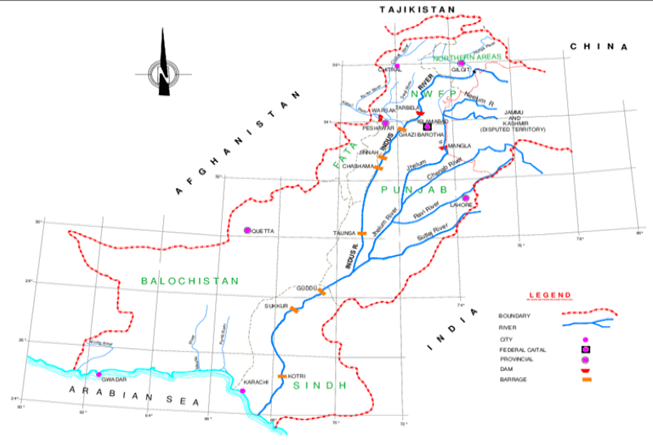
Rivers of Pakistan (Majeed et al., 2008).
References
- Aamir, M., Khan, S., Nawab, J., Qamar, Z. and Khan, A., 2016. Tissue distribution of HCH and DDT congeners and human health risk associated with consumption of fish collected from Kabul River, Pakistan. Ecotoxicol. Environ. Saf., 125: 128-134. https://doi.org/10.1016/j.ecoenv.2015.12.005[CrossRef]
- Akashe, M.M., Pawade, U.V. and Nikam, A.V., 2018. Classification of pesticides: A review. Int. J. Res. Ayurveda Pharm., 9(4): 144-150. https://doi.org/10.7897/2277-4343.094131[CrossRef]
- Akhtar, M., Mahboob, S., Sultana, S., Sultana, T., Alghanim, K.A. and Ahmed, Z., 2014. Assessment of pesticide residues in flesh of Catla catla from Ravi River, Pakistan. Sci. World J., 2014: 1-8. https://doi.org/10.1155/2014/708532[CrossRef]
- Akram, R., Ghaffar, A., Hussain, R., Khan, I., de Assis Santana, V.L., Mehmood, K. and Zhu, H., 2022. Hematological, serum biochemistry, histopathological and mutagenic impacts of triclosan on fish (bighead carp). Acute Bacterial Rhinosinusitis, 7:18-28.
- Alam, A., Tabinda, A.B. and Abdullah, Y., 2014. Comparative toxicity of acetamiprid and azadirachta indica leave extract on biochemical components of blood of Labeo rohita. Pak. J. Zool., 46(6): 1515-1520.
- Ali, M., Majid, M., Hussain, I., Kali, S., Naz, T., Niazi, M.B. and Zafar, M.I., 2020. Chlorpyrifos mediated oxidative damage and histopathological alterations in freshwater fish Oncorhynchus mykiss in Northern Pakistan. Aquacult. Res., 51(11): 4583-4594. https://doi.org/10.1111/are.14804[CrossRef]
- Ambreen, F. and Javed, M., 2015. Assessment of acute toxicity of pesticides mixtures for Cyprinus carpio and Ctenopharyngodon idella. Pak. J. Zool., 47(1): 133-139.
- Ambreen, F. and Javed, M., 2018. Pesticide mixture induced DNA damage in peripheral blood RBCs of freshwater fish, Oreochromis niloticus. Pak. J. Zool., 50(1): 1589-1592. https://doi.org/10.17582/journal.pjz/2018.50.1.339.346[Full text][CrossRef]
- Amin, M., Yousuf, M. and Ahmad, N., 2021. Effects of pesticides on total protein content of different organs of Oreochromis niloticus (Linnaeus, 1758). Pak. J. Zool., 53: 1-4. https://doi.org/10.17582/journal.pjz/20201118201101[Full text][CrossRef]
- Bibi, N., Zuberi, A., Naeem, M., Ullah, I., Sarwar, H. and Atika, B., 2014. Evaluation of acute toxicity of karate and its sub-lethal effects on protein and acetylcholinestrase activity in Cyprinus carpio. Int. J. Agric. Biol., 16(4): 731–737.
- Danion, M., Le Floch, S., Lamour, F. and Quentel, C., 2014. Effects of in vivo chronic exposure to pendimethalin on EROD activity and antioxidant defenses in rainbow trout (Oncorhynchus mykiss). Ecotoxicol. Environ. Saf., 99: 21-27. https://doi.org/10.1016/j.ecoenv.2013.09.024[CrossRef]
- Dupuy, C., Cabon, J., Louboutin, L., Le Floch, S., Morin, T. and Danion, M., 2019. Cellular, humoral and molecular responses in rainbow trout (Oncorhynchus mykiss) exposed to a herbicide and subsequently infected with infectious hematopoietic necrosis virus. Aqua Toxic., 215: 105-282. https://doi.org/10.1016/j.aquatox.2019.105282[CrossRef]
- El-Murr, A., Imam, T.S., Hakim, Y. and Ghonimi, W.A.M., 2015. Histopathological, immunological, hematological and biochemical effects of fipronil on Nile tilapia (Oreochromis niloticus). J. Vet. Sci., 6: 2-9. https://doi.org/10.4172/2157-7579.1000252[CrossRef]
- Eqani, S.A.M.A.S., Malik, R.N., Cincinelli, A., Zhang, G., Mohammad, A., Qadir, A. and Katsoyiannis, A., 2013. Uptake of organochlorine pesticides (OCPs) and polychlorinated biphenyls (PCBs) by river water fish: The case of River Chenab. Sci. Total Environ., 450: 83-91. https://doi.org/10.1016/j.scitotenv.2013.01.052[CrossRef]
- Geist, J., 2011. Integrative freshwater ecology and biodiversity conservation. Ecol. Indic., 11: 1507-1516. https://doi.org/10.1016/j.ecolind.2011.04.002[CrossRef]
- Ghaffar, A., Hussain, R., Abbas, G., Ali, M.H., Ahmad, H., Nawaz, J., Choudhary, I.R., Haneef, J. and Khan, S., 2017. Arsenic and copper sulfate in combination causes testicular and serum biochemical changes in white leghorn cockerels. Pak. Vet. J., 37(4): 375-380. https://doi.org/10.1080/15569543.2017.1366921[CrossRef]
- Ghaffar, A., Hussain, R., Abbas, G., Kalim, M., Khan, A., Ferrando, S. and Ahmed, Z., 2018. Fipronil (Phenylpyrazole) induces hemato-biochemical, histological and genetic damage at low doses in common carp, Cyprinus carpio (Linnaeus, 1758). Ecotoxicol., 27: 1261-1271. https://doi.org/10.1007/s10646-018-1979-4[CrossRef]
- Ghaffar, A., Hussain, R., Abbas, G., Khan, R., Akram, K., Latif, H. and Khan, A., 2021. Assessment of genotoxic and pathologic potentials of fipronil insecticide in Labeo rohita (Hamilton, 1822). Toxin. Rev., 40(4): 1289-1300. https://doi.org/10.1080/15569543.2019.1684321[CrossRef]
- Ghaffar, A., Hussain, R., Khan, A. and Rao, Z.A., 2015a. Hemato-biochemical and genetic damage caused by triazophos in fresh water fish, Labeo rohita. Int. J. Agric. Biol., 17(3): 637–642. https://doi.org/10.17957/IJAB/17.3.14.1016[CrossRef]
- Ghaffar, A., Hussain, R., Noreen, S., Abbas, G., Chodhary, I.R., Khan, A. and Niaz, M., 2020. Dose and time-related pathological and genotoxic studies on thiamethoxam in fresh water fish (Labeo rohita) in Pakistan. Pak. Vet. J., 40(2): 151-156. https://doi.org/10.29261/pakvetj/2020.002[CrossRef]
- Ghaffar, A., Khan, A., Abbas, R.Z. and Asad, M., 2015b. Butachlor induced clinico-hematological and cellular changes in fresh water fish Labeo rohita (Rohu). Pak. Vet. J., 35(2): 201-206.
- Ghayyur, S., Khan, M.F., Tabassum, S., Ahmad, M.S., Sajid, M., Badshah, K. and Qamer, S., 2021. A comparative study on the effects of selected pesticides on hemato-biochemistry and tissue histology of freshwater fish Cirrhinus mrigala (Hamilton, 1822). Saudi J. Biol. Sci., 28(1): 603-611. https://doi.org/10.1016/j.sjbs.2020.10.049[CrossRef]
- Ghayyur, S., Tabassum, S., Ahmad, M.S., Akhtar, N. and Khan, M.F., 2019. Effect of chlorpyrifos on hematological and seral biochemical components of fish Oreochromis mossambicus. Pak. J. Zool., 51(3): 1047-1052. https://doi.org/10.17582/journal.pjz/2019.51.3.1047.1052[Full text][CrossRef]
- Ghazala, G., Sultana, S., Al-Ghanim, K.A. and Mahboob, S., 2019. The effect of profenofos on the nutritive composition of major carp for estimating maximum allowable toxicant concentration of the pesticide. Pol. J. Environ. Stud., 28(3): 1127-1133. https://doi.org/10.15244/pjoes/85671[CrossRef]
- Haider, M.J. and Rauf, A., 2014. Sub-lethal effects of diazinon on hematological indices and blood biochemical parameters in Indian carp, Cirrhinus mrigala (Hamilton). Braz. Arch. Biol. Technol., 57: 947-953. https://doi.org/10.1590/S1516-8913201402086[CrossRef]
- Hopkins, C.L., Solly, S.R.B. and Ritchie, A.R., 1969. DDT in trout and its possible effect on reproductive potential. N. Z. J. Mar., 3(2): 220-229. https://doi.org/10.1080/00288330.1969.9515291[CrossRef]
- Hussain, R., Ghaffar, A., Abbas, G., Jabeen, G., Khan, I., Abbas, R.Z. and Khan, A., 2020. Thiamethoxam at sublethal concentrations induces histopathological, serum biochemical alterations and DNA damage in fish (Labeo rohita). Toxin. Rev., 26: 1-11. https://doi.org/10.1080/15569543.2020.1855655[CrossRef]
- Ismail, M., Ali, R., Shahid, M., Khan, M.A., Zubair, M., Ali, T. and Khan, M.Q., 2018. Genotoxic and hematological effects of chlorpyrifos exposure on freshwater fish Labeo rohita. Drug Chem. Toxicol., 41(1): 22-26. https://doi.org/10.1080/01480545.2017.1280047[CrossRef]
- Ismail, M., Khan, Q. M., Ali, R., Ali, T. and Mobeen, A., 2014. Genotoxicity of chlorpyrifos in freshwater fish Labeo rohita using alkaline single-cell gel electrophoresis (Comet) assay. Drug Chem. Toxicol., 37(4): 466-471. https://doi.org/10.3109/01480545.2014.887093[CrossRef]
- Jabeen, F., Chaudhry, A.S., Manzoor, S. and Shaheen, T., 2015. Examining pyrethroids, carbamates and neonicotenoids in fish, water and sediments from the Indus River for potential health risks. Environ. Monit. Assess., 18(7): 1-11. https://doi.org/10.1007/s10661-015-4273-4[CrossRef]
- Javed, M. and Usmani, N., 2015. Impact of heavy metal toxicity on hematology and glycogen status of fish: A review. Proc. Natl. Acad. Sci. India B Biol. Sci., 85: 889–900. https://doi.org/10.1007/s40011-014-0404-x[CrossRef]
- Johnson, W.W. and Finley, M.T., 1980. Handbook of acute toxicity of chemicals to fish and aquatic invertebrates: Summaries of toxicity tests conducted at Columbia National Fisheries Research Laboratory. U.S. Fish and Wildlife Service. 1965-78 (Vol. 137).
- Kalyoncu, L., Agca, I. and Aktumsek, A., 2009. Some organochlorine pesticide residues in fish species in Konya, Turkey. Chemosphere. 74(7): 885-889. https://doi.org/10.1016/j.chemosphere.2008.11.020[CrossRef]
- Karim, A., Ahmad, N. and Wajid, A., 2016a. Histopathological changes in spleen and kidney of silver carp (Hypophthalmicthys molitrix) after acute exposure to deltamethrin. Biol., 62(1): 139-144.
- Karim, A., Ali, W., Ahmad, N., Irfan, M. and Shakir, H. A. 2016b. Histological and biochemical study of liver of silver carp (Hypophthalmichthys molitrix) after acute exposure to pyrethoride (deltamethrin). Pak. J. Zool., 31: 229-236.
- Khan, A., Ahmad, L. and Khan, M.Z., 2012. Hemato-biochemical changes induced by pyrethroid insecticides in avian, fish and mammalian species. Int. J. Agric. Biol., 14(5): 834–842.
- Khan, A., Yousafzai, A.M., Shah, N., Ahmad, M.S., Farooq, M., Aziz, F. and Jawad, S.M., 2016. Enzymatic profile activity of grass carp (Ctenopharyngodon idella) after exposure to the pollutant named Atrazine (Herbicide). Pol. J. Environ. Stud., 25(5): 2003-2008. https://doi.org/10.15244/pjoes/62821[CrossRef]
- Khan, N., Tabassum, S., Ahmad, M.S., Norouz, F., Ahmad, A., Ghayyur, S. and Khan, M.F., 2018. Effects of sub-lethal concentration of cypermethrin on histopathological and hematological profile of rohu (Labeo rohita) during acute toxicity. Int. J. Agric. Biol., 20(3): 601-608. https://doi.org/10.17957/IJAB/15.0527[CrossRef]
- Li, X., Naseem, S., Hussain, R., Ghaffar, A., Li, K. and Khan, A., 2022. Evaluation of DNA damage, biomarkers of oxidative stress, and status of antioxidant enzymes in freshwater fish (Labeo rohita) exposed to pyriproxyfen. Oxid. Med. Cell Longev. pp. 1-13. https://doi.org/10.1155/2022/5859266[CrossRef]
- Liang, X., Nie, X., Ying, G., An, T. and Li, K., 2013. Assessment of toxic effects of triclosan on the swordtail fish (Xiphophorus helleri) by a multi-biomarker approach. Chemosphere, 90(3): 1281-1288. https://doi.org/10.1016/j.chemosphere.2012.09.087[CrossRef]
- Lundebye, A.K., Curtis, T.M., Braven, J. and Depledge, M.H., 1997. Effects of the organophosphorous pesticide, dimethoate, on cardiac and acetylcholinesterase (AChE) activity in the shore crab Carcinus maenas. Aquat. Toxicol., 40(1): 23-36. https://doi.org/10.1016/S0166-445X(97)00045-3[CrossRef]
- Mahboob, S., Ghazala, S., Sultana, A.S., Al-Akel, H.F. and Al-Kahem Al-Balawi, F., 2011. Pesticide residue in flesh of Cirrhinus mrigala collected from collected fish farm and river Chenab at Trimmu Head. Pak. J. Zool., 43: 97–101.
- Mahboob, S., Ahmad, L., Sultana, S., Alghanim, K., Al‐Misned, F. and Ahmad, Z., 2014a. Fish cholinesterases as biomarkers of sublethal effects of organophosphorus and carbamates in tissues of Labeo rohita. J. Biochem. Mol. Toxicol., 28(3): 137-142. https://doi.org/10.1002/jbt.21545[CrossRef]
- Mahboob, S., Al-Ghanim, K.A., Sultana, S., Al-Balawi, H.F., Sultana, T., Al-Misned, F. and Ahmed, Z., 2014b. Acute toxicity II: effect of organophosphates and carbmates to Catla catla fingerlings. J. Anim. Plant Sci., 24(6): 1795-1801.
- Mahboob, Al-Ghanim, K., Sultana, S., Al-Misned, F. and Ahmed, Z., 2015a. Health risks associated with pesticide residues in water, sediments and the muscle tissues of Catla catla at Head Balloki on the River Ravi. Environ. Monit. Assess.,187: 1-10. https://doi.org/10.1007/s10661-015-4285-0[CrossRef]
- Mahboob, S., Al-Ghanim, K.A., Sultana, S., Al-Balawi, H.A., Sultana, T., Al-Misned, F. and Ahmed, Z., 2015b. A study on acute toxicity of triazophos, profenofos, carbofuran and carbaryl pesticides on Cirrhinus mrigala. Pak. J. Zool., 47(2): 461-466.
- Mahmood, Y., Hussain, R., Ghaffar, A., Ali, F., Nawaz, S., Mehmood, K. and Khan, A., 2022. Acetochlor affects bighead carp (Aristichthys nobilis) by producing oxidative stress, lowering tissue proteins, and inducing genotoxicity. Biomed. Res. Int., pp. 1–12. https://doi.org/10.1155/2022/9140060[CrossRef]
- Majeed, Z., Ul–Hasan, Z. and Piracha, A., 2008. Developing hydropower schemes on existing irrigation network: A case study of upper Chenab Canal System. In the International River basin Management Congress book (No. 70, p. 884).
- Moura, J.A. and Souza-Santos, L.P., 2020. Environmental risk assessment (ERA) of pyriproxyfen in non-target aquatic organisms. Aquat. Toxicol., 222: 105-448. https://doi.org/10.1016/j.aquatox.2020.105448[CrossRef]
- Mustafa, G., Mahboob, S., Al-Ghanim, K.A., Sultana, S., Al-Balawi, H.A., Sultana, T. and Ahmed, Z., 2014. Acute toxicity I: effect of profenofos and triazophos (organophosphates) and carbofuran and carbaryl (carbamates) to Labeo rohita. Toxicol. Environ. Chem., 96(3): 466-473. https://doi.org/10.1080/02772248.2014.952517[CrossRef]
- Naqvi, G.E.Z., Shoaib, N. and Ali, A.M., 2016. Genotoxic potential of pesticides in the peripheral blood RBCs of fish (Oreochromis mossambicus). Pak. J. Zool., 48(6): 1643-1648.
- Naqvi, G.E.Z., Shoaib, N. and Ali, A.M., 2017. Pesticides impact on protein in fish (Oreochromis mossambicus) tissues. Int. J. Mol. Sci., 46(09): 1864-1868
- Naseem, S., Ghaffar, A., Hussain, R. and Khan, A., 2022. Inquisition of toxic effects of pyriproxyfen on physical, hemato-biochemical and histopathological parameters in Labeo rohita Fish. Pak. Vet. J., 42(3): 308-315.
- Nasir, M., Munshi, A.B., Ameer, F., Sultana, R. and Ali, W., 2012. Accumulation of pesticide residues by shrimp, fish and brine shrimp during pond culture at Ghorabari (District Thatta). J. Chem. Soc. Pak., 34(6): 541-549.
- Naz, H., Abdullah, S., Abbas, K., Hassan, W., Batool, M., Perveen, S., and Mushtaq, S. 2019. Toxic effect of insecticides mixtures on antioxidant enzymes in different organs of fish, Labeo rohita. Pak. J. Zool., 51(4): 1355-1361. https://doi.org/10.17582/journal.pjz/2019.51.4.1355.1361[Full text][CrossRef]
- Niaz, M., Khalid, M., Iftikhar, N. and Hashmi, I., 2022. Photodegradation and toxicity assessment of lambda cyhalothrin demonstrated by histopathological and biochemical indices in grass carp. J. Educ. Teachers Trainers, 10(4): 295-302.
- Nwani, C.D. and Echi, P.C., 2013. Investigation on acute toxicity and behavioral changes in a freshwater African Catfish, Clarias gariepinus. Pak. J. Zool., 45(4): 959-965.
- Pisa, L.W., Amaral-Rogers, V., Belzunces, L.P., Bonmatin, J.M., Downs, C.A., Goulson, D., Kreutzweiser, D.P., Krupke, C., Liess, M., McField, M. and Morrissey, C.A., 2015. Effects of neonicotinoids and fipronil on non-target invertebrates. Environ. Sci. Pollut. Res., 22: 68-102. https://doi.org/10.1007/s11356-014-3471-x[CrossRef]
- Prashanth, M.S., Sayeswara, H.A. and Goudar, M.A., 2011. Free cyanide induced physiological changes in the freshwater fish, Poecilia reticulata. J. Anim. Sci., 2(2): 27-31.
- Qadir, S. and Iqbal, F., 2016. Effect of subleathal concentrtion of imidacloprid on the histology of heart, liver and kidney in Labeo rohita. Pak. J. Pharm. Sci., 29(6): 2033-2038.
- Qadir, S., Bukhari, R., and Iqbal, F. 2015. Effect of sub lethal concentration of imidacloprid on proximate body composition of Labeo rohita. Iran. J. Fish. Sci. 14(4): 937-945.
- Qureshi, I. Z., Bibi, A., Shahid, S., and Ghazanfar, M. , 2016. Exposure to sub-acute doses of fipronil and buprofezin in combination or alone induces biochemical, hematological, histopathological and genotoxic damage in common carp (Cyprinus carpio L.). Aquat. Toxicol., 179: 103-114. https://doi.org/10.1016/j.aquatox.2016.08.012[CrossRef]
- Rana, S.M., Asi, M.R., Niazi, F., Sultana, S., Ghazala and Al-Ghanim, K.A., 2011. Determination of organochlorine and nitrogen containing pesticide residues in Labeo rohita. Toxicol. Environ. Chem., 93(10): 1851-1855. https://doi.org/10.1080/02772248.2011.585746[CrossRef]
- Rauf, A. and Arain, N., 2013. Acute toxicity of diazinon and its effects on hematological parameters in the Indian carp, Cirrhinus mrigala (Hamilton, 1822). Turk. J. Vet. Anim. Sci., 37(5): 535-540. https://doi.org/10.3906/vet-1212-39[CrossRef]
- Riaz, G., Tabinda, A.B., Baqar, M., Mahmood, A., Mumtaz, M., Qadir, A. and Safaei Khorram, M., 2018. Human health risk surveillance through the determination of organochlorine pesticides by high-performance liquid chromatography in water, sediments, and fish from the Chenab River, Pakistan. Anal. Lett., 51(8): 1245-1263. https://doi.org/10.1080/00032719.2017.1372467[CrossRef]
- Riaz-ul-Haq, M., Javeed, R., Iram, S., Rasheed, M.A., Amjad, M. and Iqbal, F., 2018. Effect of Diafenthiuron exposure under short and long term experimental conditions on hematology, serum biochemical profile and elemental composition of a non-target organism, Labeo rohita. Environ. Toxicol. Pharmacol., 62: 40-45. https://doi.org/10.1016/j.etap.2018.06.006[CrossRef]
- Robinson, T., Ali, U., Mahmood, A., Chaudhry, M.J.I., Li, J., Zhang, G. and Malik, R.N., 2016. Concentrations and patterns of organochlorines (OCs) in various fish species from the Indus River, Pakistan: A human health risk assessment. Sci. Total Environ., 541: 1232-1242. https://doi.org/10.1016/j.scitotenv.2015.10.002[CrossRef]
- Tahir, R., Ghaffar, A., Abbas, G., Turabi, T.H., Kausar, S., Xiaoxia, D. and Abdelgayed, S.S., 2021. Pesticide induced hematological, biochemical and genotoxic changes in fish: A review. Agrobiol. Rec., 3: 41-57. https://doi.org/10.47278/journal.abr/2021.005[CrossRef]
- Ullah, R., Zuberi, A., Naeem, M. and Ullah, S., 2015. Toxicity to hematology and morphology of liver brain and gills during acute exposure of Mahseer (Tor putitora) to cypermethrin. Int. J. Agric. Biol., 17(1): 199–204.
- Ullah, S. and Zorriehzahra, M.J., 2015. Ecotoxicology: A review of pesticides induced toxicity in fish. Adv. Anim. Vet. Sci., 3(1): 40-57. https://doi.org/10.14737/journal.aavs/2015/3.1.40.57[Full text][CrossRef]
- Ullah, S., Hasan, Z., Zorriehzahra, M.J. and Ahmad, S., 2017. Diagnosis of endosulfan induced DNA damage in rohu (Labeo rohita, Hamilton 1822) using comet assay. Iran. J. Fish. Sci., 16(1): 138-149.
- Ullah, S., Ullah, N., Rahman, K., Khan, T.M., Jadoon, M.A. and Ahmad, T., 2014. Study on physicochemical characterization of Konhaye stream district Dir Lower, Khyber Pakhtunkhwa Pakistan. World J. Fish Mar. Sci., 6(5): 461-470.
- Usman, T., Abdullah, S., Naz, H., Abbas, K., Shafique, L. and Siddique, Q., 2020. Acute toxic effect of technical grade insecticides on behavior, catalase activity and total protein. Pak. J. Zool., 52(5): 2023-2026. https://doi.org/10.17582/journal.pjz/20181103091108[Full text][CrossRef]
- Velisek, J., Stara, A., Machova, J. and Svobodova, Z., 2012. Effects of long-term exposure to simazine in real concentrations on common carp (Cyprinus carpio L.). Ecotoxicol. Environ. Saf., 76: 79-86. https://doi.org/10.1016/j.ecoenv.2011.10.013[CrossRef]
- Wang, J.Q., Hussain, R., Ghaffar, A., Afzal, G., Saad, A.Q., Ahmad, N. and Khan, A., 2022. Clinicohematological, mutagenic, and oxidative stress induced by pendimethalin in freshwater fish bighead carp (Hypophthalmichthys nobilis). Oxid. Med. Cell. Longev., 2022: 1-15. https://doi.org/10.1155/2022/2093822[CrossRef]
- Yadav, I.C., and Devi, N.L., 2017. Pesticides classification and its impact on human and environment. Environ. Eng. Sci., 6: 140-158.
- Yaseen, Q.K., Rehman, H.U., Naeem, M. and Ahmad, M., 2016. Artificial feed for rainbow trout (Oncorhynchus mykiss) in district Swat Khyber Pakhtunkhwa, Pakistan. J. Entomol. Zool. Stud., 4(5): 155-158.
- Zulfiqar, A., 2020. Effect of malathion on blood biochemical parameters (urea and creatinine) in Nile tilapia (Oreochromis niloticus). Pak. J. Sci., 72(1): 37- 42.
Services
Article usage statistics
Loading…