Research Article · Volume 37, Issue 2, 9 November 2022 · Open Access
Effect of Sericin and Curcumin Mixture on Hematological Alternations Associated with Carrageenan Induced Paw Edema in Mice
· · · · · ·
Affiliations & Notes ⌄
1Government College University Lahore, Pakistan 2Minhaj University Lahore, Pakistan Corresponding author: Hafiz Muhammad Tahir dr.hafiztahir@gcu.edu.pk
In our study, we observed that the most notable increase in the platelet counts was achieved when sericin and curcumin mixture was administered to the mice.
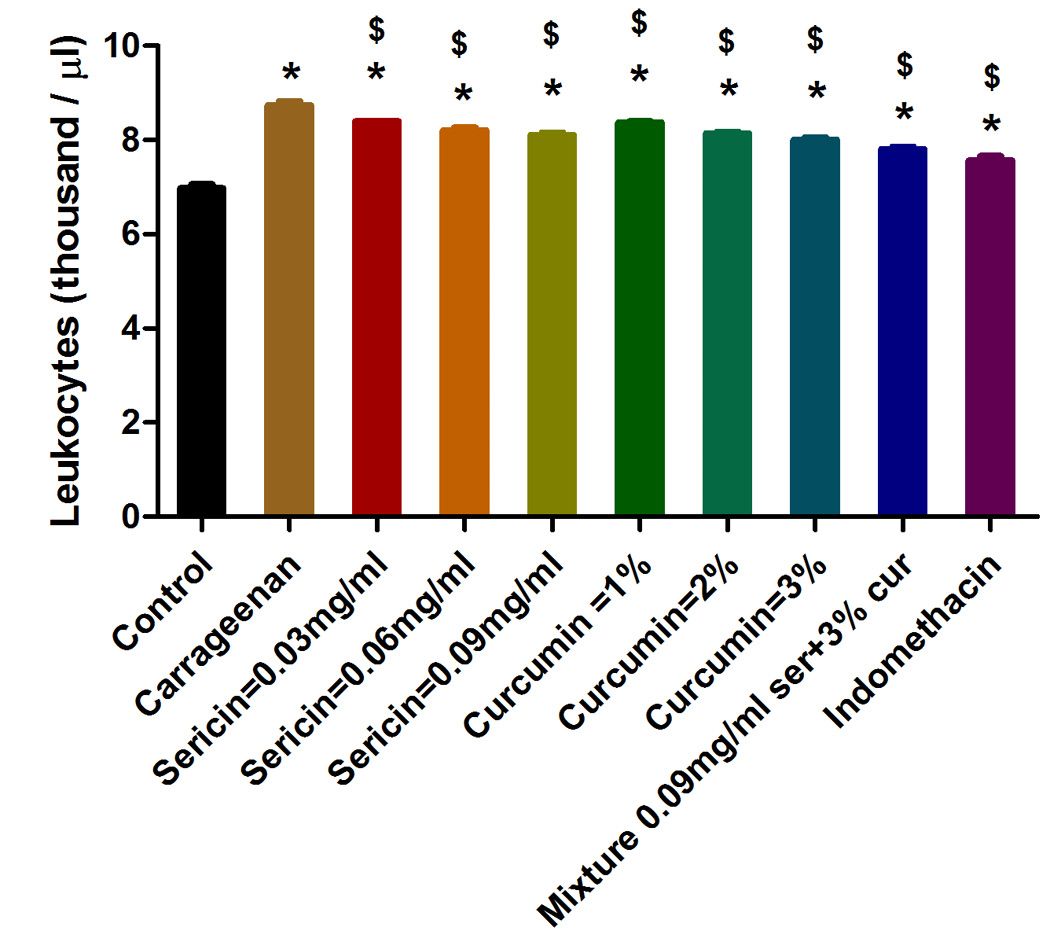
A significant decrease in the leukocytes was observed in all the experimental groups including sericin (0.03 mg/ml, 0.06 mg/ml and 0.09 mg/ml), curcumin (1%, 2%, and 3%) and their mixture (0.09 mg/ml of sericin+3% curcumin).
Each of sericin, curcumin and their co-administration can be considered as a potent candidate for reducing the inflammation in the paw and balancing the blood cell number to normal.
The results revealed for the first time that the hematological changes characterized by the novel mixture played remarkably well to balance the profile of blood parameters than sericin and curcumin alone.
Selected from the article's own text.
Abstract
Inflammatory diseases can be life threatening, if persist for a longer time. In the current study, we aimed to investigate the effect of sericin and curcumin either alone or together on the reversal of hematological changes induced by carrageenan in the mice model. Mice were induced edema via λ-carrageenan (50µl/ mice) and different concentrations of sericin (0.03 mg/ml, 0.06 mg/ml and 0.09 mg/ml) and curcumin (1%, 2%, and 3%) were administered to the respective groups, then blood was collected for hematological analysis to observe the mean count of erythrocytes, hemoglobin, platelets, white blood cells (neutrophils, monocytes, eosinophils and basophils) in control and experimental groups. Based on the preliminary results a mixture of best concentration of sericin and curcumin was successfully achieved and was used in further studies. In the group that was given carrageenan alone, the number of erythrocytes, hemoglobin and platelets were decreased, whereas count of white blood cells was increased significantly. The effect of sericin and curcumin was dose dependent. The highest concentrations of sericin (0.09 mg/ml) and curcumin (3%) reversed the blood parameters close to the normal. The hematological studies for this mixture formulation of sericin 0.09 mg/ml sericin and 3% curcumin were reported for the first time and they significantly (p< 0.05) balanced all blood cells.
Novelty Statement | This research article provides a novel mechanistic study to control inflammatory pro-cesses through topical application of natural non-toxic substances such as sericin and curcumin.
Introduction
The term inflammation has been derived from inflammare that is a Latin word which means to burn . Inflammation occurs immediately and non-specifically against any foreign etiology . The time period in the process of inflammation divides it into three distinct types; the first and instant response of the body against any stimulus (including pathogen-associated molecular patterns and damage-associated molecular patterns) is acute inflammation that lasts for some days only . Chronic inflammation persists for months and years . The transformational period between acute and chronic inflammation is known as sub-acute inflammation and continues for two to six weeks. Acute inflammation begins promptly against any harmful stimulus and signals to release the inflammatory mediators such as chemokines, pro-inflammatory cytokines and ICAM-1 (intercellular adhesion molecule-1). These mediators indorse the migration of blood cells like macrophages and neutrophils to the inflammation site .
The acute inflammatory response is a controlled and adaptive response of the body that is very helpful as it can fight and protect the body against many micro-organisms and harmful stimuli. However, it becomes detrimental if not regulated, such as seen in septic shock . The inflammatory pathway consists of a sequence of events involving inducers, sensors, mediators, and effectors . The innate and adaptive immune systems collectively give their best to overcome the adverse impacts of acute inflammation, but if the body fails to do so, then it gives a way to chronic inflammatory phase leading to many diseases like arthritis, asthma, psoriasis, bowel disease, and even cancer in some cases (Ferlazzo et al., 2013).
The process of acute inflammation requires the involvement of different types of white blood cells, i.e., neutrophils, monocytes, eosinophiles and basophils . In post capillary venules white blood cells collaborate with the endothelium to initiate an immune cell invasion, which is a complicated process . At first, white blood cells move to the site of inflammation then the signaling molecules like cytokines and ICAM-1 are released . This response (movement of cells to inflamed area) is as quick (take a few minutes after the stimulus) and ultimately causes vasodilation. Vasodilation and movement of inflammatory mediators cause the edema . Neutrophils are the foremost inflammatory cells produced by leukocytes in the area of systemic infection .
In the present study, we aimed to investigate the potential role of sericin, curcumin alone and in combination to normalize the hematological parameters in Mus musculus disturbed by carrageenan administration. Although anti-inflammatory role of sericin and curcumin has been studied before, but here we report for the first-time efficacy of the mixture of sericin and curcumin to normalize the carrageenan disturbed hematological parameters in mice model.
Materials and Methods
Ethical statement
The protocols followed for animal trials were, according to principles of local and worldwide controls ; Ara et al., 2020; . Bioethical Committee, Government College University Lahore, Pakistan has permitted this study.
Animals
Swiss albino mice, Mus musculus, ranging from 30±5 g were taken from Veterinary Research Institute (VRI) Lahore, Pakistan. Six male mice were kept in each plastic cage with steel lid (24ʺ×12ʺ). Standard environmental conditions were maintained, i.e., 40-50% humidity, 26-30ºC temperature, 325 Lux light, and 12 hours alternating light-dark cycle ; . Standard food and water were provided to all animals.
Preparation of sericin
Fresh cocoons of silkworm Bombyx mori L. were obtained from Sericulture Wing of Punjab Forestry, Wildlife and Fisheries Department, Lahore. The cocoons of B. mori were cut into two equal halves and the dead larvae were thrown away in waste. Cocoons of the measured quantity (50 g) were then further cut into smaller pieces and boiled in one liter of distilled water in the autoclave (CL-32L, ALP Co., Ltd, Tokyo, Japan) at 15 lb/in2 pressure and 121 °C temperature for one hour . After that the solution was filtered with Whatmann’s filter paper to remove the silk fibroin . The degumming solution containing the sericin was subjected to lyophilisation to convert the sericin in powder form via Freeze Dryer (LFD-FT-103, Labocon Scientific Limited). Different concentrations of sericin and curcumin were then prepared.
λ-carrageenan induced edema
Six mice were placed in all ten groups individually. Nine mice groups were induced edema via λ-Carrageenan except normal control group. For this, 50 µl of 1% carrageenan (w/v) prepared in saline solution was implanted to left hind paw via sub-plantar injection . Solution of carrageenan was prepared freshly every time.
Doses of sericin, curcumin and mixture
The solutions of different concentrations of the curcumin, sericin, and sericin/ curcumin mixture were applied topically on the paw of mice. First group consisted of normal mice with no induction of edema and no treatment. Animals of the second group were not applied with any dose and considered as carrageenan alone group; Group 3 animals were topped with standard drug Indomethacin (5mg/kg) and considered as control. Different concentrations of sericin (0.03 mg/ml, 0.06 mg/ml and 0.09 mg/ml) and curcumin (1%, 2%, and 3%) were topped (50µl) to other groups as a treatment. Concentrations of sericin and curcumin were made in distilled water and 0.1% DMSO (Dimethyl Sulfoxide) respectively. For mixture, concentrations of sericin and curcumin that gave the best results (0.09 mg/ml of sericin+3% curcumin) were taken. Treatment given to each group was as follows:
Normal control= No Edema, no treatment
Carrageenan alone Group= No treatment
Positive control=Indomethacin
Experimental groups
E-1=0.03mg/ml of sericin
E-2= 0.06mg/ml of sericin
E-3= 0.09mg/ml of sericin
E-4= 1% curcumin
E-5= 2% curcumin
E-6= 3% curcumin
Further, a mixture of sericin+curcumin was used to evaluate the synergistic effect of these biomaterials to treat inflammation. The mixture dose was prepared based on the already available data of the above groups that showed the best anti-inflammatory effect.
E-7: 0.09mg/ml of sericin+3% curcumin
Blood collection for hematology
Animals were anesthetized through intra-peritoneal induction of xylazine (10 mg/kg) and ketamine (100 mg/kg) mixture. The blood was taken with heart puncture technique. Approximately 1ml blood was collected by the 1cc syringe and immediately transferred to the tubes coated with EDTA (ethylenediaminetetraacetic acid) . This blood was used for the examination of different hematological parameters (total erythrocyte count (TEC), hemoglobin concentration (Hb), platelets (PLT), total leukocyte count (TLC) and differential leukocyte count (DLC) including neutrophils, monocytes, lymphocytes, eosinophils and basophils. The blood samples used for all the tests were free of clots.
Statistical analysis
All the experiments were repeated thrice. For the statistical analysis we used GraphPad Prism for Windows, (version 9.3.1, GraphPad Software, San Diego, California USA, www.graphpad.com). The data was presented as mean±SD (n=6) and analyzed by one-way analysis of variance (ANOVA) followed by Bonferroni’s Multiple Comparison Test for multiple comparison. The anti-inflammatory effect of used biomaterials was considered significant if P-values were ≤ 0.05.
Results
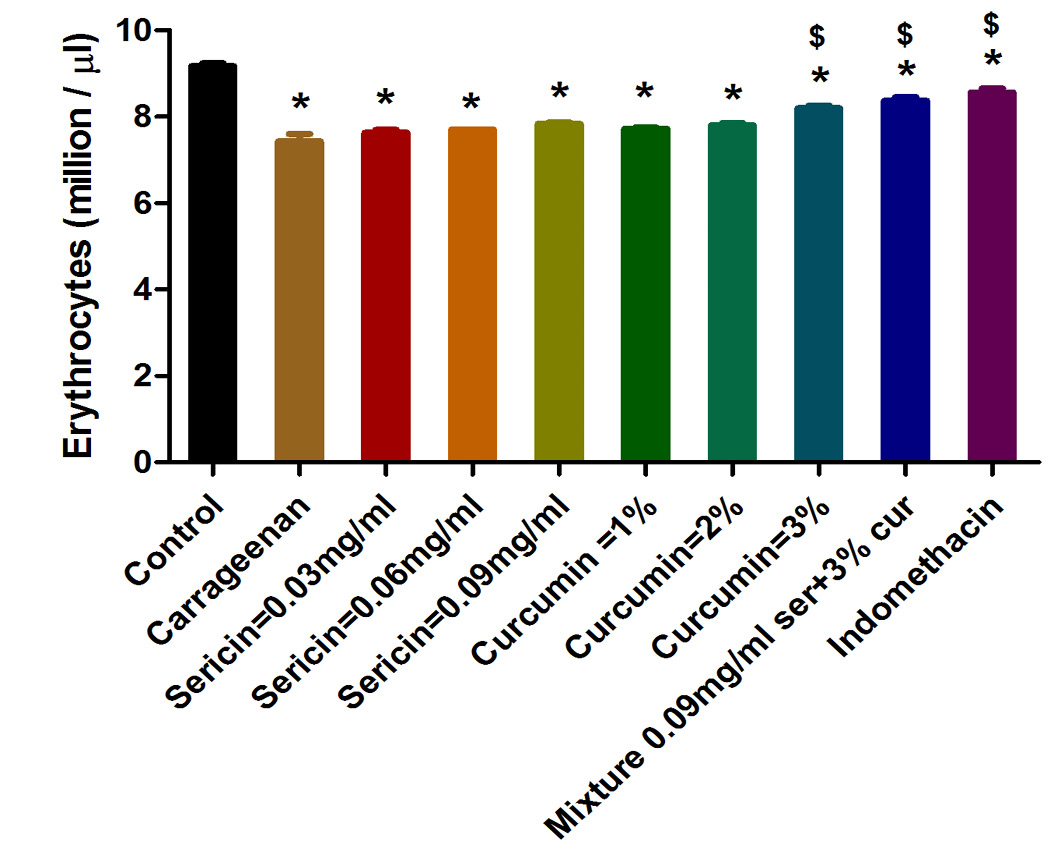
The erythrocyte count was significantly decreased in carrageenan alone group in comparison to the normal control (F=44.16; P<0.0001. Curcumin 3% and mixture group (0.09 mg/ml sericin+3% curcumin) significantly increased (F=44.16; P<0.0001) the level of erythrocytes (8.3±0.15x10⁶/µl for curcumin 3% and 8.5±0.15 x10⁶/µl for mixture dose) in comparison to carrageenan induced group (7.43±0.3 x10⁶/µl). The highest concentration of sericin (0.09 mg/ml) managed to increase the erythrocytes the most than the middle and lower concentrations, but this increase was not significant statistically (Figure 1).
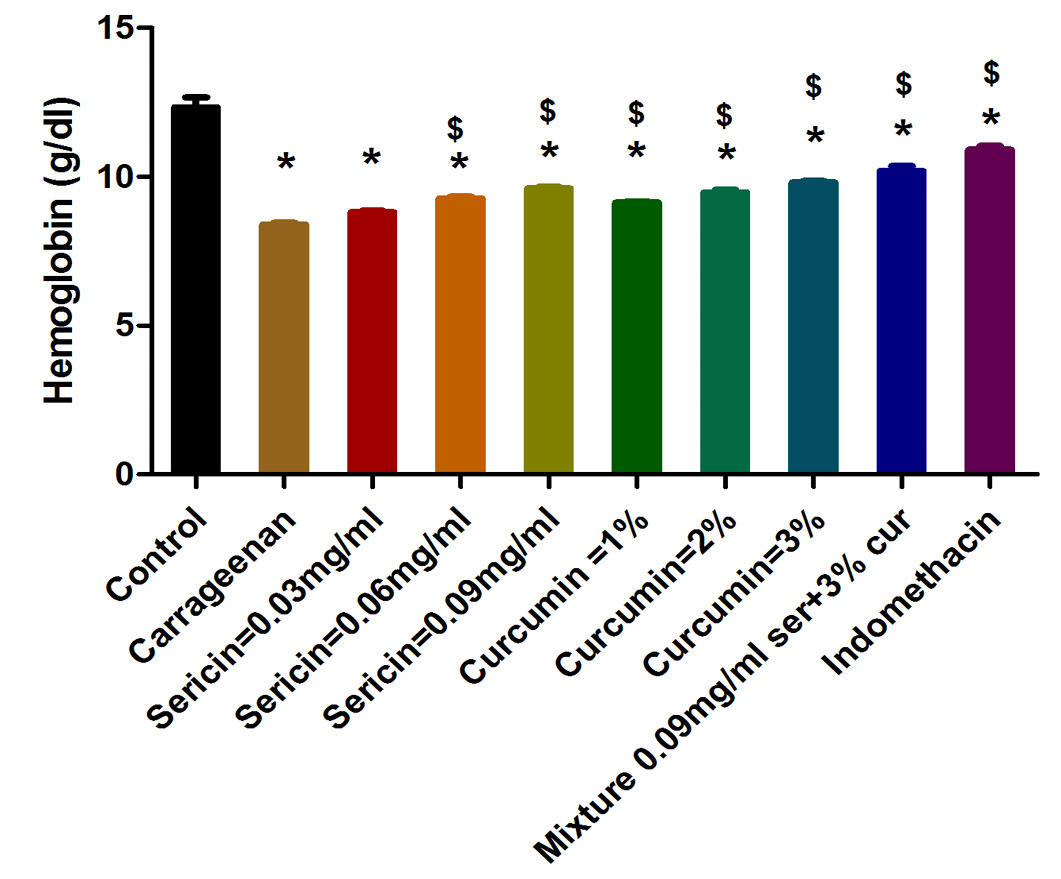
The mean count of hemoglobin was also decreased in carrageenan alone group (8.4±0.1 g/dl) than control (12.33±0.5g/dl) (Figure 1). Both higher concentrations (0.06 mg/ml and 0.09 mg/ml) of sericin clearly elevated (F=73; P< 0.0001) hemoglobin level in the blood samples of mice (9.2±0.1 g/dl for 0.06 mg/ml and 9.6±0.1 g/dl for 0.09 mg/ml) compared to carrageenan alone group. The highest level of hemoglobin was recorded in the mixture group (10.2±0.26g/dl) which was close to the indomethacin group (10.9±0.21g/dl) followed by curcumin 3% (9.8±0.1g/dl), curcumin 2% (9.4±0.15g/dl) and curcumin 1% (9.1±0.05g/dl).
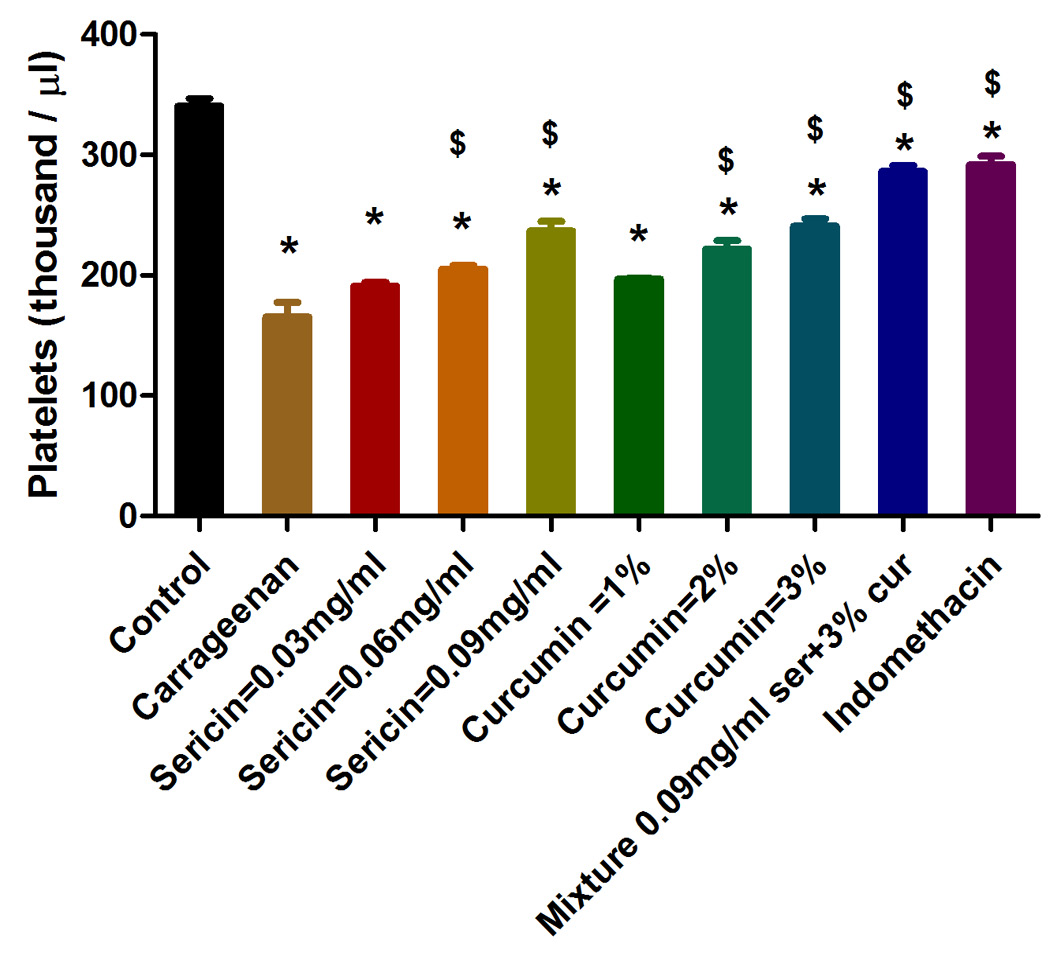
The induction of carrageenan caused a decrease in platelet count whereas, Figure 3 shows a significant (F=67.66; P< 0.05,) increase in platelet count in sericin treated groups (205.22±5.1 x10³/µl for 0.06 mg/ml and 236.66±13.86 x10³/µl for 0.09 mg/ml) compared to the carrageenan alone group (165.37±21.11x10³/µl). The highest rise in the platelet’s level was observed in indomethacin (291.73±12.1 x10³/µl) followed by the mixture group (286.03±8.7 x10³/µl), curcumin 3% (240.93±9.9 x10³/µl) and curcumin 2% (221.66±12.4 x10³/µl) with (F=67.66; p< 0.0001)
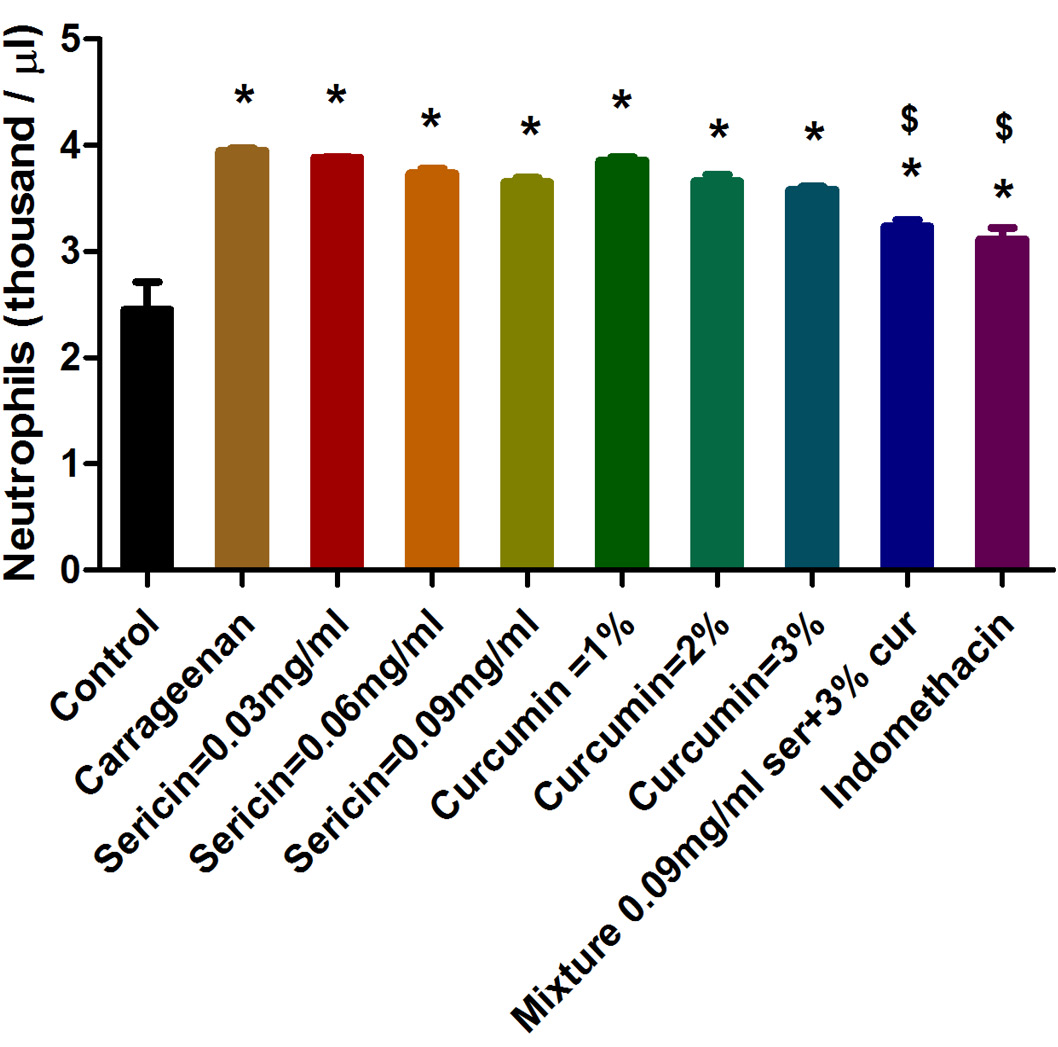
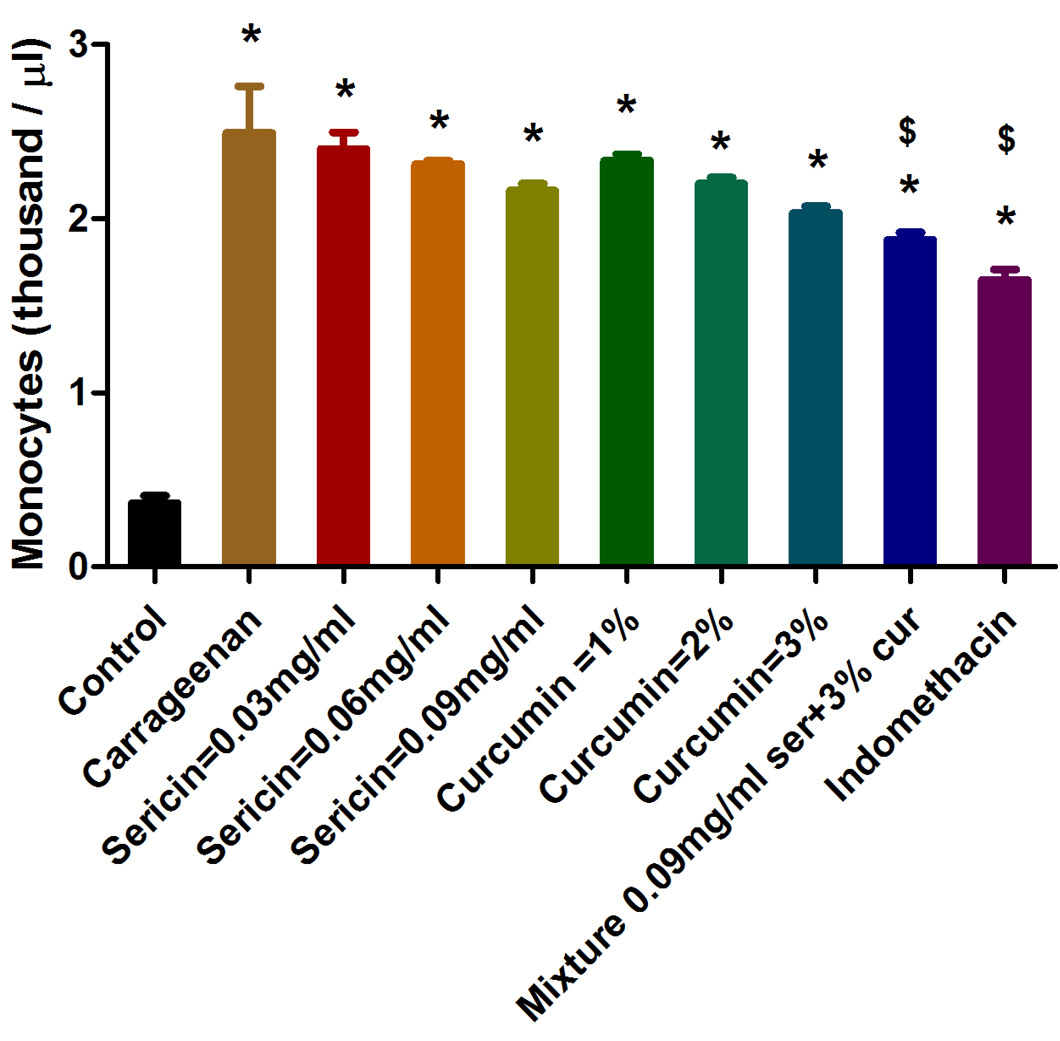
Administration of carrageenan caused increase in the count of white blood cells (8.7±0.15x10³/µl) in comparison to the control (6.9±0.15x10³/µl). All doses of sericin, curcumin and their mixture significantly decreased (P< 0.05) the level of white blood cells in (Figure 4). In differential leukocyte count, carrageenan increased the level of all cell types (neutrophils, monocytes, lymphocytes, eosinophils and basophils). Various concentrations of sericin and curcumin caused a non-prominent difference on the neutrophil count when administered separately, but a significant elevation (3.23±0.1x10³/µl) was recorded for sericin/curcumin mixture group (Figure 5). Like neutrophils, mixture treated group (0.09mg/ml sericin+3% curcumin) was the only group that remarkably lessen the monocyte count in comparison to carrageenan alone group (Figure 6).
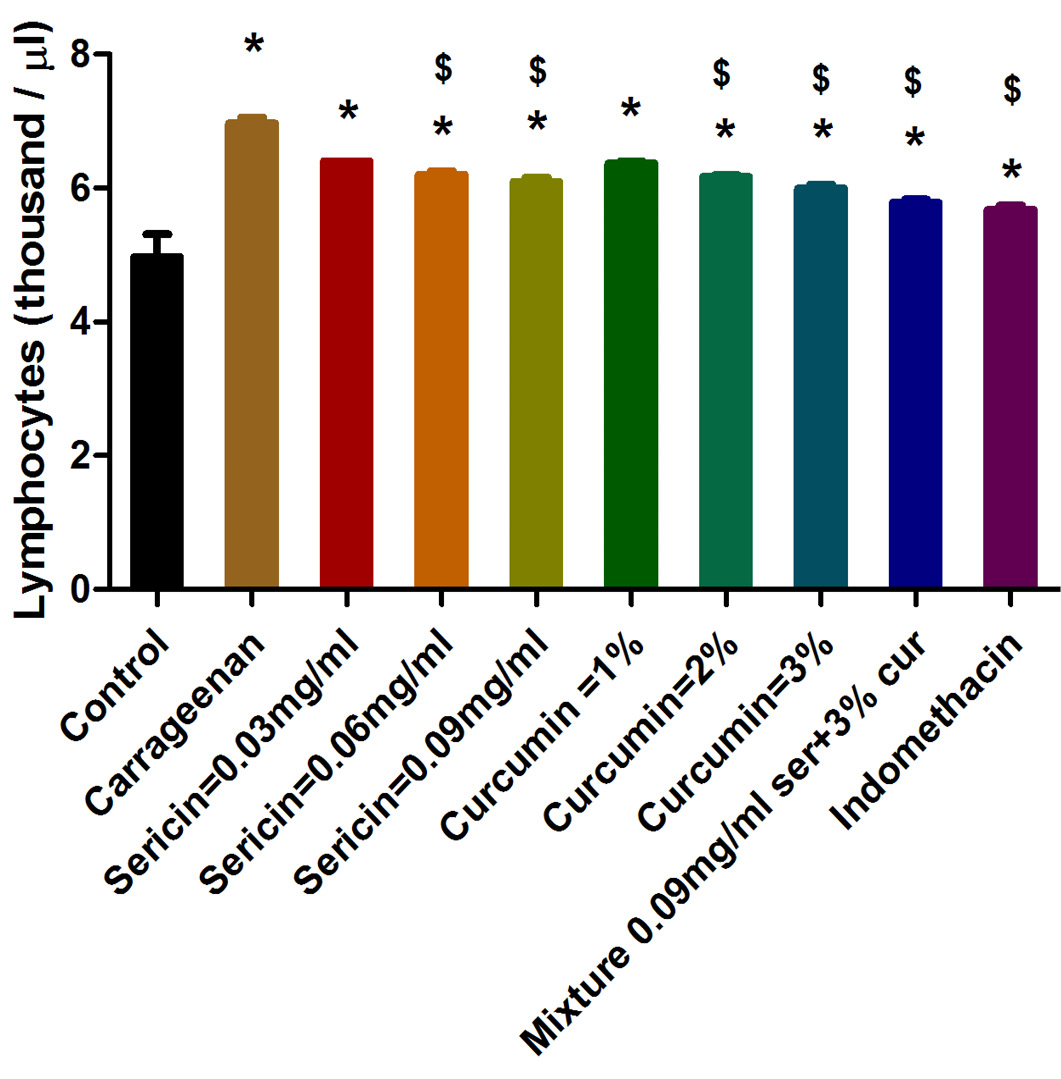
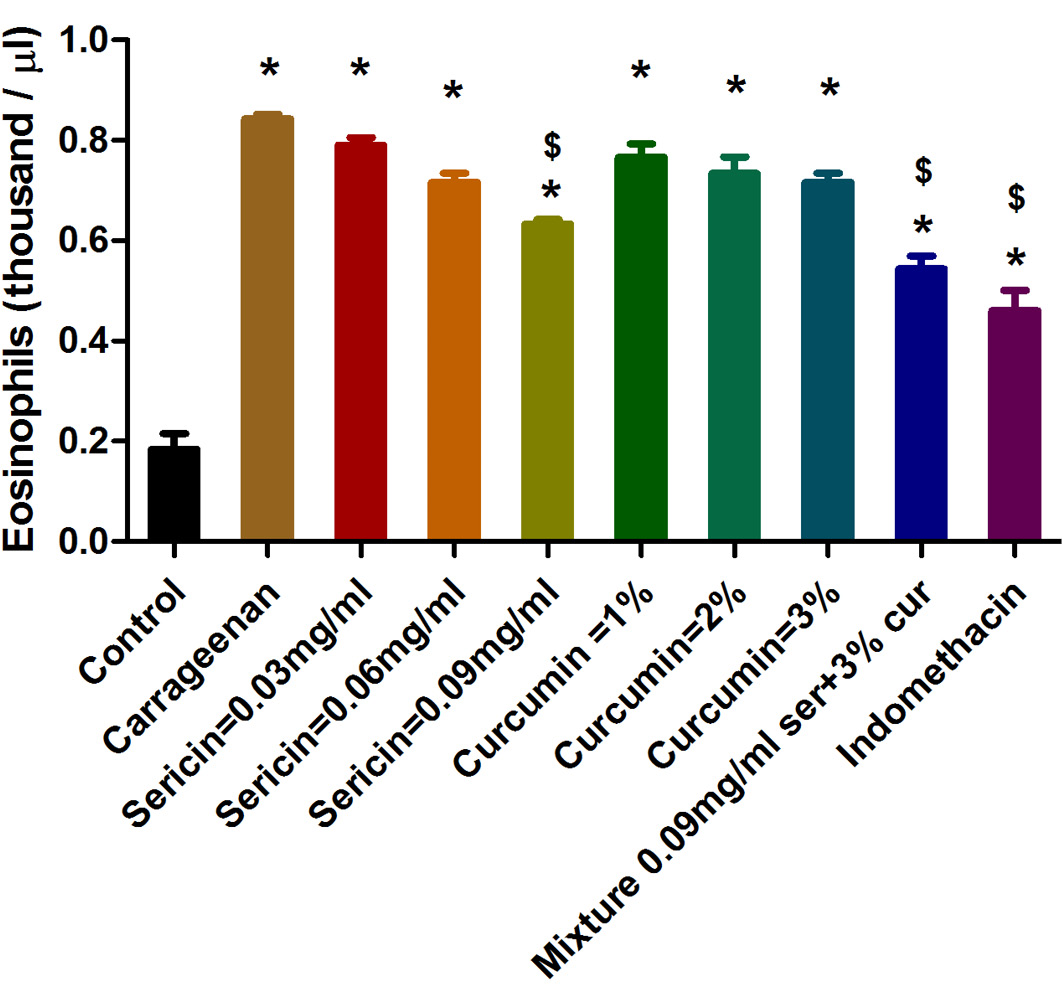
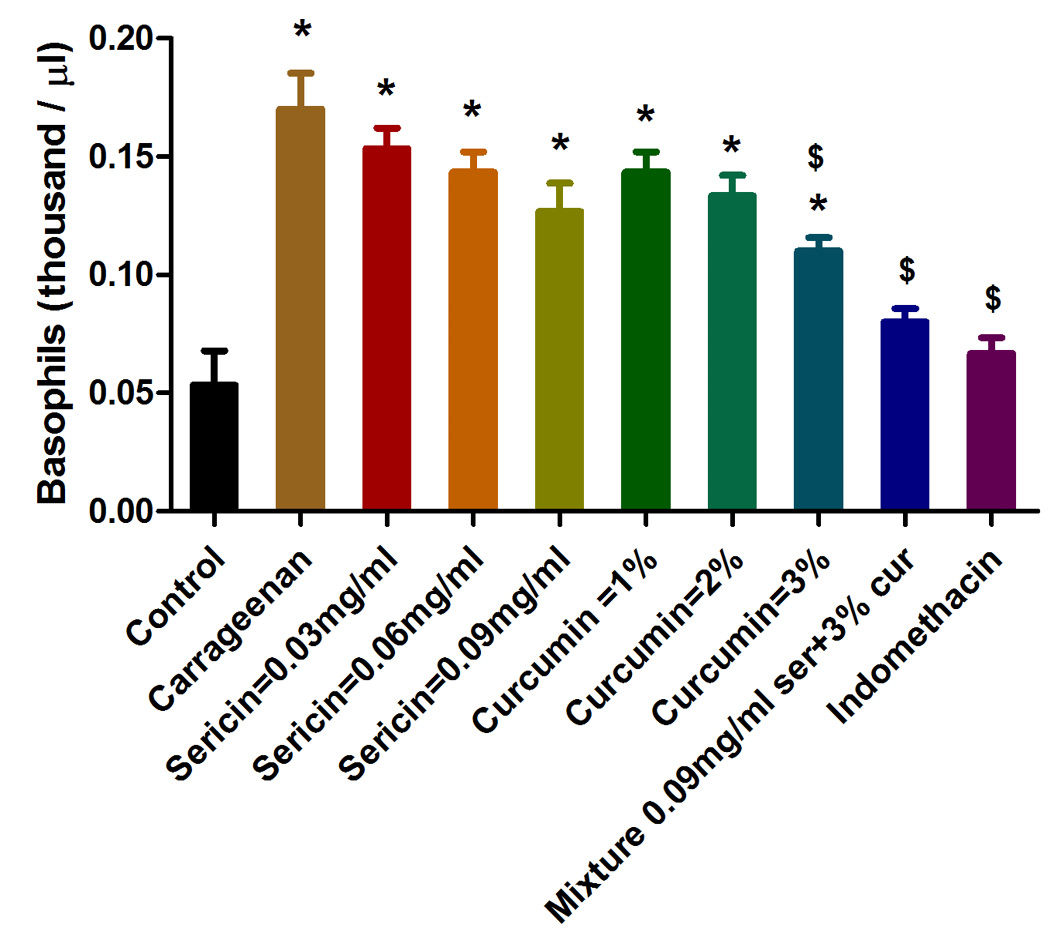
Figure 7 clearly showed that the most significant decrease in lymphocyte count was induced by the mixture group. Moreover, two higher concentrations (0.06mg/ml and 0.09mg/ml) of sericin notably reduced the count of lymphocytes (6.2±0.09x10³/µl for 0.06mg/ml and 6.1±0.1x10³/µl for 70.09mg/ml). Curcumin 2% and 3% also lessen the lymphocyte count to 6.17±0.04x10³/µl and 6±0.1x10³/µl, respectively. The mean eosinophils count for the sericin (0.09mg/ml) and mixture (0.09mg/ml sericin+3% curcumin) treated groups was alleviated significantly and contrary was observed in carrageenan group (Figure 8). Lastly, curcumin 3% and mixture (0.09mg/ml sericin+3% curcumin) treated groups decreased the basophils count significantly (Figure 9).
Discussion
In our study, we have investigated the effect of sericin and curcumin alone and in combination (Ser+Cur) on hematological alternations associated with carrageenan induced paw edema in mice. The results of the hematological parameters of all the experimental groups were compared with control and carrageenan (alone) treated group. In in vivo studies hematological parameters are considered as suitable markers to find the physiological changes in the body against any external stimulus (OECD Test Guideline 420: Acute Oral Toxicity-Fixed Dose Procedure, 2001; .
Red blood cells play a vital part in upholding the immune system. When any foreign stimulus encounters the red blood cells, they undergo lysis and release hemoglobin . Hemoglobin molecules secrete free radicals that particularly fight with the foreign stimulus . According to our results sericin and curcumin increased the number of red blood cells and hemoglobin, however, co-administration of sericin and curcumin gave more promising results (Figures 1 and 2). Our results are in agreement with the work of Yin and his fellow researchers in 2012. Furthermore, in 2020, Gouda and his co-scientists induced inflammation in mice via bleomycin (BLM) which disturbed the CBC (including RBCs count) of the mice. After that the curcumin (75 mg/kg) was administered as treatment that was found to balance the RBCs count to normal.
Hematopoietic stem cells differentiate megakaryocytes to platelets whereas any infection, inflammation or disease can affect the megakaryopoiesis (process of formation of platelets). Different inflammatory markers can influence the production of platelets like pro-inflammatory cytokines and CCL5 . Moreover, megakaryocytes have the immunological properties to prevent the spread of inflammation and can also stimulate other cells like neutrophil to enhance the immune response of the body. So, platelets are recognized as a hematological parameter that is used to detect the occurrence of any foreign substance . Our results (Figure 3) showed that in response to carrageenan injection, the platelet number dropped down, whereas sericin and curcumin ameliorated the platelet count in a dose dependent manner. Previously, many researchers reported that sericin and curcumin can elevate the count of platelets in inflammatory conditions ; . Zahran et al. (2020) evaluated the therapeutic potential of curcumin alone and together with sulfamethoxazole in mice. They demonstrated that curcumin alone or in combination with sulfamethoxazole has potential to enhance platelet count. In our study, we observed that the most notable increase in the platelet counts was achieved when sericin and curcumin mixture was administered to the mice. To our knowledge, no prior studies have reported for hematological parameters of this novel mixture (sericin and curcumin).
Inflammation status in the body of an organism can be recognized by white blood cell count, so WBC count is said to be a marker of inflammation . Previously, various researchers have reported that a variation in different parameters of blood in response to the sericin or curcumin administration, but the complete count of WBC has never been explored to its usefulness . According to our TLC results, a typical response (increase in WBCs) was observed for carrageenan induced inflammation. A significant decrease in the leukocytes was observed in all the experimental groups including sericin (0.03 mg/ml, 0.06 mg/ml and 0.09 mg/ml), curcumin (1%, 2%, and 3%) and their mixture (0.09 mg/ml of sericin+3% curcumin). This decrease in lymphocyte count for mixture group was most efficient in all groups of sericin and curcumin. These hematological alterations were expected as reported in many previous studies. For example, Ma et al. (2021) revealed in their in vivo experiments that sericin can decrease the white blood cells. Moreover, Ahmadabady et al. (2021), checked the protective effect of curcumin, for this they induced the inflammation in the rats via lipopolysaccharide (LPS) which increased the level of WBCs. Then they administered different doses (5, 10, 15 mg/kg) of curcumin and demonstrated that curcumin (10, 15 mg/kg) significantly reduced the WBCs count. As the mixture group is aiding in maintaining the hematology of WBCs, we can say that this novel mixture of sericin and curcumin is anti-inflammatory and has the potential to reduce the inflammation in the hind paw of the mice.
Conclusions and Recommendations
Each of sericin, curcumin and their co-administration can be considered as a potent candidate for reducing the inflammation in the paw and balancing the blood cell number to normal. The results revealed for the first time that the hematological changes characterized by the novel mixture played remarkably well to balance the profile of blood parameters than sericin and curcumin alone.
Conflict of interest
The authors have declared no conflict of interest.
Figures
Figure 1:.
The effect of different doses of sericin, curcumin and their mixture observed on the Erythrocytes count compared with the control and carrageenan (alone) induced group. Each value shows the mean ± SD (n=6). The data was analyzed by one way ANOVA followed by Bonferroni’s Multiple Comparison Test, * shows the significance (P < 0.05) in comparison to control and $ shows the significance (P< 0.05) in comparison to carrageenan.
Figure 2:.
The effect of different doses of sericin, curcumin and their mixture observed on the Hemoglobin count compared with the control and carrageenan (alone) induced group. See Figure 1 caption for statistical analysis.
Figure 3:.
The effect of different doses of sericin, curcumin and their mixture were on the Platelet count compared with the control and carrageenan (alone) induced group. See Figure 1 caption for statistical analysis.
Figure 4:.
The effect of different doses of sericin, curcumin and their mixture observed on the leukocyte count compared with the control and carrageenan (alone) induced group. See Figure 1 caption for statistical analysis.
Figure 5:.
The effect of different doses of sericin, curcumin and their mixture observed on the Neutrophil count compared with the control and carrageenan (alone) induced group. See Figure 1 caption for statistical analysis.
Figure 6:.
The effect of different doses of sericin, curcumin and their mixture observed on the Monocyte count compared with the control and carrageenan (alone) induced group. See Figure 1 caption for statistical analysis.
Figure 7:.
The effect of different doses of sericin, curcumin and their mixture observed on the lymphocyte count compared with the control and carrageenan (alone) induced group. See Figure 1 caption for statistical analysis.
Figure 8:.
The effect of different doses of sericin, curcumin and their mixture observed on the Eosinophil count compared with the control and carrageenan (alone) induced group. See Figure 1 caption for statistical analysis.
Figure 9:.
The effect of different doses of sericin, curcumin and their mixture observed on the Basophil count compared with the control and carrageenan (alone) induced group. See Figure 1 caption for statistical analysis.
References
Abdulkhaleq, L.A., Assi, M.A., Abdullah, R., Zamri-Saad, M., Taufiq-Yap, Y.H., and Hezmee, M.N.M., 2018. The crucial roles of inflammatory mediators in inflammation: A review. Vet. World, 11: 627. https://doi.org/10.14202/vetworld.2018.627-635[CrossRef]
Ahmadabady, S., Beheshti, F., Shahidpour, F., Khordad, E., and Hosseini, M., 2021. A protective effect of curcumin on cardiovascular oxidative stress indicators in systemic inflammation induced by lipopolysaccharide in rats. Biochem. Biophys. Rep., 25: 100908. https://doi.org/10.1016/j.bbrep.2021.100908[CrossRef]
Ali, S., Awan, Z., Mumtaz, S., Shakir, H.A., Ahmad, F., Ulhaq, M., Tahir, H.M., Awan, M.S., Sharif, S., Irfan, M. and Khan, M.A., 2020. Cardiac toxicity of heavy metals (cadmium and mercury) and pharmacological intervention by vitamin C in rabbits. Environ. Sci. Pollut. Res., 27(23): 29266-29279.
Ara, C., Butt, N., Ali, S., Batool, F., Shakir, H.A. and Arshad, A., 2021. Abnormal steroidogenesis, oxidative stress, and reprotoxicity following prepubertal exposure to butylparaben in mice and protective effect of Curcuma longa. Environ. Sci. Pollut. Res., 28(5): 6111-6121.
Aurbach, K., Spindler, M., Haining, E.J., Bender, M., and Pleines, I., 2019. Blood collection, platelet isolation and measurement of platelet count and size in mice. A practical guide. Platelets, 30: 698-707. https://doi.org/10.1080/09537104.2018.1528345[CrossRef]
Bhat, T., Teli, S., Rijal, J., Bhat, H., Raza, M., and Khoueiry, G., 2013. Neutrophil to lymphocyte ratio and cardiovascular diseases: A review. Expet Rev. Cardiovasc. Ther., 11: 55-59. https://doi.org/10.1586/erc.12.159[CrossRef]
Boskabadi, J., Mokhtari-Zaer, A., Abareshi, A., Khazdair, M.R., Emami, B., Mohammadian Roshan, N., Hosseini, M., and Boskabady, M.H., 2018. The effect of captopril on lipopolysaccharide-induced lung inflammation. Exp. Lung Res., 44: 191-200. https://doi.org/10.1080/01902148.2018.1473530[CrossRef]
Casulleras, M., Zhang, I. W., López-Vicario, C. and Clària, J., 2020. Leukocytes, systemic inflammation and immunopathology in acute-on-chronic liver failure. Cells, 9: 2632.
Conti, P., Pregliasco, F.E., Bellomo, R.G., Gallenga, C.E., Caraffa, A., Kritas, S.K., Lauritano, D., and Ronconi, G., 2021. Mast cell cytokines IL-1, IL-33, and IL-36 mediate skin inflammation in psoriasis: A Novel Therapeutic Approach with the Anti-Inflammatory Cytokines IL-37, IL-38, and IL-1Ra. Int. J. Mol. Sci., 22: 8076. https://doi.org/10.3390/ijms22158076[CrossRef]
Couldwell, G., and Machlus, K.R., 2019. Modulation of megakaryopoiesis and platelet production during inflammation. Thromb. Res., 179: 114-120. https://doi.org/10.1016/j.thromres.2019.05.008[CrossRef]
Ferlazzo, N., Cirmi, S., Calapai, G., Ventura-Spagnolo, E., Gangemi, S., and Navarra, M., 2013. Anti-inflammatory activity of citrus bergamia derivatives: Where do we stand? Molecules, 21: 1273. https://doi.org/10.3390/molecules21101273[CrossRef]
Fischer, A. W., Cannon, B., and Nedergaard, J., 2018. Optimal housing temperatures for mice to mimic the thermal environment of humans: An experimental study. Mol. Metab., 7: 161-170. https://doi.org/10.1016/j.molmet.2017.10.009[CrossRef]
Germolec, D.R., Shipkowski, K.A., Frawley, R.P., and Evans, E., 2018. Markers of Inflammation. Methods Mol. Biol., 1803: 57-79. https://doi.org/10.1007/978-1-4939-8549-4_5[CrossRef]
Germolec, D.R., Shipkowski, K.A., Frawley, R.P., and Evans, E., 2018. Markers of inflammation. Immunotoxicity Test., pp. 57-79. https://doi.org/10.1007/978-1-4939-8549-4_5[CrossRef]
Gouda, M.M., Rex, D.A.B., Es, S.P., Modi, P.K., Chanderasekaran, J., and Bhandary, Y.P., 2020. Proteomics analysis revealed the importance of inflammation-mediated downstream pathways and the protective role of curcumin in bleomycin-induced pulmonary fibrosis in C57BL/6 mice. J. Proteome Res., 19: 2950-2963. https://doi.org/10.1021/acs.jproteome.9b00838[CrossRef]
Hannoodee, S., and Nasuruddin, D.N., 2021. Acute inflammatory response. In StatPearls [Internet]. StatPearls Publishing.
Hussain, S., Ali, S., Mumtaz, S., Shakir, H.A., Ahmad, F., Tahir, H.M., Ulhaq, M., Khan, M.A. and Zahid, M.T., 2020. Dose and duration-dependent toxicological evaluation of lead acetate in chicks. Environ. Sci. Pollut. Res., 27(13): 15149-15164.
Isailovic, N., Daigo, K., Mantovani, A., and Selmi, C., 2015. Interleukin-17 and innate immunity in infections and chronic inflammation. J. Autoimmun., 60: 1-11. https://doi.org/10.1016/j.jaut.2015.04.006[CrossRef]
Jantan, I., Haque, M.A., Arshad, L., Harikrishnan, H., Septama, A.W., and Mohamed-Hussein, Z.A., 2021. Dietary polyphenols suppress chronic inflammation by modulation of multiple inflammation-associated cell signaling pathways. J. Nutr. Biochem., 93: 108634. https://doi.org/10.1016/j.jnutbio.2021.108634[CrossRef]
Lewis, S.M., Williams, A., and Eisenbarth, S.C., 2019. Structure and function of the immune system in the spleen. Sci. Immunol., 4: eaau6085. https://doi.org/10.1126/sciimmunol.aau6085[CrossRef]
Liu, J., Li, S., Zhang, S., Liu, Y., Ma, L., Zhu, J., Xin, Y., Wang, Y., Yang, C. and Cheng, Y., 2019. Systemic immune-inflammation index, neutrophil-to-lymphocyte ratio, platelet-to-lymphocyte ratio can predict clinical outcomes in patients with metastatic non-small-cell lung cancer treated with nivolumab. J. Clin. Lab. Anal., 33: e22964.
Ma, Y., Zhou, L., Yang, C., Wang, L., Yi, S., Tong, X., Xiao, B., and Chen, J., 2021. Comparison of sericins from different sources as natural therapeutics against ulcerative colitis. ACS Biomater. Sci. Eng., 7: 4626-4636. https://doi.org/10.1021/acsbiomaterials.1c00256[CrossRef]
Martínez, D.C.C., Zuluaga, C.L., Restrepo-Osorio, A., and Álvarez-López, C., 2017. Characterization of sericin obtained from cocoons and silk yarns. Proc. Eng., 200: 377-383. https://doi.org/10.1016/j.proeng.2017.07.053[CrossRef]
Nyakundi, B.B., Tóth, A., Balogh, E., Nagy, B., Erdei, J., Ryffel, B., Paragh, G., Cordero, M.D., and Jeney, V., 2019. Oxidized hemoglobin forms contribute to NLRP3 inflammasome-driven IL-1β production upon intravascular hemolysis. Biochim. Biophys. Acta Mol. Basis Dis., 1865: 464-475. https://doi.org/10.1016/j.bbadis.2018.10.030[CrossRef]
OECD Test Guideline 420, 2001. Acute oral toxicity-fixed dose procedure. pp. 1–14.
Saleem, M., Asif, M., Parveen, A., Yaseen, H.S., Saadullah, M., Bashir, A., Asif, J., Arif M., Khan, I.U. and Khan, R.U., 2021. Investigation of in vivo anti-inflammatory and anti-angiogenic attributes of coumarin-rich ethanolic extract of Melilotus indicus. Inflammopharmacology, 29: 281-293.
Tahir, H.M., Saleem, F., Ali, S., Ain, Q.U., Fazal, A., Summer, M., Mushtaq, R., Tariq Zahid, M., Liaqat, I. and Murtaza, G., 2020. Synthesis of sericin-conjugated silver nanoparticles and their potential antimicrobial activity. J. Basic Microbiol., 60: 458-467. https://doi.org/10.1002/jobm.201900567[CrossRef]
Varela, M.L., Mogildea, M., Moreno, I., and Lopes, A., 2018. Acute inflammation and metabolism. Inflammation, 41: 1115-1127. https://doi.org/10.1007/s10753-018-0739-1[CrossRef]
Wu, Y., Zhu, C.P., Zhang, Y., Li, Y., and Sun, J.R. 2019. Immunomodulatory and antioxidant effects of pomegranate peel polysaccharides on immunosuppressed mice. Int. J. Biol. Macromol., 137: 504-511. https://doi.org/10.1016/j.ijbiomac.2019.06.139[CrossRef]
Yin, H., Guo, R., Xu, Y., Zheng, Y., Hou, Z., Dai, X., Zhang, Z., Zheng, D., and Xu, H., 2012. Synergistic antitumor efficiency of docetaxel and curcumin against lung cancer. Acta Bioch. Bioph. Sin., 44: 147–153. https://doi.org/10.1093/abbs/gmr106[CrossRef]
Zahran, R.F., Geba, Z.M., Tabll, A.A., and Mashaly, M.M., 2020. Therapeutic potential of a novel combination of Curcumin with Sulfamethoxazole against carbon tetrachloride-induced acute liver injury in Swiss albino mice. J. Genet. Eng. Biotechnol., 18: 1-16. https://doi.org/10.1186/s43141-020-00027-9[CrossRef]
Zindel, J., and Kubes, P., 2020. DAMPs, PAMPs, and LAMPs in immunity and sterile inflammation. Annu. Rev. Pathol., 15: 493-518. https://doi.org/10.1146/annurev-pathmechdis-012419-032847[CrossRef]