Olufarati Oludunsin Falohun*, Nurudeen Ayinde Sadiq
Department of Veterinary Microbiology and Parasitology, University of Ibadan, Nigeria.
*Correspondence | Olufarati Oludunsin Falohun, University of Ibadan, Nigeria; Email: farry4real2k@yahoo.com
Abstract
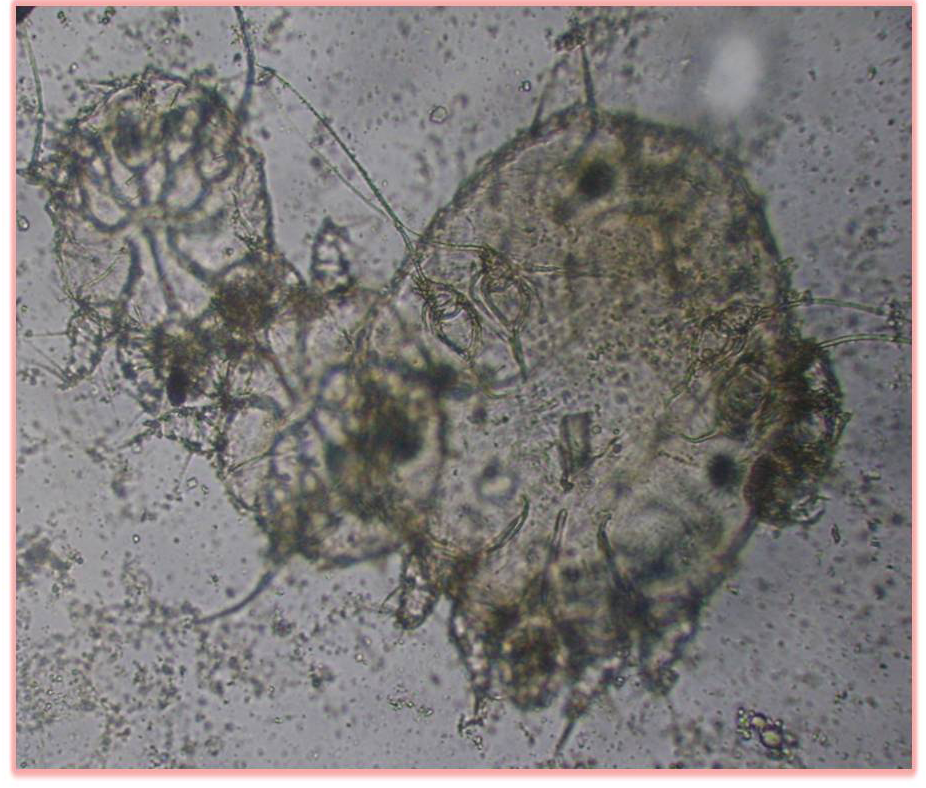
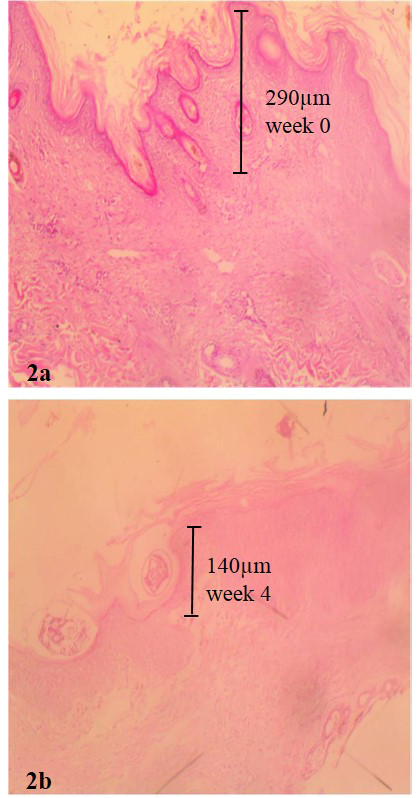
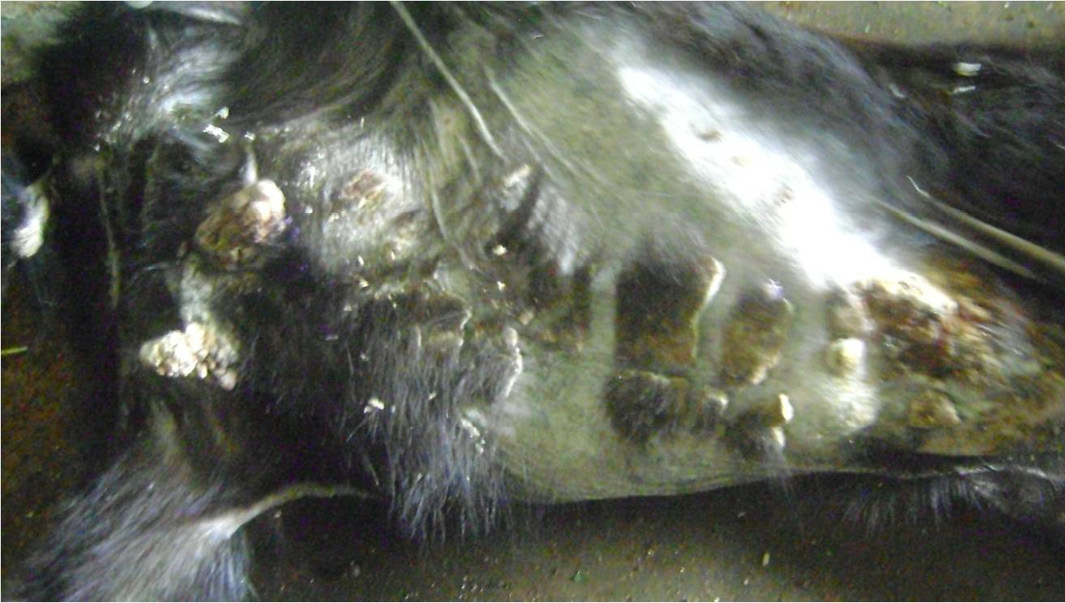
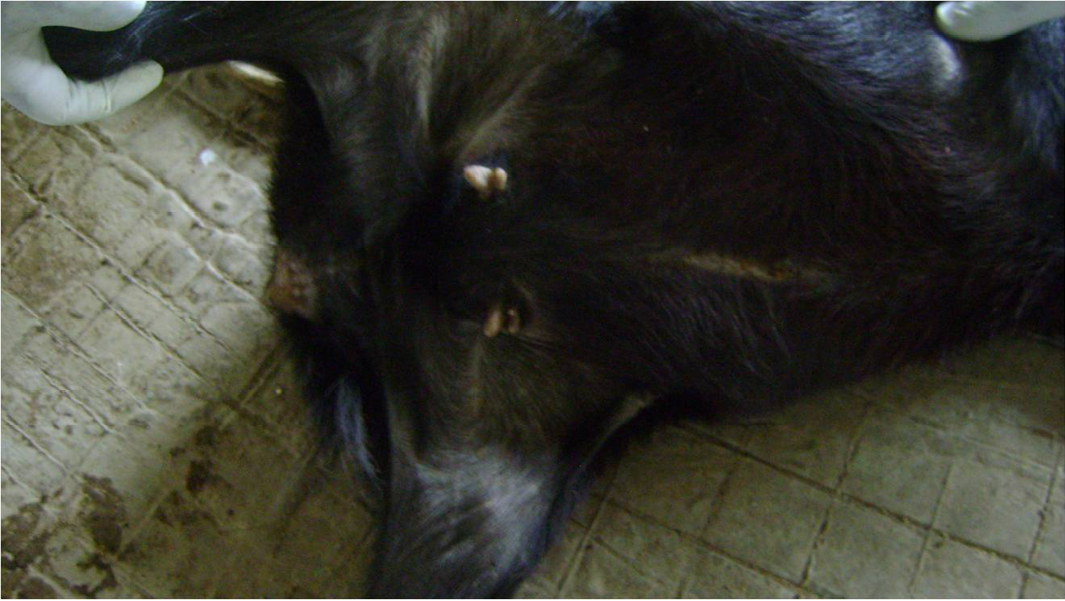
Systemic ivermectin efficacy was evaluated clinically and histologically in West African Dwarf (WAD) goats naturally infested with Sarcoptes scabie var caprae. A total of ten naturally infested WAD goats were bought from different villages in Ibadan and these were divided into two groups. Group A which comprised of five goats was treated with 1% ivermectin at a dosage of 0.2mg/kg, while other group also comprising of five goats was given 1ml distilled water as control. The two groups were treated at 2-weeks interval and samples including whole blood, serum and skin scrapings were collected 3 days before treatment and 3 times per treatment while skin biopsies were collected at a week interval. Presence of mites and the tunnels created in the skin was confirmed through microscopic examination of KOH treated skin scrapings and histological sectioning of skin biopsies. Mite numbers were estimated, hematology, biochemistry, histopathology and gross lesions were evaluated in each group before treatment and approximately 3-days interval during treatment. Consistent greater reduction in mite number and epidermal tunnels heights and diameter was recorded following ivermectin treatment, as goats treated with ivermectin showed quick improvement in the healing of gross lesions, re-growth of hair on the skin, hematological and biochemical parameters. There was a significant reduction (p< 0.05) in mite count from a mean pretreatment level of 49.40±17.36 to 25.50±4.17 at day 7 of first treatment while mite egg count also reduced significantly (p<0.05) from mean pretreatment level of 20.20±6.26 to 4.50±1.85 at day 11 of first treatment and all mites were totally cleared at day 11 of second treatment, whereas epidermal tunnel height reduced significantly (P<0.05) from a pretreatment mean value of 238.00±46.45 to 161.30±39.02 at week 4 post treatment while tunnel diameter also significantly reduced (p<0.05) from 158.00±74.55 pretreatment value to 92.50±40.52 also at week 4 post ivermectin treatment. The tunnel size further reduced significantly (p<0.05) with longer post treatment days as tunnel height decreased to 35.00±16.83 and tunnel diameter to 20.00±7.07 at week 10 post treatment. Haematological and biochemical parameters showed significant improvement after second treatment with ivermectin. Although two consecutive negative skin scrapings was achieved in this study following second treatment with Ivermectin, treatment of infested goats was further extended to fourth regimen at two weeks interval to achieve complete recovery and prevent reoccurrence of nfestation as systemic Ivermectin is safe to use and reaches its bioavailability unchanged with minimal toxicity.
Keywords | Sarcoptes scabie var caprae, WAD goats, Ivermectin, Histopathology, Haematology and Biochemistry