Review · Volume 40, Issue 2, 8 December 2025 · Open Access
Assessing the Impact of Pesticides on Earthworm Health: A Comprehensive Review
Affiliations & Notes ⌄
- 1Department of Pesticide Chemistry and Technology, Faculty of Agriculture, Alexandria University, Aflaton St., 21545, El-Shatby, Alexandria, Egypt Corresponding author: Mohamed R. Fouad mohammed.riad@alexu.edu.eg, mohammed.reid@yahoo.com
Article Info ⌄
- Journal:
- Punjab University Journal of Zoology
- Published:
- 8 December 2025

From the article
- This review underscores the complex and multifaceted threats that pesticides pose to earthworm populations and, consequently, to soil health and ecosystem stability.
- Pesticides can also induce significant histopathological alterations, including degeneration of the epidermis and gut epithelium, alongside genotoxic effects that compromise cellular integrity and genetic stability, potentially impairing earthworm populations and their ecological functions.
- By synthesizing these patterns and translating them into targeted actions and research priorities, we can better safeguard earthworm populations, preserve vital ecosystem services, and promote sustainable agricultural practices for future generations.
Selected from the article's own text.
Abstract
Introduction
The widespread use of synthetic pesticides has greatly increased the agricultural productivity by reducing losses resulted from presence of weeds, insects, and diseases ; ; . However, this intensification has led to declining biodiversity in farm ecosystems ; . Pesticide droplets often settle on both pests and non-target organisms, affecting a broad range of species sharing similar traits . Despite efforts to limit their spread, pesticides drift, volatilize, runoff, and penetrate soil, impacting surrounding environments ; , b; . These pesticides (including insecticides, herbicides, fungicides, and others) target specific pests but can harm soil and environmental life at even trace levels, posing ecological and health risks ; ; ; -c; ; . Most pesticides contaminate air, water, and soil, with less than 0.1% reaching intended targets, leading to accumulation in ecosystems and entering the food chain. Recognizing soil’s vital ecological role (supporting food production, nutrient cycling, carbon storage, and biodiversity) is increasingly important. Yet, agricultural and industrial activities intensify pressure on this finite resource, especially as pesticides contaminate soil directly or via runoff ; -e; . Earthworms, key soil inhabitants, are particularly vulnerable they absorb pesticides through skin contact and ingestion, depending on chemical adsorption and soil conditions -b; ; ; , b). Moving up to 6.3 tons of soil per hectare annually, earthworms process organic and mineral matter, influencing soil health profoundly (Mosleh et al., 2003a, b). Pesticides can harm earthworms by reducing cocoon production, juvenile density, and growth, and increasing mortality and tissue damage; they also induce genetic, biochemical, and physiological stress (Zhang et al., 2014a). Despite developing some defenses, earthworms remain sensitive bioindicators of soil contamination ideal for ecotoxicological assessments due to their ease of study and consistent responses . Their burrowing and casting activities enhance soil structure, nutrient cycling, and plant growth, making them vital for sustainable agroecosystems . As key ecosystem engineers, earthworms support soil fertility and help process pollutants, with their abundance reflecting soil health and contamination levels . Consequently, they are frequently used to evaluate the ecotoxic effects of pesticides, highlighting the importance of understanding and mitigating chemical impacts on soil biodiversity -e).
Methodology
The methodology for assessing the impact of pesticides on earthworm health in a comprehensive review involves a systematic approach to gather, evaluate, and synthesize existing research. Initially, a thorough literature search is conducted across multiple scientific databases such as PubMed, Scopus, Web of Science, and Google Scholar to identify relevant studies spanning all years. Inclusion criteria are established to select peer-reviewed articles, experimental studies, field surveys, and meta-analyses that investigate various aspects of pesticide exposure and earthworm health. Data extraction involves collecting information on pesticide types, concentrations, application methods, duration of exposure, earthworm species studied, and health parameters assessed (e.g., survival rate, reproduction, behavioral changes, physiological and biochemical markers). The review critically analyzes experimental designs, methodologies, and results to identify patterns, correlations, and disparities across different studies. Additionally, the methodology may include a quality assessment of the selected studies to ensure reliability and validity. Synthesis of data involves qualitative and quantitative approaches, such as meta-analysis if applicable, to derive overarching conclusions about the effects of pesticides on earthworms. Overall, this methodology aims to provide a comprehensive understanding of how pesticides influence earthworm health over time and across various environmental contexts. While numerous reviews have addressed the general effects of pesticides on soil organisms, many lack a focused synthesis on earthworms, particularly in relation to emerging pesticide formulations and application methods. This review uniquely consolidates recent data on the sub-lethal and long-term impacts of various pesticide classes on earthworm physiology, behavior, and reproductive success, highlighting inconsistencies and gaps in current methodologies.
Pesticide production and consumption in the world
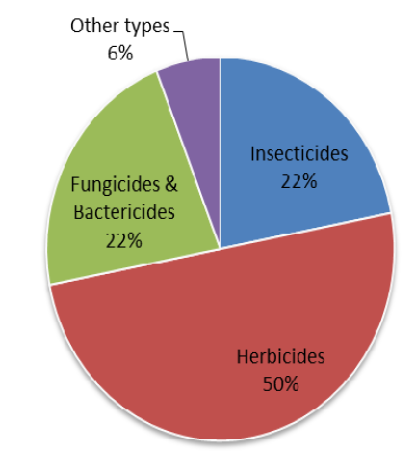
In 2022, global pesticide active ingredient use reached 3.7 million tons up 4% from 2021, 13% over the past decade, and three times more than in 1990. Compared to the 1990s, pesticide use has increased by 48% for insecticides, 54% for fungicides and bactericides, and 121% for herbicides. During this period, herbicides’ share of total pesticide use grew from 40–50%, while insecticides decreased from 26% to 22%, and fungicides and bactericides from 25% to 22% (see Figure 1). In 2022, pesticide exports totaled approximately 6.9 million tonnes (down 1% from 2021) but their value rose by 13% to USD 48.8 billion. Between 2013 and 2022, exports increased by 50%, and their value grew by 53%. The top five pesticide-consuming countries, from most to least, are China, the United States, Argentina, Thailand, and Brazil (FAO, 2024; .
Ecological classification of earthworms
Over 7,000 earthworm species have been described globally, spread among 23 families and 700 genera. There are three categories into which earthworms fall depends on the area of soil that earthworms live in, as well as their feeding and burrowing habits. Lumbricus castaneus is an example of an epigeic species, which live and feed on soil surface. Anecic earthworms, such as Lumbricus terrestris, may emerge from their permanent vertical burrows in soil to feed onto surface litter. Endogeic species, such as Allolobophora chlorotica, feed on soil and dwell in transient horizontal burrows . Each category uniquely supports ecosystem services, with epigeic focusing on surface processes, anecic on vertical mixing and aeration, and endogeic on subsurface soil health. Together, they play vital roles in maintaining soil fertility and ecosystem productivity.
LC50 of pesticides on earthworms
Eisenia fetida
Tables 1 and 2, the LC50 values of different pesticides on Eisenia foetida are shown using filter paper contact technique and soil mixing technique. E. fetida exposed to atrazine (0.1–5 µg/cm²) had a mean 96-h LC50 of 2.9 µg/cm². For cyanazine (0.5–10 µg/cm²), the LC50 was 4.9 µg/cm², and for chlorpyrifos (1–15 µg/cm²), it was slightly higher at 8.3 µg/cm² . LC50 value of chlorpyrifos was 0.047 and 0.037 µg/cm2 at 24 and 48 hours by Rao et al. (2003). The LC50 of azodrin was 0.46 µg/cm² via paper contact after 48 hours, and 132 mg/kg in artificial soil after 14-d . Lindane was more toxic than deltamethrin to E. fetida over 14-d, with LC50 values of 162.1 mg/kg and 432.9 mg/kg soil, respectively . The LC50 values for benomyl, carbendazim and lambda-cyhalthrin were 633, >1000, and 23.9 mg/kg into tropical artificial soil, 22, 5.8, and 99.8 mg/kg into artificial soil, 14.6, 4.1, and 139.9 mg/kg into loamy sand soil, respectively . The LC50 values for profenofhos were 4.56 and 3.55 µg/cm2 after 24 and 48 hours, respectively . Wang et al. (2012) found that insect growth regulators were moderately toxic to worms (LC50: 117.6–564.6 µg/cm² at 48 hours), pyrethroids were highly toxic (LC50: 10.55–25.7 µg/cm²), and neonicotinoids were extremely toxic (LC50: 0.0088–0.45 µg/cm²). Using an artificial soil bioassay, neonicotinoids exhibited greater acute toxicity than antibiotics, carbamates, insect growth regulators, organophosphates, and pyrethroids, which were the least hazardous. Terbuthylazine herbicide was the most ecologically harmful to E. fetida, followed by galition (fenitrothion and malathion) insecticides, and metaldehyde limacid . The 96-h acute toxicity test in natural soil showed that carbendazim was more toxic than captan . The LC50 of acetamiprid, imidacloprid, nitenpyram, thiacloprid and clothianidin was 2.69, 3.05, 4.34, 2.68 and 0.93 mg/kg artificial soil, respectively , b). It was found that carbendazim is highly toxic to E. fetida, with a 14-day LC50 of 2 mg/kg. Dimethoate shows moderate toxicity (LC50 of 28 mg/kg), whereas trichlorfon, tebuconazole, and prochloraz exhibit relatively low toxicity . According to Chen et al. (2018), tribenuron-methyl exhibited low toxicity to E. fetida in studies using contact filter paper and artificial soil. Isoprocarb increased mortality in a dose-dependent manner, with LC50 values of 8.2 μg/cm² (48-h) on filter paper and 3.37 mg/kg (14-d) in soil . In the artificial soil, the 14-day LC50 value of flupyradifurone was 157.6502 mg/kg for juvenile E. fetida and 186.9773 mg/kg to adult E. fetida . Acetamiprid was 167.9-times more toxic for E. fetida than tetraconazo after a 7-day break. Likewise, acetamiprid’s toxicity was 142.2 times greater than tetraconazo’s over a 14-d interval .
Table 1: LC50 of pesticides to Eisenia foetida by filter paper contact (µg/cm2) technique.
| Pesticide | Time (h) | LC50 | Ref. |
| Chlorpyrifos, Atrazine, Cyanazine | 96 | 8.3, 2.9, 4.9 | Lydy and Linck, 2003 |
| Chlorpyrifos | 24 and 48 | 0.047 and 0.037 | Rao et al., 2003 |
| Azodrin | 48 | 0.46 | Rao and Kavitha, 2004 |
| Profenofos | 24 and 48 | 4.56 and 3.55 | Reddy and Rao, 2008 |
| Acetamiprid, Clothianidin, Imidacloprid, Nitenpyram, Thiacloprid, Abamectin, Emamectin benzoate, Ivermectin, Buprofezin, Chlorfluazuron, Hexaflumuron, Tebufenozide, Cyhalothrin, Cypermethrin, Fenpropathrin, Lambda-cyhalthrin, Carbosulfan, Isoprocarb, Metolcarb, Promecarb, Chlorpyrifos, Phoxim, Pyridaphenthion, Triazophos | 48 | 0.0088, 0.28, 0.027, 0.22, 0.45, 23.08, 30.2, 4.40, 564.6, 536.2, 117.6, 508.1, 24.30, 10.63, 10.55, 25.7, 75.75, 3.64, 9.18, 10.58, 14.19, 54.65, 3.84, 14.21 | Wang et al., 2012 |
| Tribenuron-methyl, Tebuconazole | 24 and 48 | 377.9 and 9.4 –135.6 and 5.7 | Chen et al., 2018 |
| Isoprocarb | 24 and 48 | 32.04 and 8.20 | Gu et al., 2021 |
Table 2: LC50 of pesticides to Eisenia foetida by soil mixing (mg/kg soil) technique.
| Pesticide | Soil type | Time (d) | LC50 | Ref. |
| Azodrin | Artificial | 7 and 14 | 171 and 132 | Rao and Kavitha, 2004 |
| lindane, deltamethrin | Artificial | 14 | 162.1, 432.9 | Shi et al., 2007 |
| Benomyl, Carbendazim, Lambda-cyhalthrin | Tropical artificial | 2 | 633, >1000, 23.9 | Garcia et al., 2008 |
| Artificial | 22.0, 5.8, 99.8 | |||
| Loamy sand | 14.6, 4.1, 139.9 | |||
| Acetamiprid, Clothianidin, Imidacloprid, Nitenpyram, Thiacloprid, Abamectin, Emamectin benzoate, Ivermectin, Buprofezin, Chlorfluazuron, Hexaflumuron, Tebufenozide, Cyhalothrin, Cypermethrin, Fenpropathrin, Lambda-cyhalthrin, Carbosulfan, Isoprocarb, Metolcarb, Promecarb, Chlorpyrifos, Phoxim, Pyridaphenthion, Triazophos | Artificial | 7 and 14 | 1.72 and 1.52 –7.44 and 6.06, 3.15 and 2.82, 4.42 and 3.91, 12.13 and 10.96, 31.50 and 27.86, 196.2 and 175.3, 68.11 and 56.34, 425.1 and 363.3, 406.5 and 381.8, 420.1 and 374.2, 434.8 and 386.7, 1530 and 1369, 1467 and 1272, 1532 and 1246, 1623 and 1370, 146.8 and 130.1, 69.4 and 60.8, 108.1 and 93.8, 31.23 and 28.43, 421.3 and 384.9, 1083 and 901.5, 273.3 and 243.7, 381.4 and 347.5 | Wang et al., 2012 |
| Galition, Fenitrothion+Malathion, Terbuthylazine, Metaldehyde | Artificial | 14 | 368.25, 1.264, 3.66 | Jovana et al., 2014 |
| Carbendazim, Captan | Natural | 4 | 5.38, 10.41 | Mandal et al., 2015 |
| Imidacloprid, Acetamiprid, Nitenpyram, Clothianidin, Thiacloprid | Artificial | 14 | 3.05, 2.69, 4.34, 0.93, 2.68 | Wang et al., 2015a, b |
| Trichlorfon, Dimethoate, Carbendazim, Tebuconazole, Prochloraz | Artificial | 14 | 122, 28, 2, 180, 261 | Rico et al., 2016 |
| Tribenuron-methyl, Tebuconazole | Artificial | 7 and 14 | 1007.3 and 746.3, 511.0 and 287.9 | Chen et al., 2018 |
| Isoprocarb | Artificial | 7 and 14 | 6.95 and 3.37 | Gu et al., 2021 |
| Flupyradifurone | Artificial | 14 | 186.9773 (adult) and 157.6502 (juveniles) | Qiao et al., 2022 |
| Acetamiprid, Tetraconazo | Artificial | 7 and 14 | 1.96 and 1.54, 329 and 219 | An et al., 2025 |
Eisenia andrei
LC50 values of various pesticides against E. andrei under different exposure regimes are shown in Table 3. The LC50 values were 492-154, 23.4-13.5, and 7.10-38.9 mg/kg in artificial soil, while they were 481-106, 8.46-11.9, and 2.70-41.5 mg/kg in loamy sand soil for chlorpyrifos, carbofuran, and carbendazim at 20 and 26°C, respectively . The toxicity for mixture of chlorpyrifos, and cypermethrin (LC50= 35.06) was significantly higher than either of cypermethrin (LC50 = 86.04), and chlorpyrifos (LC50 = 116) individually onto Eisenia fetida Andrei . The LC50 value is 25.34 mg/kg at 14-day for organophosphate azinphos-methyl on E. Andrei . Quantified impact of imidacloprid, thiametoxam, fipronil, and captan (thiram + carboxin) on reproduction, survival, and behavior of E. andrei, with exception of imidacloprid (LC50 = 53.25 mg/kg soil), none of pesticides tested caused mortality . LC50 values were 102.035, 10.149, 249.804, and 558.376 mg/kg dry soil after 1-d of treatment for thiacloprid, esfenvalerate, dimethenamid-p, and prosulfocarb, respectively .
Aporrectodea caliginosa
Mosleh et al. (2003a) studied toxicity of cypermethrin, profenofos, aldicarb, atrazine, metalaxyl and chlorfluazuron to earthworms, A. caligenosa. The result was that aldicarb (LC50 = 0.68) was the most toxic to A. caligenosa in artificial soil after 28 days, followed in order by cypermethrin (LC50 = 72.96), profenofos (LC50 = 127), chlorfluazuron (LC50 = 139.9), atrazine (LC50 = 381.2), and metalaxyl (LC50 = 518) (Table 4). The LC50 value of acetamiprid was 0.199 and 0.009 after 5 and 10 day for A. caliginosa in alluvial soil . The LC50 values were (334.27 and 55.45 mg/kg) into clay soil, and (415.9 and 25 mg/kg) into sandy clay loam soil for fenitrothion after 5 and 10 days of exposure. LC50 values were (0.93 and 0.41 mg/kg) into clay soil, and (55.28 and 10.65 mg/kg) into sandy clay loam soil after 5 and 10 day of exposure for thiobencarb (El-Aswad et al., 2023a-b). Atrazine had higher intrinsic toxicity than metribuzin to earthworms (A. caligenosa), with LC50 of 1.693 and 0.026 μg/cm2 after 48 and 72 hours by filter paper contact test. LC50 was reduced from 11.121 to 3.118 and 164.824 to 19.113 mg/kg into clay soil, from 32.221 to 17.33 and 324.141 to 41.028 mg/kg into clay soil: Sandy clay loam soil (1:1), and from 41.234 to 30.804 and 462.255 to 70.902 mg/kg into sandy clay loam soil of atrazine, and metribuzin after 5 and 10 days .
Table 3: LC50 of pesticides to Eisenia andrei, in different exposure techniques.
| Pesticides | Exposure method | Time (d) | LC50 | Ref. |
| Chlorpyrifos, Carbofuran, Carbendazim | In artificial soil (mg/kg dry soil) at 20 and 26 °C | 28 | 492 and 154, 23.4 and 13.5, 7.10 and 38.9 | De Silva et al., 2009 |
| In loamy sand soil (mg/kg dry soil) at 20 and 26 °C | 481 and 106, 8.46 and 11.9, 2.70 and 41.5 | |||
| Cypermethrin, Chlorpyrifos, Cypermethrin+Chlorpyrifos | In artificial soil (mg/kg dry soil) | 14 | 86.04, 116.00, 35.06 | Zhou et al., 2011 |
| Azinphos-methyl | In artificial soil (mg/kg dry soil) | 14 | 25.34 | Jordaan et al., 2012 |
| Imidacloprid, Thiametoxam, Fipronil, Carboxin+Thiram | In artificial soil (mg/kg dry soil) | 14 | 25.53, >1000, >1000, >1000 | Alves et al., 2013 |
| Difenoconazole+Fludioxonil, Fluopyram+Tebuconazole, Pyrimethanil, Thiram+Carboxin, Flutriafol+Thiabendazole, Fluroxypyr-meptyl, Thiamethoxam | On filter paper (µg/cm2) | 1, 2 and 3 | 1.4, 0.6 and 0.3, 5.9, 2.9 and 1.0, 40.9, 6.5 and 2.7, 31.8, 8.2 and 1.1, 74.3, 16.2 and1.2, 19.7, 17.3 and 14.1, 724.0, 110.3 and 19.2 | Velki et al., 2019 |
| Thiacloprid, Esfenvalerate, Dimethenamid-p, Prosulfocarb | In artificial soil (mg/kg dry soil) | 2 | 102.035, 10.149, 249.804, 558.376 | Lackmann et al., 2023 |
Lumbricus terrestris
L. terrestris were exposed for commercial formulations of aldicarb and endosulfan at 2, 7, 15 days, with LC50 were 12.29, 5.82 and 3.36 mg/kg for endosulfan, 3.09, 1.51 and 1.5 mg/kg for aldicarb (Mosleh et al., 2003b). The LC50 value was 26.804 and 7.001 mg/kg on earthworms in sandy loam soil after 21 and 42 days of glyphosate exposure (Table 4) .
Effect of pesticides on enzyme activities in earthworms
Acetylcholinesterase
Carbamate and organophosphorus pesticides primarily inhibit acetylcholinesterase (AChE). Using a standardized paper contact method, E. fetida shows a time-dependent decrease in AChE activity when exposed to azodrin and chlorpyrifos . As chlorpyrifos and imidacloprid concentrations increased, AChE activity in E. foetida was progressively suppressed . Azodrine also decreased AChE activity in a concentration-dependent manner . Diazinon reduced AChE activity in E. fetida body wall and gut , with the lowest activity observed at 120 ng/cm² of temephos after 1 and 2 hours . Methiocarb significantly decreased AChE activity , while ethyl-4-chlorophenyl, ethyl-4-bromophenyl carbamates, and propoxur caused weak inhibition . Isoprocarb also decreased AChE activity , and compounds like carbendazim, trichlorfon, dimethoate, prochloraz, and tebuconazole significantly inhibited AChE in artificial soil . Exposure to imidacloprid over 3 to 21 days reduced AChE activity in E. fetida by up to 46.7%, with inhibition rates of 28.9–46.7% . Flupyradifurone at 25 and 50 mg/kg maintained AChE inhibition over 28 days . Conversely, atrazine exposure increased AChE activity in E. fetida . In E. andrei, carbaryl primarily inhibits AChE competitively . Organophosphates like diazinon and chlorpyrifos suppressed AChE by 72–87% within a day and remained suppressed in A. caliginosa for 14-d . Parathion caused rapid AChE inhibition (~70%) within three days, reaching 80–90% after a week; similar patterns were observed in A. chlorotica, though at a slower pace . AChE activity in A. caliginosa and A. caligenosa was inhibited after exposure to lambda-cyhalothrin, chlorpyrifos-ethyl, and fungicides like myclobutanil and folpet within three days ; . L. terrestris showed significant AChE inhibition as an indirect measure of chlorpyrifos bioavailability . Conversely, Dendrobaena veneta exhibited increased AChE activity after a week of glyphosate exposure at 2.16 mg/kg soil . Chlorpyrifos and cypermethrin suppressed AChE in Eudrilus eugeniae in a dose and region-dependent manner, while glyphosate had no significant effect on AChE activity in E. eugeniae, Libyodrilus violaceus, and Alma millsoni . Variations in AChE response are likely influenced by pesticide type and concentration, earthworm species, and soil properties .
Glutathione-S-transferase
When glutathione is used, glutathione-S-transferase (GST) plays a vital role in detoxifying electrophilic chemicals . Elevated GST levels can enhance defense against pesticides, making GST a potential biomarker for pollution monitoring . Studies show that earthworms exposed to chemicals like glyphosate, QYR301, aldrin, endosulfan, and lindane exhibit significantly increased GST activity . Similarly, GST activity in
Table 4: LC50 of pesticides to Aporrectodea caliginosa and Lumbricus terrestris in different exposure systems.
| Earthworms | Pesticides | Exposure method | Exposure time | LC50 | Ref. |
| A. caliginosa | Aldicarb, Cypermethrin, Profenofos, Chlorfluazuron, Atrazine, Metalaxyl | In artificial soil (mg/kg dry soil) | 28 days | 0.68, 72.96, 127.00, 139.90, 381.20, 518.00 | Mosleh et al., 2003a |
| Acetamiprid | In alluvial soil (µg/g soil) | 5 and 10 days | 0.199 and 0.009 | Abdel-Raheem et al., 2023 | |
| Fenitrothion, Thiobencarb | On filter paper (µg/cm2) | 48 and 72 hours | 83.16 and 24.67, 288.26 and 39.98 | El-Aswad et al., 2023a | |
| In clay soil (µg/g soil) | 5 and 10 days | 334.27 and 55.45, 0.93 and 0.41 | |||
| In sandy clay loam soil (µg/g soil) | 415.90 and 25.00, 55.28 and 10.65 | ||||
| Atrazine, Metribuzin | On filter paper (µg/cm2) | 24, 48 and 72 hours | 43.007, 10.260 and 0.910, 65.620, 1.693 and 0.063 | Fouad et al., 2023b | |
| In clay soil (µg/g soil) | 5 and 10 days | 11.121 and 3.118, 164.824 and 19.113 | |||
| In sandy clay loam soil (µg/g soil) | 41.234 and 30.408, 462.255 and 70.902 | ||||
| In a mixture of clay soil and sandy clay loam soil (µg/g soil) | 32.221 and 17.330, 324.141 and 41.028 | ||||
| L. terrestris | Endosulfan, Aldicarb | In artificial soil (mg/kg dry soil) | 2, 7 and 15 days | 12.29, 5.82 and 3.36, 3.09, 1.51 and 1.50 | Mosleh et al., 2003b |
| Glyphosate | In sandy loam soil (g/m2) | 21 and 42 days | 26.804 and 7.001 | Stellin et al., 2018 |
E. fetida rises upon exposure to compounds such as flupyradifurone, azoxystrobin, fomesafen, sulfentrazone, and pyraclostrobin ; Zhang et al., 2014b; ; . Long-term exposure to cyflumetofen also activates GST . Conversely, some chemicals like cyantraniliprole initially decrease and later increase GST activity, while thifluzamide inhibits it ; . Soil contamination with oxyfluorfen causes significant GST reductions in earthworms such as Allolobophora molleri, E. fetida, and L. terrestris . Similarly, exposure to lambda-cyhalothrin, chlorpyrifos-ethyl, and other pesticides over 14-d suppresses GST activity in A. caliginosa nocturnus, especially at higher concentrations .
Superoxide dismutase
Superoxide dismutase (SOD) is the primary antioxidant enzyme defending against reactive oxygen species. Owagboriaye et al. (2020) found that glyphosate-treated earthworms (L. violaceus, E. eugeniae, A. millsoni) exhibited significantly higher SOD activity than unexposed ones. Conversely, Liu et al. (2020) observed different SOD responses in E. fetida after trifloxystrobin exposure. Other studies reported significant variations in SOD activity in E. eugeniae and E. fetida when exposed to nitenpiram, malathion, triflumezopyrim, and sulfoxaflor -b; ; ; . Exposure to azoxystrobin, QYR30, and flupyradifurone increased SOD activity in E. fetida, indicating detoxification and oxidative stress mitigation . SOD activity also rose with higher sulfentrazone levels, showing a dose-dependent effect . A maximum dose of spirotetramat (2.5 mg/kg) significantly elevated SOD activity during exposure . Conversely, atrazine and thifluzamide inhibited SOD activity, while increasing concentrations of isoprocarb reduced it ; . Responses to cyantraniliprole varied, with initial decreases followed by increases in SOD activity .
Catalase
Catalase (CAT) converts hydrogen peroxide into oxygen and water, reducing its toxicity . In E. fetida, CAT activity decreases at higher chlorpyrifos doses but remains unaffected at low levels . Tebuconazole (0.5, 5, 50 mg/kg soil) showed no significant impact on CAT activity , and azoxystrobin did not increase CAT activity . Exposure to atrazine and isoprocarb reduced CAT activity, while diazinon increased it ; . Triflumisopyrim initially elevated CAT activity, which normalized after 28 days . Similarly, flupyradifurone increased CAT activity . Some fungicides, like spirotetramat, pyraclostrobin, thifluzamide, and QYR301, initially activated CAT but inhibited it over time ; Yao et al., 2020). Cyantraniliprole caused an initial decrease followed by an increase in CAT activity . During 7-21 days, sulfentrazone increased CAT activity at all concentrations, while at 7 and 28 days, there was no significant change . In A. caligenosa nocturnus, seven days of exposure to lambda-cyhalothrin, chlorpyrifos-ethyl, folpet, fosetyl-Al, myclobutanil, and metalaxyl decreased CAT activity .
Cellulase
Cellulase is a digestive enzyme involved in cellulose breakdown. Acute deltamethrin exposure decreased E. fetida cellulase activity, while lindane increased it . Fomesafen at 500 mg/kg for 14 days markedly inhibited cellulase activity in E. fetida (Zhang et al., 2014b), and high-dose spirotetramat also significantly reduced activity during exposure . Sublethal doses of dichlorovos and endosulfan significantly inhibited cellulase activity in E. foetida . Exposure to imidacloprid and acetamiprid increased cellulase activity, peaking at 14 days before returning to normal. Combined chlorpyrifos with these insecticides caused initial activation after one day, with levels normalizing after seven days . Patnaik and Dash (1993) reported reduced cellulose activity in three earthworm species (Drawida willsi, Lampito mauritii, and Octochaetona surensis) after malathion exposure.
Effect of pesticides on histology in earthworms
Cellular and tissue damage in earthworms exposed to hazardous pesticides has been documented through histopathological studies. Imidacloprid induces dose and time dependent genotoxicity in coelomocytes of Metaphire posthuma and E. eugeniae, with midgut cells showing abnormal nuclei, reduced cytoplasm, and cellular breakdown as exposure increases ; . Multiple neonicotinoids (including thiamethoxam, dinotefuran, acetamiprid, clothianidin, nitenpyram, and thiacloprid) damage midgut and epidermal tissues ; , with acetamiprid causing severe structural disintegration . Acetamiprid also induces alterations in epidermal, muscle, and vascular tissues of Aporrectodea giardi . Other pesticides, such as abamectin, cause posterior segment loss, fragmentation, and body thinning in E. andrei across all tested concentrations . Lindane exposure results in vacuolation and muscle-epidermis separation, effects that intensify with higher doses of dimethoate and chlorpyrifos, leading to cellular destruction in A. caliginosa ; ; . Dimethoate affects neurosecretory cell morphology and urosecretory processes in Eudichogaste Kinneari . Profenofos treatment causes body rupture, bleeding, glandular proliferation, and muscle disintegration in E. fetida . Exposure to triazophos and deltamethrin damages the post-clitellar region of E. eugeniae, causing tissue rupture and necrosis . Monocrotophos induces rupture, necrosis, and tissue fusion in earthworm body walls, while also negatively impacting intestinal histology and microbial populations in L. mauritii ; . High concentrations of monocrotophos and glyphosate cause lesions, skin undulation, and deformities in E. eugeniae, with glyphosate damaging intestinal tissue in Pheretima elongata ; . Glyphosate exposure leads to cuticular degeneration, cytolysis, vacuolization, and muscle damage in Nsukkadrilus mbae . Similarly, atrazine causes vacuolation, loss of nuclei, and tissue disorganization in N. mbae . Exposure to butachlor results in vacuolation and glandular enlargement in Perionyx sansibaricus and E. fetida ; . Sulfentrazone damages the digestive and epidermal tissues of E. fetida after 21 days, with cellular disintegration observed . Triazole fungicides cause destruction of epidermal cells and disorganization of muscle layers, with higher concentrations inducing cytoplasmic staining and cell death .
Genotoxic effects of pesticides on earthworms
E. fetida exhibits antioxidant responses to lipid peroxidation and DNA damage caused by subchronic exposure to acetamiprid and imidacloprid . Imidacloprid at 0.1–2 mg/kg soil can induce DNA damage after 21 days, as shown by sperm deformity assessments . Nitenpyram also causes notable DNA damage in E. fetida, with effects increasing dose-dependently . DNA damage metrics, such as tail moment, rise with higher cyantraniliprole concentrations and longer exposure . Endosulfan and triflumezopyrim similarly induce DNA damage , while deltamethrin + triazophos and profenofos + cypermethrin show moderate genotoxicity . Chlorpyriphos increases DNA damage and reactive oxygen species levels, leading to oxidative stress at low concentrations ; . Glyphosate formulations are cytotoxic and genotoxic both in vivo and ex vivo , but glyphosate alone shows no clear DNA harm risk in Pheretima peguana . Conversely, paraquat is clastogenic and aneugenic , and atrazine damages E. foetida DNA . Sulfentrazone and QYR301 induce oxidative stress, lipid peroxidation, and DNA damage in E. fetida . Short-term exposure to diuron (0–5 mg/kg) causes minimal oxidative stress and DNA damage , while chloridazon, oxadiazon, bentazone, and pendimethalin increase DNA damage and chromosomal abnormalities in Eisenia hortensis ; . Azostrobin triggers oxidative stress and DNA damage in E. fetida , and carbendazim and metalaxyl-M cause significant DNA damage in E. foetida coelomocytes, with effects related to dose and exposure duration ; .
Effects of pesticides on growth of earthworms
Although glyphosate is relatively non-toxic to Aporrectodea trapezoides, Aporrectodea rosea, A. caliginosa, and Aporrectodea longa in field studies, it has been shown to reduce A. caliginosa growth in laboratory settings, decrease cocoon viability, and lower juvenile counts in the field. It also affects reproduction and development in E. foetida , leading to fewer juveniles. Similarly, glyphosate decreases cocoon viability and juvenile production in E. fetida . Laboratory tests reveal that 2,4-D and glyphosate significantly impact E. foetida reproduction and development, with treated soils lacking cocoons and juveniles . These chemicals, along with carbendazim, dimethoate, and copper oxychloride, cause dose-dependent reductions in E. fetida growth . Both glyphosate and chlorpyrifos reduce E. fetida andrei feeding activity in field and lab conditions, though low chlorpyrifos concentrations do not affect reproduction . The weight of E. fetida is more sensitive than mortality to methamidophos and acetochlor exposure . Increased butachlor concentrations decrease E. fetida biomass and cocoon formation , and inhibit P. sansibaricus growth and cocoon production . Lindane exposure reduces the biomass of E. eugeniae . Pesticides such as chlorpyrifos, diazinon, aldicarb, profenofos, cypermethrin, chlorfluazuron, metalaxyl, and atrazine slow the growth of A. caliginosa ; , with diazinon and chlorpyrifos notably reducing growth during exposure . Endosulfan significantly decreases juvenile A. trapezoides weight within 35-days when applied at normal rates, while fenamiphos has similar effects only in the field. Malathion reduces E. foetida weight and sperm viability, with parathion also impairing E. andrei growth . Neonicotinoids such as imidacloprid, nitenpyram, acetamiprid, thiacloprid, and clothianidin are highly toxic to E. fetida, significantly inhibiting fecundity , b), with high doses adversely affecting reproduction, growth, and physiology of M. posthuma and E. eugeniae . Acetamiprid induces mortality in A. giardi proportional to dose and exposure time . Elevated abamectin levels decrease E. andrei reproductive efficiency , and cyantraniliprole exposure dramatically reduces E. fetida weights, likely due to loss of proteins, fats, and glycogen .
Effect of pesticides on the behavior of earthworms
These sublethal, organism-wide effects can occur even at low pesticide exposures, making behavioral changes highly sensitive and ecologically relevant . Earthworms play a crucial role in soil structure and aeration; their soil preference or avoidance can indicate soil quality issues . Avoidance behavior is a well-established, sensitive indicator of soil pesticide contamination, as pesticides have been shown to influence earthworm avoidance responses. For instance, exposure to sulcotrione and penoxsulam affected avoidance in standardized soils , while 2.5 and 5 mg/kg esfenvalerate increased avoidance . Similarly, E. fetida and E. andrei avoided glyphosate-treated soils , though low chlorpyrifos concentrations showed no effect. Elevated doses of deltamethrin + triazophos or profenofos + cypermethrin altered earthworm behavior, causing body folding and reduced activity . Additionally, imidacloprid significantly affected burrow depth, length, and branching in Aporrectodea nocturna and Allolobophora icterica.
Conclusion
This review underscores the complex and multifaceted threats that pesticides pose to earthworm populations and, consequently, to soil health and ecosystem stability. Analysis of the existing literature reveals several consistent patterns: organophosphates and carbamates emerge as the most acutely toxic pesticide classes, exhibiting high mortality rates in earthworms at recommended agricultural doses, while certain neonicotinoids, though less immediately lethal, induce sub-lethal effects such as impaired reproduction and growth over time. Among various biomarkers, reductions in reproductive output, alterations in antioxidant enzyme activities (such as catalase and superoxide dismutase), and increased DNA damage measured via comet assays are the most sensitive indicators of pesticide-induced stress, signaling early and sustained biological impacts before mortality occurs. Pesticides can also induce significant histopathological alterations, including degeneration of the epidermis and gut epithelium, alongside genotoxic effects that compromise cellular integrity and genetic stability, potentially impairing earthworm populations and their ecological functions. To address these issues, policymakers should implement strict regulations to limit or ban the use of the most toxic pesticide classes, promote integrated pest management strategies that prioritize biological control and biopesticides, mandate regular environmental monitoring using sensitive biomarkers for early detection, and educate farmers and stakeholders about the ecological costs of pesticide overuse and sustainable soil management practices. Future research should focus on longitudinal field studies to elucidate chronic and cumulative effects, standardize biomarker protocols for cross-study comparison, investigate potential bioaccumulation and transfer of pesticides through soil food webs, and develop earthworm-based bioassays as rapid, cost-effective soil health assessment tools. By synthesizing these patterns and translating them into targeted actions and research priorities, we can better safeguard earthworm populations, preserve vital ecosystem services, and promote sustainable agricultural practices for future generations.
Declarations
Funding
Not applicable.
IRB approval
The review was approved by the Department of Chemistry and Pesticide Technology.
Ethical statement
The study is a literature review on pesticides’ effects on earthworms, involving no direct experimentation. It uses publicly available, peer-reviewed sources, properly cites all data, and adheres to ethical standards. No ethical approval was needed since it does not involve new experiments or fieldwork.
Consent for publication
The review contains no such material that may be unlawful, defamatory, or which would, if published, in any way whatsoever, violate the terms and conditions as laid down in the agreement.
Generative AI and AI-assisted technology statement
No Generative AI and AI-assisted technologies wer used in the writing process.
Conflict of interest
The author has declared no conflict of interest.
Figures

Worldwide pesticides consumption.
References
- Abdel-Aziz, F.E.Z.A., Dawood, A.F., Sayed, L.H. and Abdel-Malek, A.R., 2023. Assessment of morphological and histological damages in earthworms (Aporrectodea caliginosa) exposed to organophosphate insecticide. Egypt. Acad. J. Biol. Sci., B Zool., 15: 53-64. https://doi.org/10.21608/eajbsz.2023.320322[CrossRef]
- Abd-Eldaim, F.A., Farroh, K.Y., Safina, F.S., Fouad, M.R., Darwish, O.S., Emam, S.S. and Abdel-Halim, K.Y., 2023. Phytotoxic effects of imidacloprid and its nano-form on cucumber plants under greenhouse conditions and their toxicity on HepG2 cell line. Arch. Phytopathol. Pl. Prot., 56: 1467-1486. https://doi.org/10.1080/03235408.2023.2289218[CrossRef]
- Abdelkhalek, A.S., Abokull, M.E., Ibrahim, S.M., Soltan, M.K., Abdul-Malik, M.A. and Abdel-Raheem, S.A.A., 2024. A review on some synthetic methods of 4(3H)-quinazolinone and benzotriazepine derivatives and their biological activities. Org. Commun., 17: 63−98. https://doi.org/10.25135/acg.oc.167..2402.3123[CrossRef]
- Abdel-Raheem, S.A., Fouad, M.R., Gad, M.A., El-Dean, A.M.K. and Tolba, M.S., 2023. Environmentally green synthesis and characterization of some novel bioactive pyrimidines with excellent bioefficacy and safety profile towards soil organisms. J. Environ. Chem. Eng., 11: 110839. https://doi.org/10.1016/j.jece.2023.110839[CrossRef]
- Abdul-Malik, M.A., Abdou, A., Fouad, M.R., Alkamali, A.S.N. and Abdel-Raheem, S.A.A., 2024. Synthesis, spectral characterization and molecular docking studies of some thiocarbohydrazide-based Schiff bases with pyrazole moiety as potential anti-inflammatory agents. Curr. Chem. Lett., 13: 683–694. https://doi.org/10.5267/j.ccl.2024.5.002[CrossRef]
- Ahmed, N.A.S.H. and Yahya, A.Y.A., 2023. Histological alterations in the body wall of earthworm Aporrectodea caliginosa exposed to dimethoate insecticides. Electron. J. Univ. Aden Basic Appl. Sci., 4: 226-236. https://doi.org/10.47372/ejua-ba.2023.3.272[CrossRef]
- Alves, P.R.L., Cardoso, E.J., Martines, A.M., Sousa, J.P. and Pasini, A., 2013. Earthworm ecotoxicological assessments of pesticides used to treat seeds under tropical conditions. Chemosphere, 90: 2674-2682. https://doi.org/10.1016/j.chemosphere.2012.11.046[CrossRef]
- An, X., Cao, C., Deng, M., Li, X., Tang, T. and Wang, Y., 2025. Combined effects of acetamiprid and tetraconazole on enzyme activity and gene expression in the earthworm-soil system. Ecol. Indic., 172: 113337. https://doi.org/10.1016/j.ecolind.2025.113337[CrossRef]
- Berrouk, H., Kabech, B., Rahel, R. and Hamaidia, K., 2021. Toxicological and histopathological impact of insecticide acetamiprid and agricultural fertilizer Activeg on earthworm. Aporrectodea giardia, 23: 341-348. https://doi.org/10.5958/0974-4517.2021.00044.6[CrossRef]
- Bhargavi, B.R., Vellanki, R.K., Akurathi, R. and Kanala, J.R., 2020. Eco-genotoxic effects of certain pesticide mixtures to earthworm, Eisenia fetida. Appl. Ecol. Environ. Sci., 5: 229-232.
- Booth, L.H., Heppelthwaite, V. and Eason, C.T., 1998. Cholinesterase and glutathione S-transferase in the earthworm Apporectodea caliginosa as biomarkers of organophosphate exposure. N.Z. Pl. Protect. Conf., 52: 138-142. https://doi.org/10.30843/nzpp.1998.51.11675[CrossRef]
- Booth, L.H., Heppelthwaite, V.J. and O’halloran, K., 2000. Growth development and fecundity of the earthworm Aporrectodea caliginosa after exposure to two organophosphates. N. Z. Pl. Prot., 53: 221-225. https://doi.org/10.30843/nzpp.2000.53.3692[CrossRef]
- Casabé, N., Piola, L., Fuchs, J., Oneto, M.L., Pamparato, L., Basack, S. and Kesten, E., 2007. Ecotoxicological assessment of the effects of glyphosate and chlorpyrifos in an Argentine soya field. J. Soils Sediments, 7: 232-239. https://doi.org/10.1065/jss2007.04.224[CrossRef]
- Chen, J., Saleem, M., Wang, C., Liang, W. and Zhang, Q., 2018. Individual and combined effects of herbicide tribenuron-methyl and fungicide tebuconazole on soil earthworm Eisenia fetida. Sci. Rep., 8: 2967. https://doi.org/10.1038/s41598-018-21288-y[CrossRef]
- Ciğerci, İ.H., Taşcan, T. and Ali, M.M., 2022. Genotoxic assessment of oxadiazon and pendimethalin herbicides on Eisenia hortensis by comet and micronucleus tests. Pak. J. Agric. Sci., 59: 207-211. https://doi.org/10.21162/PAKJAS/22.9940[CrossRef]
- Correia, F.V. and Moreira, J.C., 2010. Effects of glyphosate and 2,4-D on earthworms (Eisenia foetida) in laboratory tests. Bull. Environ. Contam. Toxicol., 85: 264-268. https://doi.org/10.1007/s00128-010-0089-7[CrossRef]
- Curieses, S.P., Sáenz, M.E., Alberdi, J.L., Martinez, R.S., Larramendy, M.L. and Di Marzio, W.D., 2018. Genotoxic evidences of glyphosate and chlorpyriphos on Eisenia fetida coelomocytes. Adv. Environ. Stud., 2: 82-90. https://doi.org/10.36959/742/206[CrossRef]
- Dalby, P.R., Baker, G.H. and Smith, S.E., 1995. Glyphosate, 2,4-DB and dimethoate: effects on earthworm survival and growth. Soil Biol. Biochem., 27: 1661-1662. https://doi.org/10.1016/0038-0717(95)00091-R[CrossRef]
- De Silva, P.M.C., Pathiratne, A. and van Gestel, C.A., 2009. Influence of temperature and soil type on the toxicity of three pesticides to Eisenia andrei. Chemosphere, 76: 1410-1415. https://doi.org/10.1016/j.chemosphere.2009.06.006[CrossRef]
- Dittbrenner, N., Schmitt, H., Capowiez, Y. and Triebskorn, R., 2011. Sensitivity of Eisenia fetida in comparison to Aporrectodea caliginosa and Lumbricus terrestris after imidacloprid exposure. Body mass change and histopathology. J. Soils Sediments, 11: 1000-1010. https://doi.org/10.1007/s11368-011-0397-5[CrossRef]
- Eisenhauer, N. and Eisenhauer, E., 2020. The intestines of the soil: The taxonomic and functional diversity of earthworms. A review for young ecologists. https://doi.org/10.32942/OSF.IO/TFM5Y[CrossRef]
- Elango, D., Kayalvizhi, N. and Jayanthi, P., 2023. Effects of a neonicotinoid on indigenous earthworm Perionyx excavatus biochemical and histopathological alterations. Bull. Environ. Contam. Toxicol., 110: 93. https://doi.org/10.1007/s00128-023-03731-7[CrossRef]
- El-Aswad, A.F., Aly, M.I., Fouad, M.R. and Badawy, M.E.I., 2019. Adsorption and thermodynamic parameters of chlorantraniliprole and dinotefuran on clay loam soil with difference in particle size and pH. J. Environ. Sci. Hlth. B, 54: 475-488. https://doi.org/10.1080/03601234.2019.1595893[CrossRef]
- El-Aswad, A.F., Fouad, M.R. and Aly, M.I., 2023a. Assessment of the acute toxicity of agrochemicals on earthworm (Aporrectodea caliginosa) using filter paper contact and soil mixing tests. Asian J. Agric., 7: 14-19. https://doi.org/10.13057/asianjagric/g070103[CrossRef]
- El-Aswad, A.F., Fouad, M.R. and Aly, M.I., 2024b. Experimental and modeling study of the fate and behavior of thiobencarb in clay and sandy clay loam soils. Int. J. Environ. Sci. Technol., 21: 4405-4418. https://doi.org/10.1007/s13762-023-05288-8[CrossRef]
- El-Aswad, A.F., Fouad, M.R., Badawy, M.E.I. and Aly, M.I., 2023b. Effect of calcium carbonate content on potential pesticide adsorption and desorption in calcareous soil. Commun. Soil Sci. Pl. Anal., 54: 1379-1387. https://doi.org/10.1080/00103624.2022.2146131[CrossRef]
- El-Aswad, A.F., Fouad, M.R., Badawy, M.E.I., Aly, M.I., 2024c. Modeling study of adsorption isotherms of chlorantraniliprole and dinotefuran on soil. Curr. Chem. Lett., 13: 503-514. https://doi.org/10.5267/j.ccl.2024.2.008[CrossRef]
- El-Aswad, A.F., Mohamed, A.E., Fouad, M.R., 2024a. Investigation of dissipation kinetics and half-lives of fipronil and thiamethoxam in soil under various conditions using experimental modeling design by Minitab software. Sci. Rep., 14(1): 5717. https://doi.org/10.1038/s41598-024-56083-5[CrossRef]
- El-Ossaily, Y.A., Alanazi, N.M.M., Althobaiti, I.O., Altaleb, H.A., Al-Muailkel, N.S., El-Sayed, M.Y., Hussein, M.F., Ahmed, I.M., Alanazi, M.M., Fawzy, A., Abdel-Raheem, S.A.A. and Tolba, M.S., 2024. Multicomponent approach to the synthesis and spectral characterization of some 3, 5-pyrazolididione derivatives and evaluation as anti-inflammatory agents. Curr. Chem. Lett., 13: 127-140. https://doi.org/10.5267/j.ccl.2023.8.003[CrossRef]
- FAO, 2024. Pesticides use and trade 1990–2022. FAOSTAT Analytical Briefs, No. 89. Rome.
- Farrukh, S., 2017. Chronic effects of endosulfan on acetylcholinesterase and cellulase enzyme activity of earthworm Eisenia foetida. MO J. Toxicol., 3: 55. https://doi.org/10.15406/mojt.2017.03.00055[CrossRef]
- Fouad, M.R., 2023a. Effect of soil amendments on leaching of thiamethoxam in alluvial and calcareous soil. Basrah J. Agric. Sci., 36: 164-172. https://doi.org/10.37077/25200860.2023.36.1.14[CrossRef]
- Fouad, M.R., 2023b. Effect of peat, compost, and charcoal on transport of fipronil in clay loam soil and sandy clay loam soil. Curr. Chem. Lett., 12: 281-288. https://doi.org/10.5267/j.ccl.2022.12.011[CrossRef]
- Fouad, M.R., 2023c. Effect of temperature and soil type on the adsorption and desorption isotherms of thiamethoxam using Freundlich equation. Egypt. J. Chem., 66: 197-207.
- Fouad, M.R., 2023d. Physical characteristics and Freundlich model of adsorption and desorption isotherm for fipronil in six types of Egyptian soil. Curr. Chem. Lett., 12: 207-216. https://doi.org/10.5267/j.ccl.2022.8.003[CrossRef]
- Fouad, M.R., 2023e. Validation of adsorption-desorption kinetic models for fipronil and thiamethoxam agrichemicals on three types of Egyptian soils. Egypt. J. Chem., 66: 219-222.
- Fouad, M.R., Abd-Eldaim, F.A., Alsehli, B.R. and Mostafa, A.S., 2024d. Non-competitive and competitive sorption of imidacloprid and KNO3 onto soils and their effects on the germination of wheat plants (Triticum aestivum L.). Glob. Nest J., 25: 1-8. https://doi.org/10.30955/gnj.005670[CrossRef]
- Fouad, M.R. and Abdel-Raheem, S.A., 2024. An overview on the fate and behavior of imidacloprid in agricultural environments. Environ. Sci. Pollut. Res., pp. 1-11. https://doi.org/10.1007/s11356-024-35178-6[CrossRef]
- Fouad, M.R., Aly, H.M. and Hassan, N.A., 2025b. Physicochemical characteristics of biochar and their influence on sorption mechanisms of clothianidin neonicotinoids in agricultural soils. Korean J. Environ. Agric., 44: 87-100. https://doi.org/10.5338/KJEA.2025.44.10[CrossRef]
- Fouad, M.R., Aly, M.I., El-Aswad, A.F. and Badawy, M.E.I., 2024e. Effect of particles size on adsorption isotherm of chlorantraniliprole, dinotefuran, bispyribac-sodium, and metribuzin into sandy loam soil. Curr. Chem. Lett., 13: 61-72. https://doi.org/10.5267/j.ccl.2023.8.009[CrossRef]
- Fouad, M.R., El-Aswad, A.F. and Aly, M.I., 2024b. Uptake and translocation of fenitrothion and thiobencarb in rice plant under laboratory and field conditions. Korean J. Environ. Agric., 43: 188-199. https://doi.org/10.5338/KJEA.2024.43.18[CrossRef]
- Fouad, M.R., El-Aswad, A.F. and Aly, M.I., 2024c. Mathematical models of the adsorption-desorption kinetics of fenitrothion in clay soil and sandy clay loam soil. Curr. Chem. Lett., 13: 641-654. https://doi.org/10.5267/j.ccl.2024.6.002[CrossRef]
- Fouad, M.R., El-Aswad, A.F. and Aly, M.I., 2025a. Tracking movement dynamic of fenitrothion and thiobencarb in rice paddy using a field lysimeters at different levels of soil depth. Curr. Chem. Lett., 14: 633-642. https://doi.org/10.5267/j.ccl.2025.2.003[CrossRef]
- Fouad, M.R., El-Aswad, A.F., Aly, M.I., Badawy, M.E.I., 2023a. Sorption characteristics and thermodynamic parameters of bispyribac-sodium and metribuzin on alluvial soil with difference in particle size and pH. Curr. Chem. Lett., 12: 545-556. https://doi.org/10.5267/j.ccl.2023.3.001[CrossRef]
- Fouad, M.R., El-Aswad, A.F., Aly, M.I. and Badawy, M.E.I., 2024a. Environmental impact of biochar and wheat straw on mobility of dinotefuran and metribuzin into soils. Asian J. Agric., 8: 57-63. https://doi.org/10.13057/asianjagric/g080108[CrossRef]
- Fouad, M.R., Shamsan, A.Q.S. and Abdel-Raheem, S.A., 2023b. Toxicity of atrazine and metribuzin herbicides on earthworms (Aporrectodea caliginosa) by filter paper contact and soil mixing techniques. Curr. Chem. Lett., 12: 185-192. https://doi.org/10.5267/j.ccl.2022.8.006[CrossRef]
- Gambi, N., Pasteris, A. and Fabbri, E., 2007. Acetylcholinesterase activity in the earthworm Eisenia andrei at different conditions of carbaryl exposure. Comp. Biochem. Physiol. C Toxicol. Pharmacol., 145: 678-685. https://doi.org/10.1016/j.cbpc.2007.03.002[CrossRef]
- Gao, M., Song, W., Zhang, J. and Guo, J., 2013. Effect on enzymes and histopathology in earthworm (Eisenia foetida) induced by triazole fungicides. Environ. Toxicol. Pharmacol., 35: 427-433. https://doi.org/10.1016/j.etap.2013.02.003[CrossRef]
- Garcia, M., Römbke, J., de Brito, M.T. and Scheffczyk, A., 2008. Effects of three pesticides on the avoidance behavior of earthworms in laboratory tests performed under temperate and tropical conditions. Environ. Pollut., 153: 450-456. https://doi.org/10.1016/j.envpol.2007.08.007[CrossRef]
- Gobi, M. and Gunasekaran, P., 2010. Effect of butachlor herbicide on earthworm Eisenia fetida its histological perspicuity. Appl. Environ. Soil Sci., 2010: 850758. https://doi.org/10.1155/2010/850758[CrossRef]
- Gowri, S. and Thangaraj, R., 2020. Studies on the toxic effects of agrochemical pesticide (Monocrotophos) on physiological and reproductive behavior of indigenous and exotic earthworm species. Int. J. Environ. Hlth. Res., 30: 212-225. https://doi.org/10.1080/09603123.2019.1590538[CrossRef]
- Gu, H., Yuan, Y., Cai, M., Wang, D. and Lv, W., 2021. Toxicity of isoprocarb to earthworms (Eisenia fetida): Oxidative stress, neurotoxicity, biochemical responses and detoxification mechanisms. Environ. Pollut., 290: 118038. https://doi.org/10.1016/j.envpol.2021.118038[CrossRef]
- Hackenberger, B.K., Jarić-Perkušić, D. and Stepić, S., 2008. Effect of temephos on cholinesterase activity in the earthworm Eisenia fetida (Oligochaeta, Lumbricidae). Ecotoxicol. Environ. Saf., 71: 583-589. https://doi.org/10.1016/j.ecoenv.2007.11.008[CrossRef]
- Hackenberger, D.K., Stjepanović, N., Lončarić, Ž. and Hackenberger, B.K., 2018. Acute and subchronic effects of three herbicides on biomarkers and reproduction in earthworm Dendrobaena veneta. Chemosphere, 208: 722-730. https://doi.org/10.1016/j.chemosphere.2018.06.047[CrossRef]
- Han, Y., Zhu, L., Wang, J., Wang, J., Xie, H. and Zhang, S., 2014. Integrated assessment of oxidative stress and DNA damage in earthworms (Eisenia fetida) exposed to azoxystrobin. Ecotoxicol. Environ. Saf., 107: 214-219. https://doi.org/10.1016/j.ecoenv.2014.06.006[CrossRef]
- Huan, Z., Luo, J., Xu, Z. and Xie, D., 2016. Acute toxicity and genotoxicity of carbendazim, main impurities and metabolite to earthworms (Eisenia foetida). Bull. Environ. Contam. Toxicol., 96: 62-69. https://doi.org/10.1007/s00128-015-1653-y[CrossRef]
- Hussein, B.R.M., Moustafa, A.H., Abdou, A., Drar, A.M. and Abdel-Raheem, S.A.A., 2024. Preparation, agricultural bioactivity evaluation, structure-activity relationships estimation, and molecular docking of some quinazoline compounds. J. Agric. Food Chem., 72: 8973–8982. https://doi.org/10.1021/acs.jafc.3c08840[CrossRef]
- Ibrahim, S.M., Abdelkhalek, A.S., Abdel-Raheem, Sh.A.A., Freah, N.E., El-Hady, N.H., Aidia, N.K., Tawfeq, N.A., Gomaa, N.I., Fouad, N.M., Salem, H.A., Ibrahim, H.M. and Sebaiy, M.M., 2024. An overview on 2-indolinone derivatives as anticancer agents. Curr. Chem. Lett., 13: 241-254. https://doi.org/10.5267/j.ccl.2023.6.005[CrossRef]
- Iturbe-Requena, S.L., Prado-Ochoa, M.G., Muñoz-Guzmán, M.A., Velázquez-Sánchez, A.M., Ángeles, E. and Alba-Hurtado, F., 2019. Toxic effects of new ethyl-carbamates on the morphology, mortality and acetylcholinesterase activity of Eisenia foetida. Ecotoxicol. Environ. Saf., 176: 219-225. https://doi.org/10.1016/j.ecoenv.2019.03.094[CrossRef]
- Jeyaprakasam, A., Muniyandi, B., James, A.J.P., Karmegam, N. and Ponnuchamy, K., 2021. Assessment of earthworm diversity and pesticide toxicity in Eudrilus eugeniae. Environ. Chem. Ecotoxicol., 3: 23-30. https://doi.org/10.1016/j.enceco.2020.11.001[CrossRef]
- Jordaan, M.S., Reinecke, S.A. and Reinecke, A.J., 2012. Acute and sublethal effects of sequential exposure to the pesticide azinphos-methyl on juvenile earthworms (Eisenia andrei). Ecotoxicology, 21: 649-661. https://doi.org/10.1007/s10646-011-0821-z[CrossRef]
- Jovana, M., Tanja, M. and Mirjana, S., 2014. Effects of three pesticides on the earthworm Eisenia fetida (Savigny 1826) under laboratory conditions: Assessment of mortality, biomass and growth inhibition. Eur. J. Soil Biol., 62: 127-131. https://doi.org/10.1016/j.ejsobi.2014.03.003[CrossRef]
- Kaur, H., Hundal, S.S. and Singh, J., 2023. Imidacloprid affects the reproductive performance and genotoxicity in Eudrilus eugeniae and Metaphire posthuma. Int. J. Environ. Sci. Technol., 20: 6805-6814. https://doi.org/10.1007/s13762-022-04362-x[CrossRef]
- Kavitha, V., Anandhan, R., Alharbi, N.S., Kadaikunnan, S., Khaled, J.M., Almanaa, T.N. and Govindarajan, M., 2020. Impact of pesticide monocrotophos on microbial populations and histology of intestine in the Indian earthworm Lampito mauritii (Kinberg). Microb. Pathog., 139: 103893. https://doi.org/10.1016/j.micpath.2019.103893[CrossRef]
- Lackmann, C., Šimić, A., Ečimović, S., Mikuška, A., Seiler, T.B., Hollert, H. and Velki, M., 2023. Subcellular responses and avoidance behavior in Earthworm Eisenia andrei exposed to pesticides in the artificial soil. Agriculture, 13: 271. https://doi.org/10.3390/agriculture13020271[CrossRef]
- Lakhani, L., 2015. Impact of dimethoate on brain of the earthworm Eudichogaster kinneari (Stephenson): A histological profile. Environ. Conserv. J., 16: 1-8. https://doi.org/10.36953/ECJ.2015.161201[CrossRef]
- Lammertyn, S., Masín, C.E., Zalazar, C.S. and Fernandez, M.E., 2021. Biomarkers response and population biological parameters in the earthworm Eisenia fetida after short term exposure to atrazine herbicide. Ecol. Indic., 121: 107173. https://doi.org/10.1016/j.ecolind.2020.107173[CrossRef]
- Li, B., Xia, X., Wang, J., Zhu, L., Wang, J. and Wang, G., 2018. Evaluation of acetamiprid-induced genotoxic and oxidative responses in Eisenia fetida. Ecotoxicol. Environ. Saf., 161: 610-615. https://doi.org/10.1016/j.ecoenv.2018.06.022[CrossRef]
- Li, M., Ma, X., Saleem, M., Wang, X., Sun, L., Yang, Y. and Zhang, Q., 2020. Biochemical response, histopathological change and DNA damage in earthworm (Eisenia fetida) exposed to sulfentrazone herbicide. Ecol. Indic., 115: 106465. https://doi.org/10.1016/j.ecolind.2020.106465[CrossRef]
- Liu, T., Liu, Y., Fang, K., Zhang, X. and Wang, X., 2020. Transcriptome, bioaccumulation and toxicity analyses of earthworms (Eisenia fetida) affected by trifloxystrobin and trifloxystrobin acid. Environ. Pollut., 265: 115100. https://doi.org/10.1016/j.envpol.2020.115100[CrossRef]
- Liu, T., Zhu, L., Han, Y., Wang, J., Wang, J. and Zhao, Y., 2014. The cytotoxic and genotoxic effects of metalaxy-M on earthworms (Eisenia fetida). Environ. Toxicol. Chem., 33: 2344-2350. https://doi.org/10.1002/etc.2682[CrossRef]
- Lydy, M.J. and Linck, S.L., 2003. Assessing the impact of triazine herbicides on organophosphate insecticide toxicity to the earthworm Eisenia fetida. Arch. Environ. Contam. Toxicol., 45: 343-349. https://doi.org/10.1007/s00244-002-0218-y[CrossRef]
- Mandal, S., Sanyal, S., Kundu, J.K., Gupta, R.D. and Chakravorty, P.P., 2015. Effect of fungicide on cellulase activity of epigeic earthworm Eisenia fetida (Oligochaeta). Int. Res. J. Basic Appl. Sci., 1: 10-15.
- Marques, C., Pereira, R. and Gonçalves, F., 2009. Using earthworm avoidance behaviour to assess the toxicity of formulated herbicides and their active ingredients on natural soils. J. Soils Sediments, 9: 137-147. https://doi.org/10.1007/s11368-009-0058-0[CrossRef]
- Martínez Morcillo, S., Yela, J.L., Capowiez, Y., Mazzia, C., Rault, M. and Sanchez-Hernandez, J.C., 2013. Avoidance behaviour response and esterase inhibition in the earthworm, Lumbricus terrestris, after exposure to chlorpyrifos. Ecotoxicology, 22: 597-607. https://doi.org/10.1007/s10646-013-1051-3[CrossRef]
- Morowati, M., 2000. Histochemical and histopathological study of the intestine of the earthworm (Pheretima elongata) exposed to a field dose of the herbicide glyphosate. Environ. Ist., 20: 105-111. https://doi.org/10.1023/A:1006704009184[CrossRef]
- Mosleh, Y.Y., Ismail, S.M., Ahmed, M.T. and Ahmed, Y.M., 2003a. Comparative toxicity and biochemical responses of certain pesticides to the mature earthworm Aporrectodea caliginosa under laboratory conditions. Environ. Toxicol. An. J., 18: 338-346. https://doi.org/10.1002/tox.10134[CrossRef]
- Mosleh, Y.Y., Paris-Palacios, S., Couderchet, M. and Vernet, G., 2003b. Acute and sublethal effects of two insecticides on earthworms (Lumbricus terrestris L.) under laboratory conditions. Environ. Toxicol., 18: 1-8. https://doi.org/10.1002/tox.10095[CrossRef]
- Mostafa, A.S., Nassar, D.M., Abdul-Malik, M.A., Abdel-Halim, K.Y., Mohamed, A.E., Alsehli, B.R. and Fouad, M.R., 2025. Competitive adsorption/desorption of dimethoate pesticide and phosphorus fertilizer in texturally different soils. Soil Environ., 44: 1-7. https://doi.org/10.25252/SE/2025/253664[CrossRef]
- Muangphra, P., Kwankua, W. and Gooneratne, R., 2014. Genotoxic effects of glyphosate or paraquat on earthworm coelomocytes. Environ. Toxicol., 29: 612-620. https://doi.org/10.1002/tox.21787[CrossRef]
- Mukherjee, R. and Parida, P., 2015. Effect of Lindane on Eudrilus eugeniae. Indian J. Appl. Res., 5: 279-282.
- Muthukaruppan, G., Janardhanan, S. and Vijayalakshmi, G., 2005. Sublethal toxicity of the herbicide butachlor on the earthworm Perionyx sansibaricus and its histological changes. J. Soils Sediments, 5: 82-86. https://doi.org/10.1065/jss2004.09.111[CrossRef]
- Nunes, M.E.T., Daam, M.A. and Espíndola, E.L.G., 2016. Survival, morphology and reproduction of Eisenia andrei (Oligochaeta, Annelida) as affected by Vertimec® 18 EC (abamectin) in tests performed under tropical conditions. Appl. Soil Ecol., 100: 18-26. https://doi.org/10.1016/j.apsoil.2015.11.023[CrossRef]
- Oluah, M.S., Obiezue, R.N.N., Ochulor, A.J. and Onuoha, E., 2010. Toxicity and histopathological effect of atrazine (herbicide) on the earthworm Nsukkadrilus mbae under laboratory conditions. Anim. Res. Int., 7: 1287-1293.
- Owagboriaye, F., Dedeke, G., Bamidele, J., Aladesida, A., Isibor, P., Feyisola, R. and Adeleke, M., 2020. Biochemical response and vermiremediation assessment of three earthworm species (Alma millsoni, Eudrilus eugeniae and Libyodrilus violaceus) in soil contaminated with a glyphosate-based herbicide. Ecol. Indic., 108: 105678. https://doi.org/10.1016/j.ecolind.2019.105678[CrossRef]
- Patnaik, H.K. and Dash, M.C., 1993. Activity of gut enzymes in three tropical grassland earthworm species exposed to sub-lethal malathion suspension. Bull. Environ. Contam. Toxicol., 51: 780-786. https://doi.org/10.1007/BF00201658[CrossRef]
- Pereira, J.L., Antunes, S.C., Ferreira, A.C., Goncalves, F. and Pereira, R., 2010. Avoidance behavior of earthworms under exposure to pesticides: Is it always chemosensorial? J. Environ. Sci. Health Part B, 45: 229-232. https://doi.org/10.1080/03601231003613625[CrossRef]
- Qiao, Z., Li, P., Tan, J., Peng, C., Zhang, F., Zhang, W. and Jiang, X., 2022. Oxidative stress and detoxification mechanisms of earthworms (Eisenia fetida) after exposure to flupyradifurone in a soil-earthworm system. J. Environ. Manage., 322: 115989. https://doi.org/10.1016/j.jenvman.2022.115989[CrossRef]
- Qiao, Z., Zhang, F., Yao, X., Yu, H., Sun, S., Li, X. and Jiang, X., 2019. Growth, DNA damage and biochemical toxicity of cyantraniliprole in earthworms (Eisenia fetida). Chemosphere, 236: 124328. https://doi.org/10.1016/j.chemosphere.2019.07.059[CrossRef]
- Rao, J.V. and Kavitha, P., 2004. Toxicity of azodrin on the morphology and acetylcholinesterase activity of the earthworm Eisenia foetida. Environ. Res., 96: 323-327. https://doi.org/10.1016/j.envres.2004.02.014[CrossRef]
- Rao, J.V., Pavan, Y.S. and Madhavendra, S.S., 2003. Toxic effects of chlorpyrifos on morphology and acetylcholinesterase activity in the earthworm, Eisenia foetida. Ecotoxicol. Environ. Saf., 54: 296-301. https://doi.org/10.1016/S0147-6513(02)00013-1[CrossRef]
- Rault, M., Collange, B., Mazzia, C. and Capowiez, Y., 2008. Dynamics of acetylcholinesterase activity recovery in two earthworm species following exposure to ethyl-parathion. Soil Biol. Biochem., 40: 3086-3091. https://doi.org/10.1016/j.soilbio.2008.09.010[CrossRef]
- Reddy, N.C. and Rao, J.V., 2008. Biological response of earthworm, Eisenia foetida (Savigny) to an organophosphorous pesticide, profenofos. Ecotoxicol. Environ. Saf., 71: 574-582. https://doi.org/10.1016/j.ecoenv.2008.01.003[CrossRef]
- Reinecke, S.A. and Reinecke, A.J., 2007. The impact of organophosphate pesticides in orchards on earthworms in the Western Cape, South Africa. Ecotoxicol. Environ. Saf., 66: 244-251. https://doi.org/10.1016/j.ecoenv.2005.10.006[CrossRef]
- Rico, A., Sabater, C. and Castillo, M.Á., 2016. Lethal and sub-lethal effects of five pesticides used in rice farming on the earthworm Eisenia fetida. Ecotoxicol. Environ. Saf., 127: 222-229. https://doi.org/10.1016/j.ecoenv.2016.02.004[CrossRef]
- Samal, S., Mishra, C.S.K., Sahoo, S., 2019. Setal-epidermal, muscular and enzymatic anomalies induced by certain agrochemicals in the earthworm Eudrilus eugeniae. Kinberg. Environ. Sci. Pollut. Res., 26: 8039-8049. https://doi.org/10.1007/s11356-019-04204-3[CrossRef]
- Schreck, E., Geret, F., Gontier, L. and Treilhou, M., 2008. Neurotoxic effect and metabolic responses induced by a mixture of six pesticides on the earthworm Aporrectodea caliginosa nocturna. Chemosphere, 71: 1832-1839. https://doi.org/10.1016/j.chemosphere.2008.02.003[CrossRef]
- Sebaiy, M.M., El-Adl, S.M., Nafea, A., Mattar, A.A., Abdul-Malik, M.A., Abdel-Raheem, S.A.A. and Elbaramawi, S.S., 2024a. Review: Instrumental analytical techniques for evaluating some anti-infective drugs in pharmaceutical products and biological fluids. Curr. Chem. Lett., 13: 491-502. https://doi.org/10.5267/j.ccl.2024.2.009[CrossRef]
- Sebaiy, M.M., El-Adl, S.M., Elbaramawi, S.S., Abdel-Raheem, S.A.A. and Nafie, A., 2024b. Developing a highly validated and sensitive HPLC method for simultaneous estimation of cefotaxime and paracetamol in pure and pharmaceutical preparations. Curr. Chem. Lett., 13: 435-444. https://doi.org/10.5267/j.ccl.2023.10.002[CrossRef]
- Shamsan, A.Q.S., Fouad, M.R., Yacoob, W.A.R.M., Abdul-Malik, M.A. and Abdel-Raheem, S.A., 2023. Performance of a variety of treatment processes to purify wastewater in the food industry. Curr. Chem. Lett., 12: 431-438. https://doi.org/10.5267/j.ccl.2022.11.003[CrossRef]
- Shi, L., Zhang, P., Xu, J., Wu, X., Pan, X., He, L. and Zheng, Y., 2023. Systematic assessment of cyflumetofen toxicity in soil-earthworm (Eisenia fetida) microcosms. J. Hazard. Mater., 452: 131300. https://doi.org/10.1016/j.jhazmat.2023.131300[CrossRef]
- Shi, Y., Shi, Y., Wang, X., Lu, Y. and Yan, S., 2007. Comparative effects of lindane and deltamethrin on mortality, growth, and cellulase activity in earthworms (Eisenia fetida). Pestic. Biochem. Physiol., 89: 31-38. https://doi.org/10.1016/j.pestbp.2007.02.005[CrossRef]
- Singh, S., Tiwari, R.K. and Pandey, R.S., 2019. Acute toxicity evaluation of triazophos, deltamethrin and their combination on earthworm, Eudrilus eugeniae and its impact on AChE activity. Chem. Ecol., 35: 563-575. https://doi.org/10.1080/02757540.2019.1600679[CrossRef]
- Song, Y., Zhu, L.S., Wang, J., Wang, J.H., Liu, W. and Xie, H., 2009. DNA damage and effects on antioxidative enzymes in earthworm (Eisenia foetida) induced by atrazine. Soil Biol. Biochem., 41: 905-909. https://doi.org/10.1016/j.soilbio.2008.09.009[CrossRef]
- Stanley, O.N. and Joy, O.A., 2014. Histopathological effects of glyphosate and its toxicity to the earthworm Nsukkadrilus mbae. Br. Biotechnol. J., 4: 149-163. https://doi.org/10.9734/BBJ/2014/6727[CrossRef]
- Stellin, F., Gavinelli, F., Stevanato, P., Concheri, G., Squartini, A. and Paoletti, M.G., 2018. Effects of different concentrations of glyphosate (Roundup 360®) on earthworms (Octodrilus complanatus, Lumbricus terrestris and Aporrectodea caliginosa) in vineyards in the North-East of Italy. Appl. Soil Ecol., 123: 802-808. https://doi.org/10.1016/j.apsoil.2017.07.028[CrossRef]
- Tejada, M., Gómez, I., Franco-Andreu, L. and Benitez, C., 2016. Role of different earthworms in a soil polluted with oxyfluorfen herbicide. Short-time response on soil biochemical properties. Ecol. Eng., 86: 39-44. https://doi.org/10.1016/j.ecoleng.2015.09.058[CrossRef]
- Teng, M., Zhao, X., Wang, C., Zhou, L., Wu, X. and Wu, F., 2022. Combined toxicity of chlorpyrifos, abamectin, imidacloprid, and acetamiprid on earthworms (Eisenia fetida). Environ. Sci. Pollut. Res., 29: 54348-54358. https://doi.org/10.1007/s11356-021-18025-w[CrossRef]
- Tiwari, R.K., Singh, S., Pandey, R.S. and Sharma, B., 2016. Enzymes of earthworm as indicators of pesticide pollution in soil. Adv. Enzy. Res., 4: 113. https://doi.org/10.4236/aer.2016.44011[CrossRef]
- Treder, K., Jastrzębska, M., Kostrzewska, M.K. and Makowski, P., 2020. Do long-term continuous cropping and pesticides affect earthworm communities? Agron., 10: 586. https://doi.org/10.3390/agronomy10040586[CrossRef]
- Ulukütük, S. and Ciğerci, İ.H., 2020. Genotoxic evaluation of bentazone and chloridazon herbicides in Eisenia hortensis coelomocytes. Afyon Kocatepe Ü. Fen Ve Mühendislik Bilimleri Dergisi, 20: 963-967. https://doi.org/10.35414/akufemubid.827228[CrossRef]
- Velki, M., Weltmeyer, A., Seiler, T.B. and Hollert, H., 2019. Acute toxicities and effects on multixenobiotic resistance activity of eight pesticides to the earthworm Eisenia andrei. Environ. Sci. Pollut. Res., 26: 4821-4832. https://doi.org/10.1007/s11356-018-3959-x[CrossRef]
- Wang, K., Pang, S., Mu, X., Qi, S., Li, D., Cui, F. and Wang, C., 2015a. Biological response of earthworm, Eisenia fetida, to five neonicotinoid insecticides. Chemosphere, 132: 120-126. https://doi.org/10.1016/j.chemosphere.2015.03.002[CrossRef]
- Wang, K., Qi, S., Mu, X., Chai, T., Yang, Y., Wang, D., Wang, C., 2015b. Evaluation of the toxicity, AChE activity and DNA damage caused by imidacloprid on earthworms, Eisenia fetida. Bull. Environ. Contam. Toxicol., 95: 475-480. https://doi.org/10.1007/s00128-015-1629-y[CrossRef]
- Wang, X., Wang, Y., Ma, X., Saleem, M., Yang, Y. and Zhang, Q., 2023. Ecotoxicity of herbicide diuron on the earthworm Eisenia fetida: Oxidative stress, histopathology, and DNA damage. Int. J. Environ. Sci. Technol., 20: 6175-6184. https://doi.org/10.1007/s13762-022-04348-9[CrossRef]
- Wang, Y., Cang, T., Zhao, X., Yu, R., Chen, L., Wu, C. and Wang, Q., 2012. Comparative acute toxicity of twenty-four insecticides to earthworm, Eisenia fetida. Ecotoxicol. Environ. Saf., 79: 122-128. https://doi.org/10.1016/j.ecoenv.2011.12.016[CrossRef]
- Wen, S., Liu, C., Wang, Y., Xue, Y., Wang, X., Wang, J. and Kim, Y.M., 2021. Oxidative stress and DNA damage in earthworm (Eisenia fetida) induced by triflumezopyrim exposure. Chemosphere, 264: 128499. https://doi.org/10.1016/j.chemosphere.2020.128499[CrossRef]
- Xue, Y., Li, Z., Liu, C., Liu, D., Wang, J., Liu, C. and Xia, X., 2023. Effect of different exposure times and doses of cyantraniliprole on oxidative stress and genotoxicity in earthworms (Eisenia fetida. Chemosphere, 319: 138023. https://doi.org/10.1016/j.chemosphere.2023.138023[CrossRef]
- Yan, X., Wang, J., Zhu, L., Wang, J., Li, S. and Kim, Y.M., 2021. Oxidative stress, growth inhibition, and DNA damage in earthworms induced by the combined pollution of typical neonicotinoid insecticides and heavy metals. Sci. Total Environ., 754: 141873. https://doi.org/10.1016/j.scitotenv.2020.141873[CrossRef]
- Yao, X., Zhang, F., Qiao, Z., Yu, H., Sun, S., Li, X. and Jiang, X., 2020. Toxicity of thifluzamide in earthworm (Eisenia fetida). Ecotoxicol. Environ. Saf., 188: 109880. https://doi.org/10.1016/j.ecoenv.2019.109880[CrossRef]
- Yasmin, S. and D’Souza, D., 2010. Effects of pesticides on the growth and reproduction of earthworm: A review. Appl. Environ. Soil Sci., 2010: 678360. https://doi.org/10.1155/2010/678360[CrossRef]
- Yatoo, A.M., Ali, M.N., Zaheen, Z., Baba, Z.A., Ali, S., Rasool, S. and Hamid, B., 2022. Assessment of pesticide toxicity on earthworms using multiple biomarkers: A review. Environ. Chem. Lett., 20: 2573-2596. https://doi.org/10.1007/s10311-022-01386-0[CrossRef]
- Zawisza-Raszka, A. and Dolezych, B., 2013. Nickel in soil modifies sensitivity to diazinon measured by the activity of acetylcholinesterase, catalase, and glutathione S-transferase in earthworm Eisenia fetida. Appl. Environ. Soil Sci., 2013: 642098. https://doi.org/10.1155/2013/642098[CrossRef]
- Zhang, Q., Zhang, B. and Wang, C., 2014a. Ecotoxicological effects on the earthworm Eisenia fetida following exposure to soil contaminated with imidacloprid. Environ. Sci. Pollut. Res., 21: 12345-12353. https://doi.org/10.1007/s11356-014-3178-z[CrossRef]
- Zhang, Q., Zhu, L., Wang, J., Wang, J., Xie, H. and Wang, F., 2014b. Effect of fomesafen on glutathione S-transferase and cellulase activity and DNA damage in the earthworm (Eisenia fetida). Toxicol. Environ. Chem., 96: 1384-1393. https://doi.org/10.1080/02772248.2015.1025789[CrossRef]
- Zhang, Q., Zhang, G., Yin, P., Lv, Y., Yuan, S., Chen, J. and Wang, C., 2015. Toxicological effects of soil contaminated with spirotetramat to the earthworm Eisenia fetida. Chemosphere, 139: 138-145. https://doi.org/10.1016/j.chemosphere.2015.05.091[CrossRef]
- Zhang, R., Zhou, Z. and Zhu, W., 2020a. Evaluating the effects of the tebuconazole on the earthworm, Eisenia fetida by H-1 NMR-based untargeted metabolomics and mRNA assay. Ecotoxicol. Environ. Saf., 194: 110370. https://doi.org/10.1016/j.ecoenv.2020.110370[CrossRef]
- Zhang, W., Xia, X., Wang, J., Zhu, L., Wang, J., Wang, G. and Kim, Y.M., 2021. Oxidative stress and genotoxicity of nitenpyram to earthworms (Eisenia foetida). Chemosphere, 264: 128493. https://doi.org/10.1016/j.chemosphere.2020.128493[CrossRef]
- Zhang, X., Wang, X., Liu, Y., Fang, K. and Liu, T., 2020b. The toxic effects of sulfoxaflor induced in earthworms (Eisenia fetida) under effective concentrations. Int. J. Environ. Res. Publ. Hlth., 17: 1740. https://doi.org/10.3390/ijerph17051740[CrossRef]
- Zhou, Q., Xing, Z.Q., Zhang Q., Ru, Z.Q., Liang, J. and Dong, L.J., 2006. Toxic effects of acetochlor and methamidophos on earthworm Eisenia fetida in phaiozem, northeast China. J. Environ. Sci., 18: 741-745.
- Zhou, S., Duan, C., Michelle, W.H.G., Yang, F. and Wang, X., 2011. Individual and combined toxic effects of cypermethrin and chlorpyrifos on earthworm. J. Environ. Sci., 23: 676-680. https://doi.org/10.1016/S1001-0742(10)60462-7[CrossRef]
- Zhu, L., Li, B., Wu, R., Li, W., Wang, J., Wang, J. and Zhu, L., 2020. Acute toxicity, oxidative stress and DNA damage of chlorpyrifos to earthworms (Eisenia fetida): The difference between artificial and natural soils. Chemosphere, 255: 126982. https://doi.org/10.1016/j.chemosphere.2020.126982[CrossRef]
Services
Article usage statistics
Loading…