ResearchersLinks

Research Article · Volume 1, Issue 2, 20 October 2026 · Open Access

Antibiotic Susceptibility Profiles and Resistance Genotypes of Non-Typhoid Salmonella Isolates from Live Chickens in Dar es Salaam, Tanzania

· · · · ·

Affiliations & Notes ⌄
  1. 1Tanzania Veterinary Laboratory Agency, Box 9254, Dar es Salaam, Tanzania 2University of Dar es Salaam, Department of Molecular Biology and Biotechnology, P.O. Box 35091, Dar es Salaam, Tanzania *Corresponding author: mwakapujarichard@gmail.com
Article Info ⌄
Journal:
BIOMEDICUS: Journal of Biological and Biomedical Frontiers
Published:
20 October 2026

From the article

  • The current study indicated that chickens harbour significant percent of NTS that carry ARGs and some isolates harbour multiple resistant genes that lead to MDR.
  • Generally, this study showed that there was relatively low prevalence of NTS resistance compared to other reports from other countries.
  • The results of this study clearly showed that a significant proportion of tested NTS isolates were resistant to ciprofloxacin.
  • Also, this study revealed the NTS carry ARGs that confer MDR and has the potential to maintain and extend resistance to other antimicrobial agents.

Selected from the article's own text.

Abstract

Multi drug resistance of non-typhoid Salmonella spp. is on the rise worldwide. The current study was conducted to determine the antimicrobial suspectability profiles and resistance genotypes of non-typhoid Salmonella (NTS) in live chicken in Dar es Salaam, Tanzania. A cross-sectional study was conducted from January to March 2023. A total of 400 live chickens were tested in Ubungo, Kinondoni, Temeke and Ilala districts. The identification of NTS was done using bacteriological standard methods and confirmed molecular confirmation of Salmonella using polymerase chain reaction (PCR) Salmonella specific primer (invA gene of 118bp). The identification and discrimination of NTS isolates was done using two multiplex and singleplex PCR. Antimicrobial susceptibility test was performed using most commonly used antibiotics in the study areas. Overall, a total of 32 (8%) out of 400 samples tested were NTS positive. Non-typhoid Salmonella isolates were 9 (7.5%), 18 (15%) and 5 (3.1%) from layer, broiler and mixed breed chickens, respectively. The NTS Salmonella serovar isolates, S. Hadar, S. Typhimurium and S. Gallinarum showed various antibiotics susceptibility patterns. There was high number of NTS isolates 30 (93.7%) that were resistant to ciprofloxacin, whereas all isolates were sensitive to chloramphenicol and ceftriaxone. The antibiotic resistance of NTS isolates ranged from 3%-93.7%. Antibiotic resistance genes were detected in Sul11, strB and TetA, Sul1, aac (6’)-Ib-cr and dhfr, Bla TEM, TetD and QnrS. The results of this study showed that the identified NTS serovars carried antibiotic resistant genes that confer multi-drug resistance and a significant proportion of the NTS isolates were resistant to ciprofloxacin. The current study highlights an urgent need for judicious antibiotic use, improvement of farm biosecurity and hygienic-sanitary measures and development of alternative measures to tackle antibiotic-resistant NTS strains.
 
Key words: Salmonella, Antimicrobial resistance, Poultry farm biosecurity, Non-typhoid Salmonella isolates, Bacterial strains

INTRODUCTION

In poultry non-typhoid Salmonella (NTS) serovars are known to be present in chicken gastrointestinal tract without showing any clinical signs including S. Enteritidis, S. Typhumurium, S. Ball, S. Gallinarum, S. Ball, S. Gallinarum, S. Hadar1,2,3. Non-typhoid Salmonella is a Gram-negative, rod-shaped, non-spore-forming, and facultative anaerobic bacteria belonging to the Enterobacteriaceae family in S. enterica species4.

Globally the prevalence of NTS in chickens varies, with different studies showing prevalence rates ranging from 7.1% to 74.3%. Some reports indicated higher NTS prevalence in broilers compared to layers.

The specific serovars and antimicrobial resistance patterns also vary geographically5. In Latin America, the NTS prevalence ranged from 0.05% to 93.3%6. In Africa, previous reports from Ethiopia, Nigeria, Algeria and Uganda indicated that NTS prevalence ranged from 20.7% to 50.6%1. Recent studies from Tanzania showed that the prevalence of NTS ranged from 2.9% to 16.2%1,6,7. Salmonella is one of the most reported zoonotic pathogens, and antimicrobial-resistant (AMR) strains of Salmonella have been reported globally and are a big concern for public health8.

There are some factors that help Salmonella to be more pathogenic and a threat to public health. For instance, genetic modification and genomic evolution in Salmonella have increased virulence and have made them resistant to multiple drugs9. Furthermore, inappropriate use of antibiotics in livestock diseases management has resulted into the development of bacterial antibiotic resistance (ABR) to most routinely prescribed antibiotics1,10.

Antibiotic resistant NTS such as those resistant to fluoroquinolone medicines are of significant concern as they limit therapeutic options in both livestock and humans and increase the risk of treatment failures. For instance, fluoroquinolone-resistant NTS (FRNTS) indirectly increases resistance in typhoidal Salmonella by contributing to the prevalence of resistant genes. Shared genes increase the risk of ABR resistance transfer, compromising the effectiveness of fluoroquinolones in treating typhoid fever in humans11. Fluoroquinolone-resistant non-typhoidal Salmonella is included by World Health Organization (WHO) in the high-priority pathogens category12.

Non-typhoid Salmonella causes gastroenteritis and is one of the leading causes of foodborne bacterial diarrhoea globally, mostly in the low-resource settings13,14. Moreover, high prevalence of NTS resistance to traditional first-class antibiotics/antimicrobials has led to increased use of critically important antibiotics such as fluoroquinolones (ciprofloxacin), cephalosporins (ceftriaxone) and macrolides (azithromycin) 13.

There is notable misuse and over use of antibiotics in poultry and other livestock in Tanzania. Livestock farmers can access most antibiotics from veterinary centres and pharmacies without professional prescriptions and often they provide low dosage of antibiotics for metaphylactic and prophylactic purposes15,16. Such practice increases ABR and enables high transmission of resistant bacteria and antibiotic-resistant genes (ARGs) through poultry faeces17.

Salmonella is transmitted from animals to humans through consumption of contaminated animal food products including, chickens, meat, eggs, dairy products and water contaminated with animal feaces. Within poultry flock, transmission can occur by infected parent stock through trans-ovarian infection which results in infection of chicks and eggs4.

There is limited data on the status of ABR among circulating NTS strains in poultry farms in Tanzania. Small to medium poultry backyard farming is common and profitable business in urban and peri-urban areas. It provides employments to large number of youths and women. On the other hand, poultry farming can contribute to the development and spread of antimicrobial resistant bacteria. Therefore, understanding of the antibiotic susceptibility profiles in NTS is necessary for targeted control and mitigation strategies on ABR in poultry farming in Tanzania.

This study aimed to determine the antibiotic resistance profiles of NTS serovars in broiler, layer and mixed breed chickens and identify the abundance of ARGs in the NTS population in Dar es Salaam. This study represented the first phenotypic and genotypic distribution of NTS in the study areas.

MATERIALS AND METHODS

Study areas and study design

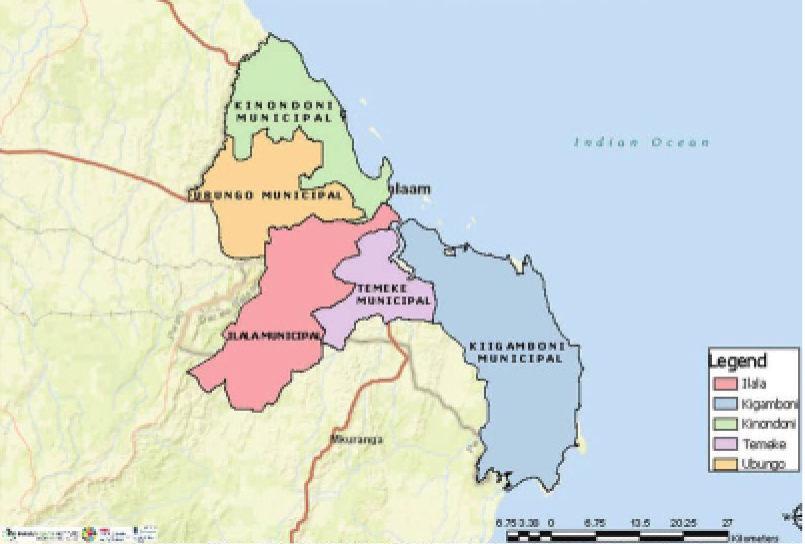
The study was conducted in Dar es Salaam located at 6 46’ 33.6432’’ S and 39 10’ 41.9736’’ E. The study involved all four administrative districts namely, Ilala, Kinondoni, Temeke and Ubungo (Fig. 1). Dar es Salaam was selected because it has significant population that engaged in urban poultry farming mostly small, medium to large poultry backyard farms that use high quantity of antimicrobial as treatment and prophylaxis. Small scale (backyard chicken house) and medium to large scale poultry farming are carried out in urban and peri-urban areas, respectively; Dar es Salaam’s chicken population is estimated at 8.5 million13. A cross-sectional study was carried out. Sampling was carried out in live chickens (broilers aged 3-4 weeks from retail markets): adult layers and mixed breeds (from backyard chicken houses). A total of 8 markets were involved in this study including, Buguruni and Kisutu (Ilala); Shekilango and Manzese (Ubungo); Stereo and Zakhem (Temeke); Magomeni and Mtambani (Kinondoni) while 160 backyard chickens were tested. Sample collection was conducted in the period of January-March 2023.

Study design

The current study involved three groups of chickens; broiler, layer and mixed breed chickens. The sampling was carried out in market areas (from chicken retail traders) and from backyard poultry farms. Prior to sampling, lists of backyard farms and chicken traders were provided by District Veterinary Officers and Market managers from respective districts after request submission respectively. The backyard farm list included 105, 80, 120 and 140 documented farms from Ilala, Kinondoni, Temeke and Ubungo respectively. While 45, 25, 30, 40, 35 and 50 traders’ names were recorded in Market managers’ list from Buguruni, Kisutu, Shekilango, Manzese, Stereo and Zakem, respectively. A Trader’s/farmer’s name was selected from the list after every two names in ascending order. After selection, the traders/farmers were contacted and a consent form were filled before sampling. Random sampling was carried out to select chickens for cloaca swabs from the cages (at the markets) and farm chicken houses.

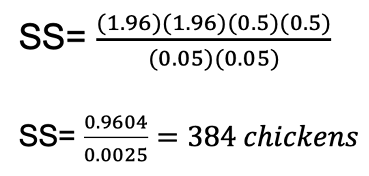
The sample size was estimated by “EpiTools” online sample size calculator based on the formula: SS= Z2 (P)(1-P)/ε2. Where Z is the value 1.96 (of 95% confidence level (CI): P represent prevalence of 0.5 (50%): ε is minimal tolerable error at 95% CI. Sampling in broilers and layers were done in market areas, while samples from cross-breed chickens were carried out at from backyard farm (chicken houses). These estimations gave a minimum sample size of 384. However, in order to increase the power of the statistical analyses, the sample size was increased to 400 samples.

Systemic sampling was carried out to test chickens from identified traders in the market; the number of chickens were determined in each cage prior to selection. Random selection was carried out by taking out birds from the cages; every third bird was selected for sample taking. At least three chickens were selected from one vendor. The number of chickens selected depended on the number of traders in a particular market (this means that some markets provided more samples than others). For each type of chicken group, at most 5 traders participated in providing the study chickens.

SS= (1.96)2 x (0.5) (1-0.5)/0.052

Figure 1.

SS=384 +16= 400 chickens tested.

Collection of cloacal swabs

The collection of cloaca samples from chickens was carried out in collaboration with staff from the Central Veterinary Laboratory (CVL) following filling of consent form by poultry farm’s/chickens’ owners and market area managers. Cloacal sampling were carried out using a cotton swab, by inserting a swab stick at the chicken’s rear opening (cloaca) for the digestive, urinary and reproductive tracts18; following sampling, a cloaca swab was enclosed in swab case containing Amies transport media (Thermo Fisher Scientific, USA). A total of 120, 120 and 160 cloaca samples were collected from broilers, layers and cross-breeds flocks, respectively. Collected samples were kept in a cool box with an ice pack at 2°C-8°C and transported to CVL, Temeke. The samples were stored for 48 h at 2°C-5°C prior to analysis.

Salmonella isolation and identification

Overall, a total 400 samples were collected, of which 120, 120 and 160 samples were from layers, broilers and mixed breeds, respectively. Isolation and identification of Salmonella were performed according to the Standard ISO 26579:2002. The presumptive Salmonella isolates were confirmed by identifying the invA gene of 118bp. invA gene is highly conserved genetic marker specific to the species. Salmonella Typhi ATCC 6539 was used as positive control. Polymerase chain reaction (PCR) was performed in a final volume of 25µƖ consisting of 12.5µl of one quick 2x MasterMix, 0.5µl of each primer pair (F-GCCATGGTATGGATTTGTCC and R-GTCACGATAAAACCG). Genomic DNA was extracted from suspected Salmonella isolates using Zymo Research kit (USA).

Phenotypic characterization of antimicrobial resistance

The phenotypic characterization was performed by using Kirby-Bauer disk diffusion protocol19 and the results was interpreted according to Clinical Laboratory Standards Institute (CLSI) guidelines17. Antibiotics for this study were selected based on the class of antibiotics that are commonly/routinely prescribed for treatment of livestock and humans infected by Enterobactriaceae family members. The antibiotic discs used in this study were ampicillin (10 µg), tetracycline (30 µg), ciprofloxacin (5 µg), ceftriaxone (30 µg), trimethoprim-sulphamethoxazole (25 µg), chloramphenicol (30 µg), streptomycin (10 µg), azithromycin (15 µg), trimethoprim (5 µg) and gentamicin (10 µg).

Molecular confirmation of NTS serovars.

The identification of NTS isolates into their respective serovars was done using PCR in which two multiplex and one singleplex PCR were carried out. The first multiplex PCR set was used to screen Sdf gene for S. Enteriditis, fliC-I gene for S. Typhimurium, fliC-k for S. Thompson and fliC-r for S. Infatis as described 20,21.

The second multiplex PCR set screened for Salmonella enterica (stn) as internal control, S. Gallinarum and S. Pullorum as reported by Xiong et al. 7. The reaction was carried out in a final volume of 25 µƖ comprised of 5 µl multiplex PCR 5x master mix, 0.5 µl of each primer pair, 14 µl of nuclease free water and 3 µl of DNA template.

Detection of antibiotic resistance genes

The detection of antibiotic resistance genes (ARGs) was carried as described previously13,17.

A multiplex PCR targeting blaTEM, tetA and sul1 AMR genes were performed in a final volume of 25 μl containing of 5 µƖ multiplex PCR 5x master mix, 0.5 µƖ of each primer pair, DNA template 3 µƖ and nuclease free water 14 µƖ.

Uniplex PCR reactions were performed in total volume of 25 µƖ consisted of 12.5 µƖ 2x master mix, 0.5 µƖ of each primer pair, 8.5 µƖ nuclease free water and 3 µƖ of DNA sample. PCR reactions targeting the blaCTX-M-1, sulII, dhfr1, tetD, aadA1, aadB, strB, qnrs, and aac(6’)-Ib-cr mphA and ereA genes included an initial denaturation step at 95°C for 5 min, followed by 40 cycles of 95°C for 60 s, 50°C for 12 s, and 72°C for 1 min and a final step consisting of 72°C for 4 min. PCR products was electrophoresed and visualized as described under section.

Data analysis

The data were entered and organized using Microsoft Excel. Descriptive analysis was performed using the ‘R: A Language and Environment for Statistical Computing’ software 4.3.1. One-way Analysis of Variance (ANOVA) and the Kruskal-Walli’s test were used to assess differences in the overall abundances of isolates and antibiotic resistance profiles across sampling sites and specific sample types. The Chi-squire tests were carried out to give proportional of resistance. Statistical significance was set at P-value ˂0.05.

RESULTS

Salmonella spp Isolates

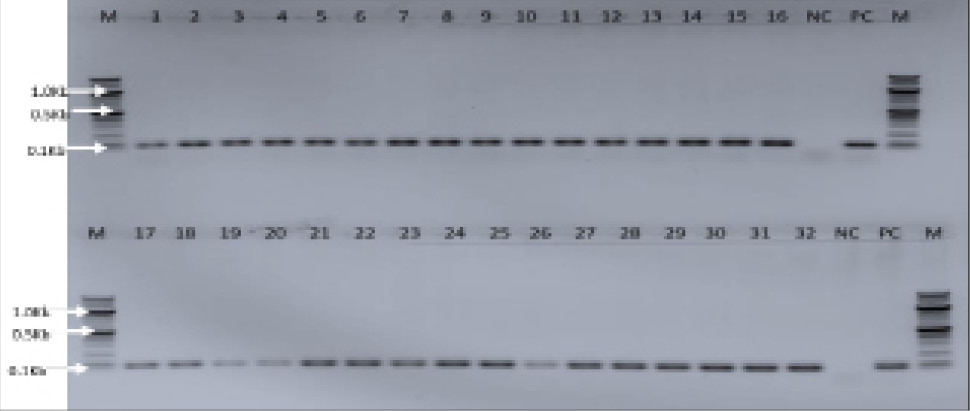
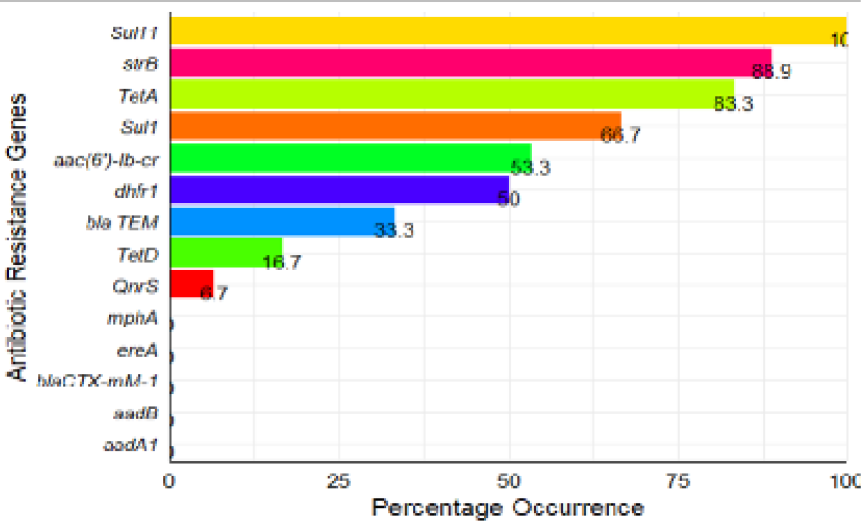
Out of 400 samples, 32 (8%) samples were Salmonella positive. The number of positive samples in each chicken group were 9, 18 and 5 from layers, broilers and mixed breeds, respectively. The number of positive chickens with their respective location are shown (Table I). S. Typhimurium, S. Hadar and S. Gallinarum were confirmed using PCR method (Fig. 2). A total of 9 different antibiotic-resistant genes were identified in the NTS isolates (Fig. 3).

There was no statistically significant difference (P˂0.05) in the number of positive isolates from the study markets and farms.

M, DNA marker (100 bp); NC, negative control; PC, positive control; Lanes 1,2,3,5 and 20, backyard chicken; Lanes 4,6,9,10,11,12,13,14,16,17,19,21,22,25,27,28,31 and 32, broiler; Lanes 7,8,15,23,24,26,29 and 30, layers.

Table I: Distribution of Salmonella positive chicken types in the study areas

Location

Chicken sample type

Total

Mean

Layer

Broiler

Cross-breed

Kinondoni

1

4

2

7

2.33

Ubungo

2

6

2

10

3.33

Temeke

2

4

1

7

2.33

Ilala

4

4

0

8

2.67

Total

9

18

5

32

Mean

2.25

4.5

1.25

The distribution of NTS serovars are shown in Table II. The most prevalent serovar was S. Gallinarum accounting for 25 out of 32 isolates (78%) mostly from broilers. This was followed by S. Typhimurium (16%) and S. Hadar (3%). However, one Salmonella isolate, which was from broiler chickens could not be identified by the primers used.

The broiler chickens had the highest number of Salmonella isolates (n=15; 60%) while backyard chickens had the lowest number (n=3; 12%). Salmonella Hadar was not detected in the backyard chickens. The difference in the occurrence of Salmonella serovars among the poultry types was significance (p <0.05).

Table II: Multi-drug resistance profile of NTS isolates from live chickens.

Chicken type

Antibiotic Category

MDR

(n (%))

R0

R1

R2

R3

R4

R5

R6

Layers

0

6

1

0

0

1

1

2(6%)

Broilers

0

11

4

0

0

3

0

3(9%)

Cross-breeds

2

3

0

0

0

0

0

0(0%)

Total

2

20

5

0

0

4

1

5(15.6%)

R0,susceptible; R1, resistant to one antibiotic class; R2, resistant to two antibiotic classes; R3, resistant to three antibiotic classes; R4, resistant to four antibiotic classes; R5= resistant to five antibiotic classes; R6= resistant to six antibiotic classes.

Antibiotic susceptibility testing

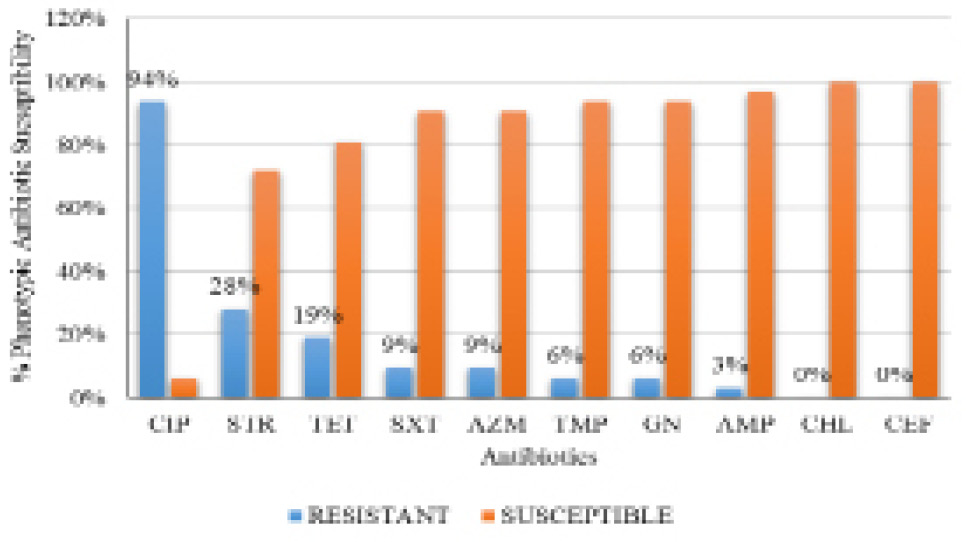
Isolates showed various susceptibility patterns against tested antibiotics as shown in Figure 4. Notably, A total of 30 (93.7%, n=32) NTS isolates were resistant against ciprofloxacin. The proportion of NTS resistance against streptomycin, tetracycline, trimethoprim/sulfamethoxazole and azithromycin were 28%, 19%, 9% and 9%, respectively. The number of NTS resistant to other antibiotics were relatively lower. All isolates were sensitive to chloramphenicol and ceftriaxone. Overall resistance of NTS isolates to the study antibiotics ranged from 3% (ampicillin) to 93.7% (ciprofloxacin).

CIP (Ciprofloxacin), STR (Steptomycin), TET (Tetraceycline), SXT (Trimethoprin/Sulfamethoxazole), AZM (Azithromycin), TMP (Trimethoprim), GM (Gentamycin), AMP (Ampicillin)

Table III: Distribution of Non-Typhoid Salmonella Isolated in Poultry Samples

NTS Serovars

Poultry sample type

Total

Layers

Broilers

Backyard chicken

S. Hadar

1(100%)

0 (0%)

0 (0%)

1 (3%)

S. Typhimurium

2 (40%)

1 (20%)

2 (40%)

5 (16%)

S. Gallinarum

6 (28%)

16 (60%)

3 (12%)

25 (78%)

Total

9 (29%)

17 (55%)

5 (16%)

31 (100%)

NTS, non-typhoid Salmonella

Multi-drug resistance profile of NTS isolates.

Multi-drug resistance was detected in some NTS isolates. A total of 5 (16%) of NTS isolates were multi-drug resistant (MDR) (Table III). The number of MDR isolates from broiler chickens were slightly higher compared to isolates from layers. No MDR isolate was detected from mixed breeds chickens. A total of 9 different ARGs were identified.

Molecular detection of ARGs in Salmonella isolates

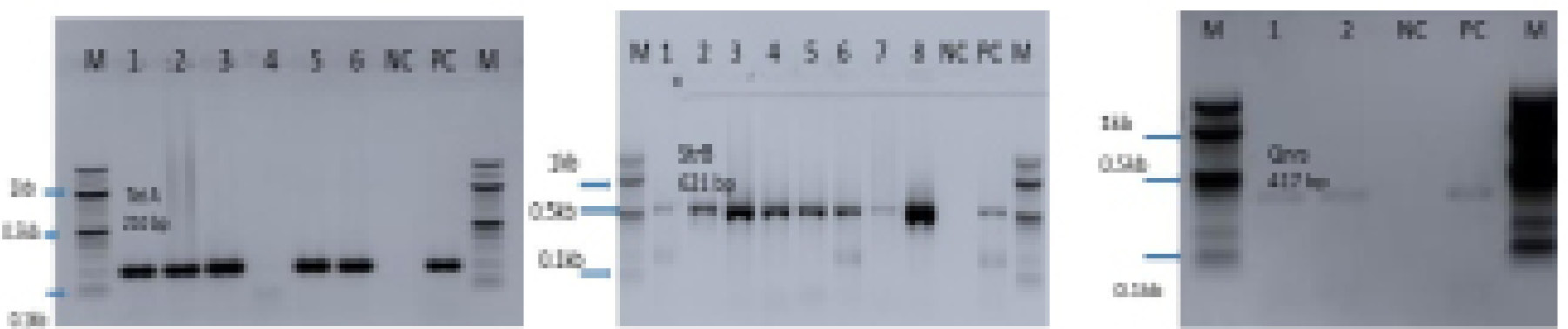
A total of 9 different antibiotic-resistant genes were identified in the NTS isolates Sull (361 bp) and sull (435 bp); B, dhfr1 (220 bp) and tetD (832 bp); C, strB (621); D, tetA (210 bp); E, aac (6)-lb-cr (482 bp); F, blaTEM (793 bp); G, qnrS (417 bp). The antibiotic-resistant genes are presented in Figure 5.

DISCUSSION

This is the first study in Dar es Salaam that provide the status of NTS infections in different groups of chickens. Also, for the first time the study revealed the antibiotic susceptibility profiles and detection of antibiotic-resistant genes that circulate in poultry farms. Nevertheless, the current NTS prevalence in Dar es Salaam was relatively lower than NTS prevalence in mixed breed reported in other areas of Tanzania such as Manyoni district. This can be attributed to chicken management system used. The chickens in the current study were confined in house while those from Singida region were kept freely during the day.

In our study, the NTS isolates showed resistancw to 7 classes of tested antibiotics, namely ciprofloxacin, streptomycin, tetracycline, sulfamethoxazole/trimethoprim ampicillin, azithromycin and gentamicin. The high resistance against five drugs - ciprofloxacin, streptomycin, tetracycline, sulfamethoxazole/trimethoprim and azithromycin can be attributed to more frequent use of the antibiotics compared to other drugs with lower resistance. Also, these findings are in agreement with the results of other researchers regarding Salmonella resistance to ciprofloxacin, gentamicin and tetracycline8,22,23.

The current investigation revealed that all NTS isolates were 100% sensitive to chloramphenicol and ceftriaxone. This suggests that the antibiotics are rarely used or not used at all in treatment of infectious diseases in poultry. Also, we showed that high percent of Salmonella were sensitive to ampicillin (90.6%) concurring with earlier findings from Cameroon24.

Generally, the similarities and differences in antimicrobial drug resistance are influenced by distribution and prevalence of certain serotypes in different countries and animals. Certain Salmonella strains within serotypes could have a specific and distinctive pattern of antimicrobial resistance to a particular antimicrobial drug, which means the drug is ineffective8.

In this study, MDR was 31.3%. The resistance was relatively higher than the previous reports 8,24, while all isolates were sensitive to chloramphenicol and ceftriaxone. The current study indicated that chickens harbour significant percent of NTS that carry ARGs and some isolates harbour multiple resistant genes that lead to MDR.

The current study revealed high resistance against ciprofloxacin (93.7%). These findings coincide with previous reports from other countries8,10,25,26. This underscores the spread of antibiotic-resistant genes against ciprofloxacin worldwide. On the other hand, the percentage of resistant NTS was relatively higher compared to the earlier study27. The increased NTS resistance to ciprofloxacin is likely associated with sub-dosage and excessive use of the antibiotic, this can be because of inappropriate doses, or unnecessary use resulting in the occurrence of bacterial resistance to the antibiotic class.

On the other hand, this study recorded resistance in azithromycin (9%) which is consistent with the previous findings from the Democratic Republic of Congo25. The resistance against azithromycin could be because azithromycin serves as an alternative drug in salmonellosis treatment because of the increased resistance against ciprofloxacin and third generation cephalosporins25,28.

Also, we detected several resistant genes in the NTS isolates, including qnrS and aac (6)-lb-cr that confer resistance to ciprofloxacin. Gene qnrS was present in low frequency of 6% which is in consistent with previous reports29. While aac (6)-lb-cr was relatively at higher frequency (53%), which is in line with earlier findings30. The phenotypic and genotypic disagreement of the NTS profiles could be linked to some resistant genes being in “silent mode’’. Silent genes are DNA sequences usually unexpressed or expressed at an insufficient level, some ARGs become silent in bacteria in vitro and activate in vivo, particularly under the selective pressure of antibiotics use32. Silent genes become active after being transferred to a new host30. The presence of qnrS gene in fluoroquinolones even in low prevalence justify the possibility of horizontal transfer of the resistant genes10,25.

The tetA and tetD genes confer resistance to tetracyclines. The prevalence of tetA and tetD was 83% and 16.7%, respectively. tetA prevalence was consistent with previous results from Uganda25. Despite of the low percent of genotypic-phenotypic ratio shown by tetD, still high prevalence of tetA underscore the resistance of NTS isolates to tetracycline.

Sul11 genes were found in the highest abundance (100%) together with sul1 genes (66%) in the NTS isolates. Sul11, sul1 and dhfr1 contribute resistance to sulfamethaxazole/trimethoprim. The presence of sul1and su11 genes were the consistent markers for the presence of this Class 1 of integrons. Class 1 intergrons are genetic elements that play a major role in the spread of antibiotic resistance in Salmonella and other bacteria31. It means that all isolates carried class 1 integrons. This is important findings in relating with the fact that the presence in all isolates with Class 1 integrons of at least one of the sul genes provide when bacteria are submitted to selective pressure by sulfonamides, a useful tool for the maintenance and further extension of resistance to other antimicrobial agents.

CONCLUSION

Generally, this study showed that there was relatively low prevalence of NTS resistance compared to other reports from other countries. The results of this study clearly showed that a significant proportion of tested NTS isolates were resistant to ciprofloxacin. Also, this study revealed the NTS carry ARGs that confer MDR and has the potential to maintain and extend resistance to other antimicrobial agents. Overall, the current study sheds light on the urgent need for surveillance, judicious antibiotic use, improvement of farm biosecurity and hygienic-sanitary measures and the development of alternative treatment strategies to combat the rising tide of antibiotic-resistant NTS strains.
Declarations

Acknowledgements

The authors appreciate the cooperation from livestock field officers, chicken vendors and poultry owners during sampling. Also, Authors are grateful to technical staff in the Bacteriology Unit at Central Veterinary Laboratory (CVL) and Tanzania Veterinary Laboratory Agency (TVLA) and University of Dar es Salaam (UDSM) for support and technical advice.

Ethical approval

Permission to conduct this research was granted by the Tanzania Livestock Research Institute (TALIRI) Ethics Review Committee (Ref. No. TLRI/CC.21/044).

Author’s contribution

TTS, PSJ and RSM conducted the field data collection. GAM and BIM performed bacterial isolation culture and molecular characterization while TTS and GAM performed antimicrobial susceptibility tests at Central Veterinary Laboratory. VM and RSM analysed data and drafted the manuscript. All authors read and approved the final version of the manuscript.

Generative AI and AI-assisted technology statement

The authors declare that they have not used generative AI or AI-assisted technologies in this manuscript.

Publisher’s note

All claims expressed in this article are solely those of the authors and do not necessarily represent those of their affiliated organizations, and those of publishers, the editor and the reviewers. Any product that may be evaluated in this article, or claim that may be made by this manufacturer, is not gaurenteed or endorsed by the publisher.

Conflict of interest statement

The authors declare that they have no known financial or personal conflicts of interest.

Figures

Fig. 1.
Fig. 1..

A map of study area Kinondoni, Ilala, Temeke  and Ubongo –Dar es Salaam

Fig. 2.
Fig. 2..

Gel Electrophoresis picture representing all Salmonella gene detected invA (118bp). M, DNA marker (100 bp); NC, negative control; PC, positive control; Lanes 1,2,3,5 and 20, backyard chicken; Lanes 4,6,9,10,11,12,13,14,16,17,19,21,22, 25,27,28,31 and 32, broiler; Lanes 7,8,15,23,24,26,29 and 30, layers.

Fig. 3.
Fig. 3..

Occurrence and abundance of antibiotic resistance genes (ARGs) in NTS isolates.

Fig. 4.
Fig. 4..

Antimicrobial susceptibility patterns of NTS isolates from chickens. CIP (Ciprofloxacin), STR (Steptomycin), TET (Tetraceycline), SXT (Trimethoprin/Sulfamethoxazole), AZM (Azithromycin), TMP (Trimethoprim), GM (Gentamycin), AMP (Ampicillin)

Fig. 5.
Fig. 5..

Representative gel pictures showing amplified ARGs. M, DNA ladder (100bp);  NC, negative control;  PC, positive control. A, Lanes 1-6, tetA (210bp);  B, Lanes 1-8, strB (621bp); C, Lanes 1-2, qnrS (417bp).

References

  1. Rukambile, E., Sintchenko, V., Muscatello, G., Wang, Q., Kiiru, J., Maulaga, W., Magidanga, B., Banda, G., Kock, R. and Alders, R. 2021. Campylobacter and Salmonella in scavenging indigenous chickens in rural Central Tanzania: Prevalence, antimicrobial resistance, and genomic features. Microbiological Research, 12: 440-454. https://doi.org/10.3390/microbiolres12020030[CrossRef]
  2. Pandey, M., Sharath, K. and Goud, E., 2021. Non-typhoidal salmonellosis: A major concern for poultry industry. Salmonella spp. A global challenge. IntechOpen, http://dx.doi.org/10.5772/intechopen.96400[CrossRef]
  3. Cuco, A., Mkupasi, E., Mzula, A. and Mdegela, R. (2024). Non-typhoidal Salmonella contributes to gastrointestinal infections in Morogoro: Evidence from patients attending Morogoro regional referral hospital in Tanzania. PLoS Neglected Tropical Diseases, 18(6): e0012249. https://doi.org/10.1371/journal.pntd.0012249[CrossRef]
  4. Punchihewage-Don, A.J., Hawkins, J., Adnan, A.M., Hashem, F. and Parveen, S., 2022. The outbreaks and prevalence of antimicrobial resistant Salmonella in poultry in the United States: An overview. Heliyon, 12: e11571. https://doi.org/10.1016/j.heliyon.2022.e11571.[CrossRef]
  5. Sarker, B.R., Ghosh, S., Chowdhury, S., Dutta, A., Chandra, D.L., Krishna, S.B., Sultana, T. and Hossain, K., 2021. Prevalence and antimicrobial susceptibility profiles of non-typhoidal Salmonella isolated from chickens in Rajshahi, Bangladesh. Veterinary Medicine and Science, 7(3): 820–830. https://doi.org/10.1002/vms3.440[CrossRef]
  6. Waktole, H., Ayele, Y., Ayalkibet, Y., Teshome, T., Muluneh, T., Ayane, S., Borena, B. M., Abayneh, T., Deresse, G., Asefa, Z., Eguale, T., Amenu, K., Ashenafi, H. and Antonissen, G., 2024. Prevalence, molecular detection, and antimicrobial resistance of salmonella isolates from poultry farms across Central Ethiopia: A cross-sectional study in urban and peri-urban areas. Microbiology, 12(4): 767. https://doi.org/10.3390/microorganisms12040767[CrossRef]
  7. Xiong, D., Song, L., Pan, Z. and Jiao, X., 2018. Identification and discrimination of Salmonella enterica serovar gallinarum biovars pullorum and gallinarum based on a one-step multiplex PCR assay. Frontiers in Microbiology, 9:1718. https://doi.org/10.3389/fmicb.2018.01718.[CrossRef]
  8. Talukder, H., Roky, S.A., Debnath, K., Sharma, B., Ahmed, J. and Roy, S., 2023. Prevalence and Antimicrobial Resistance Profile of Salmonella isolated from human, animal and environment samples in South Asia: A 10-year meta-analysis. Journal of Epidemiology and Global Health, 13: 637-652. https://doi.org/10.1007/s44197-023-00160-x.[CrossRef]
  9. Chen, H.M., Wang, Y., Su, L.H. and Chiu, C.H., 2013. Nontyphoid Salmonella infection: Microbiology, clinical features, and antimicrobial therapy. Pediatrics and Neonatology, 54:147-52. https://doi.org/10.1016/j.pedneo.2013.01.010[CrossRef]
  10. Odoch, T., Sekse, C., L’Abee-Lund, T.M., Høgberg, H.C., Kankya, C. and Wasteson, Y., 2018. Diversity and antimicrobial resistance genotypes in non-typhoidal salmonella isolates from poultry farms in Uganda. International Journal of Environmental Research and Public Health, 15:324. https://doi/10.3390/ijerph15020324.
  11. Karabasil, N., Mirković, M., Vićić, I., Perić, I., Zlatković, N., Luković, B. and Gajić, I., 2025. Antimicrobial resistance in diverse ecological niches-one health perspective and food safety. Antibiotics, 14(5):443. https://doi.org/10.3390/antibiotics14050443[CrossRef]
  12. WHO, 2024. Bacterial priority pathogens list bacterial pathogens of public health: Importance to guide research, development and strategies to prevent and control antimicrobial resistance. World Health Organization, Geneva. https://www.who.int/publications/i/item/9789240093461
  13. Kissinga, H.D., Mwombeki, F., Said, K., Katakweba, A.A.S., Nonga, H.E. and Muhairwa, A.P., 2018. Antibiotic susceptibilities of indicator bacteria Escherichia coli and Enterococci spp. isolated from ducks in Morogoro Municipality, Tanzania. BMC Research Notes, 11: 87. https://doi.org/10.1186/s13104-018-3201-4[CrossRef]
  14. NBS, 2020. National Sample Census Agriculture 2019/20. National Report August 2021. https://www.nbs.go.tz/uploads/statistics/documents/sw-1705482872-2019-20_Agri_Census_%20Main_Report.pdf (Accessed 11 December 2024)
  15. Majowicz, S.E., Musto, J., Scallan, E., Angulo, F. J., Kirk, M., O’Brien, S.J., Jones, T.F., Fazil, A., Hoekstra, R.M. and International Collaboration on Enteric Disease ‘Burden of Illness’ Studies, 2010. The global burden of nontyphoidal Salmonella gastroenteritis. Clinical infectious diseases: an official publication of the Infect. Clinical Infectious Diseases, 15: 882-889. https://doi.org/10.1086/650733.[CrossRef]
  16. Crump, J.A., Sjölund-Karlssonm, M., Gordon, M.A. and Parry, C.M., 2015. Epidemiology, clinical presentation, laboratory diagnosis, antimicrobial resistance, and antimicrobial management of invasive Salmonella infections. Clinical Microbiology Reviews, 28: 4 https://doi.org/10.1128/CMR.00002-15[CrossRef]
  17. Kassim, A., Omuse, G., Premji, Z., Revathi, G., 2016. Comparison of clinical laboratory standards institute and european committee on antimicrobial susceptibility testing guidelines for the interpretation of antibiotic susceptibility at a University Teaching Hospital in Nairobi, Kenya: a cross-sectional study. Annals of Clinical Microbiology and Antimicrobials,, 11: 15:21. https://https://doi.org/10.1186/s12941-016-0135-3[CrossRef]
  18. Williams, T. and Athrey, G., 2020. Cloacal swabs are unreliable sources for estimating lower gastro-intestinal tract microbiota membership and structure in broiler chickens. Microorganisms, 8(5):718. https://doi.org/10.3390/microorganisms8050718[CrossRef]
  19. Hudzicki. J., 2009. Kirby-Bauer disk diffusion susceptibility test protocol. American Society for Microbiology. https://asm.org/protocols/kirby-bauer-disk-diffusion-susceptibility-test-pro (Accessed 10 May 2023)
  20. Park, Y.S., Lee, S.R. and Kim, Y.G., 2006. Detection of Escherichia coli O157: H7, Salmonella spp., Staphylococcus aureus and Listeria monocytogenes in kimchi by multiplex polymerase chain reaction (mPCR). Journal of Microbiology, 44(1): 92–97.
  21. Zhou, X., Xu, L., Xu, X., Zhu, Y., Suo, Y., Shi, C. and Shi, X., 2018. Antimicrobial resistance and molecular characterization of Salmonella enterica serovar Enteritidis from retail chicken products in Shanghai, China. Foodborne Pathogens and Disease, 15(6):346–352. https://doi.org/10.1089/fpd.2017.2387.[CrossRef]
  22. Sodagar, H.R., Sohail, M.N. and Varga, C., 2024. Differences in the prevalence and antimicrobial resistance among non-typhoidal Salmonella serovars isolated from retail chicken meat across the United States of America, 2013–2020. Food Control, 16: 110701. https://doi.org/10.1016/j.foodcont.2024.110701[CrossRef]
  23. Li, S., Zhou, Y. and Miao, Z., 2017. Prevalence and antibiotic resistance of non-typhoidal Salmonella isolated from raw chicken carcasses of commercial broilers and spent hens in Tai’an, China. Frontiers in Microbiology, 8: 2106. https://doi.org/10.3389/fmicb.2017.02106[CrossRef]
  24. 24 Matchawe, C., Machuka, E. M., Kyallo, M., Bonny, P., Nkeunen, G., Njaci, I., Esemu, S. N., Githae, D., Juma, J., Nfor, B. M., Nsawir, B. J., Galeotti, M., Piasentier, E., Ndip, L. M. and Pelle, R., 2022. Detection of antimicrobial resistance, pathogenicity, and virulence potentials of non-typhoidal salmonella isolates at the Yaounde Abattoir using whole-genome sequencing technique. Pathogens, 11(5): 502. https://doi.org/10.3390/pathogens11050502[CrossRef]
  25. Lunguya, O., Lejon, V., Phoba, M.F., Bertrand, S., Vanhoof, R., Glupczynski, Y., Verhaegen, J., Muyembe-Tamfum, J., Jacobs, J., 2013. Antimicrobial resistance in invasive non-typhoid Salmonella from the democratic republic of the congo: emergence of decreased fluoroquinolone susceptibility and extended-spectrum beta lactamases. PLOS Neglected Tropical Diseases, 7: e2103. https://doi.org/10.1371/journal.pntd.0002103[CrossRef]
  26. Siddiky, N.A., Sarker, M.S., Khan, M.S.R., Rahman, M.T., Kafi, M.A. and Samad, M.A., 2022. Virulence and antimicrobial resistance profile of non-typhoidal Salmonella enterica serovars recovered from poultry processing environments at wet markets in Dhaka, Bangladesh. PloS ONE, 17: e0254465. https://doi.org/10.1371/journal.pone.0272389[CrossRef]
  27. Chen, S., Zhao, S., White, D. G., Schroeder, C. M., Lu, R., Yang, H., McDermott, P. F., Ayers, S. and Meng, J., 2004. Characterization of multiple-antimicrobial-resistant salmonella serovars isolated from retail meats. Microbiological Research, 12: (2): 440-454. https://doi.org/10.3390/microbiolres12020030[CrossRef]
  28. Hooda, Y., Sajib, M.S.I., Rahman, H., Luby, S.P., Bondy-Denomy, J., Santosham, M., Andrews, J.R., Saha, S.K. and Saha, S., 2019. Molecular mechanism of azithromycin resistance among typhoidal Salmonella strains in Bangladesh identified through passive pediatric surveillance. PLOS Neglected Tropical Diseases, 15: e0007868. https://doi.org/10.1371/journal.pntd.0007868.[CrossRef]
  29. Ata, Z., Yibar, A., Arslan, E., Müştak, H. and Gunaydin, E., 2014. Plasmid-mediated quinolone resistance in Salmonella serotypes isolated from chicken carcasses in Turkey. Acta Veterinaria Brno, 83: 281-286. https://doi.org/10.2754/avb201483040281[CrossRef]
  30. Yu, F., Chen, Q., Yu, X., Pan, J., Li, Q., Yang, L., Chen, C., Zhuo, C., Li, X., Zhang, X., Huang, J. and Wang, L., 2011. High prevalence of plasmid-mediated quinolone resistance determinant arc (6’)-Ib-cr amongst Salmonella enterica serotype Typhimurium isolates from hospitalized pediatric patients with diarrhoea in China. International Journal of Antimicrobial Agents, 37: 152-155 https://doi.org/10.1016/j.ijantimicag.2010.10.021.[CrossRef]
  31. Antelo, V., Giménez, M., Azziz, G., Valdespino-Castillo, P., Falcón, L. I., Ruberto, L. A. M., Mac Cormack, W. P., Mazel, D. and Batista, S., 2021. Metagenomic strategies identify diverse integron-integrase and antibiotic resistance genes in the Antarctic environment. MicrobiologyOpen, 9 : ID 189. https://doi.org/10.1002/mbo3.1219.[CrossRef]
  32. Antunes, P., Machado, J., Sousa, J.C. and Peixe, L., 2005. Dissemination of sulfonamide resistance genes (sul1, sul2, and sul3) in Portuguese Salmonella enterica strains and relation with integrons. Antimicrobial Agents and Chemotherapy, 49: 836-9. https://doi.org/10.1128/AAC.49.2.836-839.2005[CrossRef]

Services

Article usage statistics

Loading…

Antibiotic Susceptibility Profiles and Resistance Genotypes of Non-Typhoid Salmonella Isolates from Live Chickens in Dar es Salaam, Tanzania · ResearchersLinks