
Articles
280 open-access articles · page 2 of 14
 Research Article
Morpho-Molecular Characterization of Meloidogyne javanica (Treub, 1885) Chitwood, 1949 (Tylenchida: Meloidogynidae) from Solanum melongena L. (Solanales: Solanaceae)
Rishil Gupta, Faheem Ahmad, Khalid Z Masoodi, Adnan Shakeel
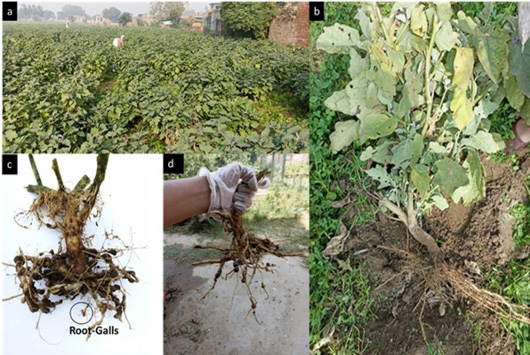
Vegetable crops in India are facing a major threat from underground root pathogens known as root-knot nematodes. Reports suggest that India suffers 12% losses in crop yields annually due to these obligate parasites. Out of the 100 globally known Meloidogyne sp…
11 Sept 2025DOI 10.17582/journal.pjn/2025/43.2.146.153 Research Article
Survey on Nematodes Biodiversity in Agaricus bisporus Producing Composts in East Azarbaijan Province, Iran
Habibeh Jabbari
Mushrooms are one of the newest resources in the human food basket. Agaricus bisporus (J.E. Lange) Imbach, 1946 is the most cultivated fungus for the purpose worldwide, which was grown in small and huge amounts and used cooked or uncooked. Growing beds of the…
2 Sept 2025DOI 10.17582/journal.pjn/2025/43.2.110.121 Review
Integrating Entomopathogenic Nematodes in Managing Pests of Honeybees
Mahfouz M.M. Abd-Elgawad
Honeybees (Apis mellifera L.) are key pollinators of many economic crops. The significance of the beehive products is also reflected at several levels including economics of local/export markets, and effects of related activities on the society and environment…
2 Sept 2025DOI 10.17582/journal.pjn/2025/43.2.122.143 Research Article
Field Evaluation of Native Ghanaian Medicinal Botanicals for Management of Plant Root-Feeding Nematodes on Tomato (Solanum lycopersicum L.)
William K. Heve, Abigail M. Norvor, John Opata
This study examined brimstone tree (Morinda lucida Benth), neem plant (Azadirachta indica A-H de Jussieu) and bitter leaf (Vernonia amygdalina Delile) from Ghana against native vertisol-dwelling plant root-feeding nematodes (PRFNs) on tomato plants in the fiel…
14 Aug 2025DOI 10.17582/journal.pjn/2025/43.2.97.109 Research Article
Distribution of Plant Parasitic Nematodes Associated with Carrot (Daucus carota L., subsp. sativus) in North Showa Zone, Ethiopia
Gemechu Kebede, Awol Seid, Belay Habtegebriel
Carrot (Daucus carota L. subsp. sativus (Hoffm.)) is one of the most important vegetable crops nutritionally and economically worldwide as well in Ethiopia. Plant-parasitic nematodes (PPNs) reduce up to 12.3% of global food production on an annual basis. They…
2 Jun 2025DOI ttps://dx.doi.org/10.17582/journal.pjn/2025/43.1.88.96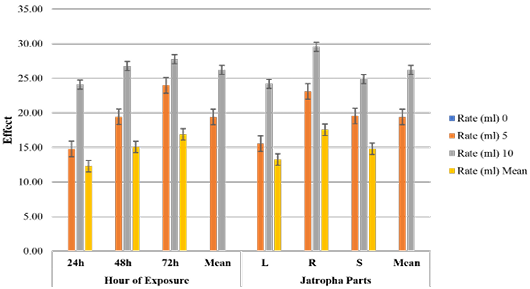 Research Article
Flavonoids from Physicnut (Jatropha curcas) as Nematicides for Root-Knot Nematode (Meloidogyne incognita) Management on Okra (Abelmoschus esculentus L.) Moench)
Vincent E Ogwudire
Plant defense response is a function of bioactive phytochemicals which confer pesticidal value or ability. The bio-nematicidal activity of Physicnut (Jatropha curcas) flavonoids on okra root-knot nematode was investigated in an in vitro and screenhouse study.…
27 Apr 2025DOI 10.17582/journal.pjn/2025/43.1.70.79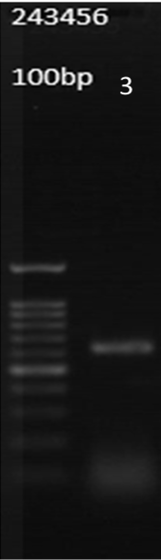 Research Article
Pathogenicity Test and Molecular Identification of Entomopathogenic Nematodes from Various Sugarcane Cultivation Sites in Yogyakarta, Indonesia on White Grub Instar Lepidiota stigma L.
Chimayatus Solichah, Rukmowati Brotodjojo, Seto Agung Kuncoro, Mofit Eko Poerwanto, Miftahul Ajri
One of the main pests in sugarcane is white grub Lepidiota stigma, which can reduce production by up to 60%. Chemical pesticides, though commonly used, pose risks like pest resistance and environmental harm. Entomopathogenic nematodes (EPNs) offer a sustainabl…
27 Apr 2025DOI 10.17582/journal.pjn/2025/43.1.80.87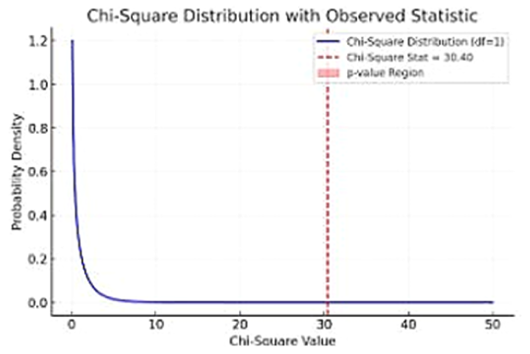 Research Article
Avian Nematode Infections: A Comparative Study of Capillaria spp. and Ascaridia spp. Infections in Gallus Gallus domesticus (Chickens) and Psittaciformes (Parrots)
Shahzadi Sarrah Atique, Noor Ul-Huda, Ishrat Aziz
Avian nematode infections pose a significant threat to both domesticated and exotic bird species, particularly chickens (Gallus Gallus domesticus) and parrots (Psittaciformes). This study investigates the prevalence of Ascaridia spp. and Capillaria spp. infect…
27 Apr 2025DOI 10.17582/journal.pjn/2025/43.1.61.69 Research Article
Microinvertebrates Associated with Freshly Harvested Vegetables Sold in Major Local Markets in Krobo Municipalities of Eastern Region of Ghana: Implications for Health Risks, Phytoparasite Dispersal, and Biosecurity
William K. Heve, Paul O. Aniapam
This study examined incidence of microinvertebrates (MIs) on freshly harvested vegetables sold across major local markets in two Krobo municipals of Eastern Region of Ghana. Cabbages, carrots, onions and lettuces were randomly obtained from different sellers i…
9 Apr 2025DOI 10.17582/journal.pjn/2025/43.1.41.49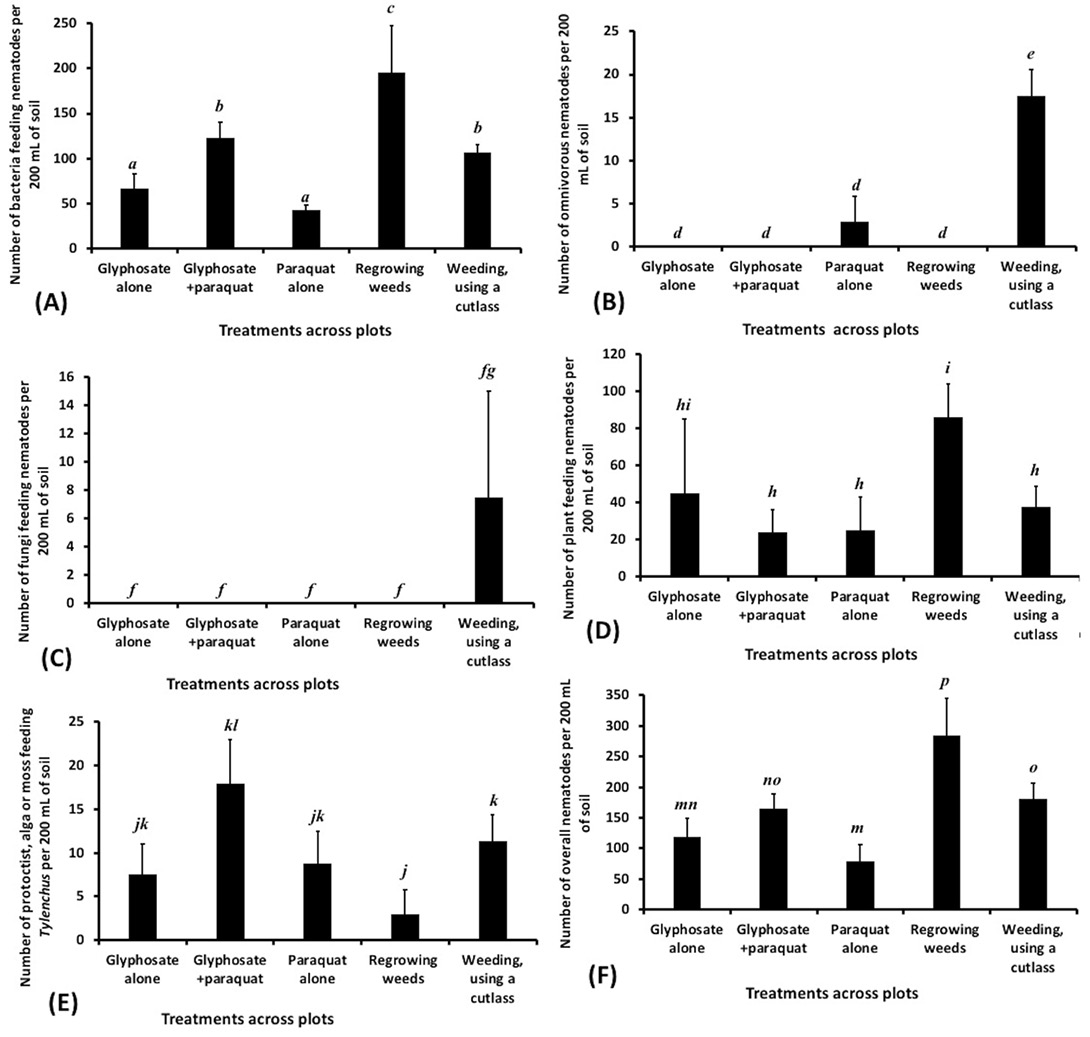 Research Article
Response of Soil Nematode Communities to Zero-Tillage Weed Control Practices
William K. Heve, Isaac D. Otabil
Fluctuations in abundance of soil nematodes have extensively been used to predict adverse effects of anthropogenic activities on soil biodiversity. The objective of this study was to select the more promising zero-tillage weed control (ZWC) strategy that will…
9 Apr 2025DOI 10.17582/journal.pjn/2025/43.1.50.60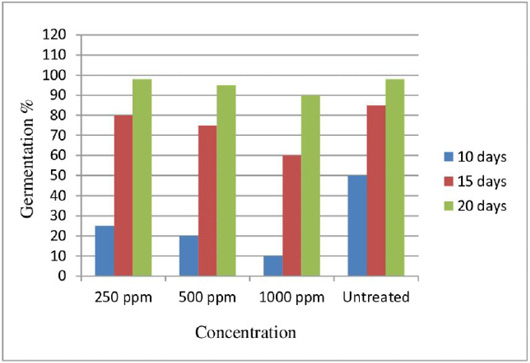 Research Article
Sugar Beet Soaking Seeds to Combat Root-Knot Nematode, Meloidogyne javanica (Treub, 1885) Chitwood, 1949 (Under Field Condition)
Mohamed E.A. El-Nasharty
Two field trials were carried out through the 2022/23 and 2023/24 seasons in a randomized complete block design with three replicates to assess the effect of sugar beet seed treatment with four nematicides: NemaKick, Tervigo, Smart-N, and Velum Prime , with th…
26 Mar 2025DOI 10.17582/journal.pjn/2025/43.1.32.40 Research Article
Pathogenicity and Management of Root-Knot Nematode, Meloidogyne javanica Infecting Soybean Plants at Different Inoculum Levels
Sahar H. Abdel-Baset, Mohsen E.A. Abo Rehab, Shimaa M.A. Mohamed
Susceptibility of four soybean cultivars (Giza 21, 35, 82, and 111) to root-knot nematode, Meloidogyne javanica categorized according to damage index (DI). Data revealed that all cultivars were susceptible to M. javanica infection. Results showed that increasi…
26 Mar 2025DOI 10.17582/journal.pjn/2025/43.1.23.31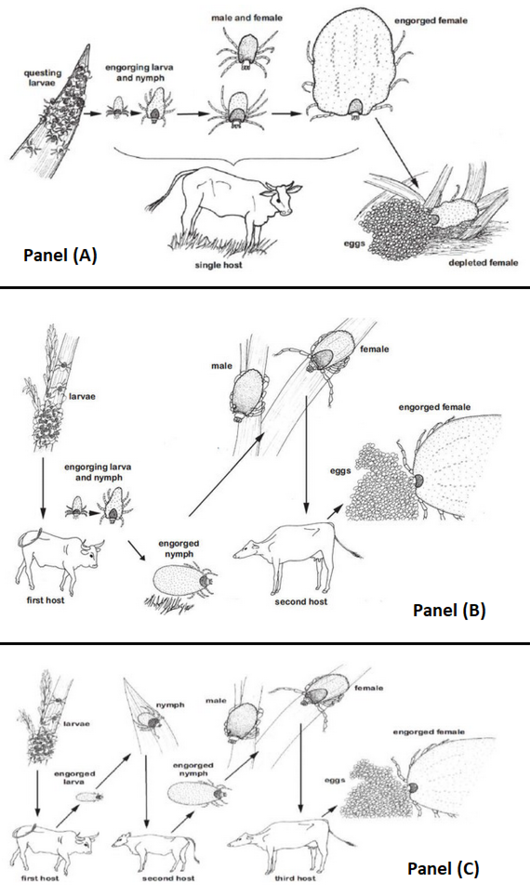 Review
Expanding Biological Control Spectra of Entomopathogenic Nematodes to Tick Pests
Mahfouz M.M. Abd-Elgawad
The entomopathogenic nematode (EPN) products are developing to control crop pests. Yet, their commercialization is limited to few niche markets. Meanwhile, mounting concern over chemical acaricides - because of environmental pollution, human safety, and develo…
15 Feb 2025DOI 10.17582/journal.pjn/2025/43.1.9.22 Research Article
Avian Parasitology in Captive Psittaciformes: A Study of Ascaridia spp. Infections in Gujranwala, Punjab, Pakistan
Shahzadi Sarrah Atique, Ishrat Aziz
Infections caused by Ascaridia spp. are commonly referred to as ascaridiosis. In parrots, diarrhea, weight loss, lethargy, intestinal blockage, and respiratory distress are examples of clinical signs of illness. In the present study, the prevalence and detecti…
6 Feb 2025DOI 10.17582/journal.pjn/2025/43.1.1.8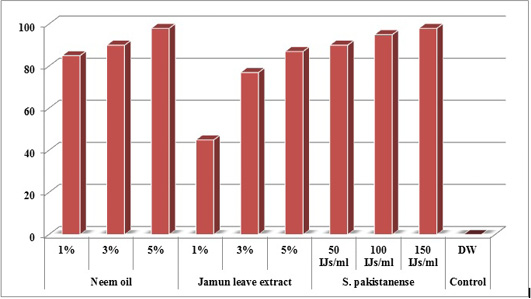 Research Article
Comparative Effects of Entomopathogenic Nematodes, Biopesticides, and Plant Extracts Against Agricultural Pest Meloidogyne incognita (Tylenchida: Heteroderidae)
Bashir Ahmed, Salma Javed
This study investigates the availability and efficacy of biopesticides, specifically neem oil, and entomopathogenic nematodes (EPNs) in urban agriculture within Karachi, Sindh, Pakistan. A survey conducted across twenty local markets revealed that neem oil was…
23 Dec 2024DOI 10.17582/journal.pjn/2024/42.2.171.179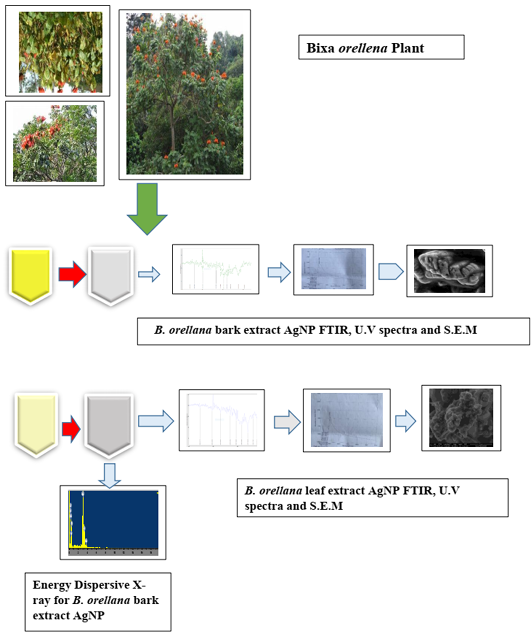 Research Article
Development of an Alternative Management Method of Meloidogyne incognita Parasitizing (Brassica oleracea) Cabbage: Bixa orellena Extracts as Reducing Agent in Silver Nano Particles Preparation
Oluwatoyin Adenike Fabiyi, Abigail Abosede Olojede
Plant parasitic nematodes are salient pests of cabbage plants often controlled with agrochemicals. This procedure is laden with environmental pollution which calls for agro-biocides development in the control of plant parasitic nematodes (PPNs). Screenhouse tr…
23 Nov 2024DOI 10.17582/journal.pjn/2024/42.2.162.170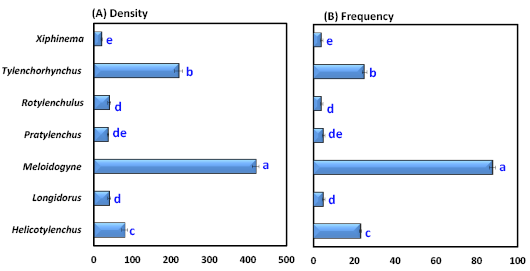 Research Article
Organic Amendments Increase the Growth, Resistance and Management of the Root-Knot Nematode, Meloidogyne arenaria in Arachis hypogaea L.
Eman Abdelrazik, Sahar H. Abdel-Baset, Abdelghafar M. Abu-Elsaoud, Shimaa M.A. Mohamed
One of the greatest barriers to the production of peanut crops is plant-parasitic nematodes, which are the most destructive pathogens that affect peanuts globally. A survey of plant-parasitic nematodes (PPNs) in peanuts was conducted in Ismailia, Egypt. The ho…
19 Nov 2024DOI 10.17582/journal.pjn/2024/42.2.246.161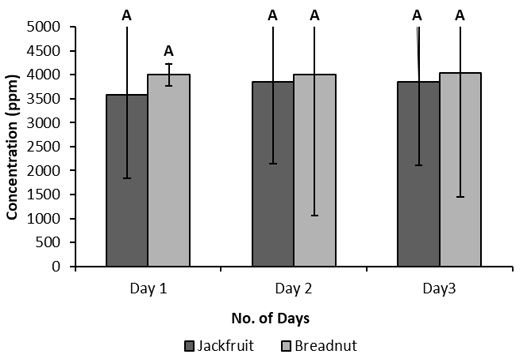 Research Article
In vitro Antihelminthic Activities of Artocarpus heterophyllus (Jackfruit) and Artocarpus camansi (Breadnut) Leaf Extracts on the Model Nematode, Caenorhabditis elegans
Estrelle Anne Tacbas, Neil Pep Dave Sumaya, Nanette Hope Sumaya
Caenorhabditis elegans can represent a model organism for herbal medication against parasitic nematodes in determining the anthelmintic potential for the following concentrations of Artocarpus heterophyllus and Artocarpus camansi, 10000 ppm, 7500 ppm, 5000 ppm…
14 Sept 2024DOI 10.17582/journal.pjn/2024/42.2.136.145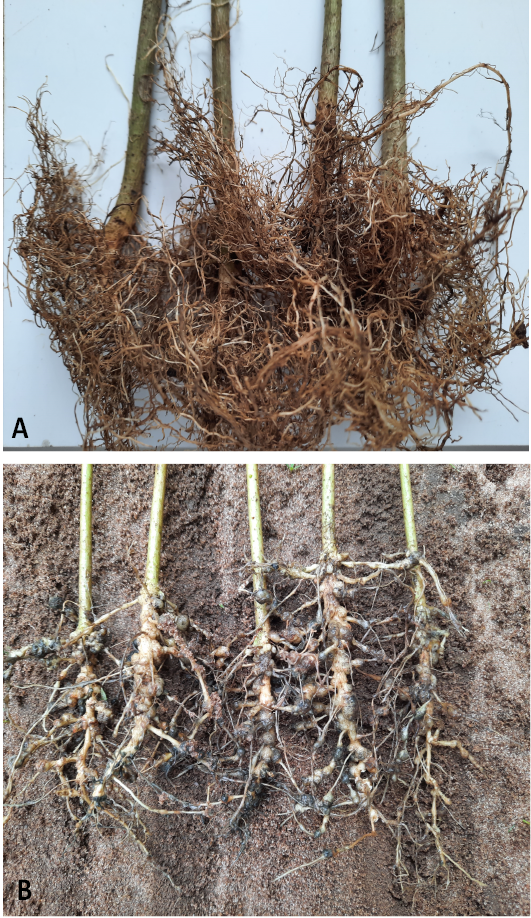 Research Article
Plant Phenology and Leaf Maturity Influences on the Nematicidal Activity of Castor Leaf Extracts Against Okra Root-Knot Nematodes
Kouakou Yadom Yao François-Regis, Kra Kouamé Daniel, Atta Diallo Hortense
The nematicidal efficacy of castor plants was usually assessed using leaves, regardless of maturity or plant phenology. Under these conditions, the efficacy of each leaf type is unknown. This study aimed to identify the maturity level of castor leaves that exh…
14 Sept 2024DOI Plant-Phenology-and-Leaf-Maturity-Influences Research Article
Nematicidal effect of Methanolic Plant Crude Extracts against the Root-Knot Nematode, Meloidogyne incognita
Saima Maher, Salma javed, Gul mina, Rizwana Salam, Farah Mukhttar, Noureen Khan et al.
This research focuses on Six Pakistani medicinal plants, from which five different extracts methanol, ethanol, ethyl acetate, hexane, and chloroform were prepared from various plant. Preliminary phytochemical analysis of these extracts revealed the existence o…
27 Aug 2024DOI 10.17582/journal.pjn/2024/42.2.120.126