
Issue · 2026
Vol.72, Iss. 1
5 articles · All issues →
 Research Article
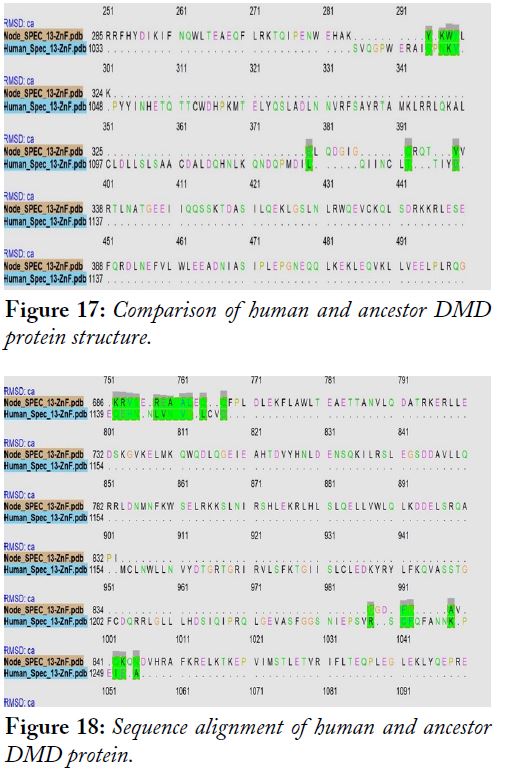
Identification of Genomic Signatures Underlying Human-Specific Skeletal Morphology During Primates Evolution
Syrut Nasir, Freeha Shahbaz, Zuha Ehsan, Tahira Shaheen Butt, Uswa Meenal, Isra Arshad
Human evolution is driven by mutation and natural selection, yet the genomic basis of human-specific skeletal traits remains obscure. The primary objective was to investigate the genetic variations in the Duchenne Muscular Dystrophy (DMD) gene and their impact…
26 Jun 2026DOI 10.17582/journal.biologia/2026/72.1.14.28 Research Article
A One Health Approach to the Farm to Slaughter Continuum: Comparative Risk Assessment Index (CRAI) Analysis of Farm Management and Slaughterhouse Practices Affecting Cattle Health and Meat Safety in Karachi, Pakistan
Rimsha Naseem, Roohi Kanwal, Faiza Ali, Shabana Bano
This research assesses the integrated effects of farm management and slaughterhouse practices on cattle health and meat safety through a One Health approach in Karachi. A Comparative Risk Assessment Index (CRAI) was constructed to consider important variables…
26 May 2026DOI 10.17582/journal.biologia/2026/72.1.01.13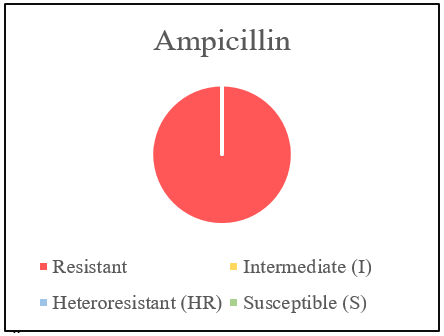 Research Article
Assessment of Multidrug-Resistant Bacteria in Karachi Urban Sewage and their Clinical Implications
Azlan Kashif, Fizza Batool, Afira Waqar
Antimicrobial resistance (AMR) is a current global public health concern with uncontrolled use of antimicrobials, especially antibiotics, and environmental systems like urban sewage are significant reservoirs of antibiotic-resistant bacteria (ARB). In this stu…
27 Jun 2026DOI 10.17582/journal.biologia/2026/72.1.55.66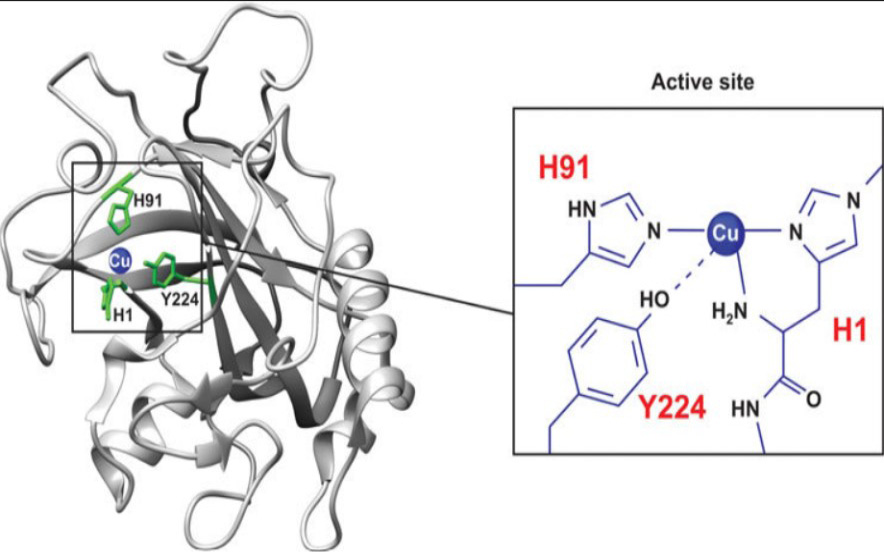 Review
Microbial Lytic Polysaccharide Monooxygenases: Production, Purification and Bio-Industrial Applications: A Comprehensive Review
Syeda Quratulain Gillani, Aliya Jabbar, Fareed Ahmed, Asma Nadeem, Maham Sabir, Sheza Fatima Bajwa
Lytic polysaccharide monooxygenases EC 1.14.99 are copper-dependent oxidative enzymes that play an essential role in the degradation of highly recalcitrant polysaccharides such as cellulose and chitin. They are widely distributed in fungi, bacteria and some ma…
26 Jun 2026DOI 10.17582/journal.biologia/2026/72.1.43.54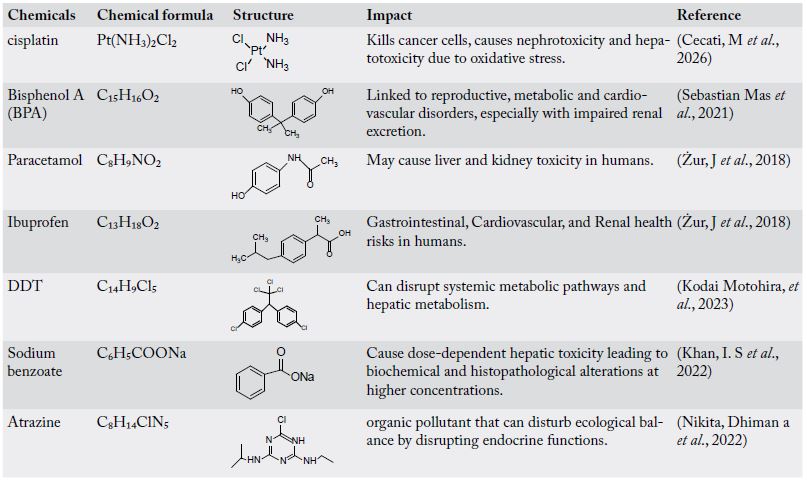 Research Article
Metabolism and Toxic Effects of Xenobiotics on Humans: An Overview
Sadia Altaf, Nawaira Fatima, Narmeen Shahzad, Syrut Nasir, Neha Ilyas, Laiba Shakeel
In today’s chemically intensified world, humans are continuously exposed to a wide range of xenobiotics, foreign compounds originating from food, air, water, pharmaceuticals, and industrial sources. Although many of these substances are present at trace…
26 Jun 2026DOI 10.17582/journal.biologia/2026/72.1.29.42