
Shrimp aquaculture is essential for global food security but faces challenges from disease outbreaks, antibiotic overuse, and environmental degradation. Asia dominates global shrimp production, yet diseases such as vibriosis cause major economic losses and promote the emergence of antibiotic resistance genes (ARGs), posing serious environmental and public health concerns. Probiotics, including beneficial gut microorganisms such as Bacillus and Lactobacillus species, have emerged as sustainable and environmentally acceptable alternatives to antibiotics. This review focuses on spore-forming Bacillus species (e.g., B. subtilis, B. velezensis) as sustainable, environmentally acceptable alternatives. Beneficial microorganisms’ efficacy is mediated through multiple biological mechanisms, including immune system modulation, antimicrobial activity, competitive exclusion of pathogens, growth regulation, and gut microbiome modulation, enabling effective disease prevention without inducing intestinal dysbiosis. This paper explores an integrated good bacteria biotechnology approach that incorporates microencapsulation and targeted delivery to improve probiotic stability and efficacy, enabling antibiotic-free shrimp farming, limiting ARG spread and promoting environmentally sustainable aquaculture practices essential for long-term global food security. The main objectives are to study the role of live beneficial microorganisms in shrimp aquaculture, identify sustainable alternatives to antibiotics, and understand the mechanistic interactions of gut-friendly bacteria and explore biotechnological approaches. This study explains a multidisciplinary framework that integrates advanced microencapsulation and delivery systems with cross-sectoral technological applications, specifically aquaculture biotechnology. This multidisciplinary method improves the stability, viability, and targeted distribution of healthy-gut microbes, supporting sustainable, antibiotic-free disease prevention in shrimp farming.
Review · Volume 01, Issue 2, 1 September 2026 · Open Access
The Role of Potential Probiotics in Controlling Shrimp Pathogens: A Mechanistic Review
· · · · ·
Affiliations & Notes ⌄
- 1Department of Chemical Engineering, A U College of Engineering, Andhra University, Visakhapatnam: 530003. Andhra Pradesh, India
- 2Department of Computer Engineering, Al-Farabi University, Baghdad 10022, Iraq. *Correspondence | Almuntadher Alwhelat, Department of Computer Engineering, Al-Farabi University, Baghdad 10022, Iraq
- 3Email: almuntadher.mahmood@alfarabiuc.edu.iq
Article Info ⌄
- Journal:
- Smart Technologies in Science and Engineering
- Published:
- 1 September 2026
From the article
- Shrimp aquaculture is in danger of extinction due to environmental degradation, antibiotic misuse, and disease outbreaks.
- Improved shrimp health, immunity, and environmental quality have resulted from the evolution of probiotics as a sustainable and effective alternative to antibiotics.
- These innovations permit antibiotic-free shrimp farming methods that improve growth performance, immunological responses, pathogen control, and environmental sustainability by increasing the stability, viability, and targeted dispersion of probiotics.
- By reducing the need for antibiotics, their use allows for greater shrimp productivity and ecological harmony while simultaneously decreasing the danger of antibiotic resistance and environmental contamination.
Selected from the article's own text.
Abstract
Introduction
Shrimp farming is an essential component as part of the aquaculture sector. Shrimp have been cultivated for food all over the world for many years, and many countries are still involved in shrimp aquaculture today. Worldwide, shrimp production was around 45 lakh metric tonnes, as per the statistics. Of all shrimp produced globally, 80% come from Asian countries . Shrimp aquaculture is still vulnerable to bacterial and viral diseases, which cost farmers throughout the world a lot of money. Fortunately, advances in gene-silencing technologies, particularly RNA interference (RNAi), have opened up new avenues for therapeutic intervention. To accomplish its goals, this strategy either directly silences pathogen genes or modifies the expression of infection-related genes by focusing on host factors critical to pathogen reproduction. One of the best and most long-term alternatives is to use beneficial microorganisms in shrimp farming. In addition to warding off bacterial and viral infections, they boost the immune system’s nonspecific response (Figure 1) ; ; . Beneficial microorganisms stimulate the immune systems of fish and shrimp. In contrast, antibiotic-resistant bacteria have emerged as a result of antibiotic overuse. Improving aquatic animals’ immunity to disease and reducing their immune system load is one way to reduce the prevalence of viral infections .
These bacteria have the potential to improve human health when utilised properly. Because of their profound impact on health and digestion, they have become increasingly important in the food industry ; . Although environmental degradation, antibiotic overuse, and disease outbreaks have made it more difficult to maintain sustainable shrimp aquaculture, it remains essential for global food security. Microorganisms like Vibrio spp., Aeromonas hydrophila, and Salmonella typhimurium can cause devastating illnesses in shrimp farms, according to research by Wang et al. (2024). These infections lead to ecological imbalance and economic loss. A paradigm change has occurred away from using antimicrobials as a first line of defence and toward using biological and sustainable alternatives due to rising food safety concerns and antimicrobial resistance. It is a very promising strategy for long-term disease prevention in aquaculture. Shrimp have beneficial microbes in their digestive tracts that help maintain microbial balance, boost host immunity, and improve nutrition utilisation . Aquaculture conditions require durability during gastrointestinal passage and feed processing, and spore-forming Bacillus species, particularly B. coagulans, B. subtilis, B. amyloliquefaciens, and B. licheniformis, possess this quality in spades . Because of their proven therapeutic effects in aquatic and livestock settings as well as their documented efficacy as commensal bacteria, these antibodies are perfect microbial agents to improve health and growth performance ; .
Beneficial microbes aid in illness prevention in shrimp by reducing the spread of pathogens and boosting immune responses. A mix of processes supports host resistance to diseases such as vibriosis and acute hepatopancreatic necrosis disease. These mechanisms include competitive exclusion of pathogens, ejection of antimicrobial chemicals, and enhancement of intestinal integrity ; Zhang et al., 2020). Furthermore, synergistic formulations containing multiple functional microbial strains, such as B. Pumilus and Leuconostoc mesenteroides, may improve immune response and survival results. These metabolite-based and multi-strain approaches are prominent examples of the shift from traditional chemical interventions to biologically based disease prevention. New encapsulation techniques have greatly enhanced the Aquafeed formulation by making the bacteria more stable and maximising their use. To prolong their lives and allow for regulated release in the shrimp gut, commensal bacterial spores are encased in biopolymers such as alginate, chitosan, and marine-derived frameworks, which also protect them from harsh aquatic conditions ; . Nanostructured food biopolymers, which incorporate pectin and clove oil compounds, are an example of the fruitful way in which food nanotechnology and aquaculture biotechnology are interacting . Incorporating microbial supplements into aquaculture will require further research into improving bioavailability and immune disease effects through the use of biopolymeric and nanostructured administration methods.
The sustainability dimension goes beyond formulation and includes microbial bioprospecting from local sources such as coastal sediments and microflora in cow manure . The enzymatic and antibacterial properties of these regionally adapted strains contribute to global sustainability goals by reducing the consumption of conventional feed additives and antibiotics. Using nanotechnology, green encapsulation frameworks, and gut-friendly bacteria biotechnology is an example of a systems-level strategy for sustainable aquaculture management. The development of feed engineering and microbiology has laid the groundwork for an all-encompassing framework for antibiotic-free shrimp farming. This method improves water quality and ecological harmony while reducing chemical residues, which in turn prevents disease outbreaks ; Hassan et al., 2018; 2022). By improving gut health, shrimp immunity, and sustainable production outcomes, gut-friendly bacteria positively influence aquaculture disease prevention, which in turn benefits the environment and economic growth.
The objectives of this review are the role of live beneficial microorganisms in promoting gut health and modulating immune responses, with an eventual objective of identifying sustainable alternatives to antibiotics that reduce reliance on conventional antimicrobial agents in an environment of rising resistance concerns, and the mechanisms behind probiotic-pathogenic microbial interactions, including competitive exclusion, bacteriocin synthesis, and host microbiome control. Finally, the study integrates cross-disciplinary biotechnological approaches such as genetic engineering and synthetic biology to enhance the efficacy of friendly bacteria while developing next-generation therapeutics.
The role of probiotic microorganisms in shrimp aquaculture
Shrimp aquaculture relies heavily on live beneficial microbes to deal with issues including disease outbreaks, environmental sustainability, and production. The role of these beneficial bacteria in enhancing shrimp farming, immunity, disease resistance, and water quality has been the focus of scientific studies for more than a decade. Bacillus, Lactobacillus, Enterococcus, and Nitrobacter are beneficial bacteria that play a significant role in shrimp production systems. These microbes have a wide range of efficient methods, including the secretion of digestive enzymes and the prevention of pathogens ; .
Shrimp intestines are teeming with microbes, and the beneficial bacteria that live there promote host physiology through symbiotic relationships. Research has shown that beneficial bacterial populations can help repair the gut’s microbiome by reducing inflammation, fighting off opportunistic infections, and improving nutrient absorption through enzymatic activities . In this instance, spore-forming Bacillus species can withstand feed processing and gastrointestinal passage while producing antimicrobial peptides and enzymes that aid shrimp growth and survival ; ; (Table 1). These microbes help shrimp and the environment by increasing feed conversion efficiency, decreasing organic waste in culture water, and fighting harmful ammonia levels by increasing nitrogen cycling.
The techniques of administering commensal bacteria might vary greatly, which in turn affects their bioavailability. Although it may have limited targeting efficiency, adding it directly to culture water reduces organic waste and pathogen consumption. By introducing commensal bacteria to the gut microbiota through feed, oral supplementation improves immune responses and the generation of digestive enzymes, both of which are necessary for optimal food absorption ; . The use of microencapsulation technology has the potential to greatly improve shrimp farming practices by increasing the stability and viability of microbial supplements throughout feed preparation and distribution . Beneficial microorganisms are becoming increasingly helpful in restoring the sustainability of aquaculture in ways that go beyond disease management. Enzymatic activities, including phenol-oxidase, lysozyme, and superoxide dismutase, are stimulated, which increases shrimp immunological responses. These enzymes serve important roles in preventing pathogens and reducing oxidative stress ; . By shifting the gut microbiota toward beneficial bacterial dominance, the dietary supplement Bacillus velezensis significantly improves growth and survival rates in the face of bacterial challenges caused by Vibrio parahaemolyticus . Because of these changes to the microbiota, there are fewer harmful species, which means shrimp are healthier and less likely to get sick.
The pathogen-inhibiting or immune-modulating properties of live beneficial microbes may be responsible for the pathogen protection observed in shrimp treated with microbial supplements . Several interdependent or related
Table 1: Multifactorial impacts of probiotics in shrimp aquaculture.
|
S. No |
Probiotic microorganism |
Key Roles/Benefits |
Administration methods |
References |
|
1 |
Bacillus (e.g., spore-forming species, Bacillus velezensis) |
Boost immunity (phenol-oxidase, lysozyme, SOD), enhance growth/survival against Vibrio parahaemolyticus, improve feed conversion, decrease organic waste/ammonia, and enhance gut flora balance. |
Oral via feed, direct to water |
Chen et al. (2020), Omar et al. (2024) |
|
2 |
Lactobacillus |
Uphold beneficial interactions in the Stomach, fight infections, reduce inflammation, and maximise nutrient absorption. |
Oral via feed, |
Amiin et al. (2023) |
|
3 |
Enterococcus |
Promoting healthy gut physiology, microbial equilibrium, and enzymatic activities to ward off infections. |
Oral via feed, |
Amiin et al. (2023) |
|
4 |
Nitrobacter |
Nitrogen cycling can improve water quality while reducing harmful ammonia levels. |
Direct addition to culture water |
Chen et al. (2023) |
pathways produce the positive benefits of gut-microbial microbes (Figure 2). Several methods exist for introducing the hypothetically beneficial microbes to the host or its surrounding environment: (i) Supplementing the Synthetic Food Plan, (ii) in conjunction with the culture medium, (iii) bathing, and (iv) consumption of real, living foods .
According to Amiin et al. (2023), shrimp live longer and grow better when there is less organic matter and harmful nitrogen compounds in the culture environment, which is supported by other studies. The presence of protective microflora in the host and surrounding water promotes an ideal microbial environment, leading to a more robust aquaculture system that requires fewer synthetic chemicals and antibiotics. Novel strains of gut-friendly bacteria from extremophilic and indigenous environments are the subject of an ongoing investigation, which will also examine their genetic traits and metabolite synthesis to improve the performance of living beneficial microbes ; .
Identification of sustainable alternatives to antibiotics
Probiotics, which are good bacteria that, when given to hosts in enough doses, improve their health, have the potential to replace antibiotics in aquaculture . Many different kinds of beneficial bacteria, including Lactobacillus, Bacillus, Enterococcus, and Saccharomyces, are essential to the well-being of fish and shrimp . As a result, aquaculture can use fewer antibiotics, which is better for the environment . Aquatic animals benefit from functional microorganisms in many ways, including improved digestion, immunity, and feed efficiency ; .
Among their advantages are:
To prevent illnesses, it is necessary to fight off harmful germs.
• Making protein and essential fatty acids.
• Encouraging better nutrient uptake and digestion.
• Immune system support.
• Keeping microbe populations in check to enhance water purity .
The effectiveness of this method in reducing shrimp infections and finding alternatives to antibiotics has been extensively studied in the aquaculture industry. Shrimp benefit from beneficial microorganisms because they strengthen the immune system, fight pathogens at colonisation sites in the GI tract, produce antimicrobial compounds, and safeguard gut microbiome health. By combining these approaches, we can reduce the frequency of bacterial and viral illnesses in shrimp aquaculture, making antibiotics less necessary and more sustainable.
Mechanisms of probiotics in shrimp health
The use of probiotics in aquaculture has been fruitful . Their effectiveness is attributed to their ability to enhance immune function, encourage the growth of beneficial gut flora, and halt the spread of disease . Bacteriocins, lysozyme, and organic acids are antibacterial substances that it produces, which aid in gut health by preventing the growth of pathogens. Reduce stress-related health issues, strengthen the host’s resilience to heavy metal toxicity, and improve gut health by stabilising intestinal flora . Algae, yeasts, and bacteria are common gut-friendly bacterial sources in aquaculture . To get the most out of them, it’s important to choose ones that are compatible with the host species and administer them at the correct doses . As an effective and practical alternative to antibiotics, it helps keep fish healthy, increases productivity, and protects the environment in aquaculture. The gut microbiome greatly impacts nutrient absorption, development, and immunity. One potential substitute for broad-spectrum microbicidal drugs in aquatic organism health management is manipulating gut microorganisms. They produce lysozyme, proteases, hydrogen peroxide, and bacteriocins, which are antimicrobials. On the other hand, live beneficial microorganisms raise phagocytosis and promote the production of systemic and local antibodies at mucosal surfaces . Depending on the mechanism of action, antibiotic class, dosage, method, etc., antibiotics might eliminate certain common phyla, altering the gut microbiota through dysbiosis .
The impact of probiotics and antibiotics on the prevalence of ARGs in the stomach of shrimp
There is rising alarm over the potential effects of antibiotic resistance genes (ARGs) in shrimp farming on human health and food safety. High-throughput sequencing methods could provide highly robust detection of ARGs. Excessive antibiotic use is the main cause of the rise in ARG abundance in aquatic habitats . Different culture methods resulted in varying degrees of contamination with nine ARGs in shrimp farming. Consistent with the frequency of tetracycline resistance in aquaculture settings, tetA and ARG were abundant in all four treatment groups on days 8 and 28 ; . On day 28, the control group unexpectedly tested positive for ARGs (such as tetA, tetC, and ere(A)). This could be due to cross-contamination, environmental exposure within the facility, or the introduction of low-abundance bacteria that were previously undetectable (Table 2).
Shrimp gut microbiota diversity and ARG dynamics as a result of antibiotic oxytetracycline and beneficial microorganisms (Zymetin, Bacillus-based). These treatments offer valuable preliminary insights; nevertheless, the findings cannot be extended to all beneficial microorganisms and antibiotics utilised in aquaculture. It focuses on various mutations and active chemicals to elucidate their interactions with the gut microbiota and the ARG profile. In addition,
Table 2: The bacterial community’s susceptibility to eleven antibiotics chosen at random from various treatment groups. According to Farzanfar (2006), the antibiotics’ zones of inhibition were used to evaluate susceptibility.
|
Name of the antibiotic |
Antibiotic susceptibility test Day 8th control (C1) |
Probiotic (P2) |
Antibiotic (A2) |
Co- treatment (AP1) |
Day 28th control (C4) |
Probiotic (P6) |
Antibiotic (A4) |
Co- treatment (AP4) |
|
Erythromycin |
I |
R |
I |
I |
I |
S |
I |
I |
|
Trimethoprim |
S |
S |
S |
R |
S |
R |
R |
I |
|
Chloramphenicol |
I |
R |
S |
I |
S |
I |
I |
S |
|
Bacitracin |
R |
R |
R |
R |
R |
R |
R |
R |
|
Vancomycin |
S |
R |
S |
S |
S |
S |
S |
S |
|
Ciprofloxacin |
S |
S |
R |
S |
S |
S |
S |
S |
|
Tetracycline |
S |
S |
R |
S |
S |
S |
S |
S |
R, Resistance; I, Intermediate; S, Sensitive.
a major limitation of this study is the shorter duration of the experiment (28 days). Longer exposure durations, ideally 60 days or more, are often necessary for monitoring the stabilisation and persistence of ARGs in the gut microbiome. This suggests conducting long-term investigations and provides preliminary results indicating changes in microbes and ARGs over the short term .
Effective probiotic strains
In shrimp farming, the characteristics of several strains have been studied. Antimicrobial peptides and enzymes can suppress opportunistic infections, and organic acids produced by Bacillus species are why these microbes are so common in the gut . The shrimp-isolated strains of Lactobacillus casei and Bacillus licheniformis have been shown to enhance Penaeus vannamei larval development, survival rates, and microbial community stability, thereby decreasing the likelihood of pathogen invasion ; ; . Streptomyces and Pseudomonas are two other effective strains that enhance shrimp immunity and water quality, in addition to competitive exclusion .
A more sustainable and less harmful alternative to traditional antibiotic treatments is the use of live beneficial microbes in aquaculture, which has a long history of use. There are a variety of ways in which beneficial bacteria aid hosts in their fight against diseases. One of these ways is by creating metabolites like short-chain fatty acids (SCFAs) and antimicrobial peptides (AMPs), which have antagonistic effects against infections. Another is by colonising the gut region and influencing the gut microbiome. It may also affect the number of good bacteria in the digestive tract and how long they live. Due to a lack of adaptive immunity, shrimp must depend on their intrinsic defensive system . The ability of β-GBP to regulate oxidative stress and recognise various pathogens supports its potential as a therapeutic target to enhance shrimp resistance to stress. Shrimp immunology is illustrated in Figure 3, which highlights humoral and cellular aspects of innate immunity as well as new evidence for adaptive-type responses mediated by proteins including fibrinogen-related proteins and Dscam .
Methods of using probiotics in aquaculture (such as oral administration, feed supplementation, water application, synbiotic, and immersion)
There are several methods to provide microbial supplements, such as adding them to feed, water, bathing, or live feed . It is important to customise the delivery route of probiotics based on shrimp species, pathogen type, and farming conditions in order to maximise their action. To improve systemic immunity and gut microbiota balance, feed supplementation is the most popular and effective approach . Despite the obvious advantages of beneficial microorganisms in shrimp farming, challenges persist in determining which strains are most successful and ensuring that they are safe for both humans and the environment. Research has been carried out with the goals of improving our knowledge of the molecular and ecological mechanisms that underlie beneficial bacterial action and developing specialised formulations that can simultaneously treat many shrimp diseases. The overuse of antibiotics in shrimp farming has led to the development of resistance to these drugs and harm to the environment. Functional bacteria offer a sustainable, non-toxic alternative that produces no harmful byproducts. They reduce the likelihood of resistance development while improving shrimp health organically by triggering immune responses instead of randomly killing bacteria (de Souza de Azevedo et al., 2025; . Additionally, the application enhances shrimp growth and survival, which helps aquaculture operations remain economically viable . The gut- friendly bacteria are possible long-term alternatives to antibiotics in shrimp aquaculture, suppressing infections by immunological augmentation, competitive exclusion, and antimicrobial generation, with a wide range of research supporting the importance of live beneficial microorganisms in shrimp health management .
The mechanistic interactions of probiotics
Shrimp have defence mechanisms built into their immune system, including genes that recognise pathogens, communicate with haemocytes, and cause cytotoxicity, phagocytosis, and melanisation . It can be used as a natural immune booster to increase disease resistance in shrimp farms and is a good alternative to antibacterial drugs ; Negi and chen, 2026).
Immune system modulation by probiotics
These defence mechanisms were thought to be an eco-friendly alternative to conventional shrimp farming methods that may reduce viral and bacterial infections and boost the nonspecific immune system . One kind of microorganism that could be useful in shrimp farming is beneficial bacteria isolated from shrimp guts. To prevent infections in shrimp, they work by boosting the host’s immune response. Key enzymes involved in pathogen clearance, such as prophenoloxidase and lysozyme, are upregulated in shrimp when given certain microbial supplement strains, such as Bacillus spp. Shrimp can fend off bacterial infections with the help of this immunomodulatory effect.
There is evidence that using probiotics in shrimp culture can boost mucosal immunity, which in turn improves survival and growth. Black tiger shrimp showed enhanced phagocytic activity and antibacterial responses when exposed to the protective microbiota Bacillus S11. Researchers found that adding Saccharomyces cerevisiae and Lactobacillus acidophilus to shrimp meal improved their immune system by raising haemocyte parameters and gene expression (Figure 4). Mucosal immunostimulatory activity suggests that beneficial bacteria, as opposed to serum, may play a role in limiting pathogen invasion. The mucus membrane acts as a protective barrier against pathogens. Beneficial bacteria strengthen the lymphoid tissue linked with the mucosa against infectious agents. The mucosal immune system can be stimulated by a variety of Bacillus species ; .
Competitive exclusion and gut microbiota modulation
The introduction of new microbes into the digestive tracts of fish and other aquatic animals may change their microbiota. A possible strategy for reducing or eliminating opportunistic infections might be to alter microbial populations . Probiotics are commonly used to cause beneficial changes in the gut microbiota’s composition. This is in contrast to antibiotics’ action mechanism, which reduces the
number and diversity of bacteria in the intestines. The shrimp’s gut flora is enriched with Lactococcus bacteria when prebiotics and a mix of beneficial microbes, such as Saccharomyces cerevisiae and Bacillus subtilis, are fed to the shrimp through their food. This dietary intervention also decreased the availability of the pathogenic microbe Vibrio ; . Promptly occupying ecological niches and inhibiting the colonisation of opportunistic strains is a positive characteristic of beneficial bacteria colonisation that prolongs the therapeutic advantages. Protecting the epithelial lining of the digestive tract is an important function it performs. They enhance the gut microbiota’s barrier function against pathogenic microbes in a number of ways. The production of bacteriocins, proteases, and hydrogen peroxide are all examples of antimicrobial agents that fall under this category. Ammonia and diacetyl, which it helps produce, have the ability to change pH levels. By increasing phagocytosis and boosting the synthesis of systemic and local antibodies at mucosal surfaces, health-promoting microorganisms also improve the immune response . It lives in the digestive tract, where it competes with harmful bacteria for resources and adhesion sites while successfully avoiding them. Disease in shrimp begins with pathogen colonisation and biofilm formation, both of which are hindered by this competitive exclusion . In addition, beneficial microbes change the gut microbiome by increasing the number of good bacteria and decreasing the number of opportunistic pathogens like Vibrio salmonellosus .
Production of antimicrobial compounds
In the colon, helpful bacteria make short-chain fatty acids (SCFAs), which have two to six carbon atoms, by fermenting fibre. These SCFAs provide energy to the epithelial cells in the area, allowing them to stimulate a variety of biological tasks. These can produce inhibitory chemicals, including antibiotics, siderophores, proteases, lactic acids, and a wide variety of antibacterial and antifungal agents ; . Vitamins, exopolysaccharides, short-chain fatty acids (SCFAs), and polyamines are among the bioactive components produced when beneficial bacteria are administered. Various antimicrobial substances, including bacteriocins, organic acids, short-chain fatty acids (SCFAs), and enzymes, are produced by gut-friendly bacteria. These compounds directly suppress or eliminate shrimp pathogens. Bacteriocins can kill bacteria and closely related species, such as Vibrio pathogens. The growth and survival of pathogens are reduced when SCFAs lower the gut pH . Enzymes produced by microbes that are beneficial to health can damage the cell walls of harmful bacteria.
Enhancement of water quality and environmental conditions
The capacity of Gram-positive bacteria to more efficiently convert organic molecules back to CO has long been associated with better water quality, especially when compared to Gram-negative bacteria. It is possible to reduce the build-up of particulate matter and dissolved organic carbon throughout the culture phase by introducing large numbers of Gram-positive bacteria. Aquaculture has also made considerable use of bioremediation methods, intending to improve water quality through the employment of native or introduced probiotics . Bacterial species belonging to the genera Acinetobacter, Bacillus, Cellulomonas, Pseudomonas, Rhodopseudomonas, Nitrosomonas, and Nitrobacter have been identified as proficient bioremediators of organic waste . Bacillus spp. released amylase, lipase, and protease enzymes, which significantly reduced the presence of harmful Vibrio spp. without harming shrimp post-larvae. Therefore, it is hypothesised that using Bacillus spp. in Penaeus monodon farming could be a useful bioremediation strategy ; .
A water quality index was designed to track and avoid any unfavourable impacts on shrimp farms, given the potential of live beneficial microbes to enhance water quality in shrimp farming. Hassan et al. (2022) emphasised the role of functional microbes in protecting shrimp from pathogens and improving water quality. Probiotics improve water quality in shrimp culture by lowering pH, nitrite, and soluble reactive phosphorus levels . Khanjani et al. (2024) also highlighted beneficial impacts on shrimp aquaculture water quality and bacterial pathogen reduction. Not only does it help shrimp socialise directly, but it also improves the culture environment by reducing harmful compounds such as toxic metabolites and ammonia through microbial breakdown and nutrient cycling ; . According to Mathan Muthu et al. (2024), shrimp health is enhanced, and pathogen growth is decreased when environmental stress is reduced.
Specific probiotic strains and applications
Research on best practices for administering microbial supplements, including appropriate dosages, timing, physiological conditions, and methods, is essential. To reduce illness-related financial losses, it may be wise to introduce commensal bacteria into culture systems before disease outbreaks happen. It has been observed that the survivability rate of shrimp can be enhanced throughout the culture phase by regularly administering functional microorganisms to systems that produce larval shrimp. Shrimps can be introduced to beneficial bacteria in several ways, including feed supplementation, oral delivery, penetration, and immersion. Feed supplementation, also known as the in-feed strategy, is the most practical and effective way. Most of these supplements are designed to be mixed with animal feed. Oral administration was determined to be the most practical method for delivering beneficial microbes to shrimp .
It was easy to incorporate probiotics into one’s diet, but testing the viability of these microbes in feed pellets is sometimes crucial. If the viability count is low, it can be necessary to raise the frequency of inoculations. Functional microorganisms are often put into animal feed using the freeze-dried culture technique. It is not uncommon for lipids to serve as coatings in animal feed compositions . Spray drying is one of several encapsulating technologies that have recently gained traction as a means to improve the industrial use of microbial supplements, thanks to its low cost and capacity for continuous operation. So, spray drying might be a good encapsulation method. Researchers performed a community-level antimicrobial susceptibility test to determine the antibiotic resistance of a specific bacterial strain. The community-level antimicrobial susceptibility test was driven by the need to determine how a particular bacterial strain responds to different antibiotics (Table 3).
Several beneficial bacteria isolated from marine habitats have been shown to be effective against shrimp infections. Bacillus subtilis and Bacillus licheniformis can inhibit Vibrio growth by up to 90% . Lactobacillus johnsonii stimulates the production of anti-Vibrio metabolites and can damage pathogen membranes. Shewanella algae produce bioactive compounds that inhibit Aeromonas hydrophila, a disease pathogen in shrimp . It is crucial to direct attention towards beneficial bacteria that enhance the immune system, whether they are used singly or in combinations. In addition to promoting ideal shrimp population growth, these live beneficial microbes have the potential to fight a range of diseases efficiently. The researchers fill in the gaps in our understanding of these features by focusing their research in this specific area. In turn, this thorough comprehension will provide the groundwork for the creation of accurate and efficient methods of administering them for shrimp health management ; . Bacteriocins and organic acids are specially designed to kill bacteria. Mathan Muthu et al. (2024) described the enzymatic breakdown of pathogen cell walls, environmental detoxification, and enhanced water quality.
Biotechnological Approaches
Vibriosis and White Spot Syndrome Virus (WSSV) are two of the most devastating bacterial and viral illnesses that shrimp aquaculture has ever seen. There are downsides to using traditional antibiotics and pesticides, such as the development of resistance and the harm they cause to the environment. They improve water quality, increase shrimp immunity, and compete with diseases, making them an attractive, environmentally friendly option for shrimp pathogen management. To better understand how functional bacteria mechanically regulate shrimp pathogens, this review brings together biotech concepts from immunology, microbiology, biochemistry, and aquaculture. Shrimp have defence mechanisms built into their immune system, including genes that recognise pathogens and haemocytes, and induce cytotoxicity, phagocytosis, and melanisation
Table 3: Therapeutic probiotics in shrimp diseases.
|
S. No |
Microorganisms |
Mode of administration |
dosage |
Host species |
Mechanism |
Application |
Ref. |
|
1 |
Pseudoal-teromonas piscicida 1UB |
Oral (mixed with feeding final concentration 109CFUkg 1) |
The feed ratio is 5 % of body mass (4 times a day for 40 days prior experiment) |
Litopenaeus vannamei |
It competes with infections, stimulates host immunity, and produces antimicrobial chemicals, all of which make it a biocontrol agent. |
Action against Vibrio harveyi and White spot syndrome virus (WSSV) coinfection |
|
|
2 |
Pediococcus pentosaceus MR001 |
Oral (prepare 1010 CFU/ml and add 1 ml of probiotics for 1 g of shrimp feed) |
3 times a day for 30 days before the experiment |
Litopenaeus vannamei |
It promotes better health and disease resistance by balancing gut microbes and boosting the host's immune system. |
Protection against WSSV |
|
|
3 |
Lactobacillus plantarum |
Oral (109 CFU per gram of diet) |
3 times a day for 28 days, where infection was caused during day 14 |
Penaeus vannamei |
Increased lactic acid bacteria count in the intestine without changing total heterotrophic bacteria or Vibrio spp. counts in the midgut. |
Increased chance of surviving when faced with Vibrio alginolyticus |
|
|
4 |
Bacillus subtilis E20 |
Encapsulation of B. subtilis E20 was prepared with 106 CFU/kg of feed |
5% of body weight, twice daily, for 56 days, on the experimental diets. |
Litopenaeus vannamei |
Glutamate, which is utilised as a fuel source for immune cells, becomes more digestible. |
Challenge against Vibrio alginollyticus |
|
|
5 |
Bacillus subtilis P2.24 |
Microcapsules prepared with marine probiotics as 106 CFU/kg of feed |
30 days of twice-daily feeding |
Litopenaeus vannamei |
Antimicrobial lipopeptides and extracellular enzymes are produced, which suppress infections. |
controlling vibriosis disease |
|
|
6 |
Paenibacillus polymyxa |
Oral (109 CFU per gram of diet) |
Fed twice for 8 weeks |
Litopenaeus vannamei |
By dissolving nutrients and blocking competitors, it boosts host immunity and growth. |
Increased disease resistance against Vibrio parahaemolyticus |
. It can be used as a natural immune booster to increase disease resistance in shrimp farms and is a good alternative to antibacterial drugs . According to multiple sources, shrimp immune systems can be affected by metabolites and chemicals produced by specific bacteria (Figure 5). In general, there are three ways in which they could boost immunity: (i) Activating macrophages to phagocytose pathogens better; (ii) Increasing production of systemic antibodies; and (iii) Increasing production of local antibodies on the surface of mucosal .
The role of probiotics in controlling shrimp pathogens: A mechanistic review integrating cross-disciplinary biotechnological approaches
Shrimps are protected by probiotics mainly because they improve their habitat, produce antimicrobial compounds, modulate their immune system, and compete with harmful microbes: Beneficial bacteria such as Bacillus spp. and Lactobacillus spp. protect shrimp from infection by competing with pathogens for attachment sites on their epithelial surfaces . In order to prevent infections, it is crucial to prevent bacteria from adhering to the shrimp gut mucosa . To directly hinder pathogen growth and biofilm formation, gut-friendly bacteria release a variety of metabolites, including organic acids (such as lactic and acetic acids), bacteriocins, enzymes, and more . Such compounds lower the gut pH and create unfavourable environments for pathogens like Vibrio spp. To better fight against bacterial and viral infections, beneficial microorganisms boost the shrimp’s antioxidant enzymes, lysozyme levels, phenol oxidase activity, and hemocyte count (Table 4) ; . It activates macrophages and enhances antibody production by stimulating systemic and mucosal immunity . To improve water quality and shrimp health, microbial supplements help decompose organic matter in culture water, decrease nitrogenous waste, and suppress opportunistic pathogens (de Souza de Azevedo et al., 2025). Under pathogen stress, shrimp exhibit improved growth performance and survival rates due to these processes, which work in tandem.
Advances through cross-disciplinary biotechnological approaches
The integration of interdisciplinary biotechnologies is crucial for understanding and applying microorganisms that promote health in shrimp aquaculture. Shrimp guts, pond sediments, and other water sources are sampled for beneficial microbes using culture-dependent and molecular methods. Bacterial antagonism assays aim to identify strains
Table 4: Multifactorial effects of probiotics in biotechnological approaches.
|
S. No |
Mechanism |
Probiotic Microorganism |
Example |
Reference |
|
1 |
Competitive Exclusion |
Struggle for attachment sites on the epithelium and intestinal surfaces of shrimp to stop pathogens from colonising. |
Bacillus spp., Lactobacillus spp. |
Amiin et al. (2023) |
|
2 |
Antimicrobial Compound Production |
Reduce pH and prevent biofilm formation and pathogen growth by secreting enzymes, bacteriocins, and organic acids. |
Bacillus spp., Lactobacillus spp. |
Mohamed et al. (2017) |
|
3 |
Immune Modulation |
Boost innate immunity; elevate hemocyte, phenol oxidase, lysozyme, and antioxidant levels. |
Various probiotics |
Amiin et al. (2023), Wang et al. (2024) |
|
4 |
Environmental Improvement |
In culture water, decompose organic matter, decrease nitrogenous waste, and discourage opportunists. |
Probiotic consortia |
Balaji et al. (2026) |
|
5 |
Microbiological Screening |
Antagonist tests; culture-dependent molecular separation from gastrointestinal tract and sediments. |
N/A |
Knipe et al. (2021) |
|
6 |
Genomics and Molecular Biology |
Genome sequencing for adhesion and antibacterial genes; metagenomics. |
N/A |
Hoseinifar et al. (2018), Tamilselvan et al. (2024) |
|
7 |
Immunological Analyses |
Flow cytometry, gene expression, biochemical tests for immune regulation. |
N/A |
Amiin et al. (2023), Wang et al. (2024) |
|
8 |
Biochemical Characterisation |
Determine inhibitory modalities by analysing metabolites (e.g., acids, bacteriocins, enzymes). |
N/A |
Mohamed et al. (2017) |
|
9 |
Aquaculture engineering |
Feed/water additives, bioencapsulation for delivery. |
N/A |
Wang et al. (2024) |
resistant to specific shrimp diseases . Enzymes involved in pathogen inhibition, adhesion factors, and antimicrobial peptides can be located by whole-genome sequencing and metagenomic research. Genomic data aid in evaluating potential probiotics’ safety and enhancing their genetic makeup ; . Investigations into gene expression, biochemical assays (such as phenol oxidase and lysozyme activity), and flow cytometry have all shed light on the molecular and cellular mechanisms that regulate shrimp immune responses ; . In-depth examinations of metabolites produced by beneficial gut bacteria, including organic acids, bacteriocins, and enzymes, can better inform methods for pathogen inhibition and environmental modification ; . For the practical application of commensal bacteria in commercial shrimp farming, many delivery systems have been developed. These systems include feed supplementation, water additives, live feed enrichment, and bio-encapsulation technologies .
Infectious diseases caused by viruses and bacteria, like White Spot Syndrome Virus (WSSV) and Vibrio spp., pose a serious threat to shrimp farming and result in crippling illnesses and substantial economic losses. Antibiotic resistance and environmental contamination are two issues that have been brought to light by the use of traditional approaches. Because of their versatile disease management capabilities, beneficial microbes have recently attracted interest as a potential sustainable alternative. Beneficial microbes have recently attracted interest as a potential sustainable alternative because of their versatile disease management capabilities.
Practical applications and future perspectives
The complex nature of probiotics, including their direct physiological effects and any modulation via metabolites, warrants more investigation in future study efforts. To understand how friendly microbial strains behave, it is crucial to use cutting-edge methods such as thorough gene/protein expression analyses and in-depth gut microbial research. It is critical to pay close attention to microbiological supplements that enhance the immune system, whether used alone or in combination. In addition to promoting ideal shrimp population growth, these functional microorganisms show promise of efficiently fighting a range of diseases. Leveraging this targeted probe method, it is possible to effectively tackle the existing deficiencies, paving the way for a more nuanced and informed understanding of the capabilities of gut-beneficial bacteria. This in-depth knowledge will then pave the way for the creation of targeted and efficient methods of introducing protective microorganisms into shrimp health management. Multiple methods for formulating and delivering bacteria that are beneficial to the digestive tract have emerged in shrimp farming as a result of the practical integration of biotechnological knowledge from across disciplines: Feed supplementation with specifically selected probiotic strains to boost gut health and systemic immunity.
- Reducing the number of harmful pathogens in water through the use of beneficial microorganisms that live in the water itself and help break down organic waste ; ; ; ; ; Mathan-Muthu et al., 2024).
- Supplementing early larval diets with bioencapsulated functional microorganisms. The creation of consortia of microorganisms that promote health and target different diseases and environmental factors.
Interactions between hosts, probiotics, and pathogens will be better understood in future studies that combine systems biology, metabolomics, proteomics, and metagenomics. Cutting-edge bioengineering technologies such as CRISPR enable strain optimisation. Probiotics are a biotechnological technique that can be used to increase disease resistance and production in sustainable shrimp farming, an alternative to antibiotics, which are harmful to the environment.
Conclusion
Shrimp aquaculture is in danger of extinction due to environmental degradation, antibiotic misuse, and disease outbreaks. Improved shrimp health, immunity, and environmental quality have resulted from the evolution of probiotics as a sustainable and effective alternative to antibiotics. These beneficial microbes control the intestinal microbiota, produce antibacterial chemicals, and exclude competitors. Some bacterial genera, particularly Bacillus and Lactobacillus, improve growth, survival, immune modulation, and infection suppression in shrimp. Some varieties of Bacillus produce spores that are better probiotics and last longer in aquaculture settings. Beneficial bacteria boost disease resistance in shrimp by increasing the production of antioxidant enzymes, lysozyme, haemocyte activity, and phenol oxidase. Shrimp health improves when gut-friendly bacteria elevate water quality by reducing toxic metabolites, ammonia, and organic waste through microbial decomposition. To improve bacterial strain selection, functional characterisation, and delivery technologies such as microencapsulation and nanotechnology, interdisciplinary biotechnological breakthroughs combine immunology, microbiology, molecular biology, and aquaculture engineering. These innovations permit antibiotic-free shrimp farming methods that improve growth performance, immunological responses, pathogen control, and environmental sustainability by increasing the stability, viability, and targeted dispersion of probiotics. As a multi-pronged strategy for long-term shrimp farming, beneficial bacteria improve environmental conditions, suppress competing diseases, and boost natural immune function. By reducing the need for antibiotics, their use allows for greater shrimp productivity and ecological harmony while simultaneously decreasing the danger of antibiotic resistance and environmental contamination. The expansion of these sustainable practices in shrimp farming on a global scale could be achieved by ongoing research and the integration of new technologies.
Acknowledgements
The authors thank the Department of Chemical Engineering, A U College of Engineering, Andhra University (Visakhapatnam, India), and the Department of Fuel and Energy, Technical Engineering College, AL-Mamuon University (Baghdad, Iraq), for institutional and technical support during the preparation of this review. No specific grant was received from any funding agency.
Novelty Statement
Unlike prior single-mechanism reviews of probiotics in shrimp aquaculture, this work provides an integrated mechanistic synthesis that links immune modulation, competitive exclusion, antimicrobial metabolite production, and gut microbiome remodelling with the antibiotic-resistance-gene (ARG) dimension of antibiotic use in shrimp farming. It further advances a cross-disciplinary biotechnological framework combining microencapsulation, nanostructured delivery systems, and genomic/metagenomic strain characterisation as a practical route to antibiotic-free, sustainable shrimp disease management, an integration not previously consolidated in a single review.
Author’s Contribution
Veluru Sridevi: Data curation, methodology, formal analysis, investigation, validation, writing original draft, writing review and editing. Mehana Palepu and Geethika Gudapati: Conceptualisation, data curation, methodology, formal analysis. Harshitha Dulla: Conceptualisation, data curation, methodology, formal analysis, investigation, writing original draft, validation. Tukaram Bai and Almuntadher Alwhelat: Investigation, validation, writing original draft, writing review and editing.
Generative AI and AI-assisted technology statement
During manuscript preparation, the authors used AI-assisted language tools solely to improve grammar, clarity, and readability of the English text. No AI tool was used to generate scientific content, data, figures, or conclusions. The authors reviewed and edited all AI-assisted output, and take full responsibility for the accuracy, originality, and integrity of the manuscript.
Conflict of interest
The authors have declared that they have no known competing financial interests or personal relationships that could have appeared to influence the work reported in this paper.
Figures
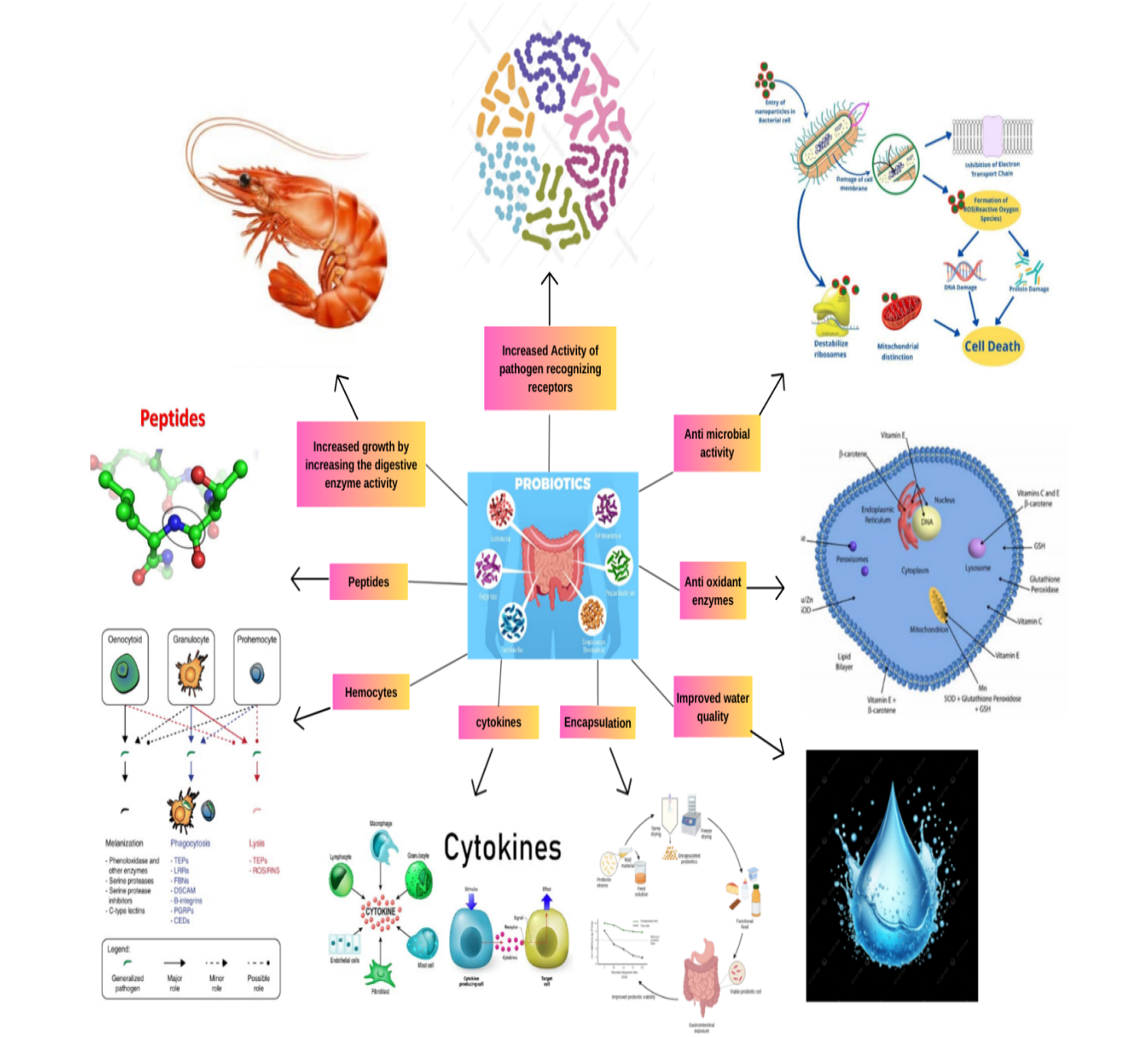
Applications of probiotics in shrimp
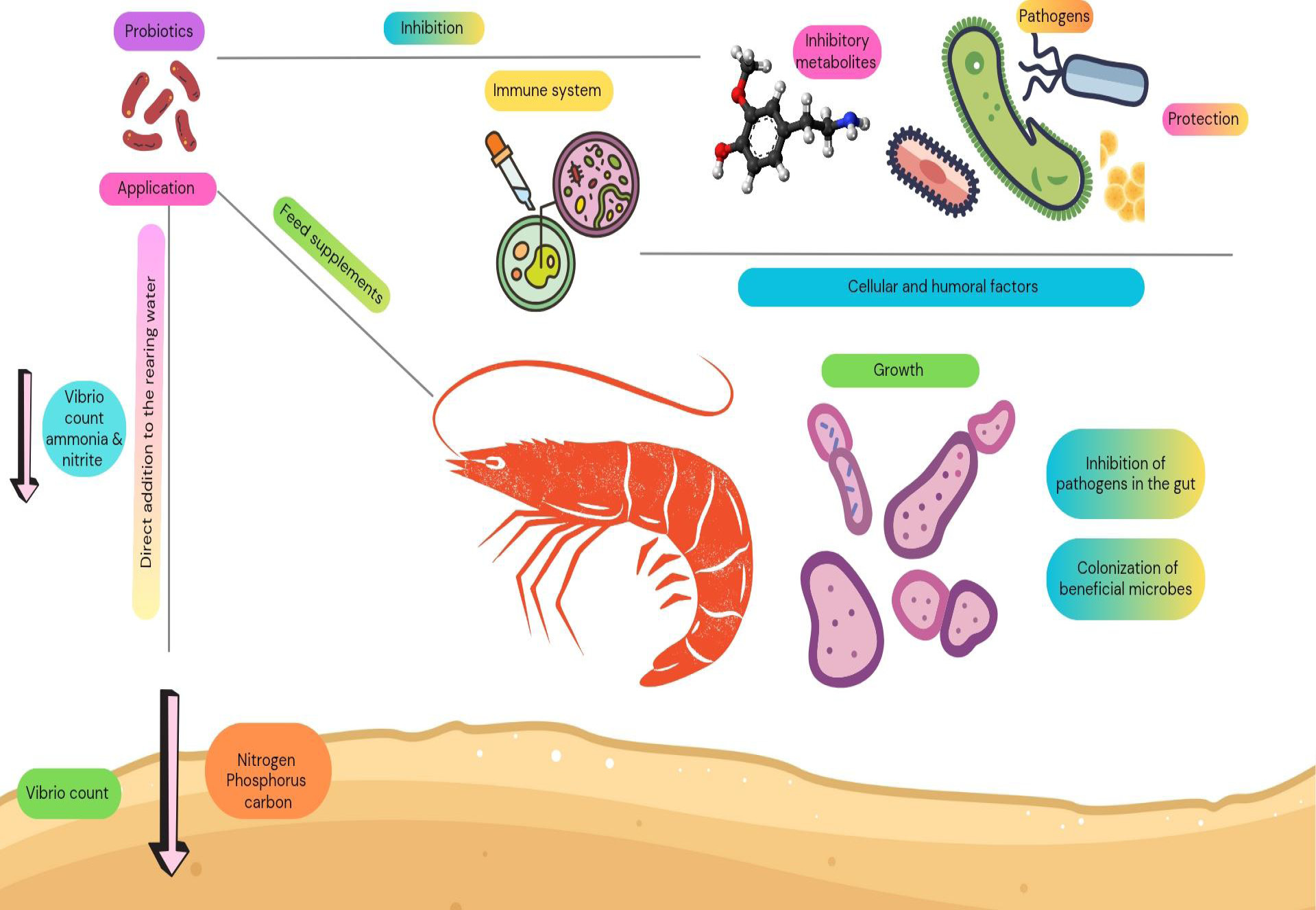
Interrelationship of the mechanisms of probiotic actions in shrimp.
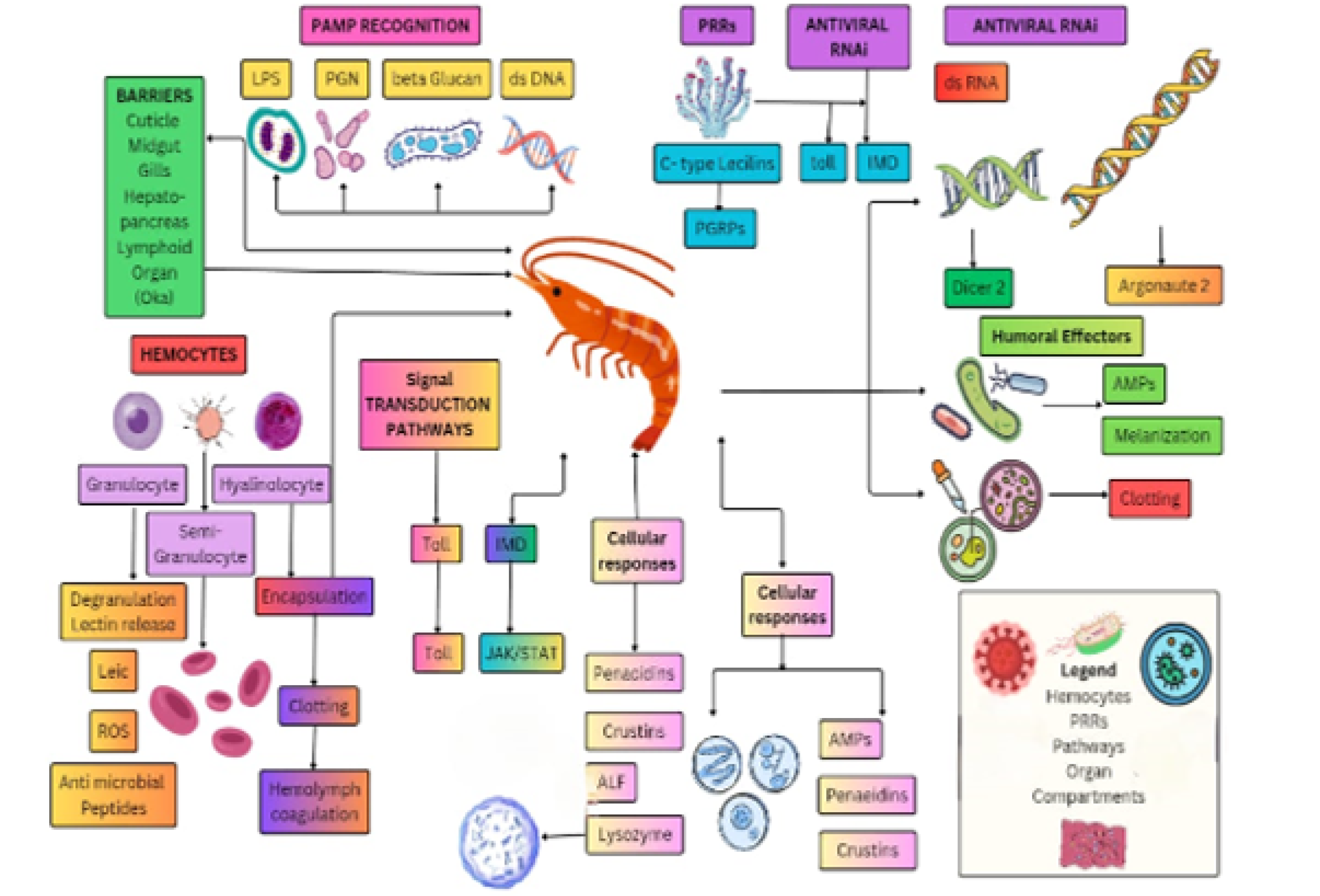
Innate and adaptive immune responses are the main points of the shrimp immune system. The cellular and humoral components of innate immunity include phagocytosis, encapsulation, nodule formation, and apoptosis, and the adaptive immune system includes Dscam and fibrinogen-related proteins.
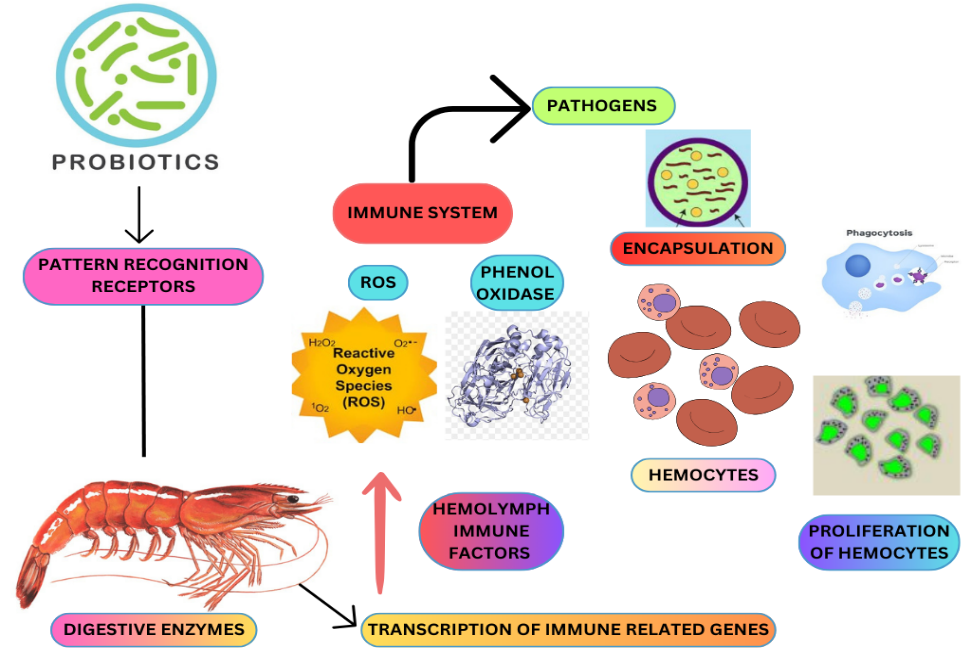
Mechanism of probiotics to enhance the immune system of shrimp against pathogens.
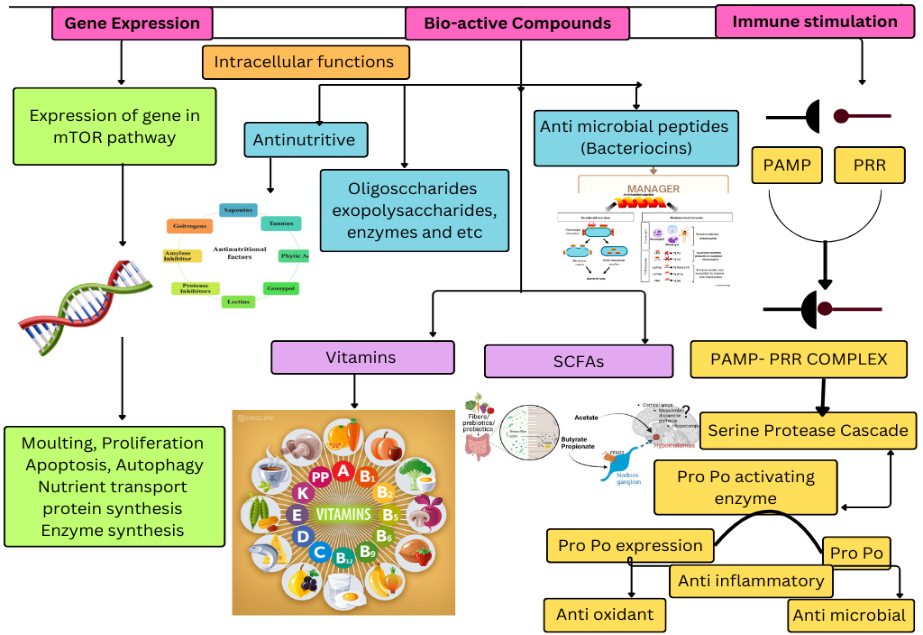
Action mechanism of probiotics (gene expression, bioactive compounds, immune stimulation).
References
- Ahamed, K.J., Jihad, S.S., Al-Gburi, A.S.A. and Abdullah, M.K., 2026. A comparative analysis of surveillance data on epidemiological trends and characteristics of bacterial meningitis in Diyala Province, Iraq (2024-2025). Smart Technol. Sci. Eng., 1(1): 46-51.
- Alam, M., Shahanoor, Islam, M.N., Das, M., Islam, S.F., Rabbane, M.G., Karim, E., Roy, A., Alam, Mohammad Shafiqul, Ahmed, R. and Kibria, A.S.M., 2023. RNAi-based therapy: Combating shrimp viral diseases. Viruses, 15(10): 2050. https://doi.org/10.3390/v15102050[CrossRef]
- Amiin, M.K., Lahay, A.F., Putriani, R.B., Reza, M., Putri, S.M.E., Sumon, M.A.A., Jamal, M.T. and Santanumurti, M.B., 2023. The role of probiotics in vannamei shrimp aquaculture performance: A review. Vet. World, 16(3): 638–649. https://doi.org/10.14202/vetworld.2023.638-649[CrossRef]
- Anand, A., Pratiksha, Boruah, T., Gupta, A.K., Chutia, H., Naik, B. and Kumar, V., 2025. Green and sustainable utilisation of underutilised exudate gums from the Himalayan region: Advances in nutraceutical and pharmaceutical applications. Sustain. Chem. Pharma., 47: 102160. https://doi.org/10.1016/j.scp.2025.102160[CrossRef]
- Arif, M., Akteruzzaman, M., Tuhin-Al-Ferdous, Islam, S.S., Das, B.C., Siddique, M.P. and Kabir, S.M.L., 2021. Dietary supplementation of Bacillus-based probiotics on the growth performance, gut morphology, intestinal microbiota and immune response in low biosecurity broiler chickens. Vet. Anim. Sci., 14: 100216. https://doi.org/10.1016/j.vas.2021.100216[CrossRef]
- Balaji, Y. and Ravi, S.N., 2026. Exploring microbial probiotics for functional foods enhancing health benefits and industrial processing trends. Food Hum., 6:100960. https://doi.org/10.1016/j.foohum.2025.100960[CrossRef]
- Behera, S.S. and Ray, R.C., 2021. Bioprospecting of cow dung microflora for sustainable agricultural, biotechnological and environmental applications. Curr. Res. Microb. Sci., 2: 100018. https://doi.org/10.1016/j.crmicr.2020.100018[CrossRef]
- Bhattacharyya, M., Easmin, S., Sharma, D., Porasar, P., Karmakar, T., Dutta, K.N., Sahu, R., Nandi, G., Paul, P. and Dua, T.K., 2026. Exploring the potential of probiotics in mercury detoxification: A systemic review. Med. Omics, 100054 https://doi.org/10.1016/j.meomic.2026.100054[CrossRef]
- Butt, U.D., Lin, N., Akhter, N., Siddiqui, T., Li, S. and Wu, B., 2021. Overview of the latest developments in the role of probiotics, prebiotics and synbiotics in shrimp aquaculture. Fish Shellfish Immunol., 114: 263–281. https://doi.org/10.1016/j.fsi.2021.05.003[CrossRef]
- Chang, T., Lu, K., Han, F., Xu, C. and Li, E., 2025. Effects of β-glucan combined with the gut probiotic Klebsiella sp. E26 on growth, energy metabolism, and immune response in pacific white shrimp (Penaeus vannamei) under low salinity stress. Aquaculture, 600: 101383. https://doi.org/10.1016/j.aquaculture.2025.742223[CrossRef]
- Chen, M., Chen, X.Q., Tian, L.X., Liu, Y.J. and Niu, J., 2020. Beneficial impacts on growth, intestinal health, immune responses and ammonia resistance of pacific white shrimp (Litopenaeus vannamei) fed dietary synbiotic (mannan oligosaccharide and Bacillus licheniformis). Aquacult. Rep., 17: 742223. https://doi.org/10.1016/j.aqrep.2020.100408[CrossRef]
- Chen, T., Mo, S., Shen, M., Du, W., Yu, Q., Chen, Y. and Xie, J., 2026. Therapeutic potential of Ficus pumila L. in chronic obstructive pulmonary disease through modulation of the gut microbiota-SCFA-lung signalling pathway. Food Res. Int., 224: 117952.. https://doi.org/10.1016/j.foodres.2025.117952[CrossRef]
- Chen, X., Xu, S. and Li, P., 2023. Probiotic blends reduce antibiotic use and disease outbreaks in commercial shrimp farms. Aquacult. Int., 31: 789–804.
- Cheng, A.C., Chang, H.T., Lee, T.Y., Lin, J.S. and Liu, C.H., 2024a. SYNLAC prime probiotics enhances growth performance, and resistance of white shrimp, Penaeus vannamei to Enterocytozoon hepatopenaei and Vibrio alginollyticus: Insights into immune and metabolic pathway modulations. Fish Shellfish Immunol., 155: 110016. https://doi.org/10.1016/j.fsi.2024.110016[CrossRef]
- Ciurescu, G., Dumitru, M., Gheorghe, A., Untea, A.E. and Drăghici, R., 2020. Effect of Bacillus subtilis on growth performance, bone mineralisation, and bacterial population of broilers fed with different protein sources. Poult. Sci., 99(11): 5960–5971. https://doi.org/10.1016/j.psj.2020.08.075[CrossRef]
- de Souza de Azevedo, P.O., de Medeiros Oliveira, M., Kuniyoshi, T.M., Matajira, C.E.C., Frota, E.G., Dias, M., Bermúdez-Puga, S.A., Pessoa, A.R.S., Piazentin, A.C.M., Mendonça, C.M.N., Pereira, W.A., Converti, A., Domínguez, J.M., Gierus, M., Varani, A.M. and de Souza Oliveira, R.P., 2025. Phenotypic and genomic characterisation of bacteriocin-producing lactic acid bacteria with probiotic and biotechnological potential for pathogen control in animal production. New Biotechnol., 88: 114–131. https://doi.org/10.1016/j.nbt.2025.04.008[CrossRef]
- Dhar, V., Singh, S.K., Narsale, S.A., Debbarma, S., Saikia, P. and Yirang, Y., 2024. Fishmeal substitutions and their implications for aquatic animal immune and gut function: A review. Compar. Immunol. Rep., 7: 200171. https://doi.org/10.1016/j.cirep.2024.200171[CrossRef]
- Diwan, A., Harke, S. and Panche, A.N., 2025. Exploration of novel bioactive compounds from the microbiome of fish and shellfish as an alternative to replace antibiotic drugs in aquaculture farming. Gut Microbiome, 6: e8 https://doi.org/10.1017/gmb.2025.6[CrossRef]
- Elumalai, A. and Natarajan, V., 2026. Mechanistic and hormetic insights into the interaction between dietary bioactive compounds and gut microbiota in modulating human health. Food Chem. Adv., 10: 101190. https://doi.org/10.1016/j.focha.2025.101190[CrossRef]
- Escobedo-Bonilla, C.M., 2013. Application of RNA interference (RNAi) against viral infections in Shrimp: A review. J. Antivirals Antiretrovirals, 5(3) : 1-12.
- Farzanfar, A., 2006. The use of probiotics in shrimp aquaculture. FEMS Immunol. Med. Microbiol., 48(2): 149–158. https://doi.org/10.1111/j.1574-695X.2006.00116.x[CrossRef]
- Feng, S., Meng, C., Hao, Z. and Liu, H., 2022. Bacillus licheniformis reshapes the gut microbiota to alleviate the subhealth. Nutrients, 14(8): 1642. https://doi.org/10.3390/nu14081642[CrossRef]
- Gadhiya, A., Katariya, S., Khapandi, K. and Chhatrodiya, D., 2025. Probiotics as a sustainable alternative to antibiotics in aquaculture: A review of the current state of knowledge. Microbe, 8: 100426. https://doi.org/10.1016/j.microb.2025.100426[CrossRef]
- Gao, Y., Hu, D. and Li, W., 2020. Gut microbiota modulation by Bacillus-based probiotics in crustaceans. Beneficial Microbes, 11(3): 341–355.
- Halder, S., Mandal, S.C., Kundu, G.K., Hossain, A., Rabbane, M.G., Rahman, A., Mamun, A.A., Islam, M.L., Watanabe, K. and Haque, M.I.M., 2026. Effects of probiotic and antibiotic on gut microbiome and antibiotic resistance genes in black tiger shrimp (Penaeus monodon) in Bangladesh. Aquacult. Rep., 46: 103294. https://doi.org/10.1016/j.aqrep.2025.103294[CrossRef]
- Hasan, M., Rahman, M.M. and Ahmed, S., 2018. Probiotics and sustainable shrimp production. Rev. Fisheries Sci. Aquacult., 26(1): 24–41.
- Hassan, M.A., Fathallah, M.A., Elzoghby, M.A., Salem, M.G. and Helmy, M.S., 2022. Influence of probiotics on water quality in intensified Litopenaeus vannamei ponds under minimum-water exchange. AMB Express, 12(1): 22. https://doi.org/10.1186/s13568-022-01370-5[CrossRef]
- Hoseinifar, S.H., Faheem, M., Liaqat, I., Van Doan, H., Ghosh, K. and Ringø, E., 2024. Promising probiotic candidates for sustainable aquaculture: An updated review. Animals, 14(24): 3644. https://doi.org/10.3390/ani14243644[CrossRef]
- Hoseinifar, S.H., Sun, Y.Z., Wang, A. and Zhou, Z., 2018. Probiotics as means of diseases control in aquaculture, a review of current knowledge and future perspectives. Front. Microbiol., 9: 2429. https://doi.org/10.3389/fmicb.2018.02429[CrossRef]
- Huang, M.Y., Truong, B.N., Nguyen, T.P., Ju, H.J. and Lee, P.T., 2024. Synergistic effects of combined probiotics Bacillus pumilis D5 and Leuconostoc mesenteroide B4 on immune enhancement and disease resistance in Litopenaeus vannamei. Dev. Comp. Immunol., 155: 105158. https://doi.org/10.1016/j.dci.2024.105158[CrossRef]
- Hussein, M.A., Mohamed, S.A. and El-Sayed, A., 2019. Economic viability of probiotic use in inland shrimp farming. J. Aquacult. Econ., 13(2): 84–98.
- Kan, L., Guo, F., Liu, Y., Pham, V.H., Guo, Y. and Wang, Z., 2021. Probiotics Bacillus licheniformis improves intestinal health of subclinical necrotic enteritis-challenged broilers. Front. Microbiol., 12: 623739. https://doi.org/10.3389/fmicb.2021.623739[CrossRef]
- Kargule, B.B., Hussein, Z.U.N., Qandeel, Q.Q. and Aljanabi, F.B. 2026. Contemporary genome sequencing technologies and their role in three-dimensional genome mapping: A concise narrative review. Smart Technol. Sci. Eng., 1(1): 01-09.
- Kashem, M.A., Haniswita, H., Sumon, T.A., Vandeputte, M., Drouillon, M., Declercq, A., Bossier, P. and Vanrompay, D., 2026. Probiotic Bacillus species to mitigate acute hepatopancreatic necrosis disease (AHPND) in shrimp aquaculture. Aquaculture, 614: 2026. https://doi.org/10.1016/j.aquaculture.2025.743483[CrossRef]
- Khamis, S.H., Awad, A.M., Jaber, A.W. and Abdullah, M.K., 2026. Epidemiological trends and characteristics of viral hepatitis in Diyala province, Iraq: A comparative analysis of surveillance data (2024-2025). Smart Technol. Sci. Eng., 1(1): 10-15.
- Khan, M.N., Khanjani, M.H. and Rahman, M., 2024. Probiotics, prebiotics, and synbiotics in shrimp aquaculture: A systematic review. Fish Shellfish Immunol., 128: 1–14.
- Khanjani, M.H., Gadhiya, A. and Patel, R., 2024. Probiotic formulations and growth performance in shrimp aquaculture: A meta-analysis. Aquacult. Nutr., 30(4): 1025–1040.
- Khanjani, M.H., Mozanzadeh, M.T., Gisbert, E. and Hoseinifar, S.H., 2024. Probiotics, prebiotics, and synbiotics in shrimp aquaculture: Their effects on growth performance, immune responses, and gut microbiome. Aquacult. Rep., 38: 102362. https://doi.org/10.1016/j.aqrep.2024.102362[CrossRef]
- Kim, J., Park, H. and Kim, H., 2018. Digestive enzyme activity and nutrient utilisation in shrimp fed Bacillus-based probiotics. J. Mar. Biol. Assoc., 98(6): 1429–1440.
- Knipe, H., Temperton, B., Lange, A., Bass, D. and Tyler, C.R., 2021. Probiotics and competitive exclusion of pathogens in shrimp aquaculture. Rev. Aquacult.,13(1): 324–352. https://doi.org/10.1111/raq.12477[CrossRef]
- Kumar, S., Choudhury, T., Malla, S., Saha, H., Kamilya, D., Chandravanshi, S. and Pal, P., 2026. Cleaner aquaculture through bioremediation: Using Bacillus probiotics to reduce nitrogenous waste and enhance fish welfare in intensive Labeo rohita culture. Int. Biodeter. Biodegrad., 207: 106252. https://doi.org/10.1016/j.ibiod.2025.106252[CrossRef]
- Kurniaji, A., Putri Renitasari, D., Saridu, S.A., Anton, A. and Yunarty, Y., 2023. The effect of different probiotic sources on vannamei shrimp (Litopenaeus vannamei) cultivation with biofloc system. J. Aquacult. Fish Health, 12(3): 405–420. https://doi.org/10.20473/jafh.v12i3.37996[CrossRef]
- Latif, A., Shehzad, A., Niazi, S., Zahid, A., Ashraf, W., Iqbal, M.W., Rehman, A., Riaz, T., Aadil, R.M., Khan, I.M., Özogul, F., Rocha, J.M., Esatbeyoglu, T. and Korma, S.A., 2023. Probiotics: mechanism of action, health benefits and their application in food industries. Front. Microbiol., 14: 1216674. https://doi.org/10.3389/fmicb.2023.1216674[CrossRef]
- Lee, S., Kim, D. and Park, J., 2021. Probiotic interventions and Vibrio suppression in shrimp culture. J. Food Agric., 101(7): 2756–2767.
- Li, F., Ge, H., Lin, P., Wang, Y., Jiang, Y., Zhang, Z., Chen, Y. and Feng, J., 2025. Genome-based screening and immunogenicity evaluation of outer membrane protein antigens for Vibrio harveyi subunit vaccine in pearl gentian grouper (Epinephelus lanceolatus × Epinephelus fuscoguttatus). Fish Shellfish Immunol., 165: 110440. https://doi.org/10.1016/j.fsi.2025.110440[CrossRef]
- Li, X., Huang, H. and Chen, Q., 2021. Immunomodulatory effects of probiotics in crustaceans: A review. Dev. Compar. Immunol., 119: 103–112.
- Li, Z., Du, Q., Jiao, T., Zhu, Z., Wan, X., Ju, C., Liu, H. and Li, Q., 2024. Effects of probiotic supplementary bio flocs (Rhodospirillum rubrum, Bacillus subtilis, Providencia rettgeri) on growth, immunity, and water quality in cultures of Pacific white shrimp (Litopenaeus vannamei). Aquaculture, 591: 741141. https://doi.org/10.1016/j.aquaculture.2024.741141[CrossRef]
- Liao, C.W., Hung, M.C., Wang, C.Y. and Chen, B.Y., 2023. Effects of high-pressure processing and thermal processing on different beverages containing Bacillus coagulans spores. LWT, 183: 114887. https://doi.org/10.1016/j.lwt.2023.114887[CrossRef]
- Mathan Muthu, C.M., Vickram, A.S., Bhavani Sowndharya, B., Saravanan, A., Kamalesh, R. and Dinakarkumar, Y., 2024. A comprehensive review on the utilisation of probiotics in aquaculture towards sustainable shrimp farming. Fish Shellfish Immunol., 147: 109459. https://doi.org/10.1016/j.fsi.2024.109459[CrossRef]
- Mohamed, K., Megahed, M.E. and Ali, M.A.M., 2017. Effect of dietary supplementation of Agrimos® on growth performance, feed utilisation and immunological parameters of Macrobrachium rosenbergii juveniles. Aquacult. Int., 25(4): 1441–1452. https://doi.org/10.1007/s10499-017-0123-4[CrossRef]
- Mustafa, F.H.A., Hassan, S.A.H., Ashary, O.A., Abbas, E.M., Ragaza, J.A., Hassaan, M.S., Sharawy, Z.Z., Sharawy, M.Z. and Zaghloul, E.H., 2025. The use of synthesised stabilised nanoparticles of selenium as a feed additive in shrimp Litopenaeus vannamei diets: Performance, antibacterial activity, gut microbiota and immune-related genes expression. Aquacult. Rep., 44: 103046. https://doi.org/10.1016/j.aqrep.2025.103046[CrossRef]
- Negi, A. and Chen, J.Y., 2026. Modulating the gut microbiome-immune axis in shrimp: Use of probiotics to enhance disease resistance. Aquaculture, 612: 743214. https://doi.org/10.1016/j.aquaculture.2025.743214[CrossRef]
- Nicolas, G.M. and Ma, S., 2025. Effects of Heyndrickxia coagulans probiotics in the human gut microbiota and their health implications: A review. Food Wellness, 1(1): 100003. https://doi.org/10.1016/j.foodw.2025.100003[CrossRef]
- Noman, M., Kazmi, S.S.U.H., Saqib, H.S.A., Fiaz, U., Pastorino, P., Barcelò, D., Tayyab, M., Liu, W., Wang, Z. and Yaseen, Z.M., 2024. Harnessing probiotics and prebiotics as eco-friendly solution for cleaner shrimp aquaculture production: A state-of-the-art scientific consensus. Sci. Total Environ., 915: 169921. https://doi.org/10.1016/j.scitotenv.2024.169921[CrossRef]
- Omar, A.A., Marzouk, M.S., Mahfouz, N.B., Massoud, A.M., Shukry, M., Farrag, F., Zayed, M.M., Abd Alaziz, M.A. and Moustafa, E.M., 2024. Effects of the putative probiotics Bacillus licheniformis, Bacillus pumilus, and Bacillus subtilis on white leg shrimp, Litopenaeus vannamei, immune response, gut histology, water quality, and growth performance. Open Vet. J., 14(1): 144–153. https://doi.org/10.5455/OVJ.2024.v14.i1.13[CrossRef]
- Panigrahi, A., Esakkiraj, P., Saranya, C., Das, R.R., Sundaram, M., Sudheer, N.S., Biju, I.F. and Jayanthi, M., 2022. A biofloc-based aquaculture system bio-augmented with probiotic bacteria bacillus tequilensis AP BFT3 improves culture environment, production performances, and proteomic changes in Penaeus vannamei. Probiot. Antimicrob. Proteins, 14(2): 277–287. https://doi.org/10.1007/s12602-022-09926-4[CrossRef]
- Ramirez-Olea, H., Reyes-Ballesteros, B. and Chavez-Santoscoy, R.A., 2022. Potential application of the probiotic Bacillus licheniformis as an adjuvant in the treatment of diseases in humans and animals: A systematic review. Front. Microbiol., 13: 993451. https://doi.org/10.3389/fmicb.2022.993451[CrossRef]
- Sharma, P., Singh, R. and Verma, A., 2023. Probiotic metabolites and pathogen inhibition in aquaculture: A review. Microb. Pathogen., 173: 104866.
- Styaningrum, M.R., Widanarni, Yuhana, M. and Gustilatov, M., 2025. Synergistic effects of biofloc and the probiotic Pseudoalteromonas piscicida 1Ub on suppression of virulence gene expression in Vibrio parahaemolyticus and immunity enhancement in Pacific white shrimp. Microbial Pathogen., 207: 107899. https://doi.org/10.1016/j.micpath.2025.107899[CrossRef]
- Sun, Y., Chen, Y. and Zhao, L., 2018. IGF-1 pathway modulation by probiotics in crustaceans. Mol. Biol. Rep., 45(5): 1023–1032.
- Tamilselvan, M. and Raja, S., 2024. Exploring the role and mechanism of potential probiotics in mitigating the shrimp pathogens. Saudi J. Biol. Sci., 31(3):103938. https://doi.org/10.1016/j.sjbs.2024.103938[CrossRef]
- Uraipan, S., Brigidi, P. and Hongpattarakere, T., 2014. Antagonistic mechanisms of synbiosis between Lactobacillus plantarum CIF17AN2 and green banana starch in the proximal colon model challenged with Salmonella Typhimurium. Anaerobe, 28: 44–53. https://doi.org/10.1016/j.anaerobe.2014.05.002[CrossRef]
- Wang, X., Yao, Y., Ge, H., Zhang, J., Zhang, J. and Yan, Q., 2024. Isolation and identification of probiotic Bacillus subtilis AJQ03 from the intestinal tract of Anguilla japonica (Japanese eel). Front. Microbiol., 15: 1446299. https://doi.org/10.3389/fmicb.2024.1446299[CrossRef]
- Xiang, L., Zhou, Z., Wen, M., Jiang, G., Cheng, J., Hu, Y., Qian, J., Sun, X. and Shen, H., 2024. Study on the effects and mechanisms of the antagonistic bacterium Bacillus subtilis JSHY-K3 against Vibrio parahaemolyticus causing acute hepatopancreatic necrosis disease in shrimp Penaeus vannamei. Aquacult. Rep., 37: 102254. https://doi.org/10.1016/j.aqrep.2024.102254[CrossRef]
- Yu, H., Nazir, S., Ijaz, F., Zahid, M.U., Mushtaq, M., Khan, M., Rahman, A. and Rahman, M.A.U., 2025. Dietary Supplementation of Bacillus subtilis as Probiotic influenced the growth performance, hematological parameters, immune function, antioxidant status, and digestive enzyme activity of nile tilapia fingerlings (Oreochromis niloticus). Animals, 15(9): 1256. https://doi.org/10.3390/ani15091256[CrossRef]
- Zhang, S., Lin, Z. and Li, P., 2020. Probiotic strains and their antimicrobial activities against Vibrio spp. In shrimp culture. J. Aquat. Anim. Health, 32(1): 5–16.
- Zhang, Y., Lu, J., Cui, K., Wang, H., Su, J., Zhang, W. and Jiang, W., 2025. The encapsulation strategies of clove essential oil enhance its delivery effect in food preservation applications. Food Chem., 484: https://doi.org/10.1016/j.foodchem.2025.144465[CrossRef]
- Zheng, M., Jia, H., Qiu, M., Yang, X., Zhang, X., Zhao, Q. and Jiang, Y., 2025. Recent advances in stimuli-responsive oral delivery systems for controlled release of probiotics: A review. Food Res. Int., 220: 117132. https://doi.org/10.1016/j.foodres.2025.117132[CrossRef]
- Zheng, Y., Wu, Y., Tang, S., Li, J., Fan, L. and He, W., 2025. Effects of Bacillus licheniformis on the water quality, growth performance and bacterial community in Penaeus vannamei aquaculture system. Front. Microbiol., 16:1595680. https://doi.org/10.3389/fmicb.2025.1595680[CrossRef]
- Zokaeifar, H., Balcázar, J.L., Saad, C.R., Kamarudin, M.S., Sijam, K., Arshad, A. and Nejat, N., 2012. Effects of Bacillus subtilis on the growth performance, digestive enzymes, immune gene expression and disease resistance of white shrimp, Litopenaeus vannamei. Fish Shellfish Immunol., 33(4): 683–689. https://doi.org/10.1016/j.fsi.2012.05.027[CrossRef]
Services
Article usage statistics
Loading…