
The study reported in this article examines the interrelationship between Economic Functional Expenditure in the Fisheries Sector for the period 2019–2023 and Extreme Poverty and Food Security Index data for 2020–2024 in the coastal areas of Tomini Bay, Gorontalo Province, Indonesia. A one-year lag model is applied to account for the temporal transmission mechanism of fiscal policy, recognizing that the effects of public expenditure on income, poverty reduction, and subsequent food security outcomes do not occur instantaneously but materialize gradually over time. By utilising a quantitative research design with panel data and path analysis, the study examines both the direct and mediated effects of public spending on food security. Empirical analysis using the Random Effects Model (REM) shows that fisheries fiscal expenditure has a negative and significant effect on extreme poverty (coefficient= -0.286, p= 0.0071), which indicates that a 1% increase in fisheries expenditure could reduce extreme poverty by 0.286%. However, its direct effect on food security, even though positive, is not statistically significant (coefficient= 0.678, p= 0.1002). Extreme poverty demonstrates a strong negative effect on food security (coefficient= -0.276, p= 0.0235) that confirms its important role as a mediating variable. The Sobel test (Z= 1.789; p= 0.0368) validates the indirect effect, showing that poverty reduction serves as the main pathway connecting fisheries expenditure to improvements in food security outcomes. These findings underscore that fiscal interventions in the fisheries subsector must be complemented by community-based and explicitly pro-poor programs to generate meaningful and sustained improvements in food security outcomes. The study enriches theoretical discussions within the blue economy paradigm by emphasizing that equitable resource allocation, participatory governance, and strong cross-sectoral integration are fundamental pillars for enhancing the socio-economic resilience of small-scale fishers and promoting inclusive, sustainable, and locally grounded food systems.
Research Article · Volume 39, Issue 3, 6 September 2026 · Open Access
The Mediating Role of Extreme Poverty in the Relationship Between the Blue Economy and Food Security in Coastal Areas of Tomini Bay, Indonesia
· · · · ·
Affiliations & Notes ⌄
- 1Doctoral Program in Economics, Universitas Negeri Gorontalo, 96128, Indonesia
- 2Department of Economics in Doctoral Program, Universitas Negeri Gorontalo, 96128, Indonesia
- 3Department of Agribusiness, Universitas Negeri Gorontalo, 96128, Indonesia
- 4Department of Development Economics, Universitas Negeri Gorontalo, 96128, Indonesia
- 5Department of Aquatic Resource Management, Universitas Negeri Gorontalo, 96128, Indonesia. *Correspondence | Fitri Hadi Yulia Akib, Gorontalo State University, Indonesia
- 6Email: fitriakib@ung.ac.id
Article Info ⌄
- Journal:
- Pakistan Journal of Agricultural Research
- Published:
- 6 September 2026
From the article
- The findings of this study reveal a significant and multidimensional relationship between fisheries fiscal expenditure, extreme poverty, and food security in the coastal regions of Gorontalo, Indonesia.
- The reduction in poverty, in turn, mediates a positive and significant effect on food security, as verified by the Sobel test (Z = 1,789; p = 0,0368).
- Conversely, the direct effect of fisheries expenditure on food security is positive but statistically insignificant (p = 0,1002), which suggests that fiscal interventions alone are inadequate without addressing poverty as an intermediary channel.
- This study contributes to the existing body of literature by empirically validating the mediating role of extreme poverty in the relationship between sectoral public expenditure and food security, especially within the blue economy framework.
Selected from the article's own text.
Abstract
Introduction
Coastal areas in the world, especially in developing countries, are increasingly becoming centers of socio-economic inequality and environmental vulnerability. In Indonesia, in particular, the Tomini Bay region in the Province of Gorontalo exemplifies this dual challenge, where extreme poverty and food insecurity persist despite abundant marine resources. According to official statistics, the province’s extreme poverty rate is approximately 2,35%, with significantly higher rates recorded in coastal districts such as Boalemo (4,15%), Gorontalo (3,97%), and Bone Bolango (2,77%). These figures indicate the persistence of structural poverty among fishing communities that remain heavily dependent on unstable marine-based livelihoods. Concurrently, food insecurity in Gorontalo worsened from 15,10% in 2023 to 15,99% in 2024, which place the province among the five poorest regions in Indonesia. This pattern reveals the deep interconnection between extreme poverty and food insecurity among households reliant on small-scale fisheries and reflects wider gaps in governance and development.
Livelihoods of coastal populations in Tomini Bay are vulnerable to climate variability, declining fish stocks, and fragmented policies. The adoption of limited technology and weak financial literacy intensify this vulnerability, which restrict fishers’ ability to leverage innovations to diversify income or to enhance value using seafood processing. Even though there is a national commitment to the “blue economy” - a framework that integrates economic, social, and ecological dimensions for sustainable growth - cross-sectoral policy inconsistencies continue to impede local implementation. Insufficient coordination across regional planning and budgeting frameworks, such as the Regional Medium-Term Development Plan (hence refers to RPJMD), diminishes the impact of public spending aimed at improving food security. Without systemic reforms in fiscal governance and program integration, blue economy initiatives risk being symbolic rather than transformative.
At the global level, the blue economy has been recognized as a strategic paradigm to reduce poverty and to strengthen food security through sustainable management of marine resources (Voyer et al., 2022; . The blue economy advocates efficient utilization of marine potential, ecological conservation, and social empowerment of coastal populations. This framework aligns with the Sustainable Development Goals (SDGs), especially Goal 1 (No Poverty) and Goal 2 (Zero Hunger), and has guided various coastal development policies across Southeast Asia. Empirical studies reveal that expenditures on fisheries-related economic functions can significantly alleviate extreme poverty by generating employment, improving local infrastructure, and supporting inclusive economic growth ; . Such expenditures also indirectly improve food security by mitigating poverty-related barriers to food access and nutritional adequacy ; . Yet, these outcomes depend on policy coherence and the capacity of fiscal mechanisms to channel resources to marginalized communities effectively.
In the context of Indonesia, the fisheries sector functions both as an economic pillar and a social safety net for millions of low-income households. The sector’s performance has consistently fallen short in addressing food insecurity, which highlights inadequacies in the current fiscal framework. Public spending in the fisheries sector often prioritizes the goals of short-term productivity over long-term welfare objectives. Studies on the relationship between fisheries expenditure and welfare outcomes emphasize the need for integrated fiscal planning that continuously targets poverty reduction and food systems resilience ; . This approach requires results-based budgeting and poverty-sensitive targeting mechanisms to ensure that funds reach the most vulnerable fishers. Without this accurate allocation, fiscal interventions can fail to obtain structural change in coastal economies.
Climate vulnerability and socio-economic fragility intersect, further exacerbating existing disparities. Changes in sea temperature, ocean currents, and fish migration patterns directly impact on catch volumes and income, while insufficient adaptive capacity intensifies livelihood insecurity ; . Technological innovations, such as early warning systems, mobile-based fish market platforms, and environmentally friendly fishing gear, have demonstrated potential to improve resilience among small-scale fishers. Nevertheless, these technologies remain underutilized because of financial constraints and limited literacy. Thus, financial inclusion and literacy programs constitute critical complements to fiscal policy that allows fishers to make informed economic decisions, adopt sustainable technologies, and manage income volatility effectively . The interplay between technology, finance, and resilience shows an important dimension of the blue economy that remains underexplored in empirical studies.
The literature broadly recognizes the significant role of fisheries expenditure in poverty alleviation and food security, yet the mechanisms underlying this relationship remain poorly understood. Existing empirical studies tend to emphasize the direct impact of expenditure while overlooking potential mediation through socio-economic variables such as extreme poverty. Most analyses focus on aggregated national data, which neglect subregional disparities and contextual nuances that determine policy effectiveness at the local level. Consequently, understanding the extent to which functional fiscal spending in the fisheries sector translates into tangible improvements in food security for coastal households remains limited when extreme poverty is seen as a mediating factor ; . Addressing this knowledge gap is essential for refining both the conceptual and practical foundations of blue economy fiscal governance.
This study addresses the knowledge gap regarding the role of fisheries fiscal expenditure in improving food security among coastal communities in Tomini Bay, Gorontalo, with extreme poverty functioning as a mediating variable. The central argument is that increases in public spending on fisheries-related economic functions can alleviate extreme poverty, which in turn contributes positively to food security. Conversely, when fiscal allocations fail to meet poverty reduction goals, their impact on food security becomes marginal. Therefore, this study looks at fisheries fiscal spending not merely as an economic stimulus but as a strategic instrument to break the cycle of poverty and food insecurity within coastal ecosystems. The study seeks to provide new evidence to the discourse on sustainable coastal development and to bridge the theoretical and practical nexus between blue economy principles, fiscal policy analysis, and socio-ecological resilience. Its novelty is found in the empirical quantification of the mediating effect of extreme poverty in the relationship between fisheries fiscal expenditure and food security - a dimension rarely investigated within the coastal context of Indonesia. The findings are expected to inform policy design by emphasizing the need for results-based and pro-poor budgeting frameworks in fisheries governance. By explaining the mechanisms linking public expenditure to welfare outcomes, this study aims to advance both theoretical understanding and policy practice in fostering sustainable and equitable development across vulnerable coastal regions.
Materials and Methods
This study took place in the coastal region of Tomini Bay, Gorontalo Province, which entails six districts and municipalities. The research design used is quantitative with a descriptive-correlational approach integrated with path analysis. This design enables simultaneous testing of direct and indirect causal relationships among variables to assess mediation effects. This study employs data on Fisheries Sector Economic Functional Expenditure for the period 2019–2023 and Food Security Index and Extreme Poverty data for 2020–2024 by applying a one-year lag model approach. The use of a lag model is theoretically and empirically justified by the understanding that the impact of public expenditure is not immediate but requires time to be transmitted into real economic and social outcomes. Fisheries-related spending, particularly in infrastructure development, capacity building, and value chain strengthening, typically generates gradual effects on fishers’ household incomes. Changes in income levels subsequently influence poverty rates and ultimately affect food security conditions. Therefore, the difference in data periods reflects the assumption of a time lag in the fiscal policy transmission process, and the lag specification is employed to produce more accurate and realistic causal estimates.
To collect data, a documentation technique was used, drawing from the official records of the Statistics Office (refers to BPS) of Gorontalo Province. Data analysis employed path analysis with panel data, based on the following equations:
FSIit = α + β1EPit + β2EFEFSit + εit
EPit = α + β1EFEFSit + εit
Description:
- FSI: Food Security Indeks
- EP: Extreme Poverty
- EFEFS: Economic Functional Expenditure in the Fisheries Sector
Table 1: Food security index, extreme poverty, and fisheries subsector fiscal expenditure of gorontalo province by regency/city
|
No |
Regions |
Year |
|||||
|
2019 |
2020 |
2021 |
2022 |
2023 |
2024 |
||
|
Food security index |
|||||||
|
1 |
Gorontalo city |
na |
81.30 |
81.79 |
80.95 |
87.59 |
86.49 |
|
2 |
Gorontalo regency |
na |
80.26 |
79.25 |
79.79 |
80.13 |
79.50 |
|
3 |
Boalemo regency |
na |
79.99 |
80.21 |
81.71 |
81.41 |
81.91 |
|
4 |
Pohuwato regency |
na |
81.34 |
80.52 |
80.47 |
83.34 |
81.70 |
|
5 |
Bone bolango regency |
na |
80.12 |
81.62 |
78.84 |
78.27 |
80.31 |
|
6 |
North gorontalo regency |
na |
79.41 |
79.76 |
80.34 |
79.07 |
78.67 |
|
Extreme poverty (%) |
|||||||
|
1 |
Gorontalo city |
na |
0.84 |
1.00 |
0.47 |
0.87 |
1.39 |
|
2 |
Gorontalo regency |
na |
7.16 |
8.70 |
6.92 |
6.93 |
3.97 |
|
3 |
Boalemo regency |
na |
3.75 |
3.51 |
3.68 |
3.86 |
4.15 |
|
4 |
Pohuwato regency |
na |
3.48 |
3.07 |
4.91 |
3.50 |
2.67 |
|
5 |
Bone bolango regency |
na |
3.68 |
4.75 |
3.23 |
3.37 |
2.77 |
|
6 |
North gorontalo regency |
na |
2.46 |
2.13 |
4.45 |
2.82 |
2.44 |
|
Fisheries subsector fiscal expenditure (billions of rupiah) |
|||||||
|
1 |
Gorontalo city |
22.4 |
16.8 |
52.5 |
106,9 |
72.0 |
na |
|
2 |
Gorontalo regency |
58.6 |
22.8 |
232.2 |
258.2 |
129.7 |
na |
|
3 |
Boalemo regency |
51.0 |
50.0 |
45.2 |
78.3 |
242.9 |
na |
|
4 |
Pohuwato regency |
55.5 |
34.1 |
128.9 |
197.5 |
128.3 |
na |
|
5 |
Bone bolango regency |
44.1 |
32.3 |
59.6 |
77.9 |
140.9 |
na |
|
6 |
North gorontalo regency |
46.4 |
33.9 |
92.2 |
122.1 |
137.1 |
na |
|
Average of fiscal spending |
46.33 |
31.67 |
101.76 |
140.16 |
141.90 |
na |
|
Source: National Food Agency, Statistics Indonesia, and Directorate General of Fiscal Balance (2025)
- α: Constant
- β: Regressin Coefficient
Mediation effect (β₁ × β₃) was tested using a Sobel method ; , with the following formula:

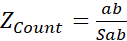
Description:
- sab= Standard error of the indirect effect
- a= Path from the independent variable (X) to the intervening variable (Z)
- b= Path from the intervening variable (Z) to the dependent variable(Y)
- sa= Standard error of coefficient a
- sb= Standard error of coefficient b
The relationships among variables were estimated using a panel data regression model through three approaches: the Common Effect Model (CEM), the Fixed Effect Model (FEM), and the Random Effect Model (REM). The best-fitting model was chosen using the Chow Test and the Hausman Test ; . The REM was selected based on test results indicating that individual effects were uncorrelated with the regressors, as recommended by Pratama et al. (2024). Inferential validity was assessed using the Jarque–Bera residual normality test , which confirmed that the residuals had normal distribution. Path analysis was utilised to estimate the direct and indirect effects of fiscal expenditure on food security, taking into account the mediating role of extreme poverty ; .
Data processing was done using EViews 16. The findings’ interpretation was contextualised in the frameworks of the blue economy and welfare economics (Voyer et al., 2022; , while considering several contextual factors, such as local institutional capacity, environmental shocks, and fiscal disparities among districts . Ethically, this study did not involve human subjects and drew entirely on anonymised public data, with limitations related to potential fiscal reporting bias and the coverage restricted to 2020 to 2024 period.
Results and Discussion
Description of food security index, extreme poverty, and fiscal expenditure in the fisheries subsector
Table 1 illustrates the Food Security Index (FSI) and extreme poverty in Gorontalo Province for the period 2020-2024, along with fiscal expenditure in the fisheries subsector from 2019 to 2023. The FSI shows dynamics that reflect structural and spatial disparities at the district/municipal level. The average FSI rose from 80.40 in 2020 to 81.64 in 2023, then slightly declined to 81.43 in 2024. Gorontalo City consistently ranked highest, reaching 87.59 in 2023, whereas North Gorontalo District had the lowest score in 2024, at 78.67. These disparities indicate uneven access to and quality of food systems across regions. This is likely influenced by infrastructure, logistics distribution, institutional capacity, and economic access. Inter-district disparities in Indonesia’s Food Security Index can be attributed to a number of spatial and structural determinants, including the quality of infrastructure, market access, institutional capacity, and household socioeconomic conditions.
Data on extreme poverty in Gorontalo Province during 2020-2024 reveal a positive downward trend following initial fluctuations. The average extreme poverty rate was 3.94% in 2022 and declined to 2.90% by 2024. Gorontalo District had a significant reduction, from 8.70% in 2021 to 3.97% in 2024. Meanwhile, in the fisheries sector in Gorontalo Province, fiscal expenditure demonstrated a fluctuating trend between 2019 and 2023. On average, spending increased starting in 2021, reaching IDR 101.76 billion, and continued to grow in following years.
Figure 1 describes the growth trends of the Food Security Index, Extreme Poverty, and Fiscal Expenditure in the Fisheries Subsector. The Food Security Index reveals a fluctuating trend that reflects the volatility of local food systems. In 2023, for instance, there was a positive growth of 1.60%, followed by a slight decline of -0.25% in 2024. Previous studies have shown that household determinants such as family size, type of occupation, and income level affect food security, especially in regions where the informal sector is dominant . Moreover, access to nutritious food plays a key role in the prevention of stunting and promotion of human resource development . Therefore, the disparities in the Food Security Index call for spatially based and multisectoral food policies that combine social, economic, and ecological dimensions within the framework of inclusive blue economy.
Extreme poverty growth presented a sharp reversal from positive growth in 2021 and 2022 to negative in 2023 (-9.81%) and 2024 (-18.50%). This shows that the decline in extreme poverty was not merely dueo cash assistance but also the integration of regional development strategies, including basic infrastructure
timprovement and labor-intensive employment opportunities. A resilience-based approach that focus on strengthening individual and community capacities is essential for tackling extreme poverty in coastal areas that are vulnerable to economic and environmental shocks.
The growth of fiscal expenditure in the fisheries subsector, calculated based on the mean values, had a sharp contraction in 2020 (-31.66%) but rebounded significantly in 2021 with a rise of 221.35%. This was followed by continuous growth in 2022 (37.73%) and marginal growth in 2023 (1.24%). These fluctuations reveal public spending sensitivity to macro-fiscal conditions and sectoral policy dynamics in Gorontalo Province. Boalemo Regency recorded the maximum expenditure surge in 2023 at IDR 242.86 billion, while Gorontalo City had more moderate fluctuations.
Model specification and diagnostic tests
The econometric validity results largely depends on the appropriate specification of the panel data model. Therefore, a number of diagnostic tests were done to determine the most suitable model among the Common Effect Model (CEM), Fixed Effect Model (FEM), and Random Effect Model (REM). The Chow Test was first utilised to examine whether heterogeneity across cross-sectional units justified the use of FEM over CEM. As illustrated in Table 2, the test produced a significant cross-section F-statistic of 5.142857 with a p-value of 0,0028, which is below the 0.05 significance threshold. This indicates that the Fixed Effect Model is superior to the Common Effect Model, suggesting that variation across districts and municipalities in Gorontalo is not entirely random but reflects systematic differences. At this stage, it makes FEM more appropriate.
Subsequently, the Hausman Test was conducted to find out the difference between the Fixed and Random Effect specifications. The Chi-square statistic of 1.307558 with a probability value of 0.5201 (greater than 0.05) shows that the null hypothesis supporting the Random Effect Model cannot be rejected (Table 3). Accordingly, the Random Effect Model (REM) was chosen as the most appropriate estimation approach that ensures consistent and efficient estimations under the assumption that individual-specific effects are uncorrelated with the regressors ; . The robustness of the REM lends support to Pratama et al. (2024), who emphasize its suitability in policy analyses involving subnational heterogeneity.
Before implementing path analysis, the normality of residuals was tested using the Jarque-Bera statistic in Figure 2. The computed value (Z = 1.137) was lower than the critical Z-table value (1.96), with a corresponding p-value of 0.566, exceeding the 0.05 threshold. This shows that the residuals have normal distribution, satisfying one of the key assumptions for valid path analysis . As a result, corrective transformations were unnecessary, and standard inferential tests could be appropriately applied.
The impact of fisheries fiscal expenditure on extreme poverty
The first regression estimates the impact of fisheries economic function expenditure (EFEFS) on extreme poverty (EP) across districts within the Tomini Bay coastal region. The results of the Random Effect Model (REM) estimation are presented in the Table 4.
The estimation model can be expressed as:
EPit = 22.499 – 0.286 EFEFSit + εit
|
Effects Test |
Statistic |
d.f. |
Prob. |
|
Cross-section F |
5.142857 |
(5,22) |
0.0028 |
Source : Authors’ analysis, 2025
Source : Authors’ analysis, 2025
The negative and statistically significant coefficient (-0.286, p = 0.007) indicates that a 1% rise in fisheries fiscal expenditure leads to a 0.286% reduction in extreme poverty levels. This result empirically supports the hypothesis that public investment within the sector of fisheries play an important role in reducing poverty among coastal communities. These findings support previous studies, such as from Rahman et al. (2021) and Zainol et al. (2023). These studies highlight that well-targeted fisheries expenditures, especially through infrastructure development and capacity building, significantly improve the welfareof small-scale fishers. The elasticity observed in this study is consistent with global evidence showing a negative poverty response to fisheries-related expenditure ; .
From a substantive perspective, increased fisheries expenditure not only offers direct income support but also generates long-term structural advantages by enhancing market access, supporting the adoption of sustainable fishing technologies, and fostering downstream marine industries. Allison (2011) and Ojea et al. (2020) argue that blue economy-based fiscal programs can lead to sustainable poverty alleviation when integrated with inclusive governance mechanisms and equitable resource allocation.
The impact of fisheries fiscal expenditure and extreme poverty on food security
The second regression assesses the simultaneous effects of fisheries expenditure and extreme poverty on the Food Security Index (FSI). The results are shown in Table 5.
The model equation is represented as:
FSIit = 68.150 – 0.276EPit + 0.678EFEFSit + εit
Extreme poverty showcases a significant negative effect on food security (p = 0.023), which confirms that higher levels of deprivation are correlated with
Table 4: Impact of fisheries fiscal expenditure on extreme poverty
|
Variables |
Coefficient |
Std. Error |
t-Statistic |
Prob. |
|
Constant |
22.49948 |
2.698675 |
8.33723 |
0 |
|
LN_EFEFS |
-0.28634 |
0.098624 |
-2.903354 |
|
|
Random effects (Cross) |
||||
|
Gorontalo city |
-9.725271 |
|||
|
Gorontalo regency |
2.161572 |
|||
|
Boalemo regency |
3.158726 |
|||
|
Pohuwato regency |
2.38106 |
|||
|
Bone bolango regerncy |
0.310141 |
|||
|
North gorontalo regency |
1.713773 |
|||
|
R-squared |
0.176096 |
Mean dependent var |
0.919985 |
|
|
Adjusted R-squared |
0.146671 |
S.D. dependent var |
0.463193 |
|
|
S.E. of regression |
0.427878 |
Sum squared resid |
5.126239 |
|
|
F-statistic |
5.984533 |
Durbin-Watson stat |
0.87018 |
|
|
Prob(F-statistic) |
0.020971 |
|
||
|
Unweighted statistics |
||||
|
R-squared |
-0.029042 |
Mean dependent var |
15.34167 |
|
|
Sum squared resid |
596.9218 |
Durbin-watson stat |
0.007473 |
|
Source : Authors’ analysis, 2025
Table 5: Impact of fisheries fiscal expenditure and extreme poverty on food security
|
Variables |
Coefficient |
Std. Error |
t-Statistic |
Prob. |
|
Constan |
68.15002 |
9.946394 |
6.851732 |
0 |
|
EP |
-0.275866 |
0.114857 |
-2.40182 |
|
|
LN_EFEFS |
0.678101 |
0.398304 |
||
|
Random effects (Cross) |
||||
|
Gorontalo city |
0.318436 |
|||
|
Gorontalo regency |
-0.529647 |
|||
|
Boalemo regency |
0.73733 |
|||
|
Pohuwato regency |
0.77687 |
|||
|
Bone bolango regency |
-0.602157 |
|||
|
North gorontalo regency |
-0.700832 |
|||
|
R-squared |
0.231344 |
Mean dependent var |
43.17358 |
|
|
Adjusted R-squared |
0.174407 |
S.D. dependent var |
1.610358 |
|
|
S.E. of regression |
1.463206 |
Sum squared resid |
57.80623 |
|
|
F-statistic |
4.063124 |
Durbin-Watson stat |
1.577249 |
|
|
Prob(F-statistic) |
0.028667 |
|||
|
Unweighted statistics |
||||
|
R-squared |
0.374169 |
Mean dependent var |
80.86867 |
|
|
Sum squared resid |
74.47013 |
Durbin-Watson stat |
1.224314 |
|
Source: Authors’ analysis, 2025
lower outcomes of food security. A 1% increase in extreme poverty leads to a 0.276% decline in food security. This finding supports Duncan et al. (2022) and Bozsik et al. (2022), who demonstrate that poverty exerts a strong negative elasticity on food security through reduced purchasing power and limited dietary diversity. Moreover, lower income constrains household resilience to supply shocks. This may weaken the stability dimension of food security . Conversely, the coefficient for fisheries fiscal expenditure (0.678) is positive but statistically insignificant (p = 0.100). Even though increased spending in the fisheries sector tends to improve food security, the lack of significance suggests inefficiencies in program targeting or resource distribution. A similar pattern was identified by Béné et al. (2016) and Gelli et al. (2020), who found that public spending often fails to produce improvements in food security when concentrated mainly on infrastructure projects rather than value-chain or consumption-oriented interventions. These results indicate that while fisheries sector spending contributes positively to food availability and production, its effect on household-level access and utilization remains weak. This highlights the need for results-based, cross-sectoral policy integration that entails agriculture, nutrition, and markets, as recommended by Frelat et al. (2016). Strengthening these connection can transform production-oriented investments into tangible improvements in food accessibility and stability among communities living in the coastal regions.
Mediation analysis: The indirect effect through extreme poverty
To evaluate the role of extreme poverty as a mediator in the relationship between fisheries fiscal expenditure and food security, a mediation test was conducted using the Sobel method. Calculations were based on the coefficients and standard errors obtained from the previous regression models, with the standard error of the indirect effect defined as follows:


The corresponding Z-statistic was then calculated as

Since the calculated Z-statistic (1.789) exceeds the critical value (1.645) and the associated p-value (0.0368) is below 0.05, the indirect effect is statistically significant. This indicates that extreme poverty functions as a significant mediator between fisheries expenditure and food security. The finding supports the hypothesis that the influence of fisheries fiscal spending on food security primarily operates through poverty alleviation effects rather than direct production channels. This result aligns with Thilsted et al. (2016), who argue that fisheries programs improving livelihoods enhance food quality by first addressing income deprivation. Similarly, Islam et al. (2020) and Takeshima (2024) emphasize that social interventions targeting poverty reduction amplify the downstream effects of fiscal expenditure on nutrition and food access.
From a policy perspective, this mediation effect implies that fiscal spending in the fisheries sector should be explicitly designed to address the socio-economic barriers faced by the poorest households. Programs focusing on training, microfinance, and support for local enterprises can strengthen income flows, enabling households to purchase and consume nutritious food. As highlighted by Woldemichael and Alemu (2024), anti-poverty interventions involving productive assets yield higher food security returns compared to non-productive transfers. Therefore, reorienting fiscal policy toward results-based and pro-poor spending can optimize its dual benefits - reducing poverty and enhancing food security.
The findings of this study reveal a consistent causal relationship: (1) fisheries fiscal expenditure significantly reduces extreme poverty; (2) extreme poverty strongly diminishes food security; and (3) the overall impact of expenditure on food security becomes significant only when mediated through poverty reduction. This mediating effect underscores the structural role of poverty as both a constraint and a transmission mechanism for fiscal interventions.
The empirical pattern observed in this study aligns with the theoretical framework of the blue economy, which positions inclusive growth and ecological sustainability as interrelated goals (Voyer et al., 2022; . However, in practice, the case of Tomini Bay demonstrates that although fiscal allocations exist, their effectiveness depends on implementation mechanisms that ensure equitable distribution of benefits. Market access, governance quality, and institutional coordination emerge as critical moderating factors ; . Misaligned programs or fragmented governance structures can undermine potential welfare gains, thereby diminishing the overall impact of fiscal investment on poverty and food security.
Overall, the findings contribute to the growing body of empirical evidence supporting the integration of fisheries fiscal policy with social protection and human development frameworks. By explicitly targeting extreme poverty reduction as a key outcome, fisheries fiscal expenditure can evolve from a sectoral stimulus into a transformative policy instrument capable of breaking the linkage between poverty and food insecurity in vulnerable coastal regions.
Discussion
The empirical findings presented in this study contribute to a deeper understanding of how fiscal expenditure in the fisheries sector interacts with extreme poverty and food security within the socio-economic context of coastal Gorontalo. The results reveal that although public spending in the fisheries subsector has a statistically significant and negative relationship with extreme poverty, its direct impact on food security is positive but not statistically significant. However, the mediation analysis shows that extreme poverty serves as a significant channel through which fisheries spending improves food security outcomes. This structural relationship highlights the dual role of fiscal policy as both an economic stimulus and a social protection mechanism. This reinforces the blue economy framework, which emphasises equitable and sustainable development.
The importance of the negative elasticity between fisheries expenditure and extreme poverty supports the theoretical expectation that well-targeted sectoral investment may effectively alleviate income deprivation among marginalized coastal populations. This finding aligns with Okeke-Ogbuafor et al. (2020) and Ali et al. (2023), who reported similar negative elasticities in low- and middle-income coastal nations. These findings emphasise the importance of investments in infrastructure, fishing gear subsidies, and capacity-building initiatives in generating direct employment and promoting long-term productivity growth among small-scale fishing communities. In particular, local spending on harbor facilities, cold storage, and sustainable fishing equipment help improve fishers’ incomes by enhancing efficiency and expanding market access.
The observed impact of poverty-reduction supports Allison (2011) and Ojea et al. (2020), who emphasize the need for good governance and equitable distribution of public investment gains. Effective governance minimizes leakages and ensures that fiscal resources reach the intended beneficiaries rather than being captured by intermediary interests. In the Tomini Bay contexts, where governance capacity varies across regions, strengthening local institutional mechanisms for fiscal transparency and participatory planning can amplify the advantages of fisheries spending. Moreover, market accessibility remains a principle moderating factor . Even well-designed public expenditure programs can generate suboptimal outcomes if market barriers prevent fishers from getting fair prices for their catches. Thus, poverty alleviation in fisheries-dependent communities is not simply a role of fiscal magnitude but also of the quality, targeting, and governance of expenditure.
Although fisheries fiscal spending shows a positive relationship with food security, the effect is not statistically significant, indicating limited direct impact on household food access and utilization. This finding support global studies that identify weak direct links between public spending and food security outcomes when structural and institutional frictions are present . As noted by Arthur et al. (2021), the magnitude of public spending’s impact on food security tends to vary widely depending on the design of programs and the context of the implementation. In particular, distributional frictions, such as unequal access to infrastructure or markets and heterogeneous program compositions, inhibits the transmission of fiscal benefits. For example, infrastructure-oriented expenditures may increase food production but fail to address consumption-level challenges if they fail to improve access to affordable food for marginalized households.
Another important factor underlying the weak direct effect is the fisheries programs compositions in Gorontalo, which are often dominated by capital-intensive investments rather than integrated initiatives that combine capacity development, nutrition awareness, and supply chain enhancements. This structural bias echoes the global observation that isolated infrastructure spending, while necessary, is inadequate to promote multidimensional food security . In this regard, coupling fiscal investments with complementary interventions, such as microcredit for women fish processors, extension services, and market linkage programs, may generate stronger and more sustained improvements in food access and availability.
Extreme poverty undermines sustainable food security in coastal areas (negative effect). Duncan et al. (2022) and Bozsik et al. (2022) state that poverty restrict dietary diversity and purchasing power. This may cause restricted consumption of nutrient-rich foods. Poor households tend to rely on inexpensive, calorie-dense diets that are nutritionally insufficient. In this study, the poverty impacts extends beyond food availability that affect the utilization of food and its stability. Dondi et al. (2020) points out that income insecurity in coastal economies often leads into greater vulnerability to food crises. Therefore, attempts to tackle food security in such regions necessitate structural poverty reduction measures that expand the income base and resilience of fishing households.
The mediation analysis show Fisheries spending improves food security through extreme poverty reduction. The significant Sobel test result (Z = 1,789, p = 0,0368) empirically validates this mediating role. This indirect effect reinforces the arguments of Thilsted et al. (2016) and Islam et al. (2020), who contend that livelihood enhancements through fisheries development can improve food security only when increased income translates into better access to nutritious food. In practice, this implies that fiscal policies must be designed to strengthen the social foundations of economic growth, especially through investments that allow vulnerable groups to increase purchasing power, diversify diets, and accumulate productive assets. This mechanism, from a blue economy perspective, emphasises the interdependence between ecological sustainability, economic inclusion, and social resilience (Voyer et al., 2022; . Furthermore, integrating pro-poor policy design is crucial to maximizing the mediating benefits of poverty alleviation. Comprehensive anti-poverty interventions, combining income support with skill development and social protection, generate stronger food security outcomes than sectoral programs alone ; . Evidence from Tomini Bay empirically aligns with this perspective, which suggests that future fiscal allocations should prioritize downstream and community-based initiatives that directly promote small-scale fishers empowerment. Programs such as community credit cooperatives, value-chain cooperatives, and participatory food distribution networks can translate income gains into continued enhancements in food access and utilization.
Another dimension found in these findings is related to the need for cross-sectoral integration in policy design. Food security cannot be effectively improved using fisheries policies alone; rather, it depends on synergy among sectors, such as health, education, and transportation. Nutrition education, for instance, when combined with improved access to health and sanitation services, strengthens the impact of food availability on actual nutritional outcomes ; . Similarly, efficient logistics and transportation systems are crucial in minimizing food loss and enhancing supply chain reliability . In the Gorontalo context, weak intersectoral coordination remains a persistent constraint; thus, institutional reforms are needed to ensure that fisheries budgets are integrated within wider development agendas.
Downstream development represents another policy lever that can strengthen the connection between public spending and food security. When public investment is directed toward local markets and community-based processing, fiscal benefits are distributed more equitably . Localizing value-added activities ensures that the economic benefits from fisheries remain within communities. This can enhance income stability and food availability. Complementary nutrition education programs further ensure that income growth translates into healthier food choices, which reinforce the multidimensional nature of food security. The structural limitations identified in this study also carry methodological and practical implications for future research and policy evaluation. First, the relatively short panel data span limits the ability to observe dynamic effects over longer periods. To enhance robustness and external validity, future studies should adopt instrumental variable (IV) approaches to address potential endogeneity issues and expand longitudinal datasets to capture intertemporal policy effects . Second, as emphasized by Akbar et al. (2023), incorporating broader control variables such as governance quality, environmental pressures, and market volatility may lessen omitted-variable bias and strengthen causal inference.
Development of a robust monitoring and evaluation (M&E) system is another substantial area for policy advancement. Outcome-based indicators that not only assess food availability but also dietary diversity, malnutrition levels, and household purchasing power can provide a more comprehensive understanding of policy performance . Moreover, integrating community-centered feedback loops within the M & E framework improves accountability and ensures that program designs are adaptively informed by real-time data from beneficiaries. Furthermore, as Sassi (2020) points out, cross-sector collaboration in M&E can enhance the sustainability of fisheries-related interventions, fostering a holistic approach that links economic growth, social inclusion, and nutritional well-being.
In a wider context, findings from Tomini Bay reflect global experiences in which the direct statistical impact of public spending on food security tends to be weak because of contextual constraints. However, when fiscal interventions are designed with attention to social inclusion and local empowerment, they can generate substantial indirect advantages by lifting households out of extreme poverty. This pattern is consistent with the findings of Hussain et al. (2024), who demonstrate that increases in rural income, off-farm employment, and structural transformation significantly improve household food security outcomes in Pakistan. Arthur et al. (2021) contend that the real impact of fisheries expenditure depends not merely on the magnitude of investment, but on the inclusivity and adaptability of program design. Therefore, the challenge for policymakers is not merely to enhance spending volume, but to restructure expenditure patterns to ensure equitable benefit distribution, program integration, and sustainable local outcomes. This study, thus, supports the argument that the pathway from public spending to food security will be effective only when grounded in a multisectoral policy framework that is pro-poor, participatory, and satisfy the principles of the blue economy and sustainable development.
These findings reinforce development theories that position poverty alleviation as the primary transmission mechanism linking sectoral fiscal intervention to multidimensional welfare improvements, including food security. The results theoretically confirm that fisheries fiscal expenditure does not automatically enhance food security through direct production or availability channels; rather, its influence operates indirectly by strengthening household economic capacity. This contributes to the broader literature on coastal development and the blue economy by demonstrating the importance of mediation frameworks in evaluating public policy impacts. The study further advances understanding of poverty elasticity in response to sectoral public spending and clarifies the structural linkage between productive investment, income distribution, and the access and stability dimensions of food security. Conceptually, the findings support an integrated analytical approach that combines inclusive growth theory, food security frameworks, and marine-based development strategies to explain welfare dynamics in coastal regions.
From a policy perspective, the findings suggest that fisheries fiscal expenditure should be more explicitly aligned with poverty reduction objectives to generate tangible improvements in food security. Budget allocations should not focus solely on physical infrastructure development but also prioritize small-scale fisher empowerment, access to financial services, sustainable technology adoption, and value-chain strengthening. Cross-sectoral integration is essential, particularly linking fisheries policy with social protection programs, nutrition strategies, and local market development initiatives. This recommendation aligns with Luqman et al. (2025), who highlight that strengthening agricultural advisory and knowledge systems enhances farmers’ productivity, market access, and ultimately household food security among small-scale rural communities. A results-based budgeting approach and improved targeting of vulnerable coastal households would enhance policy transmission to welfare outcomes. Furthermore, inclusive and transparent governance mechanisms are necessary to ensure equitable resource distribution and maximize long-term socioeconomic benefits in coastal regions. Strengthening these policy linkages can transform sectoral spending into sustainable food security gains.
Conclusion and Recommendations
The findings of this study reveal a significant and multidimensional relationship between fisheries fiscal expenditure, extreme poverty, and food security in the coastal regions of Gorontalo, Indonesia. The analysis reinforces that an increase in public expenditure in the fisheries subsector substantially lessens extreme poverty, with a coefficient of -0,286, This indicates that a 1% rise in fisheries expenditure decreases extreme poverty by 0,286%. The reduction in poverty, in turn, mediates a positive and significant effect on food security, as verified by the Sobel test (Z = 1,789; p = 0,0368). Conversely, the direct effect of fisheries expenditure on food security is positive but statistically insignificant (p = 0,1002), which suggests that fiscal interventions alone are inadequate without addressing poverty as an intermediary channel. These findings emphasize the key roles of inclusive fiscal design, governance quality, and cross-sector coordination in improving the effectiveness of fisheries-based economic policies. This study contributes to the existing body of literature by empirically validating the mediating role of extreme poverty in the relationship between sectoral public expenditure and food security, especially within the blue economy framework.
This study supports the argument that sustainable food systems in coastal areas depend not only on sectoral investments but also on institutional inclusivity and socio-economic empowerment. The implications extend to policy frameworks that foster pro-poor budgeting, participatory governance, and local downstream uses of fiscal resources. Future research should focus on expanding the temporal and spatial scope by utilising instrumental variable approaches to strengthen causal inference. This may also incorporate environmental and governance indicators to examine the long-term resilience of coastal food systems.
Acknowledgments
The authors would like to thank the Postgraduate Program, Gorontalo State University, the research and community service institutions (LPPM) Gorontalo State University, and those who have assisted with field work.
Novelty Statement
This study offers a distinctive contribution by integrating fiscal policy in the fisheries sector, extreme poverty, and food security within a unified empirical framework using panel-based path analysis an approach rarely applied in coastal economic research. Its novelty lies in demonstrating that extreme poverty acts as a statistically robust mediating pathway through which fisheries-related economic expenditures influence regional food security, thereby revealing a causal mechanism overlooked in prior literature that typically treats fiscal spending and food outcomes as directly linked. By employing multi-year cross-district data from the Tomini Bay coastline and validating the mediation effect through a Sobel test, the study provides new evidence that targeted fisheries expenditure can significantly strengthen food security only when it effectively reduces extreme poverty, highlighting the strategic importance of socially oriented blue-economy fiscal interventions.
Author’s Contribution
Fitri Hadi Yulia Akib: Conceptualized the study, designed the methodology, resources research management, supervised the research process, writing original draft preparation, and writing review and editing
Syarwani Canon: Conceptualization, methodology, formal analysis, writing original draft preparation, writing review and editing
Mahludin H. Baruwadi: Conceptualization, methodology, formal analysis, writing original draft preparation, writing review and editing
Irawati Abdul: Responsible for manuscript writing, editing, and final proofreading.
Siti Rahmatia Machieu: Conducted data collection, statistical analysis, and interpretation of results.
Iin Susilawati Lantu: Data investigation, writing original draft preparation, and data validation.
All authors reviewed and approved the final version of the manuscript.
All authors contributed significantly to this research.
Generative AI and AI-assisted technology statement
The authors declare that no generative AI and AI assisted technology was used in the creation of this manuscript.
Conflicts of interest
The authors have declared no conflict of interest.
Figures
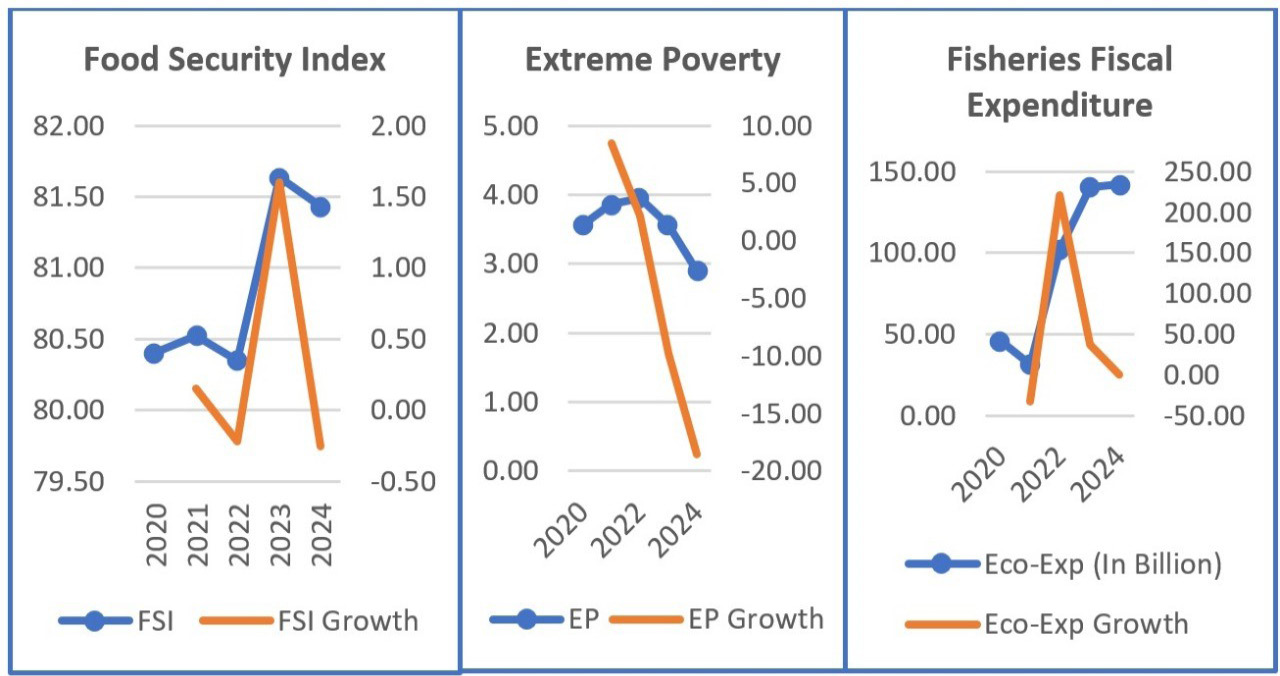
Growth of food security index, extreme poverty, and fisheries fiscal expenditure in gorontalo province
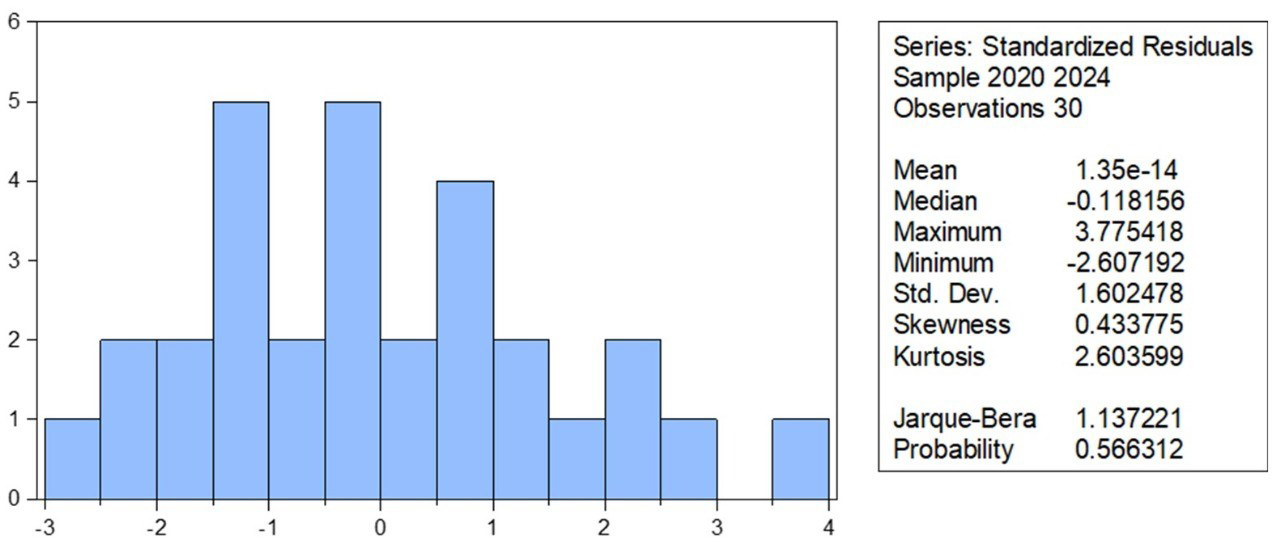
Normality test ( Jarque Bera)
References
- Akanbi, B. 2024. Analysis of food insecurity and hunger on Nigeria’s poverty level. J. Econ. Res. Bus. Administ., 146(4): 154–163. https://doi.org/10.26577/be.2023.v146.i4.013[CrossRef]
- Akbar, A., R. Darma, I.M. Fahmid, and vIrawan. 2023. Determinants of household food security during the COVID-19 pandemic in Indonesia. Sustain., 15(5): 4131. https://doi.org/10.3390/su15054131[CrossRef]
- Ali, H., M. Menza, F. Hagos, and A. Haileslassie. 2023. Impact of climate-smart agriculture adoption on food security and multidimensional poverty of rural farm households in the Central Rift Valley of Ethiopia. Agric. Food Secur., 11(1). https://doi.org/10.1186/s40066-022-00401-5[CrossRef]
- Ali, S.M., O. Bilame, and D. Ngusah. 2024. The contribution of the livelihood assets of artisanal fisheries to household livelihoods in Zanzibar Islands, Tanzania. SVU-International J. Agric. Sci., 6(1): 1–14. https://doi.org/10.21608/svuijas.2024.252631.1324[CrossRef]
- Ali, S., O. Bilame and D.A. Ngusa. 2023. An assessment of the potentials of artisanal fisheries in spearheading the blue economy transformation in Zanzibar Islands. Glob. J. Agric. Sci., 22(1): 23–35. https://doi.org/10.4314/gjass.v22i1.4[CrossRef]
- Allegretti, A. and C.C. Hicks. 2022. ‘Getting the right nutrients to those who need them most’: Towards nutrition-sensitive governance of fisheries in the Global South. Rev. Fish Biol. Fisher., 33(3): 561–571. https://doi.org/10.1007/s11160-022-09743-6[CrossRef]
- Allison, E. H. 2011. Aquaculture, fisheries, poverty and food security. The WorldFish Center.
- Arthur, R., D.J. Skerritt, A. Schuhbauer, N. Ebrahim, R. Friend, and U.R. Sumaila. 2021. Small-scale fisheries and local food systems: Transformations, threats and opportunities. Fish Fisher., 23(1): 109–124. https://doi.org/10.1111/faf.12602[CrossRef]
- Atabukum, F.D., N.N. Luc, and C.K. Toukam. 2020. Agricultural expenditures and food security: Evidence from Sub Saharan African countries. J. Econ. Manag. Trade., 26: 11–23. https://doi.org/10.9734/jemt/2020/v26i530252[CrossRef]
- Bakit, J., A. Hurtado, R. Márquez, and S. Villasante. 2023. Navigating transformations from artisanal fishers to entrepreneurial scallop farmers in Chile. Front. Marine Sci., 10. https://doi.org/10.3389/fmars.2023.1128527[CrossRef]
- Bari, M.A. 2025. Exploring the impact of secession on food prices: A case study of Sudan. Agric. Food Econ., 13(1). https://doi.org/10.1186/s40100-025-00398-y[CrossRef]
- Béné, C., R. Arthur, H. Norbury, E. H. Allison, M. Beveridge, S. Bush, L. Campling, W. Leschen, D. Little, D. Squires, S. H. Thilsted, M. Troell, and M. Williams. 2016. Contribution of fisheries and aquaculture to food security and poverty reduction: Assessing the current evidence. World Development, 79, 177-196. https://doi.org/10.1016/j.worlddev.2015.11.007[CrossRef]
- Bennett, A., X. Basurto, J. Virdin. et al. 2021. Recognize fish as food in policy discourse and development funding. Ambio., 50(5): 981–989. https://doi.org/10.1007/s13280-020-01451-4[CrossRef]
- Bennett, A., J.G. Mason, W. Battista, et al. 2025. An analytical approach to explore prospects and limits of nutrition-sensitive fisheries governance under climate change. Environmental Research: Food Syst., 2(3): 035003. https://doi.org/10.1088/2976-601x/add164[CrossRef]
- Bozsik, N., J.P.C. Tovar, B. Stalbek, L. Vasa, and R. Magda. 2022. Food security management in developing countries: Influence of economic factors on their food availability and access. PLOS ONE., 17(7): e0271696. https://doi.org/10.1371/journal.pone.0271696[CrossRef]
- Can, M.F., Y. Mazlum, and B. Erkan. 2023. Is there a relationship between human development and dependence on fisheries? Oceanol. Hydrobiol. Stud., 52(2): 245–257. https://doi.org/10.26881/oahs-2023.2.09[CrossRef]
- Canty, S.W.J. and J.L. Deichmann. 2022. Do small-scale fisheries have the capacity to provide food security to coastal populations? Fish Fisher., 23(3): 708–718. https://doi.org/10.1111/faf.12643[CrossRef]
- Cherol, C.C.D.S., A.A. Ferreira, J.D.B. Lignani, and R. Salles-Costa. 2022. Regional and social inequalities in food insecurity in Brazil, 2013-2018. Cadernos de Saúde Pública, 38(12). https://doi.org/10.1590/0102-311xen083822[CrossRef]
- Clark, T.P. 2022. Modernization, political economy, and limits to blue growth: A cross-national, panel regression study (1975–2016). Rural Sociol., 87(2): 573–604. https://doi.org/10.1111/ruso.12428[CrossRef]
- Crepaldi, B.V.C., L.M. Okada, F. Rauber, R.B. Levy, and C.M. Azeredo. 2021. Social inequality in food consumption between 2008 and 2019 in Brazil. Public Health Nutrit., 1–11. https://doi.org/10.1017/s1368980021002950[CrossRef]
- Deyshappriya, N.P.R. 2019. Analyzing the impact of agricultural landownership on poverty and food security in Sri Lanka: A household level econometric analysis. South Asian J. Soc. Stud. Econ., 4: 1–11. https://doi.org/10.9734/sajsse/2019/v4i330126[CrossRef]
- Dondi, A., E. Candela, F. Morigi, J. Lenzi, L. Pierantoni, and M. Lanari. 2020. Parents’ perception of food insecurity and of its effects on their children in Italy six months after the COVID-19 pandemic outbreak. Nutrient., 13(1): 121. https://doi.org/10.3390/nu13010121[CrossRef]
- Duncan, E., L. Ashton, A.R. Abdulai. et al. 2022. Connecting the food and agriculture sector to nutrition interventions for improved health outcomes. Food Secur., 14(3): 657–675. https://doi.org/10.1007/s12571-022-01262-3[CrossRef]
- Exavery, A., J.B. Charles, A. Barankena. et al. 2022. Impact of household economic strengthening intervention on food security among caregivers of orphans and vulnerable children in Tanzania. PLOS ONE., 17(2): e0264315. https://doi.org/10.1371/journal.pone.0264315[CrossRef]
- Farmery, A.K., A. White, and E.H. Allison. 2021. Identifying policy best-practices to support the contribution of aquatic foods to food and nutrition security. Food., 10(7): 1589. https://doi.org/10.3390/foods10071589[CrossRef]
- Frelat, R., S. Lopez-Ridaura, K. E. Giller, M. Herrero, S. Douxchamps, A. A. Djurfeldt, O. Erenstein, B. Henderson, M. Kassie, B. K. Paul, C. Rigolot, R. S. Ritzema, D. Rodriguez, P. J. A. van Asten, and M. T. van Wijk. 2016. Drivers of household food availability in sub-Saharan Africa based on big data from small farms. Proceedings of the National Academy of Sciences, 113(2), 458-463. https://doi.org/10.1073/pnas.1518384113[CrossRef]
- Gelli, A., J. Donovan, A. Margolies, N. Aberman, M. Santacroce, E. Chirwa, S. Henson, and C. Hawkes. 2020. Value chains to improve diets: Diagnostics to support intervention design in Malawi. Global Food Security. https://doi.org/10.1016/j.gfs.2019.09.006[CrossRef]
- Ghozali, I. 2018. Aplikasi Analisis Multivariate dengan Program IBM SPSS 25. Edisi 9. Semarang: Badan Penerbit Universitas Diponegoro.
- Groot, R.D., T. Palermo, L.M. Banks, and H. Kuper. 2021. The impact of the Lesotho Child Grant Programme in the lives of children and adults with disabilities: Disaggregated analysis of a community randomized controlled trial. Int. Soc. Secur. Rev., 74(2): 55–81. https://doi.org/10.1111/issr.12265[CrossRef]
- Guedes, A.D.A.F., M.L. Machado, M.C. Martins, B.L. Silva, P.M.D.O. Machado, and C.G. Gabriel. 2020. What is the food and nutrition security situation of Santa Catarina municipalities? Results of a multidimensional assessment. Revista de Nutrição., 33. https://doi.org/10.1590/1678-9865202033e190267[CrossRef]
- Hussain, A., B.K. Yousafzai, and M. Ishaq. 2024. Exploring the impact of rural transformation on food security in Pakistan. Pak. J. Agric. Res., 37(4): 438–444. https://dx.doi.org/10.17582/journal.pjar/2024/37.4.438.444[CrossRef]
- Islam, M. S., T. Sarkar, S. H. Khan, A.-H. M. Kamal, S. M. M. Hasan, A. Kabir, D. Yeasmin, M. A. Islam, K. I. A. Chowdhury, K. S. Anwar, A. A. Chughtai, and H. Seale. 2020. COVID-19-Related Infodemic and Its Impact on Public Health: A Global Social Media Analysis. American Journal of Tropical Medicine and Hygiene 103(4): 1621–1629. https://doi.org/10.4269/ajtmh.20-0812[CrossRef]
- Kim, J. and O. Lenhart. 2024. Paid family leave and the fight against hunger: Evidence from New York. Health Econ., 33(7): 1503–1527. https://doi.org/10.1002/hec.4818[CrossRef]
- Lafia, A.T., S.I. Bonou, J.N.B. Honfoga, T.R. Ketounou, and A.K.B. Zimé. 2022. The socio-economic situation, food and nutrition insecurity in the Republic of Benin during the COVID-19 pandemic. Res. Soc. Develop., 11(10): e12111032787. https://doi.org/10.33448/rsd-v11i10.32787[CrossRef]
- Luqman, M., M. Yaseen, M. Usman, and B. Munir. 2025. Situation analysis of food security and access to advisory services for small scale rural households under AKIS model in the Punjab Pakistan. Pak. J. Agric. Res., 38(1): 92–103. https://dx.doi.org/10.17582/journal.pjar/2025/38.1.92.103[CrossRef]
- Margareni, N. P. A. P., I. K. Djayastra, and I. G. W. M. Yasa. 2016. Faktor-faktor yang mempengaruhi Kemiskinan di Provinsi Bali. Jurnal Piramida, 12(1), 101-110.
- Martin, M., S. Abhilash, P. Vijaykumar, et al. 2022. Should I stay or should I go? South Indian artisanal fishers’ precarious livelihoods and their engagement with categorical ocean forecasts. Weather, Clim. Soc., 14(1): 113–129. https://doi.org/10.1175/wcas-d-20-0044.1[CrossRef]
- Martuscelli, A. 2022. The role of fisheries for poverty reduction and food security: Evidence from household-level data. Rev. Develop. Econ., 26(2): 1056–1082. https://doi.org/10.1111/rode.12855[CrossRef]
- Maswadi, M., A. Suyatno, and M. Rizki. 2023. Analysis on food security of peatland horticultural farmer households in Pontianak. Agriecobis J. Agric. Socioecon. Bus., 6(2): 169–179. https://doi.org/10.22219/agriecobis.v6i02.27446[CrossRef]
- Mohapatra, B.K. 2020. Poverty and food insecurity disparities and their causes in the eastern Indian state of Odisha. Int. J. Commun. Soc. Develop., 2(4): 426–448. https://doi.org/10.1177/2516602620980595[CrossRef]
- Morrow, N., N.B. Mock, A. Gatto, A. Colantoni, and L. Salvati. 2021. Farm forests, biomass poverty and chronic seasonal hunger. Agrirxiv., 2021. https://doi.org/10.31220/agrirxiv.2021.00104[CrossRef]
- Musiello-Fernandes, J., P.D.C. Oliveira, S.C.D. Araújo, et al. 2021. Artisanal fishing on the coast of Espírito Santo State, Southeastern Brazil: An approach to socioenvironmental oceanography. Boletim do Instituto de Pesca., 46(4). https://doi.org/10.20950/1678-2305.2020.46.4.610[CrossRef]
- Odoli, C., H. Owiti, K. Nyakeya, et al. 2019. Post-harvest interventions in small-scale fisheries: A boon or bane to food and nutritional security in Kenya? Food Secur., 11(4): 855–868. https://doi.org/10.1007/s12571-019-00950-x[CrossRef]
- Ojea, E., S.E. Lester, and D. Salgueiro-Otero. 2020. Adaptation of fishing communities to climate-driven shifts in target species. One Earth, 2(6): 544–556. https://doi.org/10.1016/j.oneear.2020.05.012[CrossRef]
- Okeke-Ogbuafor, N., T. Gray, and S.M. Stead. 2020. Is there a ‘wicked problem’ of small-scale coastal fisheries in Sierra Leone? Marine Polic., 118: 103471. https://doi.org/10.1016/j.marpol.2019.02.043[CrossRef]
- Okeke-Ogbuafor, N., A. Taylor, A.J. Dougill, S.M. Stead, and T. Gray. 2022. Alleviating impacts of climate change on fishing communities using weather information to improve fishers’ resilience. Front. Environ. Sci., 10. https://doi.org/10.3389/fenvs.2022.951245[CrossRef]
- Panjaitan, T.M., A. Sembiring, and P.R. Sari. 2024. Determinants of household food security among informal workers in coastal areas. J. Agribus. Commun. Develop., 11(3): 234–246.
- Pratama, S.D., R.A. Muid, and K. Damayanti. 2024. From measurement to action: Initiating the simultaneous alleviation of poverty and food insecurity policy in Indonesia. Salus Cultura: Jurnal Pembangunan Manusia dan Kebudayaan., 4(2): 191–201. https://doi.org/10.55480/saluscultura.v4i2.322[CrossRef]
- Prayitno, H., F. Ramadhani, and B.A. Saputra. 2025. The role of access to nutritious food in preventing stunting: Evidence from Indonesia. Nutrit. Develop. Rev., 7(1): 89–103.
- Putra, A.S., G. Tong, and D.O. Pribadi. 2020. Spatial analysis of socio-economic driving factors of food expenditure variation between provinces in Indonesia. Sustain., 12(4): 1638. https://doi.org/10.3390/su12041638[CrossRef]
- Romero, M., C. Moliner, and E. Arato. 2024. Discussion on plastic waste management hierarchy. Rivista di Studi Sulla Sostenibilita., 14(1): 121–140. https://doi.org/10.3280/riss2024-001008[CrossRef]
- Rahman, M. S., H, Toiba, and W. C. Huang. 2021. The impact of climate change adaptation strategies on income and food security: Empirical evidence from small-scale fishers in Indonesia. Sustainability (Switzerland), 13(14). https://doi.org/10.3390/su13147905[CrossRef]
- Sassi, M. 2020. A SEM approach to the direct and indirect links between WaSH services and access to food in countries in protracted crises: The case of Western Bahr-El-Ghazal State, South Sudan. Sustain., 12(22): 9631. https://doi.org/10.3390/su12229631[CrossRef]
- Sassi, M. and G. Trital. 2021. A latent growth curve modelling approach to seasonal and spatial dynamics of food security heterogeneities in rural Lake Naivasha Basin, Kenya. Food Secur., 14(1): 111–125. https://doi.org/10.1007/s12571-021-01200-9[CrossRef]
- Simutowe, E., H. Ngoma, and C. Thierfelder. 2025. Impacts of climate smart agriculture on livelihoods in Sub-Saharan Africa: A meta-analysis. Outlook Agric., 54(3): 234–245. https://doi.org/10.1177/00307270251322797[CrossRef]
- Singh, G.G., R.S. Cottrell, T.D. Eddy, and A.M. Cisneros-Montemayor. 2021. Governing the land-sea interface to achieve sustainable coastal development. Front. Marine Sci., 8. https://doi.org/10.3389/fmars.2021.709947[CrossRef]
- Singh, P., M. Goyal, B.B. Choudhary, and A. Guleria. 2021. Sustainable food security index: Planning tool for district-level agricultural development in Uttar Pradesh. Agric. Econ. Res. Rev., 34(1): 51–67. https://doi.org/10.5958/0974-0279.2021.00004.5[CrossRef]
- Srivastava, S. and R. Liu. 2025. Is food security sustainable? Evidence from a district-level study of Uttarakhand. Agrbio., 2025: 1–11. https://doi.org/10.53941/agrbio.2025.1000019[CrossRef]
- Sukereman, A.S., N.A. Rahim, N.N. Zainol, N.A. Azmi, and M.S.A. Nordin. 2022. The state of food security: A comparative study between Malaysia, Singapore, and Indonesia. IOP Conference Series: Earth Environ. Sci., 1067(1): 012009. https://doi.org/10.1088/1755-1315/1067/1/012009[CrossRef]
- Takeshima, H. 2024. Public expenditure's role in reducing poverty and improving food and nutrition security: Cross-country evidence from SPEED data. The European Journal of Development Research, 36(5), 1045–1073. https://doi.org/10.1057/s41287-023-00623-8[CrossRef]
- Thilsted, S. H., A. Thorne-Lyman, P. Webb, J. R. Bogard, R. Subasinghe, M. J. Phillips, and E. H. Allison. 2016. Sustaining healthy diets: The role of capture fisheries and aquaculture for improving nutrition in the post-2015 era. Food Policy 61: 126–131. https://doi.org/10.1016/j.foodpol.2016.02.005[CrossRef]
- Utama, L.J., L. Yunita, A.C. Sembiring. et al. 2023. Early impacts of COVID-19 on nutrition intake and household dietary diversity in Kupang District, East Nusa Tenggara, Indonesia. Glob. Med. Health Commun. (GMHC)., 11(2). https://doi.org/10.29313/gmhc.v11i2.10771[CrossRef]
- Voyer, M., D. Benzaken, and C. Rambourg. 2022. Institutionalizing the blue economy: An examination of variations and consistencies among Commonwealth countries. Philosophical Transactions of the Royal Society B: Biol. Sci., 377(1854). https://doi.org/10.1098/rstb.2021.0125[CrossRef]
- Woldemichael, M.G. and B.A. Alemu. 2024. Does productive safety net program enhance livelihoods? Insights from vulnerable households in Wolaita Zone, Ethiopia. PLOS ONE., 19(4), e0297780. https://doi.org/10.1371/journal.pone.0297780[CrossRef]
- Yolandika, C., N. Anggraini, and D. Berliana. 2021. Food security level of fisherman household in Bandar Lampung, Indonesia. IOP Conference Series: Earth Environ. Sci., 934(1): 012047. https://doi.org/10.1088/1755-1315/934/1/012047.[CrossRef]
- Zainol, N. A., E. Mustafa, R. A. Razak, and R. Ahmad. 2023. Determining cost control technique and overcoming challenges in daily operations: Perspectives from the foodservice managers. Management, 8(31), 15-25. https://doi.org/10.35631/JTHEM.831002[CrossRef]
Services
Article usage statistics
Loading…