
The sol-gel approach was used to synthesise the nanocatalyst, which was then characterised using XRD and SEM. An investigation was conducted into the optimisation of transesterification parameters for the manufacture of methyl ester using edible linseed oil and non-edible neem oil. Within 180 minutes of initiating an in situ transesterification process with linseed oil at a temperature of 65 °C and a 1:10 oil-to-methanol ratio, a high yield of fatty acid methyl ester (90.0 wt%) was achieved, whereas the yield of neem oil (94.0 wt%) was achieved under optimised conditions. The feedstock neem oil had the greatest FAME conversion compared to linseed oil. The catalyst recyclability test found that the CaO nanocatalyst could be reused five times without a significant decrease in activity. Nuclear magnetic resonance (NMR), Fourier transform infrared spectroscopy (FTIR), and gas chromatography–mass spectroscopy (GC–MS) were employed to characterise the feedstock and methyl ester.
Research Article · Volume 01, Issue 2, 1 September 2026 · Open Access
Synthesis of CaO Nanocatalyst and Its Catalytic Efficacy in Methyl Ester (Biodiesel) Production from Edible and Non-Edible Oils via Transesterification
· · · ·
Affiliations & Notes ⌄
- 1Department of Chemical Engineering, College of Engineering (A), Andhra University, Visakhapatnam, Andhra Pradesh, India
- 2Department of Computer Engineering, Al-Farabi University, Baghdad 10022, Iraq. *Correspondence | Almuntadher Alwhelat, Department of Computer Engineering, Al-Farabi University, Baghdad 10022, Iraq
- 3Email: almuntadher.mahmood@alfarabiuc.edu.iq
Article Info ⌄
- Journal:
- Smart Technologies in Science and Engineering
- Published:
- 1 September 2026
From the article
- Using CaO as a nanocatalyst may increase the output of methyl ester from linseed and neem oil.
- Because nano CaO is easily extracted from the methyl ester and reused up to five cycles, the approach is more sustainable.
- Using a 1:20 oil-to-methanol ratio for 2 hours at 50 °C with a 1.0 wt % catalyst, this synthetic nanocatalyst achieved a NOME production yield of 94%; conversely, at its optimal levels, the LOME yield was 90%.
Selected from the article's own text.
Abstract
Introduction
The increasing global demand for energy, coupled with the depletion of fossil fuel reserves and escalating environmental concerns, has intensified the search for sustainable and renewable energy alternatives. Greenhouse gas emissions from traditional fuels derived from petroleum are a key cause of climate change and global warming . Because of its renewable source, biodegradability, lack of toxicity, and lower emission profile than traditional diesel, biodiesel has gained attention as a potential alternative fuel in this regard . By transesterifying triglycerides found in oils and fats with short-chain alcohols like methanol, the main component of biodiesel is fatty acid methyl esters (FAME) . The sustainability and economic viability of biodiesel production are greatly affected by the feedstock choice. Linseed oil and other edible oils have a high conversion efficiency and a favourable fatty acid content, making them very useful . Edible oils have many potential benefits, but they also increase production costs and bring up questions about the relative merits of food and fuel . Many people are looking to non-edible oils, like neem oil, and inexpensive feedstocks, such as recycled cooking oil, to solve these problems. Not only can these options save production costs, but they also address waste management and pollution ; . Using a variety of feedstocks, such as edible, non-edible, and waste oils, offers a holistic approach to producing biodiesel sustainably . For biodiesel, the most common procedure is transesterification because it is easy to implement and produces good results. Glycerol and methyl esters are the byproducts of this process, which entails reacting triglycerides with alcohol in the presence of a catalyst . Although sodium hydroxide (NaOH) and potassium hydroxide (KOH) and other homogeneous catalysts have a lot of catalytic activity, they have a lot of drawbacks, such as making soap and being bad for the environment . Because of these drawbacks, heterogeneous catalysts, especially metal oxides like calcium oxide (CaO), have gained popularity. These catalysts have several benefits, including low environmental impact, facile separation, and reusability. Recent advances in nanotechnology have significantly improved the effectiveness of heterogeneous catalysts. In comparison to bulk catalysts, nanostructured CaO catalysts have a larger surface area, more active sites, and better catalytic performance . Nanocatalysts are typically prepared using the sol-gel method, which is one of several synthesis strategies. This is because it yields particles that are homogeneous in size, very pure, and have improved surface properties . There is promising evidence that CaO nanocatalysts produced using the sol-gel method can enhance Methyl ester production and reaction conditions.
It is essential to characterise the catalysts and Methyl ester to guarantee the quality and effectiveness of the process. The morphology and crystalline structure of the synthesised nanocatalyst are studied using scanning electron microscopy (SEM) and X-ray diffraction (XRD) . To further verify the synthesis of fatty acid methyl esters and to identify functional groups in biodiesel, analytical procedures such as Gas Chromatography-Mass Spectroscopy (GC-MS), Fourier Transform Infrared Spectroscopy (FTIR), and Nuclear Magnetic Resonance (NMR) are employed . The chemical composition and structural characteristics of the produced fuel can be fully understood using these methods.
Factors crucial to the mass manufacturing of methyl ester include, but are not limited to, production, characterisation, catalyst reusability, and the economic feasibility of the process. Reusing and regenerating CaO nanocatalysts can increase process sustainability and cut operational costs in half . The current research intends to use the sol-gel method to create and analyse a CaO nanocatalyst, transesterify linseed and neem oils to make methyl ester, analyse FAME by GC-MS, FTIR, and NMR, and evaluate catalyst regeneration.
Materials and Methods
Feedstocks
To carry out the tests for the production of methyl ester (biodiesel), linseed and neem oil were bought from the local market. The compounds utilised were all of analytical grade. The physicochemical characteristics of the feedstocks were analysed using ASTM standards.
Synthesis of nanocatalyst using Sol-gel method and its characterisation
Calcium oxide (CaO) nanocatalyst was synthesised via the sol–gel method by dissolving calcium nitrate tetrahydrate in ethylene glycol to form a sol, which was gelled, filtered, dried, and ground. The obtained powder was calcined at 850 °C for one hour and stored in a desiccator for further use 22. In this study, XRD and SEM analyses were used for the identification and specification of the nanocatalyst.
Production of Methyl ester from purified feedstock via transesterification and its optimisation
Pretreatment of the feedstock included drying it and neutralising free fatty acids (FFA) to prevent soap formation. After being heated to 110 ± 5 °C, the linseed and neem oils were filtered. Titration with 0.1 N KOH and phenolphthalein was used to determine the FFA content, which was then neutralised as needed. A reflux condenser, thermometer, and magnetic stirrer were used in conjunction with a 500 ml two-necked flask to conduct the transesterification. Reactions with pretreated oil were carried out using a calcium oxide nanocatalyst/methanol mixture under carefully regulated conditions, including temperature (50-60 °C), duration, and molar ratio. After letting the reaction mixture settle, layers of glycerol, catalyst, and methyl ester formed. After separating the methyl ester, it was washed with acidified water using the air bubble method and then dried at 110 °C. Optimisation of parameters such as temperature, reaction time, methanol ratio, and catalyst loading was performed to enhance Methyl ester production efficiency. The Equation 1 shown below was used to compute the yield of Methyl Ester:

Characterisation of methyl ester and regeneration of catalyst
The crystal structure of the resulting powder samples was analysed by X-ray diffraction (XRD, Model BRUKER AXS D8, Cu Ka radiation, λ = 0.154056 nm). The Debye-Scherrer Equation 2 was used to compute the CaO nanoparticle crystallite size (D), measured in nanometers (nm):
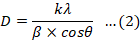
Where; D= Diameter of particles(nm), k= Scherrer constant, λ= XRD radiation wavelength in nanometers, β = Full width at half maximum in radians, 2θ = Peak position
The vibrational frequencies of the samples were examined using a Perkin-Elmer (model series 2000) FTIR spectrophotometer with a resolution of 1 cm-1 in the region of 400–4000 cm-1. The transformation of neem oil into methyl ester was verified using gas chromatography in conjunction with mass spectrometry (GC-MS). Gas chromatography-mass spectrometry was carried out on an Agilent 7890a gas chromatograph equipped with a 30 m HP-5 MS column (0.25 mm internal diameter and 0.15 μm film thickness). The sample was introduced in split injection with a split ratio of 50:1. The oven temperature was started at 25 °C and then ramped at 50 °C per min to 230 °C withhold time of 3 and 5 min, respectively. Helium gas was introduced at the rate of 1 μl/min in a constant mode. The NIST library 11 was used to identify and validate the existence of fatty acid methyl ester peaks in the biodiesel GC-MS spectra.HNMR spectroscopy was utilised to determine the conversion of linseed and neem oil to FAMEs. The product was evaluated using a Bruker NMR 400 MHz spectrometer with deuterated chloroform (CDCl3) as a solvent; 10 mg of biodiesel product was dissolved in 1 mL of deuterated chloroform with 0.05% tetramethylsilane. The heterogeneous CaO catalyst was recovered by centrifugation, washed with ethanol, vacuum-dried, and reused in transesterification, demonstrating effective regeneration and comparable performance to previous studies.
Results and Discussion
Characterisation of synthesised CaO nanocatalyst
XRD analysis: The synthesised catalyst’s principal components were determined by X-ray diffraction (XRD), which also served to measure the crystallite sizes. There was clear evidence of the synthesised catalyst’s value in the 16-71° range, as well as the CaO nanoparticles’ XRD diffraction intensity pattern and the powder’s considerable crystalline. Distinct peaks are observed near the peak positions of 16.024, 28.639, 29.361, 34.069, 47.088, 50.743, 54.592, 62.719, and 64.229, as shown in Figure 1. These results were qualitatively confirmed, as similar trends were observed in other studies conducted by Davoodbasha et al. (2021). The synthesised CaO has a mean crystal size of 39.17 nm and a particle size range of 13 to 77 nm, as shown in Table 1.
SEM analysis: A scanning electron microscopy (SEM) investigation was conducted with sample image scales of 5µm, 10µm, 20µm, and 100µm, and magnifications of 500X, 2.5KX, 5KX, and 8KX, respectively. The SEM pictures shown in Figure 2a-d show that the produced CaO nanocatalyst usually has irregularly shaped particles with a porous structure and active sites. The catalyst’s larger surface area for reaction is another possible explanation, given the wide range of particle sizes and shapes. The scanning electron microscope was used to examine the resulting CaO nanocatalyst for structural defects. Therefore, the mentioned results were qualitatively validated, since comparable patterns were noted in the study by Abd Malek et al. (2021).
Table 1: Diameter of particles using XRD report.
|
Peak position (2θ) |
Scherrer constant (κ) |
Full width at half maximum(β) in radians |
XRD radiation wavelength(λ) in nanometers |
Diameter of particles(nm) |
|
16.024 |
0.98 |
0.2796 |
1.54 |
56.77 |
|
28.639 |
0.98 |
0.4998 |
1.54 |
32.31 |
|
29.361 |
0.98 |
0.5124 |
1.54 |
63.27 |
|
34.069 |
0.98 |
0.5946 |
1.54 |
28.74 |
|
47.088 |
0.98 |
0.8218 |
1.54 |
18.35 |
|
50.743 |
0.98 |
0.8856 |
1.54 |
19.18 |
|
54.592 |
0.98 |
0.9528 |
1.54 |
42.08 |
|
62.719 |
0.98 |
1.0946 |
1.54 |
13.87 |
|
64.229 |
0.98 |
1.1210 |
1.54 |
77.92 |
Production of methyl ester (biodiesel) from Linseed oil at optimised parameters
Effect of transesterification reaction variables
The effects of parameters on methyl ester synthesis were investigated, as demonstrated in Figure 3a–d. Factors such as catalyst loading, reaction time, oil-to-methanol molar ratio, and temperature have a substantial impact on transesterification . Increasing temperature from 45°C to 65°C improved methyl ester yield from 75.5% to 86.0% due to enhanced reaction rates; however, further increase reduced yield because of methanol evaporation and possible thermal degradation. Similarly, reaction time played a crucial role, with yield (88.0%) increasing up to 180 minutes, beyond which no improvement was observed due to reverse reactions and soap formation. Catalyst loading also affected conversion, as increasing CaO nanocatalyst from 1.0 g to 1.5 g enhanced yield (88.5 %) by providing more active sites, while excess catalyst (2.0 g) led to soap formation and reduced yield. The oil-to-methanol molar ratio showed optimal performance at 1:10, where maximum yield (90.0%) was achieved. Further increase to 1:12 decreased yield due to excess methanol promoting glycerol formation and shifting equilibrium backwards. Thus, optimal conditions were identified to maximise methyl ester production efficiency. Similar reports were also seen in the study conducted by Gashaw and Lakachew (2014).
Characterisation of LOME
FTIR studies of linseed methyl ester (LOME)
FTIR analysis of LOME confirmed the presence of key functional groups indicative of methyl ester formation.
A peak at 3010.6 cm⁻¹ corresponds to O–H and C–H stretching, associated with carboxylic acids, alkenes, and alcohols. Peaks at 2924.9 cm⁻¹ and 2853.5 cm⁻¹ indicate O–H, N–H, and C–H bonds, confirming the presence of alkanes, alcohols, and amine-related groups. A strong absorption at 1741.9 cm⁻¹ represents C=O stretching, characteristic of ester functional groups, confirming successful transesterification. The peak at 1437.9 cm⁻¹ corresponds to C–H and O–H bending, suggesting alkanes and carboxylic acids. Further peaks at 1168.7 cm⁻¹ indicate C–O, C–N, and related bonds, supporting the presence of esters and alcohols (Figure 4). The absorption at 717.9 cm⁻¹ is attributed to C–Cl and C=C bonds, indicating alkenes and minor halo compounds. Overall, the FTIR spectrum confirms the formation of methyl esters with characteristic functional groups, validating the successful conversion of linseed oil into methyl ester.
Nuclear magnetic resonance (H-NMR) studies of LOME
The results are shown in Figure 5. ¹H NMR analysis of LOME in CDCl₃ confirmed the formation of fatty acid methyl esters (FAME), the main component of methyl ester. Peaks at 5.268–5.341 ppm correspond to alkenyl protons of unsaturated fatty acids, indicating high unsaturation. Signals at 4.113–4.313 ppm represent methylene protons adjacent to the ester group, confirming conversion of triglycerides into methyl esters. Peaks at 2.770–2.786 ppm are due to methylene protons near the carbonyl group, while 2.042–2.309 ppm indicate allylic protons. The methylene protons along the aliphatic chain appear at 1.612 ppm and 1.262–1.397 ppm. Terminal methyl groups are observed at 0.884–0.975 ppm. Overall, the spectrum confirms successful biodiesel production with characteristic ester functional groups and unsaturated fatty acid chains.
Production of Neem oil methyl ester (NOME) at optimised parameters
As shown in Figure 6a-d, the influence of parameters like temperature, reaction time, catalyst loading, and oil–methanol ratio on methyl ester yield was investigated. Increasing temperature from 40°C to 50°C improved yield from 74% to 85.5%, with 50°C identified as optimum; further increase reduced yield due to methanol vaporisation. Reaction time optimisation showed maximum conversion (87.0%) at 120 minutes, beyond which yield decreased due to reverse reactions with glycerol. Catalyst loading enhanced conversion by providing more active sites, with optimum yield (89.5 %) observed at 1.0 wt% for neem oil. The oil-to-methanol molar ratio significantly influenced yield and increased to 94.0%, with an optimum ratio of 1:20. Higher methanol content initially increased conversion by driving the reaction forward; however, excessive methanol reduced yield by diluting reactants and limiting effective contact between triglycerides and catalyst. These results confirm that optimal conditions are essential to maximise biodiesel production efficiency .
Characteristics of NOME
NOME characterisation by FTIR
The FT-IR spectra of neem oil are shown in Figure 7. The bands between 2924 cm-1 and 2831 cm-1 are the strong peaks of the carboxylic acid’s OH stretching. The distinctive peak at 1741 cm-1 corresponds to the ester C=O stretching. The C-H bending in the alkane methylene group corresponds to the area between 1460 cm-1 and 1452 cm-1. All FTIR peaks are consistent with values in the previous reports .
NOME characterisation by Nuclear Magnetic Resonance (H-NMR)
The conversion of neem oil to neem oil methyl ester (NOME) was analysed using H-NMR, as shown in Figures 8 and 9. The solvent used internal reference for H-NMR was deuterated chloroform (CDCl3) . The conversion of raw neem oil and neem oil to methyl esters was determined by the ratio of signals at 3.209 ppm (NOME) (methoxy groups of the methyl esters) and 1.123 ppm (NOME) (α-carbon CH2 groups of all fatty acid derivatives). The peaks at 5.153 ppm and 5.086 ppm were due to olefinic hydrogen. The NOME yield from neem oil could be quantified from the H-NMR integration area.
Gas chromotography- mass spectroscopy(GCMS) analysis of NOME
Gas chromatography (GC) was used to determine the composition of esters in biodiesel and to characterise pure biodiesel. MS chromatogram with the mass spectra available in the library (NIST). After analysing the NOME, 12 components were identified through the GC-MS chromatogram, as shown in Figure 10, which shows the biodiesel components, which constitute 93% of the NOME. The results shown in Table 2 indicate that the main components of methyl ester, according to the percentages, are as follows: 9-octadecenoic acid (Z)-, methyl ester (13.95%), Hexadecanoic acid, methyl ester (15.21%), and Methyl stearate (3.92%). Unidentified esters of lard biodiesel were not counted, and compounds present in minor amounts (less than 0.1% peak area) were not considered further .
Table 2: Composition of fatty acid methyl ester in NOME.
|
S. No |
Compounds |
Molecular formula |
Molecular wt. |
Retention time |
Area % |
|
1 |
9,12-Octadecadienoic acid (Z, Z)-, methyl ester |
C15H34O2 |
294 |
31.803 |
14.48 |
|
2 |
9-Octadecenoic acid, methyl ester, (E)- |
C16H36O2 |
296 |
31.973 |
13.95 |
|
3 |
Hexadecanoic acid, methyl ester |
C17H34O2 |
270 |
28.591 |
15.21 |
|
4 |
Methyl tetradecanoate |
C15H30O2 |
242 |
24.288 |
1.27 |
|
5 |
Methyl stearate |
C19H38O2 |
298 |
32.375 |
3.92 |
|
6 |
9-Octadecenoic acid, 12-hydroxy-, methyl ester, (Z)- |
C19H36O3 |
312 |
35.287 |
6.24 |
|
7 |
n-Hexadecanoic acid |
C16H32O2 |
256 |
29.338 |
3.87 |
|
8 |
Heneicosanoic acid, methyl ester |
C22H44O2 |
340 |
35.869 |
1.48 |
|
9 |
Hexadecanoic acid, 2-hydroxy-1-(hydroxymethyl)ethyl ester |
C19H38O4 |
370 |
38.948 |
8.07 |
|
10 |
6-Octadecenoic acid, methyl ester, (Z)- |
C19H36O2 |
296 |
32.020 |
1.51 |
|
11 |
Tricyclo[20.8.0.0(7,16)]triacontane, 1(22),7(16)-diepoxy- |
C30H52O2 |
444 |
36.809 |
2.14 |
|
12 |
9-Octadecenoic acid (Z)-, 2,3-dihydroxypropyl ester |
C21H40O4 |
356 |
41.770 |
20.66 |
Regeneration of nanocatalyst
Transesterification of triglycerides into biodiesel and glycerol is made possible by nanocatalysts, which have recently become essential in the biodiesel production process. However, nanocatalysts can deactivate or foul with time, reducing their effectiveness and lifespan. One environmentally friendly way to increase process efficiency and extend catalyst lifetime is nanocatalyst regeneration. According to this study, iterative cycles result in a decrease in yield. The removal of active sites during deactivation could account for the observed drop in catalytic activity. Another factor to think about is the likelihood of undesirable byproducts being formed and then deposited on the surface of the catalyst . The CaO nanocatalyst can be reused for up to five cycles, according to several experiments (Figure 11).
The CaO-catalyzed transesterification, which used calcined hydrated lime, demonstrated remarkable water tolerance in the oil. The FAME yield of neem oil remained constant at 94% as long as the oil’s water content was below 5 wt%. An increase in the catalytic activity of CaO during transesterification can be achieved by adding a tiny quantity of water to the reaction stream. This is because water generates an OH group, which speeds up the creation of the methoxide anion. However, the FAME yield dropped to 69% when the water concentration in the reaction exceeded 5 wt%, as this level of water could induce soap to form. The results obtained were similar to those reported by Mahmood and Al-Yaqoobi (2024).
Conclusion
Using CaO as a nanocatalyst may increase the output of methyl ester from linseed and neem oil. Nano CaO provides a realistic and cost-effective way to speed up the transesterification process, with the added benefit of being easy to recover and reuse. Because nano CaO is easily extracted from the methyl ester and reused up to five cycles, the approach is more sustainable. Using a 1:20 oil-to-methanol ratio for 2 hours at 50 °C with a 1.0 wt % catalyst, this synthetic nanocatalyst achieved a NOME production yield of 94%; conversely, at its optimal levels, the LOME yield was 90%. By weight, NOME primarily consists of the following ingredients: 9-octadecenoic acid (Z)-methyl ester (13.95%), hexadecanoic acid (15.21%), and methyl stearate (3.92%). It is possible to lessen dependence on fossil fuels and crude oil imports by using methyl ester produced from linseed and neem oil, which has characteristics that are quite similar to petroleum diesel.
Acknowledgements
The authors sincerely acknowledge the Department of Chemical Engineering, College of Engineering (A), Andhra University, Visakhapatnam, Andhra Pradesh, India, for providing the infrastructure and laboratory facilities necessary to carry out this research.
Novelty Statement
This study presents a comparative valorisation of one edible (linseed) and one non-edible (neem) feedstock using a single sol-gel-derived CaO nanocatalyst, allowing direct assessment of feedstock-dependent transesterification behaviour under independently optimised conditions. Beyond conventional yield optimisation, the work couples multi-technique product verification (FTIR, ¹H NMR, GC-MS) with a dedicated water-tolerance assessment of the catalyst showing stable FAME yield below 5 wt% water content and a sharp decline above this threshold and confirms reusability over five cycles without significant activity loss. This combined feedstock-comparison, tolerance-threshold, and recyclability dataset for CaO nanocatalysts has not been reported collectively in prior literature on linseed–neem biodiesel systems.
Authors’ Contribution
Chukka Vinodh Kumar: Conceptualisation, methodology, investigation, formal analysis, writing original draft. Veluru Sridevi: Supervision, conceptualisation, resources, writing review and editing. Rakesh Patnaik: Investigation, data curation, formal analysis. Vanumula Ajay Kumar: Methodology, validation, writing review and editing. All authors have read and approved the final version of the manuscript.
Generative AI and AI-assisted technology statement
During the preparation of this manuscript, the authors did not use any generative AI or AI-assisted technologies to generate, analyse, or interpret research data, or to draw scientific conclusions. AI tools were used only in a limited capacity for language polishing and grammar refinement of the text. The authors reviewed and edited all content and take full responsibility for the accuracy and integrity of the published work.
Conflict of interest
The authors have declared no conflict of interest.
Figures
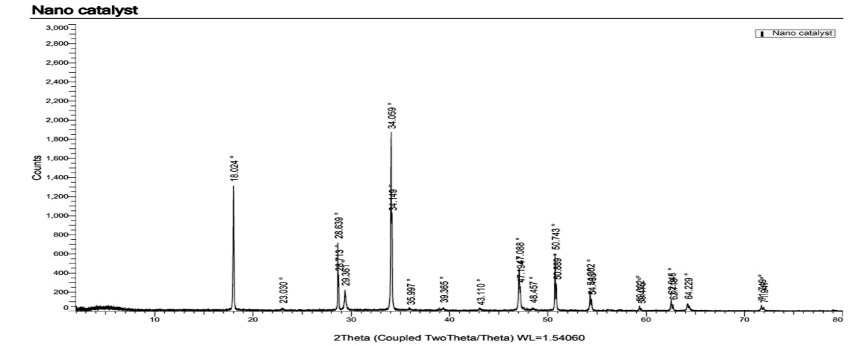
XRD pattern of synthesised CaO nanoparticles.
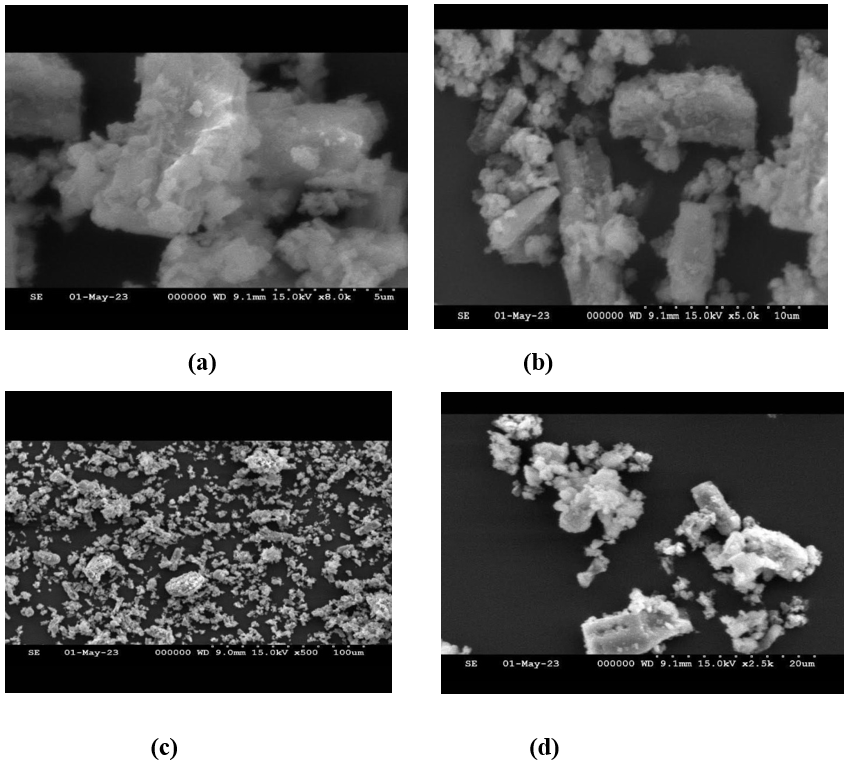
a-d shows the SEM images of synthesized nanocatalyst at 5µm, 10µm, 20µm, and 100µm magnification, respectively.
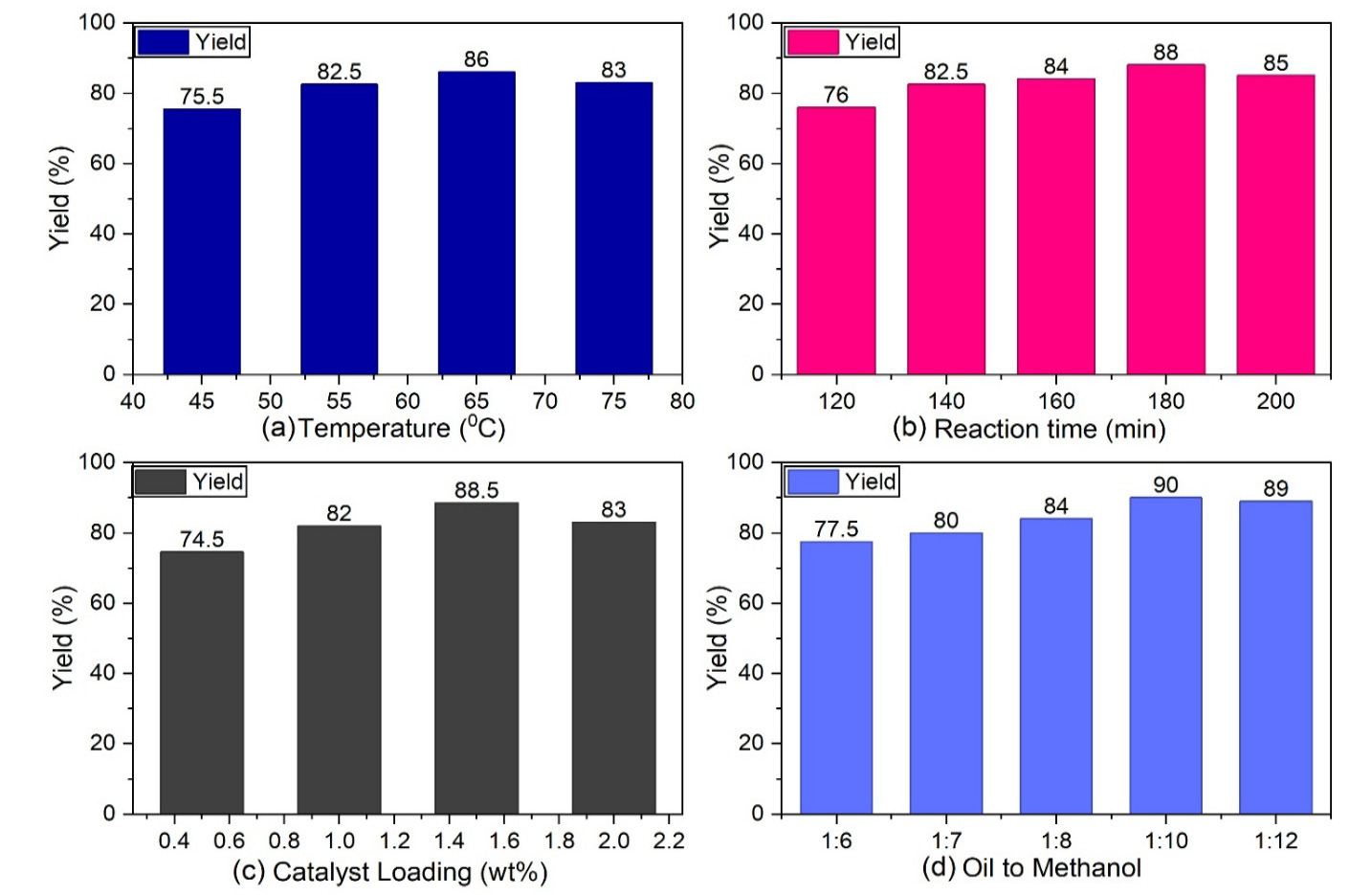
a-d: Effect of Temperature, reaction time, catalyst loading and oil-to-methanol ratio.
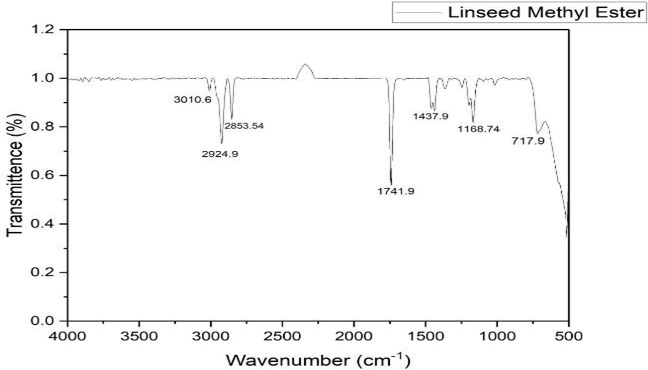
FTIR analysis of LOME
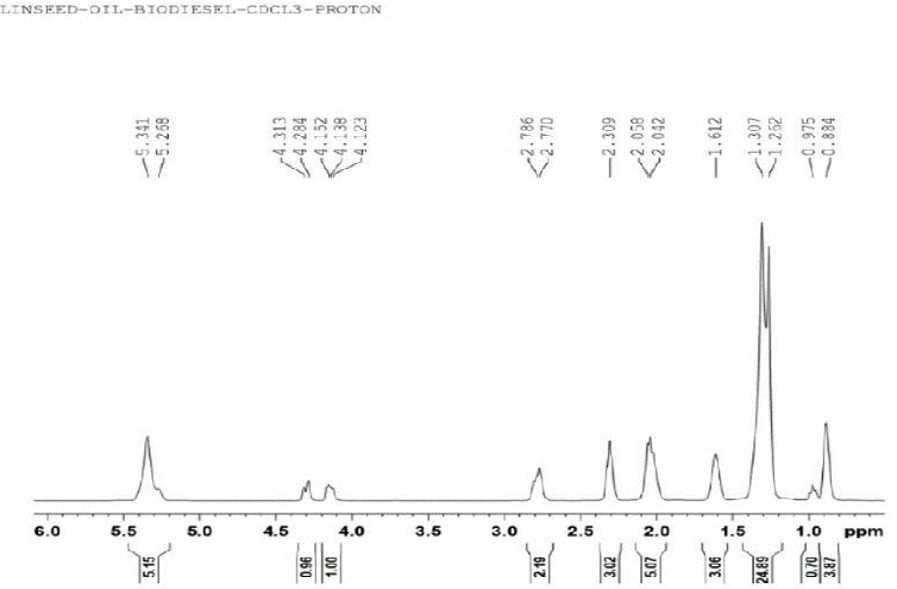
H-NMR studies of LOME.
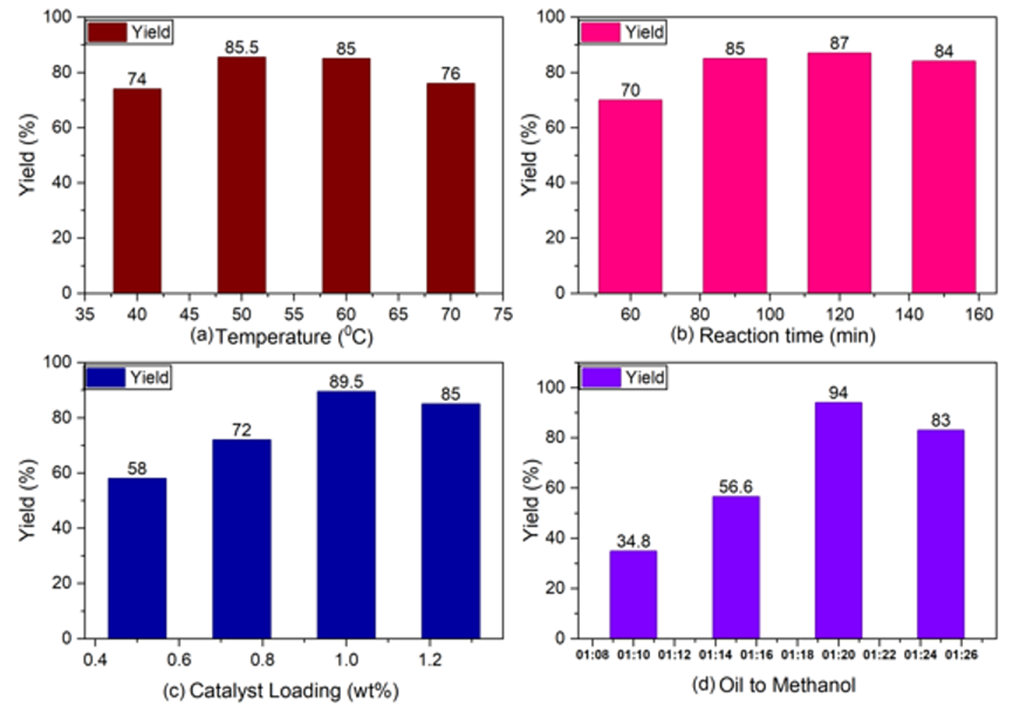
a-d: Effect of Temperature, reaction time, catalyst loading and oil-to-methanol ratio.
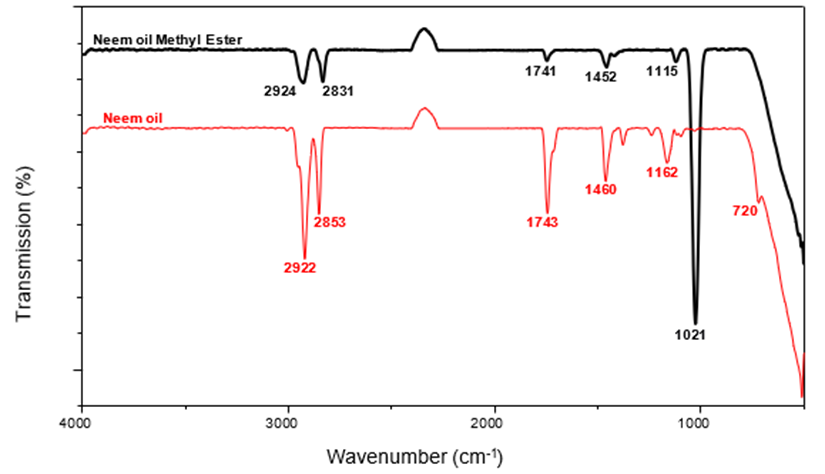
FTIR analyses of neem oil and NOME
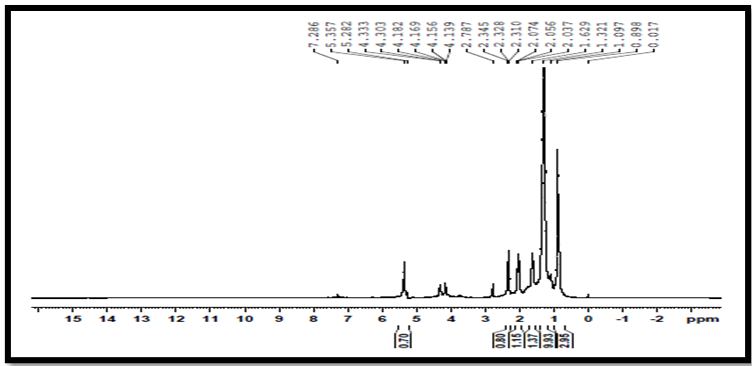
H-NMR studies of Raw Neem oil.
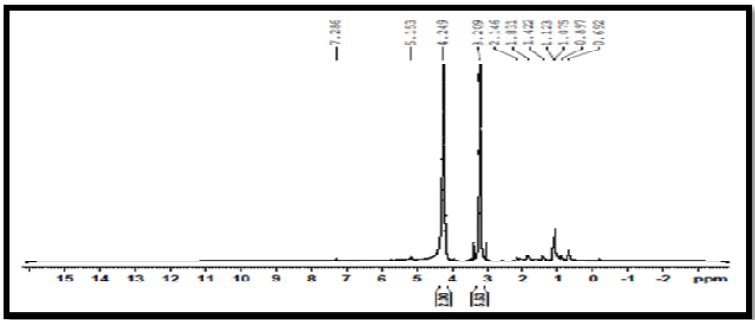
H-NMR studies of NOME.
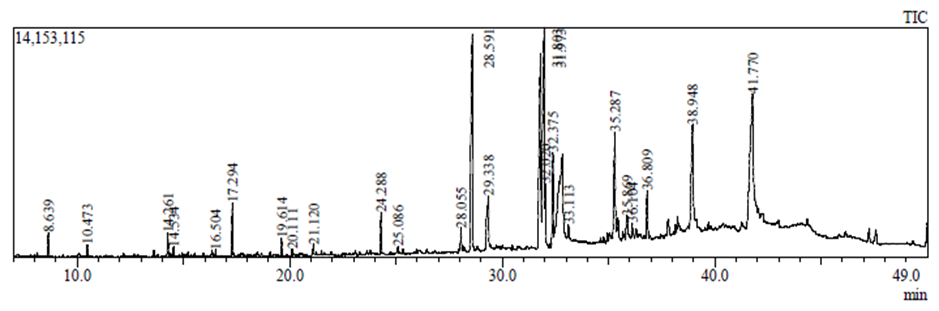
GCMS report of NOME.
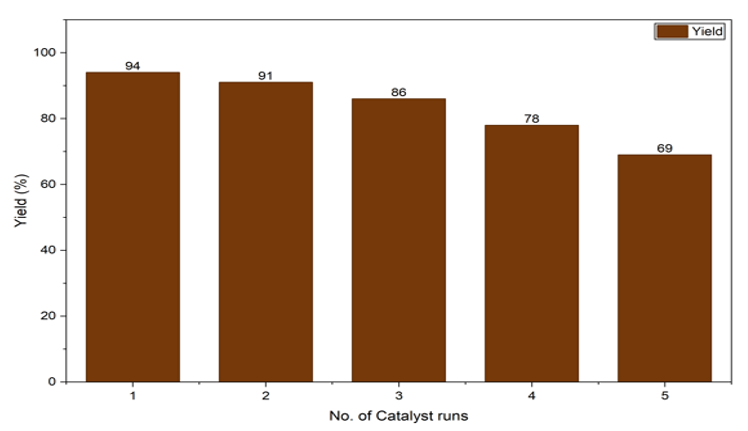
No of catalyst cycles for methyl ester production
References
- Abd Malek , M.N.F., Pushparaja, L., Hussin , N.M., Embong , N.H., Bhuyar, P., Rahim, M.H.A. and Maniam, G.P., 2021. Exploration of efficiency of Nano Calcium Oxide (Cao) as catalyst for enhancement of biodiesel production. J. Microbiol. Biotechnol. Food Sci., 11(1): e3935. https://doi.org/10.15414/jmbfs.3935[CrossRef]
- Bharti, P., Singh, B. and Dey, R.K., 2019. Process optimisation of biodiesel production catalysed by CaO nanocatalyst using response surface methodology. J. Nanostruct. Chem., 9(4): 269–280. https://doi.org/10.1007/s40097-019-00317-w[CrossRef]
- Danish, M., Kale, P., Ahmad, T., Ayoub, M., Geremew, B. and Adeloju, S., 2020. Conversion of flaxseed oil into biodiesel using KOH catalyst: Optimisation and characterisation dataset. Data Brief, 29: 105225. https://doi.org/10.1016/j.dib.2020.105225[CrossRef]
- Das, M., 2019. Performance and emission characteristics of biodiesel–diesel blend. Elsevier eBooks, pp. 202–211. https://doi.org/10.1016/B978-0-12-803581-8.10579-X[CrossRef]
- Dash, S.K., Elumalai, P.V, Ranjit, P.S., Das, P.K., Kumar, R., Kunar, S. and Papu, N.H., 2021. Experimental investigation on synthesis of biodiesel from non-edible Neem seed oil: Production optimisation and evaluation of fuel properties. Mater. Today Proc., 47: 2463–2466. https://doi.org/10.1016/j.matpr.2021.04.551[CrossRef]
- Davoodbasha, M., Pugazhendhi, A., Kim, J.W., Lee, S.Y. and Nooruddin, T., 2021. Biodiesel production through transesterification of Chlorella vulgaris: Synthesis and characterisation of CaO nanocatalyst. Fuel, 300: 121018. https://doi.org/10.1016/j.fuel.2021.121018[CrossRef]
- Deng, X., Fang, Z., Liu, Y. and Yu, C.L., 2011. Production of biodiesel from Jatropha oil catalysed by nanosized solid basic catalyst. Energy, 36: 1-8. https://doi.org/10.1016/j.energy.2010.12.043[CrossRef]
- Dixit, S., Kanakraj, S. and Rehman, A., 2012. Linseed oil as a potential resource for bio-diesel: A review. Renew. Sustain. Energy Rev., 16(7): 4415–4421. https://doi.org/10.1016/j.rser.2012.04.042[CrossRef]
- Elgharbawy, A.A., Sadik, W., Sadek, O., Kasaby, M., 2021. Transesterification reaction conditions and lowquality feedstock treatment processes for biodiesel production- A review. J. Petrol. Mining Eng., 23(1): 89-94.
- Gashaw, A. and Lakachew, A., 2014. Production of biodiesel from non edible oil and its properties. Int. J. Sci. Environ. Technol., 3(4): 1544 – 1562.
- Gurunathan, B. and Ravi, A., 2015. Process optimisation and kinetics of biodiesel production from neem oil using copper doped zinc oxide heterogeneous nanocatalyst. Bioresour. Technol., 190: 424–428. https://doi.org/10.1016/j.biortech.2015.04.101[CrossRef]
- Khan, R.I.A., Rhithuparna, D., Khan, Abdul, R., Ahmad, S., Rokhum, S.L. and Halder, G., 2025. Unveiling the efficacy of TiO₂-mediated CaO nanocatalyst synthesised via sol–gel method for cost-effective biodiesel production. Biomass Bioenergy, 198: 107852. https://doi.org/10.1016/j.biombioe.2025.107852[CrossRef]
- Maheshwari, P., Haider, M.B., Yusuf, M., Klemeš, J.J., Bokhari, A., Beg, M., Al-Othman, A., Kumar, R. and Jaiswal, A.K., 2022. A review on latest trends in cleaner biodiesel production: Role of feedstock, production methods, and catalysts. J. Cleaner Prod., 355: 131588. https://doi.org/10.1016/j.jclepro.2022.131588[CrossRef]
- Mahmood, S.S. and Al-Yaqoobi, A.M., 2024. Production of biodiesel by using CaO nanocatalyst synthesis from mango leaves extraction. Int. J. Renew. Energy Dev., 13(6): 1025–1034. https://doi.org/10.61435/ijred.2024.60469[CrossRef]
- Mallah, T.A. and Sahito, A.R., 2020. Optimisation of castor and neem biodiesel blends and development of empirical models to predicts its characteristics. Fuel, 262: 116341. https://doi.org/10.1016/j.fuel.2019.116341[CrossRef]
- Mofijur, M., Forruque Ahmed, S., Ahmed, B., Mehnaz, T., Mehejabin, F., Shome, S., Almomani, F., Ahmed Chowdhury, A., Kalam, M. A., Anjum Badruddin, I. and Kamangar, S., 2023. Impact of nanoparticle-based fuel additives on biodiesel combustion: An analysis of fuel properties, engine performance, emissions, and combustion characteristics. Energy Conv. Manage., 21: 100515. https://doi.org/10.1016/j.ecmx.2023.100515[CrossRef]
- Mohiddin, M.N., Tan, Y.H., Seow, Y.X., Kansedo, J., Mubarak, N.M., Abdullah, M.O., Chan, Y.S. and Khalid, M., 2021. Evaluation on feedstock, technologies, catalyst and reactor for sustainable biodiesel production: A review. J. Ind. Eng. Chem., 98: 60–81. https://doi.org/10.1016/j.jiec.2021.03.036[CrossRef]
- Rao, K.S. and Ramakrishna, A., 2015. Cost estimation analysis of biodiesel production from waste chicken fat. Int. J. Appl. Eng. Res., 10(4): 8863–8870.
- Saad, M., Siyo, B. and Alrakkad, H., 2023. Preparation and characterisation of biodiesel from waste cooking oils using heterogeneous Catalyst (Cat.TS-7) based on natural zeolite. Heliyon, 9(6): e15836. https://doi.org/10.1016/j.heliyon.2023.e15836[CrossRef]
- Song, Y., Li, R., Qian, Y., Zhang, L., Wang, Z., Liu, S., Pei, Y., An, Y., Yue, H. and Meng, Y., 2024. Study on spray characteristics of biodiesel alternative fuels for in-cylinder environment of diesel engine. J. Energy Inst., 113: 101507.
- Wahab, T.A. and Takase, M.A., 2019. Biodiesel production from neem (Azadirachtaindica) seed oil. Int. J. Innov. Res. Dev., 8(8).
- Wang, H. and Zhang, D., 2023. Examining the interplay between fossil fuel mining, sustainable growth, and economic prosperity. Resour. Policy, 87: 104324. https://doi.org/10.1016/j.resourpol.2023.104324[CrossRef]
Services
Article usage statistics
Loading…