Abdul Quddus 1,4, Nurhusien Yimer1*, Faez Firdaus Abdullah Jesse1,M. Mustapha Noordin 2, Mark W. H. Hiew1, Muhammad Abdul Basit3, Maria Amir1, Mohammed Sirajul Islam1,6, Ubedullah Kaka4
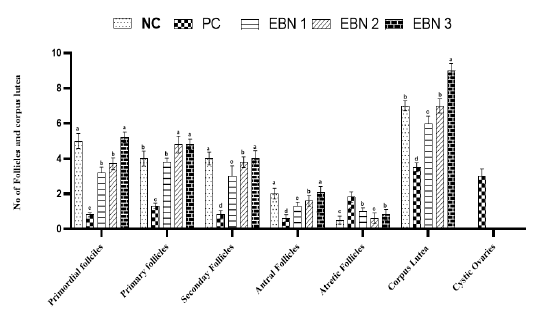
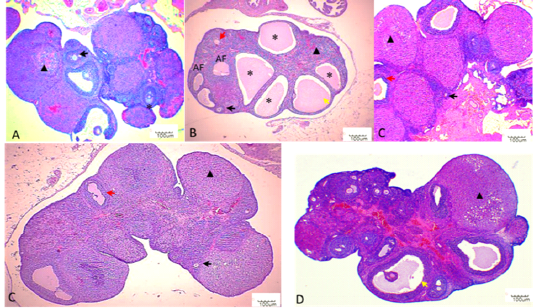
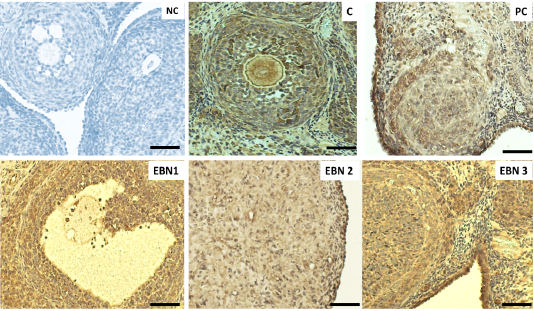
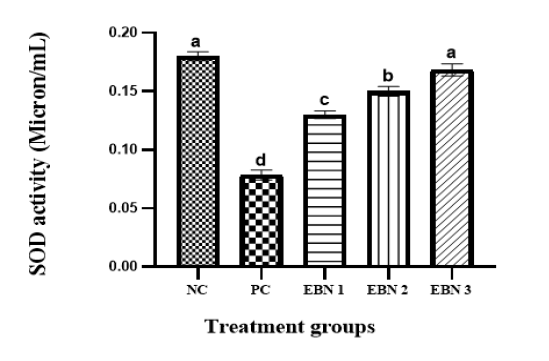
1Department of Veterinary Clinical Studies, Faculty of Veterinary Medicine, University Putra Malaysia, 43400 Serdang, Selangor, Malaysia; 2Department of Veterinary Pathology & Microbiology, Faculty of Veterinary Medicine, Universiti Putra Malaysia, 43400 UPM, Serdang; 3Department of Preclinical Sciences, Faculty Veterinary Medicine, Universiti Putra Malaysia, 43400 UPM, Serdang; 4Department of Companion Animal Medicine & Surgery, Faculty Veterinary Medicine, Universiti Putra Malaysia, 43400 UPM, Serdang; 5Faculty of Veterinary and Animal Science, the Lasbela University of Agriculture Water and Marine Science, Uthal, Balochistan, 90150, Pakistan; 6Bangladesh Livestock Research Institute, Savar, Dhaka, Bangladesh.Abstract | Cadmium (Cd), a toxic heavy metal, is often associated with the reproductive disorders of mammals. The edible bird’s nest (EBN) is a naturally occurring food product made from the saliva of swiftlet birds (Aerodramus fuciphagus & Aerodramus maximus) in the form of a nest, and it has been consumed as healthy food or tonic for decades. This research aimed to study the possible protective effects of EBN against Cd toxicity in ovaries of Sprague Dawley rats. Thirty (30) female Sprague Dawley rats were assigned into five groups as follows: group 1-Negative control (NC) received distilled water; group 2-positive control (PC) administered with CdCl2, 5mg/kg BW; while groups EBN 1, EBN 2, and EBN 3 received CdCl2 (5mg/kg BW) concurrently with graded concentrations of 60, 90 and 120 mg/kg BW of EBN, respectively. After four weeks of treatment, rats were euthanized to collect ovaries for histopathological studies using hematoxylin and eosin (H&E) stain. Expressions of vascular endothelial growth factor (VEGF) were analyzed through immunohistochemistry, and levels of superoxidase dismutase (SOD) were assessed using a SOD assay kit. Oral administration of CdCl2 without EBN supplement resulted in significantly decreased (p<0.05) immunohistochemical expressions of VEGF in ovarian tissue and a decrease (p<0.05) in the activity of SOD. Moreover, ovarian histopathological changes, including follicular cysts and a significant increase (p<0.05) in the number of atretic follicles, while a decrease in the number of growing follicles was noted in Cd only treated group. Animals treated with CdCl2 and EBN at three different dosages resulted in significantly increased (p<0.05) expressions of VEGF in ovarian tissues, low degenerative changes with normal histomorphology as well as significantly increased (p<0.05) SOD activity as compared to the PC group. Overall, the findings revealed that oral exposure to Cd at a dose rate of 5 mg/kg BW resulted in significant alterations in ovaries, as evidenced by a lower degree of VEGF expression along with reduced antioxidant activity and histomorphological changes. Meanwhile, EBN proved to exhibit a significant protective role against Cd toxicity in ovaries, possibly through its antioxidant effect.
Keywords | Cadmium toxicity, Cycling female rats, Edible Birds Nest, Ovary