
Lumpy skin disease (LSD) is an emerging highly infectious and economically important transboundary disease of cattle, which was endemic in many African countries but now has spread to the Middle East and Southeast Asia, including Bangladesh. Recently, LSD has become widely spread in Bangladesh after the ever first occurrence in the last quarter of 2019. It is of high importance to know the prevalence of LSD for learning the scenario of the disease and the factors affecting the prevalence of the disease in a particular region for taking necessary steps for controlling future outbreaks. A cross-sectional study was conducted in Barishal, Bangladesh to determine the LSD prevalence and related risk factors in 315 cattle from three upazilas. A semi-structured questionnaire was utilized to record the data regarding the impact of different factors such as age, sex, breed, floor type, and the housing system, on LSD prevalence. LSD was confirmed by physical examination with nodular lesions on the skin together with fever. Results indicate that the overall prevalence was only 4.13% with a higher prevalence in cross-bred female cattle. In descriptive analysis among all variables only housing system of Bakerganj upazila showed a significant association. The study emphasizes an awareness campaign program and a greater extent of epidemiological investigation to control lumpy skin disease virus infection in Bangladesh.
Research Article · Volume 10, Issue 2, 11 October 2024 · Open Access
Prevalence of Lumpy Skin Disease and Associated Risk Factors in the Cattle of Barishal District in Bangladesh
· · · · · · · ·
Affiliations & Notes ⌄
- 1Department of Microbiology and Public Health, Faculty of Animal Science and Veterinary Medicine, Patuakhali Science and Technology University, Barishal-8210, Bangladesh
- 2Faculty of Animal Science and Veterinary Medicine, Patuakhali Science and Technology University, Barishal-8210, Bangladesh
- 3Department of Medicine, Faculty of Veterinary Medicine and Animal Science, Bangabandhu Sheikh Mujibur Rahman Agricultural University, Gazipur-1706, Bangladesh. *Correspondence | Mohammad Enamul Hoque Kayesh, Department of Microbiology and Public Health, Faculty of Animal Science and Veterinary Medicine, Patuakhali Science and Technology University, Barishal-8210, Bangladesh
- 4Email: mehkayesh@pstu.ac.bd
Article Info ⌄
- Journal:
- Veterinary Sciences: Research and Reviews
- Published:
- 11 October 2024
From the article
- However, the use of curtain was found to be effective in preventing LSD, but the use of repellant was not sufficient in inhibiting LSD, as about 4.35% animals showed LSD despite repellent use (Table 4).
- Out of 105 animals in Barishal Sadar, only 3 animals were found to be vaccinated with LSD vaccine, and over 70% of the cattle farmer was not aware of the LSD vaccine (Table 4).
- Age, breed, sex, curtain use, repellant use, water source, vaccination, vaccine awareness of farmers, antibiotic use did not show any significant association (p=>0.05) in LSD prevalence in the cattle of Bakerganj upazila, Barishal (Table 5).
Selected from the article's own text.
Abstract
Introduction
Lumpy skin disease (LSD) is an economically important vector-borne transboundary emerging viral disease of cattle in Bangladesh . LSD is caused by lumpy skin disease virus (LSDV), belonging to the family Poxviridae and the genus Capripoxvirus ; . LSDV is a double-stranded DNA virus, containing a genome of approximately 151 kb with a central coding region (CDR) of 156 putative genes. In addition, two identical inverted terminal repeat regions of about 2.4 kb lie at the both ends of the CDR . Capripoxvirus contains three very closely related animal viruses such as sheeppox virus (SPPV), goatpox virus (GTPV), and LSDV, and these viruses cannot be separated serologically ; .
LSD is mechanically transmitted by blood-feeding mosquitos, biting flies and ticks ; ; ; . LSDV has a narrow host range limited to cattle (Bos indicus and Bos taurus) and buffaloes (Bubalus bubalis) . However, Bos taurus is most susceptible compared to Bos indicus . LSDV causes considerable economic loss in cattle and buffalo industry globally. Due to significant economic impact of LSD, it has been listed as a World Organization for Animal Health (OIE)-notifiable disease. Previously LSD was endemic only in African countries, however, recently it has spread to many Asian cattle producing countries . Lumpy skin disease was found to be disseminated in South East Asia from 2019 . At the same period, this disease emerged in Bangladesh and eventually spread all over the country . Poor managemental practices could act as a cofactor for disease occurrence . In addition, coastal belt areas are continuously affected by global warming with rising sea levels, which may promote spreading vector-borne disease , and this phenomena influenced the current investigation of LSD prevalence in Barishal district, one of the coastal areas in Bangladesh. Moreover, only limited research has been investigated which also acted as a catalyst for this study.
Until now there is no antivirals for LSDV infection . Although strict quarantine measures and vector control are essential for preventing the spread of the disease, however, vaccination remains the mainstay for preventing the spread of the infection in endemic and newly affected regions ; . Vaccination is crucial for maintaining the health of animals and the economic sustainability of cattle and buffalo farming against LSD threats . For controlling LSDV infection, homologous vaccines consisting of live attenuated LSDV can be used . Due to cross-protection within the Capripoxvirus genus, heterologous vaccines consisting of live attenuated SPPV or GTPV can also be used for controlling LSDV infection . However, the available vaccines differ in terms of quality, efficacy, safety, side effects, and even price . Also, there are the issues of poor characterization of viral vaccine strains and circulating wild strains in terms of host specificity, vaccination failures and safety concerns with capripox vaccinations . Moreover, it has been observed that the continued administration of heterologous vaccinations since 2014 became unable to stop LSD outbreaks in Turkey, suggesting the success of the vaccine is inadequate, highlighting the necessity of new vaccine candidate for LSD control and prevention (European Food Safety Authority (EFSA, 2020). The information on prevalence of LSD in particular area is essential for taking proper action against LSD. Therefore, the aim of the present study was to determine the prevalence and risk factors of LSD in the cattle of Barishal district in Bangladesh. In addition, we also wanted to know the awareness of LSD vaccine use for preventing the LSDV infection.
Materials and Methods
Study area and study animals
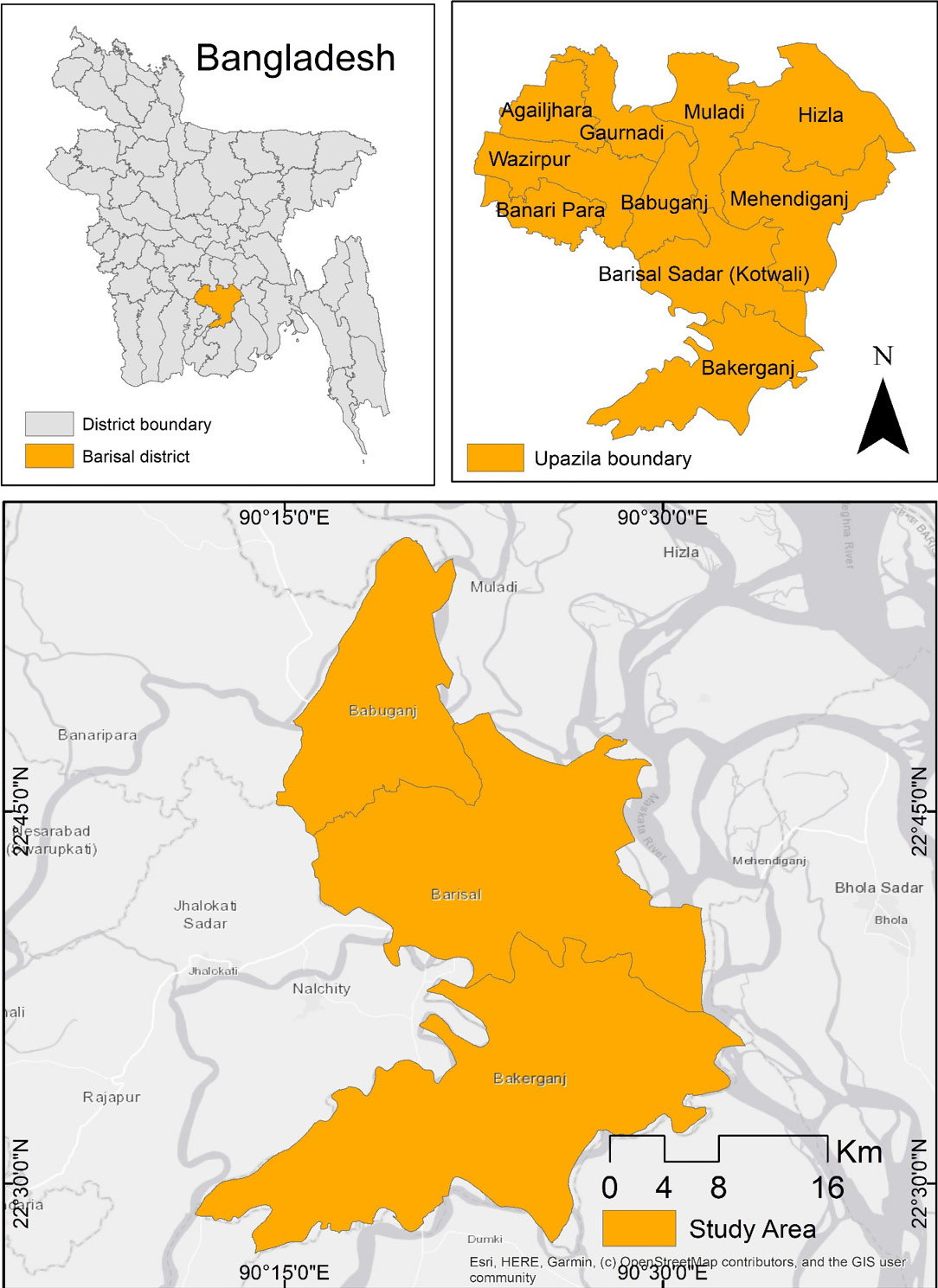
A cross-sectional study was conducted in April, 2023 on randomly selected 315 cattle (one cattle from one household) in three different upazilas (Babuganj, Bakerganj and Barishal Sadar) of Barishal district, Bangladesh (Figure 1). From each upazila, a total of 105 cattle were randomly selected for investigation in the small households rearing not more than 3 cattle, and our focus was on the presence of nodular lesions on the skin. A semi-structured questionnaire was utilized to record the information of animals’ age, sex, breed, floor type (earthen floor, concrete floor, and slated floor), housing system (traditional or semi-intensive), vaccination history with LSD vaccine, use of
Table 1: Overall prevalence of LSD in the study area.
| Study area | Animals examined | LSD positive animals | Percent prevalence (95% CI) |
| Babuganj, Barishal Sadar, and Bakerganj | 315 (28.64 ± 4.52) | 13 (1.18 ± 1.25) | 4.13 (0.34-2.02) |
CI: Confidence Interval
Table 2: Prevalence of LSD in different Upazillas in Barishal, Bangladesh.
| Name of Upazilas | Animals examined | LSD positive animals | Prevalence % (95% CI) | p-value |
| Babuganj | 105 (9.55 ± 1.51) | 1 (0.09 ± 0.30) | 0.95 (-0.11-0.29) | 0.20 |
| Barishal Sadar | 105 (9.55 ± 1.51) | 4 (0.36 ± 0.67) | 3.81 (-0.09-0.82) | |
| Bakerganj | 105 (9.55 ± 1.51) | 8 (0.73 ± 1.19) | 7.62 (-0.07-1.53) |
CI: Confidence Interval.
antibiotics in case of LSD, etc. Moreover, biosecurity measures like use of mosquito curtains, repellants and source of water, awareness of LSD vaccine were also recorded by asking the owner and/or attendants of the animals.
Determination of LSD in cattle
LSD was diagnosed by physical examination of the animal for detecting the nodular lesions on the skin and by confirming fever, as described earlier (Kayesh et al., 2020). The guidelines from World Organization for Animal Health (source: https://www.woah.org/app/uploads/2021/03/lumpy-skin-disease.pdf) were also followed for clinical investigation.
Data analysis
Data were entered into the excel spreadsheet. A single factor analysis of variance (ANOVA) followed by post tests were used. P value less than 0.05 was considered as significant.
Results and Discussion
LSD prevalence and factors associated in the cattle of Barishal district
In this study, a total of 315 animals were examined in 03 upazilas (Babuganj, Barishal Sadar, and Bakerganj) of Barishal district. Out of 315 cattle, 13 cattle were found positive for LSD. The overall prevalence of LSD was 4.13% (Table 1).
The highest prevalence (7.62%) was observed in Bakerganj upazila and the lowest prevalence (0.95%) was observed in Babuganj upazila (Table 2).
Age, breed, sex, housing condition, curtain use, repellant use, water source, vaccination, vaccine awareness of farmers, antibiotic use did not show any significant association (p=>0.05) in LSD prevalence in the cattle of Babuganj upazila (Table 3). The use of curtain, repellent, and vaccine seemed to help in inhibiting LSDV infection in Babuganj upazila (Table 3). In Babuganj upazila, only 5.71% cattle was found to be vaccinated with LSD vaccine, where 49% of the cattle farmer was not aware of the LSD vaccine (Table 3).
Age, breed, sex, housing condition, curtain use, repellant use, water source, vaccination, vaccine awareness of farmers, antibiotic use did not show any significant association (p=>0.05) in LSD prevalence in the cattle of Barishal Sadar, Barishal (Table 4). However, the use of curtain was found to be effective in preventing LSD, but the use of repellant was not sufficient in inhibiting LSD, as about 4.35% animals showed LSD despite repellent use (Table 4). Out of 105 animals in Barishal Sadar, only 3 animals were found to be vaccinated with LSD vaccine, and over 70% of the cattle farmer was not aware of the LSD vaccine (Table 4).
Age, breed, sex, curtain use, repellant use, water source, vaccination, vaccine awareness of farmers, antibiotic use did not show any significant association (p=>0.05) in LSD prevalence in the cattle of Bakerganj upazila, Barishal (Table 5). A significant effect among different housing conditions on LSD was observed in Bakerganj upazila (p=< 0.05) (Table 5). Antibiotic use did not prevent LSD cases in all three upazilas (Tables 3,4, and 5). Fever and nodular lesions were found in all LSD positive cattle (Tables 3,4, and 5). We also analyzed post-test effect whether any effect between two housing conditions on LSD prevalence in the cattle of Bakerganj upazila, Barishal, and we observed no significant association of housing conditions on LSD prevalence (Table 6).
Table 3: Prevalence of LSD in Babuganj, Barishal.
| Variables | Samples examined (Mean ± SD) | Positive samples Mean ± SD) | Percent prevalence (95% CI) | p-value | |
| Age | < 1 year | 42 (3.82 ± 1.94) | 0 (0.00 ± 0.00) | 0 (0-0) | 0.40 |
| 1-3 years | 35 (3.18 ± 1.54) | 0 (0.00 ± 0.00) | 0 (0-0) | ||
| 3-7 years | 22 (2.00 ± 1.26) | 0 (0.00 ± 0.00) | 0 (0-0) | ||
| 7-12 years | 06 (0.55 ± 0.69) | 1 (0.09 ± 0.30) | 16.67 (-0.11-0.29) | ||
| Breed and sex | Local male | 11 (1.00 ± 0.89) | 0 (0.00 ± 0.00) | 0 (0-0) | 0.40 |
| Local female | 32 (2.91 ± 1.64) | 1 (0.09 ± 0.30) | 3.13 (-0.11-0.29) | ||
| Cross male | 29 (2.64 ± 1.50) | 0 (0.00 ± 0.00) | 0 (0-0) | ||
| Cross female | 33 (3.00 ± 1.79) | 0 (0.00 ± 0.00) | 0 (0-0) | ||
| Housing conditions | Traditional earthen floor | 15 (1.36 ± 1.69) | 1 (0.09 ± 0.30) | 6.67 (-0.11-0.29) | 0.42 |
| Traditional concrete floor | 26 (2.36 ± 1.75) | 0 (0.00 ± 0.00) | 0 (0-0) | ||
| Traditional slatted floor | 53 (4.82 ± 2.14) | 0 (0.00 ± 0.00) | 0 (0-0) | ||
| Semi-intensive concrete floor | 11 (1.00 ± 1.48) | 0 (0.00 ± 0.00) | 0 (0-0) | ||
| Semi-intensive slatted floor | 0 (0.00 ± 0.00) | 0 (0.00 ± 0.00) | 0 (0-0) | ||
| Curtain use | Yes | 35 (3.18 ± 1.99) | 0 (0.00 ± 0.00) | 0 (0-0) | 0.33 |
| No | 70 (6.36 ± 1.75) | 1 (0.09 ± 0.30) | 1.43 (-0.11-0.29) | ||
| Repellent use | Yes | 64 (5.82 ± 2.68) | 0 (0.00 ± 0.00) | 0 (0-0) | 0.33 |
| No | 41 (3.73 ± 2.76) | 1 (0.09 ± 0.30) | 2.44 (-0.11-0.29) | ||
| Water source | Pond | 27 (2.45 ± 2.34) | 0 (0.00 ± 0.00) | 0 (0-0) | 0.38 |
| Tube-well | 73 (6.64 ± 2.77) | 1 (0.09 ± 0.30) | 1.37 (-0.11-0.29) | ||
| River | 5 (0.45 ± 1.51) | 0 (0.00 ± 0.00) | 0 (0-0) | ||
| Vaccination | Yes | 6 (0.55 ± 1.04) | 0 (0.00 ± 0.00) | 0 (0-0) | 0.33 |
| No | 99 (9.00 ± 1.67) | 1 (0.09 ± 0.30) | 1.01 (-0.11-0.29) | ||
| Vaccine awareness of farmer | Yes | 54 (4.91 ± 2.51) | 1 (0.09 ± 0.30) | 1.85 (-0.11-0.29) | 0.33 |
| No | 51 (4.64 ± 2.38) | 0 (0.00 ± 0.00) | 0 (0-0) | ||
| Antibiotic use | Yes | 16 (1.45 ± 1.92) | 1 (0.09 ± 0.30) | 6.25 (-0.11-0.29) | 0.33 |
| No | 89 (8.09 ± 2.12) | 0 (0.00 ± 0.00) | 0 (0-0) | ||
| Nodular lesion | Yes | 1 (0.09 ± 0.30) | 1 (0.09 ± 0.30) | 100 (-0.11-0.29) | 0.33 |
| No | 104 (9.45 ± 1.51) | 0 (0.00 ± 0.00) | 0 (0-0) | ||
| Fever | Yes | 1 (0.09 ± 0.30) | 1 (0.09 ± 0.30) | 100 (-0.11-0.29) | 0.33 |
| No | 104 (9.45 ± 1.51) | 0 (0.00 ± 0.00) | 0 (0.00) | ||
CI: Confidence Interval.
The spread of disease into the rest of Asia and Europe is under the risk, and the recent spread of the disease in disease‐free countries indicating the importance of its transmission, as well as control and eradication ; . This virus is the most economically significant in the Poxviridae family affecting domestic ruminants. LSD has been listed as a World Organization for Animal Health (OIE)-notifiable disease due to its significant economic losses and the potential for rapid spread .
Cattle are the natural hosts for LSDV infection ; . LSDV is mainly transmitted by arthropod vectors such as biting flies, ticks (Rhipicephalus appendiculatus, Rhipicephalus decoloratus and Amblyomma hebraeum), and Aedes mosquitoes ; . Therefore, vector control is critical to reduce the spread of LSD in cattle. Transmission by contaminated feed and water may also occur. Direct transmission may occur via saliva, nasal secretions and semen ; ; .
As per the guidelines of World Organization for Animal Health (source: https://www.woah.org/app/uploads/2021/03/lumpy-skin-disease.pdf),. LSDV
Table 4: Prevalence of LSD in Sadar, Barishal.
| Variables | Samples examined (Mean ± SD) | Positive samples (Mean ± SD) | Percent prevalence (95% CI) | p-value | |
| Age | < 1 year | 45 (4.09 ± 1.64) | 2 (0.18 ± 0.40) | 4.44 (-0.09-0.45) | 0.56 |
| 1-3 years | 24 (2.18 ± 1.47) | 1 (0.09 ± 0.40) | 4.17 (-0.11-0.29) | ||
| 3-7 years | 33 (3.00 ± 1.34) | 1 (0.09 ± 0.30) | 3.03 (-0.11-0.29) | ||
| 7-12 years | 03 (0.27 ± 0.65) | 0 (0.00 ± 0.00) | 0.00 (0.00) | ||
| Breed and sex | Local male | 11 (1.00 ± 1.26) | 1 (0.09 ± 0.30) | 9.09 (-0.11-0.29) | 0.56 |
| Local female | 36 (3.27 ± 2.94) | 1 (0.09 ± 0.30) | 2.78 (-0.11-0.29) | ||
| Cross male | 19 (1.73 ± 1.68) | 0 (0.00 ± 0.00) | 0.00 (0.00) | ||
| Cross female | 39 (3.90 ± 2.64) | 2 (0.18 ± 0.40) | 5.13 (-0.09-0.45) | ||
| Housing conditions | Traditional earthen floor | 4 (0.36 ± 0.92) | 1 (0.09 ± 0.30) | 25.00 (-0.11-0.29) | 0.46 |
| Traditional concrete floor | 44 (4.00 ± 3.46) | 2 (0.18 ± 0.40) | 4.55 (-0.09-0.45) | ||
| Traditional slatted floor | 41 (3.73 ± 4.10) | 0 (0.00 ± 0.00) | 0.00 (0.00) | ||
| Semi-intensive concrete floor | 16 (1.45 ± 2.46) | 1 (0.09 ± 0.30) | 6.25 (-0.11-0.29) | ||
| Semi-intensive slatted floor | 0 (0.00 ± 0.00) | 0 (0.00 ± 0.00) | 0.00 (0.00) | ||
| Curtain use | Yes | 13 (1.18 ± 1.89) | 0 (0.00 ± 0.00) | 0.00 (0.00) | 0.09 |
| No | 92 (8.36 ± 2.16) | 4 (0.36 ± 0.67) | 4.35 (-0.09-0.82) | ||
| Repellent use | Yes | 92 (8.36 ± 2.84) | 4 (0.36 ± 0.67) | 4.35 (-0.09-0.82) | 0.09 |
| No | 13 (1.18 ± 1.99) | 0 (0.00 ± 0.00) | 0.00 (0.00) | ||
| Water source | Pond | 50 (4.55 ± 4.11) | 0 (0.00 ± 0.00) | 0.00 (0.00) | 0.05 |
| Tube-well | 49 (4.45 ± 4.16) | 4 (0.36 ± 0.67) | 8.16 (-0.09-0.82) | ||
| River | 6 (0.55 ± 1.81) | 0 (0.00 ± 0.00) | 0.00 (0.00) | ||
| Vaccination | Yes | 3 (0.27 ± 0.65) | 0 (0.00 ± 0.00) | 0.00 (0.00) | 0.09 |
| No | 102 (9.27 ± 1.56) | 4 (0.36 ± 0.67) | 3.92 (-0.09-0.82) | ||
| Vaccine awareness of farmer | Yes | 31 (2.82 ± 2.93) | 1 (0.09 ± 0.30) | 3.23 (-0.11-0.29) | 0.29 |
| No | 74 (6.73 ± 3.00) | 3 (0.27 ± 0.47) | 4.05 (-0.04-0.59) | ||
| Antibiotic use | Yes | 3 (0.27 ± 0.65) | 1 (0.09 ± 0.30) | 33.33 (-0.11-0.29) | 0.29 |
| No | 102 (9.27 ± 1.56) | 3 (0.27 ± 0.47) | 2.94 (-0.11-0.59) | ||
| Nodular lesion | Yes | 4 (0.36 ± 0.67) | 4 (0.36 ± 0.67) | 100.00 (-0.09-0.82) | 0.09 |
| No | 101 (9.18 ± 1.54) | 0 (0.00 ± 0.00) | 0.00 (0.00) | ||
| Fever | Yes | 4 (0.36 ± 0.67) | 4 (0.36 ± 0.67) | 100.00 (-0.09-0.82) | 0.09 |
| No | 101 (9.18 ± 1.54) | 0 (0.00 ± 0.00) | 0.00 (0.00) | ||
CI: Confidence Interval.
infections in severe form are highly characteristics, however milder forms can be confused with pseudocowpox, bovine papular stomatitis hence this could be one of the limitations of the study. However, a little evidence of these viruses in Bangladesh may allow the consideration for detecting LSD by the methodology of this study.
In this study the prevalence of LSD was determined in the local and cross-bred cattle of Barishal district in Bangladesh. The overall prevalence found in this study was 4.13%, which was comparatively lower than a previous study conducted by . Observed 21% of morbidity in the similar region, and a decline number of affected animals could be due to seasonal variation and influence of geographic distribution on LSD outbreak due to vector prevalence involved in LSDV transmission. However, present study gives some baseline data about LSD infection in this region. Investigations in other areas of Bangladesh such as Chattogram and Rajshahi also showed a higher prevalence, suggestive of the influence of different climatic zone on LSD prevalence ; . It has already been reported that cross-bred cattle are more susceptible to LSDV infection compared to local cattle ; . In this study the same pattern was also found, where the cross-bred cattle were
Table 5: Prevalence of LSD in Bakerganj, Barishal.
| Variables | Samples examined (Mean ± SD) | Positive samples (Mean ± SD) | Percent prevalence (95% CI) | p-value | |
| Age | < 1 year | 26 (2.36 ± 1.12) | 2 (0.18 ± 0.40) | 7.69 (-0.09-0.45) | 0.31 |
| 1-3 years | 38 (3.45 ± 1.51) | 4 (0.36 ± 0.67) | 10.53 (-0.09-0.82) | ||
| 3-7 years | 34 (3.09 ± 1.30) | 2 (0.18 ± 0.40) | 5.88 (-0.09-0.45) | ||
| 7-12 years | 07 (0.64 ± 0.67) | 0 (0.00 ± 0.00) | 0.00 (0.00) | ||
| Breed and sex | Local male | 24 (2.18 ± 0.75) | 0 (0.00 ± 0.00) | 0.00 (0.00) | 0.29 |
| Local female | 61 (5.55 ± 1.29) | 2 (0.18 ± 0.60) | 3.28 (-0.22-0.59) | ||
| Cross male | 9 (0.82 ± 0.87) | 1 (0.09 ± 0.30) | 11.11 (-0.11-0.29) | ||
| Cross female | 11 (1.00 ± 1.34) | 5 (0.45 ± 0.93) | 45.45 (-0.17-1.08) | ||
| Housing conditions | Traditional earthen floor | 2 (0.18 ± 0.60) | 0 (0.00 ± 0.00) | 0.00 (0.00) | 0.01* |
| Traditional concrete floor | 0 (0.00 ± 0.00) | 0 (0.00 ± 0.00) | 0.00 (0.00) | ||
| Traditional slatted floor | 93 (8.45 ± 2.46) | 8 (0.73 ± 1.19) | 8.60 (-0.07-1.53) | ||
| Semi-intensive concrete floor | 8 (0.73 ± 1.68) | 0 (0.00 ± 0.00) | 0.00 (0.00) | ||
| Semi-intensive slatted floor | 2 (0.18 ± 0.60) | 0 (0.00 ± 0.00) | 0.00 (0.00) | ||
| Curtain use | Yes | 4 (0.36 ± 0.92) | 2 (0.18 ± 0.40) | 50.00 (-0.09-0.45) | 0.29 |
| No | 101 (9.18 ± 1.66) | 6 (0.55 ± 1.04) | 5.94 (-0.15-1.24) | ||
| Repellent use | Yes | 85 (7.73 ± 2.83) | 8 (0.73 ± 1.19) | 9.41 (-0.07-1.53) | 0.06 |
| No | 20 (1.82 ± 2.75) | 0 (0.00 ± 0.00) | 0.00 (0.00) | ||
| Water source | Pond | 12 (1.09 ± 1.51) | 2 (0.18 ± 0.40) | 16.67 (-0.09-0.45) | 0.15 |
| Tube-well | 93 (8.45 ± 1.86) | 6 (0.55 ± 1.04) | 6.45 (-0.15-1.24) | ||
| River | 0 (0.00 ± 0.00) | 0 (0.00 ± 0.00) | 0.00 (0.00) | ||
| Vaccination | Yes | 3 (0.27 ± 0.90) | 0 (0.00 ± 0.00) | 0.00 (0.00) | 0.06 |
| No | 102 (9.27 ± 1.68) | 8 (0.73 ± 1.19) | 7.84 (-0.07-1.53) | ||
| Vaccine awareness of farmer | Yes | 3 (0.27 ± 0.90) | 0 (0.00 ± 0.00) | 0.00 (0.00) | 0.06 |
| No | 102 (9.27 ± 1.68) | 8 (0.73 ± 1.19) | 7.84 (-0.07-1.53) | ||
| Antibiotic use | Yes | 2 (0.18 ± 0.40) | 2 (0.18 ± 0.40) | 100.00 (-0.09-0.45) | 0.29 |
| No | 103 (9.36 ± 1.50) | 6 (0.55 ± 1.04) | 5.83 (-0.15-1.24) | ||
| Nodular lesion | Yes | 8 (0.73 ± 1.19) | 8 (0.73 ± 1.19) | 100.00 (-0.07-1.53) | 0.06 |
| No | 97 (8.82 ± 1.72) | 0 (0.00 ± 0.00) | 0.00 (0.00) | ||
| Fever | Yes | 8 (0.73 ± 1.19) | 8 (0.73 ± 1.19) | 100.00 (-0.07-1.53) | 0.06 |
| No | 97 (8.82 ± 1.72) | 0 (0.00 ± 0.00) | 0.00 (0.00) | ||
CI: Confidence Interval; *p < 0.05
found to show a higher prevalence of LSDV infection in the cattle of Barishal district. The thin skin feature
and high yielding nature of cross-bred cattle are likely to make them prone to be affected by LSDV . A recent study reported lack of significant variations in the prevalence of LSD in cattle regarding age and sex . However, in this study a higher prevalence was observed in female cattle, which is consistent with the previous findings ; . It was found that low use of mosquito curtains and repellants favor the vectors’ presence as evidenced by other studies ; . It has been observed that the farmers were not aware of LSD vaccines, and accordingly farmers did not vaccinate the cattle, indicating the importance of farmers’ awareness of vaccine against particular disease. Therefore, a mass awareness campaign is essential to be adopted by livestock authority to make aware the farmers about the usefulness of LSD vaccine in the prevention and control of LSDV infection as well as in the maintenance of cattle health and farmer’s economy. Moreover, the livestock authority should ensure the availability of effective LSD vaccine among farmers. In a nutshell, vector control measures by using curtains or repellents together with well-organized vaccination with sufficient coverage could be the ideal solution to control LSDV infection in Bangladesh. A comprehensive understanding of LSDV epidemiology including genetic diversity and multifaceted socio-economic variables in a larger scale is needed to assess the risk factors associated with the LSDV outbreaks in Barishal as well as in Bangladesh to develop a context-appropriate intervention for preventing infections and limiting the spread of LSDV.
Table 6: Prevalence of LSD in Bakerganj, Barishal in different housing conditions.
| Housing condition | p-value | |
| Traditional earthen floor | Traditional concrete floor | - |
| Traditional earthen floor | Traditional slatted floor | >0.05 |
| Traditional earthen floor | Semi-intensive concrete floor | - |
| Traditional earthen floor | Semi-intensive slatted floor | - |
| Traditional concrete floor | Traditional slatted floor | >0.05 |
| Traditional concrete floor | Semi-intensive concrete floor | - |
| Traditional concrete floor | Semi-intensive slatted floor | - |
| Traditional slatted floor | Semi-intensive concrete floor | >0.05 |
| Traditional slatted floor | Semi-intensive slatted floor | >0.05 |
| Semi-intensive concrete floor | Semi-intensive slatted floor | - |
“-” Indicates there were no p-value because in that case in both type of houses no positive LSD case.
Acknowledgement
This research was funded by Research and Training Center (RTC) (PSTU/RTC-B/01/15/22/21 (79)), Patuakhali Science and Technology University, Patuakhali, Bangladesh.
Author’s Contributions
Conceptualization: WKA, MEHK. Data curation: WKA, MYA, MKA, MSR, MJI, MH, MIM, MAI. MEHK. Data analysis: MAI. Wrote the original draft: WKA, MYA, MAI, MEHK. Review and editing: WKA, MAI, MEHK. Funding acquisition: MEHK. All authors read and approved the final manuscript.
Conflict of Interest
The authors declare no conflict of interests.
Figures
Study area.
References
- Akther, M., Akter, S.H., Sarker, S., Aleri, J.W., Annandale, H., Abraham, S. and Uddin, J.M. (2023). Global Burden of Lumpy Skin Disease, Outbreaks, and Future Challenges. Viruses., 15(9). https://doi.org/10.3390/v15091861[CrossRef]
- Annandale, C.H., Holm, D.E., Ebersohn, K. and Venter, E.H. (2014). Seminal transmission of lumpy skin disease virus in heifers. Transbound Emerg Dis., 61(5), 443-448. https://doi.org/10.1111/tbed.12045[CrossRef]
- Babiuk, S., Bowden, T.R., Boyle, D.B., Wallace, D.B. and Kitching, R.P. (2008). Capripoxviruses: an emerging worldwide threat to sheep, goats and cattle. Transbound Emerg Dis., 55(7), 263-272. https://doi.org/10.1111/j.1865-1682.2008.01043.x[CrossRef]
- Badhy, S.C., Chowdhury, M.G.A., Settypalli, T.B.K., Cattoli, G., Lamien, C.E., Fakir, M.A.U., Akter, S., Osmani, M.G., Talukdar, F., Begum, N., Khan, I.A., Rashid, M.B. and Sadekuzzaman, M. (2021). Molecular characterization of lumpy skin disease virus (LSDV) emerged in Bangladesh reveals unique genetic features compared to contemporary field strains. BMC Vet Res., 17(1), 61. https://doi.org/10.1186/s12917-021-02751-x[CrossRef]
- Biswas, D., Saha, S.S., Biswas, S. and Sayeed, M.A. (2020). Outbreak of lumpy skin disease of cattle in south-west part of bangladesh and its clinical management. Vet. Sci.: Res. Rev., 6(2), 100-108. https://doi.org/10.17582/journal.vsrr/2020.6.100.108[Full text][CrossRef]
- Chihota, C.M., Rennie, L.F., Kitching, R.P. and Mellor, P.S. (2001). Mechanical transmission of lumpy skin disease virus by Aedes aegypti (Diptera: Culicidae). Epidemiol Infect., 126(2), 317-321. https://doi.org/10.1017/S0950268801005179[CrossRef]
- Elhaig, M.M., Selim, A. and Mahmoud, M. (2017). Lumpy skin disease in cattle: Frequency of occurrence in a dairy farm and a preliminary assessment of its possible impact on Egyptian buffaloes. Onderstepoort J Vet Res., 84(1), e1-e6. https://doi.org/10.4102/ojvr.v84i1.1393[CrossRef]
- European Food Safety Authority (EFSA), Calistri, P., Clercq, K.D., Gubbins, S., Klement, E., Stegeman, A., Abrahantes, J.C., Marojevic, D., Antoniou, S.E. and Broglia, A. (2020). Lumpy skin disease epidemiological report IV:Data collection and analysis. . EFSA J., 18(2), e06010. https://doi.org/10.2903/j.efsa.2020.6010[CrossRef]
- Gari, G., Bonnet, P., Roger, F. and Waret-Szkuta, A. (2011). Epidemiological aspects and financial impact of lumpy skin disease in Ethiopia. Prev Vet Med., 102(4), 274-283. https://doi.org/10.1016/j.prevetmed.2011.07.003[CrossRef]
- Gupta, T., Patial, V., Bali, D., Angaria, S., Sharma, M. and Chahota, R. (2020). A review: Lumpy skin disease and its emergence in India. Vet Res Commun., 44(3-4), 111-118. https://doi.org/10.1007/s11259-020-09780-1[CrossRef]
- Hasib, F.M.Y., Islam, M.S., Das, T., Rana, E.A., Uddin, M.H., Bayzid, M., Nath, C., Hossain, M.A., Masuduzzaman, M., Das, S. and Alim, M.A. (2021). Lumpy skin disease outbreak in cattle population of Chattogram, Bangladesh. Vet Med Sci, 7(5), 1616-1624. https://doi.org/10.1002/vms3.524[CrossRef]
- Kar, P.P., Araveti, P.B., Kuriakose, A. and Srivastava, A. (2022). Design of a multi-epitope protein as a subunit vaccine against lumpy skin disease using an immunoinformatics approach. Sci Rep., 12(1), 19411. https://doi.org/10.1038/s41598-022-23272-z[CrossRef]
- Kayesh, M.E.H., Hussan, M.T., Hashem, M.A., Eliyas, M. and Anower, A.K.M.M. (2020). Lumpy skin disease virus infection: An emerging threat to cattle health in Bangladesh. Hosts and Viruses., 7(4), 97-108. https://doi.org/10.17582/journal.hv/2020/7.4.97.108[Full text][CrossRef]
- Khalil, M.I., Sarker, M.F.R., Hasib, F.M.Y. and Chowdhury, S. (2021). Outbreak investigation of lumpy skin disease in dairy farms at Barishal, Bangladesh. Turk. J, Agric. - Food Sci. Technol., 9(1), 205-209. https://doi.org/10.24925/turjaf.v9i1.205-209.3827[CrossRef]
- Khan, M.U., Polash, M.A.U.Z., Molla, A.A., Romance, M., Zahan, N., Ali, M.S., Raihan, J., Sarker, S. and Haque, M.H. (2024). Prevalence and Management Strategies for Lumpy Skin Disease (LSD) in Cattle: Emphasizing a Region-Based Scenario in Bangladesh. European J. Vet. Med., 4(3), 1-7. https://doi.org/10.24018/ejvetmed.2024.4.3.126[CrossRef]
- Khan, Y.R., Ali, A., Hussain, K., Ijaz, M., Rabbani, A.H., Khan, R.L., Abbas, S.N., Aziz, M.U., Ghaffar, A. and Sajid, H.A. (2021). A review: Surveillance of lumpy skin disease (LSD) a growing problem in Asia. Microb Pathog., 158, 105050. https://doi.org/10.1016/j.micpath.2021.105050[CrossRef]
- Kiplagat, S.K., Kitala, P.M., Onono, J.O., Beard, P.M. and Lyons, N.A. (2020). Risk Factors for Outbreaks of Lumpy Skin Disease and the Economic Impact in Cattle Farms of Nakuru County, Kenya. Front Vet Sci., 7, 259. https://doi.org/10.3389/fvets.2020.00259[CrossRef]
- Lubinga, J.C., Clift, S.J., Tuppurainen, E.S., Stoltsz, W.H., Babiuk, S., Coetzer, J.A. and Venter, E.H. (2014). Demonstration of lumpy skin disease virus infection in Amblyomma hebraeum and Rhipicephalus appendiculatus ticks using immunohistochemistry. Ticks Tick Borne Dis., 5(2), 113-120. https://doi.org/10.1016/j.ttbdis.2013.09.010[CrossRef]
- Namazi, F. and Khodakaram Tafti, A. (2021). Lumpy skin disease, an emerging transboundary viral disease: A review. Vet Med Sci., 7(3), 888-896. https://doi.org/10.1002/vms3.434[CrossRef]
- Ramasamy, R. and Surendran, S.N. (2011). Possible impact of rising sea levels on vector-borne infectious diseases. BMC Infect Dis., 11, 18. https://doi.org/10.1186/1471-2334-11-18[CrossRef]
- Ratyotha, K., Prakobwong, S. and Piratae, S. (2022). Lumpy skin disease: A newly emerging disease in Southeast Asia. Vet World, 15(12), 2764-2771. https://doi.org/10.14202/vetworld.2022.2764-2771[CrossRef]
- Salauddin, M., Kayesh, M.E.H., Ahammed, M.S., Saha, S. and Hossain, M.G. (2024). Development of membrane protein-based vaccine against lumpy skin disease virus (LSDV) using immunoinformatic tools. Vet Med Sci., 10(3), e1438. https://doi.org/10.1002/vms3.1438[CrossRef]
- Sanz-Bernardo, B., Haga, I.R., Wijesiriwardana, N., Basu, S., Larner, W., Diaz, A.V., Langlands, Z., Denison, E., Stoner, J., White, M., Sanders, C., Hawes, P.C., Wilson, A.J., Atkinson, J., Batten, C., Alphey, L., Darpel, K.E., Gubbins, S. and Beard, P.M. (2021). Quantifying and Modeling the Acquisition and Retention of Lumpy Skin Disease Virus by Hematophagus Insects Reveals Clinically but Not Subclinically Affected Cattle Are Promoters of Viral Transmission and Key Targets for Control of Disease Outbreaks. J Virol., 95(9).
- Sevik, M., Avci, O., Dogan, M. and Ince, O.B. (2016). Serum Biochemistry of Lumpy Skin Disease Virus-Infected Cattle. Biomed Res Int., 2016, 6257984. https://doi.org/10.1155/2016/6257984[CrossRef]
- Sohier, C., Haegeman, A., Mostin, L., De Leeuw, I., Campe, W. V., De Vleeschauwer, A., Tuppurainen, E.S.M., van den Berg, T., De Regge, N. and De Clercq, K. (2019). Experimental evidence of mechanical lumpy skin disease virus transmission by Stomoxys calcitrans biting flies and Haematopota spp. horseflies. Sci Rep., 9(1), 20076. https://doi.org/10.1038/s41598-019-56605-6[CrossRef]
- Sprygin, A., Pestova, Y., Bjadovskaya, O., Prutnikov, P., Zinyakov, N., Kononova, S., Ruchnova, O., Lozovoy, D., Chvala, I. and Kononov, A. (2020). Evidence of recombination of vaccine strains of lumpy skin disease virus with field strains, causing disease. PLoS One, 15(5), e0232584. https://doi.org/10.1371/journal.pone.0232584[CrossRef]
- Sprygin, A., Pestova, Y., Wallace, D.B., Tuppurainen, E. and Kononov, A.V. (2019). Transmission of lumpy skin disease virus: A short review. Virus Res., 269, 197637. https://doi.org/10.1016/j.virusres.2019.05.015[CrossRef]
- Sumana, K., Revanaiah, Y., Shivachandra, S.B., Mothay, D., Apsana, R., Saminathan, M., Basavaraj, S. and Reddy, G.B.M. (2020). Molecular phylogeny of Capripoxviruses based on major immunodominant protein (P32) reveals circulation of host specific sheeppox and goatpox viruses in small ruminants of India. Infect Genet Evol., 85, 104472. https://doi.org/10.1016/j.meegid.2020.104472[CrossRef]
- Tulman, E.R., Afonso, C.L., Lu, Z., Zsak, L., Kutish, G.F. and Rock, D.L. (2001). Genome of lumpy skin disease virus. J Virol., 75(15), 7122-7130. https://doi.org/10.1128/JVI.75.15.7122-7130.2001[CrossRef]
- Tuppurainen, E., Dietze, K., Wolff, J., Bergmann, H., Beltran-Alcrudo, D., Fahrion, A., Lamien, C.E., Busch, F., Sauter-Louis, C., Conraths, F.J., De Clercq, K., Hoffmann, B. and Knauf, S. (2021). Review: Vaccines and Vaccination against Lumpy Skin Disease. Vaccines (Basel), 9(10). https://doi.org/10.3390/vaccines9101136[CrossRef]
- Tuppurainen, E.S., Lubinga, J.C., Stoltsz, W.H., Troskie, M., Carpenter, S.T., Coetzer, J.A., Venter, E.H. and Oura, C.A. (2013). Mechanical transmission of lumpy skin disease virus by Rhipicephalus appendiculatus male ticks. Epidemiol Infect., 141(2), 425-430. https://doi.org/10.1017/S0950268812000805[CrossRef]
- Tuppurainen, E.S. and Oura, C.A. (2012). Review: lumpy skin disease: an emerging threat to Europe, the Middle East and Asia. Transbound Emerg Dis., 59(1), 40-48. https://doi.org/10.1111/j.1865-1682.2011.01242.x[CrossRef]
- Tuppurainen, E.S., Venter, E.H., Coetzer, J.A. and Bell-Sakyi, L. (2015). Lumpy skin disease: attempted propagation in tick cell lines and presence of viral DNA in field ticks collected from naturally-infected cattle. Ticks Tick Borne Dis., 6(2), 134-140. https://doi.org/10.1016/j.ttbdis.2014.11.002[CrossRef]
- Tuppurainen, E.S.M., Venter, E.H., Shisler, J.L., Gari, G., Mekonnen, G.A., Juleff, N., Lyons, N.A., De Clercq, K., Upton, C., Bowden, T.R., Babiuk, S. and Babiuk, L.A. (2017). Review: Capripoxvirus Diseases: Current Status and Opportunities for Control. Transbound Emerg Dis., 64(3), 729-745. https://doi.org/10.1111/tbed.12444.[CrossRef]
- Uddin, M.B., Tanni, F.Y., Hoque, S.F., Sajib, E.H., Faysal, M.A., Rahman, M.A., Galib, A., Emon, A.A., Hossain, M.M., Hasan, M. and Ahmed, S.S.U. (2022). A candidate multi-epitope vaccine against Lumpy skin disease. Transbound Emerg Dis., https://doi.org/10.1111/tbed.14718[CrossRef]
Cited by 3 articles
In journals published by ResearchersLinks.
- Prevalence and Associated Risk Factors of Lumpy Skin Disease in the Cattle of Narsingdi in BangladeshSouth Asian Journal of Life Sciences · 2026
- Prevalence of Cattle Diseases and Surgical Cases in Tangail District, BangladeshVeterinary Sciences: Research and Reviews · 2025
- Epidemiology and Clinical Management of Lumpy Skin Disease in the Cattle of Dupchanchia Upazila, Bogura, BangladeshVeterinary Sciences: Research and Reviews · 2025
Services
Article usage statistics
Loading…