
Waste leads to land, water, and air pollution when left untreated. Turning food waste into feed answers two problems at once: It offers an approach to control waste and resolves the problem of feed efficiency. The potential of “aking rice” as a substitute for corn and rice bran was analyzed based on its purposes. “Aking rice” produced by PT. Zakiyah Jaya Mandiri, Lumajang, East Java, Indonesia, was prepared for five treatments: T0 (control of mélange-free unrinsed rice), T1 (oily rice, rinsed before drying), T2 (non-oily rice, rinsed before drying), T3 (unrinsed oily rice), and T4 (unrinsed non-oily rice). Proximate analysis was conducted in the University of Muhammadiyah Malang, Indonesia’s nutrition laboratory, to determine water, ash, crude protein, crude fat, and crude fiber contents. The water contents in all samples (< 14 %) were insignificantly different, while ash (3.72 %) and crude protein (12.02 %) contents in T4 were the highest and significantly different. The crude fiber in T3 (1.44 %) and T4 (1.23 %) was the highest and significantly different. With a total crude protein content of 7 % to 9 % – similar to corn and rice bran – yet lower crude fat content (< 5 %), “aking rice” is qualified to substitute the materials mentioned above in poultry feed.
Special Issue: Novel Advances in Agricultural Science and Technology for Sustainable Farming in Tropical Region · Volume 39, Issue 1, 29 September 2025 · Open Access
Potential Food Waste Products to Substitute Corn and Rice Bran for Poultry
· · · · ·
Affiliations & Notes ⌄
- 1University of Tribhuwana Tunggadewi Malang 65144, East Java, Indonesia
- 2Lumajang University, Lumajang 67316, East Java, Indonesia
- 3Wiraraja University, Sumenep 69451, East Java, Indonesia
- 4University of Latvia, Riga LV-1004, Latvia. , *Correspondence | Rusli Tonda, Lumajang University, Lumajang 67316, East Java, Indonesia
- 5Email: tondarusli@gmail.com
Article Info ⌄
- Journal:
- Sarhad Journal of Agriculture
- Published:
- 29 September 2025
From the article
- The high content of crude protein between 7 % and 9 % almost as high as corn and rice bran and the low ranges of oil fiber and fat at < 5 % should be evident to the viability of aking rice to substitute corn and rice bran in poultry feed.
- Rinsing rice waste before drying is recommended to ensure product consistency.
Selected from the article's own text.
Abstract
Introduction
Currently a major environmental problem, waste causes land, water, and air pollution when left untreated ; ; . While numerous endeavors on waste management have been operative, SISPN (2022) points out that as much as 37 % of it remains untouched. Several mass media have reported on food loss and waste (FLW), especially in Indonesia. Tempo Magazine (2021) reported that the Indonesian Ministry of National Development Planning (Bappenas) stated that food waste in Indonesia reaches 112 × 106 t yr–1, or 344 kg capita–1 yr–1. Kertha (2024) stated that Indonesians throw away 23 × 106 t to 48 × 106 t of food yearly, equivalent to 115 kg to 184 kg per person. FLW has a significant impact on the environment and economy. FLW contributes 7.29 % of Indonesia’s annual greenhouse gas emissions, exacerbating climate change. Economically, FLW results in losses of between IDR 214 ×109 and IDR 551 × 109 yr–1, or around 4 % to 5 %
of the national Gross Domestic Product (GDP).
Rajendra, FAO Representative in Indonesia and Timor Leste, stated that Indonesia ranks first in food waste production in Southeast Asia, which is 20.9×10⁶ yr–1,
followed by the Philippines at 9.33×10⁶ yr–1. In contrast, Wulandari, Universitas Syiah Kuala (USK) stated that Indonesia is the second largest in the world in food waste production, 300 kg capita–1 yr–1, after Saudi Arabia, which is in first rank (Tiofani and Prodjo. 2025; . The Minister of Environment/Environmental Control Agency of the Republic of Indonesia stated that a total of (7 to 8) ×103 t of daily waste ends up at the Bantar Gebang Integrated Waste Management Site (TPST), Bekasi, Indonesia, half of which is food waste .
Approximately 50 % of which is organic ; USK, 2024) in the form of food remains from households, restaurants, and other food vendors that is feasible for further processing into beneficial products ; ; ; , 2024). Several researchers underline the importance of the attempt as mentioned earlier ; Anam et al., 2023a, b; ; ; , 2024a; .
Turning rice leftovers into aking rice is a realistic answer for areas where rice is the staple food (Tonda et al., 2024b). To make “aking rice,” rice is cleaned and rinsed under running water, then sundried or oven-dried until the water content is 14 % or less ; , 2023a).
Household or restaurant waste typically contains 20 %
crude protein suitable for animals . Furthermore, between 20 % and 25 % of crude fat is noted in addition to crude fiber and low minerals ; .
“Aking rice” for feed answers two problems at once. First, it offers an approach to control waste and resolves feed expenses due to imported materials costing as much as 65 % of its total cost ; . Feed is economically crucial in poultry farming because it is where the commodity growth relies on ; and where the most production spending goes ; . The high import charge is therefore influential towards farmers’ welfare.
A low-calorie carbohydrate source compared to other base feeds such as corn ; . Aking rice is easier to digest than corn and rice bran due to lower crude fiber content ; . In addition, its being inexpensive and highly palatable adds to the advantages of “aking rice” for alternative poultry feed , 2024a, b; .
Compared to other energy sources, aking rice contains a higher level of nitrogen-free extract (86.63 %)
and lower crude fiber (0.59 %), which enhances its digestibility for poultry, particularly monogastric animals such as chickens. Its crude protein content (8.96 %) supports maintenance requirements when used as a partial feed ingredient. While its crude fat is relatively low (0.43 %), it can be complemented with other fat sources in formulated rations. Furthermore, the ash content (0.83 %) suggests low mineral presence, reducing the risk of imbalance when combined with mineral-fortified feed. These characteristics suggest that aking rice can be used up to certain levels (10 %
to 40 %) without negatively impacting poultry performance, especially when integrated with other balanced ingredients.
Unlike fresh rice bran and corn, aking rice originates from leftover cooked rice, raising potential concerns regarding microbial contamination or spoilage. However, proper handling including repeated rinsing and drying to reduce moisture content below 14 % is known to minimize microbial activity and prolong shelf life ; . Studies by Tonda et al. (2023a) and Isharyudono et al. (2019) reported that microbial counts of adequately dried aking rice remained within the safe threshold for feed use. Additionally, no aflatoxins or mycotoxins were detected in sun-dried samples, especially when drying was performed under hygienic conditions and storage was properly managed. Thus, when processed correctly, “aking rice” presents a safe and viable alternative feed ingredient. Referring to the nutrients in “aking rice,” the shallow crude fiber content essential in the avian digestive system should qualify it as poultry feed. Therefore, this study aims to find the proper method to process “aking rice” while analyzing its potential for consistent quality.
Materials and Methods
Aking rice
Aking rice was produced by PT. Zakiyah Jaya Mandiri, Lumajang, East Java, Indonesia (112° 53’ 113° 23’ E and 7° 54’ 8° 23’ S). Proximate analysis of the products was conducted in the nutrition laboratory of the University of Muhammadiyah Malang, Indonesia
(S 7°55’4 .9944” and E 112°35’37.1724”).
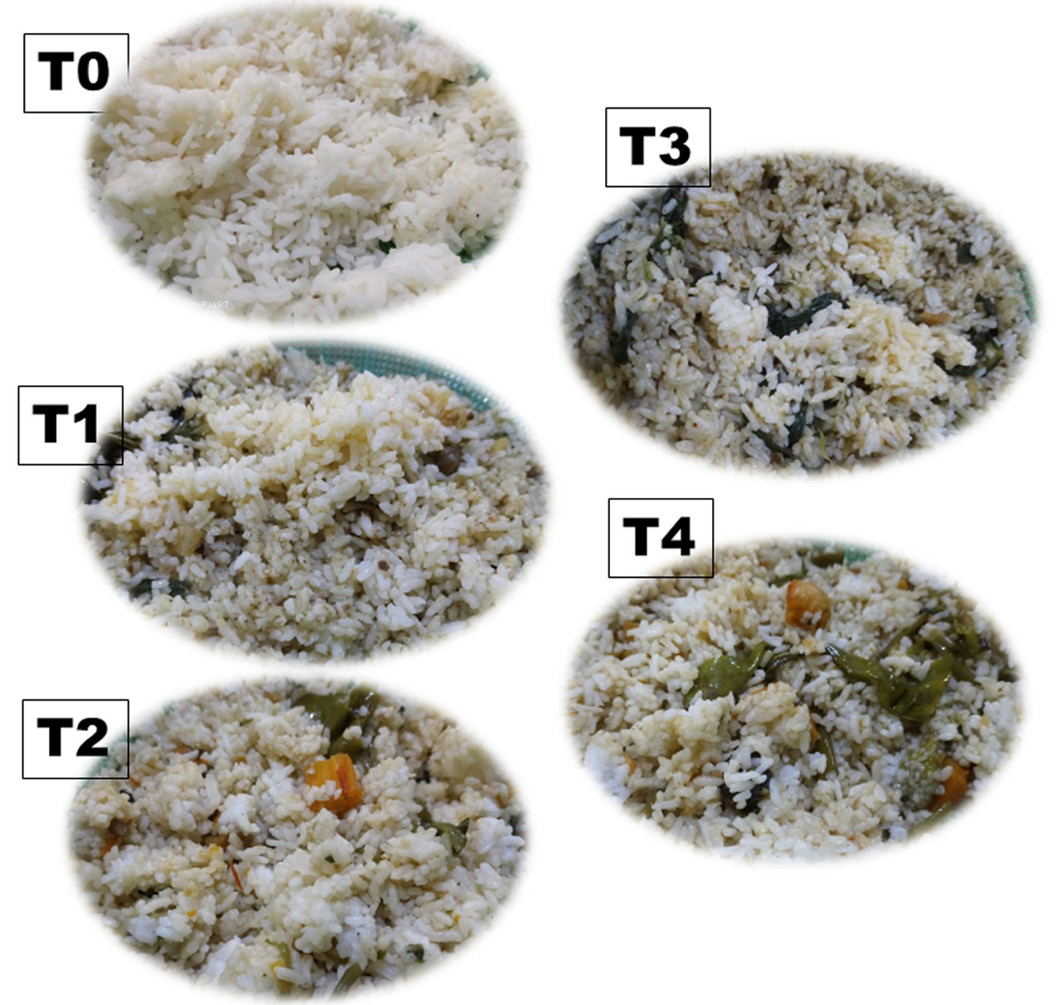
Rice waste samples are shown in Figure 1. T0 served as a control and was made of mélange-free unrinsed rice. T1 was of oily rice and rinsed before drying. T2 was of non-oily rice and rinsed before drying. T3 was of unrinsed oily rice. T4 was of unrinsed non-oily rice. Once sorted out, samples were rested for 24 h at room temperature and then observed on the odors and forms. After that, all treatments except the control were separated from their mélange, rinsed under running water, and drained for 30 min. Finally, all samples were sundried or oven-dried until 14 % water content or lower was attained , 2023a). Previous research suggests that the temperature in the oven should be below 50 °C. A drying mat made of non-plastic material should be used to avoid microplastic contamination (Setyobudi et al., 2024b, 2024c) because observations show that chickens are one of the livestock exposed to microplastics that come mainly from factory-made feed ; .
Proximate analysis
Water content: Water content was tested per thermogravimetry method using an oven at 105 °C ; . First, weigh 1 g to 2 g of each sample (HWH digital scale, Osuka, Taiwan) was put into a 75 mL porcelain evaporating dish dried and measured before use and dried in a furnace (Elba EG8021S-B, Italy) at 105 °C for 3 h, cooled in a desiccator (Duran DN 300, Germany), and scaled for its fix weight. The values were then run by Equation 1 :

Where
W = sample weight before drying
W1 = dish and sample weight after drying
W2 = empty dish weight
Ash content
Gravimetric analysis according to the Indonesia National Standard (SNI) and the fourth chapter of Official Methods of Analysis specified for feed test established by the Association of Official Analytical Chemists (AOAC) was performed to determine ash content. Ash is the result of burning a specific sample at 500 °C or beyond ; ; ; when all organic materials are completely oxidized into carbon dioxide (CO2) and water vapor (H2O), only inorganic ones like minerals are left. Therefore, porcelain dishes were oven-dried (Elba EG8021S-B, Italy) at 105 ℃ for 1 h,
cooled in a desiccator (Duran DN 300, Germany) for 15 min, and measured. Containing 1.5 g to 2 g of each sample, they were heated in a muffle furnace (Thermolyne™ Benchtop 1 100 °C, China) at 600 ℃. After 120 min, the dishes were taken out of the stove and left to reach the temperature of 120 ℃ before being sent into a desiccator. Once cooled, they were scaled for their fixed weights. The values were then computed in line with Equation 2 .

Crude protein
The Kjeldahl method was arranged to test the protein content ; ; . A total of 1 g of each sample was put in a 100 mL Kjeldahl flask (Pyrex, Iwaki-Indonesia), mixed with catalysts of 2 g selenium and 25 mL concentrated H2SO4, and heated on an induction stove (Kirin kic-1000, Indonesia) for 2 h. Once digested, the emulsion was cooled before diluted and then transferred to a 100 mL Pyrex volumetric flask up to the mark. In the distilling tube, 5 mL NaOH 40 % and a few drops of phenolphthalein indicator were added. The distillation process ran for approximately 10 min, and the distillate was collected in a flask containing 10 mL 2 % boric acid and phenolphthalein mix. The titration process involved HCl 0.01 N, followed by the blank establishment ; . Crude protein content was calculated by Equation 3 , 2024a).

Where; V1= titrate volume for sample (mL), V2 = titrate volume for blank (mL), N=normal titrate volume (N), f = solvent, W= sample weight (g), 14.008 = relative atomic mass of nitrogen (gmol–1).
Crude fat
Soxhlet method was employed to check fat content ; . A total of 1 g to 2 g of each sample was put in a rolled filter paper bag (Whatman No. 1/1001-090, England), of which ends were secured with cotton (Paramitha Husada, Indonesia) and then oven-dried (Elba EG8021S-B, Italy) at < 80 °C for 1 h. The samples were then transferred in a Soxhlet extractor apparatus set 250 mL (Pyrex class A)–connected to a Pyrex lipid flask containing dried, measured hot stone – and extracted with hexane or other fat solvents for ± 6 h. Once hexane was distilled, the fat extracts were oven-dried at 105 ºC before being cooled and measured. The drying process was repeated to reach a fixed weight. Finally, Equation 4 was used to calculate fat content .

Where; w = sample weight (g), w1 = fat weight before extraction (g), w2 = fat and flask weight after extraction (g).
Crude fiber
The Weende method determined crude fiber content ; . Weigh 2 g of each sample was placed in a 250 mL Erlenmeyer flask and mixed with 200 mL boiling H2SO4 (0.255 N) before being secured with a back cooler, then boiled for 30 min on an induction stove (Kirin type kic-1000, Indonesia). Its suspense was filtered (Whatman no. 1/1001-090, England), and the residue in the flask was rinsed with boiling aqua dest while one on the filter paper was washed to eliminate acidity. The filtrate on the paper was transferred in a clean Erlenmeyer flask using a stainless steel spatula (JSE, Indonesia), washed with 200 mL NaOH (0.313 N), and boiled for 30 min before run against another filter sheet (already scaled) while passed with 10 % K2SO4–the residue was rinsed with boiling aquadest and 15 mL 95 % alcohol. The filter sheet was then oven-dried (Micra SDL093739334, Indonesia) at 110 ℃ before being charred in a muffle furnace (Thermolyne™ Benchtop 1100 °C, China) at 500 ℃, cooled in a desiccator (Duran DN 300, Germany), and measured. The procedure was repeated three times to reach a fixed weight, and the values were processed according to Equation 5 .

Each variable studied was repeated three times. All chemicals and reagents used in these experiments were of technical grade and purchased from CV. Dunia Kimia Lestari–a chemical supply store in Malang, East Java, Indonesia (S 7°57’37.3752” and E 112°38’10.554”).
Data analysis
Obtained data were of average and deviation standards, which were then run through the analysis of variance to detect any distinctions between studied variables . Once found, the Least significant difference test was performed ; ; .
Results and Discussion
Aking rice physical forms
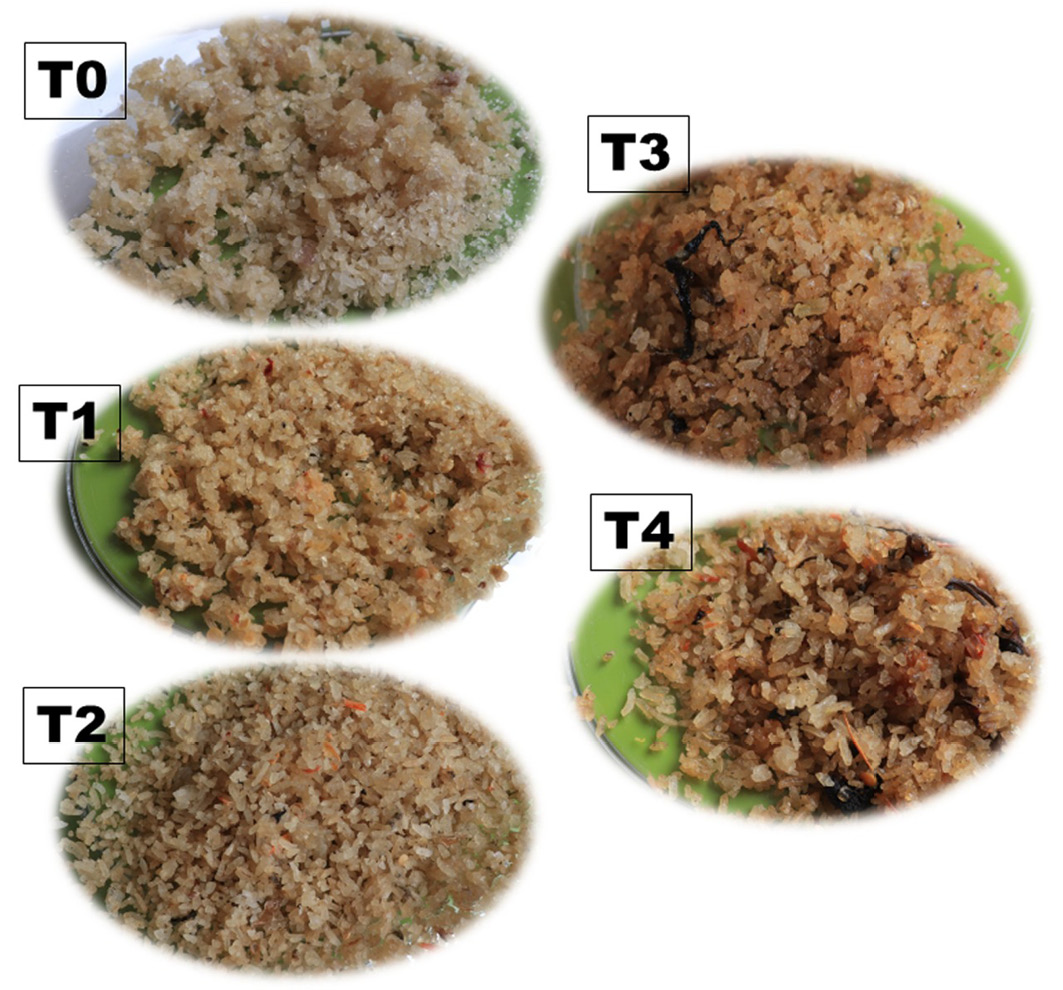
Physical forms shows on Figure 2.
Resting at room temperature for 24 h allowed microorganism activities in the samples T1 to T4, leading to changes in color and odor; however, it did not occur in T0. It attests to the possibility of 24 h storing rice leftover before processing. Since the more extended the storing period, the more acidic it will be ; ; , it is advised to keep the material no longer than 24 h at room temperature ; .
Water content
Considering its essential role in determining feed quality (Coudron et al., 2022; due to its dry matter, water content represents the nutrient content of a specific feed. Therefore, feed containing more water gets damaged more quickly, which is attributable to the faster growth of microorganisms and fungi.
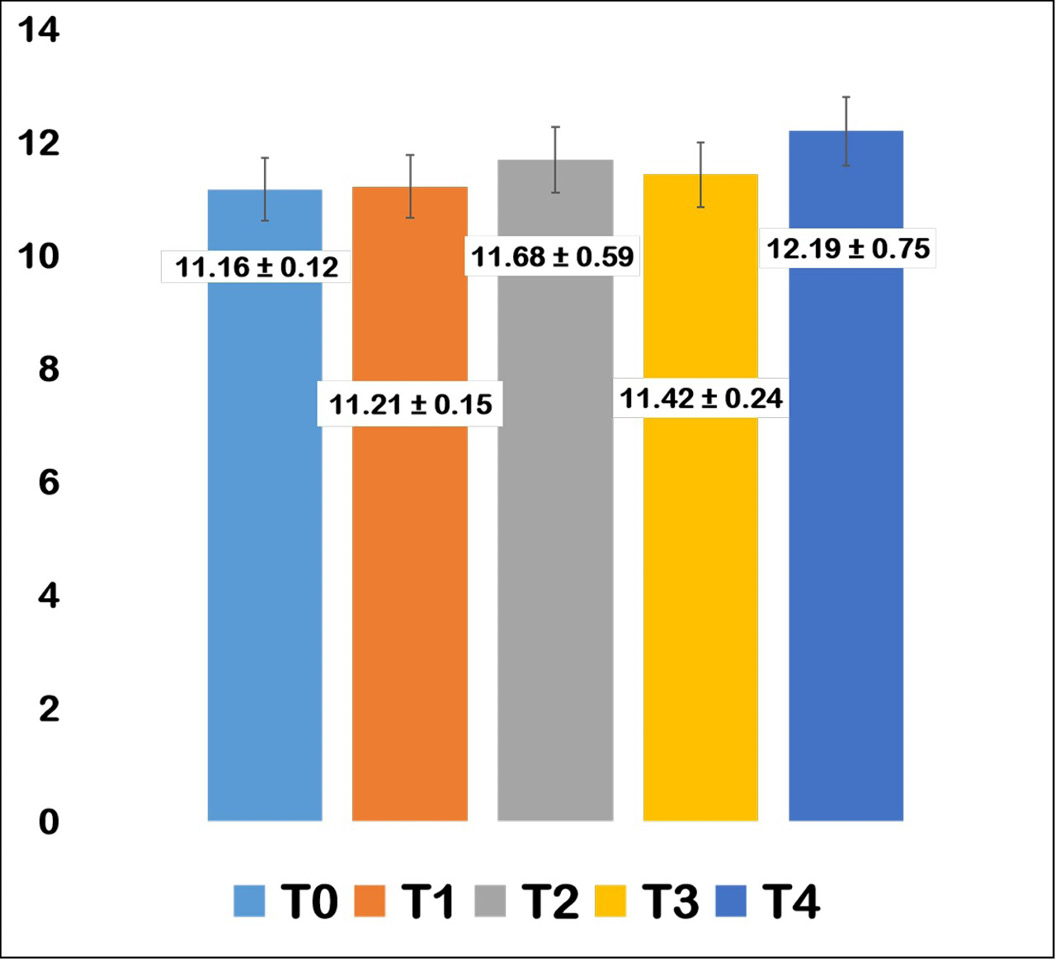
Figure 3 depicts the findings that the highest water content was found in non-oily aking rice without rinsing before drying (T4) at 12.19 %, while the lowest was in control (T0) at 11.16 %. Therefore, the five treatments are considered proper since their water contents are below the maximum of 14 % ; ; .
Ash content
The highest ash content was found in non-oily aking rice without rinsing before drying (T4) at 3.72 %, which far exceeds the ones of the control and the other treatments. A comparison of ash contents in all treatments is presented in Figure 4.
Mélange in rice left probably carried extra minerals, which stayed in the sample considering the absence of a rinsing process, and it tallied to the actual ash content of the sample. The higher ash content in feed indicates a higher mineral content ; , and its limit differs from one feed to another and from one targeted animal to another ; . Cattle require only a little mineral to digest lipids of which the digestive rate relies heavily on carbon, oxygen, and hydrogen and an excessive amount of it in feed is deemed ineffective .
Crude protein
Formed by amino acids containing N, absent in fat or carbohydrate ; , protein is an organic substance with carbon, hydrogen, nitrogen, oxygen, sulfur, and phosphor. As depicted in Figure 5, the lowest protein content is T2 (6.69 %), and the highest is T4 (12.02 %). The rinsing procedure towards non-oily material washed protein-containing particles away from T2. On the other hand, protein from different foods like meat, tofu, or tempeh in T4 material stayed even after being separated from its mélange since it skipped the rinsing. This finding supports the statement that the rinsing procedure affects the protein content of aking rice ; .
Crude fat
Rather than pure fat, the crude fat content observed in this study was a mixture of substances like chlorophyll, xanthophyll, carotene, etc. ; ; ; . Figure 6 shows that the lowest fat content is T0 (0.01 %), and the highest is T3 (7.67 %).
Therefore, it is inferred that the high fat content is due to unrinsed cooking oil seeping into the material. T4 was also unrinsed and contained 2.43 % fat, higher than T1 (0.80 %) and T2 (0.32 %). It proves that rinsing feed material under running water before processing lowers the fat content ; .
While its existence is indispensable for its role in growth, crude fat in poultry feed should be 5 % to 6 % of the total formula ; ; . Too much fat decreases the storing age of the feed as it triggers a rancid odor. Conversely, low fat obstructs the absorption of vitamins A, D, E, and K in poultry and reduces feed durability making it easy to crumble to dust and palatability ; .
Crude fiber
Figure 7 reveals that the lowest crude fiber content is T0 (0.66 %), and the highest is T3 (1.63 %), followed by T2 (1.44). The unrinsed materials noticeably contain more fiber.
A part of carbohydrate-containing cellulose compound, hemicellulose, and lignin compound, crude fiber is tough to digest. Specifically, broiler chicken feed’s content should not exceed 5 % of the total feed formula ; . Aking rice generally contains less than 2 % fiber, far less than one in corn and rice bran. This result confirms Isharyudono’s et al. (2019) discovery that aking rice as energy feed is feasible to 100 % or 60 % substitute corn, as well as Zulfikar’s et al. (2014) that aking rice is viable to 100 % or 10 % substitute rice bran.
Taken together, the five treatments of aking rice demonstrated acceptable water content (< 14 %) and relatively low crude fiber (< 2 %), making them suitable as energy feed components, particularly for poultry. The unrinsed non-oily sample (T4) had the highest crude protein (12.02 %) and ash content (3.72 %), suggesting its superior nutritional density, although care must be taken in mineral balancing. Meanwhile, T3 had the highest fat content (7.67 %), exceeding ideal poultry feed fat levels, indicating the need for fat control during processing. Compared to corn and rice bran, aking rice showed favorable crude fiber levels and comparable protein content, particularly in T4. While some treatments may require further refinement, these findings affirm that aking rice, especially T4, holds promise as a partial or full substitute for rice and corn in poultry feed, aligning with previous research ; .
In addition to its nutritional value, the safety of aking rice as feed material must be addressed, particularly the risk of microbial contamination and toxic compounds such as mycotoxins. Since aking rice is derived from leftover cooked rice, improper handling may allow microbial growth during storage and processing . However, the treatments applied in this study including rinsing under running water and controlled drying below 14 % moisture are known to significantly reduce microbial activity and prevent fungal growth ; . Previous studies ; have shown that aking rice processed with similar methods had total plate counts within acceptable safety limits and undetectable levels of aflatoxins. Therefore, when processed and stored properly, aking rice poses minimal microbial or toxic risk and can be considered safe for animal feeding purposes.
Conclusions and Recommendations
The high content of crude protein between 7 % and 9 % almost as high as corn and rice bran and the low ranges of oil fiber and fat at < 5 % should be evident to the viability of aking rice to substitute corn and rice bran in poultry feed. Despite being a waste-reusing product, it’s nutritious, which adds to its merit. Rinsing rice waste before drying is recommended to ensure product consistency.
Acknowledgments
The authors wish to express their gratitude towards PT. Zakiyah Jaya Mandiri, for accommodating the production of aking rice in this study, the Head of the Nutrition Laboratory of the University of Muhammadiyah Malang, and the staff for supporting this analysis process. Also, thank you to RP Editage for guiding and preparing this manuscript.
Novelty Statement
Broiler farms have been using corn as the primary energy source, which is irreplaceable. The discovery of aking rice and its contents of 9 % crude protein and < 5 % crude fiber replaces corn and rice bran, which is environmentally friendly as it is made of processed food waste.
Author’s Contribution
Wahyu Mushollaeni: Research supervisor, guarantor, performed literature search, funding acquisition, and manuscript review.
Rusli Tonda: Conceptualized and designed the study, performed the literature search, data acquisition, data analysis, visualization, manuscript preparation, and manuscript revision.
Ida Ekawati and Zane Vincēviča-Gaile: manuscript review
Eka Fitasari and Razhika Faradila: Investigation, performed literature search, grammarly checks, and similarity check.
All authors have read and approved the final manuscript.
Generative AI and AI-assisted technology statement
The authors stated that they didn’t use generative AI and AI-assisted technology in preparing this manuscript.
Conflict of interest
The authors have declared no conflict of interest.
Figures
Rice waste.
Aking rice.
Water contents of aking rice (%).
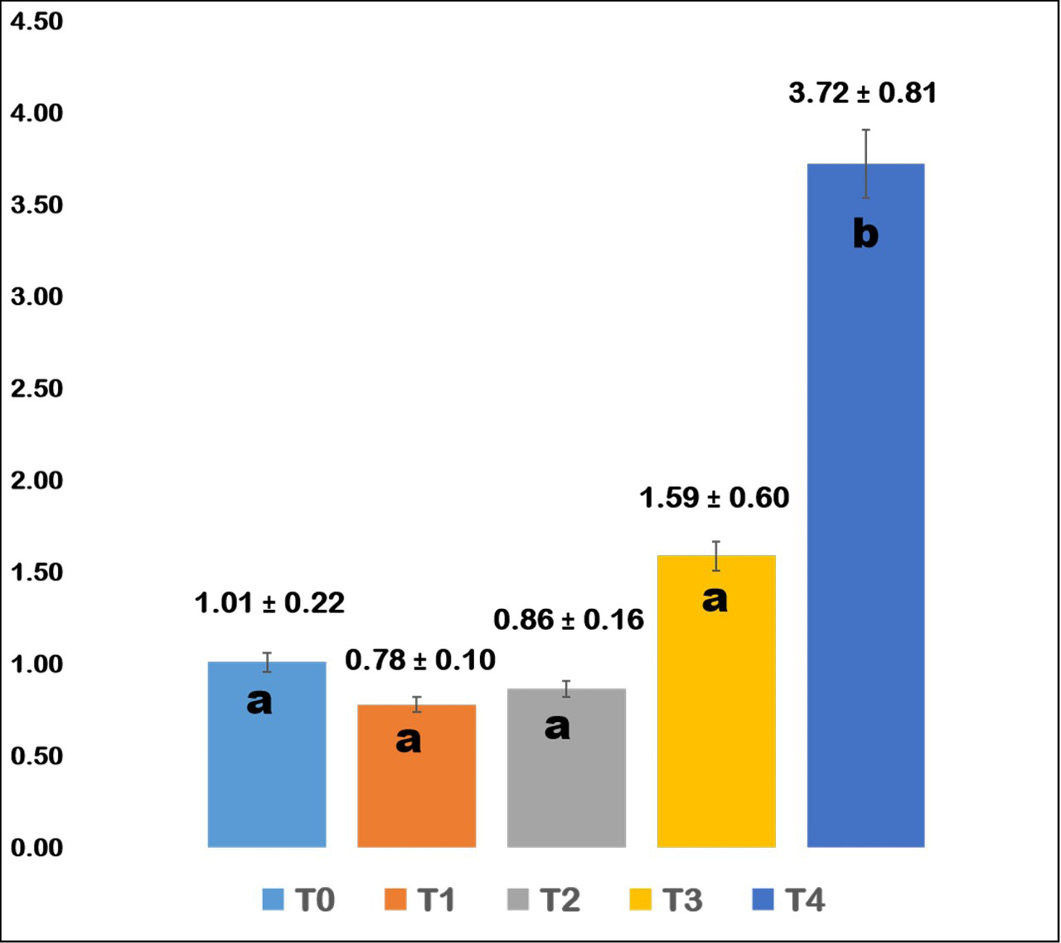
Ash contents of aking rice (%).
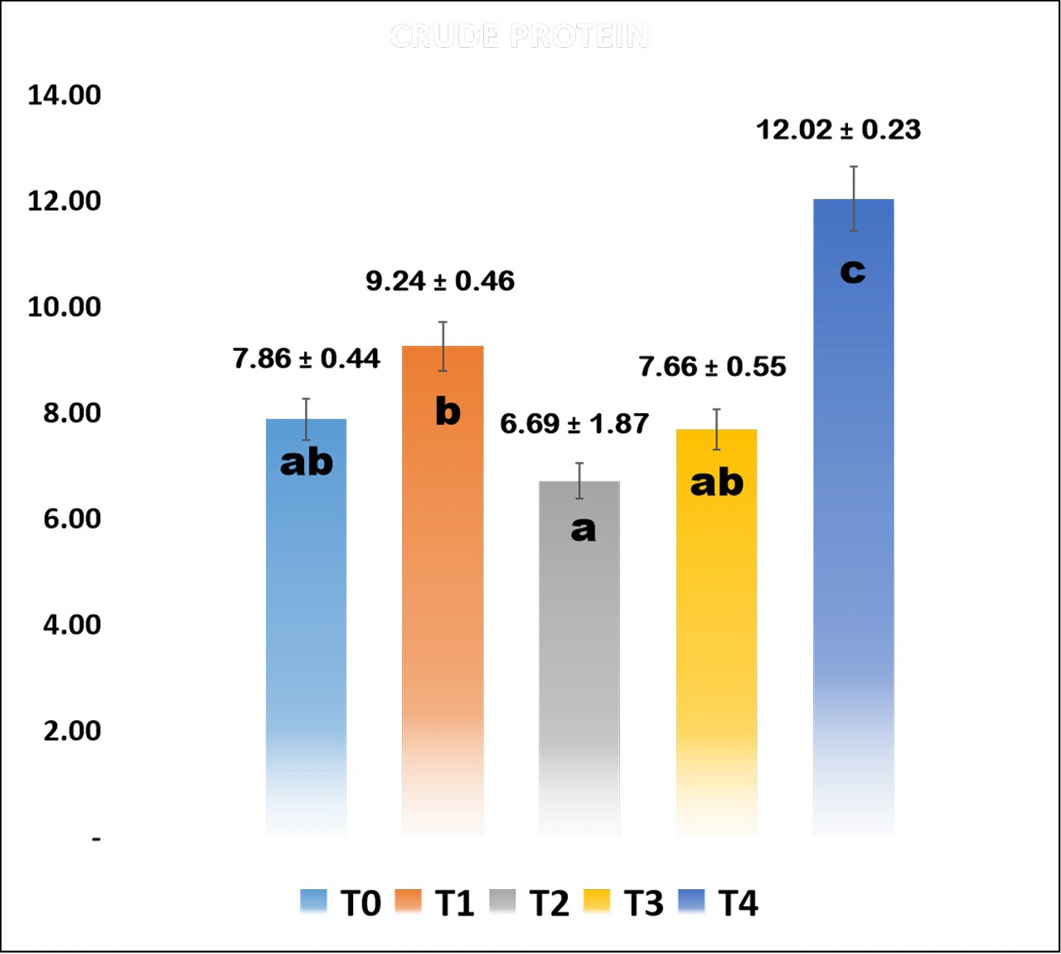
Crude protein contents of aking rice (%).
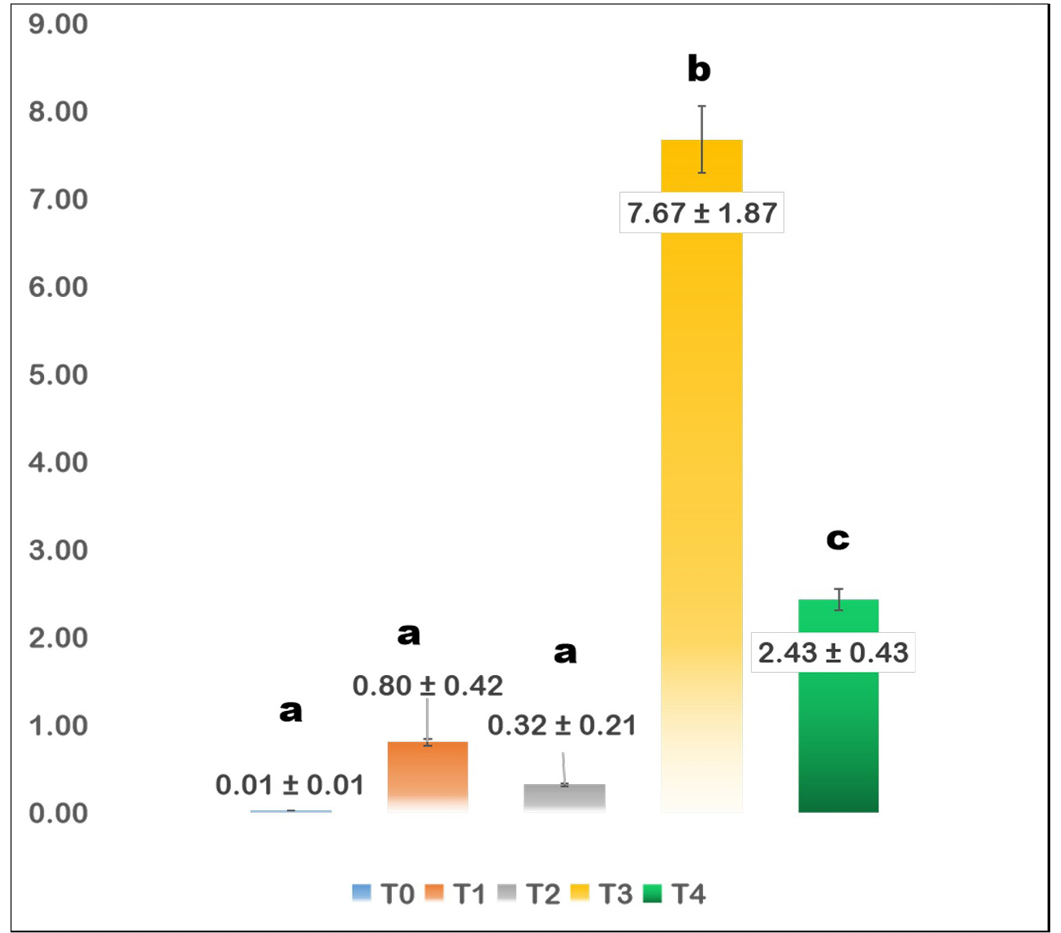
Crude fat contents of aking rice (%).
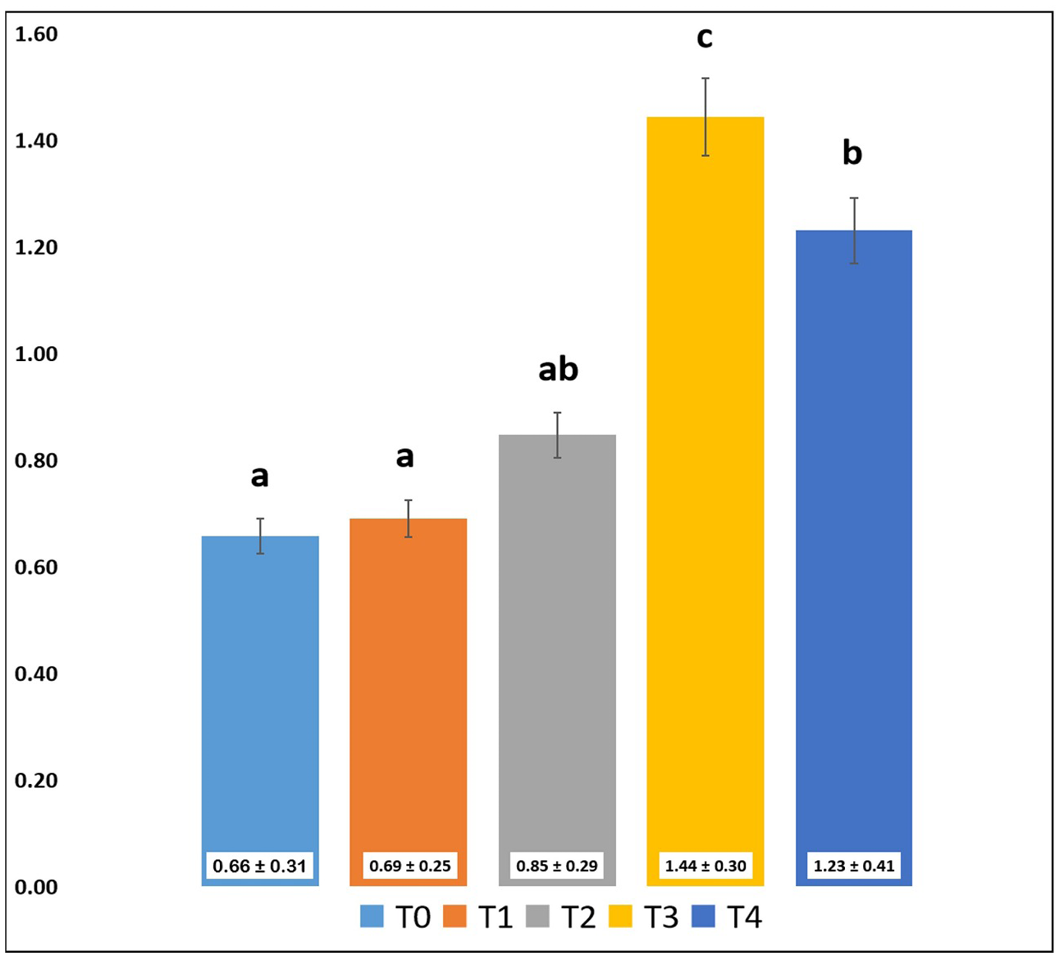
Crude fiber contents of aking rice (%).
References
- Achardri, Y., F.G. Tyasari and P.A. Dughita. 2018. Utilization of organic waste from restaurants as an alternative to fish farmed animal feed. Agronomika, 13(1): 210–213.
- Adinurani, P.G., 2016. Design and analysis of agrotrial data: Manual and SPSS. Plantaxia. Jogyakarta. Indonesia.
- Adinurani, P.G., R. Hendroko, S.K. Wahono, A. Sasmito, L.O. Nelwan, A. Nindita and T. Liwang. 2014. Optimization of concentration and EM4 augmentation for improving bio-gas productivity from Jatropha curcas Linn. capsule husk. Int. J. Renew. Energy Dev., 3(1): 73–78. https://doi.org/10.14710/ijred.3.1.73-78[CrossRef]
- Adinurani, P.G., S.R. Hendroko, A. Nindita, S.K. Wahono, M. Maizirwan, A. Sasmito, Y.A. Nugroho and T. Liwang. 2015. Chaterization of Jatropha curcas Linn. capsule husk as feedstock for anaerobic digestion. Energy Proced., 65: 264–273. https://doi.org/10.1016/j.egypro.2015.01.046[CrossRef]
- Alam, M.D.A., M.D.J. Alam, M.D.A. Hakim, A.K.O. Huq and S.M.G. Moktadir. 2014. Development of fiber enriched herbal biscuits: A preliminary study on sensory evaluation and chemical composition. Int. J. Food Sci. Nutr., 3(4): 246. https://doi.org/10.11648/j.ijnfs.20140304.13[CrossRef]
- Alqaisi, O., L.E. Moraes, O.A. Ndambi and R.B. Williams. 2019. Optimal dairy feed input selection under alternative feeds availability and relative prices. Inf. Process, 6(4): 438–453. https://doi.org/10.1016/j.inpa.2019.03.004[CrossRef]
- Anam, C., N. Harini, D. Damat, R.H. Setyobudi, I. Ekawati, T. Liblik, E.D. Purbajanti, H. Bernedektus, L.M. Souripet, A. Fauzi, A.R. Farzana, R. Tonda, I. Iswahyudi, A. Amiroh, M. Qibtiyah, D.E. Kusumawati, I. Istiqomah and E. Hamidah. 2023a. Functional characteristics of trash fish in Lamongan Regency, East Java, Indonesia. E3S Web Conf., 432(7): 1–12. https://doi.org/10.1051/e3sconf/202343200007[CrossRef]
- Anam, C., M.F.M. Atoum, N. Harini, D. Damat; R.H. Setyobudi, A. Wahyudi, D.P. Agustia, N. Kuswardhani, Y.Witono, R. Tonda, H. Prasetyo, I. Ekawati, E.D. Purbajanti, Z. Vincēviča-Gaile, T. Liblik, A. Fauzi, H. Hadinoto, N.S. Sebayang, E. Suhesti and A. Putri. 2023b. Chemical and functional properties of myofibrillar protein from selected species of trash fish. Jordan J. Biol. Sci., 16(2): 267–277. https://doi.org/10.54319/jjbs/160211[CrossRef]
- Andrianova, E.N. and I.A. Egorov. 2021. New generation protein supplement in combined feeds for broiler chickens. E3S Web Conf., 262(02001): 1–6. https://doi.org/10.1051/e3sconf/202126202001[CrossRef]
- Ariyadi, T. and H. Anggraini. 2010. Determination of carbohydrate levels in “aking rice” consumed by the community of Singorojo village, Kendal regency. Prosid. Semin. Nasional Univ. Muhammadiyah Semarang, 18: 36–38.
- Asmariani, A. and S.F. Sari. 2019. Verification of moisture content test method against artificial feed. J. Fishtech., 8(2): 42–47. https://doi.org/10.1016/B978-0-323-46139-9.12001-8[CrossRef]
- Bouqbis, L., H.W. Koyro, C. Kammann, L.F.Z. Ainlhout, L. Boukhalef and M.C. Harrouni. 2018. Characterization of pyrolysis products derived from three biological wastes and their effect on plant growth and soil water retention. E3S Web Conf., 37(02004): 1–9. https://doi.org/10.1051/e3sconf/20183702004[CrossRef]
- Charan, T.G., G.S. Jha, K.M.K. Sinha, U.S. Chattopadhyay and K. Sen. 2017. Effect of some operating variables on the performance of a 150 mm heavy medium cyclone treating high ash Indian coking coal. E3S Web Conf., 18(01013): 1–3. https://doi.org/10.1051/e3sconf/20171801013[CrossRef]
- Cheah, Y.S., T.C. Loh, H. Akit and S. Kimkool. 2017. Effect of synthetic emulsifier and natural biosurfactant on feed process and quality of pelletized feed in broiler diet. Rev. Bras. Cienc., 19(Special Issue Nutr.): 23–34. https://doi.org/10.1590/1806-9061-2016-0228[CrossRef]
- Choct, M., 2015. Fibre chemistry and functions in poultry nutrition. AECA-WPSA, 28(30): 113–119.
- Coudron, C.L., D. Deruytter and J. Claeys. 2022. The influence of wet feed pH on the growth of Tenebrio molitor larvae. Sustainability, 14(7841): 1–7. https://doi.org/10.3390/su14137841[CrossRef]
- Damat D., R.H. Setyobudi, N. Harini, A. Asmawati, S. Anwar, C.Z. Mahesah, M. Wachid, E. Andoko and A.T. Salsabila. 2023. Characteristics of gluten free biscuit from purple sweet flour, rice brands and coffee cherry flour. E3S Web Conf., 432(8): 1–9. https://doi.org/10.1590/1413-7054202044014820[CrossRef]
- Damat, D., R.H. Setyobudi, J. Burlakovs, Z.V. Gaile, D.D. Siskawardani, R. Anggriani and A. Tain. 2021a. Characterization properties of extruded analog rice developed from arrowroot starch with addition of seaweed and spices. Sarhad J. Agric., 37(Special issue 1): 159–170. https://doi.org/10.17582/journal.sja/2021.37.s1.159.170[Full text][CrossRef]
- Damat, D., R.H. Setyobudi, J.S. Utomo, Z. Vincēviča-Gaile, A. Tain and D.D. Siskawardani. 2021b. The characteristics and predicted of glycemic index of rice analogue from modified arrowroot starch (Maranta arundinaceae L.). Jordan J. Biol. Sci., 14(3): 389–393. https://doi.org/10.54319/jjbs/140302[CrossRef]
- Damat, D., R.H. Setyobudi, P. Soni, A. Tain, H. Handjani and U. Chasanah. 2020. Modified arrowroot starch and glucomannan for preserving physicochemical properties of sweet bread. Cienc. E Agrotecnol., 44: 1–9. https://doi.org/10.1051/e3sconf/202343200008[CrossRef]
- Fahmy, N.E., M.M. Eltholth, R.A. Mohamed, W.F. Eltras and S.A.E. El-Midany. 2015. Management of poultry farms and the likelihood of contamination of poultry feed with mycotoxins in Gharbia Governorate, Egypt. Vet. World, 5(4): 51–58. https://doi.org/10.5455/wvj.20151056[CrossRef]
- Fitasari, E. and W. Mushollaeni. 2020. The potential of vegetable waste-based pellets on broiler production performanceand nutrient digestibility. J. Agric. Vet. Sci., 13(11): 18–24.
- Garfansa, M.P., R.H. Setyobudi, I. Iswahyudi, S. Anwar, D. Damat, T. Liwang, M.S. Susanti, D. Hermayanti, M. Setiawani, T.D.N. Subchi, D. Mariyam, Y.M. Ananda, S.K. Wahono, A. Basir, M. Musrif and A.S. Khan. 2024. Potential impact microplastic polyethylene terephthalate on mice. Sarhad J. Agric., 39(1): 47-60. https://doi.org/10.17582/journal.sja/2023/39/s1.47.60[Full text][CrossRef]
- Hamdi, M., S. Lopez-Verg, E.G. Manzanilla, A.C. Barroeta and J.F. Pérez. 2015. Effect of different levels of calcium and phosphorus and their interaction on the performance of young broilers. Poult. Sci., 94(9): 2144–2151. https://doi.org/10.3382/ps/pev177[CrossRef]
- Hassan, Z.M., N.A. Sebola and M. Mabelebele. 2021. The nutritional use of millet grain for food and feed: A review. Agric. Food Secur., 10(1): 1–14. https://doi.org/10.1186/s40066-020-00282-6[CrossRef]
- Hendroko, R., A. Wahyudi, S.K. Wahono, P.G. Adinurani, Salafudin, Salundik, T. Liwang. 2014. Bio-Refinery study in the crude jatropha oil process: Co-digestion sludge of crude jatropha oil and capsule husk Jatropha curcas Linn. as biogas feedstocks. Int. J. Technol., 4(3): 202–208. https://doi.org/10.14716/ijtech.v4i3.115[CrossRef]
- Hendroko, R., T. Liwang, S. Salafuddin, P.G. Adinurani, L.O. Nelwan, Y. Sakri and S.K. Wahono. 2013. The modification for increasing productivity at hydrolysis reactor with Jatropha curcas Linn. capsule husk as biomethane feedstocks at two stage digestion. Energy Proc., 32: 47–54. https://doi.org/10.1016/j.egypro.2013.05.007[CrossRef]
- Hermayanti, D., R.H. Setyobudi, S. Anwar, M.P. Garfansa, I. Iswahyudi, M. Setiawan, T. Liwang, T.D.N. Subchi, L. Zalizar and P.G. Adinurani. 2024. The effect of polyethylene terephthalate microplastics on the growth of mice. Bio Web Conf., 104(5): 1–17. https://doi.org/10.1051/bioconf/202410400005[CrossRef]
- Hoornweg, D., P. Bhada-Tata and C. Kennedy. 2013. Waste production must peak this century. Nature, 502: 615–617. https://doi.org/10.1038/502615a[CrossRef]
- Isharyudono, K., I. Mar’ah and J. Jufriyah. 2019. Use of unconventional materials as a source of feed ingredients. J. Pengelolaan Laboratorium Pendidikan, 1(1): 1–7. https://doi.org/10.14710/jplp.1.1.1-6[CrossRef]
- Jimenez-Moya, B., A.C. Barroeta, A. Tres, M.D. Soler and R. Sala. 2021. Soybean oil replacement by palm fatty acid distillate in broiler chicken diets: Fat digestibility and lipid-class content along the intestinal tract. Animals, 11(4): 1–19. https://doi.org/10.3390/ani11041035[CrossRef]
- Kertha, I.D.M.A.N. 2024. Food waste problem in Indonesia: Root causes and solutions. CNBC Indonesia, 8: 2024.
- Kook, M.C., S.C. Cho, Y.H. Hong and H. Park. 2014. Bacillus subtilis fermentation for enhancement of feed nutritive value of soybean meal. J. Appl. Biol. Chem., 57(2): 183–188. https://doi.org/10.3839/jabc.2014.030[CrossRef]
- Li, Z., C. Li, Y. Gao, W. Ma, Y. Zheng, Y. Niu, Y. Guan and J. Hu. 2018. Identification of oil, sugar and crude fiber during tobacco (Nicotiana tabacum L.) seed development based on near infrared spectroscopy. Biomass Bioenergy, 111: 39–45. https://doi.org/10.1016/j.biombioe.2018.01.017[CrossRef]
- Malia, I.E. and Yusuf. 2021. Intercropping of several cultivars of banana and plantain under coconut based in North Sulawesi, Indonesia. E3S Web Conf., 232(03007): 1–11. https://doi.org/10.1051/e3sconf/202123203007[CrossRef]
- Mallick, P., K. Muduli, J.N. Biswal and J. Pumwa. 2020. Broiler poultry feed cost optimization using linear programming technique. J. Operat. Strategic Plann., 3(1): 31–57. https://doi.org/10.1177/2516600X19896910[CrossRef]
- Mandey, J.S., Y.H.S. Kowel, M.N. Regar and J.R. Leke. 2017. Effect of different level of energy and crude fiber from sawdust in diets on carcass quality of broiler. J. Indones. Trop. Anim. Agric., 42(4): 240–246. https://doi.org/10.14710/jitaa.42.4.240-246[CrossRef]
- Mgbeahuruike, A.C., T.E. Ejiofor, M.U. Ashang, C. Ojiako, C.C. Obasi, C. Ezema, O. Okoroafor, M. Mwanza, M. Karlsson and K.F. Chah. 2021. Reduction of the adverse impacts of fungal mycotoxin on proximate composition of feed and growth performance in broilers by combined adsorbents. Toxins, 13(6): 1–14. https://doi.org/10.3390/toxins13060430[CrossRef]
- Mondello, G., R. Salomone, G. Ioppolo, G. Saija, S. Sparacia and M.C. Lucchetti. 2017. Comparative LCA of alternative scenarios for waste treatment: The case of food waste production by the mass-retail sector. Sustainability, 9(827): 1–18. https://doi.org/10.3390/su9050827[CrossRef]
- Moningkey, A.F., F.R. Wolayan, C.A. Rahasia and M.N. Regar. 2019. Digestibility of organic matter, crude fiber and crude fat of broiler feed fed with pumpkin (Cucurbita moschata) waste flour. Zootec, 39(2): 257–265. https://doi.org/10.35792/zot.39.2.2019.24870[CrossRef]
- Mushollaeni, W. and E. Fitasari. 2021. Utilization of vegetable waste in broiler chicken ration formulation. Prima, 5(1): 29–37. https://doi.org/10.20961/prima.v5i1.43803[CrossRef]
- Mushollaeni, W. and L. Tantalu. 2022. Differences in effect of pre-microencapsulation process on components of bioactive compounds in local Lebui Bean extract from West Nusa Tenggara. Biosci. Res., 19(4): 1964–1975.
- Mushollaeni, W., S. Kumalaningsih, Wignyanto and I. Santoso. 2017. Effect of solid-state fermentation on anthocyanin and physicochemical content of Lebui Bean (Cajanus sp.). Biosci. Res., 14(4): 1096–1102.
- Nazirov, R., I. Inzhutov, A. Zhzhonykh, and N. Novikov. 2019. Use of waste production of crystalline silicon in the production of vacuum insulation. E3S Web Conf., 110(01006): 4–10. https://doi.org/10.1051/e3sconf/201911001006[CrossRef]
- Noviatri, A., A. Setianingrum, and A.E.P. Haskito. 2020. Organoleptic properties evaluation of purple Hibiscus sabdariffa L (Roselle) calyx extract-fortified yogurt. J. Phys. Conf. Ser., 1430(012012): 1–6. https://doi.org/10.1088/1742-6596/1430/1/012012[CrossRef]
- Nugraha, D., U. Atmomarsono and L.D. Mahfudz. 2012. The effect of fermented water hyacinth (Eichornia crassipes) addition in the diet on Tegal duck egg’s production. Anim. Agric. J., 1(1): 75–85.
- Onuegbu, N.C., M.U. Nwuka, M. Ojukwu and N.O. Kabu. 2016. Nutritional properties of African pear seed and performance of defatted cake in poultry feed formulations. J. Appl. Anim. Res., 1(2): 1-3. https://doi.org/10.21767/2572-5459.100009[CrossRef]
- Patience, J.F., M.C. Rossoni-Serão and N.A. Gutiérrez. 2015. A review of feed efficiency in swine: Biology and application. J. Anim. Sci. Biotechnol., 6(1): 1–9. https://doi.org/10.1186/s40104-015-0031-2[CrossRef]
- Pilyukshina, E., V. Khaustov, A. Ozhimkov, V. Rusanova, A. Popelyaev and L. Bondyreva. 2020. Influence of chelated forms of trace elements on the live weight and livability of rearing stock of broilers. E3S Web Conf., 203(01023): 1–9. https://doi.org/10.1051/e3sconf/202020301023[CrossRef]
- Pinotti, L., A. Luciano, M. Ottoboni, M. Manoni, L. Ferrari, D. Marchis and M. Tretola. 2021. Recycling food leftovers in feed as opportunity to increase the sustainability of livestock production. J. Clean, 294(126290): 1–31. https://doi.org/10.1016/j.jclepro.2021.126290[CrossRef]
- Podolian, J.N., 2017. Effect of probiotics on the chemical, mineral, and amino acid composition of broiler chicken meat. Ukr. J. Ecol., 7(1): 61–65. https://doi.org/10.15421/20178[CrossRef]
- Pujiawati, Y., I.A.P. Parwati and I.N. Suyasa. 2021. Effect of high crude fibre feed towards digestive tract characteristics of crossbreed native chicken. E3S Web Conf., 306(05007): 1–8. https://doi.org/10.1051/e3sconf/202130605007[CrossRef]
- Rachmawati, D., A.A. Prihanto, R.H. Setyobudi and O. Anne. 2018. Effect of papain enzyme in feed on digestibility of feed, growth performance, and survival rate in post larvaes of freshwater lobster [Cherax quadricarinatus (Von Martens, 1868)]. Proc. Pak. Acad. Sci. B., 55(3): 31–39.
- Ripon, M.M.R., M.D.H. Rashid, M.D.M. Rahman, M.D.S. Arefin, A.A. Sani, M.T. Hossain, M.U. Ahammda and K. Rafiq. 2019. Dose-dependent response to phytobiotic supplementation in feed on growth, hematology, intestinal pH, and gut bacterial load in broiler chicken. J. Adv. Vet. Res., 6(2): 253–259. https://doi.org/10.5455/javar.2019.f341[CrossRef]
- Roboth, R.H., 2015. The level of adding parched rice in the feed to the body weight gain and feed conversion of starter chicken. Under graduated thesis. Universitas Negeri Gorontalo. Gorontalo. Indonesia.
- Rousseau, X., A.S. Valable, M.P. L’Etourneau-Montminy, N. Meme, E. Godet, M. Magnin, Y. Nys, M.J. Duclos and A. Narcy. 2016. Metabolism and nutrition: Adaptive response of broilers to dietary phosphorus and calcium restrictions. Poult. Sci., 95(12): 2849–2860. https://doi.org/10.3382/ps/pew172[CrossRef]
- Roy, H.S., S.K. Wahono, P.G. Adinurani, Salafudin, A.S. Yudhanto, A. Wahyudi and S. Dohong. 2014. The study of optimization hydrolysis substrate retention time and augmentation as an effort to increasing biogas productivity from Jatropha curcas Linn. capsule husk at two stage digestion. Energy Proc., 47: 255–262. https://doi.org/10.1016/j.egypro.2014.01.222[CrossRef]
- Rusli, R., 2009. Salted duck egg quality (study of moisture content, organoleptic, and shelf life. Under-graduated thesis. University of Muhammadiyah Malang. East Java. Indonesia.
- Rusli, R., 2012. Success analysis of chicken farmers (case study of Telur Intan breeders partnership pattern in Malang. Thesis. University of Muhammadiyah Malang. East Java. Indonesia.
- Sahraei, M., H. Janmmohamdi, A. Taghizadeh and S. Cheraghi. 2012. Effect of different zinc sources on tibia bone morphology and ash content of broiler chickens. Adv. Biol. Res., 6(3): 128–132.
- Setyobudi, R.H., D. Damat, S. Anwar, A. Fauzi, T. Liwang, L. Zalizar, Y.A. Nugroho, M. Wedyan, M. Setiawan, S. Husen, D. Hermayanti, T.D.N. Subchi, P.G. Adinurani, E.D. Septia, D. Mariyam, I.R. Utarid, I. Ekawati, R. Tonda, E.D. Purbajanti, S. Suherman, M.S. Susanti, T.A. Pakarti, I. Iswahyudi, B.A. Prahardika and A.R. Farzana. 2023. Characterization of amino acids in coffee cherry flour from different coffee cultivation areas: As potential functional food. E3S Web of Conf., 432(32): 1–11. https://doi.org/10.1051/e3sconf/202343200032[CrossRef]
- Setyobudi, R.H., S. Anwar, M.A. Wedyan, D. Damat, Y.A. Nugroho, T. Liwang, P.G. Adinurani, S.K. Wahono, E.S. Savitri, B.A. Prahardika, I.R. Utarid, I. Iswahyudi and H.A. Rachmawati. 2024a. Characterization of amino acids in coffee cherry flour from different coffee cultivation areas: As potential functional food. Sarhad J. Agric., 39(Special issue 1): 36–46. https://doi.org/10.17582/journal.sja/2023/39/s1.36.46[Full text][CrossRef]
- Setyobudi, R.H., S. Anwar, M.P. Garfansa, T. Liwang, I. Iswahyudi, D. Damat, E.S. Savitri, S.K. Wahono, L. Latipun, P.G. Adinurani, T.D.N. Subchi, M. Setiawan, D. Hermayanti, D. Mariyam, A. Fauzi, Z Vincevica-Gaile, M. Churochman, D. Sulistyoningrum, A.R. Farzana and I.O. Dewi 2024b. Microplastic debris in palm cooking oil: A call for research. Bio Web Conf., 104(37): 1–17. https://doi.org/10.1051/bioconf/202410400037[CrossRef]
- Setyobudi, R.H., I. Iswahyudi, D. Damat, M.P. Garfansa, D. Hermayanti, S.D. Ramadani, Z. Vincevica-Gaile, L.R. Nurfadilah, E.S. Savitri and Z. Meylanzharie. 2024c. Presence of microplastics in water, soil, organic fertilizer, and potato plants on potato plantations. Environ. Qual. Manage., 34(2): e70001. https://doi.org/10.1002/tqem.70001[CrossRef]
- Seymour, D.J., A. Canovas, C.F. Baes, T.C.S. Chud, V.R. Osborne, J.P. Cant, L.F. Brito, B. Gredler-Grandl, R. Finocchiaro, R.F. Veerkamp, Y. de Haas and F. Miglior. 2019. Invited review: Determination of large-scale individual dry matter intake phenotypes in dairy cattle. J. Dairy Sci., 102(9):7655–7663. https://doi.org/10.3168/jds.2019-16454[CrossRef]
- Sharipova, A., D. Khaziev, S. Kanareikina, V. Kanaerikin, M. Rebezov, M. Kazanina, A. Andreeva, E. Okuskhanova, Z. Yessimbekov and O. Bykova. 2017. The effects of a probiotic dietary supplementation on the amino acid and mineral composition of broilers meat. Annu. Res. Rev. Biol., 21(6): 1–7. https://doi.org/10.9734/ARRB/2017/38429[CrossRef]
- Shim, M.Y., A.B. Karnuah, A.D. Mitchell, N.B. Anthony, G.M. Pesti and S.E. Aggrey. 2012. The effects of growth rate on leg morphology and tibia breaking strength, mineral density, mineral content, and bone ash in broilers. Poult. Sci., 91(8): 1790–1795. https://doi.org/10.3382/ps.2011-01968[CrossRef]
- SISPN, 2022. Waste management performance achievements. Ministry of Environment and Forestry Indonesia.
- Sugiharto, S. and S. Ranjitkar. 2019. Recent advances in fermented feeds towards improved broiler chicken performance, gastrointestinal tract microecology and immune responses: A review. Anim. Nutr., 5(1): 1–10. https://doi.org/10.1016/j.aninu.2018.11.001[CrossRef]
- Suryaningsih, L., R. Hidayat, G.L. Utama, A. Pratama and R.L. Balia. 2019. Effect of lactic acid bacteria and yeasts towards chemical, physical and organoleptic qualities of Mutton salami. Int. J. Adv. Sci. Eng. Inf. Technol., 9(3): 829–834. https://doi.org/10.18517/ijaseit.9.3.8011[CrossRef]
- Susanto, H., R.H. Setyobudi, S.M. Nur, E. Yandri, A.S. Uyun, A. Yaro, K. Abdullah, S. K. Wahono, J. Burlakovs and Y.A. Nugroho. 2020. Development of moving equipment for fishermen’s catches using the portable conveyor system. E3S Web Conf., 190(14): 1–10. https://doi.org/10.1051/e3sconf/202019000014[CrossRef]
- Syahrial, M., 2024. Food waste becomes the largest waste in Yogyakarta. Kompas.com, June 23, 2024.
- Tempo, 2021. Bappenas: Without policy intervention, food waste reaches 112 million tons per year. Tempo Magazine, June 9, 2021.
- Tempo, 2024. Here’s minister Hanif’s proposal to overcome thousands of tons of food waste at the Bantar Ggebang TPST. Tempo Magazine, October 31, 2024.
- Tiofani, K. and W.A. Prodjo. 2025. Indonesia becomes second largest food waste producer in the world. Kompas.com, June 19, 2025.
- Tonda, R., L. Zalizar, W. Widodo, R.H. Setyobudi, D. Hermawan, D. Damat, E.D. Purbajanti, H. Prasetyo, I. Ekawati, Y. Jani, J. Burlakovs, T.A. Pakarti, M.S. Susanti, R. Mahnunin, D.K. Sari, H. Hilda, A. Sutanto, A. Fauzi, W. Wirawan, N.S. Sebayang, H. Hadinoto, E. Suhesti, U. Amri and Y. Busa. 2022. Potential utilization of dried rice leftover of household organic waste for poultry functional feed. Jordan J. Biol. Sci., 15(5): 879-886. https://doi.org/10.54319/jjbs/150517[CrossRef]
- Tonda, R., L. Zalizar, W. Widodo, R.H. Setyobudi, D. Hermawan, D. Damat, Z. Vincevica-Gaile and I. Iqrar. 2023a. Converting organic waste into poultry-preferred feed. Sarhad J. Agric., 39(Special issue 1): 1–10. https://doi.org/10.17582/journal.sja/2023/39/s1.1.10[Full text][CrossRef]
- Tonda, R., M.F.M. Atoum, R.H. Setyobudi, L. Zalizar, W. Widodo, M. Zahoor, D. Hermawan, D. Damat, A. Fauzi, A. Putri, Z. Zainuddin, S. Yuniati, E. Hawayanti, I.A. Rosa, S. Sapar, A. Adil, D.R.A. Sukma, N. Supartini, R. Indriatiningtias, U. Kalsum, I. Iswahyudi and T.A. Pakarti 2023b. Food waste product for overcoming heat stress in broilers. E3S Web Conf. 374(31): 1–14. https://doi.org/10.1051/e3sconf/202337400031[CrossRef]
- Tonda, R., R.H. Setyobudi, A. Sutanto, L. Zalizar, N. Supartini, E.D. Purbajanti, Z. Vincevica-Gaile, I. Zekker, W. Widodo, M. Basyaruddin, A. Fauzi, D.D. Sulistyoningrum and W. Wirawan. 2024a. Stability of the broiler antibody under heat stress using dry rice. Bio Web Conf., 104(38): 1–12. https://doi.org/10.1051/bioconf/202410400038[CrossRef]
- Tonda, R.; R.H. Setyobudi, Z. Vincevica-Gaile, L. Zalizar, D. Roeswitawati, I. Ekawati, I. Zekker, J. Burlakovs, I. Iswahyudi, V. Rudovica. 2024b. Dried rice for alternative feed as awaste management product for sustainable bioeconomy in rice-producing countries. Sustainability, 16: 5372. https://doi.org/10.3390/su16135372[CrossRef]
- Truong, L., D. Morash, Y. Liu and A. King. 2019. Food waste in animal feed with a focus on use for broilers. Int. J. Recycl. Org. Waste Agric., 8(4): 417–429. https://doi.org/10.1007/s40093-019-0276-4[CrossRef]
- USK, 2024. USK THP Department holds 4th national research and community service seminar. Syiah Kuala University, Aceh, Indonesia.
- Varastegani, A. and I. Dahlan. 2014. Influence of dietary fiber levels on feed utilization and growth performance in poultry. J. Anim. Sci. Adv., 4(6): 422–429.
- Vieira, S.L. and C.R. Angel. 2012. Optimizing broiler performance using different amino acid density diets: What are the limits? J. Appl. Poult. Res., 21(1): 149–155. https://doi.org/10.3382/japr.2011-00476[CrossRef]
- Von Schaumburg, P., P. Utterback and Parsons. 2019. Further evaluation of a slope-ratio precision-fed rooster assay and a limit-fed broiler chicken growth assay for relative metabolizable energy and relative bioavailable energy values of fats and oils. Poult. Sci., 98(4): 1723–1731. https://doi.org/10.3382/ps/pey530[CrossRef]
- Wecke, C. and F. Liebert. 2013. Improving the reliability of optimal in-feed amino acid ratios based on individual amino acid efficiency data from N balance studies in growing chicken. Animals, 3: 558–573. https://doi.org/10.3390/ani3030558[CrossRef]
- Widiyastuti, T., T.R Sutardi and R.H. Setyobudi. 2015. Evaluation of protein concentrate from jatropha seed cake as a soybean meal substitution in the rabbit feed. Energy Proc., 65: 362–367. https://doi.org/10.1016/j.egypro.2015.01.069[CrossRef]
- Widjaja, E. and B.N. Utomo. 2021. Solid palm oil as poultry feed and growth media of black soldier fly (BSF) larvae. E3S Web Conf., 306(05018): 1–7. https://doi.org/10.1051/e3sconf/202130605018[CrossRef]
- Widodo, W., I.D. Rahayu, A. Sutanto, R.H. Setyobudi and M. Mel. 2019. The effectiveness of curcuma (Curcuma xanthorriza Roxb.) addition in the feed toward super kampong chicken performances. Proc. Pak. Acad. Sci. B., 56(4): 39–46.
- Wróblewski, R. and B. Ceran. 2016. Thermogravimetric analysis in the study of solid fuels. E3S Web Conf., 10(109): 1–6. https://doi.org/10.1051/e3sconf/20161000109[CrossRef]
- Wubshet, T., G.E. Vegarud, M. Taye and T. Taye. 2022. Aflatoxin contamination in dairy feed during wet and dry seasons in selected rural areas of Sidama zone in Southern Ethiopia. Int. J. Food Sci. Technol., 8(2): 78–82. https://doi.org/10.17352/2455-815X.000148[CrossRef]
- Yair, R., R. Shahar and Z. Uni. 2015. In ovo feeding with minerals and vitamin D3 improves bone properties in hatchlings and mature broilers. Poult. Sci., 94(11): 2695–2707. https://doi.org/10.3382/ps/pev252[CrossRef]
- Yendy, S.A., I. Mangisah and B. Sukamto. 2014. The effect of citric acids addition in diets as acidifier on calcium and phospor retention of the local male ducks. Anim. Agric. J., 3(4): 70–78.
- Yocerizal, 2024. USK department of agricultural product technology holds national seminar, discusses food loss and waste issues. Serambi News, November 2, 2024.
- Zulfikar, F., O. Sjofjan and I. Djunaidi. 2014. Effect of substituting rice bran with aking rice flour in feed on broiler chicken carcass quality. Undergraduated thesis. Universitas Brawijaya. East Java. Indonesia.
Services
Article usage statistics
Loading…