
Indonesia is among the highest organic waste-generating countries, with an average of 12 × 106 t yr–1. After being processed, organic waste is highly potential to contribute to animal farming, and “aking rice” is one such product. After cleaning and rinsing, rice remains are sundried to reach a water content of < 14 %. However, no literature or findings are yet to discover whether “aking rice” is palatable for poultry. Therefore, this study is focused on determining “aking rice” palatability to see its chance to substitute corn and rice bran with an experimental design of three replications employing three treatments of corn (T1), “aking rice” (T2), and rice bran (T3). Broiler chickens aged 35 d with an average body weight of 1 870 g were involved – each treatment unit was of three, making a total of 27 chickens. Data gained from the experiment were run through one-way ANOVA, followed by an LSD test should any differences in the treatments occur. The result showed that consumption on T2 (59.89 g) was higher than on T1 (42.19 g) and T3 (9.22 g). As of feeding duration, T2 (680 s) was also higher than T1 (610 s) and T3 (140 s). Conclusively, “aking rice” has a better palatability rate than corn and rice bran, making it feasible for recommendation as a substitute for the other two base feed materials.
Special Issue: Novel Advances in Agricultural Science and Technology for Sustainable Farming in Tropical Region · Volume 39, Issue 1, 23 November 2023 · Open Access
Palatability Level of Dried Rice as an Alternative Feed Ingredient to Subtitute Corn and Rice Bran
· · · · · · · · · ·
Affiliations & Notes ⌄
- 1University of Muhammadiyah Malang, Jl. Raya Tlogomas No.246, Malang 65144, Indonesia
- 2University of Latvia, Jelgavas Street 1, Room 302, Riga LV-1004, Latvia
- 3University of Lahore, 1-Km Defence Road, 54000 Lahore, Pakistan
- 4University of Brawijaya, Jl. Veteran, Malang 65145, Indonesia
- 5Mayantara School, Jl. Puncak Mandala No.40A, Malang 65146, Indonesia
- 6University of Agriculture Peshawar, 25130, Khyber Pakhtunkhwa, Pakistan
- 7Tribhuwana Tunggadewi University, Jl. Telaga Warna, Malang 65144, East Java, Indonesia. , *Correspondence | Lili Zalizar, University of Muhammadiyah Malang, Jln. Raya Tlogomas No.246, Malang 65144, Indonesia
- 8Email: lilizalizar62@gmail.com
Article Info ⌄
- Journal:
- Sarhad Journal of Agriculture
- Published:
- 23 November 2023
From the article
- The highest feed intake and duration rates recorded by “aking rice” are evident in its better palatability than corn and rice bran.
- It is, therefore, conclusive that “aking rice” is feasible for an alternative energy source.
- A new prospect in rice waste management and business is open to saving the environment from organic waste and supporting animal farming with a constant supply of alternative quality feed equal to corn.
Selected from the article's own text.
Abstract
Introduction
The increase in feed prices especially corn is feared to make chicken farmers in Indonesia damaged. However, several researchers stated that increasing chickens’ productivity in Indonesia requires genetic quality improvements in the breeding program. It is also necessary to improve feed conversion efficiency, which can reduce production costs ; . In contrast, Indonesia is a producer of organic waste that has the potential to be used as feed, but currently, it only pollutes the environment , 2021b).
With an average waste of 30 × 106 t yr–1, 40 % organic, Indonesia is one of the highest waste-generating countries ; ; Setyobudi et al., 2021a; . Its government has attempted steps and innovation programs on waste management by issuing Government Regulation No 27/2020 , 2022; ; ; , 2022; . At the same time, researchers have been persevering to find amiable schemes specifically to relegate organic waste. Burlakovs et al. (2022), Chia et al. (2020), Harsono et al. (2016), Setyobudi et al. (2018), Soleh et al. (2020), Susanto et al. (2020a, b) and Wuryantoro et al. (2021) have agreed that waste can serve as a source of renewable energy.
Regarding biogas, some of the researchers ; , 2015; suggest employing a two-stage digester to optimize pH in an anaerobic fermentation process. Other researchers advocate turning organic waste into fertilizers with the ability to improve soil nutrients ; ; ; ; ; . In animal farming, the potential to reuse organic waste as feed is also noted ; ; , ; . Vegetable remains are feasible for ruminant cattle ; , and “aking rice” (dried rice) fits for poultry ; . Aking rice is made of rice remains, sundried after cleaning, and rinsed to reach a water content of < 14 %
.
Zulfikar et al. (2014) have stated that aking rice can satisfactorily substitute corn, the most common poultry base feed. Approximately 65 % of feed components including corn are imported, making it the highest spending in poultry production cost. When corn is off-season, its price can be so high that the farmers call for alternatives to stabilize their production costs ; . With a water content of 12.58 %, protein of 8.96 %, crude fat of 0.43 %, and crude fiber of 0.59 %, aking rice has similar nutrient contents to corn and is therefore viable as a substitute .
Zulfikar et al. (2014) have confirmed the feasibility of aking rice to replace rice bran while the protein and crude fat are similar, aking rice has less crude fiber. Therefore, referring to the recommendation of SNI 8173.1:2015 (SNI: Standar Nasional Indonesia), the maximum limit of 5 % crude fiber content in poultry feed, aking rice, should serve better as base feed.
Processing rice as organic waste into aking rice is a positive endeavor to preserve the environment from degradation due to soil, water, and air pollution ; ; . Not only does it play a role in cutting down national waste generation, but this scheme also supports animal farming by offering a cheaper alternative to constantly rising feed costs. However, no literature or findings are yet to discover whether “aking rice” is palatable for chickens, and this fact becomes the basis of this study.
Materials and Methods
This research had been authorized by the Ethical Commission on Health Studies of the Faculty of Medicine of the University of Muhammadiyah Malang (No. E.5a./2022/KRPK-UMM/X/2022) and was conducted in Lumajang, a regency in East Java, Indonesia (112o, 53’ to 113o, 23’ E and 7o, 54’ to 8o, 23’ S) happens to be a broiler chicken production area in the province, with precipitation of 1 500 mL to 2 500 mL yr–1 and temperature of 23 oC to 34 oC. Therefore, turning rice remains into “aking rice” is customary there, which is then given to their poultry or sold.
Materials
Broiler chickens aged 35 d gained from PT. Zakiyah Jaya Mandiri, with an average weight of 1870 g ± 290 g,
were employed, 27 chickens in total. All chickens were in good health before treatment. The number of chickens was 27, referring to the range of materials in previous research ; Arrozola and Torrey, 2019; . The ambient temperature and lighting provided are also the same. Before the study, the chickens were fed the same feed for 7 d. The composition of the feed given before treatment is as follows (Table 1).
Table 1: Feed composition before treatment.
| No | Ingredient | Composition |
| 1 | Poultry ME (kcal kg–1) | 3 200.00 |
| 2 | Crude protein (%) | 20.00 |
| 3 | Crude fat (%) | 4.75 |
| 4 | Crude fiber (%) | 3.84 |
| 5 | Calcium (%) | 0.90 |
| 6 | Available phosphorus (%) | 0.45 |
| 7 | Na (%) | 0.15 |
| 8 | Lysin (%) | 1.00 |
| 9 | Metionin (%) | 0.38 |
As per the experimental method, three treatments of corn (T1), aking rice (T2), and rice bran (T3) were prepared (Figure 1). Each treatment was given to a unit of three in three replications. First, treatments were measured and administered simultaneously four times in the morning and two times in the afternoon – for 30 min. The remaining treatments were then measured to find the total consumption of each unit.
Aking rice is processed from leftover rice wasted in markets, restaurants, household waste, etc. Leftover rice is collected, cleaned of other ingredients, and rinsed under running water. Clean food scraps are dried in the sun or baked in an oven until dry with a moisture content < 14 %. Aking rice is processed into flour and ready to be given or formulated into chicken feed.
Feed intake
An approach to discovering the palatability of feeds in chickens is by measuring their consumption in specific periods ; . Scaled before administered, each treatment of 1000 g was served for 30 min, and the remains were then scaled to record the consumed amounts. The figures were then used to find the feed intake rates by running Equation 1:
Feeding duration
Another way to determine the palatability of feeds is by measuring the length of time chickens take to eat in each feed administration ; . Once all three chickens in a unit stopped pecking on their feed completely, the finish line of eating was set. Again, a stopwatch was involved in assessing the feeding duration.
Statistical analysis
Data gained from the experiment were tabulated in MS Excel and then ran through a one-way Analysis of Variance (ANOVA) , 2021; . Should any differences in the treatments occur, the Least Significant Difference (LSD) test would follow ; .
Result and Discussion
Feed intake
Figure 2 shows that T1 rated 59.89 g with a standard deviation of 24.83 g is the highest feed intake average. The relatively clustered ratios are evident in the homogenous spread of data. The standard deviation rates of T1 and T3 are also spread near each of their rates. One-way ANOVA has confirmed significant differences in the three treatments, and LSD has also revealed distinctions in the average feed intakes of T1, T2, and T3.
Chickens are visually attracted to bright colors, particularly when contrasted to the surroundings, such as red and yellow ; , which is the reason behind colors used for their feeding and drinking equipment. That corn and “aking rice” are brighter in colors presumably helps to boost their palatability rates. Yet, another factor must make “aking rice” preferable, and its shape is the answer. Feed shapes and forms also determine palatability ; . Chickens favor pellets or grains rather than powder ; since they are easier to pick with their pointy beaks ; .
Additionally, nutrient contents of crude protein, crude fat, and crude fiber in the feed are relevant to its consumption quantity ; since chickens like nutritious feed better ; . Therefore, the nutrient contents of the three treatments are compared and drawn in Figure 3.
It indicates that the crude protein contents of all treatments are equal, but crude fat and fiber contents in rice bran are much higher than in corn and aking rice. The result corroborates the finding of Barker and Sell (1994) and Widodo et al. (2019, 2021) that chickens only require not more than 5 % of fat in their feed. Furthermore, once they are filled with fat, chickens stop eating even after a small amount.
Feeding duration
As depicted in Figure 4, it is apparent that the highest feeding duration rate goes to T2 at 680 s with a standard deviation of 295 s, while T3 is the lowest at 140 s with a standard deviation of 84 s. One-way ANOVA has corroborated significant differences in the three treatments related to feeding duration, and LSD has also shown distinctions in the feed duration rates of T1, T2, and T3.
Environmental factor affects feeding behavior in chickens. For example, in a high temperatures, chickens tend to eat less to ease their metabolism and, consequently, lower their body temperature ; as well as drink more to respond to it ; . In this experiment, the temperature was relatively stable at 26 ℃ and, therefore inconsequential. However, a different duration may occur when feed is administered under heat stress; as discussed by Tonda et al. (2023a), chickens in an environmental temperature of > 30 ℃ showed a better performance index when fed with “aking rice.”
Crude fiber also matters in chicken feeding duration ; since more fiber in feed adds to its bulkiness, making chickens get fulfilled more easily ; . Thus, the shorter feeding duration of rice bran is due to its higher crude fiber content than in corn and “aking rice.”
Developing “aking rice” as a feed ingredient for broilers can increase productivity because “aking rice” has a higher protein content than corn and rice bran. In addition, “aking rice” also has a lower fat content, so it can reduce the fat in broiler meat (Tonda et al., 2023b).
According to Tonda et al. (2022), giving dry rice affects feed costs because the price of dry rice is lower when compared to substituted feed such as corn. The use of dry rice is essential for breeders because the feed cost is the most significant cost of broiler farming. The lower the feed price, the greater the profit or profit earned. This research shows how vital feed efficiency is in broiler farming.
Processing food waste into feed ingredients can provide several benefits, including First, reducing the amount of food waste: Processing food waste into feed ingredients can help reduce the amount of food waste disposed of and reduce environmental pollution problems caused by food waste. Second, improve the efficiency of feed production: Processing food waste into feed ingredients can help increase the efficiency of feed production because it can reduce dependence on feed ingredients that are expensive and difficult to obtain. Third, increase livestock productivity: By using feed ingredients made from food waste, farmers can increase livestock productivity because the feed ingredients used are cheaper and more readily available. Fourth, reduce production costs: processing food waste into feed ingredients can reduce production costs because the raw materials used are readily available and free of charge. Fifth, it can improve animal health: if the food waste has been appropriately processed and meets the government’s quality and safety standards, the feed ingredients can improve animal health. Sixth, this potential will become a new business opportunity for the development of feed ingredients. However, keep in mind that the production of aking rice as a feed ingredient must meet the feed quality and safety standards the government sets.
Conclusions and Recommendations
The highest feed intake and duration rates recorded by “aking rice” are evident in its better palatability than corn and rice bran. It is, therefore, conclusive that “aking rice” is feasible for an alternative energy source. A new prospect in rice waste management and business is open to saving the environment from organic waste and supporting animal farming with a constant supply of alternative quality feed equal to corn.
Acknowledgments
The researchers wish to extend their gratitude towards Ms. Rifa’atul Mahnunin, the director of PT Zakiyah Jaya Mandiri, for approving this research to be held in her experimental farm and towards Mr. Muhammad Fatih Dafa for his assistance in performing this research.
Novelty Statement
The data obtained in this study that aking rice has higher palatability than corn and rice bran has never been observed nor published before. In addition to price and nutrient content, palatability is essential in choosing the best feed. Therefore, further product development on aking rice should help the supply of alternative feed while also helping the lessening of organic waste pollution.
Author’s Contribution
Rusli Tonda: Conceptualized and designed the study, elaborated the intellectual content, performed literature search, data acquisition, data analysis, manuscript format, manuscript preparation, and manuscript revision
Wahyu Widodo, Lili Zalizar, Damat Damat and David Hermawan: Elaborated on the intellectual content and research supervision and performed the literature search and manuscript review.
Roy Hendroko Setyobudi: Elaborated the intellectual content, performed the literature search, manuscript review and revision, Grammarly check, Turnitin check, and guarantor.
Zane Vincēviča-Gaile, Irum Iqrar, Shazma Anwar and Wirawan Wira: performed the literature search and manuscript review.
All authors have read and approved the final manuscript.
Conflict of interest
The authors have declared no conflict of interest.
Figures
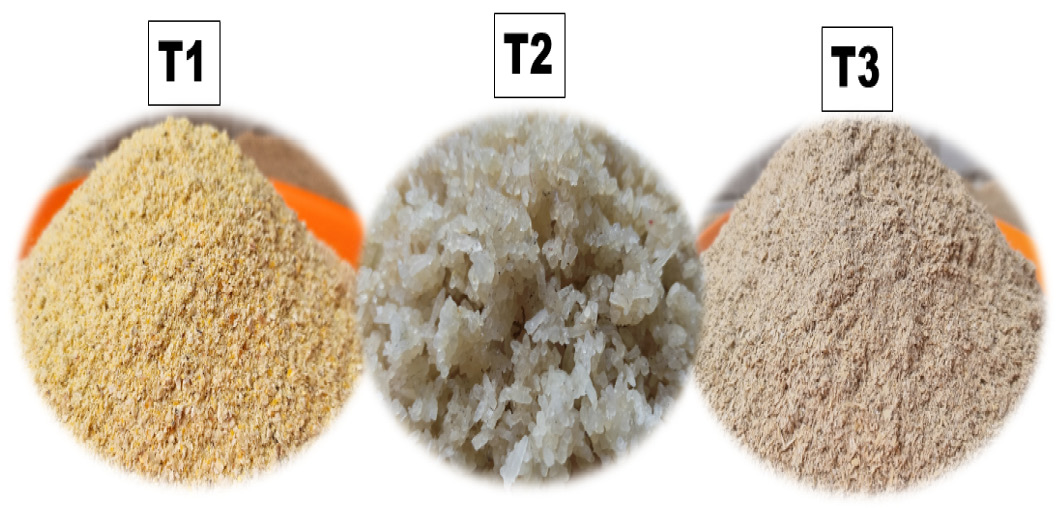
Tested feed.
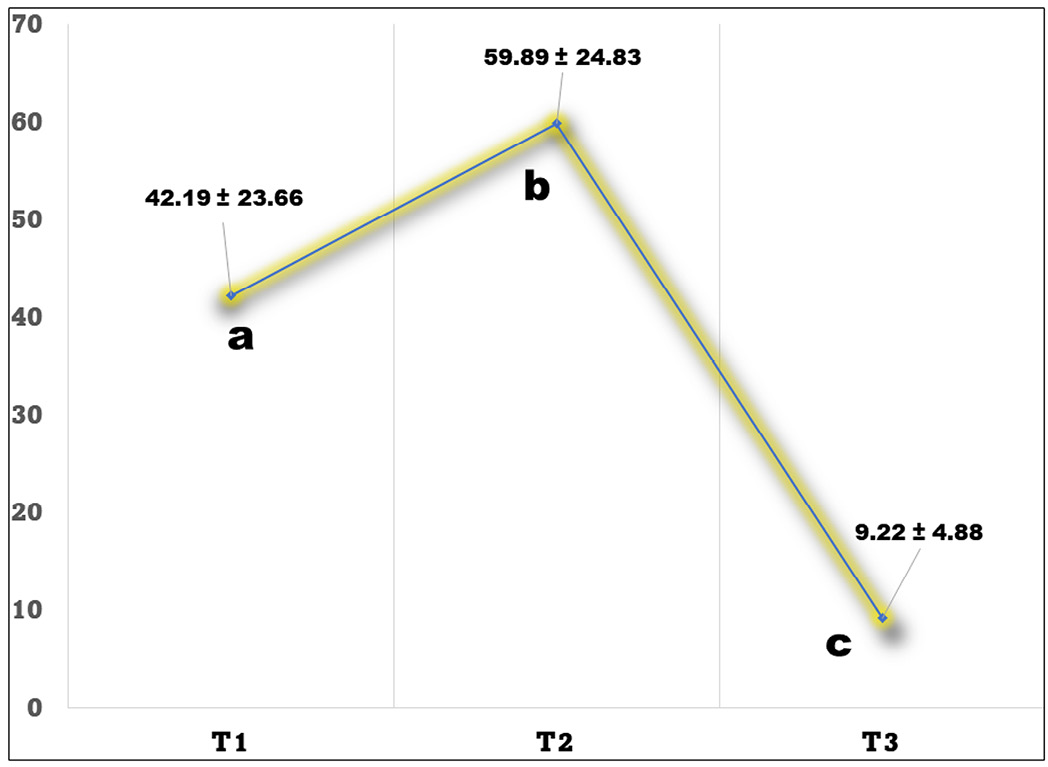
Feed intake rates (g).
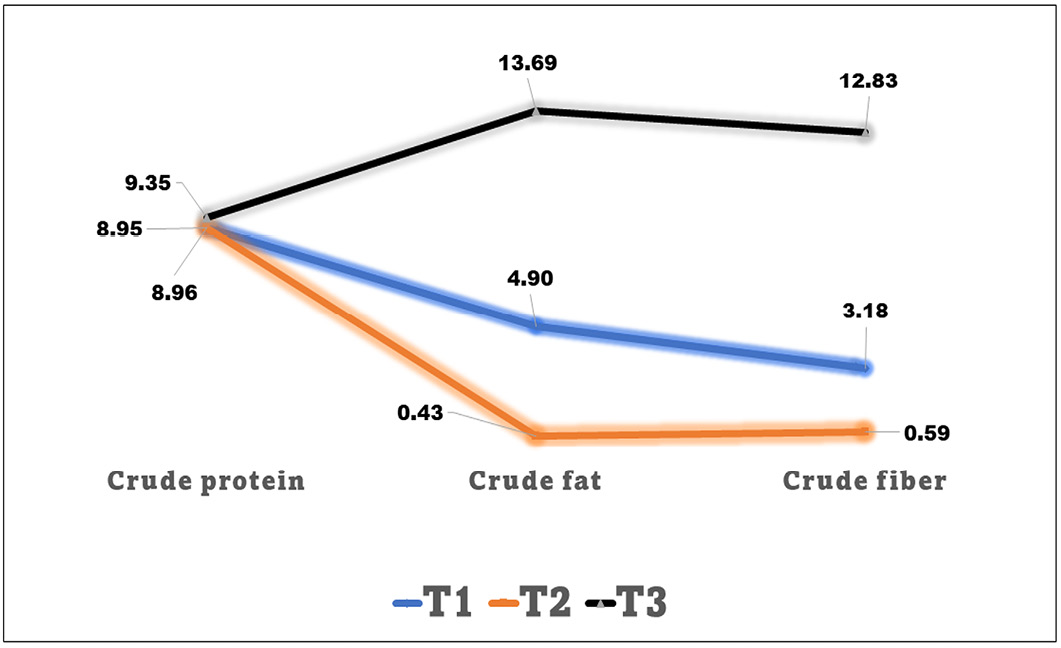
Contents of crude protein, crude fat, and crude fiber in “aking rice” (%) (Data summarized by Farid et al., 2019; Tonda et al., 2022).
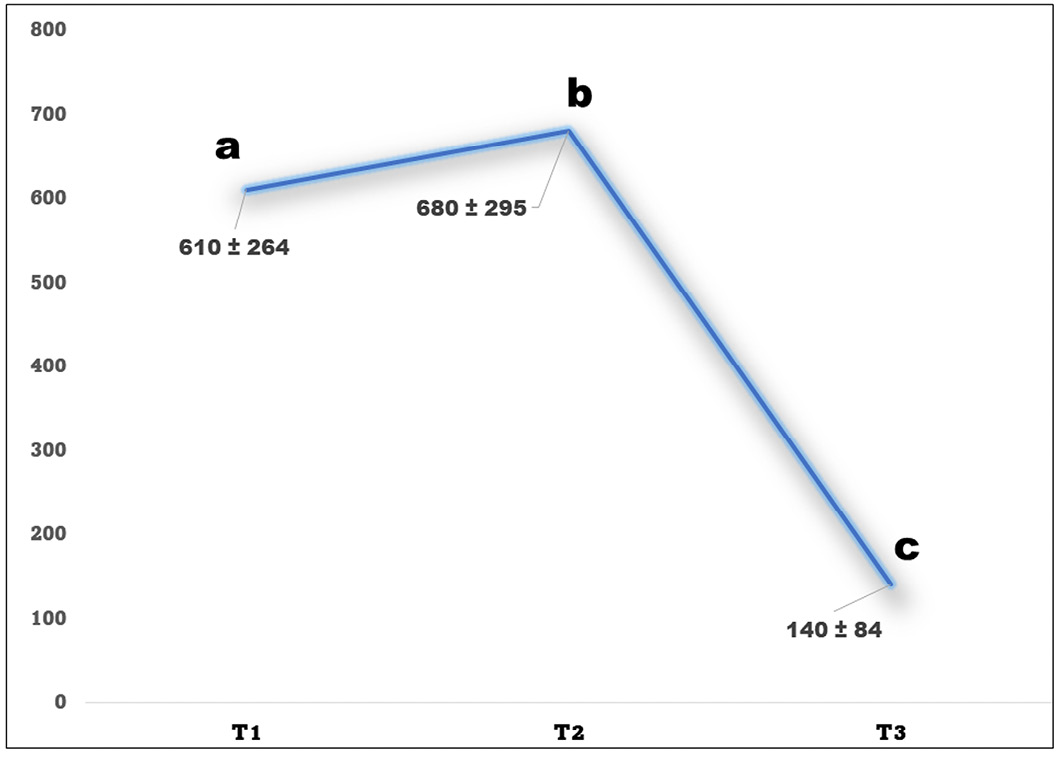
Feeding duration in second(s).
References
- Adinurani, P.G., T. Liwang, Salafudin, L.O. Nelwan, Y. Sakri, S.K. Wahono and R. Hendroko. 2013. The study of two stages anaerobic digestion application and suitable bio-film as an effort to improve bio-gas productivity from Jatropha curcas Linn capsule husk. Energy Procedia 32: 84–89. https://doi.org/10.1016/j.egypro.2013.05.011[CrossRef]
- Alagawany, M., S.S. Elnesr, M.R. Farag, M.E. Abd El-Hack, A.F. Khafaga, A.E. Taha, R. Tiwari, Y.M. Iqbal, P. Bhatt, S.K. Khurana, and K. Dhama. 2019. Omega-3 and omega-6 fatty acids in poultry nutrition: Effect on production performance and health. Animals, 9(8): 1–19. https://doi.org/10.3390/ani9080573[CrossRef]
- Al-Nasrawi, M.A.M. 2016. The impact of different dietary forms (mash, crumble and pellets) on some growth traits and carcass characteristics of broilers. J. Anim. Health Prod., 4(2): 31–36. https://doi.org/10.14737/journal.jahp/2016/4.2.31.36[Full text][CrossRef]
- Alqaisi, O., L.E. Moraes, O.A. Ndambi and R.B. Williams. 2019. Optimal dairy feed input selection under alternative feeds availability and relative prices. Inf. Process. Agric., 6(4): 438–453. https://doi.org/10.1016/j.inpa.2019.03.004[CrossRef]
- Amechi, O.I., 2020. Feed value of fermented spent sorghum grains for broiler chickens. N. A. J. Adv. Res. Rev., 6(1): 238–243. https://doi.org/10.30574/wjarr.2020.6.1.0116[CrossRef]
- Anwar, Z., M. Irshad, I. Fareed and A. Saleem. 2015. Characterization and recycling of organic waste after co-composting. A review. J. Agric. Sci., 7(4): 68–79. https://doi.org/10.5539/jas.v7n4p68[CrossRef]
- Arrazola, A. and S. Torrey. 2019. Conditioned place avoidance using encapsulated calcium propionate as an appetite suppressant for broiler breeders. PLoS One, 14(7-e0206271): 1–15. https://doi.org/10.1371/journal.pone.0206271[CrossRef]
- Asmawati, A., M. Marianah, A. Yaro and R.H. Setyobudi. 2021. The potential of cashew apple juice as anti hypercholesterol agent on whistar rats (Rattus norvegicus Berkenhout, 1769). E3S Web Conf., 226(00009): 1–8. https://doi.org/10.1051/e3sconf/202122600009[CrossRef]
- Asmawati, A., M. Marianah, M.F.M. Atoum, D.A. Sari, I. Iqrar, Z. Hussain, R.H. Setyobudi and N. Nurhayati. 2022. The potential of cashew apple waste as a slimming agent. Jordan J. Biol. Sci., 5(5): 887–892. https://doi.org/10.54319/jjbs/150518[CrossRef]
- Attia, Y.A., W.S. El-Tahawy, A.H.E. Abd El-Hamid, S.S. Hassan, A. Nizza and M.I. El-Kelaway. 2012. Effect of phytase with or without multienzyme supplementation on performance and nutrient digestibility of young broiler chicks feed mash or crumble diets. Ital. J. Anim. Sci., 11(3): 303–308. https://doi.org/10.4081/ijas.2012.e56[CrossRef]
- Barker, D.L., and J.L. Sell. 1994. Dietary carnitine did not influence performance and carcass composition of broiler chickens and young turkeys fed low or high fat diets. Poult. Sci., 73(2): 281–287. https://doi.org/10.3382/ps.0730281[CrossRef]
- Beg, M.A.H., M.A. Baqui, N.R. Sarker and M.M. Hossain. 2011. Effect of stocking density and feeding regime on performance of broiler chicken in summer season. Int. J. Poult. Sci., 10(5): 365–375. https://doi.org/10.3923/ijps.2011.365.375[CrossRef]
- Bovera, F., G. Piccolo, L. Gasco, S. Marono, R. Loponte, G. Vassalotti, V. Mastellone, P. Lombardi, Y.A. Attia, and A. Nizza. 2015. Yellow mealworm larvae (Tenebrio molitor L.) as a possible alternative to soybean meal in broiler diets. Br. Poult Sci., 56(5): 569–575. https://doi.org/10.1080/00071668.2015.1080815[CrossRef]
- Buckley, L.A., V. Sandilands, P.M., Hocking, B.J. Tolkamp and R.B. D’Eath. 2015. Feed-restricted broiler breeders: State-dependent learning as a novel welfare assessment tool to evaluate their hunger state? Appl. Anim. Behav. Sci., 165: 124–132. https://doi.org/10.1016/j.applanim.2015.01.006[CrossRef]
- Budiono, R., F.N. Aziz, E.D. Purbajanti, T. Turkadze and P.G. Adinurani. 2021. Effect and effectivity of granular organic fertilizer on growth and yield of lowland rice. E3S Web of Conf., 226(00039): 1–7. https://doi.org/10.1051/e3sconf/202122600039[CrossRef]
- Burlakovs, J., Z. Vincevica-Gaile, V. Bisters, W. Hogland, M. Kriipsalu, I. Zekker, R.H. Setyobudi, Y. Jani, and O. Anne. 2022. Application of anaerobic digestion for biogas and methane production from fresh beach-cast biomass. Proceedings EAGE GET 2022 3rd Eage Global Energy Transition, The Hague, Netherlands. https://doi.org/10.3997/2214-4609.202221028[CrossRef]
- Campanile, G., G. Neglia, D. Vecchio, D. Palo, B. Gasparrini and L. Zicarelli. 2011. CAB reviews: Animal science reviews 2010. Aust. Vet. J., 89(11): 1–277. https://doi.org/10.1079/PAVSNNR20105007[CrossRef]
- Cerrate, S., R. Ekmay, J.A. England and C. Coon. 2019. Predicting nutrient digestibility and energy value for broilers. Poult. Sci., 98(9): 3994–4007. https://doi.org/10.3382/ps/pez142[CrossRef]
- Chia, S.Y., C.M. Tanga, I.M. Osuga, X. Cheseto, S. Ekesi, M. Dicke and J.J.A. van Loon. 2020. Nutritional composition of black soldier fly larvae feeding on agro-industrial by products. Entomol. Exp. Appl., 168(6–7): 472–481. https://doi.org/10.1111/eea.12940[CrossRef]
- Damat, D., R.H. Setyobudi, P. Soni, A. Tain, H. Handjani and U. Chasanah. 2020. Modified arrowroot starch and glucomannan for preserving physicochemical properties of sweet bread. Ciênc. Agrotecnol., 44(014820): 1–9. https://doi.org/10.1590/1413-7054202044014820[CrossRef]
- Damat, D., R.H. Setyobudi, J.S. Utomo, Z.V. Gaile, A. Tain and D.D. Siskawardani. 2021. The characteristics and predicted of glycemic index of rice analogue from modified arrowroot starch (Maranta arundinaceae L.). Jordan J. Biol. Sci., 14(3): 389–393. https://doi.org/10.54319/jjbs/140302[CrossRef]
- Ege, G., M. Bozkurt, B. Koçer, A.E. Tüzün, M. Uygun and G. Alkan. 2019. Influence of feed particle size and feed form on productive performance, egg quality, gastrointestinal tract traits, digestive enzymes, intestinal morphology, and nutrient digestibility of laying hens reared in enriched cages. Poult. Sci., 98(9): 3787–3801. https://doi.org/10.3382/ps/pez082[CrossRef]
- Farid, M., E. Widodo and M.H. Natsir. 2019. Identification effect of maximum level of rice bran in feed on laying hen performance. J. Nutr. Ternak Trop., 2(2): 59–64. https://doi.org/10.21776/ub.jnt.2019.002.02.5[CrossRef]
- Handajani, H., R.R. Hakim, G.A. Sutaro, B.R. Mavuso, Z.W. Chang and S. Andriawan. 2021. Degradation of phorbol esters on the Jatropha curcas Linn. seed by biological detoxification. E3S Web of Conf., 226(00020): 1–6. https://doi.org/10.1051/e3sconf/202122600020[CrossRef]
- Hapsoh, H., G. Gusmawartati and M. Yusuf. 2016. Effect various combination of organic waste on compost quality. J. Trop. Soils, 20(1): 59–65. https://doi.org/10.5400/jts.2015.v20i1.59-65[CrossRef]
- Harsányi, E., C. Juhász, E. Kovács, L. Huzsvai, R. Pintér, G. Fekete, Z.I. Varga, L. Aleksza and C. Gyuricza. 2020. Evaluation of organic wastes as substrates for rearing Zophobas morio, Tenebrio molitor, and Acheta domesticus larvae as alternative feed supplements. Insects, 11(9): 1–18. https://doi.org/10.3390/insects11090604[CrossRef]
- Harsono, S.S., R.H. Setyobudi and T. Zeemani. 2016. Biodiesel production from waste fish for zero waste concept in remote area of Eastern of Java, Indonesia. J. Teknol., 78(4-2): 215–219. https://doi.org/10.11113/jt.v78.8210[CrossRef]
- Hassan, A.M., H.M. Abdelazeemand and P.G. Reddy. 2009. Effect of some water supplements on the performance and immune system of chronically heat-stressed broiler chicks. Int. J. Sci. Study, 8(5): 432–436. https://doi.org/10.3923/ijps.2009.432.436[CrossRef]
- Hendroko, R.S., S.K. Wahono, P.G. Adinurani, Salafudin, A.S. Yudhanto, A. Wahyudi and S. Dohong. 2014. The study of optimization hydrolysis substrate retention time and augmentation as an effort to increasing biogas productivity from Jatropha curcas Linn. capsule husk at two stage digestion. Energy Procedia, 47: 255–262. https://doi.org/10.1016/j.egypro.2014.01.222[CrossRef]
- Hendroko, R.S., A. Sasmito, P.G. Adinurani, A. Nindita, A.S. Yudhanto, Y.A. Nugroho, T. Liwang and M. Mel. 2015. The study of slurry recirculation to increase biogas productivity from Jatropha curcas Linn. capsule husk in two phase digestion. Energy Procedia, 65: 300–308. https://doi.org/10.1016/j.egypro.2015.01.056.[CrossRef]
- Hidayat, A.A.N., 2021. Bapenas: Without policy intervention, food waste is 112 million tons per year. Tempo. Co. June 9, 2021 https://bisnis.tempo.co/read/1470633/bappenas-tanpaintervensi-kebijakan-sampah-makanan-112-juta-ton-per-tahun
- Jiménez-Moreno, E., A. De Coca-Sinova, J.M. González-Alvarado, and G.G. Mateos. 2016. Inclusion of insoluble fiber sources in mash or pellet diets for young broilers. Effects on growth performance and water intake. Poul. Sci., 95(1): 41–52. https://doi.org/10.3382/ps/pev309[CrossRef]
- Kadir, A.A., N.W. Azhari and S.N. Jamaludin. 2016. An overview of organic waste in composting. MATEC Web Conf., 47(05025):1–6. https://doi.org/10.1051/matecconf/20164705025[CrossRef]
- Karnchanawong, S. and S. Nissaikla. 2014. Effects of microbial inoculation on composting of household organic waste using passive aeration bin. Int. J. Recycl. Org. Waste Agric., 3(4): 113–119. https://doi.org/10.1007/s40093-014-0072-0[CrossRef]
- Karimirad, R., H. Khosravinia and P.B. Kavan. 2020. Effect of different feed physical forms (pellet, crumble, mash) on the performance and liver health in broiler chicken with and without carbon tetrachloride challenge. J. Anim. Feed Sci., 29(1): 59–66. https://doi.org/10.22358/jafs/118818/2020[CrossRef]
- Khoiron, K., A.N. Probandari, W. Setyaningsih, H.S. Kasjono, R.H. Setyobudi and O. Anne. 2020. A review of environmental health impact from municipal solid waste (MSW) landfill. Ann. Trop. Publ. Health, 23(3A): 60–67. https://doi.org/10.36295/ASRO.2020.23316[CrossRef]
- Kierończyk, B., J. Sypniewski, M. Rawski, W. Czekała, S. Swiatkiewicz and D. Józefiak. 2020. From waste to sustainable feed material: The effect of Hermetia illucens oil on the growth performance, nutrient digestibility, and gastrointestinal tract morphometry of broiler chickens. Ann. Anim. Sci., 20(1): 157–177. https://doi.org/10.2478/aoas-2019-0066[CrossRef]
- Krumina, G., L. Ratkevicha, V.N. Vizma, A. Babarikina and D. Babarykin. 2015. Influence of plant extracts on the growth of oral pathogens Streptococcus mutans and Candida albicans in vitro. Proc. Est. Acad. Sci., 64(1): 62–67. https://doi.org/10.3176/proc.2015.1.08[CrossRef]
- Lara, L.J. and M.H. Rostagno. 2013. Impact of heat stress on poultry production. Animals, 3: 56–369. https://doi.org/10.3390/ani3020356[CrossRef]
- Lin, H., H.C. Jiao, J. Buyse and E. Decuypere. 2006. Strategies for preventing heat stress in poultry. Poult. Sci. J., 62(1): 71–86. https://doi.org/10.1079/WPS200585[CrossRef]
- Liu, H.Y., E. Ivarsson, L. Jönsson, L. Holm, T. Lundh and J.E. Lindberg. 2011. Growth performance, digestibility, and gut development of broiler chickens on diets with inclusion of chicory (Cichorium intybus L.). Poul. Sci., 90(4): 815–823. https://doi.org/10.3382/ps.2010-01181[CrossRef]
- Macharia, J.N., G.M. Diiro, J.R. Busienei, K. Munei, H.D. Affognon, S. Ekesi, B. Muriithi, D. Nakimbugwe, C.M. Tanga and K.K.M. Fiaboe. 2020. Gendered analysis of the demand for poultry feed in Kenya. Agrekon, 59(4): 426–439. https://doi.org/10.1080/03031853.2020.1742747[CrossRef]
- Mandey, J. S., Y.H.S. Kowel, M.N. Regar and J.R. Leke. 2017. Effect of different level of energy and crude fiber from sawdust in diets on carcass quality of broiler. J. Indones. Trop. Anim. Agric., 42(4): 240–246. https://doi.org/10.14710/jitaa.42.4.240-246[CrossRef]
- Mendes, A.S., S.J. Paixão, R. Restelatto, G.M. Morello, D.J. de Moura and J.C. Possenti. 2013. Performance and preference of broiler chickens exposed to different lighting sources. J. Appl. Poult. Res., 22(1): 62–70. https://doi.org/10.3382/japr.2012-00580[CrossRef]
- Mingbin, L.V., L. Yan, W. Zhengguo, A. Sha, W. Miaomiao and L.V. Zunzhou. 2015. Effects of feed form and feed particle size on growth performance, carcass characteristics and digestive tract development of broilers. Anim. Nutr., 1(3): 252–256. https://doi.org/10.1016/j.aninu.2015.06.001[CrossRef]
- Muktiani, A., J. Achmadi, B.I.M. Tampoebolon and R. Setyorini. 2013. The use of vegetable waste silage supplemented with mineral and alginate as feeding for sheep. J. Ilmu dan Teknol. Perikanan. 2(3): 144–151.
- Novianto, B., K. Abdullah, A.S. Uyun, E. Yandri, S.M. Nur, H. Susanto, Z. Vincēviča-Gaile, R.H. Setyobudi and Y. Nurdiansyah. 2020. Smart micro-grid performance using renewable energy. E3S Web of Conf. 188(00005): 1–11. https://doi.org/10.1051/e3sconf/202018800005[CrossRef]
- Oliveira, L.S.B.L., B.S. Bezerra, P.B. Silva and R.A.G. Battistelle. 2017. Environmental analysis of organic waste treatment focusing on composting scenarios. J. Clean. Prod., 155: 229–237. https://doi.org/10.1016/j.jclepro.2016.08.093[CrossRef]
- Pinotti, L., A. Luciano, M. Ottoboni, M. Manoni, L. Ferrari, D. Marchis and M. Tretola. 2021. Recycling food leftovers in feed as opportunity to increase the sustainability of livestock production. J. Clean. Prod., 294(26290): 1-31. https://doi.org/10.1016/j.jclepro.2021.126290[CrossRef]
- Prasetio, A., C.M.S. Lestari, S. Sutaryo, M.F.M. Atoum, M. Zahoor, A. Nisar and M.I. Massadeh. 2021. Blood profile of soybean meal substitution with black soldier fly larvae in New Zealand white rabbit. Sarhad J. Agric., 37(Special issue 1): 110–114. https://doi.org/10.17582/journal.sja/2021/37.s1.110.114[Full text][CrossRef]
- RI (Republic of Indonesia). 2020. Government regulation number 27/2020 concerning waste management of specific waste. http://www.indonesianwaste.org/republic-of-indonesia-government-regulation-number-27-of-2020-concerning-waste-management-of-specific-waste-peraturan-pemerintah-republic-indonesia-nomor-27-tahun-2020-tentang-pengelolaan-sampah-spe/
- Rudovica, V., A. Rotter, S.P. Gaudêncio, L. Novoveská, F. Akgül, L.K. Akslen-Hoel, D.A.M. Alexandrino, O. Anne, L. Arbidans, M. Atanassova, M. Bełdowska, J. Bełdowski, A. Bhatnagar, O. Bikovens, V. Bisters, M.F. Carvalho, T.S. Catalá, A. Dubnika, A. Erdoğan, L. Ferrans, B.Z. Haznedaroglu, R.H. Setyobudi, B. Graca, I. Grinfelde, W. Hogland, E. Ioannou, Y. Jani, M. Kataržytė, S. Kikionis, K. Klun, J. Kotta, M. Kriipsalu, J. Labidi, B.L. Lukić, M. Martínez-Sanz, J. Oliveira, R. Ozola-Davidane, J. Pilecka-Ulcugaceva, K. Pospiskova, C. Rebours, V. Roussis, A. López-Rubio, I. Safarik, F. Schmieder, K. Stankevica, T. Tamm, D. Tasdemir, C. Torres, G.C. Varese, Z. Vincevica-Gaile, I. Zekker and J. Burlakovs. 2021. Valorization of marine waste: Use of industrial by products and beach wrack towards the production of high added-value products. Front. Mar. Sci., 8: 723333. https://doi.org/10.3389/fmars.2021.723333[CrossRef]
- Seifert, M., T. Baden and D. Osorio. 2020. The retinal basis of vision in chicken. Semin. Cell Dev. Biol., 106(March): 106–115. https://doi.org/10.1016/j.semcdb.2020.03.011[CrossRef]
- Setyobudi, R.H., S.K. Wahono, P.G. Adinurani, A. Wahyudi, W. Widodo, M. Mel, Y.A. Nugroho, B. Prabowo and T. Liwang. 2018. Characterisation of Arabica coffee pulp - hay from Kintamani - Bali as prospective biogas feedstocks. MATEC Web Conf., 164(01039): 1–13. https://doi.org/10.1051/matecconf/201816401039[CrossRef]
- Setyobudi, R.H., L. Zalizar, S.K. Wahono, W. Widodo, A. Wahyudi, M. Mel, B. Prabowo, Y. Jani, Y.A. Nugroho, T. Liwang and A. Zaebudin. 2019. Prospect of Fe non-heme on coffee flour made from solid coffee waste: Mini review. IOP Conf. Ser. Earth Environ. Sci., 293(1): 1–25. https://doi.org/10.1088/1755-1315/293/1/012035[CrossRef]
- Setyobudi, R.H., E. Yandri, Y.A. Nugroho, M.S. Susanti, S.K. Wahono, W. Widodo, L. Zalizar, E.A. Saati, M. Maftuchah, M.F.M. Atoum, M.I. Massadeh, D. Yono, R.K. Mahaswa, H. Susanto, D. Damat, D. Roeswitawati, P.G. Adinurani and S. Mindarti. 2021a. Assessment on coffee cherry flour of mengani Arabica coffee, Bali, Indonesia as iron non-heme source. Sarhad J. Agric. 37(Special Issue 1): 171–183. https://doi.org/10.17582/journal.sja/2022.37.s1.171.183[Full text][CrossRef]
- Setyobudi, R.H., E. Yandri, M.F.M. Atoum, S.M. Nur, I. Zekker, R. Idroes, T.E. Tallei, P.G. Adinurani, Z. Vincēviča-Gaile, W. Widodo, L. Zalizar, N.V. Minh, H. Susanto, R.K. Mahaswa, Y.A. Nugroho, S.K. Wahono and Z. Zahriah. 2021b. Healthy-smart concept as standard design of kitchen waste biogas digester for urban households. Jordan J. Biol. Sci., 14(3): 613–620. https://doi.org/10.54319/jjbs/140331[CrossRef]
- Setyobudi, R.H., M.F.M. Atoum, D. Damat, E. Yandri, Y.A. Nugroho, M.S. Susanti, S.K. Wahono, W. Widodo, L. Zalizar, A. Wahyudi, E.A. Saati, M. Maftuchah, Z. Hussain, D. Yono, S.S. Harsono, R.K. Mahaswa, H. Susanto, P.G. Adinurani, I. Ekawati, A. Fauzi and S. Mindarti. 2022. Evaluation of coffee pulp waste from some coffee cultivation areas in indonesia as iron booster. Jordan J. Biol. Sci., 15(3): 475–488.
- Soleh, M., H. Hadiyanto, J. Windarta, O. Anne, R.H. Setyobudi and M. Mel. 2020. Technical and economic analysis of municipal solid waste potential for waste to energy plant (Case study: Jatibarang Landfill Semarang, Central Java, Indonesia). E3S Web Conf., 190 (00027): 1–15. https://doi.org/10.1051/e3sconf/202019000027[CrossRef]
- Sugito, S., E. Rahmi, M. Delima, N. Nurliana, R. Rusli and M. Isa. 2020. Effect of Salix tetrasperma Roxb. extract on the value of feed conversion ratio, carcass weight, and abdominal fat content of broiler chicken with heat stress condition. E3S Web Conf., 151(01034): 1–4. https://doi.org/10.1051/e3sconf/202015101034[CrossRef]
- Stamer, A., 2015. Insect proteins a new source for animal feed. Anim. Feed Sci. Technol., 16(6): 676–680. https://doi.org/10.15252/embr.201540528[CrossRef]
- Susanto, H., R.H. Setyobudi, D. Sugiyanto, S.M. Nur, E. Yandri, H. Herianto, Y. Jani, S.K. Wahono, P.G. Adinurani, Y. Nurdiansyah and A. Yaro. 2020a. Development of the biogas-energized livestock feed making machine for breeders. E3S Web Conf., 188(00010): 1–13. https://doi.org/10.1051/e3sconf/202018800010[CrossRef]
- Susanto, H., R.H. Setyobudi, S.M. Nur, E. Yandri, A.S. Uyun, A. Yaro, K. Abdullah, S.K. Wahono, J. Burlakovs and Y.A. Nugroho. 2020b. Development of moving equipment for fishermen’s catches using the portable conveyor system. E3S Web Conf., 190(00014): 1–10. https://doi.org/10.1051/e3sconf/202019000014[CrossRef]
- Suyatno, S., S. Sujono, A. Winaya, L. Zalizar and M. Pangestu. 2023. Characterization of qualitative and quantitative traits of four types of Indonesian native chickens as ancestor of new strains of local super laying hens. Jordan J. Biol. Sci., 16(2): 171–179. https://doi.org/10.54319/jjbs/160201[CrossRef]
- Tejeda, O.J. and W.K. Kim. 2021. Effects of fiber type, particle size, and inclusion level on the growth performance, digestive organ growth, intestinal morphology, intestinal viscosity, and gene expression of broilers. Poult. Sci., 100(10): 1–13. https://doi.org/10.1016/j.psj.2021.101397[CrossRef]
- Tonda, R., L. Zalizar, W. Widodo, R.H. Setyobudi, D. Hermawan, D. Damat, E.D. Purbajanti, H. Prasetyo, I. Ekawati, Y. Jani, J. Burlakovs, T.A. Pakarti, M.S. Susanti, R. Mahnunin, D.K. Sari, H. Hilda, A. Sutanto, A. Fauzi, W. Wirawan, N.S. Sebayang, H. Hadinoto, E. Suhesti, U. Amri and Y. Busa. 2022. Potential utilization of household organic waste for poultry functional feed. Jordan J. Biol. Sci., 15(5): 879–886. https://doi.org/10.54319/jjbs/150517[CrossRef]
- Tonda, R., M.F.M. Atoum, R.H. Setyobudi, L. Zalizar, W. Widodo, M. Zahoor, D. Hermawan, D. Damat, A. Fauzi, A. Putri, Z. Zainuddin, S. Yuniati, E. Hawayanti, I. Rosa, S. Sapar, A. Adil, R.A.D. Sukma, N. Supartini, R. Indriatiningtias, U. Kalsum, I. Iswahyudi and T.A. Pakarti. 2023a. Food waste product for overcoming heat stress in broilers. E3S Web Conf., 374(00031): 1–14. https://doi.org/10.1051/e3sconf/202337400031[CrossRef]
- Tonda, R., L. Zalizar, W. Widodo, R.H. Setyobudi, E. Purbajanti, T. Pakarti, I. Iqrar, M. Zahoor, D. Hermawan, A. Winaya and A. Fauzi. 2023b. Potential food waste products to substitute corn and rice bran for poultry. Pak. J. Agric. Res., (In press).
- Valdez-Arjona, L. and M. Ramírez-Mella. 2019. Pumpkin waste as livestock feed: Impact on nutrition and animal health and on quality of meat, milk, and egg. Animals, 9(769): 1–16. https://doi.org/10.3390/ani9100769[CrossRef]
- Widiyastuti, T., T.R. Sutardi and R.H. Setyobudi. 2015. Evaluation of protein concentrate from Jatropha seed cake as a soybean meal substitution in the rabbit feed. Energy Procedia, 65: 362–367. https://doi.org/10.1016/j.egypro.2015.01.069[CrossRef]
- Widodo, W., I.D. Rahayu, A. Sutanto, R.H. Setyobudi and M. Mel. 2019. The effectiveness of curcuma (Curcuma xanthorriza Roxb.) addition in the feed toward super Kampong chicken performances. Proc. Pak. Acad. Sci. B, 56(4): 39–46.
- Widodo, W., I.D. Rahayu, A. Sutanto, A.D. Anggraini, H. Sahara, S. Safitri and A. Yaro. 2021. Curcuma xanthorriza Roxb. as feed additive on the carcass and fat weight percentage, meat nutrient, and nutrient digestibility of super kampong chicken. Sarhad J. Agric., 37(1): 41–47. https://doi.org/10.17582/journal.sja/2021/37.s1.41.47[Full text][CrossRef]
- Winarso, A., D.R. Novian and D.F.L. Djungu. 2018. The palatability of feed for ruminants with anthelmintics. ARSHI Vet. Lett., 2(4): 71–72. https://doi.org/10.29244/avl.2.4.71-72[CrossRef]
- Winaya, A., A. Sukri, A. Gofur and M. Amin. 2019. The genetic divergence and phylogenetic relationship of indonesia swamp buffalo (Bubalus bubalis) based on partial sequences of cytochrome B gene of mitochondrial DNA. Int. J. Eng. Technol., 8(1.9): 96–100.
- Winaya, A., D.I. Fahmiady, S. Suyatno, A. Malik, A. Mahmud and R. Jaganathan. 2023. Morphometric diversity and genetic relationship of Bangkok chicken (Thai game fowl) in East Java, Indonesia. Jordan J. Biol. Sci., 16(2): 189–197. https://doi.org/10.54319/jjbs/160203[CrossRef]
- Wirdateti, W., W.R. Farida and H. Dahrudin. 2001. Feed palatability test on Nycticebus coucang. Zoo Indonesia, (28): 1–7.
- Wuryantoro, W., P.G. Adinurani, R.M. Wardhani, S. Sutrisno, B.M. Yamin and S.M. Nur. 2021. Utilization of “uwi” plant (Dioscorea sp.) as a renewable bioenergy resource. Jordan J. Bio. Sci., 14(5): 945–951. https://doi.org/10.54319/jjbs/140510[CrossRef]
- Zulfikar, F., O. Sjofjan and I. Djunaidi. 2014. Effect of substitution of bran with aking rice flour in feed on broiler carcass quality. Undergraduate thesis Fakultas Peternakan University Brawijaya, Malang, Indonesia.
Cited by 1 article
In journals published by ResearchersLinks.
Services
Article usage statistics
Loading…