Research Article · Volume 14, Issue 5, 24 April 2026 · Open Access
Gut Microbiota Composition of Indigenous Pigs from North Sulawesi Revealed by 16S rRNA Metagenomics
· · ·
Affiliations & Notes ⌄
1Program Doktor Biology, Faculty Mathematics, Natural Science and Earth, Universitas Negeri Manado, Tondano, Indonesia
2Laboratorium Biofarmaka dan Biologi Molekuler, Faculty Mathematics, Natural Science and Earth, Universitas Negeri Manado, Tondano, Indonesia. *Correspondence | Revolson Alexius Mege, Program Doktor Biology, Faculty Mathematics, Natural Science and Earth, Universitas Negeri Manado, Tondano, Indonesia
3Email: ramege@unima.ac.id
4Program Studi Biologi, Faculty Mathematics, Natural Science and Earth, Universitas Negeri Manado, Tondano, Indonesia
OTU-based taxonomic analysis demonstrated differences in the composition and relative abundance of gut microbial communities among North Sulawesi local pigs, as reflected by distinct clustering patterns in the heatmap (Figures 4 and 5).
Phylogenetic and KRONA-based analyses revealed both shared and population-specific microbial lineages among the three local pig populations.
This research indicates that indigenous pigs from North Sulawesi possess gut microbial communities that vary significantly across regions at the class, family, and genus levels.
This research presents the initial documentation of gut microbiota composition in three distinct subpopulations of North Sulawesi pigs, offering evidence that microbial diversity is significantly influenced by ecological adaptation and may enhance the resilience of local livestock.
Selected from the article's own text.
Abstract
Indigenous pigs constitute a significant genetic resource for food security and cultural legacy; nevertheless, understanding of their gut microbiome diversity is still inadequate. This study sought to define and analyze the gut microbial makeup of indigenous pigs from several regions of North Sulawesi and to assess its possible consequences for health, adaption, and productivity. A 16S rRNA metagenomic methodology was utilized to characterize gut microbial communities in three populations: Minahasa, Kepulauan, and Bolaang Mongondow. Relative abundance data were examined at the phylum, class, family, and genus levels and represented through histograms, ternary plots, and UPGMA clustering utilizing both weighted and unweighted UniFrac distances. The findings indicated notable disparities in microbial composition across populations, with Gammaproteobacteria, Bacilli, and Clostridia prevailing at the class level, and families including Enterobacteriaceae, Ruminococcaceae, and Lachnospiraceae linked to essential metabolic functions, encompassing carbohydrate fermentation and polysaccharide degradation. UPGMA analysis grouped samples based on their geographical origin, indicating the impact of environmental and nutritional factors on microbial community composition. This study presents the inaugural comprehensive map of gut microbiota composition in indigenous pigs from North Sulawesi, emphasizing its ecological and adaptive importance. Subsequent study ought to integrate functional metagenomics with dietary intervention trials utilizing local feed supplies to maximize gut health and improve the productivity of indigenous pig populations.
Keywords | Gut microbiota, Indigenous, Pigs, North Sulawesi, 16S rRNA, Metagenomics
INTRODUCTION
Recent advances in metagenomic sequencing technologies have enabled comprehensive exploration of microbial diversity at unprecedented resolution. Metagenomic studies have shown that gut taxonomic composition, functional potential (e.g., carbohydrate-active enzymes and short-chain fatty acid pathways) ; , resistome, and virome are modulated by host genetics , diet, age, and environment, with direct consequences for disease susceptibility and feed conversion ; . North Sulawesi local pigs exhibit high genetic diversity based on Cytochrome Oxidase Subunit 1 (CO1) markers , yet their gut microbial diversity and abundance remain poorly understood.
Most metagenomic surveys focus on commercial pig breeds in temperate regions, leaving indigenous and ecologically adapted pigs underrepresented in global catalogs ; ; . These breeds often harbor unique microbial consortia that contribute to ecological adaptation and production traits. Deep shotgun sequencing and metagenome-assembled genome (MAG) analyses have revealed vast numbers of previously undescribed bacterial and viral genomes in pigs, suggesting that local breeds may retain distinct microbial signatures absent from current databases ; .
Advances in integrative metagenomics now allow taxonomic profiling (16S/shotgun), functional annotation (HUMAnN, CAZy, KEGG), and strain-level reconstruction (MAGs), enabling stronger cross-population comparisons . Such multi-level approaches are powerful for identifying ecological drivers of community structure and microbial markers linked to host adaptation or performance . Here, we used high-throughput metagenomics to characterize and compare gut microbiomes of three geographically and ecologically distinct populations of local pigs in North Sulawesi (Minahasa, Island, and Bolaang Mongondow). Specifically, we compared taxonomic composition and microbial diversity among pigs from three geographical regions. By focusing on uncharacterized local breeds, this work fills a critical knowledge gap and expands the reference catalog of the porcine gut microbiome.
The findings of this study are expected to contribute to a better understanding of indigenous pig gut microbiota and support future nutritional and health management strategies. These insights inform management and conservation strategies and suggest opportunities for targeted interventions, such as dietary modulation, probiotics, or selective breeding, to improve resilience and productivity. More broadly, this study contributes to global efforts to build a comprehensive porcine microbiome reference and to translate metagenomic knowledge into sustainable livestock applications.
MATERIALS AND METHODS
Sample collection
Local pig samples were obtained from three regions of North Sulawesi: Minahasa (A), Island (B), and Bolaang Mongondow (C). Intestinal fluid was collected for metagenomic analysis. The pigs were identified as local breeds based on phenotypic and morphological characteristics, as well as lineage tracing, to ensure the authenticity of North Sulawesi local pigs.
Experimental procedures
Metagenomic analysis followed a standard workflow comprising: Genomic DNA extraction from intestinal fluid, PCR amplification, quantification and pooling of PCR products, purification, library preparation, sequencing, and bioinformatics analysis ; (Figure 1).
Genomic DNA extraction and purification
Genomic DNA from intestinal fluid was extracted using the ZymoBIOMICS™ DNA/RNA Miniprep Kit (Zymo Research, USA) following the manufacturer’s guidelines. The concentration and purity of DNA were evaluated using a NanoDrop-1000 spectrophotometer and a PicoGreen test.
PCR amplification, library construction, quality control, and sequencing
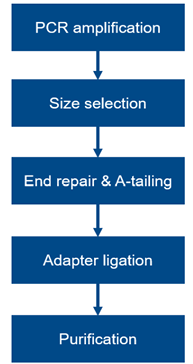
The V4 region of the bacterial 16S rRNA gene was amplified employing primers 515F(5′-GTGCCAGCMGCCGCGGTAA) and 806R (5′-GGACTACHVGGGTWTCTAAT) with dual indices under defined conditions: Thirty cycles at an annealing temperature of 56 °C. Amplicons were detected using 2% agarose gel electrophoresis, and products of the expected size were selected. Equal quantities of PCR products from each sample were combined, end-repaired, A-tailed, and ligated using Illumina adapters. Libraries underwent quality assessment and sequencing on the Illumina MiSeq technology (Illumina, USA) to produce 250 bp paired-end raw reads (Figure 2).
Libraries were determined utilizing a Qubit fluorometer and real-time PCR, while fragment size distributions were evaluated with a Bioanalyzer. Qualified libraries were aggregated according to effective concentration and sequenced on the Illumina platform to meet the specified data output requirements.
Bioinformatics analysis
Paired-end readings were demultiplexed based on unique barcodes, and the barcode and primer sequences were removed. readings were amalgamated utilizing FLASH v1.2.7 (http://ccb.jhu.edu/software/FLASH/), which precisely concatenates overlapping paired-end readings. The resultant sequences were designated as raw tags. Quality filtering of raw tags was executed utilizing the QIIME v1.7.0 pipeline [] (http://qiime.org/scripts/split_libraries_fastq.html) under rigorous criteria to acquire high-quality clean tags. Chimeric sequences were detected using the UCHIME algorithm against the SILVA 138 reference database and then eliminated. The resultant high-quality readings were preserved as functional tags for subsequent analysis ; ; .
RESULTS AND DISCUSSION
Results
High-quality sequencing data were obtained from all samples, allowing reliable downstream comparative analysis of gut microbial communities. DNA yield varied across samples, as measured by both PicoGreen and NanoDrop assays. Based on PicoGreen quantification, the highest DNA concentration was obtained from the Bolaang Mongondow sample, whereas the lowest was observed in the Island sample. In contrast, NanoDrop measurements indicated the highest DNA concentration in the Island sample and the lowest in Bolaang Mongondow. Despite these differences, the extracted DNA met the quality and quantity requirements for downstream metagenomic sequencing (Supplementary Table 1).
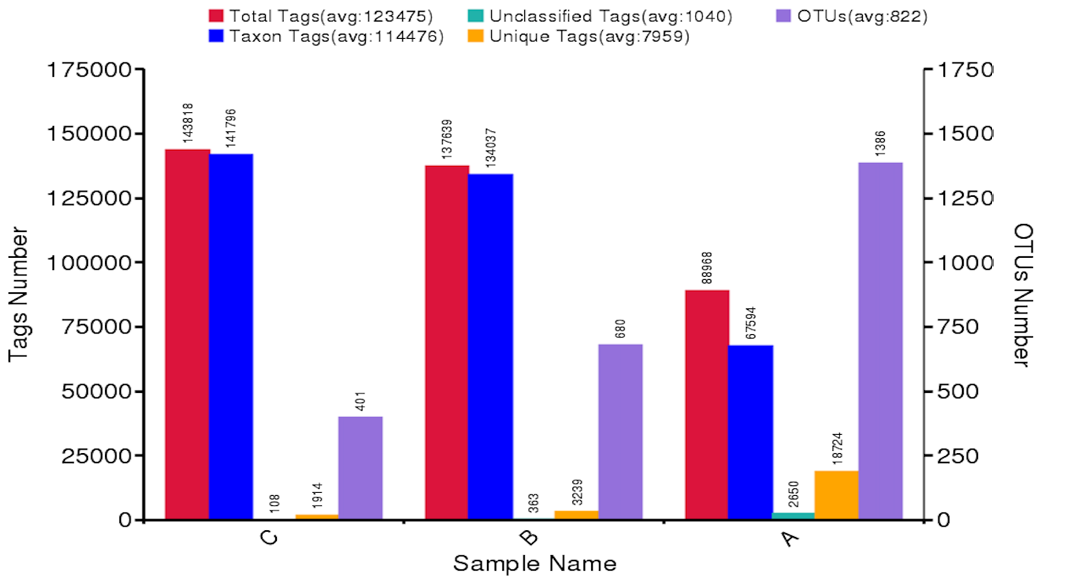
Gut microbial composition of local pigs was characterized by clustering high-quality sequences into OTUs at 97% similarity, followed by taxonomic annotation (Figure 3).
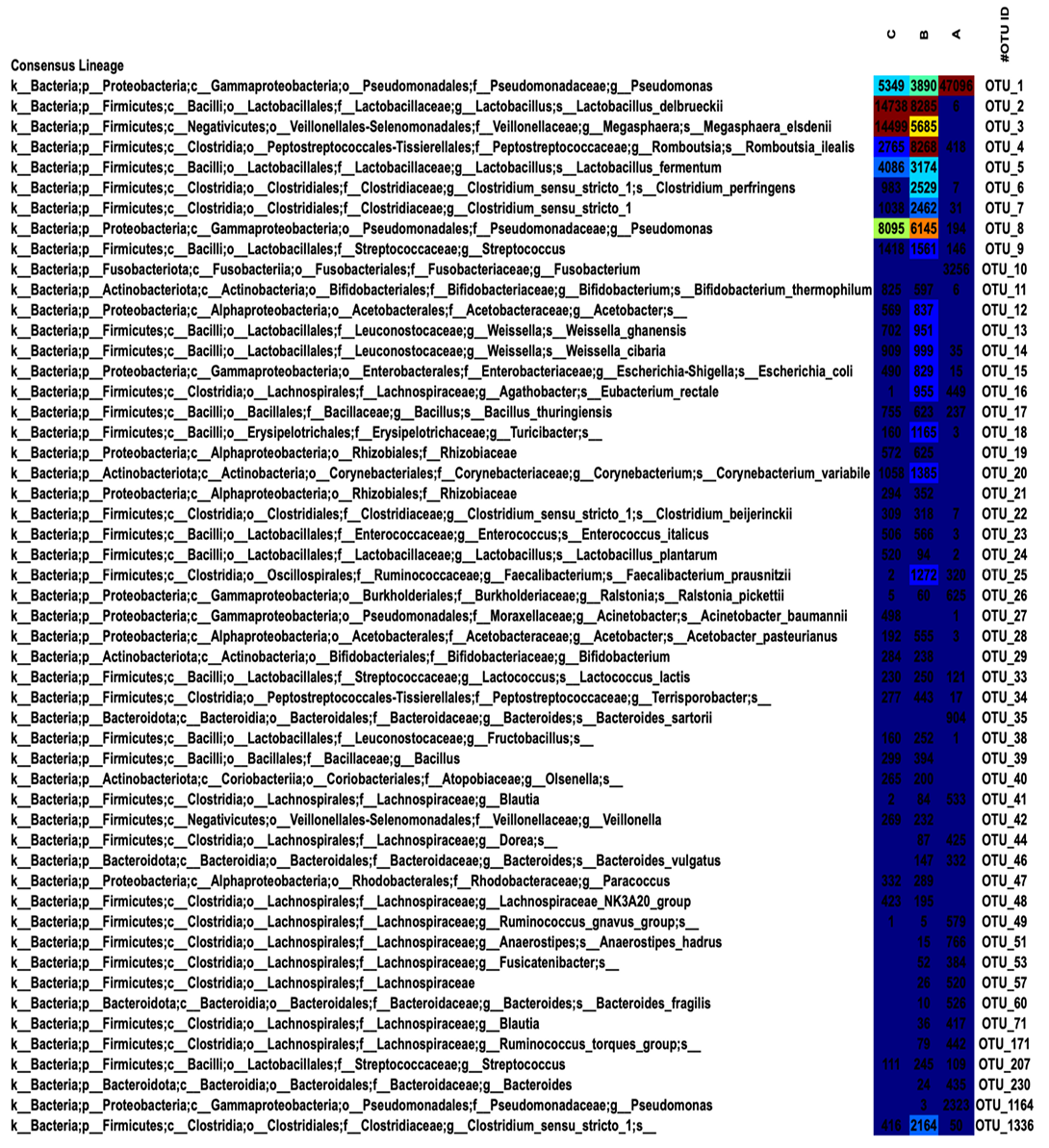
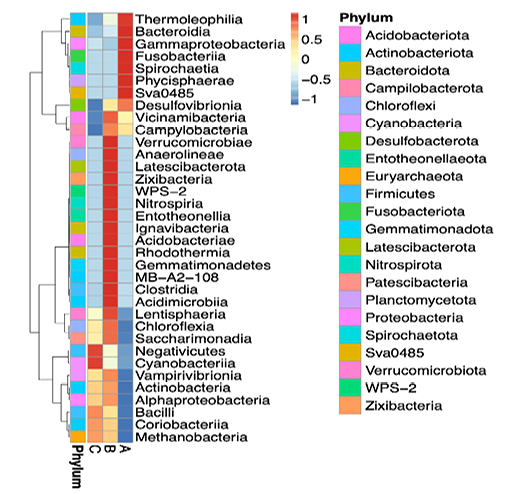
OTU-based taxonomic analysis demonstrated differences in the composition and relative abundance of gut microbial communities among North Sulawesi local pigs, as reflected by distinct clustering patterns in the heatmap (Figures 4 and 5).
Heatmap analysis revealed distinct clustering patterns among the three local pig populations, reflecting differences in dominant gut microbial taxa. While several core microbial groups were shared across populations, region-specific taxa contributed to variations in community structure among Minahasa, Island, and Bolaang Mongondow pigs.
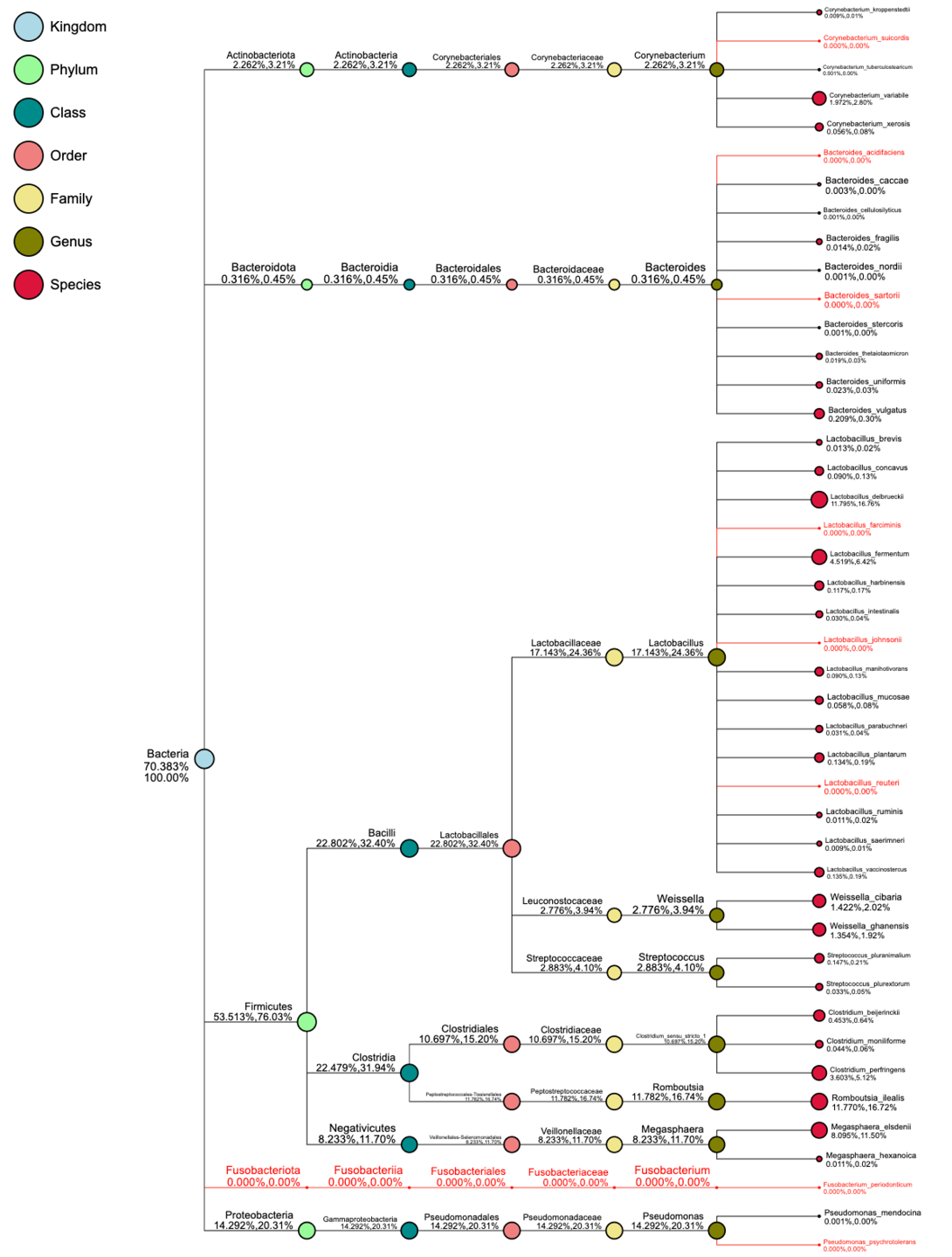
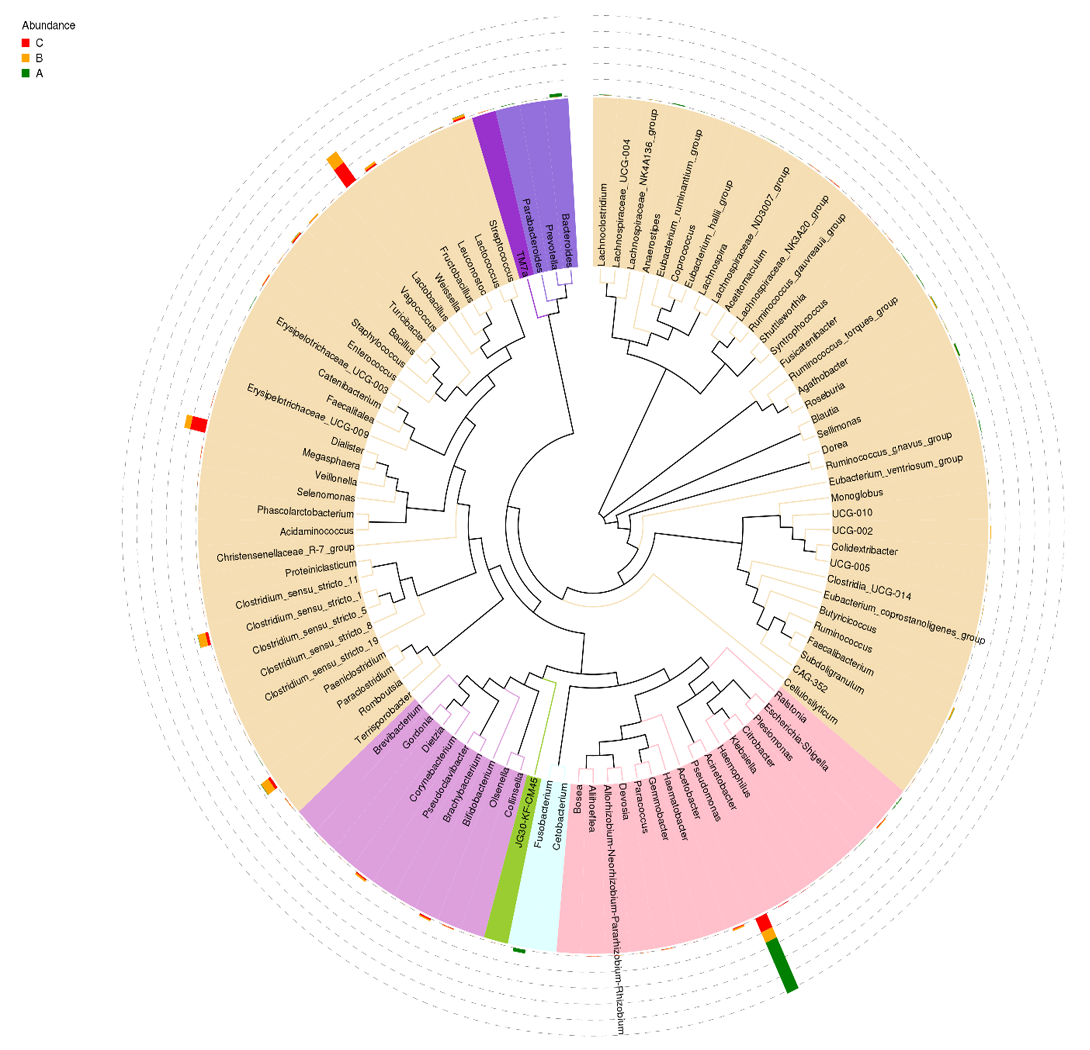
Phylogenetic and KRONA-based analyses revealed both shared and population-specific microbial lineages among the three local pig populations. While several taxa were consistently present across all regions, distinct location-associated taxa dominated specific phylogenetic groups, contributing to variations in community structure among Minahasa, Island, and Bolaang Mongondow pigs (Figure 6).
Bacterial community composition of the local pig gut microbiome
Relative abundance
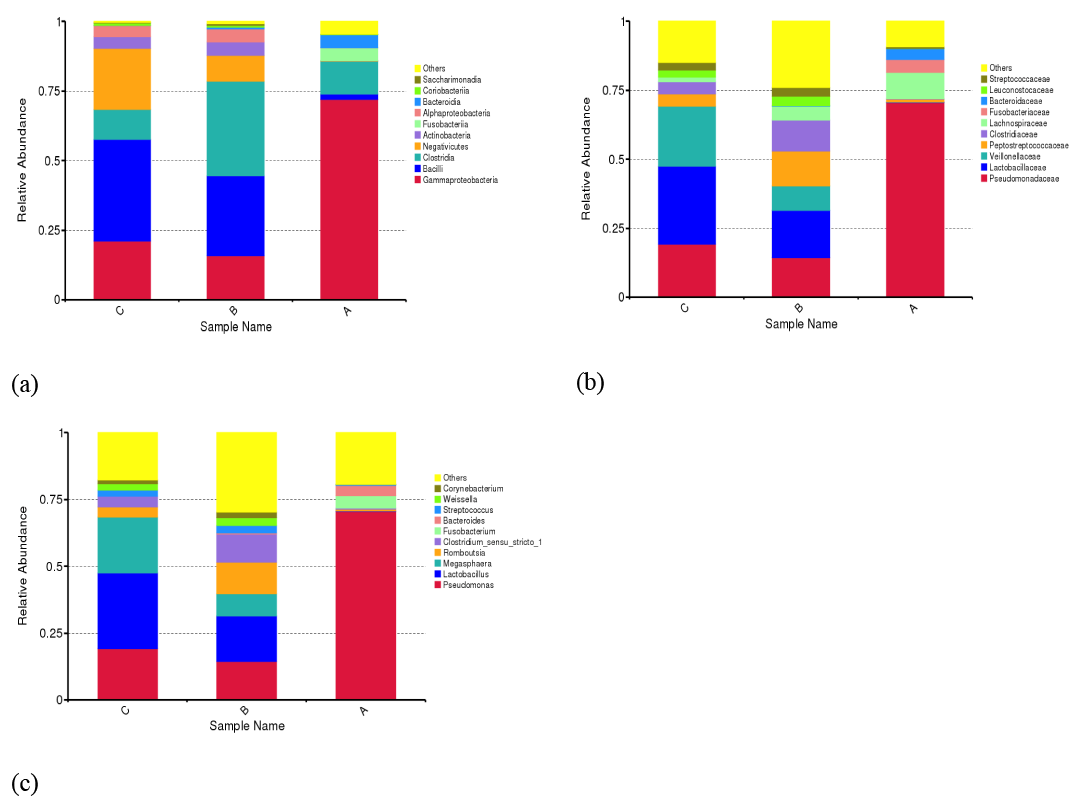
Relative abundance analysis of the top ten taxa at different taxonomic levels revealed distinct microbial profiles among indigenous pigs from Minahasa, Island, and Bolaang Mongondow. Variations were more pronounced at the family and genus levels, indicating population-specific differences in gut microbial composition (Figure 7).
The relative abundance profiles revealed distinct taxonomic distributions across the three local pig populations. At the class level, several dominant bacterial groups were consistently shared, while notable differences in proportional representation were observed among locations. At the family and genus levels, clear variation emerged, with certain taxa enriched in specific populations, reflecting potential geographic and ecological influences on microbial community composition.
Heatmap of taxonomic abundance clusters
Genus-level heatmap analysis revealed distinct clustering patterns among samples, indicating similarities within populations and differences among indigenous pig populations. Both shared microbial signatures and population-specific variations contributed to genus-level community structure (Figure 8).
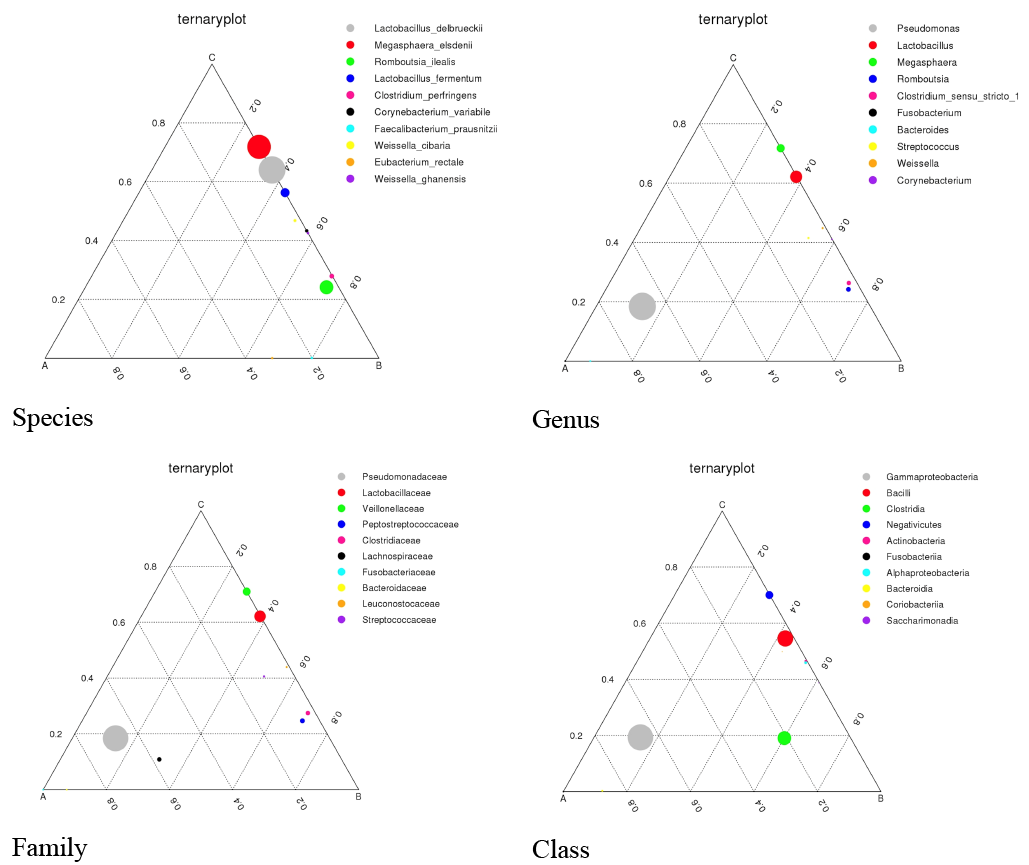
Genus-level heatmap analysis showed closer clustering of samples within the same population, indicating similarities in gut microbial composition and potential influences of shared ecological or host-related factors. Ternary plot analysis further demonstrated differential enrichment of dominant taxa among Minahasa, Island, and Bolaang Mongondow pigs, highlighting population-specific patterns in microbial community structure (Figure 9).
Alpha diversity analysis
Alpha diversity analysis indicated variability in microbial richness and evenness among intestinal samples from North Sulawesi local pigs. While sequencing depth was sufficient across samples, differences in diversity indices suggested variation in community complexity among population (Supplementary Table 2).
Venn and flower diagrams
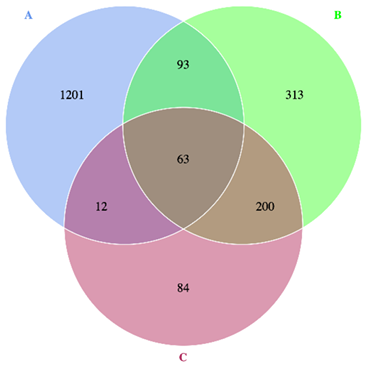
Based on OTU clustering and normalized OTU tables, we analyzed the distribution of shared and unique taxa across the different pig populations. Venn and Flower
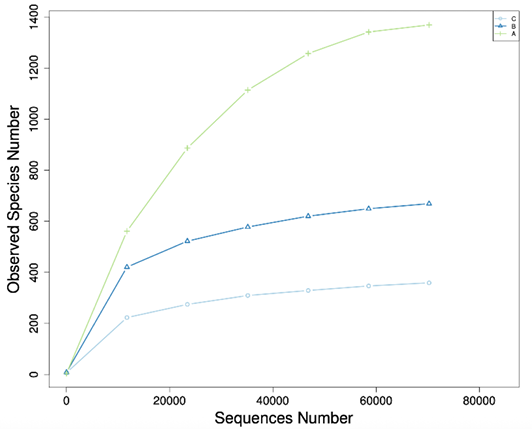
The biodiversity curve further illustrates sequencing depth adequacy and species richness across samples (Figure 10).
diagrams were generated to illustrate the overlap and distinctiveness of microbial communities among groups, providing a clear visualization of core taxa common to all samples and population-specific taxa unique to each group (Figure 11).
Beta diversity analysis
Beta diversity offers a direct comparison of microbial communities according to their taxonomic composition. This metric measures variations among microbial communities by computing pairwise distance or dissimilarity matrices, including unweighted UniFrac and weighted UniFrac distances. The distance matrices were further visualized by Principal Coordinates Analysis (PCoA), Principal Component Analysis (PCA), Non-metric Multidimensional Scaling (NMDS), and Unweighted Pair Group Method with Arithmetic Mean (UPGMA) clustering.
Beta diversity heatmap
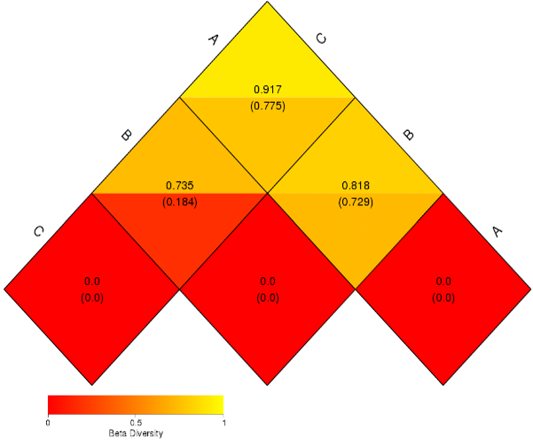
Phylogenetic dissimilarity between paired samples was assessed using both weighted and unweighted UniFrac distances. These widely used metrics in microbial community sequencing projects enabled us to assess both presence/absence (unweighted) and abundance-weighted (weighted) differences among populations. The resulting heatmaps illustrate pairwise dissimilarities of gut microbial communities in North Sulawesi local pigs (Figure 12).
Principal component analysis (PCA)
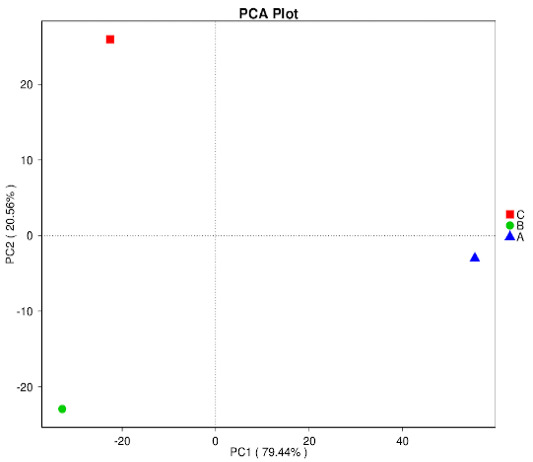
Principal Component Analysis (PCA) was utilized to decrease data dimensionality and identify the primary axes of variation in microbial community structure. By extracting the first two principal components, PCA provides a two-dimensional representation of high-dimensional OTU data, enabling visualization of overall community similarities and differences among samples. In the resulting ordination, samples with more similar gut microbial compositions cluster more closely, whereas those with distinct communities are positioned further apart. PCA of the gut microbiota from local pigs across Minahasa, Islands, and Bolaang Mongondow revealed clear patterns of community separation (Figure 13).
UPGMA clustering
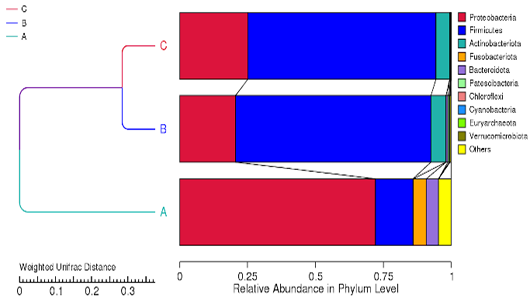
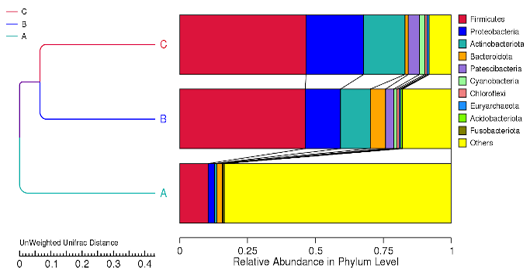
Hierarchical clustering was conducted to evaluate community similarity among samples, utilizing the Unweighted Pair Group Method with Arithmetic Mean (UPGMA). Distance matrices reflecting phylogenetic relationships were calculated using both weighted and unweighted UniFrac metrics, which were then utilized for constructing the tree. The UPGMA dendrograms produced, along with phylum-level relative abundance data, demonstrate the clustering patterns of gut microbial communities in local pigs from Minahasa, Islands, and Bolaang Mongondow (Figures 14 and 15).
Discussion
The heatmap analysis identified a core gut microbial community that was consistently observed across the three local pig populations, comprising Lactobacillus, Megasphaera, and Bacteroides/Prevotella, which are essential taxa involved in carbohydrate fermentation and short-chain fatty acid (SCFA) production ; ; ; . Even with this common foundation, notable variations in the relative abundance of various OTUs were detected across regions (A, B, and C), indicating the impact of dietary habits, environmental factors, and farming practices. Certain OTUs, including Pseudomonas, Romboutsia, Weissella, and Faecalibacterium, exhibited abundance variations based on location, suggesting potential interactions between the host and environment. The detection of potentially pathogenic taxa (Clostridium perfringens, Escherichia coli) and environmental genera (Pseudomonas, Acinetobacter, Ralstonia) warrants further validation through qPCR, quantitative read mapping, and shotgun metagenomics to determine whether their presence reflects contamination, opportunism, or genuine gut adaptation.
Phylogenetic reconstruction of metagenomic data demonstrated that the gut microbiota of North Sulawesi pigs is hierarchically structured, dominated by Bacteroidetes and Firmicutes. This is consistent with previous findings reporting these phyla as central to carbohydrate degradation, SCFA biosynthesis, and antibiotic resistance gene carriage in both local and commercial pig breeds ; ; . Genus-level clustering (e.g., Lactobacillus, Romboutsia, Faecalibacterium, Weissella) indicated the presence of fermentative and potentially probiotic lineages ; . Distinct phylogenetic clustering of Lactobacillus strains suggests strain diversification specific to local populations, underscoring the utility of metagenome-assembled genomes (MAGs) for capturing strain-level diversity and functional specialization. These results align with recent cataloging studies (e.g., PIGC) showing that a large proportion of pig gut microbial genomes remain uncharacterized, reinforcing the need for functional delineation at the strain level to better understand ecological and physiological implications in local breeds.
The KRONA visualization elucidated that the gut microbiota of local pigs is predominantly composed of Firmicutes (such as Ruminococcus, Clostridium sensu stricto 1, Lactobacillus, Faecalibacterium) and Bacteroidetes (including Bacteroides, Prevotella, Phocaeicola), exhibiting significant variability in abundance across the regions of Minahasa, Kepulauan, and Bolaang Mongondow. This composition aligns with global pig gut microbiota profiles, wherein Firmicutes and Bacteroidetes facilitate polysaccharide degradation, short-chain fatty acid production, and modulation of gut health ; . The occurrence of opportunistic taxa, including Clostridium sensu stricto 1 and Escherichia-Shigella, underscores the necessity for comprehensive functional validation to evaluate virulence or antimicrobial resistance potential. The observed microbiota patterns illustrate the interaction among host genetics, feed composition, and environmental conditions, which together influence microbial diversity and function in indigenous pig populations.
This study provides novel insights into the gut microbiota of indigenous pigs from North Sulawesi, a population that has received limited attention compared to commercial breeds. While previous research has established Firmicutes and Bacteroidetes as dominant phyla in swine gut ecosystems ; , our results demonstrate unique microbial signatures in local populations, including the strain-level diversification of Lactobacillus and the location-specific abundance of genera such as Weissella and Romboutsia. These findings indicate that indigenous pigs harbor distinct microbial lineages not captured in existing reference databases or global pig gut catalogs, suggesting a previously undocumented reservoir of microbial genetic and functional diversity.
Furthermore, the detection of both beneficial taxa (e.g., Faecalibacterium, Megasphaera) and potential opportunistic/pathogenic lineages (Clostridium perfringens, Escherichia-shigella) within the same host populations highlights a complex ecological balance shaped by local diets, management practices, and environmental conditions. This dual presence underscores the need for strain-level metagenomic and functional characterization, as recommended in recent metagenome-assembled genome (MAG) studies, and positions North Sulawesi pig microbiota as a critical model for understanding host microbe co-adaptation under traditional farming systems.
In summary, this study is unique in that it is (i) the first metagenomic characterization of gut microbiota in indigenous North Sulawesi pigs, (ii) there is evidence of strain diversification unique to local populations, and (iii) unexplored microbial lineages with potential probiotic or pathogenic functions were identified. Collectively, these findings contribute to a better knowledge of swine microbiota by discovering underrepresented microbial reserves in non-commercial pig populations, opening up new possibilities for animal health, conservation genetics, and microbiome-driven livestock management.
CONCLUSION
This research indicates that indigenous pigs from North Sulawesi possess gut microbial communities that vary significantly across regions at the class, family, and genus levels. The prevalence of Gammaproteobacteria, Bacilli, and Clostridia, along with the presence of families like Enterobacteriaceae, Ruminococcaceae, and Lachnospiraceae, indicates a variety of metabolic functions, encompassing both simple carbohydrate fermentation and complex polysaccharide degradation. This research presents the initial documentation of gut microbiota composition in three distinct subpopulations of North Sulawesi pigs, offering evidence that microbial diversity is significantly influenced by ecological adaptation and may enhance the resilience of local livestock. Future research should focus on functional metagenomic analyses to identify essential genes and metabolic pathways that underpin these microbial functions. Furthermore, trials focused on feed interventions utilizing locally available resources should be undertaken to assess the efficacy of microbiota-driven strategies in enhancing gut health, nutritional efficiency, and overall productivity in indigenous pig populations.
ACKNOWLEDGMENT
The authors express their sincere gratitude to the Directorate of Research and Community Service, Ministry of Higher Education, Science, and Technology of the Republic of Indonesia, for providing financial support for this research under the 2025 Regular Fundamental Research Scheme. We express our heartfelt appreciation to the Laboratory of Bioactivity and Molecular Biology for their provision of facilities and support, which were instrumental in the successful execution of the laboratory experiments.
NOVELTY STATEMENT
This study provides the first region-resolved metagenomic characterization of the gut microbiota of indigenous pigs from North Sulawesi, Indonesia, a genetically diverse and ecologically adapted porcine population that remains absent from global pig gut microbiome catalogs dominated by commercial breeds. By integrating 16S rRNA–based taxonomic profiling with multivariate and phylogeny-aware analyses (ternary plots and UniFrac-based UPGMA clustering), we demonstrate that gut microbial community structure is strongly shaped by geographical origin and local ecological conditions, revealing population-specific microbial signatures beyond core porcine taxa. Importantly, the identification of distinct enrichments of fermentative and potentially probiotic lineages, alongside opportunistic taxa, highlights a previously undocumented microbial reservoir associated with traditional feeding systems and environmental adaptation. These findings extend current porcine microbiome references and establish a foundational framework for microbiome-informed nutritional, health, and conservation strategies tailored to indigenous pig production systems.
AUTHORS’ CONTRIBUTION
RAM and MYS devised the study, implemented the methodology, and conducted the investigation. IS and NM conducted a thorough data and formal analysis while also gathering the necessary resources. The original draft was composed by MYS. IS and NM engaged in the writing, reviewing, and editing of the manuscript, while RAM provided oversight. All authors have reviewed and granted their approval for the final manuscript prior to its publication.
Generative AI and AI assisted technology statement
The authors declare that no generative AI or AI-assisted technologies were used to generate, analyze, or interpret the research data. Generative AI tools were used only to assist in improving the grammar and readability of the manuscript during the revision stage, and all scientific in terpretations and conclusions are entirely the authors’ own.
Funding
This project was supported by DPPM Kementerian Pendidikan Tinggi, Sains dan Teknologi, Republik Indonesia in 2025, under the principal contract number 192/ES/PG.02.00.PL/2025, via the Fundamental project scheme.
Data availability
All datasets generated or analyzed during this study are included in the manuscript.
Ethics statement
Not applicable
Conflict of interest
The authors have declared no conflict of interest.
Figures
Figure 1:.
Workflow of metagenomic analysis of the intestinal microbiome of North Sulawesi local pigs.
Figure 2:.
Workflow of library construction.
Figure 3:.
Summary of effective tags and OTU numbers from each sample: A = Minahasa local pig, B = Island local pig, C = Bolaang Mongondow local pig. OTU-based taxonomic analysis demonstrated differences in the composition and relative abundance of gut microbial communities among North Sulawesi local pigs, as reflected by distinct clustering patterns in the heatmap (Figures 4 and 5).
Figure 4:.
Heatmap of OTU-based taxonomic annotations of the gut microbiome in local pigs: A = Minahasa, B = Island, C = Bolaang Mongondow.
Figure 5:.
Phylogenetic tree of metagenomic samples: A= Minahasa local pig, B= Island local pig, C= Bolaang Mongondow local pig. Note: Different colors represent distinct taxonomic ranks.
Figure 6:.
KRONA visualization of the gut microbiome in North Sulawesi local pigs.
Figure 7:.
Relative abundance of bacterial taxa at different taxonomic ranks in the gut microbiome of North Sulawesi local pigs: (a) Class, (b) Family, (c) Genus. A = Minahasa local pig, B = Island local pig, C = Bolaang Mongondow local pig.
Figure 8:.
Heatmap of taxonomic abundance clusters in the gut microbiome of North Sulawesi local pigs: A = Minahasa, B = Island, C = Bolaang Mongondow.
Figure 9:.
Ternary plots comparing microbial distribution at different taxonomic levels.
Figure 10:.
Biodiversity curve of metagenomic results of the digestive tract of local pigs in North Sulawesi.
Figure 11:.
Venn diagram.
Figure 12:.
Beta diversity heatmap (each grid represents the pairwise difference coefficient between paired samples, where Weighted Unifrac distances are shown on top and Unweighted Unifrac distances on the opposite.
Figure 13:.
PCA Plot (Note: each point corresponds to a sample, plotted with the second principal component on the Y-axis and the first principal component on the X-axis, differentiated by group color).
Figure 14:.
UPGMA cluster tree based on Weighted Unifrac distance.
Figure 15:.
UPGMA cluster dendrogram derived using unweighted Unifrac distances, illustrated with the UPGMA tree on the left and relative abundances in the phylum map on the right.
References
Bekele GK, Abda EM, Tuji FA, Meka AF, Gemeda MT (2025). Shotgun metagenomics reveals metabolic potential and functional diversity of microbial communities of Chitu and Shala soda lakes in Ethiopia. Microbiol. Res., 16: 71. https://doi.org/10.3390/microbiolres16030071[CrossRef]
Benjamin NR, Crooijmans RPMA, Jordan LR, Bolt CR, Schook LB, Schachtschneider KM, Groenen MAM, Roca AL (2023). Swine global genomic resources: insights into wild and domesticated populations. Mamm. Genome, 34: 520–530. https://doi.org/10.1007/s00335-023-10012-5[CrossRef]
Bernad-Roche M, Bellés A, Grasa L, Casanova-Higes A, Mainar-Jaime RC (2021). Effects of dietary supplementation with protected sodium butyrate on gut microbiota in growing-finishing pigs. Animals, 11: 2137. https://doi.org/10.3390/ani11072137[CrossRef]
Chen X, Guo Q, Li YY, Song TY, Ge JQ (2023). Metagenomic analysis of fecal microbiota of dysentery-like diarrhoea in a pig farm using next-generation sequencing. Front. Vet. Sci., 10: 1257573. https://doi.org/10.3389/fvets.2023.1257573[CrossRef]
Endrakasih E, Pazra DF (2024). Metagenomic analysis of the pig digestive system microbiome as a basis for disease control on farming in Tangerang District, Indonesia. Trop. Anim. Sci. J., 47: 280–290. https://doi.org/10.5398/tasj.2024.47.3.280[CrossRef]
Holman DB, Kommadath A, Tingley JP, Abbott DW (2022). Novel insights into the pig gut microbiome using metagenome-assembled genomes. Microbiol. Spectr., 10: e02380-22. https://doi.org/10.1128/spectrum.02380-22[CrossRef]
Hu R, Li S, Diao H, Huang C, Yan J, Wei X, Tang W (2023). Interaction between dietary fiber and gut microbiota and its effect on pig intestinal health. Front. Immunol., 14: 1095740. https://doi.org/10.3389/fimmu.2023.1095740[CrossRef]
Jian X, Zheng D, Pang S, Mu P, Jiang J, Wang X, Yan X, Wu Y, Wang Y (2025). Gut microbiota: A powerful tool for improving pig welfare by influencing behavior through the gut–brain axis. Animals, 15: 1886. https://doi.org/10.1080/19490976.2025.2555618[CrossRef]
Lema NK, Gemeda MT, Woldesemayat AA (2023). Recent advances in metagenomic approaches, applications, and challenges. Curr. Microbiol., 80: 347. https://doi.org/10.1007/s00284-023-03451-5[CrossRef]
Li J, Huang T, Zhang M, Tong X, Chen J, Zhang Z, Huang F, Ai H, Huang L (2023). Metagenomic sequencing reveals swine lung microbial communities and metagenome-assembled genomes associated with lung lesions: A pilot study. Int. Microbiol., 26: 893–906. https://doi.org/10.1007/s10123-023-00345-1[CrossRef]
Liao SF, Ji F, Fan P, Denryter K (2024). Swine gastrointestinal microbiota and the effects of dietary amino acids on its composition and metabolism. Int. J. Mol. Sci., 25: 1237. https://doi.org/10.3390/ijms25021237[CrossRef]
Liu G, Li P, Hou L, Niu Q, Pu G, Wang B, Huang R (2021). Metagenomic analysis reveals new microbiota related to fiber digestion in pigs. Front. Microbiol., 12: 746717. https://doi.org/10.3389/fmicb.2021.746717[CrossRef]
Luo Y, Ren W, Smidt H, Wright AG, Yu B, Schyns G, McCormack UM, Cowieson AJ, Yu J, He J, Yan H, Wu J, Mackie RI, Chen D (2022). Dynamic distribution of gut microbiota in pigs at different growth stages: composition and contribution. Microbiol. Spectr., 10: e00688-21. https://doi.org/10.1128/spectrum.00688-21[CrossRef]
Mege RA, Semuel MY, Manampiring N, Adil EH (2022). Isolation, phenotypic identification and antibiotic resistance profile of bacterial isolates from intestinal fluids of local Minahasa pigs, North Sulawesi, Indonesia. J. Pure Appl. Microbiol., 16: 841–850. https://doi.org/10.22207/JPAM.16.2.02[CrossRef]
Mege RA, Semuel MY, Setyawati I, Manampiring N, Ogi NIL, Roring VIY (2025). Species position and molecular phylogeny based on cytochrome C subunit 1 gene of indigenous pigs from Nain Island, North Sulawesi, Indonesia. Int. J. Agric. Biol., 33: 330–305. https://doi.org/10.17957/IJAB/15.2281[CrossRef]
Mi J, Jing X, Ma C, Yang Y, Li Y, Zhang Y, Long R, Zheng H (2024). Massive expansion of the pig gut virome based on global metagenomic mining. NPJ Biofilms Microbiomes, 10: 76. https://doi.org/10.1038/s41522-024-00554-0[CrossRef]
Pandey S, Kim ES, Cho JH, Song M, Doo H, Kim S, Kim HB (2023). Swine gut microbiome associated with non-digestible carbohydrate utilization. Front. Vet. Sci., 10: 1231072. https://doi.org/10.3389/fvets.2023.1231072[CrossRef]
Pius L, Huang S, Wanjala G, Bagi Z, Kusza S (2024). African local pig genetic resources in the context of climate change adaptation. Animals, 14: 2407. https://doi.org/10.3390/ani14162407[CrossRef]
St-Pierre B, Perez Palencia JY, Samuel RS (2023). Impact of early weaning on development of the swine gut microbiome. Microorganisms, 11: 1753. https://doi.org/10.3390/microorganisms11071753[CrossRef]
Tadee P, Khaodang P, Patchanee P, Buddhasiri S, Eiamsam-ang T, Kittiwan N (2025). Characterization of lung microbiome in subclinical pneumonic Thai pigs using 16S rRNA gene sequencing. Animals, 15: 410. https://doi.org/10.3390/ani15030410[CrossRef]
Wei L, Zhou W, Zhu Z (2022). Comparison of changes in gut microbiota in wild boars and domestic pigs using 16S rRNA gene and metagenomics sequencing technologies. Animals, 12: 2270. https://doi.org/10.3390/ani12172270[CrossRef]
Xie M, Fei D, Guang Y, Xue F, Xu J, Zhou Y (2024). Role of metabolomics and metagenomics in replacing high-concentrate diets with high-fiber diets in growing Yushan pigs. Animals, 14: 2893. https://doi.org/10.3390/ani14192893[CrossRef]
Xu T, Sun H, Yi L, Yang M, Zhu J, Huang Y, Zhao S (2022). Taxonomic and functional comparison of gut microbiota from three pig breeds using metagenomic sequencing. Front. Genet., 13: 999535. https://doi.org/10.3389/fgene.2022.999535[CrossRef]
Yang B, Yang J, Chen R, Chai J, Wei X, Zhao J, Zhao Y, Deng F, Li Y (2024). Metagenome-assembled genomes of pig fecal samples from nine European countries reveal antibiotic resistance genes and viruses. Microorganisms, 12: 2409. https://doi.org/10.3390/microorganisms12122409[CrossRef]
Yang J, Fan Y, Jin R, Peng Y, Chai J, Wei X, Zhao Y, Deng F, Zhao J, Li Y (2024). Intestinal microbial community of Lantang pigs explored through metagenome-assembled genomes and carbohydrate degradation genes. Fermentation, 10: 207 https://doi.org/10.3390/fermentation10040207.[CrossRef]
Yang SY, Han SM, Lee JY, Kim KS, Lee JE, Lee DW (2025). Advancing gut microbiome research: from metagenomics to multi-omics and future perspectives. J. Microbiol. Biotechnol., 35: e2412001. https://doi.org/10.1017/gmb.2024.7[CrossRef]
Zhang H, Ren Y, Wei S, Jin H, Wang Y, Jin M (2025). Dynamic development of gut microbiota and metabolism during and after weaning of kittens. Anim. Microbiome, 7: 10. https://doi.org/10.1186/s42523-024-00373-w[CrossRef]
Zhang J, Jiang Q, Du Z, Gen Y, Hu Y, Tong Q, Song Y, Zhang HY, Yan X, Feng Z (2024). Knowledge graph-derived feed efficiency analysis via pig gut microbiota. Sci. Rep., 14: 13939. https://doi.org/10.1038/s41598-024-64835-6[CrossRef]