
Natural bioactive molecules or compounds isolated from different living organisms are the rich sources for the novel drugs. Endophytes are the rich source of these bioactive molecules having a wide range of applications as compared to the original products. Fungal endophytes are the most commonly used endophytes for the isolation of various different types of bioactive molecules. These bioactive molecules can be used as antimicrobial, antibacterial and anticancer agents. Fungal endophytes like Taxomyces andreanae isolated from Yew plant have the potential to produce an anti-cancer compound called Paclitaxel. Other different fungal endophytic species produce various other types of anticancer compounds like camptothecin, podophyllotoxin, torreyanic acid, vincristine, and vinblastine. This review is organized to describe the general study of natural bioactive molecules or secondary metabolites secreted by fungal endophytes as novel sources of anticancer drugs. The main purpose of this review is to organize the effective compound of the fungal endophytes for cancer treatments.
Review · Volume 35, Issue 1, 27 April 2020 · Open Access
Fungal Endophytes are Effective Alternatives and Novel Sources of Anticancer Drugs
· · · · ·
Affiliations & Notes ⌄
- 1Department of Microbiology, The University of Haripur, Haripur, KP, Pakistan 2Department of Zoology, Hazara University, Manshera, KP, Pakistan 3Department of Genetics, Hazara University, Manshera, KP, Pakistan 4Department of Biological Science, Karakoram International University, Ghizer Campus,15200 Gilgit Baltistan, Pakistan , Correspondence authors: Irfan Ullah irfanullah@kiu.edu.pk
Article Info ⌄
- Journal:
- Punjab University Journal of Zoology
- Published:
- 27 April 2020
From the article
- For the discovery of novel anticancer compounds plants, endophytic fungi may be the main source of natural lead bioactive secondary metabolites that are cytotoxic in nature.
- Some of the natural lead anticancer compound isolated from endophytic fungi are paclitaxel, podophyllotoxin, camptothecin, ergoflavin, swainsonine, sclerotiorin, flavone chrysin, torreyicacid, vincristine, and vinblastine.
- Metabolomics of endophytic fungi producing associated plant secondary metabolites: progress, challenges and opportunities.
- Taxol (anticancer drug) producing endophytic fungi: an overview.
Selected from the article's own text.
Abstract
Introduction
The discovery of natural products has played a major role in the search for the novel drugs, these natural products are the chemical compounds isolated from different living organisms. Organisms including animals, plants, marine-macro organisms like algae, sponge and corals and microorganisms like bacteria, fungi, and actinomycetes are the prominent source of novel natural products. These natural products can be the source of discovery for novel bioactive molecules that have therapeutic use with
much better pharmacological and pharmaceutical properties than the original compounds .
Endophytes are the microorganism that forms inconspicuous infection within the plants for the whole or some part of their life cycle and is the rich source of natural bioactive metabolites . Endophytic bacteria including actinomycetes and endophytic fungi can inhabit the different organs of plants . Endophytes can synthesize a wide variety of novel bioactive metabolites that can be used either indirectly or directly as a therapeutic agent for various diseases . The bioactive metabolites produced by endophytic fungi include alkaloids, steroids, phenols, quinones, coumarins, flavonoids, xanthones, and others. These metabolites have shown their activities as antibacterial, antifungal, anticancer, antioxidants, anti-parasitic, insecticidal .
Cancer is the group of diseases that causes the uncontrolled and abnormal growth of the different type of respective cells and forms an abnormal cell mass called a tumor. Cancer is the disease that stands second to cardiovascular diseases in its case fatality among chronic non-communicable diseases . Approximately 9.6 million deaths estimated to occur due to cancer in 2018, 70% of which occurred in low and middle socioeconomic countries . Cancer is caused by both extrinsic factors (tobacco, alcohol, smoking, unhealthy diet, lifestyle, environmental factors like exposure to UV or ionizing and non-ionizing radiations) and intrinsic factors (aging, genetic mutation, hormonal disturbance, and poor immune system) that trigger the activation or inactivation of certain genes subsequently leading to abnormal growth of cells . Most of the anticancer therapeutic agents or drugs were unable to differentiate between abnormal and normal cells, so researchers try to develop some new anticancer drugs that are more targeted to the abnormally proliferating cancerous cells and have minimal effects on normal cells. Since the discovery of fungal endophyte Taxomyces andreanae from Yew plant, by Strobel et al , the search for anticancer endophytic fungi from different plants brought significant attention of researchers in last 2 decades. Fungal endophytes have harbored the wide range of metabolites like paclitaxel, Xanthones, Ergoflavin, Lignin, Torreyanicacid, Vincristine, Camptothecin, Podophyllotoxin, etc. . These compounds are known for their anticancer, antiproliferative and antitumor activities.
Endophytes
The word “endophyte” derive from the Greek word “Endon” means within and “phyton” means plants. Endophytes, by definition, are the microorganism that resides asymptomatically under the epidermal cell layer of plants, apparently causing no harm to plants and are the rich source of bioactive natural products . Endophytes found ubiquitously in all plant species forming a communalistic or mutualistic association with respective plants, about 300,000 plant species existing on earth harbors one or more endophytes ; . The term “endophyte” was first proposed in 1866 (Bary, 1866). Since endophytes were described in Lolium temulentum (Darnel) , they were isolated from different organs of plants species of equisetopsids, hornworts, lycophytes, mosses, ferns, spermatophytes and liverworts from the arctic to tropic, and from the agricultural to wild ecosystems ; . Endophytes enhance ability of host plants to resist against herbivores , insects , diseases , drought, plant pathogens and also give resistance against temperature and salinity .
Use of secondary metabolites in chemotherapy for the treatment of cancer
Currently available data revealed that about 60% of anticancer drugs were derived from natural products or their derivatives. Over 40 years ago, the National Cancer Institute started a program in which higher plants considered as the key source for the production of anti-cancer agents . Just like an antibiotic, microbes are also able to produce anti-tumor compounds as secondary metabolites, which are significant in chemotherapy to treat different kinds of cancers . Some examples of antitumor agents produced by microbes are Actinomycin D, Mitomycin, Bleomycin, Anthracyclines, Daunorubicin, Doxorubicin, and Taxol, that are used in the treatment of different kinds of tumors .
Endophytic fungi as a source of novel bioactive metabolites
The fungi that colonize asymptomatically within the plants are endophytic fungi and were known since the late 19th century (Guerin, 1898). About 1.5 million fungal species exist on earth; only 100,000 are known so far . Fungal endophytes colonizes the different organs of plants and were isolated from the aerial parts of plant and root complexes from wide range of hosts including, angiosperms , gymnosperms ; , bryophytes , algae and pteridophytes . Fungal endophytes reported to be isolated from plants in Arctic Antarctic geothermal soils rainforest desert mangrove and forests .
The natural products and bioactive molecules produced by endophytes possess unique bioactivities and structures, representing a reservoir that offers a huge potential for exploitation in pharmaceutical and pharmacological industries to make an effective drug against various infections and cancer . Currently, available data shows that more than 40 percent of new bioactive molecules were obtained in a period of the last two and half decades and half of them were derived from a microorganism. Studies also revealed that about 60% of anticancer and 70% antimicrobial drugs used as clinical treatment of various diseases are natural products or natural product derivatives ; . The bioactive secondary metabolites isolated from the different endophytic fungi have shown anticancer, antimicrobial, insecticidal and antioxidant activities ; . The secondary metabolite and their properties shown in Table 1. These secondary metabolites are produced by an organism in response to external stimuli like foreign infection or nutritional changes . The bioactive metabolites produced by fungal endophytes are far more in number than that of other endophytic microbes .
Table 1: Secondary metabolites produced by endophytic fungi in the host plants.
| Endophytic fungi | Host plant | Secondary metabolite | Property of metabolite |
| Taxomyces andreanae | Taxus brevifolia | Paclitaxel | Anticancer |
| Aspergillus fumigatus TXD105 | Taxodium distichum | Paclitaxel | Anticancer |
| Alternaria tenuissima TER995 | T. arhuna | Paclitaxel | Anticancer |
| Bartalinia robillardoides Tassi | Aegle marmelos Correa ex Roxb | Paclitaxel | Anticancer |
| Pestalotiopsis microspore EF01 | Plectranthus amboinicus | Paclitaxel | Anticancer |
| Fusarium lateritium | Taxus baccata | Paclitaxel | Antitumor |
| Pestalotiopsis guepinii | Wollemia nobilis | Paclitaxel | Antitumor |
| P. microspore | Taxus wallichiana | Paclitaxel | Anticancer |
| Alternaria sp. | Ginkgo biloba | Paclitaxel | Antitumor |
| Cladosporium cladosporio | Taxus media | Paclitaxel | Antitumor |
| Pestalotiopsis microspore | Taxodium distichum | Paclitaxel | Antitumor |
| P. terminaliae | Terminalia arjuna | Taxol | Anticancer |
| Phyllosticta citricarpa | Citrus medica | Paclitaxel | Antitumor |
| Tubercularia sp. | Taxus mairei | Paclitaxel | Anticancer |
| Pestalotiopsis pauciseta | Cardiospermum helicacabum | Paclitaxel | Antitumor |
| Entrophospora infrequent | Nothapodytes foetida | Camptothecin | Antitumor |
| Fusarium oxysporum | Rhizophora annamalayana | Taxol | Anticancer |
| Fusarium redolens | Taxus baccata | Taxol | Anticancer |
| Fusarium solani | Camptotheca acuminate | Camptothecin | Anticancer |
| Trichoderma atroviride LY357 | C. acuminate | Camptothecin | Anticancer |
| Nodulisiporium sp. | Nethapodytes fortida | Camptothecin | Anticancer |
| Fusarium solani | Apodytes dimidiate | Camptothecin | Anticancer |
| Aspergillus fumigatus | Juniperus communis | Podophyllotoxin | Antitumor |
| Fusarium oxysporum | Juniperus recurve | Podophyllotoxin | Antitumor |
| Phialocephala fortinii | Sinopodophyllum hexandrum | Podophyllotoxin | Anticancer |
| Alternaria sp. | Sabina vulgaris | Podophyllotoxin | Anticancer |
| Mucor fragilis (TW5) | Sinopodophyllum hexandrum | Podophyllotoxin | Anticancer |
| Penicillium implicatum | Diphylleia sinensis | Podophyllotoxin | Anticancer |
| Trametes hirsute | Podophyllum hexandrum | Podophyllotoxin | Antitumor |
| Penicillium implication | Dysosma veitchii | Podophyllotoxin | Antitumor |
| Phialocephala fortinii | P. peltatum | Podophyllotoxin | Antitumor |
| Alternaria neesex | Sinopodophyllum hexandrum | Podophyllotoxin | Antitumor |
| Phialocephala fortinii | Podophyllum peltatum | Podophyllotoxin | Antitumor |
| Chaetomium sp. IFB-E015 | Adenophora axilliflora | Chaetominine | Anticancer |
| Fusarium oxysporum | Catharanthus roseus | Vincristine | Antitumor |
| A. alternata KT380662 | Passiflora incarnata L | Flavone Chrysin | Anticancer Hepatoprotective |
| Cephalotheca faveolata | Eugenia jambolana Lam | Sclerotiorin | Antiproliferative |
| Chaetomium globosum IFB-E019 | Imperata cylindrical | Chaetoglobosin U | Cytotoxic |
| C. globosum L18 | Curcuma wenyujin | Chaetoglobosin X | Cytotoxic |
| Penicillium brasilianum | Melia azedarach | Phenylpropanoids | Anticancer |
| Dichotomomyces albus | D. cejpii | Xanthocillin X | Anticancer |
| Pestalotiopsis microspore | T. taxifolia | Torreyanic acid | Anticancer |
Endophyte-host interaction
A special mechanism adopted by endophytes to penetrate and survive inside the host tissues. Endophytes carry exo-enzymes, which are necessary for the colonization, and apoplastic-washing fluid inside the host is essential for its growth. The mutualistic association is developed when endophyte colonizes the roots of the plant. Roots help to provide proper nourishment to endophyte, so they make a strong association. Some studies confirm that the metabolites released by the plants for its defense are not enough to overcome the pathogenic effect of pathogens . In the presence of these factors, the equilibrium between host defense and fungal pathogenesis generated (Figure 1). The disease may result when that equilibrium was disrupted. A counter metabolite secreted by the endophyte to overcome the effect of epiphyte, which helps in colonization. Such interaction may lead to the synthesis of secondary metabolites .
Anticancer compounds derived from endophytic fungi
For the discovery of novel anticancer compounds plants, endophytic fungi may be the main source of natural lead bioactive secondary metabolites that are cytotoxic in nature. About 19 different types of chemical classes of fungal secondary metabolites have been identified that have shown their anticancer properties against 45 different cell lines . Some of the natural lead anticancer compound isolated from endophytic fungi are paclitaxel, podophyllotoxin, camptothecin, ergoflavin, swainsonine, sclerotiorin, flavone chrysin, torreyicacid, vincristine, and vinblastine.
Paclitaxel: (C47H51NO14)
Paclitaxel (Taxol) is the complex diterpenoid compound and is the most effective antitumor and anticancer agent develop in the past 30-40 years . For the first time, Taxol was isolated from the inner bark of Pacific Yew plant, Taxus brevifolia , a traditional medicinal plant used by native Americans . The most common and significant source of Taxol are the bark of the Yew trees that belongs to Taxus genus but unfortunately, these trees are rare, slow grower and a large amount of its bark need to be processed to obtain a small yield of Taxol . The first Taxol producing endophytic fungi, Taxomyces andreanae was isolated from Taxus brevifolia in early 1990s. Since then, Paclitaxel has been isolated from more than 50 endophytic fungi by different scientist and researcher all over the world . Some of them that produce Paclitaxel is Taxomyces andreanae ; Taxodium distichum ; Wollemia nobilis ; Bartaliniaro billardoides ; Pestalotiopsis terminaliae ; Taxus wallichiana ; Phyllosticta spinarum ; Botryodiplo diatheobromae and Didymostilbe sp., . Aspergillus fumigatus TXD105, isolated from T. distichum ; Alternaria tenuissima TER995, isolated from T.arhuna and Bartalinia robillardoides Tassi isolated from Aegle marmelos Correa ex Roxb were capable of producing paclitaxel. Endophytic fungi belong to different genera like Alternaria alternata, Pestalotiopsis microspora, Periconia sp., T. andreanae, Chaetomella raphigera, Pithomyces sp., Monochaetia sp., and Seimatoantlerium nepalense, reported to produce Taxol . Most of the paclitaxel producing strains were isolated from Taxus plants.
In 1992, Paclitaxel was approved by the FDA for the treatment of ovarian cancer . Its use is then extended to the treatment of a variety of cancer including ovarian cancer, head and neck carcinoma, lung cancer, breast cancer, AIDS-related Kaposi’s sarcoma. ; ; ; . Taxol inhibits cancer cell proliferation by promoting the polymerization of tubulin and stabilizing the depolymerization of tubulin ; . Paclitaxel has also been used against non-cancerous diseases including the prevention of restenosis (Christian Herdeg et al., 2000) neurodegenerative diseases and polycystic kidney disease.
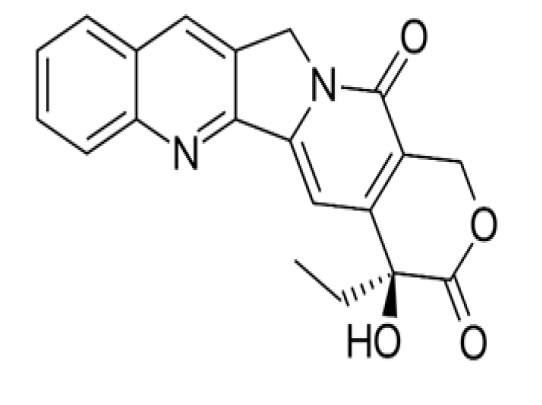
Camptothecin: (C20H16N2O4)
Camptothecin is a Penta-cyclic quinolone alkaloid isolated from Entrophosporain frequent, an endophytic fungus of the host plant, Nothapodytes foetida . The compound is a potent antineoplastic agent that serves as the precursor for the synthesis of two anticancer drugs named as topotecan and irinotecan ; . These compounds were also extracted from endophytic fungi Fusarium solani inhabiting Camptotheca acuminate . Camptothecin exerts its cytotoxic effect on the cancerous cell by inhibiting the dissociation of the DNA-topoisomerase 1 complex during replication . These compounds showed cytotoxic effect against human liver and ovarian cancer cell lines, thus can be used for the treatment of lungs and ovarian cancer . Camptothecin as shown its cytotoxic activity against lung cancer, ovarian cancer, and liver cancer.
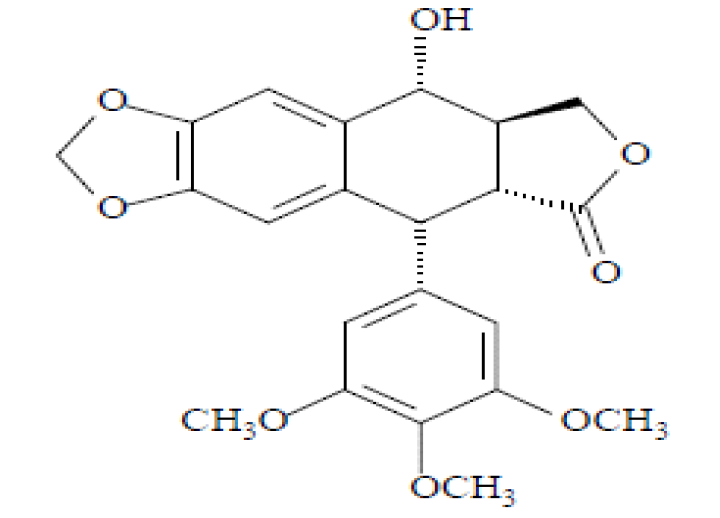
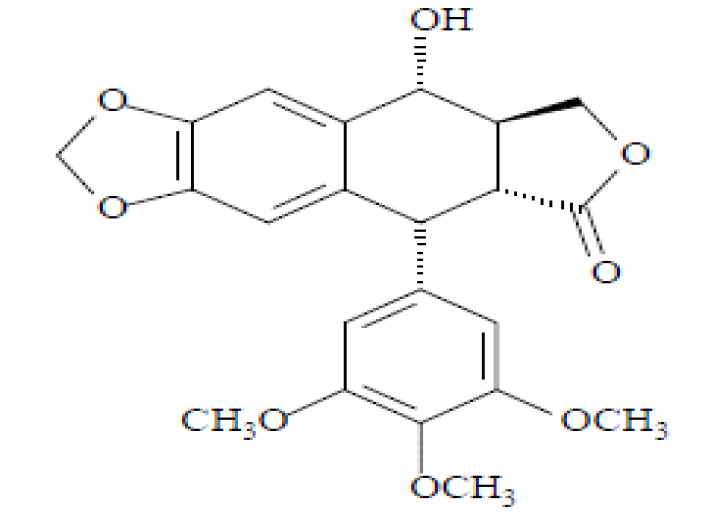
Podophyllotoxin: (C22H22O8)
Podophyllotoxin is the non-alkaloid lignin and their analogs may be clinically used as anticancer and antiviral drugs, moreover, they are the precursor of many anticancer drugs like teniposide (C32H32O13S) and etoposide (C29H32O13) ; . Various endophytic fungi are the rich source of podophyllotoxin such as Aspergillus fumigatus isolated from Juniperus communis ; ; Fusarium oxysporum isolated from Juniperus recurva ; Phialocephala fortinii isolated from Podophyllum peltatum Trametes hirsute from Podophyllum hexandrum and Phialocephala fortinii from P. peltatum . The cytotoxicity of the podophyllotoxin and other related compound is due to abilities of these compounds to inhibit topoisomerase II, thus blocking the ligation step in of cell cycle, harming the genome and eventually lead to cell death and apoptosis ; .
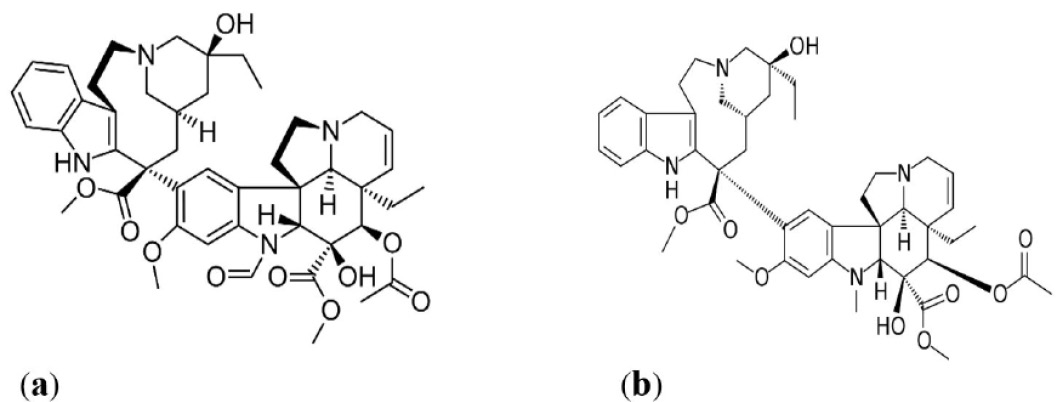
Vincristine (C46H56N4O10) and vinblastine (C46H58N4O9)
Vincristine and Vinblastine are indole alkaloids, well known for their cytotoxic activities . Vincristine is an alkaloid having cytotoxic effects and was originally isolated from endophytic fungi inhabiting Catharanthus roseus . This drug has shown its significant ability to be used as a chemotherapeutic agent in acute nephroblastoma and lymphoblastic leukemia . Vincristine binds to spindle proteins and microtubules irreversibly in the S phase of the cell cycle. It interferes with the formation of the mitotic spindle and results in tumor cell arrest in metaphase . The action mechanism of Vinblastine is the disruption of intracellular transport, interfering with the microtubule and mitotic spindle dynamics and decreases the tumor blood flow ; .
Swainsonine
Swainsonine, anindolizidine alkaloid was first isolated and identified from Swainsona canescens . Hino et al in 1985 for the first reported that Swainsonine inhibits the proliferation of tumor cells and metastasis. Swainsonine is produced by endophytic fungi including the Alternaria sect. Metarhizium anisopliae ,Slafractonia leguminicola and Undifilum oxytropis . Swainsonine is a specific inhibitor of α-mannosidase II in Golgi bodies, thus affects the synthesis of glycoproteins, glycolipids, and carbohydrates, therefore, promotes the apoptosis of tumor cells . Various researcher has shown their ability as anticancer and antitumor activity against Ehrlich ascites carcinoma , colorectal cancer , lymph cancer , leukemia and human hepatoma .
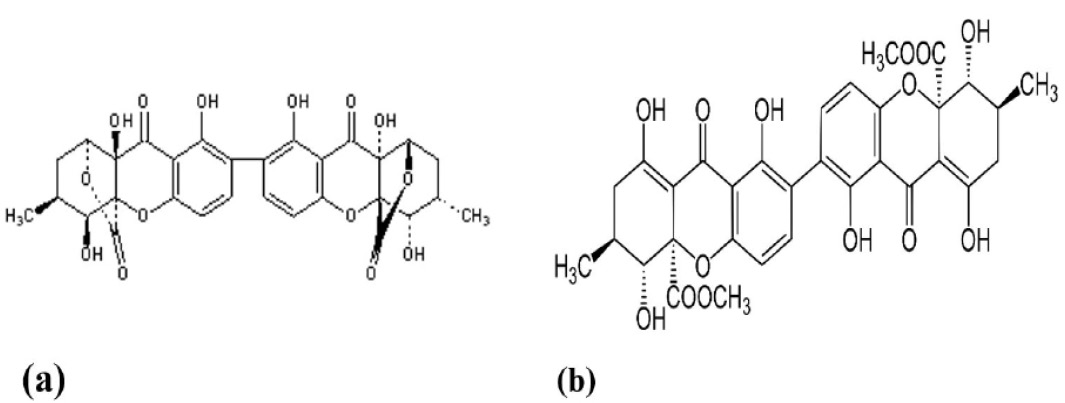
Ergoflavin (C30H26O14)
Ergoflavin, a dimeric xanthene linked at position-2, belongs to the compound of the class “ergochrome” and family Sapotaceae. Ergoflavin is the novel anticancer agent originally isolated from the ergot fungus Claviceps purpurea and then from Penicillium oxalicum, Pyrenochaeta terrestris, Phoma terrestris and Aspergillus sp as well . Endophytic fungus growing in the leaves of the Indian medicinal plant called Mimusops elengi is also capable of synthesizing Ergoflavin . Another similar compound belonging to ergochrome is Secalonic acid D (C32H30O14), a mycotoxin isolated from mangroves endophytic fungus; possess anticancer properties against K562 and HL60 cells by inducing apoptosis . Ergoflavin significantly inhibits IL-6 and TNF-α (Lunardelli Negreiros .
Flavone chrysin (5, 7-dihydroxyflavone)
Chrysin belongs to the flavone class of 15-carbon poly-phenolic compounds called flavonoids. A. alternata KT380662, an endophytic fungus isolated from leaves of Passiflora incarnata L. reported to produce FChR. It has significant ability to impart cytotoxic effects on human liver carcinoma cells (HepG2) ; . Chrysin enhances X-box binding protein-1 splicing and GRP78 overexpression chrysin-induced apoptosis .
Xanthocillin X (C18H12N2O2)
Xanthocillin X, for the first time isolated from Dichotomomyces albus attributed to D. cejpii ; ; but it is also been isolated from Pencillium chrysogenum ; . It is found to be effective against Ehrlich ascites carcinoma . Xanthocillin X also has shown the cytotoxic activity against human cervical cancer, breast cancer, lung cancer, liver cancer, prostate cancer and leukemia ; .
Sclerotiorin (C21H23ClO5)
Sclerotiorin, an orange colored pigment is a secondary metabolite produced from an endophytic Fungi called Cephalotheca faveolata that is isolated from the leaves of Eugenia jambolana Lam . Sclerotiorin originally isolated from a fungus called Pencillium sclerotiorum and later on it is isolated from several other fungi.it is an anti-proliferative compound used in the treatment of different type cancer. Sclerotiorin possesses activities like inhibition of Grb2-Sch interaction thus blocking the oncogenic Ras signal .
Torreyanic acid (C38H44O12)
Torreyanic acid is a dimeric quinone that is isolated from endophytic fungi “Pestalotiopsis microspore” inhabiting T. taxifolia . Torreyanic acid is about five to ten times more effective in the cell lines that are sensitive to Kinase C protein antagonists and induce apoptosis in the proliferating cells .
Figures
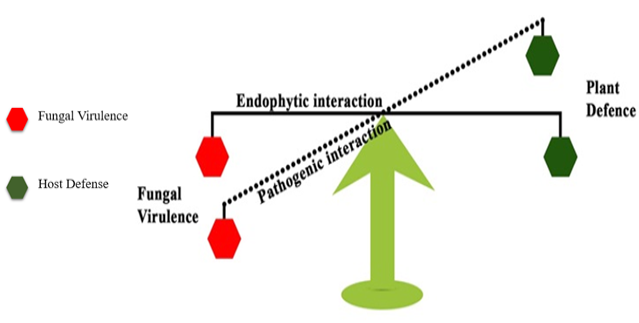
The equilibrium relationship between the host plant defense and endophytic fungi. Adopted from (Chandra, 2012).
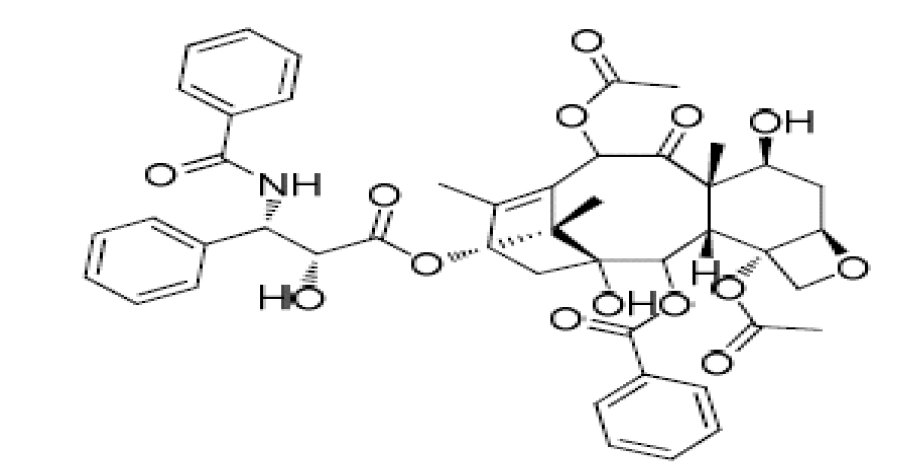
Paclitaxel
Camptothecin
(a) Vincristine (b) vinblastine
Swainsonine
(a) Ergoflavin (b) Secalonic acid D
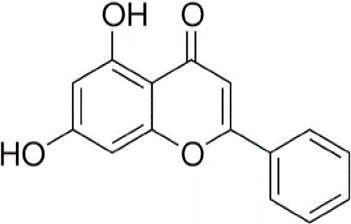
Chrysin (5, 7-dihydroxyflavone)
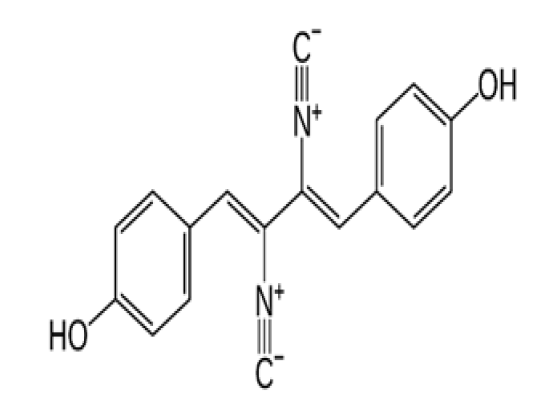
Xanthocillin
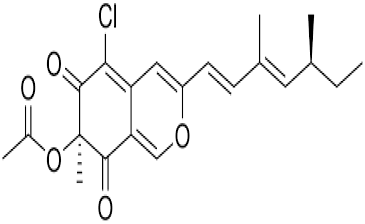
Sclerotiorin
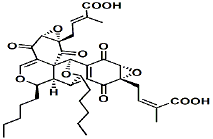
Torreyanic acid
References
- Aly, A. H., Debbab, A., Kjer, J. and Proksch, P., 2010. Fungal endophytes from higher plants: a prolific source of phytochemicals and other bioactive natural products. Fungal divers., 41: 1-16. https://doi.org/10.1007/s13225-010-0034-4[CrossRef]
- Amna, T., Puri, S.C., Verma, V., Sharma, J.P., Khajuria, R.K., Musarrat, J., Spiteller, M. and Qazi, G., 2006. Bioreactor studies on the endophytic fungus Entrophospora infrequent for the production of anticancer alkaloid camptothecin. Can. J. Microbiol., 52: 189-196. https://doi.org/10.1139/w05-122[CrossRef]
- Appoloni, S., Lekberg, Y., Tercek, M. T., Zabinski, C.A. and Redecker, D., 2008. Molecular community analysis of arbuscular mycorrhizal fungi in roots of geothermal soils in Yellowstone National Park (USA). Microb. Ecol., 56: 649. https://doi.org/10.1007/s00248-008-9384-9[CrossRef]
- Arnold, A.E., 2007. Understanding the diversity of foliar endophytic fungi: progress, challenges, and frontiers. Fungal Biol. Rev., 21: 51-66. https://doi.org/10.1016/j.fbr.2007.05.003[CrossRef]
- Arnold, A.E. and Lutzoni, F., 2007. Diversity and host range of foliar fungal endophytes: are tropical leaves biodiversity hotspots? Ecology, 88: 541-549. https://doi.org/10.1890/05-1459[CrossRef]
- Arunachalam, C. and Gayathri, P., 2010. Studies on bioprospecting of endophytic bacteria from the medicinal plant of Andrographis paniculata for their antimicrobial activity and antibiotic susceptibility pattern. Int. J. Cur. Pharm. Res., 2: 63-68.
- Banerjee, D., 2011. Endophytic fungal diversity in tropical and subtropical plants. Res. J. Microbiol., 6: 54. https://doi.org/10.3923/jm.2011.54.62[CrossRef]
- Bano, N., Rizvi, I.F., Sharma, N., Siddiqui, M.H., Kalim, M., Khan, A. and Akhtar, S., 2016. Production of Bioactive Secondary Metabolites from Endophytic fungi.
- Barbara, S. and Christine, B., 2006. What are Endophytes? Soil Biol., 9: 1-13.
- Bary, A., 1866. Morphologie und physiologie der pilze, flechten und myxomyceten, W. Engelmann. https://doi.org/10.5962/bhl.title.120970[CrossRef]
- Bhanot, A., Sharma, R. and Noolvi, M.N., 2011. Natural sources as potential anti-cancer agents: A review. Int. J. Phytomed., 3: 09.
- Bladt, T., Frisvad, J., Knudsen, P. and Larsen, T., 2013. Anticancer and antifungal compounds from Aspergillus, Penicillium and other filamentous fungi. Molecules, 18: 11338-11376. https://doi.org/10.3390/molecules180911338[CrossRef]
- Bonita, R., Beaglehole, R. and Kjellström, T., 2006. Basic epidemiology, World Health Organization.
- Breen, J., 1994. Acremonium endophyte interactions with enhanced plant resistance to insects. Annu. Rev. Entomol., 39: 401-423. https://doi.org/10.1146/annurev.en.39.010194.002153[CrossRef]
- Brem, D. and Leuchtmann, A., 2001. Epichloë grass endophytes increase herbivore resistance in the woodland grass Brachypodium sylvaticum. Oecologia, 126: 522-530. https://doi.org/10.1007/s004420000551[CrossRef]
- Carroll, G., 1988. Fungal endophytes in stems and leaves: from latent pathogen to mutualistic symbiont. Ecology, 69: 2-9. https://doi.org/10.2307/1943154[CrossRef]
- Chandra, S., 2012. Endophytic fungi: novel sources of anticancer lead molecules. Appl. Microbiol. Biotechnol., 95: 47-59. https://doi.org/10.1007/s00253-012-4128-7[CrossRef]
- Christian-Herdeg, M.O., Baumbach, A., Blattner, A., Axel, D.I., Schröder, S., Heinle, H. and Karsch, K.R., 2000. Local paclitaxel delivery for the prevention of restenosis: biological effects and efficacy in vivo. J. Am. Coll. Cardiol., 35: 1969-1976. https://doi.org/10.1016/S0735-1097(00)00614-8[CrossRef]
- Clark, A.M., 1996. Natural products as a resource for new drugs. Pharm. Res., 13: 1133-1141. https://doi.org/10.1023/A:1016091631721[CrossRef]
- Clay, K., 1990. Comparative demography of three graminoids infected by systemic, clavicipitaceous fungi. Ecology, 71: 558-570. https://doi.org/10.2307/1940309[CrossRef]
- Colegate, S.M., Dorling, P.R. and Huxtable, C.R., 1979. A spectroscopic investigation of swainsonine: an α-mannosidase inhibitor isolated from Swainsona canescens. Aust. J. Chem., 32: 2257-2264. https://doi.org/10.1071/CH9792257[CrossRef]
- Cragg, G. and Newman, D., 2009. Nature: a vital source of leads for anticancer drug development. Phytochem. Rev., 8: 313-331. https://doi.org/10.1007/s11101-009-9123-y[CrossRef]
- Cragg, G.M. and Newman, D.J., 2005. Plants as a source of anti-cancer agents. J. Ethnopharm., 100: 72-79. https://doi.org/10.1016/j.jep.2005.05.011[CrossRef]
- Creemers, G., Bolis, G., Gore, M., Scarfone, G., Lacave, A., Guastalla, J., Despax, R., Favalli, G., Kreinberg, R. and Van Belle, S., 1996. Topotecan, an active drug in the second-line treatment of epithelial ovarian cancer: results of a large European phase II study. J. Clin. Oncol., 14: 3056-3061. https://doi.org/10.1200/JCO.1996.14.12.3056[CrossRef]
- Cremasco, M., Hritzko, B. and Linda Wang, N.-H., 2009. Experimental purification of paclitaxel from a complex mixture of taxanes using a simulated moving bed. Braz. J. Chem. Eng., 26: 207-218. https://doi.org/10.1590/S0104-66322009000100020[CrossRef]
- Curtin, T. and Reilly, J., 1940. Sclerotiorin, a chlorinated metabolic product of Penicillium sclerotiorum, Van Beyma. Nature, 3697: 335. https://doi.org/10.1038/146335b0[CrossRef]
- Davis, E.C., Franklin, J.B., Shaw, A.J. and Vilgalys, R., 2003. Endophytic Xylaria (Xylariaceae) among liverworts and angiosperms: phylogenetics, distribution, and symbiosis. Am. J. Bot., 90: 1661-1667. https://doi.org/10.3732/ajb.90.11.1661[CrossRef]
- Deshmukh, S.K., Mishra, P.D., Kulkarni-Almeida, A., Verekar, S., Sahoo, M.R., Periyasamy, G., Goswami, H., Khanna, A., Balakrishnan, A. and Vishwakarma, R., 2009. Anti-inflammatory and anticancer activity of ergoflavin isolated from an endophytic fungus. Chem. Biodivers., 6: 784-789. https://doi.org/10.1002/cbdv.200800103[CrossRef]
- El-Deeb, B., Fayez, K. and Gherbawy, Y., 2013. Isolation and characterization of endophytic bacteria from Plectranthus tenuiflorus medicinal plant in Saudi Arabia desert and their antimicrobial activities. J. Plant interact., 8: 56-64. https://doi.org/10.1080/17429145.2012.680077[CrossRef]
- Elavarasi, A., Rathna, G.S. and Kalaiselva, M.M., 2012. Taxol producing mangrove endophytic fungi Fusarium oxysporum from Rhizophora annamalayana. Asian Pac. J. Trop. Biomed., 2: S1081-S1085. https://doi.org/10.1016/S2221-1691(12)60365-7[CrossRef]
- Em Freeman, M., 1904. I. The seed-fungus of Lolium temulentum, L., the darnel. Phil. Trans. R. Soc. Lond. B, 196: 1-27. https://doi.org/10.1098/rstb.1904.0001[CrossRef]
- Eyberger, A.L., Dondapati, R. and Porter, J.R., 2006. Endophyte fungal isolates from Podophyllum peltatum produce podophyllotoxin. J. Nat. Prod., 69: 1121-1124. https://doi.org/10.1021/np060174f[CrossRef]
- Fang, L.-Z., Qing, C., Shao, H.-J., Yang, Y.-D., Dong, Z.-J., Wang, F., Zhao, W., Yang, W.-Q. and Liu, J.-K., 2006. Hypocrellin D, a cytotoxic fungal pigment from fruiting bodies of the ascomycete Shiraia bambusicola. J. Antibiot., 59: 351. https://doi.org/10.1038/ja.2006.49[CrossRef]
- Fill, T.P. and Rodrigues-Fo, E., 2010. Biosynthesis of phenylpropanoid amides by an endophytic Penicillium brasilianum found in root bark of Melia azedarach. J. Microbiol. Biotechnol., 20: 622-629.
- Firodiya, A.D. and Tenguria, R.K., 2016. Endophytic fungi: Treasure for anticancerous compounds. Int. J. Pharm. Pharm. Sci., 8: 35-42.
- Frisvad, J.C., Smedsgaard, J., Larsen, T.O. and Samson, R.A., 2004. Mycotoxins, drugs and other extrolites produced by species in Penicillium subgenus Penicillium. Stud. Mycol., 49: 201-241.
- Gangadevi, V., Murugan, M. and Muthumary, J., 2008. Taxol determination from Pestalotiopsis pauciseta, a fungal endophyte of a medicinal plant. Chinese J. Biotechnol., 24: 1433-1438. https://doi.org/10.1016/S1872-2075(08)60065-5[CrossRef]
- Gangadevi, V. and Muthumary, J., 2008. Taxol, an anticancer drug produced by an endophytic fungus Bartalinia robillardoides Tassi, isolated from a medicinal plant, Aegle marmelos Correa ex Roxb. World J. Microbiol. Biotechnol., 24: 717. https://doi.org/10.1007/s11274-007-9530-4[CrossRef]
- Gangadevi, V. and Muthumary, J., 2009. Taxol production by Pestalotiopsis terminaliae, an endophytic fungus of Terminalia arjuna (arjun tree). Biotechnol. Appl. Biochem., 52: 9-15. https://doi.org/10.1042/BA20070243[CrossRef]
- Garyali, S., Kumar, A. and Reddy, M.S., 2013. Taxol production by an endophytic fungus, Fusarium redolens, isolated from Himalayan yew. J. Microbiol. Biotechnol., 23: 1372-1380. https://doi.org/10.4014/jmb.1305.05070[CrossRef]
- Giridharan, P., Verekar, S.A., Khanna, A., Mishra, P. and Deshmukh, S.K., 2012. Anticancer activity of sclerotiorin, isolated from an endophytic fungus Cephalotheca faveolata Yaguchi, Nishim. and Udagawa.
- Goodman, J. and Walsh, V., 2001. The story of taxol: nature and politics in the pursuit of an anti-cancer drug, Cambridge University Press.
- Gordaliza, M., Castro, M.D., Miguel D.C.J. and Feliciano, A.S., 2000. Antitumor properties of podophyllotoxin and related compounds. Curr. Pharm. Des., 6: 1811-1839. https://doi.org/10.2174/1381612003398582[CrossRef]
- Gordaliza, M., Garcıa, P., Del Corral, J.M., Castro, M. and Gomez-Zurita, M., 2004. Podophyllotoxin: distribution, sources, applications and new cytotoxic derivatives. Toxicon, 44: 441-459. https://doi.org/10.1016/j.toxicon.2004.05.008[CrossRef]
- Goss, P.E., Baptiste, J., Fernandes, B., Baker, M. and Dennis, J.W., 1994. A phase I study of swainsonine in patients with advanced malignancies. Cancer Res., 54: 1450-1457.
- Guerin, P., 1898. Sur la présence d’un champignon dans l’ivraie. J. Bot., 12: 230-238.
- Gunther, E., 1945. Ethnobotany of western Washington.
- Hamaguchi, J., Nakagawa, H., Takahashi, M., Kudo, T., Kamiyama, N., Sun, B., Oshima, T., Sato, Y., Deguchi, K. and Todo, S., 2007. Swainsonine reduces 5-fluorouracil tolerance in the multistage resistance of colorectal cancer cell lines. Mol. Cancer, 6: 58. https://doi.org/10.1186/1476-4598-6-58[CrossRef]
- Hao, X., Pan, J. and Zhu, X., 2013. Taxol producing fungi. Natural Products. Springer. https://doi.org/10.1007/978-3-642-22144-6_124[CrossRef]
- Hawksworth, D.L., 2001. The magnitude of fungal diversity: the 1.5 million species estimate revisited. Mycol. Res., 105: 1422-1432. https://doi.org/10.1017/S0953756201004725[CrossRef]
- Hino, M., Nakayama, O., Tsurumi, Y., Adachi, K., Shibata, T., Terano, H., Kohsaka, M., Aoki, H. and Imanaka, H., 1985. Studies of an immunomodulator, swainsonine. J. Antibiot., 38: 926-935. https://doi.org/10.7164/antibiotics.38.926[CrossRef]
- Hormazabal, E. and Piontelli, E., 2009. Endophytic fungi from Chilean native gymnosperms: antimicrobial activity against human and phytopathogenic fungi. World J. Microbiol. Biotechnol., 25: 813-819. https://doi.org/10.1007/s11274-008-9953-6[CrossRef]
- Huang, J.-X., Zhang, J., Zhang, X.-R., Zhang, K., Zhang, X. and He, X.-R., 2014. Mucor fragilis as a novel source of the key pharmaceutical agents podophyllotoxin and kaempferol. Pharm. Biol., 52: 1237-1243. https://doi.org/10.3109/13880209.2014.885061[CrossRef]
- Ismaiel, A.A., Ahmed, A.S., Hassan, I.A., El-Sayed, E.-S.R. and El-Din, A.-Z.A.K., 2017. Production of paclitaxel with anticancer activity by two local fungal endophytes, Aspergillus fumigatus and Alternaria tenuissima. Appl. Microbiol. Biotechnol., 101: 5831-5846. https://doi.org/10.1007/s00253-017-8354-x[CrossRef]
- Jiao, R.H., Xu, S., Liu, J.Y., Ge, H.M., Ding, H., Xu, C., Zhu, H.L. and Tan, R.X., 2006. Chaetominine, a cytotoxic alkaloid produced by endophytic Chaetomium sp. IFB-E015. Org. Lett., 8: 5709-5712. https://doi.org/10.1021/ol062257t[CrossRef]
- Kaul, S., Gupta, S., Ahmed, M. and Dhar, M.K., 2012. Endophytic fungi from medicinal plants: a treasure hunt for bioactive metabolites. Phytochem. Rev., 11: 487-505. https://doi.org/10.1007/s11101-012-9260-6[CrossRef]
- Kharwar, R.N., Mishra, A., Gond, S.K., Stierle, A. and Stierle, D., 2011. Anticancer compounds derived from fungal endophytes: their importance and future challenges. Nat. Prod. Rep., 28: 1208-1228. https://doi.org/10.1039/c1np00008j[CrossRef]
- Khoo, B.Y., Chua, S.L. and Balaram, P., 2010. Apoptotic effects of chrysin in human cancer cell lines. Int. J. Mol. Sci., 11: 2188-2199. https://doi.org/10.3390/ijms11052188[CrossRef]
- Kim, S., 1999. Screening of taxol-producing endophytic fungi from Ginkgo biloba and Taxus cuspidate in Korea. Agric. Chem. Biotechnol., 42: 97-99.
- Kour, A., Shawl, A.S., Rehman, S., Sultan, P., Qazi, P.H., Suden, P., Khajuria, R.K. and Verma, V., 2008. Isolation and identification of an endophytic strain of Fusarium oxysporum producing podophyllotoxin from Juniperus recurva. World J. Microbiol. Biotechnol., 24: 1115-1121. https://doi.org/10.1007/s11274-007-9582-5[CrossRef]
- Kusari, S. and Spiteller, M., 2012. Metabolomics of endophytic fungi producing associated plant secondary metabolites: progress, challenges and opportunities. Metabolomics. InTech. https://doi.org/10.5772/31596[CrossRef]
- Kusari, S., ZüHlke, S. and Spiteller, M., 2009. An endophytic fungus from Camptotheca acuminata that produces camptothecin and analogues. J. Nat. Prod., 72: 2-7. https://doi.org/10.1021/np800455b[CrossRef]
- Lee, J.C., Strobel, G.A., Lobkovsky, E. and Clardy, J., 1996. Torreyanic acid: a selectively cytotoxic quinone dimer from the endophytic fungus Pestalotiopsis microspora. J. Org. Chem., 61: 3232-3233. https://doi.org/10.1021/jo960471x[CrossRef]
- Li, C., 2007. Fermentation conditions of Sinopodophyllum hexandrum endophytic fungus on production of podophyllotoxin. Fd. Ferment. Ind., 33: 28.
- Li, G., Wang, H., Zhu, R., Sun, L., Wang, L., Li, M., Li, Y., Liu, Y., Zhao, Z. and Lou, H., 2012. Phaeosphaerins A–F, cytotoxic perylenequinones from an endolichenic fungus, Phaeosphaeria sp. J. Nat. Prod., 75: 142-147. https://doi.org/10.1021/np200614h[CrossRef]
- Li, J.-Y., Strobel, G., Sidhu, R., Hess, W. and Ford, E.J., 1996. Endophytic taxol-producing fungi from bald cypress, Taxodium distichum. Microbiology, 142: 2223-2226. https://doi.org/10.1099/13500872-142-8-2223[CrossRef]
- Ling-Hua, M., Zhi-Yong, L. and Pommier, Y., 2003. Non-camptothecin DNA topoisomerase I inhibitors in cancer therapy. Curr. Top. Med. Chem., 3: 305-320. https://doi.org/10.2174/1568026033452546[CrossRef]
- Liu, B., Lin, Y. and Yin, H., 1998. Inhibition effect of Swainsonine on the growth and metastasis of gastric cancer in vivo. Zhonghua zhong liu za zhi [Chinese J. Oncol.], 20: 168-170.
- Lu, L., He, J., Yu, X., Li, G. and Zhang, X., 2006. Studies on isolation and identification of endophytic fungi strain SC13 from harmaceutical plant Sabina vulgaris Ant. and metabolites. Acta Agric. Boreali-occidentalis Sinica, 15: 85-89.
- Lunardelli Negreiros De Carvalho, P., De Oliveira Silva, E., Aparecida Chagas-Paula, D., Hortolan-Luiz, J. and Ikegaki, M., 2016. Importance and implications of the production of phenolic secondary metabolites by endophytic fungi: a mini-review. Mini Rev. Med. Chem., 16: 259-271. https://doi.org/10.2174/1389557515666151016123923[CrossRef]
- Malinowski, D., Leuchtmann, A., Schmidt, D. and Nösberger, J., 1997. Growth and water status in meadow fescue is affected by Neotyphodium and Phialophora species endophytes. Agron. J., 89: 673-678. https://doi.org/10.2134/agronj1997.00021962008900040021x[CrossRef]
- Moore, A. and Pinkerton, R., 2009. Vincristine: can its therapeutic index be enhanced? Pediatr. Blood Cancer, 53: 1180-1187. https://doi.org/10.1002/pbc.22161[CrossRef]
- Nam, J.-Y., Son, K.-H., Kim, H.-K., Han, M.-Y., Kim, S.-U., Choi, J.-D. and Kwon, B.-M., 2000. Sclerotiorin and isochromophilone IV: inhibitors of Grb2-Shc interaction, isolated from Penicillium multicolor F1753. J. Microbiol. Biotechnol., 10: 544-546.
- Oki, T. and Yoshimoto, A., 1979. Antitumor antibiotics. Annual reports on fermentation processes. Elsevier. https://doi.org/10.1016/B978-0-12-040303-5.50014-9[CrossRef]
- Omeje, E. O., Ahomafor, J. E., Onyekaba, T. U., Monioro, P. O., Nneka, I., Onyeloni, S., Chime, C. and Eboka, J. C. 2017. Endophytic Fungi as Alternative and Reliable Sources for Potent Anticancer Agents. Nat. Prod. Cancer Drug Discovery. InTech. https://doi.org/10.5772/67797[CrossRef]
- Pandi, M., Manikandan, R. and Muthumary, J., 2010. Anticancer activity of fungal taxol derived from Botryodiplodia theobromae Pat., an endophytic fungus, against 7, 12 dimethyl benz (a) anthracene (DMBA)-induced mammary gland carcinogenesis in Sprague dawley rats. Biomed. Pharmacother., 64: 48-53. https://doi.org/10.1016/j.biopha.2009.03.001[CrossRef]
- Pandi, M., Senthilkumaran, R., Rajapriya, P., Yogeswari, S. and Muthumary, J., 2013. Taxol, a potential drug for the treatment of cancer. Biores Bull., 2: 1-9.
- Perez, J., Pardo, J. and Gomez, C., 2002. Vincristine--an effective treatment of corticoid-resistant life-threatening infantile hemangiomas. Acta Oncol., 41: 197-199. https://doi.org/10.1080/028418602753669607[CrossRef]
- Pimentel, M.R., Molina, G., Dionísio, A.P., Maróstica Junior, M.R. and Pastore, G.M. 2011. The use of endophytes to obtain bioactive compounds and their application in biotransformation process. Biotechnol. Res. Int., 2011. https://doi.org/10.4061/2011/576286[CrossRef]
- Pommier, Y., 2006. Topoisomerase I inhibitors: camptothecins and beyond. Nat. Rev. Cancer, 6: 789. https://doi.org/10.1038/nrc1977[CrossRef]
- Priti, V., Ramesha, B., Singh, S., Ravikanth, G., Ganeshaiah, K., Suryanarayanan, T. and Uma Shaanker, R., 2009. How promising are endophytic fungi as alternative sources of plant secondary metabolites? Curr. Sci., 97: 477-478.
- Pu, X., Qu, X., Chen, F., Bao, J., Zhang, G. and Luo, Y., 2013. Camptothecin-producing endophytic fungus Trichoderma atroviride LY357: isolation, identification, and fermentation conditions optimization for camptothecin production. Appl. Microbiol. Biotechnol., 97: 9365-9375. https://doi.org/10.1007/s00253-013-5163-8[CrossRef]
- Puri, S.C., Nazir, A., Chawla, R., Arora, R., Riyaz-Ul-Hasan, S., Amna, T., Ahmed, B., Verma, V., Singh, S. and Sagar, R., 2006. The endophytic fungus Trametes hirsuta as a novel alternative source of podophyllotoxin and related aryl tetralin lignans. J. Biotechnol., 122: 494-510. https://doi.org/10.1016/j.jbiotec.2005.10.015[CrossRef]
- Puri, S.C., Verma, V., Amna, T., Qazi, G.N. and Spiteller, M., 2005. An endophytic fungus from Nothapodytes foetida that produces camptothecin. J. Nat. Prod., 68: 1717-1719. https://doi.org/10.1021/np0502802[CrossRef]
- Puri, S.K., Habbu, P.V., Kulkarni, P.V., Kulkarni, V.H., Shah, P., Bhalodia, D., Shelat, P., Ali, J., Pramod, K. and Ansari, S., 2018. Nitrogen Containing Secondary Metabolites from Endophytes of Medicinal Plants and their Biological/Pharmacological Activities-A Review. Syst. Rev. Pharm., 1: 128-132. https://doi.org/10.5530/srp.2018.1.5[CrossRef]
- Rajendran, L., Rajagopal, K., Subbarayan, K., Ulagappan, K., Sampath, A. and Karthik, G., 2013. Efficiency of fungal taxol on human liver carcinoma cell lines. Am. J. Res. Commun., 1: 112-121.
- Redman, R.S., Dunigan, D.D. and Rodriguez, R.J., 2001. Fungal symbiosis from mutualism to parasitism: who controls the outcome, host or invader? New Phytol., 151: 705-716. https://doi.org/10.1046/j.0028-646x.2001.00210.x[CrossRef]
- Rehman, S., Shawl, A., Kour, A., Sultan, P., Ahmad, K., Khajuria, R. and Qazi, G., 2009. Comparative studies and identification of camptothecin produced by an endophyte at shake flask and bioreactor. Nat. Prod. Res., 23: 1050-1057. https://doi.org/10.1080/14786410902750944[CrossRef]
- Ren, Z., Song, R., Wang, S., Quan, H., Yang, L., Sun, L., Zhao, B. and Lu, H., 2017. The Biosynthesis Pathway of Swainsonine, a New Anticancer Drug from Three Endophytic Fungi. J. Microbiol. Biotechnol., 27: 1897-1906. https://doi.org/10.4014/jmb.1709.09003[CrossRef]
- Rosa, L.H., Vaz, A.B., Caligiorne, R.B., Campolina, S. and Rosa, C.A., 2009. Endophytic fungi associated with the Antarctic grass Deschampsia antarctica Desv.(Poaceae). Polar Biol., 32: 161-167. https://doi.org/10.1007/s00300-008-0515-z[CrossRef]
- Ryan, R.P., Germaine, K., Franks, A., Ryan, D.J. and Dowling, D.N. 2008. Bacterial endophytes: recent developments and applications. FEMS Microbiol. Lett., 278: 1-9. https://doi.org/10.1111/j.1574-6968.2007.00918.x[CrossRef]
- Santos, F.M., Latorre, A.O., Hueza, I.M., Sanches, D.S., Lippi, L.L., Gardner, D.R. and Spinosa, H.S., 2011. Increased antitumor efficacy by the combined administration of swainsonine and cisplatin in vivo. Phytomedicine, 18: 1096-1101. https://doi.org/10.1016/j.phymed.2011.06.005[CrossRef]
- Sarvesha, K., Satyanarayana, M., Narayanaswamy, H., Rao, S., Yathiraj, S., Isloor, S., Mukartal, S., Singh, S. and Anuradha, M., 2017. Haemato-biochemical profile and milk leukocyte count in subclinical and clinical mastitis affected crossbred cattle. J. Exp. Biol. Agric. Sci., 5: 1-6.
- Schiff, P.B., Fant, J. and Horwitz, S.B., 1979. Promotion of microtubule assembly in vitro by taxol. Nature, 277: 665. https://doi.org/10.1038/277665a0[CrossRef]
- Schmeda-Hirschmann, G., Hormazabal, E., Astudillo, L., Rodriguez, J. and Theoduloz, C., 2005. Secondary metabolites from endophytic fungi isolated from the Chilean gymnosperm Prumnopitys andina (Lleuque). World J. Microbiol. Biotechnol., 21: 27-32. https://doi.org/10.1007/s11274-004-1552-6[CrossRef]
- Schulz, B., Boyle, C., Draeger, S., Römmert, A.-K. and Krohn, K., 2002. Endophytic fungi: a source of novel biologically active secondary metabolites. Mycol. Res., 106: 996-1004. https://doi.org/10.1017/S0953756202006342[CrossRef]
- Seetharaman, P., Gnanasekar, S., Chandrasekaran, R., Chandrakasan, G., Kadarkarai, M. and Sivaperumal, S. 2017. Isolation and characterization of anticancer flavone chrysin (5, 7-dihydroxy flavone)-producing endophytic fungi from Passiflora incarnata L. leaves. Ann. Microbiol., 67: 321-331. https://doi.org/10.1007/s13213-017-1263-5[CrossRef]
- Senthil Kumaran, R., Muthumary, J. and Hur, B., 2008. Production of taxol from Phyllosticta spinarum, an endophytic fungus of Cupressus sp. Eng. Life Sci., 8: 438-446. https://doi.org/10.1002/elsc.200800019[CrossRef]
- Shaanker, R.U., Ramesha, B., Ravikanth, G., Gunaga, R., Vasudeva, R. and Ganeshaiah, K., 2008. Chemical profiling of Nothapodytes nimmoniana for camptothecin, an important anticancer alkaloid: towards the development of a sustainable production system. Bioact. Mol. Med. Plants. Springer.
- Singh, D. and Kaur, G., 2014. The antileukaemic cell cycle regulatory activities of swainsonine purified from Metarhizium anisopliae fermentation broth. Nat. Prod. Res., 28: 2044-2047. https://doi.org/10.1080/14786419.2014.919287[CrossRef]
- Song, Y., Li, H., Ye, Y., Shan, C., Yang, Y. and Tan, R., 2004. Endophytic naphthopyrone metabolites are co‐inhibitors of xanthine oxidase, SW1116 cell and some microbial growths. FEMS Microbiol. Lett., 241: 67-72. https://doi.org/10.1016/j.femsle.2004.10.005[CrossRef]
- Stierle, A., Strobel, G. and Stierle, D., 1993. Taxol and taxane production by Taxomyces andreanae, an endophytic fungus of Pacific yew. Science, 260: 214-216. https://doi.org/10.1126/science.8097061[CrossRef]
- Stierle, A., Strobel, G., Stierle, D., Grothaus, P. and Bignami, G., 1995. The search for a taxol-producing microorganism among the endophytic fungi of the Pacific yew, Taxus brevifolia. J. Nat. Prod., 58: 1315-1324. https://doi.org/10.1021/np50123a002[CrossRef]
- Stone, J.K., Bacon, C.W. and White Jr, J.F., 2000. An overview of endophytic microbes: endophytism defined. Microb. endophytes. CRC Press.
- Strobel, G., Yang, X., Sears, J., Kramer, R., Sidhu, R.S. and Hess, W., 1996. Taxol from Pestalotiopsis microspora, an endophytic fungus of Taxus wallachiana. Microbiol., 142: 435-440. https://doi.org/10.1099/13500872-142-2-435[CrossRef]
- Strobel, G.A., 2003. Endophytes as sources of bioactive products. Microb. Infect., 5: 535-544. https://doi.org/10.1016/S1286-4579(03)00073-X[CrossRef]
- Strobel, G.A., Hess, W., Li, J.-Y., Ford, E., Sears, J., Sidhu, R.S. and Summerell, B., 1997. Pestalotiopsis guepinii, a taxol-producing endophyte of the Wollemi pine, Wollemia nobilis. Aust. J. Bot., 45: 1073-1082. https://doi.org/10.1071/BT96094[CrossRef]
- Sudha, V., Govindaraj, R., Baskar, K., Al-Dhabi, N.A. and Duraipandiyan, V., 2016. Biological properties of endophytic fungi. Braz. Arch. Biol. Technol., 59: e16150436 https://doi.org/10.1590/1678-4324-2016150436[CrossRef]
- Suffness, M., 1995. Taxol: science and applications, CRC press.
- Sun, X., Huo, X., Luo, T., Li, M., Yin, Y. and Jiang, Y., 2011. The anticancer flavonoid chrysin induces the unfolded protein response in hepatoma cells. J. Cell. Mol. Med., 15: 2389-2398. https://doi.org/10.1111/j.1582-4934.2010.01244.x[CrossRef]
- Sutjaritvorakul, T., Whalley, A., Sihanonth, P. and Roengsumran, S., 2011. Antimicrobial activity from endophytic fungi isolated from plant leaves in Dipterocarpous forest at Viengsa district Nan province, Thailand. J. Agric. Technol., 7: 115-121.
- Tan, R.X. and Zou, W.X., 2001. Endophytes: a rich source of functional metabolites. Nat. Prod. Rep., 18: 448-459. https://doi.org/10.1039/b100918o[CrossRef]
- Tejesvi, M., Nalini, M., Mahesh, B., Prakash, H., Kini, K.R., Shetty, H.S. and Subbiah, V., 2007. New hopes from endophytic fungal secondary metabolites. Boletín de la Sociedad Química de México, 1: 19-26.
- Thatoi, H., Behera, B.C. and Mishra, R.R., 2013. Ecological role and biotechnological potential of mangrove fungi: a review. Mycology, 4: 54-71.
- Tomasz, M., 1995. Mitomycin C: small, fast and deadly (but very selective). Chem. Biol., 2: 575-579. https://doi.org/10.1016/1074-5521(95)90120-5[CrossRef]
- Venkatachalam, R., Subban, K. and Paul, M.J., 2008. Taxol from Botryodiplodia theobromae (BT 115)—AN endophytic fungus of Taxus baccata. J. Biotechnol., pp. S189-S190. https://doi.org/10.1016/j.jbiotec.2008.07.1823[CrossRef]
- Vijaya, T., Maouli, K. and Rao, S., 2009. Phytoresources as potential therapeutic agents for cancer treatment and prevention. J. Glob. Pharm. Technol., 1: 4-18.
- Visalakchi, S. and Muthumary, J., 2010. Taxol (anticancer drug) producing endophytic fungi: an overview. Int. J. Pharm. Bio. Sci., 1: 1-9.
- Wall, M.E., Wani, M. and Taylor, H., 1976. Isolation and chemical characterization of antitumor agents from plants. Cancer Treat. Rep., 60: 1011-1030.
- Wall, M.E. and Wani, M.C. 1995. Camptothecin and taxol: discovery to clinic—thirteenth Bruce F. Cain Memorial Award Lecture. Cancer Res., 55: 753-760.
- Wang, J., Li, G., Lu, H., Zheng, Z., Huang, Y. and Su, W., 2000. Taxol from Tubercularia sp. strain TF5, an endophytic fungus of Taxus mairei. FEMS Microbiol. Lett., 193: 249-253. https://doi.org/10.1111/j.1574-6968.2000.tb09432.x[CrossRef]
- Wang, S., Li, X.-M., Teuscher, F., Li, D.-L., Diesel, A., Ebel, R., Proksch, P. and Wang, B.-G., 2006. Chaetopyranin, a benzaldehyde derivative, and other related metabolites from Chaetomium globosum, an endophytic fungus derived from the marine red alga Polysiphonia urceolata. J. Nat. Prod., 69: 1622-1625. https://doi.org/10.1021/np060248n[CrossRef]
- Wang, Y. and Tang, K., 2011. A new endophytic taxol-and baccatin III-producing fungus isolated from Taxus chinensis var. mairei. Afr. J. Biotechnol., 10: 16379-16386. https://doi.org/10.5897/AJB11.876[CrossRef]
- Wang, Y., Xu, L., Ren, W., Zhao, D., Zhu, Y. and Wu, X., 2012. Bioactive metabolites from Chaetomium globosum L18, an endophytic fungus in the medicinal plant Curcuma wenyujin. Phytomedicine, 19: 364-368. https://doi.org/10.1016/j.phymed.2011.10.011[CrossRef]
- Wani, M.C., Taylor, H.L., Wall, M.E., Coggon, P. and Mcphail, A.T., 1971. Plant antitumor agents. VI. Isolation and structure of taxol, a novel antileukemic and antitumor agent from Taxus brevifolia. J. Am. Chem. Soc., 93: 2325-2327. https://doi.org/10.1021/ja00738a045[CrossRef]
- Wu, H., Lao, X.-F., Wang, Q.-W., Lu, R.-R., Shen, C., Zhang, F., Liu, M. and Jia, L., 1989. The shiraiachromes: novel fungal perylenequinone pigments from Shiraia bambusicola. J. Nat. Prod., 52: 948-951. https://doi.org/10.1021/np50065a006[CrossRef]
- Yang, X., Guo, S., Zhang, L. and Shao, H., 2003. Select of producing podophyllotoxin endophytic fungi from podophyllin plant. Nat. Prod. Res. Dev., 15: 419-422.
- Yang, X., Zhang, L., Guo, B. and Guo, S., 2004. Preliminary study of a vincristine-proudcing endophytic fungus isolated from leaves of Catharanthus roseus. Chinese tradit. Herb. Drugs, 35: 79-81.
- You, N., Liu, W., Wang, T., Ji, R., Wang, X., Gong, Z., Dou, K. and Tao, K., 2012. Swainsonine inhibits growth and potentiates the cytotoxic effect of paclitaxel in hepatocellular carcinoma in vitro and in vivo. Oncol. Rep., 28: 2091-2100. https://doi.org/10.3892/or.2012.2035[CrossRef]
- Yu, H., Zhang, L., Li, L., Zheng, C., Guo, L., Li, W., Sun, P. and Qin, L., 2010. Recent developments and future prospects of antimicrobial metabolites produced by endophytes. Microbiol. Res., 165: 437-449. https://doi.org/10.1016/j.micres.2009.11.009[CrossRef]
- Zeng, S., Shao, H. and Zhang, L., 2004. An endophytic fungus producing a substance analogous to podophyllotoxin isolated from Diphylleia sinensis. J. Microbiol., 24: 1-2.
- Zhang, H.W., Song, Y.C. and Tan, R.X., 2006. Biology and chemistry of endophytes. Nat. Prod. Rep., 23: 753-771. https://doi.org/10.1039/b609472b[CrossRef]
- Zhang, J.-Y., Tao, L.-Y., Liang, Y.-J., Yan, Y.-Y., Dai, C.-L., Xia, X.-K., She, Z.-G., Lin, Y.-C. and Fu, L.-W., 2009. Secalonic acid D induced leukemia cell apoptosis and cell cycle arrest of G1 with involvement of GSK-3β/β-catenin/c-Myc pathway. Cell Cycle, 8: 2444-2450. https://doi.org/10.4161/cc.8.15.9170[CrossRef]
- Zhang, L., Guo, B., Li, H., Zeng, S., Shao, H., Gu, S. and Wei, R.. 2000. Preliminary study on the isolation of endophytic fungus of Catharanthus roseus and its fermentation to produce products of therapeutic value. Chinese Tradit. Herb. Drugs, 31: 805-807.
- Zhang, P., Zhou, P.-P. and Yu, L.-J., 2009b. An endophytic taxol-producing fungus from Taxus media, Cladosporium cladosporioides MD2. Curr. Microbiol., 59: 227. https://doi.org/10.1007/s00284-008-9270-1[CrossRef]
- Zhang, T., Zhang, Y.-Q., Liu, H.-Y., Wei, Y.-Z., Li, H.-L., Su, J., Zhao, L.-X. and Yu, L.-Y., 2013. Diversity and cold adaptation of culturable endophytic fungi from bryophytes in the Fildes Region, King George Island, maritime Antarctica. FEMS Microbiol. Lett., 341: 52-61. https://doi.org/10.1111/1574-6968.12090[CrossRef]
- Zhang, Y., Guo, L.-D. and Liu, R.-J., 2004. Arbuscular mycorrhizal fungi associated with common pteridophytes in Dujiangyan, southwest China. Mycorrhiza, 14: 25-30. https://doi.org/10.1007/s00572-003-0272-3[CrossRef]
- Zhang, Y., Han, T., Ming, Q., Wu, L., Rahman, K. and Qin, L., 2012. Alkaloids produced by endophytic fungi: a review. Nat. Prod. Commun., 7: 963-968. https://doi.org/10.1177/1934578X1200700742[CrossRef]
- Zhang, Y., Song, L., Xie, J., Qiu, H., Gu, Y. and Zhao, J., 2010. Novel Surfactant-like Hypocrellin Derivatives to Achieve Simultaneous Drug Delivery in Blood Plasma and Cell Uptake. Photochem. Photobiol., 86: 667-672. https://doi.org/10.1111/j.1751-1097.2010.00711.x[CrossRef]
Services
Article usage statistics
Loading…