Research Article · Volume 10, Issue 2, 28 January 2022 · Open Access
Fluoroquinolones Resistance Pattern of Escherichia coli from Apparently Healthy Broiler Chickens in Egypt
· ·
Affiliations & Notes ⌄
1Department of Bacteriology, Kafr El-Sheikh Laboratory, Animal Health Research Institute, Agricultural Research Center (ARC), Egypt
2Department of Biotechnology, Animal Health Research Institute, Dokki, Giza, Agricultural Research Center (ARC), Egypt
3Department of Bacteriology, Immunology and Mycology, Faculty of Veterinary Medicine, Benha University, PO Box 13736, Moshtohor, Toukh, Egypt. *Correspondence | Mohamed S Hussein, Department of Bacteriology, Kafr El-Sheikh Laboratory, Animal Health Research Institute, Agricultural Research Center (ARC), Egypt
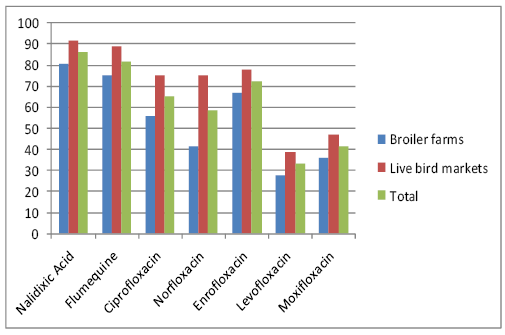
In the present study, E. coli displayed high rates of resistance to most of tested Qs and FQs.
Our findings revealed higher resistance rates to almost all tested Qs and FQs in live bird markets samples than their corresponding rates in farms.
Besides, the increasing relevance of broiler chickens as a meat source facilitates the repeated exposure of the public to FQ-resistant E. coli in live birds or their contaminated meat products, which, in turn, enhances the transfer of FQs resistance determinants to human pathogens.
Therefore, cooperation between veterinary, human health and environmental research institutions is highly recommended for better understanding of the epidemiology of FQs resistance emergence and dissemination, and for effective control plans.
Selected from the article's own text.
Abstract
Antimicrobial resistance in Escherichia coli is increasingly becoming a matter of serious concern in veterinary and human health sectors worldwide. The objective of this study was to investigate the phenotypic and genotypic characteristics of quinolones and fluoroquinolones resistance in Escherichia coli recovered from apparently healthy broiler chickens in Egypt. A total of 150 cloacal swabs collected from broiler chickens from farms and bird markets were subjected to bacteriological and biochemical examination. The results revealed that 92% (138/150) of samples were found positive for E. coli. The antimicrobial susceptibility testing of 72 confirmed E. coli isolates against seven quinolones and fluoroquinolones antibiotics revealed that 62 (86.1%) were resistant to at least one antibiotic, with highest resistance rates observed against first generation (86.1% for nalidixic acid, and 81.9% for flumequine), and lowest rate against levofloxacin (33.3%). A total of 24 isolates, dsplaying high resistance to at least 5 fluroquinolone antibiotics, were then screened for plasmid-mediated quinolone resistance (PMQR) genes qnrA, qnrB, qnrS, qepA and aac(6′)-Ib-cr by PCR. The results revealed that 22 isolates (91.7%) harboured at least one PMQR gene, with qnrS being the most frequent (83.3%). The qepA, qnrB and aa (6′)-Ib-cr genes occurrence was 54.2%, 16.7% and 4.2% respectively, while qnrA was not detected in any isolate. The high prevalence of fluoroquinolones resistance, and transferable fluoroquinolones resistance determinants in E. coli from apparently healthy broilers in this study could pose a serious public health hazard, which highlights the need for effective monitoring and surveillance programs and cooperation between the sectors related to the epidemiology of these determinants.
Antimicrobial resistance poses a serious threat to human and animal health worldwide . The growing emergence of resistance in pathogenic bacteria constitutes a direct threat to humans and animals. However, there is mounting evidence that commensal and environmental bacteria are reservoirs of resistance determinants that can be transferred to pathogenic bacteria . Commensal Escherichia coli (E. coli), in particular, is widely recognized as an indicator for tracking antimicrobial resistance in monitoring programs, and serves as a model for studying the emergence of antimicrobial resistance in animals, for a wide range of bacteria . In addition, it reflects the risk for consumers . E. coli is a part of the normal microflora in poultry intestine. Nonetheless, certain strains could spread into various internal organs and cause a systemic fatal disease (colibacillosis) with great economic loss . Furthermore, a recent report demonstrated that commensal E. coli isolates originating from broiler chickens can quickly transfer its antibiotic resistance determinants to human intestinal microbes . Antimicrobials are used in poultry to prevent or treat infectious diseases and to promote growth, and are mainly administered through food or water to the entire group . Quinolones (Qs) and fluoroquinolones (FQs) are synthetic antibiotics that have been used against many Gram-positive and Gram-negative bacteria in humans and animals . As a result of the use, high levels of FQs resistance emerged in E. coli in chickens ; ; ; ; ; and in humans as well . Thus, FQs ended up designated as “Highest Priority Critically Important Antimicrobials” (WHO, 2019). Quinolones act by targeting bacterial DNA gyrase (topoisomerase II), and topoisomerase IV, derailing the process of bacterial DNA synthesis (Hooper and Jacoby, 2016). While FQs resistance is mainly attributable to mutations in gyrA and parC genes of the quinolone resistance determining region (QRDR), the increasing reporting of plasmid-mediated quinolone resistance (PMQR) has been causing concerns globally over its dissemination . Moreover, acquisition of PMQR determinants may promote QRDR mutations, ending up with increased in the overall FQs resistance levels . The resistance determinants acquired on plasmids act by three different mechanisms; target protection (qnrA, qnrB qnrC, qnrD, qnrE, qnrS, and qnrVCl); antibiotic efflux (QepA, OqxAB); and antibiotic modification (aac(6’)Ib-cr) . Several studies around the world have recently reported on quinolone resistance genes in commensal E. coli ; ; ; . Even though wet markets and live bird shops have been suspected to be a potential source of multi-drug resistant E. coli ; , and despite the flourishing poultry farming and live bird markets in Kafr El-Sheikh, an agricultural governorate in north Egypt, reporting on the subject is still scarce in region. Therefore, this study investigated the phenotypic and genotypic (PMQR) characteristics of Qs and FQs resistance in commensal E. coli from apparently healthy broiler chickens from farms and live bird markets in Kafr El-Sheikh governorate, Egypt.
Material and methods
Ethical approval
Sample collection was performed according to the guidelines of the Animal Health Research Institute, Egypt, and in accordance with all international guidelines for use of animals.
Samples collection
A total of 150 cloacal swabs were aseptically collected from apparently healthy broiler chickens from farms (81 samples of 20-25 day old) and live bird markets (69 samples of 40-45 days old) distributed throughout different localities in Kafr El-Sheikh governorate, Egypt, in the period between October 2018 April, 2019. The samples were placed in buffered peptone water (BPW) (Lab M Limited, Lancashire, UK) and transported to the laboratories of Animal Health Research Institute for further examinations.
Isolation and identification of E. coli from apparently healthy broiler chickens
The collected samples were incubated at 37°C for 24h for pre-enrichment (in BPW). By using sterile cotton-tipped swabs, enriched samples were then streaked onto MacConkey agar (Oxoid, Basingstoke, UK) and incubated at 37°C for 18 to 20 h. The suspected E. coli colonies (pink color) were streaked onto Eosin Methylene Blue agar (Merck, Germany). After overnight incubation at 37°C, typical E. coli colonies (a greenish metallic sheen with a dark center) were further identified according to their phenotypic criteria, cultural characters and biochemical testing . Confirmed E. coli strains were stored at −80°C in tryptic soy broth (TSB) with 30% glycerol until further use. In total, 138 non-repetitive avian fecal E. coli isolates were confirmed and then used for antibiotic susceptibility testing.
Antibiotic susceptibility testing of E. coli isolates from broiler chickens
Using disk diffusion method, as described by (Bauer et al., 1966), antibiotic susceptibility of the 72 E. coli isolates was tested against seven different Qs and FQs; nalidixic acid (NA) 30 μg, ciprofloxacin (CIP) 5 μg, norfloxacin (NOR) 10 μg, moxifloxacin (MO) 5μg, enrofloxacin (ENR) 5 μg, levofloxacin (LEV) 5μg, and flumequine (UB) 30 μg (Thermo Scientific™ Oxoid, UK). The zones of inhibition were examined and recorded as sensitive, intermediate or resistant, according to according CLSI (2018) interpretative criteria. E. coli strain ATCC 25922 was used as control.
Molecular detection of PMQR Genes in E. coli isolates from broiler chickens
A total of 24 FQs-resistant E. coli isolates (highly resistant phenotypes, displaying resistance to at least 5 fluroquino
Table 1: The primers used in the amplification of PMQR genes from E. coli isolated from apparently healthy broiler chickens.
Target
Primer Sequence
Annealing.
Amplified product
Reference
qepA
F: CGTGTTGCTGGAGTTCTTC
50˚C
40 sec.
403 bp
(Cattoir et al., 2008)
R: CTGCAGGTACTGCGTCATG
aac(6′)-Ib-cr
F: CCCGCTTTCTCGTAGCA
52˚C
30 sec.
113 bp
R: TTAGGCATCACTGCGTCTTC
qnrA
F: GATAAAGTTTTTCAGCAAGAGG
57˚C
40 sec.
543 bp
(Broszat et al., 2014)
R: ATCCAGATCGGCAAAGGTTA
qnrB
F: ATGACGCCATTACTGTATAA
53˚C
40 sec.
562 bp
(Yang and Yu, 2019)
R: GATCGCAATGTGTGAAGTTT
qnrS
F: ATGGAAACCTACAATCATAC
48˚C
40 sec.
491 bp
R: AAAAACACCTCGACTTAAGT
Table 2: The prevalence of E. coli in the cloacal swabs from apparently healthy broiler chickens.
Origin of the samples
Number of tested samples
Positive samples
NO
%
Broiler chicken farms
81
73
90.1
Live bird markets
69
65
94.2
Total
150
138
92
The percentage was calculated according to the corresponding number of samples.
Table 3: Antibiogram profile of the E. coli isolates from cloacal swabs from apparently healthy broiler chickens.
Table 4: The prevalence of quinolone and fluroquinolone-resistant E. coli from apparently healthy broiler chickens.
Name of quinolone antibiotic
Number and percent of resistant isolates
Broiler chicken farms
Live bird markets
Total
NO
%
NO
%
NO
%
Nalidixic Acid
29
80.6
33
91.7
62
86.1
Flumequine
27
75
32
88.9
59
81.9
Ciprofloxacin
20
55.6
27
75
47
65.3
Norfloxacin
15
41.7
27
75
42
58.3
Enrofloxacin
24
66.7
28
77.8
52
72.2
Levofloxacin
10
27.8
14
38.9
24
33.3
Moxifloxacin
13
36.1
17
47.2
30
41.7
Table 5: The prevalence of PMQR genes in 24 fluroquinolone-resistant E. coli isolates from apparently healthy broiler chickens.
Samples location
NO of Samples tested
Detected PMQR genes
qnrA
qnrB
qnrS
aac (6 ′)-Ib-cr
qepA
NO
%
NO
%
NO
%
NO
%
NO
%
Broiler chicken farms
12
0
0
1
8.3
9
75
1
8.3
6
50
Live bird markets
12
0
0
3
25
11
91.7
0
0
7
58.3
Total
24
0
0
4
16.7
20
83.3
1
4.2
13
54.2
lone antibiotics), 12 isolates of broiler farms origin, and 12 isolates of live bird markets origin, were used. The DNA was extracted from these isolates using QIAamp DNA Mini Kit (QIAGEN, Germany) according to the manufacturer’s instructions. Single PCR reactions were then used for amplification of each of PMQR gene (qnrA, qnrB, qnrS, qepA and aac(6′)-Ib-cr) using specific primers (Table 1). Each PCR reaction was performed in a 25 μL reaction mixture containing 5 μL of template DNA, 12.5 μL of EmeraldAmp GT PCR Master Mix (TAKARA BIO INC.™, Japan), 1 μL of forward primer(20 pmol), 1 μL of reverse primer (20 pmol) and 5.5 μL of PCR grade water. The primers sequences, annealing temperatures, and size of amplified product for the investigated genes are shown in Table 1. PCR products were resolved on 1% agarose gel with ethidium bromide dye and the gel was visualized under a UV transilluminator (Biometra Goettingen, Germany).
Results
The prevalence of E. coli among the examined samples
Out of 150 investigated cloacal swabs from apparently healthy broiler chickens, 138 (92%) were found positive for E. coli (Table 2), with slightly higher incidence in samples from live bird markets (94.2%) than those from farms (90.1%).
Phenotypic resistance of E. coli isolates to quinolones and fluoroquinolones
The resistance pattern of E. coli isolated from apparently healthy broiler chickens (Table 3, Table 4, and Figure 1) showed that 86.1% of isolates were resistant to at least one of the tested Qs or FQs antibiotics. The results revealed that 84.7% were resistant to FQs (one or more antibiotic other than nalidixic acid), and 29.2% were resistant to all tested Q and FQs. The highest resistance rates were observed against first generation (86.1% for nalidixic acid, and 81.9% for flumequine). The rates of resistance to enrofloxacin, ciprofloxacin, norfloxacin and moxifloxacin were 72.2%, 65.3%, 58.3%, and 41.7% respectively. The lowest resistance rate was observed against levofloxacin (33.3%).
Prevalence of PMQR genes
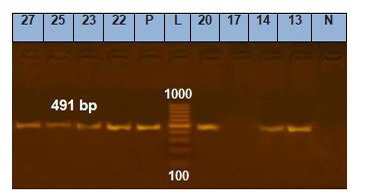
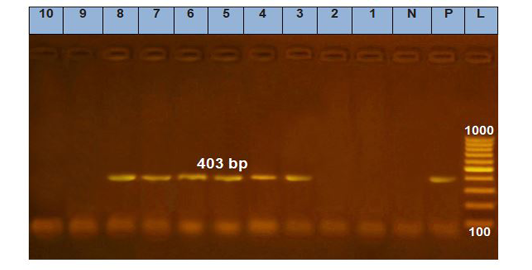
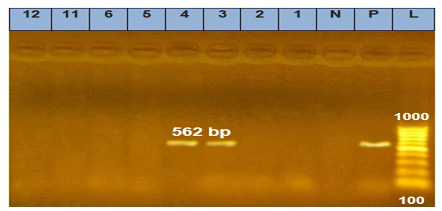
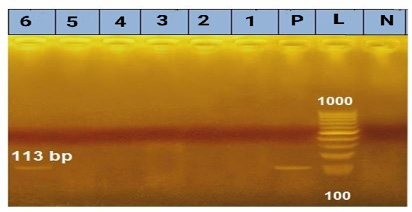
Out of 24 phenotypically-resistant isolates, 22 (91.7%) harbored at least one PMQR gene. The qnrS gene was detected in (20/24, 83.3%) of tested isolates, which was the most frequent gene, while qepA incidence was 54.2%. The qnrB gene was detected in (4/24, 16.7%) of resistant isolates. Only one isolate (4.2%) was found positive for aac(6′)-Ib-cr gene, while qnrA was not detected in any tested isolate (Table 5, Figures 2, 3, 4, and 5).
Discussion
Even though some E. coli strains are pathogenic to chickens and cause colibacillosis , most E. coli strains are still a part of the normal intestinal microflora. However, the serious threat of these commensals lies in its role as a reservoir of resistance determinants, from which pathogenic bacteria could acquire resistance via horizontal gene transfer .
In the present study, the overall prevalence of E. coli in cloacal swabs from apparently healthy broiler chickens was 92% , which was close to results by Mohamed et al. (2014) (92.6%) and Ferreira et al. (2018) (90.5%). Higher recovery rate (100%) was recorded by , and slightly lower incidence was reported by Moawad et al. (2018) (87.5%), while much lower recovery rate reported by Hardiati et al. (2021) (55.6%). These differences may be attributable to the level of hygienic standards and husbandry, mechanical vectors and biosecurity . Besides, host genetic factors , and the detrimental impact of antibiotic use on intestinal E. coli could affect the results. Our findings showed higher occurrence of E. coli in samples from live bird markets than those from farms. This may be due to overcrowding during transportation, confining the birds in highly contaminated environment with birds of different species and origins, with receiving them on the same old litter which accumulates the microbes, and, in addition, the bacteria circulating in the place from the intestinal content of the slaughtered birds. Moreover, the birds of older age may have more chance of contracting the microbe .
For decades, quinolones and fluoroquinolones have been effectively used against many serious Gram-negative bacterial infections in humans and animals , including colibacillosis in chickens . Under the selection pressure, high levels of FQ-resistant E. coli have been reported worldwide from poultry ; ; ; ; ; . In the present study, E. coli displayed high rates of resistance to most of tested Qs and FQs. Recent reports from Egypt supported our findings, recording high levels of FQs resistance in E. coli from broiler chickens ; , food of animal origin and from humans as well , highlighting the widespread of FQs resistance in Egypt in different sectors. Our results did not come as a surprise, as almost all farms in Egypt have been reportedly using antibiotics . We observed highest resistance against first generation (86.1% for NA, and 81.9% for UB), which was consistent with some recent reports ; ; ; ; . However, lower resistance against first generation was recorded by Talavera-González et al. (2021). The resistance against second generation FQs; ENR, CIP, and NOR in the current study (72.2%, 65.3%, and 58.3% respectively) was close to results from previous findings ; ; ; ; ; , while higher rates were reported by El-Shazly et al. (2017), and lower rates were recorded by Khalaf et al. (2020). These variations in resistance rates may be attributed to the varied levels of Qs and FQs use in animal production in different regions ; , and anthropological and socioeconomic factors . To our knowledge moxifloxacin and levofloxacin are not in use in the veterinary sector in Egypt. Resistance rates against them in this study (41.7% and 33.3% respectively) could be due to cross-resistance among antibiotics of the same class (FQs) and/or exchanging resistance determinants with microbes from working staff through horizontal gene transfer. Our findings revealed higher resistance rates to almost all tested Qs and FQs in live bird markets samples than their corresponding rates in farms. This may be due to the possible transfer of the circulating resistant microbes and/or their resistance genes between birds from different origins and between birds and human staff in highly contaminated environment with low hygienic standards, leading to dissemination of resistance to E. coli which has a great capacity to accumulate resistance genes through horizontal gene transfer . Furthermore, drug-resistant bacteria in animals and the environment proliferate as birds get older, due to the selective pressure of antibiotic use during the rearing period, leading to an increase in the overall resistance of bacteria .
FQs resistance dissemination is mainly attributed to transferable mechanisms by mobile genetic elements which are usually expressed as PMQR . Even though PMQR genes cause reduction in Qs and FQs susceptibility which does not reach the breakpoints, additive effect is observed by accumulation of two or more genes . Moreover, PMQR may promote the selection of high-level resistance strains with mutations on the chromosome . The present study showed high prevalence (91.7%) of PMQR genes among FQ-resistant E. coli isolates, which is close to reports by Ammar et al. (2015) (100%) Egypt. Lower prevalence, however, was recorded by in Brazil (23%), in Korea (15.2%), and (Mahmud et al. (2018) in Bangladesh (72.22%). The qnrS gene was the most frequent PMQR gene (83.3%), which is consistent with findings from previous studies ; . In contrast, low qnrS prevalence was reported by Ferreira et al. (2018), Pourhossein et al. (2020), Seo and Lee, (2021), Kim et al. (2020).
The differences in the occurrence of PMQR genes are often attributed to variations in the levels of Qs and FQs use in each region and the period of time. However, the levels of hygienic standards and biosecurity may affect the results, as there’s evidence that even farms that do not use FQs are still at risk of acquisition of resistance determinants through contamination of production system premises with FQ-resistant E. coli from other sources . Besides, there’s evidence that the older the birds get, the more resistance determinants they tend to accumulate .
The absence or low prevalence of PMQR in some of the tested isolates, despite displaying high phenotypic resistance, could be attributed to chromosomal mutation, which is the primary mechanism for FQs resistance .
Conclusion
In conclusion, the high prevalence of FQs resistance in E. coli from broiler chickens in Egypt, with phenotypes of high resistance to multiple FQs antibiotics, along with the high occurrence of transferable FQs resistance determinants (PMQR genes), in our study, highlight the need of monitoring FQs use in poultry and routine screening for these genetic determinants in the sector. Besides, the increasing relevance of broiler chickens as a meat source facilitates the repeated exposure of the public to FQ-resistant E. coli in live birds or their contaminated meat products, which, in turn, enhances the transfer of FQs resistance determinants to human pathogens. Therefore, cooperation between veterinary, human health and environmental research institutions is highly recommended for better understanding of the epidemiology of FQs resistance emergence and dissemination, and for effective control plans.
Acknowledgements
The authors would like to thank the Bacteriology Department of Kafr El-sheikh Laboratory, Animal Health Research Institute, for their help with the laboratory work.
Conflict of interest
The authors declare that they have no conflict of interest.
Authors’ contribution
MSH collected samples, did laboratory work, data analysis, and drafted the manuscript. AAA designed the study, helped with laboratory work and reviewed the manuscript. HAF helped with molecular investigation and reviewed the manuscript.
Figures
Figure 1.
Prevalence of quinolone and fluoroquinolones resistance in E. coli from apparently healthy broiler chickens.
Figure 2.
PCR amplification of the 491 bp fragment of qnrS gene from 8 E. coli isolates. P is control positive, N is control negative, and L is DNA ladder.
Figure 3.
PCR amplification of the 403 bp fragment of qepA gene from 10 E. coli isolates. P is control positive, N is control negative, and L is DNA ladder.
Figure 4.
PCR amplification of the 562 bp fragment of qnrB gene from 8 E. coli isolates. P is control positive, N is control negative, and L is DNA ladder.
Figure 5.
PCR amplification of the 113 bp fragment of aac(6′)-Ib-cr gene from 6 E. coli isolates. P is control positive, N is control negative, and L is DNA ladder.
References
Abdelkarim EA, Hafez, AEE, Hussein, MA, Elsamahy TS (2020). Prevalence of Escherichia coli in Marked Poultry Carcasses in Egypt. Adv. Anim. Vet. Sci. 8(1): 55–61. https://doi.org/10.17582/journal.aavs/2020/8.s1.55.61[CrossRef]
Abo-Amer AE, Shobrak MY, Altalhi AD (2018). Isolation and antimicrobial resistance of Escherichia coli isolated from farm chickens in Taif, Saudi Arabia. J. Glob. Antimicrob. Resist. 15: 65–68. https://doi.org/10.1016/j.jgar.2018.05.020[CrossRef]
Agabou A, Lezzar N, Ouchenane Z, Khemissi S, Satta D, Sotto A, Lavigne, JP, Pantel A (2016). Clonal relationship between human and avian ciprofloxacin-resistant Escherichia coli isolates in North-Eastern Algeria. Eur. J. Clin. Microbiol. Infect. Dis. 35: 227–234. https://doi.org/10.1007/s10096-015-2534-3[CrossRef]
Amer MM, Mekky HM, Amer AM, Fedawy HS (2018). Antimicrobial resistance genes in pathogenic Escherichia coli isolated from diseased broiler chickens in Egypt and their relationship with the phenotypic resistance characteristics. Vet. World 11: 1082–1088. https://doi.org/10.14202/vetworld.2018.1082-1088[CrossRef]
Ammar AM, Abd El-Hamid MI, Eid SEA, El Oksh AS (2015). Insights into antimicrobial resistance and virulence genes of emergent multidrug resistant avian pathogenic Escherichia coli in Egypt: How closely related are they? Rev. Med. Vet. (Toulouse). 166: 304–314.
Awad A, Arafat N, Elhadidy M (2016). Genetic elements associated with antimicrobial resistance among avian pathogenic Escherichia coli. Ann. Clin. Microbiol. Antimicrob. 15(1). https://doi.org/10.1186/s12941-016-0174-9[CrossRef]
Bauer AW, Kirby WM, Sherris JC, Turck M (1966). Antibiotic susceptibility testing by a standardized single disk method. Am. Soc. Clin. Pathol. 36: 49—52.
Berendonk TU, Manaia CM, Merlin C, Fatta-Kassinos D, Cytryn E, Walsh F, Bürgmann H, Sørum H, Norström M, Pons MN, Kreuzinger N, Huovinen P, Stefani S, Schwartz T, Kisand V, Baquero F, Martinez JL (2015). Tackling antibiotic resistance: The environmental framework. Nat. Rev. Microbiol. 13(5): 310–317 https://doi.org/10.1038/nrmicro3439[CrossRef]
Berghof TVL, Matthijs MGR, Arts JAJ, Bovenhuis H, Dwars RM, van der Poel JJ, Visker MHPW, Parmentier HK (2019). Selective breeding for high natural antibody level increases resistance to avian pathogenic Escherichia coli (APEC) in chickens. Dev. Comp. Immunol. 93: 45–57. https://doi.org/10.1016/j.dci.2018.12.007[CrossRef]
CLSI. M02 Disk Diffusion Reading Guide. 1st ed. CLSI quick guide M02QG. Clinical and Laboratory Standards Institute; 2018.
CLSI. Performance Standards for Antimicrobial Susceptibility Testing. 28th ed. CLSI supplement M100. Wayne, PA: Clinical and Laboratory Standards Institute; 2018.
CLSI. Performance Standards for Antimicrobial Disk and Dilution Susceptibility Tests for Bacteria Isolated From Animals. 5th ed. CLSI standard VET01. Wayne, PA: Clinical and Laboratory Standards Institute; 2018.
Collignon P, Beggs JJ, Walsh TR, Gandra S, Laxminarayan R (2018). Anthropological and socioeconomic factors contributing to global antimicrobial resistance: a univariate and multivariable analysis. Lancet Planet. Heal. 2: 398–405. https://doi.org/10.1016/S2542-5196(18)30186-4[CrossRef]
Edwards PR, Ewing W (1986). Edwards and Ewing’s Identification of Enterobacteriaceae. International Journal of Systematic Bacteriology. 36(4): 581–582
Effendi MH, Tyasningsih W, Yurianti YA, Rahmahani J, Harijani N, Plumeriastuti H (2021). Presence of multidrug resistance (MDR) and extended-spectrum beta-lactamase (ESBL) of Escherichia coli isolated from cloacal swabs of broilers in several wet markets in Surabaya, Indonesia. Biodiversitas. 22: 304–310. https://doi.org/10.13057/biodiv/d220137[CrossRef]
El-Shazly AD, Nasef SA, Mahmoud FF, Jonas D (2017). Expanded spectrum β–lactamase producing Escherichia coli isolated from chickens with colibacillosis in Egypt. Poult. Sci. 96: 2375–2384. https://doi.org/10.3382/ps/pew493[CrossRef]
Ferreira JC, Penha Filho RAC, Kuaye APY, Andrade LN, Berchieri Junior A, Darini, ALdaC (2018). Identification and characterization of plasmid-mediated quinolone resistance determinants in Enterobacteriaceae isolated from healthy poultry in Brazil. Infect. Genet. Evol. 60: 66–70. https://doi.org/10.1016/j.meegid.2018.02.003[CrossRef]
Gompo TR, Pokhrel U, Shah BR, Bhatta DD (2019). Epidemiology of Important Poultry Diseases in Nepal. Nepal. Vet. J. 36: 8–14. https://doi.org/10.3126/nvj.v36i0.27746[CrossRef]
Han T, Zhang Q, Liu N, Wang, Juan, Li Y, Huang X, Liu J, Wang J, Qu Z, Qi K (2020). Changes in antibiotic resistance of Escherichia coli during the broiler feeding cycle. Poult. Sci. 99: 6983–6989. https://doi.org/10.1016/j.psj.2020.06.068[CrossRef]
Hardiati A, Safika SWibawan IWT, Indrawati A, Pasaribu FH (2021). Isolation and detection of antibiotics resistance genes of Escherichia coli from broiler farms in Sukabumi, Indonesia. J. Adv. Vet. Anim. Res. 8: 84–90. https://doi.org/10.5455/javar.2021.h489[CrossRef]
Hesp A, Braak C, Goot V, Veldman K, Schaik G, Mevius D (2021). Antimicrobial resistance clusters in commensal Escherichia coli from livestock. Zoonoses Public Health 68: 194–202. https://doi.org/10.1111/zph.12805[CrossRef]
Hooper DC, Jacoby GA (2015). Mechanisms of drug resistance: Quinolone resistance. Ann. N. Y. Acad. Sci. 1354: 12–31. https://doi.org/10.1111/nyas.12830[CrossRef]
Ibrahim RA, Cryer TL, Lafi SQ, Basha EA, Good L,Tarazi YH (2019). Identification of Escherichia coli from broiler chickens in Jordan, their antimicrobial resistance, gene characterization and the associated risk factors. BMC Vet. Res. 15: 159. https://doi.org/10.1186/s12917-019-1901-1[CrossRef]
Juricova H, Matiasovicova J, Kubasova T, Cejkova D, Rychlik I (2021). The distribution of antibiotic resistance genes in chicken gut microbiota commensals. Sci. Rep. 11: 1–10. https://doi.org/10.1038/s41598-021-82640-3[CrossRef]
Kaesbohrer A, Schroeter A, Tenhagen BA, Alt K, Guerra B, Appel B (2012). Emerging antimicrobial resistance in commensal Escherichia coli with public health relevance. Zoonoses Public Health. 59: 158–165. https://doi.org/10.1111/j.1863-2378.2011.01451.x[CrossRef]
Khalaf, HA, Aml, B, Awd A (2020). Antimicrobial Resistance Genes of E. coli Isolated from Broiler Chickens in Upper Egypt. Anim. Vet. Sci. 8: 19. https://doi.org/10.11648/j.avs.20200801.13[CrossRef]
Kim YB, Yoon MY, Ha JS, Seo KW, Noh EB, Son SH, Lee YJ (2020). Molecular characterization of avian pathogenic Escherichia coli from broiler chickens with colibacillosis. Poult. Sci. 99: 1088–1095. https://doi.org/10.1016/j.psj.2019.10.047[CrossRef]
Kimera ZI, Mshana SE, Rweyemamu MM, Mboera LEG, Matee MIN (2020). Antimicrobial use and resistance in food-producing animals and the environment: An African perspective. Antimicrob. Resist. Infect. Control. 9 (1): 1–12. https://doi.org/10.1186/s13756-020-0697-x[CrossRef]
Kotb DN, Mahdy WK, Mahmoud MS, Khairy RMM (2019). Impact of co-existence of PMQR genes and QRDR mutations on fluoroquinolones resistance in Enterobacteriaceae strains isolated from community and hospital acquired UTIs. BMC Infect Dis. 19: 979.
Lambrecht E, Van Coillie E, Van Meervenne E, Boon N, Heyndrickx M, Van de Wiele T (2019). Commensal E. coli rapidly transfer antibiotic resistance genes to human intestinal microbiota in the Mucosal Simulator of the Human Intestinal Microbial Ecosystem (M-SHIME). Int. J. Food Microbiol. 311, 108357. https://doi.org/10.1016/j.ijfoodmicro.2019.108357[CrossRef]
Liu BT, Liao XP, Yang SS, Wang XM, Li LL, Sun J, Yang YR, Fang LX, Li L, Zhao DH, Liu YH (2012). Detection of mutations in the gyrA and parC genes in Escherichia coli isolates carrying plasmid-mediated quinolone resistance genes from diseased food-producing animals. J. Med. Microbiol. 61: 1591–1599. https://doi.org/10.1099/jmm.0.043307-0[CrossRef]
Lunn AD, Fàbrega A, Sánchez-Céspedes J, Vila J (2010). Prevalence of mechanisms decreasing quinolone-susceptibility among Salmonella spp. clinical isolates. Int. Microbiol. 13: 15–20. https://doi.org/10.2436/20.1501.01.107[CrossRef]
Mahmud S, Nazir KHMNH, Rahman MT (2018). Prevalence and molecular detection of fluoroquinolone-resistant genes (qnrA and qnrS) in Escherichia coli isolated from healthy broiler chickens. Vet. World. 11: 1720–1724. https://doi.org/10.14202/vetworld.2018.1720–1724[CrossRef]
Mehdi Y, Létourneau-Montminy MP, Gaucher M, Lou, Chorfi Y, Suresh G, Rouissi T, Brar SK, Côté C, Ramirez AA, Godbout S (2018). Use of antibiotics in broiler production: Global impacts and alternatives. Anim. Nutr. 4: 170–178. https://doi.org/10.1016/j.aninu.2018.03.002[CrossRef]
Moawad AA, Hotzel H, Neubauer H, Ehricht R, Monecke S, Tomaso H, Hafez HM, Roesler U, El-Adawy H (2018). Antimicrobial resistance in Enterobacteriaceae from healthy broilers in Egypt: Emergence of colistin-resistant and extended-spectrum β-lactamase-producing Escherichia coli. Gut Pathog. 10: 1–12. https://doi.org/10.1186/s13099-018-0266-5[CrossRef]
Mohamed MA, Shehata MA, Rafeek E (2014). Virulence genes content and antimicrobial resistance in Escherichia coli from broiler chickens. Vet. Med. Int. 2014, Volume 2014, 195189. https://doi.org/10.1155/2014/195189[CrossRef]
Poirel L, Madec J-Y, Lupo A, Schink A-K, Kieffer N, Nordmann P, Schwarz S (2018). Antimicrobial Resistance in Escherichia coli. Antimicrob. Resist. Bact. from Livest. Companion Anim. 6(4): 289–316. https://doi.org/10.1128/microbiolspec.arba-0026-2017[CrossRef]
Pourhossein Z, Asadpour L, Habibollahi H, Shafighi ST (2020). Antimicrobial resistance in fecal Escherichia coli isolated from poultry chicks in northern Iran. Gene Reports. 21, 100926. https://doi.org/10.1016/j.genrep.2020.100926[CrossRef]
Rahman MM, Bashar T, Rahman M, Rabbi FA, Noor R (2011). Enterotoxin Profiling and Antibiogram of Escherichia coli Isolated from Poultry Feces in Dhaka District of Bangladesh. Microbiol. 1: 51–57.
Rodríguez-Martínez JM, Machuca J, Cano ME, Calvo J, Martínez-Martínez L, Pascual A (2016). Plasmid-mediated quinolone resistance: Two decades on. Drug Resist. Updat. 29: 13–29. https://doi.org/10.1016/j.drup.2016.09.001[CrossRef]
Roth N, Käsbohrer A, Mayrhofer S, Zitz U, Hofacre C, Domig KJ (2019). The application of antibiotics in broiler production and the resulting antibiotic resistance in Escherichia coli: A global overview. Poult. Sci. 98: 1791–1804. https://doi.org/10.3382/ps/pey539[CrossRef]
Ruiz J (2019). Transferable mechanisms of quinolone resistance from 1998 onward. Clin. Microbiol. Rev. 32(4): 1–59. https://doi.org/10.1128/CMR.00007-19[CrossRef]
Sarker MS, Mannan MS, Ali, MY, Bayzid M, Ahad A, Bupasha ZB (2019). Antibiotic resistance of Escherichia coli isolated from broilers sold at live bird markets in Chattogram, Bangladesh. J. Adv. Vet. Anim. Res. 6(3): 272–277. https://doi.org/10.5455/javar.2019.f344[CrossRef]
Seo KW, Lee YJ (2021). Molecular characterization of fluoroquinolone-resistant Escherichia coli from broiler breeder farms. Poult. Sci. 100, 101250. https://doi.org/10.1016/j.psj.2021.101250[CrossRef]
Talavera-González JM, Talavera-Rojas M, Soriano-Vargas E, Vázquez-Navarrete J, Salgado-Miranda C (2021). In vitro transduction of antimicrobial resistance genes into Escherichia coli isolates from backyard poultry in mexico. Can. J. Microbiol. 67(5): 415–425. https://doi.org/10.1139/cjm-2020-0280[CrossRef]
Taylor NM, Wales AD, Ridley AM, Davies RH (2016). Farm level risk factors for fluoroquinolone resistance in E. coli and thermophilic Campylobacter spp. on poultry farms. Avian Pathol. 45(5): 559–568. https://doi.org/10.1080/03079457.2016.1185510[CrossRef]
Temmerman R, GarmynA, Antonissen G, Vanantwerpen G, Vanrobaeys M, Haesebrouck F, Devreese M (2020). Evaluation of fluoroquinolone resistance in clinical avian pathogenic Escherichia coli isolates from flanders (Belgium). Antibiotics 9(11): 1–14. https://doi.org/10.3390/antibiotics9110800[CrossRef]
Vanni M, Meucci V, Tognetti R, Cagnardi P, Montesissa C, Piccirillo A, Rossi AM, Di Bello D, Intorre L (2014). Fluoroquinolone resistance and molecular characterization of gyrA and parC quinolone resistance-determining regions in Escherichia coli isolated from poultry. Poult. Sci. 93(4): 856–863. https://doi.org/10.3382/ps.2013-03627[CrossRef]
Vien LTM, Baker S, Thao LTP, Tu LTP, Thuy CT, Nga TTT, Hoang NVM, Campbell JI, Yen LM, Hieu NT, Chau NVV, Farrar J, Schultsz C (2009). High prevalence of plasmid-mediated quinolone resistance determinants in commensal members of the Enterobacteriaceae in Ho Chi Minh City, Vietnam. J. Med. Microbiol. 58, 1585–1592. https://doi.org/10.1099/jmm.0.010033-0[CrossRef]
Younis G, Awad A, Mohamed N (2017). Phenotypic and genotypic characterization of antimicrobial susceptibility of avian pathogenic Escherichia coli isolated from broiler chickens. Vet. World. 10: 1167–1172. https://doi.org/10.14202/vetworld.2017.1167-1172[CrossRef]
World Health Organization (2019). WHO list of critically important antimicrobials for human medicine (WHO CIA list). 6th revision. World Health Organization.