Research Article · Volume 11, Issue 12, 22 November 2023 · Open Access
Effect of Aloe Vera Extract on Some Parameter Complete Blood Count and Liver Functions Induced by Azathioprine in Changes Male Rats
·
Affiliations & Notes ⌄
1Physiology, Pharmacology and Biochemistry Department, Veterinary Medicine College, University of Kerbala, Karbala, Iraq. *Correspondence | Ahmed Al-Hasnawi, Physiology, Pharmacology and Biochemistry Department, Veterinary Medicine College, University of Kerbala, Karbala, Iraq
While in Table 2 MDA has been utilized as a diagnostic for lipid oxidative damage since it is one of the aldehydes produced by the lipid peroxidation process, MDA is related with numerous ailments, especially liver problems, in the sequence of oxidative stress.
Oral treatment of aza to rats raised MDA while dramatically decreasing GSH and G-S transferase levels, indicating the role of oxidative stress and lipid peroxidation in aza-induced liver injury.
The enhanced lipid peroxidation that destroys tissue and undermines the antioxidant defense mechanism is shown by the raised MDA levels in liver tissue.
In this current study, we recommend that people who are Using additional plant materials from aloe vera, such as the flowers, Purification of the active ingredient, which is utilized to lessen drug adverse effects and act as a hepatoprotective.
Selected from the article's own text.
Abstract
As azathioprine’s usage in our environment grew quickly, it became important to assess their toxicity, The goal of the current investigation was to determine if aloe vera extract had any protective effects against the hematological and histopathological alterations brought on by azathioprine. animals are evenly divided into four categories: (G1) group: were received distilled water. (G2) group: were administrating azathioprine (50mg/kg. b. w). (G3) group: were administrating Aloevera gel extract (500mg/kg b.w). (G4) group: were administrating azathioprine (50mg/kg. b. w) and aloe vera gel extract (500mg/kg b.w). after four weeks, blood samples from the rats were taken to measure MCV, MCH, MCHC, GST, GSH, and MDA levels. a liver sample was also taken for each of the aforementioned groups to be examined histopathological. According to the findings, azathioprine dramatically decreased the MCV, MCH, and MCHC blood test results as compared to the control group receiving only regular aloe vera, as well as the levels of the function liver enzymes GST and GSH. In contrast to the control group, azathioprine treatment led to a considerable rise in MDA levels when liver function enzymes were measured, but aloe vera administration caused them to revert to normal levels. aside from the liver’s histological alterations brought on by the administration of azathioprine, there were also impacts and enhancements brought on by the use of the aloe vera extract. Based on the results, the current study came to the conclusion that the liver damage brought on by immunosuppressive drugs such azathioprine differs from the positive results attained by giving male rats (aloe vera extract) and lowering the toxicity.
Keywords | Azathioprine, Aloe vera, Hematological, Liver’s function enzymes, Histopathological, Male rats
INTRODUCTION
The liver is crucial for a number of physiological processes, including the intrahepatic detoxification of xenobiotics and hormones like angiotensinogen and insulin-like growth factors . It is also a digestive organ with key mechanisms for producing energy and metabolizing carbohydrates, lipids, and proteins . Instead of regulating blood clot components, the liver produces vital proteins such albumin includes bile acid, cholesterol, glycogen, and lipids like triglycerides (TG), in addition to other vitamins and minerals. It also contains albumin and very low-density lipoprotein (VLDL) ; ; . In addition to performing these tasks, the liver is recognized as an immunological organ since it has immune cells that are prepared to remove pathogens from the gastrointestinal (GI) tract (Hastings et al., 2020). Azathioprine (aza) is an immunosuppressive drug that is used to treat leukemia, acute lymphoblastic leukemia, inflammatory bowel disease, and rheumatoid arthritis, Azathioprine in combination with corticosteroids is the best treatment for preventing organ rejection, despite its extensive use, aza has been linked to a number of adverse effects, including the suppression of the patient’s lymphocytes and toxicity in the bone marrow, gastrointestinal system, and liver . The drug’s toxicity causes free radical generation in organs and tissues, as well as oxidative damage, it works by selectively suppressing purine nucleotide (adenine) synthesis and decreasing DNA synthesis in a range of immune and other specialized cells, including hepatocytes, its influence on the creation of reactive oxygen radicals Tissue alterations, necrosis, increased mitochondria and the rough endoplasmic reticulum are all caused by this drug (Hashim et al., 2022). Since ancient times, medicinal powers have been utilized, Plants and the things they produce have been used as a significant source of medicine for thousands of years, almost 80% of people in the under developed globe still predominantly rely on traditional medications for primary healthcare, aleo Vera, one of these herbs, has a more than 2000-year history of use in traditional medicine, It has been utilized all throughout the world because of its medicinal qualities . To the family Liliaceae belongs aloe Vera (aloes), animals and people have both been shown to benefit from the antioxidant properties of aloe vera extract . It has been used as a herbal medicine for thousands of years in different cultures for a number of purposes, antioxidants, vitamins that are both fat solubles and water solubles, minerals, enzymes, phenolic compounds, and polysaccharides, organic acids are all present in aloe vera extract. additionally, it engages in radical scavenging that is more efficient than its capacity . It has a variety of biological effects, such as gout reduction, anti-inflammatory, cancer prevention, arthritis, UV protection, dermatitis, cancer prevention, antioxidant, anti-diabetes (hypoglycemic agent), reduction of macrophage activation, antifungal, antiprotozoal, gastro-protective (peptic ulcer), burn treatment, and cancer prevention. promoting the development of epithelial and fibrous tissue . The goal of this study was to Investigate the hepatoprotective effects of Aloe vera extract in rats with Azathioprin-induced liver toxicity. Assessment the activity of Aloe vera extract to improve the toxic effects of treatment of azathioprin on hemotology indices and Histological changes on liver.
MATERIALS AND METHODS
Animals experimental
Forty (40) male white rats weighing (200-220 g) were used in the current study. Taken from the College of Veterinary Medicine, Tikrit University, Iraq and their ages are between (12-15) weeks.
Preparation of azathioprine (AZA)
Drug (Imuran®) aza in a commercially accessible 50 mg tablet form, obtainable at a neighborhood drugstore then was dissolved using ordinary saline and administered at a dose of 50 mg/kg body weight.
Preparation of aloe vera gel
Fresh water was used to wash mature, fresh aloe vera leaves that were between 76 and 95 cm long. Pieces of the leaves were transversely sliced. a portion of the thickened epidermis has been removed. The outer layer of the aloe Vera leaf was peeled off to collect the gel directly, and the entire gel was removed using a little spoon. Natural aloe Vera gel was visible. The gel was then put in a blender to create a combination and foam that was ready to be dosed to the research animals .
The experimental design
In the current investigation, 40 male white rats were employed They were split into 4 groups (n = 10) as listed in the points below:
(1) Group (G1): 10 rats administrating with sterile water and administered daily as a single oral dose for 28 days.
(2) Group (G2): 10 rats administrating azathioprine (50mg/kg. b. w) was solved in sterile and administered daily as a single oral dose for 0.28 days .
(3) Group (G3): 10 rats administrating Aloevera gel extract (500mg/kg b.w) was solved in sterile water and administered daily as a single oral dose for 28 days .
(4) Group (G4): 10 rats administrating azathioprine (50mg/kg. b. w) and Aloevera gel extract (500mg/kg b.w) was solved in sterile water and administered daily as a single oral dose for 0.28 days.
Laboratory analysis
In this experiment, rats were anesthetized by inhalation of the anesthetic chloroform, and a blood sample was collected by cardiac puncture from each male rat. After four weeks of the experiment, the concentration of vital indicators for measuring the complete blood count (CBC) MCH, MCV, MCHC was measured, and the results were obtained automatically using the Soelab Alpha device, and liver function enzymes were measured using Malondialdehyde, and thiobarbituric acid (TBA) was estimated using the assay method , estimation of serum glutathione-S-transferase (GST) concentration and serum reduced glutathione (GSH) concentration (Abdel Razzaq et al., 2022). At the end of the experiment, the mice were anesthetized and dissected to take a sample of the liver to study the effect of the toxicity that occurred due to the administration of azathioprine and the improvements that occurred in the liver after the administration of aloe vera extract.
Statistical analysis
Statistical analysis of data was performed using SAS (Statistical Analysis System-version 9.1). One-way ANOVA and Least significant differences (LSD) post hoc test were performed to assess significant differences among means. P < 0.05 is considered statistically significant .
RESULTS AND DISCUSSION
Table 1 showed azathioprine causes MCV, MCH, and MCHC levels reduced that imply that erythropoiesis was suppressed, which led to the development of microcytic hypochromic anemia, add on ROS (reactive oxygen species) promotes hemoglobin glycation, erythrocyte fragility, and direct oxidation can harm bone marrow ; ; . Reactive oxygen species (ROS) lead to enhance glycemia, erythrocyte fragility, and the risk of direct oxidative damage to bone marrow, more precisely, azathioprine may be etiological by increasing oxidative stress . While the result of many studies showed the aloe vera leaf extract significant increases in hematological parameters such as MCV, MCH and MCHC This increase may be due to variations in erythrocyte size, shape, and hemoglobin content ; . This result and elevated level are credited to the effectiveness of vital vitamins like thiamine, riboflavin, and folic acid as well as non-essential and essential amino acids in a. vera that are necessary for the production of hemoglobin .
While in Table 2 MDA has been utilized as a diagnostic for lipid oxidative damage since it is one of the aldehydes produced by the lipid peroxidation process, MDA is related with numerous ailments, especially liver problems, in the sequence of oxidative stress. MDA causes DNA and protein alterations. Oral treatment of aza to rats raised MDA while dramatically decreasing GSH and G-S transferase levels, indicating the role of oxidative stress and lipid peroxidation in aza-induced liver injury. GSH depletion adds to aza toxicity on hepatocytes, resulting in mitochondrial damage, substantial ATP depletion, and cell death by necrosis . The enhanced lipid peroxidation that destroys tissue and undermines the antioxidant defense mechanism is shown by the raised MDA levels in liver tissue. The observed GSH depletion identified following azathioprine poisoning can be used to explain the increased liver MDA in the azathioprine-treated rats, according to reports, the generation of lipid peroxides and GSH depletion are closely related, azathioprine caused hepatotoxicity, which was evident in the livers of rats treated with the drug by significant pathological alterations, Similar histological lesions have been seen in the rats treated with aza in other instances aldehyde and other by products of lipid oxidation have a significant negative impact on the liver, leading to the creation of high molecular mass protein accumulate inside the membrane . Therefore, an elevated level of MDA and its related products, such as conjugated dienes, are a real sign of lipid peroxidation that highlights the harmful effects of MDA on the liver, Thiols are believed to be essential for protecting cells from lipid oxidation and the cellular protein surveillance network includes important components, such as ATP-dependent chaperones, that are engaged in a wide
Table 1: Effect of azathioprine, aloe vera extract and combination on MCV, MCH and MCHC.
Groups
MCV
MCH
MCHC
Control group (G1)
59.30±0.27a
18.84±0.27b
35.30±0.20a
Aloe Vera group (G2)
60.38±0.90a
19.71±0.64b
36.80±0.36a
Azathioprine group (G3)
50.09±0.45b
14.42±0.52a
30.78±0.42b
Aloe vera & Azathioprine group (G4)
58.53±0.78a
22.65±0.47c
37.48±0.95c
LSD
1.95
1.49
1.68
*Data represented as mean ± SD different letters significant differences at P-value (P<0.05).
Table 2: Effect of azathioprine, aloe vera extract on reduced glutathione (GSH), glutathione s-transferase (G-S transferase) and malondialdehyde (MDA).
Groups
MDA
GSH
GST
Control group (G1)
8.62±0.8a
40.78±2.6a
13.30±0.43a
Aloe Vera group (G2)
9.41±1.0ba
38.62±2.0a
12.98±0.47b
Azathioprine group (G3)
16.52±1.4b
22.52±1.7b
9.16±0.83c
Aloe Vera & Azathioprine group (G4)
11.21±1.1c
35.81±2.1c
15.98±0.76d
LSD
2.03
3.21
1.91
*Means with a different letter in the same column are significantly different (P<0.05).
range of protein functions . Additionally, the aloe vera reduced the levels of MDA in the liver and increased the amount of GSH and GST, aloe vera treatment dramatically increased metallothionein induction in male rats treated across the body, reduced lipid peroxidation, and activated antioxidant enzymes crucial for managing oxidative stress and boosting immunity aloe vera extract treatment in mice boosted hepatic antioxidant enzymes, which in turn lowered hepatic MDA level and elevated GSH and GST level, suggesting that aloe vera extract has a protective action against oxidative stress-induced cell damage and stimulated protein synthesis . A study on the benefits of AV extract against liver damage brought on by oxidative stress found that AV decreased the production of lipid peroxidation, when rats administered with AV were compared to rats administered with AV, the effects on enzyme levels were comparable to antioxidants in terms of glutathione and glutathione s-transferase ; .
Effects of azathioprine, aloe vera extract on liver histopathological
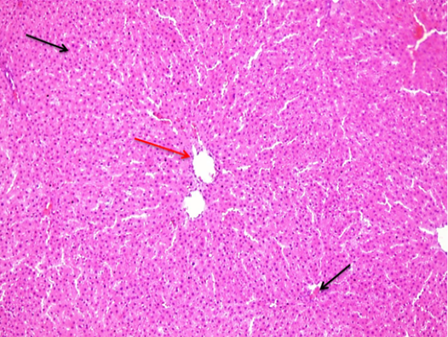
Following the animals had undergone anesthesia, the liver was removed, and following fixation, sections of the liver tissue were obtained and fixed with formalin (10%), Following processing in an alcohol and paraffin, the blocking of the samples was divided into sections, and the samples were then stained with (H & E) histological examination of liver section of control group were staind with haematocylin and eosin, as showed a normal hepatocyte appearance, normal liver lobular structure, and a strikingly normal central vein, as seen in the Figure 1 .
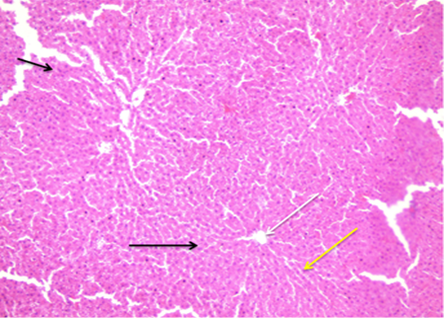
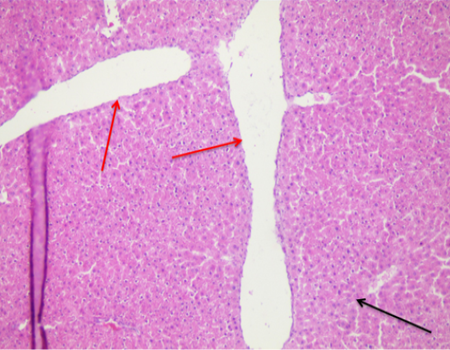
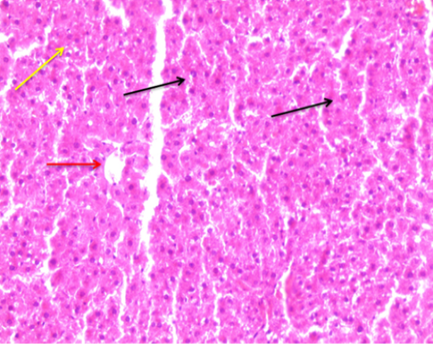
Histological examination of liver section of aloe vera group were staind with haematocylin and eosin, as showed a normal hepatocyte appearance There are no changes in the liver cell’s normal central vein and no changes to the hepatic cells as showed in Figures 1, 2 and that the liver sections have a normal pattern in his investigation of employing aloe vera extract as a hepatoprotective . Aloe vera extract treatment has been shown to the ability of antioxidant enzymes in the liver of mice addition to plays a crucial function in protecting hepatocytes from oxidation-induced membrane and cellular damage by increasing the activity of antioxidant enzymes by reducing the amount of malondialdehyde (MDA) that occurs in the liver as a result of oxidative stress. aloe vera extract regulates and has the capacity to increase Glutathione (GSH), the primary factor in enhancing liver damage and improving hepatocyte alterations . Histological examination of liver section of azathioprine group were staind with haematocylin and eosin, as showed a sever central vein dilatation, significant hepatic degenerative changes and marked perivascular polymorph nuclear inflammatory cells infiltration, hepatocytes with significant rounded large nuclei and central vein dilation, azathioprine is a popular immunosuppressant used to treat a variety of diseases, However, its negative side effects are extremely severe, and the most prevalent cause of liver damage is likely due to a variety of factors, including liver oxidation that occurs during drug metabolism and the detoxification process, The most hazardous stages of the liver damage, on the other hand, are fibrosis, cirrhosis, and even hepatic cancer ; (Figure 3). Azathioprine treatment for abnormal organization and non-organized architecture of hepatic tissue resulted in minor hepatocyte destruction, as seen in the liver portion suffered from apoptosis, or programmed cell death, as well as an evident harm to the liver cell . Azathioprine can damage the liver and cause hepatotoxicity due to defects in the function of cellular organelles like the mitochondria and rough endoplasmic reticulum, which affect the pathways of the stress activated protein kinase and also result in a reduction in glutathione levels within hepatocytes, these defects can be seen in the histological section . Additionally, about azathioprine reported an increase in the amount of lipid peroxidation, which stimulated both the apoptosis and necrotic processes in the liver cells and the metabolism of azathioprine in the cells of hepatic tissue can result in a number of problems, including the reduction of the antioxidant Glutathione (GSH), mitochondrial damage, a drop in ATP levels, and cell death by apoptosis . The rise in reactive oxygen species (ROS), which are free radicals, is one of the main factors contributing to the harmful effects of azathioprine on liver cells, The methylation aberrations that create metabolic abnormalities and indicate through methylated metabolites are typically linked to the hepatotoxicity that occurs in hepatocytes affected by azathioprine, where the buildup of methylated toxic metabolites of azathioprine can induce liver damage . Histological examination of liver section of azathioprine and aloe vera group were stained with haematocylin and eosin, as showed mild hepatocytes degeneration and normal central vein with mild hepatic swelling and hepatic inflammatory cells infiltration that Use medicinal herbs and plants as a natural alternative treatment that is not harmful and has curative effects because the toxic effects of many drugs that cause numerous disorders from numerous causes in many organs, with the liver being the most effective and considered to be too sensitive to be treated directly with drugs and chemicals (Figure 4). Aloe vera is a popular medicinal plant whose gel plays a part in both protecting and healing individuals, The ability of aloe vera gel to protect the liver from injury and toxic effects of many drugs and chemicals is known as hepatoprotection. The active ingredients, such as the high concentrations of polysaccharides that have inflammatory effects, as well as the gel’s ability to act as an antioxidant by reducing the oxidation that occurs in hepatocytes by the final metabolite, malondialdehyde (MDA), is decreased by aloe vera extracts, cell damage is lessened during lipid peroxidation events occurring inside of cells .
CONCLUSIONS AND RECOMMENDATION
The current study concluded, based on the findings, that the hepatotoxicity, or liver damage, caused by immunosuppressive medications such as azathioprine varies from the favorable outcomes obtained by providing (aloe vera extract) to male rats and reducing the toxicity, addition to the increasing the activity of antioxidant enzymes and reducing the amount of malondialdehyde (MDA) that develops in the liver as a result of oxidative stress, Aloe vera extract has been shown to play a significant role in protecting hepatocytes from oxidation-induced membrane and cellular damage. In this current study, we recommend that people who are Using additional plant materials from aloe vera, such as the flowers, Purification of the active ingredient, which is utilized to lessen drug adverse effects and act as a hepatoprotective.
ACKNOWLEDGMENTs
Regards and gratitude First and foremost, praise be to God Almighty, who prompted me to do this research. I’d want to convey my heartfelt appreciation and gratitude to (Assistant Professor Dr. Wafaa Kadhim Jasim). I would like to express my heartfelt gratitude to the Deanship of the College of Veterinary Medicine at the University of Karbala for accepting me for postgraduate studies in the fields of physiology, biochemistry, and medicine.
NOVELTY STATEMENT
The study’s innovation is that it focuses on physiologically active aloe vera extract, which may be used as a novel anti-toxic treatment due to its antioxidant activity with few side effects and efficient drug to reduce the toxicity of azathioprine.
AUTHOR’S CONTRIBUTION
These authors each contributed equally.
Conflict of interest
The authors have declared no conflict of interest.
Figures
Figure 1:.
Photomicrograph of rats liver tissue section from Aloe group, showed hepatic tissue with normal liver lobules (black arrow), normal hepatocytes arrangements radiating (yellow arrow), around central vein (white arrow) (H and E, 10X).
Figure 2:.
A photomicrograph of a control group rat liver tissue segment revealed hepatic tissue with normal liver lobules (black arrow) and a remarkable normal central vein (red arrow). (10X H and E).
Figure 3:.
Photomicrograph of rats liver tissue section of AZA group, showed sever central vein dilatation (red arrow), significant hepatic degenerative changes (black arrow). (H and E, 20X).
Figure 4:.
Photomicrograph of AZA + Aloe group rats liver tissue slice showing modest hepatic edema (black arrow), hepatic inflammatory cell infiltration (yellow arrow), and normal central vein (red arrow). 40X (H and E).
References
Abdelrazek F, Salama DA, Alharthi A, Asiri SA, Khodeer DM, Qarmush MM, Ibrahim M (2022). Glycine betaine relieves lead-induced hepatic and renal toxicity in albino rats. Toxics, 10(5): 271. https://doi.org/10.3390/toxics10050271[CrossRef]
Adam L, Phulukdaree A, Soma P (2018). Effective long-term solution to therapeutic remission in inflammatory bowel disease: Role of azathioprine. Biol. Med. Pharm. Therap., 100: 8-14. https://doi.org/10.1016/j.biopha.2018.01.152[CrossRef]
Ahmed WM, Khalaf AA, Moselhy WA, Safwat GM (2014). Royal jelly attenuates azathioprine induced toxicity in rats. Environ. Toxicol. Pharmacol., 37(1): 431-437. https://doi.org/10.1016/j.etap.2013.12.010[CrossRef]
Al-Abbassi LM, Sharba IR, Al-Hatemy KT (2023). Study the protective effect of Aloe vera gel extract against hepatotoxicity after treated with azathioprine in adult rats. In AIP Conf. Proceed., 2475(1): 10-20. https://doi.org/10.1063/5.0103139[CrossRef]
Al-abbood M, Ling M, Ho K (2019). Effect of high-dose dexamethasone on patients without diabetes during elective neurosurgery: A prospective study. Diabeto. Intern., 10(2): 109-116. https://doi.org/10.1007/s13340-018-0370-2[CrossRef]
Al-Abdaly YZ, Saeed MG, Al-Hashemi HM (2021). Effect of methotrexate and aspirin interaction and its relationship to oxidative stress in rats. Iraqi J. Vet. Sci., 35(1): 151-156. https://doi.org/10.33899/ijvs.2020.126490.1335[CrossRef]
Al-kaabi S, Sobti B, Mudgil P, Hasan F, Ali A, Nazir A (2022). Lemongrass essential oil and aloe vera gel based antimicrobial coatings for date fruits. Appl. F. Rese., 2(1): 100127. https://doi.org/10.1016/j.afres.2022.100127[CrossRef]
Al-mutairi HS, Tashkandi MA, Yousef JM (2022). Study the possibility role of resveratrol and/or Gamma Glutamyl Cysteine on Liver tissue damage by Azathioprine drug in Rats. Biol. Sci. Res., 19(3): 1655-1664.
Al-Rekabi A, Alrekabi M, Alhasoon S, Nadim A (2020). Haematological, biochemical and histopathological effects of Azathioprine in male guinea pigs. In: Proceedings of the 1st International Multi-Disciplinary Conference Theme: Sustainable Development and Smart Planning, pp. 20-30. https://doi.org/10.4108/eai.28-6-2020.2297943[CrossRef]
Ardeshiri R, Ghassemi F, Kargar H (2012). Histological study of azathioprine effect on liver in insulin resistant rats. Adv. Environ. Biol., pp. 2784-2791.
Ayala A, Muñoz MF, Argüelles S (2014). Lipid peroxidation: Production, metabolism, and signaling mechanisms of malondialdehyde and 4-hydroxy-2- nonenal. Oxid. Med. Cell. Long., pp. 438-4331. https://doi.org/10.1155/2014/360438[CrossRef]
Bizzaro D, Russo FP, Burra P (2019). New perspectives in liver transplantation: From regeneration to bioengineering. Bio-Eng., 6(3): 81. https://doi.org/10.3390/bioengineering6030081[CrossRef]
Bosing B, Tunsmeyer J, Mischke R, Beyerbach M, Kastner SB (2012). Clinical usability and practicability of Alfaxalone for short-term anesthesia in the cat after premedication with Buprenorphine. Tierarztl Prax Ausg K Kleintiere Heimtiere, 40: 17-25. https://doi.org/10.1055/s-0038-1623616[CrossRef]
Channa AA, Qazi IH, Soomro SA, Shah AH, Gandahi JA, Korejo RA, Kalhoro NA (2014). Effect of oral supplementation of Aloe vera extract on haematology indices and immune cells of blood in rabbit. Afr. J. Pharm. Pharmacol., 8(19): 497-501.
Cui Y, Ye Q, Wang H, Li Y, Yao W, Qian H (2014). Hepatoprotective potential of Aloe vera polysaccharides against chronic alcohol-induced hepatotoxicity in mice. J. Sci. F. Agric., 94(9): 1764-1771. https://doi.org/10.1002/jsfa.6489[CrossRef]
Egong OC, John AE, Ubong IA, Nduka KA, Edet OU (2018). Thermoxidized palm oil diet (TPO)-induced haematological derangements in rats is ameliorated by Aloe vera and Garlic. Redox. Biol., 2: 33–42. https://doi.org/10.31254/phyto.2018.7401[CrossRef]
Erhirhie EO, Ekene NE, Ajaghaku DL (2014). Guidelines on dosage calculation and stock solution preparation in experimental animals’ studies. J. Natur. Sci. Res., 4(18): 100-106.
Farid A, Haridyy H, Ashraf S, Ahmed S, Safwat G (2022). Aloe vera gel as a stimulant for mesenchymal stem cells differentiation and a natural therapy for radiation induced liver damage. J. Rad. Res. Appl. Sci., 15(3): 270-278. https://doi.org/10.1016/j.jrras.2022.07.010[CrossRef]
Firdausa AY, Ahimsa SS, Ahmada RA, Sukmawati NF, Ernawati DS, Parmadiati AE, Ayuningtyas NF (2022). Malondialdehyde level and tissue apoptosis count as an early-detection marker of oral potentially malignant disorders. Eur. J. Dentist. J. Natur. Sci. Res., 8(19): 103-108.
Gao LP, Li Z, Guo ZY, Zhao YM (2013). The effects of vitamin C on DDP induced anemia in rats. Tox. Mech. Meth., 23: 383–388. https://doi.org/10.3109/15376516.2013.769656[CrossRef]
Golmohammadi F (2022). Medical plant of aloe vera in desert regions of Iran: Greenhouses, economic importance, development, extension, processing and marketing. Black Sea J. Agric., 5(1): 1-15. https://doi.org/10.47115/bsagriculture.945710[CrossRef]
Guo X, Mei N (2016). Aloe vera: A review of toxicity and adverse clinical effects. J. Environ. Sci. Health, 34(2): 77-96. https://doi.org/10.1080/10590501.2016.1166826[CrossRef]
Hashim M, Mujahid H, Hassan S, Bukhari S, Anjum I, Hano C, Anjum S (2022). Implication of nanoparticles to combat chronic liver and kidney diseases: Progress and perspectives. Biol. Mol., 12(10): 1337. https://doi.org/10.3390/biom12101337[CrossRef]
Hastings KL, Green MD, Gao B, Ganey PE, Roth, Huang R, Zhang X, Gracia-Sancho J, Xie W (2022). Liver regeneration: Cellular origin and Almutairi et al. Role of RSV and γ-GC on DILI Bio. Sci. Res., 19(3): 1655-1664.
Huang KL, Green MD, Gao B, Ganey PE, Roth, Hastings R, Zhang X, Gracia-Sancho J, Xie W (2022). Liver regeneration: Cellular origin and Almutairi et al. Role of RSV and γ-GC on DILI Bio.Sci. Rese. 19(3):1655-1664. doi:10.1111/liv.15174[CrossRef]
Iftkhar A, Hasan IJ, Sarfraz M, Jafri L, Ashraf MA (2015). Nephroprotective effect of the leaves of Aloe barbadensis (Aloe Vera) against toxicity induced by diclofenac sodium in albino rabbits. West. Indi. Med. J., 64: 462–467. https://doi.org/10.7727/wimj.2016.052[CrossRef]
Iji OT, Oyagbemi AA, Azeez OI (2010). Assessment of chronic administration of aloe vera gel on haematology, plasma biochemistry, lipid profiles and erythrocyte osmotic resistance in Wistar rats. Nig. J. Physiol. Sci., 25: 107–113.
Iftkhar A, Hasan IJ, Sarfraz M, Jafri L, Ashraf MA (2015). Nephroprotective effect of the leaves of Aloe barbadensis (Aloe Vera) against toxicity induced by diclofenac sodium in albino rabbits. West. Indi. Med. J., 64: 462–467. https:// doi.org/10.7727/wimj.2016.052[CrossRef]
Ishikawa J, Takeo M, Iwadate A, Koya J, Kihira M, Oshima M, Tsuji T (2021). Mechanical homeostasis of liver sinusoid is involved in the initiation and termination of liver regeneration Springer Science and Business Media LLC. pp. 655-664. https://doi.org/10.1038/s42003-021-01936-2[CrossRef]
Judge A, Dodd MS (2020). Metabolism essays in biochemistry. Bio. Sci. Res., 64(4): 607-647. https://doi.org/10.1042/EBC20190041[CrossRef]
Kausar SH, More VR (2019). Potential defensive effect of royal jelly compared to cyclophosphamide induced hemotoxicity. SSR Inst. Int. J. Life Sci., 5(3): 2269-2277. https://doi.org/10.21276/SSR-IIJLS.2019.5.3.1[CrossRef]
Kusbaryanto A, Rozani M (2019). Efficacy aloe vera in treatment: A literature review. J. Comp. Med. Alt., 10(1): 555776. https://doi.org/10.19080/JCMAH.2019.09.555776[CrossRef]
Mannaa FA, Ibrahim NA, Ibrahim SS, Abdel-Wahhab KG, Hassan NS, Mohammed SG (2015). Preventive role of chamomile flowers and fennel seeds extracts against liver injury and oxidative stress induced by an immunosuppressant drug in rats. Hepatol. Res., 1: 125-135. https://doi.org/10.4103/2394-5079.167375[CrossRef]
Matsuo K, Sasaki E, Higuchi S, Takai S, Tsuneyama K, Fukami T, Yokoi T (2014). Involvement of oxidative stress and immune-and inflammation-related factors in azathioprine-induced liver injury. Toxicol. Lett., 224: 215-224. https://doi.org/10.1016/j.toxlet.2013.10.025[CrossRef]
Meijer B, Wilhelm AJ, Mulder CJ, Bouma G, Van Bodegraven AA, De Boer NK (2017). Pharmacology of thiopurine therapy in inflammatory bowel disease and complete blood cell count outcomes: A 5-year database study. Ther. Dru. Moni., 39(4): 399. https://doi.org/10.1097/FTD.0000000000000414[CrossRef]
Nahar T, Uddin B, Hossain S, Sikder AM, Ahmed S (2013). Aloe vera gel protects liver from oxidative stress-induced damage in experimental rat model. J. Comp. Integr. Med., 10: 48–57. https://doi.org/10.1515/jcim-2012-0020[CrossRef]
Niforou K, Cheimonidou C, Trougakos IP (2014). Molecular chaperones and proteostasis regulation during redox imbalance. Redox. Biol., 2: 323–332. https://doi.org/10.1016/j.redox.2014.01.017[CrossRef]
Onuoha SC, Ezim OE, Chisom NE, Chukwuebuka CB, Abarikwu SO (2023). Combined protective effects of quercetin, rutin, and gallic acid against cadmium-induced testicular damages in young-adult rats. Andrologia. Toxicol. Lett., 124(7): 117-121. https://doi.org/10.1155/2023/9787664[CrossRef]
Rashid, M., Iqbal, N., Bashir, A., Ali, R., Rasheed, S., & Naz, S. (2022). Aloe Vera Gel Accelerates Wound Healing in Oral Mucosa by Promoting Epithelialization and Cell Proliferation (Fibroblasts)
Roselli J, Innocenti T, Lynch EN, Parisio L, Macrì G, Milla M, Tarocchi M (2020). Increased risk of liver cirrhosis during azathioprine therapy for Crohn’s disease. Cas. Repor. Gastro-Intest. Med., 220. https://doi.org/10.1155/2020/6726384[CrossRef]
Rozani M, Kusbaryanto A (2019). Efficacy aloe vera in treatment: A literature review. J. Comp. Med. Alt. Hlth., 10(1): 555776. https://doi.org/10.19080/JCMAH.2019.09.555776[CrossRef]
Rulkiewicz A, Pilchowska I, Lisik W, Pruszczyk P, Wójcik S, Poboży M, Domienik-Karłowicz J (2023). An alarmingly high number of candidates for bariatric procedures among professionally active poles and its strong relationship with cardiovascular co-morbidities. POL-O-CARIA 2022 study. J. Clin. Med., 12(20): 6431. https://doi.org/10.3390/jcm12206431[CrossRef]
Singh P, Singh Hundal J, Kumar Patra A, Wadhwa M, Sharma A (2021). Sustainable utilization of Aloe vera waste in the diet of lactating cows for improvement of milk production performance and reduction of carbon footprint. J. Clean. Prod., 288: 125118. https://doi.org/10.1016/j.jclepro.2020.125118[CrossRef]
Xu L, Zhang H, Cuskelly DD, Doyle S, Perrett S, Jones GW (2021). Mutational analysis of the Hsp70 substrate-binding domain: Correlating molecular-level changes with in vivo function. Mol. Microb., 115(6): 1262-1276. https://doi.org/10.1111/mmi.14671[CrossRef]
Younes M, Aggett P, Aguilar F, Crebelli R, Filipič M, Wright M (2018). Safety of hydroxyanthracene derivatives for use in food. EFSA J., 16(1): 50-59. https://doi.org/10.2903/j.efsa.2018.5090[CrossRef]