Research Article · Volume 10, Issue 11, 2 November 2022 · Open Access
Cytokines and Performance Analysis of Broiler Chickens Challenged with Avian Pathogenic E.coli After Administration of Various Immune modulatory Agents
· · · ·
Affiliations & Notes ⌄
1Bacteriology, Mycology and Immunology Department, Faculty of Veterinary Medicine, Beni-Suef University, Beni-Suef, Egypt, 62511
3Chef Researcher of Poultry Diseases and The Director of Reference Lab for Veterinary Quality Control of Poultry Production, Egypt
4Researcher in Poultry Diseases Department, Mansoura Lab Animal Health Research Institute, Arc, Egypt
5Research Assistant of Reference Lab for Veterinary Quality Control of Poultry Production, Egypt. *Correspondence | Ahmed Orabi, Microbiology Department, Faculty of Veterinary Medicine, Cairo University, Giza, Egypt, 11221
Finally, the in vitro study proved the efficacy and potential of probiotics, lectins, and essential oils in the fight against E. coli.
The results of the animal studies revealed that administering these immune modulatory agents alleviated the growth suppression induced by E. coli challenge, increased the growth performance, decreased E. coli reisolation rate, and improved the immunity in E. coli challenged broilers.
This data suggest that probiotics, lectins, and essential oils could be employed as an alternative to antibiotics as growth promoters in broilers, especially when it comes to E. coli management.
The present study provides to some extent a safe solution to manage this problems by using lectins, probiotics, and essential oils as they have immune modulatory effects, and improve performance of the birds to overcome the E. coli infections.
Selected from the article's own text.
Abstract
Avian colisepticemia is the most common bacterial disease in poultry, and it costs the industry a lot of money. This study shows that some immune modulatory substances such as lectins, probiotics, and essential oils have a unique immune-potentiating effect on broiler chickens’ immunity challenged with E. coli. One hundred and twenty broiler chicks were separated into eight equal groups in an in vitro experiment (15 birds for each group). A negative control group was the first group. There were 3 groupings were given immune modulatory agents (lectins, probiotic, and essential oil) for five days without being challenged; Immune modulatory agents were given to the remaining three groups, who were also infected with E. coli O78, and one group act as an E. coli O78 challenged group. The obtained results showed improvement of the growth performance of the three groups administrated immune modulatory agents without challenge. The level of IL-4 gene expression was increased, and it effectively reduced INFG, and IL-6 mRNA gens expression.
Avian colibacillosis caused by enterotoxigenic E. coli is a serious infectious disease occurring in different types of chickens as estimated to cause a great hazard in the global poultry industry . The discovery of 8-13 virulence genes in highly pathogenic E. coli isolates or 5-8 virulence genes in intermediate pathogenic E. coli isolates is attributed to Avian pathogenic E.coli virulence . Several virulence genes were investigated in Egypt, they differed depending on the geographic location. Pathogenic strains were observed to consistently carry the virulence gene pattern of fimH, fimA (fimbriae gene cluster), and papC(pilus associated with pyelonephritis) in a few in vivo assays, iutA(ferric aerobactin outer membrane receptor gene), and tsh (temperature sensitive hemagglutinin), which were linked to fatality in one-day-old chicks . The increasing prevalence of APEC that is antibiotic resistant poses a zoonotic danger in poor economies ; . To prevent E. coli infection in chicken, alternatives such as probiotics, lectins, and essential oils are being developed ; ., a result of their antibacterial properties as a substitute for antibiotic resistance pathogens recent research has focused on the medicinal and preventive applications of lectins . A novel lectins isolated from the mushroom’s fruiting bodies demonstrated antibacterial action against E. coli . Furthermore, lectins had an immune modulatory effect via causing macrophages and tumour necrosis factor (TNF) to become active, promoting the expression of IL-2 and IFN genes, and therefore upregulating the T-helper-1 cell population . Probiotics are live, non-pathogenic microbial feed supplements that provide health advantages to the host and are thought to be a viable option for preventing and treating bacterial illnesses . Lactobacillus acidophilus has also been shown to improve immune function by boosting both innate and adaptive immune responses . Lactobacillus acidophilus is a potent inducer of T-helper 1 (Th1) cytokines, such as interleukin (IL-12) and interferon (IFN), according to some in vitro research ; . Essential oils (EO) have been gaining popularity as a result of consumer preference for natural products . Additionally, Improvements in cellular and humoral immunity have been linked to 5EO supplementation in hens ; as well as regulate the host immunity gene expression . The two isomers thymol and carvacrol, which are also essential components of frequently used herbs like thyme and oregano, are among the thousands of EO constituents have strong antibacterial properties (Bassole and Juliani, 2012). Thymol and carvacrol have been shown in experiments to block pro-inflammatory cytokines, decrease inflammatory cell recruitment, and reduce oxidative damage ; . In the current study, the influence of administrated lectins, probiotic and essential oils on the health and immunity of diseased broiler chickens infected with avian pathogenic E. coli was studied.
Materials and methods
Ethical approval
The Faculty of Veterinary Medicine, Beni-suef University, Egypt, followed Animal Research Ethics Guidelines for conducting this work with Ethical approval number. (021-195)
Experimental chickens
A commercial hatchery provided 120 one-day-old commercial broiler chicks. The birds were raised in separate rooms in metal cages and were1lit continuously and fed antibiotic-free traditional broiler feeds at will.
Escherichia coli Challenge Isolate
One strain of E. coli O78 was isolated and identified from a broiler with respiratory illness. broiler hens. Congo-red binding assay and virulence gene identification indicated that the bacteria were pathogenic . McFarland’s barium sulphate standard solution was used to adjust the bacterial suspension to include 108 CFU/mL- . Subcutaneously, each APEC strain in 0.5 mL (108 CFU/mL). was used in the challenge .
Administrated lectins, probiotic and essential oils
A commercial product called Lector50®, manufactured by Microbiotech INT. INC. in the USA, including 15,000 mg of lectin, 5000 mg of xylitol, 15,000 mg of fructo-oligosaccharide, and 30,000 mg/liter of NaCl, was employed.
Probac® contains mixed types of Lactobacillus spp. and essential oil obtained from sigma Aldrich.
Experiment Design
A total of 120 broiler chicks were separated into eight groups of equal number (15 birds for each group). A negative control group was the first group. Immune modulatory agents such as lectins (0.5 mL/L drinking water), probiotic 0.25 g/L in water supply) and 0.5 mL of an essential oil in drinking water) were given to three groups, separately for five days without being challenged, and the other group acted as the E. coli O78 challenged control. Immune modulatory agents were given to the remaining three groups, which were also infected with E. coli O78 (Table 1).
Evaluation of the Performance Parameters
Each group’s average body weight was measured on a weekly basis. By dividing the total amount of feed consumed by the increase in the total mass of the hens in each group, conversion ratios (FCR) for each group were estimated. .
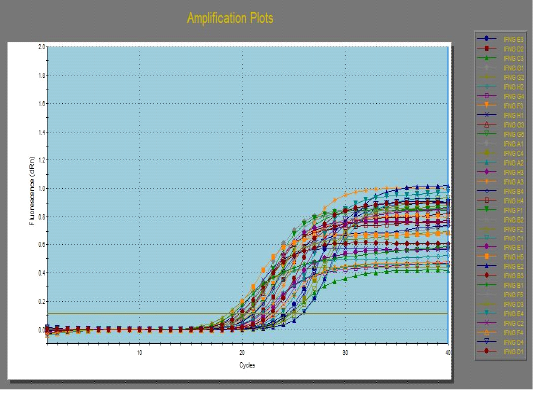
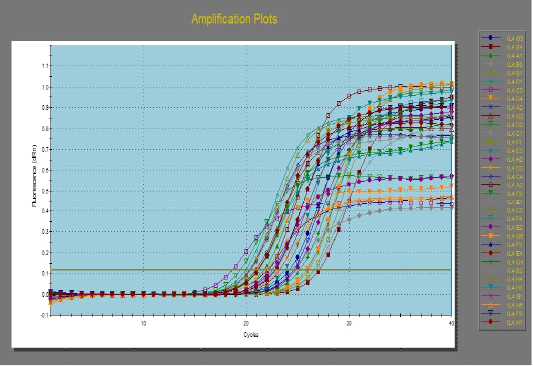
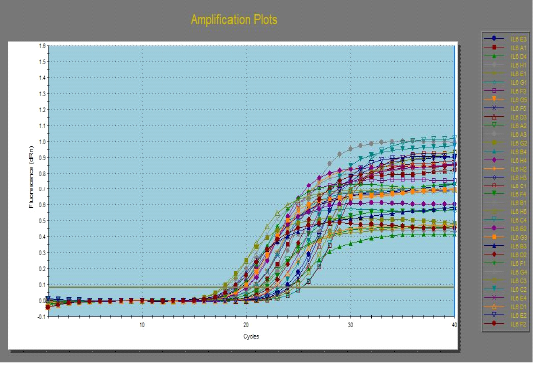
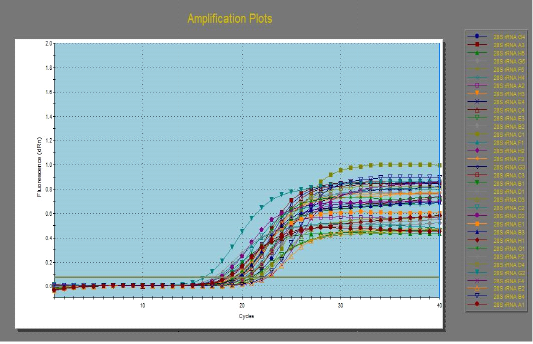
RNA extraction from spleen samples was applied according to Yuan et al. (2006) by using RNeasy Mini Kit, and the reaction was prepared by using specific primes for IL-4, IL-6, and IFNG (Table 2). Amplification curves and ct values were determined by the stratagene MX3005P software. To estimate the variation of gene expression on the RNA of the different samples, the CT of each sample was compared with that of the positive control group
Table 1: Experimental design
Groups
infection with
E. coli O78
Lector 0.5ml/L in the drinking water for 5days at age of 25 days
Probiotic 1ml/L in the drinking water for 5days at age of 25 days
Essential oil 0.5ml/L in the drinking water for 5days at age of 25 days
1.Negative control
-
-
-
-
2.Positive control
+
-
-
-
3.gp. administrated lector without challenge
-
+
-
-
4.gp. administrated probac without challenge
-
-
+
-
5.gp. administrated E. O without challenge
-
-
-
+
6.gp. administrated lector with challenge
+
+
-
-
7.gp. administrated probac with challenge
+
-
+
-
8.gp. administrated E. O. with challenge
+
-
-
+
Table 2: Primers used
Gene
Primer sequence
(5'-3')
Reference
IL6
GCTCGCCGGCTTCGA
Suzuki et al., 2009
GGTAGGTCTGAAAGGCGAACAG
(FAM) AGGAGAAATGCCTGACGAAGCTCTCCA (TAMRA)
IL4
AACATGCGTCAGCTCCTGAAT
TCTGCTAGGAACTTCTCCATTGAA
(FAM) AGCAGCACCTCCCTCAAGGCACC (TAMRA)
28SrRNA
GGCGAAGCCAGAGGAAACT
GACGACCGATTTGCACGTC
(FAM) AGGACCGCTACGGACCTCCACCA (TAMRA)
IFN-G
AAACAACCTTCCTGATGGCGT
Markowski-Grimsrud and Schat, 2003
CTGGATTCTCAAGTCGTTCATCG
(FAM) TGAAAGATATCATGGACCTGGCCAAGCTC (TAMRA)
Table 3: Zoo-technical results of the experimental groups
Group
Clinical signs
Postmortem lesions
Mortality rates
Re-isolation rates
Negative Control
None
none
none
None
Positive Control E. coli O78
Respiratory signs-off food- dullness depression- brownish diarrhea-reluctance to walk
Pericarditis-air sacculitis-
Cellulitis-
40%
80%
Gr. administrated lectin without challenge
None
None
none
None
Gr. administrated probiotic without challenge
None
None
none
None
Gr. administrated E.O without challenge
None
none
13.3%
None
Gr. administrated lectins with challenge
Brownish diarrhea-dullness-off food -un ability to walk
Cellulitis-congestion of liver and spleen -
6.6%
40%
Gr. administrated probiotic with challenge
Dullness-depression-off food- diarrhea
Turbid air sac-pericarditis
10%
40%
Gr. administrated E. O. with challenge
Reluctance to walk-brownish diarrhea-off food-rales
Ascites- cellulitis-mild pericarditis and air saculitis
13.3%
60%
Table 4: Results of the performance parameters in the experimental groups
Groups
BWT (g)
Feed intake(g)
BWT gain(g)
FCR
Negative Control
14250.33
7870.24
5500.32
1.430.22
Positive control
9650.45
4000.42
1500.43
2.670.45
Gr. administrated lectins without challenge
14800.22
7980.23
6300.24
1.260.26
Gr. administrated Probiotic without challenge
15500.33
8200.43
6870.44
1.1942
Gr. administrated E.O. without challenge
14500.35
7300.42
5700.43
1.280.34
Gr. administrated lectins with challenge
10200.33
4500.45
1650.48
2.730.34
Gr. administrated Probiotic with challenge
11700.22
5750.43
3200.34
1.80.52
Gr. administrated E.O. with challenge
9800.44
4150.45
1450.52
2.860.56
E.O.: essential oil
Table 5: Results of cytokines analysis in the experimental groups
Group ID
IL4
IL6
INFG
CT
Fold change
CT
Fold change
CT
Fold change
Negative Control
22.15
1.2
--
21.30
1.4
--
22.04
2.4
--
Positive control
25.56
2.1
0.19140.32
18.99
1.4
10.05611.3
20.18
2.4
7.38711.8
Gr. administrated lectins without challenge
20.29
2.3
8.33970.25
24.79
1.5
0.20450.33
24.88
2.5
0.32140.45
Gr. administrated Probiotic without challenge
20.71
2.2
4.80650.38
23.45
1.6
0.39980.42
23.71
3.2
0.55860.34
Gr. administrated E.O. without challenge
21.69
1.6
4.09110.34
23.12
2.2
0.84380.34
24.11
3.2
0.71080.45
Gr. administrated lectin with challenge
22.95
1.7
0.83620.22
20.18
1.5
3.16021.3
21.52
2.4
2.08781.5
Gr. administrated Probiotic with challenge
23.34
1.5
0.68110.23
19.19
1.4
6.69002.4
20.64
3.2
4.09542.4
Gr. administrated E.O. with challenge
23.99
1.6
0.42930.24
19.07
2.3
7.19002.3
20.33
2.4
5.01413.1
according to the “ΔΔCt” method stated by Yuan et al., 2006 using the following ratio: (2-ct).
Whereas ΔΔCt = ΔCtreference - ΔCttarget
ΔCt target = Ct control –Ct treatment and ΔCt reference = Ct control- Ct treatment
E: efficiency of amplification.
Re isolation of the avian pathogenic E. coli
Ten grams of solid sample from heart, and liver in 90 ml normal saline was prepared, followed by enrichment for 24 h incubation at 37°C in non-differential broth such as nutrient broth, according to Irwin et al. (2010). This technique allows E. coli to multiply before being streaked on EMB agar and biochemically identified.
Statistical analysis
The results were presented as means± SE. All given parameters were compared between the control group and the experimental groups using the one way ANOVA with fixed effects of the factors using statistica 6.0 (Start Soft INC.). Differences were considered significant at p˂0.05.
RT-PCR plots showing fold change amplification for different cytokines indices of different experimental groups using specific probe
a-Interferon gamma
b-Interleukin 4
c-Interleukin6
d-28SrRNA
Results
The clinical symptoms, mortality rates and re isolation rates
All of the administered groups had significantly reduced clinical symptoms, post mortem lesions, and reisolation rates than the challenge control group (Table 3).
The assessment of performance
performance review The average body mass of the birds across all groups was remarkably consistent. before challenge while, after the challenge, significant differences in both bodyweights and FCR were noticed (Table 4).
Avian cytokines gene expression analysis using qRT- PCR:
Lectins administrated group: There was an increase of IL-4 in lectins group fold change than other groups before challenge to 8.3397, and to 0.8362 after challenge in comparison with positive control group (0.1914). While, IL-6 and INFG fold change were linearly inhibited in IL-6 from10.0561 to 0.2045 before challenge, to 3.1602 after challenge, INFG fold change from 7.3871 to 0.3214 before challenge, and to 2.0878 (Table 4).
Probiotic administrated group: There was an increase of IL-4 in probiotic group fold change before challenge to 4.8065, and to 0.6811 after challenge in comparison to positive control group (0.1914). While, IL-6, and INFG fold change were linearly inhibited in IL-6 from10.0561 in positive control group to 0.3998 before challenge, to 6.6900 after challenge, INFG fold change from 7.3871 to 0.5586 before challenge, and to 4.0954 after challenge.
Essential oil administrated group
There was an increase of IL-4 in essential oil group fold change before challenge to 4.8065, and to 0.6811 after challenge in comparison with positive control group (0.1914). While, IL-6 and INFG fold change were linearly inhibited in IL-6, from 10.0561 in positive control group to 0.3998 before challenge, to 6.6900 after challenge, INFG fold change from 7.3871 to 0.5586 before challenge and to 4.0954 after challenge (Table 5).
Discussion
Mannose-binding lectins (MBL) are also considered a member of the PRR family. It is a soluble-type protein which can also be considered as an effector molecule. MBL binding to PAMPs on pathogen cell walls can trigger complement activation via the lectins route, which further neutralizes infections by aggregating them (denying attachment of bacteria to epithelial cells of host). MBL can also bind apoptotic cells on the phagocyte membrane via ligation (the joining of two DNA strands by a phosphate ester bond) . For organogenesis, tissue upkeep, and optimal immune system function, apoptotic cells must be eliminated. The term «acute-phase protein» refers to proteins that respond to inflammatory signals by elevating their plasma concentration by at least 25%. These proteins serve as transport proteins and have antioxidant action in addition to participating in the host’s protection and adaptation. . Mannose-binding lectin is an inherent host defense protein that has a high affinity to initiate the complement lectins pathway via a serine protease linked to the mannose-binding lectins (MASP-2) ; . wide range of protections against the physiochemical actions of pathogens are provided by the MBL structure.. Lectins were shown to affect the levels of several cytokine mRNAs. In lectins-treated splenic lymphocytes, the expression of IL-2 and IFN-g was significantly increased. This was explained in the current study, as the group administrated lectins elevated level of IL-4 gene expression to 8.3397 before challenge, and to 0.8362 after challenge in comparison to positive control group (0.1914). While, the level of INFG and IL-6 decreased from 7.3871 to 2.0878, and from 10.0561 to 3.1602 after challenge, respectively, and that was in agreement with other study done by Park et al. (2010).
To combat pathogenic organisms, various tactics have been utilized. Antibiotic-resistant organisms and diseases have grown to be a significant public health concern due to the abuse of antibiotics by people and animals, as well as environmental changes, .Probiotics are being regarded as an extra effective technique for illness prevention and treatment alongside the development of medicines and vaccinations. Probiotic bacteria have grown in popularity as a mean of enhancing both innate and adaptive immune responses ; . Antimicrobial activity is one of probiotics’ positive qualities. This is due to a variety of causes, including lower pH levels (due to lactic acid generation), and the formation of bacteriocins with bactericidal or bacteriostatic properties . The current study found that giving broilers a probiotic, helped them recover from the growth inhibition caused by E. coli infection. Probiotics’ favorable benefits on broiler growth performance are similar with findings from earlier studies utilizing probiotics in broilers ; . Immune regulatory peptides; known as cytokines; play a role in both innate and adaptive immune responses. They have a critical function in immunological system control . Th2 cells generate IL-4 in response to antigenic stimulation. Up regulation of IL-4 levels has been linked to E. coli infection , which explains the increase in the Fold Change of IL-4 from 0.1914 to 0.6811 following infection. Interferon- has been identified as a pro-inflammatory cytokine that causes immunopathology in a variety of inflammation models .
The present study showed that administration of probiotic decreases fold change of IL-6 from 10.0561 to 6.6900, and the level of fold change of INFG from 7.3871 to 4.0954, and IL-6 from 10.0561 to 6.6900, suggesting that probiotics had an anti-inflammatory effect. Finally, because of its acid and bile resistance, strong inhibitory impact against E. coli, and high adhesion ability, the in vitro investigation revealed the value and potentiality of probiotics.
Essential oils (EO) have been gaining popularity as a result of consumer preference for natural products . The antibacterial activity of EO against a variety of pathogenic bacteria, including both Gram-positive and Gram-negative bacteria, has been thoroughly investigated in vitro and is well established.; . Supplementing the ration with EO has been demonstrated to enhance humoral and cellular immunity ; . In chickens, that influence host immunity gene expression . Among the hundreds of compounds in essential oils, carvacrol has a strong antibacterial action (Bassole and Juliani, 2012). Carvacrol has been shown to block pro-inflammatory cytokines, reduce inflammatory cell recruitment, and reduce oxidative damage ; .Lipopolysaccharide-injected broiler chickens’ spleens, a prior study revealed that Carvacrol may increase IL-4 gene expression while lowering cytokines such as tumor necrosis (TNF) gene expression. . In the current study, EO elevated the level of IL-4 gene expression from 0.1914 to 0. Carvacrol may increase IL-4 gene expression while lowering cytokines such as tumor necrosis (TNF) gene expression. 4293 after challenge, and to 4.0911 before challenge, however, linearly inhibited gene expression of IL-6 from10.0561 in control positive group to 7.1900 after challenge, and to 0.8438 before challenge. Finally, the in vitro study proved the efficacy and potential of probiotics, lectins, and essential oils in the fight against E. coli. The results of the animal studies revealed that administering these immune modulatory agents alleviated the growth suppression induced by E. coli challenge, increased the growth performance, decreased E. coli reisolation rate, and improved the immunity in E. coli challenged broilers. This data suggest that probiotics, lectins, and essential oils could be employed as an alternative to antibiotics as growth promoters in broilers, especially when it comes to E. coli management.
Conclusion
Avian pathogenic E.coli is a great problem in poultry, and poultry farms as it is accused of causing respiratory, and enteric lesions, with economic losses, and difficulty to be controlled. The present study provides to some extent a safe solution to manage this problems by using lectins, probiotics, and essential oils as they have immune modulatory effects, and improve performance of the birds to overcome the E. coli infections.
Acknowledgment
The authors would like to thank the Bacteriology, Mycology and Immunology Department staff at the Faculty of Veterinary Medicine, Beni-Suef, and Cairo University for providing technical support.
Authors’ contribution
Authors’ involvement Planning the study and writing the manuscript were both responsibilities undertaken by all of the researchers. as well as approveing the final version of the article.
Conflict of interest
The authors declared that there is no conflict of interest.
Figures
Figure 1. Figure 2. Figure 3. Figure 4. Figure 5.
References
Abd El-Mawgo A, El-Nahass E, Salama AA, EL-Sawah A, Dahshan A M, Nasef S, Ali A (2020). Efficacy of live attenuated Vaccine and Commercially\Available Lectin against Avian Pathogenic E. coli Infection in Broiler Chickens. Vet. Sci. 7: 65. https://doi.org/10.3390/vetsci7020065[CrossRef]
Abdallah H M, Reuland EA, Wintermans B B, Al Naiemi N, Koek A, Abdelwahab A M, Ammar AM, Mohamed A A, Vandenbrouck e-Grauls CM (2015). Extended-spectrum beta-Lactamases and/or carbapenemases-producing enterobacteriaceae isolated from retail chicken meat in Zagazig, egypt. PLoS ONE. 10, e0136052. https://doi.org/10.1371/journal.pone.0128120[CrossRef]
Ali A, AbdEl-Mawgoud A I, Dahshan A M, El-Sawah A A , Nasef SA, Ibrahim M (2019). Virulence Gene Constellations Associated with Lethality in Avian Pathogenic E. coli Recovered from Broiler Chickens. Adv. Anim. Vet. Sci. 7: 1076–1082. https://doi.org/10.17582/journal.aavs/2019/7.12.1076.1082[CrossRef]
Awaad MH, Elmenawey M, Ahmed KA (2014). Effect of a specific combination of carvacrol, cinnamaldehyde, and Capsicum oleoresin on the growth performance, carcass quality and gut integrity of broiler chickens. Vet. World. 7:284–90. https://doi.org/10.14202/vetworld.2014.284-290[CrossRef]
BassoleI H, Juliani HR (2012). Essential oils in combination and their antimicrobial properties. Molecules. 17:3989–4006. https://doi.org/10.3390/molecules17043989[CrossRef]
Brenes A, Roura E (2010). Essential oils in poultry nutrition: Main effects and modes of action. Anim. Feed Sci. Tech. 158:1–14. https://doi.org/10.1016/j.anifeedsci.2010.03.007[CrossRef]
Coneglian JLB, Vieira SL, Berres J, Freitas DMD (2010). Responses of fast and slow growth broilers fed all vegetable diets with variable ideal protein profiles. Revist. Brasil. Zoot. 39(2):327–334. https://doi.org/10.1590/S1516-35982010000200015[CrossRef]
Du E, Li C, Guo Y (2015). Effects of essential oils on lipopolysaccharide-induced acute-phase response in broiler chickens. Poult. Sci. 94(E-Suppl 1):11
El-Shazly DA, Nasef SA, Mahmoud F F, Jonas D (2017). Expanded spectrum beta-lactamase producing Escherichia coli isolated from chickens with colibacillosis in Egypt. Poult. Sci. 96: 2375–2384. https://doi.org/10.3382/ps/pew493[CrossRef]
Gackowska L, Michalkiewicz J, Krotkiewski M, Helmin-Basa A, Kubiszewska I,Dzierzanowska D (2006). Combined effect of different lactic acid bacteria strains on the mode of cytokines pattern expression in human peripheral blood mononuclear cells. J. Physiol. Pharmacol. 57 Suppl. 9: 13–21
Gareau M, Sherman P, Walker W (2010). Probiotics and the gut microbiota in intestinal health and disease. Nat. Rev. Gastroenterol. Hepatol. 7:503–514. https://doi.org/10.1038/nrgastro.2010.117[CrossRef]
Guimaraes AG, Xavier MA, de Santana MT, Camargo EA, Santos CA, Brito FA (2012). Carvacrol attenuates mechanical hyper nociception and inflammatory response. N-S Arch Pharmacol. 385:253–63. https://doi.org/10.1007/s00210-011-0715-x[CrossRef]
He C B, Fu P, Yi X, Wei Z, Yin C, Lv W, Zhang X, Han X Cun (2014). Effectiveness of Xiang-Qi-Tang against Avian Pathogenic Escherichia coli. Pak. Vet. J. 34:127–129
Iordache F, Ionita M, Mitrea LI, Fafaneata C, Pop A (2015). Antimicrobial and antiparasitic activity of lectins.Curr. Pharm. Biotechnol. 16: 152–161. https://doi.org/10.2174/138920101602150112151907[CrossRef]
Irwin PL, Nguyen LHT, Paoli GC, Chen CY (2010). Evidence for a bimodal\distribution of Escherichia coli doubling times below a threshold initial cell concentration. BMC Microbiol.; 10(1):207. 1471-2180-10-207 https://doi.org/10.1186/1471-2180-10-207[CrossRef]
Jiang B, Wang X, Wang L, Lv X, Li D, Liu C, Feng Z (2019). Two-step isolation, purification, and characterization of lectin from zihua snap bean (Phaseolus vulgaris) seeds. Polymers (Basel). volume, 11,785. https://doi.org/10.3390/polym11050785[CrossRef]
Kim DK, Lillehoj HS, Lee SH, Jang SI, Bravo D (2010). High-throughput gene expression analysis of intestinal intraepithelial lymphocytes after oral feeding of carvacrol, cinnamaldehyde, or Capsicum oleoresin. Poult. Sci. 89:68–81. https://doi.org/10.3382/ps.2009-00275[CrossRef]
Konstantinov SR, Smidt H, de Vos WM, Bruijns SC, Singh SK, Valence F, Molle D, Lortal S, Altermann E, KlaenhammerTR, van Kooyk Y (2008). layer protein A of Lactobacillus acidophilus NCFM regulates immature dendritic cell and T cell functions. Proc. Natl. Acad. Sci. USA. 105: 19474–19479. https://doi.org/10.1073/pnas.0810305105[CrossRef]
Lee SH, Lillehoj HS, Jang SI, Lee KW, Bravo D, Lillehoj EP (2011). Effects of dietary supplementation with phytonutrients on vaccine-stimulated immunity against infection with Eimeria tenella. Vet. Parasitol. 181:97–105/ https://doi.org/10.1016/j.vetpar.2011.05.003[CrossRef]
Liu F, Li G, Wen K, Bui T, Cao D, Zhang Y, Yuan L (2010). Porcine small intestinal epithelial cell line (IPEC-J2) of rotavirus infection as a new model for the study of innate immune responses to rotaviruses and probiotics. Viral Immunol. 23: 135–149. https://doi.org/10.1089/vim.2009.0088[CrossRef]
Markowski-Grimsrud CJ, Schat KA (2003). Infection with chicken anaemia virus impairs the generation of pathogen-specific cytotoxic T lymphocytes. Immunology. 109(2):283-94. https://doi.org/10.1046/j.1365-2567.2003.01643.x[CrossRef]
Nagano T, Kitahara R, Nagai S (2012). An attenuated mutant of avian pathogenic Escherichia coli serovar O78:A possible live vaccine strain for prevention of avian colibacillosis. Microbiol. Immunol. 56: 605–612. https://doi.org/10.1111/j.1348-0421.2012.00482.x[CrossRef]
Nielsen OL, Jensenius J C, Jørgensen PH, Laursen SB (1999). Serum levels of chicken mannan-binding lectin (MBL) during virus infections; indication that chicken MBL is an acute phase reactant. Vet. Immunol. Immunopathol. 70: 309-316. https://doi.org/10.1016/S0165-2427(99)00090-2[CrossRef]
Norup L, Dalgaard T, Friggens N, Sørensen P, Juul-Madsen H (2009). Influence of chicken serum mannose-binding lectin levels on the immune response towards Escherichia coli. Poult. Sci. 88: 543-553. https://doi.org/10.3382/ps.2008-00431[CrossRef]
Ouwehand AC, Tiihonen K, Kettunen H, Peuranen S, Schulze H, Rautonen N. (2010). In vitro effects of essential oils on potential pathogens and beneficial members of the normal microbiota. Vet. Med-Czech. 55:71–8 https://doi.org/10.17221/152/2009-VETMED[CrossRef]
Parente E, Ricciardi A (1999). Production, recovery and purification of bacteriocins from lactic acid bacteria. Appl. Microbiol.Biot. 52:628–638. https://doi.org/10.1007/s002530051570[CrossRef]
Park H J, Hong J H, Kwon H J, Kim Y, Lee K H, Kim J B (2010). TLR4-mediated activation of mouse macrophages by Korean mistletoe lectin-C (KML-C). Biochem. Biophys. Res. Commun. 396: 721–725. https://doi.org/10.1016/j.bbrc.2010.04.169[CrossRef]
Projahn M, Pacholewicz E, Becker E, Correia-Carreira, G, Bandick N, Kaesbohrer A (2018). Reviewing interventions against enterobacteriaceae in broiler Processing: Using old techniques for meeting the new challenges of ESBL E. coli? Biomed. Res. Int. 7309346. https://doi.org/10.1155/2018/7309346[CrossRef]
Rawiwet V, Chansiripornchai N (2009). The efficacy of Escherichia coli aroa-live vaccine in broilers against avian E. coli serotype O78 infection. Thai J. Vet. Med. 39: 337–342.
Riella KR, Marinho RR, Santos JS, Pereira-Filho RN, bCardoso, JC, AlbuquerqueJunior RL (2012). Anti-inflammatory and cicatrizing activities of thymol, amonoterpene of the essential oil from Lippia gracilis, in rodents. JEthnopharmacol. 143:656–63. https://doi.org/10.1016/j.jep.2012.07.028[CrossRef]
She Q, Ng T, Liu W (1998). A novel lectin with potent immunomodulatory activity isolated from both fruiting bodies and cultured mycelia of the edible mushroom Volvariella volvacea. Biochem. Biophys. Res. Commun. 247; 106–111. https://doi.org/10.1006/bbrc.1998.8744[CrossRef]
Suzuki K, Okada H, Itoh T, Tada T, Mase M, Nakamura K, Kubo M, Tsukamoto K (2009). Association of increased pathogenicity of asian H5N1 highly pathogenic avian influenza viruses in chickens with highly efficient viral replication accompanied by early destruction of innate immune responses. J. Virol. p. 7475–7486. https://doi.org/10.1128/JVI.01434-08[CrossRef]
Takahashi K (2011). Mannose-binding lectin and the balance between immune protection and complication. Expert Rev. Antiinfect. Ther. 9; 1179-1190. https://doi.org/10.1586/eri.11.136[CrossRef]
Tayal V, Kalra B S (2008). Cytokines and anti-cytokines astherapeutics-An update. Eur. J. Pharmacol. 579:1–12.
Ulrich-Lynge SL, Dalgaard TS, Norup LR, Song X, Sørensen P, Juul-Madsen HR (2015). Chicken mannose-binding lectin function in relation to antibacterial activity towards Salmonella enterica. Immunobiology. 220: 555-563. https://doi.org/10.1016/j.imbio.2014.12.007[CrossRef]
Upadhyaya I, Upadhyay A, Kollanoor-Johny A, Darre MJ, Venkitanarayanan K. (2013). Effect of plant derived antimicrobials on Salmonella Enteritidis adhesion to and invasion of primary chicken oviduct epithelial cells in vitro andvirulence gene expression. Int. J. Mol. Sci. 14:10608–25. https://doi.org/10.3390/ijms140510608[CrossRef]
van Holten J K, Reedquist P, Sattonet-Roche T J, Smeets C ,Plater-Zyberk M J, Vervoordeldonk Tak PP (2004). Treatment with recombinant interferon-beta reduces inflammation and slows cartilage destruction in the collagen-induced arthritis model of rheumatoid arthritis. Arthritis Res. Ther. 6:R239–R249. https://doi.org/10.1186/ar1165[CrossRef]
Wade B, Key burn A (2015). The true cost of necrotic enteritis. World Poult. 2015;31:16–7.
Wang J, Tang P, Tan D, Wang L, Zhang S, Qiu Y, Dong R, Liu W, Huang J, Chen T (2015). The Pathogenicity of Chicken Pathogenic Escherichia coli is Associated with the Numbers and Combination Patterns of Virulence-Associated Genes. Open J. Vet. Med. 05: 243–254. https://doi.org/10.4236/ojvm.2015.512033[CrossRef]
Wang S, Peng Q , Jia H M, Zeng XF, Zhu JL, Hou CL, Liu X F, Yang J, Qiao SY (2017). Prevention of Escherichia coli infection in broiler chickens with Lactobacillus plantarum B1. Poult. Sci. https://doi.org/10.3382/ps/pex061[CrossRef]
Zeuthen LH, Christensen HR, Frøkiaer H (2006). Lactic acid bacteria inducing a weakinterleukin-12 and tumor necrosis factor alpha response in human dendritic cells inhibit strongly stimulating lactic acid bacteria but act synergistically with gram-negative bacteria. Clin. Vacc. Immunol. 13: 365–375. https://doi.org/10.1128/CVI.13.3.365-375.2006[CrossRef]
Zhang F, Zeng X, Yang F, Huang, Z, Liu H, Ma X, Qiao ,S . (2013). Dietary N-carbamylglutamate supplementation boosts intestinal mucosal immunity in Escherichia coli challenged piglets. PLOS ONE. 8: e662806 https://doi.org/10.1371/journal.pone.0066280[CrossRef]
Zhang, W., Van Eijk, M., Guo, H., Van Dijk, A., Bleijerveld, O.B., Verheije, M.H., Wang, G., Haagsman, H.P., Veldhuizen, E.J (2017). Expression and characterization of recombinant chicken mannose binding lectin. Immunobiology . 222, 518-528. https://doi.org/10.1016/j.imbio.2016.10.019[CrossRef]
Zulkifli I, Abdullah N. M. Azrin M, Y. W. Ho MY (2000). Growth performance and immune response of two commercial broilerstrains fed diets containing Lactobacillus cultures and oxytetracycline under heat stress conditions. Brit. Poult. Sci. 41:593–597. https://doi.org/10.1080/713654979[CrossRef]
Cytokines and Performance Analysis of Broiler Chickens Challenged with Avian Pathogenic E.coli After Administration of Various Immune modulatory Agents · ResearchersLinks