Special Issue: Emerging and Re-Emerging Animal Health Challenges in Low and Middle-Income Countries · Volume 13, Issue 1, 7 January 2026 · Open Access
Clinical Evaluation of Syzygium aroÂmaticum and Cinnamomum zeylanicum Gels as an Alternative to Antimicrobial Therapy in Ewes Mastitis
· ·
Affiliations & Notes ⌄
1Department of Physiology, Biochemistry and Pharmacology, College of Veterinary Medicine, University of Baghdad, Baghdad, Iraq
2Department of Microbiology, College of Veterinary Medicine, University of Baghdad, Baghdad, Iraq. *Correspondence | Orooba M.S. Ibrahim, Department of Physiology, Biochemistry and Pharmacology, College of Veterinary Medicine, University of Baghdad, Baghdad, Iraq
Ewes’ mastitis has a very significant global impact because of the decreased yield and low milk quality.
The dairy industry suffers significant financial losses due to ewe’s mastitis, a severe illness that can be safely treated and prevented.
One of the most global concerns facing the food and veterinary industries is the presence of antimicrobial residues in milk, as it can disrupt the manufacture of dairy products and lead to the development of resistance.
Further in vivo research on the withdrawal duration of essential oil-based pharmaceutical formulations in the treatment of bovine mastitis is necessary to determine the efficacy of EOs since the costs associated with rejecting milk due to the withdrawal phase may exceed the costs of the therapy.
Selected from the article's own text.
Abstract
Mastitis is a common infectious disease as well as an economically significant disease that affect dairy ewes worldwide. This inflammatory disease leading to reduced milk quality and production, increased veterinary costs, and potential animal welfare concerns. The aim of this study is to investigate the therapeutic efficacy of topical Syzygium arozmaticum and Cinnamomum zeylanicum gel in treatment of mastitis in ewes. Biochemical identification of bacteria was done to confirm it. The well diffusion method was done by measuring the zone of inhibition of each one, clove gel showed the largest zone compared with cinnamon gel 15mm, 10 mm respectively. Nine ewes were divided to three groups 3 ewes in each one. They were milked-out from the udder of each group before inducing the infection. Group B and C were infused intra-mammary with 1 ml (7x10² CFU/ml) of Staphylococcus auras suspension while the group A was served as a control. After the appearance of clinical signs, group B and group C were treated respectively with S. aromaticum gel and C. zeylanicum gel applied gently to the udder for five days. Milk of both halves were sampled twice daily for period during the treatment, for bacterial colonies, Somatic cell count, and milk fat content during the experimental infection and treatment. The primary clinical signs of mastitis that appeared after 48 hours of intra-mammary infusions. After treatment bacterial investigation on the 5th day revealed 80% and 60% cure rate in S. aromaticum and C. zeylanicum gel treated groups respectively. SCC in S. arozmaticum gel treated group was reduced significantly to 35x103cell/ml than C. zeylanicum 48x103cell/ml, with no significant increase in milk fat percentage. The therapeutic efficacy of S. aromaticum is more than C. zeylanicum gel in reducing the SCC and bacterial count in milk.
Mastitis, a prevalent and economically significant condition in livestock, refers to inflammation of the mammary glands. This condition predominantly affects dairy animals, including cows, goats, and sheep, impacting milk production and the overall health of the herd ; . The main source of mastitis in animals is bacterial- infection, mostly assisted by environmental influences and reduced milking practices. Bacteria, such as Staphylococcus aureus, Pseudomonas aeruginosa and Streptococcus species, can invade the udder through the teat duct, which result in inflammation and a range of symptoms ; ; . Mastitis establishes with swelling, warmth, localized breast pain, and redness, mainly accompanied by the formation of hardened or lumpy areas within the affected breast. Modifications in breast milk consistency, flu-like symptoms, including fatigue, body aches, and the occurrence of a fever and chills are considered as a common indicator. Furthermore, some animals may experience general discomfort, nipple discharge, and a decrease in milk yield. While signs can differ, mastitis typically affects one breast in breast-feeding women, they develop quickly. Seeking prompt medical attention is vital for an exact diagnosis and appropriate treatment, as early intervention mitigates the risk of complications and facilitates a quicker recovery ; . The treatment of mastitis with antibiotics is a standard and effective approach, especially when the condition is caused by bacterial infection. Commonly prescribed antibiotics for mastitis include dicloxacillin, cephalexin, or amoxicillin, chosen based on the specific bacteria involved and their susceptibility to the medication, Antibiotics work by targeting and eliminating the causative bacteria, reducing inflammation, and facilitating the resolution of mastitis ; ; . Furthermore, to antibiotics, relieving of pain by using over-the counter medicines, warm pads, preserving a regular breast-feeding to guarantee appropriate milk drainage which is considered as an important part of treatment. Suitable rest, keep hydration, and nutritional care participate in overall healing process. Clove oil and cinnamon oil, extracted from their plants are identified for their potential antimicrobial, anti-inflammatory, and analgesic properties. Clove oil contains eugenol, a composite with anti-inflammatory and antimicrobial properties . Whereas cinnamon oil contains a good amount of cinnamaldehyde, which also holds an antimicrobial effect. In the context of mastitis, these oils are occasionally considered for their potential to fight bacterial infections and decrease inflammation in the affected breast tissue . Also, some studies revealed the rapid diagnosis of microorganisms such as viruses or bacteria using modern techniques such as Polymerase Chain Reaction (PCR) has revolutionized for understanding of bacterial or viral infections and their impacts on health , 2020; ; ; . By accurately identifying viral or other microorganism’s pathogens, researchers can better tailor treatments, including the use of medicinal plants known for their antibacterial or antiviral properties ; . This connection between advanced diagnostic methods and herbal therapies not only enhances the effectiveness of treatments but also promotes a holistic approach to managing viral or bacterial infections or modulate the immune system and offering a synergistic strategy to improve long-suffering outcomes. This study aimed to determine if the topical gels containing Syzygium arozmaticum and Cinnamomum zeylanicum are effective in treating of mastitis in ewes.
Materials and Methods
Microorganism
The Staphylococcus aureus strain LOC-M2020 obtained from Physiology, Biochemistry and pharmacology Department College of Veterinary Medicine, University of Baghdad.
Re-identification of Staphylococcus aureus
The bacteria were inoculated on nutrient agar plate using a sterile technique. The plate was incubated aerobically at 37°C for 24 hours.
Biochemical tests
Catalase test was prepared by transferring a small portion of bacterial colony on a clean glass slide, then a drop of 3% of hydrogen peroxide (H2O2) was added to investigate the presence of bacteria. While, coagulase test was done by placing a drop of normal saline on a glass slide, and a colony was emulsified in it, then a drop of plasma was added to investigate the presence of bacteria.
Plants collection
Fifty grams of dried (Syzygium aromaticum) (clove buds) and (Cinnamon zeylanicum) (barks) were bought from local market in Baghdad during October 2023.
Clove and cinnamon barks extraction
By using a grinder, the dried clove buds and cinnamon barks samples were ground. The Soxhlet apparatus was filled up with 50 grams from each sample separately. Ethanol 90% was put in a rounded flask with the steaming chip granules. At 70-80 ℃, the extraction procedure went on for seven to eight hours. The mixture was then filtered, and the crude extract was obtained by evaporating the solvent using a rotary vacuum evaporator. The extract was weighed and stored for further test .
Phytochemical analysis
Through color reactions with different reagents, the test was able to detect the biochemical components present in distinct plant extracts of S. aromaticum and C. zeylanicum. Using a standard approach, flavonoids, phenolic, alkaloids, steroids, saponins, glycosides, tannins, diterpine, carbs, and protein were measured from each plant .
Preparation of gel
According to Osanloo et al. (2022), gel formulation is made using the physiologically and pharmaceutically inert and non-sensitizing Carbapol polymer, which is used as a stabilizer and suspender for many pharmaceutical products. A magnetic stirrer set to 700 rpm and 30°C for 30 to 60 minutes was used to continuously stir 1.0 gram of carbopol powder in 80 ml of deionized water to create carbopol 1%. A deionized water was then added to bring the volume up to 100 milliliters. A few drops of triethanolamine (TEA) were added to bring the pH to approximately 7. To prepare a carbapol gel containing plant extract at concentration of 0.05%, the amount of S.aromaticum and C. zeylanicum extract needed were 50 mg, respectively which were added to 100 gram of carbapol gel to obtain the final desired concentration.
Pharmacodynamics analysis
Assessment of antibacterial activity
The agar well diffusion technique was done for evaluation the antibacterial action of the plant extract, five ml of standardized bacterial stock suspensions (1.5×10⁸ cfu/ml) of Staphylococcus aureus was add to 200 ml of sterile Mueller Hinton agar. Twenty-five ml of the agar was dispersed into Petri dishes, after solidification, making 4 wells (six mm) in diameter were made, after that wells were loaded with 0.1 ml of each extract concentration (100, 200, 300, 400, and 500) mg/ml. The plates were then put in the incubator in upright position at 37 Co for 24 hours. Three plates were made for each extract concentration and the strength of these extracts was dictated by measuring the inhibition zone diameter around every well against the tested bacteria. Standard error and mean were calculated .
Induction of experimental mastitis
Nine ewes in the middle of their first lactation were randomly divided into three groups. An overnight inoculated trypticase soy agar with S. aureus strain LOCM2020 was utilized to prepare 7×10² cfu/ml bacterial suspensions in phosphate buffer saline; Six ewes were served as a model for experimental mastitis. After the appearance of clinical signs, and California Mastitis test of both mastitis and control milk.
Treatment protocol
Clinical mastitis detected and spread among three groups, each group containing three animals: Group A: consider as a control group which was not given any treatment. Group B: Treated with application of gel containing clove extract 0.05%. Group C: Treated with application of gel containing cinnamon extract 0.05%. Both formulations were applied gently to the ewe’s udders two times a day for five consecutive days after every milking.
Parameters
Clinical sing, milk samples were gathered before infection, after infection, and after treatment for California Mastitis Test (CMT), Somatic cell count, milk yield, milk fat content % and microbiological investigation .
Results
Bacterial identification
Culture isolation
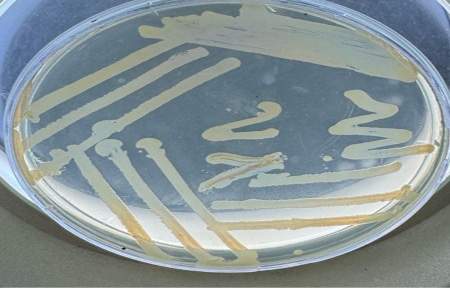
The cultured colonies exhibited a smooth, opaque and golden-yellow pigmentation on nutrient agar (Figure 1).
Catalase and coagulase tests
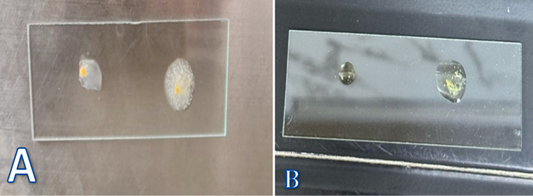
The result revealed the appearance of immediate bubbles which indicate a positive result of catalase. A slide method test showed the appearance of clumping within 10 seconds which indicate the positive result of coagulase test which confirming the presence of Staphylococcus aureus (Figures 2, 3).
Extraction of plant
Extraction of clove bud and cinnamon barks with 90% ethanol gave a pale yellow and deep brown color, respectively with yield percentage of 25 % and 32%, respectively.
Phytochemical analysis
Active components detection of clove bud and cinnamon barks extract in 90% ethanol were recorded in Table 1. The extract screening revealed the presence of the different chemicals; alkaloids, phenol, saponins, flavonoids, tannins and glycosides, steroids.
Table 1: Phytochemical analysis of plant extract.
Phytochemical
Clove bud
Cinnamon barks
Flavonoids
+++
++
Phenolic
+++
++
Alkaloids
+
+++
Steroids
+
+
Saponins
+
+
Glycosides
+
+
Tannins
+
+
Carbohydrates
-
+
Protein
+
-
+ = positive , ++ = good presence, +++= strong presence, – = not detected
Sensitivity test
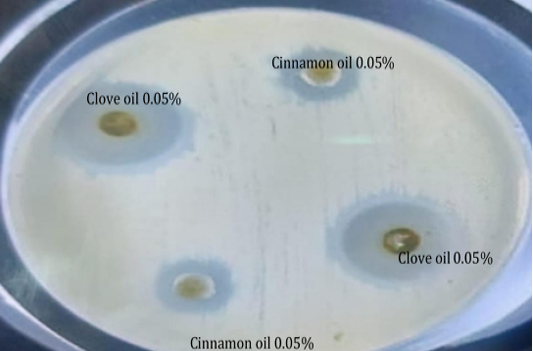
Using different concentrations of the plant extract in agar well diffusion methods, resulting in different sizes of inhibition zone against staphylococcus aureus. The size of inhibition zones was different according to concentration of the plant extracts. Results indicated that S. aureus were more sensitive significantly (P<0.05) to S. aromaticum extract than C. zeylanicum in a concentration dependent Figure 3.
Induction of mastitis
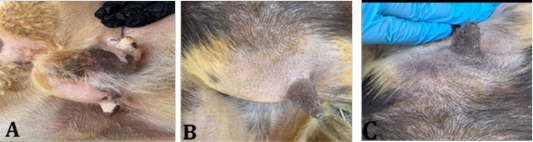
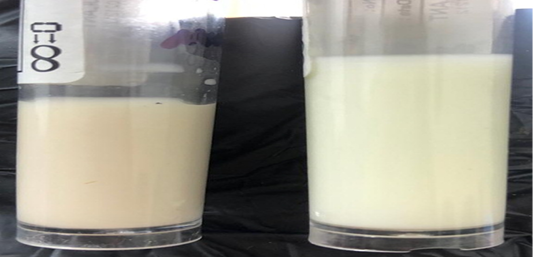
The progression of experimental induction of mastitis was illustrated in the (Tables 2 and 3). The primary clinical signs of mastitis that appeared after 48 hours of intra-mammary infusions of ≈ 7 x 10² CFU/ml of S. aureus in ewes were hard udder by palpation, pain during milking of the infused half and localized warmth of the infused udder in comparison to the control udder, after 48 hours later, body temperature raised by 0.1-1.5 ºC in comparison to control (38.5 ºC), restricted movement, congested mucous membranes, engorgement of capillary blood vessels and watery milk appearance (Figures 4A, 5 and 6).
Table 2: Clinical singe of mastitis by S. aureus in ewes.
No. infused CFU of bacteria
7 x 10² CFU/ml (two infusions during 24 hrs)
Prevalence of Infection
90%
Lag time of infection
72 hours
Primary clinical signs
Hard udder by palpation
localized temperature
pain during milking
Progressed clinical signs
Rectal temperature 40 – 41 ºC.
Engorged blood capillary vessels.
Congested mucous membranes.
Restricted movement.
Watery milk appearance.
Table 3: Somatic cell count, milk yield and milk fat content % before and after treatment.
Groups
SCC
Milk yield ml/day
Milk fat content %
Before treatment
After treatment
Before treatment
After treatment
Before treatment
After treatment
Group A
6.5x10⁴
7.4x10⁴
228±17
216±11
8.17±0.21
8.25±0.19
Group B
6.8x10⁴
3.5x10⁴
312± 15
542± 12
8.65±0.15
8.87±0.41
Group C
7.2.x 104
4.8.x 104
298±13
470±18
8.42±0.20
8.53±0.25
Table 4: Shedding of Staph. aureus (CFU/ml) in milk during and after gel application.
Time day
Control infected untreated
Treated with clove gel
Treated with Cinnamon gel
0
72x 103
87x 103
82x 103
1
84x 103
54x 102
61x 102
2
69x 103
33x 102
42x 102
3
75x 103
12x 102
15x 102
4
64x 103
N.D
N.D
5
81x 103
N.D
N.D
ND: Not detected.
Table 4 showed the result of microbial plate counting of S. aureus colonies the bacterial count a remarkable decline (P ≤ 0.05) in the number of colonies after gel containing extract application of the 2nd day; this drop had been remained throughout the 2nd day of treatment in comparison to control group, while at the 4th day the plates that streaked with treated milk showed no bacterial growth in comparison to control group; that absence remained along the time of bacterial growth tracking with significant observed udder health restoration after complementary therapy and post-care after therapy (Figure 4B, C).
Discussion
The main problem related to mastitis incidence persists despite the fact that various control strategies for the disease have been in place for a long time. Although the primary treatment strategy still involves the use of antibiotics, the increasing usage of herbal therapies can be attributed to their limited effectiveness . In vitro research has indicated promise for the use of plant medications in the management of ewe mastitis ; ; ; ; . Furthermore, there is paucity of research that examine the effectiveness of natural formulations in vivo for treating mastitis in ewes ; . Additionally, only a small number of them concentrated on using plant products to treat mastitis in ewes ; ; . The goal of this study was to create a pharmacological formulation in the form of gel that could be applied to the affected udder. The suggested gel’s antibacterial capability and phytochemical composition were previously examined in vitro as plant gel components are usually acknowledged to be harmless , b; ; . The development of pharmacological formulations has been aided by the encouraging findings of these investigations . This study revealed that clove buds and cinnamon barks extract contain several active phytochemical components like flavonoids, phenol, alkaloid, steroid, saponin, glycoside, and tannin. These ingredients working alone or in combination may cause a broad-spectrum antimicrobial activity against both bacteria and fungi. Clove oils produce antibacterial activity against S. aureus, at different dilutions of the extracts, these outcomes agree with the result of other workers ; ; who revealed the presence of these phytochemicals using different solvent extraction. Numerous studies testified the presence of bioactive phytochemicals like alkaloids; carbohydrates, phenolics, proteins, tannins, glycosides, saponins and fibers in this plant are responsible for their antimicrobial potential . Mastitis caused by staphylococcus aureus affected by the action of clove oil which may attributed to the lipophilic nature of clove oil that facilitates its interaction with the phospholipid in the membrane of bacteria, thereby increased the permeability and cause damage to the membrane . Cinnamon oil contains a good amount of phenolics which has ability to cross through the lipid layers of bacterial cell membrane and interact with proteins to stop them from doing their functions normally, the modification in the permeability of membrane and the loss of functional proteins transporting molecules and ions imbalance the microbial cell. This consequently head to denaturation of several enzymes and proteins, cytoplasmic coagulation, and the loss of ions and metabolites . The combination of extracts from Syzygium aromaticum, Cinnamomum bark displayed significant antibiofilm and antibacterial activities against clinical isolates and a reduction in the virulence factors ; . The purpose of high reliance on medicinal herbs might be due to high cost of traditional drugs, poorsocioeconomic conditions of the farmer and their inaccessibility to the modern veterinary practices that are usually in city areas and fewer resources for treating large population of animals . The experimental induction of Staphylococcus aureus intramammary was induced by dipping teat with newly grown suspension of bacteria in the middle of their first lactation. Although variation in the challenging procedures and physical status of studied animals and these outcomes is complying with who conveyed that intra-mammary infusion of Staphylococcus aureus caused recognized intra-mammary infection in eighteen of the nineteen infused quarters with increasing in the somatic cell count. The existence of inflammatory alterations in mammary gland can be determined by increasing in somatic cell count, which might lead to changes in the constituents of milk such as fat, protein and lactose, etc. and reduction in milk yield ; . The reduction in milk yield was seen when somatic cell count raised and these results were in accordance with prior research ; Neamah et al., 2020). Though, it was found that the milk fat rate was raised. In this study, the use of alternative therapy such as clove oil and cinnamon oil to treat mastitis and avoid antibiotic resistant because the consistent use of antibiotics, sometimes misused or overused, builds a selective pressure on both pathogenic bacteria and commensal bacteria, such as gut or skin microbiota, that can result in the prevalence of antibiotic-resistant bacteria, and the spread of resistant bacteria or genes ;. These plant extract oils have an antibacterial effect by causing a leakage of cellular components and loss of ions due to the increased membrane permeability, disruption of protein pumps, and the depletion of ATP leading to cell lysis and death ; ; Mahbula et al., 2022). In a study comparing the effects of clove, oregano, and a control group that did not receive any treatment, it was discovered that cattle fed these essential oils during the treatment period produced 4.3% more milk than the non-supplemented cows. They also showed improved feed efficiency, increased milk production, increased milk protein, and decreased counts of somatic and bacterial cells ; . As dairy sheep were fed a mixture of EOs, their milk output increased and their somatic cell count significantly decreased as compared to the infected group .
Conclusions
Ewes’ mastitis has a very significant global impact because of the decreased yield and low milk quality. The dairy industry suffers significant financial losses due to ewe’s mastitis, a severe illness that can be safely treated and prevented. Plant-derived EOs and certain of their constituents hold a great deal of promise in this regard. One of the most global concerns facing the food and veterinary industries is the presence of antimicrobial residues in milk, as it can disrupt the manufacture of dairy products and lead to the development of resistance. Further in vivo research on the withdrawal duration of essential oil-based pharmaceutical formulations in the treatment of bovine mastitis is necessary to determine the efficacy of EOs since the costs associated with rejecting milk due to the withdrawal phase may exceed the costs of the therapy.
Acknowledgments
The authors are grateful to thank the College of Veterinary Medicine- University of Baghdad, Baghdad, Iraq.
Novelty Statement
This study provides the first comparative evaluation of Syzygium aromaticum and Cinnamomum zeylanicum gels as alternative topical therapies for mastitis in ewes in Iraq, demonstrating the superior efficacy of S. aromaticum in reducing bacterial load and somatic cell count without affecting milk quality.
Author’s Contribution
RSJ and OMSI: Designed the experiment. RSJ and BMA: Interpreted the data and drafted the manuscript. BMA and RSJ: Carried out the experiment, investigation, and resources, OMSI, BMA, RSJ. RSJ, and OMSIK: Performed the statistical analysis and edited the manuscript. All authors have read and agreed to the published version of the manuscript.
Ethical approval
All procedures in this study followed the guidelines of local Ethics Committee at the College of Veterinary Medicine, University of Baghdad and approved under no. P.G./1210 on 24 June 2024.
Generative AI and AI-assisted technology statement
We did not use AI technology for the current research, except Grammarly for Grammar and spell check.
Conflict of interest
The authors have declared no conflict of interest.
Figures
Figure 1:.
The appearance of Staphylococcus aureus on nutrient agar.
Figure 2:.
(A) Positive catalase test showing immediate bubble formation and (B) positive slide coagulase test showing visible clumping within 10 seconds, confirming the presence of Staphylococcus aureus.
Figure 3:.
A zone of inhibition of clove oil and cinnamon extract against S. aureus.
Figure 4:.
(A) Clinical singe of Mastitis by S. aureus in ewes, (B) treated ewes with cinnamon gel 0.05% (C) treated ewes with clove gel 0.05%.
Figure 5:.
California mastitis test.
Figure 6:.
Grayish watery appearance
References
Abd El-Aziz NK, Ammar AM, El-Naenaeey ESY, El Damaty HM, Elazazy AA, Hefny AA, Shaker A, Eldesoukey IE (2021). Antimicrobial and antibiofilm potentials of cinnamon oil and silver nanoparticles against Streptococcus agalactiae isolated from bovine mastitis: New avenues for countering resistance. BMC Vet. Res., 17(1): 136. https://doi.org/10.1186/s12917-021-02842-9[CrossRef]
Adarsh A, Chettiyar B, Kanthesh B, Raghu N (2020). Phytochemical screening and antimicrobial activity of “Cinnamon zeylanicum”. Int. J. Pharma. Res. Innov., 13: 22–33.
Agharid A, Al-Rasheed S, Ahmed K (2022). Immunopathological responses to the bovine mastitis associated with Staphylococcus species infection. Iraqi J. Vet. Med., 46(2): 7–11. https://doi.org/10.30539/ijvm.v46i2.1398[CrossRef]
Ahmed ZA, Yousif AA (2021). Molecular and phylogenetic analysis of methicillin-resistant Staphylococcus aureus isolated from subclinical mastitis in lactating ewes. Iraqi J. Vet. Sci., 35: 121–126. https://doi.org/10.33899/ijvs.2021.131854.2013[CrossRef]
Al-Dujaily AH, Mahmood AK (2021). The effectiveness of biogenic silver nanoparticles in the treatment of caprine mastitis induced by Staphylococcus aureus. Iraqi J. Vet. Sci., 35: 73–78. https://doi.org/10.33899/ijvs.2021.131415.1946[CrossRef]
Alekish MO, Ismail ZB, Awawdeh MS, Shatnawi S (2017). Effects of intramammary infusion of sage (Salvia officinalis) essential oil on milk somatic cell count, milk composition parameters and selected hematology and serum biochemical parameters in Awassi sheep with subclinical mastitis. Vet. World, 10: 895–900. https://doi.org/10.14202/vetworld.2017.895-900[CrossRef]
Allmjeed DIA, Jumaa RS, Ibrahim OM (2024). Isolation and PCR-based detection of parvovirus in dogs. Open Vet. J., 14(12): 3213–3213. https://doi.org/10.5455/OVJ.2024.v14.i12.6[CrossRef]
Al-Suwaiegh SB, Morshedy SA, Mansour AT, Ahmed MH, Zahran SM, Alnemr TM, Sallam SM (2020). Effect of an essential oil blend on dairy cow performance during treatment and post-treatment periods. Sustainability, 12(21): 9123. https://doi.org/10.3390/su12219123[CrossRef]
Bansal BK, Hamann J, Grabowski NT, Singh KB (2005). Variation in the composition of selected milk fraction samples from healthy and mastitic quarters, and its significance for mastitis diagnosis. J. Dairy Sci., 72: 144–152. https://doi.org/10.1017/S0022029905000798[CrossRef]
Baskaran SA, Kazmer GW, Hinckley L, Andrew SM, Venkitanarayanan K (2009). Antibacterial effect of plant-derived antimicrobials on major bacterial mastitis pathogens in vitro. J. Dairy Sci., 92: 1423–1429. https://doi.org/10.3168/jds.2008-1384[CrossRef]
Boakes E, Woods A, Johnson N, Kadoglou N (2018). Breast infection: A review of diagnosis and management practices. Eur. J. Breast Health, 14(3): 136–143.
Budri PE, Silva NC, Bonsaglia EC, Júnior AF, Júnior JA, Doyama JT, Gonçalves JL, Santos MVD, Fitzgerald-Hughes D, Rall VL (2015). Effect of essential oils of Syzygium aromaticum and Cinnamomum zeylanicum and their major components on biofilm production in Staphylococcus aureus strains isolated from milk of cows with mastitis. J. Dairy Sci., 98(9): 5899–5904. https://doi.org/10.3168/jds.2015-9442[CrossRef]
Caneschi A, Bardhi A, Barbarossa A, Zaghini A (2023). The use of antibiotics and antimicrobial resistance in veterinary medicine, a complex phenomenon: A narrative review. Antibiotics, 12(3): 487. https://doi.org/10.3390/antibiotics12030487[CrossRef]
Cheng WN, Han SG (2020). Bovine mastitis: Risk factors, therapeutic strategies, and alternative treatments. A review. Asian-Austral. J. Anim. Sci., 33(11): 1699–1713. https://doi.org/10.5713/ajas.20.0156[CrossRef]
Choi JY, Damte D, Lee SJ, Kim JC, Park SC (2012). Antimicrobial activity of lemongrass and oregano essential oil against standard antibiotic resistant Staphylococcus aureus and field isolates from chronic mastitis cow. Int. J. Phytomed., 4(2): 134–141.
Enger BD, Crutchfield CE, Yohe TT, Enger KM, Nickerson SC, Parsons, CL, Akers RM (2018). Staphylococcus aureus intramammary challenge in non-lactating mammary glands stimulated to rapidly grow and develop with estradiol and progesterone. Vet. Res., 49(1): 47. https://doi.org/10.1186/s13567-018-0542-x[CrossRef]
Fratini F, Casella S, Leonardi M, Pisseri F, Ebani VV, Pistelli L, Pistelli L (2014). Antibacterial activity of essential oils, their blends and mixtures of their main constituents against some strains supporting livestock mastitis. Fitoterapia, 96: 1–7. https://doi.org/10.1016/j.fitote.2014.04.003[CrossRef]
Giannenas I, Skoufos J, Giannakopoulos C, Wiemann M, Gortzi O, Lalas S, Kyriazakis I (2011). Effects of essential oils on milk production, milk composition, and rumen microbiota in Chios dairy ewes. J. Dairy Sci., 94(11): 5569–5577. https://doi.org/10.3168/jds.2010-4096[CrossRef]
Hase P, Digraskar S, Ravikanth K, Dandale M, Maini S (2011). Management of subclinical mastitis with mastilep gel and herbal spray (AV/AMS/15). Pharma. Pharmacol. Int. J., 4(2): 64–67.
Ibrahim OM. Ali BM (2023). Antifungal potency of clove (Syzygium aromaticum) essential oil extract against induced systemic infection by Candida albicans in mice. Kufa J. Vet. Med. Sci., 14(1): 17–26. https://doi.org/10.36326/kjvs/2023/v14i111158[CrossRef]
Jain G, Argal A (2014). Pharmacognostic and phytochemical investigation of young leaves of Triticum aestivum Linn. Int. Curr. Pharma. J., 3(6): 280–285. https://doi.org/10.3329/icpj.v3i6.18760[CrossRef]
Jassim MS, Al-Hadithy HA (2014). Evaluation of some biochemical parameters in clinically normal lactating and ovine mastitis. Iraqi J. Vet. Med., 38(2): 74–78. https://doi.org/10.30539/iraqijvm.v38i2.226[CrossRef]
Jbr A, Jumaa R (2024). Sequencing analysis of the N gene of canine distemper virus from infected dogs in Baghdad City. Iraqi J. Vet. Med., 48(1): 41–47. https://doi.org/10.30539/n4wtde42[CrossRef]
Jumaa RS (2024). Sequencing and phylogenetic analysis of P4b gene in pigeon poxvirus. Adv. Anim. Vet. Sci., 12(1): 173–179. https://doi.org/10.17582/journal.aavs/2024/12.1.173.179[Full text][CrossRef]
Jumaa RS, Abdulmajeed DI, Karim AJ (2021). Evaluation of secondary metabolites of herbal plant extracts as an antiviral effect on infectious bursal disease virus isolates in embryonated chicken eggs. Vet. World, 14(11): 2971–2978. https://doi.org/10.14202/vetworld.2021.2971-2978[CrossRef]
Jumaa RS, Allawe AB, Jabbar RN (2019). Isolation of infectious bursal disease virus and immunohistochemistry of CD4+ and CD8+ for infected Iraqi chickens. Biochem. Cell Arch., 19(2): 3375–3382.
Jumaa RS, Allawi AB, Jabbar RN (2020). Genetic analysis of field isolates of infectious bursal disease virus in Iraqi farms. Iraqi J. Vet. Med., 44(1): 18–28. https://doi.org/10.30539/ijvm.v44i1.931[CrossRef]
Kamal MK (2022). Effect of dietary protected lysine supplementation on milk yield, composition and some blood and rumen parameters in local ewes. Iraqi J. Agric. Sci., 53(6): 1317–1324. https://doi.org/10.36103/ijas.v53i6.1647[CrossRef]
Karm IFA (2019). Investigation of active compound in clove (Syzygium aromaticum) extract and compared with inhibitors of growth of some types of bacteria causing food poisoning. Iraqi J. Agric. Sci., 50(6). https://doi.org/10.36103/ijas.v50i6.855[CrossRef]
Kovačević Z, Kladar N, Čabarkapa I, Radinović M, Maletić M, Erdeljan M, Boži B (2021b). New perspective of Origanum vulgare L. and Satureja montana L. essential oils as bovine mastitis treatment alternatives. Antibiotics, 10(12): 1460. https://doi.org/10.3390/antibiotics10121460[CrossRef]
Kovačević Z, Radinović M, Čabarkapa I, Kladar N, Božin B (2021a). Natural agents against bovine mastitis pathogens. Antibiotics, 10(2): 205. https://doi.org/10.3390/antibiotics10020205[CrossRef]
Liu L, Zhou F, Wang P, Yu L, Ma Z, Li Y, Gao D, Zhang Q, Li L, Yu Z (2017). Periductal mastitis: An inflammatory disease related to bacterial infection and consequent immune responses? Mediat. Inflammat., pp. 5309081. https://doi.org/10.1155/2017/5309081[CrossRef]
Lone ZA, Jain NK (2022). Phytochemical analysis of clove (Syzygium aromaticum) dried flower buds extract and its therapeutic importance. J. Drug Delivery Therapeut., 12(4-S): 87–92. https://doi.org/10.22270/jddt.v12i4-S.5628[CrossRef]
Mahbuba AM, Jabbar AP, Mustafa NA (2022). The effectiveness of some medicinal plants on body performance, hematological, ileum morphology and immune statue of Japanese Quail. Iraqi J. Agric. Sci., 53(4): 724-731. https://doi.org/10.36103/ijas.v53i4.1582[CrossRef]
McPhee CS, Anderson KL, Yeatts JL, Mason SE, Barlow BM and Baynes RE (2011). Hot topic: Milk and plasma disposition of thymol following intramammary administration of a phytoceutical mastitis treatment. J. Dairy Sci., 94: 1738–1743. https://doi.org/10.3168/jds.2010-3988[CrossRef]
Merkhan M (2019). Evaluation of medical plants (Quercus infectoria and Astragalus eriocephalus) as feed additives in Awassi ewe’s ration Digestibility, milk yield and composition. Iraqi J. Agric. Sci., 2(50).
Mohanad MJ and Saleem MH (2018). Molecular detection of Mycoplasma agalactiae and Mycoplasma capricolum in mastitic and non mastitic milk of goats by using Real Time Polymerase Chain Reaction. Iraqi J. Vet. Med., 42(1): 1-6. https://doi.org/10.30539/iraqijvm.v42i1.22[CrossRef]
Mullen K, Anderson K, Washburn S (2014). Effect of 2 herbal intramammary products on milk quantity and quality compared with conventional and no dry cow therapy. J. Dairy Sci., 97: 3509–3522. https://doi.org/10.3168/jds.2013-7460[CrossRef]
Mussarat S, Amber R, Tariq A, Adnan M, AbdElsalam NM, Ullah R, Bibi R (2014). Ethnopharmacological assessment of medicinal plants used against livestock infections by the people living around Indus River. Bio Med. Res., pp. 1-14. https://doi.org/10.1155/2014/616858[CrossRef]
Mustafa M, Wasman M (2020). The impact of powders and oil additives cinnamon and clove quails diet as antistressor and antioxidant during hot months. Iraqi J. Agric. Sci., 51(3): 760-766. https://doi.org/10.36103/ijas.v51i3.1031[CrossRef]
Neama AJ, Al-Al-Yassari AKS, Hamed MA, AlRammahi MA (2020). Inhibition of Escherichia coli biofilm formation by Streptomyces sdLi crude extract. Iraqi J. Vet. Sci., 34(2): 305-310. https://doi.org/10.33899/ijvs.2019.125965.1202[CrossRef]
Nidhal RM, Shaimaa NY, Jenan MK (2017). Protective effect of cytosine-phosphate-guanosine oligodeoxynucleotide against experimental mastitis induced by Cryptococcus neoformans infection in goats. Iraqi J. Vet. Med., 40(2): 113-123. https://doi.org/10.30539/iraqijvm.v40i2.122[CrossRef]
Osanloo M, Firoozian S, Zarenezhad E, Montaseri Z, Satvati S (2022). A Nano liposomal gel containing Cinnamomum zeylanicum essential oil with effective repellent against the main malaria vector Anopheles stephensi. Interdiscip. Perspect. Infect. Dis., 1: 1645485. https://doi.org/10.1155/2022/1645485[CrossRef]
Piotr S, Magdalena Z, Joanna P, Barbara K, Sławomir M (2018). Essential oils as potential anti-staphylococcal agents. Acta Vet. Beograd, 68: 95–107. https://doi.org/10.2478/acve-2018-0008[CrossRef]
Radünz M, da Trindade MLM, Camargo TM, Radünz AL, Borges CD, Gandra EA, Helbig E (2019). Antimicrobial and antioxidant activity of unencapsulated and encapsulated clove (Syzygium aromaticum, L.) essential oil. Food Chem., 276: 180-186. https://doi.org/10.1016/j.foodchem.2018.09.173[CrossRef]
Ranjani S, Priya PS, Veerasami M, Hemalatha S (2022). Novel polyherbal nanocolloids to control bovine mastitis. Appl. Biochem. Biotechnol., 194: 246–265. https://doi.org/10.1007/s12010-021-03748-w[CrossRef]
Saad NY, Muller CD, Lobstein A (2013). Major bioactivities and mechanism of action of essential oils and their components. Flavour Fragr. J., 28: 269–279. https://doi.org/10.1002/ffj.3165[CrossRef]
Saadoon AS (2022). Clinical and subclinical mastitis in buffalue in Mosul area, Iraq. Iraqi J. Vet. Sci., 36(1): 177-186. https://doi.org/10.33899/ijvs.2021.129644.1671[CrossRef]
Sheehan AA, Khudor MH, Isihak FA (2022). Some immunological responses in rats injected with prepared bacterin toxoid of local methicillin resistant Staphylococcus aureus. Iraq. Iraqi J. Vet. Sci., 36(2): 401-406. https://doi.org/10.33899/ijvs.2021.130401.1815[CrossRef]
Thompson-Crispi KA, Miglior F, Mallar BA (2013). Incidence rates of clinical mastitis among Canadian holsteins classified as high, average, or low immune responders. Clin. Vaccine Immunol., 20: 106–112. https://doi.org/10.1128/CVI.00494-12[CrossRef]
Tomanić D, Božin B, Kladar N, Stanojević J, Čabarkapa I, Stilinović N, Apić J, Božić DD, Kovačević Z (2022). Environmental bovine mastitis pathogens: Prevalence, antimicrobial susceptibility, and sensitivity to Thymus vulgaris L., Thymus serpyllum L., and Origanum vulgare L. essential oils. Antibiotics, 11: 1077. https://doi.org/10.3390/antibiotics11081077[CrossRef]
Tommasoni C, Fiore E, Lisuzzo A, Gianesella M (2023). Mastitis in dairy cattle: On-farm diagnostics and future perspectives. Animals, 13(15): 2538. https://doi.org/10.3390/ani13152538[CrossRef]
Vasconcelos NG, Croda J, Simionatto S (2018). Antibacterial mechanisms of cinnamon and its constituents: A review. Microb. Pathog., 120: 198-203. https://doi.org/10.1016/j.micpath.2018.04.036[CrossRef]
Wongsawan K, Chaisri W, Tangtrongsup S, Mektrirat R (2019). Bactericidal effect of clove oil against multidrug-resistant Streptococcus suis isolated from human patients and slaughtered pigs. Pathogens, 9(1): 14. https://doi.org/10.3390/pathogens9010014[CrossRef]
Yousif AA, Al-Dulimy WA, Al-grabawi MA (2008). Some aerobic bacterial causes of clinical mastitis in cows and study some causes of treatment failure. Iraqi J. Vet. Med., 32(1): 148-165. https://doi.org/10.30539/iraqijvm.v32i1.775[CrossRef]
Clinical Evaluation of Syzygium aroÂmaticum and Cinnamomum zeylanicum Gels as an Alternative to Antimicrobial Therapy in Ewes Mastitis · ResearchersLinks