
Articles
280 open-access articles · page 12 of 14
 Research Article
Relationship between plant density and population density of Meloidogyne incognita on eggplant
M. M. A. Youssef, W. M. A. El-Nagdi
The effect of different densities of eggplant (Solanum melongena L.) on the reproduction and population density of root-knot nematode, Meloidogyne incognita was studied under screen house conditions. It was found that there is a positive correlation between eg…
4 Jan 2023DOI 10.18681/pjn.v37.i01.p21-24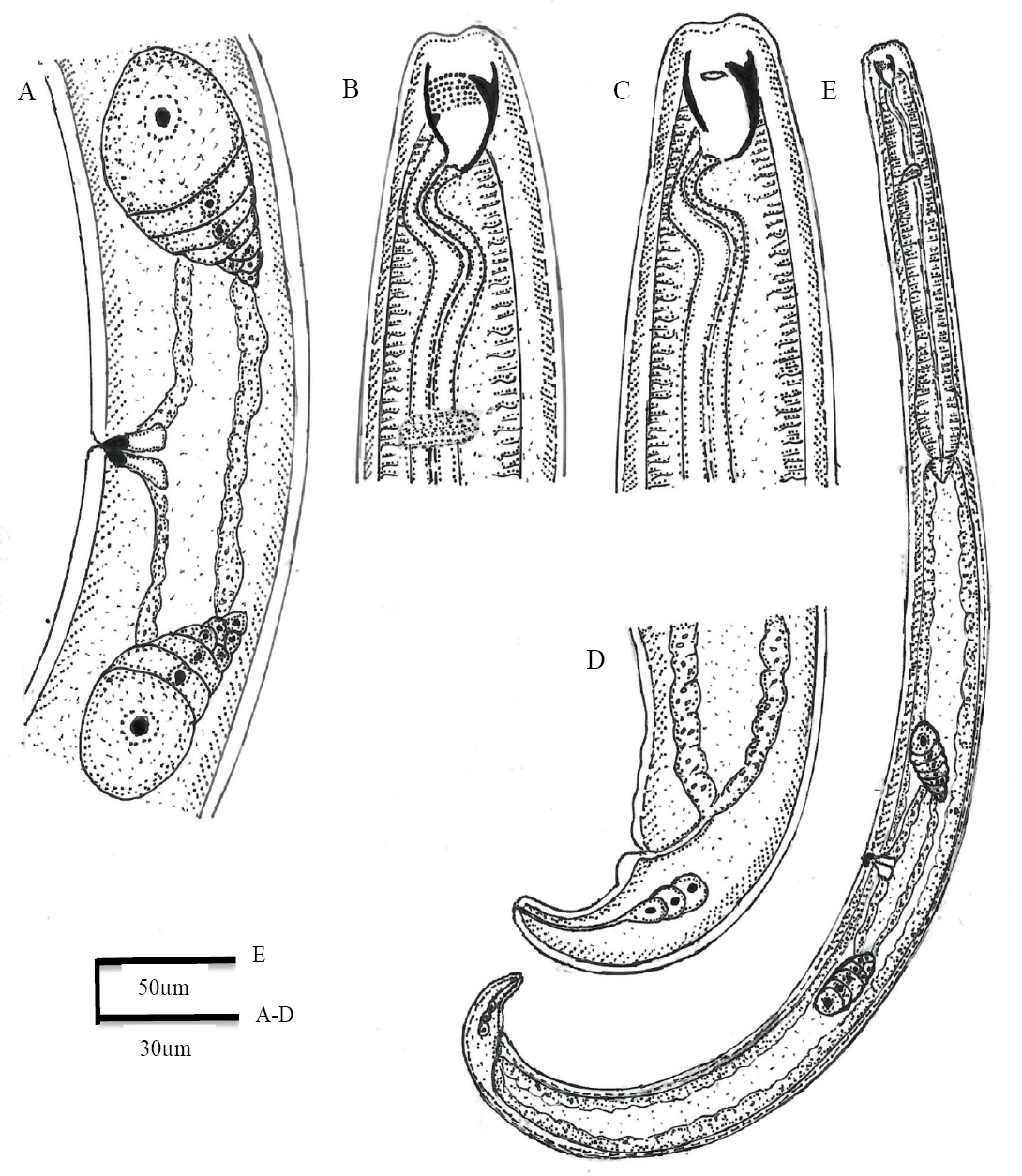 Research Article
New and Known Species of Predacious Nematodes of Pakistan
Uzma Ishaque, Nasira Kazi, Erum Iqbal, Shahnaz Dawar
During the survey of predacious nematode of Pakistan two new species and eight new records of the following species were recovered. Mylonchulus musae n. sp., collected from the rhizophoric soil of Musa paradisiaca L. in Karachi Sindh, Discolaimus tabacum n. sp…
29 Dec 2022DOI 10.17582/journal.pjn/2022/40.2.147.173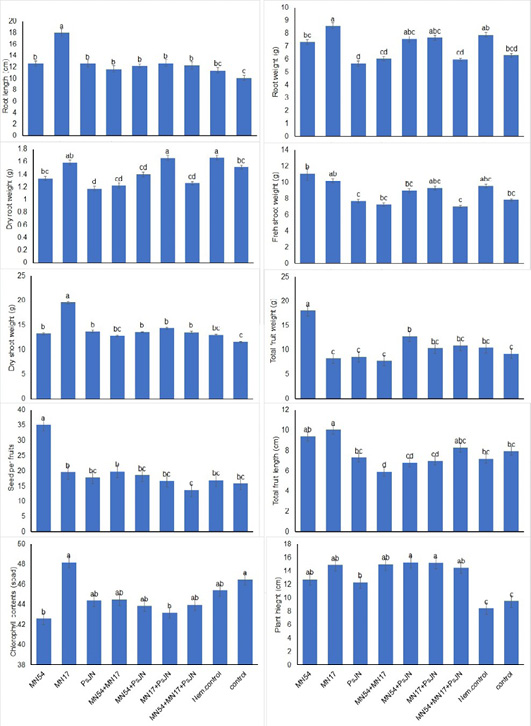 Research Article
Effect of Sole and Consortium Application of Endophytic Bacteria on Plant Growth Promotion and Inhibition of Meloidogyne incognita Infection in Okra
Hira Anwar, Muhammad Jabran, Anam Moosa, Usman Arshad, Abdul Haseeb, Abdul Jabbar et al.
Plant-parasitic nematodes (PPNs) are a serious threat to food security. Root-knot nematodes (RKNs) are important plant parasitic nematodes that affect vegetable crops worldwide including okra. Among the RKNs, Meloidogyne incognita [(Kofold and White) Chitwood]…
27 Dec 2022DOI 10.17582/journal.pjn/2022/40.2.138.146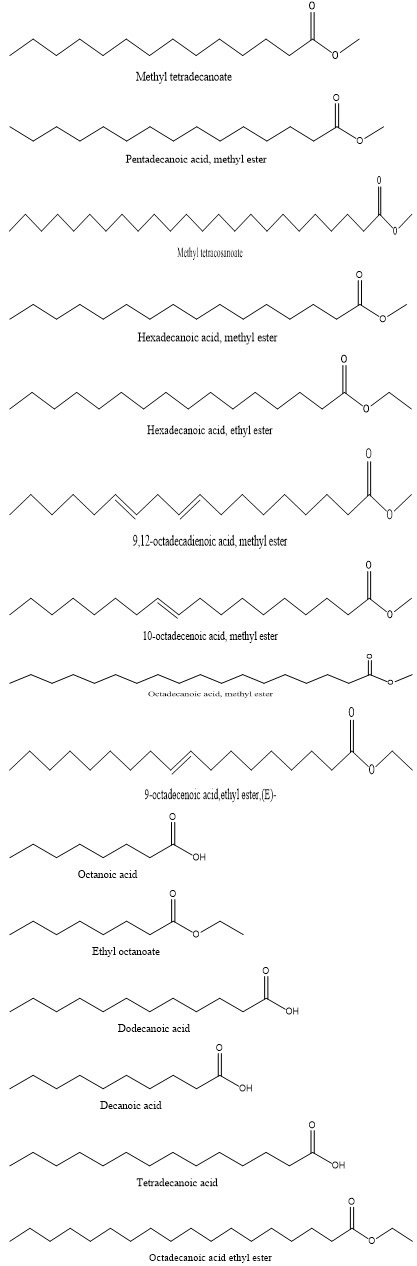 Research Article
Application of Fatty Acid Esters on Meloidogyne incognita Infected Jew's Mallow Plants
Oluwatoyin Adenike Fabiyi, Mariam Temitope Baker, Gabriel Ademola Olatunji
Jew’s mallow (Corchorus olitorius) is a vegetable of importance in Nigeria which is often times infested with root-knot nematodes (RKNs), thus reducing yield and expected income. Principally, synthetic nematicides are employed in the management of RKNs o…
26 Dec 2022DOI 10.17582/journal.pjn/2022/40.2.127.137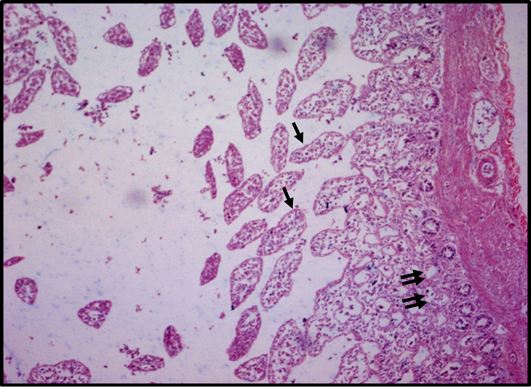 Research Article
Prevalence of Nematode Parasites in Different Birds with Histopathological Changes in the Intestinal Tissue of Common Quail (Coturnix coturnix L.) with Special Reference to Heterakis gallinarum Schrank, 1788
Rubab Malik, Nasira Khatoon, Samina Waheed
The present study was conducted to find out the prevalence of nematode parasites in different birds of Karachi, Hyderabad, Jacobabad and to find out the histopathological changes caused by Heterakis gallinarum in the intestine of common quail. The overall prev…
26 Dec 2022DOI 10.17582/journal.pjn/2022/40.2.120.126- Research Article
Effect of Certain Pseudomonas fluorescens Isolates on Root- Knot Nematode, Meloidogyne incognita on Eggplant as Affected by the Time of Addition
Wafaa M.A. El-Nagdi, Ahmed E.A. Mahgoob, Mahmoud M.A. Youssef, Entesar H. Taha, Mona M.S. Zayed, Nora R.A. Saleh
Under screen house conditions, four isolates of bacterium, Pseudomonas fluorescens (Pf1, Pf2, Pf9 and Pf10) were used for controlling of root-knot nematode, Meloidogyne incognita (Ne) on eggplant as influenced by time of addition. The obtained results proved t…
26 Dec 2022DOI 10.17582/journal.pjn/2022/40.2.111.119 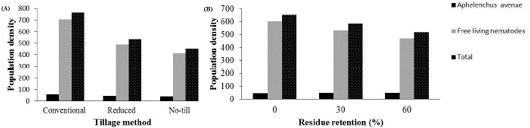 Research Article
The Effects of Conservation Agriculture Practices on the Population Density of Fungivorous and Free-Living Nematodes in Different Crop Rotation Patterns
Reza Aghnoum, Hamid-Reza Sharifi, Masoud Ghodsi, Ahmad Zare Fizabadi
Conservation agriculture (CA) has been widely adopted in many regions of the world; however, the effect of CA practices on non-plant pathogenic nematodes is not well understood. This study was carried out to determine the effect of CA on population density of…
31 Oct 2022DOI 10.17582/journal.pjn/2022/40.2.100.110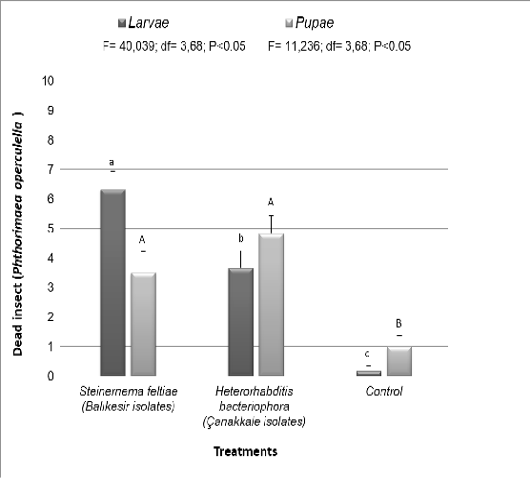 Research Article
Investigation of the Effectiveness of Some Entomopathogenic Nematodes (Steinernema feltiae-Balıkesir İsolate and Heterorhabditis bacteriophora-Çanakkale İsolate) Against Potato Moth [Phthorimaea operculella (Zeller) (Lepidoptera: Gelechiidae) by Green
Yasemin Yıldırım Meşepınar, İlker Kepenekci
The potato tuber moth, Phthorimaea operculella (Zeller) (Lepidoptera: Gelechiidae) (PTM) is the most destructive pest. One of the most successful groups of biological control agents against soil insect pests are the entomopathogenic nematodes (EPNs) in the fam…
31 Oct 2022DOI 10.17582/journal.pjn/2022/40.2.92.99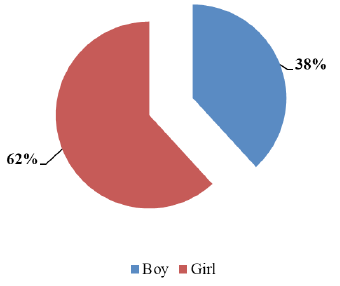 Research Article
The Epidemiology of Enterobiasis and Molecular Characterization of Enterobius vermicularis in Children of Karachi, Sindh, Pakistan
Syeda Batool Zehra, Abdullah G. Arijo, Aly Khan, Nasira Khatoon, Samina Waheed
Pinworms (Enterobius vermicularis) belong to the Oxyuridae family which cause enterobiasis, under unsanitary conditions, the Oxyruidae family causes health concerns, particularly in children. Samples were collected from the laboratory of Jinnah Hospital, Karac…
31 Oct 2022DOI 10.17582/journal.pjn/2022/40.2.86.91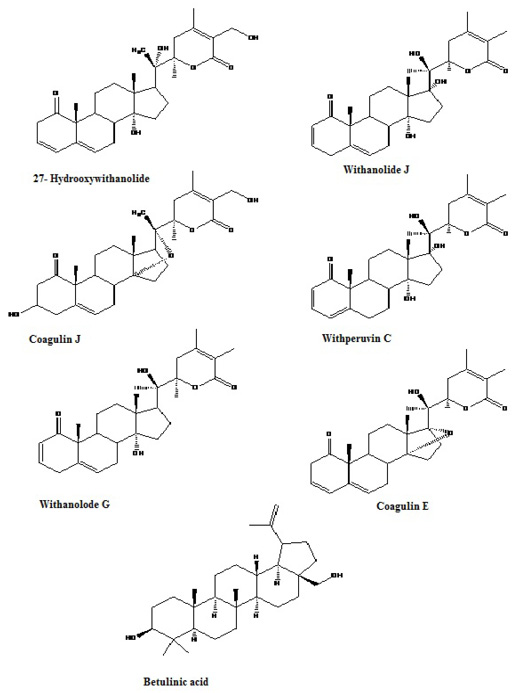 Research Article
Nematicidal Activity of Withanolides from Withania coagulans (Stocks) Dunal against Meloidogyne incognita (Tylenchida: Heteroderidae)
Saima Mehar, Salma Javed
Plants are the one of the magnificent and captivating source of natural bio-pesticides. The currentstudy was performed for phytochemical analysis and to assess the nematicidal and nematostatic potential of crude extract of Withania coagulans. It is known for i…
5 Jul 2022DOI 10.17582/journal.pjn/2022/40.1.80.85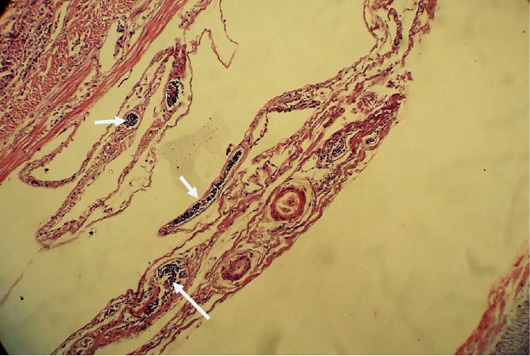 Research Article
Pathological Changes Caused by Nematode Parasites in the Intestine of Domestic Pigeon (Columba livia) of Karachi, Sindh, Pakistan
Rizwana Abdul Ghaffar, Kamil Nadeem
Pigeons are the warm-blooded vertebrates that belong to Class Aves. They are used for many purposes like for rearing and food are the important aspects. They become parasitized by many of the parasites through their feeding and feeding habitat or by some infec…
24 Jun 2022DOI 10.17582/journal.pjn/2022/40.1.75.79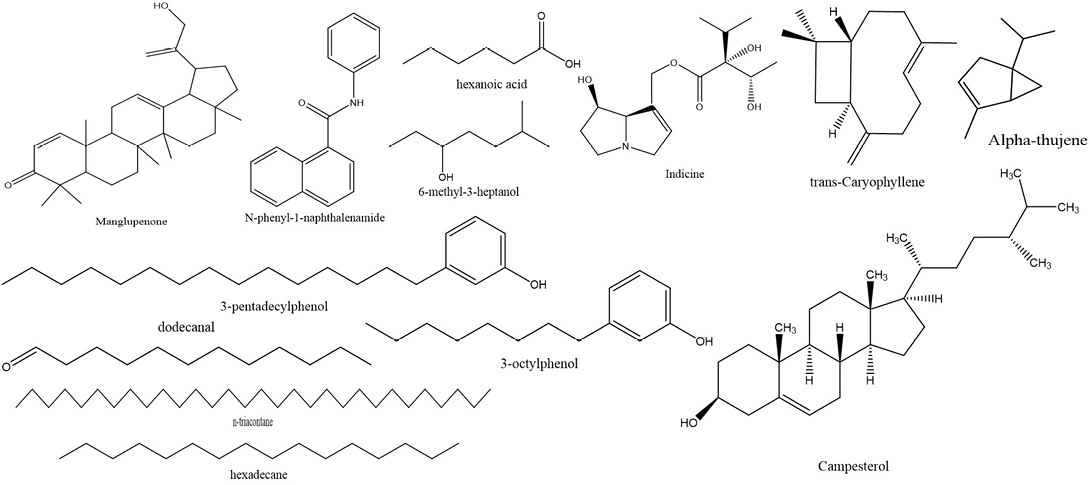 Research Article
Fractions from Mangifera indica as an Alternative in Meloidogyne incognita Management
Oluwatoyin Adenike Fabiyi
Pesticide residues and metabolites are often found in fruits, vegetables, soil and underground water as contaminants. This necessitated the search for bio-nematicides, accordingly the nematicidal prospect of chromatographic fractions from Mangifera indica as a…
24 Jun 2022DOI 10.17582/journal.pjn/2022/40.1.65.74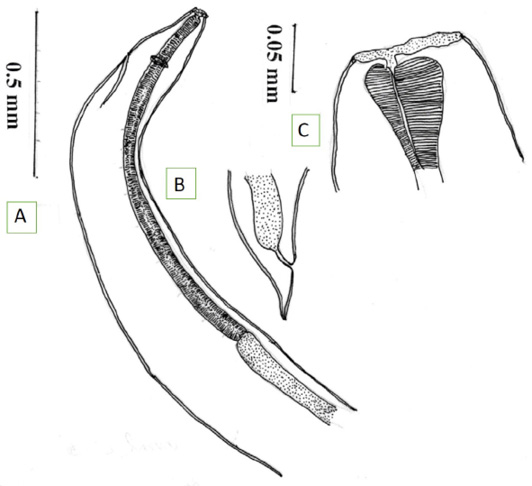 Research Article
Raphidascaris Larvae (Nematoda: Anisakidae) in Marine Fish Mugil cephalus Linn., 1758 from Karachi Coast, Pakistan
Faiza Saleem, Aly Khan, Rafia Rehana Ghazi, Nasira Khatoon, Samina Waheed, Mian Sayed Khan
Nematodes of the genus Raphidascaris were studied from the small intestine and stomach tissue of Mugil cephalus Linn., 1758 from Karachi coast, Pakistan. The small intestine of the fish was severely infected with Raphidascaris larvae. On the average 40 to 48 p…
24 Jun 2022DOI 10.17582/journal.pjn/2022/40.1.62.64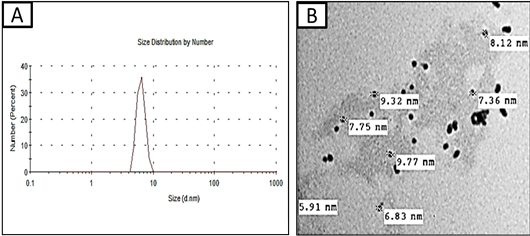 Research Article
Antagonistic Effect of Nanoemulsions of Some Essential Oils against Fusarium oxysporum and Root-Knot Nematode Meloidogyne javanica on Coleus Plants
Eman Alsayed Hammad, Mahmoud Mohamed Hassanin Hasanin
Efficacy of nanoemulsions and emulsions of thyme and spearmint essential oils were examined as an alternative to chemical control for suppressing Meloidogyne javanica and Fusarium oxysporum on coleus plants, Coleus forskohlii in vitro and greenhouse conditions…
10 Jun 2022DOI 10.17582/journal.pjn/2022/40.1.35.48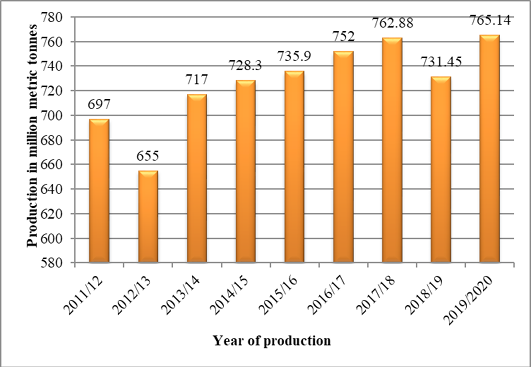 Review
Status of Wheat Production and Associated Nematode Pests in Pakistan
Erum Iqbal, Firoza Kazi, Saboohi Raza
Plant-parasitic nematodes are potential pests of agricultural crops including wheat and cause quantitative and qualitative loss to crop production worldwide. They cause serious damage to many important agricultural crops and add to the problem of food security…
10 Jun 2022DOI 10.17582/journal.pjn/2022/40.1.49.61 Research Article
Influence of Soil Types on Citrus Nematode Species Diversity and Abundance on Varied Ecological Conditions in Kenya
Judith Kiptoo, Daniel Mutisya, Paul Ndegwa, Ruth Amata, Lucy Irungu, Rotich Godfrey
Plant-parasitic nematodes (PPNs) cause major crop losses by damaging plant roots and causing reduced absorption of soil nutrient elements. A two-year survey in 2018 and 2019 was conducted in most citrus growing regions in Kenya to assess the abundance, distrib…
21 May 2022DOI 10.17582/journal.pjn/2022/40.1.12.21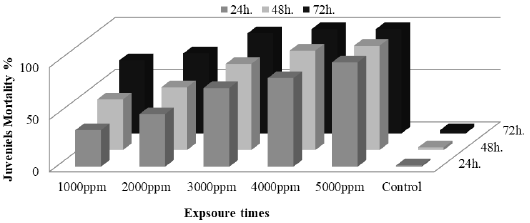 Research Article
Comparison of Eco-Friendly Control Strategies against Root-Knot Nematode in Relation to Growth and Fruit Yield of Pomegranate Orchards, with Special Reference to Structure of Plant-Parasitic Nematodes Community
Eman Alsayed Hammad, Atef Mohamed El-Sagheer
Root-knot nematodes represent one of the most important plant pathogens in most Pomegranate cultivation regions. By studying the structure of the plant-parasitic nematodes community inhabiting the rhizosphere of Pomegranate fields, it was found that Meloidogyn…
21 May 2022DOI 10.17582/journal.pjn/2022/40.1.22.34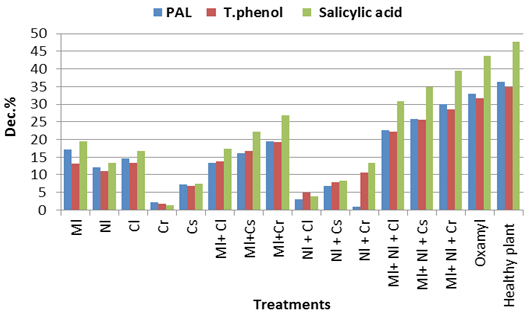 Research Article
Combined use of Aqueous Plant Extracts for Controlling Meloidogyne incognita and Modulating Chemical Constituents in Tomato under Greenhouse Conditions
Doaa Khairy, Mohamed Ali Osman, Fatma Abdel Mohsen Mostafa
The present study focuses on the potential of aqueous leaf extracts of moringa (Moringa oleifera Lam), or neem (Azadirachta indica A. Juss) singly or in integration with different parts of canola (Brassica napus L.) extracts to alleviate the deleterious effect…
5 Apr 2022DOI 10.17582/journal.pjn/2022/40.1.1.11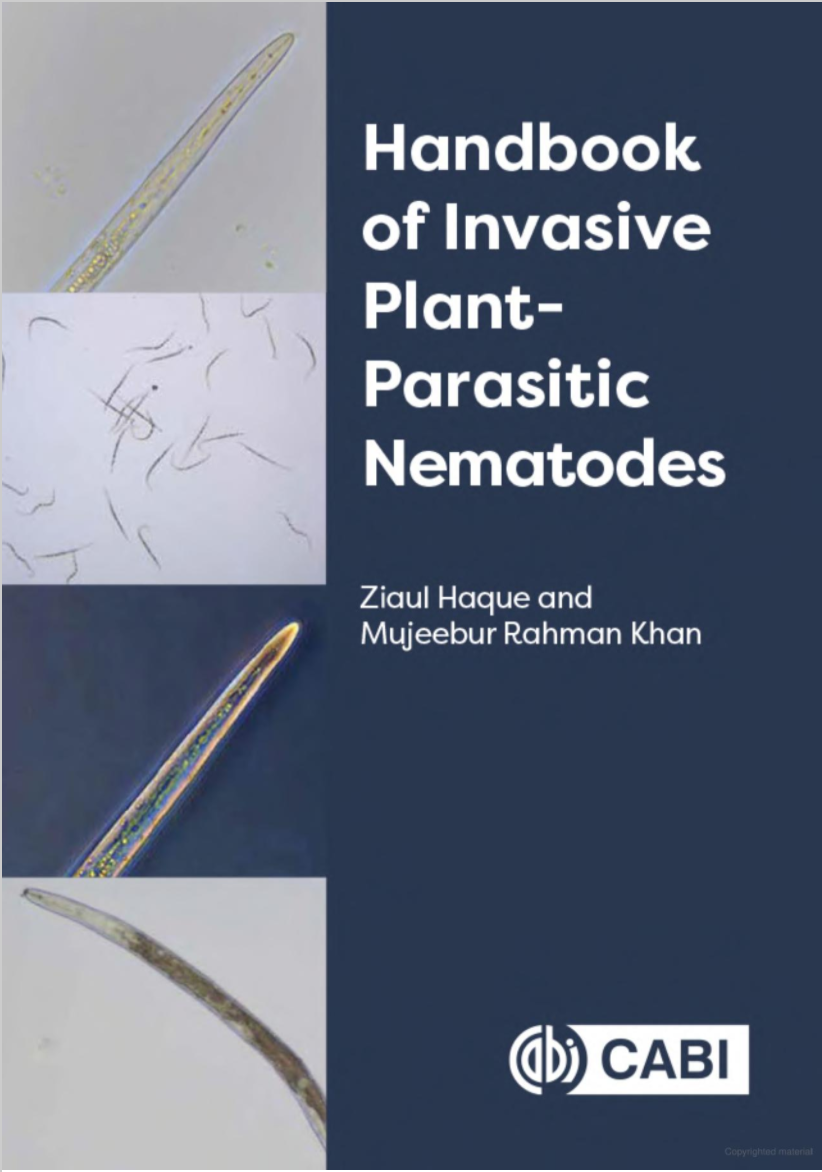 Book Review
Ziaul Haque and Mujeebur Rehman Khan, Invasive Plant Parasitic Nematodes, ISBN-13: 9781789247367 (hardback); 9781789247374 (ePDF); 9781789247381 (ePub) Open Access, https://dx.doi.org/10.1079/9781789247367.0000
Dr. Zafar A. Handoo
28 Dec 2021DOI 10.17582/journal.pjn/2021.39.2.156.157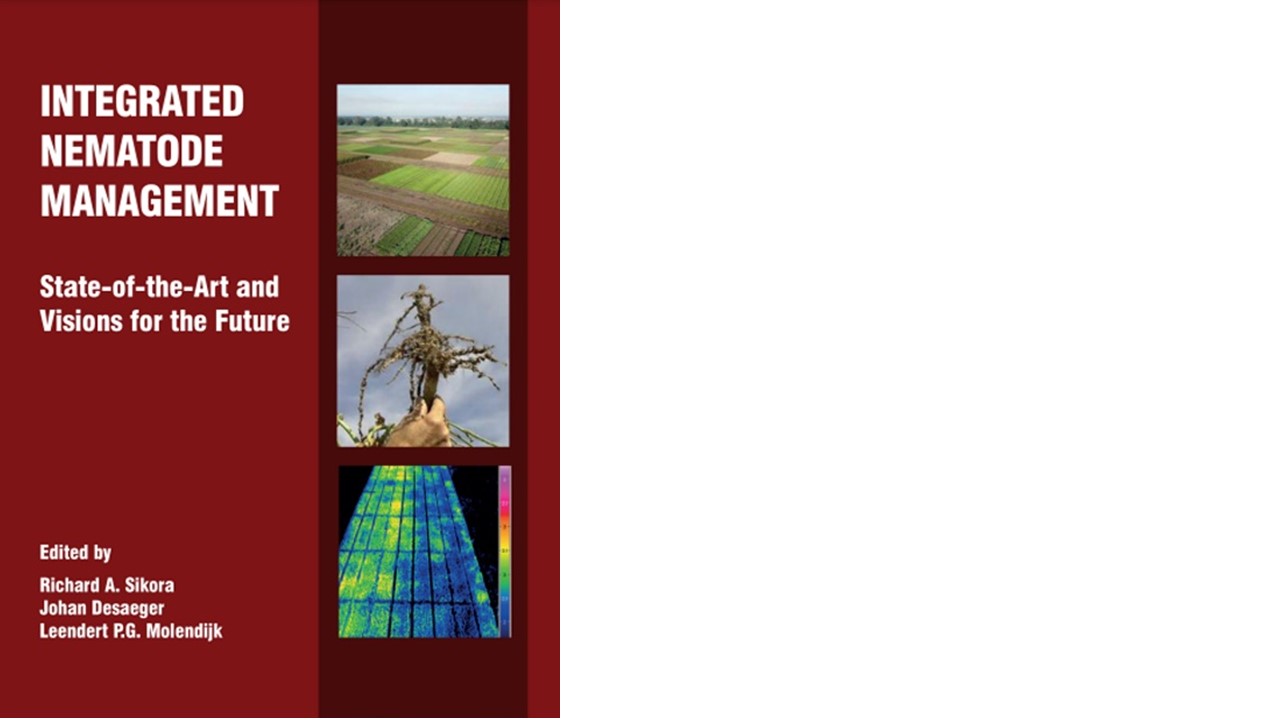 Book Review
R.A. Sikora, J. Desaeger and L.P.G. Molendijk, Integrated Nematode Management, ISBN-13: 9781789247541 (Hardback), 9781789247558 (ePDF), 9781789247565 (ePub): Open Access, https://dx.doi.org/10.1079/9781789247541.0000
Hari S. Gaur
28 Dec 2021DOI 10.17582/journal.pjn/2021.39.2.158.159