
Issue · 2023
Pakistan Journal of Nematology, Vol. 41, Iss. 2, Pages 101-194
10 articles · pp. 101-194 · All issues →
 Short Communication
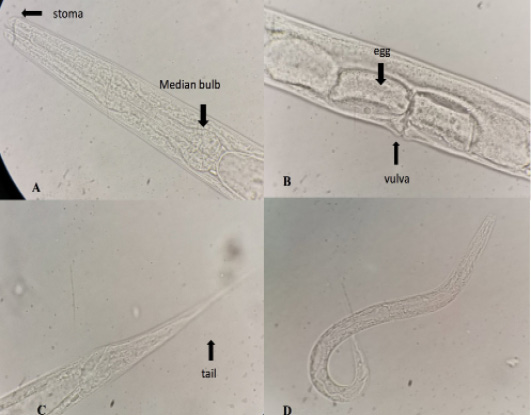
First Record of Caenorhabditis briggsae (Nematoda: Rhabditidae) from the Giant African Land Snail, Lissachatina fulica (Gastropoda: Achatinidae) in the Southern Philippines
Michelle Anne Diano, Loel Dalan, Neil Pep Dave Sumaya, Nanette Hope Sumaya
A new population of Caenorhabditis briggsae (Nematoda: Rhabditidae) was recovered from the giant African land snail, Lissachatina fulica (Gastropoda: Achatinidae), in Bukidnon province (8.0515° N, 124.9230° E) of the southern Philippines. This species…
13 Nov 2023DOI 10.17582/journal.pjn/2023/41.2.118.124 Review
Spatial Distribution of Nematodes to Improve their Sampling and Management Decision
Mahfouz M.M. Abd-Elgawad
Sound sampling of nematodes is basic to their related research and management. Several models of nematodes have been applied to characterize their possible spatial and temporal distribution patterns. These models can provide several advantages such as determin…
16 Nov 2023DOI 10.17582/journal.pjn/2023/41.2.144.152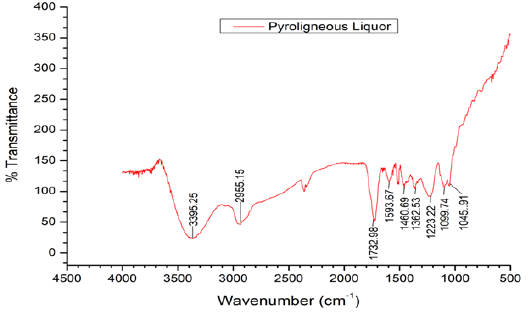 Research Article
Nematicidal Activity of Pyrolisate of Bambusa vulgaris on Root-Knot Nematode; Meloidogyne incognita of Lettuce
Nusirat Aderinsola Sadiku, Oluwatoyin Adenike Fabiyi, Tesleem Taye Bello
Pyroligneous Liquors are obtained from diverse biomasses and have been found to contain important biologically active components with high phenolic, carbonyl and organic acid contents which have several pest control properties. Bamboo Pyroligneous Liquor (BPL)…
12 Dec 2023DOI 10.17582/journal.pjn/2023/41.2.170.181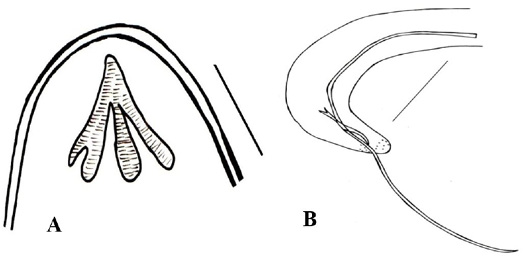 Research Article
Systematic Status of New Species of Diplotriaena murtazi n. sp. (Nematode: Filariidae) from Common Myna (Acridotheres tristis) Linnaeus, 1766 (Passeriformes: Sturnidae) in District Larkana, Sindh, Pakistan
Bakhtawar Soomro, Shakeel Ahmed Memon
A new nematode, Diplotriaena murtazi n.sp., was recorded from the body cavity of common myna Acridotheres tristis of District Larkana, Sindh, Pakistan. In all, 20 nematodes (♂♂) were recorded. Present nematode reflects diversification from their congeners…
20 Nov 2023DOI 10.17582/journal.pjn/2023/41.2.165.169 Research Article
Population Dynamics and Damage Threshold of Meloidogyne incognita to the Dinsire Hot Pepper Variety
Shiferaw Demissie Tola, Diriba Muleta, Fassil Assefa, Beira Hailu Meressa
Predicting the damage caused by certain nematode population densities is crucial in deciding whether or not to cultivate pepper and selecting the most suitable management strategies. To understand the relationship between the initial nematode density (Pi) and…
13 Nov 2023DOI 10.17582/journal.pjn/2023/41.2.108.117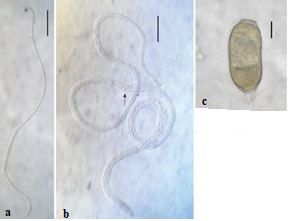 Research Article
Prevalence of Gastrointestinal Nematodes (Capillaria spp.) in Domestic Pigeons (Columba livia) in Bahawalpur, Pakistan
Anshara Javed Qureshi, Ishrat Aziz
The prevalence of gastrointestinal nematodes (Capillaria specie) or the risk of capillariasis in domestic pigeons (Columbia Livia) in the Bahawalpur area of Pakistan was investigated in May 2023. Fecal samples of 100 pigeons (30 males and 70 females) belonging…
13 Nov 2023DOI 10.17582/journal.pjn/2023/41.2.125.134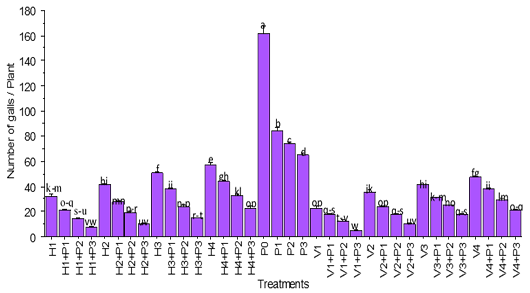 Research Article
Management of Root-Knot Nematode (Meloidogyne incognita) in Okra (Abelmoschus esculentus L.) Moench) using Trichoderma Species and Poultry Manure
Daniel Offiong Etim, Idorenyin Asukwo Udo, Rosemary Anietie Bassey, Victoria Barrong Ogar, Etim John Umana
The screen house experiment was conducted to evaluate the efficacy of species of Trichoderma in combination with poultry manure in the control of Meloidogyne incognita infecting okra. Trichoderma viride at 2.65 x 10⁷, 2.40 x 10⁷, 1.85 x 10⁷ spores/ml and T. ha…
26 Dec 2023DOI 10.17582/journal.pjn/2023/41.2.182.194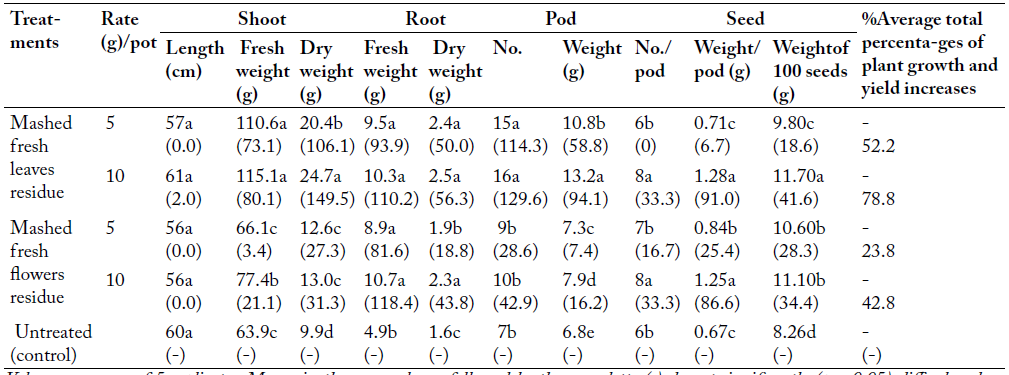 Research Article
Eco-Friendly Biocontrol of Root-Knot Nematode, Meloidogyne incognita in Cowpea using Fresh Leaves and Flowers of Khella (Ammi majus)
Mahmoud Mohamed Ahmed Youssef, Wafaa Mohamed Abd - El-Hameed El-Nagdi
Under in vitro conditions, aqueous extracts of Khella (Ammi majus) mashed fresh leaves and flowers at concentrations of 2.5, 5.0 and 10.0 % were bioassayed against root-knot nematode, Meloidogyne incognita second stage juveniles (J2s). The obtained results rev…
14 Oct 2023DOI 10.17582/journal.pjn/2023/41.2.101.107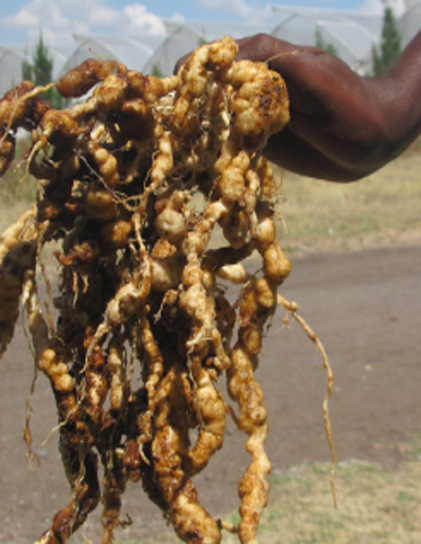 Research Article
Susceptibility of Sweet Potato Varieties to Meloidogyne incognita and Use of Effective Microorganisms and Compost Manure for the Disease Management
Aishat Adetola Anifowose, Nkechi Betsy Izuogu, Benoit Katchitche Sossou
To address the constraints posed by root-knot nematodes (RKN) and hazards of chemical nematicides in sweet potato production, effective microorganisms (EM) and compost manure were applied singly and in combination on two varieties of sweet potato under field a…
15 Nov 2023DOI 10.17582/journal.pjn/2023/41.2.135.143 Research Article
Is Use of Two Trichoderma Species Sole or Combined with a Plant Extract Effective for the Biocontrol Meloidogyne incognita on Potato and Soil Microorganisms Diversity?
Mahmoud M.A. Youssef, Wafaa M.A. El-Nagdi, Hassan Abd- El-Khair, Usama S. Elkelany, Mahfouz M.M. Abd-Elgawad, Mona G. Dawood
Nature-friendly compounds are being explored to substitute chemically synthesized products for safe and effective control of crop pests. This study investigated the effects of Trichoderma viride (Tv) and T. virens (Tvr) as antifungal agents individually or com…
16 Nov 2023DOI 10.17582/journal.pjn/2023/41.2.153.164