Raoul Bakari Afnabi, Victor Ngu Ngwa, Mohamed Moctar Mouiche Mouliom, Sylvain Aoudou Doua, Rebecca Garabed
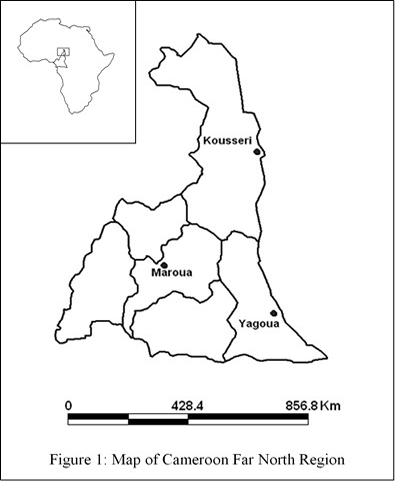
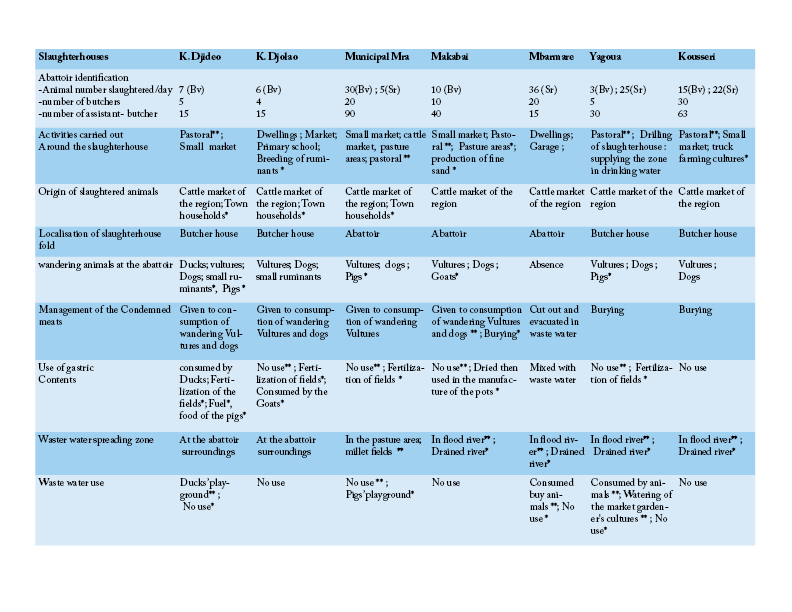
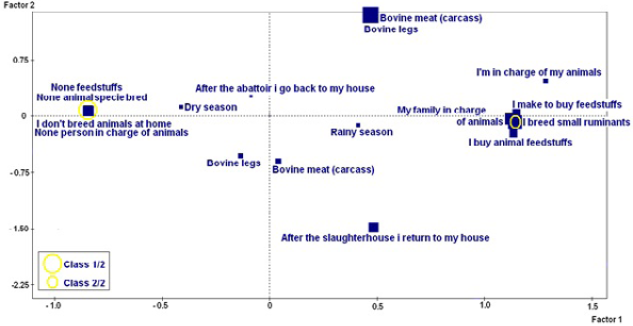
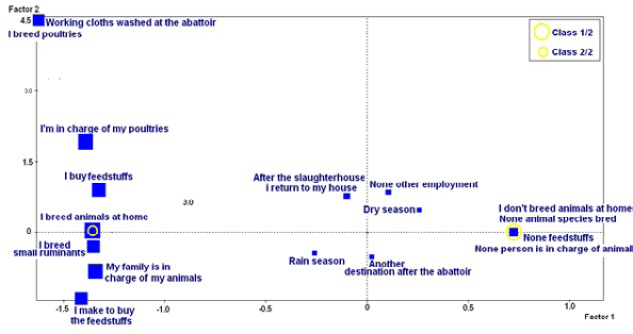
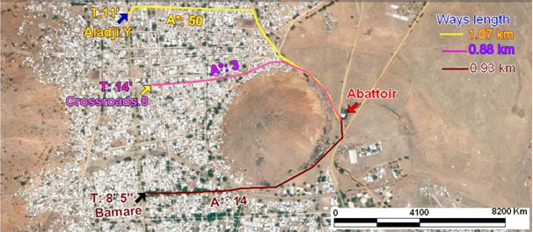
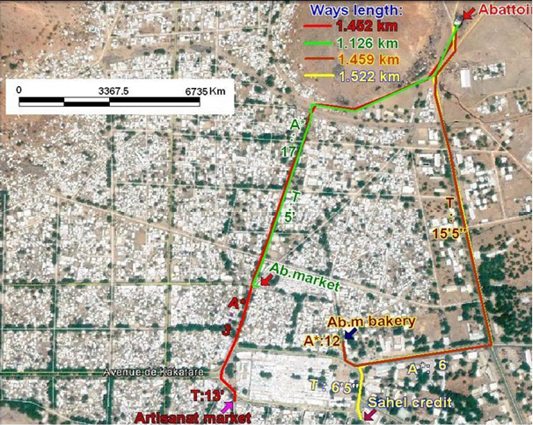
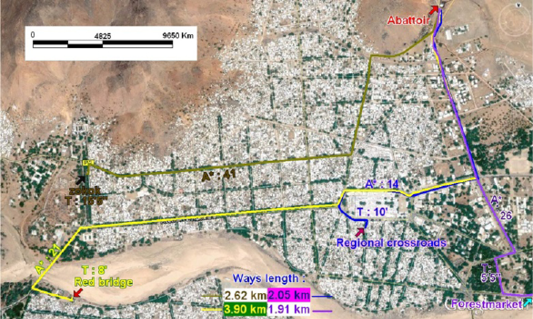
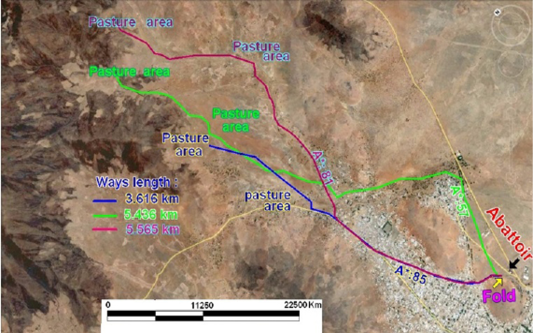
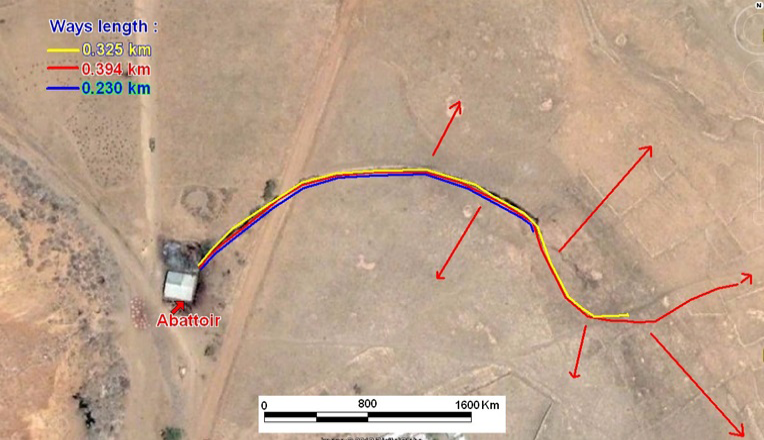
Department of Microbiology and Infectious Disease; 2Department of Pharmacy and Pharmacology, School of Veterinary Medicine and Sciences, University of Ngaoundere, P.O. Box 454 Ngaoundere, Cameroon; 3Department of Geography, Faculty of Art letters and Social Sciences, University of Ngaoundere, P.O. Box 454 Ngaoundere, Cameroon; 4Department of Veterinary Preventive Medicine, College of Veterinary Medicine, Ohio State University, 1920-Coffey Road Columbus, OH 43210.Abstract | A two-phase study was carried out in the Far North region of Cameroon to describe the factors that could contribute to the spread of pathogens in animals kept in town, through traditional slaughterhouses. Seven traditional slaughterhouses located in the three main cities of this region (Maroua municipal, Kongola Djidéo, Kongola Djolao, Makabai, Mbalmaré, Kousséri and Yagoua municipal) where selected to conduct the first stage of this study. The different possible outlets of contaminated agents were identified in the first stage. They include, people working at the slaughterhouses, animal products (meat, skins, meat offal, etc), waste waters and animals in lairage prior to slaughtering. The second stage was a further study, which focused on the spread of potentially contaminated products through the municipal slaughterhouses of Maroua and Yagoua. To this end, a questionnaire was randomly administered to 224 slaughterhouses workers (160 at Maroua and 64 at Yagoua). Products (carcasses, animals in lairage prior to slaughtering, wastewaters) emanating from the Maroua and Yagoua slaughterhouses were tracked and followed 78 and 12 times respectively, using Global Positioning Systems (GPS). The results showed that, traditional slaughterhouses could contribute to the propagation of potential pathogens in ruminants reared in town.
Keywords | Slaughterhouses, Pathogens, Ruminants, Far North region, Cameroon