Research Article · Volume 14, Issue 9, 30 August 2026 · Open Access
Sustainable Improvement of Reproductive Efficiency in Smallholder Cattle and Swine Systems
· · · · · · ·
Affiliations & Notes ⌄
1Department of Large Animal Clinical Science, College of Veterinary Medicine, Tuskegee University, Tuskegee, AL, United States
2School of Veterinary Medicine, University of Rwanda (UR), P.O Box 57, Nyagatare, Rwanda
3School of Medicine and Pharmacy, University of Rwanda (UR), P.O Box 3286, Kigali, Rwanda. *Correspondence | Ferdinand Bizimana, Department of Large Animal Clinical Science, College of Veterinary Medicine, Tuskegee University, Tuskegee, AL, United States
This review demonstrates that reproductive efficiency in smallholder cattle and swine systems is influenced by interconnected biological, nutritional, environmental, managerial, and institutional factors.
Although reproductive technologies such as artificial insemination, estrus synchronization, and embryo transfer can improve reproductive outcomes, their effectiveness depends on effective herd management, adequate nutrition, accurate estrus detection, technical expertise, and accessible veterinary services.
The evidence indicates that integrated reproductive management strategies are more effective than isolated interventions.
Combining improved nutrition, disease prevention, reproductive technologies, farmer training, and extension support offers the greatest potential for improving reproductive performance sustainably under smallholder conditions.
Selected from the article's own text.
Abstract
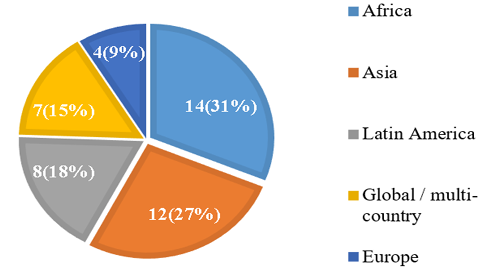
Smallholder cattle and swine production plays a vital role in food security, rural livelihoods, and household income in many low- and middle-income countries. However, reproductive efficiency remains suboptimal, limiting livestock productivity and profitability. We synthesized the recent evidence (2020-2026) on the determinants of reproductive efficiency, evaluated the effectiveness and adoption of reproductive technologies, and identified evidence-based strategies for improving fertility in smallholder livestock systems. The review was conducted following PRISMA 2020 guidelines using studies retrieved from PubMed, Scopus, Web of Science, CAB Abstracts, and Google Scholar. Data on reproductive outcomes, technology adoption, and influencing factors were extracted and analyzed using qualitative and descriptive quantitative approaches. Forty-five eligible studies were included, with most originating from Africa (31.1%) and Asia (26.7%). Adoption of reproductive technologies remained low, with artificial insemination utilized in less than 20% of cattle systems and approximately 16% of swine systems, while estrus synchronization, embryo transfer, and precision livestock technologies remained below 5%. Conception rates in smallholder cattle systems ranged from 25-48%, substantially lower than the 40-80% reported in commercial systems. Integrated interventions combining improved nutrition, herd health management, reproductive technologies, and farmer training increased conception rates by 5-30%, reduced calving and farrowing intervals by 10-20%, and improved overall productivity by up to 25%. Sustainable improvements in reproductive efficiency require integrated, systems-based approaches supported by strengthened extension services, veterinary infrastructure, and access to reproductive technologies.
Reproductive efficiency is a central determinant of productivity, profitability, and long-term sustainability in livestock systems ; . Its importance is particularly pronounced in smallholder cattle and swine enterprises, where herd growth, milk production, piglet output, and replacement dynamics directly influence household income, food security, and asset accumulation . In many low- and middle-income countries (LMICs), livestock serves multiple roles beyond food production, including savings, insurance, draft power, and nutrient cycling within mixed crop-livestock systems ; ; . Consequently, even modest improvements in reproductive performance can substantially enhance smallholder resilience, livelihood stability, and market participation ; . Globally, smallholder or family farms dominate numerically, accounting for approximately 84% of farms and more than 500 million holdings, most operating on less than 2 hectares ; . Although they manage a smaller share of total agricultural land compared with large commercial systems, smallholders contribute significantly to domestic food supply in LMICs . In sub-Saharan Africa, smallholders represent nearly 80% of farms and produce the majority of locally consumed food ;. Across Asia, including China, India, and Vietnam, small and medium-scale livestock producers remain structurally important despite sectoral intensification . Similarly, in Latin America and parts of Eastern Europe, smallholder systems coexist with commercial enterprises ; . Even in high-income countries, small family farms dominate numerically, representing approximately 86% of farms in the United States and over 60% in the European Union (Lim et al., 2024). The livestock sector contributes approximately 40% of global agricultural gross domestic product (GDP) and about 30% in developing countries ; . Cattle and swine populations are substantial across production systems worldwide, with rapid expansion in LMICs driven by increasing demand for animal-source foods ; . This growth further emphasizes the need to improve reproductive efficiency, particularly in smallholder livestock systems where productivity gaps remain substantial. Despite the fundamental contribution of smallholder cattle and swine production to global food security and rural livelihoods, reproductive inefficiency remains one of the principal constraints limiting livestock productivity, profitability, and sustainability.
Conception rates under field conditions are often low and highly variable due to poor estrus detection, suboptimal timing of breeding, and limited access to quality reproductive services ; . Extended calving and farrowing intervals are commonly reported in smallholder systems, reflecting prolonged days open and delayed return to estrus, which reduce lifetime productivity and herd turnover ; . In response to these challenges, several reproductive and precision livestock technologies have been developed to improve reproductive performance. These inefficiencies contribute to marked productivity gaps between smallholder and commercial systems. While commercial operations achieve higher and more consistent reproductive performance due to better nutrition, genetics, and management, smallholders often face compounded constraints that limit reproductive outcomes ; . Multiple interacting factors, including inadequate nutrition, endemic diseases, poor management practices, and climate-related stressors, further depress fertility and increase embryonic and pre-weaning losses ; . Biological factors such as genetics, reproductive disorders, and disease burden significantly influence fertility outcomes. Infectious and parasitic diseases remain major causes of reproductive failure in smallholder systems . Environmental stressors, particularly heat stress, combined with inadequate nutrition and poor feed quality, negatively affect reproductive physiology, estrus expression, and embryo survival ; . Management practices, including estrus detection, breeding timing, and record keeping, are critical determinants of reproductive success. Limited access to veterinary services, extension support, and breeding infrastructure further constrains performance in smallholder settings . Over recent decades, reproductive technologies such as artificial insemination (AI), estrus synchronization, embryo transfer (ET), and advanced techniques including multiple ovulation and embryo transfer (MOET) and in vitro fertilization (IVF) have demonstrated potential to improve fertility, genetic gain, and productivity ; ; . In parallel, emerging precision livestock technologies, including electronic heat detection systems, mobile-based advisory tools, and portable diagnostics, offer new opportunities to enhance reproductive management and decision-making . However, adoption of these technologies remains limited because of financial, infrastructural, institutional, and knowledge-related barriers that restrict access by smallholder farmers ; . Although numerous studies have investigated individual reproductive constraints or technologies, the available evidence remains fragmented across livestock species, production systems, and geographical regions. Consequently, there is no comprehensive synthesis integrating biological, environmental, technological, and socioeconomic determinants of reproductive efficiency in smallholder cattle and swine systems. Furthermore, variability in study settings, methodologies, and outcome measures has limited the identification of scalable and context-appropriate interventions.
Therefore, a comprehensive systematic review is needed to consolidate current evidence, evaluate the effectiveness of available interventions and identify practical strategies for improving reproductive efficiency in low-input livestock systems. Accordingly, this systematic review was conducted to: (i) identify the predominant constraints affecting reproductive performance in smallholder cattle and swine systems; (ii) evaluate the effectiveness of reproductive technologies and management interventions reported between 2020 and 2026; and (iii) highlight practical, scalable strategies for improving reproductive efficiency in smallholder production systems. By integrating multidisciplinary evidence, this review provides comprehensive information to support future research, policy formulation, veterinary extension services, and interventions aimed at enhancing productivity, resilience, and sustainable livestock development in smallholder cattle and swine systems.
MATERIALS AND METHODS
Review design and protocol
We conducted a systematic review to synthesize evidence on the major constraints affecting reproductive efficiency in smallholder cattle and swine production systems and to evaluate practical interventions and emerging innovations aimed at improving reproductive performance. The review focused on low-input, smallholder, and LMIC livestock systems where reproductive inefficiency remains a key limitation to productivity. The review was implemented in accordance with the Preferred Reporting Items for Systematic Reviews and Meta-Analyses (PRISMA 2020) guidelines to ensure methodological transparency, reproducibility, and rigor. The final literature search was completed in April 2026, covering contemporary evidence while retaining key foundational studies where necessary for conceptual and methodological context.
Eligibility criteria
Studies were considered eligible if they met the following criteria: published between January 2020 and April 2026, with selected earlier studies included for foundational relevance; focused on cattle and/or swine production systems; conducted in smallholder, family-based, low-input, tropical, or LMIC systems, or had findings transferable to such contexts; examined at least one determinant of reproductive efficiency, including biological, nutritional, environmental, welfare, management, technological, logistical, or socioeconomic factors; reported reproductive performance indicators, such as conception or pregnancy rate, calving-to-conception interval, days open, farrowing rate, litter size, piglet survival, embryo yield, or embryonic loss; evaluated reproductive technologies or interventions, including artificial insemination (AI), estrus synchronization, embryo transfer (ET), multiple ovulation and embryo transfer (MOET), heat detection methods, semen handling and transport, reproductive monitoring tools, and precision livestock technologies, included peer-reviewed empirical studies, systematic reviews, or high-value contextual literature relevant to reproductive outcomes. Studies were excluded if they: focused exclusively on non-target species or human/biomedical reproduction; were conducted under highly intensive or laboratory conditions without relevance to smallholder systems; did not address reproductive performance or fertility-related outcomes; were duplicate records or lacked sufficient methodological or contextual relevance.
Search strategy
This systematic review was conducted following the Preferred Reporting Items for Systematic Reviews and Meta-Analyses (PRISMA) guidelines . The review aimed to address the question: “What are the key determinants, technological interventions, and practical strategies influencing reproductive efficiency in smallholder cattle and swine production systems?”
A comprehensive literature search was performed across multiple electronic databases, including PubMed, Scopus, Web of Science, and CAB Abstracts, to identify relevant peer-reviewed studies. The search was limited to publications written in English and published between January 2020 and April 2026 to capture recent advances and evidence.
The search strategy was structured around four main domains: animal species, reproductive outcomes, production systems, and interventions and technologies. Keywords and Boolean operators were adapted for each database. Truncation (*) and phrase searching were applied where appropriate to maximize retrieval. Representative search domains and terms are presented in Table 1.
Study selection process
All records retrieved from the database search were compiled and subjected to a structured, multi-stage screening process. In the first stage, titles and abstracts were independently assessed for relevance based on predefined criteria, including livestock species (cattle or swine), production system (smallholder), and focus on reproductive performance or efficiency. Studies that met these preliminary criteria were retained for full-text evaluation.
Full-text articles were subsequently reviewed against established inclusion and exclusion criteria to determine eligibility. Duplicate records arising from overlapping database indexing or citation inconsistencies were identified and removed before screening.
Table 1: Domains and search terms used in database queries.
Domain
Search Terms
Animal
cattle OR cow* OR dairy cattle OR bovine OR pig* OR swine OR sow* OR gilt* OR porcine
Reproductive outcome
“reproductive efficiency” OR “reproductive performance” OR fertility OR infertility OR conception rate OR pregnancy rate OR litter size OR calving interval
Production system
smallholder OR “small-scale” OR backyard OR extensive OR semi-intensive OR “family farm*” OR low-input
Intervention/technology
“artificial insemination” OR “estrus synchronization” OR “embryo transfer” OR “heat detection” OR “precision livestock” OR “technology adoption”
Final string
#Animal AND #Reproductive outcome AND #Production system AND #Intervention
Table 2: Major constraints, prevalence, and reproductive impacts in smallholder cattle and swine systems with supporting evidence.
Constraint category
Specific constraint
Prevalence
Reproductive consequence
Productivity impact
Evidence
Management
Poor estrus detection
45% of heats missed (cattle)
Incorrect timing of breeding
Conception rate reduced to 35%
; ;
Technological access
Limited access to artificial insemination
55% (cattle); 40% (swine)
Limited genetic improvement
Lower productivity and slower herd growth
(FAO, 2021; Tola an Deresa, 2025;
Nutrition
Nutritional deficiencies (low body condition score)
To ensure methodological consistency and transparency, a standardized evidence-screening matrix was developed to document bibliographic information, study characteristics, and relevance to the review objectives. Based on their relevance and contribution to the research questions, studies were classified into four categories: (i) core empirical evidence, comprising primary studies reporting quantitative reproductive outcomes; (ii) supportive contextual evidence, providing complementary insights; (iii) background literature, including reviews and conceptual frameworks; and (iv) excluded studies, which did not meet the inclusion criteria. Greater emphasis
was placed on peer-reviewed empirical studies conducted
under field conditions, reflecting practical reproductive performance in smallholder livestock systems.
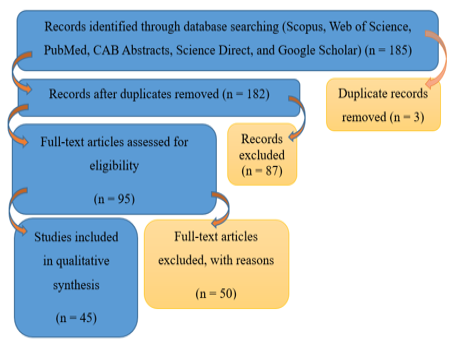
The study identification and selection process, including identification, screening, eligibility assessment, and final inclusion, was documented using a PRISMA flow diagram(Figure 1). The diagram presents the number of records identified from each source, screened after duplicate removal, excluded at each stage, and ultimately included in the review.
Table 3: Adoption of reproductive technologies and associated pregnancy outcomes in smallholder (LMIC) and commercial livestock systems.
Technology
Adoption in LMIC (%)
Pregnancy Rate (LMIC – field conditions)
Pregnancy Rate (Commercial systems)
Citations
Artificial insemination (cattle)
<20%
25-48%
40-60% (dairy); 50-80% (beef)
; ; ; ;
Artificial insemination (swine)
≈16%
70-80%
80-90%
; ; ;
Cow estrus synchronization
≈5%
25-45%
50-70%
; ;
Cow embryo transfer (ET)
≈5%
30-50%
50-70%
; ; ;
Precision livestock monitoring
Extremely low
30-55%
50-75%
; ; ;
LMIC- low and middle-income countries
Table 4: Impact of reproductive technologies on cattle and swine reproduction with supporting evidence.
Technology
Pregnancy improvement
Litter size change
Adoption
Citations
Cow Artificial insemination
+10-20%
N/A
Moderate
; ; ;
Swine Artificial insemination
+5-15%
+0-0.3
Moderate
; ; ;
Cow Estrus synchronization
+8-15%
N/A
Low
; ; ;
Swine Estrus synchronization
0-10%
Not consistent
Very low
; ;
Cattle Embryo transfer
+20-30%
N/A
Very low
; ; ;
Precision monitoring
+5-12%
—
Emerging
; ;
Data extraction and management
Data were extracted using a standardized framework developed specifically for this review to ensure consistency and reproducibility. The following information was systematically collected from each included study: author(s) and year of publication, geographic location, livestock species (cattle or swine), production system characteristics, study design, sample size, type of reproductive constraint or intervention investigated, and reproductive technology or management practice evaluated. In addition, studies were thematically classified according to their focus, and their relevance to smallholder production systems was assessed. The primary reproductive performance outcomes extracted included conception or pregnancy rate, calving-to-conception interval, days open, farrowing rate, farrowing interval, litter size, piglet survival, embryo yield, embryonic loss, offspring survival, and weaning rate. All extracted data were organized into standardized summary tables
to facilitate comparison across studies and to support a
comprehensive thematic synthesis of the evidence.
Because of substantial methodological heterogeneity in study design, livestock species, production systems, interventions, and reported reproductive outcomes, a formal meta-analysis was not appropriate. Instead, the evidence was synthesized using descriptive statistical methods, including frequencies, percentages, ranges, and thematic classification. Reproductive outcomes were summarized according to livestock species, intervention type, reproductive constraint, and geographic region. Findings were integrated through narrative synthesis and presented in summary tables and figures, enabling systematic comparison of the available evidence while preserving methodological rigor and ensuring appropriate interpretation across diverse study designs.
Table 5: Quantitative synthesis of reproductive efficiency gains in smallholder cattle and swine systems.
Output Indicator
% Change (Range)
Supporting Evidence
Cow conception rate
+5% to +30%
; ;
Sow conception rate
+5% to +15%
; ;
Calving interval
-10% to -20%
(EFSA et al., 2025; FAO, 2024;
Farrowing interval
-10% to -20%
; ;
Litter size (swine)
+5% to +12%
; ;
Weaned piglets
+5% to +15%
; ;
Cattle Embryo/ET success rate
+20% to +30%
; ;
Overall productivity
+10% to +25%
(FAO, 2024; ;
RESULTS
Study selection and characteristics
A total of 185 records were identified through database searching. After removal of duplicates, 182 studies were screened based on titles and abstracts. Of these, 95 articles were retained for full-text assessment. Following eligibility evaluation, 50 studies were excluded due to insufficient relevance or lack of focus on smallholder systems. Ultimately, 45 studies were included in the final synthesis (Figure 1).
Geographic distribution of evidence
The included studies represented diverse geographical regions, with a strong emphasis on smallholder-dominated systems. Africa and Asia together accounted for nearly 60% of the evidence base, reflecting the high concentration of smallholder livestock systems in these regions and enhancing the contextual relevance of the findings (Figure 3).
Table 2 summarizes the major biological, management, environmental, and institutional constraints affecting reproductive efficiency in smallholder cattle and swine systems, highlighting their prevalence, reproductive consequences, productivity impacts, and supporting evidence.
Table 3 presents the adoption levels of key reproductive technologies in smallholder (LMIC) systems alongside corresponding pregnancy rates under field conditions and in commercial systems, supported by relevant empirical evidence.
Table 4 summarizes the reported impacts of key reproductive technologies on pregnancy outcomes, litter size, and adoption levels in cattle and swine systems, supported by empirical evidence.
Table 5 presents the quantitative improvements in reproductive efficiency achieved in smallholder cattle and swine systems through enhanced reproductive technologies and management practices.
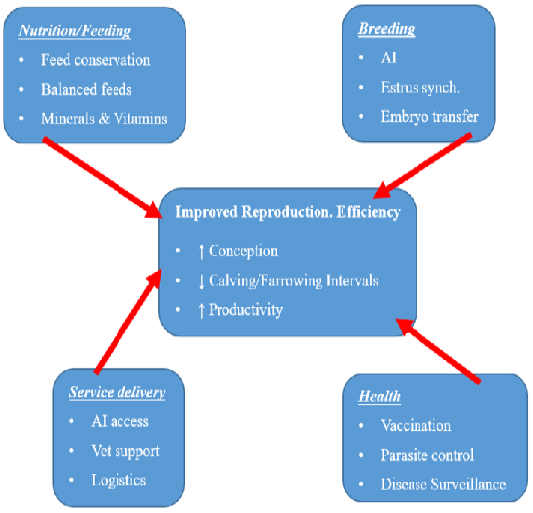
Figure 3 illustrates an integrated framework showing how nutrition, breeding strategies, animal health, and service delivery collectively contribute to improved reproductive efficiency in livestock systems.
DISCUSSION
The present review synthesizes evidence on the biological, nutritional, environmental, and management factors influencing reproductive efficiency in smallholder cattle and swine systems. The findings demonstrate that reproductive performance is shaped by complex interactions among these determinants, which also influence the effectiveness of reproductive technologies under field conditions. The review further highlights persistent challenges related to technology adoption, infrastructure, and technical capacity.
Major constraints of cattle and swine reproductive efficiency in smallholder systems
The review results confirm that biological constraints, including genetic limitations, reproductive disorders, and infectious and parasitic diseases, remain key drivers of reduced reproductive performance in smallholder systems. In LMICs, diseases such as brucellosis (≈5-15%), leptospirosis (≈10-20%), trypanosomiasis (≈15-30%), bovine tuberculosis (≈3-10%), and mastitis (>20-40%) are widely reported to impair fertility through embryonic loss, abortion, anestrus, and reduced conception rates ; ; . High endemic disease burden, coupled with limited veterinary services, contributes to conception rates often below 40% in smallholder herds across sub-Saharan Africa and South Asia ; . Breed-related differences further exacerbate these constraints, with indigenous breeds such as Ankole cattle or zebu typically achieving lower conception rates (≈30-45%) under low-input conditions, reflecting adaptation to harsh environments but limited genetic potential for productivity ; . In contrast, improved dairy breeds such as Holstein-Friesian cattle (50%) and Jersey cattle (60%) generally achieve higher conception rates under adequate nutrition and health management, as documented in Rwanda, Kenya, and India ; . Crossbred cattle (e.g., Local x Friesian or Jersey) frequently outperform both parental lines (70%), benefiting from heterosis and improved adaptability ; . Nutritional deficiencies and environmental stressors, particularly heat stress, emerged as critical constraints affecting reproductive physiology. Inadequate energy intake and poor feed quality impair estrus expression and embryo survival, while heat stress negatively affects oocyte quality and early embryonic development ; . Additionally, improved body condition score significantly increased pregnancy rates in embryo transfer programs, supporting previous reports linking nutritional status with reproductive success ; . Management-related factors, including poor estrus detection, suboptimal timing of insemination, and lack of record-keeping, were consistently identified as major contributors to reproductive inefficiency. Evidence from Bezdíček et al. (2020) and Haile et al. (2023) demonstrated that inaccurate estrus detection is one of the primary causes of AI failure in smallholder systems.
Technology adoption gaps and barriers to the adoption of reproductive technologies
Despite demonstrated benefits, adoption of reproductive technologies remains low across LMICs. The AI adoption rates below 20% in cattle and approximately 16% in swine suggest that technological effectiveness alone is insufficient to improve reproductive performance. Successful implementation also depends on affordable infrastructure, reliable veterinary services, and sustained producer training. These findings indicate that the challenges identified in this review are not unique to the included studies but are widely observed across LMIC smallholder production systems (FAO, 2024; . Limited infrastructure, including inadequate cold-chain systems, poor transport logistics, and insufficient veterinary coverage, significantly hinders technology uptake. High costs and financial constraints further limit adoption among smallholders ; . Knowledge deficits and weak extension services represent major barriers to effective implementation, consistent with previous studies reported by Huang and Wang (2024) emphasizing the role of training and extension in enhancing technology effectiveness.
Comparative performance of cattle and swine reproductive efficiency in smallholder versus commercial systems
The gap in reproductive performance between smallholder and commercial systems is largely explained by differences in nutrition, genetics, health management, and infrastructure. This is consistent with previous reports by Knox (2024) and Lucy (2025) confirming that commercial farms benefit from controlled environments and consistent management, resulting in higher and more stable reproductive outcomes. Management precision, particularly estrus detection and timing of insemination, is a critical determinant of reproductive success. López-Gatius (2022) and Merkelytė et al. (2025) demonstrated that optimal timing relative to ovulation significantly improves conception rates.
Effectiveness of reproductive technologies in cattle and swine
Among the reproductive technologies evaluated, artificial insemination offers substantial advantages in genetic improvement and disease control; however, its effectiveness is highly dependent on management quality . In some smallholder contexts, natural mating may outperform AI ; . This observation is further reported by Mahbubiy et al. (2026), indicating that AI success is strongly influenced by technical execution and farmer skill. Estrus synchronization and embryo transfer technologies have demonstrated substantial potential to improve reproductive efficiency. Evidence synthesized in this review supports the effectiveness of estrus synchronization in improving reproductive control and conception rates under appropriate management conditions . Fresh embryos significantly outperform frozen embryos, consistent with findings in the literature reported by Fattahpour et al. (2025) and Pavlovic et al. (2024), highlighting higher viability and pregnancy success rates for fresh embryos. More recently, precision livestock technologies, including electronic heat detection and digital advisory systems, are emerging as promising tools for improving reproductive management. Although adoption remains limited, early evidence suggests improvements in estrus detection accuracy and reproductive outcomes .
Integrated approach to improving cattle and swine reproductive efficiency
An important finding emerging from this review is that reproductive efficiency improvements are maximized when interventions are integrated . Similar integrated approaches have also been recommended by Yousif et al. (2025) focusing on smallholder livestock systems. Findings on embryo transfer recipients showed that improved feeding and housing conditions significantly increased pregnancy success, reinforcing the importance of holistic management . Reproductive performance should be addressed within a systems framework that considers interactions among biological, environmental, and socioeconomic factors. Isolated interventions are less effective than coordinated strategies combining feed improvement, disease control, breeding services, and farmer training .
Policy and development implications for improving cattle and swine reproductive efficiency in LMICs
The findings suggest that improving reproductive efficiency in LMICs smallholder systems requires coordinated investments in producer education, veterinary services, and reproductive technologies rather than focusing on a single intervention. Training programs targeting estrus detection, AI timing, and herd management can significantly improve reproductive outcomes (FAO, 2024). Investment in veterinary infrastructure and access to skilled reproductive services is critical for improving fertility outcomes in smallholder systems . Innovative delivery models, including mobile-based services and digital platforms, can improve access to reproductive technologies .
Strengths and limitations of the review
Several limitations should be acknowledged. First, heterogeneity in study designs and outcome measures limited the feasibility of formal meta-analysis, consistent with similar reviews in livestock systems . Second, variability in reporting standards may affect comparability across studies. Third, although grey literature provided valuable contextual insights, it was not weighted equally to peer-reviewed empirical evidence.
Despite these limitations, this review provides a comprehensive synthesis of current evidence and identifies practical strategies that can improve reproductive efficiency in smallholder cattle and swine systems. The findings provide a useful foundation for future research, policy development, and the implementation of integrated reproductive management programs in LMICs.
Conclusions and practical implications
This review demonstrates that reproductive efficiency in smallholder cattle and swine systems is influenced by interconnected biological, nutritional, environmental, managerial, and institutional factors. Persistent challenges, including low conception rates, prolonged calving and farrowing intervals, and poor reproductive performance, continue to limit livestock productivity and the livelihoods of smallholder farmers. Although reproductive technologies such as artificial insemination, estrus synchronization, and embryo transfer can improve reproductive outcomes, their effectiveness depends on effective herd management, adequate nutrition, accurate estrus detection, technical expertise, and accessible veterinary services. The evidence indicates that integrated reproductive management strategies are more effective than isolated interventions. Combining improved nutrition, disease prevention, reproductive technologies, farmer training, and extension support offers the greatest potential for improving reproductive performance sustainably under smallholder conditions. From a practical and policy perspective, strengthening veterinary and extension services, improving farmer capacity, and expanding access to affordable reproductive technologies should be prioritized, particularly in low- and middle-income countries. Future research should evaluate scalable, context-specific integrated approaches and generate high-quality evidence to support their implementation. Overall, sustainable improvements in reproductive efficiency will require coordinated, evidence-based strategies that integrate science, management, extension, and policy to enhance livestock productivity and resilience.
ACKNOWLEDGEMENTS
The authors of this manuscript are grateful to their respective universities for their valuable support in completing this review.
NOVELTY STATEMENT
This review provides a comprehensive synthesis of recent evidence (2020–2026) integrating biological, nutritional, environmental, managerial, technological, and socioeconomic determinants of reproductive efficiency across smallholder cattle and swine systems. Unlike previous reviews that largely address individual species, reproductive constraints, or technologies separately, this study comparatively evaluates reproductive technology adoption and performance under smallholder and commercial conditions and identifies critical implementation gaps in low- and middle-income countries. Importantly, the review advances an integrated, systems-based framework that combines improved nutrition, herd health, reproductive technologies, veterinary and extension services, and farmer training as a practical strategy for sustainably improving reproductive performance in resource-limited livestock systems.
AUTHORS CONTRIBUTIONS:
Conceptualisation: F.B. Methodology: F.B. Investigation: F.B. Data curation: F.B. and B.I.D. Formal analysis: F.B. Visualization: F.B. Writing-original draft preparation: F.B. Writing-review and editing: F.B., B.I.D., L.M., J.M., B.O.O., D.M., R.T., and M.N. Scientific review: B.O.O., D.M., R.T., and M.N. Correspondence: F.B. All authors have read and agreed to the published version of the manuscript.
Declaration of generative ai and ai-assisted technologies in the writing process
During the preparation of this work, the author(s), in some sentences, used Google Gemini, Grammarly, and ChatGPT to improve the readability and language of the manuscript, as well as create an illustrative image. After using this tool/service, the author(s) reviewed and edited the content as needed and take full responsibility for the content of the publication
Conflict of interest
The authors declare no competing interests.
Figures
Figure 1:.
Study screening and selection process (PRISMA Flow Diagram).
Figure 2:.
Geographic distribution of included studies
Figure 3:.
Integrated framework for enhancing reproductive efficiency and productivity in livestock production systems
References
Acosta D, Barrow A, Mahamadou IS, Assuncao VS, Edwards ME, McKune SL (2024). Climate change and health in the Sahel: A systematic review. Royal Soc. Open Sci., 11(7), 231602. https://doi.org/10.1098/rsos.231602[CrossRef]
Agrawal J, Arafat MY (2024). Transforming farming: A review of AI-powered UAV technologies in precision agriculture. Drones, 8(11), 664. https://doi.org/10.3390/drones8110664[CrossRef]
Aparicio M, Yeste-Vizcaíno N, Morales J, Soria N, Isabel B, Piñeiro C, González-Bulnes A (2024). Use of precision feeding during lactation improves the productive yields of sows and their piglets under commercial farm conditions. Animals, 14(19), 2863. https://doi.org/10.3390/ani14192863[CrossRef]
Assefa S, Duguma B, Worku Z (2026). Assessment of breeding practices and productive and reproductive performance of multiple livestock species in mixed farming system in majang zone, Southwest Ethiopia. Vet. Med. Sci., 12(1), e70712. https://doi.org/10.1002/vms3.70712[CrossRef]
Ayantoye JO, Kolachi HA, Zhang X, Shahzad M, Kandil OMT, Wan P, Zhao X (2025). Advances in timed artificial insemination: Integrating omics technologies for enhanced reproductive efficiency in dairy cattle. Animals, 15(6), 816. https://doi.org/10.3390/ani15060816[CrossRef]
Aymée L, Mendes J, Lilenbaum W (2024). Bovine genital leptospirosis: An update of this important reproductive disease. Animals, 14(2), 322. https://doi.org/10.3390/ani14020322[CrossRef]
Bai J, Qin Y, Zhang S, Xu X, Song Y, Xiao L, Feng T, Tian J, Liu Y (2021). A comparison of the reproductive performance in primiparous sows following two timed artificial insemination protocols. Animal, 15(12), 100410. https://doi.org/10.1016/j.animal.2021.100410[CrossRef]
Banda LJ, Tanganyika J (2021). Livestock provide more than food in smallholder production systems of developing countries. Anim. Front., 11(2), 7–14. https://doi.org/10.1093/af/vfab001[CrossRef]
Bang NN, Chanh NV, Trach NX, Khang DN, Hayes BJ, Gaughan JB, Lyons RE, Hai NT, McNeill DM (2021). Assessment of performance and some welfare indicators of cows in Vietnamese smallholder dairy farms. Animals, 11(3), 674. https://doi.org/10.3390/ani11030674[CrossRef]
Barłowska J, Sawicka-Zugaj W, Janczarek I, Kasprzak-Filipek K, Chabuz W (2025). Significance of local livestock genetic resources in the context of global food security–a review. Ann. Anim. Sci., 25(3), 999–1015. https://doi.org/10.2478/aoas-2025-0029[CrossRef]
Becker C, Collier R, Stone A (2020). Invited review: Physiological and behavioral effects of heat stress in dairy cows. J. Dairy Sci., 103(8), 6751–6770. https://doi.org/10.3168/jds.2019-17929[CrossRef]
Betti Sorbelli F (2024). UAV-based delivery systems: A systematic review, current trends, and research challenges. J. Auton. Transp. Syst., 1(3), 1–40. https://doi.org/10.1145/3649224[CrossRef]
Bezdíček J, Nesvadbová A, Makarevich A, Kubovičová E (2020). Relationship between the animal body condition and reproduction: The biotechnological aspects. Arch. Anim. Breeding, 63(1), 203–209. https://doi.org/10.5194/aab-63-203-2020[CrossRef]
Bizimana F, Hirwa CD, Shumbusho F, Berglund B, Båge R, Ntawubizi M (2025a). Evaluating the success rates of embryo transfer in recipient cows under farming conditions in Rwanda. Trop. Agric., 102(2), 209–216.
Bizimana F, Munyaneza C, Kayitesi A, Semahoro F, Ndayambaje A, Murekezi T, Masengesho J, Hirwa C, Båge R, Ntawubizi M (2025b). Enhancing pregnancy rates of bovine embryo transfer through animal welfare practices in Rwanda smallholder dairy farms. https://doi.org/10.4314/as.v23i2.10[CrossRef]
Bizimana F, Munyaneza C, Rwamuhizi I, Ndayambaje AK, Murera A, Shumbusho F, Hirwa C. D, Båge R, Ntawubizi M (2026). Evaluation of artificial insemination success in Ankole and crossbred cows under natural and induced oestrus conditions in Rwanda. Trop. Agric., 103(2), 225–240 https://doi.org/10.47161/TA.2026.u00018.[CrossRef]
Boonkum W, Permthongchoochai S, Chankitisakul V, Duangjinda M (2025). Genetic strategies for enhancing litter size and birth weight uniformity in piglets. Front. Vet. Sci., 12, 1512701. https://doi.org/10.3389/fvets.2025.1512701[CrossRef]
Buoio E, Costa A, Salvagnini C, Mazzola S (2022). The effect of lift crate on piglet survival rate and sow stress level during farrowing. In 75° Convegno SISVET (pp. 405–405). SISVET. https://doi.org/10.3390/ani12060745[CrossRef]
Burgos-Paz WO, Carrascal-Triana E, Falla-Tapias S. (2025). Reproductive diseases are key determinants influencing the success of embryo transfer and fixed-time artificial insemination in cattle. Animals, 15(17), 2627. https://doi.org/10.3390/ani15172627[CrossRef]
Cabrera VE (2026). Reproductive efficiency and farm sustainability. In encyclopedia of livestock medicine for large animal and poultry production (pp. 1091–1093). Springer. https://doi.org/10.1007/978-3-031-61549-8_87[CrossRef]
Carnevale RF, Muro BBD, Leal D, Alves LKS, Monteiro M, Gomes NAC, Pereira F, Ferreira F, Neta C, Watanabe TTN (2024). The effects of feeding sows at onset of farrowing supplemental energy (blend of carbohydrates and glycerol) on farrowing kinetics and piglet vitality. Anim., 18(3), 101104. https://doi.org/10.1016/j.animal.2024.101104[CrossRef]
Chawala AR, Sanchez‐Molano E, Dewhurst RJ, Peters A, Chagunda MG, Banos G (2021). Breeding strategies for improving smallholder dairy cattle productivity in Sub‐Saharan Africa. J. Anim. Breeding Genet., 138(6), 668–687. https://doi.org/10.1111/jbg.12556[CrossRef]
Chen D, Mechlowitz K, Li X, Schaefer N, Havelaar A H, McKune SL (2021). Benefits and risks of smallholder livestock production on child nutrition in low- and middle-income countries. Front. Nutr., 8, 751686. https://doi.org/10.3389/fnut.2021.751686[CrossRef]
Cooke R (2023). Estrus synchronization and artificial insemination in beef cattle.
Das S, Shaji A, Nain D, Singha S, Karunakaran M, Baithalu RK (2023). Precision technologies for the management of reproduction in dairy cows. Trop. Anim. Health Prod., 55(5), 286. https://doi.org/10.1007/s11250-023-03704-2[CrossRef]
Dhangada VR, Gaikwad US, Dhage SA, Deokar DK, Lokhande AT, Kamble DK (2024). Innovative Reproductive technology in animal breeding: A Review. J. Adv. Biol. Biotechnol., 27(6), 532–544. https://doi.org/10.9734/jabb/2024/v27i6913[CrossRef]
Diffe Z (2026). constraints on artificial insemination efficiency and dairy cattle productivity in smallholder systems in selected districts of south wollo, Ethiopia. Reprod. Domest. Anim., 61(4), e70203. https://doi.org/10.1111/rda.70203[CrossRef]
Doyle R, Cripps A, Marry A, Wieland B, Whay B, Lindsay B, Gallardo CM, Di Leonardo F, Huang H, Stark J (2025). Animal welfare for production and working animals: Evidence and need for action. 1–55.
Džermeikaitė K, Bačėninaitė D Antanaitis R (2023). Innovations in cattle farming: Application of innovative technologies and sensors in the diagnosis of diseases. Animals, 13(5), 780. https://doi.org/10.3390/ani13050780[CrossRef]
Estienne MJ, Niblett RT (2024). Decreasing preweaning death loss in pigs: Key management considerations for small-scale farmers.
European Food Safety Authority (EFSA), Cozzi G, Knierim U, Marti S, Mullan S, Ashe S, Lima E, Van der Stede Y, Vitali M, Cecchinato G (2025). Common husbandry systems and practices for keeping beef cattle (Nos. 2397–8325). Wiley Online Libr.,
Falceto M V, Suárez‐Usbeck A, Tejedor MT, Ausejo R, Garrido AM, Mitjana O (2023). GnRH agonists: Updating fixed‐time artificial insemination protocols in sows. Reprod. Domest. Anim., 58(5), 571–582. https://doi.org/10.1111/rda.14326[CrossRef]
Fantuz F, Fatica A, Salimei E, Marcantoni F, Todini L (2024). Nutrition, growth, and age at puberty in heifers. Animals, 14(19), 2801. https://doi.org/10.3390/ani14192801[CrossRef]
FAO (2021). Small family farmers produce a third of the world’s food. ReliefWeb.
Fattahpour SF, Hakimi P, Tabatabaei F, Hejazad M, Amoozadeh M, Sadeghi L, Rezaie N, Vejdani R, Azizi, H (2025). Comparison of live birth rate and fetal outcomes between fresh embryo and frozen-thawed embryo transfers: A prospective study. BMC Pregnancy and Childbirth, 25(1), 122. https://doi.org/10.1186/s12884-025-07247-2[CrossRef]
Felix S U (2025). Impa ct of reproductive management and fertility on milk production. In Handbook of Milk Production, Quality and Nutrition (pp. 127–139). Elsevier. https://doi.org/10.1016/B978-0-443-24820-7.00024-9[CrossRef]
Gadea J, Coy P, Matás C, Romar R, Cánovas S (2020). Reproductive technologies in swine. In Reprod. Technol. Anim., (pp. 67–79). Elsevier. https://doi.org/10.1016/B978-0-12-817107-3.00005-9[CrossRef]
Garcia TJ, Robison CA, Beck PA, ReuterRR, Wilson BK, Lalman DL (2020). Effect of calving season in an artificial insemination program on finishing performance and carcass traits. J. Anim. Sci., 98(Supplement_2), 60–60. https://doi.org/10.1093/jas/skz397.137[CrossRef]
Garzón Delvaux PA, Riesgo L, Gomez Y Paloma S (2020). Are small farms more performant than larger ones in developing countries? Sci. Adv., 6(41), eabb8235. https://doi.org/10.1126/sciadv.abb8235[CrossRef]
Giller KE, Delaune T, Silva JV, Descheemaeker K, Van De Ven G, Schut AGT, Van Wijk M, Hammond J, Hochman Z, Taulya G, Chikowo R, Narayanan S, Kishore A, Bresciani F, Teixeira H M, Andersson JA, Van Ittersum MK (2021a). The future of farming: Who will produce our food? Food Security, 13(5), 1073–1099. https://doi.org/10.1007/s12571-021-01184-6[CrossRef]
Giller KE, Delaune T, Silva JV, van Wijk M, Hammond J, Descheemaeker K, van de Ven G, Schut A G, Taulya G, Chikowo R (2021b). Small farms and development in sub-Saharan Africa: Farming for food, for income or for lack of better options? Food Security, 13(6), 1431–1454. https://doi.org/10.1007/s12571-021-01209-0[CrossRef]
Gupta M, Vaidya M, Kumar S, Singh G, Osei-Amponsah R, Chauhan SS (2025). Heat stress: A major threat to ruminant reproduction and mitigating strategies. Int. J. of Biometeorol., 69(1), 209–224. https://doi.org/10.1007/s00484-024-02805-3[CrossRef]
Haile B, Karalliu E, Ho J, Havas KA, Ivanek R, Ip J, Xin C, Nekouei O (2025). Reproductive failure in smallholder pig farms in east and southeast Asia: A systematic review. Animals, 15(9), 1226. https://doi.org/10.3390/ani15091226[CrossRef]
Haile S M, Abebe BK, Tesfa TW (2023). Efficiency evaluation of two estrus synchronization protocols in estrus response and conception rate of dairy cows in the Dalocha district, Ethiopia. Heliyon, 9(1). https://doi.org/10.1016/j.heliyon.2022.e12781[CrossRef]
Hansen PJ (2020). The incompletely fulfilled promise of embryo transfer in cattle—Why aren’t pregnancy rates greater and what can we do about it? J. Anim. Sci., 98(11), skaa288. https://doi.org/10.1093/jas/skaa288[CrossRef]
Hansson A, Holtenius K, Båge R, Lindberg M, Kronqvist C (2025). Effect of voluntary waiting period length on milk yield, fertility, and culling in high-yielding, second-parity cows. J. Dairy Sci., https://doi.org/10.3168/jds.2025-26348[CrossRef]
Henchion M, Moloney A, Hyland J, Zimmermann J, McCarthy S (2021). Trends for meat, milk and egg consumption for the next decades and the role played by livestock systems in the global production of proteins. Animal, 15, 100287. https://doi.org/10.1016/j.animal.2021.100287[CrossRef]
Huang W, Wang X (2024). The Impact of technological innovations on agricultural productivity and environmental sustainability in china. Sustainability, 16(19), 8480. https://doi.org/10.3390/su16198480[CrossRef]
Ibarrola-Rivas MJ, Orozco-Ramírez Q, Guibrunet L (2023). How much of the mexican agricultural supply is produced by small farms, and how? PLOS ONE, 18(10), e0292528. https://doi.org/10.1371/journal.pone.0292528[CrossRef]
Ill-Hwa K, Jeong J K (2018). Risk factors limiting first service conception rate in dairy cows, and their economic impact. Asian-Australasian J. Anim. Sci., https://doi.org/10.5713/ajas.18.0296[CrossRef]
Jiang B, Tang W, Cui L, Deng X (2023). Precision livestock farming research: A global scientometric review. Animals, 13(13), 2096. https://doi.org/10.3390/ani13132096[CrossRef]
Jochems R, Kristiansen CO, Kommisrud E, Morrell JM (2025). Preliminary study of pregnancy rates and litter sizes following artificial insemination of boar spermatozoa prepared by colloid centrifugation and hypothermic storage. Sci. Rep., 15(1), 40863. https://doi.org/10.1038/s41598-025-24586-4[CrossRef]
Jongbo AO, de Borba LP, Pereira RMM, Bello QO, Gregoratto LL, de Souza DP, Adeyeye OA Vieira, FMC (2026). Heat stress in livestock under tropical climates: Impacts and mitigation strategies. Trop. Anim. Health Prod., 58(2), 65. https://doi.org/10.1007/s11250-026-04848-7[CrossRef]
Kang D, Lungu SE, Danso F, Dzou CF, Chen Y, Zheng X, Nie F, Lin H, Chen J, Zhou G (2025). Animal health and nutrition: metabolic disorders in cattle and improvement strategies. Front. Vet. Sci., 12, 1470391. https://doi.org/10.3389/fvets.2025.1470391[CrossRef]
Kasimanickam R, Harting Q, Hanson R, Boler R (2025). Estrus and ovulation synchronization strategies in beef cattle. Clin. Theriogenology, 17, 9–23. https://doi.org/10.58292/CT.v17.11650[CrossRef]
Kasimanickam R, Kasimanickam V (2021). Impact of heat stress on embryonic development during first 16 days of gestation in dairy cows. Sci. Rep., 11(1), 14839. https://doi.org/10.1038/s41598-021-94278-2[CrossRef]
Kasimanickam R, Ratzburg K, Madsen K, Keckler R (2025). improved pregnancy outcomes in beef heifers through delayed insemination of sexed semen. Reprod. Domest. Anim., 60(8), e70111. https://doi.org/10.1111/rda.70111[CrossRef]
Kathambi E, Sonstegard T, Larsen P (2025). Cross-breeding, advanced reproductive technologies, and genetic selection in twelve dairy production systems in Africa. Animal, 19(3), 101424. https://doi.org/10.1016/j.animal.2025.101424[CrossRef]
Khaliq J, Rahman SU, Shah M, Ullah I, Khan S, Ahmad T, Bibi K, Khan Y, Khaliq N (2025). impact of heat stress on reproductive efficiency and fertility markers in dairy cows in arid climates. Life Sci. Environ. Res. J., 3(01), 28–43.
Khan I, Mesalam A, Heo YS, Lee SH, Nabi G, Kong IK (2023). Heat stress as a barrier to successful reproduction and potential alleviation strategies in cattle. Animals, 13(14), 2359. https://doi.org/10.3390/ani13142359[CrossRef]
Khan SU, Jamal MA, Su Y, Wei HJ, Qing Y, Cheng W (2022). Towards improving the outcomes of multiple ovulation and embryo transfer in sheep, with particular focus on donor superovulation. Vet. Sci., 9(3), 117. https://doi.org/10.3390/vetsci9030117[CrossRef]
Kibre D, Ashebir G, Gebrekidan B, Fesseha H (2022). Study on factors affecting estrus synchronization in smallholder dairy farming systems of Tigray, northern Ethiopia. Vet. Med. Int., 2022(1), 2435696. https://doi.org/10.1155/2022/2435696[CrossRef]
Knox RV (2024). Swine fertility in a changing climate. Anim. Reprod. Sci., 269, 107537. https://doi.org/10.1016/j.anireprosci.2024.107537[CrossRef]
Korir L, Manning L, Moore HL, Lindahl JF, Gemechu G, Mihret A, Berg S, Wood JLN, Nyokabi NS (2023). Adoption of dairy technologies in smallholder dairy farms in Ethiopia. Front. Sustainable Food Syst., 7, 1070349. https://doi.org/10.3389/fsufs.2023.1070349[CrossRef]
Kouamo J (2025). Assisted reproductive technologies in cattle in Cameroon. Revue d’élevage et de Médecine Vétérinaire Des Pays Tropicaux, 78, 1–12. https://doi.org/10.19182/remvt.37876[CrossRef]
Kousenidis K, Giantsis IA, Karageorgio, E Avdi M (2021). Swine ultrasonography numerical modeling for pregnancy diagnosis and prediction of litter size. Int. J. Biol. Biomed. Eng., 15, 29–35. https://doi.org/10.46300/91011.2021.15.5[CrossRef]
Lee SY, Kim SB, Kim TG, Kim SH, Kim SJ, Lee WJ (2026). In vitro developmental competence predicts pregnancy outcomes following transfer of beef embryos to dairy recipients: A Retrospective Study. Animals, 16(4), 525. https://doi.org/10.3390/ani16040525[CrossRef]
Li J, Zhu W, Hu C, Wu W, Liu X, Huang Z, Li L, Luo H, Wei H, Zhang S (2025). Effects of synthetized porcine follicle-stimulating hormone and synthetized human chorionic gonadotropin on reproductive efficiency in pigs. Porcine Health Manage., 11(1), 65 https://doi.org/10.1186/s40813-025-00476-z[CrossRef]
Lim K, McFadden J, Miller N, Lacy K (2024). America’s Farms and Ranches at a Glance: 2024 Edition. https://doi.org/10.32747/2024.8754620.ers[CrossRef]
Lokamar PN, Kutwah MA, Atieli H, Gumo S, Ouma C (2020). Socio-economic impacts of brucellosis on livestock production and reproduction performance in Koibatek and Marigat regions, Baringo County, Kenya. BMC Vet. Res., 16(1), 61. https://doi.org/10.1186/s12917-020-02283-w[CrossRef]
López-Gatius F (2022). Revisiting the timing of insemination at spontaneous estrus in dairy cattle. Animals, 12(24), 3565 https://doi.org/10.3390/ani12243565.[CrossRef]
Lucy M (2025). The intersection of biology and advanced technologies defines the future of dairy reproductive management. JDS Communications. https://doi.org/10.3168/jdsc.2025-0840[CrossRef]
Mahbubiy AR, Yekti APA, Syah HA, Susilawati T (2026). The effect of inseminator performance on the success of artificial insemination in friesian holstein crosbred cows. 218, 05004. https://doi.org/10.1051/bioconf/202621805004[CrossRef]
Makuza J, Bizimana F, Hirwa CA, Båge R, Ntawubizi M (2025). Conception rate and litter size of sows subjected to natural service versus artificial insemination in Rwanda. Agro-Sci., 23(2), 67–73. https://doi.org/10.4314/as.v23i2.9[CrossRef]
Mansour HAEH (2025). Integration of assisted reproductive technologies and artificial intelligence for optimizing fertility and genetic selection in livestock production. Discover Appl. Sci., 7(10), 1143. https://doi.org/10.1007/s42452-025-07380-9[CrossRef]
Marami LM, Gebremedhin EZ, Sarba EJ, Tola GK, Endalew SS, Melkamsew AT, Di Marco Lo Presti V, Vitale M (2021). Seroprevalence and associated risk factors of canine Leptospira and Brucella species infection in West Shewa Zone, Central Ethiopia. Vet. Med. Res. Rep., 33–42. https://doi.org/10.2147/VMRR.S297155[CrossRef]
Martyniuk E (2021). Policy effects on the sustainability of animal breeding. Sustainability, 13(14), 7787. https://doi.org/10.3390/su13147787[CrossRef]
Mathewos M, Endale H, Tesfahun M, Tiele D, Bukero R (2023). Assessment of constraints of artificial insemination service in smallholder dairy cattle keepers in Kacha Bira district of southern Ethiopia. Vet. Med. Int., 2023(1), 6512010. https://doi.org/10.1155/2023/6512010[CrossRef]
Mavunga T K, Sölkner J, Mészáros G, Pichler R, Ramasamy S, Manomohan V, Kumar SR, Abbas K, Hussain T, Babar ME (2025). Genomic diversity and selection signatures in Asian Zebu Cattle: Insights into adaptation and genetic erosion. Sci. Rep., 15(1), 33346. https://doi.org/10.1038/s41598-025-14744-z[CrossRef]
Mellagi AP, Will KJ, Quirino M, Bustamante‐Filho IC, Ulguim RR, Bortolozzo FP (2023). Update on artificial insemination: Semen, techniques, and sow fertility. Mol. Reprod. Dev., 90(7), 601–611. https://doi.org/10.1002/mrd.23643[CrossRef]
Menchaca A (2023). Assisted reproductive technologies (ART) and genome editing to support a sustainable livestock. Anim. Reprod., 20(2), e20230074. https://doi.org/10.1590/1984-3143-ar2023-0074[CrossRef]
Mendizabal-Ruiz G, Paredes O, Borrayo E, Chavez-Badiola A (2025). Fertility care in low-and middle-income countries: The future use of AI to improve accessibility of assisted reproductive technology in low-and middle-income countries. Reprod. Fertil., 6(3). https://doi.org/10.1530/RAF-24-0077[CrossRef]
Mercadante VR, Dias NW, Timlin CL, Pancini S (2020). 375 Economic consequences of pregnancy loss in beef cattle. J. Anim. Sci., 98(Supplement_4), 124–124. https://doi.org/10.1093/jas/skaa278.226[CrossRef]
Merkelytė I, Šiukščius A, Nainienė R (2025). The role of sensor technologies in estrus detection in beef cattle: A review of current applications. Animals, 15(15), 2313. https://doi.org/10.3390/ani15152313[CrossRef]
Mikkola M, Desmet KLJ, Kommisrud E, Riegler MA (2024). Recent advancements to increase success in assisted reproductive technologies in cattle. Anim. Reprod., 21, e20240031. https://doi.org/10.1590/1984-3143-ar2024-0031[CrossRef]
Mutenje M, Chipfupa U, Mupangwa W, Nyagumbo I, Manyawu G, Chakoma I, Gwiriri L (2020). Understanding breeding preferences among small-scale cattle producers: Implications for livestock improvement programmes. Animal, 14(8), 1757–1767. https://doi.org/10.1017/S1751731120000592[CrossRef]
Naniwa Y, Kinukawa M, Uchiyama K (2026). Current status and advances in bovine semen production technologies for artificial insemination in Japan. J. Reprod. Dev., 72(2), 39–47. https://doi.org/10.1262/jrd.2025-141[CrossRef]
Nkadimeng M, Van Marle-Köster E, Nengovhela NB, Ramukhithi FV, Mphaphathi ML, Rust JM, Makgahlela ML (2022). Assessing reproductive performance to establish benchmarks for small-holder beef cattle herds in South Africa. Animals, 12(21), 3003. https://doi.org/10.3390/ani12213003[CrossRef]
Nkadimeng M, Van Marle-Köster E, Nengovhela NB, Ramukhithi FV, Mphaphathi ML, Rust JM, Makgahlela ML (2024). Risk factors underlining reproductive performance in smallholder beef cattle herds of South Africa. Trop. Anim. Health Prod., 56(8), 320. https://doi.org/10.1007/s11250-024-04181-x[CrossRef]
North MA, Franke JA, Ouweneel B, Trisos CH (2023). Global risk of heat stress to cattle from climate change. Environ. Res. Lett., 18(9), 094027. https://doi.org/10.1088/1748-9326/aceb79[CrossRef]
Nxumalo GS, Chauke H (2025). Challenges and opportunities in smallholder agriculture digitization in South Africa. Front. Sustainable Food Syst., 9, 1583224. https://doi.org/10.3389/fsufs.2025.1583224[CrossRef]
Ojango JM, Mrode R, Okeyo A, Rege J, Emerge-Africa K, Chagunda M (2017). Improving smallholder dairy farming in Africa. In achieving sustainable production of milk. Volume 2 (pp. 371–396). Burleigh Dodds Sci. Publishing. https://doi.org/10.19103/AS.2016.0005.38[CrossRef]
Opoola O, Shumbusho F, Hambrook D, Thomson S, Dai H, Chagunda MG, Capper JL, Moran D, Mrode R, Djikeng A (2022). From a documented past of the Jersey breed in Africa to a profit index linked future. Front. Genet., 13, 881445. https://doi.org/10.3389/fgene.2022.881445[CrossRef]
Page MJ, McKenzie JE, Bossuyt PM, Boutron I, Hoffmann TC, Mulrow CD, Shamseer L, Tetzlaff JM, Akl EA, Brennan SE (2021). The PRISMA 2020 statement: An updated guideline for reporting systematic reviews. Bmj, 372. https://doi.org/10.1136/bmj.n160[CrossRef]
Park J, Lee W, Saadelin IM, Bang S, Lee S, Yi J, Cho J (2023). Improved pregnancy rate and sex ratio in fresh/frozen in vivo derived embryo transfer of Hanwoo (Bos taurus coreanae) cows. J. Anim. Sci. Technol., 65(4), 779. https://doi.org/10.5187/jast.2023.e69[CrossRef]
Pasha M, Rahman M, Sultana N, Moniruzzaman M (2024). Impact of heat stress on female reproduction in farm animals: Challenges and possible remedies. Bangladesh J. Anim. Sci., 53(3), 77–100. https://doi.org/10.3329/bjas.v53i3.76533[CrossRef]
Pavlovic ZJ, Smotrich GE, New EP, Jahandideh S, Devine K, Imudia AN, Plosker S (2024). Fresh vs. frozen: pregnancy outcomes and treatment efficacy between fresh embryo transfer vs. untested freeze-all cycles. Fand S Reports, 5(4), 369–377. https://doi.org/10.1016/j.xfre.2024.09.003[CrossRef]
Peltoniemi O, Yun J, Björkman S, Han T (2021). Coping with large litters: The management of neonatal piglets and sow reproduction. J. Anim. Sci. Technol., 63(1), 1. https://doi.org/10.5187/jast.2021.e3[CrossRef]
Pereira JM, Ferreira, FC, Marcondes, MI (2024). Effects of beef semen and beef embryo strategies on profitability: Economics of using beef semen and beef in vitro–produced embryo transfer in Jersey herds. J. Dairy Sci., 107(11), 9491–9503. https://doi.org/10.3168/jds.2023-24530[CrossRef]
Pérez-Mora A, Segura-Correa JC, Peralta-Torres JA (2020). Factors associated with pregnancy rate in fixed-time embryo transfer in cattle under humid-tropical conditions of México. Anim. Reprod., 17(2), e20200007. https://doi.org/10.1590/1984-3143-ar2020-0007[CrossRef]
Putri CD, Poetranto ED (2021). The effect of the different artificial insemination time periods on the pregnancy rate of Sapudi ewes. World’s Vet. J., 11(3), 469–473. https://doi.org/10.54203/scil.2021.wvj60[CrossRef]
Qiu Y, Guitian J, Webster JP, Musallam I, Haider N, Drewe JA, Song J (2023). Global prioritization of endemic zoonotic diseases for conducting surveillance in domestic animals to protect public health. Philosophical Transactions of the Royal Society B: Biol. Sci., 378(1887). https://doi.org/10.1098/rstb.2022.0407[CrossRef]
Quénon J, Magne, M.-A. (2021). Milk, fertility and udder health performance of purebred Holstein and three-breed rotational crossbred cows within French farms: Insights on the benefits of functional diversity. Animals, 11(12), 3414. https://doi.org/10.3390/ani11123414[CrossRef]
Ritchie H. (2021). Smallholders produce one-third of the world’s food, less than half of what many headlines claim. Our World in Data.
Salmon GR, MacLeod M, Claxton J, Ciamarra UP, Robinson T, Duncan A, Peters AR (2020). Exploring the landscape of livestock ‘Facts.’ Global Food Secur., 25, 100329. https://doi.org/10.1016/j.gfs.2019.100329[CrossRef]
Sanz-Fernández S, Rodríguez-Hernández P, Díaz-Gaona C, Tusell L, Quintanilla R, Rodríguez-Estévez V (2024). Evolution of sow productivity and evaluation parameters: Spanish farms as a benchmark. Vet. Sci., 11(12), 626. https://doi.org/10.3390/vetsci11120626[CrossRef]
Sartori R, Balistrieri M, Silva LO, Consentini CEC, Melo LF, Pontes GCS, Gaitkoski D (2025). Pregnancy loss in cattle with emphasis on embryo transfer programs. Anim. Reprod., 22(3), e20250045. https://doi.org/10.1590/1984-3143-ar2025-0045[CrossRef]
Sawicka-Zugaj W, Chabuz W, Barłowska J, Mucha S, Bochniak A (2025). assessment of longevity and lifetime productivity of local cattle breeds in relation to international breeds. Animals, 15(22), 3312. https://doi.org/10.3390/ani15223312[CrossRef]
Schneider S (2014). Family farming in Latin America: A new comparative analysis.
Sharifuzzaman M, Mun HS, Ampode KMB, Lagua EB, Park HR, Kim YH, Hasan MK, Yang CJ (2024). Technological tools and artificial intelligence in estrus detection of sows—A comprehensive review. Animals, 14(3), 471. https://doi.org/10.3390/ani14030471[CrossRef]
Sharma PR, Singh M, Sinha PK, Mollier RT, Rajkhowa D (2020). Factors for adoption of artificial insemination technology in pig: Evidence from small-scale pig production system. Trop. Anim. Health Prod., 52(6), 3545–3553. https://doi.org/10.1007/s11250-020-02391-7[CrossRef]
Shi Z, Wang Z, An L, Li Z, Cheng L, Yue Y, Guo M, Wang X, Liu H, Ren L (2025). Buserelin shortens the estrus-to-ovulation interval and improves the pregnancy outcomes in gilts treated with a fixed-time artificial insemination. Front. Vet. Sci., 12, 1612713. https://doi.org/10.3389/fvets.2025.1612713[CrossRef]
Shirley LK, Brown K, Shull CM, Minton A (2021). PSV-6 effect of farrowing induction on the farrowing process and piglet survivability. J. Anim. Sci., 99 (Supplement_1), 209–210. https://doi.org/10.1093/jas/skab054.343[CrossRef]
Singh M, Mollier RT, Pongener N, Patton R, Yadav R, Chaudhary J, Katiyar R, Babu S, Rajkhowa D, Mishra V (2022). Effect of artificial insemination in comparison to natural mating on the reproductive performance and profitability of smallholder pig production system in Indian Himalaya. Front. Sustainable Food Syst., 6, 1067878. https://doi.org/10.3389/fsufs.2022.1067878[CrossRef]
Speckhart SL, Oliver MA, Ealy AD (2023). Developmental hurdles that can compromise pregnancy during the first month of gestation in cattle. Animals, 13(11), 1760. https://doi.org/10.3390/ani13111760[CrossRef]
Sumi RJ, Das ZC, Hoque MN, Rahman AN, Islam MT, Talukder AK (2022). Heat stress effects on fertility and reproductive health problems of dairy cows in a selected area of Bangladesh. J. Anim. Reprod. Biotech., 37(4), 266–275. https://doi.org/10.12750/JARB.37.4.266[CrossRef]
Tadele E, Worku D, Yigzaw D, Muluneh T, Melese A (2025). Precision of dairy farming: Navigating challenges and seizing opportunities for sustainable dairy production in Africa. Front. Anim. Sci., 6, 1541838. https://doi.org/10.3389/fanim.2025.1541838[CrossRef]
Tadesse B, Reda A A, Kassaw NT, Tadeg W (2022). Success rate of artificial insemination, reproductive performance and economic impact of failure of first service insemination: A retrospective study. BMC Vet. Res., 18(1), 226. https://doi.org/10.1186/s12917-022-03325-1[CrossRef]
Thornton P, Nelson G, Mayberry D, Herrero M (2021). Increases in extreme heat stress in domesticated livestock species during the twenty‐first century. Global Change Biol., 27(22), 5762–5772. https://doi.org/10.1111/gcb.15825[CrossRef]
Tola TE, Deresa AK (2025). Artificial insemination in cattle: Efficiency, Opportunities and challenges in selected districts of west wallaga zone, oromia region, Ethiopia. Vet. Med. Sci., 11(6), e70604. https://doi.org/10.1002/vms3.70604[CrossRef]
Tucker BS, Petrovski KR, Craig JR, Morrison RS, Smits RJ, Kirkwood RN (2022). Increased feeding frequency prior to farrowing: Effects on sow performance. Transl. Anim. Sci., 6(2), txac062. https://doi.org/10.1093/tas/txac062[CrossRef]
Uttley L, Quintana DS, Montgomery P, Carroll C, Page MJ, Falzon L, Sutton A, Moher D (2023). The problems with systematic reviews: A living systematic review. J. Clin. Epidemiol., 156, 30–41. https://doi.org/10.1016/j.jclinepi.2023.01.011[CrossRef]
Van Eenennaam AL (2024). Addressing the 2050 demand for terrestrial animal source food. Proc. Nat. Acad. Sci., 121(50), e2319001121 https://doi.org/10.1073/pnas.2319001121.[CrossRef]
Van Eenennaam AL (2025). Current and future uses of genetic improvement technologies in livestock breeding programs. Anim. Front., 15(1), 80–90. https://doi.org/10.1093/af/vfae042[CrossRef]
Vithalrao US, Verma K, Mahanthesh M, Sreedhara J, Shende RB, Singh AK, Garg D (2025). A Review of the impact of smart sensors and iot on modern livestock production management. Arch. Curr. Res. Int., 25(12), 551–564. https://doi.org/10.9734/acri/2025/v25i121693[CrossRef]
Weiss W (2021). Brief introduction to the nasem (formerly known as NRC) of the nutrient requirements of dairy cattle.
World Bank (2021). Moving towards sustainability: The livestock sector and the World Bank.
Xiao S, He Z, Zhang W, Qin X (2022). The agricultural green production following the technological progress: Evidence from China. Int. J. Environ. Res. Public. Health, 19(16), 9876. https://doi.org/10.3390/ijerph19169876[CrossRef]
Xie C, Huang C, Yan L, Yao R, Xiao J, Yang M, Chen H, Tang K, Zhou D, Lin P (2024). Recipients and environmental factors affecting the pregnancy rates of a large, fresh in vitro fertilization-embryo transfer program for dairy cows in a commercial herd in china. Vet. Sci., 11(9), 410. https://doi.org/10.3390/vetsci11090410[CrossRef]
Yousif AH, Al-Jumaili SA, Raheem H, Jawad MS, Juma S, Abd S, Ahmad HS, Marouf M, Hameed ZM (2025). Strategies for enhancing reproductive efficiency in beef cattle. J. Anim. Health Prod., 13(s1). https://doi.org/10.17582/journal.jahp/2025/13.s1.300.309[Full text][CrossRef]
Yu S J, Morris A, Kayal A, Milošević I, Van TTH, Bajagai YS, Stanley D (2024). Pioneering gut health improvements in piglets with phytogenic feed additives. Appl. Microbiol. Biotechnol., 108(1), 142. https://doi.org/10.1007/s00253-023-12925-2[CrossRef]