Radha Krishna Chaitanya1, Yarabolu Krishna Mohan Reddy2, Arthanari Thangavelu3
1Department of Veterinary Microbiology, College of Veterinary Science, Sri Venkateswara Veterinary University, Tirupati, Andhra Pradesh - 517502, India; 2Vaccine Research Centre-Viral Vaccines, Centre for Animal Health studies, Madhavaram milk colony, Tamil Nadu Veterinary and Animal Sciences University, Tamil Nadu- 600051, India; 3Department of Veterinary Microbiology, Madras Veterinary College, Tamil Nadu Veterinary and Animal Sciences
University, Tamil Nadu- 600007, India.
*Correspondence | Radha Krishna Chaitanya, Sri Venkateswara Veterinary University, Tirupati, Andhra Pradesh, India; Email: chaitanyaerk@gmail.com
Abstract
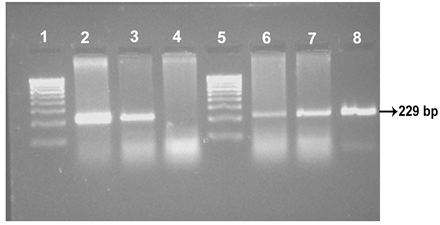
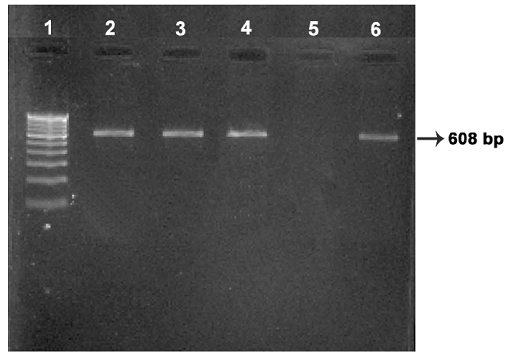
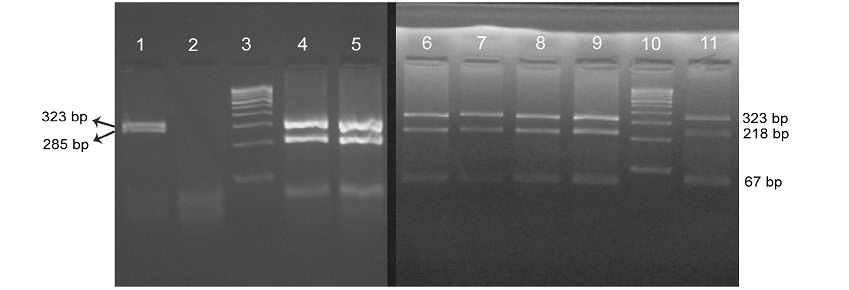
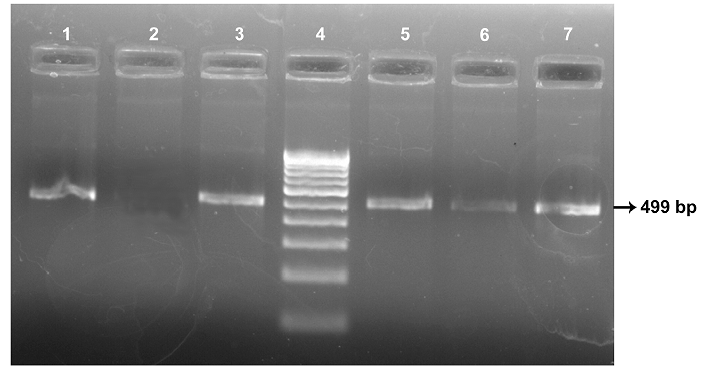
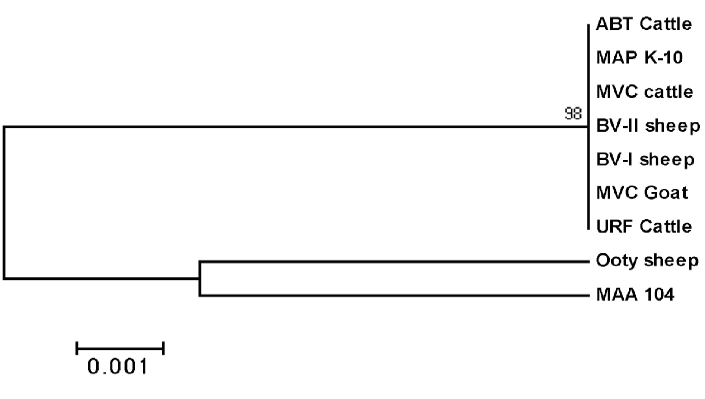
Mycobacterium avium subsp. paratuberculosis (MAP) causes Johne’s disease, a progressive chronic granulomatous enteritis affecting the domestic ruminants. Dung samples from cattle, sheep and goat were collected from the suspected clinical cases in livestock farms of different regions of Tamil Nadu state, India. All the samples were subjected to IS 900 PCR for the detection of MAP and 45% were found to be positive. All the positive samples were subjected to IS 1311 PCR-REA that confirmed MAP ‘Bison type’ is most prevalent cause of JD among the domestic ruminants in Tamil Nadu. MAP isolation has been attempted from the tissue samples collected from the animals that were slaughtered being positive for JD. A total of 4 isolates were obtained and were characterized by IS1311 PCR-REA, MAP1506 PCR and sequence analysis which identified the single nucleotide polymorphisms that allow strain typing. One isolate from sheep intestine was identified as “Intermediate type” strain by MAP 1506 PCR-sequence analysis. To the best of our understanding, this is the first report of ‘Intermediate type’ strain of MAP from sheep from India.
Keywords | Mycobacterium avium subsp. paratuberculosis, strain typing, Tamil Nadu, IS 1311 PCR-REA, MAP1506 PCR and sequence analysis.