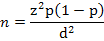
Md. Nazrul Islam1, Md. Rafiqul Islam2, Kazi Mehetazul Islam3, A.H.M. Musleh Uddin4, Md. Irtija Ahsan5
1Nourish Poultry and Hatchery Ltd., Uttara, Dhaka-1230, Bangladesh; 2Department of Medicine, Faculty of Veterinary, Animal and Biomedical Sciences, Sylhet Agricultural University, Sylhet-3100, Bangladesh; 3Department of Parasitology, Faculty of Veterinary, Animal and Biomedical Sciences, Sylhet Agricultural University, Sylhet-3100, Bangladesh; 4Department of Surgery and Theriogenology, Faculty of Veterinary, Animal and Biomedical Sciences, Sylhet Agricultural University, Sylhet-3100, Bangladesh; 5Department of Epidemiology and Public Health, Faculty of Veterinary, Animal and Biomedical Sciences, Sylhet Agricultural University, Sylhet-3100, Bangladesh.Abstract | A cross-sectional study was carried out from June 2015 to November 2015 taking 150 faecal samples collected from 150 randomly chosen goats following simple random sampling from Sylhet Sadar upazilla of Sylhet district to explore the prevalence of gastro-intestinal nematodiasis (GIN). From the collected faecal samples EPG of nematodal species was counted by simple McMaster technique using saturated salt and sugar solution. A goat was considered having GIN if one gram of its faeces contains ≥ 50 eggs of one or more nematodal species. The overall prevalence of GIN was 82.66% (95% CL: 76.54-88.79) in goat. In respect of age, 86.51% young (≤2 years) and 77.04% adult (>2 years) were found infected with GIN. The prevalence was observed 80.41% in female while 86.79% in male in this study. Therefore, it may infer that the prevalence of GIN was exceedingly high in goat reared at Sylhet Sadar upazilla and require effective control regime.
Keywords | Prevalence, Goat, Nematodiasis, Sylhet, Bangladesh