Mohan Kumar Chillahalli Mahalingaiah, Muralidhara Asoor, Ramesh Poojari Thimmaiah, Hogalagere Doddappaiah Narayanaswamy, Shivalingappa Yamanappa Mukartal, Anuradha Menon Elattuvalappil, Nishanth Chikkahonnaiah, Saurabh Gupta, Shoorvir Singh
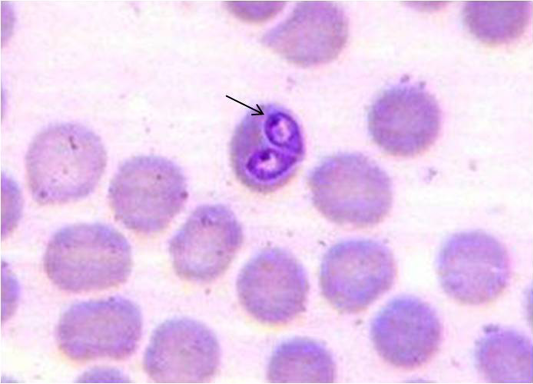
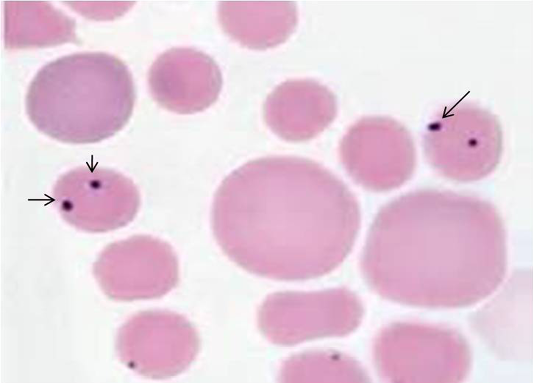
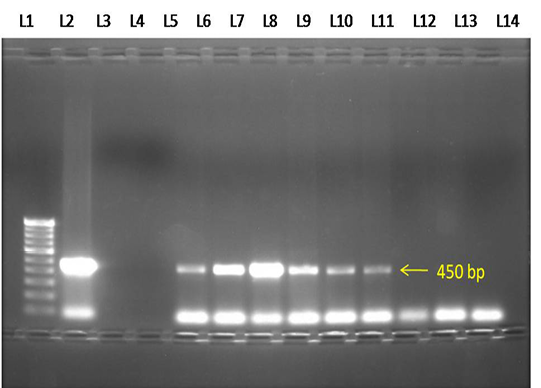
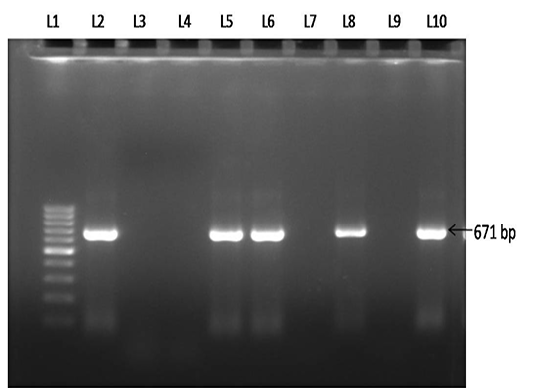
Department of Veterinary Medicine, Veterinary College, Hebbal, Karnataka Veterinary Animal and Fisheries Sciences University(KVAFSU), Bengaluru-560024 ; 2Department of TVCC,Veterinary College, Hebbal, Karnataka Veterinary Animal and Fisheries Sciences University(KVAFSU), Bengaluru-24; 3Department of Pathology, Veterinary College, Hebbal, Karnataka Veterinary Animal and Fisheries Sciences University(KVAFSU), Bengaluru-560024; 4Department of Veterinary Microbiology, Veterinary College, Hebbal, Karnataka Veterinary Animal and Fisheries Sciences University(KVAFSU), Bengaluru-560024 ; 5ICAR NAE project, Veterinary College, Karnataka Veterinary Animal and Fisheries Sciences University(KVAFSU), Bengaluru-560024; 6Department of Veterinary public health and epidemiology, Veterinary College, Hebbal, Karnataka Veterinary Animal and Fisheries Sciences University (KVAFSU), Bengaluru-560024.7Microbiology Laboratory, Animal Health Division, Central Institute for Research on Goats, Makhdoom, PO - Farah, Mathura, 281122, Uttar Pradesh.Abstract | Canine babesiosis is a tick borne hemolytic disease caused by intra-erythrocytic protozoan belonging to genus Babesia, comprising two main species B. canis and B. gibsoni.Present study estimated the prevalence of canine babesiosis in dog population located in and around Bengaluru city of Karnataka state. Prevalence was estimated on the basis of history, clinical signs and detectionof the organisms in the blood of infected dogs. Dogs (>70.0%) exhibited clinical symptoms of high fever (104°F), anemia, lethargy, history of tick infestation, congested/pale/icteric mucous membranes, hematuria and epistaxis.A total of 102 blood samples from dogs suspected for canine babesiosis were collected from different breeds, gender and age group of animals and presented to Veterinary College Hospital, Hebbal, Bengaluru. Of 102 samples screened, 40 (39.2%) and 66 (64.7%) were positive by blood microscopy and PCR, respectively. Overall prevalence of canine babesiosis was 31(30.3%)and 50(49.0%) for B. canis and B. gibsoni, respectively. Mixed infections both with B. canis and B. gibsoni were detected in 25 (24.50 %) samples. Higher incidence of canine babesiosis was seen in the age group above 1-2 years (23%), breed-wise in Labrador Retrievers (26.0%) and gender-wise in male dogs (57.5%). Prevalence of canine babesiosis was moderately high in dogs. Adoption of combination of blood microscopy as screening test and PCR as confirmatory test,as a strategy for diagnosis of canine babesiosis in dogs is recommended.
Keywords | B. canis, B. gibsoni, PCR, Blood microscopy, Canine babesiosis.